Category: General

Retail News Asia is committed to providing both local and global retailers with the latest General Retail news throughout the Asian market. This on a daily base.

  • Thailand’s Central Group names new executive commitee

    Thailand’s Central Group names new executive commitee

    Thailand’s Central Group has appointed Stephane Coum as CEO of Central Food Retail Group.

    The appointment coincides with Alistair Taylor being handed the role of president of Central FamilyMart. Both appointments are part of the firm’s strategy to develop borderless retail and digital technology.

    Central runs food stores and supermarkets in the territory, with its Central FamilyMart subsidiary responsible for its convenience stores.

    Stephane Coum has worked in the global retail industry for more than 20 years, and was previously operations director for Carrefour Italia.

    A statement by the firm said Coum will lead CFRG to become a leader in innovation, gaining market share and growth in sales and profits. He aims to transform the business through the use of technology and digital tools.

  • Singapore retail sales down again in July

    Singapore retail sales down again in July

    Singapore retail sales in July fell by 2.4 percent after motor vehicles were excluded from the data. Month on month, sales were down by a marginal 0.7 percent.

    Total Singapore retail sales in July were estimated at about S$3.6 billion, with online sales accounting for an estimated 5.6 percent of that total.

    Year-on-year basis, sales of the furniture and household equipment, and computer and telecommunications equipment industries declined by 8.3 percent and 7.7 percent respectively, due mainly to lower demand for household equipment and handphones, according to Statistics Singapore.

    Sales of watches and jewelry and recreational goods, as well as department stores, all registered declines of between 3.6 percent and 6.2 percent. In contrast, sales of medical goods and toiletries registered a growth in sales of 1.9 percent, while sales by supermarkets and hypermarkets increased by 0.9 percent.

    Year-on-year, sales of food and beverage services grew by 3.2 percent in July.

    Month on month, sales were down by a marginal 0.7 percent.

    Total Singapore retail sales in July were estimated at about S$3.6 billion, with online sales accounting for an estimated 5.6 percent of that total.

    Year-on-year basis, sales of the furniture and household equipment, and computer and telecommunications equipment industries declined by 8.3 percent and 7.7 percent respectively, due mainly to lower demand for household equipment and handphones, according to Statistics Singapore.

    Sales of watches and jewelry and recreational goods, as well as department stores, all registered declines of between 3.6 percent and 6.2 percent. In contrast, sales of medical goods and toiletries registered a growth in sales of 1.9 percent, while sales by supermarkets and hypermarkets increased by 0.9 percent.

    Year-on-year, sales of food and beverage services grew by 3.2 percent in July.

  • Shanghai Tang and the Ritz-Carlton hotel collaborate on tea set

    Shanghai Tang and the Ritz-Carlton hotel collaborate on tea set

    Luxury fashion label Shanghai Tang and the Ritz-Carlton hotel are collaborating on an afternoon tea set inspired by the Ritz-Carlton hotel’s rich heritage with a modern twist.

    Celebrating Shanghai Tang’s 25th anniversary this year, the afternoon tea set transforms the brand’s aesthetics and craftsmanship into edible works of art. The Chinese-inspired afternoon tea set boasts a combination of both savoury and sweet delicacies.

    “I incorporated more Chinese elements into the Shanghai Tang afternoon tea,” said the firm’s executive pastry chef. “Ingredients such as red dates and lychee that are often seen in Chinese desserts were used, for example, to highlight Shanghai Tang’s Chinese legacy.”

    As part of the label’s 25th anniversary celebration this year, Shanghai Tang and the Ritz-Carlton hotel are thrilled to team up, said Shanghai Tang’s creative director Victoria Tang-Owen.

    “The Silver Jubilee tea set pays tribute to the brand’s 25 years of heritage and serves up a delicious taste of Shanghai Tang’s authentic and disruptive spirit with every bite.”

    The three-tiered afternoon tea stand is shaped to mimic the birdcage – an iconic collectable in Chinese culture. The four savory bites and six desserts are especially designed to highlight modern Chinese aesthetics and Shanghai Tang’s signature motifs.

    Shanghai Tang’s Silver Jubilee Capsule Limited Edition is a key source of inspiration for the afternoon tea sets.

  • Malaysian retail sales sets record in July

    Malaysian retail sales sets record in July

    Malaysian retail sales grew by 7.1 percent in July.

    Combined with the wholesale trade, a new record high of RM112.5 billion (US$26.94 billion) turnover was set for the month.

    According to Malaysia’s chief statistician Datuk Seri Dr Mohd Uzir Mahidin, the retail trade alone grew by 7.1 percent, that figure fuelled by a 10.5-per-cent growth in sales of food, beverages, and tobacco.

    This was followed by retail sales of other goods in specialized stores and retail sales in non-specialised stores which registered 8.2 percent and 8.1 percent respectively.

    For wholesale trade, sales value expanded 6.6 percent. However, sales of motor vehicles fell by 1.7 percent year on year.

    Growth on a month-on-month basis in combined wholesale and retail sales rose by 0.2 percent, with the retail trade up by 1.1 percent and wholesale transactions down by 2.3 percent.

  • AI for India’s BFSI & NBFC Sectors Move Beyond Experimentation

    AI for India’s BFSI & NBFC Sectors Move Beyond Experimentation

    As the global race for Artificial Intelligence (AI) leadership intensifies, India has begun to catch up with countries like United Arab Emirates, South Korea, the United States, Germany, Singapore and Japan in the mainstream adoption of AI-based technologies. The Indian BFSI & NBFC sectors are undergoing a dramatic change with the growing realization of AI’s importance among business leaders and have put them at the forefront of exploring the full enterprise potential of AI use-cases for their businesses.

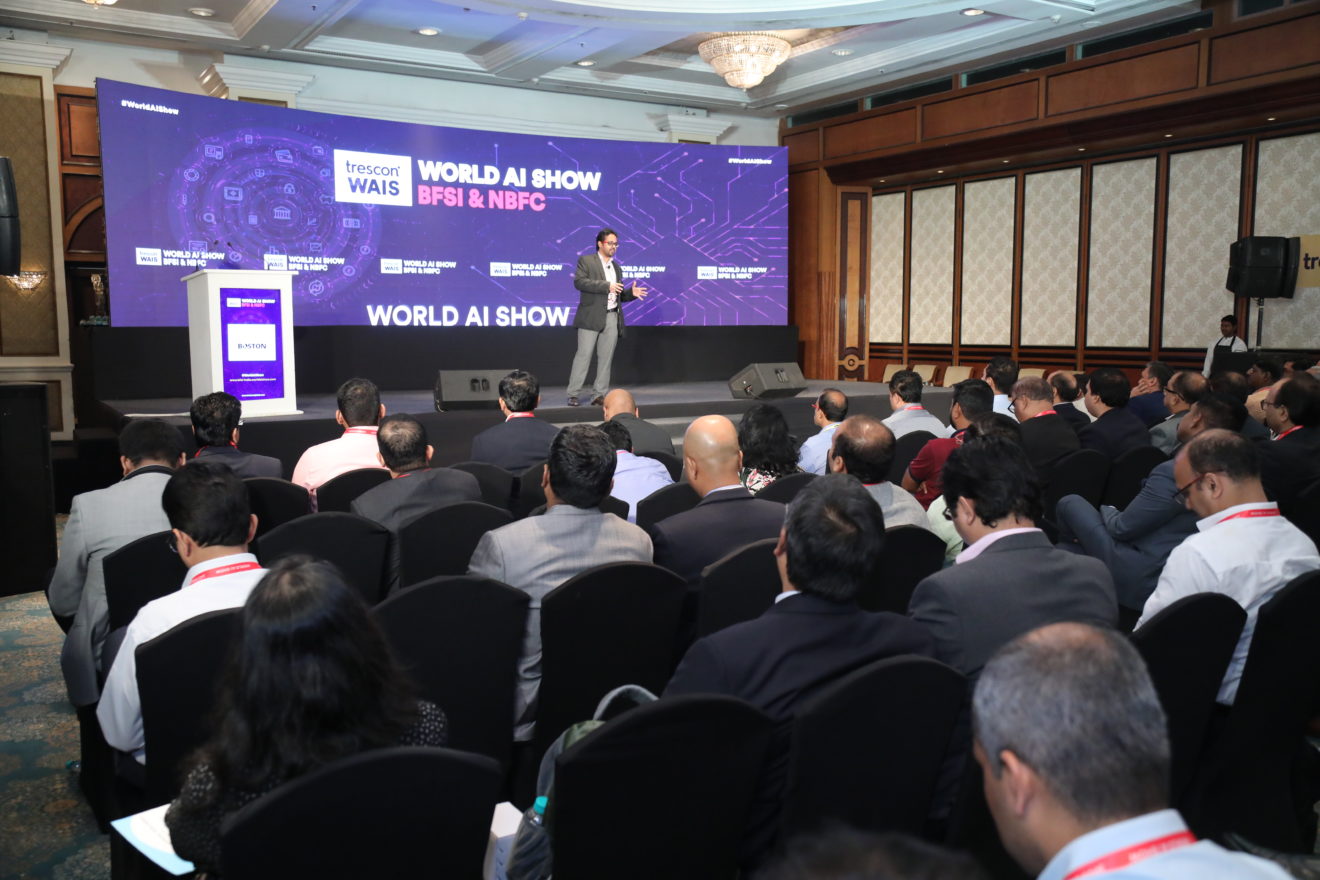
    The applications of emerging technologies in the banking and non-banking sectors has become a critical topic of discussion today. Given that India is serious about digitization, Trescon hosted its 11th global edition of World AI Show which was a dedicated spin-off of the global AI series that focused on business applications of AI in BFSI and NBFC. The conference was held in Mumbai – ‘Financial Capital of India’ to hear what industry leaders had to say about the progress in AI adoption across India’s BFSI & NBFC sectors. On Friday, Mumbai saw top C-level executives such as Inderjit Sehrawat, Managing Director for Kryon; Vivek Zakarde, Head – Analytics, BI & DWH at Reliance General Insurance Company Limited; Dr. Puneet Kaur Kohli, CTO of Manappuram Finance Limited and Sunit Vakharia, CIO for Bank of Baroda Financial Services Limited among other top speakers who came together to break down real-world industry use-cases, workshops and discussions on adoption challenges of AI & RPA for enterprises.

    The theme for the conference revolved around “Enabling the Use of AI for the Future of Finance“, especially AI’s significant application in areas such as customer experience, automation, fraud and risk management and enterprise digitization growth in the Indian BFSI and NBFC industry.

    Few key high-level takeaways from the conference:

    • A Tech Talk from Amod Kabade, Head SSG (Specialist Solutions Group) at Boston Limited on how the challenge of digital transformation is leading to an explosion in technology opportunities.
    • Inderjit Sehrawat, Managing Director for Kryon gave a tech talk on automation at scale and the right way for organizations to accelerate its digital journey.
    • A comprehensive workshop was conducted by Rajkumar Devulapalli, Head of Professional Services and Support APAC at Spirent Communications on proactive Cybersecurity training which covered the Cyber Range as an important tool to effectively evaluate network elements and train cybersecurity professionals across enterprises and organizations.
    • Ramprakash Ramamoorthy, Product Manager – AI & Machine Learning for ManageEngine which is a division of Zoho Corp, delivered a tech talk on how to build an AI-powered IT infrastructure.
    • Maneesh Jhawar, Founder & CEO of QualityKiosk Technologies; Prateek Kapoor, Director Transformation & Automation COE for Aon and Ankit Goenka, Head of Customer Experience at Bajaj Allianz General Insurance Company Ltd, were part of a panel discussion that highlighted how AI is radically changing customer experience by creating human-centric digital services in the BFSI Sector.
    • Discussions at the conference also centred on how NBFCs can adopt AI into their current digital infrastructure to reduce time-to-decision and boost pro-active risk management.
    • AI’s ability to detect patterns in data to help identify fraudulent claims in the insurance industry.

    World AI Show (BFSI & NBFC) also featured the Big BFSI & NBFC Awards that honoured the top thought-leaders who are bringing about a significant change in their organisations and industries through technology implementation and strategies in applying future technologies.


  • Hong Kong Customs seizes counterfeit sport shoes

    Hong Kong Customs seizes counterfeit sport shoes

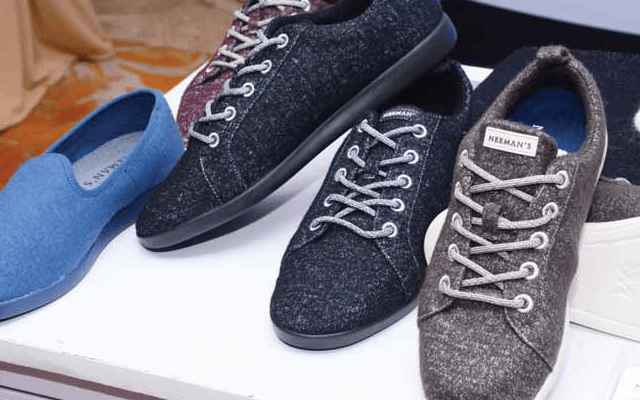
    Hong Kong Customs seized about 12 000 pairs of suspected counterfeit sports shoes on Monday, with an estimated market value of about $1 million.

    The fake goods were discovered in a shipping container at the Customs Cargo Examination Compound of the River Trade Terminal in Tuen Mun.

    However, the shoes were not destined for the local market. Through a routine risk-assessment program, Customs officers inspected a 40-foot-long container destined for the Dominican Republic that arrived in Hong Kong from Huangpu in Guangdong. Upon inspection, Customs officers seized the batch of suspected counterfeit sports shoes in the container.

    The counterfeit sports shoes were not clearly branded in the image released by Hong Kong Customs (above).  Investigations are continuing.

    Under the Trade Descriptions Ordinance, any person who imports or exports any goods to which a forged trademark is applied commits an offence. The maximum penalty upon conviction is a fine of $500,000 and imprisonment for five years.

  • Business conditions deteriorate again in Australia

    Business conditions deteriorate again in Australia

    A closely watched measure of Australian business confidence declined in August as conditions remained sub-par, suggesting momentum in the corporate sector is weakening.

    National Australia Bank’s index of business conditions fell 2.0 points to +1.0 in August, extending a slide from July.

    The survey’s volatile measure of business confidence also declined, easing 3.0 points to +1.0.

    Both measures were “well below” long-run averages, NAB said, adding it would review its outlook for Australian interest rates on Wednesday.

    NAB Group chief economist Alan Oster said that while industries such as mining experienced favourable conditions, as well as elevated employment and capex, conditions in the retail industry remained weak.

    “Transport & utilities and retail are both well below average and the weakest across all industries,” Oster said.

    “Business confidence and our other forward-looking indicators suggest there is unlikely to be an imminent turnaround in business conditions.

    “While conditions are still positive, they have now been below average for some time and point to a significant loss of momentum in private demand.”

    Australia’s $1.95 trillion economy has dodged a recession since the early 1990s but has now hit a soft patch, with sluggish consumer spending and benign wage growth leading to a broader slowdown.

    In the quarter ended June 30, annual economic growth slowed to 1.4 percent, the weakest in a decade, from 1.8 per cent in the previous three months.

    The RBA pre-emptively responded by chopping interest rates in both June and July, taking them to a record low of 1.0 per cent. It has shown willingness to do more if needed.

    The cuts have helped boost home prices and mortgage lending though there are few signs of growth outside of the housing.

    Worryingly, forward-looking indicators in the NAB survey remained subdued in August. Forward orders, the most reliable indicator of domestic demand, fell to -4.0 from -3.0 in July.

    Measures of inflation were also sluggish with labor and retail costs increasing only modestly.

    Despite the slowing inactivity and a pull-back in expansion plans, the employment index rose 2.0 points to +2.0.

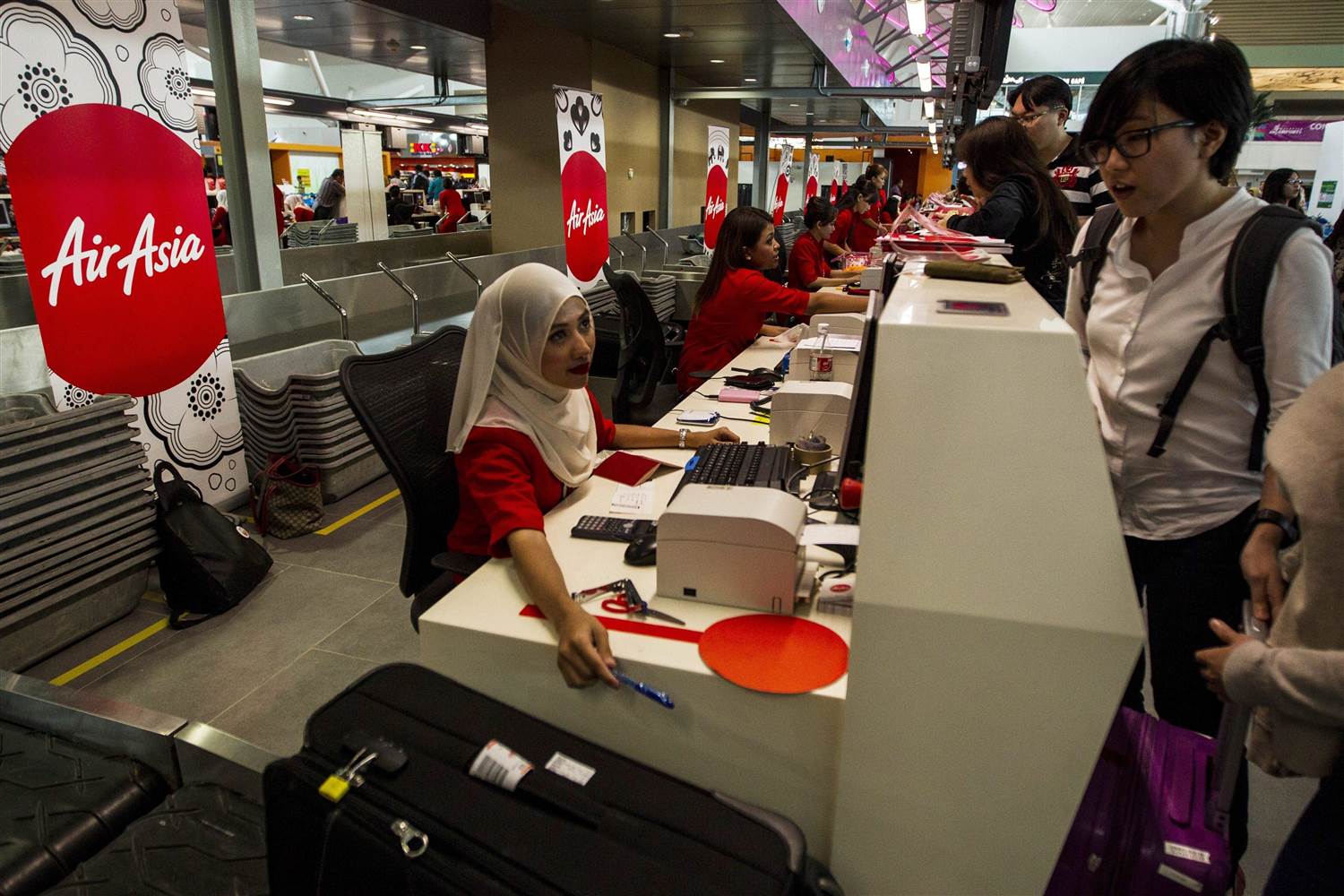
  • MavCom fines AirAsia, AirAsia X RM200,000 each

    MavCom fines AirAsia, AirAsia X RM200,000 each

    RM200,000 each for charging credit card, debit card and online banking processing fees separate from their base fares.

    MavCom said in a statement on Tuesday the fees charged by the airlines contravened the Malaysian Aviation Consumer Protection Code 2016 (MACPC). It said MACPC came into effect on July 1,2016, and was published in line with MavCom’s aim to protect the rights and interests of consumers.

    MavCom said as the first consumer protection code specifically intended for Malaysia’s aviation industry, the MACPC ultimately provides for more transparency on aviation service providers’ obligations towards consumers and clearer guidance for consumers on their rights and interests as air travellers.

    MavCom said from June 1,2019, it had been monitoring for compliance with the new provisions of the MACPC.

    “AirAsia and AirAsia X have been found to contravene subparagraph 3(2) of the MACPC which requires full disclosure of the final price of the airfare.

    “As part of the due process to determine whether a contravention has been committed, MavCom issued show-cause letters to both airlines and afforded opportunities to the airlines to provide factors to mitigate the quantum of the penalties.

    MavCom said that Section 69(4) of the Malaysian Aviation Commission Act 2015 [Act 771] together with paragraph 22 of the MACPC empowered it to impose a financial penalty for a non-compliance of the MACPC, an amount not exceeding RM200,000 and in the case of a second or subsequent non-compliance, an amount ten times of the financial penalty which was imposed for the first non-compliance.

    “Upon thorough evaluation and taking into consideration the written representations by the airlines, the commission has imposed on AirAsia and AirAsia X a penalty of RM200,000 each for the first violation of subparagraph 3(2) of the MACPC, for the period commencing June 1,2019 to Aug 9,2019, ” it said.

  • Cebu Pacific’s New In-Flight Meals Will Make You Look Forward To Eating During Your Flight

    Cebu Pacific’s New In-Flight Meals Will Make You Look Forward To Eating During Your Flight

    Traveling is a double-edged sword. You’re both excited and stressed, even before you get to the airport. One of the things I’ve been taught to do is to eat a full meal before I even leave the house because airport food is too expensive and airplane food is bad. Barely edible, they say!

    Cebu Pacific is here to silence the haters! They recently introduced a new inflight menu that’s all about your favorite Pinoy comfort foods. Described as “homey,” their selection includes Beef Salpicao, Lechon Paksiw, and even Pinoy Spaghetti!

    I know I’m always craving Singaporean food so I was elated to also see Hainanese Chicken Rice on the menu.

    If, however, you don’t feel like having anything heavy, opt for their new sandwiches instead: the Roasted Chicken Sandwich and the Crab Salad Sandwich.

    Vegetarians need not worry: Cebu Pacific didn’t forget about you! Enjoy their Veggie Pesto Sandwich, which consists of tomato, lettuce and mozzarella, and ciabatta bread.

    All of these and more are available for pre-order once you’ve booked a flight with Cebu Pacific. Director for Inflight Catering and Sales JB Bueno shared in a press release, “Our meals being on pre-order also helps us guarantee less food wastage, and is in line with efforts towards more sustainable practices and operations.”

  • JR East metro station outlets opening in Singapore

    JR East metro station outlets opening in Singapore

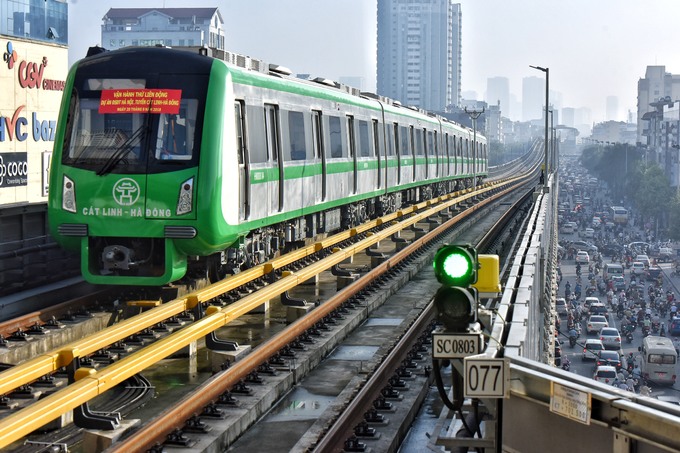
    East Japan Railway Co. is expanding its operations into Singapore with new JR East metro station stores launching in island’s metro stations.

    The firm is planning to set up store clusters at 27 out of the 32 stations on the Thomson-East Coast Line, which will be partially operational by the end of the year. It is the first Japanese railways firm to start-up commercial operations in another country.

    The firm’s contract to establish JR East metro station stores along the line was secured via its local unit along with SMRT Experience and store chain operator NTUC Fairprice Co-operative for S$24 million (US$17.3 million) last month. The three partners will trade as Stellar Singapore, in which JR East will hold a 35 percent shareholding.

    Under the terms of the agreement, Stellar Singapore will rent 5000sqm of total floor space at the stations under a 16-year lease. The largest single shopping center will cover 1570sqm at Woodlands Station.

  • Black Riot in Hong Kong reflects the art of curation

    Black Riot in Hong Kong reflects the art of curation

    A Mexican who made Hong Kong home has redefined bespoke with a gallery-like retail experience, Black Riot in Hong Kong.

    Eight years ago, Rene Suarez landed in the territory from Mexico City to take up an office job with a logistics company, the next step in a 20-year-long career. He was single, had no children and not one tattoo.

    “Now I have 12 tattoos and one wife and three babies,” he laughs. “Hong Kong has changed me for good.”

    On top of those accomplishments, he has now set up a bespoke retail store in an industrial building in North Point, selling high-end accessories and apparel for motorcycle enthusiasts, a business which is attracting growing custom from all over the world and has already spurned a spin-off space in Jakarta.

    Black Riot in Hong Kong is a store literally lie no other – save for in Indonesia, that is.

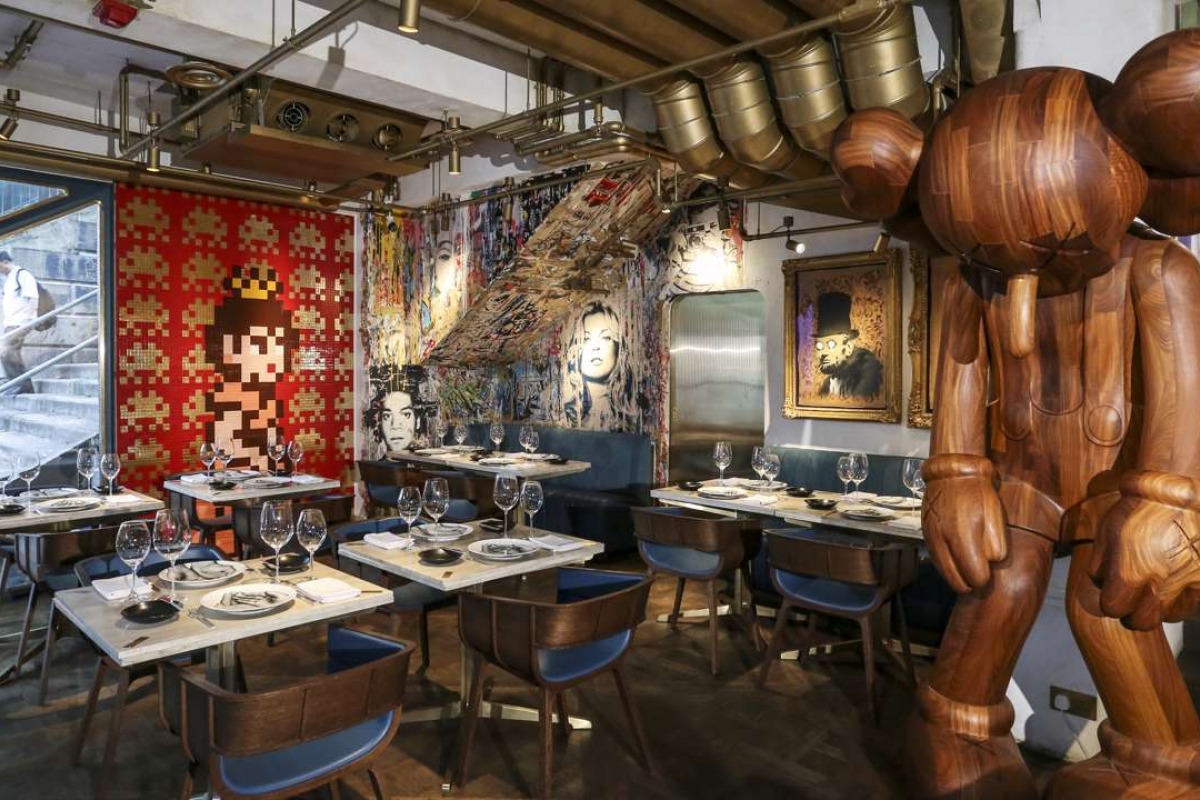
    The space is very much a ‘third place’ as Starbucks might call it – a place outside work and home where people with an interest in motorcycles or the culture can hang out, enjoy a drink with Rene, share tall stories and browse an array of products that even the most jaded shopper would covet something from. You don’t even have to own a motorcycle.

    “Some people like to collect this nice stuff like masks and designer stuff and they buy a few things just to put on display in their living room.”

    “Hong Kong is a small community,” Rene said over a locally-brewed Moonzen Thunder God Ale on a balmy April evening at his space, which feels much more like a gallery than a store.

    “So if you count the number of motorcycle riders it is very tiny. If you take out the delivery guys, then the racing bikes – because that’s another market altogether – then it gets even smaller. So we are in a very, very niche market.”

    He openly confesses he sometimes goes a few days without a customer – but compensates for that when a family wanders in unannounced and splurges HK$60,000 on apparel and souvenirs.

    In part, that is a function of his location: you have to know where the store is, on the 8th floor of Block B at Sea View Estate on Watson Road. His neighbors include a school-uniform shop, a wine shop, a marketing consultancy, and an architectural practice. This is not the sort of place you get walk-ins from a footpath.

    But it also very much reflects Black Riot in Hong Kong’s niche market. This is a destination for true enthusiasts, its presence largely known through word of mouth.

    “The kind of stuff we sell, it doesn’t mean we will sell more if we move to a ground-floor location. We might sell a few more t-shirts or socks, but that is not going to make up for the higher rent.”

    No-one, he says, walks in off the street and on a whim buys a US$1000 motorcycle helmet.

    But conversely, he doesn’t need a street frontage to market his wares.

    “I don’t have to sell stuff here. Every brand, my customers already know. It’s like if you have an ice-cream shop. You don’t have to stand outside yelling “Ice cream, ice cream!” People already know you have ice cream.”

    Word of mouth

    People visit Black Riot in Hong Kong because they have heard their friends talk about it, or they have seen it on Instagram.

    “We are very active on Instagram. We don’t do Facebook because it stopped being a good marketing tool a long time ago. Basically now it is just like a gossip [channel]. Instagram is a good marketing tool because there is no way they can skip the pictures. But mainly it is word of mouth.”

    Some 70 percent of Black Riot’s customers are tourists, largely driven by Instagram. And of them, about 85 percent are Filipinos. Others come from Canada, even Brazil.

    Indeed, it was Instagram that brought such strong custom from the Philippines.

    “When we first opened we had a Filipino actor visit. I did not recognize him, of course. After he bought something he said thank you, brother, and asked if it was OK if he posted about Black Riot on his Instagram page. I said, yes, please go ahead. Then I saw he had 5 million followers!”

    Since then he has hosted a steady stream of cashed-up Filipinos visiting the store and buying merchandise to take home.

    The evening before our visit Rene opened Black Riot at midnight for a Filipino customer who was unable to make it during daylight hours because he had been visiting Disneyland with his wife and children.

    ”I said, I don’t mind. I live five minutes from here. You just let me know 30 minutes before you want to come – 12, one, two – it’s fine for me. Come and enjoy. You don’t have to buy anything.

    “But, of course, when you open the door for somebody at midnight they feel they obliged,” he grins.

    In fact, most Black Riot visitors inevitably buy something. “It’s a very driven market. People walk in through the door and sometimes they don’t even say hi – they go straight to what they are looking for. And that means that 95 percent of the time when someone comes through the door they buy. They don’t come to window shop.”

    On another occasion, a family spent more than $50,000 in the store. So he booked an Uber Black to take them back to their hotel. He will personally deliver purchases to a customer’s hotel at the end of a working day – which often results in sharing a few drinks and enjoying the kind of kindred fellowship only devoted motorcycle enthusiasts can really understand.

    Born in Mexico

    The idea of creating Black Riot in Hong Kong was born in Mexico City, Rene’s hometown. Ten years ago, he went to buy a new helmet, discovering a small store where people could go and chill as well as shop. He started to meet fellow riders and got chatting to them, and before he knew it he was doing business with people there.

    “If you ride, everyone’s the same. Immediately you break the ice. It is very easy.

    “So I thought: I want to do this thing. I want to create this here in Hong Kong. It started as a hobby and then eventually I said: OK, now it’s good to do the job full time.”

    The name Black Riot – rejected as a registered business name by the Hong Kong government wary of its connotations – is not intended to convey violence. Black signifies luxury, much like Black Label whiskey or Cathay Pacific’s black-colored Diamond status card. Riot has nothing to do with rioting. “It is the spirit of the people, perhaps a tribute to the rock-and-roll era.”

    And so is summed up the essence of Black Riot: “It’s for those kinds of people who still like rock N roll but they like luxury too.”

    The owner of the Mexican store was happy to share contacts of suppliers. One of the first agencies he secured was for Ruby helmets from Paris, which he sells to customers all over the world. Included in the client list is the leader of a high-profile Asian nation to whom he hand-delivered a custom-designed helmet earlier this year, bearing the nation’s flag on the lid.

    “They only sell about 600 helmets a year, from US$1000 to $3000. So, when compared to Western helmets, which sell for like $300–400, this is luxury. These are the Hermes of helmets.”

    Other brands sold by Black Riot include Schott leather jackets – a 123-year-old brand made famous by Marlon Brando in the 1952 movie The Wild One. “You’re buying a piece of history. All the bad boys from then on wore those jackets.”

    While Veldt helmets provide a more space-age alternative to Ruby, there are Philippe V sunglasses, including a HK$25,000 limited-edition model; colorful Holy Freedom socks made in Italy, apparel from Ride & Sons and work boots from Red Wing – designed for oil riggers and construction workers but ideal for motorcyclists because of their blend of strength and style. Riding boots and shoes from a Japanese brand sell for more than US$1000.

    There are also occasionally motorcycles on display for sale as well. The iconic Indian brand does not have a showroom in Hong Kong, but would-be buyers can arrange a test drive through Black Riot. The model on display is the only one light enough for the building’s elevator to carry to the eighth floor, but Rene can show customers a full catalog. The other is a limited edition model from Zero Engineering of Japan, worth about US$50,000 second hand and one of only eight known to be in Hong Kong. It is owned by a friend of Rene’s who was in no great hurry to sell it. With its brown leather seat and trim, white bodywork and mechanicals of chrome and black, it is as much a work of art as a motorcycle and simply adds to the gallery style of the Black Riot store.

    And just as in a gallery, the range of products on display at Black Riot are curated, carefully chosen, “made with passion and joy,” says Rene.

    “When people come here, I can explain to them the story behind every brand and why we carry it. Because every brand has a vision. We buy from people who know what they do and you can see the result in their products. If it is just something made on a production line it loses all its detail.”

    Golden rule 

    His golden rule in ranging: “I have to like it myself. If not, I cannot recommend it.”

    Another rule is eschewing online sales.

    “I don’t do online sales. Until today, I can say I remember all of my customers after three years. There is one who comes from the Philippines every December. When he came the second time I asked him how his MBA was going.”

    That sort of memory and attention to detail cannot be naturally replicated online. Rene believes Black Riot is a very personal business by nature, not mass market.

    A few Hong Kong celebrities shop there, but when they visit, he doesn’t make a fuss of them.

    “In fact, it’s the opposite. You know for celebrities it feels nice when you go somewhere and people are not bothering you because you have that every single day of your life.”

    Exercising discretion, Rene doesn’t reveal the names of his more famous customers, but he says some of them feel comfortable relaxing and talking about bikes, including the three Rene owns: two Harley Davidsons and a BMW, all of them single-seater models.

    One customer he does talk about is from Indonesia, a guy who literally fell in love with the Black Riot store. He is the person who opened the satellite store in Jakarta, which Rene describes as “a dream shop” with coffee, a tattooist, a barber on site. But Jakarta rents allow such decadence: for the same rent he pays in a month in North Point – about US$10,000 – he could lease the same square footage in Jakarta for a whole year.

    Rene has people are begging him to open a store in the Philippines, where there is a strong bike culture, perhaps dating back to the American influence there – and there are many bike shops trained to copy the Black Riot model. Most of the brands Black Riot stocks are available in stores in Manila – but not all of them in one place.

    For now, he is keeping his options open.
  • Hong Kong protests blamed for less tourists

    Hong Kong protests blamed for less tourists

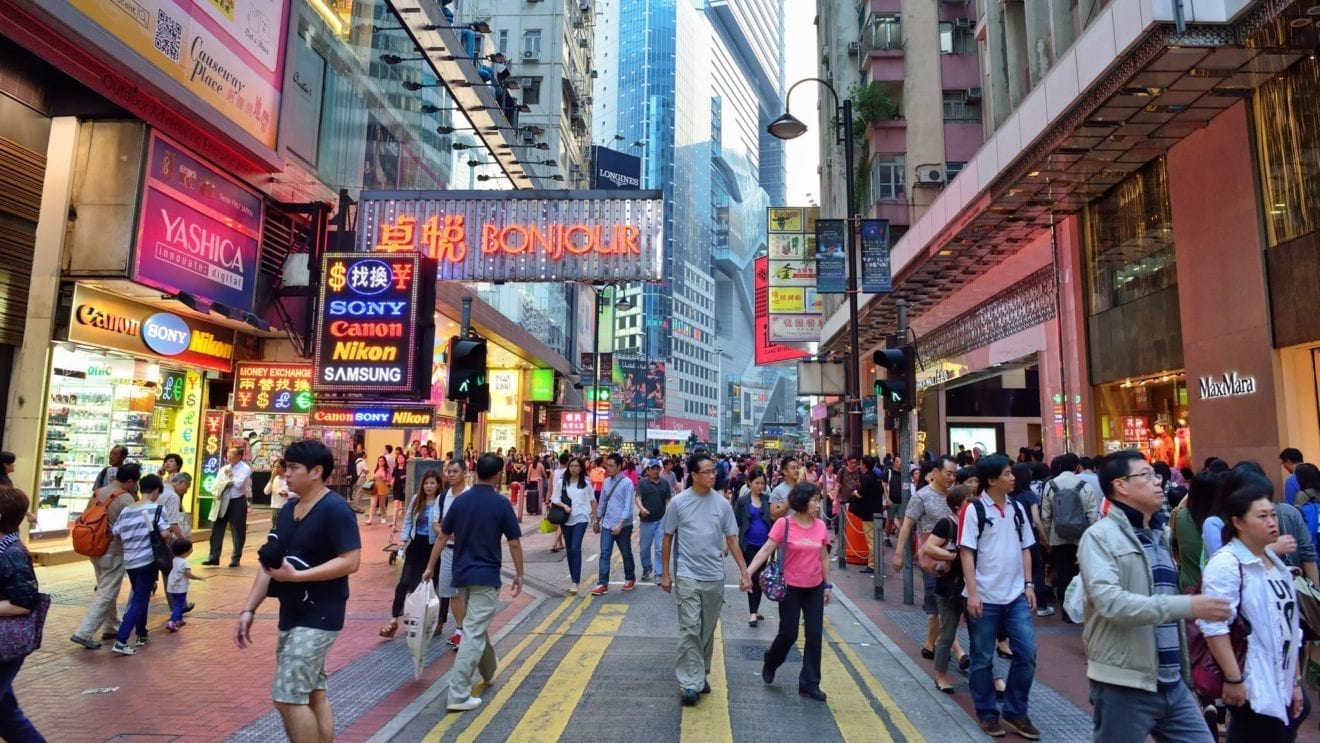
    Ongoing Hong Kong protests have been blamed for a 40-per-cent slump in inbound visitors to the territory in August.

    Given travelers account for about 50 percent of Hong Kong retail turnover, that figure does not bode well for official retail sales figures for the month, due to be released in early October. A predicted double-digit decline now seems inevitable, especially as the luxury sector is hardest hit by a drop in visitors.

    In a weekend blog post translated by Reuters, finance secretary Paul Chan said August’s year-on-year fall of 40 percent followed a more modest decline of 5 percent in July.

    He said hotel occupancy rates have dropped by as much as half and room rates are down as much as 70 percent as operators battle for a dwindling customer base.

    “The most worrying thing is that it does not seem that the road ahead is easily going to turn any better,” Chan said in his blog, as translated by Reuters.

    Despite chief executive Carrie Lam’s announcement that the much-despised extradition bill was being formally withdrawn (as opposed to suspended), protestors returned to the streets during the weekend. While the majority were peaceful, a small group of radicals smashed up MTR station facilities and lit fires in the heart of the luxury shopping precinct of Central, including one at a station entrance. Those images are playing across television screens and online worldwide, potentially discouraging visitors from traveling to Hong Kong.

    Chan said the Hong Kong protests have severely damaged the territory’s image as a safe international city.

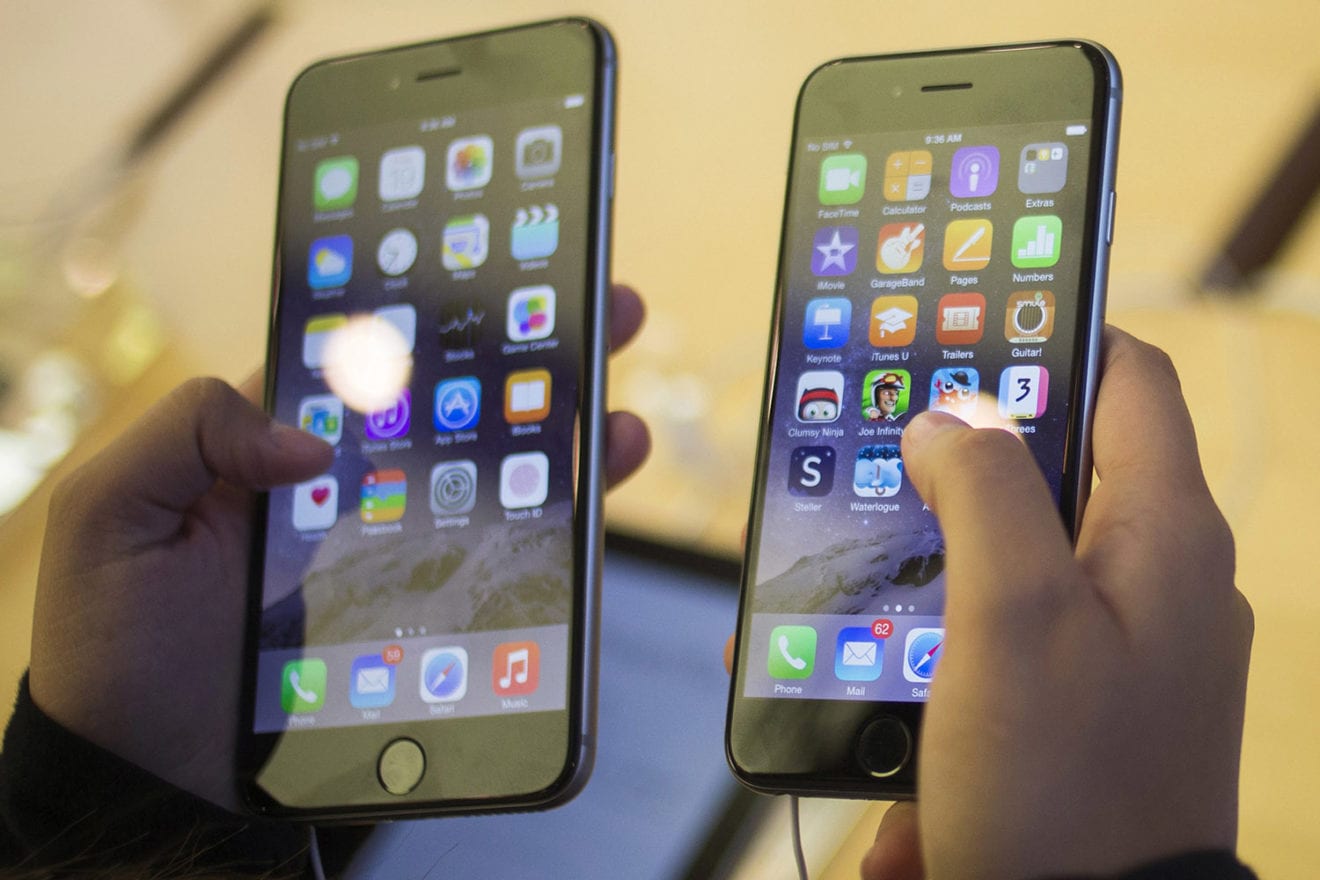
  • Apple makes a change to App Store search results to keep the feds away

    Apple makes a change to App Store search results to keep the feds away

    With Attorneys general from 48 states, the District of Columbia and Puerto Rico filing an antitrust suit today against Google, Apple might be getting a little nervous. The company is under fire for not allowing iPhone owners to sideload apps from outside of the App Store. This is one of the major complaints made by music streamer Spotify to the EU Competition Committee, which is currently investigating the claim. Android users can, if they wish, sideload apps from outside the Google Play Store.

    In May, the U.S. Supreme Court ruled that a class-action suit against Apple could proceed. By a 5-4 decision, the Court said that iPhone and iPad users purchase apps in the App Store directly from Apple and that the company is not acting as an intermediary as it claims. The plaintiffs argue that the 30% cut that Apple takes on revenue generated by app sales, subscriptions, and in-app purchases leads them to pay higher prices since they are forced to make these transactions inside the App Store.

    All of this extra scrutiny has led Apple to make a major change to App Store search results. Citing data from app analytics firm Sensor Tower, the Times says that Apple’s own apps recently ranked first for 700 search terms and some searches showed 14 Apple apps before an app from a rival developer appeared. Two Apple executives, when presented with the data, admitted that the App Store search results were loaded with Apple’s own apps. And this was the case even when the company’s own apps were less popular than the titles from other developers. But the two executives now say that Apple has adjusted the algorithms so that its own apps don’t appear so often at the top of App Store search results. These algorithms, which no company will ever explain in detail, play the biggest part in determining search results and thus, which apps get installed by consumers.

    The two Apple executives that spoke with the newspaper were Senior Vice Presidents Phil Schiller and Eddy Cue; the former is in charge of the App Store while the latter oversees many of Apple’s own apps. The two defended the company by denying that Apple had ever changed the search results to benefit its own apps over those offered by competitors. Instead, they said that the company’s apps generally get higher placement in search results because of their popularity and because the rather generic-sounding names of these apps more closely resemble the search terms being used by consumers.

    Armed with years of data, back in September 2013, searching for “music” in the App Store would usually result in music streamer Spotify showing up first with another streaming app, Pandora, number seven. After Apple launched Apple Music in 2016, searching for “music” in the App Store came back with the company’s own streaming app on top, Spotify knocked down to fourth, and Pandora down to eighth. By February 2018, the search for “music” in the App Store resulted in a list that had six Apple titles on top (Apple Music, Garage Bands, Music Memos, iTunes Remote, Logic Remote, and iTunes Store) with Spotify eighth. And by the end of last year, eight Apple apps appeared at the top of the results list when “music” was the subject being searched for. Two of those apps (iMovie and Clips) had nothing to do with music and Spotify was down to number 23.

    But this isn’t the end of the story. Shortly after Spotify complained to the EU in March, Apple had adjusted the algorithms and a search for “music” in the App Store had iTunes on top with Apple Music second. No other Apple apps were in the top 10 and Spotify was back to fourth with YouTube Music fifth, SoundCloud seventh and Pandora eighth. Meanwhile, Apple won’t admit that there ever was a problem that needed correcting. “It’s not corrected,” said Schiller. “It’s improved,” said Cue.

  • Strandbags unveils new retail store experience at Chadstone

    Strandbags unveils new retail store experience at Chadstone

    Luggage and handbag retailer Strandbags launched a new concept flagship store in Chadstone Shopping Centre over the weekend – the first step in a new bricks-and-mortar strategy which will see some stores triple in size over the next three to five years.

    With handheld payment devices freeing up staff and digital screens showing video and digital content, the Chadstone flagship store is Strandbags’ effort to deliver a world-class shopping experience.

    Strandbags managing director Felicity McGahan said the store was fitted to be unique and engaging, but also to give customers the freedom to shop for what they want, how they want, when they want.

    “Digitisation is giving the customers complete control. They’re in control of us, they’re savvy,” McGahan said.

    “Sixty-four percent of our customers have already researched online before they walk into our stores. So, how do we create a space that supports that? Where they can come in and really engage with the brand?

    “We’ve got to give them a reason to get off the couch and come in-store, and not let them down when they get in there. Trying to find that balance has been really important.”

    According to McGahan, the Chadstone flagship is the first in a new line of Strandbags stores, underpinning a complete redesign and refresh of the core brand.

    Contrary to many of its peers, this refresh is not part of a turnaround strategy, or an effort to stave off slowing sales – with the business selling a handbag every five seconds, a wallet sold every six seconds, and a suitcase every 12 seconds.

    “There’s a saying: The time to fix the roof is when the sun’s shining,” MacGahan said.

    “It’s not a broken business, and I’ve spent a lot of time understanding what makes it successful. This is about evolution. We’ve got to keep moving, keep changing. Retail is changing, and the experience is very important.”

    The luggage retail market is growing at a rate of five percent year-on-year, according to McGahan, which has enabled the brand to quietly grow its footprint.

    In the last year, Strandbags has up-sized 25 of its stores and is looking to do the same across many more over the next three to five years with the improvements seen in the Chadstone flagship to be rolled out across its store fleet.

    “We see a mega-store opportunity. We see large stores as well, and then obviously core stores as well. Chadstone is just another proof point to say that this is the right strategy,” McGahan said.

  • Malaysian supermarket stops selling products labelled ‘palm-oil free’

    Malaysian supermarket stops selling products labelled ‘palm-oil free’

    Mydin, Malaysia’s largest supermarket chain, has announced plans to de-stock any products promoted as “palm-oil free” in a move aimed at discrediting the environmental movement.

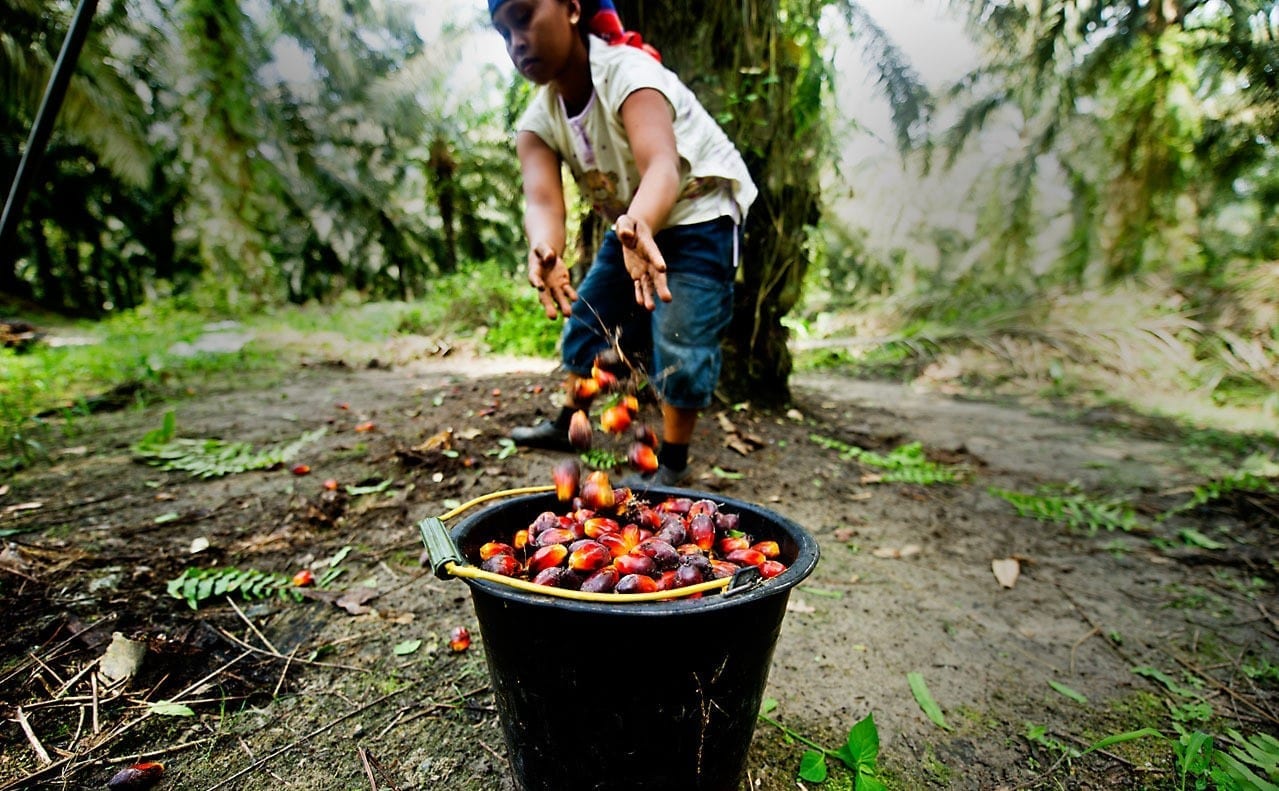
    The expansion of palm-oil plantations – the majority of which are located in Malaysia and Indonesia – has led to substantial deforestation of the native habitats of the three surviving species of orangutans, one of which – the Sumatran – is on the list of endangered species.

    In 1992, the Malaysia government pledged to limit the expansion of palm oil plantations – which typically are planted on land where natural forests have been cleared. Now the government is actively promoting the use of palm oil to boost the nation’s exports of the product, apparently no longer concerned about its environmental impact.

    In July, the Malaysian government promised action against an international school for spreading “anti-palm oil propaganda” and Teresa Kok, Malaysia’s minister of primary industries, this week praised Mydin’s move to ban products promoted as palm-oil free. She said she hoped other retailers would follow Mydin’s example.

    This year, the European Union passed an act to phase out palm oil from renewable fuel by 2030 due to deforestation concerns.

    Malaysia and Indonesia account for about 85 percent of the world’s palm-oil production, of which about 70 percent is used in foods. Manufacturers use palm oil because it is inexpensive compared to alternatives – and because it has a high saturation when used in frying.

    According to The Edge, the Malaysian government is considering a law banning all products flaunting non-use of the oil.

    Ameer Ali Mydin, MD of Mydin Mohamed Holdings, told a press conference that his stores removed all anti-palm products on Wednesday.

    “We must support palm oil,” he said, along with taking steps to counter-marketing and branding exercises that people do that discourage consumers to buy palm oil.

    “By labeling something that there is no palm oil, you’re actually telling people that palm oil is bad for you.”

    Of course, Mydin’s comment is complete nonsense. The reason marketers promote their products as not containing palm oil is to allow consumers to make an informed choice on whether they should buy the product, based on their concerns for the environment, specifically endangered orangutans. It has nothing to do with consumers’ health.

    Indonesia’s government has also reportedly told some retailers in Jakarta not to stock products with ‘palm-oil free’ labels.