Category: General

Retail News Asia is committed to providing both local and global retailers with the latest General Retail news throughout the Asian market. This on a daily base.

  • Vingroup airline expects profits in 3 years

    Vingroup airline expects profits in 3 years

    Vingroup’s Vinpearl Air, a $200 million venture, is seeking to launch its first flight in July with expectations of turning profitable by 2023.

    The new airline could also recover its investment in 5-6 years, according to an evaluation report recently submitted to the Prime Minister by the Ministry of Planning and Investment.

    The airline will have a total investment of VND4.7 trillion ($202.7 million), of which conglomerate Vingroup will contribute VND1.3 trillion ($56 million), or 28 percent. The remaining will be sourced from loans and other sources.

    Vinpearl Air is set to create 500-600 direct jobs when launched and 2,200-2,300 jobs by 2023-2024.

    It will pay a corporate income tax of VND1 trillion ($43.1 million) a year in the first five years of operation.

    Vinpearl Air plans to start off with six aircraft and increase the fleet to 30 by 2024.

    It wants to be based at the Noi Bai International Airport and park its aircraft in Hanoi as well as in other airports in Quang Ninh Province and Hai Phong City in the north, and Da Nang City and Khanh Hoa Province in the central region.

    The Ministry of Planning and Investment has said it supports the establishment of the airline, but asked the airline to provide more detailed financial calculations.

    Apart from Vinpearl Air, Vietravel Airlines and KiteAir are two other airlines seeking permission to fly this year.

    The country now has five commercial airlines: national flag carrier Vietnam Airlines, Jetstar Pacific, Vietjet Air, Bamboo Airways and Vietnam Air Services Company (VASCO).

    Airports across Vietnam served near 116 million passengers in 2019, up 12 percent from 2018, according to Airports Corporation of Vietnam (ACV).

  • New Year’s Eve was WhatsApp’s biggest messaging day in its 10-year history

    New Year’s Eve was WhatsApp’s biggest messaging day in its 10-year history

    It’s hard to believe that it’s been 10 years since people are using WhatsApp. Luckily, the messaging company is here to remind us that WhatsApp was launched on iPhones back in August 2009. One year latest, the app made it to Android and the world will never be the same for the messaging ecosystem.

    Last year, WhatsApp released an interesting infographic that highlights some of the app’s most important milestones since its release. Today, the messaging service announced that New Year’s Eve was the biggest messaging day in its 10-year history.

    On December 31, 2019, between 12 AM and 11:59 PM, people across the globe sent a record-breaking 100 billion messages on WhatsApp, including over 12 billion photos. Also, in case you’re wondering, here are the five most popular WhatsApp features that people are using throughout the year: text messaging, status, picture messaging, calling, and voice notes.

    Today, WhatsApp has more than 1.5 billion users every month and will probably reach 2 billion users by the end of 2020. The app is now present on Android and iOS platforms, but a desktop app is also available since May 2016.

  • Garuda Indonesia is the Most Punctual Airline in the World

    Garuda Indonesia is the Most Punctual Airline in the World

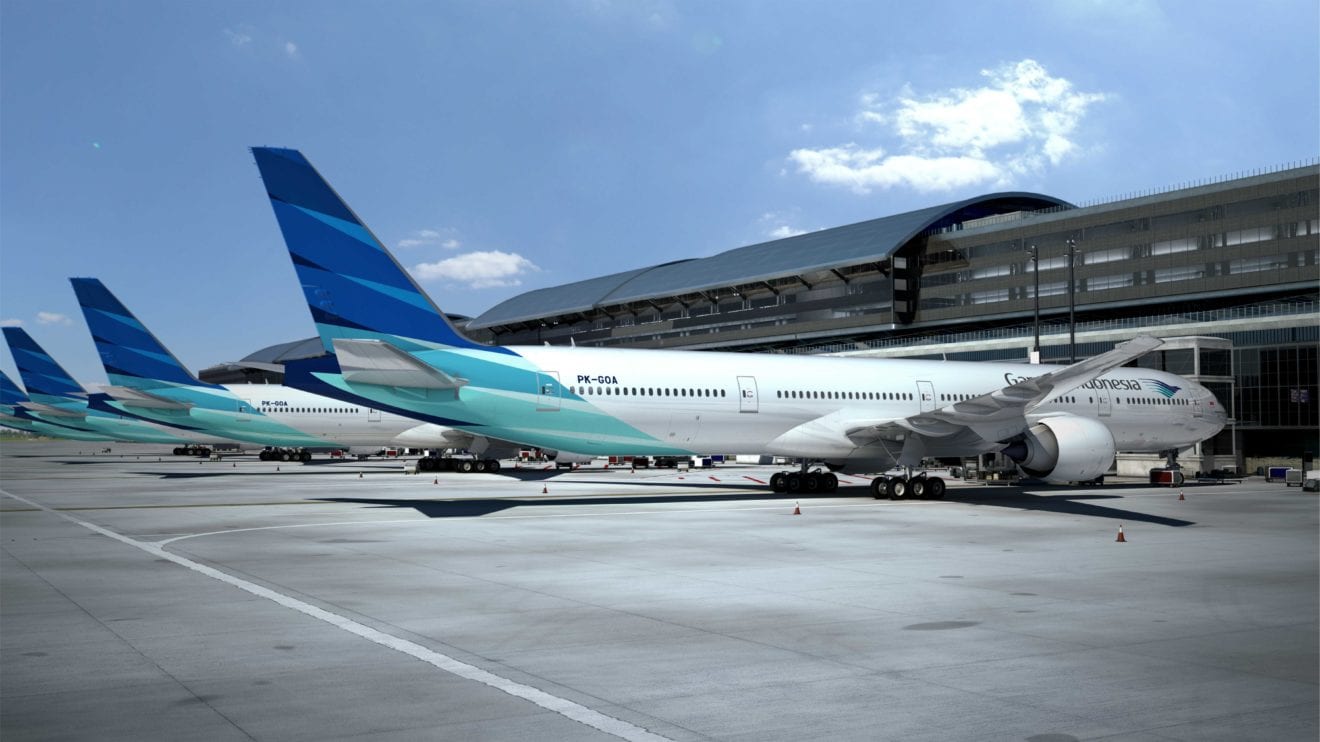
    OAG, the world’s leading provider of travel data and insight, has released the results of its annual Punctuality League 2020, the industry’s most comprehensive ranking of on-time performance (OTP) for the world’s largest airlines and airports. Asia-Pacific airlines dominated the global rankings with nine out of the top 20 most punctual airlines in the world: Garuda Indonesia (1), Skymark Airlines (3), All Nippon Airways (7), Jetstar Asia (8), Singapore Airlines (9), Thai AirAsia (10), Japan Airlines (15), Qantas Airways (18) and Indonesia AirAsia (20).

    Garuda Indonesia takes the top spot globally and regionally with an impressive OTP of 95.01%. Skymark Airlines (OTP 90.12%) ranks in the top three for both the Global Airline and Low-Cost Carrier (LCC) categories. The region’s LCCs performed exceptionally well, with nine carriers ranking in the top 20 for that respective category, including Skymark Airlines (1), Jetstar Asia (2), and Thai AirAsia (3). Solaseed, Jetstar Asia, Thai AirAsia and Indonesia AirAsia all improved their OTPs among ASPAC carriers this year.

    Japanese airport Osaka Itami (ITM) finished as the most punctual Large Airport for a second consecutive year with an OTP of 88.03%. Tokyo Haneda (HND) ranked second in the Mega Airport category with an OTP of 86.60% behind Moscow Sheremetyevo (SVO; OTP 86.87%). Singapore Changi (SIN; OTP 84.03%), Kuala Lumpur (KUL; OTP 75.04%) and Seoul Incheon (ICN; OTP 74.95%) all improved their OTP in the Mega Airport category.

    “Asia Pacific carriers and airports continued to demonstrate exceptional OTP this year, with many LCCs and legacy carriers improving year-over-year performance. The leading performance of Garuda Indonesia, Skymark Airlines, Osaka Itami and Tokyo Haneda on the global stage is commendable,” said Mayur (Mac) Patel, Head of JAPAC for OAG.

  • AirAsia increases some flight frequencies from Cebu, Clark

    AirAsia increases some flight frequencies from Cebu, Clark

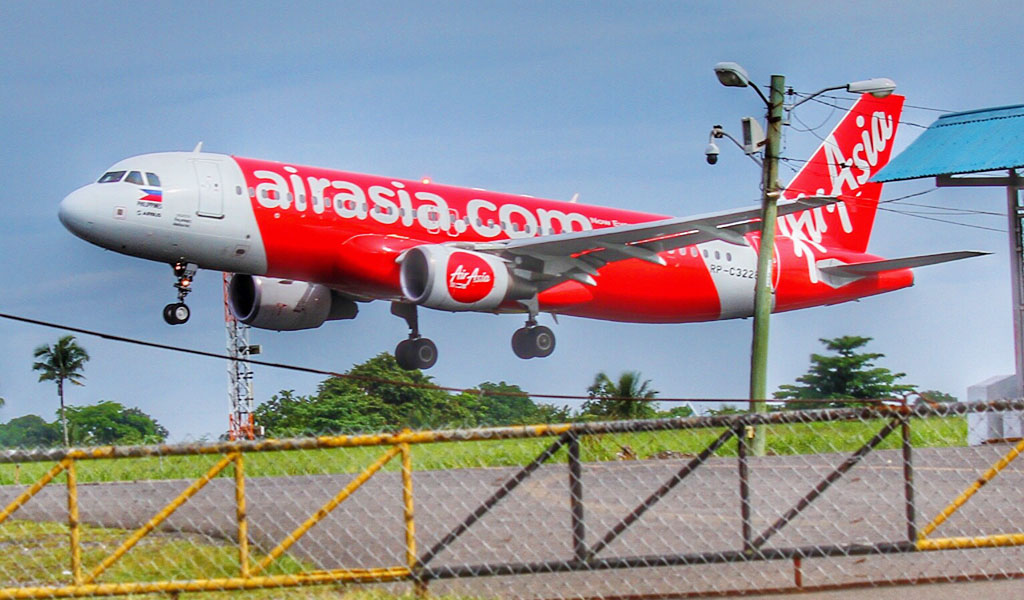
    AirAsia said Friday it was increasing flight frequencies out of its Clark and Cebu hubs to meet travel demand.

    Starting in January, the following will be flown daily from 3 times weekly: Clark to Iloilo (Z2 931) and Iloilo to Clark (Z2 932). The following will be flown 4 times weekly from 3 times: Cebu to Kuala Lumpur (Z2 7110) and Kuala Lumpur to Cebu (Z2 7111), AirAsia said.

    Starting March 29, the following will be flown 4 times weekly from 3 times: Clark to Tacloban (Z2 975) and Tacloban to Clark (Z2 976). Also on March 29, the following will be flown daily from 3 times weekly: Cebu to Puerto Princesa (Z2 543) and Puerto Princesa to Cebu (Z2 544), AirAsia said.

    “We are pleased to welcome the new year with additional flights, offering guests more options when flying with us as they accomplish their travel goals this 2020. Our adjustments are well guided by data, and I am very optimistic about the tourism boost this will bring to our country in the summer months,” said AirAsia Philippines CEO Ricky Isla.

  • Thai conglomerates in race to buy Tesco Asia

    Thai conglomerates in race to buy Tesco Asia

    Two Thai billionaires are reportedly preparing bids for the Asian operations of UK grocery giant Tesco.

    Citing “people with knowledge of the matter”, Bloomberg has reported that Charoen Pokphand Group, owned by Dhanin Chearavanont, and the Chirathivat family-controlled Central Group are among a group of potential investors in discussions with Tesco over a potential buyout.

    The UK company announced early last month that it was conducting a review of the future of its Asian business after receiving ‘inbound interest’.

    Tesco operates 74 stores in Malaysia and about 2000 in Thailand under Tesco Lotus brand. The combined stores generated £286 million (US$375.8 million) operating profit in the year to last February.

    Bloomberg reports that Tesco will invite formal bids for the business next month and suggests it may fetch as much as US$7 billion.

    The Malaysian and Thai Tesco operations are separate businesses, with Sime Darby holding a 30-per-cent stake in the former.

    The solicitation of bids may not necessarily lead to a sale of the business.

    Retail analytical consultancy GlobalData is among those suggesting a sale would not be in the best long-term interests of Tesco UK, which in recent years has sold or closed all its other off-shore businesses to focus on the UK market, and the Tesco Asia business.

    Hakan Demirci, consumer analyst at GlobalData, says the sale of the Tesco Asia business by its UK parent would prioritise shareholders over sound long-term economic strategy,

    “Tesco’s Malaysian and Thai sectors have been constant sources of sustained success, with profit margins the highest at 6 per cent compared to the UK business’s margins of 3 per cent.

    “Selling its Asian business would be welcomed by Tesco’s shareholders, who would be granted higher returns on their investments if it were to go through. However, these markets were relatively developed and consolidated, with little room for growth in the retail sector.

    He said the Malaysian food and grocery market is set to grow from now through 2022 with a compound annual growth rate (CAGR) of 9.9 per cent. Likewise, the Thai food and grocery market will grow at a smaller, yet still significant CAGR of 4.5 per cent over the same period – representing a significant opportunity for Tesco to expand its business.

    “If these markets were to be sold, Tesco would be left with operations in the UK, Ireland and Central Europe. This would leave the group vulnerable as it loses its benefit of regional diversification, resulting in a less dynamic and flexible company.”

  • Vietjet Receives New 240-Seat A321neo ACF Aircraft

    Vietjet Receives New 240-Seat A321neo ACF Aircraft

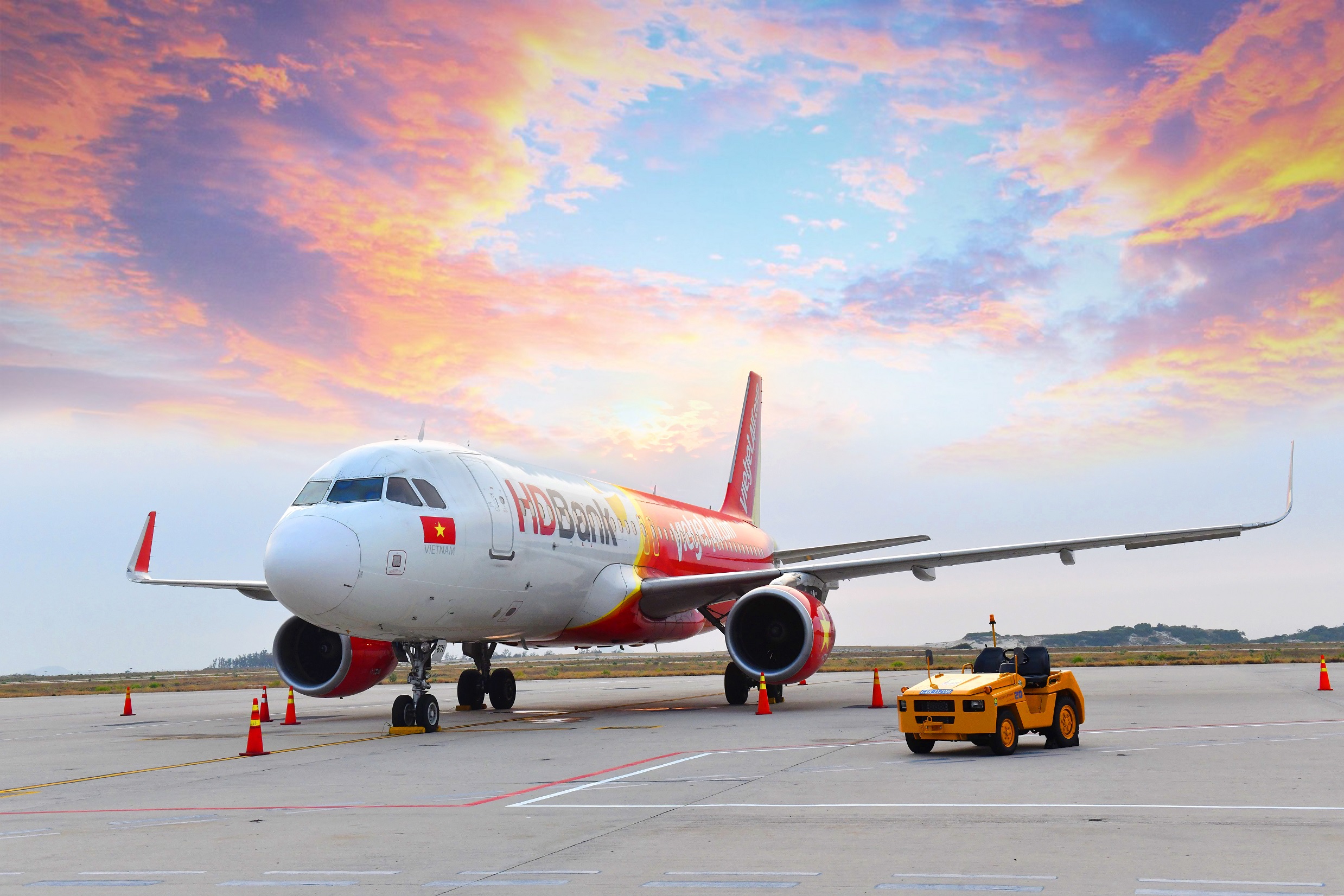
    Vietjet has received two new Airbus A321 aircraft, registered as VN-A521 and VN-A542, on 31 December 2019 at Tan Son Nhat International Airport. The total number of aircraft in Vietjet’s fleet is now 80, and the VN-A521 aircraft is the third 240-seat A321neo ACF (Airbus Cabin Flex) aircraft in the world, with the two first of its type already being operated by Vietjet. With the arrival of the new aircrafts in the end of 2019, the new-age carrier is ready to meet the high travel demands during the festive period of Lunar New Year, as well as its fleet expansion plans in 2020.

    The new aircraft features leather seats and premium interiors. In particular, Vietjet’s third A321neo ACF aircraft has an innovative cabin structure to increase the total number of seats to 240. It also features the advantages of most modern Airbus aircrafts, including comfortable seat zones, fuel consumption savings of a minimum of 16 per cent, noise reduction of up to 75 per cent and emissions reduction of up to 50 per cent.

    Vietjet currently owns one of the world’s newest and most modern fleets with an average age of only 2.7 years. Vietjet has currently transported nearly 100 million passengers, with 130 routes covering destinations in Vietnam and international routes to Singapore, India, Japan, Hong Kong, South Korea, Taiwan, Thailand, Myanmar, Malaysia, China, Indonesia and Cambodia.


  • Microsoft takes action against hackers from North Korea

    Microsoft takes action against hackers from North Korea

    In a recent blog post on the Microsoft website, the company detailed steps it has taken to take legal action against a cybercrime group and protect customer information.

    The security threat came from a group known as Thallium, which reportedly is based in North Korea. The group used a technique called ‘spear phishing’ to steal sensitive information, in which the group replicated the form and design of a genuine Microsoft security email while embedding dangerous links that, when clicked, would allow the group to extract sensitive account information.

    According to the Washington-based firm, the threat was focused on users affiliated with the government, universities, human rights groups, and other organizations, with most of the victims concentrated in the US, Japan, and South Korea.

    The particularly dangerous part of the scheme is that once Thallium takes control of an account in this way, it is possible for it to set up automatic forwarding in a way that gives the group access to any new emails the victim receives, even after the password is reset.

    The cybercrime group was able to use this method by using domains such as “rniscoroft.com”, which uses the combination of ‘r’ and ‘n’ to facsimile the authentic Microsoft domain. Thus, the Windows company filed a court case and was able to take control of 50 such domains in order to stop the attacks.

    Microsoft states that this is the fourth nation-state cybercrime group they have taken legal action against. The security threat has hopefully now been neutralized, but users are advised to be wary of suspicious emails and always check carefully before clicking email links or entering sensitive information.

  • 759 Store parent boosts store count despite tough market

    759 Store parent boosts store count despite tough market

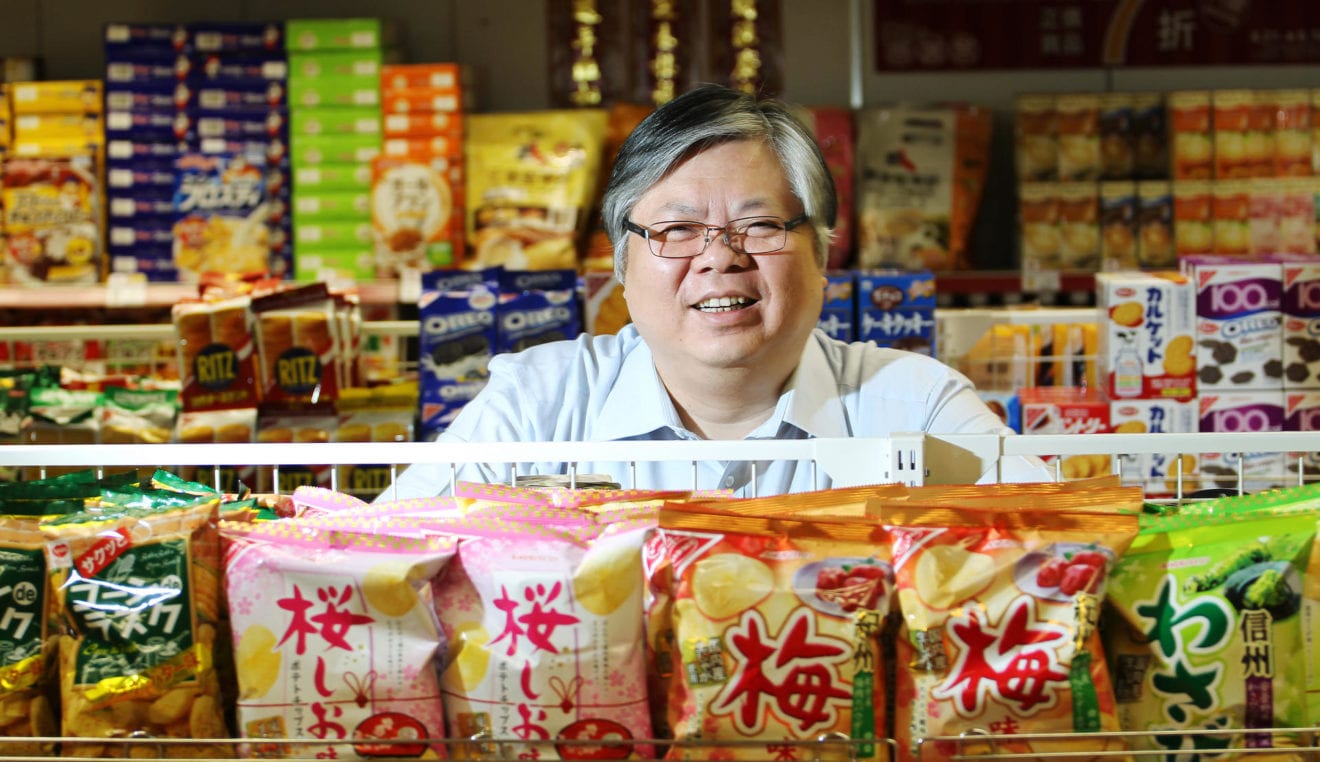
    Despite the torrid times facing Hong Kong retailers in the second half of last year, the 759 Store network achieved sales growth of 1.3 per cent to HK$853 million (US$109.5 million) in the six months to October 31.

    In a year that chairman Tang Fung Kwan described as “full of challenges” a one-off property valuation gain helped CEC increase its profit attributable to shareholders nearly fourfold in the October half. It rose from HK$1.431 million in the comparable six months to $5.07 million.

    Tang said changes happened “every single split second” during the period as the US-China trade war remained unpredictable and the local economy was affected by a series of “disturbances in society”.

    “In the period under review, the group held saving resources as its basic principle, adopting extremely prudent policies, taking restrictive cost control on the retail business and electronic component-manufacturing business, in order to … survive in the economic storm,” he said.

    The 759 Store network accounts for 96 per cent of the group’s revenue which on a consolidated basis was down by 1.1 per cent in the half year despite stronger retail sales.

    The consumer-goods retailer strengthened its portfolio of daily-living products during the half, including rice, noodles, food-grocery items and frozen food. That meant the share of snack foods and leisure foods in the portfolio decreased.

    To control costs, the group closed stores with relatively high rents but searched for potential sites that while in less prominent locations were available at reasonable rents. There was a net gain of three stores between April 30 and October 31 as six closed and nine opened.

    Tang said the company remained cautious of “the influences of uncertainties that come both internally and externally” in the year ahead.

    “The group will review the cost structure of current retail-store network, considering not to renew the tenancy agreements of some stores whose rents were too high, in the meantime searching for potential shop sites of suitable locations and relatively reasonable rents for replacement.

    “For the products, 759 Store will further strengthen its portfolio of food-grocery items, introducing many more items for rice, noodles, spaghettis, canned food, etc.”

    He said the company’s procurement team is approaching meat suppliers in Europe and North America with plans to boost its range of frozen meat. About four in five stores currently have freezer cabinets.

  • Major Thai retailers stop giving out plastic bags

    Major Thai retailers stop giving out plastic bags

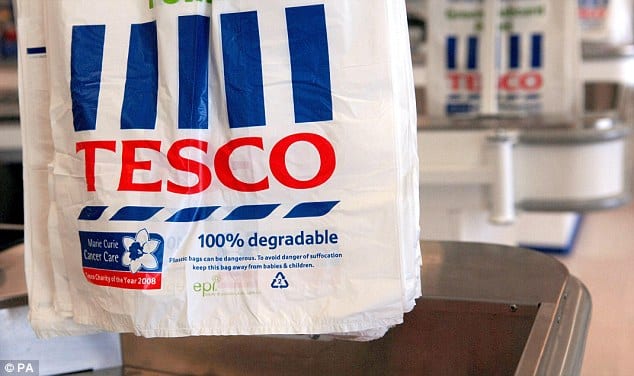
    Thai Retailers Association members have stopped providing customers with plastic bags as a ban took effect on January 1.

    A campaign titled Every Day Say No to Plastic Bags run by Thai Retailer Association will stop its 75 member chains from giving away plastic bags through 24,500 outlets, aiming to cut 13.5 billion plastic bags used in Thailand annually – about 30 per cent of the total.

    According to the Department of Pollution Control, 18 billion plastic bags (40 per cent) come from the fresh markets each year, while another 30 per cent or 13.5 billion bags come from local grocery stores. In Bangkok, each person uses eight plastic bags on average per day, creating around 80 million pieces of plastic waste daily.

    “Thailand was ranked sixth among the world’s top countries that dumps waste into the sea,” said Varawut Silpa-Archa, minister of natural resources and environment. “During the past five months, we were down to 10th … thanks to the cooperation of the Thai people.”

    The country reduced the use of plastic bags by 2 billion last year, in the first phase of a campaign to encourage consumers’ voluntary refusal of plastic bags from stores. Many department stores and supermarkets in Thailand already have their own programmes to cut down on plastic bags.

  • Thailand’s Central Retail Group confirms IPO launch

    Thailand’s Central Retail Group confirms IPO launch

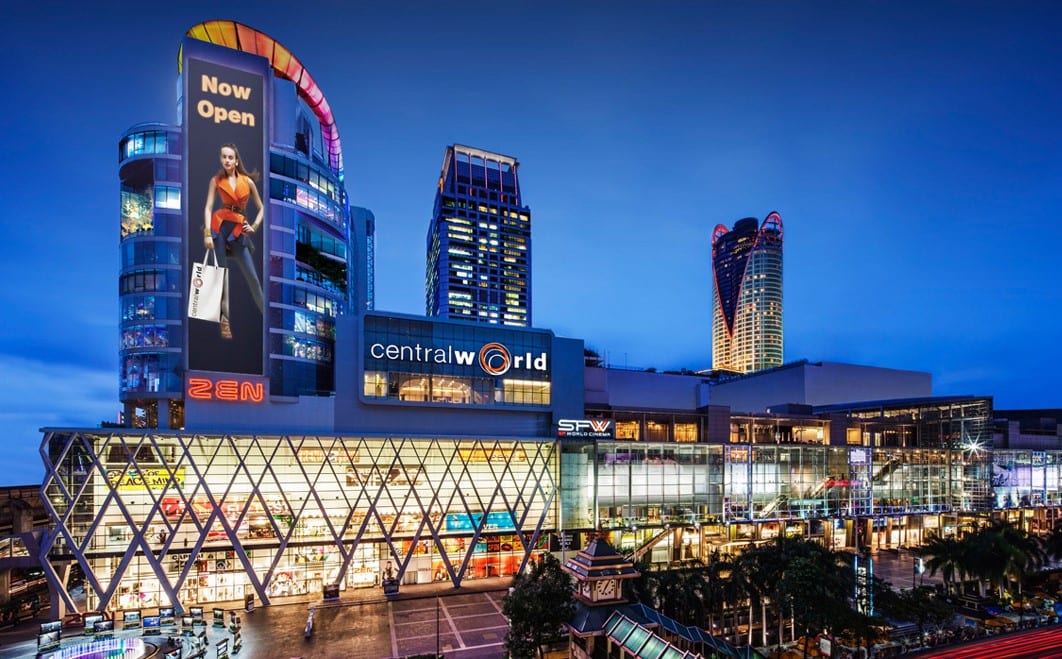
    Central Group subsidiary Central Retail Corporation, aims to raise up to THB81.1 billion (US$2.7 billion) in an initial public offering (IPO), which will be Thailand’s largest yet.

    Central Retail’s IPO price will range between THB40 to 48 per share. The company will sell up to 22.1 per cent of its stock or 1.69 billion shares with an overallotment option of 169 million shares. Investors can subscribe from February 6.

    Central Retail’s planned offering would be Thailand’s largest on record ahead of the BTS Rail Mass Transit Growth Fund, which raised US$2.1 billion in 2013.

    Funds raised will be used to expand its domestic and international businesses and to pay off debt, according to a spokesperson.

    As part of its listing plans, Central Group will delist its retail subsidiary Robinson PCL and offer a share swap to Robinson’s existing shareholders with no cash alternatives. The share swap will start in late January.

    Central Retail achieved sales of $3.46 billion in the six months to June. Some 43 per cent of that came via its food business, 34 per cent from fashion and the remainder from hardware.

  • Harrods opening store in Shanghai

    Harrods opening store in Shanghai

    British department store Harrods will open a location in Shanghai.

    According to Retail Gazette, the store will be the brand’s first standalone site outside the UK and will target China’s growing middle class.

    “If you look at all of the reports, they say, quite categorically that all of the growth in the next five years is going to come from Southeast Asia. And is going to come from millennials,” said Harrods MD Michael Ward. “So we’ve got to go after that. It’s very important that you follow the money. We see continued growth of China, but we see a need to be a more permanent resident in China.”

    Harrods has been making investments in China for a decade, and will launch in the Pudong area in response to strong consumer demand. The store will serve private shoppers targeting the high-end market.

  • AirAsia starts exclusive route from Kuala Lumpur to Da Lat, Vietnam

    AirAsia starts exclusive route from Kuala Lumpur to Da Lat, Vietnam

    AirAsia has unveiled its maiden flight to Da Lat, capital of Lam Dong province in the central highlands of Vietnam. The inaugural flight made history as the first international airline to offer direct services between Kuala Lumpur and Da Lat.

    Nattinee Tawanchulee, regional commercial head of AirAsia said: “We now add our latest destination to further expand footprint in Vietnam. This new direct service will provide additional air connectivity to the people in the central highlands of Vietnam to travel across the region, as well as introducing Da Lat as a holiday destination to the world. Also known as the city of eternal spring for its pleasant weather, it welcomes visitors all year round.”

    Da Lat is AirAsia’s seventh destination in Vietnam after Hanoi, Ho Chi Minh City, Da Nang, Nha Trang, Can Tho and Phu Quoc.

  • Twitter’s Android app gets patch to fix serious vulnerability

    Twitter’s Android app gets patch to fix serious vulnerability

    Twitter announced yesterday that it patched a vulnerability in the Twitter for Android app that could have allowed a hacker to control a Twitter user’s account and send tweets and DMs from it. The vulnerability also could have given bad actor access to non-public information. Twitter says that it has no evidence that the vulnerability was ever exploited, but just to play it safe it is “taking extra caution.”
    Users of the social-media app who might have affected are being notified via the Twitter app or by email. Either way, the user will receive instructions to follow that the company says will keep them safe. The instructions received by each affected subscriber depend on the versions of Android and the Twitter app for Android being used. Twitter says that if you’re not sure what to do, just install the latest version of the app from the Google Play Store.
    Twitter says that it is sorry and will continue working to keep your data secure. If you have some questions, you can ask the company how it protects your personal data by filling out a Data Protection Inquiry Form. The iOS version of the Twitter app did not have a vulnerability which means that iPhone and iPad users will not be receiving any instructions from the firm.
  • Bamboo Airways targets resourceful foreign investors

    Bamboo Airways targets resourceful foreign investors

    Bamboo Airways plans to sell its shares to foreign investors for VND160,000 ($6.9) per share as part of its IPO next year. The private airline is looking for investors from the U.S., Japan and Europe with experience and resources, it said in a statement Sunday.

    Bamboo Airways wants to make an initial public offering (IPO) next year on a Vietnamese stock exchange at VND60,000 ($2.6) per share to raise $100 million.

    This planned BAV share price is higher than Vietnam Airlines HVN shares at VND34,400 ($1.48), and lower than Vietjet’s VJC shares at VND143,600 ($6.2) at the time of writing.

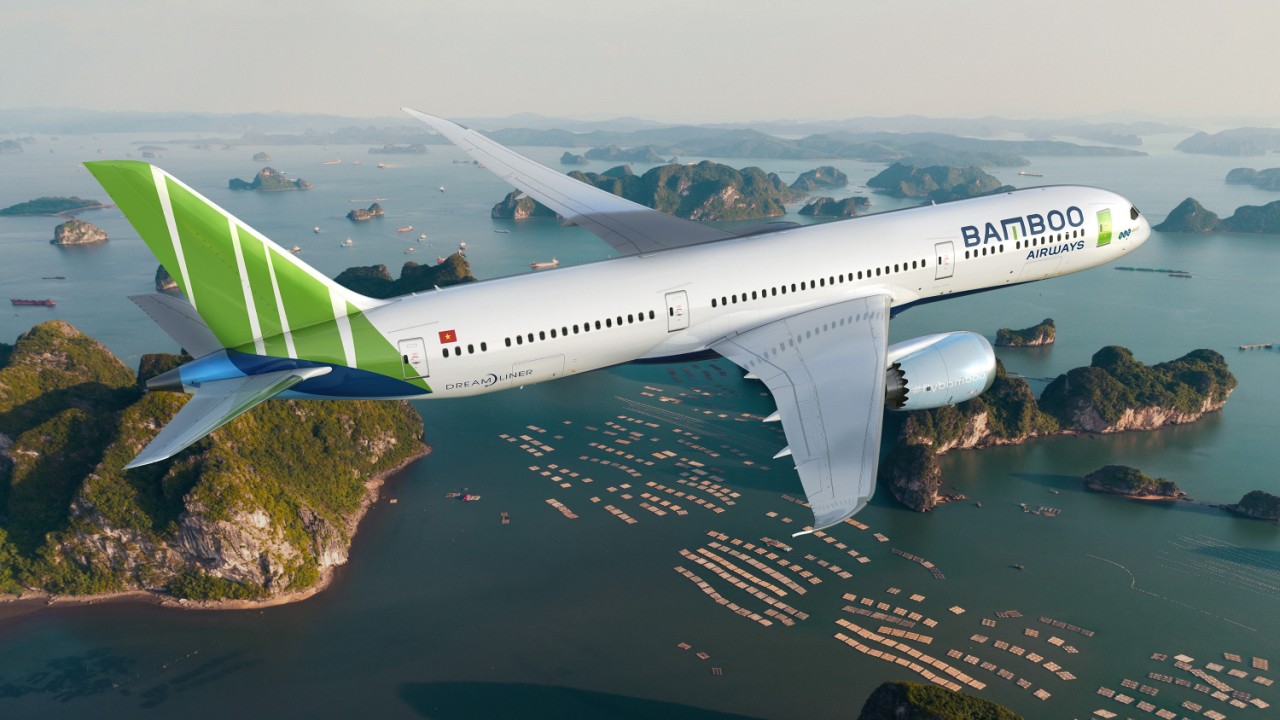
    The airline Sunday became the first private airline in the country to receive a wide-body Boeing 787-9 Dreamliner. The only other carrier using such aircraft is the state-owned Vietnam Airlines.

    Bamboo Airways plans to have a total of four Boeing 787-9s by January as part of a 30-aircraft fleet, most of them narrow-body Airbus A321neo aircraft,

    The airline, which began flying in January, is now operating 34 domestic and international routes. It has conducted almost 20,000 flights to date, carrying almost 3 million passengers.

    Bamboo Airways hopes to acquire 30 percent of the domestic aviation market next year as it flies 85 routes, 25 of them international.

    It also plans to operate 100 aircraft by 2025, carrying 50 million passengers annually.

  • China Should Boost AI Regulation in Finance

    China Should Boost AI Regulation in Finance

    A regulatory framework specifically designed for artificial intelligence in China’s financial sector and better tech for supervision should be introduced, according to policy advisors from a leading think tank.

    We should not deify artificial intelligence as it could go wrong just like any other technology,» said Xiao Gang, senior researcher at China Finance 40 Forum and the former chief of the China Securities and Regulatory Commission.

    The point is how we make sure it is safe for use and include it with proper supervision.

    A report from the forum based in eastern China’s Qingdao city underlined that technology to regulate «intelligence finance» largely lagged development. Existing technology deployed in the sector to improve sales and investment returns, the report added, ranged from facial recognition to big data analysis.

    Onlookers not only underline the potential tech risks which China could face in the future but also recent track record, most notably a failed attempt to create a sustainable peer-to-peer financial ecosystem. What was originally intended to be a source of financing for entities that lacked access to major state-owned lenders resulted in regulators being forced to shut down large parts of the industry with recent data showing that just 427 P2P platforms remained – a 59 percent drop compared to 2018-end.

    Evaluation of emerging technologies and industry-wide contingency plans should be fully considered, while authorities should draft laws and regulations on privacy protection and data security, the report added.