Category: General

Retail News Asia is committed to providing both local and global retailers with the latest General Retail news throughout the Asian market. This on a daily base.

  • Kaufland confirms two more sites in Victoria

    Kaufland confirms two more sites in Victoria

    Kaufland Australia has confirmed two more stores for Victoria, with a further nine to be reviewed by an advisory panel.

    The two new stores located at Oakleigh South and Coolaroo, take Kaufland’s approved store count in Victoria to five.

    The nine proposed sites, to be reviewed by an independent panel, including both metropolitan and regional cities, throughout western and eastern Victoria.

    In March, the retailer confirmed its first three Victorian stores at Dandenong, Epping and Chirnside Park and last week began construction of the first two, which will act as test stores in the Australian expansion.

    Kaufland Australia managing director Julia Kern said the Dandenong store will provide increased choice, value and promote fair competition for consumers.

    “Our Dandenong store marks a tremendous milestone in our development here in Australia, and we are very happy to break ground for our first store in Victoria,” Kern said in a statement on Thursday.

    The German retail giant has also already commenced construction of its $255 million distribution center in Mickleham, which will be one of the largest in Australia.

    Kern made the announcement on Thursday, alongside treasurer of Victoria and minister for economic development Tim Pallas. The development brings Kaufland’s planned total investment in Victoria to over half a billion dollars, with potential for up to 2400 new jobs.

    “With five approved stores, as well as the additional nine sites under review, we are committed to our long term, sustainable growth across Victoria. We look forward to creating thousands of jobs and creating opportunities for local businesses,” Kern said.

    “Australia is one of the fastest-growing regions in the world, and we are excited to grow with it. Our aim is to raise the bar in retail excellence and provide an uncompromising quality food shop for our customers.”

    She said the retailer is focused on delivering “quality, simplicity, variety, and price throughout Victoria and Australia”.

    Last week the retailer announced the acquisition of its third Queensland site at Morayfield Village Retail Centre, to add to the Toowoomba and Burleigh Heads sites.

    The retailer is also planning to build its first South Australian store in Prospect, an inner northern suburb of greater Adelaide.

  • Big W profit hit by restructuring

    Big W profit hit by restructuring

    Woolworths Group has lifted full-year profit from continuing operations by 7.2 percent to $1.75 billion for the full-year, finishing strong with increased sales reported across its supermarkets.

    Group CEO Brad Banducci said the company made “good progress” on its transformation across all businesses.

    Group statutory profit lifted 56.1 percent to $2.69 billion, helped by the $1.7 billion sales of its petrol business. Normalized revenue for the year grew by 3.4 percent to $59.98 billion.

    Woolworths

    Woolworths supermarkets regained momentum after a tough first quarter, which saw the removal of single‑use plastic bags and rival Coles launch its successful Little Shop collectibles campaign.

    Comparable food sales at Australian supermarkets increased by 3.1 percent for the full-year, while a successful Lion King collectibles program boosted comparable sales for the first eight weeks of FY20 by 7.5 percent.

    Online sales grew by 31 percent in Woolworths, helped by the scale-up of its Pick Up and Drive up services, as well as the launch of on-demand delivery in 38 stores.

    Woolworth Group’s New Zealand supermarket Countdown had a strong second half with comparable sales growth of 3.6 percent. The establishment of CountdownX helped the supermarket deliver strong online sales growth of 40 percent.

    Big W

    Woolworths Group’s discount department store Big W saw sales improved 4.2 percent to $3.8 billion, and online sales improve 128 percent – driven by click-and-collect.

    The business reported a loss before interest and tax of $85 million – within recent guidance estimates of between $80 and $100 million, and an improvement over the $110 million loss seen last year.

    However, the cost of a significant item of $371 million leveled against the business due to the store and distribution center closures pushed its loss down 313.7 percent to $456 million.

    Endeavor Drinks

    Drinks arm Endeavour saw improved sales growth in the second half, with comparable sales increasing by 4 percent, versus 0.7 percent in the first half.

    Dan Murphy’s delivered double-digit online sales growth with on-demand delivery now available from 91 stores and 30 minutes Pick Up from all stores.

    In July, Woolworths announced plans to merge Endeavour Drinks with it hospitality business ALH, to be followed by a demerger or “value accretive alternative” in the 2020 calendar year.

    “We are pleased with the progress we made during the year and have exited F19 with good momentum across the Group,” Banducci said.

    “In F20, we expect the uncertain consumer environment and input cost pressures to remain as well as an impact from new enterprise agreements. However, we are well placed to respond to these challenges and are excited about what we can achieve together in F20,” he added.

  • Don Quijote eyes massive US rollout

    Don Quijote eyes massive US rollout

    Hard on the heels of a successful expansion in Singapore and launching in Hong Kong and Thailand, Japanese variety retailer Don Quijote is now eyeing continental USA.

    Pan Pacific International Holdings, the company’s parent, already has Marukai supermarkets trading in the US and three Don Quijote stores in Hawaii.

    But rather than replicate its Asian concept, Pan Pacific will create a new format tailored to the US but with “Don Quijote-ism at the core,” CEO Koji Ohara told the publication.

    The expansion will be led by Ohara who will resign from his current role and relocate to the US to build the business there, with a target of expanding its network from 38 currently to 100.

    Sean Butler, MD at supply-chain consulting firm LIDD, told Grocery Dive that he expects Don Quijote will stick to its three pillars – convenience, discount, and amusement – when it launches in the US.

    In the US, Don Quijote has an opportunity to reach an audience hungry for low-price groceries and consumer goods, he said.

    “The company is betting that it can execute experiential retail better than the status quo – and pick up a nice chunk of the world’s largest consumer economy in the process.”

  • Saudi Arabia – The Global Investment Powerhouse for AI and Automation

    Saudi Arabia – The Global Investment Powerhouse for AI and Automation

    The Kingdom of Saudi Arabia’s Vision 2030 plan explicitly spells out the nation’s ambitious attempt to radically overhaul its economy. With carefully curated programs and clear-cut themes that are designed to deliver impact against strategic objectives, Saudi Arabia is intensely working towards becoming an international trade hub connecting three continents: Africa, Asia and Europe. KSA seems to be shifting from its major dependency on oil revenue to a more diversified economy by maximising its investment capabilities including emerging technologies from around the world through the Public Investment Fund. According to a global study conducted by PWC in 2017, AI could contribute to US$135 billion (12.4%) to Saudi Arabia’s GDP by the year 2030 that is the second-highest share in the region after the UAE.

    As a part of its Vision 2030 plan, Saudi Arabia has earmarked billions of dollars in robotics and artificial intelligence, making it a pillar of the nation’s economic development strategy. According to a report by McKinsey & Company, routine-task intensive sectors such as manufacturing, transportation and logistics have a technical automation potential greater than 50%. Similarly, 41% of existing work activities in Saudi are theoretically automatable today.

    In line with Saudi Arabia’s Vision 2030 plan, the Riyadh edition of World AI & RPA Show organized by ALAGAT in collaboration with international business events and consulting firm Trescon, is taking place on 16 and 17 September 2019 at the Riyadh Marriott Hotel. The show will demonstrate AI, ML, Robotics, Cyber Security, Analytics, and Automation solutions from top AI & RPA influencers and leaders to give impetus to the ambitious reform program. World AI & RPA Show is also supported by Arab Robotics & AI Association.

    Saudi Arabia’s Vision 2030 initiatives in AI and Automation

    • Improving visa application procedures with the aim of full automation
    • Streamline import/export processes through automation, with a 54% reduction in import dwell times at ports
    • The US$ 500 billion mega-intelligent city project ‘NEOM’ will allow for a new way of life built around the best technologies of the future such as AI, big data, and IoT

    With an estimated impact of US$ 320 billion by AI in the Middle East, the opening day will see focused discussions on AI and ML, Robotics, and Intelligent and Cognitive Automation with an active participation from experts, Saudi Arabia’s top government authorities, and decision-makers from global enterprises. Experts attending the show include, Dr Esam Alwagait, CEO of National Digitization Unit, Government of Saudi Arabia; Abdulmajeed Alomrani, Innovation Director, Small & Medium Enterprises General Authority (Monsha’at), Saudi Arabia; Hisham Hammami, Chief Information Officer for the Ministry of Hajj and Umra; Atif Zaidi, Chief Information Officer of NEOM, Saudi Arabia; Sabri Skhiri, Chief Visionary Officer of Digazu, Belgium; Gary West, Managing Director of Future Mobility for General Motors Middle East, UAE and Dr Satyam Priyadarshy, Chief Data Scientist, Halliburton, United States among other top speakers.

    When asked about the upcoming event, VP – Head of Digitalization and Automation of Bank Aljazira, Faisal Alrashoudi had said, “I believe in the future of AI changing the world. The question is, who is changing AI? It is really important to bring diverse groups of students and future leaders into the development of AI.

    As the RPA market embraces an explosive growth globally, the show will also focus on discussing ground level applications, use-cases and challenges from international subject matter experts and business leaders who are currently assessing RPA in their businesses. “World AI & RPA Show unequivocally aligns with Saudi Arabia’s Vision 2030 plan to empower its economy with advanced technologies. Our mission is to provide momentum to the Vision roadmap by attracting startups, investors and AI experts from all over the world”, said CEO and Founder of Trescon, Mohammed Saleem.

  • AirAsia to consider flying to Albania

    AirAsia to consider flying to Albania

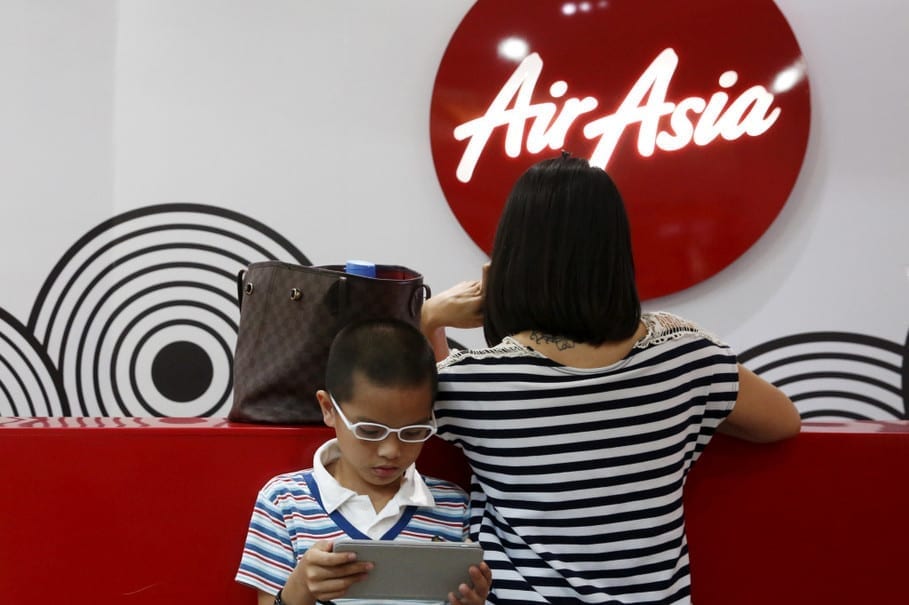
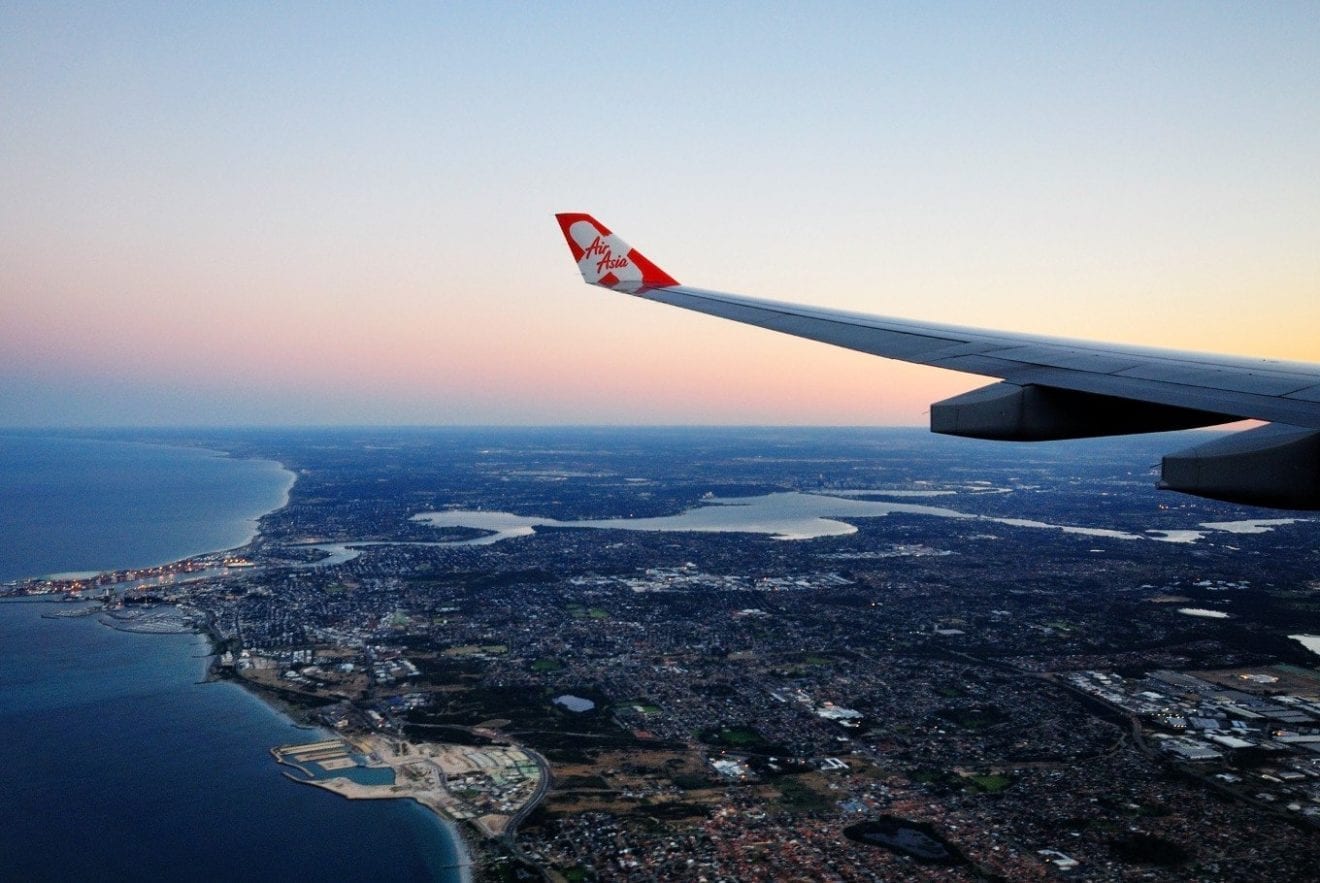
    AirAsia Group Bhd chief executive officer Tan Sri Tony Fernandes said the airline will consider flying to Albania.

    The Southeastern Europe nation could be one of its routes in Europe, a market which the airline had hinted about re-entering.

    “Why not? AirAsia is always looking for different places and I never thought about Albania. We are going to have a look.

    “The Albanian Minister (Tourism and Environment Minister Blendi Klosi) is very positive (about bringing us to the country). So let’s see,” he told Bernama on the sidelines of the World Tourism Conference 2019 here, today.

    Fernandes, who was one of the speakers at the conference, shared his experience about transforming AirAsia from a small loss-making company into a global giant in the aviation industry.

    Klosi, who was also a speaker at the conference, expressed his welcome to AirAsia, which he said would help to promote the country’s tourism as well as those of other Balkan neighbours.

    During the conference, both of them jokingly agreed to have AirAsia fly to Albania if the country was willing to provide a free airport and promotional assistance.

    Previously, AirAsia X Bhd chairman Tan Sri Rafidah Aziz said that the airline was looking at expanding its market and had not discounted the possibility of re-entering the European market.

    Earlier this month, Fernandes said Thai AirAsia X would be flying to Europe by the end of this year or early next year.

    He said the long-haul low-cost airline was applying for approval from the relevant authorities.

  • Gome Retail to target smaller cities as part of restructuring

    Gome Retail to target smaller cities as part of restructuring

    Gome Retail Holdings will speed up its penetration into lower-tier Mainland China markets during the year ahead, with about 1000 stores slated for opening.

    The move is part of a broader strategy dubbed ‘Home.Living’ in which the retailer is rolling out innovation and transformation throughout the business.

    For the first half of this year, Gome Retail reported a loss attributable to shareholders of RMB380 million (US$53.1 million), a reduction of the RMB457 million loss during the  corresponding period last year as its restructuring began to show results.

    Group sales for the first half were RMB34.333 million, relatively stable compared with RMB34.706 billion for the corresponding period last year.

    Chairman Zhang Da Zhong says that in the months ahead, the company will further expand into third- to sixth-tier Chinese cities to meet the constantly growing demand of these markets.

    Moving into these markets efficiently is possible due to Gome’s advantages in brand, supply chain and logistics, he said.

    During the first six months of this year, the group’s total gross merchandise volume (GMV) increased by about 1.8 per cent compared with the same time last year, with GMV of its county-level stores (both self-operated stores and New Retail stores) growing by 339 per cent. Sales through its Me Shops grew by about 123 per cent, while sales from smart products grew by 62 per cent. Sales by its new businesses, such as home solutions and the integration of kitchen cabinets with electrical appliances, grew by 108 per cent, and service GMV grew by 32 per cent.

    This year, Gome has entered “a critical stage of its strategic transformation” said Zhang Da Zhong.

    “Leveraging on the advantages of internet technology, Gome has set up a user-base interaction and operation platform under the integration of the three terminals – the Gome app, physical stores and Me Shop.”

    As well as the company’s foray into smaller cities, the company will begin opening a second wave of new Ixina stores, its self-operating integrated kitchen cabinets and electrical-appliances business collaboration with European cabinet brand Ixina. Stores will open in cities including Wuxi and Nanjing, after Beijing and Shanghai, to further boost the brand’s awareness and reputation. Cozy Home, the home-hardware integration solutions chain, will also be developing at full speed, he said.

  • Five things to watch for as AirAsia reveals earnings

    Five things to watch for as AirAsia reveals earnings

    Budget airline pioneer Tony Fernandes has built AirAsia Group into a benchmark for aviation in Southeast Asia in the 17 years since he founded the company.

    No longer satisfied with just flying passengers from A to B, Fernandes wants to use the data collected from the 100 million passengers he transports each year to transform the group into the “Amazon of travel.”

    Buffeted in recent months by the global trade war, high fuel costs, increased competition and other hurdles such as a failure to crack the lucrative Vietnamese market, the company’s shares are down nearly two-thirds from the all-time high of 4.6 ringgit ($0.53) in February last year.

    As AirAsia Group reveals its financial results for the second quarter on Wednesday in Kuala Lumpur, here are five things investors will be watching.

    One of the aviation industry’s most important metrics that measures the average fare per passenger per kilometre, Maybank Investment Bank’s Mohshin Aziz, is expecting lower yields to dampen profits.

    Mohshin is forecasting a second-quarter net profit of 111 million ringgit ($13 million), that’s 65% lower than for the same period last year, but up 9% on the first quarter.

    “Load factor declined by 0.4 percentage points year-on-year to 85.1% in second-quarter 2019 on the back of 16.8% year-on-year capacity growth,” Mohshin said. ” This is a very respectable load but it likely came at the expense of lower yields, in our view.”

    Mohshin said in terms of yields, AirAsia’s published fares look relatively weak in the second quarter of 2019 when compared to the same period last year.

    In the first quarter of 2019, yield declined by 4.1% year-on-year. “We expect more of this in the reported second quarter of 2019.”

    Fuel Prices

    Rising fuel prices have hit other regional carriers such as Virgin Australia hard, with the airline reporting a loss of AU$315.4 ($212.5 million) on Wednesday for the 12 months to June 30.

    But MIDF Amanah Investment Bank’s Adam Mohamed Rahim believes AirAsia’s prudent hedging policy could help the bottom line this quarter.

    “Our positive outlook on the group stays intact on its more prudent hedging policy, stable operations with added capacity and continuous improvement to derive higher values per kilometre flown,” said Adam.

    Adam will also be watching out for any estimate from AirAsia on whether a new departure tax to levied from September 1 of 8 Ringgit per passenger for destinations within the Association of Southeast Asian Nations, and 20 Ringgit for non-ASEAN destinations will cause a dip will impact on passenger growth.

    Geographic Segment

    AirAsia carried 42.2 million passengers in Malaysia last year, making it one of the group’s most profitable markets, but operations in Indonesia, Thailand and elsewhere have struggled, with net income slipping 92% in the three months to the end of March from the same period a year ago.

    Second quarter earnings could tell a different story though, said Ahmad Maghfur Usman of Nomura Securities, who believes AirAsia’s short-haul operations, especially to Indonesia and Japan, will show significant improvement.

    Ahmad added that improving supply and demand dynamics were in the carrier’s favor, with lower fuel costs going forward also expected to help boost profitability.

    ‘Amazon of Travel’

    After announcing a leadership reshuffle earlier this month, Fernandes’ ambitious plans to morph AirAsia into something other than a budget carrier is starting to take shape.

    “We are now the 13th largest airline flying about 100 million passengers annually and collecting piles of data in the process,” Fernandes said in June. “It is not a huge leap to say we are becoming a digital power.”

    Any further light that Wednesday’s results can shed on exactly how Fernandes plans to expand online, and fend off established rivals such as Expedia and Booking.com, will also be keenly anticipated.

    Philippines AirAsia

    When Philippine business mogul Michael Romero revealed in June that he had upped his stake in Philippines AirAsia to 45%, as well as announcing a $350 million capital infusion, it seemed like the long-awaited initial public offering of the AirAsia Group affiliate would finally get off the ground.

    That was until last weekend when Fernandes told reporters in Bangkok that he was still in wait-and-see mode regarding the Philippine unit’s bid to go public.

    “It’s there, but with no particular rush to be honest,” Fernandes said. “We want to maximise the valuation, so you know after a very tough start our earnings are very strong, the fuel price is going down, tourism is going up.”

  • Hulu launches new iOS app, Android version coming later on

    Hulu launches new iOS app, Android version coming later on

    After surpassing Netflix when it comes to the number of subscribers in the United States, Hulu revealed plans to rehash its user interface in an attempt to make it less confusing for users. Well, it looks like that time has come, as Hulu is now rolling out a new version of its app to iOS users.

    Although the company hasn’t made any announcements yet, TechCrunch reports Hulu confirmed a major update is now pushed out to mobile devices. Hulu also mentions that the update is coming to Android as well, but at the moment it’s only tested internally.

    As far as the changes go, the most important tweak is the complete removal of the Lineup landing page, which is replaced with Hulu Picks. The latter features content that’s curated by Hulu staff, and it’s not populated based on the algorithms derived by user viewing habits.

    If you swipe down, there’s more content available at first glance, as you’ll be able to see two items at a time. For example, on the iPad, you’ll be able to see two rows totaling 6 cards on the app’s main screen when in landscape mode.

    Every page in the app takes advantage of this format, including Live Now, Unwatched in My Stuff, My Channels, as well as genre-based sections like Sports, News, TV, Movies, Kids, and Hulu Originals.

    These seem to be the only visible changes in the new Hulu app for iOS devices, which is a bit surprising considering the company revealed plans for more improvements like expanded metadata next to content and the ability to mark content as “unwatched.”

  • Decathlon moving into old Metro store at Singapore’s The Centrepoint

    Decathlon moving into old Metro store at Singapore’s The Centrepoint

    After five years at The Centrepoint, Metro Department Store will shutter its flagship next month.

    The announcement heralds the latest in a series of closures at the 36-year-old mall, which has close to 10 vacant units with more already expected to come.

    However, Frasers Property has since confirmed that sports-goods retailer Decathlon will take over at least part of the Metro space, scheduled to open in the first part of next year once fitout is complete.

    Metro’s September 15 withdrawal from the mall will leave only two of its Singapore outlets open, at Paragon and Causeway Point respectively. Staff of the store have yet to be briefed as to whether or not they can expect to be employed at the other outlets.

    “In recent years, Metro has been rationalising its retail business in response to changing market conditions,” said a spokesperson for the firm. “Metro continues to focus on its core businesses of retail in Singapore and Indonesia, together with property investment and development.”

    Adding Decathlon to the tenant mix will provide a significant drawcard to the troubled mall which is seeking to morph into a lifestyle destination with experiential retail concepts targeting younger consumers.

  • 7-Eleven Malaysia store sales rise with new stores openings

    7-Eleven Malaysia store sales rise with new stores openings

    7-Eleven Malaysia has boosted sales by 7.2 per cent in the first half of this year, aided by new store openings, increased promotions and a higher average spend per customer.

    The company now has 2323 stores trading and plans further openings in the second half of this year.

    For the six months to June 30, 7-Eleven Malaysia group revenue reached RM1.17 billion (US$277.9 million) Revenue from its food-service business surpassed 3.5 per cent of the group’s total, an increase of more than 30 per cent year on year.

    Gross profit improved by RM33.7 million or 8.5 per cent year on year, despite expenses related to store openings. The adoption of MFRS 16 accounting standards relating to leases reduced post-tax profit by RM4.6 million. Excluding that factor, the group would have achieved a profit after tax of RM30.3 million, which would have been 37.4 per cent ahead of the same period last year.

    CEO Colin Harvey said the company was pleased with its overall results, especially given the impact of MFRS 16.

    “We are confident that continuous implementation and improvement of our strategy roadmap in strengthening the key areas of assortment, supply chain, operational excellence, store base and digitally enabling the organisation will continue to deliver positive results despite challenging headwinds as we look forward to ensuring that 7-Eleven remains Malaysian consumers’ preferred convenience store brand.”

    The 7-Eleven Malaysia board believes trading conditions for the next quarter are expected to remain challenging

  • Cebu Pacific wants more flights to tense Hong Kong

    Cebu Pacific wants more flights to tense Hong Kong

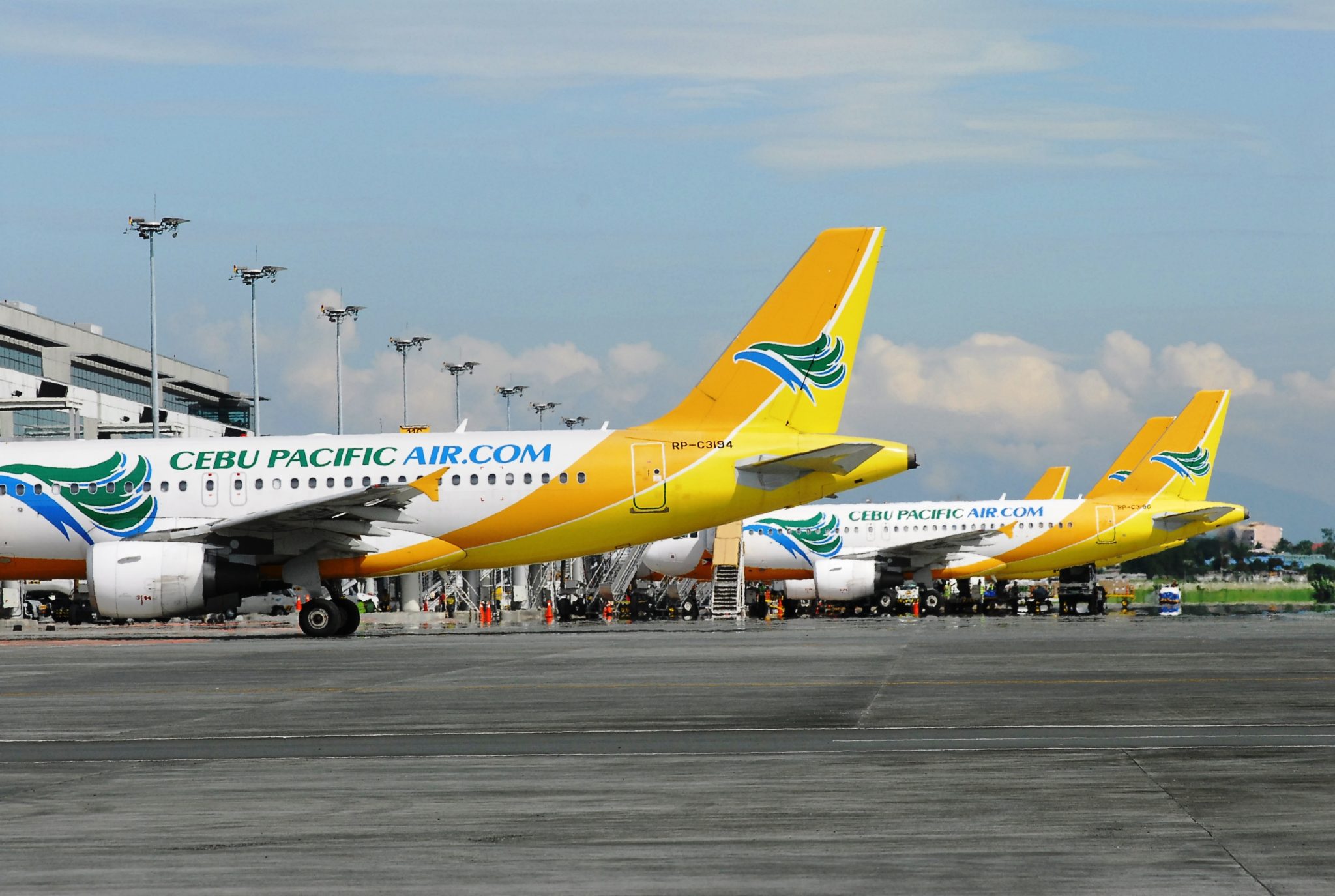
    The Philippines’ largest budget airline is seeking additional flights to Hong Kong despite ongoing anti-government demonstrations.

    In a filing before the Civil Aeronautics Board, Cebu Pacific said it was seeking added flight entitlements to Hong Kong-based on a provision under the Philippines-Hong Kong Air Services agreement that covers flights from Manila. The CAB has set a hearing on Sept. 16.

    Cebu Pacific has 24 weekly flights between Manila and Hong Kong. It also operates 14 weekly flights from Clark International Airport, two weekly flights from Iloilo and nine weekly flights via Mactan Cebu International Airport.

    This comes despite protests that have, at times, grounded all operations at the Hong Kong International Airport, which the Airports Council International said was the 8th busiest in the world in terms of passenger volume.

    The protests were initially aimed at a bill, eventually shelved by the Hong Kong government, that would have allowed the extradition of fugitives to mainland China. Massive demonstrations, which began in June, show no signs of dissipating.

    Cebu Pacific is ramping up expansion as it takes delivery of new planes.

  • Giant Malaysia opens seven stores as it accelerates upgrade program

    Giant Malaysia opens seven stores as it accelerates upgrade program

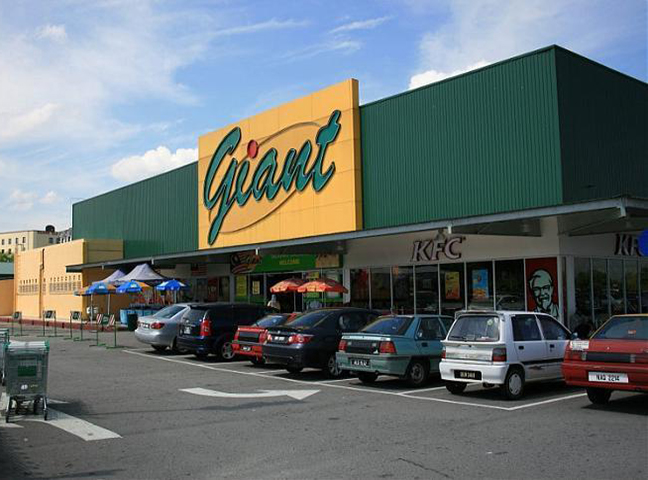
    Giant Malaysia opened seven new-generation stores on a single day last week as Dairy Farm International-owned GCH Retail upgrades the retail-grocery brand.

    Since May of this year, the company has upgraded 21 Giant stores in Malaysia, including 14 in the Klang Valley region of greater Kuala Lumpur. Friday’s openings were all in Johor.

    “The new concept was designed to create a modern shopping environment in our stores and more product diversity to better serve the needs and wants of the customers,” a spokesperson told Inside Retail Asia.

    “Showcasing an attractive systematic layout, shoppers will now find it easier to navigate their way through the hypermarket.”

    “The focus is on freshening up and lifting the brand, while the team works at improving the offer according to customer needs and preferences.”

    The seven Johor stores consist of Giant Hypermarket Plentong, Giant Hypermarket Leisure Mall, Giant Hypermarket Southern City, Giant Hypermarket Tampoi, Giant Superstore Kulai IOI, Giant Superstore Ulu Tiram and Giant Supermarket Perling Mall.

    The newly refurbished stores dispel the myth being propagated by some mainstream media in Malaysia that Giant is shrinking its store network or even preparing to exit the market. Giant has been in the country for more than 70 years and last year GCH Retail opened a RM116 million (US$27.6 million) fresh distribution centre to serve its Giant, Cold Storage, Jason’s Food Hall and Mercato banners.

    “The fresh new look of these stores are a testament to Giant’s commitment to constantly reinvent to provide communities with greater variety of fresh and quality products at the best value and cultivate a more sustainable society,” the spokesperson said.

    The new-format stores feature a bright and light environment, with vibrant colour schemes and bold category signage.

    The product range has been streamlined in each store to expand the fresh food offer and improve its quality.

    A Flat Price Zone features products set at a fixed price points of RM1, RM3, RM5, RM10 and RM15. An expanded Kids Zone features a wide variety of toys and stationery for children.

    The relaunched Giant stores will also feature an expanded range of electrical products comprising reputable brands and Giant Malaysia’s own-brand cookware and gadgets.

    ShopSmart! fills a gap

    Dairy Farm has also been rolling out its new minimarket format, ShopSmart! since March, which has a focus on fresh food and household essentials

    Six stores have already opened, with a seventh due to come online during the next few weeks.

    The format has been designed in response to changing customer preferences in Malaysia identified by GCH Retail, such as more frequent ‘everyday shopping’, smaller basket sizes and a desire for stores to be located in residential areas for consumer conveniences.

  • Costco China opens first store in Shanghai

    Costco China opens first store in Shanghai

    US warehouse retailer Costco opened its first store in China today, against a background of an escalating trade war between the US and China and at a time the local economy is showing signs of slowing.

    The giant store will open in a suburb of Shanghai boasting a catchment of 2 million consumers and follows a four-year program by Costco to build brand awareness among local consumers through a presence on Alibaba’s Tmall Global.

    The company has a target of signing up at least 100,000 members to make the venture viable.

    Costco’s business model relies largely on the sale of memberships giving consumers the right to shop there, with tight margins on products and large pack sizes giving the brand a cost advantage over traditional supermarkets.

    Richard Zhang, Costco’s senior vice president for Asia, said the membership model was not foreign to locals.

    “Chinese consumers are ready to pay for a membership card that grants them an exclusive privilege to buy at a warehouse store, it’s not a new concept in the country,”

    Costco also takes encouragement in that – despite the failures of European hypermarket chains Carrefour, Tesco and Metro in the Chinese market – its US rival Sam’s Club, operated by Wal-Mart on a similar business model, has been trading there for 20 years.

    “A mature market saves us efforts in educating customers.”

    However Jason Yu, GM of Kantar Worldpanel China, is less bullish about Costco’s prospects there.

    “The Chinese market is very complicated and requires retailers to innovate and localise,” he said.

    Local retailers like Hema, Alibaba’s tech-enhanced food store network, are proving popular with consumers and can adapt quickly to changing consumer preferences.

    “Local retailers are reaching out to customers via all distribution channels while foreign retailers are not so flexible to adapt to new situations,” he said. “The old way of a large and all-inclusive hypermarket doesn’t work in China.”


  • Android 10 release date confirmed: Here’s when Google will release it to Pixel phones

    Android 10 release date confirmed: Here’s when Google will release it to Pixel phones

    It seems that Android 10 will be officially released for Pixel phones on September 3, 2019. This will be the official debut of Android 10 on phones, but of course, it will take a bit longer for all the other Android manufacturers to update their devices.

    This piece of saucy info comes straight from the horse’s mouth – two independent Google Support agents have confirmed with us and a reader of ours that, yes, the next major software update will be released to Pixel devices in eight days’ time. Who knew that you could learn so much by simply asking…

    The update will most certainly arrive to all Pixel devices, including the Pixel 3/3XL, 3a/3a XL, as well as older troopers like the Pixel 2/2 XL. As a pleasant surprise, the original Pixel and Pixel XL, which were released all the way back in 2016, will also get Android 10 despite being outside of their two-year support window. That’s a neat bonus for the early adopters of Google smartphone lineup, which were promised two years of software updates and three years of security support.

    A change of heart at Mountain View

    It’s been merely a few days since we willy-nilly parted ways with Android’s sweet naming scheme of old. Forever gone are the dessert names that became a signature feature of the operating system. As a reminder, there have been a total of 14 dessert-theme Android releases. These are Android 1.5 Cupcake, Android 1.6 Donut, Android 2.0-2.1 Eclair, Android 2.2 Froyo, Android 2.3 Gingerbread, Android 3.0-3.2 Honeycomb, Android 4.0 Ice Cream Sandwich, Android 4.1-4.3 Jelly Bean, Android 4.4 KitKat, Android 5.0-5.1 Lollipop, Android 6.0 Marshmallow, Android 7.0-7.1 Nougat, Android 8.0-8.1 Oreo, and Android 9 Pie. Speculation about Android 10’s dessert name hit a wall as just few compatible sweets started with “Q”, the letter that was slated to grace 2019’s Android release.

    All we know about Android 10 so far

    Among the new features that will grace Android with the arrival of its next version are native support for foldable phones, 5G, Live Captions, Smart Reply, Suggested Actions, as well as improved security and privacy features. Other features that are worth mentioning are seamless background updates, improved suite of digital well-being and parental controls functionalities, and finally, the coveted dark mode.

    But when will my phone receive Android 10?

    As usual, it takes Android manufacturers some time to prepare the major Android software updates for their devices. Samsung, for example, usually takes three to four months to develop, test, and distribute the goods to its userbase. In case you’re using one of Samsung’s current or former flagships, then you’re in for a patient wait. Here’s when we expect some of the more popular Samsung phones to receive Android 10 with One UI 2.0:

    Galaxy S10+, S10, S10e Galaxy Note 10
    International Late December 2019 / Early January 2020 Mid-late January 2020
    US Unlocked February 2020 February-March 2020
    Verizon Late January 2020 February-March 2020
    T-Mobile Late January 2020 February-March 2020
    AT&T Late January 2020 February-March 2020
    Sprint Late January 2020 February-March 2020
  • Android users can now silence Google Assistant

    Android users can now silence Google Assistant

    Do you cringe when Google Assistant starts verbally running off at the mouth with an answer to your question? While it might be information that you need to know, it also might be a good time for a silent response. Thankfully, Google has come up with a solution.  A new section has been added to the support page for the Google Assistant that tells users how to turn off its speech output.

    Turning off the speech output will not affect the answers that you get from Google Assistant. You will see the responses on your phone, but they won’t be read out loud. To turn off the speech output of Google Assistant, touch and hold the home button on your Android device or say “OK Google” or “Hey Google.” When the Assistant box comes up from the bottom, tap on the compass icon on the bottom right of the screen. After that, tap on your profile picture or initial in the upper right corner of the display. Go to Settings > Assistant. From there, go to “Phone” and then “Voice and speech.” Tap Speech Output and a box will appear with two options. To shut Google Assistant up, select “Hands-free only.” To get the digital assistant’s voice to return, follow the above instructions again and when you get to the last box, select “On.”

    Apparently, many Android users are not able to find the “Voice and speech” section on Assistant. Well, first of all, the support page was just updated today so we assume that the update is only now rolling out. We were able to find it on our Pixel 2 XL running Android 10 beta 6. We should point out that Google did not note in the support page that this is a feature limited to Android 10, so if you’re running Android 9 or even Android 8, there is no harm checking to see if you can silence Google Assistant.

    Since typing in a question for the Google Assistant always results in a non-verbal response, the new feature comes into play only on inquiries that are spoken to the virtual digital helper.