Category: General

Retail News Asia is committed to providing both local and global retailers with the latest General Retail news throughout the Asian market. This on a daily base.

  • South Korea dominate Vietnam entertainment industry

    South Korea dominate Vietnam entertainment industry

    They include YG Entertainment, which manages many of Korea’s biggest stars like Big Bang, 2NE1, PSY, Epik High, Choi Ji Woo, Black Pink and Lee Jong Suk, its subsidiary YGKplus, the country’s leading modelling agency, and Naver.com, the country’s biggest search engine and online media and entertainment channel.

    The Korean companies are seeking to tie up with Multimedia JSC in entertainment and fashion.

    They will send their stars to participate in major entertainment events in Vietnam like the Vietnam International Fashion Week and also create opportunities for Vietnamese models in Korea.

    Besides YG Entertainment and Naver.com, many other Korean companies in movies, the media and entertainment also have plans to enter the Vietnamese entertainment market.

    The Vietnam Film Distribution Association said the market was dominated by foreign distributors, many of them Korean.

    Vietnam now has more than 50 cinema chains. Korean-owned CJ CGV Vietnam is the largest in the market with 30 cinemas in 10 major cities. Lotte Cinema, also owned by South Korea, has 16 cinemas.

    A CJ CGV executive said each year the company opened around 10 cinemas in Vietnam and expected to reach 60 by next year.

    Market observers said South Korean investors saw plenty of opportunities in the Vietnamese entertainment industry.

    They find that the Vietnamese entertainment market is still in a fledgling state while the demand for entertainment has skyrocketed in step with living standards, meaning the sky could be the limit for investors.

    The fact that Vietnam and Korea have many cultural similarities means Korean entertainment investors with their quality products can attract Vietnamese audiences easily.

    On the commercial side of things, there are several trade agreements Vietnam has signed which offer opportunities to foreign investors, including those in the entertainment industry.

    Analysts said all this meaned pressure on domestic entertainment companies, who could lose the market completely to the Koreans if they were slow to react.

    In 2005 CJ CGV and Vietnamese company VIFA established a joint venture called CJ-VIFA whose first project was the drama “Mui Ngo gai”.

    Then CJ CGV bought out Megastar, the largest chain of cinemas in Vietnam at that time. At the beginning of 2014, after closing the acquisition, Megastar was renamed CGV.

    CGV now accounts for over a half the Vietnamese cinema market.

    It also dominates the film import market, and by showing more movies than its rivals, including blockbusters, CGV has become popular among the public.

    CJ CGV’s strategy is a vital lesson for local entertainment companies.

  • AirAsia to introduce fourth daily flight to Trichy from Kuala Lumpur

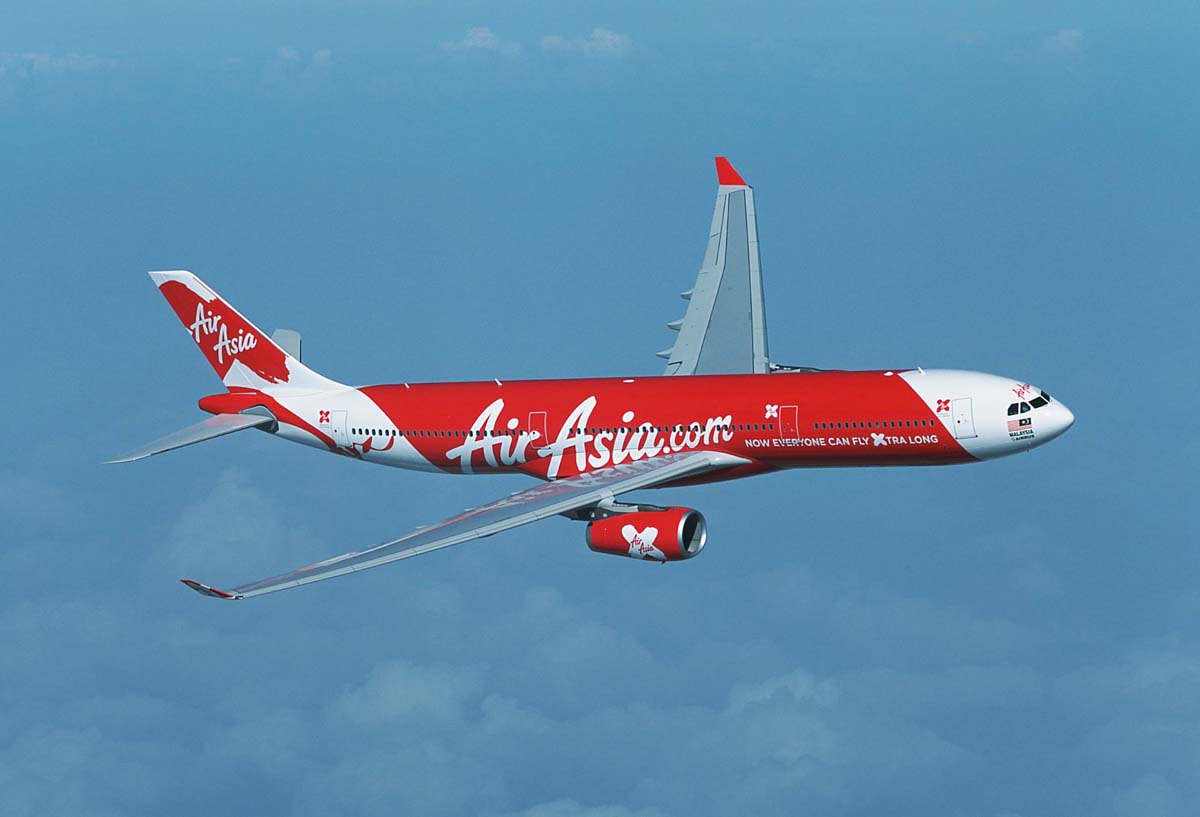
    AirAsia to introduce fourth daily flight to Trichy from Kuala Lumpur

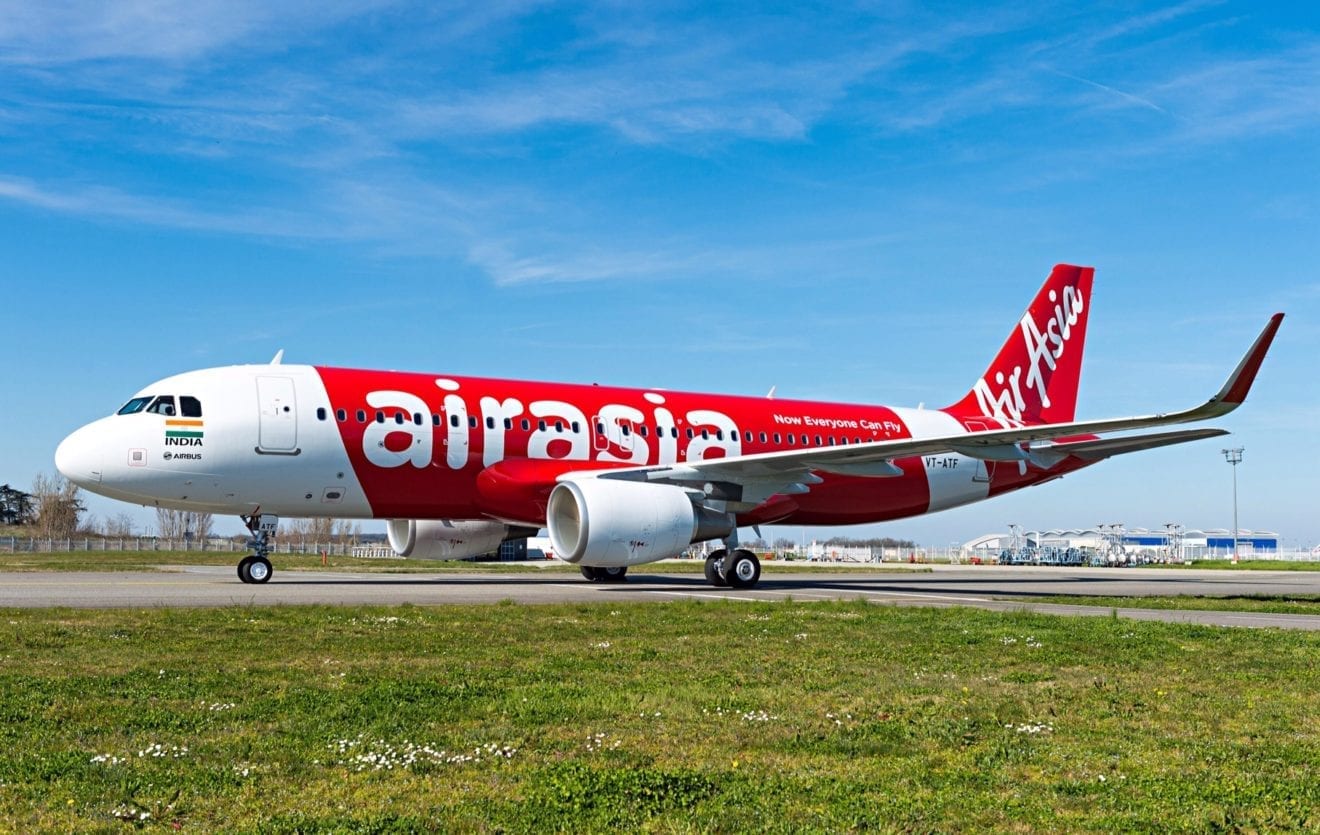
    Low-fare carrier AirAsia will introduce its fourth direct daily flight between Kuala Lumpur and Trichy from April 26th.

    This will make the Tamil Nadu town the receiver of the highest number of flights in India from the Malaysian capital.

    The Trichy-Kuala Lumpur-Trichy sector will now have 46 weekly flights–four daily by Air Asia and 18 weekly by Malindo Air.

  • Solid year for revitalised Dairy Farm International

    Solid year for revitalised Dairy Farm International

    Hong Kong-headquartered multi-format retailer Dairy Farm International has celebrated its 130th anniversary with a strong set of results, with food, home furnishings and restaurants delivering higher profits.

    Total sales, including those of associates and joint ventures, rose 14 per cent in US dollar terms and 17 per cent on a constant-currency basis to US$20.4 billion. Sales of wholly-owned subsidiaries rose 1 per cent to $11.2 billion.

    Underlying net profit rose by 7 per cent to $460 million, partly due to a 13 basis point net improvement in operating margins as well as increased contributions from Yonghui and Maxim’s. Operating profit rose 6 per cent.

    Supermarkets & hypermarkets solid

    Total food division sales, which include Wellcome and Giant, were flat in US dollar terms, although up 1 per cent on a constant currency basis.

    “In an environment of severe pressure on pricing, sales growth in Hong Kong supermarkets and in the convenience store businesses in Hong Kong, Mainland China and Singapore helped to offset declines in the group’s supermarkets and hypermarkets in Singapore and Indonesia and largely flat sales elsewhere,” explained CEO Graham Allan.

    “The closure of a number of unprofitable stores in Singapore and Indonesia also weighed on sales performance. However, specific actions, including strategic store closures, prudent management of costs and more targeted promotional activity, delivered improved operating margins.’

    Operating profit from the food division rose 13 per cent to $267 million, with the largest gains coming from Singapore and Indonesia.

    Sales of $6.2 billion from supermarkets and hypermarkets (excluding Yonghui) were in line with last year in constant currency while operating profit increased by 13 per cent to $194 million.

    Wellcome in Hong Kong drove higher sales through strengthening its fresh offer and an enhanced merchandise assortment. Operating profit was lower, principally due to a continued rise in rental costs and competitor promotional activities. In Macau, San Miu achieved sales and operating profit growth in its first full year in the group with range enhancement and increased fresh participation.

    In Taiwan, sales and operating profit were ahead of last year. A new ‘superstore’ concept was introduced for Wellcome with two net new stores opening during the year, while Jason’s continued its store expansion.

    “The retail landscape in Indonesia was challenging with limited recovery in consumer confidence and significant competition from the continued rollout of mini-market stores across the country, which impacted sales growth at supermarkets and hypermarkets,” said Allan.

    “Nevertheless, improved margins, from pricing and promotional activities, the closure of a number of underperforming stores and tighter cost control boosted profitability. Improving the fresh assortment and revitalising the upscale Hero brand remain key focus areas for the business.”

    In Malaysia, sales and operating profit were behind 2015 due to persistent low consumer confidence together with ongoing price controls following the introduction of GST, which continued to weigh on performance.

    The Philippines recorded a strong year with all banners reporting like-for-like sales growth and improved profitability. “A more appealing fresh assortment coupled with tactical pricing and successful marketing activities underpinned an encouraging increase in footfall,” said Allan.

    “Rustan’s benefited from increased sales of its imported and exclusive brands, while measures to improve cost efficiency were also implemented.”

    In Singapore, sales were down year-on-year due to poor consumer sentiment and the impact of store rationalisation. “Cold Storage achieved an encouraging operating profit increase, despite reduced sales following the closure of underperforming stores. Giant saw steady sales and positive profit growth, driven by increased margins and lower operating costs.

    “In the coming year, we aim to invest in the renewal of customer facing and back office technologies to improve our customer experience and internal efficiency whilst optimising ranges and supply chain productivity.”

    In Vietnam, Giant posted sound sales growth, from its single store, with increased customer traffic being the main driver and in Cambodia, the group saw “encouraging increases” in like-for-like sales and operating profit.

    Convenience sales reach $2 billion

    Convenience stores reported $2 billion in sales, an increase of 5 per cent year-on-year in constant-currency terms. Operating profit increased by 15 per cent to $73 million.

    In Hong Kong, 7-Eleven outpaced the competition and grew sales and operating profit despite soft consumer sentiment and difficult market conditions. Like-for-like sales strengthened during the year supported by promotions, range improvements and new products. A slight gross margin improvement led to a higher operating profit despite cost increases from labour and rent. In Macau, sales were flat and operating profit was lower due to slowing tourist numbers and a substantial cigarette tax increase in 2015.

    In Mainland China, 7-Eleven continued its solid growth and passed its 800th store milestone. During the year, sales and operating profit increased, with store network expansion and like- for-like sales growth. This was driven in part by an expanded ready-to-eat (RTE) product range.

    In Singapore, 7-Eleven achieved positive like-for-like sales growth arising from a store re-ranging project with a strong focus on RTE, including the successful introduction of new private label products sourced from 7-Eleven Japan.

    “Operating profit was significantly ahead of 2015 due to these initiatives and the rationalisation of loss-making stores,” said CEO Graham Allan. “The RTE range will be further expanded in 2017 and there will be increased focus on acquiring new profitable sites.”

    Health & beauty sales rise

    Dairy Farm’s health & beauty division achieved $2.6 billion in sales, up 4 per cent on a constant currency basis, however profit declined 5 per cent to $175 million due to margin pressure and higher rents in Hong Kong.

    “Gains in Hong Kong, Mainland China, Singapore, Indonesia and the Philippines, offset disappointing sales in Malaysia,” said Allan.

    In Hong Kong, Mannings’ sales increased in 2016 despite a smaller store network. “As mainland Chinese tourist arrivals continued to decline, promotional campaigns and loyalty programmes were launched throughout the year targeting local consumers,” said Allan. “Sales were flat in Macau as mainland Chinese tourist arrivals remained soft.

    On the mainland, Mannings “showed gradual improvement” with solid sales growth, particularly in baby care, beauty care and personal care, while the contribution from corporate brands increased.

    In Singapore, Guardian reported growth in sales, while operating profit also increased with higher gross margins and greater focus on cost and shrinkage management, partially offset by higher rental costs, but in Malaysia, Guardian experienced “a challenging year” with lower sales and operating profit due to subdued consumer sentiment, increased competition and weakness of the ringgit.

    In Indonesia, Guardian posted double-digit sales growth for the fifth year in a row, despite the net closure of 73 stores. Operating profit was higher than in 2015 with higher gross margins.

    In Vietnam, Guardian recorded another strong year of double-digit sales growth and improvement in gross margin. Corporate brand penetration increased significantly as brands such as Botaneco Garden proved popular with local consumers and in the new market of Cambodia, progress was made through range expansion and increased corporate brand penetration supporting strong like-for-like sales.

    In its second year in the group, Rose Pharmacy in the Philippines delivered performance improvement through sales growth, gross margin enhancement, better cost efficiency and the closure of a number of underperforming stores. Guardian brand products were launched with encouraging early signs of customer acceptance.

    Home furnishings solid

    Home Furnishings, essentially the Ikea business in Hong Kong, Taiwan and Indonesia, recorded a 12 per cent rise in operating profit to $71 million driven by increased sales of $597 million, 6 per cent ahead of 2015.

    “Sales and operating profit were higher than last year in all three markets. Like-for-like sales growth was particularly strong in Taiwan and Indonesia.”

    Hong Kong led the group in introducing new concepts to increase consumer access, launching online shopping in April 2016 and opening two pick-up points in Macau and on Hong Kong Island. Indonesia introduced online shopping in July. Taiwan opened a pick-up point in Hsinchu and launched online shopping in February 2017.

    “We continued to strengthen our low price image through ongoing price investment, and increased our focus on market specific products to enhance our local consumer appeal.

    “In the coming year, Home Furnishings plans both to continue its push in consumer accessibility and to drive forward its expansion plans, having identified a second Indonesia store location and opening a fourth store in Hong Kong in the second half of 2017,” said Allan.

    Solid growth for Starbucks, Maxim’s

    Sales in Dairy Farm International’s restaurants division rose 7 per cent year-on-year to $2 billion and profit rose 4 per cent.

    “The business delivered another year of record earnings in a difficult market environment while continuing to expand outside Hong Kong,” said Allan.

    The division expanded its reach by acquiring Cova, a premium chain of cake shops and restaurants, and by opening its first Treats food hall.

    In China, Maxim’s added 16 new stores across its brands, including the first Cheesecake Factory franchise at Shanghai Disney Town.

    The company now operates 20 Starbucks cafes in Vietnam and Cambodia and describes their performance as “encouraging”. The group launched its first Thai franchise in September – MX Cakes and Bakery, a joint venture with ThaiBev, which has opened three outlets in Bangkok.

    “Looking ahead, the group continues to see various exciting opportunities, including entry into the Beijing market with the opening of Jade Garden, Cafe Landmark and The Cheesecake Factory planned in 2017. Maxim’s will also continue to explore franchise and acquisition opportunities across the region.”

    Dairy Farm will “compete aggressively”

    Chairman Ben Keswick said Dairy Farm International is “transforming itself to compete aggressively in a changing retail landscape”.

    “Central to this are a strong focus on understanding changing consumer behaviour, growing market share, building digital engagement with customers and sharing know-how across the group. Investment is being sustained in supply chain, IT infrastructure and systems, and the skills and expertise of our people to support this transformation. Each business is committed to optimising the shopping experience of its customers and to serving their evolving needs as efficiently as possible.”

    Keswick said increasing convenience through expansion and enhancement of the store network remains a high priority, although when necessary, underperforming stores will be closed. Last year the entire group added a net 114 stores, despite a number of closures across its divisions.

    At December 31, Dairy Farm International had 6548 stores in operation in 11 countries and territories, including its interest in 487 Yonghui stores in Mainland China.

    “Despite the uncertain economic outlook for 2017, the group continues to strengthen its businesses,” said Keswick. “Investments are being made to enhance its competitive position, increase customer convenience and adapt to emerging consumer trends. These investments, coupled with the exposure of its market-leading retail brands to Asia’s growth markets, will support Dairy Farm’s long-term success.”

  • Learn 7 Steps To Increase The Accuracy Of Easier Physical Inventory Counts

    Learn 7 Steps To Increase The Accuracy Of Easier Physical Inventory Counts

    Easier physical inventory counts matter and can make a big difference to controlling and maintaining your business. Learn these seven steps in improve accuracy.

    1) Prioritize Inventory Accuracy Over Order Fulfilment:

    In terms of inventory accuracy, prioritizing accuracy over all other factors is the most essential yet challenging step. Quite a few inventory issues come up when someone feels like they need to push a transaction through whatever system is used while intending to return to the numbers to fix them later. Emergency rushing does often mean that people forget to come back and fix it later though. Missed production entries and negative inventory lines join a broad array of problems that result from this. Only when you put systems into place that keep employees from proceeding with a rushed transaction are you able to keep accurate and effective inventory records.

    One instance of success that can be learned from is a team that recently instituted an accounting change. It prevented any shipment from being processed if it claimed to have more inventory than the system actually knew was on hand. For instance, if the team was trying to ship 12 units of an item, but the system saw only 6 in stock, then an alert would show up, forcing the staff to fix the issue before they could move ahead. That change helped the team deal with issues prior to the product units going out. By forcing the team to deal on the spot with missed production entries prior to shipments going out, the newly altered system helped them avoid their biggest inventory issues. 

    2) Everything Gets A Marked Location:

    When the time comes that inventory must be counted, it’s necessary that everything has its own labelled home. Stray pallets and homeless loose boxes wind up haunting you when it’s time to reconcile things. Even new and temporarily locations for the duration of the inventory can make life a lot easier, so find a defined location for all items, mark it well, store it there, and then leave it.

    3) Reduce Your Inventory As Much As You Can:

    Do everything you can to wind up counting as little actual inventory as possible. That might mean stalling an in-bound shipment for a few days, or shipping extra units prior to doing the counting. When you have to count less, you have less opportunity for mistakes. You also want to avoid receiving or shipping any of your product during your count, since this will mean discrepancies.

    4) Count Overstock Items In Advance:

    Even before you start the official count, you can have individuals count the locations of overstock in advance. That reduces how much counting has to happen on the actual days where inventory is fully frozen. Make sure the spots are stocked fully and then wrap them, marking down the counts of the locations. Just be sure that counts are adjusted to reflect anything taken from overstock between the pre-count and the actual inventory. If you do a full inventory count it should be scheduled well ahead of time.

    5) Do Visual Count Tracking:

    Your inventory is probably going to take more than one person. That being said, knowing what has been counted and what is still waiting can get gruesomely complex. To keep things simple, make it very easy to know what was counted. Use large count tags that have bright colors as unmistakable signs of what has already been tagged. Go big and obvious, especially is you are going to use anyone not familiar with the environment. Have a second style of tag for anything that is not going to get counted at all.

    6) Give Every Team A Product Specialist:

    Something else that causes confusion is how items are packed. If an assortment of 12 items is packed as one, is it a dozen units or 1 case? Box markings give clues, but it’s better to have a member of each team be familiar with the product in question. You might need to bring in extra hands for a quick inventory, and they need to know who to turn to for questions in their group. If possible, partner experienced people with newer individuals.

    7) Immaterial Counts Should Happen Quickly:

    A number of smaller items just aren’t worth counting out individually. This can be things like gallons of chemicals, plastic hooks and bags, or tons of grains. In cases like these, physical measurements and counting, just aren’t worth it in establishing product value. Sensitive scales help out in copious quantities of small items, so weigh a sample and then do calculations on the larger supply. This works especially well for cheaper components. Larger quantities can be estimated and calculated through extrapolation, which is better than just doing guesswork.

  • Kitchenware firm thrives by cooking up new ideas

    Kitchenware firm thrives by cooking up new ideas

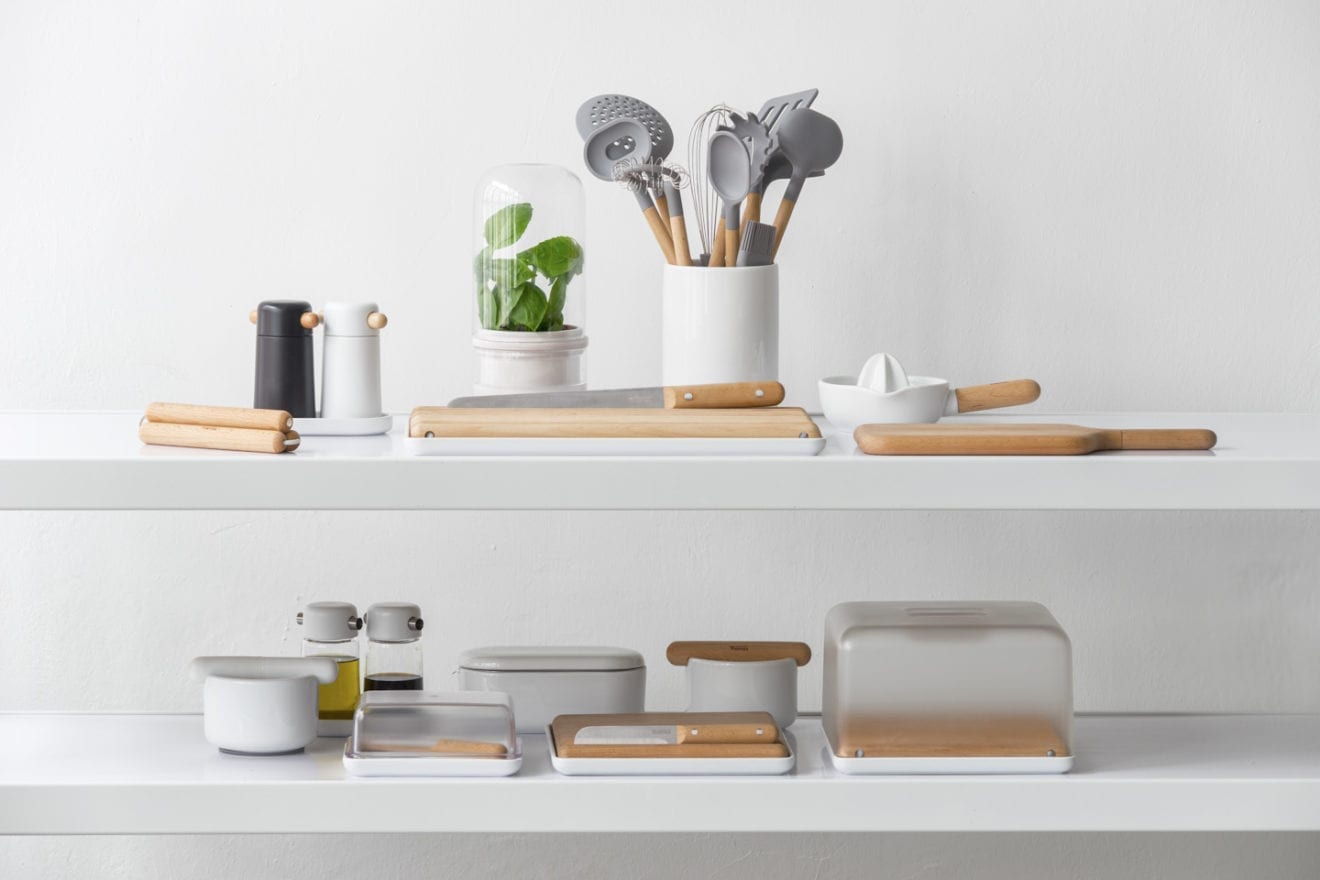
    There is often something new on the menu at kitchenware retailer ToTT. Since opening its first outlet in 2010, the firm has branched out into e-commerce, cooking lessons and even customised kitchenware.

    Re-invention has always been at the heart of the company’s ethos, said ToTT director Grace Tan.

    Her grandfather founded ToTT’s parent company Sia Huat, which started in 1959 in Temple Street selling kitchenware to industrial kitchens, restaurants and chefs. The company noticed a gap in the market for household kitchenware products, and ToTT – which stands for Tools of the Trade – was born.

    The retail chain now has two stores here and remains a family business – Ms Tan’s father, Mr Tan Choon Boon, is Sia Huat’s chief executive.

    Both of ToTT’s outlets integrate shopping with in-store kitchens where classes and cooking demonstrations are conducted.

    The company also set up a bistro at its Dunearn outlet to complement the culinary retail experience.

    These additions contribute about 20 per cent of overall revenue, Ms Tan, 38, said, with kitchenware retail still making up the bulk of sales at 80 per cent.

    ToTT also launched an online store in 2013.

    “These measures attract the attention of consumers and keep them consistently engaged in the shopping experience,” said Ms Tan.

    The retailer, which employs around 60 people, noted that sales held steady last year despite sluggish economic conditions.

    Ms Tan acknowledged that competition in the retail industry is fierce, but added that a focus on quality is ToTT’s best bet for the future.

    “While sites such as Taobao may offer cheaper deals, their products do not come with any form of quality assurance,” she said. “ToTT allows customers to try out various products before purchasing them. We set high expectations for product and service quality.”

  • Strong consumer confidence propels Philippines retail

    Strong consumer confidence propels Philippines retail

    The Philippines is experiencing a new wave of retail property construction, thanks to strong consumer confidence and enhanced purchasing power among Filipinos.

    Among SNL-covered companies, the Philippines has the largest volume of shopping centers and regional malls under construction, outpacing both China and the U.S. As of Feb. 24, the Philippines had 44 shopping center and regional mall properties under construction by SNL-covered companies, compared to 32 in China and 19 in the U.S.

    Although shopping centers have sprung up across the Philippines since the 1990s, when local developer SM Prime Holdings Inc. kicked off what it called the “malling” phenomenon as trips to the mall became a way of life for Filipinos, the retail market there appears to be nowhere near the saturation point, with new supply set to come online this year. According to the Colliers International Philippines Retail 3Q 2016 report, close to 500,000 square meters of leasable retail space is expected to be added across the country in 2017.

    Megamall-ed

    According to SM Prime’s website, the malling phenomenon became evident in the Philippines in the early 1990s as the developer started building one new mall after another, including SM City Sta. Mesa in 1990 and SM Megamall in 1991, both of which are situated in the nation’s capital region of metro Manila. Since then, the company has grown to become one of the largest mall developers in the country and one of the top mall operators in Southeast Asia. Continuing its expansion, SM Prime said it plans to invest as much as 65 billion Philippine pesos to build at least five new malls in the country in 2017. The company also launched SM City East Ortigas in the eastern part of metro Manila in December 2016.

    An SNL analysis found that SM Prime has the greatest exposure to the Philippines retail market among covered companies, with a total of 91 shopping centers and regional malls in operation or under development as of Feb. 24. Trailing SM Prime is Robinsons Land Corp., with 46 properties, followed by Ayala Land Inc., with 43.

    Meanwhile, DoubleDragon Properties Corp. has the highest number of retail properties under development in the country. As of Feb. 24, the company had 18 regional malls and one shopping center under construction. DoubleDragon is also pursuing aggressive expansion on the provincial retail front. In an investor presentation at the Macquarie Capital ASEAN Conference, the company said it envisions adding 700,000 square meters of retail leasable space, including 100 CityMalls, by 2020.

    SNL Image

    The Philippines retail market is also likely to attract foreign developers; media reports have indicated that the current administration is considering new regulations that would ease foreign investment in the country. One foreign developer that has made its foray into the market is Hong Kong-based Kerry Properties Ltd., which owns the Shangri-La Plaza Mall in Mandaluyong City in Metro Manila.

    Confident consumers

    The retail boom in the Philippines is spurred in large part by increased confidence among Filipino consumers. According to the Department of Economic Statistics’ most recent survey, the consumer outlook index in the country soared to 9.2% in the fourth quarter of 2016, marking its highest reading since the poll was launched in 2007. Improved consumer sentiment was generally seen across all income groups, and consumers were most confident in the country’s economic condition, followed by family income and family financial situation. Nielsen also reported that consumers in the country were the second most confident worldwide during the third quarter of 2016 and ranked third a year earlier.

    From the outside in

    With a higher level of consumer confidence comes increased domestic spending backed by both external and internal funding sources. Colliers said the rising purchasing power among Filipino consumers is driven primarily by overseas remittances and business process outsourcing revenues, particularly in Metro Manila.

    Colliers noted that remittances from overseas Filipino workers jumped 4.4% year over year to US$19.5 billion for the first eight months of 2016, and such growth is expected to continue as demand rises for skilled Filipino workers and remittance service providers work to expand market coverage. Meanwhile, BPO revenues are poised for continued yet slower growth, as the local outsourcing sector is forecast to employ 1.8 million full-time employees and generate US$38.9 billion in revenues by 2022, Colliers reported, citing the IT and Business Process Association of the Philippines.

    Staying relevant

    The Philippines RE index, comprising seven diversified real estate companies, all of which have exposure to the country’s retail sector, outperformed its peer Asia Pacific indexes, including the SNL Hong Kong RE index, SNL Singapore RE index, SNL Australia RE index, and the SNL Japan RE index. As of Feb. 24, the index recorded a 1-year total return of 28.71%, 9.21 percentage points higher than the SNL Asia-Pacific RE index.

    Despite the anticipated surge in new supply, Colliers is bullish that the Philippines retail market will continue to flourish in 2017 as vacancy rates remain low and demand for retail space supports higher lease rates. But with the evolving retail scene, characterized by increased competition and the emergence of online shopping, Colliers said malls should be “more lifestyle-oriented rather than retail-centric” in order to stay relevant. In Metro Manila, the primary driver of retail spending is food and beverage, making up 30% to 40% of leasable space in shopping centers and accounting for roughly 40% of Philippine household spending. With this trend likely to continue over the long term, developers should carve out a portion of their retail properties to feature unique food and beverage concepts, Colliers said.

  • Mall bad news but some bright spots

    Mall bad news but some bright spots

    In just over a year, clothing retailer Hang Ten has closed more than a third of its stores.

    The 12 outlets, in suburban malls, had been bleeding money. Consumers were spending less but Hang Ten’s landlords were still charging high rents, said its general manager Andrew Kee.

    “We started to close non-profitable suburban shops since Q4 2015 to reduce losses and just concentrate on a few strategic locations.”

    The days of suburban malls as the retail sector’s bright spot are coming to an end, said property consultancies.

    For the past five years, as the rise of e-commerce and growing economic uncertainty pushed Orchard Road retailers out of business, suburban malls were fairly resilient.

    Such malls could fall back on shoppers living in the area, unlike the tourist-reliant Orchard Road, which is susceptible to competition from overseas destinations and lacklustre tourist arrivals.

    The turning point was last year, when the pace of decline of suburban rents quickened – from 1 per cent quarter-on-quarter in the first quarter to 2 per cent in the fourth quarter, said R’ST Research’s director Ong Kah Seng. This is a sign that rents in suburban malls are going downhill, he added.

    But as the challenges drag on, suburban malls are being dealt a belated reality check.

    Some mall managers are fighting back by offering short-term leases, filling their spaces with food and beverage outlets, and adding more lifestyle elements to their malls.

    According to property research consultancy R’ST Research, rents of retail properties in Orchard Road fell by about 11.1 per cent on average from 2012 to 2015.

    Over the same period, rents of suburban retail spaces dipped only marginally at about 1.4 per cent.

    The turning point was last year, when the pace of decline of suburban rents quickened – from 1 per cent quarter-on-quarter in the first quarter to 2 per cent in the fourth quarter, said R’ST Research’s director Ong Kah Seng.

    This is a sign that rents in suburban malls are going downhill, he added.

    Tenants are also feeling the heat.

    Czech shoe company Bata’s country manager Pierluigi Pontecorvo said it is increasingly difficult to operate in suburban malls now, compared with two years ago.

    Footfall has reduced “drastically”, while little has been done by malls to attract customers, he said, adding that landlords were also not flexible in reducing rental costs to help retailers cope with the challenges.

    To retain customers, Hang Ten – which has 21 stores – revamped its loyalty programme in 2015.

    With online stores such as Taobao, Zalora and Lazada gaining traction, retailers that sell mass market items and clothing are finding it harder to survive.

    Malls are hence devoting more space to food and beverage, a trend that became more prominent since mid-2015, according to real estate consultancy Knight Frank Singapore.

    Its executive director and head of retail Wendy Low said F&B, on average, makes up up to half of a suburban mall’s tenants, compared to about a quarter previously.

    Mr Desmond Sim, head of CBRE Research for Singapore and South-east Asia, said suburban malls are banking on experiential elements to draw shoppers.

    Next month, Waterway Point in Punggol will launch a new party room next to the mall’s playground on the second storey, where shoppers can hold family gatherings.

    Frasers Centrepoint Malls is working with existing tenants to pilot new ideas, including temporary short-term leases or pop-up stores, said its general manager of retail properties Stephanie Ho.

  • AirAsia plans to restart expansion, fly international by 2018

    AirAsia plans to restart expansion, fly international by 2018

    AirAsia India, which is in the midst of a court case about foreign control and investments, plans to restart expansion and fly international by next year after regulatory authorities gave it tacit approval last month.

    Aviation regulator Directorate General of Civil Aviation (DGCA) said in a 8 February ruling that it would not terminate AirAsia’s licence as the airline had not violated any rules. The order, however, noted that the airline’s budget, airfares, ancillary services and aircraft leasing among other things are approved by the parent AirAsia Group in Malaysia under the brand licence agreement signed between AirAsia India and AirAsia Group.

    “The issues continue but the DGCA ruling on the brand license agreement was quite in our favour. We have always maintained it. It’s not new to us, it’s probably new to the competition,” AirAsia India chief executive Amar Abrol said at a media roundtable in Delhi on Thursday. “We are again getting ready for the second wave of growth.”

    The Bengaluru-based airline plans to expand its fleet to 14 Airbus A320 planes by October from the current eight. These will be used planes and not from the AirAsia Group, Abrol stressed.

    Planes previously used by US-based Frontier Airlines will be leased from the aircraft lessor who owns the plane. The airline will fly largely between metros and tier-II cities as it expands, Abrol said, adding that “the overall strategy is route dominance rather than getting hammered everywhere”.

    Abrol said a new team was coming in to work on the international plans. “There is a project team coming in to get us ready for international. It will take us at least one year to get to international—so if not summer, autumn next year (we will fly international),” he said.

    The airline will focus on South-east Asia, where it has several sister airlines under the AirAsia group providing ready infrastructure. “We literally don’t have to do anything we just have to land up in Kuala Lumpur… airports ready, staff is already there. It’s all there,” Abrol said.

    AirAsia Indonesia is starting Bali-Mumbai flights, AirAsia Thailand is flying into Kolkata, AirAsia Malaysia is flying into Bhubaneswar and AirAsia X is looking at increasing its frequency to Delhi.

    It only makes sense to marry the traffic so AirAsia India will tie-up with these airlines and make its network in such a way that they can sell common tickets, he said. For example a passenger can buy a Jaipur-Bengaluru-Kuala Lumpur ticket, where AirAsia India does the first leg and AirAsia Malaysia the second, he explained.

    The sister airlines and AirAsia will gain 12% traffic each after these agreements are in place, Abrol estimated.

    To be sure, the airline is yet to make profits and Abrol did not specify when it expects to become profitable. He said the next fiscal will be an investment year for the firm, and while the airline has already received two rounds of funding since inception, it will look at more funding at the end of the year if required as it goes international.

    Tony Fernandes-promoted AirAsia Bhd, through AirAsia Investment Ltd, owns 49% in AirAsia India. The Tata group owns 49%, and two directors of AirAsia India—S. Ramadorai and R. Venkataramanan (both Tata loyalists)—hold the rest.

    Bharatiya Janata Party (BJP) leader Subramanian Swamy, who sought the quashing of the airline’s licence by the court, told Mint on 10 February that he was not convinced by the DGCA ruling and would pursue his case in the courts.

    Abrol said he hoped 2017 would be better than 2016.

    “By the end of the year we will have 1,800 people working for us. I am sure the government will take cognizance of investments, Make in India, people employed,” he said.

  • Fintrax and Lotte form JV to boost tax-free shopping in Korea

    Fintrax and Lotte form JV to boost tax-free shopping in Korea

    Eurazeo Capital portfolio company Fintrax Group has formed a joint-venture (JV) with The Lotte Group subsidiary Lotte Data Communications Corporation (LDCC).

    Fintrax will join Lotte as shareholding partners in CubeRefund, an existing refund operator in Korea and will drive the business forward together.

    Fintrax Group is the second largest tax-free operator in the world with over 150,000 retail outlets including leading luxury and retail brands such as Dior, Gucci, Dolce and Gabbana. The JV will firmly establish CubeRefund, which will use the Fintrax Group’s tax-free subsidiary Premier Tax Free’s name and logo, as the leading VAT refund company in Korea.

    The JV project will contribute to the expansion of Lotte Group’s sales as well as the economy by increasing visits to overseas tourists through duty-free shops, department stores, and outlets in the mid to long-term.

    CubeRefund is recognised for its innovative technology, which aligns with Fintrax Group values. Through this agreement, CubeRefund (t/a Premier Tax Free) will provide high-quality tax refund services to foreign tourists visiting Korea. In addition, the company plans to become more active in expanding its business by promoting international joint marketing, increasing the luxury goods tax refund business, and establishing a bridgehead for overseas market entry.

    Fintrax CEO Patrick Waldron commented: “We are delighted to invest in this joint venture with CubeRefund. We have a great partner in the Lotte group, who is one of Asia’s leading companies. This latest investment underpins our commitment to Asia as a growth strategy for our Group.”

    Waldron will be joined on the board of the JV operation by Gary Byrne, head of New Markets at Fintrax, who leads the Asian strategy and led the deal on behalf of Fintrax. Byrne added, “We are pleased to begin our operations in Korea, this is increasingly an important market for our international brands.”

    “CubeRefund is the first successful case to attract foreign investment as an excellent venture company discovered by LDCC,” said LDCC CEO Yong-deuk. “We will continue to explore various win-wins. I will take the lead in spreading the culture of mutual growth.”

    The tax refund market in Korea has grown almost 10 times since 2010 from circa W41.7bn to  circa W413bn in 2017 and is expected to grow in the future in line with the continued growth of overseas tourists. Tax-free shopping is a fundamental part of the country’s Government strategy to attract Chinese and other international tourists.

    Fintrax were advised by Natixis and LDCC were Advised by PWC Korea.

  • Limited Editions Thrive in Secondhand Markets

    Limited Editions Thrive in Secondhand Markets

    The latest hype in Korea has been over the Adidas Yeezy Boost 350 v2 “Zebra,” co-designed by American rapper and producer Kanye West. This extremely limited edition pair of shoes sold for a retail price of 289,000 won ($255.75), but they now cost somewhere around 1.5 million won on secondhand platforms online. 

    Similarly, the pair’s predecessor Yeezy Boost “Bred” (black + red) with the same retail price now sell for at about 600,000 won on secondhand markets, which isn’t as impressive but still double the original amount. 

    Such popularity, and the subsequent resale of limited or special edition shoes is nothing new. 

    The Nike Air Max 95s, launched in August 2015 to celebrate their 20th anniversary, sold out in Korea in less than two hours, and were later resold at prices roughly 100,000 won higher than their retail price of 189,000 won. 

    Nike’s Air Jordans, likewise, have long been popular among shoe fanatics with every new release. The Air Jordan 1 Bred (2016), for instance, peaked at 600,000 won on secondhand platforms after selling for 199,000 won at shoe stores. The shoes are still traded at a little over 400,000 won.

    Overseas collectors share the same enthusiasm. The most notable is perhaps Kanye’s Air Yeezy 2 “Red October,” which the rapper co-designed with Nike before he teamed up with Adidas. A pair of the shoes, which were produced in a limited run of only 1,000 pairs, was traded for $93,000 on eBay at one point in 2012, and they still cost thousands of dollars for anyone trying to add them to their collection. 

    Some resellers have even decided to take this business model to a professional level. 

    For example, Yeezy Mafia, a group of some 50 individuals from countries around the world, provides shoe collectors with early information on new Adidas releases (often before official announcements) and resells them to those with a Yeezy Mafia membership. Sneaker resellers Allen Kuo and Benjamin Kickz are also big players in the market. 

    Of course, shoes are not the only items that attract devotees.

    Starbucks’ special edition merchandise usually sells out quickly in Korea, and items are later traded online for higher prices, while clothes by specialty retailers or private label manufacturers co-designed with other designers are also frequently found on secondhand markets. 

    H&M’s collaboration products – which the company releases each year with world-class designers such as Balmain, Isabel Marant, Alexander Wang, and Maison Margiela – are particularly popular. In 2015, hundreds camped out at an H&M outlet in Myeongdong for days to get their hands on the newest Balmain x H&M collection. 

    One of the dresses, which rose to prominence after Suzy of idol group Miss A was seen wearing one on a local TV show, was going for roughly 250,000 won, up from its retail price of 159,000 won.

  • Singapore Airlines lifts KrisFlyer award rates

    Singapore Airlines lifts KrisFlyer award rates

    Turning your Singapore Airlines KrisFlyer miles into a business class seat and first class suite will require more miles from this month, with the Singaporean flag-carrier boosting the cost of Saver-category award flights out of Australia.

    The 15% discount for making your frequent flyer redemption booking online rather than over the phone has also been axed.

    However, fuel and insurance surcharges will no longer be added to KrisFlyer award bookings.

    The changes kick in on March 23, 2017, although miles-based award bookings made and ticketed before March 23 will escape the hike.

    There’s no change to the Standard award rates for flights from Australia to Singapore or Europe – but if you’re looking to snare a cheaper Saver award flight, here’s the uplift.

    Who’ll pay more, and how much…

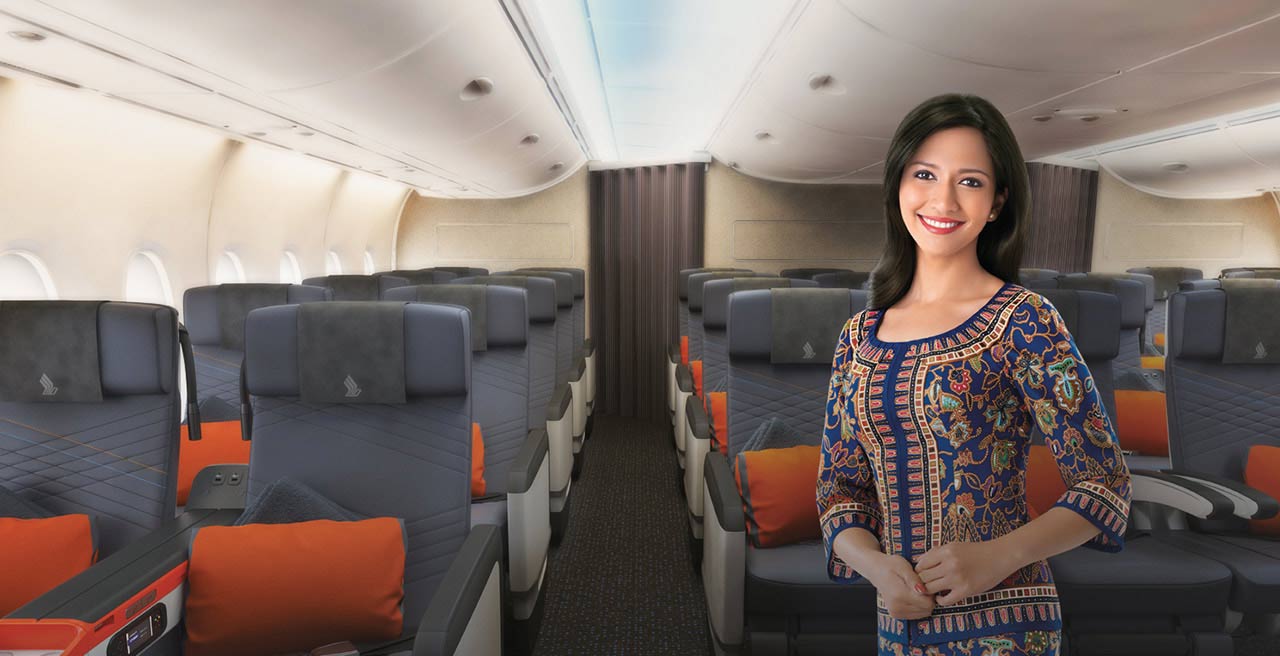
    Business class flights between Australia (excluding Perth and Darwin) and Singapore bump from 55,000 KrisFlyer miles to 58,000 miles, with first class and A380 suites bookings nudging from 75,000 miles to 80,000 miles.

    Economy Saver awards rise from 25,000 miles to 28,000 miles, with no change in the number of KrisFlyer miles needed for a premium economy booking.

    No change either for flyers from Perth or Darwin, whose redemption rates remain the same if they’re headed to Singapore.

    Going all the way to the UK or Europe?

    First class and Suites awards from Australia (excluding Perth and Darwin) and Singapore go from 132,500 KrisFlyer miles to 148,000 miles; business class rates are up from 95,000 miles to 105,000 miles; and economy from 47,500 miles to 53,000 miles.

    Perth and Darwin don’t escape that increase, with a business class bump from 85,000 KrisFlyer miles to 95,000 miles, and economy up from 40,000 miles to 43,000 miles.

    The changes are part of a broader overhaul of SQ’s fare structure which will also see fuel and insurance surcharges progressively folded into base fares from late March through to May 2017.

    You’ll find more information on the Singapore Airlines website here, where you can also download the current and new KrisFlyer Award charts.

  • Sales soar for major Korean retailers

    Sales soar for major Korean retailers

    Major South Korean retailers saw their sales soar in January from a year earlier, driven by convenience stores and supermarket chains, government data shows.

    Combined sales for department stores, large outlets and online malls gained 8.3 per cent for the month, snapping a slide for three straight months, according to figures from the Ministry of Trade, Industry and Energy.

    Brisk sales and particularly soaring demand during the Lunar New Year holiday in late January helped boost sales, says the ministry.

    Sales by convenience stores surged 15.5 per cent year-on-year, followed by those of supermarkets with an 11.3 per cent gain. Department stores saw their sales rise 4.6 per cent.

    More “lone diners” – people who prefer to live and eat alone – has in part fuelled sales of prepared meals at convenience stores and frozen dishes at supermarkets, says the ministry.

    Convenience stores saw sales of instant meals, such as microwavable lunch boxes, hike 35.1 per cent, while the number of such stores grew by 13.3 per cent in the same period.

    Food sales by supermarket chains also helped boost growth with an 18.5 per cent gain.

    In contrast, online social commerce sites saw their sales inch down 0.1 per cent in January, largely because of increased marketing costs amid fierce competition. Online retailers overall saw their combined sales edge up 6 per cent for the month.

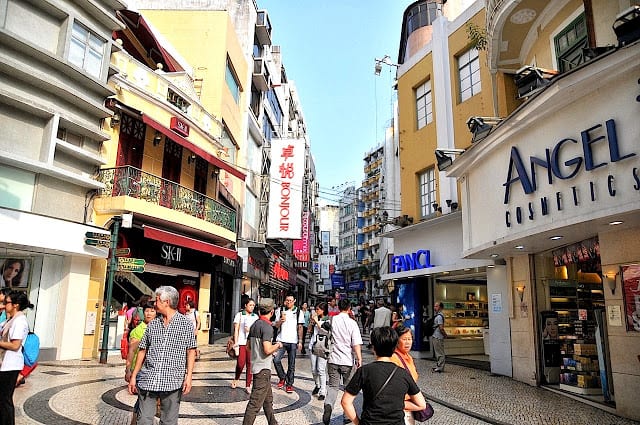
  • Modest rise for Macau retail sales

    Modest rise for Macau retail sales

    Macau retail sales posted a modest rise of 1.1 per cent in the fourth quarter of 2016, according to data from the Statistics and Census Service (DSEC).

    Sales totalled MOP 15.89 billion, driven by a rebound in visitor spending coupled with the festive seasons such as Christmas.

    The increase was the first year-on-year growth in Macau retail sales since the second quarter of 2014.

    The value of retail sales for the fourth quarter rose by 16.2 per cent compared with the revised figure of MOP 13.67 billion in the third quarter, reflecting the impact of Christmas. Retail sales of watches, clocks & jewellery accounted for 21 per cent of the total, followed by sales of goods in department stores (15.1 per cent), adults clothing (13.2 per cent), leather goods (11.5 per cent) and goods in supermarkets (6.5 per cent).

    Year-on-year changes in value were driven by leather goods (up 18.1 per cent). Pharmacy sales fell 17.4 per cent.

    Notable quarter-on-quarter increases were observed in retail sales of adults clothing (up 31 per cent), watches, clocks & jewellery (up 21.6 per cent), communication equipment (up 18.3 per cent), leather goods (up 18.1 per cent) and department store sales, up by 17.1 per cent.

    Full year data

    The total value of Macau retail sales for the whole of 2016 was MOP 57.51 billion, down by 6.6 per cent year-on-year.

    Sales of communication equipment fell 19 per cent and of watches, clocks & jewellery by 14 per cent. In contrast, leather goods sales rose 6.1 per cent, cosmetics & sanitary articles by 5 per cent and adult clothing by 4.1 per cent.

    The volume of retail sales for the whole year of 2016 dropped by 5.5 per cent, with marked decreases in sales of watches, clocks & jewellery, down 14.1 per cent. Leather goods sales soared 18.4 per cent.

    The DSEC also records retailers comments along with data. It reports 49.8 per cent of retailers anticipate sales volume in the first quarter of 2017 will remain stable compared with the same quarter of 2016, 46.2 per cent forecast a decrease and 4 per cent expected an increase. “Meanwhile, 74.5 per cent of the retailers anticipate stable retail prices in the first quarter of 2017 compared to the same quarter of 2016, 17.2 per cent expect a decrease, and 8.3 per cent predict an increase,” the DSEC said in a statement.

    “Moreover, 48.9 per cent of retailers anticipate business will worsen in the first quarter of 2017 compared with the fourth quarter of 2016, 44.3 per cent expect the business to remain stable, and 6.8 per cent expect an improvement.”

  • 7-Eleven Malaysia sales grow 4.8 per cent

    7-Eleven Malaysia sales grow 4.8 per cent

    Despite the impact of GST and subdued consumer sentiment, 7-Eleven Malaysia recorded 4.8 per cent sales growth last year.

    It had the same percentage growth for its fourth quarter. But profit fell.

    The average spend per customer grew by 3 per cent for the year, with 204 store openings giving a total network of 2122 outlets as at December 31.

    “We remain confident that continuous store expansion, refurbishment, promotional activity, improved merchandise mix and expanded in-store services will continue to deliver positive results despite the challenging headwinds,” says CEO Gary Brown.

    “It has been a difficult year for everyone involved in the FMCG retail and manufacturing sector with weak consumer confidence and spending, as well as rising costs. However, we have continued to grow and expand our sales.”

    For the fourth quarter, the group’s revenue grew to RM523.6 million (US$117.7 million).

    Gross profit of RM160.7 million was in line with the corresponding period in the previous year, albeit with the positive impact of non-recurring one-off tobacco sales as a result of change in excise duty.

    The profit before tax of RM7.8 million was a 39.3 per cent drop from RM12 million for the same period a year ago, despite positive sales growth.

    For the 12 months to December 31, revenue grew to RM2.1 billion, while gross profit improved by 4.6 per cent.

    Profit before tax of RM70.8 million dropped by 9 per cent despite the revenue growth, attributed to higher selling and distribution expenses from store expansion as well as the impact of the minimum wage increase from July 1.

  • Cebu Pacific beats daily record as it carries more passengers

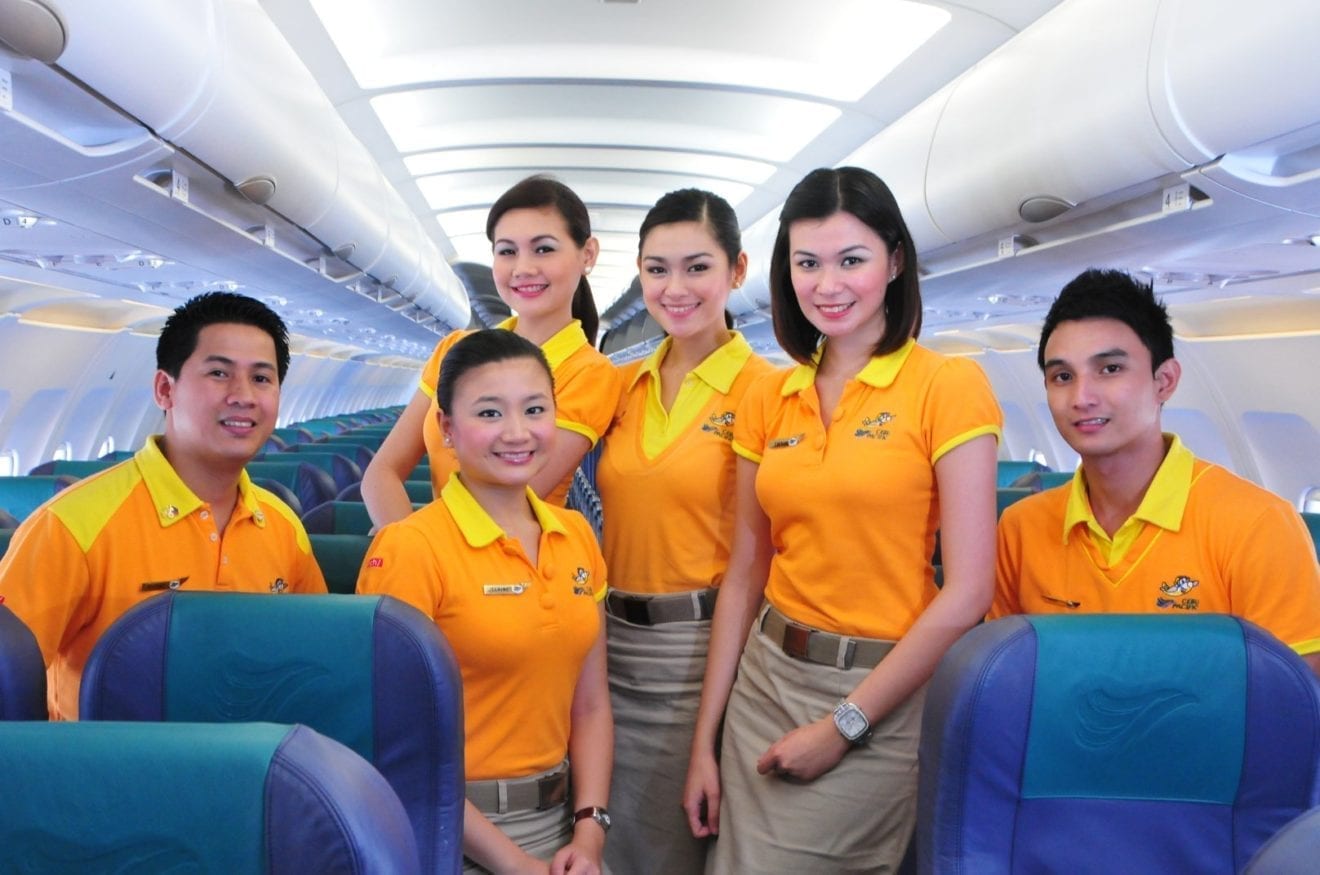
    Cebu Pacific beats daily record as it carries more passengers

    The Philippines’ largest airline, Cebu Pacific (CEB), flew 19.1 million passengers in 2016, an increase of 4 per cent from the 18.4 million passengers flown in 2015. On average, CEB flights were 86 per cent full during the year.

    Growth in passenger volume was largely driven by the airline’s low-cost short-haul services, and increased frequencies in key domestic markets. Specifically, the former recorded a 9.3 per cent growth compared to 2015, while the latter reflected a 2.6 per cent increase.

    “Last December 27, 2016, the Cebu Pacific Air Group carried a total of 64,684 passengers– the highest number of travellers we have ever flown in one day. This surpasses our prior record of 62,947 passengers flown last January 3, 2016, translating to 1,737 additional passengers,” said J R Mantaring, the CEB vice president for corporate affairs.

    “This significant increase in number only shows our firm commitment in trafficking trade and tourism in all the destinations we operate in, while at the same time enabling everyJuan to connect with their families and friends all around the world,” added Mr Mantaring.

    CEB posted passenger growth in international destinations such as Beijing, Shanghai and Xiamen in China, Taiwan (Taipei) and Hanoi and Ho Chi Minh in Vietnam. In the Philippines, domestic traffic increased in Cauayan, Siargao and Ozamiz.

    CEB currently offers flights to a total of 37 domestic and 29 international destinations, operating an extensive network across Asia, Australia, the Middle East, and United States.

    Its 58-strong fleet is comprised of Airbus and ATR aircraft. Between 2017 and 2021, CEB expects delivery of one more brand-new Airbus A330, 32 Airbus A321neo, and 13 ATR 72-600 aircraft.