Category: General

Retail News Asia is committed to providing both local and global retailers with the latest General Retail news throughout the Asian market. This on a daily base.

  • Indonesia AirAsia Will be No More

    Indonesia AirAsia Will be No More

    Indonesia AirAsia airline will end its operation in Indonesia as it will be merged with Indonesia AirAsia X. Suprasetyo, director general for air transportation at the Transportation Ministry, said this merger is to improve Indonesia AirAsia’s financial condition.

    According to Suprasetyo, the merger is to save Indonesia AirAsia from having its operating license revoked because by merging with AirAsia X, Indonesia AirAsia’s equity will not be negative. “Indonesia AirAsia X’s equity is not negative because it hasn’t been audited and its operation is still less than a year,” he said on Wednesday.

    Therefore, said Suprasetyo, after the merger, there will be no more Indonesia AirAsia. All AirAsia’s operations in Indonesia are under Indonesia AirAsia X that serves medium and long-distance flights. For that, Indonesia AirAsia X will submit new business plans and process route permits again so that they can use Indonesia AirAsia’s routes. “Indonesia AirAsia is no more,” he said.

    Indonesia AirAsia is one of 13 airlines that have negative equities, based on the Transportation Ministry’s inspection in July 2015. The ministry threatened to revoke their operating licenses if their equities were not positive until September 30.

    Indonesia AirAisa president director Sunu Widiyatmoko gave no answer when asked for confirmation, while PT Indonesia AirAsia X chief executive officer Dendy Kurniawan did not comment much and chose to wait for an official announcement from the ministry.

  • Epinion’s Asia presence strengthened with new FMCG & Research Director

    Epinion’s Asia presence strengthened with new FMCG & Research Director

    Market research and insights company, Epinion is delighted to welcome Katrin Roscher who will join the Vietnam office as Epinion’s Research Director, FMCG and Retail.

    Katrin will join us from Ghana where she held the position of Group Director at MRC, an African market research agency, where she was responsible for clients such as Samsung, Heineken, FrieslandCampina and the World Bank.

     A German national with vast FMCG experience, Katrin also has more than 12 years’ managerial and client handling experience and will play a large role in enforcing Epinion’s position as bold researchers solving the problems of tomorrow.

     During her time in Ghana Katrin also held the senior position of Deputy MD at TNS, prior to her MRC role.

    Her experience has primarily focused on the FMCG sector and throughout her career; she has worked with a number of prestigious clients including Nestlé, Unilever, Diageo, Coca-Cola, Premier Foods and Mondelez.

    Prior to her time in Africa, Katrin also gained a decade of market research experience in London, firstly as Senior Account Manager at The NPD Group and then as Consumer Insight Director at Kantar Worldpanel.

    On top of this her insight into branding in West Africa has also been featured in top publications.

    With more than 150 applicants for the position it was a long and competitive process, but it was clear that Katrin outperformed the rest of the candidates. She will start on October 1.

    Katrin said: “I am really looking forward to working with the Epinion team and their clients, and brands that are unique to the South East Asia region.  I consider Epinion to be a very progressive market research company that makes full use of the latest research technologies so joining Epinion will bring me closer to the technology revolution in market research and I’m very excited about this.”

    Katrin said she was also was excited about moving to yet another new country.

    She added: “I’m very much looking forward to getting immersed in Vietnam’s rich culture. Having lived in Cologne, New York City, London and Accra with a husband of Russian and Nigerian origins, I would say that I’m fairly multi-cultural!

    “I am a big fan of good food and quite adventurous, so I’m very excited about the varied street food on offer in HCMC. I enjoy tropical climes and spending time close to water so I hope to spend some time walking along the Saigon river bank and snorkeling in the South China Sea.”

    Aske Østergard, Epinion’s Managing Director, Asia, said: “We are thrilled to have Katrin come on board. Epinion is growing rapidly and having someone as experienced and talented as Katrin will only help grow and strengthen our business within the FMCG and Retail vertical. 

    “Katrin’s international experience in the market research industry will be hugely beneficial to both the partnerships we already hold, as well as those we hope to develop in the future. We look forward to her starting.”

    Epinion currently has offices in Singapore, Saigon and various European locations including London and Copenhagen. The market research company has more than 16 years’ global experience and looks forward to Katrin helping us expand even further.

  • Pop up stores change Korea retail face

    Pop up stores change Korea retail face

    More and more specialised retailers or service providers – ranging from barbershops to paint stores – are making appearances inside Korean department stores.

    These special shops are appearing as pop up stores rather than taking up permanent residence. The phenomenon is the result of retailers choosing pop up stores to publicise their brands, which allows them to avoid sales pressure that comes with leasing permanent space in a department store.

    Lotte Department store has opened a Club Monaco Men’s shop. The barbershop Herr’ has been added to the already existing select shop, offering consulting services related to style and haircuts. The barbershop is also offering customers a traditional English wet shaving. It is the first time for a barbershop to enter an apparel store, which makes the ‘special store’ extra special.

    A pop up store called Men’s AGIT gathered many popular hobby goods such as cameras, camera accessories, drones, plastic figures and RC cars in one spot.

    Another notable pop up store is the ‘Home and Tones’ shop at Hyundai Department Store. Since the number of people redecorating their homes by themselves has increased, Samhwa Paint has been managing a pop up store since September 7. Eco friendly paints, as well as paint that turns into a blackboard when applied are exhibited, and paint that can be mixed on-site through toning machines, are drawing the attention of consumers.

    The ’99 Avant’ pop up store sells the creations of young artist Han Seung-woo. Hyundai department store officials say that the pop up store is gaining positive reaction from customers as they can communicate with the artist in person.

    Shinsegae department store made space on its sixth floor just for pop up stores. Many brands including whiskey brand Balvenie’s ‘craft lounge’, shoe care brand ‘Resh’, and BMW’s Mini cars and bicycles have all opened pop up stores at the location.

    Shinsegae officials mentioned that the sales of pop up stores are threatening sales at official stores.

    “Now, already existing brands are also using popup stores as a method to introduce their new products. Department stores are also benefitting from the pop up stores because various brands can be presented so customers have no time to be bored.”

  • Singapore Retail Productivity plan launched

    Singapore Retail Productivity plan launched

    Singapore’s government has unveiled ‘part 2’ of a Retail Productivity Plan for the city state.

    In a speech to the 24th Singapore Retail Industry Conference, Senior Minister of State for Trade and Industry Lee Yi Shyan said while the original Retail Productivity Plan launched in 2011 had helped retailers improve operational efficiency, more needs to be done.

    “We need to deepen the transformation of leading players, and also bring on board a large number of retailers that may be slower to adapt to fast-changing consumer preferences and consumption patterns,” he said.

    The Retail Productivity Plan 1.0 included focuses on adopting technology, upgrading human resources and introducing more customer-centric initiatives. “I am happy to note that the plan has benefited over 1900 retailers,” said the minister.

    “The retail sector is an important part of Singapore’s economy. It generated about S$35 billion in annual operating receipts and accounted for about 125,000 jobs in 2014.

    “Given that the retail sector hires many workers, we identified it as one of the priority sectors for productivity improvement. Higher productivity would lead to higher profitability for firms, higher wages for workers and a more competitive industry as a whole.”

    Lee Yi Shyan said Retail Productivity Plan 2.0 aims to improve both top-line growth and operational efficiency.

    He said it was only a matter of time before online retailing “becomes commonplace in Singapore”.

    “Some may argue that … smaller economies like Singapore may still rely on bricks-and-mortar stores for a long time to come. Do you subscribe to this argument? I personally believe… consumer preferences are changing. A study by Euromonitor International shows online spending in Singapore grew from S$1.08 billion in 2014 to S$1.22 billion in 2015. This is growth of 13 per cent over a year.”

    He said the choices are clear for Singapore retailers.

    “If we only play defensively, we would see our retail sector growing very slowly, or perhaps not at all. Our strategy therefore cannot be limited to cost-cutting and efficiency improvement. Our strategy has to be offensive, to include selling beyond the limitation of store-fronts and serving markets in the region and beyond.

    “This is why we will place great emphasis on internationalisation and helping retailers sell online in RPP 2.0. We will help companies acquire the relevant capabilities to sell online, such as investing in product development, brand-building, e-infrastructure, digital advertising, and channel fulfilment.

    “We will encourage collaborations between our retailers and experienced logistics players such as SingPost to better perform order fulfilment in Singapore and the region. We will also encourage our e-retailers to explore partnering global platforms, such as eBay, Amazon and Alibaba.com to market their products worldwide. For example, we worked with Google this year in February to organise the Great Online Shopping Festival.”

    The minister said Singapore’s bricks and mortar stores will not vanish overnight.

    “However, they will have to compete much harder for a shrinking pie by offering better and more immersive in-store experiences. This can make a difference. For example,Tangs has revamped itself to offer its shopping experience as a one-stop lifestyle destination. They extended their offerings beyond retail to include spa services and food offerings, and jazzed up their store with an area set aside for pop-up showcases for new brands.”

    He said as well as helping companies lift top-line growth, RPP 2.0 will continue to reach out to many more retailers that can benefit from efficiency improvements.

    “The use of RFID (Radio Frequency Identification) for inventory management, automated retail services and cashier-less stores are proven ways to help retailers improve efficiency and save costs. Experience in the past suggests that such technologies could save more than 20 per cent in manpower costs.

    “An interesting example of automated retail is SingVita – a fully automated store which sells health supplements. Beyond allowing for substantial manpower cost savings, the cloud-connected machines used in SingVitaalso enable the company to manage inventory and prices in real time.

    “We will also support retailers that embark on projects to analyse and improve their existing business operations. Companies can, for instance, embark on time motion studies to optimise the time that workers spend on various tasks.”

    Another example he cited was Noel Gifts, an online floral and gift retailer, which embarked on such a project with SPC to identify and reduce wastages in processes such as hamper wrapping and flower arrangement. This, in turn, enabled it to deploy its manpower to more value-adding services.

    “Singapore is an open economy, and our retail sector [will] have to compete regionally and globally. Our retailers can sell to regional and international consumers if we have unique products and services to offer. To survive, we cannot remain defensive. We need to have growth strategies that tap on markets outside of Singapore.

    “While a good majority of our retailers could improve their productivity by improving operational efficiency, at least in the short term, I believe a vast number of our retailers will have to transform to become e-retailers quickly. The trend of shopping online is unlikely to reverse, and we have to be prepared for this.

    “Let us work together to retain and enhance the vibrancy of our retail sector.”

  • Chinese millennials: the new big spenders

    Chinese millennials: the new big spenders

    Chinese millennials – China’s new rich – are looking to spend double the Asia-Pacific average on luxury items in the next year.

    The millennials – those aged 18 to 29 – are already China’s biggest spenders on luxury goods in Asia Pacific, followed by those in South Korea and Hong Kong.

    According to research from MasterCard, the most popular luxury items are high-end tech gadgets, with 25 per cent of millennials in Asia Pacific planning to buy an item such as a smartphone or tablet computer in the next year. This is followed by designer clothes and leather goods (17 per cent) and jewellery (17 per cent).

    Overall, most millennials in the region take approximately a month to consider and research their luxury purchases. More millennials in Asia Pacific (a quarter) buy on impulse than those aged over 30 (a fifth).

    Meanwhile, over a third of millennials in the region prefer Western brands over regional or local, however there is a marked difference across the region. While more than half of millennial shoppers in China, Vietnam, South Korea and Hong Kong prefer Western brands, the majority in India and Indonesia would rather buy local. The top three reasons for preferring Western brands were reliability of quality, followed by value for money and brand loyalty.

    When choosing where to buy luxury goods from, the majority of millennials still prefer purchasing from local brick and mortar stores (64 per cent), instead of local eCommerce sites (nine per cent). Meanwhile a fifth prefer to buy luxury items in-store when travelling overseas, this is especially true of Chinese millennials, 51 per cent of whom are most likely to buy a luxury item in-store while travelling.

    The results are based on interviews that took place between May and June 2015 with 2272 millennials across 14 Asia Pacific markets.

    More findings:

    • Millennials from China intend to spend on average US$4362 on luxury goods over the next year, nearly double that of the Asia Pacific average of US$2584. South Korea (US$2638) and Hong Kong (US$2584) round off the top three.
    • Overall, the majority of millennials in the region will take under a month to research and consider a luxury item before buying it (44 per cent), led by those in India (64 per cent), China (51 per cent), South Korea (48 per cent) and Taiwan (48 per cent).
    • Thai (60 per cent) and Indonesian (50 per cent) millennials are the most impulsive shoppers in the region with at least half buying luxury goods on impulse, above the regional average of 26 per cent.
    • The most careful millennial shoppers are from Vietnam – the majority will only buy a luxury item after two to six months of extensive research (45 per cent), more than the regional average of 20 per cent.
    • Over one-third of millennials across the region prefer western brands to local and Asian brands. More than one in two millennials in China (66 per cent), Vietnam (60 per cent), South Korea (59 per cent) and Hong Kong (52 per cent) would pick a western luxury brand over a local or Asian luxury brand. However, in Indonesia (61 per cent) and India (50 per cent), a large majority of millennials would rather buy luxury goods from a local brand.
    • Most millennials in the region purchase luxury goods in-store rather than online – this is especially so when they are on sale locally (43 per cent) compared to when they are at full price (23 per cent). Only a small percentage of millennials in the region shop for luxury goods on local (nine per cent) and overseas sites (four per cent).
    • Chinese millennials are the most likely to buy luxury goods in-store when travelling overseas (51 per cent), whereas the majority of consumers in India (81 per cent) and Indonesia (50 per cent) buy luxury goods locally in-store at full price.
    • Millennials in Indonesia are the most likely to spend more on luxury goods in the next year than the year before (47 per cent). Across Asia Pacific, most consumers (40 per cent) intend to spend the same amount as they did the year before, 22 per cent plan to spend less while 19 per cent plan to spend more.
  • Indonesia to Overtake Vietnam as Asia’s Largest Cement Producer

    Indonesia to Overtake Vietnam as Asia’s Largest Cement Producer

    The Indonesian Cement Association is optimistic that Indonesia could grow into Asia’s largest cement producer by 2017, as eight new production plants with a combined capacity of 24 million tonnes are set to begin operations in the next two years.

    After meeting with President Joko Widodo, the Chairman of the Indonesian Cement Association, Widodo Santoso, explained that sales of cement is expected to grow by two percent to 61,08 million tonnes in 2015 – up from 2014 sales figures that stood at 59,9 million tonnes.

    “I am sure that demand will continue to rise as many of the government’s large-scale infrastructure projects are set to commence in February next year – as such, a five percent increase is easily within reach,” said Santoso at the President’s Office on Monday, September 28.

    Santoso said that the growth in demand is accompanied by the increase of Indonesia’s national production output – it is known that Indonesia currently produces around 65 million tonnes of cement annually. In 2015, four new production plants are slated to commence their operations, while four others are set to begin churning out cement in 2016. Combined, all eight plants could produce an additional 24 million tonnes of cement per year.

    “By 2017, we are set to become Asia’s largest cement producer. Previously, the industry was dominated by Vietnam and Thailand – by next year, we should be able to cement Indonesia’s position as an industry leader,” said Santoso.

    The four plants that will begin operations in 2015 are owned by Bosowa Cement, Holcim, Merah Putih Cement, and Pan Asia Cement – all of these plants combined will add some 11-12 million tonnes of cement per year to the market.

    “This additional capacity will allow us to export a minimum of five million tonnes – quite a significant addition that could help Indonesia boost its’ trade balance,” said Santoso.

  • Radisson Medan set to open in Indonesia

    Radisson Medan set to open in Indonesia

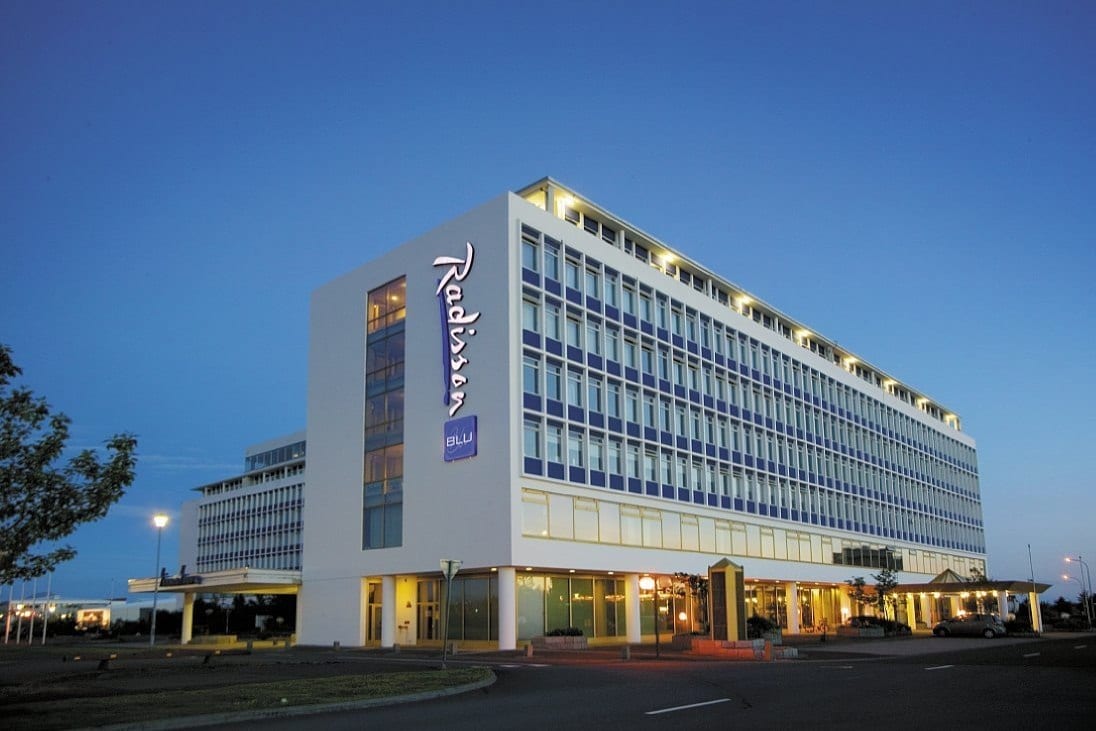
    Radisson Medan will be the fifth Carlson Rezidor hotel scheduled to open in Indonesia after Radisson Blu Bali Uluwatu, Radisson Golf & Convention Center Batam, Park Inn by Radisson Lampung and Radisson Jakarta Cengkareng.

    Medan is the fourth largest city in Indonesia, and within a one-hour flight radius of Singapore, Kuala Lumpur and Penang. Given its status as the gateway to the Lake Toba tourism region, which the Ministry of Tourism in Indonesia is focused on developing, Medan is also growing as a tourist destination.

    Radisson Medan is a 219-room hotel located in the heart of downtown Medan, next to the Medan clock tower, along the major thoroughfare of Jl. H. Adam Malik. The hotel offers convenient access to the airport, which is the second largest in Indonesia and is well connected to key domestic markets, acting as a hub for the main Indonesian carriers. Radisson Medan is also close to major shopping malls and golf courses, as well as tourist attractions including the Great Mosque, the Sultan’s Palace and historical buildings. Conference and meetings facilities at Radisson Medan will include meeting rooms and a ballroom and the hotel’s recreational facilities include a swimming pool and a gym. Food and beverage options will include an all-day dining restaurant and a lobby bar.

    “We are proud to be planting the Radisson flag in Medan. As the economic and commercial hub of northern Indonesia, Medan is an important destination for domestic business travelers,” said Thorsten Kirschke, president, Asia Pacific, Carlson Rezidor Hotel Group. “Radisson Medan is a great addition to our portfolio in Indonesia where we are continuing to grow with our long-term strategic partner, Panorama Group,” he added.

    In 2013, Carlson Rezidor signed a strategic partnership with Panorama Group, an integrated group of companies focusing on tourism, transportation, hospitality and related businesses in Indonesia,to develop Carlson Rezidor hotels in attractive tourist destinations and top-tier Indonesian cities including Bali, Jakarta and Surabaya, as well as emerging destinations such as Bandung, Bintan, Lombok, Makassar and Palembang.

    Radisson Medan is owned by VIGOUR Group, a diversified family business that has interests in agribusiness, hotels, consumer goods and alcoholic beverages. “This is a part of VIGOUR Group’s strategy to enhance our hotel portfolio. Radisson is a globally recognized brand and we are confident that the rebranding, coupled with Carlson Rezidor’s management expertise, will drive hotel performance and deliver a strong return on our investment,” said Philander Jong, member of the family, Commissioner of VIGOUR Group and Director of the group’s hotel arm PT. Aiho Indah.

    Radisson is one of the world’s leading global hotel brands. It delivers vibrant, contemporary and engaging hospitality that is characterized by its unique Yes I Can! service philosophy. Radisson hotels offer an upscale stay experience, backed by its 100% Guest Satisfaction Guarantee and a range of World of Radisson services and amenities, which have been created specifically to be empathetic to the challenges of modern travel.

    In Asia Pacific, there are currently 13 Radisson hotels in operation and 21 more in the pipeline.

  • Singapore consumer prices post biggest drop in 5 years

    Singapore consumer prices post biggest drop in 5 years

    Consumer prices in the Republic fell 0.8 per cent in August, the biggest year-on-year drop since November 2009.

    The decline, which came after a 0.4 per cent fall in July, was mainly due to the lower cost of private road transport, according to a joint news release from the Ministry of Trade and Industry (MTI) and the Monetary Authority of Singapore (MAS) on Wednesday (Sep 23).

    The cost of private road transport fell by 2.9 per cent in August after a decline of 0.1 per cent in July, as a result of the high base a year ago when Certificate of Entitlement (COE) premiums for cars saw a sharp increase, as well as a one-year road tax rebates for petrol vehicles.

    Accommodation cost declined by 2.9 per cent following the 2.8 per cent drop in the previous month, reflecting the continued softening of the housing rental market, MTI and MAS said.

    Services inflation edged down to 0.5 per cent from 0.6 per cent in July, while the cost of retail items fell by 0.6 per cent, mainly due to lower clothing and footwear prices. Food inflation was 1.9 per cent, unchanged from the previous month.

    Core inflation, which excludes the cost of accommodation and private road transport, fell to 0.2 per cent from 0.4 per cent in July, reflecting lower services and retail goods inflation, the news release said.

    “MAS Core Inflation and CPI-All Items inflation could rise towards the end of the year and are expected to pick up further in 2016, as the effects of the budgetary measures and the drag from the past fall in global oil prices dissipate on a year-ago basis,” it said.

    For 2015 as a whole, core inflation and CPI are projected to come in at the lower half of the forecast range of 0.5 to 1.5 per cent and -0.5 to 0.5 per cent, respectively.


  • WS Retail’s Logistics Division Has Been Bought Back By Flipkart

    WS Retail’s Logistics Division Has Been Bought Back By Flipkart

    Flipkart Ltd., the parent company of India’s homegrown ecommerce portal Flipkart.com, which is based in Singapore, has bought back the shares of their logistics business from WS Retail. Business analysts are predicting that this move has been made keeping in mind their IPO launch, which can happen somewhere between 2016 and 2017.

    This acquisition has been made via Instakart Services Pvt Ltd., a new entity which was formed in June, 2015. This new entity’s directors are Ankit Nagori (Chief Business Officer at Flipkart) and Rajnish Singh Baweja (Flipkart’s Finance Controller). It is not yet clear how much money has been traded in this acquisition, and Flipkart has refused to share more details.

    One spokesperson from Flipkart said, “We, as a policy, do not comment on specific transactions.”

    Flipkart’s IPO Plans

    By purchasing the logistics arm of WS Retail, a company which is again, a part of Flipkart Ltd., the management is trying to simplify the company structure and make it more presentable for public listing scrutiny in near future.

    In May this year, Flipkart Chief Financial Officer Sanjay Baweja said that Flipkart is not looking for IPO for the next couple of years, as they are not ready with the strict regulations and scrutiny which comes with it.

    Sanjay had said, “We are still at a stage where we do not want to stand scrutiny on a quarterly basis. We would rather keep ourselves private for as long as we can and then we will see what lies ahead.”

    Considering that Flipkart is headquartered in Singapore, an Indian listing is not possible. As per insider sources, Flipkart is aiming for a listing at New York based NASDAQ, which is world’s second largest stock market.

    Flipkart’s Complex Company Structure

    As per various speculations, WS Retail will be closed down in the next few years, as Flipkart will convert fully into a marketplace and advertisement based business model, ditching inventory based model.

    WS Retail was actually created to get around the strict FDI rules in India. WS Retail was formed in 2009, as a seller on Flipkart’s own platform.

    Technically, WS Retail buys the products from Flipkart India Pvt. Ltd., and sells to Indian customers. Flipkart India Pvt. Ltd. is the B2B division of Flipkart Ltd. And as FDI is allowed in B2B ecommerce, but not in B2C; this arrangement made sense to the tax collector.

    However, In 2013, Flipkart sold WS Retail to a group of investors led by former OnMobile Chief Operating Officer Rajiv Kuchhal. This was done to comply with other FDI norms in India, as a special investigation had started to look into the tax issues inside the company.

    Buying back the logistics arm from WS Retail is just the start of a new restructuring process, specially aimed for the IPO listing or so we think…

    We will keep you updated as more details come in.

    “WS Retail’s Logistics Division Has Been Bought Back By Flipkart Ltd; Is It Preparation For IPO Launch?”, 5 out of 5 based on 2 ratings.

  • France’s AuchanSuper to open 15 stores in Ho Chi Minh City in 2016

    France’s AuchanSuper to open 15 stores in Ho Chi Minh City in 2016

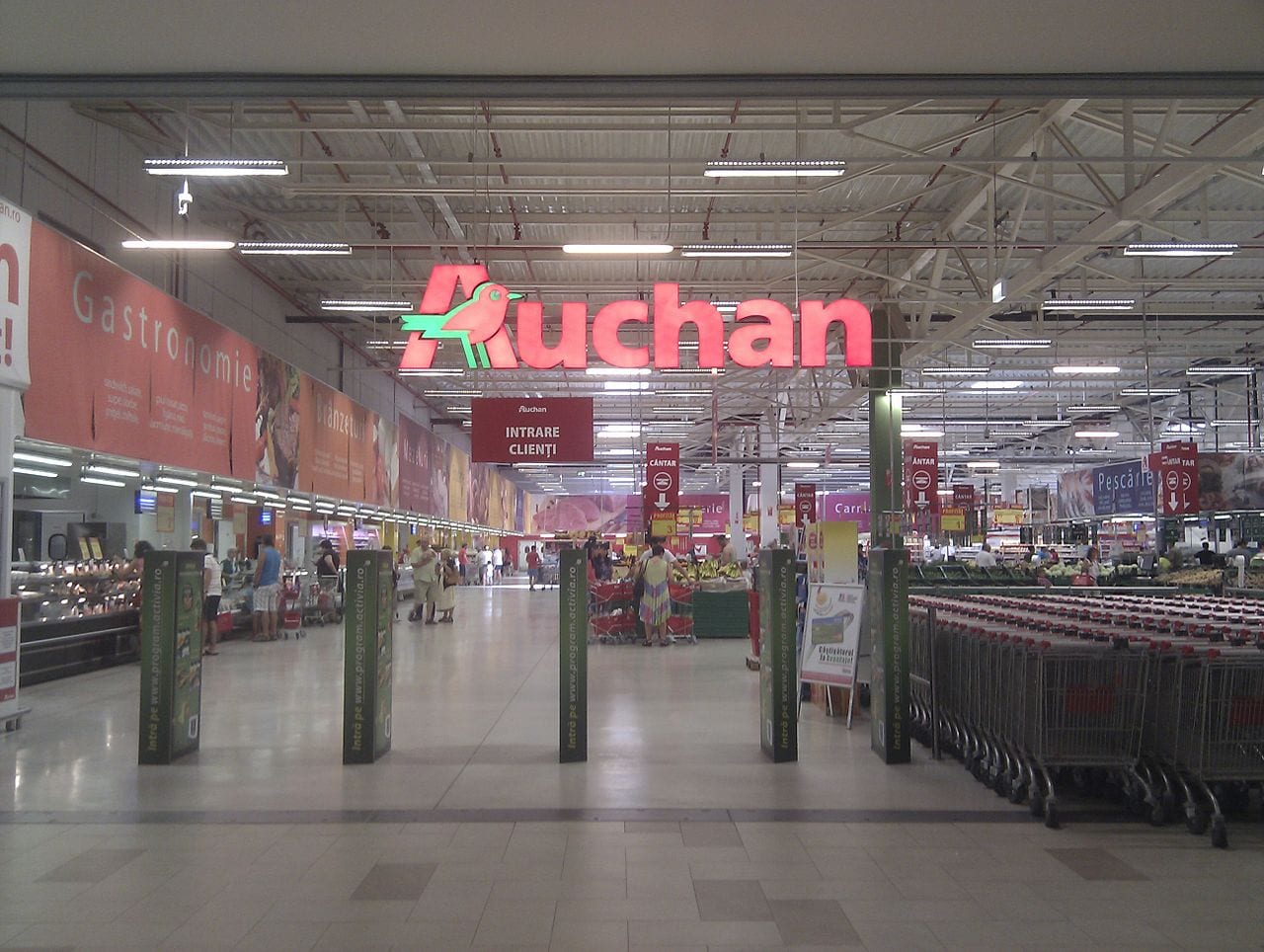
    While it currently runs only one outlet in Ho Chi Minh City, French supermarket chain operator AuchanSuper has plans to increase the number to 17 in 2016, a top executive said.

    The maiden AuchanSuper-run Simply Mart in the southern Vietnamese metropolis is located in District 5, and two more stores are scheduled for opening by the end of this year, chief financial officer Philippe Delalande said at a meeting with the city’s deputy chairman Le Thanh Liem on Thursday.

    One of the two coming Simply Mart stores is expected to open at the Le Thanh Apartment in Binh Tan District in November, according to newswire The Saigon Times Online.

    In 2016 15 more such outlets, spanning from 2,000 to 3,000 square meters each, are expected to add to the list, according to the CFO.

    AuchanSuper is expected to spend a total of 35 million – 40 million euros (US$38.9 million – $44.5 million) on the expansion plan in Vietnam in 2015 and 2016, Delalande told the Ho Chi Minh City official.

    The French firm will need around 1,000 employees for its Ho Chi Minh City operations.

    AuchanSuper has decided to expand its presence thanks to the potential for growth of the Vietnamese retail market, according to Delalande.

    The Ho Chi Minh City deputy chairman said he believes AuchanSuper, as a major experienced European retailer, will achieve success in Vietnam.

    Ho Chi Minh City currently accounts for 30 percent of the total retail sales, which Liem said will create favor condition for AuchanSuper to boost business.

    The Simply Mart in District 5 was previously known as S.Mart, which was inaugurated by C.T Group in 2012.

    AuchanSuper currently operates supermarkets and hypermarkets in 15 countries, but will only focus on the supermarket segment in Vietnam, according to The Saigon Times Online.

    In Ho Chi Minh City, the French company will face completion from strong players such as Big C, Lotte Mart, Aeon Mall, Metro, or Giant.

    AuchanSuper is a subsidiary of Groupe Auchan SA, a French international retail group and multinational corporation headquartered in Croix, France.

    It is one of the world’s principal distribution groups with a presence in 15 countries and 269,000 employees.

  • Tigerair Australia proves it’s ‘true blue’ despite Qantas concerns

    Tigerair Australia proves it’s ‘true blue’ despite Qantas concerns

    A government body has paved the way for Virgin Australia subsidiary Tigerair Australia to begin operating low-cost flights to Bali despite concerns raised by rival Qantas.

    The ruling by the International Air Services Commission, deeming Tigerair an “Australian international airline”, should also make it easier for Tigerair to add more international destinations such as New Zealand and Fiji. Obtaining this designation was a prerequisite for Tigerair to apply for an international airline licence.

    Virgin had applied to the IASC to vary the terms of its allotted capacity to Bali so that a wholly owned subsidiary, Tigerair, could also use it. The positive decision helps clear the way for Tigerair to launch flights from Melbourne, Adelaide and Perth to Bali from March, taking over routes that are currently flown by Virgin.

    To be designated an “Australian international airline”, a carrier needs to be majority-Australian owned. More than 80 per cent of Virgin shares are held by overseas investors including Air New Zealand, Etihad Airways, Singapore Airlines and Sir Richard Branson’s Virgin Group. However, in 2012 it split off its international arm and gave it its own board to meet the ownership requirements under the Air Navigation Act.

    Qantas concerns

    In 2013, when Qantas boss Alan Joyce was seeking government aid for his then-ailing carrier, he called the Virgin structure a “sham”. “We all know that Virgin’s international business has no independent existence apart from the foreign-­controlled domestic business: no assets, no management, no people, no funds,” Mr Joyce said at the time.

    In a submission to the IASC last week, Qantas said Virgin needed to prove its subsidiary was an Australian carrier in order for a complete assessment of the application to be made.

    A Virgin spokeswoman said on Friday Tigerair’s international arm was a subsidiary of Virgin’s international arm.

    Tigerair will use Virgin international’s Boeing 737 aircraft and pilots on the Bali route, although the flight attendants will be employed by the low-cost carrier. There are no plans for Tigerair to apply for a separate air operator’s certificate for its international operations, but it is required to obtain an international airline licence, which is a less onerous process.

    The IASC on Friday approved Virgin’s application to transfer some of its Bali capacity allocation to Tigerair, after being advised by the Department of Infrastructure and Regional Development that the budget carrier complied with the ownership and control obligations of the Air Navigation Act.

    The IASC said there would be a public benefit to Tigerair flying to Indonesia, which had outbound traffic of 1.1 million passengers in the year ending July. Other carriers that operate the route include Jetstar, Garuda Indonesia, Virgin, AirAsia Indonesia and Indonesia AirAsia X. Qantas has also announced plans for seasonal flights to Bali from Sydney in December and January.

    “The commission considers that Tigerair’s proposed services between Australia and Indonesia will likely benefit consumers, as Tigerair’s presence on the Indonesia route will likely promote competition on this popular route,” the IASC said.

  • Partnership with Garuda Indonesia Virtual

    Partnership with Garuda Indonesia Virtual

    Today we are happy to announce that we have established partnership with Garuda Indonesia Virtual (GIV).

    GIV is a VA base in Jakarta, Indonesia providing great simulation experience as one of the biggest VAs within South East Asia Region. The partnership allows VA in Asia to connect more closely and promote flight simulation in Asia by providing more possibilities and activities to our pilots.

    We are all looking forward to having GIV to join our future event.

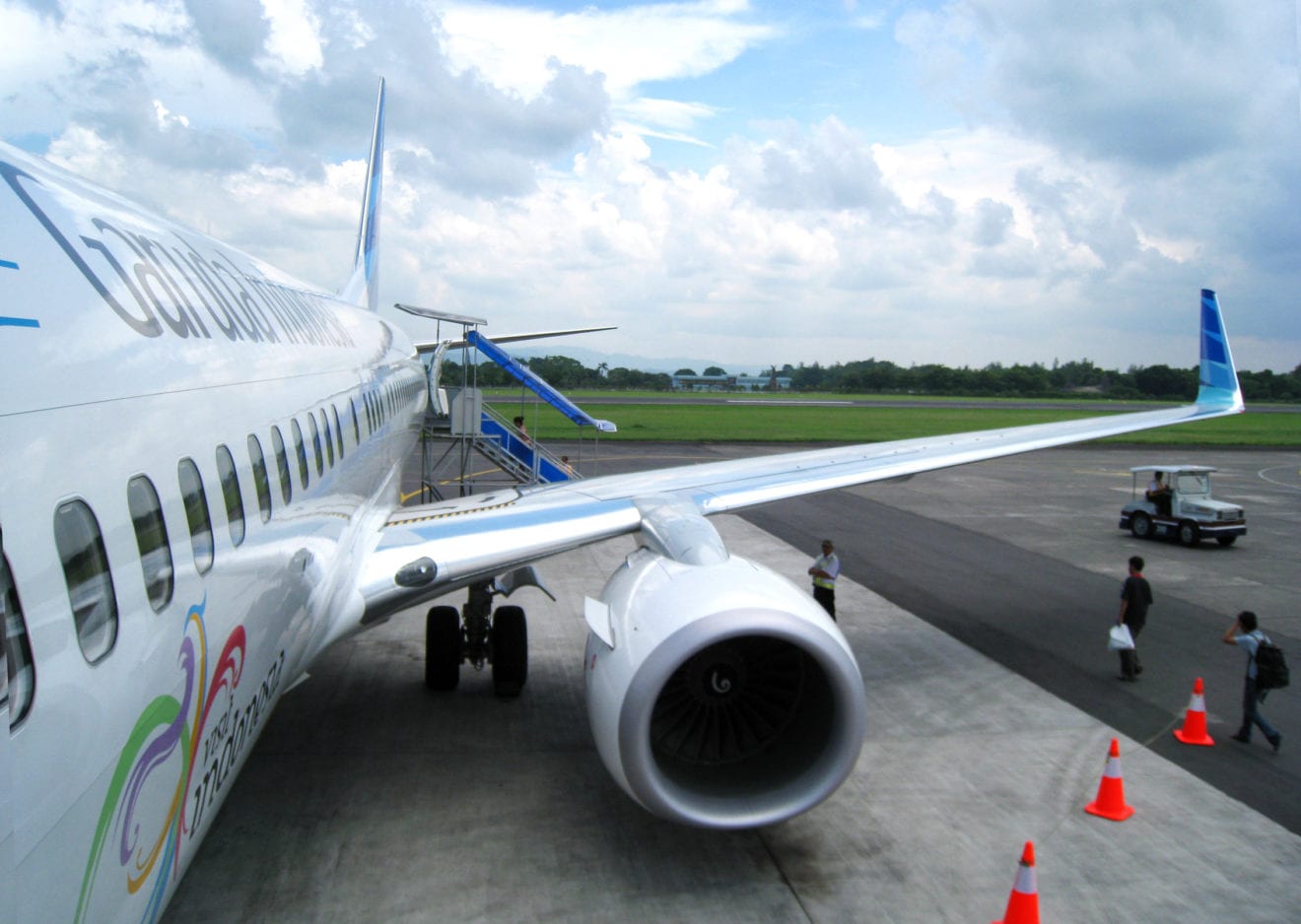
  • Garuda Grows despite Plummeting Rupiah

    Garuda Grows despite Plummeting Rupiah

    The flight traffic of state airliner PT Garuda Indonesia Tbk grows after having declined due to the rupiah correction against the US dollar. President director Arif Wibowo said that the carrier notes an increasing number of passengers.

    “The number of our domestic passengers grew 15.4 percent while passengers of international flights rose by 11.3 percent,” Arif said after opening the Garuda Indonesia Travel Fair on Friday, September 25.

    Arif said that the greenback’s gain against the rupiah has affected domestic and international flights. However, he remains confident that the condition will not discourage customers from traveling.

    Next year, said Arif, Garuda plans to add 15 aircraft to its fleet.

    “Five Airbuses, a Boeing 777, and nine ATR 72600s,” he said.

    Additionally, he said that Garuda will also add the number of flights from Shanghai to Denpasar. In the future, Ari hopes that Garuda could extend its wings further and fly to more international cities, especially in Japan, China, and Australia.

    One of the strategies Garuda has taken to address the weak economy is holding a Garuda Indonesia Travel Fair. From this event, Garuda expects to book Rp242 billion in sales in 15 cities.

    “For Jakarta, our sales target is Rp138 billion,” he said.

  • Philippines AirAsia plans 2016 growth as it establishes new secondary hubs

    Philippines AirAsia plans 2016 growth as it establishes new secondary hubs

    AirAsia’s operation in the Philippines is entering a new phase which the group hopes will lead to profitability in 2016 and eventually an initial public offering. Growth is also expected to resume in 2016, ending a phase of consolidation and fleet reductions.

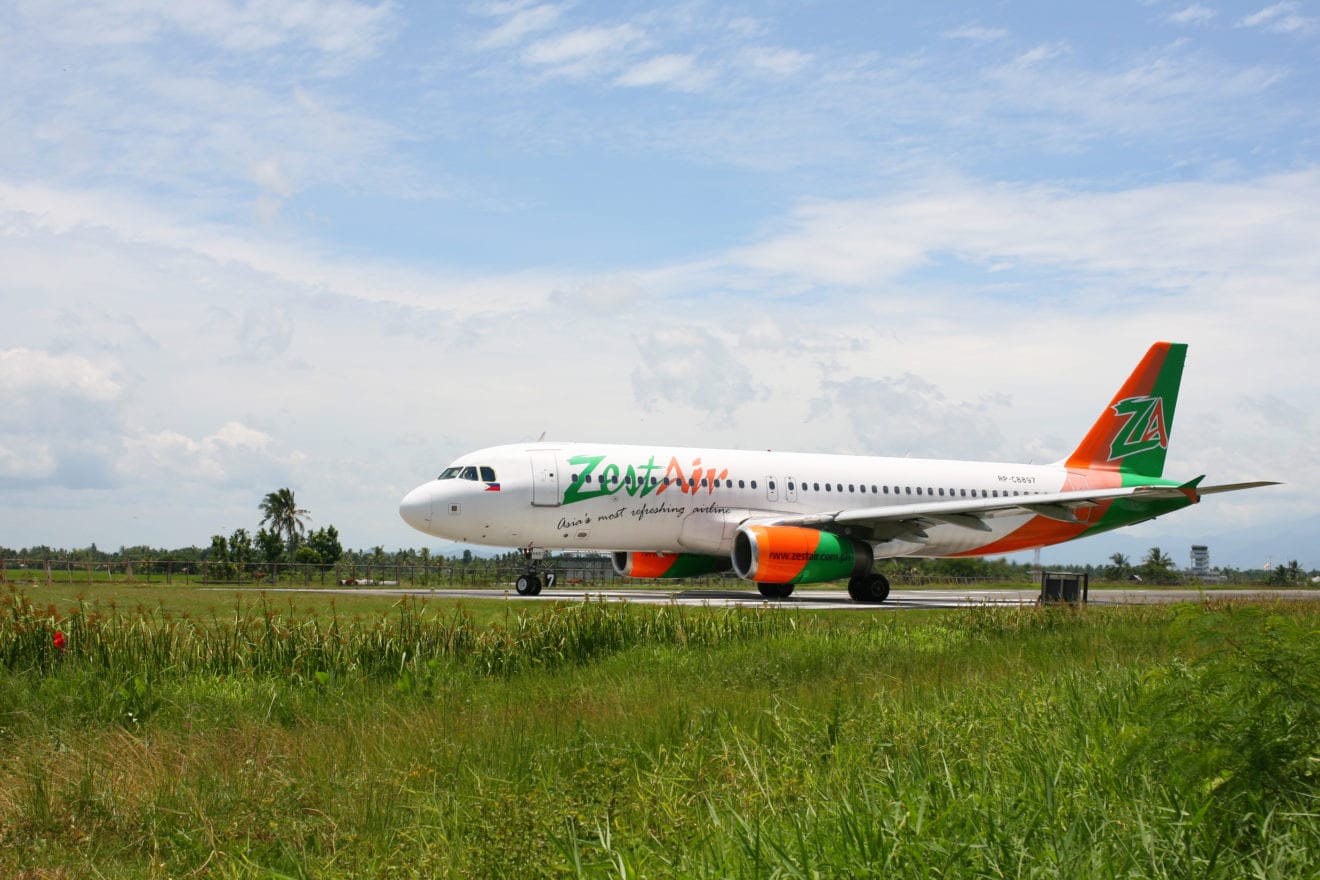
    The AirAsia Zest brand will be retired by the end of 2015 in favour of the Philippines AirAsia brand. AirAsia has already completed the transition to a single operating certificate in the Philippines, following a complicated and costly two years of maintaining two separate affiliates.

    AirAsia’s Philippine operation has been highly unprofitable since it was launched in 2012. Turnaround efforts are banking on cost reductions driven by the transition to a single airline and higher yields that will be generated by a more international focused network. The network will be expanded to include several new routes from secondary hubs, in line with a new AirAsia Group strategy to open new unique point to point routes from secondary hubs throughout Southeast Asia.

    AirAsia has struggled in the Philippine market since 2012

    Philippines AirAsia (PAA) launched in Mar-2012 with a fleet of two A320s based at Manila alternative airport Clark. The initial operation struggled, leading PAA to pursue in early 2013 a quasi-merger with Zest Airways, a much larger LCC which was based at ManilaInternational Airport. Zest adopted the AirAsia Zest brand in late 2013.

    PAA and AirAsia Zest had to initially maintain separate operations and refrain from pursuing a complete merger due to regulatory obstacles although the two carriers were able to cooperate closely. PAA moved its fleet of two A320s in Oct-2013 from Clark to Manila, where it was able to use Zest slots that opened up after Zest phased out its turboprop fleet.

    Over the last two years AirAsia’s operation in the Philippines has been in an almost constant state of restructuring. Currently the operation consists of only 12 active aircraft, which are used to serve seven domestic and seven international destinations.

    As CAPA has previously highlighted, AirAsia’s operation in the Philippines has been consistently unprofitable, posting unsustainably high negative margins. Operating losses narrowed by 62% in 1H2015 to PHP1.083 billion (USD24 million) but this is still a dismal performance as the revenue base was only PHP4.425 billion (USD99 million) and the traffic base was only 1.82 million passengers.

    Improved load factor and single AOC brightens PAA’s outlook

    But the outlook for AirAsia’s Philippine operation is starting to brighten.

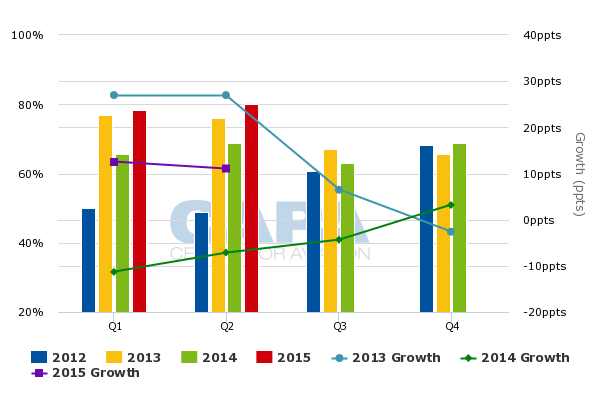
    The load factor of AirAsia’s Philippine operation improved to 78% in 1H2015 compared to only 67% in 1H2014. Passenger traffic was flat despite a 10% reduction in seat capacity as unprofitable routes were cut.

    Philippines AirAsia/AirAsia Zest combined operating highlights: 1H2015 vs 1H2014

    1H2015  1H2014  y-o-y change 
    Passengers (millions) 1.82 1.82  0%
    Seats (millions) 2.31 2.55  -10%
    Seat load factor 79% 71% +8pps
    RPKs (millions) 1,703 1,770 -4%
    ASKs (millions) 2,186 2,632 -17%
    Load factor 78% 67% +11pps

    Also, quarterly seat load factor exceeded 80% for the first time in 2Q2015.

    Quarterly load factor of AirAsia’s Philippine operation: 1Q2012 to 2Q2015

    Since the beginning of the current quarter PAA and AirAsia Zest have transitioned to a single air operators’ certificate (AOC), which the carriers were unable to pursue initially due to the long process of securing required approvals. Streamlining the operation under the AOC of PAA should facilitate efforts to reduce cost.

    AirAsia is now ready to transition to one brand in the Philippines

    AirAsia currently still has two brands in the Philippines with Philippines AirAsia and Zest AirAsia. PAA CEO Josephine (Joy) Caneba told CAPA on the sidelines of the 22-Sep-2015 CAPA LCC Airports Congress in Bangkok that final approval to merge the brands was recently secured and the Zest AirAsia brand will soon be phased out.

    A brand campaign is expected to be rolled out over the next couple of months throughout the Philippines aimed at cementing the PAA brand.

    The fleet is also now in the final process of being streamlined

    Ms Caneba said PAA still has 15 aircraft on its books but is in the process of selling older aircraft and aircraft powered with V2500s that were inherited from Zest. PAA will be left with 12 newer model CFM56-powered A320s, giving it one type of aircraft that is consistent with the rest of the AirAsia Group and generating operational efficiencies.

    Philippines AirAsia CEO Joy Caneba discusses the transition to a single AOC and brand, the streamlining of the fleet and opportunities for international growth including to China.

    Ms Caneba told CAPA that PAA aims to resume fleet growth in 2016 and has a fleet plan that envisions three additional A320s per annum.

    The new phase of fleet and network growth is made possible as a long restructuring phase is now nearing completion. Unviable routes have been cut and unit costs have been reduced by streamlining the fleet, transitioning to a single AOC and pursuing other cost saving initiatives.

    USD50 million in new capital has been raised from the five existing shareholders

    Expansion is also now possible as USD50 million in new capital has been raised from the five existing shareholders, which include four Filipino investors (with 15% stakes each) and Malaysia-listed AirAsia Berhad (with a 40% stake). Ms Caneba expects the recapitalisation exercise will be completed by the end of 2015.

    Strategically, PAA needs to resume expansion as it cannot afford to be stuck at its current modest capacity level. Cutting capacity and the fleet over the last year was necessary but is seen as a temporary measure to position the airline for future growth.

    PAA has already developed Kalibo as an alternative international hub

    PAA has been working on a network expansion plan which focuses on opening new unserved routes from secondary gateways such as Davao, Iloilo, Kalibo and Puerto Princesa.

    Kalibo is now one of three PAA bases along with Cebu and Manila, which are the largest two cities in the Philippines. Kalibo is currently linked with Manila and five international destinations including three in China (Beijing, Hangzhou and Shanghai Pudong) and two in South Korea (Busan and Seoul Incheon). PAA also operates seasonal services from Kalibo to a fourth destination in mainland China, Wuxi.

    Cebu is a smaller base with just one international and two domestic routes. From Manila, PAA currently has six domestic and five international routes, according to OAG data.

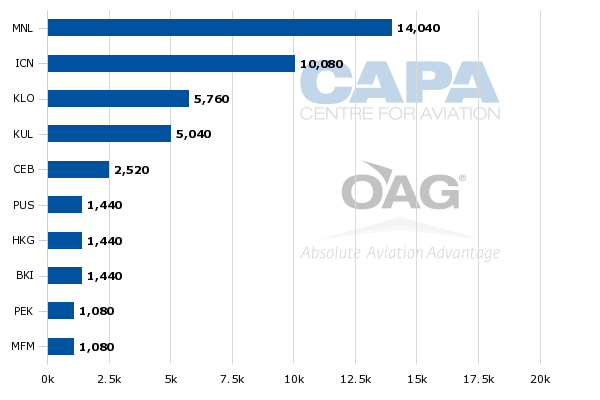
    While it has the same number of international routes from Manila and Kalibo most of PAA’s international capacity is at Manila as its Manila routes are generally served with more frequencies. PAA even has more international capacity at Seoul than at Kalibo as Seoul is served with three daily flights (one each from Cebu, Kalibo and Manila) while Kalibo overall has only 16 weekly scheduled international flights.

    Philippines AirAsia scheduled international seat capacity by hub/base/station: 21-Sep-2015 to 27-Sep-2015

    Kalibo is a gateway to the popular resort island of Boracay in the central Philippines. PAA is now looking at launching flights to Caticlan Airport, which is much closer to Boracay, after a runway extension is completed in early 2016.

    But Kalibo Airport will remain a gateway to China as PAA expects to only be able to operate domestic and potentially some shorter international flights from the upgraded Caticlan Airport.

    PAA plans to develop more secondary gateways

    Davao, Iloilo and Puerto Princesa would be new gateways for PAA with international routes initially operated using A320s from the existing bases. But PAA plans to establish new aircraft bases within the next couple of years at Puerto Princesa and potentially other secondary airports.

    PAA is discussing with the airport operating international flights from Puerto Princesa before the new terminal is completed

    As CAPA previously highlighted, PAA has been looking at operating international flights from Puerto Princesa, which is located on the western resort island of Palawan, to China and Malaysia. Puerto Princesa is planning to open a new terminal with upgraded international facilities in late 2016 or early 2017. But Ms Caneba said PAA is discussing with the airport operating international flights from Puerto Princesa before the new terminal is completed.

    See related report: AirAsia to drive growth at Philippines’ Puerto Princesa Airport as Palawan visitor numbers surge

    Iloilo, which is located south of Kalibo in the central Philippines, is also planning terminal expansion with upgraded international facilities. PAA now only serves Iloilo with domestic flights from Manila. The only scheduled international services at Iloilo currently consist of three weekly flight to Hong Kong and two weekly flight to Singapore operated by Cebu Pacific.

    Davao is the largest city in the southern Philippines but only has one international service – a link from Singapore operated by SilkAir.

    Domestic and Manila growth to slow

    PAA will continue to pursue some expansion at its main base in Manila, including a new flight to Singapore which is included in the 2016 network plan. But the main focus will be on secondary hubs in part because Manila is capacity constrained and PAA is now fully utilising its Manila slots.

    PAA is also not planning significant growth at Cebu, where it recently cut capacity. PAA currently has nine daily flights at Cebu, including seven to Manila, one to Davao and one to Seoul. Cebu-Davao, which connects the second and third largest cities in the Philippines, is PAA’s only remaining point to point domestic route.

    PAA is now focusing more on the international market as domestic routes are generally lower yielding and in some cases oversupplied. The Philippine Airlines (PAL) Group has resumed domestic capacity expansion in 2015 and relaunched several secondary domestic routes. PAA has sensibly determined is it better off redeploying some if its domestic capacity to the higher yielding international market.

    Over the last couple of years AirAsia has discovered that battling against PAL and much larger LCC Cebu Pacific in the domestic market is generally a losing proposition.

    AirAsia will pursue growth in Philippines-China market

    PAA is particularly now focusing on the Philippines-China market. It sees opportunities to add several destinations in China from multiple Philippine gateways. Ms Caneba told CAPA that PAA will probably launch Guangzhou in 2016, as well as other cities in mainland China.

    The Philippines is emerging as a popular tourist destination for Chinese residents despite some political tensions between the two countries. China is also a relatively big outbound market as there is a large Filipino Chinese population.

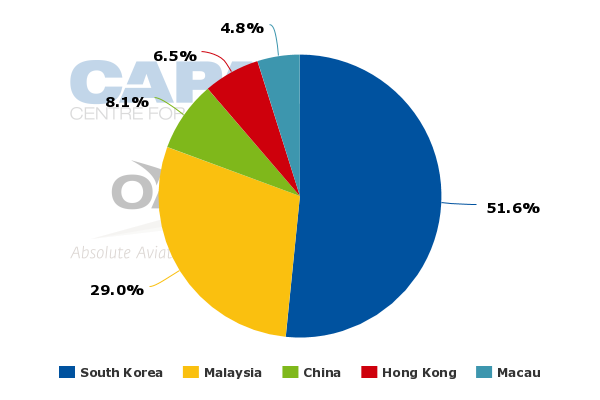
    PAA has ample room to grow in the Chinese market as it currently has only 900 weekly one-way seats to China, according to CAPA and OAG data. China accounts for only about 8% of PAA’s total international seat capacity.

    Philippines AirAsia international capacity share (% of seats) by country: 21-Sep-2015 to 27-Sep-2015

    PAA is particularly keen on linking Chinese cities with secondary gateways in the Philippines including additional routes from Kalibo andnew routes from Puerto Princesa. The routes under consideration are currently not served by any carrier, which makes them particularly appealing to PAA.

    PAA to pursue niche routes not served by its largest local competitors

    PAA is keen to expand under the radar screen of its much larger local competitors, PAL and Cebu Pacific, while exploiting network synergies with the AirAsia Group. AirAsia already serves most of PAA’s potential Chinese destinations, reducing the risk for PAA as it can leverage its parent’s experience operating and selling in China.

    PAA sees a potentially lucrative niche by pursuing interconnectivity with other AirAsia carriers and stimulating demand on new international routes from the Philippines which have never been served previously.

    As CAPA highlighted in the first two Parts in this series of analysis reports on the AirAsia Group, developing new international routes from secondary gateways is also part of a new broader strategy at AirAsia.

    Part 1 examined the upcoming opening of a new base by Thai AirAsia at U-Tapao Airport near Pattaya as well as plans to open two more new secondary bases in 2016. Part 2 examined similar plans for expansion at secondary airports by Malaysia AirAsia, including a planned new hub at Langkawi.

    2016 will be a critical year for Philippines AirAsia

    The focus on secondary international routes is logical as PAA needs to differentiate itself from its larger competitors. There should be room for three local players in the Philippine market but PAA will never have the scale to outmuscle the PAL and Cebu Pacific on trunk routes.

    PAA has had a rough initial three and a half years and still faces major challenges. 2016 will clearly be a critical year for PAA.

    If it meets its 2016 goal of becoming profitable aspirations for an initial public offering within two years will become realistic, providing a foundation for consistent growth. If the newly restructured PAA remains loss-making its long-term survivability – and the AirAsia Group’s need for a Philippine affiliate – will again be questioned.
  • AirAsia Now Offers Tickets at Rs 1,290 All-Inclusive

    AirAsia Now Offers Tickets at Rs 1,290 All-Inclusive

    AirAsia India has come up with yet another promotional offer and is offering tickets for Rs 1,290, inclusive of taxes.

    The travel period to avail the AirAsia offer is between January 15, 2016 – April 14, 2016 and tickets must be booked by September 27, 2015.

    While tickets from Bengaluru to Goa or to Kochi are available for Rs 1,290, fares from the IT capital to Delhi are priced at Rs 3,490. The AirAsia promotional offer is valid across its flying network.

    Airlines have been announcing with slew of offers almost every other week in a bid to garner market share in a fiercely competitive environment.

    These promotional schemes by airlines have ensured a spike in the number of people travelling by air. Passengers carried by domestic airlines during January to August 2015 were 523 lakh as against 433.24 lakh during the corresponding period of the previous year – a growth of 21 per cent.