Category: General

Retail News Asia is committed to providing both local and global retailers with the latest General Retail news throughout the Asian market. This on a daily base.

  • MAS outlines new safeguards for retail investors

    MAS outlines new safeguards for retail investors

    Retail investors will enjoy a boost in protection with new rules for investments linked to gold and other physical assets. The enhancements also allows flexibility for accredited investors (AIs) to decide on the level of regulatory protection they want to be entitled to.

    The enhancements to its regulatory framework for safeguarding investors’ interests were announced by the Monetary Authority of Singapore (MAS) on Tuesday. They take into account feedback received on its consultation paper published in July last year.

    AIs include individuals whose net personal assets exceed S$2 million or whose income in the preceding 12 months is not less than S$300,000.

    MAS said that consumers should enjoy the regulatory safeguards for non-conventional investment products that are similar to existing capital markets products. The non-conventional investment products – previously not in MAS’ regulatory scope – will be regulated either as debentures or investment funds, depending on their features.

    Precious metals buy-back arrangements involving gold, silver and platinum with guaranteed buy-back at an agreed price will be regulated as debentures. This is because they are widely regarded as financial assets and are commonly used as collateral for such arrangements.

    Collectively-managed investment schemes intended for retail investors will require authorisation from MAS and be restricted to investments in securities or other assets that are liquid (for example precious metals), or have stable income-generating ability such as completed real estate.

    Arrangements that exist before the legislative changes will not be affected, unless additional funds are raised from retail investors after the new laws are in place.

    In the high net worth space, (AIs) will have the option to benefit from the stronger and full range of regulatory safeguards available to retail investors.

    As part of the changes, financial institutions will have to treat new customers who are AI-eligible as retail investors by default, unless the customers choose to “opt-in” to AI status. The latter could be those who wish to retain their easier access to a wider range of complex and risky products.

    For existing AIs, FIs can continue to treat them as AIs, unless they choose to “opt-out” of AI status to benefit from the full range of capital markets regulatory safeguards available to retail investors.

    Mr Lee Boon Ngiap, assistant managing director, capital markets, MAS, said that while the regulatory measures will strengthen regulatory safeguards for retail investors, they are “not a substitute for investor responsibility”.

    “All investments carry risk, so investors should buy only products that they understand and have a level of risk that they are comfortable with. In addition to seeking advice from regulated financial advisers, we encourage investors to visit the MoneySENSE website, which has a wealth of financial educational information to help investors manage their money and better understand financial products,” he said.

    MAS is still reviewing feedback on the remaining proposal to introduce a framework to rate retail investment products on their complexity and risk, and will issue a separate public response later.
  • Shinsegae joins race for duty-free shop in Seoul

    Shinsegae joins race for duty-free shop in Seoul

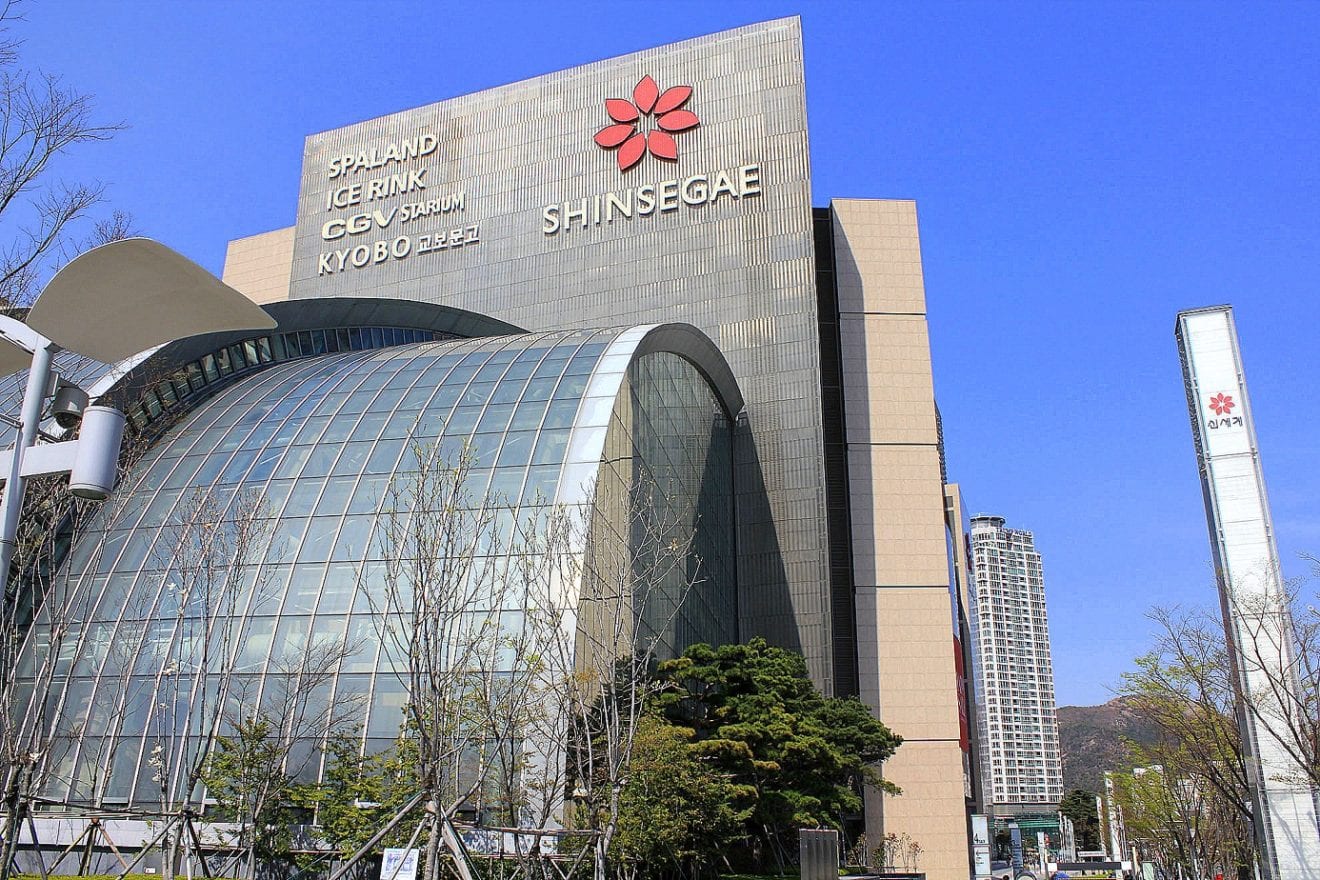
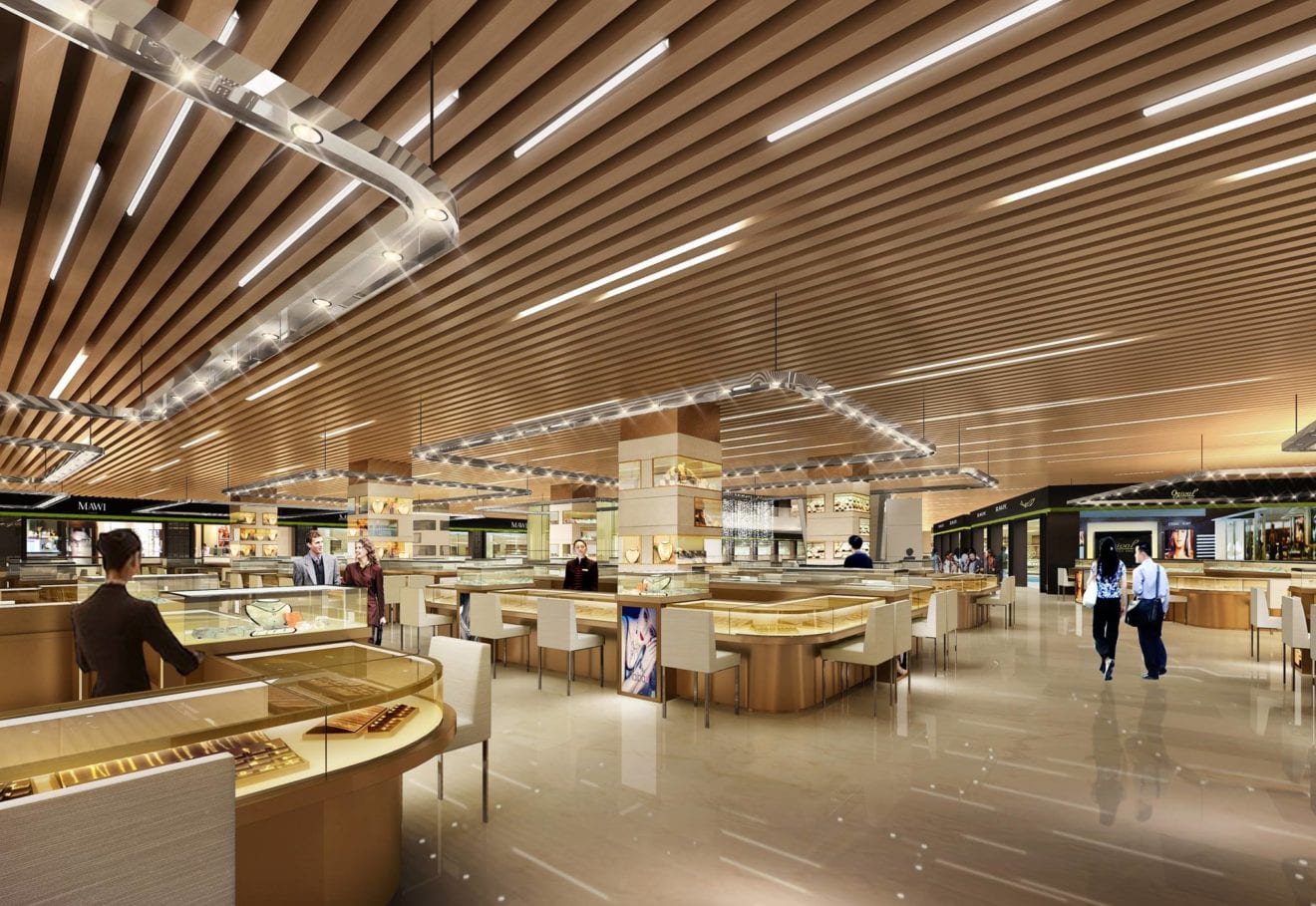
    Shinsegae said it will apply for the highly competitive bid as three duty-free operating licenses are set to expire within the year. The deadline is set for Friday and the Korea Customs Service will announce the result in November.

    Currently, Lotte Duty Free, the nation’s No. 1 operator, has two stores in Myeongdong, a major shopping district, and the affluent Gangnam region, and SK Networks Co., a trading and hotel unit under SK Group, has a store in the Sheraton Grand Walkerhill Hotel in the southeastern part of the capital.

    Separately, Shinsegae will renew its operating license for Paradise Duty Free in the southern port city of Busan as its current license also expires in December.

    “We will propose a multi-complex shopping mall in Myeongdong, the nation’s No. 1 tourist attraction,” said Sung Young-mok, who is in charge of Shinsegae’s duty free business. “For Busan, we will relocate the duty-free shop to Shinsegae Centum City to recreate it as Busan’s tourism icon.”

    It is the second bid this year after Shinsegae applied for a new license in May, proposing to renovate its landmark outlet in Myeongdong. The building, established in 1930, was home to the country’s first department store.

    If it wins the bid, the retail giant will be opening its first duty-free store in downtown Seoul.

    The bid is seen as a major opportunity for local retailers who are in search of new cash cows amid lackluster domestic demand. Duty-free stores have emerged as one of the most lucrative retail channels in tandem with a sharp influx of deep-pocketed shoppers from China.

    Last year, the six duty-free stores across the capital, mostly dominated by Lotte, posted combined sales of 4.4 trillion won (US$4 billion). Sales by a Lotte Duty Free branch in the Myeongdong area accounted for a whopping 45 percent of the total.


  • Myanmar retail sector ringing up sales

    Myanmar retail sector ringing up sales

    Rising incomes, an expanding economy and changing consumer patterns are attracting a growing number of international brands to Myanmar. By fuelling competition amongst existing players, their presence is expected to trigger an improvement in the range and quality of products and services on offer.

    International attention has been driven by bullish retail growth, which has expanded by an average rate of 7-15% per annum since 2011.

    Daw Win Win Tint, managing director of leading retailer City Mart Group and president of the Myanmar Retailers Association, told OBG international bands are attracted to Myanmar’s strong economic growth and increasing consumer purchasing power.

    “The average basket of goods continues to grow by around 10% per year mainly due to increasing spending power in urban cities, especially Yangon, where salaries have risen significantly,” she said.

    Fast moving

    Several international brands have made forays elsewhere the retail supply chain, making strategic greenfield investments in local processing. In the fast-moving consumer goods (FMCG) segment, Carlsberg and Heineken both opened brewing factories in Myanmar earlier this year through joint ventures with local partners, and Japan’s Kirin acquired a 55% stake in market leader Myanmar Beer for $560m in August.

    While modern retail currently accounts for just 10% of the FMCG segment, Daw Win Win Tint expects restrictions on foreign retail chains entering the Myanmar market to be lifted sometime in the future. As local purchasing power grows and Myanmar consumers have greater exposure to foreign brands via the internet and international travel, demand in the FMCG segment in particular is expected to rise.

    “There needs to be more awareness of the potential of the FMCG sector, as Myanmar has a population of approximately 51m and the prospects of becoming a manufacturing hub for South Asia,” she told OBG.

    Rising tide of consumerism

    Industry observers forecast a surge in consumer activity in the coming years, with the McKinsey Global Institute predicting in mid-2013 that Myanmar’s GDP would expand by more than four-fold by 2030, from around $45bn to $200bn. The group also predicted that rising incomes would fuel expansion of the country’s consumer class, jumping from 2.5m to 19m over the period, with consumer spending to triple to $100bn per year.

    As the country liberalises its retail market, the division of consumer spending between domestic and international retailers could see a shift. Local consumption habits continue to favour local products, though this is largely due to availability. In the beer segment for example, Myanmar Brewery accounts for more than 80% of sales.

    Though Myanmar consumers may welcome the entry of new brands and chains, such a transformation is likely to be a strain on current operators, who will have to contend with high-profile rivals with international experience and economies of scale. This will force local retailers to adapt to the changing market, which should bolster the portfolio products on offer and promote market efficiency.

    Consumer spending

    In addition to the prospect of greater competition, a decline in consumer confidence has the potential to cool sales in the shorter term. Though consumer sentiment in Myanmar remains among the most positive in the region, according to the most recent MasterCard survey, there has been a recent dip in the outlook of shoppers.

    Myanmar’s rating on the latest consumer confidence index, issued at the end of July, slipped from a regional high of 97.2 in mid-2014 to 81.6. Although still ahead of the South-east Asian average of 71 – second only to Vietnam – the 15.6-point drop was one of the sharpest recorded over the period. Although Myanmar’s position on the MasterCard index may have eased somewhat, any rating above 50 suggests that consumers remain optimistic.

    Weaker sentiment could be due in part to upcoming elections, scheduled for November, though increasing inflation is also likely to be a factor. According to the IMF, inflation reached 8% at the end of May. While low compared to an average of 23% between 2001 and 2010, this represents an increase from the 5% and 6.1% registered in FY 2011/12 and FY 2012/13, respectively.

    The ongoing depreciation of the kyat and crackdown on dollarisation could also be impacting consumer confidence, with the currency falling some 25% year-to-date against the US dollar in August. In addition to affecting the price of foreign goods, this downward movement has also increased the cost of local goods that rely on imported components.


  • Best Western Unveils First Hotel in Surabaya, Indonesia

    Best Western Unveils First Hotel in Surabaya, Indonesia

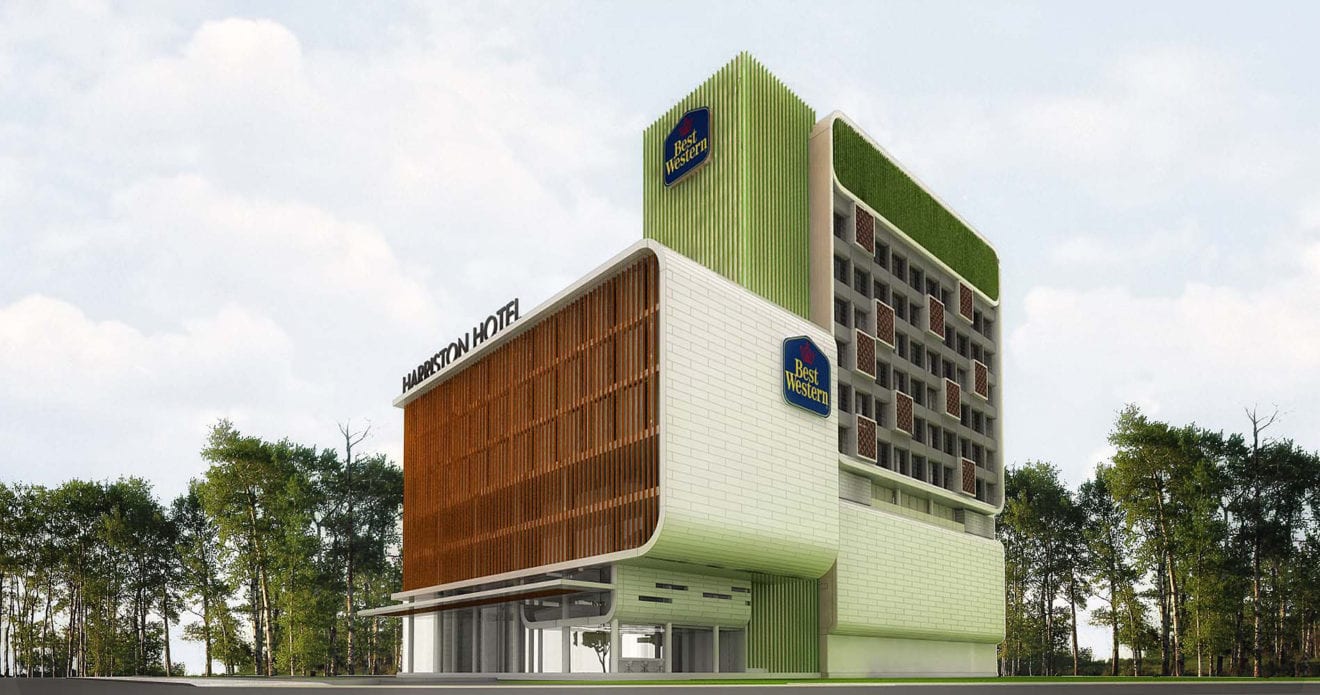
    Best Western International has unveiled its first hotel in Indonesia’s second largest city, Surabaya.

    The new BEST WESTERN Papilio Hotel is a modern midscale hotel conveniently located just 20 minutes’ drive from Juanda International Airport and close to popular attractions including Suroboyo Carnival Night Market and the MAS Mosque.

    Set in an eye-catching glass and steel building, the hotel offers a choice of spacious guest rooms, all of which come equipped with amenities designed to help guests unwind and stay productive. These include comfortable beds, ergonomic work desks, 32-inch LED TVs and complimentary Wi-Fi.

    Guests can take a cooling dip in the outdoor swimming pool, indulge in a sumptuous massage at the spa, or work up a sweat in the fitness center, while kids can make splash in the children’s pool.

    BEST WESTERN Papilio Hotel also serves up excellent local and international cuisine at the Mariposa Restaurant, and whatever the time of day, guests can relax and enjoy a drink in the lobby lounge and bar.

    And meeting planners will be able to choose from a variety of flexible function spaces, all equipped with the latest audio-visual equipment and served by a dedicated events team.

    “As Indonesia’s second largest city, Surabaya was the logical next step for Best Western International’s Indonesian expansion,” said Ron Pohl, Best Western International’s Senior Vice President of Brand Management.

    “BEST WESTERN Papilio Hotel will be an excellent addition to our rapidly growing portfolio in Indonesia, bringing modern midscale comfort to the rising number of domestic and international travelers Surabaya is now attracting,” he added.

    Olivier Berrivin, Best Western International’s Managing Director of International Operations – Asia, commented; “With its ideal location close to Surabaya’s main business district and attractions, yet away from the worst of the city’s traffic, BEST WESTERN Papilio Hotel truly offers the best of both worlds.

    “In addition to this, the hotel’s vast array of amenities exceeds its midscale status, offering guests an elevated experience at a reasonable price point. I am confident this exceptional hotel will become a firm favorite among travelers to Surabaya,” Mr. Berrivin concluded.

    The launch of BEST WESTERN Papilio Hotel increases Best Western International’s Indonesian portfolio to 15 hotels, spread across eight popular destinations.

    Best Western Unveils First Hotel in Surabaya, Indonesia

    Best Western Unveils First Hotel in Surabaya, Indonesia
    Best Western Unveils First Hotel in Surabaya, IndonesiaBest Western Unveils First Hotel in Surabaya, Indonesia

    Best Western Unveils First Hotel in Surabaya, Indonesia
  • China luxury spend offshore will double

    China luxury spend offshore will double

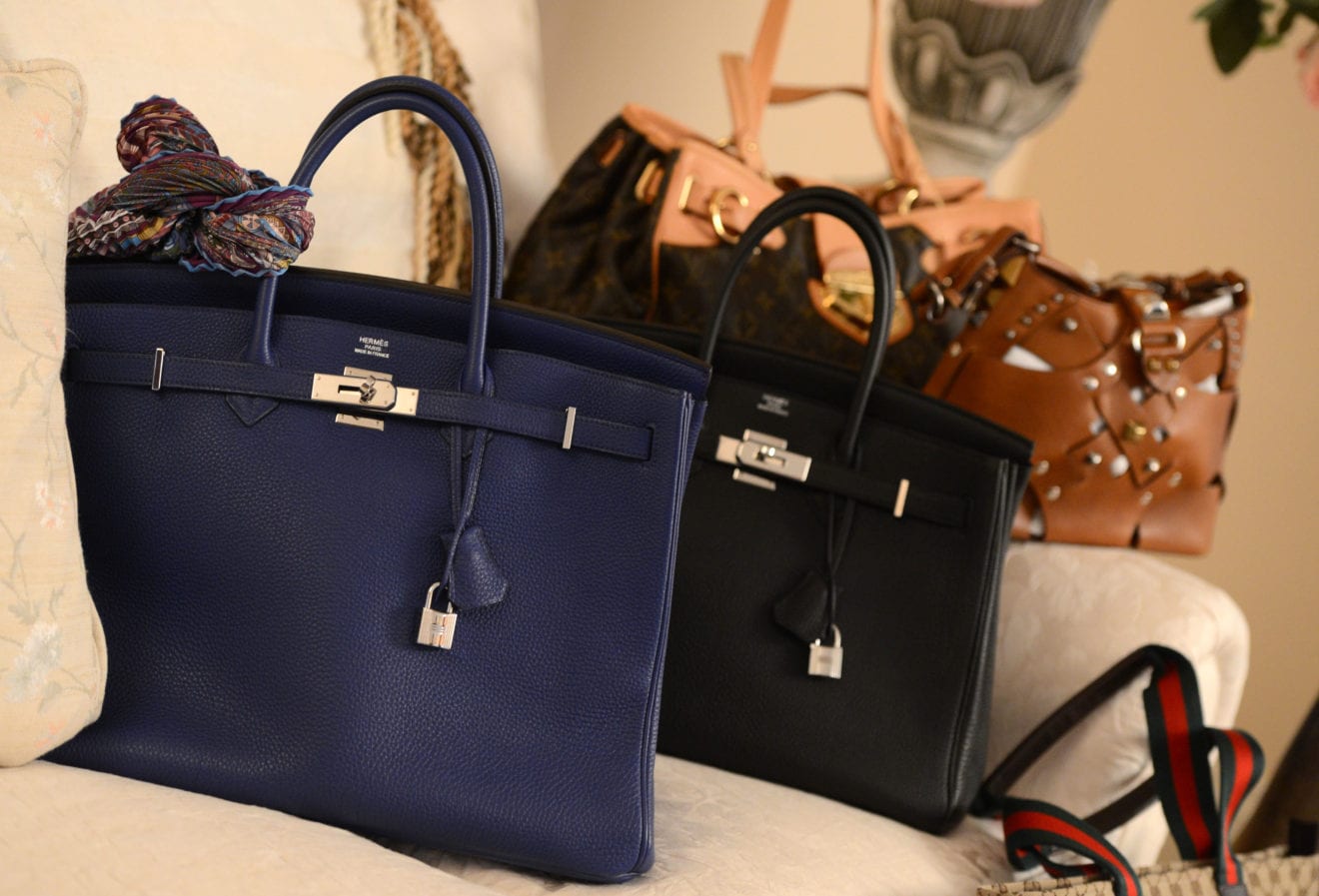
    The Chinese already account for 27 per cent of the world’s total luxury spending – and a staggering 80 per cent of that is spent outside the Mainland.

    China luxury spending outside China will double by 202 according to a report by China Luxury Advisors, presented to last week’s Luxury Retail Summit: Holiday Focus 2015.

    “What we’re really seeing is that [the Chinese slowdown is] just really not changing the amount of travel, it’s just changing the nature of it,” said Avery Booker, partner at China Luxury Advisors in a presentation reported in detail here by Luxury Daily.

    “We’re seeing fewer long haul trips among the middle class, and more people going to places like Japan and Korea to do shopping,” he said. “The purse shopper spending will remain strong even though average spend is going to decrease, and of course that’s just a volume issue.”

    Booker said the devaluation of the Chinese currency was so far having no perceptible effect.

    Chinese shoppers spend US$229 billion a year outside the mainland – which China Luxury Advisors predicts will double by 2020, based on the theory the $8000 per year per capita GDP is “the tipping point” at which outbound tourism booms. China has just reached that level.

    The Luxury Retail Summit was organised by Luxury Daily.

    In reaching its estimates China Luxury Advisors surveyed 1000 Chinese consumers 18 years and older, with a variety of incomes.

    Their most common destination outside the mainland is still Hong Kong, mainly due to its nearness and visa-free travel.

    China Luxury Advisors urged retailers to make their stores “Chinese consumer-friendly” to make the most of the booming trend. Mandarin speaking associates, Chinese dining options and accepting Alipay, Tencent or China Union Pay can make them feel at ease.

  • Floating bank brings services to remote islands

    Floating bank brings services to remote islands

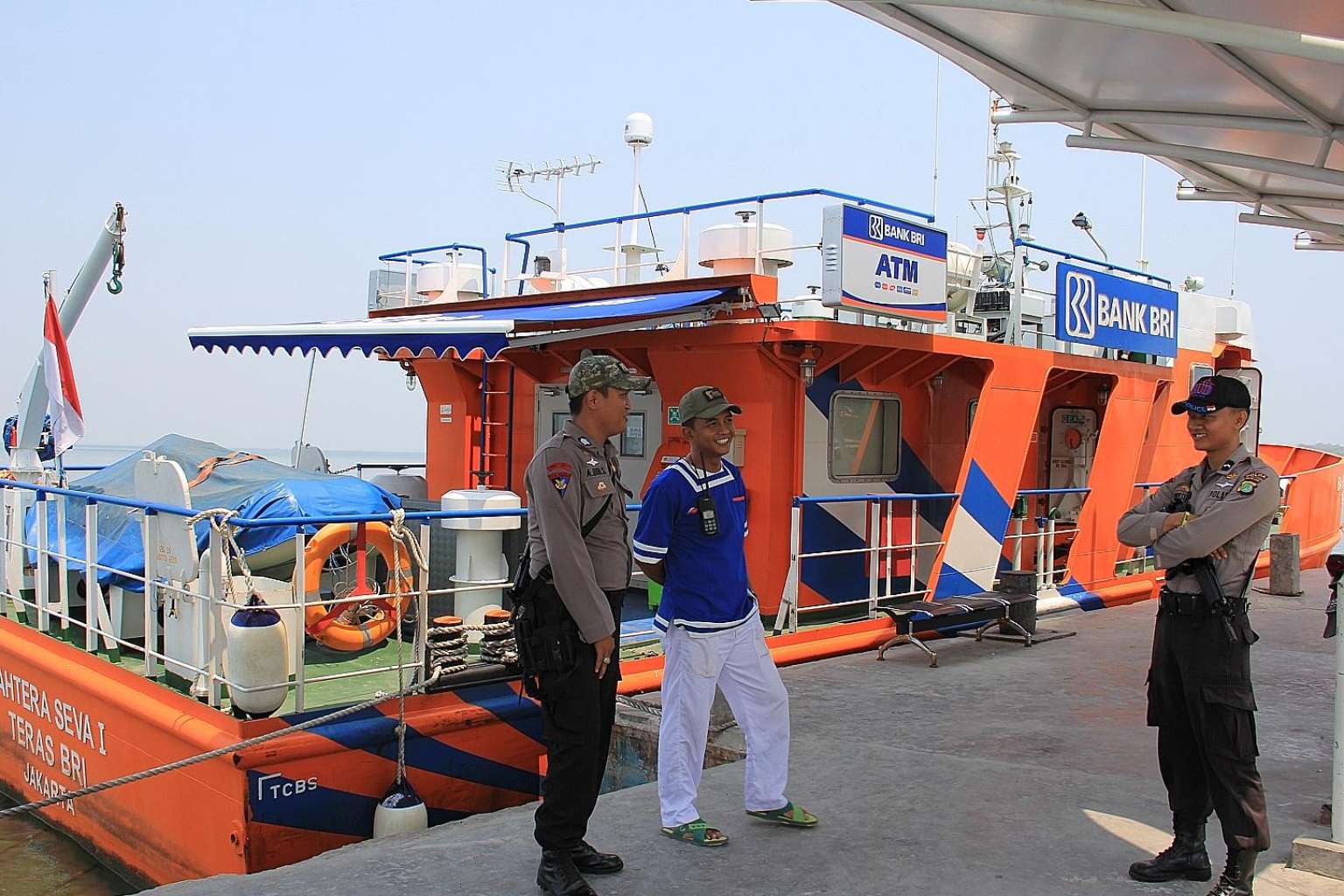
    An Indonesian bank has transformed a boat into a mobile bank outlet, providing services to residents living on remote islands of the sprawling archipelago. Officially launched in August by President Joko Widodo, the service is the first of its kind in the south east Asia nation, and is hoping to make banking services more accessible to people living on the country’s many sparsely populated islands.

    The service offered by Bank Rakyat Indonesia (BRI) is in a trial period and currently serving five islands in the Thousand Islands regency, a chain of islands off the coast of the capital Jakarta. The boat takes off every Monday from Jakarta to visit five islands, one each day, and returns on Friday.

    Equipped with three service desks and an ATM, the boat allows islanders, who used to have to travel to Jakarta, a one-stop shop for services such as personal banking and loans. One resident on Pramuka Island, which is about a two-hour boat ride from Jakarta, said it used to take days to complete her business transactions.

    “It takes one day go to the [main]land, and another day to return, and it takes about two to three days if we need to go to the bank. Although this service is provided once in a week, it helps a lot,” said Hudreya.

    Since the arrival of the boat bank, more local businesses have been given small loans to expand – an important change on the islands that mainly rely on the tourism industry. Ferdinand Tahamata, an assistant manager for the bank who has overlooked the operation, said the ultimate goal of the programme is to provide all residents with a bank account and the funds they need.

    Tahamata, the assistant manager of the Micro-business Department at the BRI Jelamber branch in Jakarta, said: “We’ll continue the operation until we think we’ve garnered enough support from the people, which means everyone on the island has a bank account and can gain access to the capital they need, then we’ll establish a branch on the thousand island regency to serve the people here. Then our boat can move on to other parts, like eastern Indonesia, or the other islands.”

  • Lawson to accept UnionPay

    Lawson to accept UnionPay

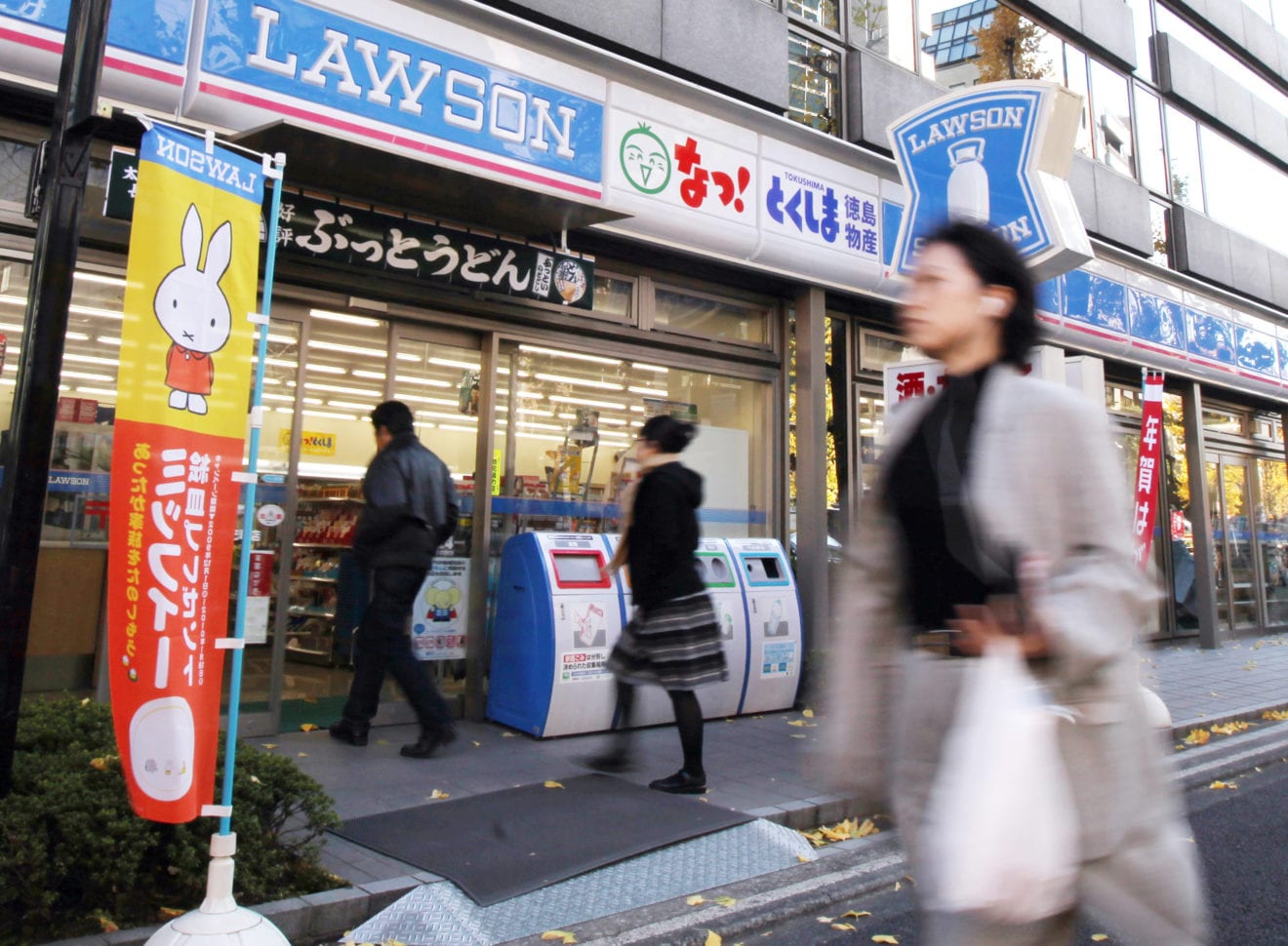
    Japanese retailer Lawson has installed 1000 ATMs in a new network to help Chinese tourists access their cash via UnionPay cards.

    And from September 24, customers will be able to pay for purchases using UnionPay credit cards at all Lawson stores in Japan – that’s 12,195 stores, trading under the Lawson, Natural Lawson and Lawson Store 100 banners.

    From September 28, customers can also withdraw Japanese yen by UnionPay credit or debit card on the newly introduced ATM network which will eventually be expanded to more than 2000.

    During the Chinese National Day holidays, a large number of Chinese tourists are expected to visit Japan. During this holiday season, Lawson will launch a coupon campaign for customers who use the UnionPay credit card for settlement. Customers who have purchased over 2000 JPY worth of goods using a UnionPay credit card can get a 200 JPY coupon ticket which can be used for their next purchase.

    The campaign runs through the month of October and the coupons can be used until November 7.

    At Lawson stores in Japan, the average shopping amount per payment is 600 JPY. Spending on credit cards is more than twice as much, at around 1300 JPY. Furthermore, in some pre-launched stores where payment by UnionPay card is already available, the average shopping amount made by UnionPay card jumps to about 3000 to 4000 JPY.

    Foreign visitors going to Lawson stores buy not only rice balls and drinks, but also confectionery and daily goods as souvenirs. This campaign will be able to meet a wide range of needs from foreign visitors to Lawson stores.

  • Hong Kong retail ‘moves to the middle’

    Hong Kong retail ‘moves to the middle’

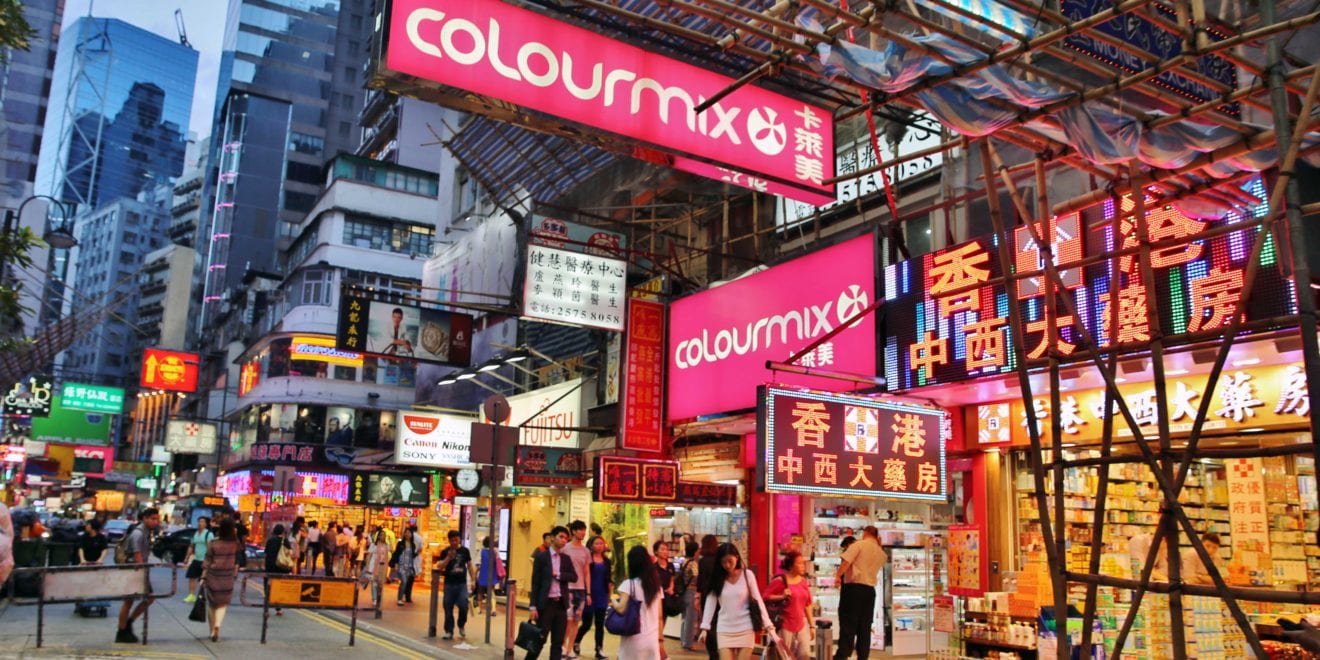
    Hong Kong retail is moving from its traditional luxury focus to the mid market and the demographics of shoppers change, according to a report from CBRE.

    Mid-market retail brands are set to overtake luxury brands  as the main driver of retail demand in the territory, according to the report, The Changing Retail Landscape: How to Survive the  Slowdown in Hong Kong?.

    The Hong Kong retail sector outperformed over the last decade with strong sales growth for high-end products. This generated an increase of 213 per cent in average rents from 2003 to 2014 for core street shops in Causeway Bay, Tsim Sha Tsui, Mong Kok and Central.

    “But the tailwind for luxury retailers has slowed since 2014 hindered by a range of factors including Chinese government’s anti-corruption measures, milder GDP growth in China, weakening Asian currencies and the loosening of policies on travel for mainland Chinese,.” says CBRE in a summary of the report.

    These are all unfavorable factors for Hong Kong’s tourism and retail sales. The total retail sales in Hong Kong from January to July 2015 edged down by 1.8 per cent year on year, while sales of watches and jewellery plunged 15 per cent in the first seven months of this year.

    “Despite the gloomy outlook  for the retail sector, opportunities are emerging for mid-market retailers.”

    “The retail sector is experiencing a structural change,” said Joe Lin, executive director, retail services, CBRE Hong Kong.

    “Over the past decade, high-street shop landlords have reaped the benefits of strong demand from luxury retailers and massive rental growth. Landlords must now be more realistic on rental negotiations, as luxury retailers are adjusting their leasing strategies to save costs, and more mid-range brands are looking to tap into prime locations at relatively affordable rental levels. This opens the door for mid-market brands to expand. In the last quarter, we saw prime street shops leased to mid-market brands following the lease expiry of the previous luxury goods retailers.”

    To cope with the slowdown, luxury retailers are consolidating their second-tier shops, which will increase space availability in the market. Some high-end fashion, cosmetics and watch and  jewellery retailers have either stopped renewing leases or surrendered spaces well ahead of  expiry. However, they will still strive to secure flagship premises in strategic locations with  prominent addresses and good visibility, which means a higher marketing value. They may also introduce secondary lines at accessible prices, targeting young consumers with a growing  demand for mid-market products.

    Consolidation by luxury retailers in Hong Kong implies that the tenant composition in some prominent retail locations will gradually change. Meanwhile, mid-range retailers previously not able to afford to lease a space in prime locations are now looking to take up vacant space  surrendered by luxury brands. Landlords are more willing to negotiate with tenants for more  affordable terms. While rents are generally falling, shops in the most strategic locations with  good footfall and visibility are not expected to run into high vacancy risks as long as landlords are prepared to be flexible in leasing terms.

    “The sales performance of luxury products is heavily reliant on the external factors mentioned,” said Marcos Chan, head of research, CBRE Hong Kong, Macau and Taiwan.

    “In contrast, the demand for mid-market goods from both tourists and local consumers is relatively steady.”

    CBRE foresees three trends in the next five years:

    • The main driver of demand for retail space are shifting from high-end consumer goods to mid-market brands;
    • Local demand will gradually regain a bigger share in total retail sales compared with tourist spending; and
    • Decentralised areas will provide a significant proportion of new retail space, offering more leasing options.

    “These trends suggest that retail market stakeholders, including  luxury and mid-market brands, and street shop and shopping mall landlords, will have to reconsider their business strategies,” said Chan.

    “Structural changes in the retail landscape will ultimately result in a more balanced and sustainable retail market in Hong Kong,” added Lin.

    “The tenant mix of both core areas and sub-markets will become more diverse, enabling both high-end and mid-market brands to offer a broader range of products to consumers. Domestic spending will get retailers’ attention and the mid-market sector will see healthy growth potential.

    “We would recommend mid-market retailers to continue to explore opportunities in emerging districts. This will ensure they obtain first-mover advantage. Meanwhile, street shop landlords should lower their rental expectations and consider leasing to mass-market brands to avoid long-term vacancy.”

    The lack of supply in the market is another reason for pushing retail rents to a high in past years. CBRE believes that supply in the next five years will ease some pressure on retailers on rental expense but new options in the core shopping districts will continue to remain limited.  The development of several new towns in more remote districts will result in substantial growth  in residential and working populations that will need to be served with by shopping facilities.

    CBRE estimates that in the next five years, 70 per cent of the new supply will be in non-core districts and 5.6 million sqft of retail space will be shopping arcades for residential estates.

    “This will provide opportunities for mid-range retailers to expand their store networks targeting the mid-to-high income households. Government statistics suggest that the catchment areas of these regional malls usually have an above-median household income.”

  • Japanese food traders target more exports to Thailand

    Japanese food traders target more exports to Thailand

    Last year, Japan’s exports of food and farm products reached 610.7 billion yen.

    Koichi Takano, director of the agriculture, forestry, fisheries and food division at the Japan External Trade Organisation (Jetro), said Thailand was a high-potential market because many Thais liked Japanese foods, while the country is a centre of Asean, which means many visitors come here.

    Thailand is Japan’s six-largest food importer, with imports last year worth 248 billion yen, up by 1.1 per cent from 2013. In the first half of this year, Japanese food imports by Thailand increased considerably, by 4.9 per cent year on year.

    Most Japanese food companies are small and medium-sized enterprises.

    Last week, Jetro Bangkok held a business-matching event between 40 Japanese food enterprises and more than 200 Thai businesses, including modern trade, retail and wholesale, hotels and restaurants. The event aimed to increase trade opportunities for Japanese producers of food and agricultural products in Thailand.

    Sachio Takiyama, director of Jetro Bangkok’s trade promotion department, said the organisation expected that each Japanese firm participating in this event would secure at least one trading contract or one business transaction with a Thai company.

    He said that with the rising popularity of Japanese restaurants here, Thailand would import more raw materials and food products from Japan.

    According to a Jetro survey in August, the number of Japanese restaurants in Thailand had grown by 11.5 per cent year-on-year to 2,364.

    Takiyama said Jetro Bangkok expected the number of Japanese restaurants in Thailand to increase by 10 per cent a year. Thus there is a strong opportunity for more exports of Japanese foods, rice and raw materials, as well as alcoholic beverages, to Thailand in the near future.

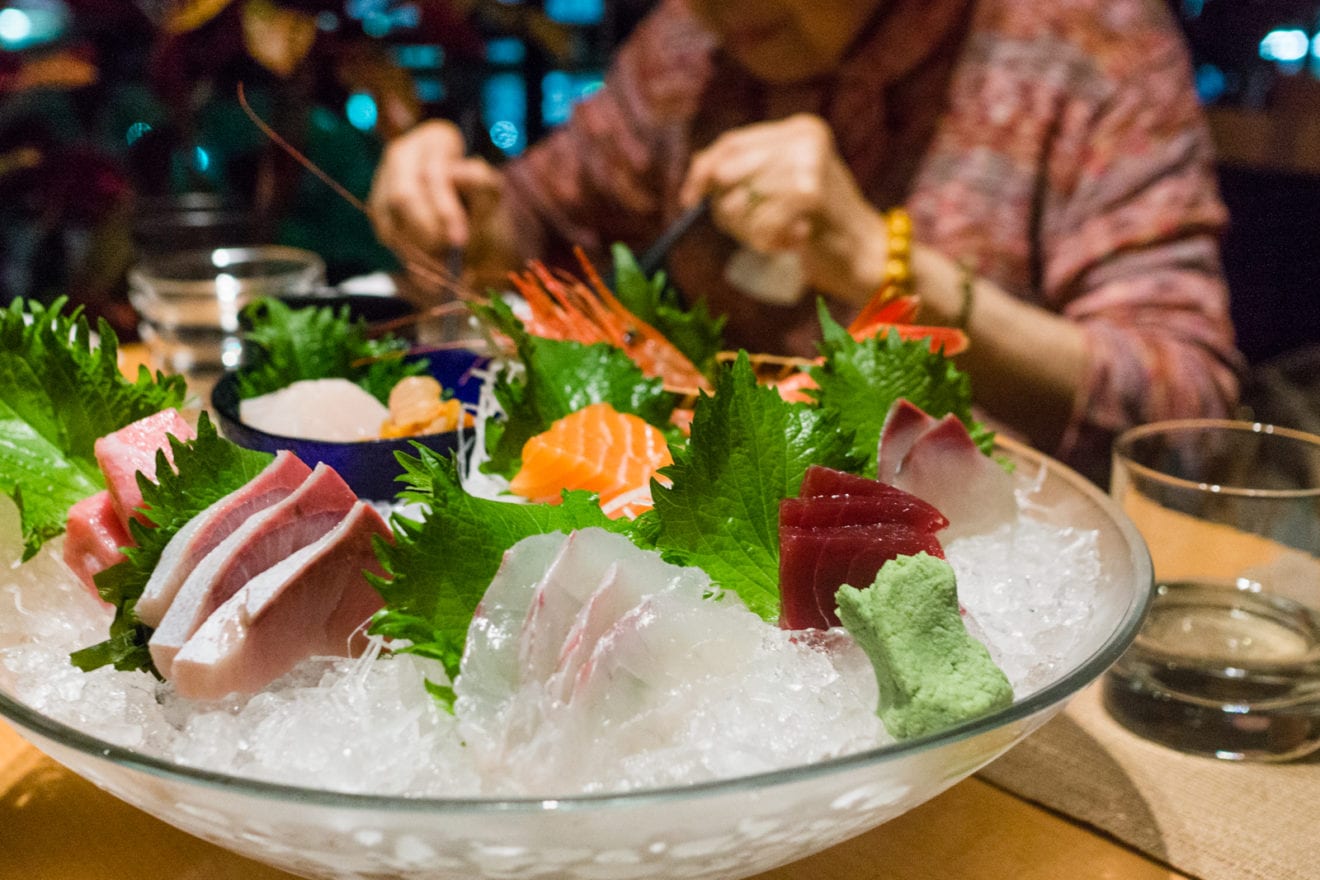
    Japanese products with high potential for export to Thai markets are premium-grade meat, alcoholic beverages, fish, and fruits and vegetables.

    Kouda Mayumi, a member of the technical staff of the beef promotion section of the Oita prefectural government, said the prefecture had started to export premium-grade beef to Thailand via Japanese importers last year, with a total volume of about 2 tonnes. She foresees strong demand in the Thai market.

    Shingo Yamashita, senior adviser to Azuma-Cho Fisheries, said demand for fresh fish in Thailand was expected to increase considerably as spending power rose along with the popularity of Japanese restaurants here.

    The company exports about 50 tonnes of buri fish, also known as yellowtail, to Thailand each year.

    Masanobu Miyazaki of JTF Trading, an importer of beef and fish from Japan to Thailand, said demand for Japanese food here had increased strongly over the past few years.

    Vegetables

    Takashi Kato, assistant manager of Bangkok Food System, an exporter of Thai vegetables to Japan and importer of Japanese food to the Thai market, said the company had exported Thai vegetables to Japan for more than 30 years.

    It foresees imports of Japanese foods to Thailand increasing, due not only to demand from Thais themselves but to the rising number of Japanese residents in this country.

    “Now, with higher demand for Japanese foods, we will import Japanese rice, vegetables and fruits to Thai markets to serve restaurants and supermarkets,” he said.

    Haruhiko Sunakawa of Okayama Fruits Company wants to export Muscat grapes to Thailand, along with other fruits such as peaches and strawberries.

    He is now looking for distributors or modern trade outlets to buy such products.

    Kyoko Yoshida, director of Shiyoshida-Syuzou, a producer and trader of shochu, a distilled beverage, said the company has started to introduce the product to the Thai market two years ago. So far, the company has exported it to some Japanese restaurants in Bangkok, and wants to seek |modern-trade partners as distributors.

  • World-first diamond exchange set for Singapore

    World-first diamond exchange set for Singapore

    The world’s first exchange for physical diamonds, is set to launch in Singapore in the fourth quarter, with a longer-term plan of creating a diamond futures market.

    Alain Vandenborre, the man behind the Singapore Diamond Investment Exchange (SDiX), thinks they can be bought and sold in a different way.

    He said he is surprised no one has tried to bring the trading of diamonds as a commodity into the 21st century on a global scale.

    To achieve that vision, some of the biggest diamond companies in the world have been secured as suppliers, including New York-based Leo Schachter, a leading manufacturer.

    “Up until now, the industry has been old-school. There’s wholesalers, there’s retailers, people in the middle, and there’s just no room for those people anymore. This way, we as manufacturers can go directly marketplace to sell our goods at the right price,” said CEO Alex Yarrow.

    According to SDiX, it expects to see turnover of at least US$250 million in its first full-year of trading, with operational bases set-up in Singapore, Hong Kong and India. And there are bolder plans for the future.

    “We’re going to start as the spot-market, but that’s not my strategy. The strategy is to move towards a futures licence,” said Mr Vandenborre.

    “The Exchange will be as soon as we’re regulated under the Futures Trading Act and will be launching a number of derivative products, which are highly needed. The diamond industry needs to hedge its position.”

    The new exchange might be what the marketplace needs.

    According to the widely-followed Rapaport Diamond index, the August price of a one-carat stone was 13 per cent lower than a year ago. Still, at the Hong Kong and Jewellery and Gem Fair, some traders remain upbeat despite economic wobbles in China.

    “When they slowdown, it’s going to cause a lot of pressure, so the volatility has increased considerably, I think it’s stabilising now as we speak so I believe players will come back in because the market has dropped quite a bit,” said Mayank Mehta, CEO of Rosy Blue.

    The trading of polished diamonds is quiet and expectations from dealers at the Hong Kong and Jewellery and Gem Fair was muted. Retail inventory levels remain high, particularly among 0.30-carat to 0.40-carat goods, as jewellers are not stocking up on inventory because of a retail slowdown in China.

  • Singapore Retail Sales Growth Eases Less Than Expected In July

    Singapore Retail Sales Growth Eases Less Than Expected In July

    Retail sales rose 0.2 percent in August, slightly below analysts’ consensus estimate.

    “Along with a 0.3% m/m rise in core sales and an expected increase in restaurant sales, these components imply a 0.2% gain in total retail sales for August”.

    In August, spending at gasoline stations slid 1.8 percent in August. Excluding volatile autos and gasoline, sales advanced 0.3%.

    People “have chosen to spend some of their gas price windfall on services – leisure, recreation, travel, etc. – which aren’t included in the retail sales numbers”, he said in a client note.

    On a seasonally-adjusted basis, retail sales decreased 2.2 per cent in July over the previous month. Sales at clothing stores rose 0.4 percent.

    Consumer spending has picked up in recent months after a choppy showing early in the year – gains that some economists attribute to milder weather after a harsh winter and Americans’ growing belief that low pump prices will be around for a while. The hiring – 2.9 million additional jobs over the past 12 months – has translated into a surge of spending at auto dealers and restaurants. The USA economy has become increasingly reliant on consumer spending to maintain growth as Europe and China have struggled to expand at a faster pace.

    “Retail sales showed solid gains in August, despite financial market volatility and a deflationary pricing environment in retail”, said NRF Chief Economist Jack Kleinhenz in a blog posting.

    Consumers came back to life in the first two months of the third quarter after lying low in June, wrote IHS Global Insight Director of U.S. Consumer Economics Chris Christopher in a research note. Overall, however, the numbers suggest consumers have been upping their spending in the spring and summer as they begin to feel more confident about their circumstances. The strong labor market has also helped.

    The index for mining fell 0.6% in August, while the index for utilities rose 0.6%.

    “With the Fed eagerly awaiting a sign or signs the economy is strong enough to withstand a rising rate environment, the data suggests the Fed will continue to wait for some time”, Piegza said.

    Americans spent less on gas in August as prices fell and used some of the savings to buy new cars or go out to eat.

  • Lotte chief vows to improve corporate governance

    Lotte chief vows to improve corporate governance

    By Kim Eun-jung

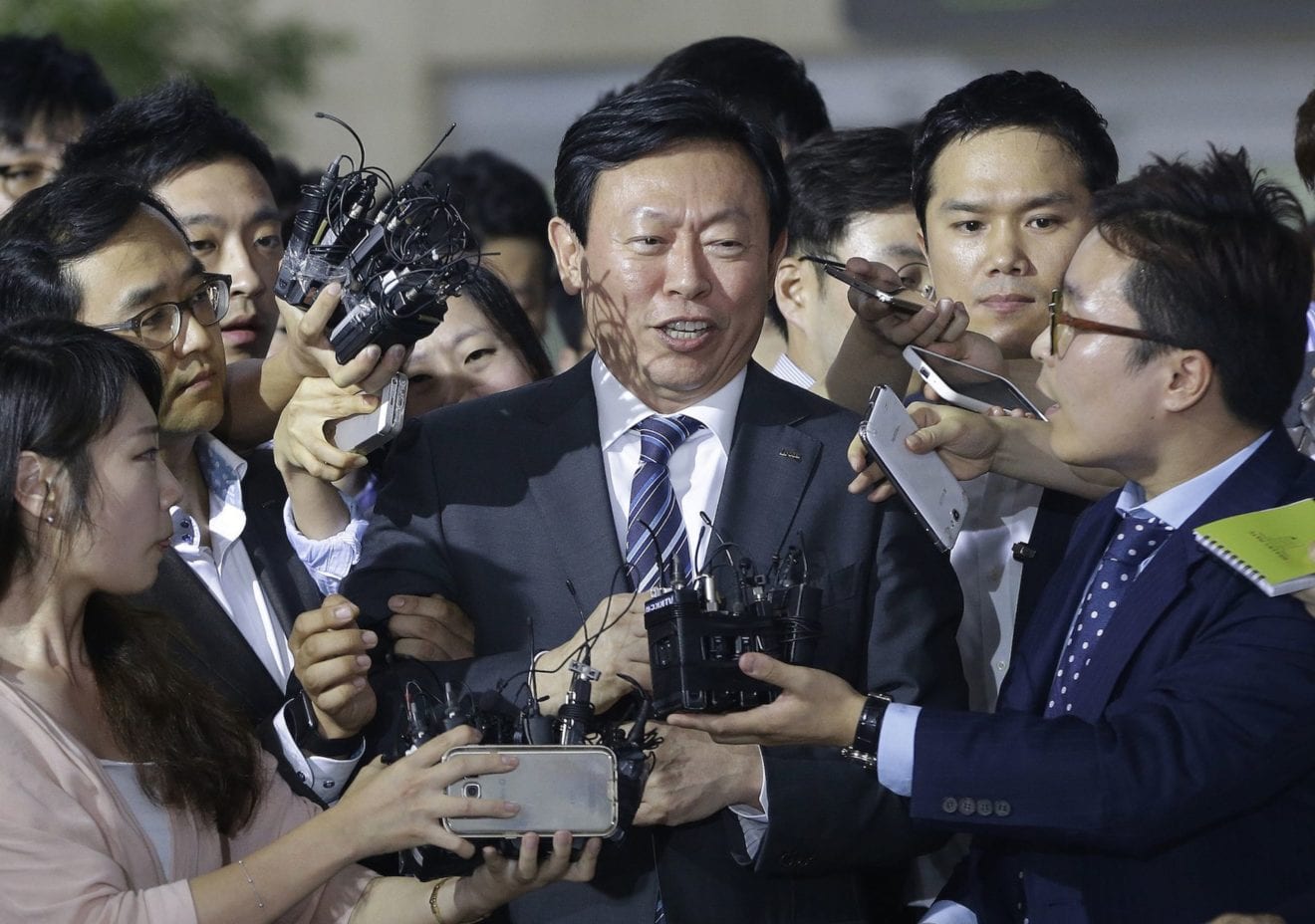
    SEOUL, Sept. 17 (Yonhap) — The chief of South Korean retail giant Lotte Group pledged Thursday to untangle a cobweb of cross-shareholding among its affiliates and speed up the listing process of its hotel unit.

    Testifying before a parliamentary committee, Shin Dong-bin also ruled out the possibility that Lotte, the fifth-largest family-run conglomerate in South Korea, may be embroiled in another family fight over leadership.

    Shin appeared before a parliamentary audit of the antitrust watchdog the Fair Trade Commission, tasked with assuaging public discontent after a bitter fraternal feud over winning control of the nation’s fifth-largest conglomerate.

    After winning the backing of Japanese shareholders last month, the 60-year-old has vowed to improve corporate transparency and list Hotel Lotte, a hotel and duty-free operator.

    During the nationally-televised audit session, Shin apologized for the family feud and vowed to clean up 80 percent of the cross-shareholding structure by the end of October.

    “We formed a task force to improve the governance structure and restore the brand image,” Shin said.

    Lotte has listed only eight companies and the core units are linked through unlisted Japanese units. Shareholders of the small Japanese firms remain largely shrouded in darkness because they are not subject to Korea’s financial disclosure rule.

    As part of reform efforts, Shin bought 35.8 billion won in Lotte Confectionery Co. shares from Lotte Construction on Aug. 28, clearing up about 34 percent of the cross-shareholding links.

    Shin said the task force is working on the initial public offering for Hotel Lotte, with plans to complete it by the first half of next year. Last week, Lotte selected three lead managers for the planned initial public offering.

    Hotel Lotte is 99 percent controlled by Japanese shareholders, including Tokyo-based Lotte Holdings and other unlisted Japanese companies.

    Lotte said earlier the hotel unit is expected to have a market capitalization of around 10 trillion won ($8.5 billion) when it lists, but market watchers estimate it could reach as much as 20 trillion won, considering its large stakes in affiliates and strong earnings.

    When repeatedly asked about the company’s identity, Shin said Lotte is a Korean company that generates most of its sales locally.

    “Lotte is a Korean company because it pays tax according to the Korean law and its employees are Koreans,” Shin said, noting he will maintain the Korean nationality.

    Founder Kyuk-ho was born in the South Korean port city of Ulsan, 414 kilometers south of Seoul, while his sons were born and raised in Japan by a Japanese mother.

    Lotte has tried to allay public discontent over its historic links to Japan as it could deal a harsh blow to the group that heavily relies on the retail, food and travel industries.

    Lotte was first established as a confectionery store in postwar Japan in 1948. It later expanded into Korea when diplomatic ties between Japan and Korea were normalized following Japan’s colonial rule from 1910 to 1945.

    Although lawmakers’ summoning businessmen has been a longstanding ritual as a way to flex their muscles in front of cameras, it is the first time the head of one of the nation’s top 10 family-run conglomerates, called chaebol, showed up before parliament to face acrimonious questions.

    Shin was called in for a 2013 parliamentary audit, but he evaded it, citing overseas trips and instead paid fines. But this time, negative public sentiment and growing government pressure left him no choice but to clarify issues related to the governance structure and other related issues.


  • Singapore retail sales stabilise

    Singapore retail sales stabilise

    Real Singapore retail sales rose 2.6 per cent in July over June and by 0.8 per cent year on year.

    That’s according to official government data after the sales of motor vehicles are removed from the figures.

    That follows falls of 3.9 per cent and three per cent in June, respectively.

    The total retail sales value in July 2015 was estimated at $3.5 billion, higher than the $3.3 billion in July 2014.

    Singapore retail chart 1509

    Year on year, sales of watches & jewellery fared the best, up 11.7 per cent. Retail sales of medical goods & toiletries, telecommunications apparatus & computers, recreational goods and department stores all rose between three and 10 per cent.

    In contrast, retail sales of petrol service stations decreased 16.4 per cent; sales of furniture & household equipment, optical goods & books, mini-marts & convenience stores, food & beverages, wearing apparel & footwear and supermarkets declined between 0.8 per cent and 5.5 per cent.

    After seasonal adjustment, month on month sales of wearing apparel & footwear, furniture & household equipment, supermarkets and petrol service stations declined between 0.7 per cent and five per cent.

    Watches & jewellery, medical goods & toiletries and recreational goods increased between 10.6 per cent and 13.4 per cent compared to June. Sales of telecommunications apparatus & computers, optical goods & books, food & beverages, mini-marts & convenience stores and department stores rose between 0.7 per cent and 8.2 per cent.

    Singapore retail chart -1509

    Meanwhile, sales of food and beverage services (seasonally adjusted) increased 3.1 per cent in July 2015 over June, but declined one per cent year on year. The total sales value of food & beverage services in July 2015 was estimated at $640 million, lower than the $647 million in July 2014.

  • AirAsia flying high again

    AirAsia flying high again

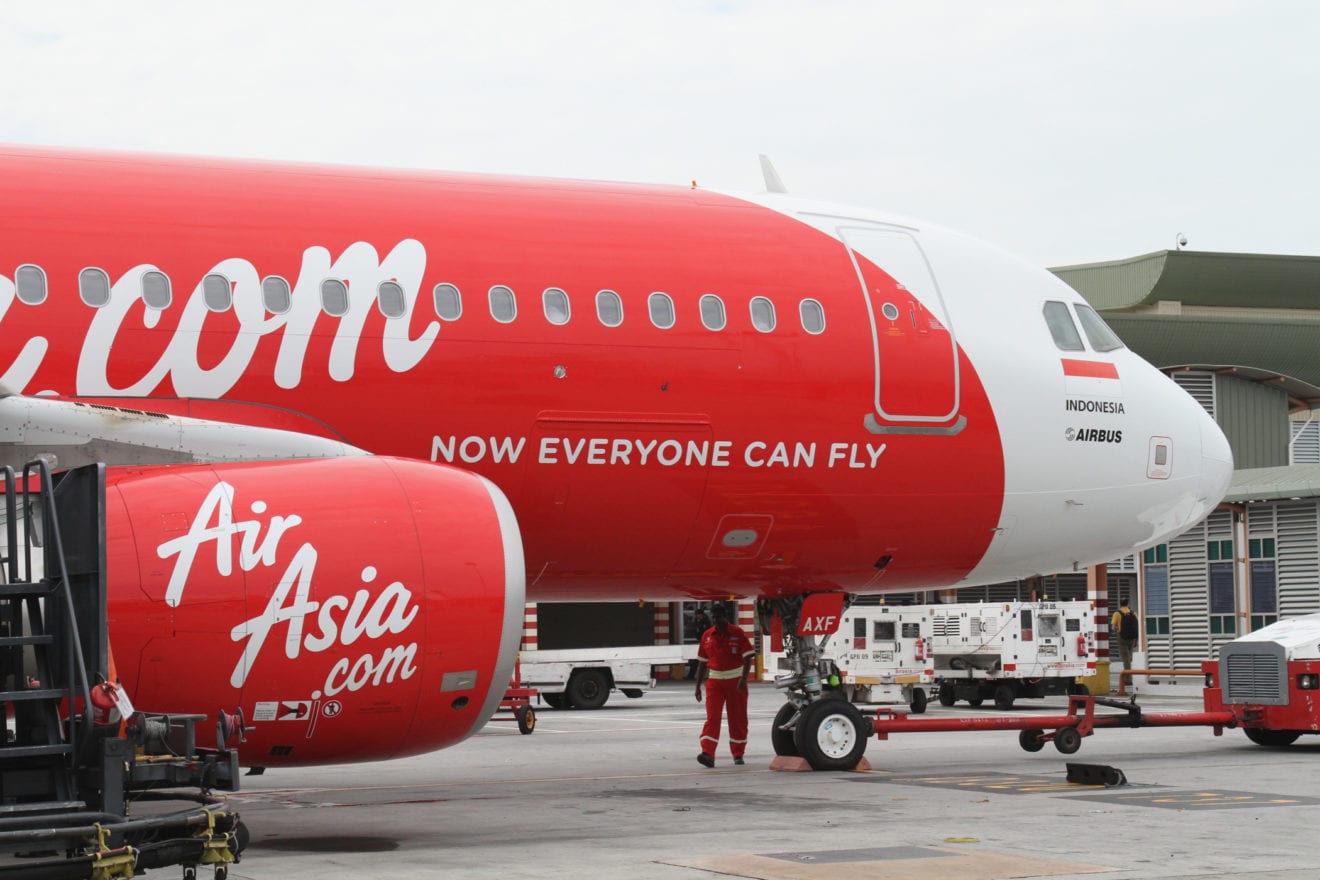
    AirAsia Bhd has been facing strong headwinds lately. The budget carrier’s share price has been on a roller-coaster ride over the past couple of months, fluctuating dramatically.

    The airline’s shares have been under pressure for some time and plunged to 78 sen on Aug 26. Its share price has since rebounded sharply from that recent low, with analysts calling it an overshooting of its price during the selldown. AirAsia became a penny stock at the end of last month and stayed below the RM1 mark for about two weeks. Its share price has since rebounded, closing at RM1.31 yesterday.

    Year to date the counter has lost more than 50%.

    What triggered the quick recovery?

    Analysts say the recent selldown was overdone and the market has ignored the significant value of its portfolio comprising non-airline businesses within the group. In addition, they note that AirAsia’s fundamentals are intact and it is undervalued.

    Maybank Investment Bank Bhd analyst Mohshin Aziz concurs that the selldown was overdone and maintains a “buy” call on AirAsia with a target price of RM2.05.

    “It is a highly beaten down stock. Given the situation, it is the highest candidate (to be picked up by investors),” he tells StarBizWeek.

    Mohshin notes that AirAsia has been very active this year engaging the investment community by having meetings, teleconferences and so forth but to no avail as it shares continued to be beaten.

    “AirAsia is cheap. Cheapest in its history in US dollar terms and also the cheapest airline stock in the world currently,” he says.

    Mohshin says there is no point talking about valuations of AirAsia, as it is beyond fire sale.

    “We derived an alternative and tangible valuation methodology for AirAsia, given that the conventional ones are gaining no traction. We took the latest available appraised value of its fleet, net off its long-term debt and times it by the ringgit at RM4.3 to the dollar and we get an intrinsic value of RM1.34 per share. Basically, the metal value of the business is higher than the current market capitalisation.

    “Shareholders can make a nice 18% gain by just selling off the fleet whilst keeping the RM4.8bil of equity,” he remarks.

    It is worth noting that the US-based Wellington group of companies which had reduced their stakes in the low-cost carrier in June this year have started buying shares in AirAsia.

    According to the latest filings with Bursa Malaysia, Wellington Management International Ltd has 200.74 million shares, or 7.214% stake in AirAsia. Wellington Management Global Holdings Ltd has an indirect 228.19 million shares or 8.2% stake, while Wellington Group Holdings LLP has an indirect 278.99 million or 10.025% stake.

    The Employees Provident Fund (EPF) had on Sept 3 acquired 2.498 million shares in AirAsia but it disposed 892,500 on Sept 9.

    “AirAsia took a beating but it is now a V-shape recovery. Wellington and EPF are back. They have been buying and hopefully the worst is behind for AirAsia. The counter has been attracting high trading volume,” an analyst say.

    The turbulence comes not in just its shares being sold down. AirAsia is also battling with other issues such as the report by accounting research firm GMT Research that raised questions about related party transactions. GMT Research had highlighted problems with the company’s accounting practices and raised concerns regarding the firm’s cash flow, leverage and group structure.

    News that PT Indonesia AirAsia (IAA) may be shut down by the end of July also caused a panic among investors.

    AirAsia’s 49%-affiliate IAA has received a letter from Indonesia’s Transport Ministry laying out terms for it to ensure a positive equity position by July 31.

    Indonesia’s Transport Ministry has ordered 13 airlines to raise funds to reach positive equity positions out of concerns that a negative equity would affect safety oversight.

    Futhermore, the company’s latest quarterly results provided little cheer to investors. In the first six months to June 30, AirAsia’s net profit fell to RM392.36 mil from RM506.87 mil a year ago, with a relatively flat revenue of RM2.6bil.

    AirAsia is also battling the Malaysia Airport Holdings Bhd (MAHB) over its operations at KLIA2. It was reported that AirAsia and MAHB would be having a “peace dinner” at the end of the month to resolve their disputes.

    Analysts, however, are not too optimistic that their differences could be resolved over a dinner. “One dinner cannot bury the hatchet. We will just have to wait and see,” one analyst says.

    Analysts believe that another concern weighing down AirAsia is the continued weakening of the ringgit against the strong greenback as about 70% of operating expenses and 80% of debt are US dollar-denominated. So far this year, ringgit has weakened by about 20% year-to-date.

    “We believe that one overhang over AirAsia’s share price performance year-to-date is the weakening of the ringgit against the US dollar.

    “We estimate that 64% of operating expenses (jet fuel, MRO and aircraft leasing) are US dollar denominated. As 8% of operating costs are hedged to reduce the impact from US dollar over ringgit volatility, the impact of every 5% drop in the ringgit equals to an increase in operating cost by 3%. Separately, 73% of its US dollar borrowings are hedged,” MIDF Research says.

    At 50%, jet fuel constitutes the largest operating cost component for AirAsia.

    AirAsia’s exposure to spot jet fuel is 49% in fourth quarter 2015 (51% hedged) and 100% in FY16 (fully unhedged). Thus, the impact on a 5% drop in jet fuel price reduces operating cost by 1.2% in fourth quarter 2015 and 2.5% in FY16.

    MIDF Research also notes that daily short value on AirAsia has reduced from a daily average of RM706,000 in the first week of September to RM335,000 in the second week of September.

    “This is also a major improvement from RM1mil to RM2mil average seen in previous months. We also believe that short sellers have been covering their positions by buying back the stock as share price rose 60% off its 77 sen low, typical in a short-squeeze situation,” it says.

  • Breaking The Rules Phenomenon To Rock The Retail Business

    Breaking The Rules Phenomenon To Rock The Retail Business

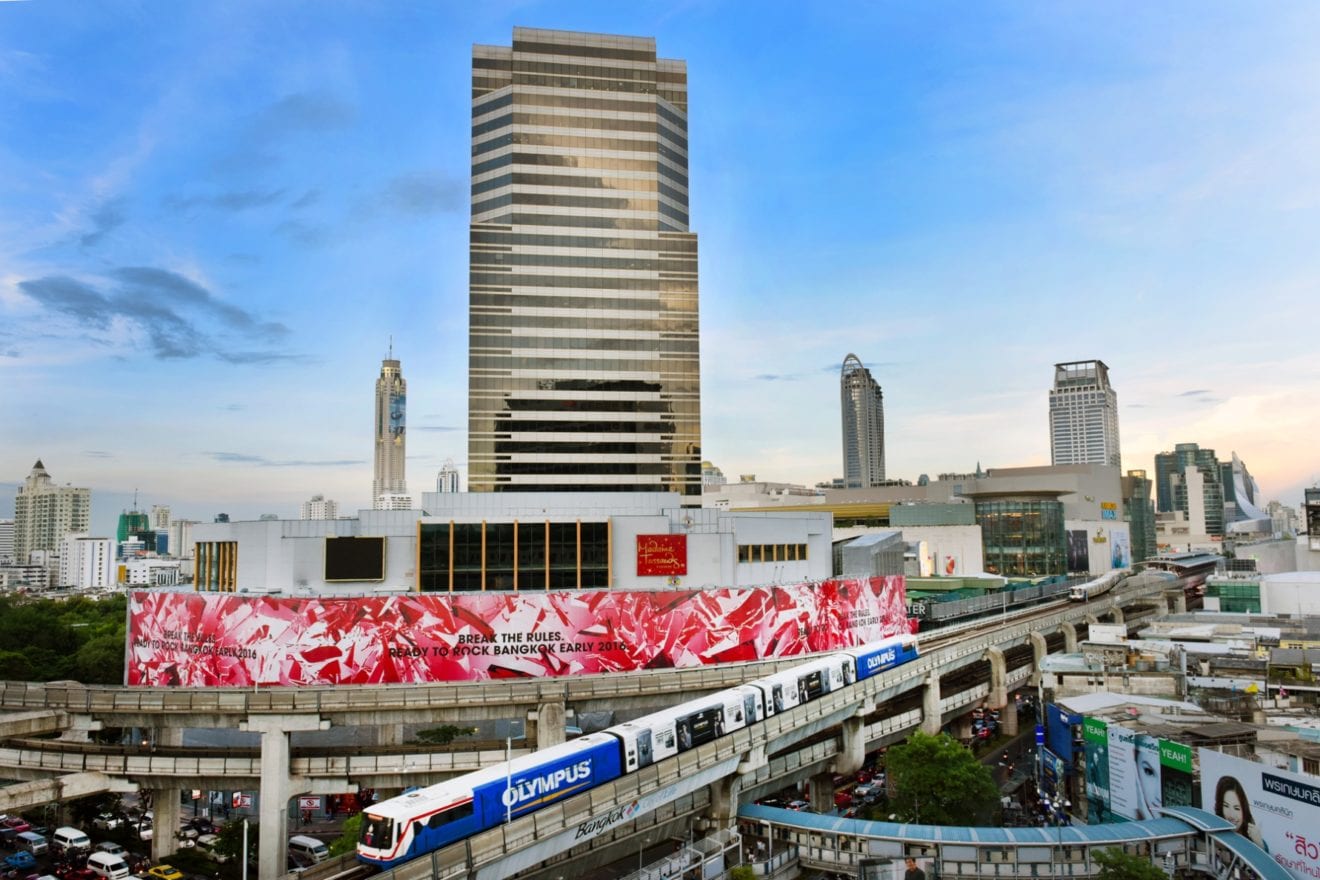
    Siam Piwat Co., Ltd., the owner and management of the leading shopping centers in downtown Bangkok including Siam Paragon, Siam Center and Siam Discovery, invests a large sum of over 4 billion baht in revamping Siam Discovery both the interior and exterior. This is a part of strengthening the company’s vision “The Icon of Innovative Lifestyle”. Set to bring a phenomenal experience to rock the retail business world under the concept of “Break The Rules”, the captivating re-launch of Siam Discovery tends to be scheduled for the first quarter of 2016—welcoming the country’s participation in the ASEAN Economic Community (AEC).

    In the middle of a major renovation, Siam Piwat has therefore designed vinyl to wrap the whole building for safety to match international standards. Located in the center of Pathumwan Intersection, the vinyl has been formed into a gigantic billboard on which is the graphic designing of shattering glass. This symbolic image represents a familiar sight of Siam district before being changed to make a better creation. It is absolutely the talk of the town among both Thais and foreign tourists who look forward to seeing the new look of Siam Discovery. This will also modify Siam district to maintain its rank of being Thailand’s everlasting shopping destination.