Category: General

Retail News Asia is committed to providing both local and global retailers with the latest General Retail news throughout the Asian market. This on a daily base.

  • China ‘still the land of opportunity’

    China ‘still the land of opportunity’

    China deserves to remain on retailers’ radar says a new report from JLL.

    “China remains a compelling market for global retailers and continues to offer a plethora of untapped opportunities, despite a recent moderation of its GDP growth says Tom Gaffney, regional director, head of retail for JLL in Hong Kong.

    “However, the China market remains complex and diverse. We advise brands to carefully assess their strategic mix of corporate stores and franchises, and to define a strategy that allows them to present a multichannel brand capable of seamlessly merging the worlds of online and offline.”

    His comments come a day after Inside Retail Asia published an analysis of China’s economic growth, largely masked by the single GDP figure which many business leaders and economists focus on.

    JLL’S report, China’s Retail Market: within Reach, offers international food and beverage and fashion retailers’ latest insights on China market expansion strategies. It’s the latest in a series of reports from JLL on China retailing and it comes at a time when many retailers are reconsidering their China strategies to enable the most profitable growth over the long-term.

    At the same time, many foreign brands are planning their first foray into the increasingly maturing Chinese markets.

    Derek Chen, director of retail tenant representation in China, says brands are well advised to make Shanghai and Beijing their starting point and opt for a corporate structure in these markets.

    “Consumers in China’s alpha cities, Shanghai and Beijing, which are among the world’s top five dynamic cities according to JLL’s City Momentum Index, are much more retail-savvy and have high expectations towards customer service. Most importantly, you retain absolute brand protection, which is essential in the China market as you build your brand initially.

    “Due to misalignment of incentives between a franchise partner and the retailer, franchisees are less inclined to focus on building brand longevity even if this adversely impacts the brand’s future. For brands new brand to the market, a corporate structure makes a lot of sense and has many advantages.”

    However, in tier 1.5 markets, such as Tianjin and Nanjing, brands best develop these in a mixed strategy, if corporate control is not an option. These markets offer a level of demand depth and sales productivity potential that can justify corporate control within a few short years, argues JLL.

    “Retailers should only franchise these cities by applying a strategy that would enable them to incrementally regain control over the medium-term. Buying back the top-performing stores prevents the biggest revenue gains from being diluted, and gives the retailer more control over brand marketing in these markets,” the report advises.

    Discussing strategies for third-tier cities and beyond, Chen says third and fourth-tier cities are a new frontier for most international retail brands.

    “We suggest brands use franchises to penetrate these markets quickly over the short and medium term. As these markets lack the degree of sophistication found in major markets and consumers are less discerning, more forgiving and easier to please. [So] the risks of franchising are more contained and manageable, and are usually more cost-effective. In addition, local partners offer valuable local know-how and have a better sense of the psyche of local consumers.”

    Gaffney summarises: “Retailers should fix their China expansion strategy before entering the markets, which will greatly reduce risks down the road. Corporate ownership is advisable for key markets and to build their brands. However, franchises remain irreplaceable when it comes to simultaneously achieving both fast and vast penetration of markets, and to hedge risks.”

  • Indonesia’s Manufacturing Activity Shrinks for 7th Straight Month in April

    Indonesia’s Manufacturing Activity Shrinks for 7th Straight Month in April

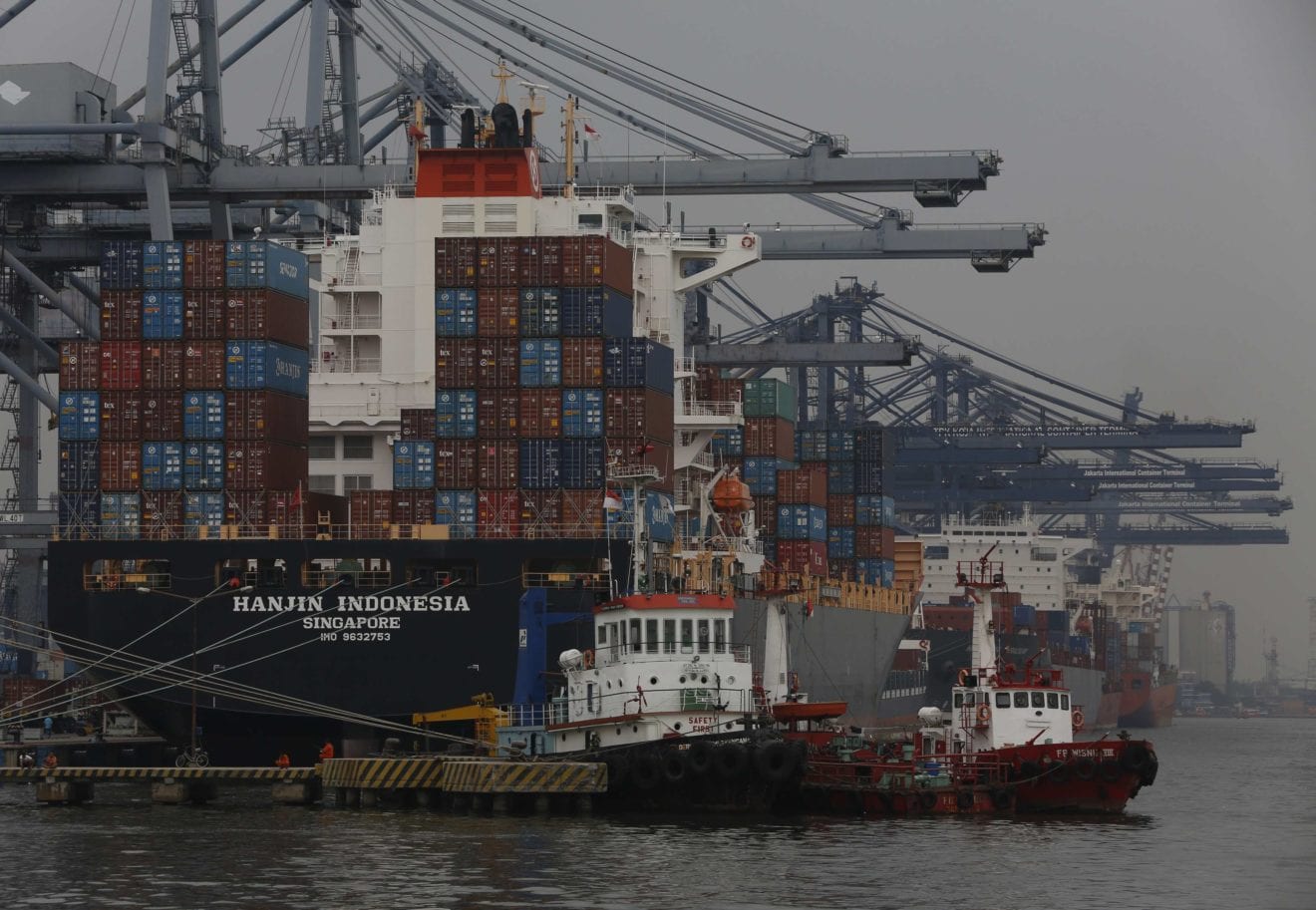
    Indonesia’s manufacturing activity shrank for the seventh straight month in April as export orders continued to decline and domestic demand remained weak, an HSBC Markit survey showed on Monday.

    The purchasing manager’s index (PMI) rose slightly to 46.7 in April from 46.4 in March — the lowest reading since surveys began in April 2011 — but remained well below 50, the level separating contraction from expansion.

    “April’s PMI survey highlights the current fragility of the Indonesian manufacturing sector, with both the domestic and export markets sources of weakness,” said Pollyanna De Lima, economist at Markit.

    “Despite the weaker rupiah, businesses struggled to price competitively at a global level as the cost of imported raw materials increased.”

    Output continued to fall as incoming new work slowed, and poor weather hampered activity. As a result, employers shed staff for the ninth straight month.

    “Companies continued to trim employment, buying levels and pre-production inventories, highlighting an expectation that conditions will remain tough in the near future,” De Lima added.

    Producers also reported increasing inventories in April. The seasonally adjusted stocks of finished goods index rose to the highest reading since the first month of data collection.

  • Alibaba freezes hiring as Ma says company needs to be efficient

    Alibaba freezes hiring as Ma says company needs to be efficient

    Billionaire Jack Ma said he is freezing all hiring at Alibaba Group Holding because the e-commerce company is expanding too quickly.

    The hiring freeze also applies to some companies controlled by Alibaba, Ma said in a speech to employees. The current level of 30,000 workers should be enough to maintain operations, Mr Ma said in a transcript posted to an official Alibaba account on the social-media application Laiwang.

    Alibaba, which is Asia’s largest Internet company, processes more than 11 billion orders a year from 334 million active buyers. Mr Ma, who has ambitions to service more than 2 billion consumers by 2019, said Alibaba would only hire a new employee when a current one quits.

    “This year our entire group’s headcount won’t increase by one person,” Ma said in the speech posted Tuesday. “The purpose is simple: we need to get into formation. I think 30,000 people is efficient.”

    Alibaba faces slowing revenue growth in China and is boosting spending to develop its overseas business. Mr Ma wants more than 50 per cent of sales to come from outside China, and the company aims to connect with more than 10 million small businesses abroad.

    The company is betting on emerging markets – including Russia, Brazil and India – to sustain the next wave of exports, and it is trying to help Chinese buyers gain greater access to brands from the US and Europe.

    AliExpress, the company’s market for customers outside of China, was founded in April 2010 and is already the top shopping site in Russia and Brazil.

    As China introduces more policies to make it cheaper to import overseas goods, Alibaba is competing with JD.com Inc to introduce more brands from the U.S. and Europe. The customs agency is allowing seven cities, including Shanghai and Guangzhou, to test cross-border e-commerce.

  • Matahari Department Store Profit Rises on Robust Sales

    Matahari Department Store Profit Rises on Robust Sales

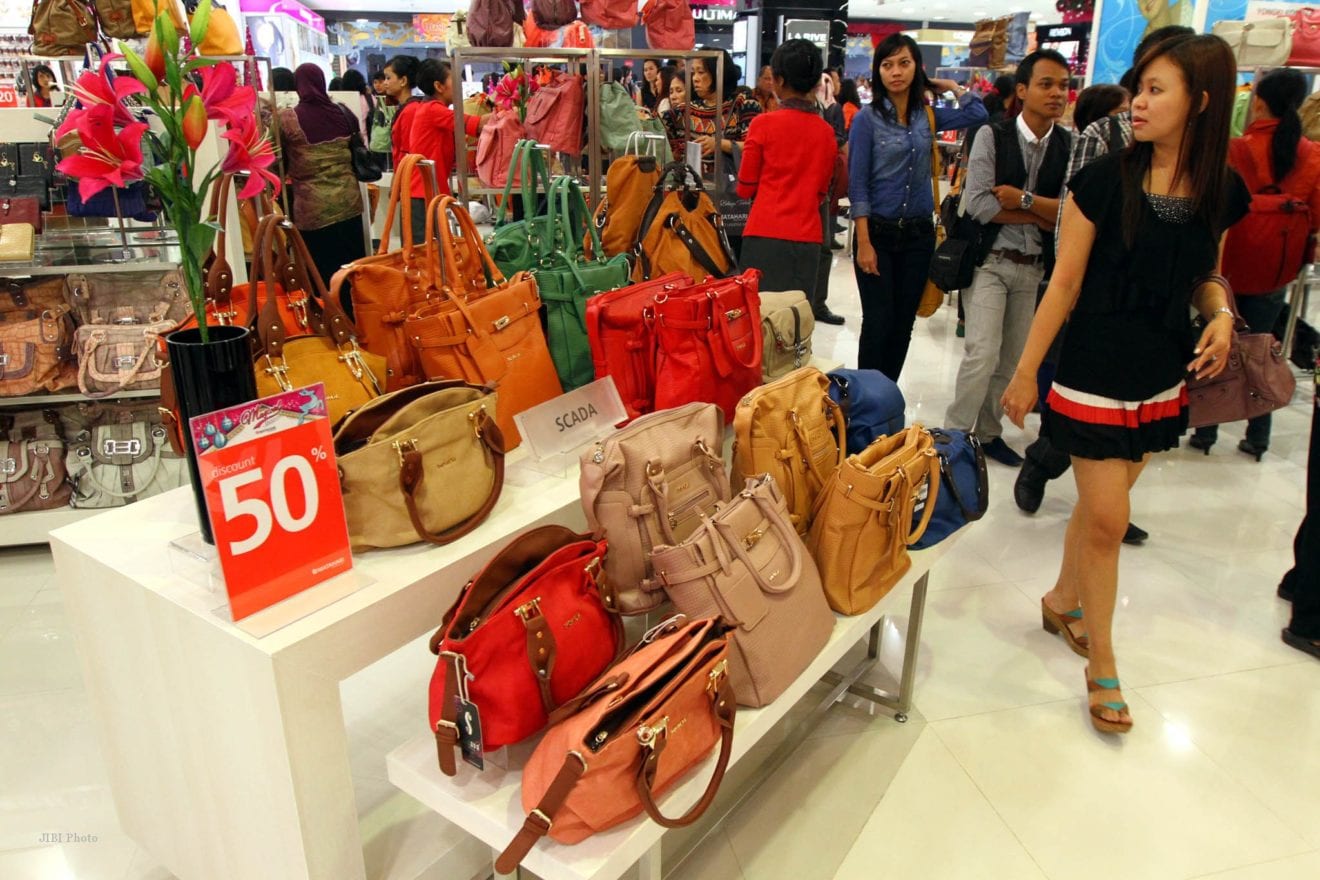
    Net income at Matahari Department Store, Indonesia’s biggest department store chain, rose by half in the first quarter, on the back of  robust sales growth.

    The company booked Rp 185 billion in profit in the January-March period, up 50 percent from Rp 123 billion in the same quarter last year, the company said in a statement on Wednesday.

    Matahari’s same-store sales rose 5.4 percent, reflecting “the resilience of the company’s target middle income segment despite a broader slowdown in consumer activities” in the first quarter.

    Matahari’s gross sales reached Rp 2.9 trillion, up 7.6 percent from Rp 2.7 trillion.

    The company opened four new stores since the start of this year, bringing the total to 134.

    “We are cautiously optimistic in terms of our sales outlook for the balance of the year and are  particularly encouraged by the faster pace of the store openings we are seeing in 2015,” said Michael Remsen, chief executive and vice presidentdirector of the company, said.

  • Walmart China plans major expansion

    Walmart China plans major expansion

    The world’s biggest retailer Wal-Mart Stores believes the best way to achieve profitability in China is to open more stores and lure more customers.

    Walmart China will expand its store network by almost a third between now and 2017 according to CEO Doug McMillon.

    “Our aim is to become an integral part of China’s economy. China is a top priority,” McMillon told a press conference in Beijing.

    Faced with slowing growth in its mature home market, Walmart sees a massive opportunity in China’s rising middle class and booming tier 2 and 3 cities as a means to restoring growth and boosting profits. Cities like Shenzhen and Wuhan.

    But its experiences in China to date have been mixed. Sales declined 0.7 per cent in the quarter to January 31 and same store sales fell 2.3 per cent.

    At the end of January, Walmart had 411 stores in China – and after some underperforming stores are closed should end 2017 with a network exceeding 500.

    The company is also increasing its investment in its online business Yihaodian.com. Launched in 2011 with 18,000 SKUs the online store now boasts more than 8 million products. With more and more Chinese buying online – on both computers and mobile devices – the potential seems unlimited.

    Walmart’s Asian chief, Scott Price, said while the company had seen a softening in sales, it was not all bad news.

    “We’ve gained share in the hypermarket channel.”

  • RIL to shut down few retail outlets in India

    RIL to shut down few retail outlets in India

    India’s Reliance Industries has said it will shut down non-profitable outlets belonging to its retail chain Reliance Retail.

    “It will be a wise decision to shut down stores which are not doing well and are a drain on the finances. All retail players operate in this manner,” said a research analyst from a domestic brokerage who attended the analyst meet.

    Reliance Retail is not just the largest retailer in terms of revenues, but is also the biggest in most of the categories it operates in. As on March 31, RIL operated 2,621 stores across 200 cities, with 12.5 million sq ft space and saw its profits improve over two times and revenue increase by 21 percent.

  • Keppel director steps down

    Keppel director steps down

    Keppel Corporation says non-executive and independent director Tony Chew Leong-Chee will retire from its board on May 1.

    Chew will concurrently cease to be chairman of the nominating committee and member of the audit committee.

    Dr Lee Boon Yang, Keppel Corporation chairman, thanked Chew for 13 years distinguished service to the property developer.

    “The Keppel Group has benefited from his extensive business experience, wisdom and entrepreneurial spirit. Tony was lead independent director from 2006 to 2009 and has been chairman of the nominating committee since 2009,… instrumental in overseeing the top leadership succession of the group in recent years. That the leadership transition process was achieved smoothly is a clear testimony to Tony’s capability and commitment to Keppel’s interests.”

    Chew will be succeeded by Tan Puay Chiang as chairman of the nominating committee. Till Vestring, who joined the board in February, will be appointed as member of the committee and the remuneration committee.

  • House of Fraser China closer to debut

    House of Fraser China closer to debut

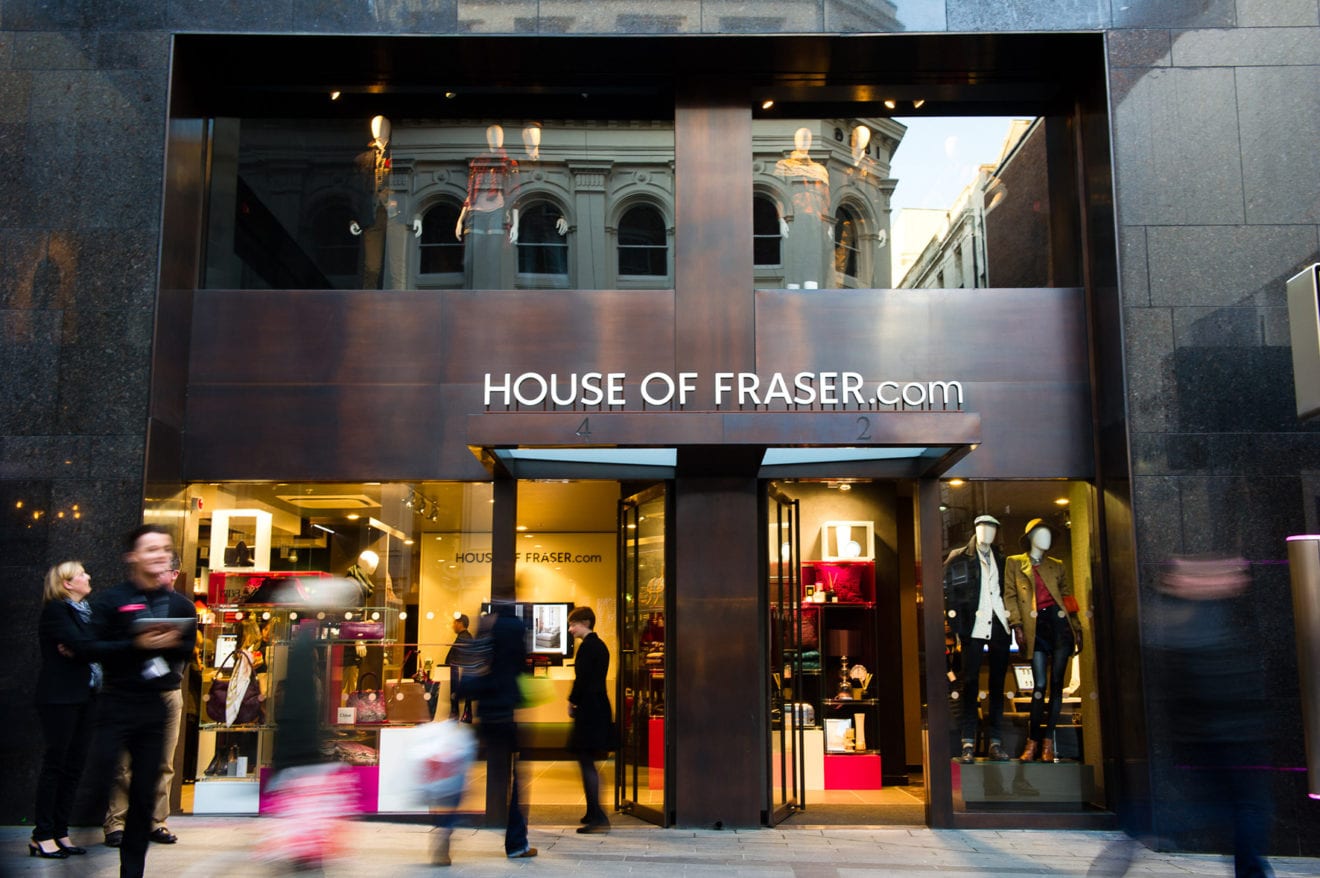
    UK department store retailer House of Fraser has confirmed it will open three stores in China.

    The first will be in Nanjing, the home of House of Fraser’s Chinese owners Sanpower after its £489 million buyout of 89 per cent last September.

    The second store will be in Chongqing and the third in Xuzhou, which is scheduled to open in 2017.

    A second franchised store is also planned for Abu Dhabi.

    House of Fraser revealed record annual profits this week, driven by a 32 per cent increase in online sales and like for like sales up 5.8 per cent to £1.3billion. It reported a record gross profit of £460.2 million. Own brand sales – for Linea and Army & Navy – rose 10 per cent.

    House of Fraser chief Nigel Oddy said the company is excited about its future prospects as it embarks on its next phase of growth internationally.

    Oddy joined House of Fraser in february after a career with Marks & Spencer which included a term as head of its retail operations in Hong Kong and involvement in buying, giving him extensive knowledge of greater China.

  • Cyber risk in retail: protecting the retail business to secure tomorrow’s growth

    Cyber risk in retail: protecting the retail business to secure tomorrow’s growth

    Years 2013 and 2014 saw an unprecedented level of cyber assault on retailers. Several major breaches hit the headlines and retailers reported tens of millions of customer data and credit card records exposed. Despite widespread attention to payment card industry (PCI) compliance, cyber criminals have clearly taken retailers by surprise.

    Due to the frequency and impact of recent cyber attacks targeting retailers, Deloitte undertook efforts to gather information and facilitate practical dialogue on the issue of cyber risk. The report, Cyber risk in retail: protecting the retail business to secure tomorrow’s growth, summarizes key issues facing retailers:

    • Compliance does not always equal risk management
    • Breach response readiness is top of mind as companies scramble to shore up detection
    • External intelligence will play a crucial role in the war against cyber threats
    • Cyber risk is a business issue

    It also outlines actions that retail organizations can take near term to mitigate cybersecurity risk, and concludes with a set of issues that call for future research, dialogue, and collaboration.

    To download the report, click here.

  • Bangladesh garment workers still face abuse, danger despite reforms

    Bangladesh garment workers still face abuse, danger despite reforms

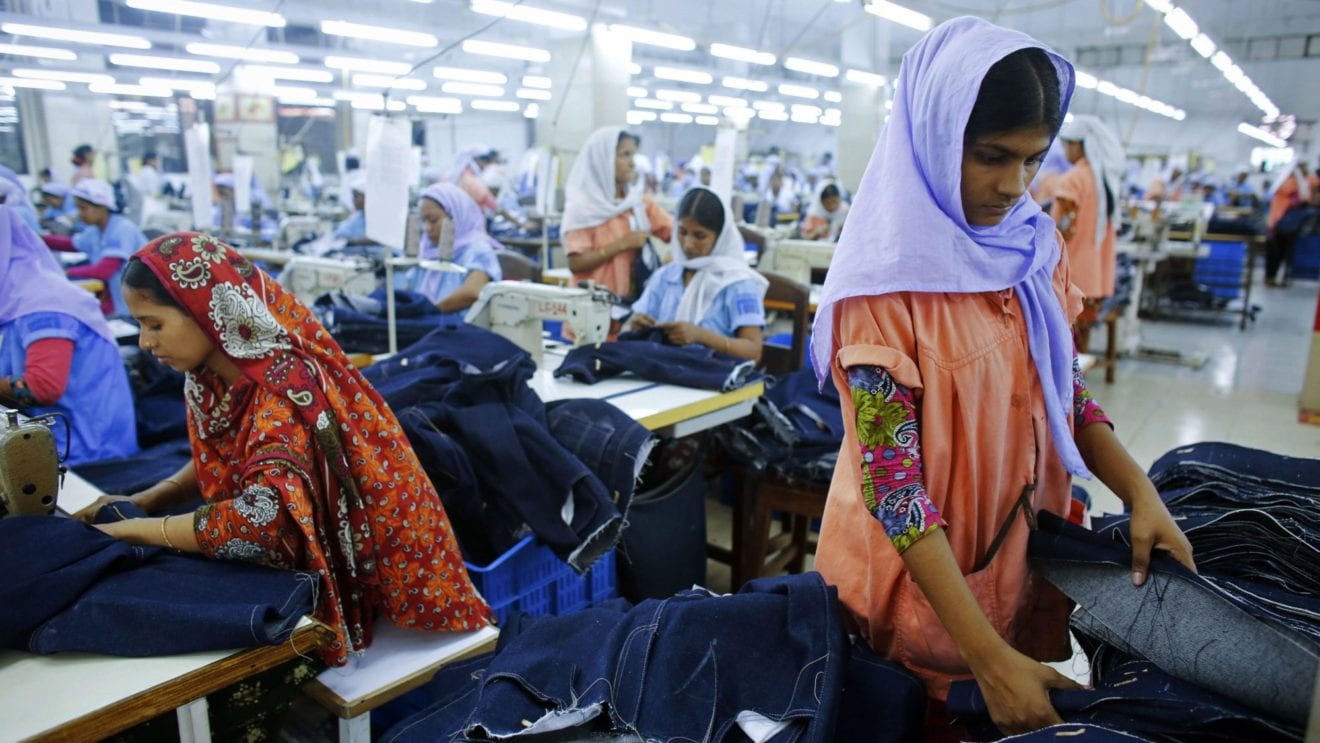
    Two years after the deadly collapse of the Rana Plaza complex, employees in Bangladesh’s garment sector still face exploitative and dangerous working conditions despite government labour reforms, Human Rights Watch (HRW) said on Wednesday.

    While the government and global brands have made progress in improving safety conditions for Bangladesh’s millions of garment workers, many still contend with abuse at work, delayed wages, and threats when they try to form a union, an HRW report said.
    “Clearly, it is not enough to focus on safety alone,” Phil Robertson, the rights group’s Asia deputy director, said in a statement.

    “Recent tragedies at Bangladeshi factories demonstrate that dangerous working conditions are linked to the failure to respect workers’ rights, including their right to form unions which can help them to collectively bargain for improved safety.”

  • Online store merger prods luxury goods makers towards internet

    Online store merger prods luxury goods makers towards internet

    The merger of the world’s two biggest online fashion stores, Net-a-Porter, or NAP, and Yoox, sends a warning to luxury brands to embrace the Internet with more vim after years of resistance.

    Top brands such as Prada and LVMH’s Christian Dior still baulk at the idea of selling clothing online as well as through their plush boutiques.

    “Considering the level of sophistication and image of our ready-to-wear, we feel the shopping experience has to remain immaculate and in-store,” says Stefano Cantino, head of marketing and commercial development at Prada.

    “You need the physical environment to try the product on and you need an exclusive service which you can only get in a boutique.”

    But as more people choose to buy through a website instead of going to Rue St Honore or New Bond Street, that position looks increasingly untenable. Brands whose goods are not available online risk losing customers to rivals.

    Luxury executives understand the Internet will be vital for future sales, particularly to so-called Millennials — web-savvy customers born between 1980 and 2000.

    Yet top brands such as LVMH’s Louis Vuitton, Hermes, Prada and Chanel have been slow to invest in e-commerce as other retail sectors have done in the last decade.

    Some have focused as much on the shopping experience as on the products themselves, spending heavily on worldwide expansion and revamping stores with help from famous designers.

    “Many luxury brands have not figured out yet how to be innovative and creative online,” said Anant Sharma of consultancy Matter of Form. “It looks like they are scared to try things out.”

    Sharma said many brands’ websites mimicked the appearance of Net-a-Porter’s black-and-white portal. “If they had the same approach to physical retail, we’d all be shopping in whitewashed rooms with clothes lined up against the four walls.”

    Immediately after the Yoox/NAP deal was unveiled last month, Chanel said it would start retailing online next year. This month, it is selling a new jewelry line exclusively through NAP for just three weeks.

    “The merger between Yoox and NAP sends the message that you need to be online or you may be out of the game,” Euromonitor luxury goods analyst Fflur Roberts said.

    Euromonitor expects 40 percent of all luxury goods sales will be made via the Internet in less than five years.

    Online annual luxury goods sales have been growing at 15-25 percent while the industry’s average growth rate has slumped to 5 percent this year from above 10 percent four years ago as brands have completed big global roll-outs.

    Analysts estimate that 5-6 percent of luxury goods are purchased online, although that jumps to around 8 percent for leather goods such as shoes and handbags.

    Designer websites vary in usability but few offer customers as much help as sites like NAP, which shows clothes on models, gives details of fit and sizing and carries styling tips.

    Prada’s e-commerce site carries no ready-to-wear, sticking to bags, shoes and other accessories.

    Kering’s Saint Laurent and Gucci have slicker sites, offering a wide range of clothing and proposing complete looks. Saint Laurent also features designer Hedi Slimane’s black and white photographs of musicians such as Marilyn Manson and Marianne Faithful.

    But Hermes’s iconic 8,000 euro Birkin or Kelly bags still cannot be bought online — and may take more than year to arrive after being ordered from a store.

    ?????????????????Department stores push

    While many big luxury brands are still figuring out an Internet strategy, high-end department stores already sell their products online.

    The Neiman Marcus chain, which includes New York’s Bergdorf Goodman, does 24 percent of its business online, up from 15 percent five or six years ago. Last year, it acquired German online fashion retailer My Theresa, aiming to better serve customers outside the United States.

    London’s Harrods, whose website gets 3 million visitors a month and sells brands such as Valentino and LVMH’s Givenchy, is also stepping up online investment.

    “Our customer demands an omni-channel shopping experience, and to remain at the forefront of luxury retail we need to respond to this,” Harrods managing director Michael Ward said.

    Chief Executive Bernard Arnault said at LVMH’s annual general meeting last week that “more and more products would be sold online” and the group was “currently adapting to this situation”.

    LVMH labels such as Fendi, Kenzo and Emilio Pucci already offer many products online — Fendi sells 750 euro baguette bags and 6,180 euro blue feathered dresses — but Louis Vuitton sells only accessories, pens, watches and jewelry.

    Richemont’s Cartier brand has sold jewelry online in the United States since 2010 and its online store now ranks third behind its two main flagships in terms of sales.

    Privately owned Patek Philippe, does not sell any of its 10,000 euro plus timepieces on the Internet, however, and told Reuters last month it has no intention of doing so.

  • Richemont warns of profit plunge

    Richemont warns of profit plunge

    Swiss corporate luxury retailer Richemont has warned of a 36 per cent plunge in net profit in the year to March 31, blamed on “derivatives”.

    The loss comes despite a 10 per cent improvement in operating profit and capital gains on the disposal of assets.

    “This significant decrease reflects non-cash, mark-to-market losses on financial instruments, which include monetary items and derivatives,” the company said. It also warned its tax rate would increase significantly.

    Richemont owns Van Cleef & Arpels, watchmakers Piaget and IWC and fashion brands, including Shanghai Tang.

    Further details will be revealed when the company reports its full results on May 22. Investors need not be too concerned, however: the company is sitting on cash reserves of around €5.4 billion.

  • Dress Thai for a discount

    Dress Thai for a discount

    Shoppers in Thailand could later this year earn extra discounts if they shop in Thai national costume.

    The Tourism Authority of Thailand is planning a promotion to reward both Thais and tourists who dress Thai with discounts of up to 80 per cent.

    It believes the novel promotion will not only encourage shopping and raise awareness of the mid-year Amazing Thailand Grand Sale , but help broaden recognition and appreciation of traditional Thai clothing.

    TAT says the plan is to boost awareness of “Thainess”.

    Sugree Sithivanich, TAT’s deputy governor for marketing communications, said the authority still expects tourism growth during the traditional mid-year low season .

    It plans to work with large shopping malls across the nation in a campaign to create awareness of this year’s tourism marketing theme: “2015 Discover Thainess”.

    He said the campaign would be implemented during the Amazing Thailand Grand Sale which runs from June to September.

  • Tesco posts record loss

    Tesco posts record loss

    Tesco has reported a £1.4 billion preliminary full year group trading profit on increased sales.

    But it lost a massive £7 billion in writedowns and one-off charges to create a record annual loss of about £6 billion.

    In Asia – where Tesco operates hypermarkets in China, Thailand, Malaysia and Korea – group profit fell 18.4 per cent in the year to March 31, to £565 million. But that was a far better performance than in the UK, where profit slumped 78.8 per cent to just £467 million, and in Europe, down 31.9 per cent to £164 million.

    In something of an understatement, CEO Dave Lewis described the year as “very difficult”.

    “The results we have published today reflect a deterioration in the market and, more significantly, an erosion of our competitiveness over recent years. We have faced into this reality, sought to draw a line under the past and begun to rebuild, and already we are beginning to see early encouraging signs from what we’ve done so far.”

    Indeed, if one could overlook such massive writedowns, the trading news was positive.

    UK like-for-like sales were up for first time in over four years, driven by better availability, service and pricing; like-for-like sales performance improved to one per cent in the fourth quarter which, by grocery retailing standards, is significant.

    Lewis highlighted “tough trading conditions overseas”, especially in Korea.

    But he said the transformation program outlined in January was progressing well, the portfolio review ongoing.

    “Over the last six months we have put customers back at the centre of everything we do. By focusing on the fundamentals of availability, service and targeted price reductions, we have seen a steady increase in footfall, transactions and, most significantly, volumes. More customers are buying more things at Tesco,” he said.

    “We are making deep changes to the way we organise and run our business, with a simpler, more agile office team, more colleagues serving customers and a new approach to the way we work with suppliers. I do not underestimate how difficult some of these changes have been for the team and I thank everyone for their professionalism and contribution at this time of great change.”

    Lewis said the market remained challenging and the company was not expecting any let up in the months ahead.

    “When you add to this the fundamental changes we are making to our business and our offer, it is likely to lead to an increased level of volatility in short-term performance. Our clear priority – and the one that will deliver sustainable value for our shareholders – is to improve consistently for customers. The changes we have made and will continue to make put us in a stronger position to do this.”

  • Fake beauty products overrun Chinese websites

    Fake beauty products overrun Chinese websites

    If you’ve bought more than a couple beauty products online in China, chances are you’ve purchased some fakes. Even if you bought imported ones.

    Fake products are a persistent problem across China’s eCommerce market but the beauty market may be particularly afflicted. According to a report from the 21st Century Business Herald (as cited in a recent National Business Daily article), an “absolute majority” of beauty products the company’s reporters tested were fakes. A separate test by a third party earlier this year found that 49 per cent of the Mary Kay products it purchased on Chinese eCommerce sites were fake. Just recently, a CCTV report revealed that some beauty masks being sold on WeChat were fakes that contained dangerously massive amounts of glucocorticosteroids. In the online beauty industry, fakes are everywhere.

    For consumers with the money, buying imported products to avoid fakes is growing in popularity, and many of China’s biggest eCommerce sites have rapidly expanded their foreign-imported offerings over the past year. But even foreign imports are not immune.

    Some Chinese suppliers will actually ship Chinese-produced fakes abroad, and then have them shipped back to China so that they can be certified as imported. The fakes are often mixed in with the genuine article to make finding them more difficult.

    “After they get through customs there’s no way all the documents can be inspected,” an industry source who wanted to remain anonymous told the National Business Daily. “Mixing fakes in with the genuine products is a favorite practice of suppliers, because at the current prices, if you don’t mix in fakes you can’t make any money.”

    Another issue is smuggled products – genuine imports that the eCommerce company doesn’t actually have the right to sell. That’s one of the issues at the heart of a recent spat between Chinese etailers Jumei and Vipshop, with Vipshop accused of selling a Korean-made product Jumei has an exclusive distribution contract on. When a desired brand has an exclusive contract with one eCommerce shop, it can be tempting for other shops to pick up smuggled imports to compete, and in some cases they may not even be aware the imports are smuggled.

    Because importing genuine beauty products to China is expensive, the problem of fakes isn’t likely to disappear anytime soon. As the NBD‘s source says, mixing fakes with genuine imports helps suppliers make the difficult import business profitable, and catching them in the act is difficult. As long as mixing fakes with genuine imports makes economic sense for suppliers, fake beauty products are likely to remain a big part of China’s eCommerce marketplace.