Category: General

Retail News Asia is committed to providing both local and global retailers with the latest General Retail news throughout the Asian market. This on a daily base.

  • YouTube announces quiz posts are coming to iOS and Android devices

    YouTube announces quiz posts are coming to iOS and Android devices

    After spending several months in beta, the option to create quiz posts in the Community tab is finally rolling out to everyone on Android, iOS and the web. YouTube confirmed earlier today that quiz posts are launching to all devices where Community posts are supported.

    This means that creators with access to the Community tab will now be able to create quizzes and viewers on Android and iOS devices can engage with them. Here is how you can add a quiz to your post:

    • Enter a question in the text field.
    • Enter answers in the “Answer” fields. Answers can be up to 80 characters each.
    • If you need more answer fields, tap Add answer. You can have up to 4 answers.
    • Select the correct answer. You can add an optional explanation for why this is the correct answer in the text field. Explanations can be 350 characters max.

    It’s important to mention that you can only have one correct answer on these quizzes, which makes perfect sense if you want to use these as educational tools.

    The announcement comes days after YouTube confirmed that it has started testing AI-generated quizzes on mobile. A small number of YouTube users are now part of an experiment that shows AI-generated quizzes on their Home feed. Of course, there’s no telling when these AI-generated quizzes will be made available for everyone nor if YouTube plans to really go ahead with this controversial feature.


  • Thai AirAsia back flying to Colombo

    Thai AirAsia back flying to Colombo

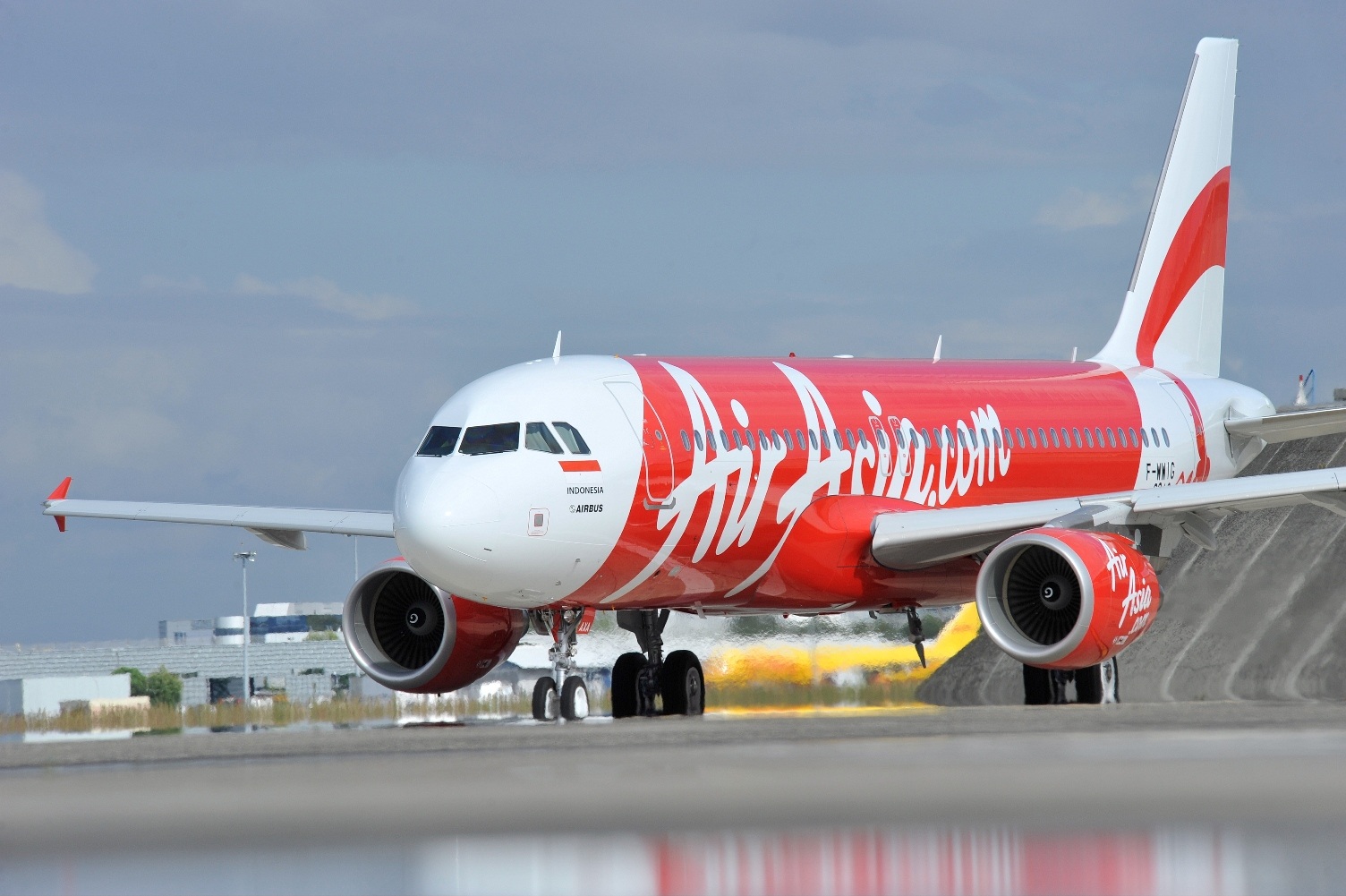
    AirAsia Thailand (FD) celebrated its inaugural flight, Sunday, flying from Bangkok (Don Mueang) to Colombo, the capital city of Sri Lanka.

    Operating the direct flight four times a week (Monday, Wednesday, Friday and Sunday) the low-cost airline uses an A320 on the route with 180 seats.

    FD140 de departs Bangkok Don Mueng Airport (DMK) and 1945 and arrives in Colombo at 2200. FD141 departs Colombo at 2300 and arrives in DMK at 04005 on the following morning.

    Booking website Kayak quotes a one-way Bangkok (DMK)-Colombo (CMB) on AirAsia at USD107. Roundtrip fares between the two cities average USD470 based on prices quoted by Thai Airways International and SriLankan flying between Bangkok (BKK) and Colombo (CMB) is more than double AirAsia’s roundtrip fares (DMK-CMB).

    Sri Lanka is a major destination for Buddhist faithful from across the globe as it is home to numerous well-known religious locations, many registered as World Heritage Sites, the best known of which is the Temple of the Sacred Tooth Relic in the city of Kandy.

    Other attractions include the forest-enveloped Sigiriya, often called the Machu Picchu of Asia due to its remote location. For other leisure seekers, Sri Lanka offers pristine nature experiences along the train route from Kandy to Ella, considered one of the most scenic train rides worldwide as it carves through valleys and tea fields. Tourists are usually drawn to the Ceylon tea plantation to learn about the process and enjoy a cuppa. Dimah is the most famous tea brand and offers tours with a tasting session at the plantation’s estate in the hill country of Nuwara Eliya.

    Marking the resumption of the route post-pandemic, AirAsia offers a promotional fare from Bangkok (Don Mueang) to Colombo, Sri Lanka, pegged a THB2,990 one-way (USD85). Bookings are open until 16 July 2023 for travel from 9 July to 28 October 2023 via the AirAsia Superapp.

  • Pomina Steel to sell stake to Japanese firm

    Pomina Steel to sell stake to Japanese firm

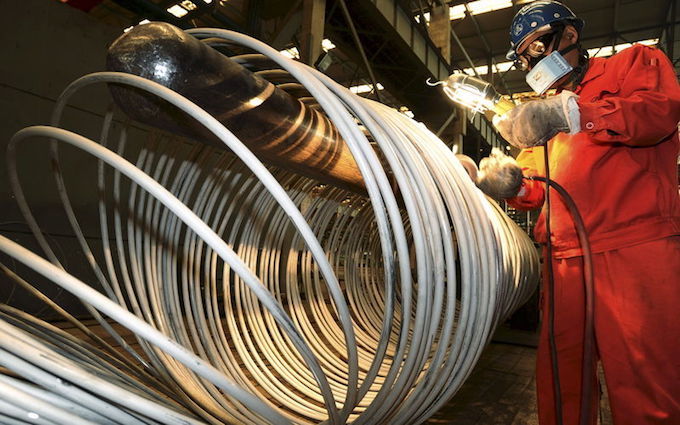
    Pomina Steel has agreed to sell nearly 70.2 million shares, a 20% stake, to Japan’s Nansei steel.

    The company will sell at VND10,000 ($0.42) per share, 35% higher than its market price. The deal, to be conducted in August this year and September next year, is estimated to fetch Pomina nearly VND702 billion.

    Nansei Steel is based in Japan’s Chiba. It first established a Vietnam entity around six months ago. Pomina’s announcement has seen its shares shoot up from VND6,900 to around VND7,390.

    Currently Vietnam Steel Corp is the biggest shareholder in Pomina with a 53.3% stake.

    Pomina, based in Ho Chi Minh City, has been facing financial difficulties. It posted a loss of VND1.1 trillion last year and another VND186 billion in the first six months of this year.

    Its CEO Do Tien Si said that the frozen property market had caused steel demand to plunge, and the high costs of its new blast furnace, were the main reasons for the losses .

    The company expects a loss of VND150 billion this year.

  • Ocado launches first robotic warehouse in Asia with Aeon

    Ocado launches first robotic warehouse in Asia with Aeon

    Ocado, a British online supermarket and technology group, has launched its first robotic warehouse in Asia. The warehouse, which is located in Japan, is a joint venture with Aeon, a Japanese retailer. The warehouse will be used to fulfill orders for Aeon’s “Green Beans” brand.

    Ocado CEO Tim Steiner said that the launch of the warehouse is a significant milestone for the company. He said that the Asia-Pacific region is a “key growth market” for Ocado, and that the company plans to open more robotic warehouses in the region in the future.

    The launch of the warehouse comes at a time when Ocado is facing increasing competition from other online retailers, such as Amazon. However, Steiner said that he is confident that Ocado’s robotic technology will give the company a competitive advantage in the long term.

  • Vietnam Airlines to auction three narrow-body aircraft

    Vietnam Airlines to auction three narrow-body aircraft

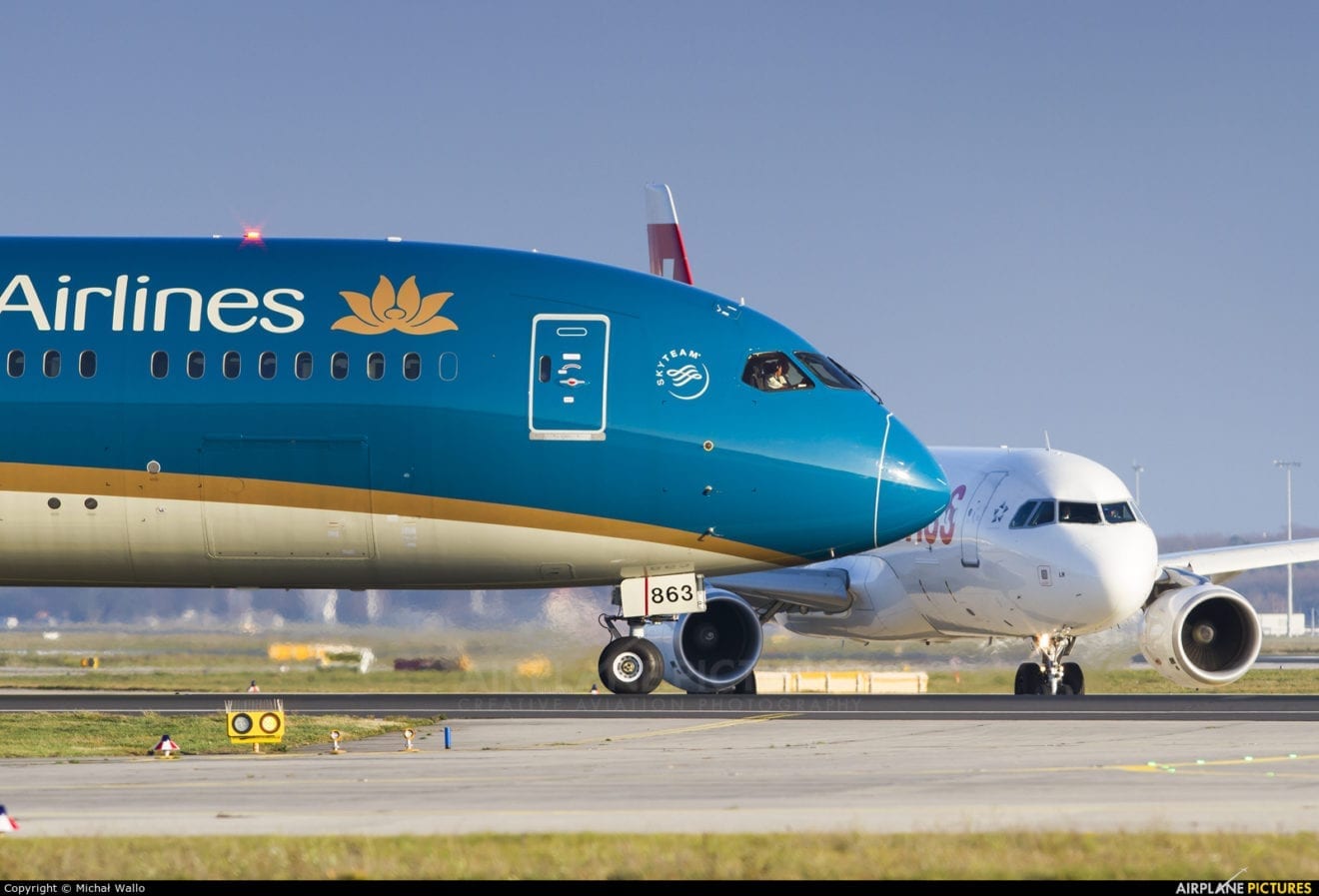
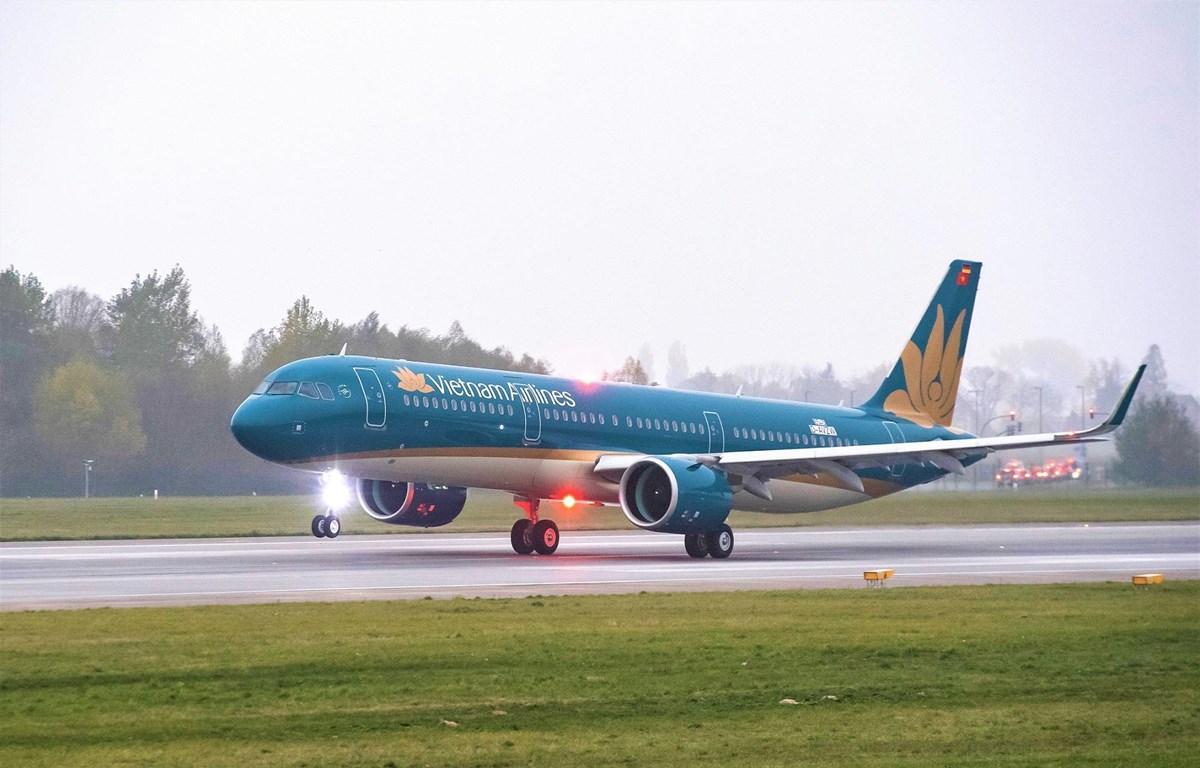
    Vietnam Airlines is set to auction three narrow-body aircraft Airbus A321CEO at a starting price of $5 million apiece in this quarter.

    The three jets were made in 2007 and are currently at Noi Bai International Airport and Tan Son Nhat International Airport.

    In 2020 the state-owned carrier sold five Airbus A321 aircraft for $7.4 million apiece.

    Selling jets was part of the airline’s plan to restructure its fleet and increase post-pandemic income.

    The airline now has a fleet of 94 jets, including 65 A321 jets with an average age of just over 9 years, according to aircraft data provider Planespotters.

    Vietnam Airlines served over 10 million passengers in the first half of this year, up 23.6% year-on-year.

    Its revenue rose by nearly half to over $1.91 billion, almost the same as in 2019.

  • Bamboo Airways CEO resigns after two months

    Bamboo Airways CEO resigns after two months

    CEO of Bamboo Airways Nguyen Minh Hai has resigned less than two months after assuming the position.

    Following his resignation announced by the carrier on Tuesday, deputy chairman Nguyen Ngoc Trong will be the airline’s acting CEO.

    Hai was named Bamboo Airways’ CEO in late May, replacing Nguyen Manh Quan.

    Hai, 51, has a bachelor’s degree in tourism business management from Vietnam National Economics University and 25 years’ experience in the airline industry. He was deputy general director of Vietnam Airlines between April 2015 and January 2019.

    In a meeting last month, Hai informed the carrier’s shareholders the company would be restructuring under a new investor, the Him Lam Corporation. He said making Bamboo Airways profitable to satisfy investor demands was a top priority.

    And then also last month, Bamboo Airways accepted the resignation of four members: chairman Oshima Hideki, standing deputy chairman Nguyen Ngoc Trong, and two deputy chairmen Doan Huu Doan and Phan Dinh Tue.

    The new chairman of Bamboo Airways is Le Thai Sam, who now holds over 50% of the airlines’ shares. The company has said the changes in personnel are part of its restructuring.

  • Vietnam Airlines struggles to get flight slots in foreign airports

    Vietnam Airlines struggles to get flight slots in foreign airports

    Vietnam Airlines is unable to get the number flight slots it needs at airports in the U.K., India and China.

    After a period of absence due to Covid-19, the carrier has lost many flight slots in London, chairman Dang Ngoc Hoa said at a meeting with the Ministry of Transport officials Monday.

    India only provides 28 slots at its four big airports for international airlines since it seeks to protect domestic carriers, he said.

    Requests for more slots in Chinese airports too have been rejected, he said.

    The number of foreign passengers flying on Vietnamese carriers is only 60% of pre-pandemic levels, he said.

    Other challenges, such as fuel prices doubling at certain times from 2019 levels, have been slowing down Vietnam Airlines’ recovery efforts, he said.

    He sought the ministry’s assistance to get more slots in foreign airports.

    Minister of Transport Nguyen Van Thang at the meeting ordered aviation authorities to support the carrier.

    If required, the ministry would dispatch officials to other countries to negotiate slots, he added.

  • Google is working to take Airplane Mode to the next level

    Google is working to take Airplane Mode to the next level

    Google has filed for a patent via the World Intellectual Property Organization (WIPO) that is titled “Activating a Connected Flight Mode.” What Google is doing here is taking Airplane Mode to another level. While you probably know how to activate Airplane Mode on your phone, the patent calls for sensors on the device to determine whether you are flying by  tracking changes in acceleration and speed, a drop in pressure, and by listening for certain sounds.

    According to the patent filing and Parkifly, more precisely, the triggers that would enable Connected Flight Mode include environmental factors such as a drop in pressure and changes in acceleration and velocity; cabin sounds like the noise of the flight engine and altitude ding, ultrasonic airplane beacon signals, various radio signals (GPS, Cellular ID, Wi-Fi signal), and contextual factors such as travel booking activity and check-in status.

    Once the device determines that you are flying, Connected Flight Mode is activated automatically. The goal here is to shut down the radios on your mobile device while keeping you connected to Bluetooth and the plane’s Wi-Fi signals. Currently, if you activate Airplane Mode on your phone, all connectivity including Wi-Fi and Bluetooth are turned off. But you can access Bluetooth and Wi-Fi by turning them on separately after activating Airplane Mode. This is true for both Android and iOS.
    With the Connected Flight Mode enabled as outlined in the patent application, Bluetooth and Wi-Fi connectivity remains open for use on the plane. The feature would also allow the device connected to Wi-Fi to operate as though it was connected to the same “high bandwidth capabilities and un-metered use” as the Wi-Fi you use on the ground. Thus, the inflight Wi-Fi would get treated the same as other Wi-Fi networks.
    What does this mean? Google explains. “Therefore, processes which use a lot of bandwidth, such as photo backups, may still execute while on a flight regardless of actual flight network capacities and qualities and thus can take up a significant amount of the limited resources of the plane’s internet connectivity. The disclosed technology can automatically switch a connected flight mode on before or during a flight to provide portable computing devices with granular levels of connectivity.”
    This sounds like a cool idea although Google is still working on this. Hopefully it won’t be too long before Connected Flight Mode becomes a reality on Android.
  • Google Calendar update brings new working locations improvements

    Google Calendar update brings new working locations improvements

    One of the most important Google apps for those using the search giant’s tool for work is by far Calendar. Many of its features help users keep track of their meetings scheduled, as well as the overall workflow. Ever since the COVID-19 pandemic, the need for tools that would provide users with the same level of productivity while working from different places has increased.

    Google Calendar has had a specific feature since 2021 that enables users to provide information about where they’re working from directly in the app. Although Google has further improved this feature in the last couple of years, there’s always room for improvement.

    The most recent Calendar update introduces a new feature for the working locations functionality, which allows users to set working locations in Calendar that indicate where they are working for specific portions of the day. Up until now, you could only highlight one or more days to indicate the period of time you’ll spend working from a specific location.

    The new option makes working locations even more accurate when reflecting the availability of a user based on the physical location they set, which can change throughout the day. Important for those that are part of a hybrid work environment where employees may work from home, and office, a specific building, or a combination of any of these, the new feature is meant to appeal to another type of audience, one that has become larger since pandemic.

    According to Google, the new Calendar feature is already available for those using the app, but only if you’re enrolled in the rapid release program. For the rest of us, the new feature should start rolling out on July 14.

    The working location feature will be enabled by default (unless disabled by an admin). To start using the new option and set a sub-day working location, simply select Working Location as an event type in Calendar, choose a location, and modify time, date, or recurrence by clicking on the time element.

    It’s important to add that this is available to Google Workspace Business Standard, Business Plus, Enterprise Standard, Enterprise Plus, Education Fundamentals, Education Standard, Education Plus, the Teaching and Learning Upgrade, and Nonprofits.

  • Vietnam Airlines shares restricted to afternoon trading only

    Vietnam Airlines shares restricted to afternoon trading only

    Over 2.2 billion HVN shares of Vietnam Airlines will be restricted from trading in the afternoon only, starting from July 12, due to the company’s delay in submitting its financial reports.

    The Ho Chi Minh Stock Exchange made the restriction decision on Wednesday after the airline was more than 45 days late in filing its audited 2022 financial figures.

    Vietnam Airlines in early May requested more time to compile its report, saying that its auditor needed to review and evaluate more data.

    The airline’s unaudited financial report for last year showed an accumulated loss of VND32 trillion ($1.35 billion).

    Vietnam Airlines, however, seemed to be recovering in the first half this year, transporting 10.14 million passengers, up 23.6% year-on-year.

    Its revenue rose nearly 50% to over VND45.2 trillion, almost the same as in 2019 before the pandemic.

  • Enhance Inventory Management With Satellite Pallet Racking Systems

    Enhance Inventory Management With Satellite Pallet Racking Systems

    Innovative solutions are in high demand as businesses seek to enhance efficiency and maximize storage space. Implementing efficient inventory management systems can significantly improve operational efficiency, streamline workflows, and increase profits. A revolutionary trend on the rise is using satellite pallet racking systems.   

    This article delves into the details of satellite pallet racking and explores how it can enhance inventory management. You’ll discover the benefits of these systems and the impact they can have on your business operations.   

    Understanding Satellite Pallet Racking Systems   

    In the world of warehouse management, pallet racking systems are essential. They’re the backbone of most storage environments, providing efficient use of space and easy access to products. Satellite pallet racking systems take this concept to the next level.   

    These systems use automated satellite vehicles that move along the racking system’s rails, storing and retrieving pallets as required. They function with precision, speed, and efficiency, making them a powerful asset for any warehouse.   

    Maximizing Space With Satellite Pallet Racking   

    One significant advantage of satellite pallet racking systems is their ability to maximize storage space. Traditional racking systems often leave unused space that could be utilized more effectively.   

    With satellite racking, you’ll experience space utilization like never before. The satellite vehicles operate within the racking, eliminating the need for wide aisles to accommodate forklifts. It leads to a higher storage density and better use of warehouse space.   

    In the next section, you’ll delve into these systems’ operational efficiency.   

    Boosting Operational Efficiency   

    Satellite pallet racking systems aren’t just about saving space; they also enhance operational efficiency. Human errors are significantly reduced as these automated vehicles handle most of the work. The consistency of automated operations allows for better planning and forecasting.   

    Not only do these systems save time on handling products, but they also reduce the physical demand on your staff. It can increase team member satisfaction and productivity, making your business operations more effective overall.   

    As you’ll see in the next section, satellite pallet racking systems also contribute to inventory management and control.   

    Revolutionizing Inventory Management And Control   

    Inventory management and control are crucial for all businesses, and satellite pallet racking systems provide a major leap forward. Automated operations and digital controls make inventory tracking significantly more precise.   

    Satellite vehicles are often equipped with sensors and tracking systems, offering real-time updates on your inventory. It ensures accurate inventory control, aids in preventing losses, and enhances overall business efficiency.   

    Furthermore, this level of precision and control allows for better planning and forecasting, minimizing issues with overstocking or understocking.   

    Improving Inventory Accuracy and Reducing Loss  

    The advantages of satellite pallet racking systems are manifold, and a significant aspect where they excel is in improving inventory accuracy and reducing loss, which is critical to maintaining a profitable business. Here’s how they do it: 

    • Inventory accuracy: Thanks to the automation and digitization of satellite pallet racking systems, tracking inventory becomes easier and more accurate. Each pallet’s location is tracked in real time, reducing the chances of misplacement and contributing to improved inventory accuracy.  
    • Reduced loss: The likelihood of misplaced or lost items decreases with precise tracking. It could translate into substantial savings over time, especially for businesses dealing with high-value items.  
    • Minimized damage: Using automated vehicles for storing and retrieving pallets reduces the chance of human errors that can lead to product damage. Satellite vehicles are designed to handle pallets with care, ensuring the integrity of your products.  

    The next section will focus on the environmental benefits that these systems offer.  

    Creating an Environmentally Friendly Warehouse   

    In today’s world, sustainability isn’t merely a trend; it’s a business necessity. More and more businesses are realizing the importance of implementing green practices. Not only can these efforts improve a company’s reputation, but they can also contribute to global sustainability. Satellite pallet racking systems can play a significant role in these efforts.   

    One of the ways these systems contribute to sustainability is through the efficient use of space. By maximizing space utilization, a warehouse can significantly reduce its energy consumption. It’s because less energy is required for lighting and climate control in a well-organized space.   

    Moreover, many components of satellite pallet racking systems are made from recyclable materials. It means that even when the system eventually needs to be replaced, it won’t contribute significantly to landfill waste. Instead, many of its parts can be recycled, thus further contributing to sustainability efforts.   

    Finally, automated operations and optimized logistics require fewer forklifts and other vehicles. It leads to a decrease in carbon emissions, helping to lower your business’s carbon footprint.   

    Conclusion   

    In conclusion, satellite pallet racking systems are an investment worth considering for businesses seeking to maximize storage space, boost operational efficiency, and enhance inventory control. These systems have a proven track record of driving business performance and could be the key to unlocking your warehouse’s potential.

     

  • Comparing Malaysia’s Gambling Scene to the Rest of Southeast Asia

    Comparing Malaysia’s Gambling Scene to the Rest of Southeast Asia

    Southeast Asia is home to many traditional, conservative countries, meaning their stances toward gambling are a bit sterner than those of most countries in the Western hemisphere. However, this region is far from homogenous. The situation differs from country to country, while online and offshore gambling are a story of their own.

    Still, where does Malaysia fit into all this? Perhaps even more importantly, how does it fare against some of its neighbors regarding the gambling scene?

    What form of gambling is legal in Malaysia?

    The only legal forms of gambling in Malaysia are betting on horse races (since 1961) and playing lotteries (since 1952). Sports betting, however, is illegal (both retail and online).

    Now, while online sites are illegal as long as they’re hosted in Malaysia, locals are not prohibited from offshore betting. For instance, a Malaysian can choose some of the apps in this list and legally play one of many typical casino games online or bet on their favorite sporting events.

    The same thing goes for the majority of countries in Southeast Asia, with a few exceptions. For instance, in Singapore, there’s a sort of state monopoly on online betting, while in the Philippines, everything is legal.

    Overall, online betting is hard to regulate, so local authorities usually ignore offshore betting, making it a very popular option.

    Casinos

    While betting is mostly illegal in Malaysia, casinos are regulated (under some rules that we’ll discuss later). So, it’s home to Genting Resort Malaysia. Sure, it’s just this one casino, but it’s a behemoth with over 3,000 slot machines and over 400 gaming tables.

    In fact, in the whole of South East Asia, there are only three countries that directly ban casinos:

    • Thailand
    • Indonesia
    • Brunei

    Given the royal family’s proclivity for gambling, some find the last part particularly interesting.

    In Laos, casinos are legal in special economic zones only. Still, locals are not accepted. The same thing goes for betting, in general.

    Also, remember that Southeast Asia is relatively close to Macau (the Vegas of the East). Needless to say, it’s hard for anyone to deal with such competition in gambling.

    Is Malaysia a popular destination for gamblers?

    Not exactly!

    As we’ve already explained, outside of one casino (albeit gigantic) and the national lottery, there’s not much legal gambling in Malaysia.

    Tourists who are interested in gambling destinations in Southeast Asia are more likely to visit:

    • Sihanoukville in Cambodia
    • Entertainment City in the Philippines

    While it’s hard to pinpoint the exact numbers (due to flawed methodology), it’s widely believed that these two countries have the region’s highest number of gamblers per capita. Now, there’s a reason why this is so hard to determine. Namely, in most countries in Southeast Asia, gambling is illegal for locals either way. So, it’s hard to find someone who openly admits (even anonymously) that they’ve partaken in this activity.

    For instance, in Cambodia, while casinos are regulated, all other forms of gambling are illegal. Moreover, betting in these casinos is only legal for visitors, while locals are not accepted.

    Most countries in Southeast Asia have similar rules where they regulate casinos but don’t allow locals. In Malaysia, for instance, while casinos are regulated, Muslims are prohibited from participating. In this scenario, the prohibition is based on one’s religion, not regionality.


  • The Most Popular Sports in Malaysia 2023

    The Most Popular Sports in Malaysia 2023

    Malaysia has a diverse sporting culture and decent success in international competition across many sports. Due to this and its great sports infrastructure, the interest in sports in Malaysia is at its all-time-high. Here are five sports that are the most popular in Malaysia.

    1.   Badminton

    Malaysia is probably the second-largest badminton hub in the world in terms of representation. Now, given the fact that the first place goes to China (18%) and Malaysia has 44 times fewer people than China, this goes to show you just how serious Malaysia is about badminton (14%).

    This country is the home of the Malaysian Open, one of the most significant tournaments in this sport.

    This is hardly surprising because just over 12% of the Malaysian population plays badminton, making it the most-participated-in sport in the country.

    2.   Soccer

    Soccer is the most popular sport in the world, and Malaysia is no exception to this rule. When the national football team is playing (Harimau Malaya), the whole country is out to cheer them, but many great local football teams are active there. Most notably, there are:

    • Johor Darul Ta’zim (JDT)
    • Selangor FA
    • Kuala Lumpur City

    There’s no denying that football is fun, whether you’re playing it, watching it, or even betting on it. While it’s illegal for sportsbooks to operate in Malaysia, it’s not illegal for foreigners to bet on Malaysian teams or for locals to bet via sites whose servers are not based in Malaysia, as more and more residents are doing. Fortunately, there’s a long list of betting sites on sportslensmalaysia.com for that very purpose, each offering competitive odds on Malaysian leagues, which just goes to show the popularity of Malaysian soccer leagues both in the country itself and around the world.

    3.   Hockey

    Hockey is a surprisingly popular sport in Malaysia, and the Malaysian men’s team even won a gold medal at the 1966 Asian Games. In 1975, they hosted the Men’s Hockey World Cup.

    The MHL (Malaysian Hockey League) is the premier domestic competition, and it attracts thousands and thousands of local viewers, with a sizable foreign interest, as well.

    Due to this rich history and tradition, it’s no wonder so many Malayans have shown interest in hockey since a young age.

    4.   Cycling

    Cycling is one of the fastest-growing trends in Malaysia. The sport is promoted everywhere, and more than a few government incentives exist to get this wheel rolling, so to speak.

    Another thing to remember is that participation always plays a huge role in the sport’s popularity. Following a bit of a pro cycling scene could help make the sport more interesting. The country has the perfect terrain for mountain biking, which is another pro in its favor.

    5.   Sepak Takraw

    This list wouldn’t be complete without Sepak Takraw, Malaysia’s autochthonous version of kick volleyball. Now, anyone who has already read that soccer and badminton are the two most popular sports in the country should not be surprised to find that a sport embodying the rules of the two is also incredibly popular.

    It’s played in teams of two to four players on a small court with a special traditional ball that’s 5.3 inches in diameter. While the standardized sport is new, everyone agrees that Sepak Takraw amalgamates several traditional, local sports.

  • Brussels Airport wants net zero target by 2030

    Brussels Airport wants net zero target by 2030

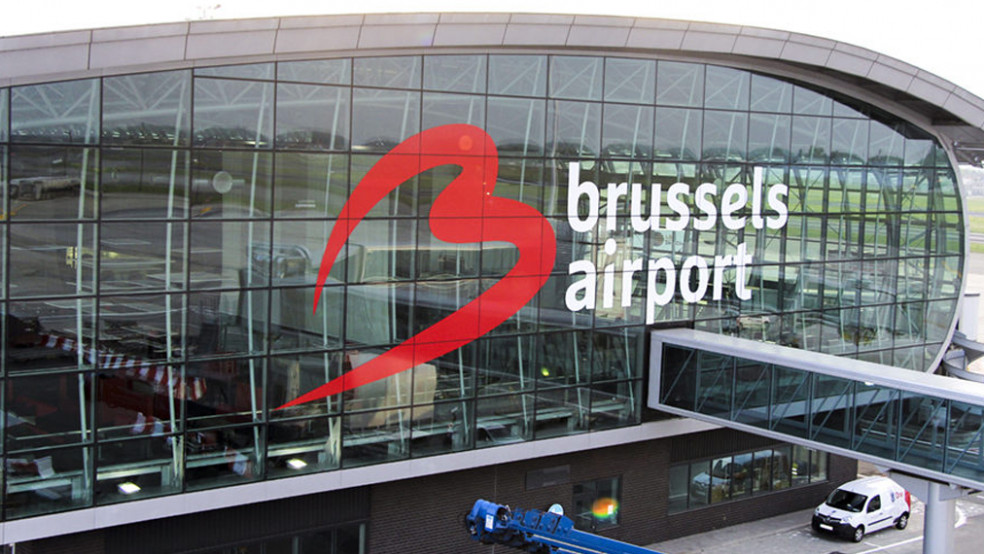
    Brussels Airport Company has dramatically accelerated its ambition to achieve net zero carbon and is targeting to achieve it by 2030, which means within under seven years, the airport operator aims to stop emitting all carbon dioxide (scopes 1 to 3).

    The airport group said it has already been carbon neutral for its own emissions as airport operator since 2018. Green energy is used for all buildings and infrastructure managed by Brussels Airport Company, for its own operations as a company and for the fleet of company vehicles. The remaining emissions are offset by supporting green projects in Asia according to international golden standards. Brussels Airport Company had committed within the framework of ACI Europe to become Net Zero Carbon by 2050 at the latest (for scope 1 and 2), but that goal will now be significantly accelerated.

    “I am very happy to announce that we can dramatically accelerate our ambition to become Net Zero Carbon as a company. We had already committed to completely stop emitting carbon dioxide by 2050 at the latest, in line with the Paris agreement, while exploring options to achieve this goal faster. With the new central heating plant that will be ready early 2027 and other planned measures, such as additional investments in green energy production, achieving Net Zero Carbon will already be possible by 2030. An important step for the sustainable future of Brussels Airport,” said Arnaud Feist, CEO of Brussels Airport Company.

    As previously announced, Brussels Airport Company plans to replace its central heating plant with a net zero carbon installation by early 2027, to provide the airport’s terminal buildings with completely CO2-free heating.

    Replacing this installation with an innovative gas-free alternative will lead to a reduction of some 70 percent of its total CO2 emissions. Brussels Airport will also switch to CO2-free energy for its buildings in the airport’s cargo area by 2030.

    Brussels Airport Company said it is committed to accelerate its net zero carbon efforts to make the airport more sustainable and respond to today’s climate challenges.

    “Additional solar panels will be added on the airport grounds and green electricity generated by wind power will be purchased. In combination with the standard use of sustainable fossil-free heating techniques in the construction of new buildings on the airport grounds, the full electrification of the company car fleet by 2026 and the further electrification of the service vehicles, this will ensure that Brussels Airport Company as a company will no longer emit CO2 by 2030 (scope 1 and 2),” the company noted.

  • WhatsApp adds new Chat Transfer feature

    WhatsApp adds new Chat Transfer feature

    WhatsApp has been rolling out new features to its messaging app like there’s no tomorrow. Several updates were released last month alone (not counting the beta version), which is unusual even for one of Google’s most popular apps. Over the weekend, WhatsApp announced yet another new feature is making its way to Android and iOS users: Chat Transfer.

    Announced on Twitter, the new feature allows WhatsApp users to transfer their full chat history without having to leave the app. However, there’s a big catch, as the feature can only transfer data across the same operating system, so if you’re planning to switch from Android to iOS or vice versa, the new Chat Transfer feature will not work.

    If you’re an Android or iOS user who wants to switch to a different operating system, you can transfer your WhatsApp chats using apps like Move to iOS. The new feature announced over the weekend has the same functionality, but it makes it possible to transfer WhatsApp chats without having to leave the app, albeit only across the same operating systems.

    To take advantage of the new feature, you must set up a new account on your new phone and choose the Chat Transfer option to create a QR code. Then, simply scan the QR code provided with the old phone and wait for the phones to connect and the data to be transferred to the new smartphone.

    According to Google, the ability to transfer WhatsApp chats without having to leave the app is available starting today, although it may take a few weeks to show up for everyone, so be patient if you didn’t get it yet.