Category: General

Retail News Asia is committed to providing both local and global retailers with the latest General Retail news throughout the Asian market. This on a daily base.

  • BetOnline’s Live Card Game Scandal

    BetOnline’s Live Card Game Scandal

    No business across any industry gets shielded from controversy or allegation. Whether true or false, these allegations can cause a thriving business to go under very quickly. However, for some businesses, controversy is an opportunity for them to learn and grow from their mistakes. One of those businesses swamped with controversy at one time was the online gambling site BetOnline. While it was a struggling time for them, they were able to come out on the other end of the controversy with the business intact and their reputation recovering.

    Below we will look at the scandal that hit BetOnline and how it overcame this challenge to remain one of the more desired online gambling sites.

    Backstory

    The controversy’s origins come from an online video in 2017 where a Youtube video recorded by blackjack player Micheal Morgenstern seems to show a dealer during a live casino show doing a “second-dealing.” It’s called a second dealing when the second card of a deck is dealt instead of the top card. Of course, a dealer would do something like this only if they knew what the second card was, which they should not.

    This results in the dealer winning the hand over the other player, cheating the player out of what would have been a win if everything went according to plan.

    This video immediately leads to outrage amongst the general public. The common assumption was that this was either a rogue dealer who didn’t want to lose or a dealer trained to do this trick in certain circumstances. BetOnline hired this dealer through a third party, so there is a chance they did not know the dealer’s tactics. But they hired the company simultaneously, and the criticism still came. In any sense, the backlash was immediate, and BetOnline was slow to respond. They cut ties with the third party they were working with who sent over the dealer but trust in playing on their site diminished, and no one wanted to be the next victim of cheating.

    An investigation occurred against the dealer in which they did not disclose much helpful information. The dealer was eventually fired and sent back to his home country, but no further action occurred.

    How did BetOnline recover from the scandal?

    Of course, the first necessary course of action was for BetOnline to sever ties with the third party they contracted the dealer from. That action was the first step in gaining the public’s trust back. The next step was properly screening all dealers who work for them regardless of where they are hiring. Then a lesson they learned was to be upfront and honest with the public from the jump. One criticism they suffered as they were too slow to respond to the controversy, which only shows they may have something to hide. Giving the public an immediate apology and plan for course correction is something they learned from this experience. Although they most likely would want to avoid this situation again.

    Current day BetOnline

    As mentioned in the intro, despite the controversy, BetOnline remains one of the top online betting sites for poker, casino, and sports. They retained this position by providing excellent user experience on their site and putting in proper roadblocks to ensure this controversy does not happen again.

    Some people believe time heals all one, so the fact that it happened six years ago and has not happened again is good for any company looking to resurrect its reputation. So a combination of an overall good user experience on their site, emphasis on customer service, no follow-up controversies, and severing ties with controversial companies has allowed BetOnline to continue operating and remain at the top of the league regarding online betting.

    Mistakes do happen and one of the most important things is to learn from them, so if you’re looking to see how the overall experience is now, the best thing to do is sign up and try it out for yourself. But be sure to claim the sign-up bonus being offered on this list of the top 10 online cash poker sites so you can get more value from your cash deposit.

    Conclusion

    You expect to be treated fairly and not cheat when you do anything. You expect a fair game even in a casino where everyone knows they need to make money. So to see a live event where a dealer hired by the company hosting the event egregiously side-swiped the players, it is easy to imagine a world where that business is no longer in service. Lucky for BetOnline, they were able to make the necessary changes to their company from a structural standpoint, and from an online experience standpoint, they were able to recover. Unfortunately, everyone’s eyes may still be on them, looking for another cheating scandal. Still, as long as they remain on the course they are currently traveling down; then they should be able to maintain their business and reputation in the long run.

     

  • Apple raises iCloud+ prices

    Apple raises iCloud+ prices

    Backing up your photos, videos, and important documents to the cloud is super handy. It keeps everything safe, even if your phone gets stolen or breaks. But, of course, this convenience comes at a price.For many Apple product users, iCloud+ is a familiar and widely used cloud storage service. Recently, Apple has raised the prices of its cloud storage in the UK and several other countries. The prices have increased by approximately 25%. iCloud+ offers additional features such as more storage space, a custom email domain, and HomeKit Secure Video, which are not available in the free version.

    When you create your Apple ID for the first time, Apple provides you with 5GB of free storage on iCloud. If you require more space, you can upgrade by choosing one of the iCloud+ subscription plans. Until recently, the prices in the UK were £0.79 per month for 50GB, £2.49 per month for 200GB, and £6.99 per month for 2TB.

    With the new pricing, these subscription plans have become slightly more expensive, now costing £0.99 per month, £2.99 per month, and £8.99 per month, respectively. The price increase affects not only iCloud+ users in the UK but also those in Poland, Romania, Turkey, Sweden, the Arab Emirates, and other countries. However, for now, the price for the service remains the same in the US.
    The higher prices without any additional storage upgrades may not be appealing to users, especially considering the availability of alternatives. There are numerous other cloud services to explore, such as Google Drive, which offers 15GB of free storage upon registering a Google account, as well as Dropbox and Microsoft’s OneDrive cloud storage.
    You can even make your own iCloud alternative using a network-attached storage (NAS) device – read our guide on how to make your cloud backup service for more details.
    Apple gave iCloud.com a fresh makeover last year, giving it a more modern and user-friendly look. However, redesigning the website might not be sufficient in a highly competitive market.
  • AirAsia to resume Bangkok to Colombo flights

    AirAsia to resume Bangkok to Colombo flights

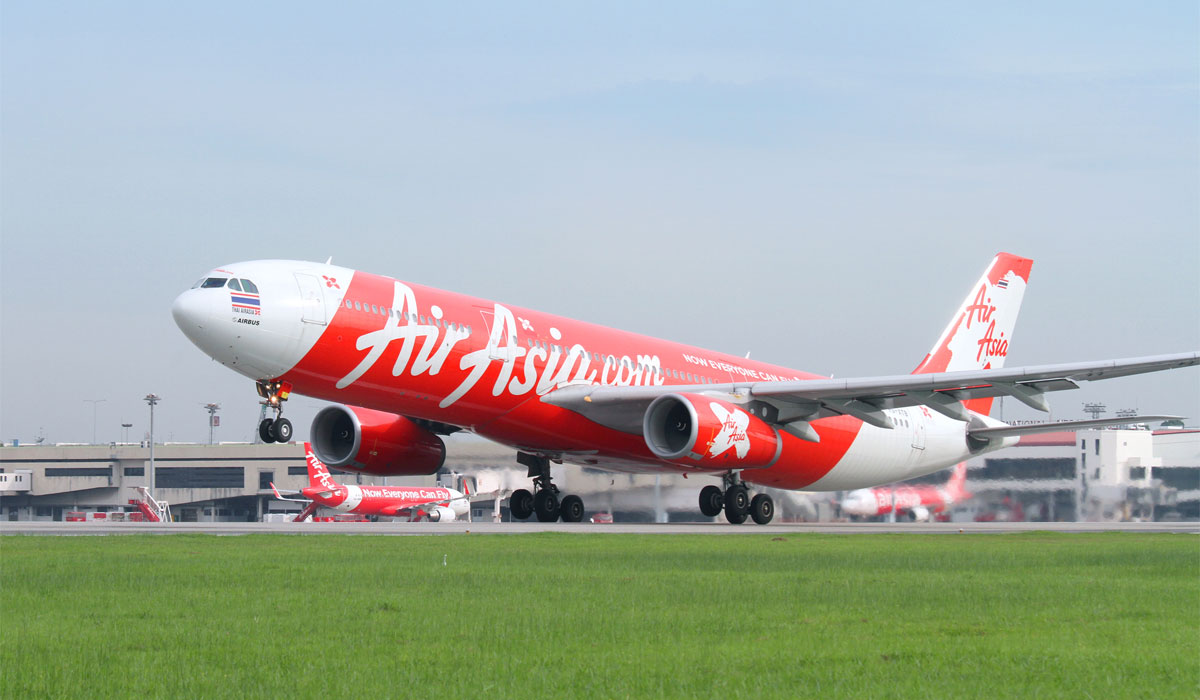
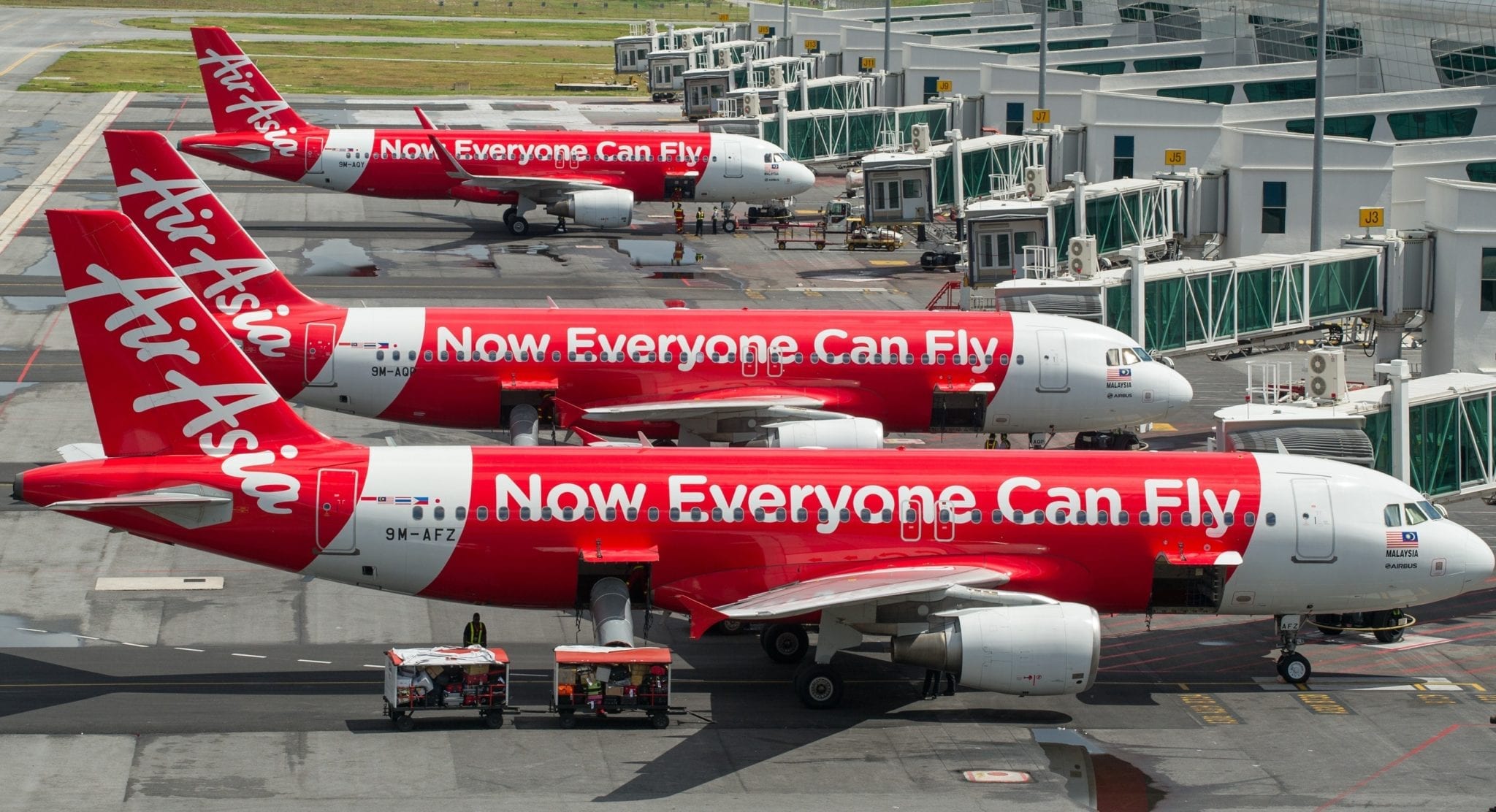
    AirAsia has announced the resumption of direct flights between Bangkok and Colombo, Airport and Aviation Services (Sri Lanka) (Private) Limited said.

    AirAsia is to resume the popular Bangkok (Don Mueang) to Colombo route on 9th July 2023.

    The new services to the capital of Sri Lanka will operate four times weekly.

    At present, BIA facilitates 18,000–19,000 passenger movements and 110-120 aircraft movements daily.

    AASL said it is happy to see the resumption of scheduled international flight operations by international airlines which will contribute to the nation’s economy.

    AirAsia is a Malaysian multinational low-cost airline headquartered near Kuala Lumpur, Malaysia. It is the largest airline in Malaysia by fleet size and destinations. AirAsia operates scheduled domestic and international flights to more than 165 destinations spanning 25 countries.

  • WhatsApp tests Material Design tweaks on Android to make it look more like its iOS app

    WhatsApp tests Material Design tweaks on Android to make it look more like its iOS app

    WhatsApp has been hard at work lately adding features and applying design tweaks in order to set itself apart from competing products and become more relevant in the U.S. market, where SMS/MMS/RCS and iMessage are king. The latest of these attempts being its apparent attempt to make its iOS and Android apps look more alike than ever.

    In the latest update of WhatsApp Beta on Android (v2.23.13.16), as reported by WaBetaInfo, WhatsApp appears to be experimenting with a bottom navigation bar (also called an action bar) in the style of Material Design 3.
    The navigation bar will replace the current tabbed interface that sits at the top of the chat list. This gives users the option to access Chats, Communities, Status, and Calls from the bottom by cycling through a more clearly labeled navigation system accentuated by its corresponding icons.
    The bottom navigation bar switches between a dark and white color scheme, depending on your theme choice. This is the same navigation bar that is used on the iOS version of WhatsApp, and it is more in line with Google’s design guidelines for Android apps.
    The new bottom navigation bar is currently being tested with a limited number of users, but it is expected to be rolled out to everyone eventually. The change is likely to be welcomed by users who prefer a more simplified interface, and it will also make it easier to use WhatsApp with one hand.

    In addition to the new bottom navigation bar, WhatsApp has also been rolling out Material Design tweaks such as redesigned switches and floating action buttons with rounded menus. It is unclear when these changes will be rolled out to everyone, as they are currently available in beta and to a limited amount of users, but they are all part of WhatsApp’s efforts to improve the app’s user experience.

  • Facebook and Instagram with new parental tools to enhance teen safety

    Facebook and Instagram with new parental tools to enhance teen safety

    Today’s teens are digital natives in an Internet-centric world. They experience the benefits of online exploration, self-expression, and staying informed, but also encounter negative experiences like bullying and harassment. In a move to prioritize the safety and well-being of young users, Meta has unveiled a range of new parental control tools across Instagram, Facebook, and Messenger.

    Meta’s Family Center will offer new parental tools, featuring a hub in Messenger for parents to oversee their teen’s online activities. The tools also enable blocking unwanted messages on Messenger and Instagram to prevent harmful interactions and send reminders to teens to take breaks from their online engagements.

    These newly introduced tools grant parents or guardians access to their teen’s privacy and safety settings, enabling them to monitor changes in the Messenger contact list and assess the amount of time spent on the app. Parents will also receive notifications when their teen reports someone.

    If, for example, your teen reports someone, they can choose whether or not to notify you by sending a notification. And if you wonder how to react, Meta’s Education Hub is available to parents and provides guidance on addressing issues and supporting their child in the best possible way.

    In addition to the parental control tools, Meta is implementing notifications to alert teens when they have spent 20 minutes on Facebook, encouraging them to set daily time limits, which can also be set by the parent. For Instagram users, the company is exploring a new feature that prompts teens to close the app if they have been scrolling through Reels late at night.

    Given that teenagers spend an average of 7 hours and 22 minutes per day in front of screens, this feature might just be what all other online platforms should have.

    While Facebook has long provided parental controls for its Messenger Kids platform, the new tools are specifically designed for the main Messenger app, catering to parents with teenagers between the ages of 13 and 18.

    It is important to note that using these parental control tools requires mutual consent and awareness between the parent and the teenager. Either the parent or the teen must initiate an invitation to enable the tools.

    The new parental controls will be launched in the US, the UK, and Canada. However, Meta has expressed its commitment to expanding the availability of these tools to other regions across the globe. And this initial batch of parental supervision tools might be just the beginning, as Meta plans to introduce additional features and enhancements over the next year.

  • AirAsia hosts its first ever Sustainability Day as it champions immediate action towards greener skies

    AirAsia hosts its first ever Sustainability Day as it champions immediate action towards greener skies

    AirAsia opened a new chapter in its efforts to drive industry engagement and spark greater collaboration by hosting its inaugural Sustainability Day, themed ‘Doing More with Less’.

    Led by Capital A Chief Sustainability Officer Yap Mun Ching, the event saw in-depth exchanges on topics that address AirAsia’s pathways to decarbonization, as well as challenges and opportunities in the implementation of these strategies. The line-up of speakers, comprising AirAsia technical heads and subject matter experts, tackled topics including how AirAsia is factoring ESG considerations into the deployment of its fleet assets, prospects in switching to greener biofuels, opportunities for ESG financing and managing talent to meet its future growth needs.

    Delivering the opening and closing messages of the day respectively were AirAsia Aviation Group Ltd (AAAGL) Chairperson Tan Sri Jamaludin Ibrahim and AAAGL Sustainability Adviser Prof. Tan Sri Dr. Jemilah Mahmood.

    Capital A Chief Sustainability Officer, Yap Mun Ching said: “Today marks the first time we are bringing all our key stakeholders from government officials, regulators, financial institutions, aviation analysts, business partners and the media, to advance their understanding of the intricacies of aviation sustainability. As we rebuild our business post-pandemic, we are broadening and deepening our sustainability agenda by incorporating robust ESG practices into our strategic priorities so that we recover stronger and better.

    “Since aviation is a hard-to-abate sector, decarbonization in aviation requires collaborative efforts not only from airlines but from all industry stakeholders if we are to achieve our goal of reaching net zero by 2050. With reminders in the media almost daily that the world is likely to reach an environmental tipping point earlier than expected, this calls for immediate action by all parties to realise and make accessible the solutions that airlines need to reduce its carbon emissions.”

    In her sharing of AirAsia’s net zero plan, Yap continued: “All airlines are faced with four pathways to decarbonize, namely to upgrade their fleet, step up implementation of green operating procedures, switch to biofuels and offset remaining emissions. AirAsia’s top priorities are in upgrading its fleet to the A321neo, widely acknowledged as the most fuel-efficient aircraft on the market today, and in expanding and deepening its industry-leading fuel-efficiency program.

    “Whether we are using fossil fuels or biofuels, what should precede this question is whether we are using more than is necessary. AirAsia’s fuel efficiency program is one of the best, if not the best in the world. Even as we explore new solutions, we cannot lose sight of our strength which has enabled us to achieve among the lowest cost and emissions per seat in the industry,” she said.

    In a panel discussion, AirAsia’s fleet and flight operations leads delved into how the airline is incorporating ESG considerations into the deployment and utilization of its growing fleet. AirAsia currently has on order 362 new A321neo aircraft which will be delivered between 2024 and 2035. According to AirAsia Senior Manager of Flight Operations Projects, Development & Efficiency Jonathan Sanjay, since 2015, the airline has saved over US$130 million in fuel consumption, while avoiding the associated CO2 emissions. AirAsia is also exploring options to introduce sustainable aviation fuel (SAF) into its fuel mix before 2025.

    The day’s session continued with valuable insights on the role of multiple stakeholders in easing the adoption of aviation biofuels by Christoph Behrendt-Rieken, the Lead SAF Expert of the EU-Southeast Asia Cooperation on Mitigating Climate Change Impact from Civil Aviation (EU-SEA CCCA CORSIA) Project implemented by the EU Aviation Safety Agency; and options in ESG financing by aviation legal specialist Teo Hui Ling, who is also partner at Reed Smith LLP. This was followed by a session on AirAsia’s experience in harnessing diversity, equality and inclusion to create its competitive edge over the last 22 years, before the day’s event ended with a special tour of AirAsia’s engineering complex, RedChain, where participants were introduced to initiatives being undertaken by AirAsia Digital Engineering to revolutionize aviation maintenance, repair and overhaul through digitalization.

    In conjunction with the event, AirAsia also launched its Guide to Aviation Sustainability, a handbook of aviation sustainability terms to make more accessible common concepts associated with the subject. The handbook also highlights outcomes from AirAsia’s own implementation of some of the measures listed. Publication of the booklet was supported by AirAsia’s business partners, namely Avolon, Honeywell, Mirus Aircraft Seating, PETRONAS, Shell Aviation and SITA.

  • Fertilizer exports decrease

    Fertilizer exports decrease

    Vietnam shipped abroad 692,259 tonnes of fertilizers in the first five months of this year for more than $289 million, down 8.9% in volume and 42.2% in value over the same period in 2022, reported the Vietnam Customs.

    In May alone, the export volume reached 154,995 tonnes of all kinds, up 17.5% year on year, with a turnover of $56.9 million, a rise of 17.4% over that of April but a decrease of 35.2% over the same period last year.

    The major market of Vietnamese fertilizers in the period under review was Cambodia which made up 33% of the total export volume and value of the product.

    It was followed by the Republic of Korea with 47,838 tonnes with a value of US$17.62 million, down 16.9% and 62% year on year. Malaysia came third by buying 44,552 tonnes.

    Meanwhile, the export of the products to the RCEP (Regional Comprehensive Economic Partnership) countries reached 391,107 tonnes, earning $162.64 million, down 16.2% in volume and 42.8% in value. Meanwhile, Vietnam exported 48,442 tonnes of fertilizers worth $16.61 million to CPTPP (Comprehensive and Progressive Agreement for Trans-Pacific Partnership) member countries, a decrease of 47.9% and 63.5%, respectively.

    A downturn of 14.5% in volume and 37.6% in value was also seen in the Southeast Asian market to 340,379 million tonnes and $143.63 million, according to the department.

    Amid the situation, local firms are working to expand export markets, and seeking new markets along with traditional ones.

  • AirAsia Group eyes growth, 19 more aircraft in 2023

    AirAsia Group eyes growth, 19 more aircraft in 2023

    Capital A expects to increase its fleet by nineteen A320s this year and return all remaining parked planes to service by August, according to Tony Fernandes, group CEO, has said.

    “We have already signed up 19 aircraft, and are negotiating for more,” Fernandes told media at the Paris Air Show. “AirAsia also expects to have all 204 of its aircraft reactivated by the end of August this year, and achieve 100% of pre-pandemic capacity in the coming months.”

    The group’s airline interests include AirAsia, AirAsia X, Philippines AirAsia, Indonesia AirAsia, Indonesia AirAsia X, Thai AirAsia, and Thai AirAsia X. Later this year, in conjunction with a local investor, Capital A will launch AirAsia Cambodia. Fernandes says that he expects the first of the additional 19 aircraft to arrive in July. The ch-aviation fleets advanced modules has already identified three of those aircraft. They are an ex-AirAsia Japan A320-200, formerly registered as JA01DJ (msn 6702), now stored at Kuala Lumpur International Airport; and two ex-AirAsia India A320-200s, VT-SXR (msn 4562) and VT-IXC (msn 5109), now also at Kuala Lumpur.

    Beyond 2023, Fernandes says 362 A321-200NX are on order, with deliveries scheduled from 2024. He said the long-haul AirAsia X operations would get an additional fifteen 15 widebodies (the three AirAsia X airlines operate A330-300s) and “up to twenty” A321-200NY(XLR)s. He added that the A330s would also begin flying into the Philippines, albeit not specifying a timeline for this. Capital A’s cargo and logistics business, Teleport, is also expected to take the first of three A321Fs in July.

    Fernandes says the AirAsia stable of airlines is performing well, with services in and out of Thailand a standout. He likes that market for its short to medium-term growth prospects. The Capital A currently operates under Bursa Malaysia Practice Note 17 (PN17) status, which the stock exchange assigns to financially distressed listed companies. After almost 18 months as a PN17 company, Fernandes told media in Paris that he expects the group to exit the PN17 list later this year.

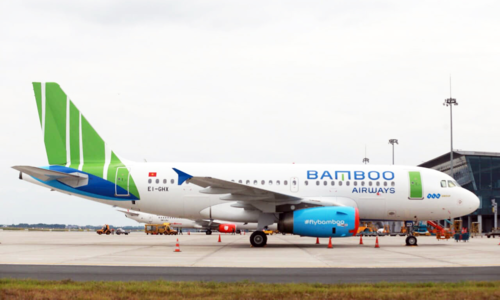
  • Bamboo Airways plans to soar under new management

    Bamboo Airways plans to soar under new management

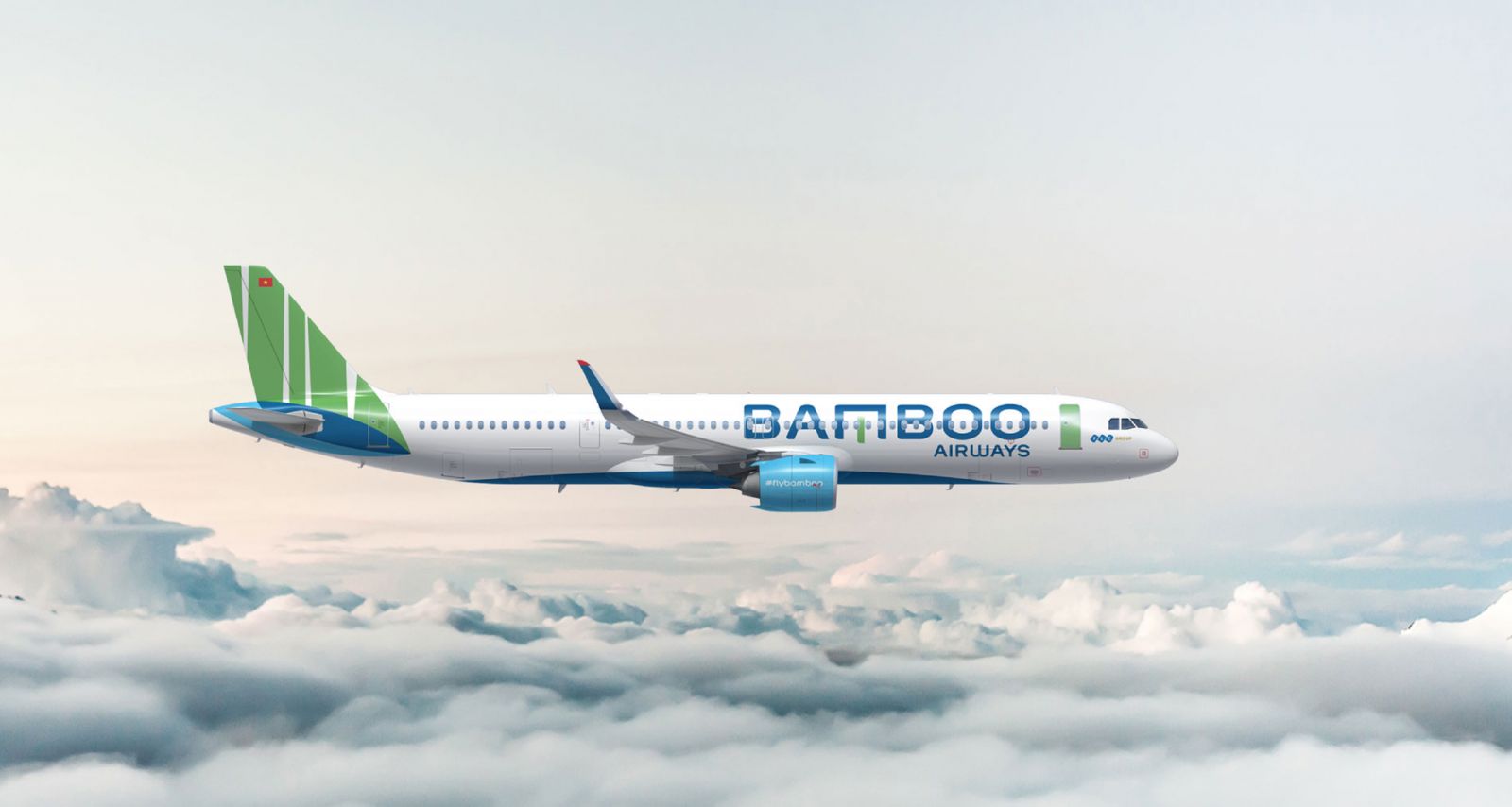
    Property developer Him Lam, the new owner of Bamboo Airways, plans to build an aviation ecosystem centered around the latter while expanding its presence in Asia.

    Bamboo Airways began flying in 2019 and became the first private carrier to operate wide-body aircraft.

    It quickly expanded its fleet to nearly 30 by the end of 2021 when it held a 20% share of the domestic market and also flew on some international routes.

    But the arrest of its key leaders, including chairman Trinh Van Quyet, for alleged stock market manipulation came as a death blow.

    Him Lam, a south-based developer of condos and a hotel management service provider, took over Bamboo this year.

    A new leadership has been appointed this week to hopefully begin a new chapter.

    “The last five years have been a journey of establishing a brand for the airline,” deputy chairman Nguyen Ngoc Trong said at the company’s annual general meeting on June 21.

    “In the next five years Bamboo Airways will focus on developing efficiency and professionalism.”

    CEO Nguyen Minh Hai said the company seeks to achieve breakeven by next year to turn profitable by 2025.

    Expanding its services to increase revenues is therefore one of its main focuses.

    Revenues soared by 3.3 times last year to over VND11.7 trillion, but the airline still could not break even.

    Hai said a larger fleet is imperative for doing this. The current fleet of 30 aircraft needs to be expanded by eight to 10 a year until 2026, and each aircraft needs to operate more than the current 10 hours a day, he explained.

    Reducing costs is another key task.

  • Low cost carrier Cebu Pacific blames Pratt & Whitney for flight disruptions

    Low cost carrier Cebu Pacific blames Pratt & Whitney for flight disruptions

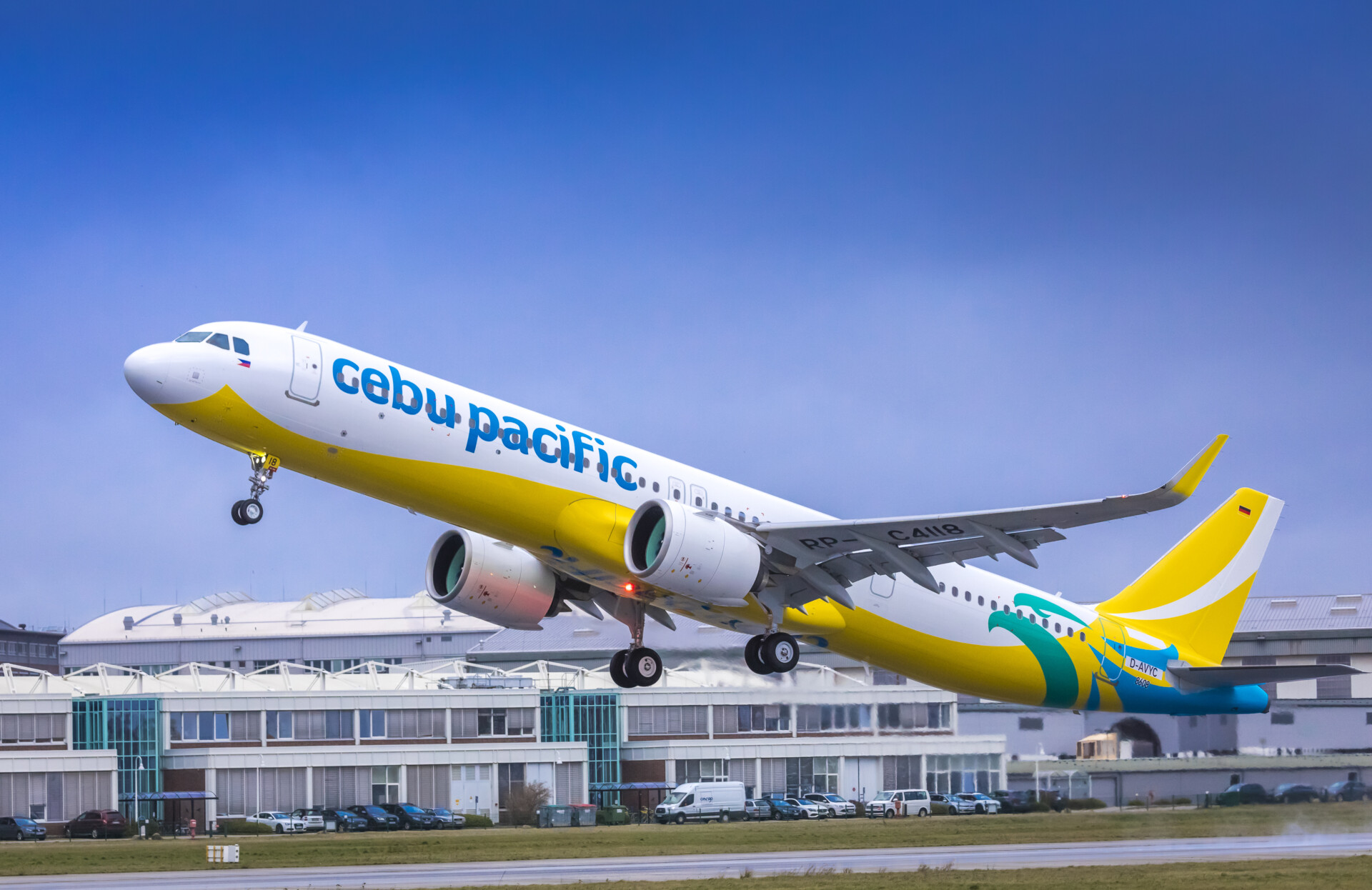
    Philippine low-cost carrier Cebu Pacific has attributed its series of flight cancellations to engine manufacturer Pratt and Whitney, citing the delay of jet engine deliveries as the reason for operational disruptions.

    This was the essence of the airline’s explanation before a Senate hearing held on June 21, 2023. The hearing was prompted by mounting customer complaints about the airline’s widespread cancellation of domestic and international flights.

    “The global aviation industry has been impacted by Pratt & Whitney engine issues,” Cebu Pacific chief commercial officer Alexander Lao told the senate.

    Lao said that the airline had anticipated the global shortage of jet engines, so it had already placed its order with Pratt and Whitney back in 2022.

    Lao claimed that in March 2023, the American engine manufacturer advised them that “there were no more engines”, as a result of which the airline made adjustments to its flight schedules.

    In a statement published by various local media, the airline said: “While Cebu Pacific provisioned double the level of recommended spare engines as early as last year, we were advised in March 2023 that we would no longer receive the spare engine support that Pratt and Whitney had previously indicated. Immediately upon receiving such advice, we sought to adjust our flight schedule accordingly to minimize the impact. A number of flights, which were scheduled and sold months in advance, inevitably had to be disrupted.”

    One of the senators presiding over the hearing went on to question why the airline continued to aggressively market airfare promos when it knew about the jet engine shortage and limitations.

    Cebu Pacific is known to entice consumers with cheap ticket promotions such as PHP 1.00 fares ( $0.018).

    Over the past few months, frustrated passengers have uploaded video clips showing disgruntled customers dealing with Cebu Pacific’s flight cancellations.

  • Gmail notifications on Android mare getting better

    Gmail notifications on Android mare getting better

    Google is finally getting around to putting dynamic theming in one of the last places on Android where it hadn’t before. We are talking about the Gmail app icon on the notification shade. Previously, when you pulled down the notification shade on your Android phone, the Gmail icon was red. That’s not a bad thing since the Gmail icon in that color certainly stood out and caught your eye. But the new dynamic theme color matching delivers a more pleasing aesthetic.
    If you have Version 2023.05.28.54044.3362 of the Gmail app (and we will show you how to find out which version you’re running on your Android phone), the tiny Gmail icon on the notification shade will match colors with those Quick Settings lozenges that have been enabled on your handset. And those Quick Settings indicators get their color theme from the wallpaper used on the device. So in other words, the Gmail icon on the notification shade will soon take its color theme from the handset’s active wallpaper.
    The version of Gmail on my Pixel 6 Pro running Android 14 Beta 3 does have the new feature as the Gmail icon on my notification shade is now one of the colors that has been pulled out of my wallpaper. To change the color theme based on your wallpaper, go to Settings > Wallpaper & style and under the preview of your wallpaper you will see color wheels. These colors are drawn from your wallpaper with the main color on top and accent colors on the bottom.
    Tap on one and you’ll see the main color fill in the Lock screen and Home screen pills at the top of the page. In addition, the image of your wallpaper on the bottom will have a box around it with a circle inside with a white checkmark. That circle will be filled with your main color theme.
    To change the color of your Android app icons, go to Settings > Wallpapers & style and press on Home screen in the upper right of the screen. Tap the color wheel you want to use (again, the main color is on the top of the wheel), scroll down to Themed icon (which is still considered a Beta), and toggle it on. Only compatible app icons will change color, but it will give your phone a refreshing new look.
    To see which version of Gmail you are running, go to System > Apps > See all xxx apps. Scroll to Gmail and tap on the listing. Scroll down to the very bottom to see the version you have installed.
    It’s just another way that Google allows Android users to customize their phones.
  • Philippine Airlines inks deal for nine A350-1000s

    Philippine Airlines inks deal for nine A350-1000s

    PAL and Airbus officials sign the Purchase Agreement for 9 Airbus A350-1000s on the sidelines of the Paris Air Show: PAL President Capt. Stanley Ng (center), PAL Holdings President Lucio Tan III (leftmost), Airbus Chief Commercial Officer Christian Scherer (3rd from right) and Airbus Asia Pacific Pres. Anand Stanley (rightmost)

    Philippine Airlines (PAL) and Airbus have finalized a purchase agreement for the firm order of nine A350-1000 aircraft, at the 2023 Paris Air Show held at La Brouget, France this week.

    The A350-1000 will fly on non-stop services from Manila to North America, including to the East Coast of the US and Canada. The new aircraft, able to accommodate 380 passengers in a three-class layout, will join two A350-900s already in service at the airline. Expected time frame for the first delivery was not mentioned.

    Captain Stanley K. Ng, president and chief operating officer of Philippine Airlines, said the order will see PAL operating one of the youngest and most modern widebody fleets in Asia.

    “We selected the A350-1000 to give PAL the power to match capacity closely to predicted demand on both the very longest routes to the North American East Coast but also on our prime trunk routes to the West Coast and potentially to Europe as well. At the same time the aircraft will use significantly less fuel than older aircraft of a similar size, which also brings an important reduction in carbon emissions.”

    Airbus claims the A350 offers the longest range capability of any commercial airliner in production today and is capable of flying 9,700 nautical miles or 18,000 kilometers non-stop. For cargo, it has a payload of 68 tonnes and a capacity of 44 LD3 containers. So far, only Qatar and Virgin own an A350-1000.

  • Former Japan Airlines leader to chair Bamboo Airways

    Former Japan Airlines leader to chair Bamboo Airways

    Oshima Hideki, the former chairman of Japan Airlines, has been appointed chairman of Vietnam’s Bamboo Airways for the 2023-2028 period.

    He is among seven new directors of the airline, according to decisions made at the company’s general meeting on Wednesday.

    Hideki has nearly 40 years of experience in the aviation industry.

    He was previously Deputy General Director of Japan Airlines, Deputy General Director of the Tokyo Narita Airport, and a Project Manager at Haneda Airport.

    Bamboo Airways’ new deputy chairmen are Nguyen Ngoc Trong, Doan Huu Doan and Phan Dinh Tue. The other members of the board of directors are Le Ba Nguyen, Le Thai Sam and Tran Hoa Binh.

    A new board of supervisors, comprised of three members, has also been appointed.

    Bamboo Airways plans to operate 30-36 aircraft by the end of this year, aiming for an occupancy rate of 81.5% and an on-time flight ratio of 90%.

    The carrier is targeting a revenue increase of 15-20% from last year’s VND11.73 trillion ($498.94 million). It also wants to expand its network in Europe, Northeast Asia, Southeast Asia and Australia.

    Bamboo Airways is building an aviation ecosystem for itself by establishing subsidiaries for transportation, ground services, aviation technology and food services.

  • Bayer Vietnam announces strategic partnership with National Obstetrics Hospital

    Bayer Vietnam announces strategic partnership with National Obstetrics Hospital

    Bayer Vietnam and the National Hospital of Obstetrics and Gynecology have announced a new strategic partnership to advance the health and well-being of women in line with a new Memorandum of Understanding (MoU).

    The partnership aims to improve the knowledge and clinical experience of ob-gyn healthcare professionals while enhancing public awareness of gynecological health issues and empowering women to take control of their health and well-being.

    This collaboration will also utilize the partners’ complementary strengths and capabilities to improve knowledge and clinical expertise among obstetricians and gynecologists, while enhancing public awareness of women’s health issues and promoting self-care through educational online and offline platforms.

    The MoU spans from 2023 to 2025 to allow time for major initiatives to be launched and achieve results.

    For healthcare professionals, Bayer Vietnam and the National Hospital of Obstetrics and Gynecology (NHOG) will coordinate to develop and deliver training content. They will also continue medical education programs and scientific seminars focused on the correct and safe use of modern contraceptive methods.

    The latest treatments and therapies will focus on gynecological conditions like endometriosis, heavy menstrual bleeding, vaginal infections and menopause management, with up-to-date guidelines on pregnancy nutrition, and self-care solutions.

    The partnership will also include collaboration with international ob-gyn organizations and experts to exchange the latest knowledge and information, ensuring the local medical community stays abreast of global developments and innovations to deliver higher-quality healthcare for Vietnamese women.

    For the general public, disease awareness campaigns will be implemented across multiple channels, both online and offline, to educate women about reproductive health and gynecological problems, and encourage them to seek preventative care and early treatment, which will lead to improved quality of life and reduced risk of future health issues.

    By leveraging the power of digital platforms and social media channels, the initiative will combine the hospital’s expertise and patient insights with the company’s resources and capabilities. The impact of these efforts can be multiplied, increasing the reach and credibility of the campaign message, and contributing to the sustainable development of the healthcare industry.

    Associate Prof. Tran Danh Cuong MD Ph.D., Director of the National Hospital of Obstetrics and Gynecology, said: “Educating both physicians and patients is essential for transforming healthcare quality, benefiting both patients and the medical community. Working together with Bayer Vietnam allows us to optimize our expertise in women’s health and broaden our outreach to improve public health literacy as well as the professional capacity of the healthcare workforce, not only at our hospital but also in satellite hospitals across the country. We hope this will open up the prospect of identifying new effective diagnoses and treatment options in the field of ob-gyn, and elevate the standard of care for women in Vietnam.”

    Ingo Brandenburg, Managing Director of Bayer Vietnam, emphasized: “At Bayer, care is the core of our work, and women’s healthcare is in our DNA. We are thrilled to partner with Vietnam’s National Hospital of Obstetrics and Gynecology, which shares our mission of advancing care and addressing unmet needs in women’s health. I very much look forward to seeing the fruits of our collaboration, a future where each and every woman has access to quality healthcare services and is empowered to reach her full potential in life.”

    This MoU aligns with the company’s strategy of fostering collaborative relationships across the healthcare industry with a patient-and-consumer-centric approach to realize its vision of “Health for all, Hunger for none.”

    Bayer is a global enterprise with core competencies in the life science fields of healthcare and nutrition. Its products and services are designed to help people and the planet thrive by supporting efforts to master the major challenges presented by a growing and aging global population.

    In fiscal 2022, the group employed around 101,000 people and posted sales of 50.7 billion euros. R&D expenses before special items amounted to 6.2 billion euros.

  • South Korean c-store chain CU launches in Kazakhstan

    South Korean c-store chain CU launches in Kazakhstan

    South Korean convenience store chain CU is setting its eyes on the Central Asian region, entering Kazakhstan under a partnership with CU Central Asia, the c-store operation arm of local ice cream manufacturer Shin Line.

    CU’s first store there is set to open next year. The chain’s parent company BGF Retail said it plans to open more than 500 locations in the country in the next five years and is also considering expanding into neighbouring markets.

    The company expanded into Malaysia in 2020 through a 10-year franchise agreement with MyNews. Since then, the chain has opened more than 130 stores in the country. Before Malaysia, BGF Retail also launched the CU chain in Mongolia and currently operates about 320 stores in the market.

    Founded in 2012 by BGF Retail, CU is one of South Korea’s biggest c-store chains with more than 16,000 outlets as of last year, according to Statista.

    BGF Retail reported a 6.5 per cent increase in net income for the first quarter of this year, reaching 27.7 billion won (US$20.6 million).