Category: Living

Retail News Asia is committed to providing both local and global retailers with the latest Living news throughout the Asian market. This on a daily base.

  • No more loss for Hong Kong’s Cathay

    No more loss for Hong Kong’s Cathay

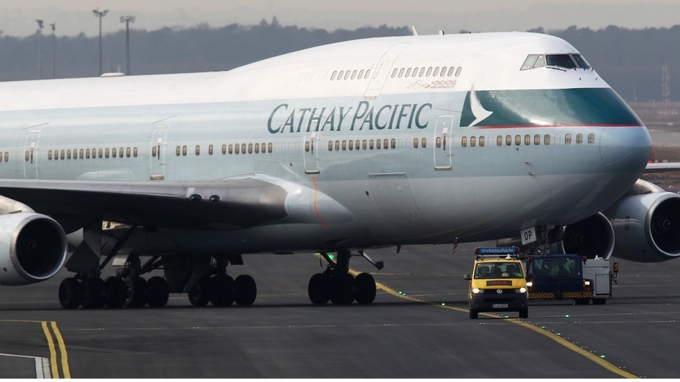
    Hong Kong flag carrier Cathay Pacific said on Wednesday it is expected to have swung back to profit in 2018, ending two successive losses as it embarks on a massive overhaul. The recovery also came in a year that saw it suffer an embarrassing data breach that dented its reputation and could could prove costly. The airline said it expects to record a consolidated profit of around US$293 million (RM 1.2 billion) for 2018, compared with US$160 million (RM651 million) losses the year before, according to a preliminary profit alert.

    The company’s share price jumped more than seven percent after the announcement as investors took comfort in the turnaround after two grim years for Asia’s largest carrier.

    “In 2018, the passenger business benefited from capacity growth, a focus on customer service and improved revenue management,“ the company said in a statement, adding its cargo sector was also “strong”.

    Cathay has been overhauling its business after posting its first losses in eight years in 2016, firing more than 600 workers and paring overseas offices and crew stations as it faced stiff competition from budget rivals on the mainland.

    It also added international routes and better services on board its flights in a bid to compete with well-heeled Middle Eastern long-distance carriers.

    The profit alert suggests those moves have paid off.

    The airline narrowed its losses to US$33.5 million for the first half of 2018 – a tenth of what their losses were for the same period in 2017. But the second half of the year appears to have brought Cathay squarely back into the black.

    Dickie Wong, an analyst with Kingston Securities, said Cathay is expected to further benefit from the end this year of costly fuel-hedging contracts.

    “I would say the unfavorable impact to Cathay would continue to reduce,“ he said.

    Wong said the introduction of premium economy had attracted new customers while ticket discounts helped it compete against budget carriers. But he said the company still had “much room to improve in their luxury classes” if it wants to take on Middle Eastern rivals.

    Cathay will announce its full-year result next month.

    But the year was not without trouble.

    In October it sparked outrage when it admitted to a massive breach five months after hackers made off with the data of 9.4 million customers, including some passport numbers and credit card details.

    The airline faces potentially steep payouts in Europe, which boasts strong protection laws and financial penalties for companies that do not swiftly own up to data breaches.

    British-based law firm SPG Law has already launched a group action against the carrier over the breach to help customers seek compensation.

    This year Cathay’s website mistakenly offered first and business class flights for a fraction of their value in two high-profile and costly blunders.
  • Vietnam aviation faces safety rating challenge

    Vietnam aviation faces safety rating challenge

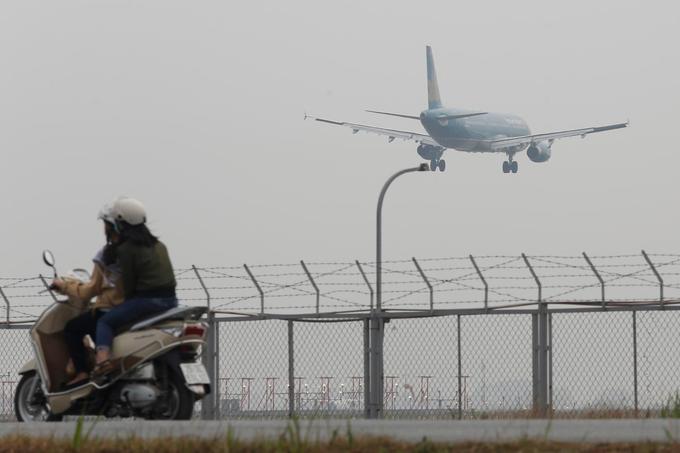
    Vietnam might find it difficult to maintain its aviation safety rating due to a lack of qualified personnel, experts caution. The U.S. Federal Aviation Administration (FAA) Friday gave Vietnam a Category 1 safety rating, allowing local airlines to operate direct flights to the U.S. “Acquiring this rating is hard, keeping it is going to be even harder,” Dinh Viet Thang, head of the Civil Aviation Authority of Vietnam (CAAV) said.

    He said that the CAAV currently has only 30 aviation safety officers, meeting only 30 percent of the demand. They hire the rest from other airlines.

    The U.S. Federal Aviation Administration (FAA) has required that the CAAV has enough aviation safety officers on its own in upcoming years so that it doesn’t need to hire people from outside, and CAAV plans to meet this goal by 2025.

    However, training these officers is costly, with an individual bill costing over VND5 billion ($216,000).

    One of the biggest hiring difficulties is that aviation safety officers are attracted by the higher salaries offered by airlines compared to state-owned companies, Thang said.

    An aviation safety officer at CAAV earns only VND10 million ($432) a month, while local airlines pay them about VND300 million ($12,960).

    “The government gives us VND20-30 billion ($864,000-1.29 million) each year to hire aviation safety officers and VND10 billion ($432,000) to train new ones, but we really need more investment from the government to develop this team,” he noted.

    Another challenge is meeting FAA safety requirements as they conduct unannounced safety examinations. If Vietnam doesn’t meet these requirements, FAA will downgrade the rating to Category 2, meaning no direct flight to the U.S. is allowed.

    This has happened before in Thailand, Indonesia, Philippines and most recently India, he said.

    Local airlines, including state-owned Vietnam Airlines, budget airline Vietjet and new private airline Bamboo Airways, have previously expressed interest in operating direct flights to the U.S.

    Vietnam’s aviation industry has been growing rapidly in recent years. There were 12.5 million air passengers last year, up 14.4 percent from 2017.

    The number of flights in the country grew by 16 percent on average between 2010 and 2017, according to official data.

  • Hanoi, HCMC among 20 most expensive cities in Southeast Asia

    Hanoi, HCMC among 20 most expensive cities in Southeast Asia

    A new index puts Hanoi 13th and HCMC 15th on the list of 20 most expensive Southeast Asian cities. The new Cost of Living Index for the region has been compiled by Numbeo.com, the world’s largest database of user contributed data about cities and countries worldwide. According to Numbeo, a person spends on average $447.25 a month in Hanoi exclusive of rent. For a four-person family, this figure would be $1,601. Hanoi’s cost of living ranks 316th among 440 cities in the world.

    Meanwhile, in HCMC, the average monthly expense for a single person excluding rent is $434.94, and $1,562 for a family of four. HCMC ranks 320th out of 440 cities in the world, and is 61.50 percent less expensive than New York.

    This year, Singapore, Southeast Asia’s biggest business hub, remains the most expensive city in the region. The city-state is immediately followed by Bangkok of Thailand. Yangon in Myanmar is in third place, a surprise as the city did not even make the top 30 in mid-2018.

    Many Southeast Asian capitals are featured in the list, with Phnom Penh of Cambodia ranked fifth, Jakarta of Indonesia, 11th, and Manila of the Philippines, 14th.

    Numbeo says that its survey has taken into account several factors including house rents, cost of eating out, and purchasing power needed to live a comfortable life to come with a cost of living index for 20 major cities in Southeast Asia.

  • Smaller duty-free alcohol allowance and GST relief for overseas shopping

    Smaller duty-free alcohol allowance and GST relief for overseas shopping

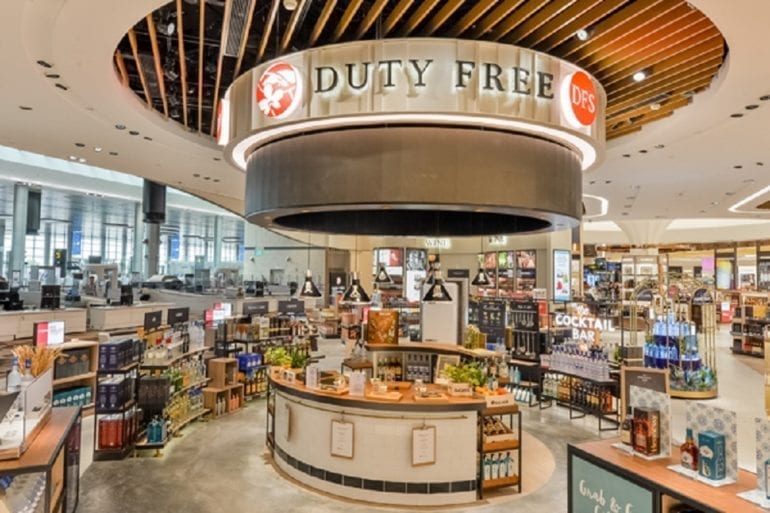
    From midnight tonight, Singapore duty-free allowances will be cut by about a third for returning travellers. Other allowances have also been reduced. Travellers staying outside of Singapore for fewer than 48 hours will be liable for 7 per cent GST on items bought overseas worth more than SG$100 – down from the previous threshold of $150. For travellers outside the country for a period longer than 48 hours, the $600 threshold will similarly be lowered, to $500.

    The changes were announced yesterday by Finance Minister Heng Swee Keat as part of the nation’s new Budget. From April 1, the alcohol concession will also be lowered from three litres of wine or beer to two litres. The spirits cap remains at one litre.

    According to the Inland Revenue Authority of Singapore and Singapore Customs, the cuts to Singapore duty-free allowances are designed to support the city state’s existing tax intake in the face of increasing international travel.

    Returning travellers are required to declare taxable items on arrival, and have been advised to keep purchase receipts to assist in calculating any taxes due. Advance declaration and payment is available via the Customs @ SG mobile app or web portal. Failure to declare or a false declaration can incur a fine of $10,000 as well as up to a year in prison.

  • Hotels in rural Vietnam struggle to recruit staff

    Hotels in rural Vietnam struggle to recruit staff

    Vietnam’s Con Dao Islands businesses are unable to hire staff despite flourishing tourism, with people preferring to work on the mainland. Almost a week after Tet, Vietnam’s longest holiday of the year, resorts and hotels in Con Dao, a 16-island archipelago off the country’s southern coast, are looking to hire hundreds of employees for various positions including managers, waitresses and tour guides.

    The Poulo Condor Resort on the island is looking for 33 new employees for 14 positions, while the Saigon Con Dao Resort and the Six Senses Con Dao Resort are looking for seven new staff each.

    Phuong Ly, head of recruitment at Saigon Con Dao Resort, said that more resorts and hotels are being built on the island but there are few experienced staff available to work in them.

    “The local authority does provide training courses, but not many participate. Most staff are young people, so they jump between jobs very often.”

    Smaller businesses are also looking for people. A café on Pham Van Dong Street is looking for 32 staff, offering bonuses, meals, accommodation, social insurance and annual travel to the mainland.

    Thuy, owner of a local seafood restaurant, said businesses start looking for staff in March when tourists start arriving in large number.

    “But this year, many businesses are already short-staffed so we are already searching for people as the number of tourists has been rising. Last year, a tour guide could earn up to VND30 million ($1,296) a month during peak season.”

    Con Dao is 180 kilometers away from the shores of southern Ba Ria- Vung Tau Province, and accessible by air and boat.

    Industry insiders said that attracting people from mainland to Con Dao to work is a challenging task given the long distance from the shores while most people don’t want lower income jobs like serving in restaurants, driving taxis or guiding tours.

    The high cost of living on the island is another reason that people prefer to work on the mainland, they said.

    Con Dao served as prison islands for political prisoners during the French colonial era, and in later years the Saigon regime imprisoned opponents of the regime in the infamous cells known as the “tiger cages”.

    The old prison buildings are still standing and are open to the public as is a small museum tracing Con Dao’s history.

    Con Dao also boasts pristine natural beauty with forested hills, sandy beaches and extensive coral reefs.

    Last year, Con Dao welcomed over 286,000 tourists, up 17.31 percent from 2017.

  • Struggling furniture retailer Otsuka Kagu forms tie-up with Yamada Denki

    Struggling furniture retailer Otsuka Kagu forms tie-up with Yamada Denki

    Struggling Japanese furniture retailer Otsuka Kagu has entered a partnership with electronics retailer Yamada Denki. The two firms have pledged to exchange sales knowledge in their respective industries as well as explore potential corporate sales opportunities. Otsuka Kagu will also sell 13.11 million new shares at ¥290.11 in an effort to raise ¥3.8 billion (US$34.39) in fresh capital. Funds will be earmarked for warehouse automation and optimising stores for e-commerce.

    Otsuka Kagu lost ¥3.24 billion ($29.32 million) last year, its third consecutive year of net losses.

    The company attracted attention over the past decade for its high-profile leadership struggle between brand founder Katsuhisa Otsuka and his eldest daughter Kumiko Otsuka, with their competing visions for the brand’s way forward.

  • Agoda’s top Chinese New Year 2019 travel rankings

    Agoda’s top Chinese New Year 2019 travel rankings

    Bangkok, Tokyo, and Taipei are the top three most popular destinations for Asia-Pacific travellers over the Lunar New Year period in 2019, according to booking data from Agoda. This year, Osaka, slips from the third spot in 2018 to sixth, while Taiwan scoops three of the top ten destinations, with Taipei in third, and Kaohsiung and Taichung in fifth and seventh respectively. Overall, Japan, Taiwan, and Thailand will benefit the most from travellers celebrating the Lunar New Year.

    Travels during the Spring Festival tend to be reserved for family bonding and indulging in food and leisure activities that the whole family can enjoy. It is thus not surprising that most travellers in the region have chosen gourmet and retail paradise in Bangkok, Tokyo, Taipei, Kuala Lumpur and Singapore among their top ten destinations.

    The Lunar New Year is celebrated in many cities across Asia, but Chinese travellers enjoy the longest holiday. With a week to spare, Chinese tourists are spending the new year in cities such as Hong Kong, Tokyo, and Bangkok.

    This year, HongKongers chose to change things up, travelling to Japan, Thailand, and Taiwan over the previously favoured Korea. In fact, Korea dropped out of the top three destinations altogether to settle at the fifth spot. Staycations have also risen in popularity, and Hong Kong has made its way into the top ten this year as well.

    Singaporeans prefer to travel to neighbouring countries for their relatively short Lunar New Year public holidays. For the first time, staycations have emerged as a popular choice for those who prefer staying behind to celebrate the festival.

    Taiwanese are travelling within the region for Chinese New Year, with Kaohsiung rising up to clinch the top position. For the first time in three years, Kyoto has slipped out of the top ten rankings.

    Malaysians continue to favour travelling within the region to celebrate Lunar New Year. In 2019, domestic destinations take up eight out of the top ten destinations. Thailand remains the only overseas destination in the top ten list for Malaysian travellers over the period.

    Indonesians are venturing further afield this year to celebrate the Lunar New Year, with Kuala Lumpur and Tokyo taking up two out of three of its top travel destinations. Japan is rising in popularity, as the region adds Sapporo – with its winter wonderland – into Indonesia’s top ten destinations.

  • Ikea Malaysia opens new store

    Ikea Malaysia opens new store

    Ikea Malaysia will next month open its first store in the northern region of Peninsular Malaysia – in Batu Kawan, Penang. Due to open on March 14, the brand’s fourth outlet in the country spans 43,600sqm of retail space and will feature more than 8000 products.

    “The store will also have 49 showrooms, a market, restaurants and a bakery. We expect it will attract about 50,000 visitors per week,” said Ikea Malaysia store manager Arumugam Pathmalingam.

    In advance of the grand opening, the store has already attracted excitement among Penangites, mainly on social media.

  • FamilyMart Malaysia to open 300 more stores by 2022

    FamilyMart Malaysia to open 300 more stores by 2022

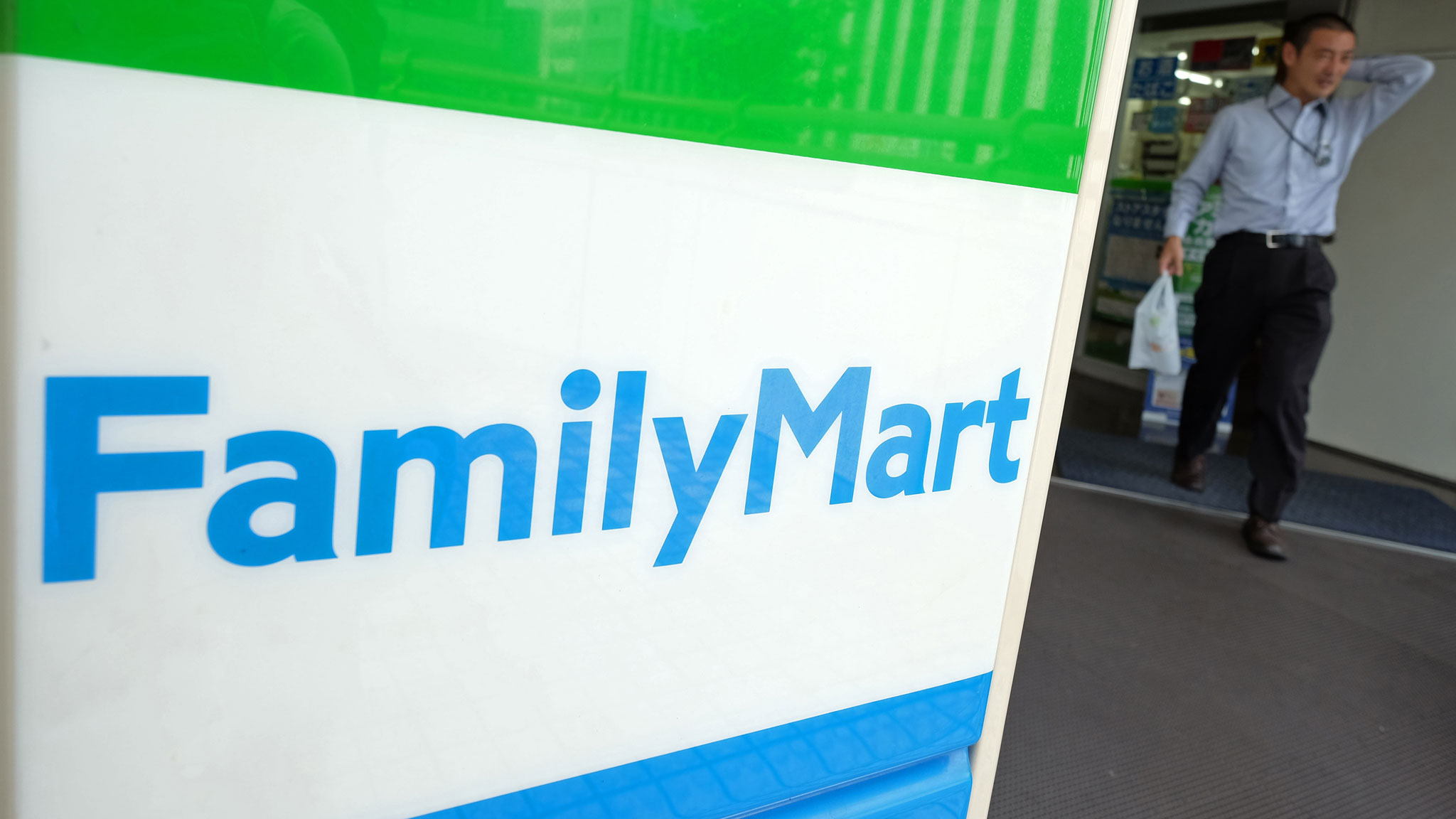
    QL Resources, the Malaysian operator of Japanese convenience store chain FamilyMart, is going ahead with plans to open 300 stores by March 2022, despite a slump in the economy. The firm opened 30 FamilyMart Malaysia outlets within the last financial year and plans to reach 90 new stores for the year ending March 31, 2019.

    “We still stick to our plan to open 300 stores in five years”, said QL chairman Chia Song Kun.

    Market leadership in the territory is currently controlled by 7-Eleven Malaysia, which operates more than 2000 stores in Malaysia. A major shareholder in the firm recently announced plans to open another 200 outlets this year.

    Malaysian spending is increasingly focused on domestic trade as exports continue to be affected by the US-China trade war.

  • Empire State Building Store sets tourist retail benchmark

    Empire State Building Store sets tourist retail benchmark

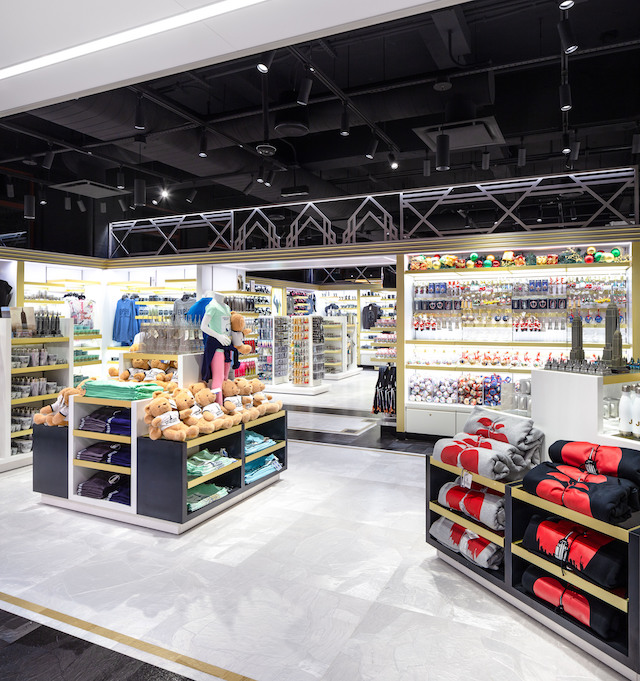
    North American travel retail firm Hudson Group has announced the unveiling of the Empire State Building Store, part of the reimagined Empire State Building Observatory experience. The newly renovated 4500sqft retail space offers more than 800 items exclusive to the property, including destination mementos, curated souvenirs, and modern luxury, as well as a new shop-in-shop experience, Empire on Fifth.

    “With our US$160 million Observatory upgrade, the redesign of the Empire State Building Store elevates the retail experience at the building and caters to our guest’s interests,” said senior VP of the Observatory Jean-Yves Ghazi.

    “From the King Kong section to exclusive merchandise from top brands Baccarat Crystal, Puma, Swarovski and more, there truly is something for everyone”.

    The Empire State Building Store is one of more than 300 specialty retail locations operated by Hudson Group.

    “Hudson Group is elevating the gift store experience in our properties across North America by bringing 30 years of travel retail experience to tourism,” said Hudson Group CEO Roger Fordyce. “We could not be prouder to partner with Empire State Realty Trust to offer this new amenity to visitors at the most recognised building in the world, the Empire State Building”.


  • How much do Hongkongers spend on Valentine’s Day?

    How much do Hongkongers spend on Valentine’s Day?

    If you were in Hong Kong for Valentine’s Day you must have seen cascades of flowers around the city, couples flooding the restaurants, and inevitably thought: “love is definitely in the air”. You were actually right. Hong Kong is one of the top Asian markets for sentimental spending according to the Mastercard Love Index, showing continued growth since 2016 and some intriguing behavioural insights.

    Now, whether you think of it as the most romantic day of the year or a sickening slog, it’s undeniable that Valentine’s Day is a big deal for people splurging on their loved ones, and in Hong Kong even more so. The Mastercard Love Index has gathered data from credit, debit, and prepaid card transactions from the last three Valentine’s Day holiday periods(11th-14th February 2016-18) to discover the change in how fluffy feelings have translated into cold hard cash.

    The results show that since 2016, Hong Kong ranks third in growth for sentimental spending at 62%. China takes the top spot at 88% followed by Japan at 68%, which had a 35% surge. Overall across Asia-Pacific, sentimental spending has jumped up 33% with Valentine’s Day period transactions rising by 37% since 26%

    What was the biggest increase seen? Flowers of course. Since 2016 spend value on the holiday staple has gone up by 89% with 73% more transactions. In comparison, Hong Kong transactions for the pretty petals went up by 46% with total spend rocketing up by 93%.

    Here are some other interesting insights about Hongkongers from the research:

    Hongkongers aren’t early Valentine’s shoppers. Last minute buys for gifts are the norm with the 28% majority of sales happening on the day itself.

    Restaurant dates are still a growing favourite and getting flashier. Transactions in restaurants have grown by 20% since 2016 with the amount spent at meals up by 30%.

    More romantically, there has been a huge increase in couples popping away for romantic trips for Valentine’s Day. Transportation transactions showed a 205% increase in 2018, making up a significant 23% of the total spend for the day.

    Hotel rendezvous are also on the rise with 63% growth in transactions since 2016 and a boost to the total spend by 66%.

    Bling is still in. Jewellery transactions for Valentine’s Day have climbed with spend up 43% since 2016.

    Hongkongers like the personal touch when it comes to gifts for Valentine’s Day. 88% of gifts were bought in face-to-face transactions versus 6% online. However, online shopping for Valentine’s Day is still rising with a 146% increase in online transactions over the period since 2016.

  • Furniture maker in Vietnam to meet younger customer taste

    Furniture maker in Vietnam to meet younger customer taste

    Furniture manufacturers are striving to meet the changing tastes of young people, who have begun to value eco-friendliness and aesthetics. Nguyen Chanh Phuong, vice president and general secretary of the Ho Chi Minh City Fine Arts and Wood Processing Association (HAWA), said the furniture segment for small urban houses is abuzz in Vietnam, with its main customers being young adults born between 1980 and 2000.

    Unlike the previous generation, who preferred simple but durable furniture that could last 100 years, young people prefer to buy comprehensive interior packages based on their own aesthetic views, he explained.

    They see furniture as things that serve their needs and not assets to be passed down, and so products only need to last about 10 years, he said, pointing out this was why furniture makers like IKEA have been so successful.

    “There is a lot of opportunity arising from this group of customers alone. I estimate they only account for 15 percent in terms of number of buyers but account for 30-40 percent of spending.”

    Industry insiders said the market is seeing rapid growth in raw materials production, design and manufacture of furniture, and one can now find all types of international “fashionable” wood varieties from Germany, the U.S., France, Japan, Canada, and New Zealand.

    Vietnam’s furniture market was worth $4 billion in 2018, and is expected to grow to $5-7 billion by 2025, according to the Handicraft And Wood Industry Association of HCMC.

    Nguyen Quoc Khanh, HAWA chairman, said not only is the scale growing but also Vietnamese are increasingly demanding higher quality products.

    “I think ‘strong and durable’ is not the Vietnamese style; it was a need at a difficult time. Life is much better now, so people are allowed to express themselves.

    “The only regret is that the market has not yet created the necessary ecosystem for the business of interior design. That is, furniture manufacturers have not been able to work with designers and real estate companies to completely meet users’ needs.”

    Foreign home interior brands and designers are present in force and dominating the increasingly affluent market.

    According to the Vietnam Chamber of Commerce and Industry (VCCI), some 80 percent of luxury woodwork and interior decoration items is imported from Europe, with local players accounting for the rest.

  • Deliveroo celebrates the Chinese New Year with elderly people

    Deliveroo celebrates the Chinese New Year with elderly people

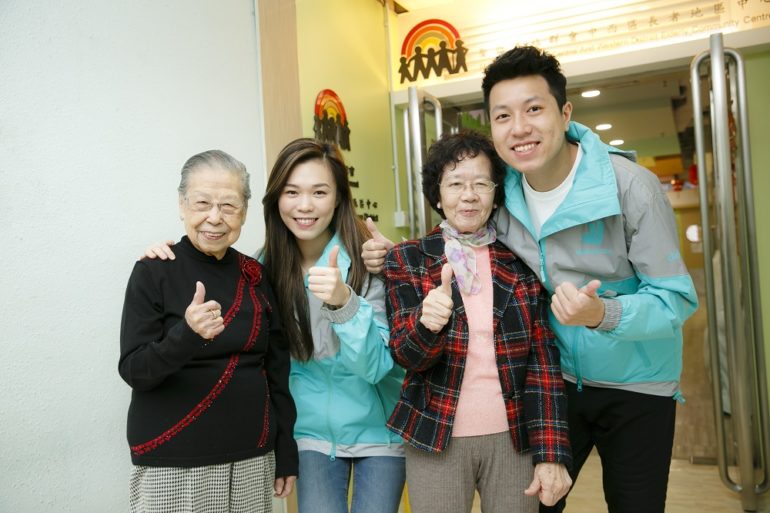
    To give back to the Hong Kong community in celebration of the Lunar New Year, Deliveroo collaborated with St. James’ Settlement and restaurant partner LAO ER by Crystal Jade to host a special afternoon event yesterday for elderly people living alone. There are increasing numbers of stay-alone seniors in Hong Kong, who don’t always have the opportunity to enjoy multi-generational gatherings at the New Year.

    Around 50 elderly people joined yesterday’s event on Monday 11 February, which was held at the Central and Western District Elderly Community Centre in Sheung Wan.

    A hot, delicious, free Chinese meal from LAO ER by Crystal Jade was served for everyone to enjoy together. The meal was prepared at Deliveroo’s first Food Market in Sai Ying Pun and delivered hot and fresh to the Centre by two Deliveroo riders.

    Deliveroo is also making a donation of HK$2,000 to the Central and Western District Elderly Community Centre of St. James’ Settlement, to help fund the gifts of the day and make the elderly delighted.

    Brian Lo, General Manager of Deliveroo Hong Kong, said, “With more and more of Hong Kong’s elderly population living on their own, we are proud to support community initiatives bringing happiness and togetherness to stay-alone seniors. Yesterday’s event was a fantastic chance for the elderly to bond with others over a delicious meal, in celebration of the Lunar New Year. The delectable festive Chinese party foods served in the event like fried noodles, dumplings and garlic-tossed cucumber represents just a small selection of the wide range of cuisine available from Deliveroo. Moving forward, Deliveroo remains dedicated to finding even more new and creative ways to give back to all kinds of people in Hong Kong.”

    The event fell on the seventh day of the first Lunar Month, also known as “Renri”. This is an occasion traditionally celebrated in Chinese culture as the birthday of all humans. On this day, it’s customary for people to gather together, show gratitude and ask for blessings.

    Alison Yung, Senior Manager (Continuing Care) of St. James’ Settlement, added, “Serving Hong Kong for 70 years, St. James’ Settlement has observed the rising number of elderly-only households. Having a reunion lunch on Renri is a beloved Chinese New Year tradition, and we have been delighted to work hand-in-hand with Deliveroo to provide a joyful afternoon meal for everyone to celebrate together. In the future, we look forward to more opportunities for fruitful collaboration with community actors like Deliveroo.”

    An active promoter of social responsibility, Deliveroo is committed to progressive initiatives that benefit employees, customers and the Hong Kong community at large.

    In December, for example, Deliveroo offered 100 free meals to domestic workers staying in Hong Kong over the holidays, in recognition of their valuable role for families.

  • Malaysia’s Malindo Air adjusts checked baggage allowance for economy class

    Malaysia’s Malindo Air adjusts checked baggage allowance for economy class

    Malindo Air has adjusted the checked baggage allowance for its economy class passengers under the Value and Flexi fare options effective last friday. The baggage allowance for Value fare option is now 15kg, and 30kg for Flexi fare option, from 25kg previously for both fare options. The baggage allowance for business class and its ATR flights remain as 40kg and 15kg respectively.

    Malindo Air CEO Chandran Rama Muthy said the business rationale to the adjustment is to keep up with the industry changes and passengers’ demand.

    “This option allows passengers who are cost-sensitive to enjoy more competitive airfare with services that fit their needs. We want to keep our products relevant to the market and bring better flying experience to our passengers,” he said in a statement.

    The airline will honour passengers who have made a booking before Feb 15, 2019 and flying on or after Feb 15, 2019 to enjoy the original baggage allowance upon booking, as reflected on their flight itinerary.

    Passengers may top up additional baggage allowance during the booking process, through “Manage My Booking”, Malindo Air ticketing offices, customer care centre and the airline’s preferred travel agents.

  • SoftBank Ventures invests in Trevari, a Korean book club

    SoftBank Ventures invests in Trevari, a Korean book club

    SoftBank Ventures announced Tuesday it invested 4.5 billion won ($4 million) in Trevari, a Korean book club operator. Fast Investment, another venture capitalist firm, invested an additional 500 million won in Trevari’s first publicly-announced funding round.

    “While adults today are reading less and less, the Trevari team has proven the success of its business model through quality book clubs,” said a spokesperson from SoftBank Ventures.

    Founded in 2015, Trevari operates paid membership-based book clubs. Members can sign up to join Trevari’s 300-plus book clubs located around Seoul and meet up with fellow members every month to discuss books on topics of their preference.

    Some of the book clubs are headed by special experts in the field, including former Naver CEO Kim Sang-hun.

    As of last August, over 13,600 individuals have participated in Trevari’s book clubs.

    A four-month membership costs between 190,000 won and 290,000 won.