Category: Living

Retail News Asia is committed to providing both local and global retailers with the latest Living news throughout the Asian market. This on a daily base.

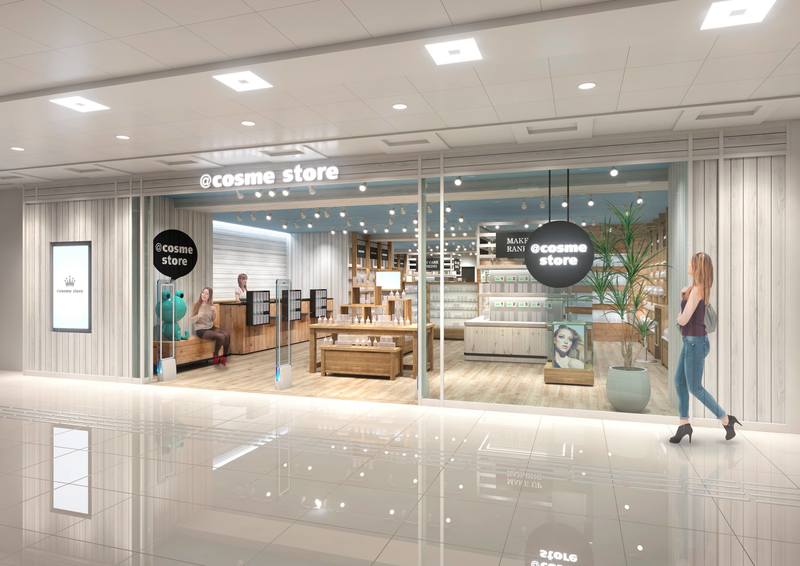
  • iStyle opens Fourth Hong Kong @cosme store

    iStyle opens Fourth Hong Kong @cosme store

    Tokyo retailer Istyle will open its fourth @Cosme store in Hong Kong this Friday. The new outlet will be launching as a specialty cosmetics store in East Point City mall in Tseung Kwan O, which has recently emerging as a shopping spot across a range of age groups. The first of Istyle’s four stores to predominantly target local markets as opposed to visiting Chinese tourists, it is the brand’s first “community-based store” in Hong Kong.

    The firm intends to increase customer engagement via more interaction with local shoppers.

    @Cosme will offer free testing of almost all products in store and counseling services for skin and makeup, and will be adding new product lines from Homei, Covermark, and Bare Minerals to its range of exclusively Japanese items.

  • Google Launches New Products and Services for Indonesia

    Google Launches New Products and Services for Indonesia

    American technology giant Google announced a slew of new products and services that promise to benefit Indonesia’s rapidly growing digital economy.

    WizPhone 

    What surprised the audience most during the third annual “Google for Indonesia” event in Jakarta on Tuesday was the announcement of the WizPhone. The device, with styling reminiscent of the 1990’s, is the first Indonesian-made mobile phone equipped with Google Assistant, the tech giant’s artificial intelligence-powered virtual assistant.

    The WizPhone, which runs a lightweight mobile operating system known as KaiOS, will be sold at Alfamart convenience stores across Indonesia for only Rp 99,000 ($6.80).

    AI for Indonesian Translations 

    “More than half of online content is available in English, but only 1 percent of web content is available in Bahasa Indonesia,” said Ken Tokusei, director of international search at Google. This means that most internet content may not be accessible to some Indonesians.Tokusei said Google was working with Wikimedia to deploy a neural machine translation system that uses artificial intelligence to translate Wikipedia content from English to Bahasa Indonesia. Relevant search items that only used to be available in English will now also be available in Bahasa Indonesia, he said.

    Google Go

    With the use of artificial intelligence, the Google Go application can now be used to narrate articles on your favorite news websites, which is particularly handy if you are on the go. Just press “play” on any website and Google Go will read the text out loud to you in real time.This feature even works with a slower 2G connection as it is designed to use less data. The app is already available in Google Play and will also come preinstalled with all Android Oreo Go edition devices.

    “Our applications, such as YouTube-Go, Google-Go and Assistant-Go, have been designed to only use 50 percent of the phone memory compared with traditional applications,” Google Indonesia managing director Randy Mandrawan Jusuf said.

    New Features

    Bahasa Indonesia was added as an option in Google Assistant on all Android and iOS devices last April, which allows locals to set alarms or call people in their mother tongue. Scott Huffman, engineering lead for Google Assistant, said many people ask the application to tell them a joke to brighten up their day.One of the new features available in Google Assistant helps you book online transportation. You can tell it where you want to go and the digital assistant will open the Go-Jek or Grab app for you.

    This feature is currently only available in English, but Bahasa Indonesia will be added soon. Go-Jek Indonesia chief executive Nadiem Makarim said his company is looking forward to enabling Google Assistant to directly book rides without the need on to open the Go-Jek app.

    Another new future is a partnership with Indosat, Indonesia’s second-largest telecommunications service provider. Through Google Assistant, Indosat customers can now access their monthly bills and manage and monitor their quotas.

    A third new feature is the accessibility of news update, anywhere, anytime. All you need to do, is say, “listen to the news today,” and your digital assistant will do the rest.

    Advanced Google Maps Features

    Krish Vitaldevara, director of product management at Google Maps, said the navigation feature now has new options to make your daily commute easier. It allows you to follow public bus locations in real time. It also allows you to share the progress of your journey in real time, so if your bus is running late, you can keep your friends or family in the loop about your expected time of arrival. Google Assistant will even be there to remind you when to get off the bus.

    Business Application

    Google My Business is designed to help business owners connect with and attract more customers. Think of it as a social media platform for your business. Business entities now can make posts that will appear on their business profiles on Google Search and Maps, and share updates about products, offers and even events.It also allows customers to follow and interact with businesses.

    According to a Deloitte study, businesses can experience revenue growth of up to 80 percent by having an online presence. Based on this, Google has made it its mission to help Indonesian companies grow their online presence.

    “This country is full of determined and enthusiastic people; people who are ready to take over the world,” Randy said.

  • Ashley HomeStore adds stores in Vietnam and more

    Ashley HomeStore adds stores in Vietnam and more

    American furniture store chain Ashley HomeStore has expanded globally with new stores in Vietnam, Thailand and New Zealand. In support of the move, the company has established a 400,000sqft consolidation warehouse in Vietnam’s Ho Chi Minh City. The new facility will allow a faster order response time.

    The firm’s president and CEO Todd Wanek said: “As a company, we’ve achieved many milestones this year. The largest has been the growth of our global footprint, which exceeds 900 HomeStores worldwide. This major accomplishment stands as a true testament to our global brand recognition.”

    HomeStore now operates in 54 countries with 310 locations.

  • Vietnamese carriers get busy with early holiday plans

    Vietnamese carriers get busy with early holiday plans

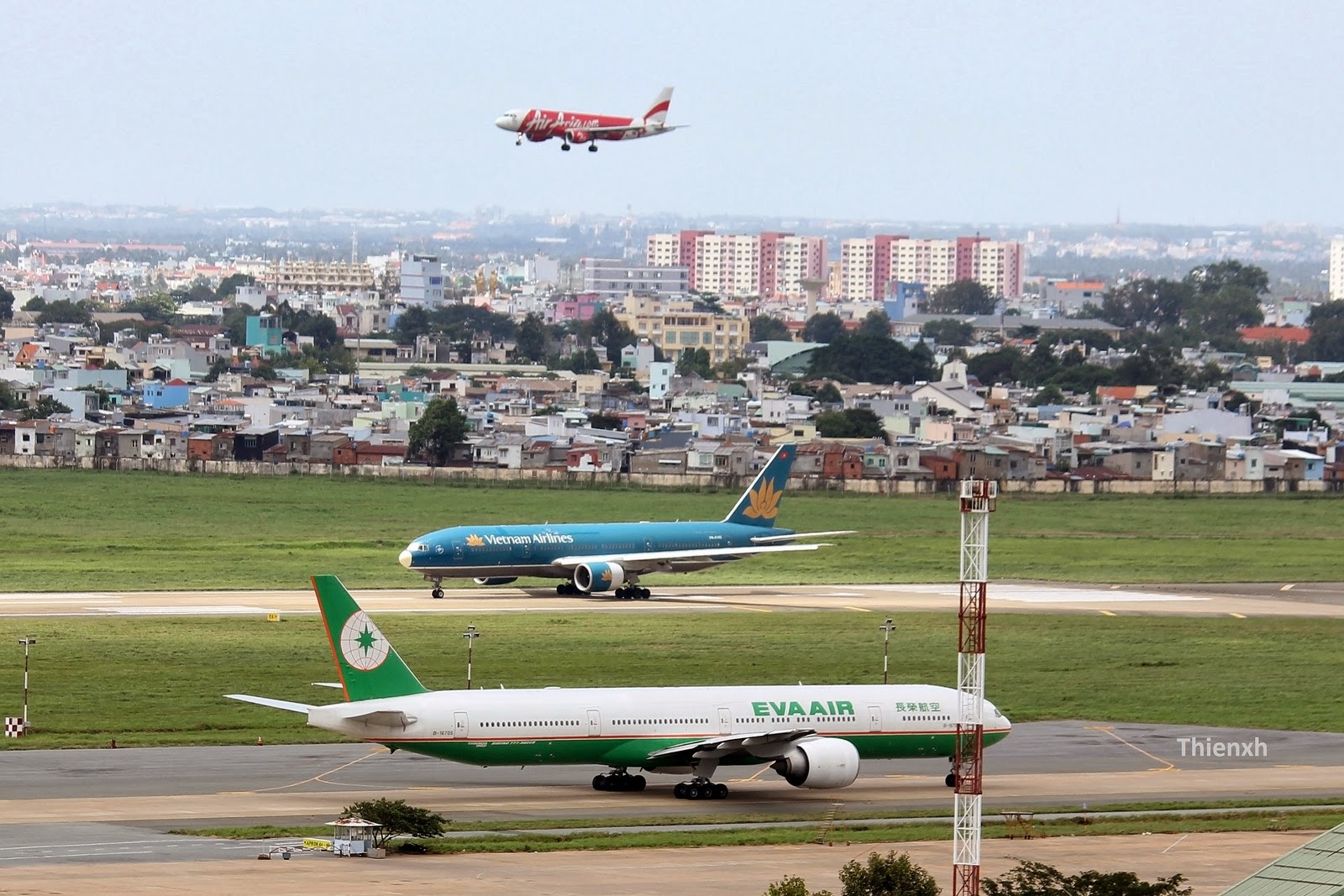
    With six weeks to go for Tet, the Lunar New Year festival, Vietnamese carriers are bracing for the upsurge in demand. Jetstar Pacific, the low-cost arm of flag carrier Vietnam Airlines, announced Tuesday that it would increase the number seats on local routes by 80,000.

    It has also opened a new route from Hanoi to the southern city of Can Tho to meet travel demand between the two destinations before and after the Tet holiday, which falls February 2-10 next year.

    Earlier, the carrier had announced plans to operate 3,210 flights, or 600,000 seats, to serve customers for the Tet holiday.

    Vietnamese people traditionally move from the cities to their hometowns and villages all over the country to reunite with their families before the Lunar Near Year begins.

    State-owned Vietnam Airlines has also raised its number of seats from January 20 to February 19 to 1.4 million, 100,000 higher than the same period last year. This involves an addition of 566 more flights, to serve customers in Tet.

    The flag carrier has also announced that it will open a new route from Ho Chi Minh City to the new Van Don International Airport near Ha Long Bay in Quang Ninh Province. It will start operating one flight a day between the two destinations starting December 30.

    About 90 percent of flights between Ho Chi Minh City and Hanoi, central cities of Vinh and Da Nang have already been booked, a Vietnam Airlines representative said.

    As there are signs of the demand increasing further, the largest airline in the country by passengers carried plans to open another 56,000 seats in the next few days.

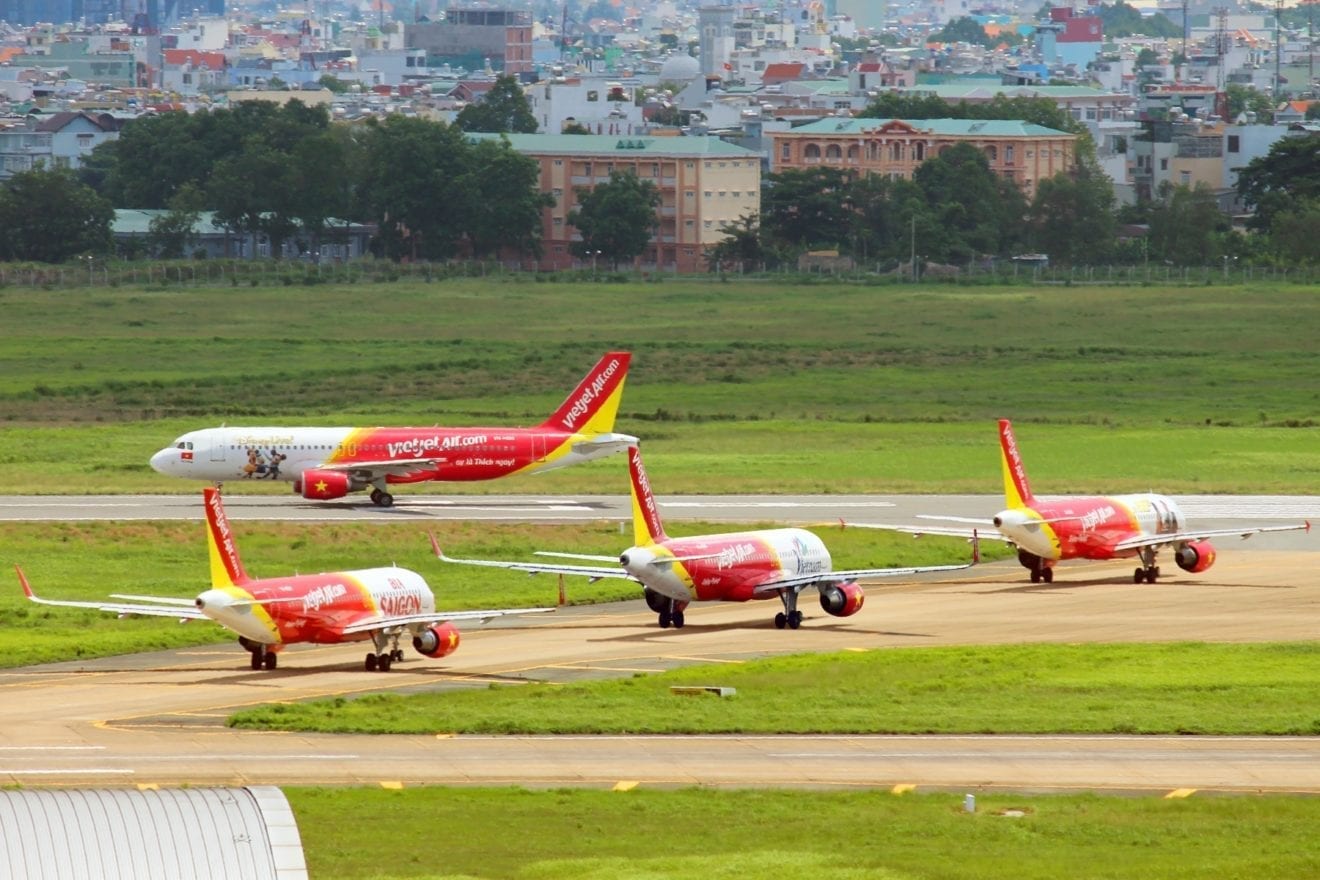
    Many VietJet Air agents have confirmed that VietJet has opened ticket sales from Ho Chi Minh City to Van Don Airport in Quang Ninh Province starting January 20. The Van Don International Airport, the first private airport in the country, is set to open for business on December 25, 2018.

    Dinh Viet Thang, head of the Civil Aviation Administration of Vietnam (CAAV), said at a conference last month that the number of airplanes will increase by 32 to 180 to meet the high travel demand around Tet time. This means that the transport capability of the Vietnamese aviation sector will increase by 20 percent, he added.

    The number of air passengers for the upcoming New Year’s Eve and Tet holidays is expected to increase by 11 percent year-on-year, according to the Civil Aviation Administration of Vietnam (CAAV).

    It also says that local airlines have registered to increase the number of flights by 2,611 to 19 airports for Tet. The number of passengers during the holiday is expected to increase by around 280,000 over normal days.

    The highest holiday surge in the number of passengers will be seen on the HCMC-Hanoi route, which will have 519 additional flights, or 20 percent of the total increase. The corresponding numbers for the HCMC-Da Nang route will be 354 flights and 14 percent; HCMC-Vinh, 306 flights and 12 percent; and Hanoi-Phu Quoc, 24 flights and one percent.

    Vietnamese carriers have served almost 45.1 million passengers in the country in the first 11 months of this year, up 11.9 percent from a year ago, according to the General Statistics Office.

  • HMV Hong Kong collapses

    HMV Hong Kong collapses

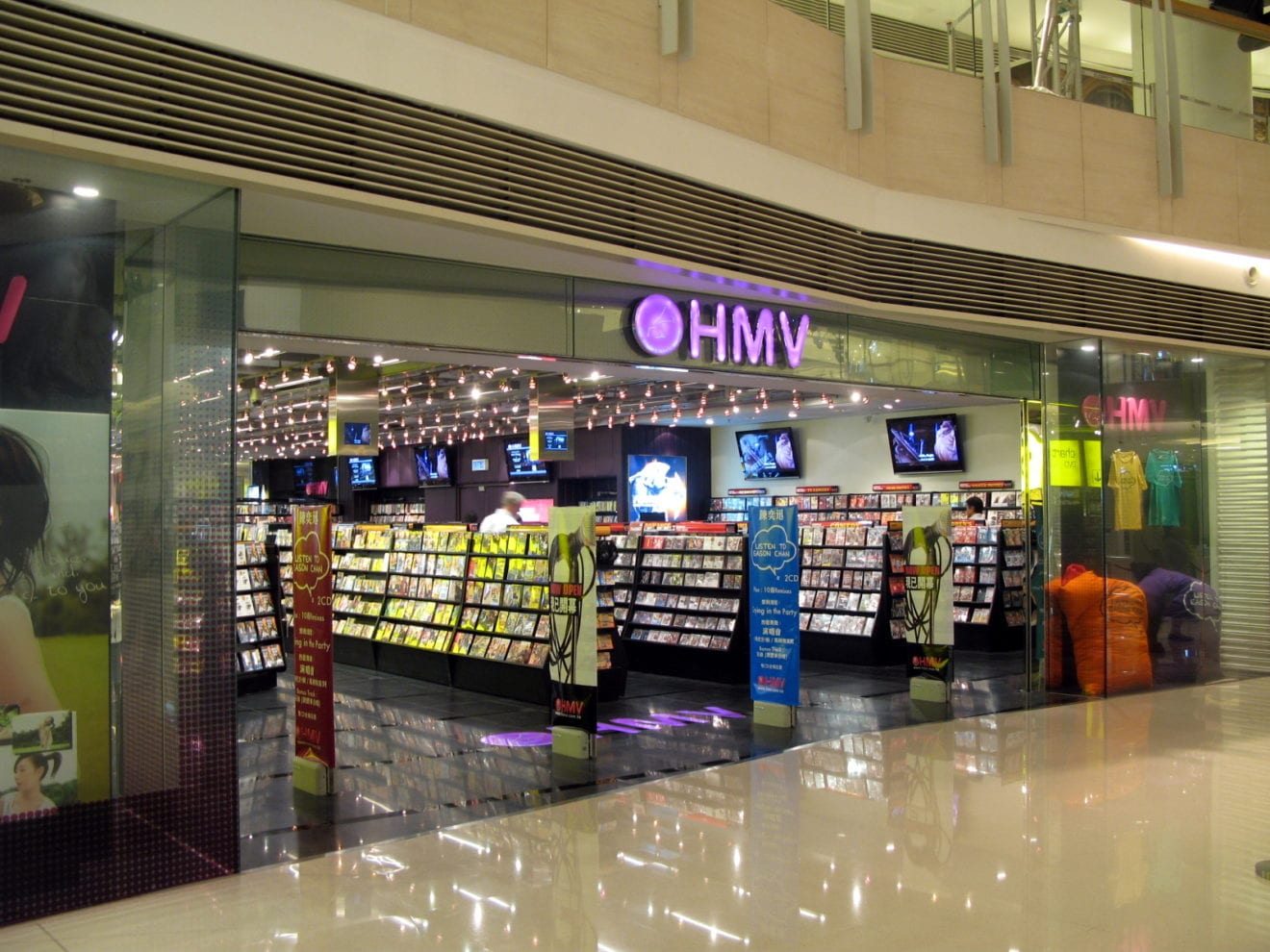
    The HMV Hong Kong business has collapsed, with the chain’s owner appointing liquidators. In a statement, HMV Digital China Group chairman Stephen Shiu Jnr said the company was “unable to escape from the crushing force of the wheel of history” as live-streaming services like Spotify and Netflix made CDs and DVDs redundant.

    The company is believed to have debts of HK$40 million and assets – mainly stock – of just $9 million. All seven stores have been closed and 80 staff laid off.

    “The company is under negotiation with the landlords of the settlement plans. HMV Retail has not been generating sufficient revenue to cover its own operating expenses and there is no reasonable prospect of making any significant improvement on its financial performance or operations in the foreseeable future.”

    As reported last week, HMV was facing three legal suits over unpaid rents on stores, totalling $5 million. One of those related to its four-story Causeway Bay flagship.

    After the chain last went into administration in 2013, private equity company AID Partners converted the business into more of a lifestyle destination, stocking headphones, bicycles, backpacks and other curated products. That met with some success, and AID sold the business to Shiu’s company in 2016 for $408 million. Yesterday, Shiu cited Apple’s AirPods for eroding demand for earphones, which had become a core category.

    “[We have] faced numerous struggles and ups and downs, witnessing the rise of the record industry and the heyday of CD, VCD and DVD home entertainment systems, but as time changes, the global development of information and economic climate have also changed”, the company said Shiu.

    The HMV Hong Kong business achieved a profit of $1.85 million in the September quarter last year – but during the same period this year, retail sales fell 41 per cent to $31.55 million and the business lost $18.81 million.

    The liquidators, Wong Sun-keung and Janice Tsui Mei-yuk of Vision AS will try to find new investors to refinance HMV Retail’s operations, although clearly any solution would involve adopting an entirely new business model.

  • BTS adds 4 trillion won to the Korean economy

    BTS adds 4 trillion won to the Korean economy

    Popular boy band BTS’s annual economic value is estimated at over 4 trillion won ($3.5 billion), making it more lucrative than a medium-sized company. The group’s annual production inducement effect, which refers to the value generated in related industries, is estimated at around 4.1 trillion won, according to a report by Hyundai Research Institute (HRI) released Monday.

    “BTS was the first Korean artist to place at No. 10 on the Billboard Hot 100 and reach No. 1 on the Billboard 200,” read the report. “The group’s rising fame and popularity can be observed in the explosively growing number of Google searches and YouTube video counts after 2017.”

    “Expecting such growth in popularity to have a positive effect on the Korean economy, we wanted to estimate the impact of BTS’s popularity on the domestic economy by assessing foreign tourists and consumer exports.”

    Research findings revealed that the HRI’s assumptions were correct. According to the report, BTS is responsible for attracting at least 796,000 foreign tourists annually to Korea since their debut in 2013. The report also credits the group for increasing sales of related exports by $1.1 billion every year, including $233.98 million worth of clothing, $426.64 million worth of cosmetics and $456.49 million worth of foodstuffs.

    BTS’s estimated annual economic value of 4.1 trillion won is 26 times larger than the average medium-sized company in Korea, which earned just 159 billion won in 2016 according to the report.

    The HRI report also discussed the factors believed to be behind the success of the group.

    “All BTS members participate in the songwriting and composing, often writing from their own perspective the concerns of young adults in their teens and twenties, and listeners are able to sympathize with them regardless of their nationality,“ read the report. “BTS’s albums and concerts are also structured in a way that has a narrative, which helps attract the attention of fans and raise their expectations for upcoming albums and concerts as well.”

    Other factors mentioned include active communication with BTS fans – known as ARMY – through social media and the fans’ strong support.

    BTS is expected to produce an accumulated total of 41.8 trillion won in economic value between 2014 and 2023 if it maintains its average popularity level of the last five years.

    “In order to maximize the economic impact of Hallyu [Korean wave], it’s necessary to develop and promote domestic tourism through dramas, movies and videos and raise demand from foreign tourists,” the report concluded.

  • Cafe opens in century-old Seoul house

    Cafe opens in century-old Seoul house

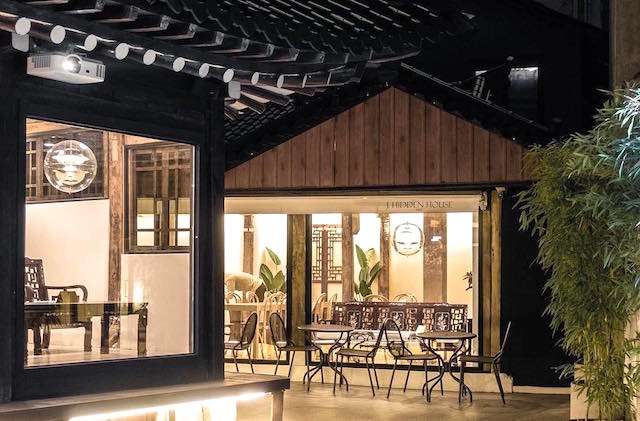
    A heritage cafe has been built into the hereditary foundations of a century-old South Korean courtyard house (hanok) in Seoul. J Hidden House cafe opened its doors in the fashion and shopping mecca of Dongdaemun this month, following Seoul’s continued efforts to develop as a trend-setting, global tourist destination. Situated within a spacious 300sqm secluded enclave housing a zen-bamboo garden, the venue blends traditional and modern design and is one of the largest hanoks open to the public today within the traditional inner district of the Chosen dynasty’s (1392–1897) capital, Hanseong – modern Seoul

    From a bespoke eight-metre wet bar set in Italian terrazzo tile, J Hidden House offers curated coffees, teas and refreshments, as well as a tailored menu of bakeries and spirits cultivated by Korean food and beverage companies.

    J Hidden House’s proprietor Grace Jun said Seoul has become a destination for the world to visit and Korea’s rich culture has so much to offer.

    “This establishment is a fusion of our country’s traditional heritage and dynamic modernisation by coupling a cutting-edge modernity within the protected, mindful walls of a ‘hidden’ hanok that was built before the Korean war and has stood the test of time. Our aim is to provide locals and tourists from around the world with a location and a curated food and beverage offering on calibre with any destination cafe in the world, while offering what is uniquely and proudly Korean.”

    Located in an exclusive “hidden” but immediately accessible location in downtown Seoul, the destination offers a vision of an earlier and more tranquil age despite being centrally situated in Dongdaemun, one of city’s busiest commercial districts and a major tourist destination for shopping and historical sightseeing.

    According to the Korea Tourism Organization, visitors to Korea in the first half of this year increased by 6.9 per cent year on year to 7.22 million. When excluding Chinese visitors, the number of tourists increased 12.2 per cent year on year to 5.05 million people, the largest-ever recorded number of inbound tourists to date.

    View the gallery for photos (4 images) :


  • Asia becomes Laura Ashley’s last hope

    Asia becomes Laura Ashley’s last hope

    Fashion and home furnishings brand Laura Ashley will close 40 stores in the UK as it prepares to expand into the Chinese market. The firm has already gone through a round of 40 closures since 2015 against flagging interest from British consumers, which has seen a reported 14 shops closing every day in the territory.

    Laura Ashley runs a regional office in Singapore focused purely on e-commerce into China, with plans to look at physical stores rollout after establishing a significant foothold in digital retail there.

    According to Khoo, the company is “moving to Asia in a much bigger way”.

    The brand is wholly owned by Malayan United Industries (MUI), which is currently restructuring parts of its business and rationalising assets. The brand will be expanding the 120 British Laura Ashley stores that remain following the closures to better showcase the brand.

    MUI’s executive chairman Andrew Khoo Boo Yeow said: “It doesn’t really matter if [customers] buy online or offline, we just want them to get inspired … It’s a challenging environment and it could become more challenging”.

    In Australia, the remaining 16 Laura Ashley stores will close this month after the company failed to find a buyer for the business, which was run under a licence. It was placed in administration for the second time in two years on December 3.

  • Flood of new passengers to stoke demand for jet fuel in Vietnam

    Flood of new passengers to stoke demand for jet fuel in Vietnam

    Vietnam’s jet fuel demand will surge to a record this year as its tourism booms and the country’s airlines are rapidly expanding. The country is on track to have 38 million international passengers and 16 million visitors this year, according to data from CAPA Centre for Aviation. That is up from 18 million passengers and 8 million visitors in 2015, according to the data.

    “Aviation demand in Vietnam is booming… Fuel consumption in Vietnam will reach a record high this year and will keep rising for the years to come,” said Tran Hoai Nam, vice president of Vietjet, Vietnam’s biggest private airline.

    He added Vietnam’s growth in foreign arrivals was the highest in Southeast Asia, rising 8.7 percent annually.

    The surge in traffic has translated into a rush of jet fuel demand in Vietnam. Through November, the country has imported 1.87 million tonnes of the fuel, according to customs data, equal to 14.8 million barrels, and up 18 percent from the same period last year.

    “For 2018, jet fuel demand in Vietnam is estimated to be increased by about 20 to 25 percent in comparison with 2017, mostly due to the increase in consumption of the international flights,” said a Hanoi-based trader at one of country’s jet fuel suppliers, who asked to remain unidentified due to company policy.

    Vietnam currently consumes about 18 million barrels of jet fuel per year, according to data from Petrolimex Aviation.

    By 2035, Vietnam will have 150 million airline passengers per year, nearly four times what it was in 2015, according to a 20-year forecast from the International Air Transport Association (IATA).

    Over the same period, India will have 442 million passengers, 3.6 times what it was in 2015, while China will have 1.3 billion passengers, 2.7 times what it was in 2015, IATA said.

    In November, Vietnam issued an aviation licence to Bamboo Airways, which would be the country’s fifth airline after Vietnam Airlines, Jetstar Pacific Airlines, Vietjet Aviation VJC.HM and Vietnam Air Services Co.

    Bamboo is expected to launch its first flights within weeks. It signed a provisional deal in July to buy 20 of the wide-body 787-9 jets from U.S. manufacturer Boeing and agreed a memorandum of understanding with Europe’s Airbus for up to 24 of the narrow-body A320neo jets in March.

    VietJet, which currently operates 60 Airbus jets, has signed a $6.5 billion (5.2 billion pounds) agreement to buy 50 new jets.

    Vietnam’s jet fuel imports will continue to surge as the country only has two refineries, Dung Quat in the central province of Quang Ngai and Nghi Son in Thanh Hoa Province, near to the capital Hanoi, which only started operations this year.

    “Both Dung Quat and Nghi Son refineries are primarily catered towards the production of gasoline and diesel, and thus, jet fuel yield is relatively low at 5 percent,” said Peter Lee, an analyst at Fitch Solutions Macro Research.

    Nghi Son, once fully operational, will produce about 4.6 million barrels of jet fuel per year, said a source at the refinery. Dung Quat can produce as much as 2.3 million barrels per year, according to the company website.

    “Vietnam will be reliant on imports to meet most of its jet fuel demand going forward,” Lee added.

    Vietnam imports most its jet fuel from refineries in Singapore, Thailand and China, trade data showed.

    Despite the steep growth outlook for Vietnam’s aviation sector, passenger growth might may be uneven as the country grapples with capacity constraints at its airports.

    Vietnam’s biggest airport Tan Son Nhat, serving Ho Chi Minh city in the south, receives about 10 million more passengers per year than it is designed to serve.

    The government is planning a second international airport at Long Thanh, 40 km (24 miles) east of Ho Chi Minh City, that will serve 25 million passengers a year starting in 2025.

  • Nome Sweden revealed massive expansion plan in China

    Nome Sweden revealed massive expansion plan in China

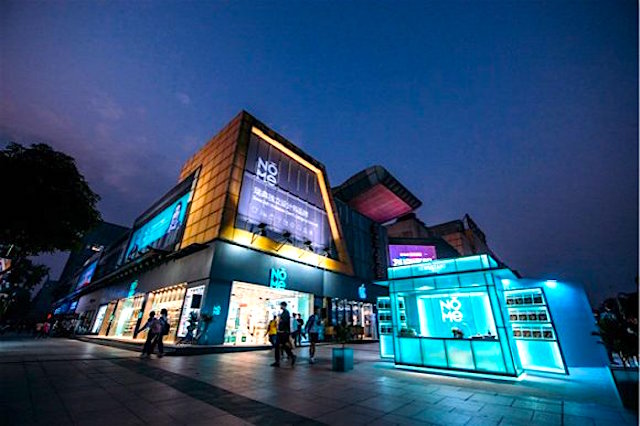
    Swedish designer brand Nome has launched a new store at Guangzhou Baiyun Wanda. The brand plans to open more than 300 stores in China’s most central shopping centres within a year, with a projected total turnover of more than RMB2 billion (US$290.6 million).

    In the next three to five years, Nome plans more than 2000 stores in China and in excess of 1000 stores overseas. The global business scale is planned to reach RMB50 billion ($7.265 billion), creating a global brand of home furnishing.

    To mark the Guangzhou launch, the brand installed a modernised version of a traditional Guangzhou postal kiosk outside the store. The reimagined newsstand featured a translucent shell emanating blue and white lights to evoke a Nordic style, perceived by the brand as having become more popular amongst Chinese consumers in recent years.

    Swedish designer brand Nome covers 10 categories and more than 3000 SKUs in store, including lifestyle, home, furniture, clothing, digital, beauty, food, shoes, luggage and travel items.

  • Popular Japanese ‘100-yen’ store Oomomo opens in Toronto Canada

    Popular Japanese ‘100-yen’ store Oomomo opens in Toronto Canada

    Japanese discount retailer Oomomo has launched in Canada with plans for stores in most major cities. The first store opened in West Edmonton Mall in Alberta last month and was followed by another in Toronto this week, which attracted queues of customers to check out its eclectic mix of homewares, stationery, snacks and beauty products.

    More stores are planned in Vancouver, Burnaby in British Columbia and North Edmonton and Markham in Ontario.

    Oomomo translates into “big peach” in English and in Japan the chain is one of a group of retailers commonly referred to ‘100-yen’ stores. Most of its stock is priced at less than C$3.

    Some of the stock is sourced from Japanese retailer Daiso.

    View the gallery of the new store below (6 images) :

  • Vietjet CEO becomes first Vietnamese Bloomberg game changer

    Vietjet CEO becomes first Vietnamese Bloomberg game changer

    Nguyen Thi Phuong Thao is in Bloomberg’s list of 50 people who’ve been business game changers in 2018. Thao is the first Vietnamese citizen to be named in the Bloomberg list, which highlights key players in all fields, from finance to fashion, media to manufacturing, banking to biotech, politics to philanthropy, entertainment to energy. The founder and CEO of budget carrier Vietjet Air wants to take on regional giants like Indonesia’s Lion Air and Malaysia’s AirAsia Group Bhd.

    The carrier has forecast that the number of passengers it serves this year will rise 40 percent to 24 million, as it begins to tap into Vietnam’s growing middle class by expanding overseas routes.

    The expansion further changes the face of Vietnam’s aviation market that has been long dominated by state-owned Vietnam Airlines JSC, as VietJet offers millions of Vietnamese customers who have never flown the chance to buy a cheap ticket, Bloomberg says.

    Thao, 48, has extensive experience in doing business in Vietnam and abroad in many fields, including finance, banking, aviation, realestate, and retail.

    She launched Vietjet in 2011. The airline now leads the domestic market with a 45 percent share. It operates 385 flights daily within Vietnam and to Japan, Hong Kong, South Korea, Taiwan, Singapore, mainland China, Thailand, Myanmar, and Malaysia.

    The carrier made an IPO on the Ho Chi Minh City Stock Exchange on February last year, becoming the first airline in Vietnam to list publicly.

    Thao also has interests in banking and real estate, which includes owning three beach resorts.

    Bloomberg says it comes up with the list by utilizing its worldwide resources, including the work of 2,400 journalists and unique, proprietary data and analytics.

    Also on the list this year are Jerome Powell, the U.S. Federal Reserve chairman, Amy Hood, chief financial officer at Microsoft Corp, and Ryan Coogler, director of Maverl’s movie Black Panther.

    Just last week, Thao was named the 44th most powerful woman in the world byForbes, up 11 places from last year.

    Forbes estimated the richest woman in Vietnam to have a net worth of around $2.6 billion.

  • Lotte brings in The Conran Shop to Korea

    Lotte brings in The Conran Shop to Korea

    ondon-based high-end furniture and home furnishing store chain The Conran Shop will open its first South Korean outlet in the second half of next year in partnership with the country’s leading department store chain Lotte Department Store.

    Lotte Department Store said on December 13 it has signed a contract to run Korean stores of The Conran Shop with Conran Retail and Brand Holdings. They aim to open The Conrad’s first local outlet in the second half of next year on an area of 2,314 square meters in the affluent Gangnam district of southern Seoul.

    Founded by British designer Terence Conran in 1974, The Conran Shop is a leading luxury retailer offering various home interior products from some of the most iconic designers of the world. It now runs 10 stores in the UK, France and Japan.

    The partnership with The Conran Shop is part of Lotte Department Store’s push to bolster its living goods and home furnishing business at a time when the home interior market is burgeoning in the country.

    Korea’s major conglomerates have recently turned aggressive in expanding their presence in the home furnishing market that has rapidly grown since Swedish furniture and home furnishing giant IKEA landed in the country in 2014.

    Lotte Department Store expects the Conran Shop’s Korean operation will position differently from other home furnishing chains with its luxurious items and plans to add more the Conran Shop outlets in Korea later, according to a company official.

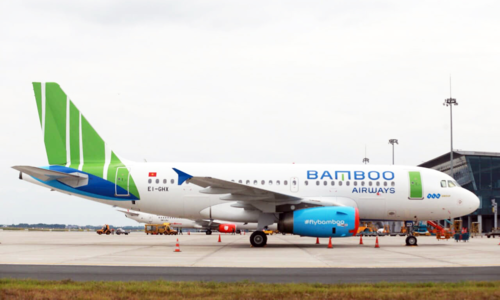
  • Bamboo Airways receives first aircraft, to take off earlier than planned

    Bamboo Airways receives first aircraft, to take off earlier than planned

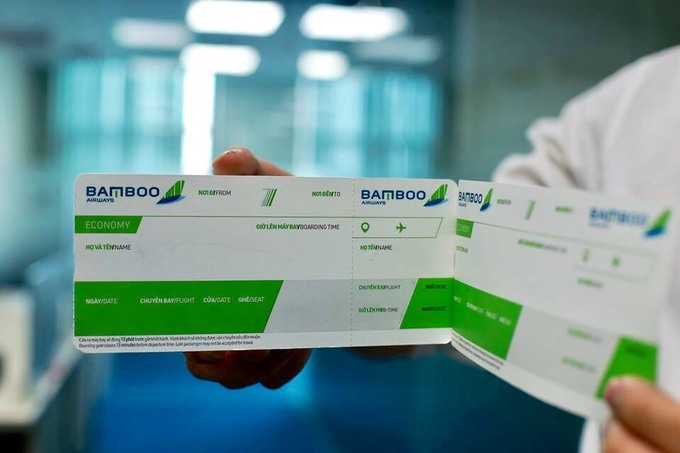
    Vietnam’s newest airline, Bamboo Airways, has advanced its maiden flight by two days to December 27, its CEO said Sunday. Dang Tat Thanh said the private carrier’s first aircraft, an Airbus A319 leased from an Irish company, has arrived in Hanoi.

    Earlier, Trinh Van Quyet, chairman of FLC, the company that owns the airline, had said the first flight would be on December 29.

    Bamboo Airways received the aviation license to become Vietnam’s fifth airline early last month. But it is still awaiting an aircraft operator certificate and permissions for parking and selling tickets.

    It is also leasing an Airbus A320 from the same Irish company, and the airplane is expected to arrive later this month or early next month.

    Bamboo Airways is allowed to operate 10 aircraft on both domestic and international routes and to carry passengers and cargo on its flights.

    It plans to fly on 100 routes, connecting Vietnam’s major cities with popular domestic and international tourist destinations.

    The carrier was founded with a charter capital of VND700 billion ($30 million), which it increased recently to VND1.3 trillion ($55.68 million).

    It has signed deals to buy 24 Airbus A320neo and 20 Boeing B787-9 Dreamliner aircraft worth a total of $8.6 billion.

    The other four carriers in Vietnam are Vietnam Airlines, Vietjet Air, Jetstar Pacific and VASCO.

  • Kakao postpones carpooling service

    Kakao postpones carpooling service

    Kakao Mobility announced las week that it would postpone the official launch of its carpooling service after a week of fierce protests from the local taxi industry. The Kakao affiliate started offering a beta version of the service last Friday that was made available to a randomly selected pool of users nationwide. On the same day, it declared that the official launch date of its carpooling service would be on Dec. 17.

    “After much consideration, we decided to postpone the official launch in order to listen and apply a wider range of opinions from taxi drivers, users and many others,” Kakao said in an official statement Thursday afternoon.

    But it did not specify when the official launch will be delayed until. The statement sparked rumors that this may be the start of Kakao indefinitely postponing the service’s official release, which the company denied.

    “What we know for now is that it’s not going to happen this year,” said a Kakao spokesperson. “But this doesn’t mean the delay is going to be an indefinite one. The exact date is still a matter of discussion.”

    The beta service will continue to be offered to random users selected regardless of age and region. Kakao explained that the beta service was being offered to a very limited pool of users, just enough to examine the technology and check the effect it may have on taxi drivers.

    The announcement comes six days after the beta service and the official launch date were released.

    The backlash from taxi drivers has been fierce, with widespread protests that culminated in a 57-year-old taxi driver setting himself on fire in front of the National Assembly in western Seoul on Monday.

    Two days later, a committee that consists of two taxi company associations and two taxi driver labor unions announced plans to stage a protest in Seoul on Dec. 20, with more than 100,000 people expected to attend. This would be the third protest targeted at putting a stop to carpooling services.

    Regardless of Kakao’s decision to postpone the launch, a source from the committee said there is no change to the plans for the protest.

    Taxi drivers also launched a sleep-in protest in front of the National Assembly starting from Wednesday, with members of the four organizations continuing their vigil in shifts through the night.

    Kakao, the local taxi industry and government officials have been in talks for more than half a year, but are still failing to agree on a solution to the carpooling service issue.

    Kakao wants to introduce a carpooling service during busy commuting hours, but drivers say that even if rides are limited to twice a day, they will still eat up around 59 percent of all taxi demand.