Category: Living

Retail News Asia is committed to providing both local and global retailers with the latest Living news throughout the Asian market. This on a daily base.

  • Miniso to set up warehouses in Delhi, Mumbai, Kolkata and Bengaluru

    Miniso to set up warehouses in Delhi, Mumbai, Kolkata and Bengaluru

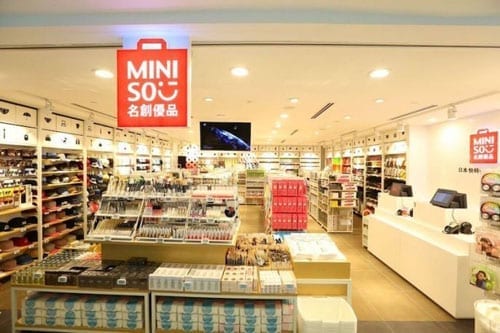
    Japanese retail brand Miniso plans to source India-made products for its stores in the US and Australia, said a top company official. According to a report: Miniso India is also investing to set up its own warehouses in Delhi, Mumbai, Kolkata and Bengaluru to cater to its expanding network.

    “We are looking into getting more local purchase and we also want to sell Indian products to other countries,” Yang Liu, Chief Business Development Officer, Miniso Indi said.

    He further said, “We have built up a system. We do not only want to import here but also export from here to markets like Australia and the US.”

    The initial line-up of products to be sourced from India include socks and snacks, he said.

    About the local purchase, Liu said by December 2019, around one third products at Miniso India would be sourced locally.

    As per FDI norms, it is mandatory to source 30 per cent goods from India in single brand retail trade.

    “The products which are selling are not only from China but some cosmetics are from South Korea and Thailand also, and I think before the end of next year, we would be able to put our local purchase to 30 per cent,” Liu said.

    He further added that the company is working in this direction and has already signed contract with some local manufacturers.

    The company would also set up small warehouses around tier II & III cities for its new franchise stores.

    Miniso launched retail operations in India in August 2017 and clocked Rs 700 crore revenue in one year. It plans to take its store count to 800 by 2019.

    It operates around 3,000 stores in over 70 markets.

  • IKEA signs MoU to open store in Noida; create 8,000 jobs

    IKEA signs MoU to open store in Noida; create 8,000 jobs

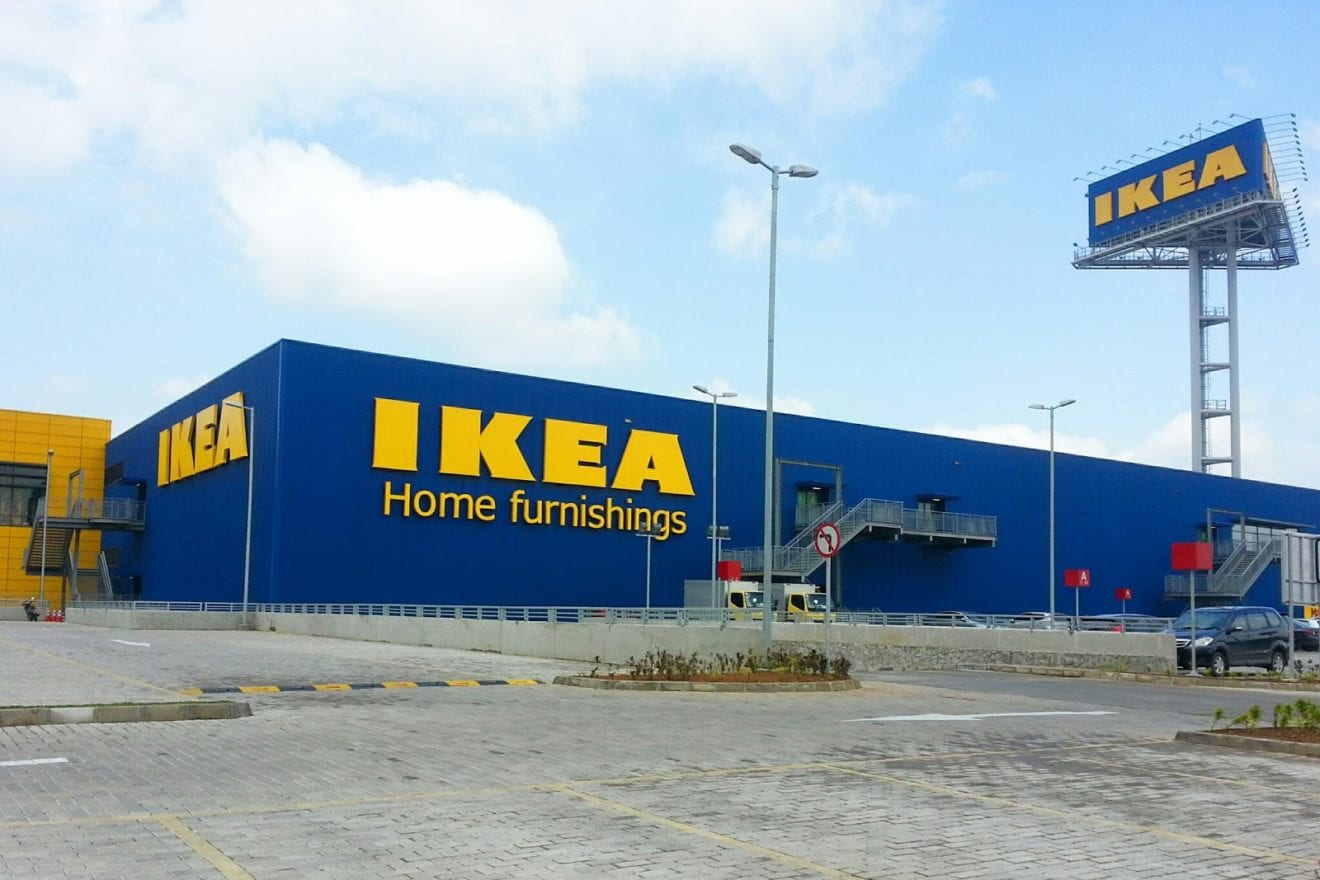
    Swedish furniture giant, IKEA, has signed MoU with the Uttar Pradesh government for the investment of Rs 5,000 crore to set up an integrated commercial project, including a store, in Noida. The MoU was signed between R K Singh, Principal Secretary, Infrastructure and Industrial Development Department, and David McCausland, Country Property Manager, IKEA.

    An integrated commercial project will be set up by Ikea at Noida, Gautam Budh Nagar. After the establishment, approximately 4,000 direct and 4,000 indirect employment opportunities will be created by this project.

    IKEA said the first store in the state is expected to come up in Noida for which the Swedish company has not yet signed any land deal.

    “The state government will provide all possible help to such investors,” the Uttar Pradesh government said in a statement on Wednesday.

    IKEA had, on September 24, 2015, signed an MoU with the UP government during the previous Akhilesh Yadav regime for launching three stores in Lucknow, Agra and Noida. The deal, however, did not move forward.

  • 7-Eleven Malaysia eyes 200 new stores next year

    7-Eleven Malaysia eyes 200 new stores next year

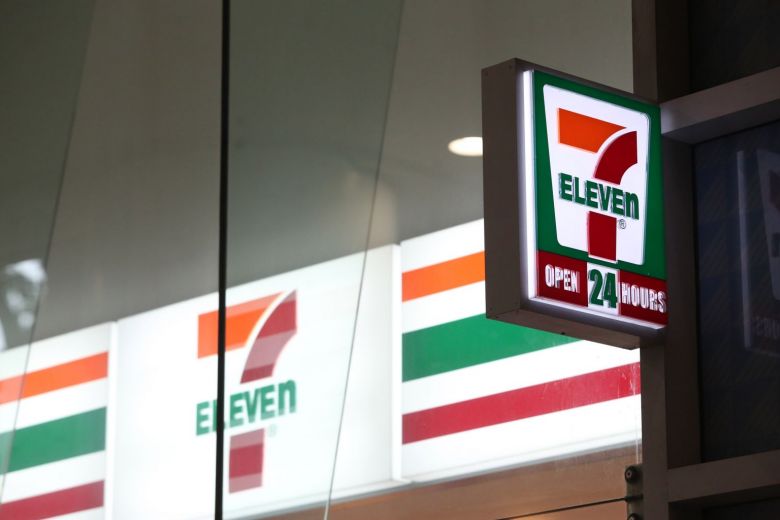
    7-Eleven Malaysia Holdings Bhd is looking to expand the number of the convenience store chain outlets by at least 200 new stores next year. In 2017, 7-Eleven Malaysia opened 126 new stores. Berjaya Corp founder and executive chairman Tan Sri Vincent Tan Chee Yioun said 7-Eleven Malaysia is also looking at increasing the number of franchisees for stores in Malaysia, along with the expansion in the number of outlets.

    7-Eleven Malaysia is the largest standalone convenience store chain nationwide with more than 2,250 outlets across the country.

    Its wholly owned subsidiary 7-Eleven Malaysia Sdn Bhd today entered into a memorandum of agreement with Pertubuhan Tindakan Pejuang Wanita Dalam Sosial, Ekonomi, Rumahtangga Dan Ilmu (Tiangseri Malaysia) to provide an opportunity to those interested to be franchisees to enter the ecosystem.

    Tiangseri is commissioned to recruit and recommend up to 50 potential franchisees to 7-Eleven Malaysia in the next 12 months.

    This programme also bodes well with the company’s target of increasing the number of franchisees. The first store under the programme is expected to be opened next month.

    7-Eleven Malaysia CEO Colin Harvey said the franchising programme through Tiangseri will see both partners leveraging on each other’s unique strengths and experience in retail and grassroots franchise recruitment.

    “We are fully focused on this collaboration as we believe franchising is an integral part of our long-term corporate strategy of giving back to the local community that we operate in, as it will both provide and create important life and management skills in future entrepreneurs as well as providing more job opportunities to our local workforce.”

    Harvey noted there are many potential locations for expansion, for instance in Sabah and around the Klang Valley. Meanwhile, Tiangseri president Mastura said the collaboration has already started generating interest from interested parties.

    Tiangseri will also be aiding potential franchisees in securing funding at a preferential rate from agencies such as Perbadanan Usahawan Nasional Bhd and Majlis Amanah Rakyat, among others.

  • Convenience stores a haven for most Saigon youth

    Convenience stores a haven for most Saigon youth

    Increasing numbers of Saigon residents are visiting convenience stores, and most of the youth hangout there. A survey by market research firm Q&Me in December found 80 percent of Saigon residents saying they patronize convenience stores. Of these, 61 percent are youth who also hangout in the stores, using in their eat-in space, attracted primarily by the air-conditioning.

    Fifty-four percent of customers said they use the eat-in space because it is a good place to stay for a short time, while 51 percent said they come for the wifi, said the survey, which polled 500 people aged 16-39 online and 721 visitors at 110 convenience stores in Ho Chi Minh City.

    The majority, 63 percent, of eat-in space customers are estimated to be in their 20s. Those in their 30s account for 16 percent, and teenagers, 15 percent.

    Those who age in their 40s and 50s account for only two percent of eat-in space users.

    Forty-four percent of customers use the eat-in space to drink, and 38 percent to eat and drink. Popular activities are chatting with friends, using their mobile phones and relaxing.

    The most popular foods at eat-in spaces are snacks, instant cup noodles and single customer hotpot. Instant cup noodles are popular during lunch and dinner time, while snacks are taken irrespective of timing.

    The eat-in space is most occupied during lunch time, from 12 p.m. to 1 p.m, with half of the seats taken, on average. The period between 3 p.m. and 7 p.m. also sees a high occupation rate of 33-37 percent.

    The survey found VinMart+ has the highest number of stores at 805, followed by Circle K with 261 and Family Mart with 160.

    Family Mart is the most popular store with 87 percent of respondents saying they have visited it earlier and 12 percent said they recognized it.

    VinMart+ comes next with 84 percent participants visiting and 15 percent recognizing, while the figures for Circle K are 76 percent and 17 percent, respectively.

    The least popular stores are Shop & Go, 7 Eleven and GS25. Forty-two percent of respondents said they recognized Seven Eleven but have never visited a store. This ratio is 36 percent for GS25 and 30 percent for Shop & Go.

    The number of convenience stores in Vietnam has increased by 21 percent year-on-year to 1,819 as of May, the survey found. Most of them are based in Hanoi and Ho Chi Minh City.

    A previous report by market research firm Nielsen Vietnam had said that Vietnamese people have been going to convenience stores more often in recent years. It said that an average Vietnamese shopper make 4.5 trips a month to convenience stores this year, three times that of 2010.

    Since 2012, the number of convenience stores in the country has nearly quadrupled, Nielsen said.

  • Vietjet boosts the business by opening new route

    Vietjet boosts the business by opening new route

    Vietjet continues to solidify its presence in Vietnam this holiday season with the announcement of its newest route connecting Ho Chi Minh City with Van Don (Quang Ninh Province). Bridging the gap between Vietnam’s largest city and the attractive island district in Quang Ninh Province, the new route will serve to meet the growing travel and trade demands of locals and tourists alike.

    Starting 20 January 2019, passengers will be able to travel from Ho Chi Minh City to Van Don (and vice versa) with flights operating every Monday, Wednesday, Friday and Sunday. With a flight time of 2 hours and 15 minutes per leg, the flight will depart from Ho Chi Minh City at 07:00 am and arrive in Van Don at 09:15 am. The return flight takes off from Van Don at 09:50am and lands in Ho Chi Minh City at 12:05 pm.

    In celebration of the new route, Vietjet is currently running a three golden day promotion starting 20 to 22 December 2018. 2.2million tickets priced only from MYR0 (*) will be available for booking during the promotional time between 1.00pm to 3.00pm (Malaysian time) via the website. The promotion is applicable on all domestic flights within Vietnam and the travel period is from 20 January 2019 to 31 December 2019 (excluding public holidays).

    Located in close proximity to Ha Long Bay – a UNESCO World Heritage Site, the Van Don Islands District is an attractive tourist destination comprising of over 600 large and small islands. Van Don has a unique beauty that boasts serenity and wilderness. It is home to many famous destinations such as Bai Tu Long National Park, Dua Islet, Thien Nga Islet, Quan Lan Island, Minh Chau Island, and Ngoc Vung Island.

    Aiming to be a Consumer Airline, Vietjet has continually opened many new routes, added more aircraft, invested in modern technology, while offering more add-on products and services to serve all demands of customers.

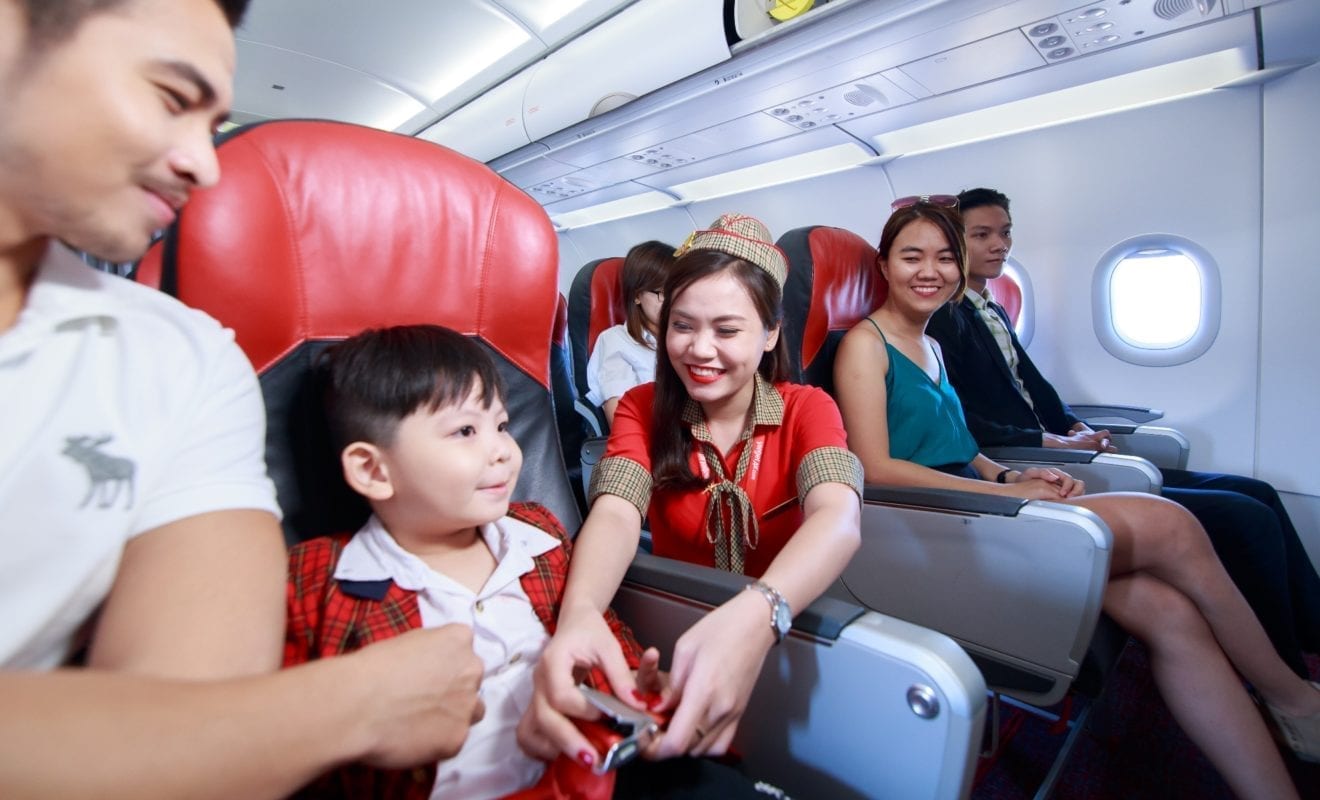
    Vietjet has been a pioneering airline, winning the hearts of millions of passengers thanks to its exciting promotions, entertainments, especially during the festive seasons. With high-quality services, diverse ticket classes and reasonable airfares, Vietjet offers its passengers flying experiences on new aircraft with comfy seats and delicious hot meals served by beautiful, dedicated and friendly cabin crews, and many more enticing add-on services.

  • MAHB’s record profits come at a cost to the Malaysian economy and tourism

    MAHB’s record profits come at a cost to the Malaysian economy and tourism

    Against a backdrop of a challenging economy and falling profitability in corporate Malaysia, Malaysia Airports Holdings Berhad (MAHB) won a major Malaysian award last week, topping billion ringgit companies for giving its shareholders the best three-year returns in its class.

    MAHB’s net profit more than tripled in 2017 to RM237 million from RM73 million in 2016 – itself nearly double from RM40 million in 2015 – and it is set to break yet another record this year.

    In the write-up that accompanied the award, the sharp increase in profits was attributed to two reasons: an increase in Passenger Service Charge (PSC) and growth in passenger numbers coming through its airports.

    The write-up unabashedly stated that MAHB owed its vastly improved performance to its structural dominance and described MAHB as a structural monopoly.

    Kudos to MAHB. But then, it is not difficult to keep showing such numbers when you are a monopoly.

    Nevertheless, unjustified price increases, such as the PSC hike imposed by MAHB, will lead to unintended consequences when its clients, who have no choice but to use its services, are eventually squeezed out of business. Then, everything will collapse – Malaysia’s tourism arrivals, billions in tourism receipts and revenues to MAHB’s own coffers (a fact it has failed to acknowledge).

    MAHB rewards itself with excessive monopoly profits, yet it provides the Malaysian public with embarrassingly low service levels.

    AirAsia X Malaysia CEO Benyamin Ismail said, “In addition to the RM50 PSC it already imposes, MAHB is now demanding an additional RM23 from each passenger travelling through klia2. The millions of passengers departing from klia2, more than 90 percent of whom fly with AirAsia, will attest to the long walks they have had to endure to reach their gates in what is a passenger-unfriendly airport with inferior facilities yet unjustified high charges.

    “Furthermore, since klia2 opened, there have been constant flight disruptions and cancellations due to major apron and runway defects, unscheduled closure of runways, ponding of water on the best of days and fuel pipeline ruptures.

    “We were sued after we refused to collect the extra RM23 that MAHB has imposed for the sole benefit of its shareholders. We will vigorously fight this suit. We will not be part of this scheme to burden the travelling public by making them pay more for below par services.”

    Benyamin added that while the operating results of klia2 itself were not immediately apparent, AirAsia estimates that MAHB’s returns on capital are well in excess of the level of the cost of capital set by regulators.

    AirAsia Malaysia CEO Riad Asmat said, “The overall tourism sector, one of Malaysia’s biggest revenue earners, and the interests of millions of Malaysians who have been able to fly because of the low fares pioneered by AirAsia, are being threatened by MAHB’s price hikes. We urge the regulators and policy makers to rebuff this unfair and unreasonable attempt by MAHB to use its monopoly to enrich itself further by revisiting and rescinding the decision to raise the PSC.

    “MAHB has argued it needs more profits to operate smaller loss-making airports on behalf of the government, but it is obvious from its exponential growth in profits over the last three years – even after taking into account losses in its Turkish operations – that this is not the case.

    “The additional RM23 to be collected will amount to more than RM100 million a year that will go straight to MAHB’s bottom line rather than to the government. MAHB will continue to be among the most profitable Malaysian companies for many years to come. But this will come at a cost to the wider Malaysian economy and at the expense of engines of growth such as AirAsia and AirAsia X.”

    Riad also referred to MAHB’s defence of its decision to charge the extra RM23 in PSC from each travelling passenger, saying it is “bound by Article 15 of the Chicago Convention of 1944.”

    “This would almost be laughable if it were not so serious. MAHB is falling back on a convention ratified in 1944, when Japan still ruled Malaya and when Frank Whittle was testing the jet engine and when only the well-heeled could fly.

    “For all these reasons, we shall not accede to MAHB’s demands and we will take our battle both to the people and to the court of law.”
  • AEON Thailand Foundation donation proceeded

    AEON Thailand Foundation donation proceeded

    Last week, Mr.Kiyoyasu Asanuma (4th from left), Chairman of AEON Thailand Foundation, and Ms.Suporn Wattanavekin (3rd from left), Vice Chairman of AEON Thailand Foundation, together with Mr. Nuntawat Chotvijit (2nd from left), Director of Marketing, AEON Thana Sinsap (Thailand) Public Company Limited and Mr.Veerawat Ariyaviriyanant (left), President & CEO of Data Products Toppan Forms Ltd. donated 1,000,000 Baht from the “AEON Charity Bowling Competition You are a HERO” to Ramathibodi Foundation in support of “New Innovation for treatment of cancer ” program. The donation was received on behalf of the foundation by Prof. Dr. Suradej Hongeng (4th from right), Executive Director of Ramathibodi Foundation and the research team from the Ramathibodi Hospital.

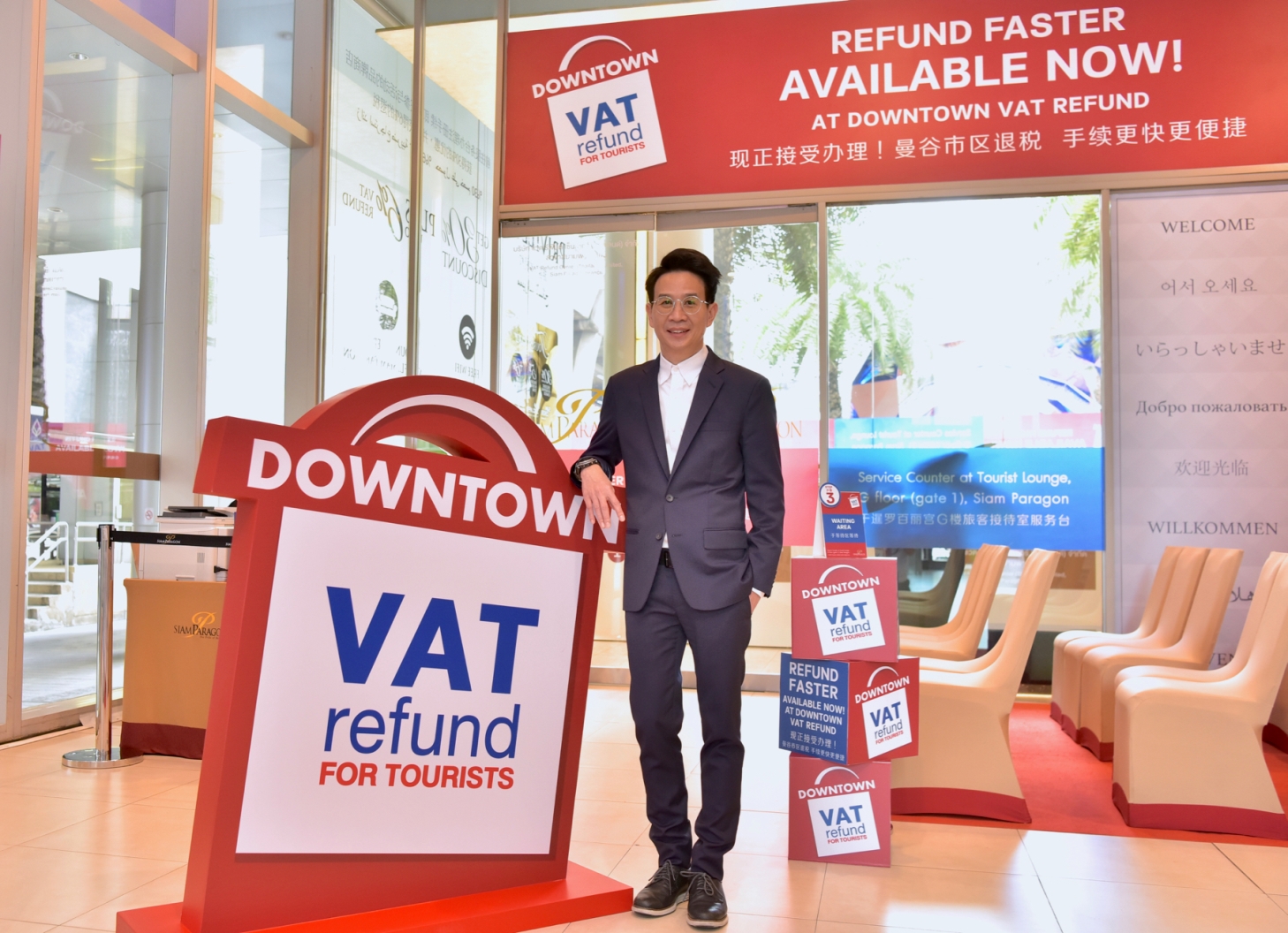
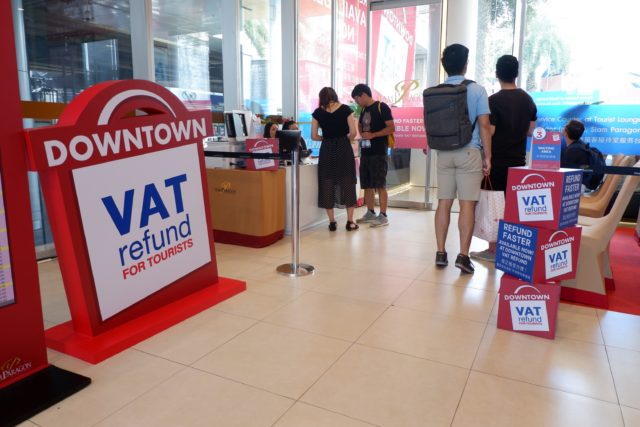
  • Now tourist can claim VAT refund in downtown Bangkok

    Now tourist can claim VAT refund in downtown Bangkok

    According to the announcement by the government’s Reveue Department regarding ‘Downtown VAT Refund for Tourist’, the campaign has kickstarted an initiative to set up counters in numerous locations across central Bangkok to help tourists proceed with VAT refund upon shopping at permitted VAT refundable retailers. VAT refund will be returned to tourists in the form of cash in Thai Baht, encouraging them to continue shopping in Thailand with ease and convenience. Apart from helping tourists, the campaign is initiated to promote growth and balanced income distribution to small businesses.

    As one of the founding parties of VAT Refund Center (Thailand) Co.,Ltd, Siam Piwat Co., Ltd. is proud to be the official partner and the representative to assist tourists with VAT refund processes in these 5 locations across Central Bangkok; Siam Paragon, CentralWorld, Central Chidlom, Robinson Sukhumvit,  and The Emporium. As one of the partnering department stores, Siam Paragon has completed all preparations to help and service incoming tourists at the highest capacity.

    Senior Executive Vice President for Siam Piwat Co., Ltd. retail business development division Charnchai Cherdchoowongtha-nakorn said, “Siam Paragon is delighted to fully support the government’s policies and work with the Revenue Department. ‘Downtown VAT Refund for Tourist’ is set up to be a key area on G Floor where tourists can find conveniently, as it is located by one of our entrances connected to BTS Skytrain and taxi stops. Additionally, adept, knowledgeable and service-minded staff have been assigned to accomodate tourists with paperwork and essential procedures in order to fully and successfully comply with policies from the Revenue Department.”

    “Not only will shopping tourists of Siam Paragon, Siam Center, and Siam Discovery find it convenient to proceed with VAT refund at Siam Paragon, all tourists who have purchased goods, in accordance with all policies by the Revenue Department are welcomed to complete all necessary procedures at our department stores. The convenience of VAT refund at Siam Paragon is extremely helpful for those who have purchased in the popular shopping destination Siam as hundreds of SME businesses, small retailers and corporations are located in the area, covering an vast space of 2,000,000 sqm, with over 20 hotels to accommodate international tourists in more than 3,000 rooms available – with extra support from Bangkok’s BTS Skytrain system, connecting Ratchathevi and National Stadium to Siam station.”

    “According to statistics, out of 400,000 – 500,000 shopping tourists per day at One Siam, an average of 938 VAT Refund Form ( P.P. 10) have been filled each day from shops and retail spaces in Siam Paragon, totaling to a signification amount of 342,494 applicants.”

    “Based on Siam’s all-round advantages, we are confident that our VAT refund counter on G Floor of Siam Paragon will be the key point of service for all international tourist groups. Not only will these counters help tourists in making better decisions about visiting Thailand, the amount of amount refuned back to them will potentially be spent on additional purchases in Thailand. Consequently, it would help boost our economy. I can see this initiative having positive influence on the number of Thailand-bound tourists – more by volume and frequency,” Charnchai stated.

    The initiative of establishing VAT refund counters directly impacts the tourism industry on multiple levels: 1. Amount of retained money which tourists have spent after receiving VAT refund helps small retailers and businesses, which, in turn, strengthens Thailand’s economy; 2. The growth in sales volume and sales value is proportional to the rate of economic growth and revenue from tourist spending; 3. A significant decline in VAT refund at Suvarnabhumi and Don Muang Airport reflects positive a sign of service improvement; 4. VAT refund for tourists promotes better opportunities for local retail shops to generate more sales.

  • Lenovo achieves world records in fund raising event

    Lenovo achieves world records in fund raising event

    Lenovo achieves a new GUINNESS WORLD RECORDS™ title for the “Most people performing the warrior I pose (yoga) simultaneously (multiple venues)” on Sunday, 16 December 2018, across three cities doing a Warrior I Yoga pose simultaneously. Taking place at Boost in Yoga Style, a fundraising event co-organised by Lenovo and Pure Yoga, the event saw a turnout of over 600 participants across Singapore, Hong Kong and Taiwan region. Locally, 116 participated in setting the record at the National Gallery of Singapore.

    Boost in Yoga Style aimed to increase awareness on heart wellness and cardiovascular disease, and all proceeds from the event were donated to the Singapore Heart Foundation, totaling S$4,500.

    ‘This event represents a unique partnership between Lenovo and Pure Yoga and is aligned with our shared goal of enriching and enhancing lives in the community. We are glad to see such a positive turnout today and are delighted to have achieved the GUINNESS WORLD RECORDS™ title together with Pure Yoga. We hope that the money we’ve raised goes a long way in helping patients at the Singapore Heart Foundation,’ said Eddie Ang, Country General Manager, Singapore, Lenovo. ‘Partnering with a consumer-focused brand like Lenovo is important for us to deliver a differentiated experience for our members, and Boost in Yoga Style was a great way to drive awareness by leveraging the power of yoga to benefit the community,’ said Miryam Acosta, Pure Yoga Singapore.

    The GUINNESS WORLD RECORDS™ achievement is aligned with Lenovo’s shift toward becoming a customer-centric organisation with the belief that ‘different is better’, exemplified through partnerships that deliver better value and unique experiences to users.

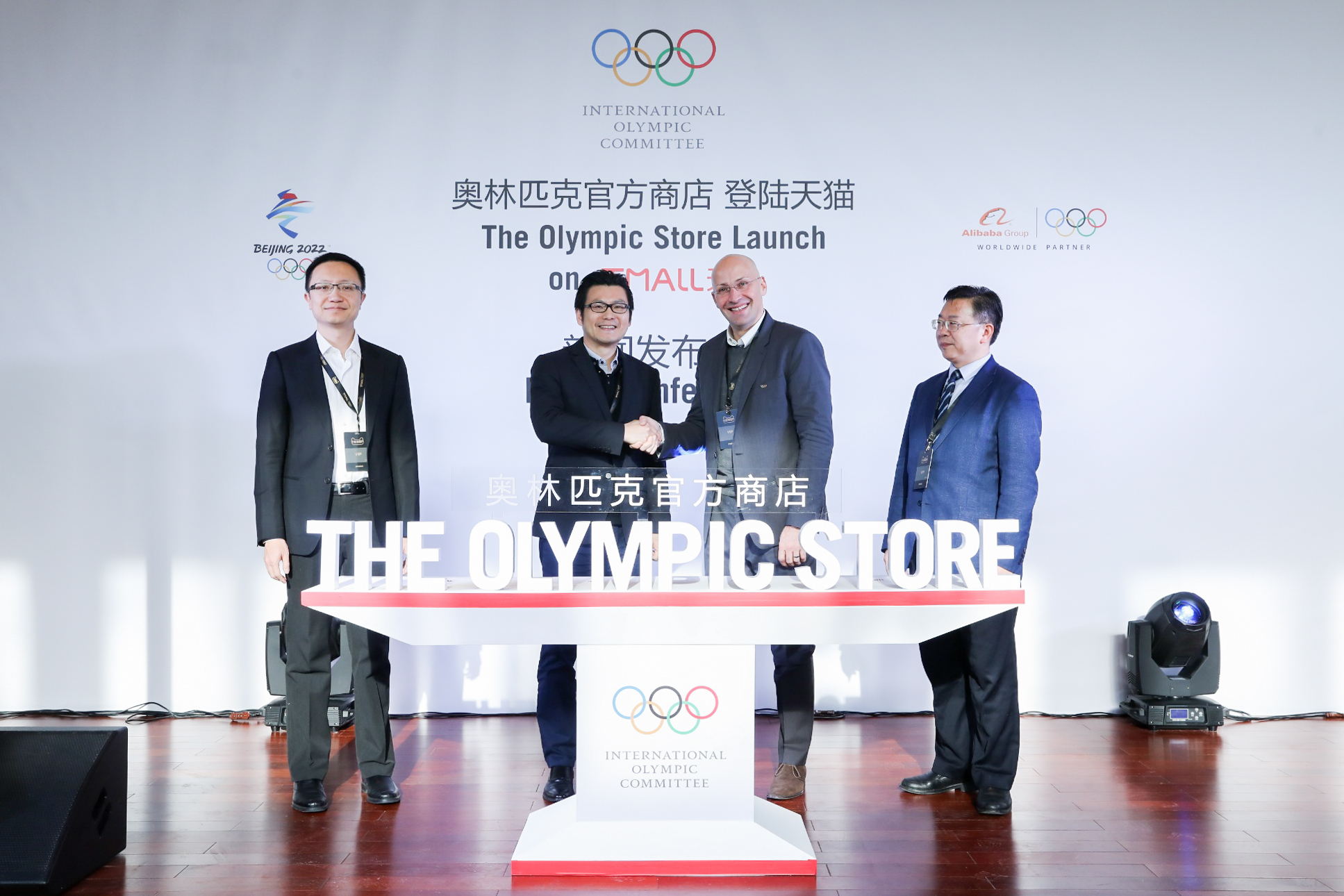
  • Olympic Committee Launches the First Olympic Store for Chinese Fans with Alibaba

    Olympic Committee Launches the First Olympic Store for Chinese Fans with Alibaba

    The International Olympic Committee and Worldwide TOP Partner Alibaba Group (NYSE: BABA) announced the launch of the firstever Olympic store on Tmall, China’s largest B2C marketplace for brands and retailers, during the weekend. The new Olympic store will be initially available to Chinese fans on Alibaba’s Tmall, with additional plans in development to create a global ecommerce platform for fans around the world.

    The Olympic store on Tmall has been launched as part of the new IOC Global Licensing Strategy, which aims to engage and connect with fans seeking official Olympic branded merchandise, in line with Olympic Agenda 2020. The launch was announced at the second annual Tmall Winter Festival in Zhangjiakou, a three-day online and offline retail event to generate excitement for winter sports among Chinese consumers. The Olympic store on Tmall will offer official products developed as part of three Olympic core licensing collections, aimed at engaging Chinese fans all year round.

    The Olympic Games Collection celebrates the upcoming Olympic Games and includes branded products from the Beijing 2022 and Tokyo 2020 Games, such as pins, apparel and other memorabilia. The Olympic Heritage Collection will feature products that include art and design elements from previous Games editions, such as postcards of historical Olympic posters, connecting fans and connoisseurs with the rich heritage of the Olympic Games. Finally, the Olympic Collection will target a young and active audience through unique branded products, mainly sports equipment and toys.

    Timo Lumme, IOC TMS Managing Director, said: “We are delighted to launch our first Olympic store on Alibaba’s Tmall in China, one of the world’s largest ecommerce marketplaces. The launch was made possible thanks to the support of our Worldwide Olympic Partner Alibaba’s technology and expertise, as well as our partnership with the Beijing Organising Committee for the Olympic and Paralympic Winter Games 2022. The Olympic Winter Games Beijing 2022 will be a landmark moment for China and the Olympic Movement, and from today we look forward to offering the latest exciting Olympic products to Chinese Olympic fans through our new Olympic store on Alibaba’s platform.”

    Chris Tung, Alibaba Group Chief Marketing Officer, commented: “The launch of the first Olympic store on Alibaba’s Tmall is an important milestone in our long-term partnership with the IOC. We are proud to leverage Alibaba’s technology and ecosystem to provide more opportunities for Chinese fans to celebrate the heritage of the Games and join in the excitement for Tokyo 2020 and Beijing 2022. We look forward to our continued collaboration with the IOC to connect more fans in China and from around the world to the Olympic Movement in the digital era.” Piao Xuedong, Director of the Beijing 2022 Marketing Department, said: “We are proud to work with both the IOC and Alibaba to present the Olympic store on Tmall to Chinese Olympic fans today. It is the first time in the history of the Olympic Movement that Olympic fans can use an online store to look for licensed products both from the historical Olympic Games and the upcoming Olympic Games. Beijing 2022 is getting full value by innovating the licensing programme today. Our licensing team will keep supporting the Olympic store on Tmall by providing more wonderful products in the future.”

    In December 2017, Alibaba Group, in partnership with the Beijing 2022 Organising Committee, introduced the official online shop for Beijing 2022 on Tmall to help promote the Games among fans in China. Alibaba Group and the IOC entered a historic, long-term strategic partnership in January 2017 to help transform the Olympic Games for the digital era. Alibaba Group serves as the official “Cloud Services” and “E-Commerce Platform Services” Partner of the IOC, and is a Founding Partner of the Olympic Channel through to the 2028 Games.

  • GSK plans to split into 2 as part of Pfizer joint venture

    GSK plans to split into 2 as part of Pfizer joint venture

    GlaxoSmithKline (GSK) plans to split into two businesses – one for prescription drugs and vaccines, the other for over-the-counter products – after forming a new joint venture with Pfizer’s consumer health division. The revamp is the boldest move yet by Emma Walmsley, the GSK chief executive who took over last year.

    It will lead to the creation of a consumer health giant with a market share of 7.3 percent, well ahead of its nearest rivals Johnson & Johnson, Bayer and Sanofi, all at around 4 percent.

    Walmsley has previously played down the idea of breaking up the group, something that a number of investors have called for over the years.

    On Wednesday, however, she announced that GSK and Pfizer would combine their consumer health businesses in a joint venture with sales of 9.8 billion pounds ($12.7 billion), 68 percent owned by the British company, in an all-equity transaction.

    GSK said the deal laid the foundation for the creation of two new U.K.-based global companies focused on pharma, vaccines and consumer health care within three years of the transaction closing.

    For Pfizer, the deal resolves the issue of what to do with its consumer health division, which includes Advil painkillers and Centrum vitamins, after an abortive attempt to sell it outright earlier this year.

    GSK – whose consumer products include Sensodyne toothpaste and Panadol painkillers – had withdrawn from that earlier Pfizer auction process, but Walmsley said the opportunity to strike an all-equity deal cleared the way for the new agreement.

    “It’s something we’ve been able to do quickly and quietly,” she said.

    “What this deal is all about is the opportunity to strengthen two businesses – a world-leading consumer health care business, and a new GSK that is focused on pharma and vaccines.”

    Shareholders welcomed the news and the shares jumped 7 percent, with Jefferies analysts saying the future separation could crystallize value.

    The new joint venture with Pfizer is expected to generate total annual cost savings of 500 million pounds by 2022 for expected total cash costs of 900 million and non-cash charges of 300 million. GSK plans divestments of some 1 billion pounds.

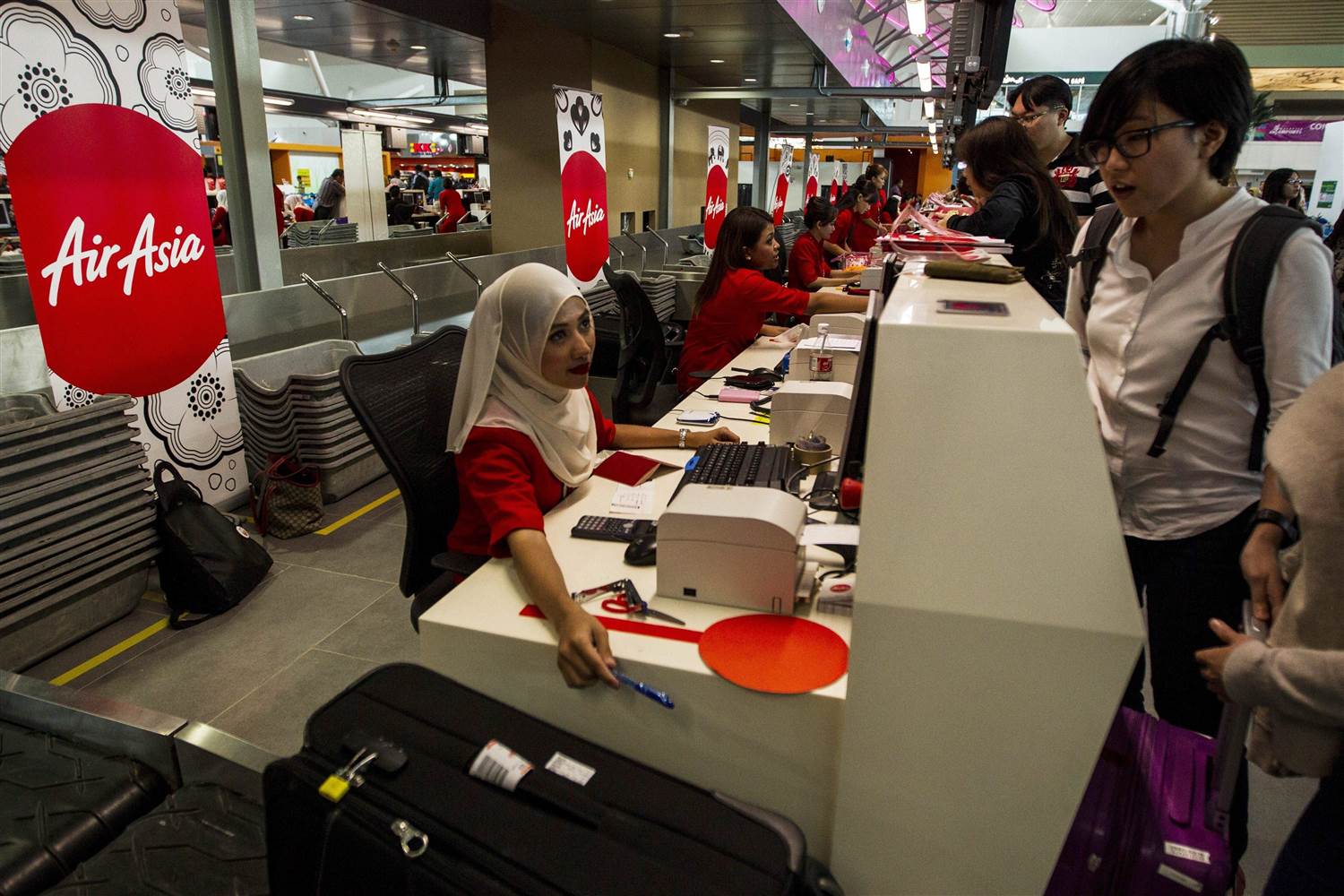
  • AirAsia: High cost of unjustified PSC hike

    AirAsia: High cost of unjustified PSC hike

    Unjustified price increases such as the hike in passenger service charge (PSC) could result in airlines being squeezed out of business and subsequently affect tourism arrivals, said low-cost carrier AirAsia. In a strongly worded statement titled “MAHB’s record profits come at a cost to the Malaysian economy and tourism industry”, the airline said the PSC hike imposed by airport operator Malaysia Airports Holdings Bhd (MAHB) will lead to unintended consequences when MAHB’s clients, who have no choice but to use its services, are eventually squeezed out of business.

    “Then, everything will collapse – Malaysia’s tourism arrivals, billion in tourism receipts and revenues to MAHB’s own coffers (a fact it has failed to acknowledge). MAHB rewards itself with excessive monopoly profits, yet it provides the Malaysian public with embarrassingly low service levels,” it said.

    The two parties have been in a row over the additional PSC imposed by MAHB of RM23 per passenger at klia2, in a move to equalise the PSC rate at klia2 and Kuala Lumpur International Airport (KLIA).

    Last week, MAHB slapped AirAsia Group Bhd and AirAsia X Bhd (AAX) with a RM36.1 million lawsuit for refusing to collect the additional PSC and alleged arrears in PSC.

    AirAsia X Malaysia CEO Benyamin Ismail said more than 90% of the “millions” of passengers departing from klia2 who fly with AirAsia will attest to the long walks to the departure gates, labeling klia2 as a passenger-unfriendly airport with inferior facilities and unjustified high charges.

    He reiterated AirAsia’s complaints about the airport such as flight disruptions and cancellations due to major apron and runway defects, unscheduled closure of runways, ponding of water and fuel pipeline ruptures.

    “We were sued after we refused to collect the extra RM23 that MAHB has imposed for the sole benefit of its shareholders. We will vigorously fight this suit. We will not be part of this scheme to burden the travelling public by making them pay more for below par services,” he said.

    AirAsia noted that MAHB’s net profit more than tripled in 2017 to RM237 million from RM73 million in 2016, and estimates that MAHB’s returns on capital are well in excess of the level of the cost of capital set by regulators.

    AirAsia Malaysia CEO Riad Asmat urged regulators and policy makers to rebuff the “unfair and unreasonable” attempt by MAHB to use its monopoly to enrich itself further by revisiting and rescinding the decision to raise the PSC.

    “The overall tourism sector, one of Malaysia’s biggest revenue earners, and the interests of millions of Malaysians who have been able to fly because of the low fares pioneered by AirAsia, are being threatened by MAHB’s price hikes,” he said.

    He challenged MAHB’s argument of needing more profits to operate smaller loss-making airports on behalf of the government, noting MAHB’s “exponential” growth in profits over the last three years even after taking into account losses in its Turkish operations.

    “The additional RM23 to be collected will amount to more than RM100 million a year that will go straight to MAHB’s bottom line rather than to the government. MAHB will continue to be among the most profitable Malaysian companies for many years to come. But this will come at a cost to the wider Malaysian economy and at the expense of engines of growth such as AirAsia and AirAsia X,” he said.

  • FAO Schwarz Hong Kong store opens

    FAO Schwarz Hong Kong store opens

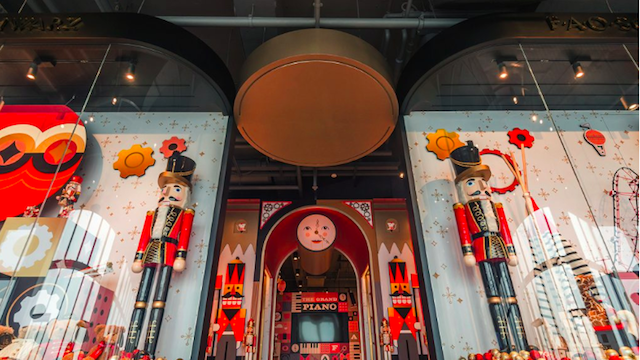
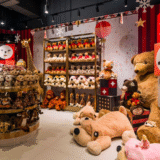
    New York toy retailer FAO Schwarz has opened a private, invitation-only store in Hong Kong, designed by Studio X. The 1150sqft FAO Schwarz Hong Kong store which quietly opened last month is a prototype retail concept for Asia where the company can test design elements and store features before it opens public stores in Mainland China and beyond.

    FAO Schwarz is the oldest toy store brand in the US and a New York City icon frequently referenced in popular culture with scenes in movies such as ‘Big’ in which Tom Hanks famously danced across the store’s giant floor piano. That store closed in July 2015, its turnover no longer sufficient to meet the high rentals of Manhattan, but the legend has lived on.

    Parent ThreeSixty has opened a new store in New York this year and early this month said it planned aBeijing store. The prototype FAO Schwarz Hong Kong store is located inside the newly opened ThreeSixty Group Hong Kong office, which was also designed by Studio X.

    A spokesperson for Studio X said the design is centred around the toy brand’s philosophy “Return to Wonder”, offering “a sense of theatre and occasion that the original New York store was renowned for”. Key design features include many of the original store’s memorable elements such as the giant floor piano and clock tower.

    Studio X oversaw the whole design, including visual merchandising, custom graphics and the shopfront. The company will work with FAO Schwarz to develop further flagship stores across the world next year.

    Studio X was founded in 2016 by Rufus Turnbull and Sam Bradley with a vision to offer a fresh approach to commercial design. Its clients include Ikea, Swire Properties, K11 and Aromatherapy Associates.

    View the gallery below (7 images) :

  • Miniso Canada is collapsing

    Miniso Canada is collapsing

    Miniso Canada is on the brink of bankruptcy after an action brought against it by its Chinese parent company alleging fraudulent business dealings and the transfer and hiding of assets. The extraordinary situation was revealed by Canadian website which in its last update reported the Canadian subsidiary had reached a preliminary agreement with the Chinese company to avoid the move.

    Miniso China has declined comment.

    Citing court documents, Miniso China is owed C$20 million (US$14.7 million) and had retained a lawyer to commence legal action in British Columbia courts to recover the amount.

    Minso launched in Canada last year with plans for 500 stores within five years. To date it has opened 48.

  • FastGo can’t go, say Vietnamese authorities

    FastGo can’t go, say Vietnamese authorities

    Vietnamese ride-hailing firm FastGo, at odds with authorities over its legal status, asserts it is going by the book. According to the Ministry of Transport and the Ministry of Industry and Trade, FastGo is not yet eligible to be approved for a pilot phase, nor is it registered as a tech platform.

    In a written reply to the Da Nang Department of Transport’s proposal to permit FastGo to operate, the Ministry of Transport has said that the application falls under the category of “electronic contract service based – management support platform.”

    But, the ministry adds, it is yet to receive a proposal to launch the app directly from FastGo Vietnam JSC, which means the application is not yet ready to be approved for a pilot phase.

    The ministry has also requested the Da Nang Department of Transport to inform cab companies not to use FastGo if the app is offered to them. Furthermore, FastGo is not allowed to provide its services directly to taxi drivers, it says.

    However, Nguyen Huu Tuat, FastGo CEO, is adamant that the app is not violating any law. He said that he has not received a written response the ministry or from the Da Nang Department of Transportation.

    Tuat clarified that FastGo does not provide transport support management services to individual drivers in Da Nang. It only services drivers of local transport cooperatives.

    “FastGo has filed the information and sent a request for approval for a pilot phase, but has not received a response from the Ministry of Transport,” said Tuat.

    He said Fastgo is neither defined as a transport service provider nor is it a transport cooperative. It is merely an application connecting drivers with customers. Tuat said that he was waiting for new transport regulations on this issue, following which the company will determine the specific business category for registering its app.

    FastGo has been functioning in Vietnam’s major cities since June. It is only after six months that regulators have backtracked and declared that its registration is incomplete.

    A representative of the Department of E-Commerce and Digital Economy under the Ministry of Industry and Trade said: “FastGo has not registered its tech platform with the Ministry of Industry and Trade. Therefore, it is unlawful for FastGo to engage with drivers or operate a transport management platform.”

    In response to this comment, Tuat asserted that he has submitted this proposal, but is yet to receive a reply.

    Launched in June 2018, FastGo now operates in Hanoi, Ho Chi Minh City and Da Nang with more than 30,000 drivers. At the end of August, the local company received funding from VinaCapital, and is planning to mobilize up to $50 million for a second expansion phase that will target Indonesia and Myanmar.

    FastGo Vietnam Joint Stock Company was established in April 2018 with its headquarters in Hanoi. The company belongs to a wide network of services provided by Nextech, a leading tech firm in Vietnam.

    A Nikkei Asian Review report quoted the company as saying it hopes to make its service available in 20 cities in Vietnam and five other Southeast Asian markets, including the Philippines, Cambodia and Thailand, by the end of next year.