Category: Living

Retail News Asia is committed to providing both local and global retailers with the latest Living news throughout the Asian market. This on a daily base.

  • Apple brings its streaming service to Comcast devices in the US

    Apple brings its streaming service to Comcast devices in the US

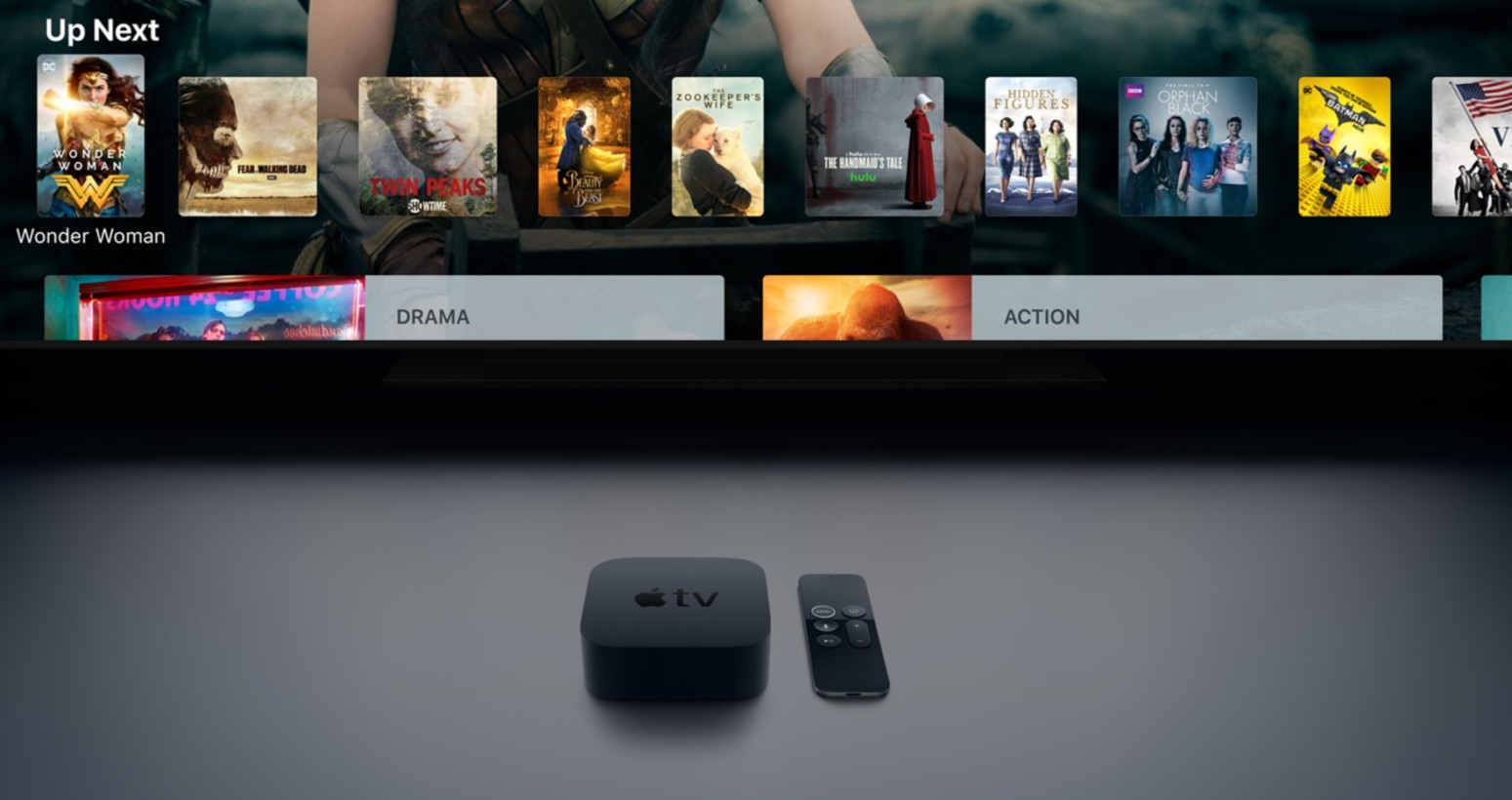
    The partnership between Apple and Comcast enters a new era, as the Cupertino-based giant is bringing its streaming service to Comcast’s customers. In a joint statement earlier this week, the companies revealed that Apple TV+ will be available Comcast’s various platforms in the US.

    Starting this week, Apple TV+ will be available on Xfinity X1, Xfinity Flex, and XClass TV, but all eligible devices will be getting the streaming service in the coming days. The move follows Apple TV+’s launch on Sky devices like Sky Q and Sky Glass in the UK and Europe back in December.

    Furthermore, Comcast announced that between March 15 and March 21, its customers will benefit from a special offer, as Apple will provide Xfinity users with a preview of some of its most popular Apple TV+ original series and films across X1, Flex and Stream, no sign-up or sign-in required.

    Additionally, Xfinity customers will be able to watch the first seasons of many of Apple TV+’s popular shows, as well as the Apple Original film “Greyhound.”

    It’s worth noting that Xfinity customers who aren’t Apple TV+ subscribers are eligible for a three-month free trial of Apple TV+ when they sign-up via their Xfinity device by April 25.

    The newly added Apple TV+ service can be accessed by Xfinity customers by saying “Apple TV+” into the voice remote or by saying the name of a desired title from the streaming service.

  • Netflix answers whether it will offer an ad-supported subscription plan

    Netflix answers whether it will offer an ad-supported subscription plan

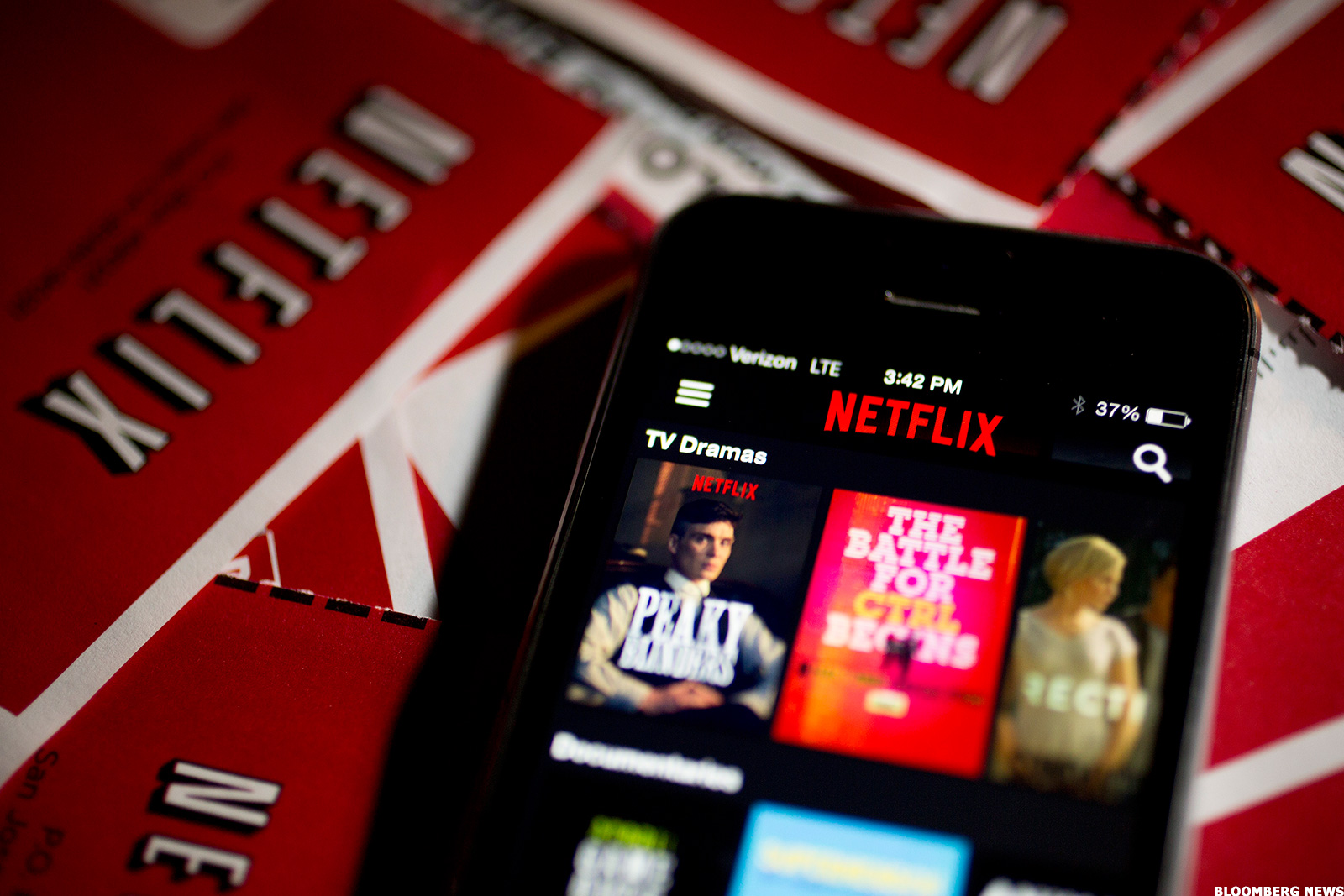
    There is a very small probability that one day, in some possible future, you may be able to watch Netflix through an ad-supported tier. If this ever happens, you might be able to pay less for Netflix and watch your favorite episodes with some ads between them.

    Spencer Neumann, Netflix’s CFO, stated at an investor conference that although Netflix is not currently planning to introduce an ad-supported video on demand (VOD) subscription plan, the option is not fully ruled out either.

    Spencer Neumann said, “It’s not like we have religion against advertising, to be clear. But that’s not something that’s in our plans right now… We have a really nice scalable subscription model, and again, never say never, but it’s not in our plan.”

    Some of Netflix’s competitors are offering ad-supported subscription plans. Hulu, HBO Max, and Paramount Plus already have such a subscription plan. Even Disney Plus will roll out later this year an ad-supported tier.

    In response to a question about whether Netflix is also thinking of introducing an ad-supported tier, Neumann said, “It’s hard for us to kind of ignore that others are doing it, but it now doesn’t make sense for us.” He also stated, “Some other services are going low-price, but I think they’re also losing a lot of money. Netflix is focused on building a profitable business that, in terms of free cash flow, was breakeven last year and is projected to be free cash flow positive this year.”

    So, in other words, don’t expect Netflix to roll out a cheaper ad-supported subscription plan any time soon. Currently, the price of Netflix’s cheapest Basic plan is $9.99 a month, and the top tier Premium plan is $19.99 a month.

  • Netflix pauses streaming in Russia indefinitely

    Netflix pauses streaming in Russia indefinitely

    Netflix is the latest giant to take a stand in the Russia-Ukraine crisis, as the company announced last night that it is cutting off all of its streaming services to Russia. This is certainly no small decision, as Russia makes up nearly one million of Netflix’ massive 222,000,000 user base.

    Тhe decision was made public on Sunday, March 6, when the company announced that “Given the circumstances on the ground, we have decided to suspend our service in Russia.” While Netflix is still allowing current Russia-based subscribers to enjoy the streaming services until the end of their billing cycle, starting March 7, nobody will be able to sign up for a new membership within the country.

    This isn’t the first move Netflix has taken to make its position in the ongoing crisis clear. When Russia first began to invade Ukraine, Netflix immediately put a stop to all four of the Russian-language series it had been working on—all of them significant investments that had already reached mid- or post-production.
    One of them was the much-anticipated first-ever Russian Netflix original series, a neo-noir drama and mystery series called “ZATO.” After dropping all production work on ZATO, Netflix said it doesn’t plan to create any new Russian content indefinitely.
    Netflix is also far from the only company in the Big Tech that took such a drastic step against Russia in the current crisis. Other companies that have taken measures to sanction Russia in favor of war-torn Ukraine include Apple, Facebook, Microsoft, Google, TikTok, Intel, and AMD—and others are sure to follow suit.
    Plenty of streaming companies have joined in the fray alongside these tech giants as well; Disney, Paramount Pictures, Universal Pictures, Warner Bros, and Sony have all put new film releases in Russia on hold for an undetermined period of time.
    It is still unclear how Netflix’s decision to boycott Russia will impact its stock prices. Last month, the company reported a massive drop in Netflix’ stock value, to the disappointment of investors, despite recent U.S. price hikes and new original releases.
  • Disney officially introduces its cheap, ad-supported plan

    Disney officially introduces its cheap, ad-supported plan

    It’s been less than a day since reports about a possible Disney+ ad-supported plan emerged, and the US streaming service made it official. Although it’s not yet available, at least we now know Disney+ will eventually introduce a cheaper, ad-supported subscription this year.

    In a statement published today, Disney+ announced plans to expand its offerings by launching a subscription supported by ads in addition to its option without ads, beginning in the United States in late 2022, with plans to expand globally in 2023.

    Unfortunately, Disney left out a crucial piece of information from the announcement: price. The company promised to provide more details, including launch date and pricing at a later date, so we’ll just have to wait until it figures it out.

    The reason behind the addition of such a cheap ad-supported plan is to gain more customers. Today’s announcement mentions that the plan is meant to allow Disney+ to “achieve its long-term target of 230-260 million subscribers by FY24.”

  • Fuel, food push consumer prices up in February

    Fuel, food push consumer prices up in February

    The consumer price index (CPI) was up 1.42 percent year-on-year in February as Tet in early last month pushed up the prices of food, dining, and transportation.

    Gasoline prices surged 5.8 percent from January and transport prices increased by 2.35 percent as travel demand skyrocketed during Tet (the Lunar New Year), according to the General Statistics Office.

    Food and dining, beverages and cigarettes, and culture-entertainment-tourism prices rose 1.54 percent, 0.73 percent, and 0.51 percent, respectively

    Housing and construction material prices also increased due to an increase in prices of inputs such as kerosene, gas, and electricity.

    CPI in the first two months have risen by 1.68 percent year-on-year, said the GSO.

    Inflation in full-year 2021 was 1.84 percent, the lowest rate since 2016, the office said.

  • Vietnam Electricity posts $207.6-mln profit

    Vietnam Electricity posts $207.6-mln profit

    State power utility Vietnam Electricity (EVN) made a profit of VND4.74 trillion ($207.6 million) from all activities in 2020.

    But, its core business of electricity production and trading reported VND1.3 trillion in losses due to price reduction and discounts. In 2020, EVN sold each kilowatt-hour for an average VND1,820.20, down 1.68 percent from 2019.

    Reduction in sales price, together with changes in electricity load and consumption due to Covid-19, and VND12.3-trillion bill discounts for pandemic-hit customers, are cited as reasons for the loss.

    The company reported more than VND6 trillion in revenue from its financial activities, capital transfers, and dividends profits in 2020.

  • YouTube starts rolling out a new Live rings feature on mobile

    YouTube starts rolling out a new Live rings feature on mobile

    YouTube is a huge place with millions of channels each firing out content on a regular basis. In the past few years streaming content live has become a trend, and people enjoy watching vlogs, reaction streams, and shows as they happen.

    Now, YouTube has started rolling out a new feature called “Live rings”, aimed to help YouTube users find livestream content. The new feature was announced by Neal Mohan, Chief Product Officer at YouTube – he posted a quick preview on his Twitter page.

    “Really focused making it easier for users to find live streams on @YouTube so we’re rolling out the Live rings feature on mobile! @YouTubeCreators streaming live will now have a ring around the channel avatar & clicking on the avatar will take you directly to the Livestream,” says Neal in his Twitter post.

    When a channel begins live streaming, a red ring will appear around the avatar of that channel. Users then will be able to go directly to the live stream (rather than visiting the creator’s profile page) by clicking on the avatar.

    The idea isn’t exactly new or original, as Instagram and TikTok have a similar approach to the concept. The new feature is already rolling out on mobile devices but there’s no word whether it will be available on desktop as well.

  • Instagram removes some of its Daily Limit notifications time options

    Instagram removes some of its Daily Limit notifications time options

    It seems like Meta is less keen on helping you keep on top of your social media usage, and more specifically, on Instagram. The company has quietly updated its “Daily Limit” feature, which was designed to let you receive a notification if you spend too much time on the app. Now, instead of adding more control to the feature, Meta has decided to reduce the time options for these notifications.

    The Daily Limit notification feature was introduced back in 2018, and it allowed you to receive notifications on your Instagram usage after spending as little as 10 minutes per day on the app. It seems that Meta now thinks 10 minutes is just too little time to spend on Instagram and has now raised this limit to 30 minutes.

    The setting interface has also been slightly redesigned, and it now shows the longer time options first in the list (the three hours one). Despite that though, you can still have a full-screen reminder to leave the app after 10 minutes through the “Take a Break” feature, but we can’t help but think that Instagram has made it harder for users to monitor their app usage and the time they spend on the social network.

    The company has stated in a tweet that this little update is aimed at making the Daily Limit option less confusing for users, but this change does come after Meta’s Q4 2021 report. In the report, the company revealed it wasn’t making as much money and as consequence, its share value dropped significantly.

    The thing is, spending more time on Instagram gives more opportunities to be targeted with advertisements. iOS users do have a workaround with iPhone’s Screen Time feature that allows you to set limits for any app anyways.

    We reported recently about Meta’s Q4 2021 earnings report and the subsequent decline in Meta shares’ value, which seems to be continuing to go down and is now (at the time of writing) hit around $206.16. At the beginning of this month, the drop was quite significant and Meta dropped by a whopping $73.95 and was at $249.05.

    For reference, on February 2, before the big drop in stock value, the company’s shares were $323. It seems for less than a month, Meta’s shares’ value dropped by more than $100.

    Meta’s report on revenue indicated that Apple’s App Tracking Transparency (a feature that lets iOS users opt-out of third-party tracking for targeted ads), alongside other factors, had the company lose some money and caused it to reshape the way its ad tech worked, at least for iPhone and iPad users.

    On the other hand, many of you may know that Meta is the new name for Facebook the company, and the company rebranded in October. It seems the company considers the metaverse to be the future of social media. The metaverse, for those of you who don’t know, is basically a virtual reality world where you can interact with others with avatars that represent you.

    Despite the rebranding though, it seems Facebook has been struggling recently. Not long ago, there was a whistleblower named Frances Haugen who shared some concerning facts about how Facebook and Instagram chose profit over the safety of their users. Among the things the whistleblower disclosed, were some documents indicating the company was aware of how Instagram could impact young users’ mental health negatively but chose to ignore it.

    Since then, Instagram got the “Take a Break” feature aimed at helping teenagers (or anyone really) to reduce their time on Instagram.

  • Two new solar power plants built in southern province

    Two new solar power plants built in southern province

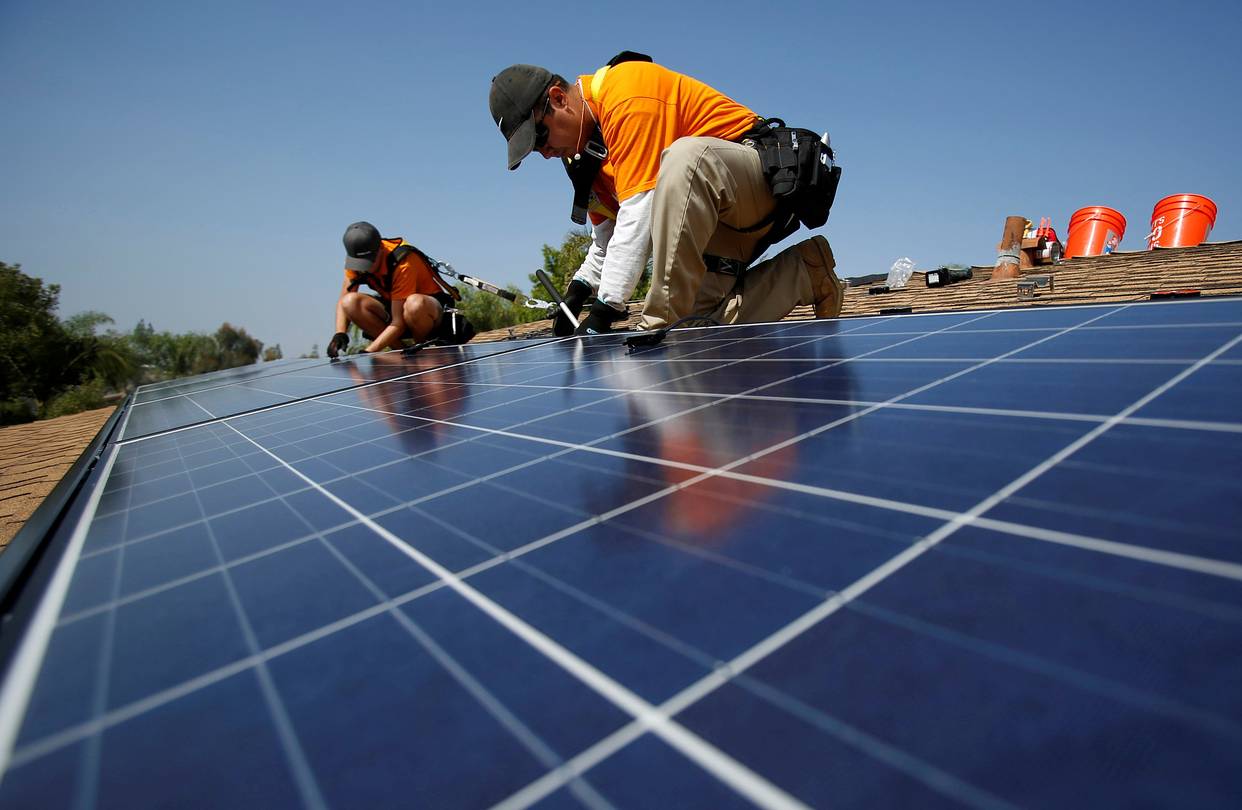
    Dau Tieng 5.1 and Dau Tieng 5.2 solar power plants are expected to start construction in Q2, with an investment of VND3.56 trillion ($157 million).

    With a capacity of 225 MW each, the two power plants will cover 332.5 hectares at Dau Tieng Lake in the southern province of Tay Ninh. Construction is expected to complete in April, 2023.

    The operational time of both projects is 50 years.

    Their investor, Xuan Cau Holdings, had constructed three other solar power plants around Dau Tieng Lake with a total operating capacity of 500 MW.

    Tay Ninh now has about 10 operational solar power projects with a total design capacity of 808 MW.

    According to state-owned Vietnam Electricity (EVN), as of 2021, Vietnam was among the top 10 countries with the highest solar power capacity at 16,504 MW, accounting for 2.3 percent worldwide.

  • Gasoline shortages continue in the south

    Gasoline shortages continue in the south

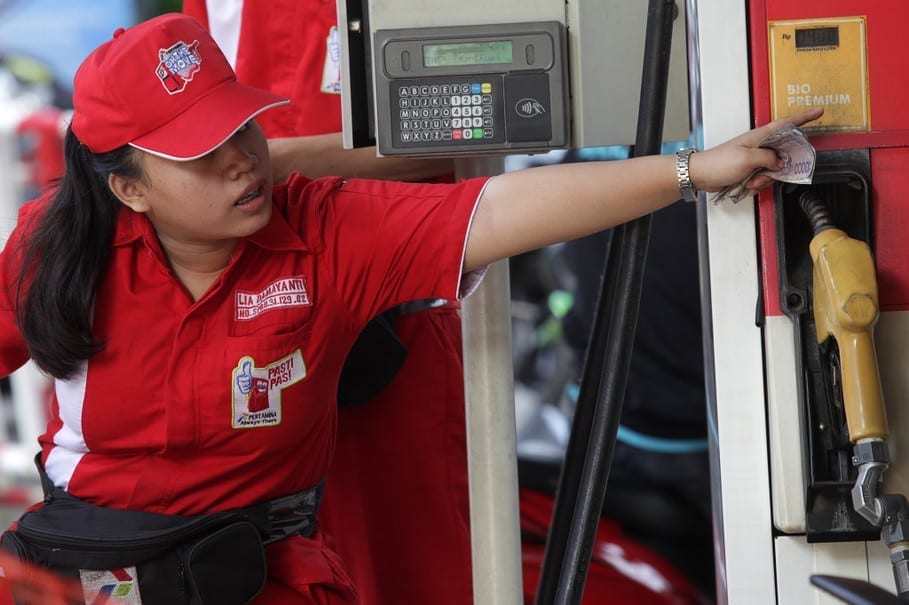
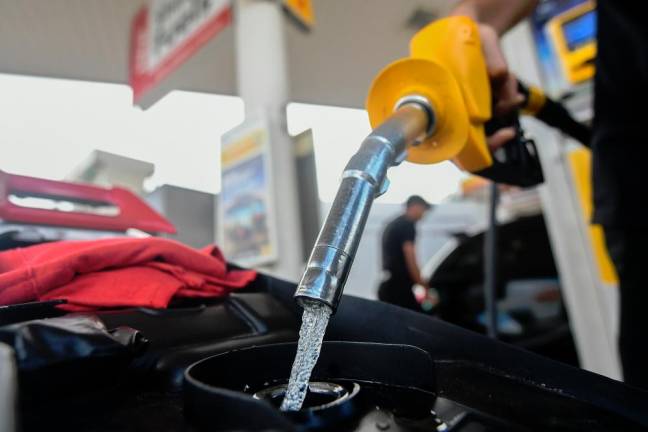
    Gasoline stations remain shut in southern localities, including HCMC, due to a short supply despite authorities’ assurances to the contrary.

    As of Thursday afternoon, seven out of HCMC’s 548 gas stations did not have stocks of the popular RON 95 gasoline to sell, according to the city Department of Industry and Trade.

    In Long An Province, several remained closed, while others limit sales, selling to customers only half of what they order.

    In Vinh Long Province, authorities have found some gas stations with empty tanks and waiting for delivery from suppliers.

    One outlet in Soc Trang Province’s An Lac Tay Commune was found not selling despite having 7,000 liters of the E5 RON 92 biofuel.

    Its manager claimed he was not selling yet because the stock had just arrived.

    Le Viet Long, a deputy inspector at the Ministry of Industry and Trade, said the reason was dubious and authorities are investigating further to slap possible penalties.

    A gas shortage has been reported in the south due to the reduced capacity of Vietnam’s biggest refinery, Nghi Son, though officials have said there is enough to fully meet demand in February.

    Trade minister Nguyen Hong Dien said Wednesday gas stations found not selling despite having stocks would have their license revoked.

    The retail price of RON 95 has increased by nearly 4.6 percent to VND24,360 ($1.07) per liter this year.

    On Friday that could increase to 8.9 percent.

    The prices in Vietnam are determined by the government on the 1st, 11th and 21st day of each month.

  • Gas shortages in few places in Vietnam

    Gas shortages in few places in Vietnam

    Gasoline shortages have been occurring only in a few southern locations and the country has adequate reserves to fully meet demand, the industry ministry has assured.

    Shortages are only reported by small distributors who want to hold on to their stocks to push prices up, Deputy Minister of Industry and Trade Do Thang Hai said at a meeting Tuesday.

    “We have reserves to ensure supply for 20 days of consumption as regulations require.”

    Major distributors (who account for over 90 percent of market share) have been selling routinely since before the Lunar New Year holidays (January 29-February 6), he said. Many gas stations in An Giang, Dong Nai and Hau Giang provinces closed down in recent days complaining of lack of supply.

    Some also stopped selling because rising prices are forcing them to sell at a loss. They are not allowed to increase retail prices on their own and authorities usually make price changes on the 1st, 11th or 21st of a month. But since February 1 was a holiday, the next price change is not likely until Friday.

    The country’s biggest refinery, Nghi Son in the central province of Thanh Hoa, had to cut down production from 105 percent of capacity to 80 percent last month due to a cash crunch. Vietnam produces around 75 percent of its fuel requirements, with Nghi Son accounting for 35 percent, and imports the rest.

    Phan Thi Thang, deputy chairwoman of the HCMC People’s Committee, said some gas stations in the city too had closed down temporarily due to lack of supply, but reopened, and as of Tuesday only two out of 548 were closed but for other reasons.

    Major distributors in the city have assured they have enough inventory to last 40-60 days, she said.

    The city has ordered all distributors to import more to ensure reserves that would meet at least 30 days of demand, she added.

    Deputy Prime Minister Le Van Thanh has instructed the trade ministry to be more proactive in regulating gas supply to ensure there are no shortages.

  • Apple Arcade’s latest games are ridiculously fun and charming

    Apple Arcade’s latest games are ridiculously fun and charming

    If you’re using an iPhone or iPad and like to play games, Apple Arcade is the best bang for your buck. For just $5 per month, you get a collection of carefully curated games that have no ads or in-game purchase, so you can experience the full content without having to worry about hidden costs or MTX (micro-transactions).

    Apple Arcade adds new games every month, and many of the games already available for subscribers are getting updated with new content all the time. Although this is a very busy month for gamers, as many highly-anticipated titles have been set to release in February (Dying Light 2, Sifu, Lost Ark, Horizon Forbidden West, Total War: Warhammer 3, Elden Ring), there’s always time to fit a short gameplay session on your favorite iPhone or iPad.

    Four new games are joining Apple Arcade’s library in February, and while I’ve played a few of them, knowing how good the curation process is, I can’t not recommend all of them. But let’s start with the first game that joined Apple Arcade on February 4, Bridge Constructor+.

    A physics-based simulation-puzzle game initially launched on PC more than 10 years ago, Bridge Constructor+ is the dream of any wannabe engineer. Jokes aside, Bridge Constructor is quite faithful to the engineering and architecture of bridges, so you’ll be able to express your ingenuity designing and creating complex bridges for cars and trucks to cross over.

    On the plus side, the iOS version of the game includes all of the content, updates and DLC already released on PC, without any in-app purchases. The folks at Headup also revealed that their game has “several different settings and over 100 levels to master the art of bridge-building by using different materials and constructions to make sure they won’t buckle and break under the weight of ongoing traffic.”

    Moving on to the second game coming to Apple Arcade on February 18, Wylde Flowers is a non-combat game inspired by The Sims and FarmVille, but with a “witchy twist.” That’s no surprise at all considering that Studio Drydock, a new development team HQ-ed in Australia, was founded by two industry veterans with a combined 20-year previous experience at EA working on titles like The Sims.

    The best way to describe Wylde Flowers is “cozy life and farming sim,” so if you like to grind a little bit before going to sleep or while commuting, this seems like the perfect game. Wylde Flowers promises a charming world of diverse folks and magical spells, which set the stage for the game’s big mystery.

    Although during the day you’ll be tending crops, care for animals, fish, craft, and perform other farm-related activities, by night, you’ll be nurturing your inner witch as you learn to fly your broomstick, brew potions, control the weather and seasons or even transform into a cat. This sounds like an interesting twist from the typical FarmVille game, yet I can’t shake the feeling that the game should have been called Farming Adventures of Sabrina.
  • Apple quietly and sharply reduces the free-trial period for Apple Music

    Apple quietly and sharply reduces the free-trial period for Apple Music

    For years, Apple has given first-time subscribers to Apple Music a free three-month trial. The free trial period has been reduced to just one month in countries including the U.S., Canada, Australia, Japan, the U.K., and other markets as well. It should be noted that this has no impact on the six free months of Apple Music that are awarded for a limited time to buyers of certain Apple devices like the AirPods, HomePod mini, and Beats products.

    There is no change in the pricing of the service which kicks in following the end of the free trial. Each month will cost you $9.99. For $14.99 a month, you and five other family members can subscribe to the Family Plan. Students pay $4.99 monthly, but this price is available to college students only and this must be verified.

    Apple has added a new tier of service called the Apple Music Voice Plan. For $4.99 per month, you can access and navigate Apple Music using your voice and Siri. This plan doesn’t offer spatial audio, nor is the full catalog available with lossless audio as offered with the other plans.

    Apple’s biggest competitor in the music streaming industry, Spotify, also offers a one-month free trial for its premium tier. However, in the U.S. and other select countries, Spotify is offering two free months for a limited time. And those subscribing to Spotify’s premium service via PayPal are entitled to three free months.

    The tech giant hasn’t promoted the reduction in the trial period as you might imagine. The change takes effect starting this week and for the first time since the service debuted in 2015, those who have never subscribed to Apple Music will get just one month to decide if they want to pay for it.

    Will this lead to stronger growth for Apple Music; trial subscribers will have to whip out their wallets two months earlier if they want to continue streaming the service. Or will more trial subscribers give up after one month and look for some other platforms to stream music over. Knowing Apple, we would imagine that the company did some research before making this move.

    You may not know that Apple Music is behind Apple’s most expensive acquisition. In May 2014, the company purchased Beats Audio for $3 billion. Apple usually makes smaller purchases of companies with products or innovations that can be used with the iPhone or other products in the following year or two. That is the blueprint Apple used to buy SRI International in 2010 which led to the launch of digital assistant Siri on 2011’s iPhone 4s.

    In October 2012, Apple bought biometric security firm Authentec for $356 million. The next year, Apple debuted the Touch ID fingerprint scanner on the iPhone 5s. As the first quarter of 2013 was ending, there were leaks indicating that what some were calling “iRadio” was coming.

    Apple itself had to be a bit nervous as the Beats Audio streamer had just 111,000 paying customers before the acquisition by Apple was announced. The headphones division was taking in $1 billion on an annual basis at the time Apple bought the company.

    All things considered, Apple Music should be considered a success. Last month, MIDia Research released a report estimating that Apple’s streaming music platform had 78 million paid subscribers. This makes the service the second largest music streamer in the world but puts Apple well behind the industry’s top streamer Spotify.

    Spotify’s market share has declined from 34% in 2019 to 33% in 2020 and 31% last year. Apple Music has a 15% slice of the streaming market pie worldwide followed by Amazon’s 13%. Despite the current trends, for Apple to catch up and overtake Spotify it will have to take a long term, patient approach to the business of streaming music.

  • Corona Buoys Superyacht Boom

    Corona Buoys Superyacht Boom

    A bridge too far? In Rotterdam a bridge is set to be demolished so that Amazon founder Jeff Bezos’ ship superyacht has free passage.

    What the mountain chalet is to the merely well-to-do, the superyacht is to billionaires. Sales of extra-large luxury yachts have risen by 77 percent in 2021 compared to the previous year, the German Manager Magazin writes.

    Costing hundreds of millions of dollars and whose maintenance consumes millions more each year, 887 of these floating palaces were sold last year.

    Prices for superyachts rose last year by about 5 to 8 percent in line with high demand.

    Oligarchs like Roman Abramovich, sheikhs from the Middle East, and tech founders, including Jeff Bezos, are lovers of such status symbols and compete in terms of size and extravagance.

    The Eclipse, Abramovich’s yacht, has two helipads because you never know how many guests are on approach. Swimming pools and jet skis are standard equipment of a sensible boat anyway, and well, money is no object.

    In Holland, the Rotterdam city council plans to remove a historic bridge so that Bezos’ new yacht can glide unhindered into the sea. Bezos and the shipyard, Oceano, plan to share the cost of removing and then rebuilding the De Hef bridge.

    Compared with the price of the yacht, 430 million euros, the cost of the conversion is likely to fall under the category of “petty cash”. That the free ride for billionaires does not suit everyone, on the other hand, is hardly surprising.

    The Rotterdam Historical Society promptly made its displeasure known about the demolition of the bridge.

    In times of Corona, perhaps this is the best way for billionaires to self-isolate.

  • New feature begins rolling out for YouTube Music called “Recommended radios”

    New feature begins rolling out for YouTube Music called “Recommended radios”

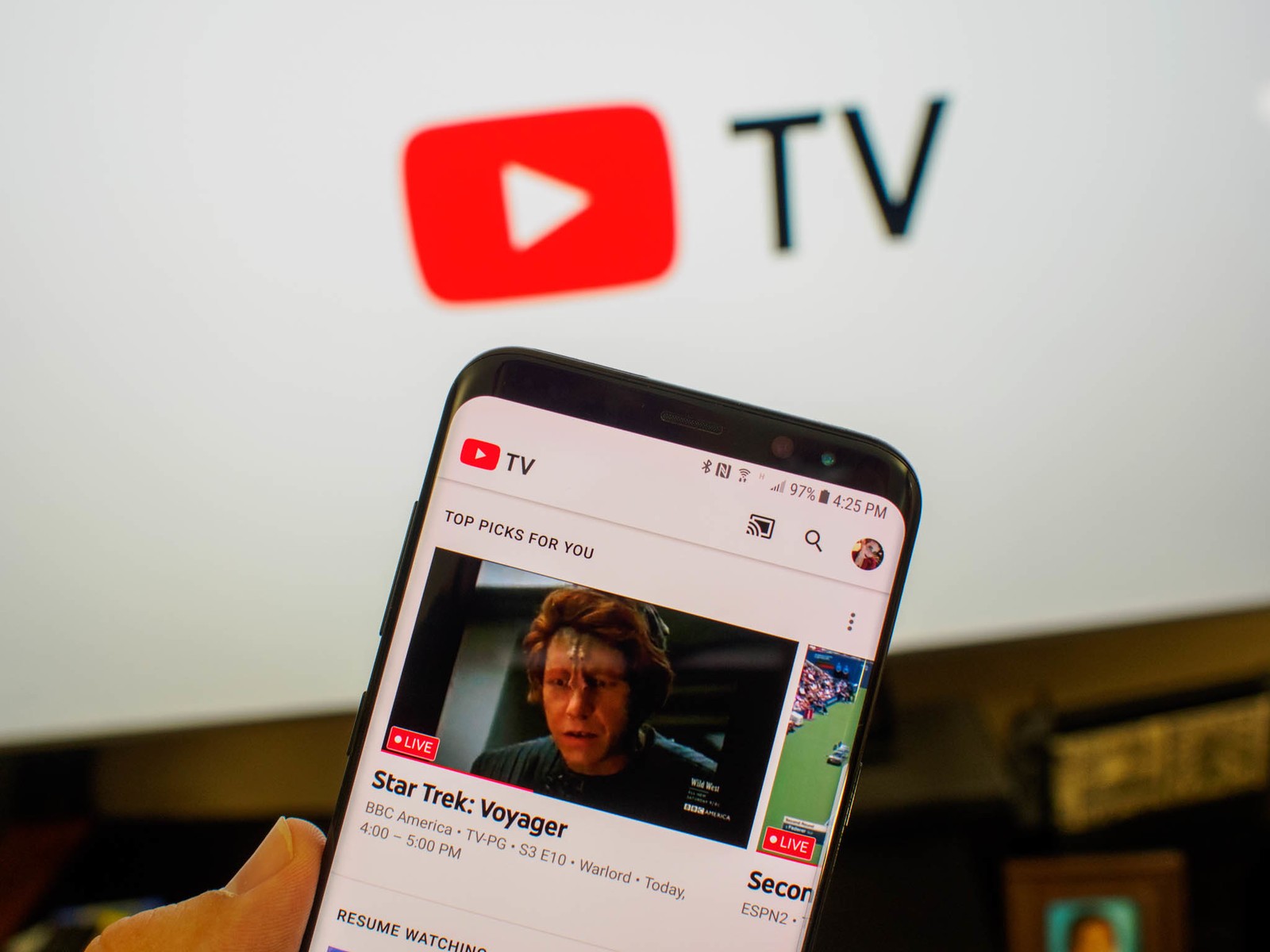
    YouTube Music is rolling out a feature called “Recommended radios.” Instead of radio stations created from a single song, the new feature creates a station from multiple songs and artists and recommends it to users. You can press the home tab button and scroll about halfway down the page to find the new “Recommend radios” carousel if it has already hit your phone. There are 10 stations shown with the carousel and they update every time you refresh the feed.

    Each station mentions up to three songs that provided the inspiration for that particular station. Each station is named after the title of a band or the genre that the station covers. And the name of the decade associated with the music is often included.

    With the mobile version of YouTube Music, tapping on one of the stations will bring up the playlist page (as opposed to auto-playing the station when you click on it with the desktop version). A Reddit user who goes by the handle of “Fuyou_lilienthal_yu” said, “This tab was just there when I scrolled down on the app. It seems to be like the Mixes except it gives you a specific theme like “Sangatsu no Phantasia, Deep cuts” and then having a playlist with probably SnP’s entire discography.”

    He adds, “Other playlists seem to be stuff like XXX Discovery radio where it’s full of presumably similar songs as the source artist. There doesn’t seem to be a limit to how many songs are allowed on a single radio, the first one in the list was something like “Gen Hoshino Radio” or whatever and it had a seemingly endless scroll of music…All in all it seems cool, more ways for them to help you to listen to music the better.”

    The YouTube Music app is available for both iOS and Android, and the new feature started rolling out this past weekend although not everyone has it yet. For example, we have yet to see it on our Pixel 6 Pro running Android 12.