Category: Living

Retail News Asia is committed to providing both local and global retailers with the latest Living news throughout the Asian market. This on a daily base.

  • Tinder is working on a Swipe Party feature

    Tinder is working on a Swipe Party feature

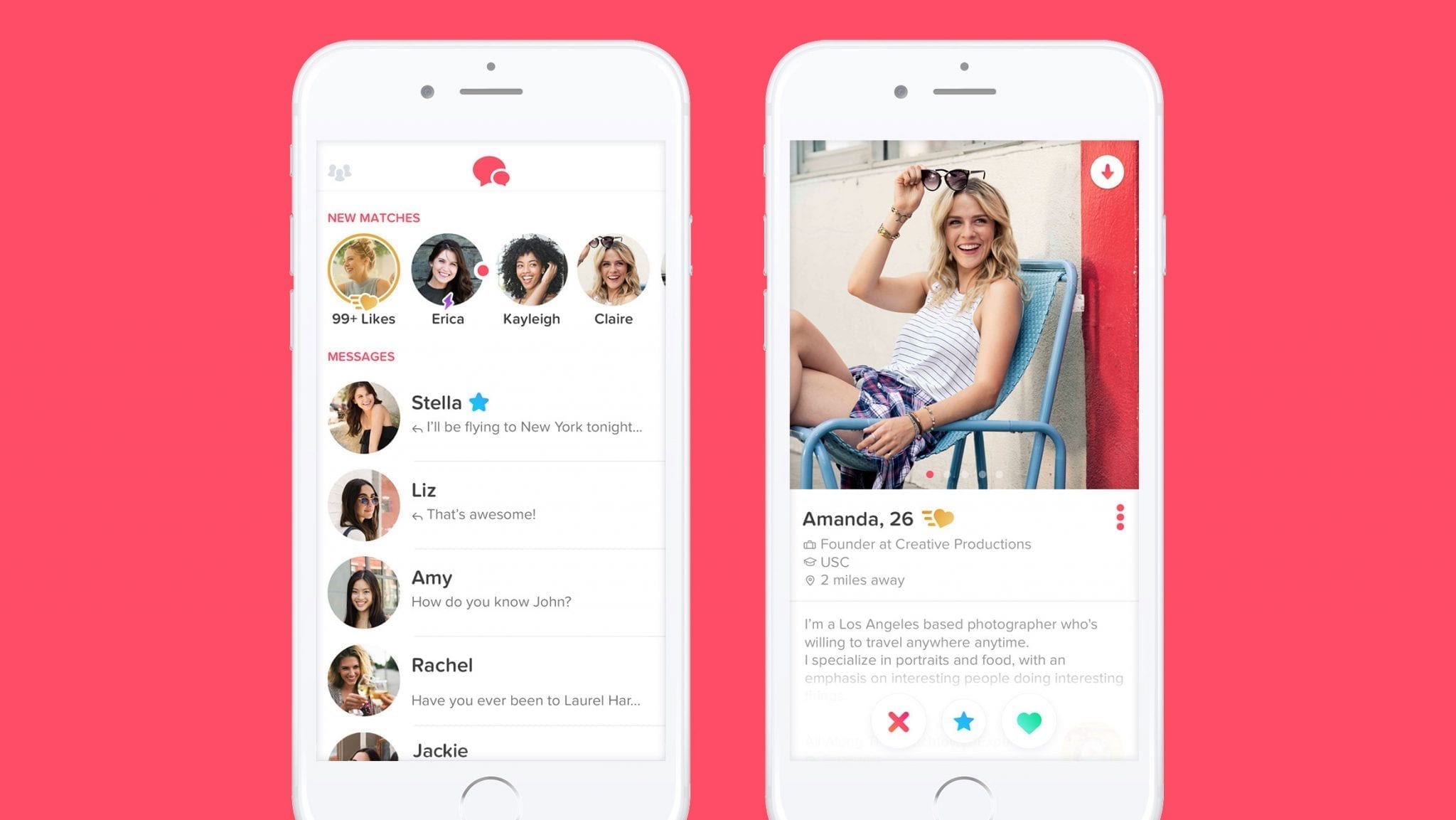
    The swipe craze is about to get reignited with a fresh new feature – apparently, Tinder is working on a new functionality called “Swipe Party”. This was uncovered by the Dutch dating site GratisDatingTips, as the guys found evidence in the source code of the Tinder app. This new feature will allow Tinder users to swipe with their friends. Swipe Party will make it possible for people to invite friends to watch them swipe left and right (although it’s not clear how this functionality would be implemented).

    Looking at the strings in the code, it seems that people will be able to see and hear what’s going on during your swipe sessions. “Let your friends see and hear you while vetting prospects,” reads one line of the code.

    It’s a “gossipy” feature that would allow people to comment and kinda swipe together, evaluating the potential candidates. Whether this is good or bad, we will let your moral compass be the judge. For what is worth, this will add a pinch of fun and a shared experience during these pandemic times (when will this Covid thing end!).

    There’s also a string that suggests users who don’t have a Tinder account could also join the Swipe Party by creating a guest account and “Joining the party.” The existence of the new feature was also confirmed by a Senior Software Engineer from Tinder, who shared some insights on his LinkedIn page.

    The aforementioned code can be found in the latest version of the Tinder mobile app, which points toward a potential official release of the Swipe Party feature in the coming months.

  • TikTok ranks as the most visited website for 2021

    TikTok ranks as the most visited website for 2021

    TikTok was the most visited website this year, according to the 2021 Cloudflare domain ranking, part of its Cloudflare Radar service. After August 10, TikTok became the leading website for most of the days of 2021, especially in October and November.

    Here is the ranking of the 10 domains, which we have visited most in 2021:

    1. TikTok.com
    2. Google.com
    3. Facebook.com
    4. Microsoft.com
    5. Apple.com
    6. Amazon.com
    7. Netflix.com
    8. YouTube.com
    9. Twitter.com
    10. WhatsApp.com

    In the 2020 Cloudflare ranking, the winner was Google, which comes as no surprise when the data includes not only traffic to Google.com, but also the most popular Google services like Maps, Translate, and News. Last year, Facebook, Amazon, and Netflix were also ahead of TikTok, which was at 7th place back then.

    But in 2021, TikTok’s generated traffic skyrocketed. In September, TikTok said that more than 1 billion people visit the site every month. This year, TikTok’s app also became the world’s most downloadable app. It surpassed even the Facebook app, which was the one that held that title.

    Cloudflare, a security network that enables secure access to websites, released its Cloudflare Radar service in September 2020 to show the public how we use the internet. Cloudflare Radar monitors internet usage and traffic. Cloudflare Radar also displays new internet trends and provides information on cyberattacks that Cloudflare has detected. For more information about Cloudflare Radar, visit Cloudflare’s site.

  • Instagram adds three new features in time for Christmas

    Instagram adds three new features in time for Christmas

    Instagram keeps on adding new features – such as the ability to post a 60-second video as a Story, and the planned content creators subscription service that is coming up soon. Now, just in time for the holiday season, the Facebook-owned company is adding three new features to the basket – Playback, Reel Visual Replies, and Profile Embed.

    Instagram head Adam Mosseri shared the news on his Twitter account, along with a cool short video to explain the new features in more detail. The new features are rolling up as we type, so be sure to check for updates and update your Instagram app when the new version hits your region.

    Now, back to the new features. The first one is called Playback and it’s pretty self-explanatory. It’s a way to relive old memories in form of Instagram stories. You must have at least three of those posted in order for Instagram to suggest you this feature, and it could contain up to 10 stories in total. The Playback feature will probably vanish after 2022 rolls in but Instagram could bring it back again next year.

    Next in line is Reel Visual Replies – this feature allows creators to take a comment and feature it in a 60-second Reel. In practice, this feature should increase engagement, and give creators a new tool to answer questions, and create more content. The Reels Visual Replies option can be found near the comment reply icon.

    The last new feature is called Profile Embed, and it’s the ability to embed an entire profile everywhere, thus offering a snapshot to their Instagram universe. While the first two features are already rolling out globally, this one is US-only.

  • Google and Disney kiss and make up, YouTube TV members still getting a discount

    Google and Disney kiss and make up, YouTube TV members still getting a discount

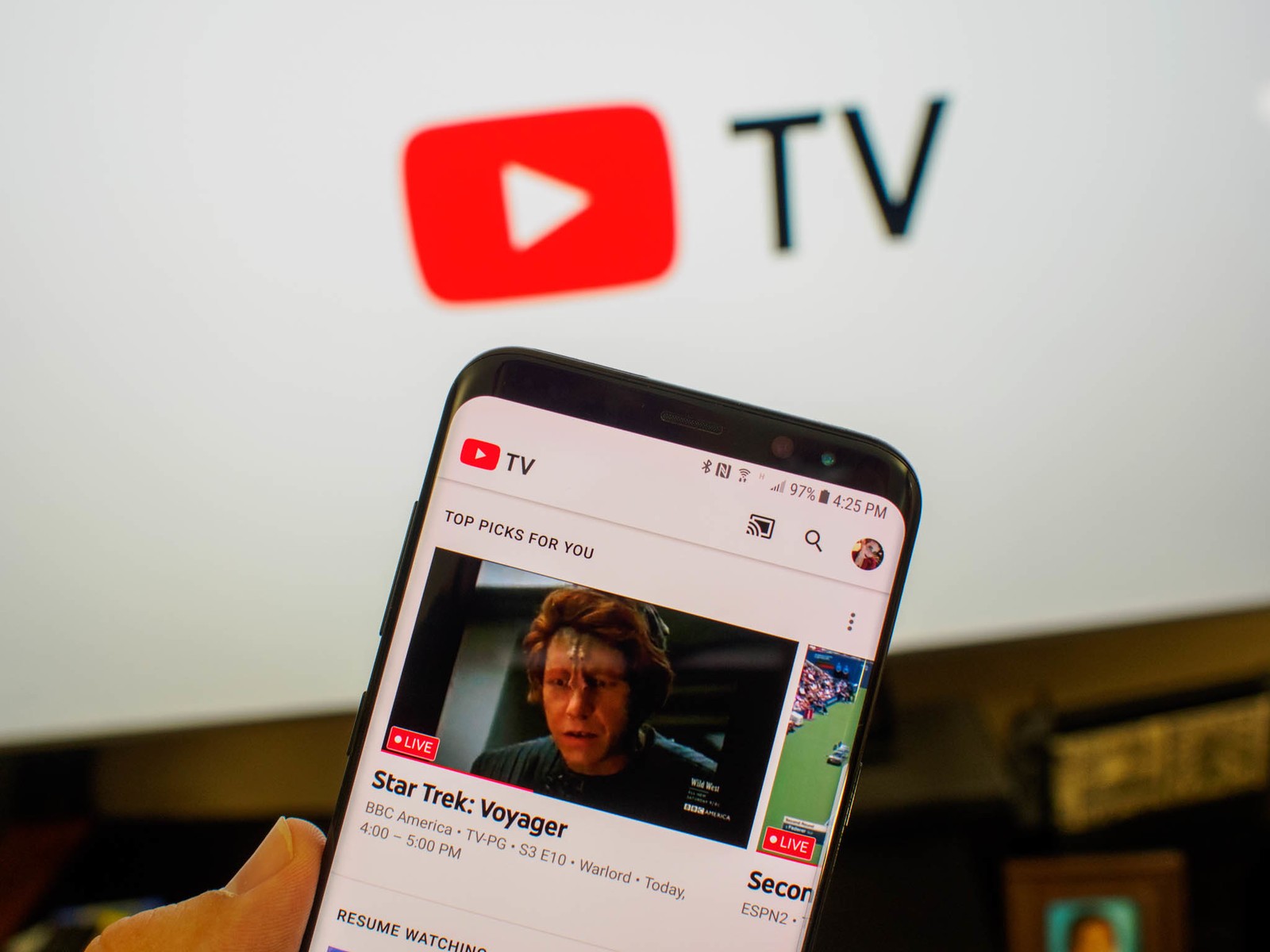
    A few days after Google announced that its YouTube TV service lost all Disney-owned channels, the search giant is back with another statement that confirms it has reached an agreement with Disney to return its content to YouTube TV.

    Obviously, that means that the YouTube TV price will return to $65 for all subscribers. Google also announced that it has started to restore access to Disney networks like ESPN and FX, including their live and on-demand content, as well as recordings that were previously stored in the Library.

    Additionally, YouTube TV will start broadcasting the local ABC stations over the course of the day, so if you don’t see them available in your channel list, be patient.

    Now, the big surprise is that Google will still honor a one-time $15 credit for all YouTube TV subscribers affected by the issue. Even those who have not yet received the $15 discount will receive the one-time credit on their next bill.

    The announcement was published on YouTube’s blog today, December 19, so throughout the remainder of the day, access to Disney’s channels should be restored.
  • Lego to build $1-bln toy plant in Vietnam

    Lego to build $1-bln toy plant in Vietnam

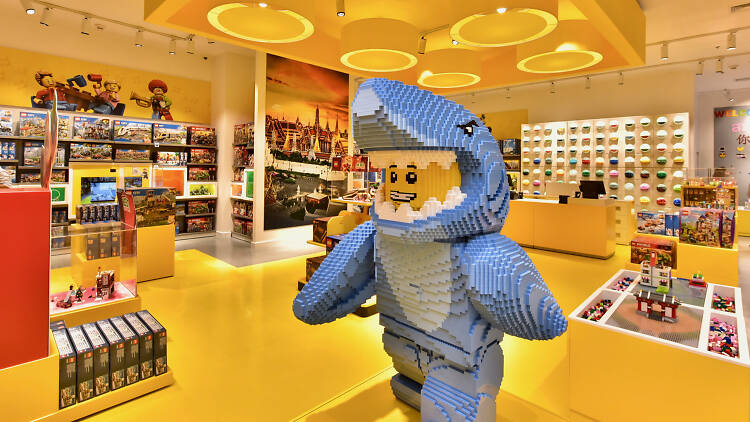
    Danish toy company Lego Group will build a $1-billion plant in the southern province of Binh Duong in the second half of next year.

    It signed a memorandum of understanding Wednesday with the Vietnam-Singapore Industrial Park Joint Venture Company to build the plant, its sixth globally and first carbon-neutral one.

    The project will be its second Asian factory after it opened one in China in 2016. Lego has achieved double-digit growth in the region since 2019.

    Demand is now on track to outstrip supply from its Chinese plant in the mid to long term, Lego’s Chief Operations Officer Carsten Rasmussen said.

    “Growth in China and Asia is fantastic and we can see that over time that we will need more capacity,” he said, pointing to a growing middle class and high number of births in the region compared to more mature European and North American markets.

    The move is the latest in Lego’s decade-old strategy of placing production close to key markets, which has helped rein in costs and shield it from external factors.

    “It gives us shorter delivery time to our customers and make us able to react quickly on demand but it of course also makes us more resilient,” Rasmussen said.

    Lego’s products are sold in over 130 markets.

  • Apple Music Voice Plan to go live in iOS 15.2

    Apple Music Voice Plan to go live in iOS 15.2

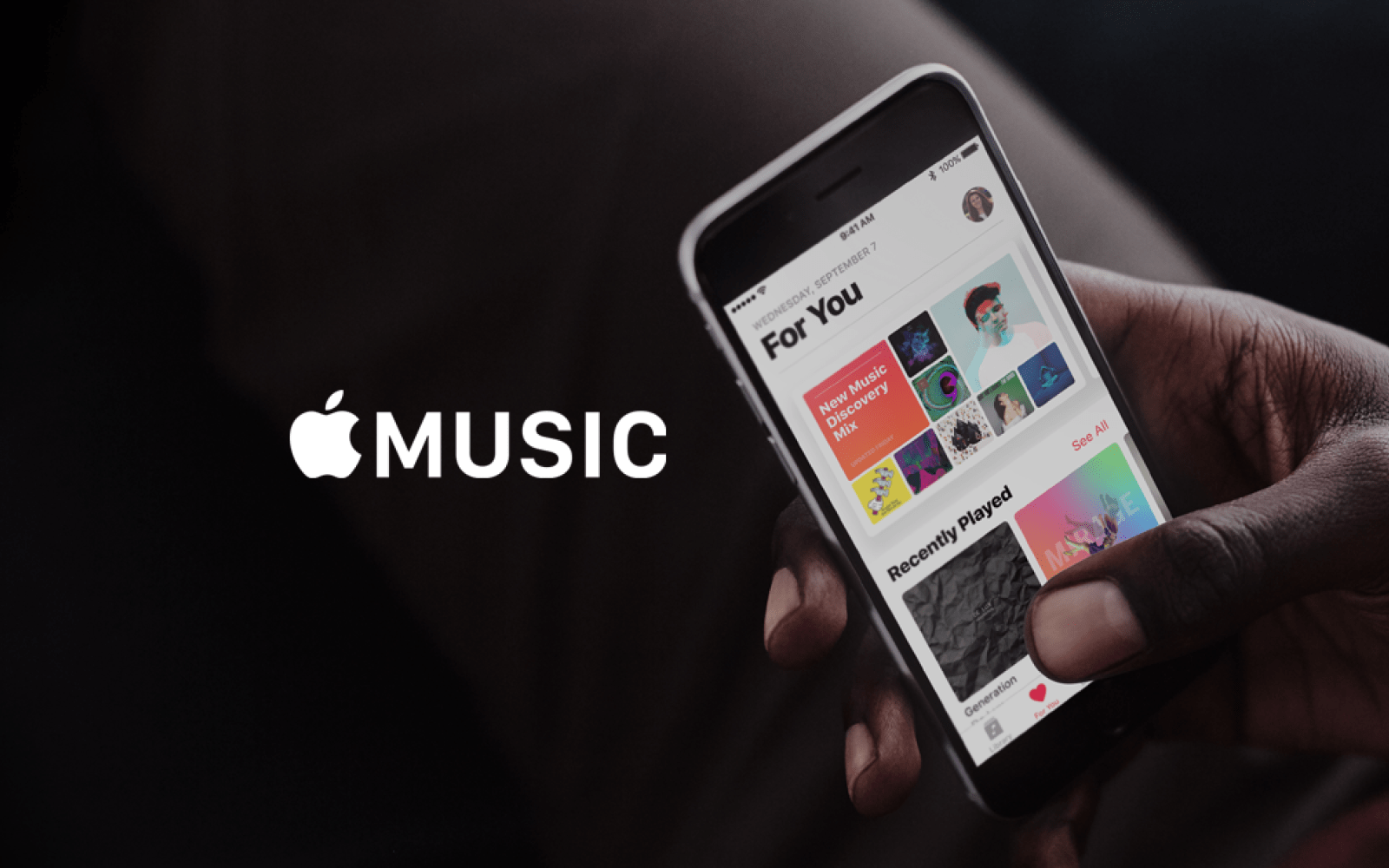
    Designed exclusively for Siri, Apple Music’s Voice Plan is likely to be available for users in the United States this month, after being officially unveiled back in October. The new subscription service for Apple Music offers access to a catalog of 90 million songs, thousands of playlists, and Apple Music Radio via Siri for $4.99.

    The Voice Plan is so integrated with Siri that even the subscribing process must can be done through Apple’s voice assistant. Those who wish to subscribe to the Apple Music Voice Plan must say “Hey Siri, start my Apple Music Voice trial.” Of course, another option would be to simply sign up through the Apple Music app.

    The service allows users to request music be played across all Siri-enable devices, including HomePod mini, AirPods, iPhone, or any other Apple device, and even when using CarPlay.

    The new tier subscription service was mentioned in release notes for the upcoming iOS 15.2 software update and seeing that Apple has just released the fifth iOS 15.2 beta software update, it’s very likely that the stable version will be made available in December.

    Unlike the standard Apple Music subscription tier that cost $9.99 per month, the Siri-controlled tier doesn’t allow subscribers to manage the service with the Music app. Also, Spatial Audio, lyrics, and the ability to save music offline aren’t supported by the Voice Plan. However, Apple Music subscribers have all the features offered by the Siri-oriented plan included.

  • Google TV gains 300 free live TV channels, offers Peacock Premium for free

    Google TV gains 300 free live TV channels, offers Peacock Premium for free

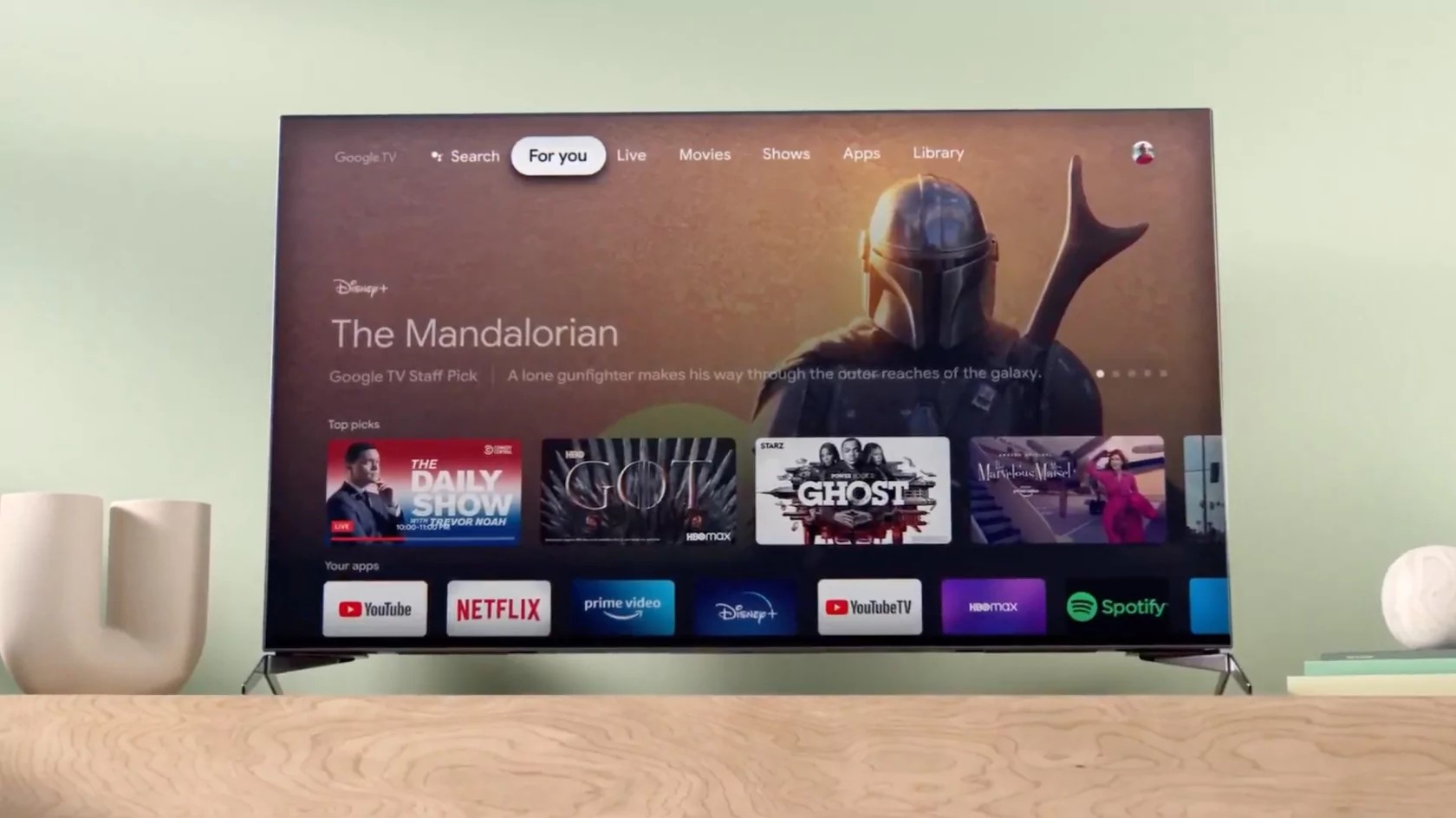
    Google made a surprising announcement early this week concerning its Google TV service in the United States. The Mountain View company teamed up with Pluto TV to offer Google TV users access to more than 300 free live TV channels.

    The new channels will be available via the Live tab, but Google TV users can also check out the Free Live TV recommendations in the For You tab. According to Google, the integration with Pluto TV will be accessible on all Google TV devices in the coming weeks.

    In other news, Google now offers six months of Peacock Premium at no extra cost. For a limited time, those who activate a new Google TV (or other Android TV OS device) in the United States will get the Peacock Premium service for free for six months. After the deal runs out, customers will have to pay $4.99 per month plus tax, but the subscription can be canceled at any time.

    If you’re a Google TV user, expect even more nice surprises next year, as Google plans to bring more ways to watch for free. Meanwhile, check out the new free live TV channels and enjoy the Peacock deal if you’re a new Google TV user.

  • Dark mode, new voice effects coming to Messenger Kids

    Dark mode, new voice effects coming to Messenger Kids

    One of the most requested features for mobile apps, dark mode is finally coming to Messenger Kids. Since the app’s audience isn’t as large as the main app, Facebook took its time to make it available to its users.

    Although kids can’t really complain, Messenger had decided to throw in a couple of additional features to go along with the dark mode. For starters, new voice effects can be added to audio messages. Also, kids can now start games from within their chat thread.

    The dark mode feature, which is only available on iOS devices (Android coming soon), can be turned on and off from the Messenger Kids app settings. Also, the phone’s settings can be used to automatically change how Messenger Kids looks.

    To add voice effects to voice message, simply tap on the “voice” mic icon, press and hold to record a message, then choose from five different options to change your voice to sound like you’re talking into a seashell, or like a robot, ghost, gorilla or mouse. Just like dark mode, this feature is only available on iOS devices for now.

    The ability to start games from within a chat thread allows kids to play two-player games without having to leave the chat thread and go to the Explore tab to pick a game. Once again, the ability for kids to start two-player games from within Messenger chat threads is only available for iOS users.

  • The case for forcing the tobacco industry to pay for cigarette butts

    The case for forcing the tobacco industry to pay for cigarette butts

    Cigarette butts with filters are the most commonly littered item worldwide, with a staggering 4.5 trillion of them tossed into the environment each year. This is a huge problem; many end up on beaches and in the ocean, and the tar from burnt tobacco in the filter can be toxic to wildlife.

    Fixing the problem has focused on changing the behavior of people who smoke, but a new report shows making the tobacco industry responsible for the litter with a mandatory product stewardship scheme is likely to have a much greater impact.

    In Australia alone, it’s estimated up to 8.9 billion butts are littered each year. Under the proposed scheme, we could potentially reduce this by 4.45 billion a year.

    So how can it be done in practice? And what would the benefits be from a policy like this?

    Cigarette filters are made of a bioplastic called cellulose acetate, and they typically take years to break down. Smoked cigarette filters are infused with the same chemicals and heavy metals in the tar that harms humans when they smoke.

    Research from 2019 found adding cigarette butts to the soil reduces the germination of grass and clover seeds and the length of their shoots. Seaworms exposed to used filters have DNA damage and reduced growth.

    And exposure to cigarette filters (even unsmoked ones) is toxic to fish – research with two fish species found adding two to four smoked cigarette filters per litre of water could kill them.

    Currently, the tobacco industry does not have to pay for the clean-up of cigarette butts polluting the environment. Rather, the community bears the cost. Cigarette litter and its management cost the Australian economy an estimated A$73 million per year.

    Local councils in particular spend large amounts of money cleaning it up. The City of Sydney, for example, has estimated their cleaning crews sweep up 15,000 cigarette butts daily from city streets.

    And volunteers spend countless hours picking up cigarette butts from parks, streets and beaches. In its 2020 Rubbish Report, Clean Up Australia Day found cigarette butts accounted for 16% of all recorded items.

    The tobacco industry’s response to product waste has been to focus responsibility on the consumer. Tobacco companies have created public education campaigns aimed at increasing awareness of the butt litter problem, supplied consumers and cities worldwide with public ashtrays, and funded anti-litter groups.

    But given the number of cigarettes that continue to be littered, it’s clear these strategies on their own have been ineffective. Many around the world are now calling for stronger industry regulation.

    There have also been calls to ban cigarette filters completely. For example, lawmakers in California and New York have attempted to ban the sale of cigarettes with filters, and New Zealand is finalizing their Smokefree Aotearoa Action Plan, which may include a cigarette filter ban.

    Many jurisdictions in Australia and worldwide are starting to ban single-use plastics such as straws and takeaway containers, and have been criticized for not including cigarette filters in these laws.

    If filters were banned, cigarette butt litter would remain, but without the plastic filter. Although, a recent trial of cigarettes without filters found that people smoked fewer of these than when they were given the same cigarettes with filters. More research is needed on the health impact of smoking filterless cigarettes and the environmental impact of filterless cigarette butts.

    The federal government’s National Plastics Plan, released in March this year, committed to initiating a stewardship task force that would reduce cigarette butt litter in Australia, and would consider a potential stewardship scheme. However, they proposed the stewardship task force be industry-led.

    Product stewardship schemes can be voluntary or written into law. For example, waste from product packaging is managed through a voluntary scheme, the Australian Packaging Covenant, which sets targets for reducing packaging waste that isn’t written into law. On the other hand, there is a law in Australia requiring companies who manufacture TVs or computers to pay some of the costs for recycling these products.

    The new research, commissioned by World Wildlife Fund for Nature Australia, considered four regulatory approaches: business as usual, a ban on plastic filters, a voluntary industry product stewardship scheme, and a mandatory product stewardship scheme led by the federal government.

    Each of these options was ranked according to factors such as the regulatory effort required to implement them, their cost, consumer participation and the extent to which they would reduce environmental impacts on land and waterways.

    A ban on plastic cigarette filters and a mandatory product stewardship scheme were assessed as having the greatest potential environmental benefit. While uncertainties remain about a filter ban, there is no such barrier to implementing a mandatory product stewardship scheme on cigarette waste.

    This scheme could involve a tax that would pay for the recovery and processing costs associated with cigarette butt litter. The study suggested introducing a levy of A$0.004 – less than half a cent – on each smoked cigarette to manage the waste. Other studies from overseas, however, show this cost would need to be higher.

    We can look to the UK for an example of where to start. The UK is currently considering implementing an extended producer responsibility scheme to address cigarette litter. In November this year, it released a consultation document on different options.

    They proposed a mandatory scheme where the tobacco industry would pay for the full costs of cleaning up and processing cigarette waste. Other costs they might be made to pay are for gathering and reporting data on tobacco product waste, provision of bins for cigarette butts, and campaigns to promote responsible disposal by consumers.

    It is time for the federal and state governments in Australia to make the tobacco industry pay for the mess they create.

  • Netflix brings three new mobile games to its subscribers

    Netflix brings three new mobile games to its subscribers

    Netflix’s games program doesn’t work like traditional games services since it doesn’t require users to pay a monthly subscription. However, you do have to be a Netflix subscriber to have access to several mobile games in its library.

    When it launched early last month, the program offered to Netflix subscribers a pretty short list of mobile games they could play for free: Stranger Things: 1984, Stranger Things 3: The Game, Shooting Hoops, Card Blast, and Teeter Up.

    Less than two weeks ago, Netflix added two new games to the lineup: Gameloft’s Asphalt Xtreme and Bowling Ballers. Today, three new games are added to the roster: Dominoes Café, Knittens, and Wonderputt Forever.

    Although these might not be as appealing as the previous titles, they’re free to play and don’t include ads, additional fees or in-app purchases. If you want to play any of the games offered by Netflix and you’re using an Android device, you can do so via the dedicated games row and games tab.

    On the other hand, members on an iOS device will see a dedicated games row where they can select any game to download.

  • YouTube Music adds a new Recently Played widget for Android users

    YouTube Music adds a new Recently Played widget for Android users

    Google has been pushing its YouTube Music service hard in the past couple of months, adding new features and updating existing ones. Earlier in November, the platform received a useful “Play My Station” shortcut on Android, and a month prior to that Google announced that YouTube Music’s free version will be getting background playback – a feature normally reserved for premium users.

    Now there’s another update to YouTube Music and this time it’s a new “Recent Played” widget for Android. This feature was previewed back in October but now it is rolling out with version 4.55.55 of YouTube Music for Android, available on the Play Store.

    The widget takes 5×2 spaces on your home screen by default and it is divided into two main sections. The top part gives users the ability to play and pause songs, give them a “thumb up”, and it also shows the album art of the current song playing with some basic information such as the name and the artist.

    The bottom part is a grid layout shortcut that gives you “quick access to your recently played videos, albums, playlists, and more.” In the largest 5×4 configuration you can cram up 10 elements in that particular section, and you can also resize the widget to be 5×1 or 4×1 but doing so will hide the bottom element and will leave only the barebone play/pause part hiding the thumb button too.

    The Recently Played widget follows Android 12’s Material You design philosophy, supporting also the Dynamic Color feature. If you don’t see the widget after updating to version 4.55.55, force stop the app and relaunch again.

  • Photo shows that Google is testing Material You design for Android’s YouTube app

    Photo shows that Google is testing Material You design for Android’s YouTube app

    Some new buttons that Google is testing for the Android version of the YouTube app point toward the release of a Material You update for the popular video streamer. According to Google, Material You is “a radical new way to think about design. Material You will transform design for Android, for Google, and for the entire tech industry.”

    New look for YouTube buttons currently being tested hints at Material You update for YouTube in the near future

    The Google News-Telegram group has posted a photo revealing that Google is testing a new look for the row of buttons found under a YouTube video that appears to have been taken from the Material Design 3 guidelines that Google released in October. The revised Material You look adds pill-shaped buttons under the video. One button shows the combined number of likes and dislikes. Three weeks ago, Google did away with showing the number of dislikes that YouTube videos have garnered in order to protect their creators.

    You might notice that the text revealing the title of each button is now placed next to the icon instead of underneath it which forces the bar to be longer. It isn’t known just yet when Android users can expect to receive the new button design which would be the first sign of an impending Material You update for the app.

  • Novartis receives certificate of merit from Vietnam’s Ministry of Health

    Novartis receives certificate of merit from Vietnam’s Ministry of Health

    Novartis has marked its 25 years of development with a certificate of merit from Vietnam’s Ministry of Health for its social commitment during the Covid-19 pandemic.

    “This achievement affirms Novartis’s leading position in the global pharmaceutical market and its long-term commitment to community health support,” a Novartis representative stated.

    Over the past 25 years, Novartis has achieved medical breakthroughs in cancer care, heart disease and the fight against inflammatory conditions. The company uses innovative science and technology to address some of society’s most challenging healthcare issues. It discovers and develops breakthrough treatments and finds new ways to deliver them to as many people as possible.

    Partner of Vietnam’s healthcare

    Novartis began its journey in Vietnam in the 1950s through the presence of Sandoz, Ciba-Geigy, and other partners. Over the past two decades in the country, Novartis Vietnam has cooperated with the Ministry of Health (MoH) and domestic and international organizations to launch several programs to enhance public health awareness, promote training, and strengthen primary healthcare in many cities and provinces.

    In 2008, the representative office of Novartis Pharma Services AG was established in Vietnam to promote and support the supply of medicines, and delivery of drugs to patients, as well as clinical trials of Novartis Group.

    Over the past 13 years, Novartis Vietnam has been focusing on four areas including science-based innovation and clinical trials; scientific and academic cooperation; quality and local manufacturing, along patient access to high-quality, innovative healthcare.

    The company has collaborated with the MoH to develop a strong healthcare system that covers the lowest income segments of the population and to provide the Vietnamese people with high-quality medicines, thus contributing to the MoH’s objective to shape a strong and sustainable healthcare system and achieve universal healthcare coverage.

    A lot of significant programs have been carried out over the past years. In 2014, Novartis and the MoH signed a Memorandum of Understanding (MoU) to enhance the Vietnamese people’s access to essential, affordable generic and innovative medicines, and strengthen the country’s science, medical, and technology capabilities

    It is followed by another MoU inked in December 2019 on raising primary healthcare in Vietnam through activities at commune and district levels from 2019 to 2021, making it a testament to public-private collaboration in this area, aiming to achieve the Universal Healthcare Coverage and United Nations Sustainable Development Goals by 2030.

    2020 marked a special milestone in Novartis Vietnam’s development journey when it inaugurated its new legal entity in the country and became one of the first multinational companies to successfully transform from a representative office to a foreign-invested enterprise importer. Also that year, the company was honored as a pioneer in digital transformation for its efforts and outstanding contributions to the Digital Transformation of the Healthcare Sector at National Digital Transformation Congress.

    Moreover, Novartis Vietnam teamed up with Docquity to offer an exclusive digital network for medical staff. The company has also been named among the top 100 Vietnam Best Places to Work in the country thanks to its appropriate human resource policies and quick response to the Covid-19 pandemic.

    In 2021, the company keeps the momentum of good performance with its recognition as a Global Top Employer for 2021, thus contributing to encouraging Novartis to continue attracting talents and strengthening its offering as a destination for employers in the future.

    Contributions to the Covid-19 fight

    Novartis received the certificate of merit from the MoH for its social commitment during the Covid-19 pandemic and its contributions to the country’s Covid fight, and training of HCPs, among others.

    Novartis supports the initiative of six medical universities in Vietnam to train HCPs to serve Covid-19 prevention and control. At least 1,800 final-year medical students got training from April to July 2020. This effort was in response to the call of the government and the MoH, mobilizing more than 90,000 HCPs for the pandemic fight.

    Moreover, the company has so far donated over $400,000 to the pandemic battle in Vietnam. The company also joined hands with other members of EuroCham Pharma Group to donate an equivalent total of $100,000 to the Vietnam Fatherland Front national campaign on the prevention and treatment of Covid-19, and donate via the HCMC Red Cross Society medical supplies to frontline hospitals, and Covid-19 treatment centers.

    During the pandemic, Novartis has taken effective measures to ensure the continuation of the supply of medicines, as well as promote technology application to maintain regular medical training for HCPs, thus ensuring healthcare access.

    Amitabh Dube, country president, Novartis Vietnam, said: “Vietnam and countries worldwide are still facing pressing health issues that need more innovations to address them. Novartis commits to be a reliable partner in this effort, and will continue the discovery and development of new treatments to help more people.”

    Long-term investment commitments

    Novartis’s strategy is to build a leading, focused pharmaceutical company powered by advanced therapy platforms and data science. Looking at the next 25 years and beyond, the company will continue reimagining medicine to improve and extend people’s lives.

    To implement the strategy, Novartis has five priorities to shape its future and help it continue to create value for the company, its shareholders and society: unleash the power of its people; deliver transformative innovation; embrace operational excellence; go big on data and digital; and build trust with society.

    In Vietnam, the company will continue to collaborate with Vietnamese societies, associations, and health facilities in programs to improve healthcare services for Vietnamese, showing its strong commitment to accompanying the local health sector in future sustainable development.
  • New graduates want monthly salary around 500$

    New graduates want monthly salary around 500$

    Almost half of the fresh university graduates expect a monthly salary of VND10-15 million ($435-650), but most employers are only willing to pay VND6-10 million, a survey has found.

    The survey by headhunting agency Adecco Vietnam said over 43 percent want a salary of more than VND10 million, and 31 percent want VND6-10 million, but only 27.5 percent of employers are willing to pay above VND10 million.

    Up to 88.5 percent of new employees regard to salary and remuneration as the top priority closely followed by training and development opportunities (87.7 percent) and then by promotion prospects (73.8 percent).

    Work-life balance and cultural fit are also highly valued (67.2 percent and 55.7 percent).

    Many employers said their main concerns when recruiting new graduates are lack of soft skills, unrealistic expectations and instability.

    Y Pham, chief growth officer at flexible pay startup Nano Technologies, said she has met many new graduates who start their first full-time job with too high expectations due to the lack of clarity about their career path.

    More than 56 percent of employers appreciate the new vision and initiative of fresh graduates, 54 percent appreciate their enthusiasm and 40 percent say new graduates help build a diverse workplace.

    Due to Covid-19, nearly 39 percent of enterprises have reduced recruitment demand, with nearly 19 percent cutting it by more than 50 percent.

    Over 59 percent of new graduates believe there are fewer job opportunities and 37 percent are worried about labor market instability.

    Adecco predicted that 62 percent of fresh graduates would seek new jobs in the next six months when recruitment demand would rise considerably.

  • Spotify is testing a TikTok-like video feed

    Spotify is testing a TikTok-like video feed

    Spotify wants to become more TikTok-like… sort of. Apparently, the music streaming service is testing a new feature called Discover for its app. The feature will allow artists to post vertical videos to their songs and allow listeners to discover new songs more easily.

    The new Spotify Discover feature was spotted by Chris Messina in the music app’s latest iOS TestFlight beta version. The new Discover button is located between the Home and Search buttons. When you Discover, you are presented with a TikTok-style video feed of artists and their songs. You can like the song by tapping on the heart icon or hitting the three-dot button for more information.

    Spotify declined to comment on whether the new feature will make it into the official version of the app or if it will be ditched entirely. A spokesman for the streaming service gave the following statement:“At Spotify, we routinely conduct a number of tests in an effort to improve our user experience. Some of those tests end up paving the way for our broader user experience and others serve only as an important learning. We don’t have any further news to share at this time.” – Spotify spokesperson.

    The new Discover feature could prove very useful for artists as it will allow them to add a visualization to their songs without the need for an expensive music video. The feature will also allow Spotify to differentiate itself more from its biggest competitor, Apple Music, as the latter doesn’t have a video feed section.

    A couple of artists have already made vertical music videos in the past. For example, back in February and April of 2019, British singer MARINA published vertical videos for her songs Handmade Heaven and Orange Trees, which ere posted on all social media, taking advantage of the smartphone form factor. Later, Billie Eilish jumped on the new trend as well. The American music artist posted a vertical video of her hit song Bad Guy in August of 2019.

    If Spotify indeed adds the new Discover section to its app, vertical music videos could become mainstream. If that happens, Apple will probably add a similar feature to its music streaming service too.

    Spotify isn’t the first popular app to work on a TikTok-like video feed. Instagram introduced a very similar feature in its app called Instagram Reels. YouTube also introduced its own version of a vertical video feed called YouTube Shorts.

    Both Reels and Shorts proved to be quite successful, and it isn’t surprising that other big companies want to add similar features to their apps. Netflix also recently introduced a video feed to its app containing comedy content. The new Netflix feature is called Fast Laughs.