Category: Living

Retail News Asia is committed to providing both local and global retailers with the latest Living news throughout the Asian market. This on a daily base.

  • Petrol, Diesel Prices Hiked For Sixth Consecutive Day

    Petrol, Diesel Prices Hiked For Sixth Consecutive Day

    Domestic fuel rates on Monday were hiked for the sixth consecutive day by the state-owned marketing companies across the metro cities in India leading the prices to touch two-year high. As per the notification from Indian Oil Corporation, petrol and diesel rates were increased by 30 paise and 26 paise in the national capital. Due to firming international oil prices, there has been a continuous revision in fuel prices across the country. In the last sixteen days, the fuel rates have been hiked on fifteen occasions that came into effect from 6 am today.

    Here are the prices of petrol and diesel per litre in the five metros on December 7, 2020:

    City Petrol Diesel
    Delhi ₹ 83.71 ₹ 73.87
    Mumbai ₹ 90.34 ₹ 80.51
    Chennai ₹ 86.51 ₹ 79.21
    Kolkata ₹ 85.19 ₹ 77.44
    Bengaluru ₹ 86.51 ₹ 78.31

    On Sunday, petrol and diesel prices shot past ₹ 90 per litre and ₹ 80 per litre in Mumbai. With a new revision in fuel rates, petrol retails at ₹ 90.34 per litre and ₹ 80.51 per litre. Buyers in the capital city will have to shell out ₹ 83.71 for one litre of petrol and will have to pay ₹ 73.87 per litre for diesel. The fuel prices have seen a cumulative hike of ₹ 2.65 per and ₹ 3.42 per litre, respectively. Petrol and diesel rates remained static since September 22 and October 2, respectively. The OMCs started revising rates of auto fuels from November 20 onwards.

    Petrol price in Kolkata has been increased to ₹ 85.19 per litre, which was ₹ 84.90 per litre on Sunday. Similarly, the cost of diesel also increased by 26 paise from 77.18 to 77.44 rupees per litre. In Chennai, petrol and diesel retailed at ₹ 86.51 per litre and ₹ 79.21 per litre, respectively. The two auto fuels in Bengaluru cost ₹ 86.51 per litre and ₹ 78.31 per litre for petrol and diesel respectively.

    Oil marketing companies (OMCs) have been revising the retail rates of petroleum products since November 20, 2020. The 58-day hiatus in petrol price revision and 48-day status quo on diesel rates were preceded by no change in rates between June 30 and August 15 and an 85-day status quo between March 17 and June 6.

  • Amazon Music Unlimited users are getting a surprising new feature

    Amazon Music Unlimited users are getting a surprising new feature

    Amazon has been competing for years against music streaming services like Google Play Music, Spotify, and Apple Music, hence the large number of resources the US giant has been pouring into development.

    Lately, Amazon Music Unlimited has been gaining a lot of new customers to the point that the service is now just 5 million subscribers away from Apple Music, which recently revealed a 60 million subscriber count.

    But Amazon isn’t stopping here, so the next step is yet another important new feature that only Music Unlimited users will benefit from. Starting this week, Amazon Music Unlimited users will have access to a database of music videos they can watch.

    There’s little information about the new feature, although Amazon does mention that “paid subscribers can start with videos from a favorite artist or a video playlist.” At the moment, music videos can only be watched in the United States, and it’s unclear whether or not the feature will be introduced in other countries too.

  • Indonesia’s new fashion craze showcasing cosplay for cats

    Indonesia’s new fashion craze showcasing cosplay for cats

    It may not be haute couture, but former Indonesian school teacher turned tailor Fredi Lugina Priadi has found a lucrative market for his cat fashions, creating unique costumes and cosplay outfits for cats.

    After quitting his job as a teacher, he tried his hand at a number of businesses, including running a motorbike repair shop, before stumbling upon cat fashions, an idea from one of his cat-loving cousins.

    The 39-year-old now supplies outfits to picky pet owners looking to dress their felines in everything from superhero outfits for figures like Thor and Superman to cosplay characters, nurse uniforms and even traditional Islamic wear.

    “At first, my cousins who love cats gave me the idea to make these costumes and I thought it was weird,” said Fredi.

    “But it turned out to be funny to see them with costumes,” he said, speaking from his rustic workshop with a sewing machine in Bogor just south of the capital Jakarta .

    Since setting up his online business three years ago, he now generates up to 3 million rupiah ($210) a month if he sells at least four pieces a day. Each outfit is priced at between $6 to $10.

    Customer Risma Sandra Irawan has bought at least 30 outfits for her cat Sogan and puts in orders for special occasions like the Muslim festival of Eid al-Fitr or at Christmas.

    “Its for fun only…it can relieve our stress,” said Risma, who created an account on social media platform TikTok showing off Sogan’s outfits that has more than 50,000 followers.

    While many find it cute, Fredi has received some negative comments on social media from those who consider it cruel to dress up a cat and he advises buyers not to make their pet wear an outfit for too long.

    Indeed, in the wake of a boom in social media postings of pets dressed up, often in increasingly bizarre poses or outfits, some animal welfare groups have issued guidelines to make owners more aware of any signs that it may be causing their pet distress.

  • Petrol, Diesel Prices Hiked Again Across Metro Cities

    Petrol, Diesel Prices Hiked Again Across Metro Cities

    The oil companies on Sunday, yet again, increased the fuel prices across all the metro cities resulting in a hike of 21 paise and by up to 31 paise in prices of petrol and diesel, respectively. As the price hike continues, the petrol rates on Saturday surpassed the ₹ 82 mark, while diesel breached the ₹ 72 mark in the capital city. With newly revised prices, customers in Delhi will have to shell out ₹ 82.34 per litre for petrol and will have to pay ₹ 72.42 for a litre of diesel. The fuel prices differ from state to state, which depends on the value-added tax (VAT) levied by the state government.

    In the last ten days, petrol price has gone up by ₹ 1.28 per litre and diesel rate has increased by ₹ 1.96 in the national capital. Petrol and diesel rates remained static since September 22 and October 2, respectively. The OMCs started revising rates of auto fuels from November 20 onwards.

    In Mumbai, petrol prices surpassed ₹ 89 mark as it is retailing at ₹ 89.02 per litre against ₹ 88.81 per litre on Friday. Diesel, on the other hand, is retailed at ₹ 78.97 per litre, seeing a hike of 31 paise. In Kolkata, the retail price of petrol went up by 20 paise to Rs 83.87 per litre from ₹ 83.67 a litre and diesel increased to ₹ 75.99 per litre. In Chennai and Bengaluru, petrol retailed at ₹ 85.31 and ₹ 85.09 respectively. On the other hand, diesel retailed at ₹ 77.84 in Chennai and ₹ 76.77 in Bengaluru.

    Oil marketing companies (OMCs) have been revising the retail rates of petroleum products since November 20, 2020. The 58-day hiatus in petrol price revision and 48-day status quo on diesel rates were preceded by no change in rates between June 30 and August 15 and an 85-day status quo between March 17 and June 6.

    Indian Oil Corporation, Bharat Petroleum Corporation, and Hindustan Petroleum Corporation are the three major oil marketing companies in India. The oil marketing companies revise petrol and diesel rates daily and make necessary changes to align the petroleum prices with global benchmark and dollar-rupee exchange rate.

  • Ikea in talks to buy city-centre retail property in big European cities

    Ikea in talks to buy city-centre retail property in big European cities

    IKEA’s Ingka Investments is in talks to buy commercial property in prime locations in several big European cities after it finalised its first-ever such acquisition last month, its managing director said.

    The investment arm of Ingka Group, which owns most IKEA stores, is pushing into the real estate market as part of IKEA’s shift towards big city-centres from out-of-town. So far, such locations are leased.

    Scouting for city-centre retail property more or less ready to house IKEA stores across Europe’s main cities, Ingka Investments’ first deal was in Paris’ Rue de Rivoli.

    “We have ongoing discussions in big European cities,” Ingka Investments Managing Director Krister Mattsson said in an interview. “It takes time to buy properties, but there is a lot in the pipeline,” he told Reuters.

    Inkga Investments is pushing ahead with the new strategy despite the wider retail market uncertainty caused by the pandemic.

    Despite the exodus from high streets prompted by the coronavirus, price tags for the kind of properties that Ingka Investments is hunting for have not tumbled, Mattsson said.

    “For good locations in big cities, which is what we are looking at to meet our customers, there is always demand,” he said. “We haven’t seen any big impact yet on prices for such properties – which one may have expected when the crisis came.”

    Besides good space for the IKEA store, buildings could also include other retail, office and even residential space, and Ingka Group would take over as landlord.

    The decision to build up a real estate portfolio stems from privately held IKEA’s long-standing strategy not to rent. Acquisitions, as IKEA’s other investments, are self financed.

    Separately, Ingka Group’s malls arm Ingka Centres is also shopping for inner-city property, albeit targeting bigger developments aimed at housing IKEA-store anchored malls. Scouting Europe, Asia and the United States, it has so far made two such acquisitions.

    Ingka Investments’ portfolios also include renewable energy and forests.

    Starting in 2017 with the purchase of handyman services platform TaskRabbit, Ingka Investments also buys into startups that may help IKEA speed up its digital transformation, improve its services, and become more sustainable. The latest addition is a stake in logistics solutions and delivery platform Mover Systems.

    Ingka Investments has to date made 23 such minority stake investments totalling more than 200 million euros ($238 million), it said. It has not disclosed the price tag for TaskRabbit and two more full acquisitions.

    Ingka Group is a franchisee to brand owner Inter IKEA.

  • Older workers in Australia have significantly been impacted by COVID-19

    Older workers in Australia have significantly been impacted by COVID-19

    As Australia’s unemployment rate rose to 6.9% in September amidst the ongoing impacts of COVID-19, 42% of older workers said they had recently lost their job or had their hours reduced, a Humanforce survey has revealed.

    As a result of the challenges faced during COVID-19, older workers are now more open minded to different types of employment and are looking to explore opportunities within the retail sector, with 41% open to casual employment and 39% open to any type of work.

    “We know that COVID-19 is changing the face of work across the world, as unemployment rates continue to rise. Our research shows that one of the flow-on effects could be that older Australians who lose their job because of the pandemic will be transitioning into different types of work, including casual work in the leisure field. This means employers need to look closer at how to support older Australians as casual employees.”

    Older Australian workers said the key factors they would look for in casual retail employment would be a stable income (70%), a reliable number of days and hours (65%) and flexibility with days and hours (62%).

    “A common misconception about older workers is that they aren’t open to learning new technologies or skills as part of their job,” added Bruce Mackenzie. “Yet the overwhelming majority of older workers we surveyed were supportive of casual jobs where automated technologies were used or where they could retrain or learn new skills.”

    Almost three-quarters (73%) of older workers said they are open to using automated technologies and 85% are open to retraining or learning new skills in a new role. Most of them (65%) also said that the best way to support older workers in using technology at work would be through training provided by a manager or colleague.

    “Australian retail businesses are going to need casual workers to assist in their recovery from COVID-19. As older Australians become more open to casual work due to the pandemic, this is an opportunity for employers to also become more open minded about employing and supporting them in casual roles.”

    Methodology

    Humanforce contracted Zoho Survey to survey 500 older worker respondents (workers of ages 45 and over) as part of this research project.

    About Humanforce

    The intelligent platform for your shift-based workforce.

    Almost every shift has its no-shows, late arrivals, and special requests, but, you’ve also got to deal with the big shifts in how people work – everything from new employee expectations to new technologies, new regulations, and other major changes. Humanforce brings a whole new approach to managing your teams where you can simplify the process, see everything at once, and stay ahead of the curve. That’s why thousands of businesses of all sizes – hotels to hospitals, resources to recreation, stadiums to shops and more – use Humanforce to get ready for the next shift. www.humanforce.com


    Media Contact:

    Corinne Nolte

    Mulberry Marketing Communications

    +613 9023 9110

    cnolte@mulberrymc.com


  • Vietnam has most adult gamers globally

    Vietnam has most adult gamers globally

    Vietnam has the highest number of adult gamers in the world in 2020, according to a recently released global consumer survey by German data portal Statista.

    Ninety four percent of Vietnamese said they gamed at least occasionally while nearly 20 percent said they were frequent gamers, according to the Statista Global Consumer Survey.

    Eighty five percent said they gamed on smartphones.

    Besides Vietnam, other developing countries like Nigeria, Thailand and the Philippines also reported high numbers of adult gamers, aided by their younger demographics.

    Smartphone gaming has won over people not previously invested in the activity by giving them easy access at low or no initial cost.

    The Statista Global Consumer Survey polled 1,000-4,000 respondents between 18 and 64 years of age in 55 countries and territories.

    Vietnam is a growing market for e-sport and online games. An earlier Statista report said online game revenues in the country this year are expected to top $10.1 million, up 16 percent from 2019.

    Another study by market research company Niko Partners and Google earlier this year forecast Vietnam’s e-sport market to achieve the highest five-year compounded annual growth rate in Southeast Asia, from 2018, of 28 percent.

  • Gucci revives classics to regain edge in crimping luxury market

    Gucci revives classics to regain edge in crimping luxury market

    Gucci is revisiting 1960s handbags and other classics in its latest collection, mixing them with up-to-the-minute sneakers and logoed skateboards, as it seeks to reach a wider audience and reverse a fall in sales after years of stellar growth.

    With traditional fashion shows cancelled because of the coronavirus pandemic, designer Alessandro Michele teamed up with US director Gus Van Sant to shoot a seven-part miniseries to show off his largely season-less, gender-neutral creations.

    Gucci is showing the videos as a virtual fashion film festival, with a new instalment released daily over the course of this week.

    The films, which have a dream-like, retro quality with vintage cars and juke-boxes, follow a woman, played by Italian actress Silvia Calderoni, as she goes about her daily routine in Rome.

    They feature cameo appearances by celebrities close to the fashion house such as singers Billie Eilish and Harry Styles – all wearing Gucci creations, including re-editions of Michele’s designs from his first 2015 collection.

    The former One Direction singer has also created a buzz in the fashion world by appearing on the cover of a December edition of Vogue, clad in a Gucci ball gown.

    Watershed moment

    Behind the scenes, luxury industry watchers say this is a watershed moment for Gucci, the business that drives the bulk of revenue and profits at parent Kering, but which has been losing steam over the past year.

    After a nearly fourfold increase in earnings since Michele took the creative helm, Gucci’s revenues have slowed down, lagging rivals like LVMH’s Louis Vuitton and Hermes. Gucci was the only fashion brand in Kering’s stable to suffer a sales decline in the third quarter.

    Much of the brand’s success up until recently relied on well-heeled, young Chinese shoppers travelling to Europe’s fashion capitals and snapping up Michele’s quirky, flamboyant designs.

    But with international tourism almost frozen due to the pandemic, Gucci can no longer rely on foreign visitors coming to Europe’s shopping streets to boost sales.

    Consultancy Bain, which produces closely-followed forecasts for the luxury industry, said on Wednesday the share of high-end goods purchases by local clients is expected to rise to 80-85 per cent of the total this year from 60 per cent in 2019. Local buyers are still set to account for 65-70 per cent of luxury shopping in 2025.

    Gucci is rejigging its marketing and product line-up to refocus the label and boost its appeal among local and older shoppers in Europe and the United States. The fashion house has, for example, produced “re-edited” versions of its classic handbags such as the 1800-euro Jackie 1961.

    People born from 1981 onwards — Millennials and Generation Z buyers — now make up almost 60 per cent of luxury purchases, Bain said, but brands cannot afford to neglect the remaining 40 per cent.

    That is why on top of tweaking their ranges to include less trend-driven items, most luxury labels are directing their customer service to establish close contact with clients who are not able to go to the stores themselves.

    Gucci is still doing well on many fronts, including an operating margin of 30 per cent in the first half of 2020, down from a record high of 40.6 per cent a year earlier but still far exceeding that of many competitors.

    But analysts say there are some signs of fatigue. Luca Solca of Bernstein said Gucci’s social media traction, while still high, is diminishing. It also seems to have more trouble selling excess inventory at full price.

    “There is no red flag at Gucci, but we see an opportunity to act now in order to avoid bigger issues down the road,” said Solca in a note.

  • Satellite to track rising seas as climate warms

    Satellite to track rising seas as climate warms

    An Earth-observation satellite developed by European and U.S. space agencies will measure sea level rise, tracking changes threatening to disrupt tens of millions of lives within a generation.

    If all goes according to plan, the payload will be hoisted into a low-Earth 1,300-kilometer (800-mile) orbit by a Space X Falcon 9 rocket, with lift-off from Vandenberg Air Force Base in California at 17:17 GMT Saturday.

    Sentinel-6a will be the first of two identical satellites – the second to be launched in five years – that will provide measurements of unprecedented precision until at least 2030.

    Each Sentinel-6 probe carries a radar altimeter, which measures the time it takes for radar pulses to travel to Earth’s surface and back again.

    The satellites will circle the planet in the same orbit as earlier missions that supplied sea-surface height data over the last three decades, mapping 95 percent of Earth’s ice-free ocean every 10 days.

    Accelerating sea level rise is arguably the climate change impact that will affect the largest number of people over the next three decades.

    Nearly 800 million people live within five meters of sea level, and even an increase in sea level of a few centimeters can translate into vastly more damage from high tides and storm surges.

    China, Bangladesh, India, Vietnam, Indonesia and Thailand are home to the greatest number of people who today live on land that could be threatened by permanent inundation by 2100.

    Already today, there are more than 100 million people living below high tide levels.

    “Extreme sea level events that are historically rare – once per century in the recent past – are projected to occur frequently, at least once per year, at many locations by 2050,” especially in the tropics, the UN climate science advisory panel, the IPCC, concluded in a major report last year.

    Satellites tracking the world’s oceans since 1993 show that global mean sea level has risen, on average, by over three millimeters (more than a tenth of an inch) annually.

    More recently, that rate has increased to 5 mm per year.

    “It is crucial that we are able to see these accelerations,” said Alain Ratier, outgoing Director-General of Europe’s meteorological satellite agency, EUMETSAT.

    The IPCC forecasts an increase in global sea level rise of up to 1.1 meters (43 inches) by the end of the century.

    The Copernicus Sentinel-6 mission is a collaboration of the European Commission, the European Space Agency (ESA), EUMETSAT, NASA and the U.S. National Oceanic and Atmospheric Administration (NOAA).

    The Sentinel satellites are each about the size and shape of a large minivan topped with slanted solar panels, and weigh nearly 1,200 kilos (2,600 pounds), including rocket fuel.

    They are designed to last for five-and-a-half years, but could provide data for far longer. China, Bangladesh, India, Vietnam, Indonesia and Thailand are home to the greatest number of people who today live on land that could be threatened by permanent inundation by 2100.

    Already today, there are more than 100 million people living below high tide levels.

    “Extreme sea level events that are historically rare – once per century in the recent past – are projected to occur frequently, at least once per year, at many locations by 2050,” especially in the tropics, the UN climate science advisory panel, the IPCC, concluded in a major report last year.

    Satellites tracking the world’s oceans since 1993 show that global mean sea level has risen, on average, by over three millimeters (more than a tenth of an inch) annually.

    More recently, that rate has increased to 5 mm per year.

    “It is crucial that we are able to see these accelerations,” said Alain Ratier, outgoing Director-General of Europe’s meteorological satellite agency, EUMETSAT.

    The IPCC forecasts an increase in global sea level rise of up to 1.1 meters (43 inches) by the end of the century.

    The Copernicus Sentinel-6 mission is a collaboration of the European Commission, the European Space Agency (ESA), EUMETSAT, NASA and the U.S. National Oceanic and Atmospheric Administration (NOAA).

    The Sentinel satellites are each about the size and shape of a large minivan topped with slanted solar panels, and weigh nearly 1,200 kilos (2,600 pounds), including rocket fuel.

    They are designed to last for five-and-a-half years, but could provide data for far longer.

  • Apartment prices continue to rise in major cities

    Apartment prices continue to rise in major cities

    Apartment prices in Hanoi and Ho Chi Minh City continued to rise in the third quarter, going up by 0.24 percent and 0.35 percent from the previous quarter. According to the Ministry of Construction, lower-end apartments in Hanoi, often built in developing suburban areas like Dong Anh, Gia Lam, and Ha Dong, have a high absorption rate of around 70 percent.

    Mid- and high- priced projects, especially luxury apartments, sell much slower, and since the onset of Covid-19 many projects have seen little or no demand.

    Hanoi’s Q3 new apartment supply fell 60 percent year-on-year to a five-year low of 3,100 units as Covid-19 hampered new launches, according to real estate consultancy firm Savills Hanoi.

    The ministry said in HCMC a shortage of apartments led to rising prices along with high absorption rates, and developers, therefore, had to turn to suburban districts, leading to surging land prices in Binh Chanh, Go Vap, and Cu Chi Districts.

    Supply is down around 60 percent due to the impact of the pandemic and slows licensing by the city authorities.

    Figures from the ministry show apartment prices were VND24.8-37.7 million ($1,068-1,626) per square meter in Hanoi; VND30-50 million in HCMC, VND23-27 million in the northern province of Quang Ninh, VND30 million in northern Hai Phong City, VND30-38 million in southern Binh Duong Province, and VND19-60 million in southern Can Tho City.

    Vietnam’s Q2 real estate loans grew 10.2 percent over the first to VND580.17 trillion ($25 billion), showcasing a recovery in demand.

    Compared to the quarter-on-quarter growth of just 0.88 percent in the first quarter, showcasing a sluggish real estate market, the Q2 figure is a marked improvement, reflecting a resurgence after the nationwide social distancing campaign ended in late April, the construction ministry said.

    Of the total, 25.9 percent of the real estate loans were for construction and maintenance of existing housing units or to acquire property deeds, it said.

    The report also said that most real estate companies have resumed operations after two Covid-19 outbreaks were contained.

    Foreign direct investment in real estate was $2.35 billion in the third quarter, four times that of the second, which is a good sign for the industry, the ministry said.

  • Foreign streaming firms earn $43 mln in Vietnam, pay no tax

    Foreign streaming firms earn $43 mln in Vietnam, pay no tax

    Foreign streaming companies like Netflix and Apple TV have earned combined revenues of nearly VND1 trillion ($43 million) so far but have not paid any tax on them.

    Minister of Information and Communications Nguyen Manh Hung said the figure was arrived at from the fact they have one million subscribers.

    “Vietnamese companies have to abide by tax and content regulations while foreign firms do not pay tax and do not follow the laws, which is unfair competition,” he said at a National Assembly Q&A session Tuesday.

    There are 35 local TV and Internet streaming companies with 14 million subscribers.

    Some foreign companies have flouted regulations related to the history and sovereignty of the country, violence, drug use, and sex, Hung said.

    U.S.-owned Netflix said in a statement last month it was working with Vietnamese authorities to set up a mechanism for tax collection.

    The Cybersecurity Law requires all foreign businesses which earn an income from online activities in Vietnam to store their data in the country, but Netflix is unwilling to place its servers locally or open an office in Vietnam.

    Other Southeast Asian countries have also been making moves to tax Netflix and other Internet giants. Indonesia imposed a 10 percent value-added tax on sales on technology firms including Amazon, Netflix, Spotify, and Google in July, while Singapore has since January required subscribers to Netflix and other overseas digital services to pay a 7 percent goods and services tax.

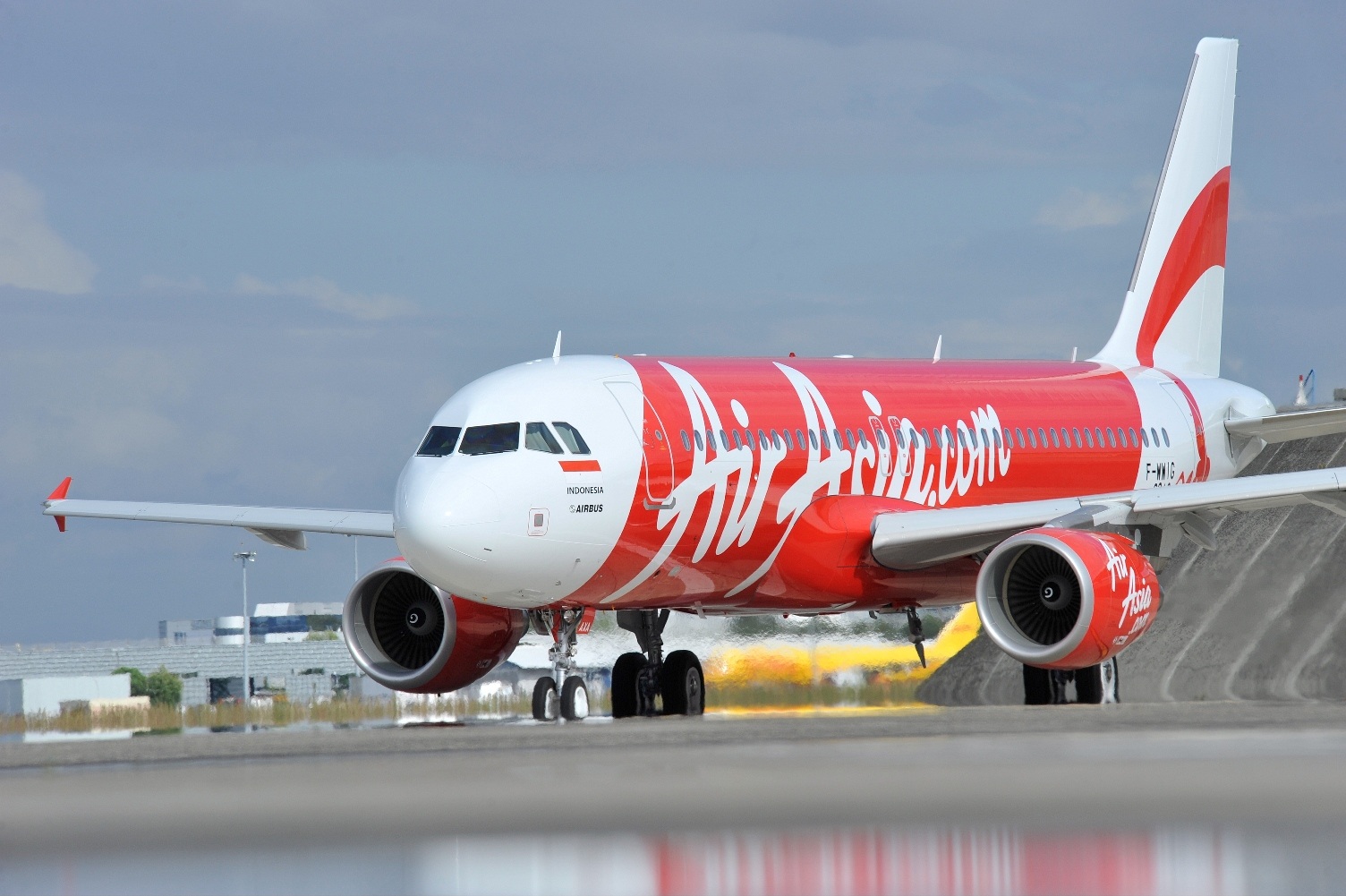
  • AirAsia X set to amend debt revamp plan

    AirAsia X set to amend debt revamp plan

    AIRASIA X, the low-cost long-haul affiliate of AirAsia Group Bhd, is expected to file an amendment to its originating summons next week, to make its debt restructuring proposal more palatable to the 1,200 unsecured creditors that the airline is asking to write down their dues.

    This was disclosed to Kuala Lumpur High Court Judicial Commissioner Anand Ponnudurai by the lawyer for AAX last Friday (Oct 30). The matter came up before Anand at a case management hearing of an application by several of AAX’s unsecured creditors to intervene in the airline’s application for leave to hold a creditors’ meeting to vote on its proposed debt restructuring scheme.

    Sources say AAX seeks to amend its originating summons, as well as some of the terms of its proposed scheme. This comes as more lessors and creditors have come out against AAX’s proposed scheme that was disclosed on Oct 6.

    Under its proposed scheme, AAX is seeking to get at least 75% of the total debt value of its unsecured creditors to agree to take a 99% haircut, effectively cutting RM2 billion in current debts and another RM61 billion in future liabilities to RM200 million. It also entails undertaking a 90% share capital reduction to RM150 million from RM1.53 billion currently, and a consolidation of every 10 existing shares into one consolidated share.

    It is learnt that apart from airport operator Malaysia Airports Holdings Bhd (MAHB) and aircraft leasing company BOC Aviation Ltd, Macquarie Aircraft Leasing Services (Ireland) Ltd, Sky High I Leasing Co Ltd and three other creditors are the latest to file an intervention application for their objections to the proposed debt restructuring scheme to be heard. Oct 30 was initially the date of the hearing for AAX’s application for leave to convene the creditors’ meeting for purposes of voting on the proposed scheme.

    Sources say during the case man­agement hearing, AAX had no objections to the intervention application filed by the creditors, which means the concerned parties are allowed to intervene and take a position in terms of the proposed scheme.

    According to sources, Anand has also decided to recuse himself from the case, as he had previously appeared on behalf of AirAsia in its dispute with MAHB and the Malaysian Aviation Commission before he was pulled from private practice into the judiciary last November.

    It is understood that another case management would be held next week to fix the leave hearing for the concerned creditors to raise the reasons for their objections to the proposed debt restructuring scheme. This is likely to be held before Judicial Commissioner Ong Chee Kwan.

    “At the leave hearing, the creditors will then state if they think the proposed scheme is not good, unfair, or that they want to be excluded from the scheme,” one source said.

    Sources also say the hearing date for AAX’s application for leave to hold the creditors’ meeting to vote on its proposed scheme is also expected to be fixed at next week’s case management hearing. “Depending on the judge’s schedule and subject to the availability of all the lawyers (representing the scheme creditors), the hearing could be held at the end of November or early December. Of course, it is best for AAX to hold the creditors’ meeting as soon as possible,” another source adds.

    On a recent report that AAX plans to revise its scheme to address concerns raised by MAHB to be excluded from it — as the airport operator takes the view that it is a secured creditor — sources say this was not raised during the case management hearing on Oct 30. “There is nothing formal to suggest their removal (from the scheme) at the moment,” says one source.

    At the case management hearing, AAX was represented by Foong & Partners with Gopal Sreenevasan as its lead counsel. MAHB and Sky High were represented by Claudia Cheah of Skrine while BOC Aviation and Macquarie were represented by Kwan Will Sen and Joyce Lim of Lim Chee Wee Partnership. David Hoh, counsel for Abdullah Chan, represented three other creditors.

    On Oct 22, MAHB announced that it was suing AAX to recover RM78 million in outstanding aeronautical charges. The debt that it is owed is less than 0.01% of the total debt owed in the proposed scheme, it added.

    BOC Aviation had also filed an intervention application in the court for its objections to the proposed scheme to be heard. It is seeking about US$30 million in dues from AAX.

  • Pagerie releases what it bills as world-first luxury accessories for dogs

    Pagerie releases what it bills as world-first luxury accessories for dogs

    The brand, which bills itself as the world’s first “luxury fashion house for pets”, makes each piece by hand using sandy-hued, full-grain French leather and marine-grade stainless steel normally reserved for making yachts.

    “I just always found it odd when I’d see people dressed immaculately but then their dog is sporting a bright red plastic leash from a chain pet store,” founder Mandy Madden Kelley told Dezeen.

    “Our pets are a reflection and extension of ourselves and I realized there was such a gap in the market for products that live up to that connection.”

    The Sahara collection shuns an overly cutesy or utilitarian look in favor of a minimalist design and form-fitting silhouette reminiscent of equestrian equipment.

    “Everything about Pagerie’s styles, shapes cuts, and patterns is meant to conform to the shapes and contours of our dogs,” said Kelley.

    “Other pet accessories tend to be too sporty, masculine or they tend to cover the pet’s entire body. What I was looking for was something more sensual. I wanted to create designs that highlight the gracefulness and elegance that pets have.”

    At $380, the Dórro collar is the cheapest item in the collection and comes with a buckle that can be adjusted to its wearer on first use.

    From then on, the collar can be fastened and unfastened in a process “as seamless as opening and closing your Birkin”, Kelley explained, simply by closing the steel turnlock and securing it by flipping down the hook at the center.

    The matching Tascher leash can be set to three different lengths and used for two dogs simultaneously. It also comes with a cylindrical pouch for doggie bags or treats, rendered in the same sand-colored leather as the other pieces.

    As the most expensive piece, the $720 Babbi harness is modeled after a horse’s saddle and even comes with a removable, quilted lining similar to the saddle pads worn by horses.

    Kelley, a former lawyer and current beauty influencer, argues the collection’s price tag is justified because it will encourage slower, more considered consumption.

    “I would be shocked walking into someone’s homes if they had several different leashes and collars simply because they weren’t able to come across something high quality that they love,” she said.

    “Quality costs more but it can last a lifetime. When my team and I developed the designs for Pagerie, we made them to be timeless, high-quality pieces that would never go out of style or need to be disposed of or replaced.”

    The Sahara collection is the first release by pet wear label Pagerie

    Choupette, the famed cat of late fashion designer Karl Lagerfeld, also made its first foray into pet accessories this year, releasing a woollen, hammock-style cat bed in collaboration with German brand LucyBalu.

    Elsewhere, Asif Khan’s contribution to the Architecture for Dogs exhibition at London’s Japan House saw the British architect add a circular crater to the top of a felt-covered table to allow dogs to snuggle up in it.

  • Pandemic cuts demand for overseas jobs

    Pandemic cuts demand for overseas jobs

    Vietnam’s labor export has plunged this year due to pandemic imposed travel restrictions and fear of contracting the virus abroad. The number of Vietnamese leaving abroad for work in the first nine months fell 59 percent year-on-year to just over 42,800, according to the overseas labor department.

    Japan and Taiwan, the largest and second-largest foreign markets for Vietnamese labor, saw the number of new workers go down nearly 49 percent and over 56 percent, respectively. The plummeting figures reflect the difficulties labor export companies in Vietnam have faced this year.

    Nguyen Viet Xuan, chairman of the Hanoi-based Viet Thang Corp, said his company has successfully sent just a few dozen workers to Japan, Taiwan, and Romania since September, down 90 percent year-on-year.

    Most of them were supposed to leave earlier, but unable to do so due to the pandemic, and the company was having trouble recruiting new candidates because people were reluctant to leave Vietnam with the Covid-19 situation remaining intense in many countries, he told local media.

    The Laco Labour Cooperation Company Ltd in Hanoi has only sent 40 workers to Japan since September after a mostly inactive period from February to August. Vietnam recorded its first Covid-19 case at the end of January and the situation was contained by the end of August.

    Although the Japanese market still has a high demand for imported labor, the long process of acquiring health certificates in the pandemic context could be one of the reasons preventing candidates from going, said Laco CEO Nguyen Xuan Hung.

    Before the pandemic, Japanese employers often traveled to Vietnam and conducted face-to-face interviews, but now the recruitment process has become more challenging as interviews have to be conducted online, he added.

    Other recruiters have pointed out to the high costs of air travel as a factor that discourages workers from going.

    The government’s labor programs are also facing difficulties in recruiting workers. The Department of Overseas Labor had recently extended its deadline for a nurse recruitment program to Japan by one month after failing to recruit the 240 candidates it needed.

    The pandemic has forced companies to cut recruitment costs due to falling revenues. These companies traditionally need to pay a local agent VND20-30 million ($865-1300) per worker, but now they focus more on running ads on social media to approach workers directly.

    Industry insiders do not expect a full recovery in the market anytime soon. Doan Mau Dien, chairman of the Vietnam Association of Manpower Supply (VAMAS), said that as the rising number of Covid-19 cases are being recorded in Europe and some countries have reimposed social distancing measures, it would take until at least the middle of next year for labor export activities to resume to pre-pandemic levels.

    Last year, 147,387 Vietnamese left to work abroad, up 3.2 percent year-on-year, according to the overseas labor department.

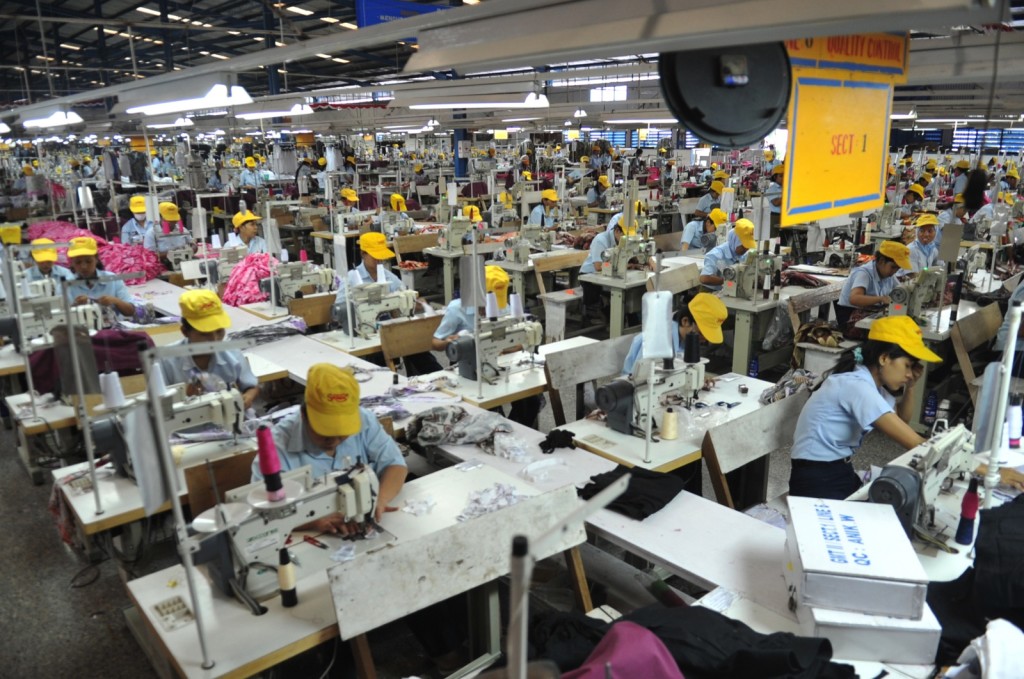
  • Fabric origin a problem for textile firms seeking to benefit from EU trade deal

    Fabric origin a problem for textile firms seeking to benefit from EU trade deal

    With Vietnam not producing enough or competitively priced raw materials for the textile industry, its companies are struggling to fully benefit from the EVFTA. The lack of fabric production in the country means businesses are unable to meet origin requirements to enjoy tax incentives, SSI Securities Corporation said. To do so, they need to use domestically produced fabrics or imports from countries that have free trade deals with the E.U., it added.

    But Vietnam depends on China for 60-70 percent of its textile feedstock, and fabrics imported from South Korea account for only 15 percent of the total requirement.

    The E.U.-Vietnam Free Trade Agreement, which took effect on August 1, has strict rules of origin for goods exported to the bloc.

    Under its provisions, 77.3 percent of Vietnam’s textile exports it will enjoy zero percent tax within the first five years while the rest follow a seven-year roadmap.

    The EVFTA is the E.U.’s second trade deal with an ASEAN member country after one with Singapore, and one of the few with a developing country.

    It will see Vietnam eliminate 99 percent of its import duties over 10 years and the E.U. doing the same over seven.

    Before the deal was signed, Vietnam’s garment and footwear exports to Europe were given preferential treatment under the Generalized System of Preferences (GSP) program, with a 9.6 percent tariff on the former.

    For the first two years enterprises can choose to continue to be taxed under the GSP program or EVFTA. From the third year, if a company does not meet the rules of origin as stipulated in the deal, the tariff rate will increase to 12 percent.

    The Vietnam National Textile and Garment Group (Vinatex) said the tax incentives under EVFTA are not attractive enough for businesses to switch from Chinese to Vietnamese fabrics since the former are 10-40 percent cheaper and delivered faster due to the scale of production.

    China’s textile and dyeing industry has a capacity of 80 billion meters of fabric a year while Vietnam’s is 2.5 billion meters against a demand of eight billion meters.

    But SSI believed that in the long run Vietnam needs to develop its own industry and ensure sufficient scale to compete on cost with China.

    There are around 6,800 textile and garment businesses in the country and their exports were worth $32.85 billion last year.