Category: Living

Retail News Asia is committed to providing both local and global retailers with the latest Living news throughout the Asian market. This on a daily base.

  • Ikea proposes one-third price cut by boosting local sourcing

    Ikea proposes one-third price cut by boosting local sourcing

    Ikea India is proposing an economical solution by sourcing materials from the local market to cut down the budget, according to The Economic Times.

    The company said it is talking to the government and other players in the market to form furniture hubs. By sourcing wood locally, including Sheesham and bamboo, Ikea expects to cut prices by a third.

    The home-furnishing giant has been using wood imported from Europe.

    “We have had to accelerate our work to new categories and have had good success with metal, plastic and comfort categories, such as mattresses and sofas,” Kavitha Rao, country commercial manager of India, told The Economic Times.

    As part of its strategy to boost affordability in the India market, the brand has lowered product prices in certain categories, including chairs, toys, sofas, and bookshelves.

    “Local sourcing remains a key driver of affordability and over a third of the products under new lower prices are made in India,” he said.

    Entering India in 2018, Ikea India has increased its local sourcing from single digits to 20-25 percent. Local sourcing is a condition for many multinational companies to gain approval to open retail stores in India.

  • Rimowa opens Hong Kong flagship

    Rimowa opens Hong Kong flagship

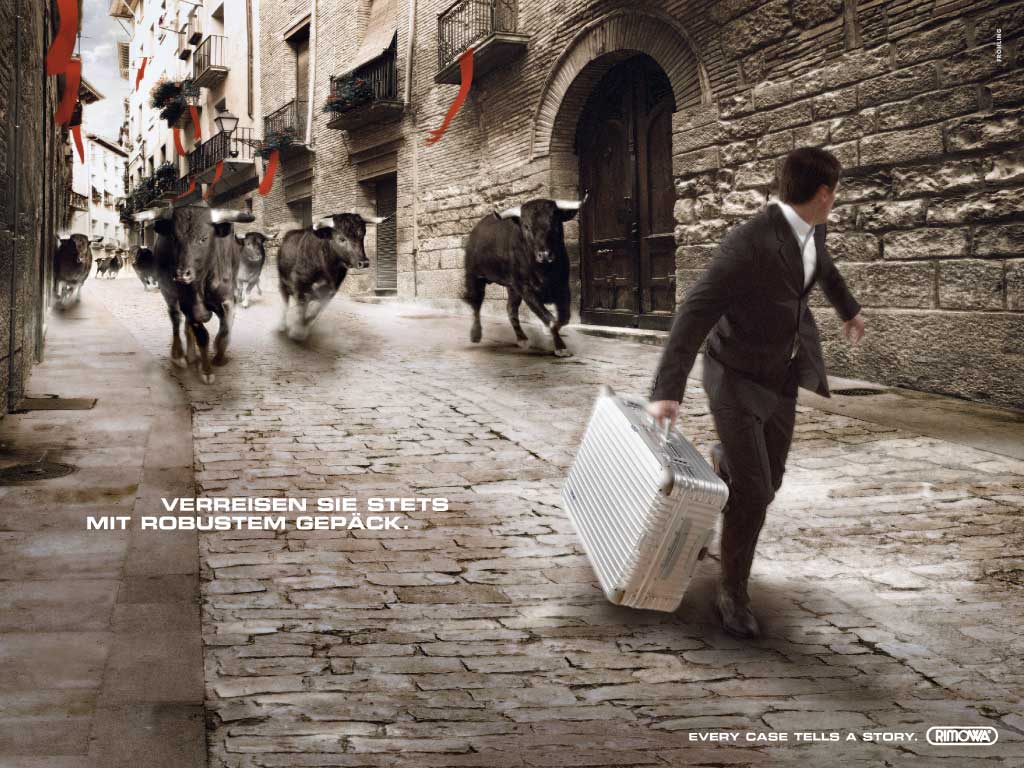
    Premium luggage brand Rimowa has opened its first flagship store in Hong Kong, located at Lee Gardens. Occupying 192sqm, the store offers a selection of premium luggage, including the Original, Classic, Essential, and Hybrid collections

    The store’s facade features floor-to-ceiling glass windows and strong vertical lines incorporating lighting that “pays homage to the brand’s renowned groove design while also evoking the densely packed, iconic skyline of Hong Kong,” the company said.

    The Rimowa Lee Gardens store interior follows the minimalist design, using modern elements such as a bold pink ceiling, grey walls and floor, metallic displays, and contemporary track lighting.

    The store features a ‘sticker wall’ made from mirrored vertical metal panels. The design resembles a traditional Chinese painting known for its hanging scrolls. The sticker collection celebrates cities from across the globe and designs created in collaboration with the brand’s worldwide network of artists.

    Rimowa Lee Gardens also houses a Client Care counter where customers can schedule product servicing, and receive and inspect repaired luggage.

  • Ebetsu Tsutaya Books: A community space that’s more than just a public building

    Ebetsu Tsutaya Books: A community space that’s more than just a public building

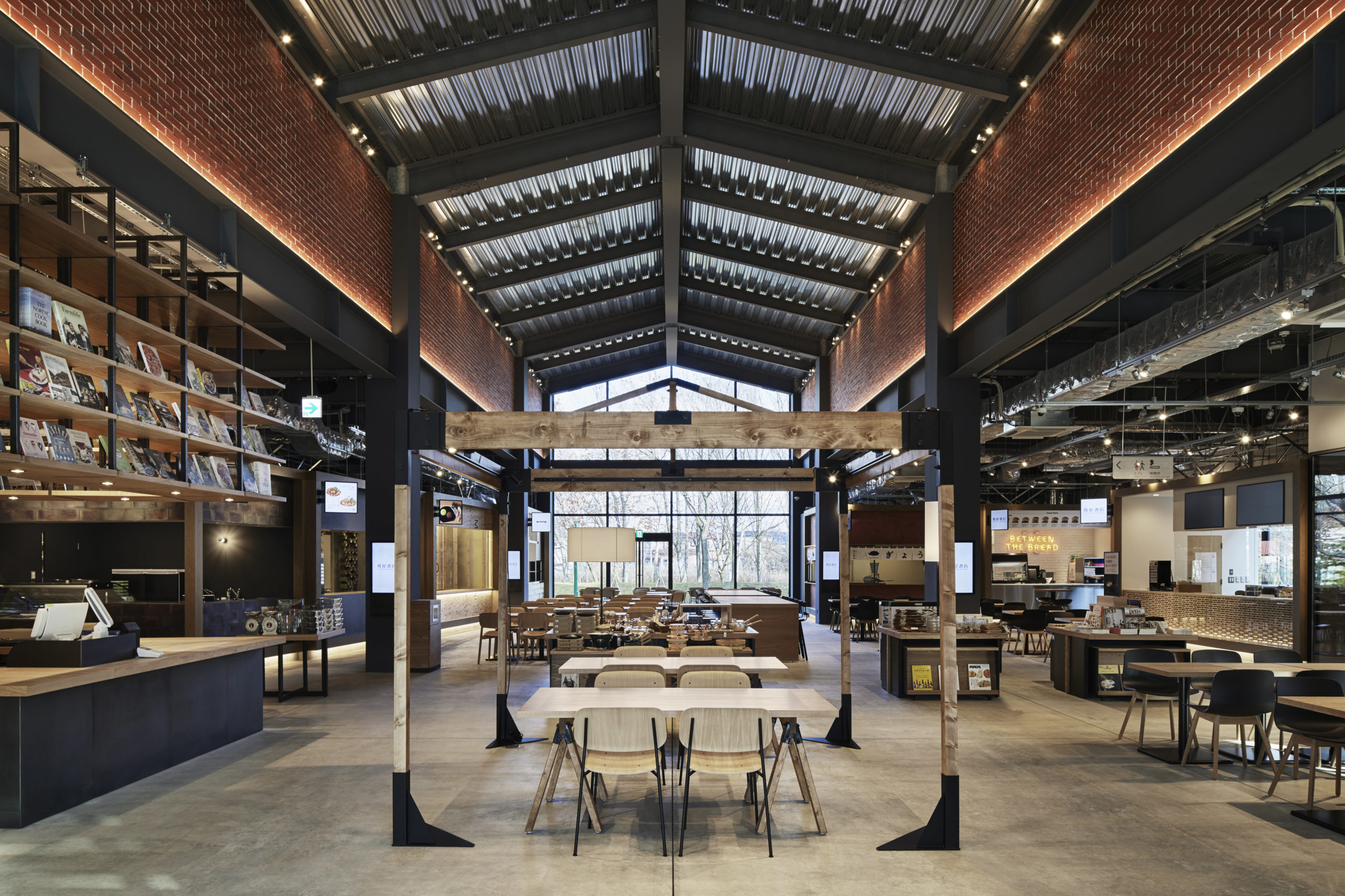
    Tsutaya Books commissioned Hikohito Konishi / HIKOKONISHI ARCHITECTURE Inc. to design the company’s twentieth store since its restructuring, located in the city of Ebetsu, Hokkaido. The site is adjacent to Ebetsu’s Four Seasons Promenade, a landscaped walking path, and faces a wooded area with many large trees. With a store concept of “a slow-life library in the woods,” our focus was on creating a comfortable space for customers to enjoy.

    In order to reduce the volume of the 140-meter-long structure, we divided it into three blocks and five zones with a staggered layout. The blocks form a cohesive cluster of buildings whose trimmed-back scale is effective in attracting more people. The exterior is finished with bricks from three local companies, creating a strong contrast with the surrounding greenery. We expect the bricks to age beautifully, along with the extruded cement panels on the sides of the buildings.

    The three blocks are assigned the respective themes of Mind, Life, and Food, and their interiors are configured to offer framed views of the forest as well as a sense of unity. The locally produced bricks, concrete floors, exposed steel frames, and wood-and-steel furniture all contribute to the tranquil atmosphere inside, as does the lighting design.

    The store hosts nearly 50 events every month and over 500 throughout the year, playing a role in the community that goes far beyond that of a typical public building. It is not only a commercial facility selling books, DVDs, and more, but also a place that strives to create and nurture local culture. This resonates with the commitment of the company’s founder to create places where people gather—and with our concept of a “slow life” bookstore in Hokkaido.


  • Ikea Korea sales growth

    Ikea Korea sales growth

    Ikea’s business in South Korea has reported 32.6-per-cent sales growth over the past fiscal year despite the impact of the coronavirus outbreak.

    The success of the retail business over the period has been attributed to a surge in interest in home furnishings as people remain at home to avoid the pandemic, according to Ikea Korea country retail manager Fredrik Johansson.

    Customer numbers at Ikea stores also increased by 31 percent during the period to 12.3 million people, with online shoppers increasing by 14 percent to 44.7 million.

    The firm has made concerted efforts to market goods at affordable prices and engage in remote sales efforts. It is also about to commence a new sustainable home-furniture marketing campaign to support climate action within Korea, along with strategies to buy back and resell used furniture to replace 20 percent of the firm’s delivery vans with electric vehicles by the end of the next fiscal year.

  • Vietnam casinos enjoy double-digit revenue growth

    Vietnam casinos enjoy double-digit revenue growth

    Eight casinos in Vietnam saw their combined revenues rise 60 percent from 2018 to VND2.5 trillion ($108 million) last year.

    These eight establishments were licensed before March 2017, when the government began a trial project allowing Vietnamese to gamble in local casinos, according to a recent report by the Ministry of Finance. Earlier, only foreigners were allowed to play at casinos in Vietnam.

    Five of the casinos are in the north, two in the central region, and one in the south. They contributed VND1.34 trillion ($58 million) to state’s coffers last year, up 49 percent year-on-year.

    But not all eight casinos recorded growth. Royal International Corporation (RIC), which operates the largest casino in the northern province of Quang Ninh, for example, saw revenues decline of 45 percent from 2018 to VND97.8 billion ($4.2 million) last year. It also recorded a loss of VND50.4 billion.

    The Aristo International Hotel Casino in the border province of Lao Cai, operated by Australian company Donaco International Limited, saw revenues falling 17 percent from 2018 to AUD21.5 million ($15.4 million) last year. Its profits dropped 44 percent to AUD4.8 million ($3.4 million).

    After March 2017, three more casinos were licensed in Vietnam, including Casino Corona on Phu Quoc Island off Vietnam’s southern coast, which began operation in January last year and was the first casino in Vietnam to allow locals to play.

    Its revenue from casino operations was VND1.38 trillion ($59.5 million) last year. It earned pre-tax profits of VND280 billion, serving 105,000 customers last year, of which 45 percent were Vietnamese.

  • Mask exports fall as global demand declines

    Mask exports fall as global demand declines

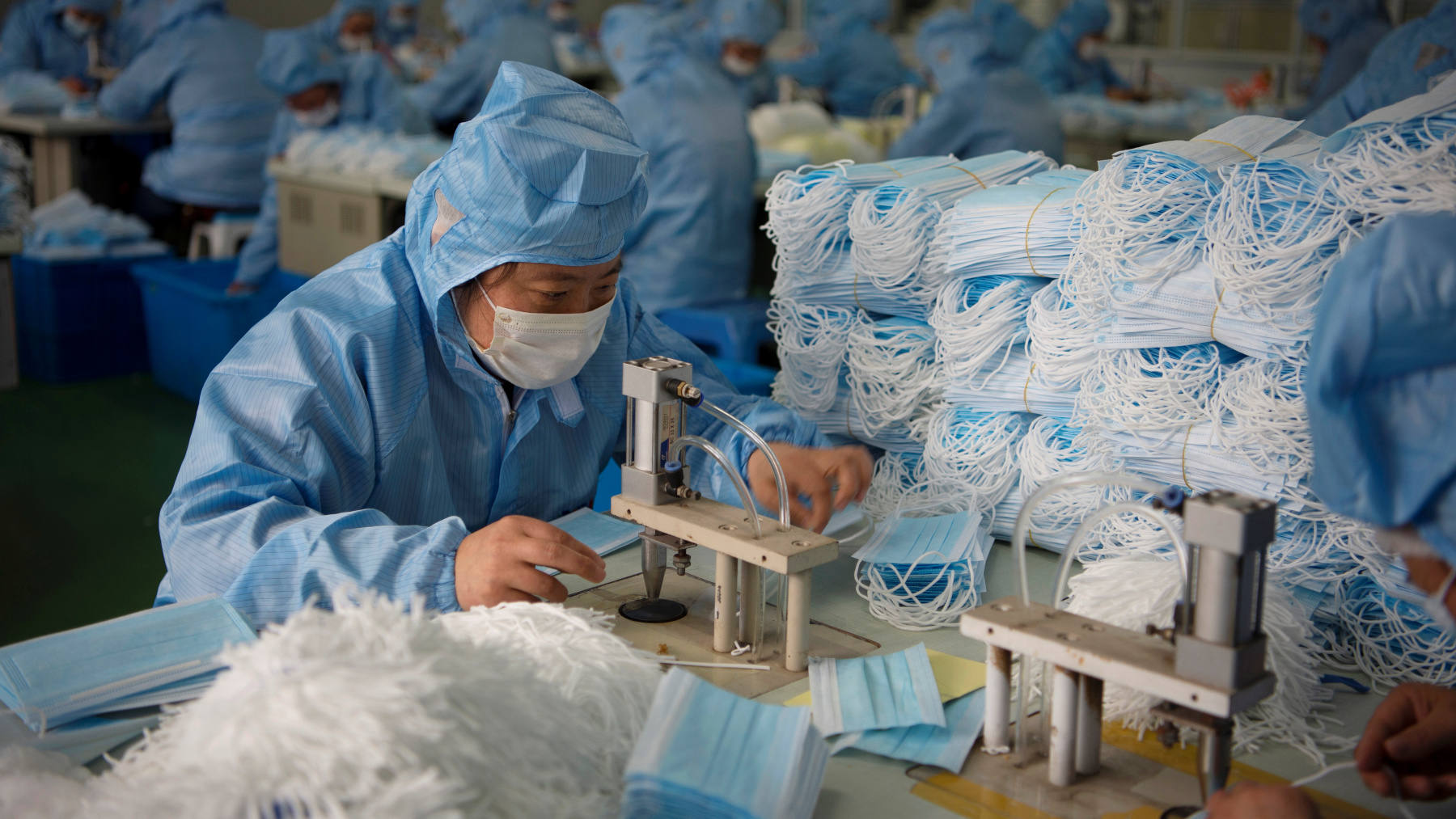
    Vietnam’s mask exports fell by nearly 35 percent in July to 154 million units as global demand dwindled.

    By the end of the month, the country had exported 711 million masks to the U.S., Europe, Singapore, South Korea, and other markets since the Covid-19 pandemic began early this year.

    The government started allowing unlimited exports of masks since the end of April to help businesses take advantage of the high demand for them as the disease spread rapidly.

    Industry insiders now say demand is falling since many countries have been able to contain the pandemic.

    Nguyen Van Thoi, chairman of garment company TNG in the northern province of Thai Nguyen, said last month his company had ceased production of masks. Other garment producers have also done so and gone back to their normal products.

  • Apple removes Fortnite from the App Store after Epic added its own purchase system

    Apple removes Fortnite from the App Store after Epic added its own purchase system

    Apple has quite strict rules when it comes to App Store, so developers who want their apps on the iOS ecosystem must respect Apple’s policies. That’s one of the reasons Microsoft couldn’t bring its upcoming Project xCloud streaming service to iOS and, more recently, why Apple has removed Fortnite from the App Store.

    Epic Games introduced earlier today its own purchase system for Fortnite on Android and iOS, which will skirt Apple and Google’s 30% fee on every purchase made through its app stores.

    The company announced a permanent discount on V-bucks, the in-game currency Fortnite is using to buy cosmetics, as well as other cash purchases in the game of up to 20%. In a statement published today, Epic Games said that these are the new prices for Fortnite’s currency on mobile since it introduced its own purchase system that won’t go through either the App Store or Google Play Store.

    Basically, this means that Epic Games no longer pays 30% fees for each transaction it makes in Fortnite through App Store or Google Play Store. As such, the company decided to offer what would have been paid to Apple and Google to the players in the form of a permanent discount on V-bucks. By offering an alternate payment system, we’re not only offering players more choice, but we’re able to pass along the savings to players.

    Unfortunately, the move didn’t remain unsanctioned by Apple, as the company decided to completely remove Fortnite from the App Store just hours after Epic Games added its purchase system in the game.

    The way Epic Games decided to get around App Store’s fees probably infuriate some people at Apple, which decided to show them otherwise. Apple claims that the reason it removed Fortnite from the App Store is that Epic Games rolled out an update for the game without getting permission from Apple. The update introduces the changes to the payment system that we’ve detailed above and would’ve probably rejected by Apple.

    Epic Games took the unfortunate step of violating the App Store guidelines that are applied equally to every developer and designed to keep the store safe for our users. As a result, their Fortnite app has been removed from the store. Epic enabled a feature in its app which was not reviewed or approved by Apple, and they did so with the express intent of violating the App Store guidelines regarding in-app payments that apply to every developer who sells digital goods or services.

    The statement also mentions that there will be no negotiations with Epic Games, so unless the developer doesn’t abide by App Store’s rules, Fortnite won’t return to the iOS store. Apple also states that there’s no room for exceptions, so any Epic Games decision that violates the App Store’s terms and guidelines will be rejected.

    Epic has had apps on the App Store for a decade, and have benefited from the App Store ecosystem – including its tools, testing, and distribution that Apple provides to all developers. Epic agreed to the App Store terms and guidelines freely and we’re glad they’ve built such a successful business on the App Store. The fact that their business interests now lead them to push for a special arrangement does not change the fact that these guidelines create a level playing field for all developers and make the store safe for all users. We will make every effort to work with Epic to resolve these violations so they can return Fortnite to the App Store.

    Fortnite would’ve have been the only app that features its own payment system. Other apps like Best Buy, Uber, and a lot of others don’t pay the 30% fee to Apple for transactions and are allowed to operate normally.

    It’s not surprising that Epic Games’ move comes only days after Microsoft complained about Apple’s strict App Store rules. It looks like several giants that do business with Apple are starting to show their discontent about the way the Cupertino-based company chose to treat their successful products. It’s like Apple wants a piece of everyone else’s pies at any cost, even if that means losing some customers in the long run.

  • The world’s last Blockbuster can now be rented for a sleepover on an Airbnb

    The world’s last Blockbuster can now be rented for a sleepover on an Airbnb

    The manager of the world’s last Blockbuster video rental outlet Sandi Harding is listing the store on vacation rental marketplace Airbnb as an accommodation venue for three nights only.

    The Oregon store will be available for a “90s-themed stay” on September 18, 19 and 20 as a chance to relive the Friday night tradition of video watching during the era. It is open to guests residing in the surrounding Deschutes County, a community that has supported the business ever since the demise of VHS technology.

    Residents of the country will have the opportunity to book a “slumber party” at the Blockbuster store from August 17 at a cost of US$4, just a penny more than the rental cost of a movie. Guests will sleep on a futon under 90s-era blankets set up in front of a large TV. The store shelves will be fully stocked with the store’s complement of movies on tape.

    While the atmosphere of the sleepover in the world’s last Blockbuster store may hearken back 20 years, in at least one respect the mood must necessarily be overshadowed by the 2020 reality of the coronavirus pandemic – guests will need to follow Covid-19 precautions, and overnighters must come from the same family unit to avoid potential cross-infection. The store will be cleaned and prepared in accordance with CDC guidelines and consistent with the Airbnb enhanced cleaning protocol.

    Oregon’s Blockbuster store has been in continuous operation since 2004.

  • Ikea Thailand and Greyhound collaborate on designer homewares range

    Ikea Thailand and Greyhound collaborate on designer homewares range

    Ikea Thailand has launched a limited collection with local retailer Greyhound Original, which operates fashion shops and restaurants in Southeast Asia.

    Called “Sammankoppla”, which means interconnect or unify, the Ikea x Greyhound collection offers furniture and home accessories for small-space living.

    “Since multi-function and creativity is key in order to enable both a small-space living solution and an expressive design piece, we turned to Greyhound Original,” says Michael Nikolic, creative leader at Ikea Sweden.

    Designed by two Thai fashion designers from Greyhound,  Bhanu Inkawat, and Vitchukorn Chokedeetaweeanan, the Sammankoppla collection features bold patterns found in traditional Thai weaving.

    “Incorporating recycled materials that have their own history adds to this, with sustainability and creative re-purposing processes being key to the Sammankoppla collection,” said Clotilde Passalacqua, interior design manager at Ikea UK and Ireland.

    The Ikea x Greyhound collection includes a geometric cushion, a reusable carrier bag with “a unique twist on Ikea’s Frakta bag” and jug-shaped light.

    Launched in 1980 with a tagline “Basic with a twist”, Greyhound has marked its footprint in overseas markets including Hong Kong, Shanghai and London.

  • China sets dates for reinstatement of tourist visas to Macau

    China sets dates for reinstatement of tourist visas to Macau

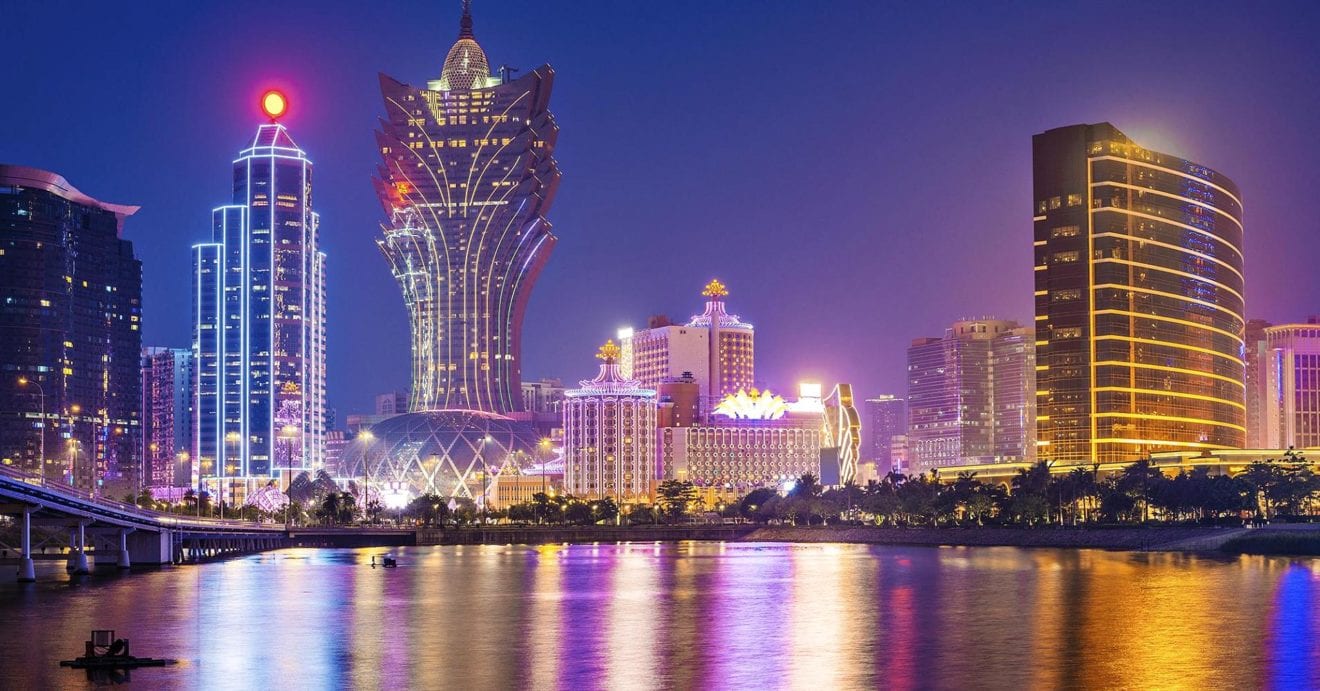
    @Macau, the world’s biggest casino hub, is set to welcome an influx of gamblers after China announced that tourist visas would be reinstated for all provinces.

    Residents from Zhuhai city across the border from Macau are permitted from tomorrow, August 12.

    Residents from the neighboring coastal province of Guangdong on the mainland will be able to apply from August 26, the National Immigration Administration said.

    Residents of other provinces will be allowed to apply for visas from September 23.

    Casino executives and investors have been eagerly awaiting the announcement as a catalyst to reviving gaming revenue, which has slumped since February due to coronavirus travel restrictions.

    China’s National Immigration Administration said, provided the domestic coronavirus situation continued to improve, residents would be able to apply for individual and group travel visas to enter the special administrative region located on the country’s southern coast.

    Visitors from greater China make up over 90 percent of tourists to the former Portuguese colony of Macau.

    Shares of Hong Kong listed casino stocks soared on Tuesday following the announcement. The announcement comes nearly a month after China loosened coronavirus-related border restrictions between Macau and Guangdong.

  • NYC commuters with an iPhone are risking COVID exposure just to unlock their devices on the subway

    NYC commuters with an iPhone are risking COVID exposure just to unlock their devices on the subway

    Apple iPhone users worldwide started to get frustrated when global agencies suggested that face masks be worn as a preventative measure against the spread of COVID-19. That’s because those iPhone models using Face ID couldn’t verify the identity of the person holding the phone because of the mask. As good as Face ID is in matching a person’s face even if he/she grows a beard, wears glasses, or gets a haircut, Apple couldn’t anticipate when developing the feature that users would be wearing a mask when going outside.

    Mask wearing iPhone users would have to wait to get the passcode screen, eating up valuable time. So in iOS 13.5, Apple added an algorithm that quickly detects when the phone’s owner is wearing a mask and brings up the passcode screen after a swipe up from the bottom of the display. But apparently, the faster transition time from Face ID to the passcode screen is not fast enough for some New York City commuters.

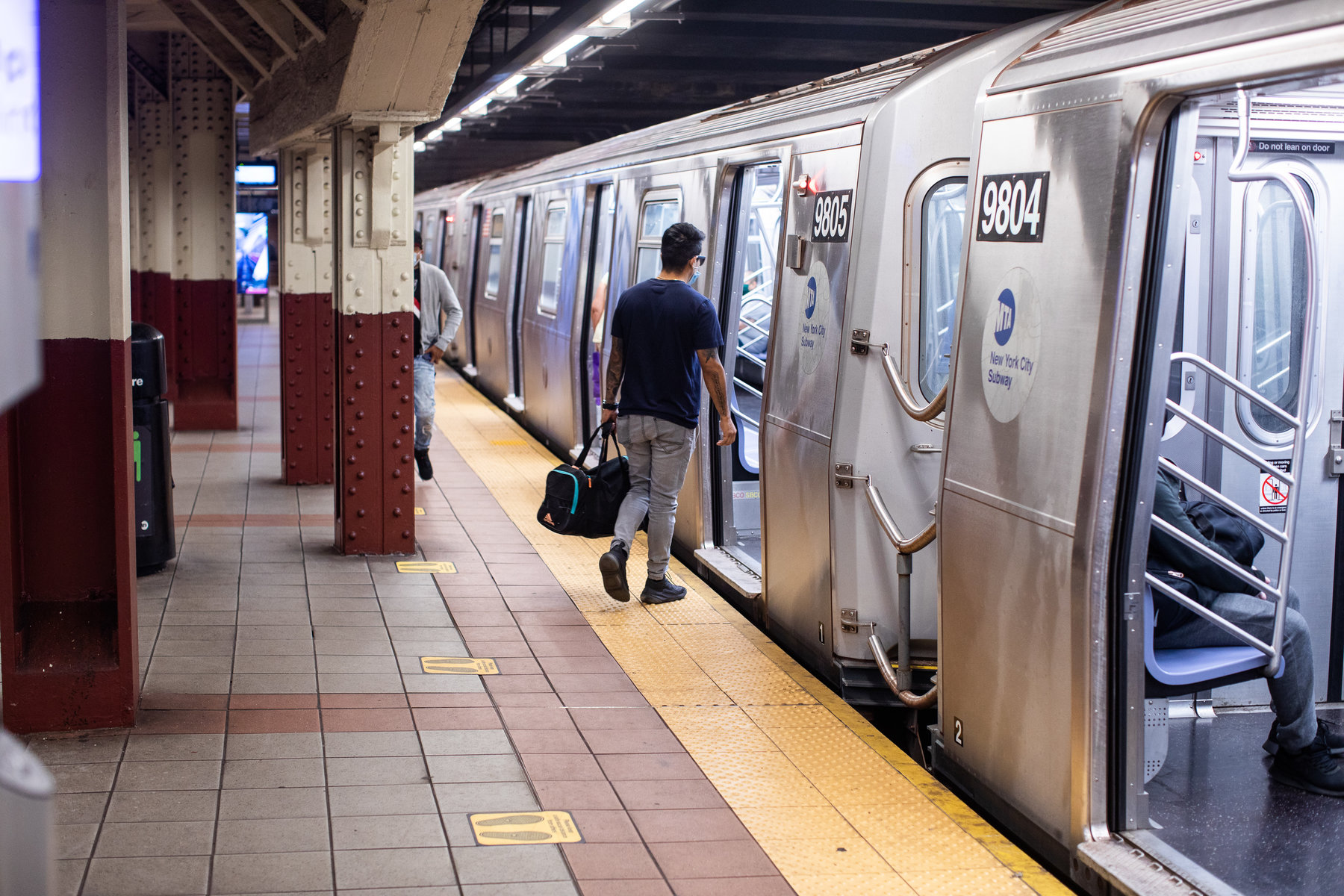
    Patrick Foye, the chairman of the Metropolitan Transportation Authority (MTA), sent a letter to Apple CEO Tim Cook that was obtained by the Associated Press. In the letter, Foye says that he has seen commuters removing their masks to log-in to their iPhones. During a pandemic that continues to infect and kill Americans, removing your face mask to satisfy Face ID is not suggested, especially on a crowded subway platform or on the train itself. Apple also added Apple Pay Express Transit which allows riders of some subway and bus lines to use an iPhone or Apple Watch to pay without having to wake the device.

    In New York City, all bus and train riders must wear masks and maintain social distancing. The MTA says that 90% of its customers are wearing some type of face covering which means that quite a few iPhone users could be exposing themselves to the virus by lifting or removing their masks to get Face ID to work (if you’re familiar with the New York City subway system, you know that they might be exposing themselves period).

    In his letter to Cook, Foye wrote, “We understand Apple is working to address the issue and know that Apple has a range of technologies at its disposal as a global leader among tech companies. We urge Apple to accelerate the deployment of new technologies and solutions that further protect customers in the era of COVID-19.” The MTA chairman added that he would be willing to work with Apple on a promotional campaign to alert riders about the changes made in the latest iOS update.

    Apple responded by sending an emailed statement. “There’s nothing more important to us than the health and safety of our customers,” the tech giant wrote. “We are fully committed to continuing to work with the MTA to support their efforts to prevent the spread of COVID-19.”

    The MTA isn’t asking Apple to develop new technology or update the passcode screen. It merely wants to work with the tech company to put up display ads or otherwise inform riders on MTA vehicles and subway cars that they don’t need to take off their masks even for just the short time it takes Face ID to work.

    While subway ridership in New York City plunged by 90% at the pandemic’s peak, the numbers are rising although they are still well below pre-pandemic levels. New York City was once the global COVID-19 epicenter, the city has not seen over 1,000 new cases on a daily basis since May 30th. New York City’s success in beating back the virus’ spread might leave commuters less diligent which would also be a good reason for the MTA and Apple to collaborate on a message that can be promoted to commuters riding the MTA bus and subway lines.

  • Lady M teams with Netflix to create Over the Moon mooncake lantern

    Lady M teams with Netflix to create Over the Moon mooncake lantern

    Luxury cake boutique Lady M is serving a limited-edition mooncake lantern to celebrate the musical Over the Moon, in a partnership with Netflix and Pearl Studio.

    Timed to mark the Mid-Autumn Festival, Lady M’s Over the Moon mooncake lantern also marks a rare collaboration with Netflix – and illustrates the potential for seemingly unrelated brands to collaborate on products.

    Lady M’s pastries will come with an exclusive lantern package illustrating scenes from Pearl Studio’s animated musical Over the Moon.

    The lantern features gold and jade colors with laser-cut imagery of characters and scenes from the film with an interactive illumination effect. Inside the lantern is a collection of six individually-wrapped Lady M mooncakes in two flavors – sweet egg custard and chocolate custard.

    Each lantern package comes with a gift bag, a greeting card, an instruction card, and an envelope creating a memorable gift for family or friends.

    The movie Over the Moon tells the story of a bright young girl who builds a rocket ship to the moon to prove the existence of a legendary Moon Goddess. It will begin streaming on Netflix this fall.

  • Saigon zoo operator posts $800,000 loss

    Saigon zoo operator posts $800,000 loss

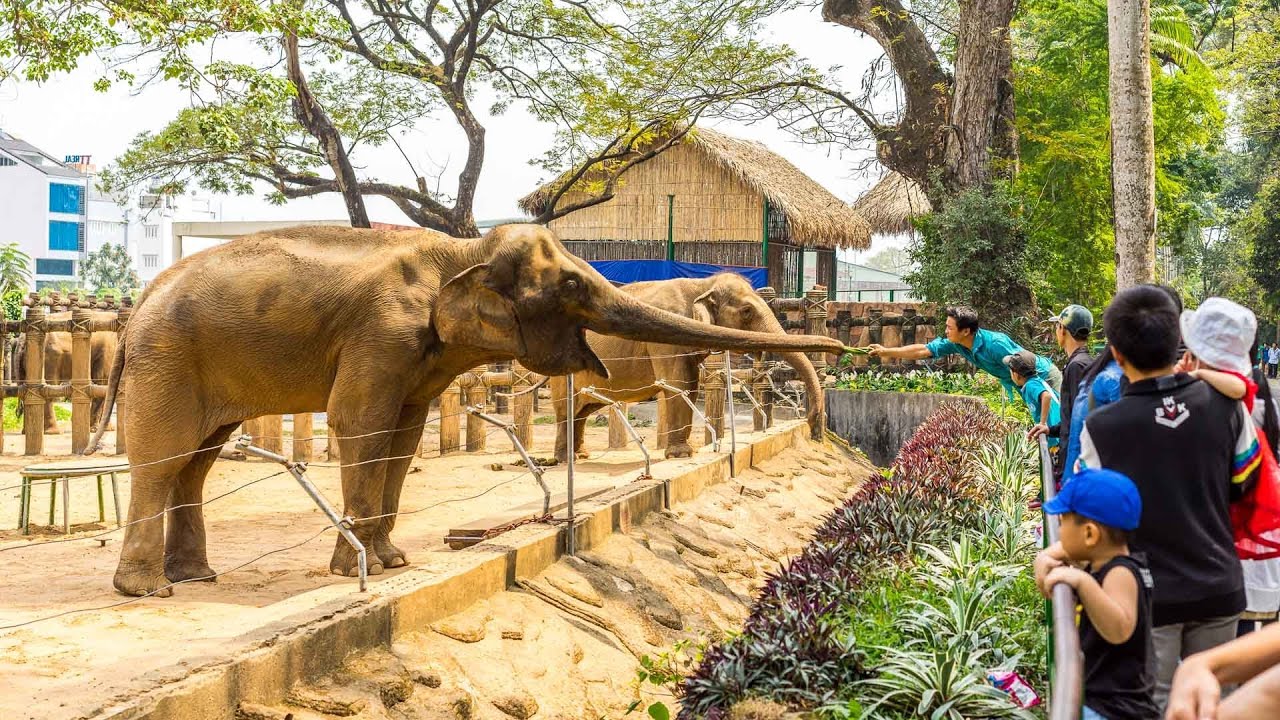
    The Saigon Zoo-Botanical Garden Company Ltd reported a loss of VND18.8 billion ($809,600) for the first half as Covid-19 kept people away from its zoo.

    The operator of the country’s largest zoo in Ho Chi Minh City saw revenues drop by half year-on-year to VND27 billion ($1.2 million). The 156-year old zoo in District 1 closed for two months from March 20 as Covid-19 containment measures took effect. Its loss was the third largest among seven loss-making state-owned companies based in the city. The operator also has VND18 billion ($775,200) in debts, mostly salaries. Its 270 employees have agreed to a 30 percent salary cut this month.

    It recently called for public donations to help the zoo care for its 1,500 animals, which require nearly five tons of meat, vegetables, fruit, and leaves daily.

    The zoo has over 125 animals and 900 plant species.

  • Total’s Indian Joint-Venture To Seek Fuel Retailing License

    Total’s Indian Joint-Venture To Seek Fuel Retailing License

    A joint-venture by India’s Adani Gas and France’s Total will soon seek government permission to open retail fuel stations in India, Adani’s chief executive said on Wednesday. India has become a lucrative market for global oil majors after the government removed controls on the retail pricing of gasoline and gasoil and relaxed rules for setting up fuel stations in the country, the world’s third-biggest oil consumer and importer. The joint venture, Total Adani Fuels Marketing Pvt Ltd, will soon apply for a license under the new liberal fuel retailing rules, Manglani said.

    “Definitely we will take full benefit of the expertise and strength of Total,” Suresh Manglani told reporters on an earnings call, adding that the intent was to become a full-service operator, providing a multi-fuel offering.

    Fuel demand in India is expected to rise in the coming years as Prime Minister Narendra Modi pushes for Asia’s third-largest economy to grow from $2.9 trillion of gross domestic product in 2019 to $5 trillion by 2025.

    British oil major BP has already teamed up with Reliance Industries in a fuel retailing joint venture, and Shell and Abu Dhabi National Oil Co also both want to strengthen their presence in India.

    Total bought a 37.4% stake in billionaire Gautam Adani-promoted Adani Gas last year to capitalize on India’s push for cleaner sources of energy. Adani Gas, which has so far focused on selling gas to industry and households, also wants to sell liquefied natural gas (LNG) for transportation. Modi wants to raise the share of gas in India’s energy mix to 15% by 2030 from the current 6.2%.

  • Gold continues to scale new peaks

    Gold continues to scale new peaks

    Gold prices in Vietnam climbed to a new peak, as global rates hit an all-time high. State-owned Saigon Jewelry Company sold its popular SJC gold at VND60.7 million ($2,628) per tael of 37.5 grams (1.2 ounces) on Thursday morning, up 2.88 percent from Wednesday.

    Major jewelry company DOJI sold at VND60.3 million ($2,611). The State Bank of Vietnam said it has the resources to stabilize the gold market and would closely monitor the price movements.

    Global rates edged down to $2,041 on Thursday after reaching an all-time high of $2,055 on Wednesday. Analysts said the rapid rise in Covid-19 cases has dented hopes of a swift economic rebound, driving inflows into safe-haven assets such as gold, which has gained more than 34 percent this year.

    Vietnam’s gold bar and coin demand in the first quarter fell 8 percent year-on-year to 12.3 tonnes, according to the World Gold Council.