Category: Living

Retail News Asia is committed to providing both local and global retailers with the latest Living news throughout the Asian market. This on a daily base.

  • Ebos confident about future growth

    Ebos confident about future growth

    Christchurch-based pharmacy and animal healthcare firm said it is confident it will see a significant increase in earnings in FY20 after reporting a less than stellar result for the year ending June.

    Company chief executive John Cullity said 2019 was a year of high activity and strategically important for the group, as it set the foundation for the next wave of growth.

    “The group continues to operate in highly competitive markets and this year was no exception,” Cullity said. “We have withstood the changing market dynamics and competitive pressures and delivered both solid underlying earnings growth and another strong cash result.”

    Ebos has posted an increase in annual net profit to $137.7 million from the $137.3 million on the previous year while sales fell 0.8 per cent to $6.93 billion, reflecting lower hepatitis C medicine sales in Australia and the impact of reform of Australia’s pharmaceutical benefits scheme. The two combined have caused reduced revenue by $425 million.

    The company posted a 5.2 per cent increase in its underlying profit.

    A loss on the sale of surplus property, transition costs for new major warehouses and transaction costs all had a $6.7 million one-off impact on the bottom line.

    Ebos spent $93.6 million on acquisitions and raised $175 million in fresh capital during the year.

    “We commenced operations in two brand new facilities in Brisbane and Sydney providing further warehouse capacity,” Cullity said.

    “We also moved to 100 per cent ownership of TerryWhite Chemmart, signed the Chemist Warehouse Group pharmaceutical contract and retained Blooms The Chemist, one of our largest independent pharmacy group customers. These were all great outcomes for our Community Pharmacy division.”

    The group’s healthcare segment generated a 4.6 per cent increase in underlying EBITDA for the year, underpinned by solid growth from their Australian business unit. In Australia, healthcare revenue declined by 3.5 per cent to $183 million, however excluding the impact of the reduction in hepatitis C sales and the impact of PBS price reforms, revenue growth increased 5.2 per cent.

    The company said the New Zealand healthcare segment delivered earnings in line with last year, with revenue growth of 8.7 per cent largely offset by higher labour and freight costs in our wholesale businesses.

    Revenue growth in community pharmacy, excluding the impact of lower Hepatitis C sales and PBS reforms, rose 3.0 per cent.

    Ebos has also announced Mark Waller will retire as director and company chair at the end of the annual meeting scheduled for October 15.

    Waller, who joined Ebos in March 1984 as chief financial officer before assuming the position of executive officer in 1987, led the group on an ambitious yet disciplined growth strategy, overseeing many successful mergers and acquisitions, including the purchase of Symbion in 2013 for $1.1 billion.

    According to the company, under Waller’s leadership, Ebos grew to become the largest trans-Tasman healthcare and animal care company with revenues in excess of $6 billion.

    After handing over the reins as CEO in 2014, Waller remained on the board before assuming the position of chairman in 2015.


  • Apple TV+ will allow users to download content for offline viewing

    Apple TV+ will allow users to download content for offline viewing

    A report revealed that Apple’s video streaming service will be coming our way by November of this year, starting at $9.99 a month and likely with a trial period of some sorts to kick things off. Information about the features of Apple TV+ is scarce right now, but a fresh new leak may have revealed one of them – the ability to save offline content.

    New information was discovered in macOS Catalina (the latest version of Apple’s Mac operating system) that suggests that Apple TV+ will allow users to download content for offline viewing. While digging through the code of macOS Catalina, MacRumors discovered lines that refer to Apple’s upcoming TV streaming service. The code suggests that the platform will offer offline viewing, but “with limitations on the total number of downloads, downloads per show or movie, or the total number of times a show or movie can be downloaded.”

    As with most other streaming services, Apple TV+ will also have a limitation on the number of simultaneous streams. If a user attempts to stream on more than the allowed number of devices at once, they will be greeted with a notification to first stop one of the other streams.

    With TV+, Apple is entering a very crowded and competitive field, dominated by the likes of Netflix, Hulu, and Amazon Prime. It’s going to be an uphill battle for the iPhone maker, but the company has already reportedly invested around $2 billion in its streaming effort, so it evidently has faith in this endeavor.

    Sources with knowledge of the work claim that the company is considering a release model that offers “the first three episodes of some programs, followed by weekly installments,” in contrast to Netflix’s “all-at-once” strategy, where entire seasons are released on the same day for binge-watching.

    Services are among the biggest money-makers for Apple, so it comes as little surprise that the company was so eager to dive into video streaming. In fact, while Apple’s biggest cash cow is still the iPhone, services are right behind it, making Apple more money than the iPad and Mac. Apple TV+ is an integral part of the company’s drive to reach $50 billion in services sales by 2020.

  • Google Play Music subscription gifting removed

    Google Play Music subscription gifting removed

    It looks like Google no longer allows users to gift Play Music subscriptions via Android. The move is far from being surprising as the app rarely received updates and those that were pushed out added minor improvements and very few new features.

    The messages someone gets when trying to gift a Play Music subscription reads: “Important – Google Play Music subscriptions can no longer be purchased as gifts.” However, if you really want to gift someone a Play music subscription, there’s a workaround, but it involves using an older version of the Android app or simply gifting it through the web app.

    It’s unclear whether or not Google plans to bring back the feature in some other form, so, for now, you can only use the web app or the workaround mentioned above to gift someone a Play Music subscription from an Android device.

    Reports about Google phasing out Play Music and replacing it with YouTube Remix have been running around since April, so this might be one of the first steps towards its demise.

  • Ikea focused to smart home products

    Ikea focused to smart home products

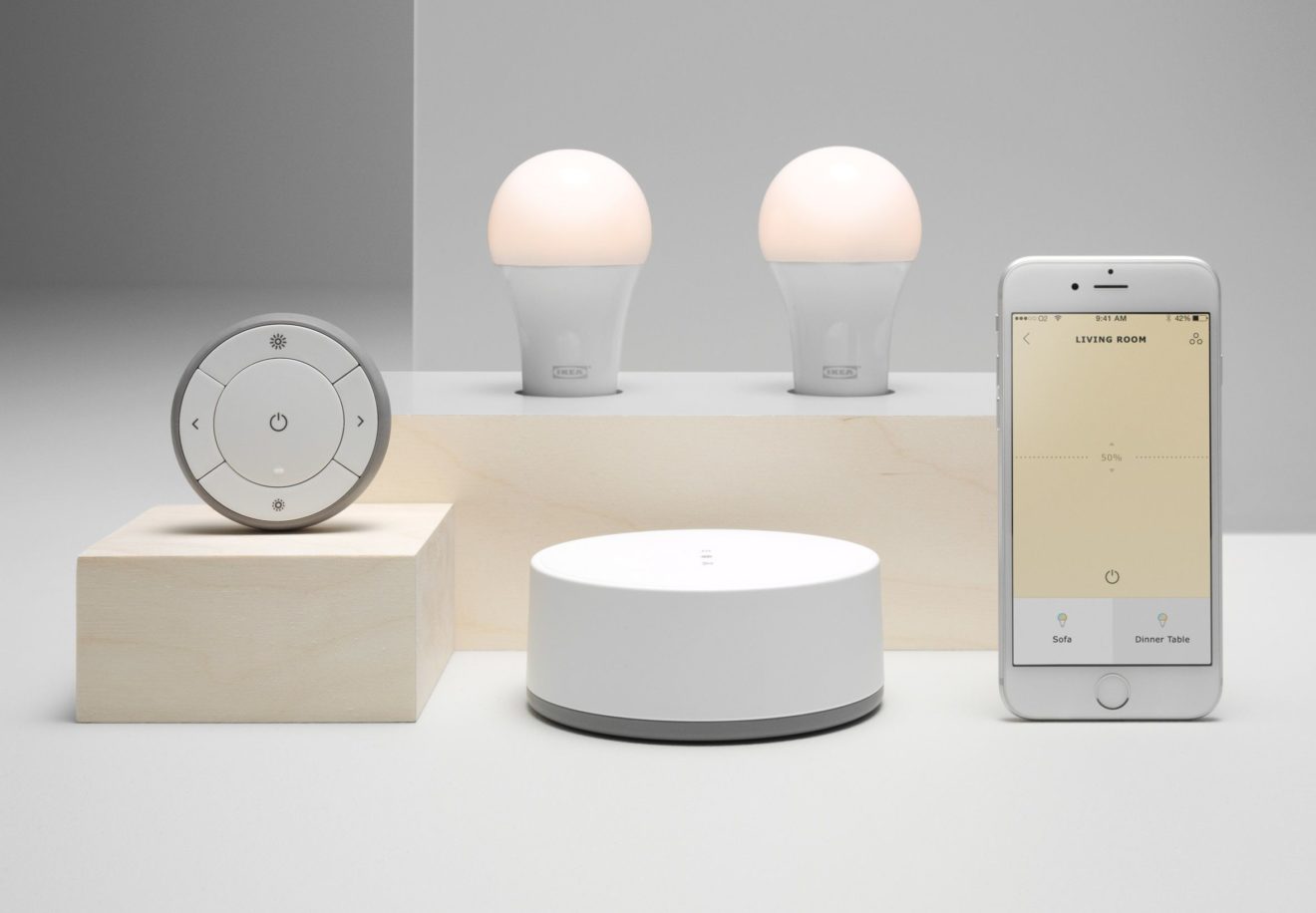
    Swedish furniture business Ikea has committed to invest further into smart home products and has spun off the Ikea Home smart project team into a dedicated business unit within Ikea Sweden.

    Ikea Home Smart was initially conceived in 2012 in order to integrate new, smart technologies into Ikea products, such as wireless charging, smart lighting, as well as smart speakers made in collaboration with Sonos.

    “At Ikea we want to continue to offer products for a better life at home for the many people going forward. In order to do so we need to explore products and solutions beyond conventional home furnishing,” said Björn Block, head of the new Ikea Home smart business unit.

    “By working together will all other departments within Ikea, the business unit of Ikea Home smart will drive the digital transformation of the Ikea range, improving and transforming existing businesses and developing new businesses to bring more diverse smart products to the many people.

    “We are just getting started.”

    According to Ikea’s range and supply manager Peter van der Poel, this is the biggest new business the brand has established since the introduction of Children’s Ikea.

    In June, Ikea renamed its smart eco-system control app TRÅDFRI to Ikea Home Smart app, saying the name change signaled a shift in direction for the business.

    “We started out our journey within the smart home with our smart lighting range TRÅDFRI where we also named the steering app with the same name,” Black said.

    “Now, moving into the next step we want to simplify [the eco-system]. We want to make it possible for you to steer all your smart products in the same app, also making it possible for you to steer all your smart products in the same app.”

  • SA names first plastic-free precincts

    SA names first plastic-free precincts

    Adelaide’s first three retail precincts to go plastic-free have been named with the South Australian government declaring now is the time to remove and replace single-use items.

    The Adelaide Central Market, The Parade at Norwood and the Jetty Road Brighton Traders are the first areas to trial the government’s initiative and will also be joined by the state’s 21 surf life-saving clubs.

    The government intends to legislate to ban single-use plastics in 2020.

    “The message from the community is clear, they expect the government to lead on the issue of plastics, and it definitely feels like the time is right to reduce, remove and replace single-use plastics where ever we can,” Environment Minister David Speirs said.

    Surf Life Saving South Australia chief executive Damien Marangon said his organisation was thrilled to be one of the first single-use plastic-free precincts.

    “As custodians of South Australia’s coastline our organization sees first hand the impact single-use plastics can have on our beaches and waterways,” said Marangon.

    The government received 10 applications for the precincts and has also set up a stakeholder taskforce which will provide input and advice to assist in making the precinct trial as successful as possible.

    “These first four partners are just the first step, and we expect more plastic-free precincts will follow soon given the high quality of the other applications from across the state,” Speirs said.

    “Our government is seeking a wide range of input on what any future phase-out or replacement for single-use plastic might look like and the stakeholder taskforce will play an important role in our decision making.”

    Those areas taking part in the trial have agreed to remove a range of single-use items from their stores including straws, cutlery and cups.

  • Pokemon GO brings back Water Festival, adds two new Pokemon

    Pokemon GO brings back Water Festival, adds two new Pokemon

    Pokemon GO developers announced recently they have decided to bring back the long-awaited Water Festival this year. The event will take place next week between August 23 and August 30, and includes new Pokemon, raids, and bonuses.

    Throughout the entire Water Festival event, players will notice that water-type Pokemon like Magikarp, Wooper, Wailmer, and more will appear more frequently in the wild. The same goes for the following Pokemon which will appear more frequently in the wild around water: Wartortle, Poliwhirl, Seaking, Lapras, Qwilfish, Mantine, Lotad, Feebas, Piplup, Buizel, and Finneon.

    Moreover, water-type Pokemon will hatch more often from eggs, but if you’re really lucky, you’ll also find two new Pokemon – Shiny Carvanha and Shiny Barboach. Some of the Pokemon will be able to learn new abilities during the Water Festival. For example, Kingler and Crawdaunt can learn Crabhammer, a water-type charged attack that is newly available in Pokemon GO.

    As far as raids go, on August 28, from 6 pm to 7 pm local time, players will be able to encounter Uxie, Mesprit, or Azelf in five-star raids in their respective regions. Also, water-type Pokemon like Blastoise, Vaporeon, Lapras, and more will appear in raids.

    Finally, there will be a couple of bonuses during Water Festival, such as 2x Hatch Candy and less distance needed to earn Buddy Candy for players who have water-type Pokemon such as their Buddy.

  • Shell Debuts Electric Vehicle Chargers In Singapore

    Shell Debuts Electric Vehicle Chargers In Singapore

    Royal Dutch Shell is launching electric vehicle chargers at petrol stations in Singapore, its first such foray in Southeast Asia, the company said on Monday. The electric vehicle charging service, ‘Shell Recharge’, will be available at 10 Shell petrol stations in Singapore by October, this year or about 20% of its retail network in the city-state, the company said in a statement. It added that the chargers typically provide from 0% to 80% charge in about 30 minutes, and are compatible with most electric vehicles in Singapore.

    A Shell-commissioned study on electric vehicle consumer behavior showed that 52% of Singaporeans are deterred to buy or use an electric car as they think there are not enough charging stations in Singapore, the company said.

    “To meet the country’s climate action goals, Singapore needs more and cleaner energy solutions to power lives, businesses, and transport sustainably,” said Aw Kah Peng, country chairperson of Shell Companies in Singapore. Shell plans to make more of such low-carbon energy solutions available in Singapore in the following months and years, she added.

  • Tumi in Hong Kong opens eighth store

    Tumi in Hong Kong opens eighth store

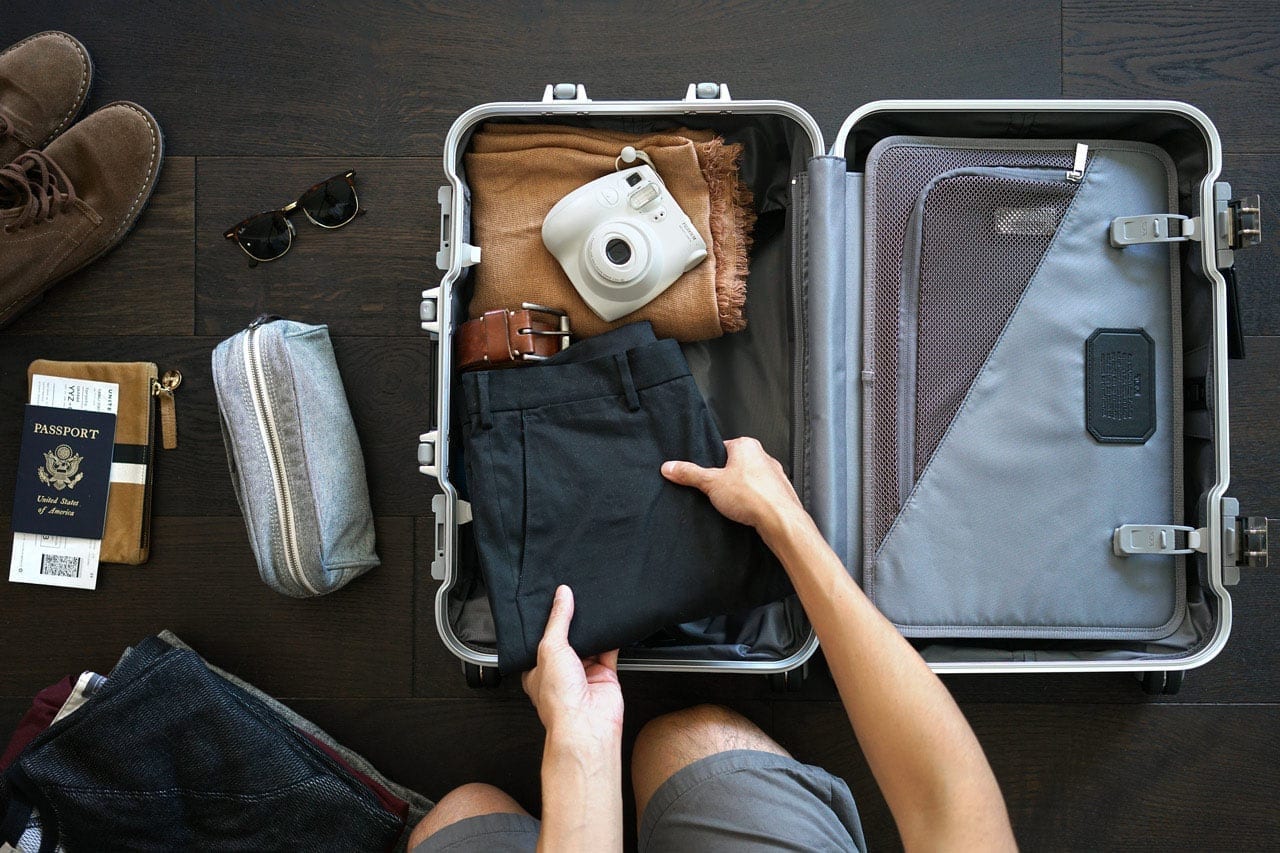
    Tumi in Hong Kong has opened its eighth store – including its airport store – at Times Square.

    The 670sqft space will become the second store in Hong Kong to feature its newly introduced personalisation bar concept.

    The store is celebrating its launch with a special promotion through to August 31 – a complimentary Tumi Monaco gusseted card case with any purchase of HKD4000.

    Meanwhile, Tumi’s global ambassador, Hollywood actor Chris Pratt, was recently in Hong Kong to shoot Fall 2019 Tumi campaign.

    “It’s an incredible place and it makes me want to travel around Asia to experience more of the region. When travelling, it is important to have something that roots me and makes me feel at home. I live out of my Tumi – it allows me to effortlessly move through my journey, and makes me feel at home wherever I go.”

    “It has been a pleasure to work with Chris in all phases of the brand’s regional collaboration,” said Tumi creative director Victor Sanz. “As a longtime Tumi user, Chris has a deep appreciation for the brand and the efforts we take to perfect the journeys of our customers every step of the way.”

  • Baby Bunting’s online focus pays off

    Baby Bunting’s online focus pays off

    Specialty retailer Baby Bunting said its online focus is paying off after posting strong online sales in the 12 months to June 30.

    The retailer posted a 46 per cent increase in online sales for the period compared to the previous corresponding period saying “online continues to be the company’s largest trading unit” with online sales being 11.8 per cent of total annual sales.

    Baby Bunting said click-and-collect sales grew 55 per cent in the period, and in areas where Baby Bunting has a store, click-and-collect sales now represent around 50 per cent of online sales in that trading catchment.

    “Again, this demonstrates the role that stores and online can play in driving complementary sales growth,” the company said in a statement about its full-year results on Friday.

    The one-stop baby shop posted a 43.3 per cent rise in full-year profit to $12.4 million, buoyed by demand for its new product range and further expansion of its private label and exclusive wares.

    Total revenue for the 12 months rose 21 per cent to $368 million and the company hiked its fully franked final dividend by 2.6 cents to 5.1 cents.

    “I am very proud of our performance for the year,” said Matt Spencer, Baby Bunting CEO and managing director. “We had an excellent year that has consolidated our position as the go-to destination for baby goods in Australia.”

    Spencer said the retailer has pursued a number of actions to grow market share and profitability during FY19, including a continued focus on customer service, capitalising on available market share opportunities, securing prime sites for our store network, stabilising gross margin without compromising value, expanding private label and exclusive products and investing in their people and systems to support growth.

    Spencer said Baby Bunting is expecting FY20 to be another year of solid growth with pro forma NPAT expected to be in the range of $20 million to $22 million and pro forma EBITDA expected to be in the range of $34 million to $37 million, representing growth of 25 per cent to 36 per cent.

  • Merger may create giant Japanese drugstore chain

    Merger may create giant Japanese drugstore chain

    Retailer Cocokara Fine may be acquired by its larger rival Matsumotokiyoshi Holdings to create the largest Japanese drugstore chain.

    Should it proceed, the merger would create a discount-pharmacy chain taking an annual ¥1 trillion (US$9.4 billion) in revenues, significantly higher than current market leader Welcia Holdings.

    Matsumotokiyoshi’s heavily discounted snacks, soft drinks and liquor have made it a tough competitor against other conventional retailers in the segment.

    Cocokara has reportedly discontinued merger talks with another rival – Sugi Holdings, which owns the Sugi Pharmacy chain – in favour of achieving a deal with Matsumotokiyoshi.

  • Store fined for displaying non-compliant PMDs for sale

    Store fined for displaying non-compliant PMDs for sale

    A Paya Lebar retailer has been fined $750 for displaying personal mobility devices (PMDs) for sale which did not comply with Singapore laws.

    It was the first prosecution under the Active Mobility Act (AMA) which took effect after the July 1 deadline for all PMDs to be certified by the Land Transport Authority (LTA).

    Chew Tat Weng, the manager of Ning Pte, which operates as Orion@Paya Lebar, pleaded guilty to the charge of displaying three PMDs for public purchase.

    Retailers face a maximum penalty of three months in jail or a $1000 fine if they are caught trying to sell PMDs which do not comply with certification, part of a range of restrictions on the devices following rising accidents and incidents of fires in Singapore.

    According to Ng Jun Kai, a prosecution officer for the LTA, Ning Pte had posted advertisements online and produced flyers promoting the sale of PMDs at the company’s store at 160 Paya Lebar Road, which also sells sporting goods, bicycles and boats.

    Chew told the court he had stopped selling PMDs in mid June and the ones spotted by LTA staff were leftover inventory.

    However, Kai said the LTA had given retailers at least seven months grace after the laws took effect to remove non-compliant PMDs from sale. “Ning Pte Ltd had blatantly continued displaying non-compliant PMDs.”

    Presiding, Judge Ho warned retailers not to flout the new laws.

    “Retailers are now forewarned and this serves as a cautionary note,” said the judge, quoted by Channel News Asia. “Retailers … should clear all non-compliant devices from their premises. They should not think they will not be in trouble with the law if they are merely keeping old stock … Do not expect the courts to be lenient with them.”

  • Maxis store designers create ‘retail experience of the future’

    Maxis store designers create ‘retail experience of the future’

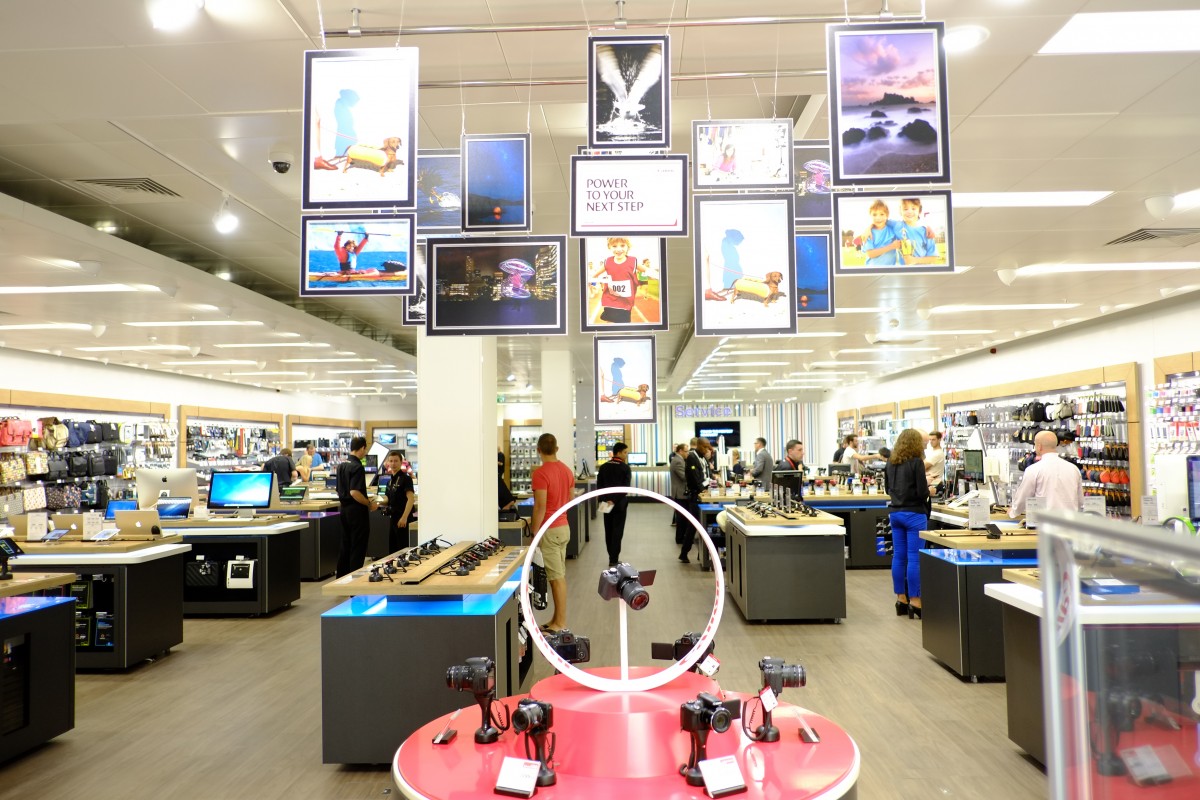
    Australian retail design firm Public Design Group and retail consultancy Fitch have collaborated to create a “retail experience of the future” for Malaysian telco Maxis.

    According to Public Design Group, the new Maxis flagship store at Gardens Mall – which follows the consultancies’ previous collaboration with Singtel – is a contemporary twist on a cafe-style theatre set, where shoppers receive “the highest level of personalised service from a brand new human service model” based on a conviction that “mall retailers have an inherent responsibility to engage and entertain shoppers well beyond the confines of product”.

    The store features a Gallery of Living Potential – a series of product-solution stories told through products, staff and large-format digital screens leaning back against the “gallery” wall. Waiters serve shoppers at tables in the “street”, while maitre d’ sales staff engage browsers throughout the store to discuss the new Maxis proposition.

    “The business focus is no longer on selling third-party devices,” said Public Design Group’s director of retail strategy Jason Pollard. “It’s now all about raising awareness of how the internet enables better living. This leads to multiple devices, premium content, and managed services all being sold under one umbrella lifestyle story, for example Wellbeing”.

    The store’s retail experience is designed to optimise human exchange with personalised demonstration of product solutions, digital queuing systems and seamless transaction processes.

    “Motivating store teams is key to ensuring a sustainable increase in business performance, and that’s what we have been able to do by creating a theatre set for customers and staff alike,” said Pollard. “When staff can play and enjoy the product, they self-educate whilst becoming advocates. The staff in this store stage a singing and dancing performance for customers daily; their happiness directly influences the quality of shopper experience.”

    “The lack of corporate colour and the recessed store entrance is part of the Maxis corporate brand being deliberately recessive,” said Public Design Group chief designer Dan Cooper. “We are seeing a gradual shift in retailers understanding of the importance of brand experience over and above branded environments.

    “Shoppers believe this environment has been designed for them to experience rather than for Maxis to sell; it’s very much a ‘pull’ rather than a ‘push’ psychology. When we look at what the Maxis brand means to people, it’s not their logo, their promotions or their tone of voice any more, it’s a fantasy world that shoppers can escape into, full of optimism, colour and compelling lifestyle stories.”

    Fitch Hong Kong collaborated with Public Design Group to create the digital content in the store, as well as developing a number of tech-driven initiatives to optimise customer processing and transactions. They are now working on phase two of the customer experience plan, where the stories in the Gallery of Living Potential are being taken to a deeper level of digital immersion.

  • Lee Garden Three boost Hysan Sales

    Lee Garden Three boost Hysan Sales

    Mall owner Hysan Development has boosted turnover by 9.1 percent to HK$2.086 billion on the back of its newest development, Lee Garden Three contributing its first full accounting period.

    Underlying profit for the group for the first half-year was up by 8.9 percent to $1.394 billion

    While other retail property companies have been reporting muted results for the first half, citing the China-US trade war, a slowing mainland economy and, more recently, extradition bill protests in Hong Kong, Hysan has the advantage of a significant development coming on tap when comparing year-on-year performance.

    Hysan Chairman Irene Lee says both office and retail rental reversions and occupancies were robust, while its residential portfolio also saw satisfactory improvement.

    “Our estimated retail tenant sales growth of around 4 percent fared better than Hong

    Kong’s general retail sales which declined 2.6 percent, against a backdrop of headwinds from economic and socio-political factors, as well as weaker domestic demand,” she said in a results announcement.

    Retail accounts for about 50 percent of the property group’s business.

    Lee says the repositioning of its retail focus has borne fruit. “We have introduced a wide range of food and beverage establishments with drinking elements, more lifestyle retail geared towards home decor, high-end appliances, beauty and pampering, wellness and health. We have strengthened our children’s offering beyond fashion. Our office tenants with young

    families are interested in children’s lifestyle items such as “to dream for” children’s furniture and more choices in family-friendly restaurants.”

    Consumers who visit Lee Garden malls, located on tree-lined streets in the heart of Causeway Bay, can experience something quite different from traditional Hong Kong shopping malls.

    “Those who visit this area of contrast and diversity can enjoy many exclusive experiences, ranging from a “new economy” recycling fashion house, and a private library, to a traditional knitting wool specialist and a renowned Shanghainese crab outlet. Every corner of the streets of Lee Gardens area has a new discovery for modern travelers and curious locals.”

    The company issued a table showing new retail tenants opening in its properties during the half-year, illustrating its tenant diversity:

    However Hysan is under no illusion it faces a tough period ahead.

    “Hong Kong’s economy is expected to face increasing uncertainties in the second half of this year. A global economic slowdown and the Sino-US trade disputes are likely to affect Hong Kong. Internally, the recent social conflicts are expected to further impact Hong Kong’s economy, especially in terms of investment demand and tourism.

    “While the volatile market conditions and uncertainties may create pressure for Hysan in the short term, the group believes its proactive and dynamic curation of the commercial tenant mix, its focus on asset enhancement and strength in property management, an integrated and connected portfolio set in one of Hong Kong’s most unique communities, together with a healthy balance sheet, will continue to power the group and realise its longer-term goals,” said Lee

  • Spotify removes Android homescreen widget

    Spotify removes Android homescreen widget

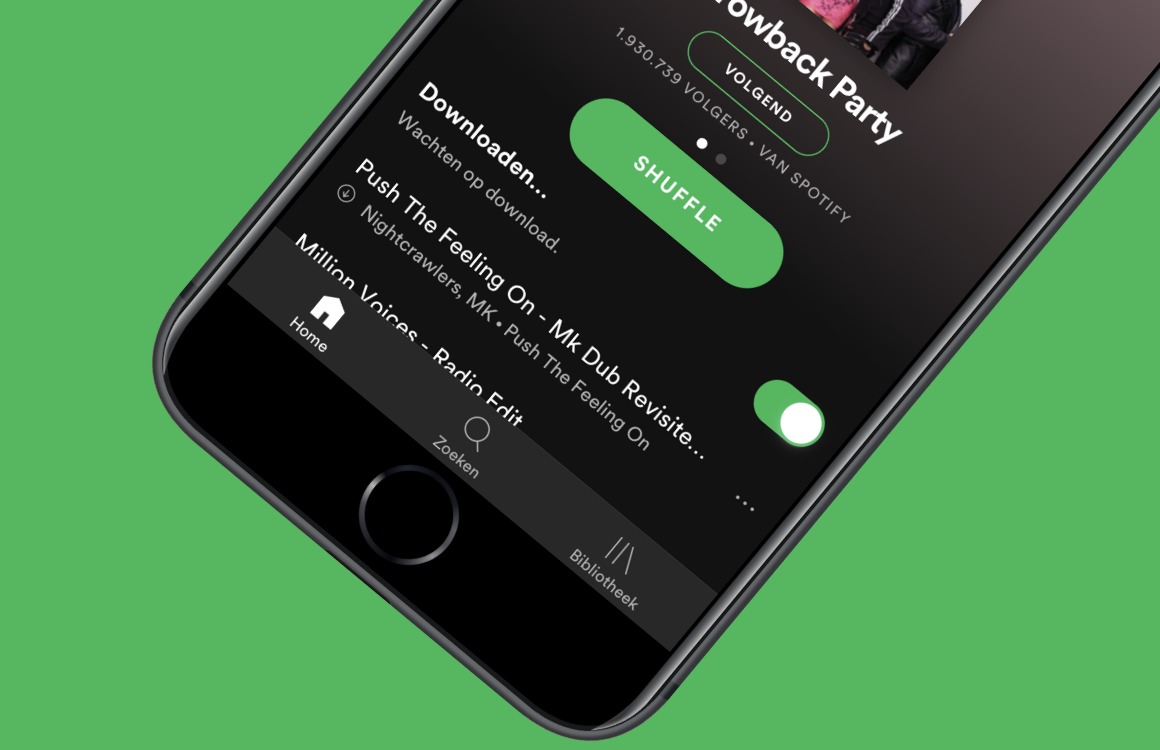
    Spotify has announced that it will remove the home screen widget from the Android app at some point this week. Spotify users will still be able to access the same playback features and information about what is playing through the app’s playback notification and device lock screen.

    Even though the company confirmed the Spotify Widget for Android will be going away, there’s a small chance that the feature will make a comeback in the same or slightly different form. Apparently, Spotify has introduced a new Live Idea feature that will allow users to vote to show their support for adding a widget.

    For the time being, the idea is tagged as “Not right now,” but if the number of voters will increase to a certain level, it might consider adding the widget back. Still, don’t get your hopes too high, even though there are a few thousand votes for the home screen widget.

    Anyway, going forward, you’ll be able to access the playback controls on Android by simply swiping down while you are using Spotify to access the controls.

  • Spotify for Podcasters officially introduced

    Spotify for Podcasters officially introduced

    After a long period of testing, Spotify for Podcasters is finally out of beta. Described as a discovery and analytics dashboard, Spotify for Podcasters allows content creators to track many things like average listening times, episode streams, and total listeners.

    Long story short, if you’d like to obtain more details about the audience listening to your podcasts, as well as grow it based on the data received, Spotify’s new tool is the best thing it can happen to you.

    Besides demographic data and insight related to the audience, podcasters will also receive information about gender, music tastes, country data, as well as listening patterns, and more.

    The ultimate goal of Spotify’s new tool is to deepen the engagement between customers, as well as allow podcasters to grow their audiences and careers. Spotify for Podcasters is available for all content creators for free starting today.