Category: Logistics

Retail News Asia is committed to providing both local and global retailers with the latest Logistics news throughout the Asian market. This on a daily base.

  • Bolloré Logistics-Oro Inc. Partnership Launches Order-to-Delivery B2B E-commerce Platforms

    Bolloré Logistics-Oro Inc. Partnership Launches Order-to-Delivery B2B E-commerce Platforms

    International transport and logistics leader Bolloré Logistics has partnered with Oro Inc. in a global venture offering clients one-stop B2B e-commerce sales and processing service. The innovation creates an enhanced means for multichannel retailers to do business with customer companies, and simplifies and speeds order preparation, handling and delivery procedures orchestrated by Bolloré Logistics.

    The service harnesses the considerable success of direct digital sales to consumers by adapting those to the particularities of B2B e-commerce – an activity set to reach $6.7 trillion by 2020. ORO has helped Bolloré Logistics respond to needs that have not been fulfilled in the past, such as non-sellable inventory items. And with multinational companies prioritizing cost control to remain competitive, the Bolloré Logistics-ORO solution also creates value through a seamless customer experience portal.

    Under the offer, world-leading OroCommerce platforms – tailored to the specifics of B2B activity — are augmented with Bolloré Logistics’ LINK collaborative information network. LINK provides real-time tracking, inventory, first and last mile status and other updating, using the constant input of maritime, air and road transporters, warehouses, customs and other supply chains actors. LINK is already used by 5,300 customers, 20,000 specific users per month and receives 400,000 views per month.

    The new ensemble represents a powerful digital tool catered to customers’ individual business and sales requirements, and provides processing and handling services clients can track through LINK’s updating throughout transport and logistics operations.

    “B2C e-commerce sites have become the ambassadors of retailers’ online presence, and we import and adapt those efficiencies to simplify and increase B2B experience and activity,” explains Frédéric Serra, solutions director for Bolloré Logistics. “We then go further by integrating our transport and logistics expertise and IT assets into the offer, providing processing service and visibility from order placement and management to final destination delivery.”

    “Next step for us is to integrate well-known payment gateways in order to provide a complete, end-to-end offer for B2B” explains Ludovic Laungani, regional e-commerce solution for Bolloré Logistics Asia Pacific.

    The new service also provides cross-fertilization between clients’ popular consumer sales sites and
    enhanced B2B platforms, forging front-to-end logistics, transport and tracking management that
    can also be used for B2C activity.

  • Kerry Logistics Crowned Global Freight Solutions Provider of the Year

    Kerry Logistics Crowned Global Freight Solutions Provider of the Year

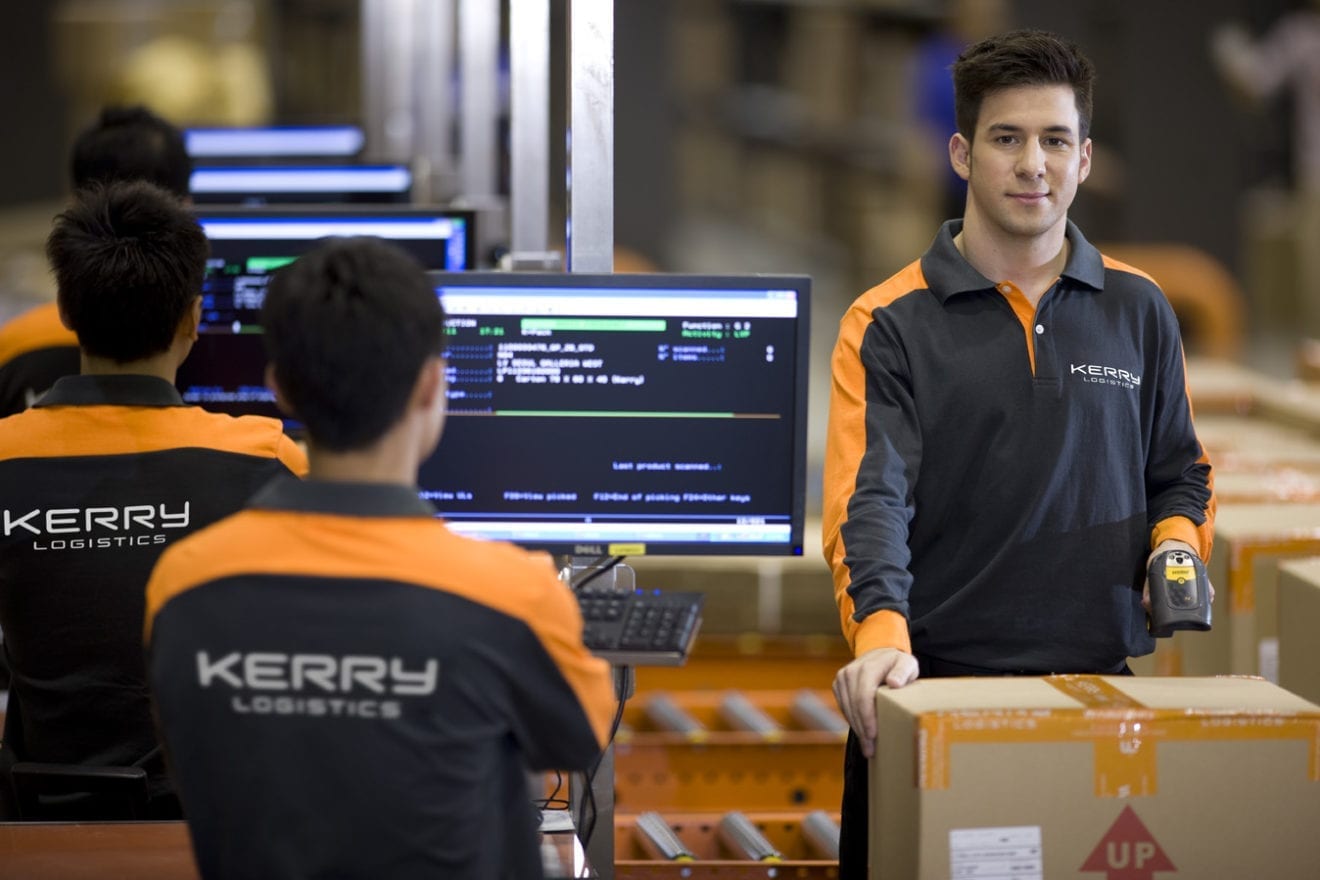
    Kerry Logistics Network Limited made its debut appearance at the 21st Lloyd’s Loading List Global Freight Awards (the ‘Awards’) in London, taking home the Global Freight Solutions Provider of the Year award.

    Held at the Lancaster London Hotel on 16 November 2017, the award ceremony was attended by more than 500 guests from the global freight and logistics industry.

    Organised annually by Lloyd’s Loading List, a freight publication of more than 160 years, the Awards recognise companies with innovative ideas and achievements and have set a benchmark for excellence in the global freight industry.

    Kerry Logistics was honoured for its innovative multimodal solutions and successful development of an integral Eurasian overland transportation network between Europe and China with new LCL rail options, providing greater flexibility to its international customers.

    Thomas Blank, Managing Director of Europe, Kerry Logistics, said, “We are excited to win the Global Freight Solutions Provider of the Year award. With the ambition to become a major logistics service provider for the new Silk Road, we are strategically expanding our network by sea, air, road and rail, devising new innovative solutions to offer our clients a competitive advantage. We are committed to offering a full range of upstream and downstream services to meet the demands of today’s shippers, from industrial freight, down to smaller e-commerce commodities.”

    In June 2017, Kerry Logistics enhanced its services and network under the Belt and Road initiative by adding a new subsidiary, Globalink Logistics, under its umbrella. This move expanded its presence in nine countries across Central Asia which include Kazakhstan, Uzbekistan, Kyrgyzstan, Tajikistan, Turkmenistan, Georgia, Armenia, Azerbaijan, and Ukraine. While Kerry Logistics continues to develop an overland transportation network for road, rail and multimodal freight services from China to Central Asia and Europe, it will also build upon its expertise in project logistics within its global network to explore new business opportunities.

  • DHL eCommerce launches ServicePoints networks in Asia

    DHL eCommerce launches ServicePoints networks in Asia

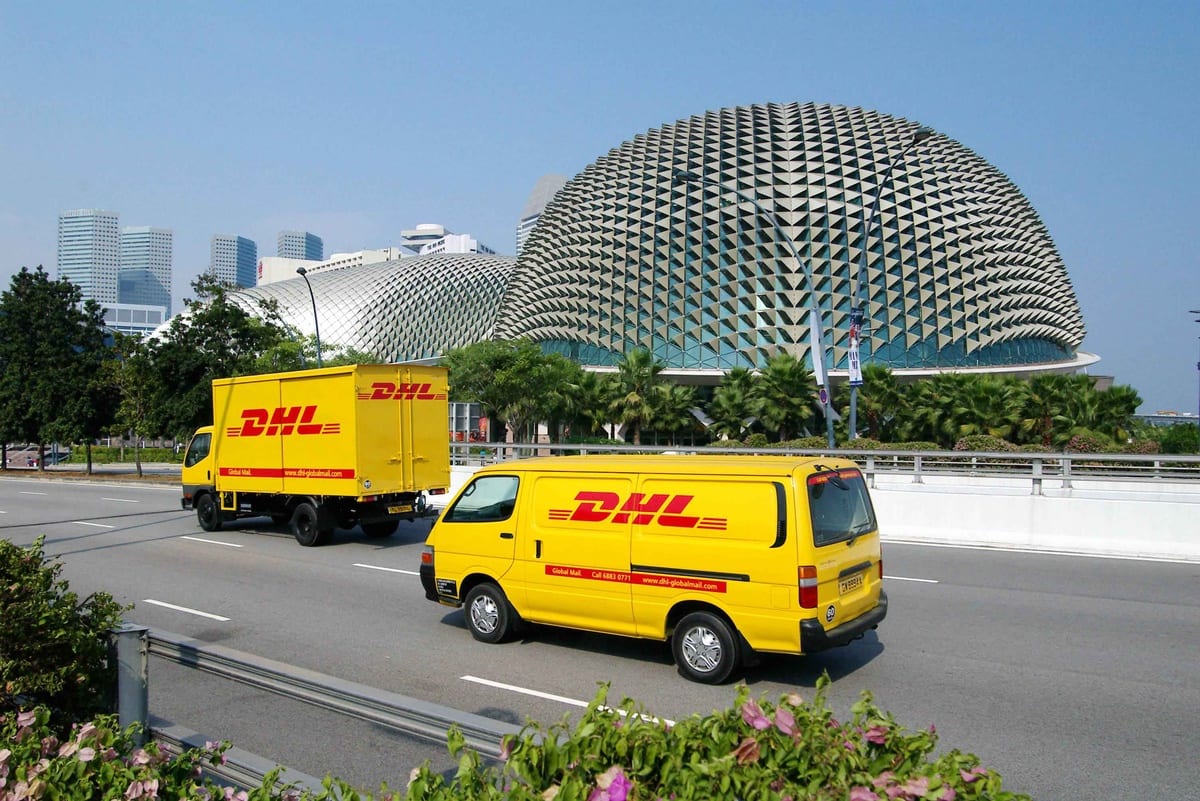
    DHL eCommerce has launched ServicePoints networks in key Asian markets. In a statement issued today (24 November), DHL eCommerce said that it has established a network of more than 200 ServicePoints in Thailand – which will enable commerce sellers to ship nationwide and for online shoppers to conveniently pick-up their orders. DHL added that over 1,000 ServicePoints will be launched over the coming months.

    “We are extremely positive about the e-commerce growth in Thailand, and have seen fantastic growth since we launched our domestic delivery network in Thailand in 2016. We will continue to enhance our existing solutions and launch new services to offer greater convenience and choice for sellers and shoppers across Thailand,” said Kiattichai Pitpreecha, Managing Director, DHL eCommerce Thailand.

    “We are really pleased to now be able to offer parcel drop-off and pick-up locations, all of which are easy to access, simple to use and provide a fantastic customer experience.”

    On Tuesday (21 November), DHL eCommerce also announced that it has launched a ServicePoints network in Vietnam.  The company statement said: “DHL eCommerce has already launched more than 100 ServicePoints and will continue to rapidly expand to more than 1,000 in the coming months.”

  • Why SingPost’s logistics segment is a drag to its growth

    Why SingPost’s logistics segment is a drag to its growth

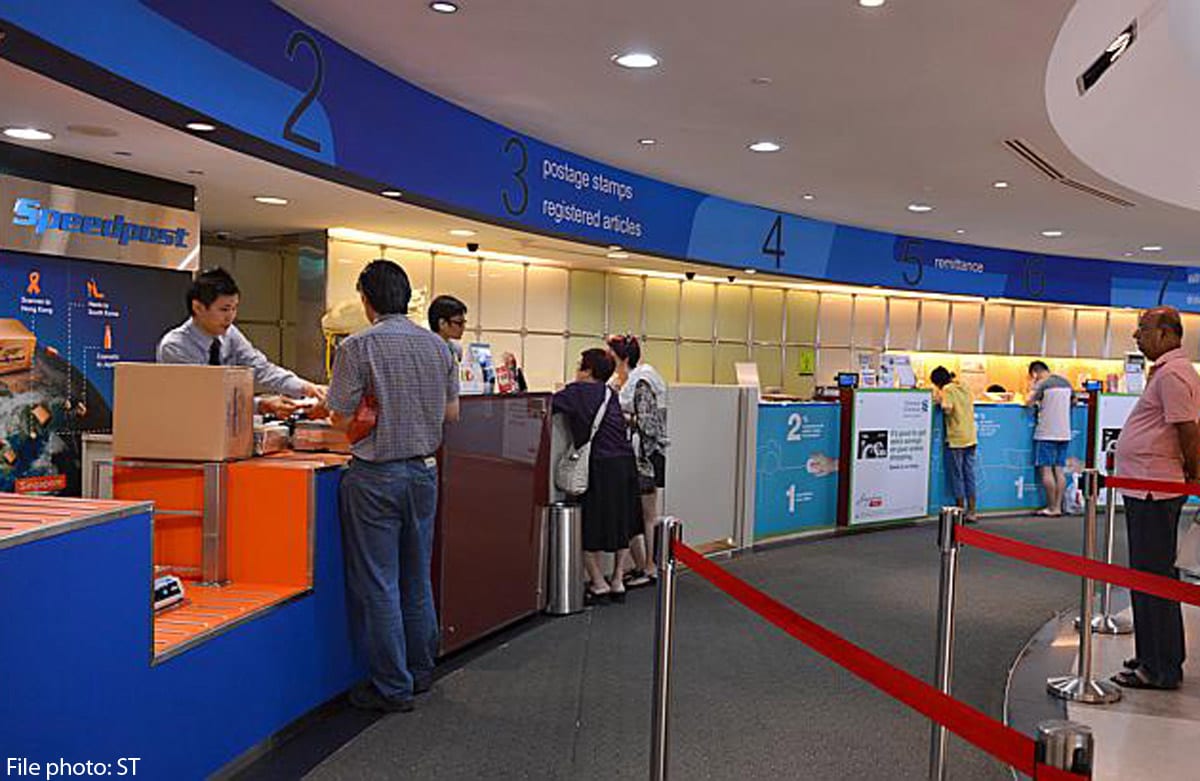
    Intense pricing competition resulted in losses. Singapore Post’s (SingPost) logistics segment went into the red as operating profits turned into a loss of $4.2m in Q2.

    According to Maybank Kim Eng, even excluding provisions, the operating profit would have been $1m, which is much lower than the operating profit of $5m for 1Q2017.

    The segment was in bad debt for a key customer, Quantium Solutions HK.

    Intense pricing competition has also resulted in the loss of business.

    Further weakening of logistics segment could offset the turnaround of mail and logistics segments.

    Whilst the logistics business turned into a weight for the company’s earnings, the drag should still be manageable, the bank said. SingPost’s mail, e-commerce, and associate earnings could still gain momentum, Maybank Kim Eng said.

  • Kerry Logistics Named Care & Positive Work Environment of the Year at Supply Chain Asia Awards 2017

    Kerry Logistics Named Care & Positive Work Environment of the Year at Supply Chain Asia Awards 2017

    Kerry Logistics Network Limited was named Care & Positive Work Environment of the Year at the Supply Chain Asia Awards 2017 (the ‘Awards’) in Singapore.

    Kerry Logistics was commended for its commitment to creating value for its employees through rewarding careers, an embracing workplace, and a healthy work-life balance. As the Group continues to expand, it will constantly invest in people development and recruit industry professionals as well as young talents of different cultures to build a winning team.

    Robert Tan, Managing Director of South and Southeast Asia, Kerry Logistics, said, “The esteemed award is a testament to our dedication in nurturing the growth of our staff. We are thankful for the trust and support our customers, business partners, and the entire staff force have put in us. We will continue to meet the needs of our stakeholders by holding the best business practices in pursuing business development.”

    Organised by Supply Chain Asia magazine (‘SCA’), the annual Awards celebrate businesses and industry practitioners for their distinguished contributions in the supply chain and logistics industry. Winners must be nominated by SCA readers, community members as well as the Awards Committee. The Awards are managed by an independent team of judges and the process of voting and counting is supervised by an Ernst & Young team.

  • DHL announces HK$2.9 billion expansion for Central Asia Hub

    DHL announces HK$2.9 billion expansion for Central Asia Hub

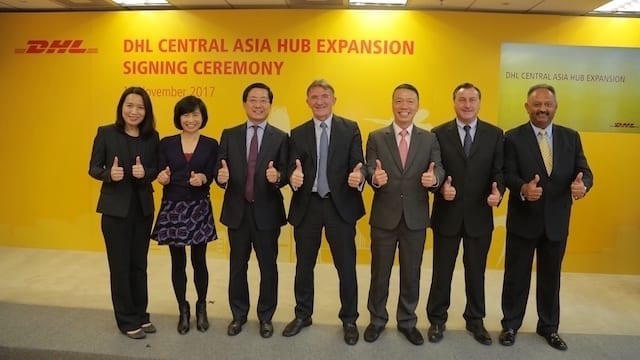
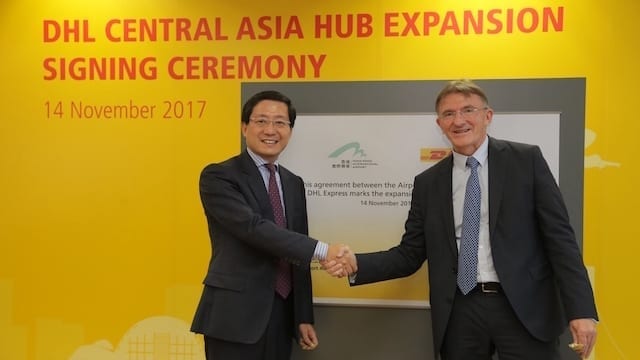
    DHL Express has announced that it will launch an approximate HK$2.9 billion expansion plan for its Central Asia Hub (CAH), in partnership with Airport Authority Hong Kong. This multi-year expansion brings DHL’s commitment for this strategic hub to approximately HK$4.5 billion.

    The expansion follows the CAHs record of an average 12% year-on-year growth in its shipping volume in the past decade. As one of three global hubs for DHL, the expanded CAH will continue to act as the core hub of the DHL Express global and Asia Pacific regional network, handling more than 40% of its total Asia Pacific shipment volumes.

    It is expected to begin operations in Q1 2022, in time to capture strong demand in the Pan-Pearl River Delta (PPRD) region and completion of the Three Runway System for the Hong Kong International Airport in 2024.

    Ken Allen, CEO of DHL Express, said that given the expected rise in international e-commerce and intra-Asian trade, the company looks to strengthen its global network and services.

    The CAH thus plays a key role in DHL’s strategy to strengthen its existing network of hubs in Asia Pacific, including Shanghai, Singapore and Bangkok.

    “Based in a strategically important location to DHL, the expanded Central Asia Hub in Hong Kong will not only bolster our operational capacity in Asia Pacific, but also facilitate the rapidly-growing international trade demands in the region and around the world,” he said.

    The expanded CAH will be equipped with an enhanced material handling system that will improve productivity and increase the hub’s throughput capacity from the current 75,000 pieces of shipments per hour to 125,000 pieces per hour.

  • DHL Express to expand opration at HKIA hub

    DHL Express to expand opration at HKIA hub

    Growing regional e-commerce trade has prompted DHL Express to expand its central-Asia hub (CAH) in partnership with Airport Authority Hong Kong.

    Costing about HK$2.9 billion (US$371.4 million), the expansion takes DHL’s commitment for the hub to about $4.5 billion.

    Recording an average 12 per cent year-on-year growth in its shipping volume in the past decade, CAH is one of three global hubs for DHL. With its expansion, it will handle more than 40 per cent of DHL’s Asia Pacific shipments.

    DHL Express CEO Ken Allen says the hub is based in a location that is strategically important for the company as the region’s international trade demands continue rapid growth.

    As part of the expansion, CAH will be equipped with an enhanced material-handling system that will improve productivity and increase throughput from 75,000 shipment items an hour to 125,000 items. The annual throughput of the expanded hub is expected to rise by 50 per cent to 1.06 million tonnes.

    As a dedicated air express cargo unit at Hong Kong International Airport (HKIA), the expanded CAH can handle six times more in terms of shipment volume than when it was established in 2004.

    Three times faster

    “Connecting with more than 70 DHL Express gateways in the region, the hub plays a significant role in strengthening our network in Asia Pacific, including Bangkok, Shanghai and Singapore,” says DHL Express Asia Pacific CEO Ken Lee.

    “The expansion will also help us capitalise on the growth in intra-Asian trade that currently contributes more than 40 per cent of our revenue in Asia Pacific. Equipped with fully automated X-ray inspection machines, the expansion will make our shipment inspection three times faster.”


    “The strong growth of cross-boundary e-commerce has generated new opportunities for the air-cargo industry,” says Airport Authority Hong Kong CEO Fred Lam. “We have taken an array of measures to further strengthen our role as an international and regional aviation hub, which include reserving land on both the airside and landside to support the growth in transshipment, cross-boundary e-commerce and the high value-added air-cargo business.”

    The CAH extension is expected to start work in early 2022, in time to capture demand in the Pan-Pearl River Delta region and completion of the airport’s three-runway system in 2024. The expansion will increase the CAH warehouse space by about 50 per cent to 47,000sqm.

    Its security system will have 520 CCTV cameras and an advanced access-control system, and a quality-control centre will monitor flight uplift/landing times and reporting any irregularities so DHL can notify customers of flight delays or cancellations.

  • Singapore Transforms into Pharma and Medtech Hub

    Singapore Transforms into Pharma and Medtech Hub

    Singapore is undergoing a significant infrastructure upgrade as its regional and international reach gains prestige. Research and consulting firm, GlobalData estimates Singapore’s pharmaceutical market at $948 million and increasing to $1.2 billion by 2021. With an estimated population of just shy of 6 million, Singapore’s domestic pharmaceutical market is small. However, its regional and international reach is well noted thanks to its pro-business environment and strong government support.

    Over 30 of the world’s leading pharmaceutical and medical technology firms including Abbott, GlaxoSmithKline, Lonza, MSD, Novartis, Pfizer and Sanofi-Aventis, have established their manufacturing, R&D and headquarter functions in Singapore.

    In 2015, GlaxoSmithKline designated Singapore as its Asia headquarters. The rapid growth of sales in the five biggest economies of the Association of Southeast Asian Nations (ASEAN) prompted the company to concentrate more business units in Singapore.

    US-based healthcare firm MSD opened an $8 million center also in 2015 to focus on innovation through data mining as well as conduct cyber-security surveillance. In addition, the company plans to develop mobile applications that help people live healthier lives and improve how patients follow their doctors’ instructions on taking medication.

    Pharma partnerships

    In September 2017, Singapore’s Agency for Science, Technology and Research, the National University of Singapore and pharmaceutical companies, GSK, Pfizer and MSD, signed a memorandum of understanding to launch an initiative to develop the country’s pharmaceutical sector.

    The initiative, the Pharmaceutical Innovation Programme Singapore, aims to transform the manufacturing operations and technologies of the industry including embracing such initiatives as enabling green and sustainable manufacturing and developing a fully automated supply chain that can predict and react to patient needs and market trends.

    Logistics hubs

    The logistics community has responded to Singapore’s plan to grow its pharmaceutical industry. One such example is the partnership between Singapore’s airport, Changi Airport Group and several airfreight providers including Bollore Logistics, CEVA logistics Singapore, DHL Global Forwarding, dnata Singapore, Expeditors Singapore, Global Airfreight International, SATS, Schenker Singapore and Singapore Airlines Cargo to create the Pharma@Changi initiative. All of the airfreight providers have achieved the IATA Center of Excellence for Independent Validators Certification for Pharmaceutical Handling (IATA CEIV Pharma).

    “Over the last three years, pharmaceutical cargo has consistently ranked among the top five cargo types transported via airfreight globally, in terms of total value. 

    As part of Pharma@Changi, the companies have promised to jointly pursue the best standards in pharmaceuticals handling, and promote Singapore Changi Airport as a trusted and reliable pharmaceuticals air freight hub in the region. According to Changi Airport Group’s Managing Director for Air Hub Development Mr Lim Ching Kiat, “Over the last three years, pharmaceutical cargo has consistently ranked among the top five cargo types transported via airfreight globally, in terms of total value. In the first eight months of 2017, Changi Airport handled more than 15,500 tonnes of pharmaceutical cargo.”

    The Changi Airport Group is also part of Pharma.Aero, an alliance founded by the Brussels and Miami Airports. The group is committed to sharing best practices and market knowledge to improve pharmaceutical handling for the air cargo industry worldwide.

    In early 2016, global logistics provider, Kuehne + Nagel opened its Singapore Logistics Hub facility. Within the facility, 46,000 sqm of the 50,000 sqm facility is dedicated to warehousing space, and 40% of the facility is furnished with advanced chilled storage, redressing and postponement facilities to support the growing base of pharmaceutical and healthcare companies in Singapore.

    Also in 2016, DHL Supply Chain opened its logistics center in Singapore in anticipation of increases in pharmaceutical and high-tech air cargo traffic in the Southeast Asian region. The 90,000-square-foot facility incorporates 130 robotic shuttles to retrieve and store products from up to 72,000 locations arranged in 26 levels.

    Other logistics providers including UPS, CEVA and Schenker have also established a pharmaceutical logistics presence in Singapore.

    Singapore’s medical technology sector is also a major contributor to Singapore’s life sciences industry. Due to a lack of domestic competition in other ASEAN markets and the strategic geographical location of Singapore in the region, medical device companies often decide to set-up their headquarters in the city state. According to consultant group, Dezan Shira & Associates, 10% of the world’s contact lenses, over 70% of microarrays, and roughly half of the world’s thermal cyclers and mass spectrometers are currently produced in Singapore.

    Singapore is well-positioned to be Southeast Asia’s hub for not only pharmaceuticals but also medical technology solutions.

    Currently most of the products are destined for international markets, as the region matures, domestic demand will increase and balance demand and thus logistical requirements.


  • Logistics providers keen on locker network

    Logistics providers keen on locker network

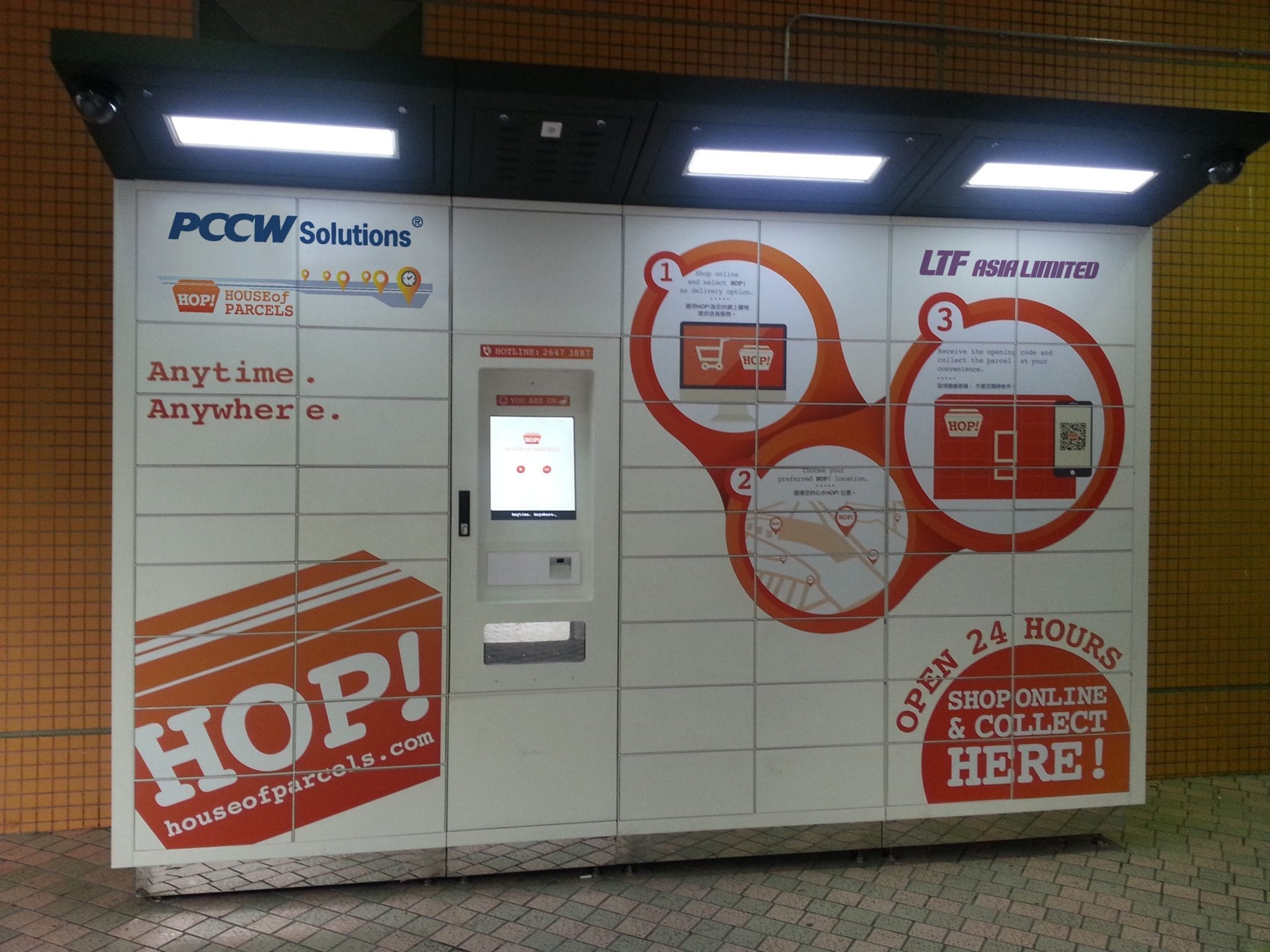
    At least four logistics providers, including the biggest player, Singapore Post, could be involved in the open network of parcel lockers that the Infocomm Media Development Authority (IMDA) called for yesterday in its plan to make deliveries more efficient.

    The pilot will go live in the second half of next year, involving some 75 lockers in public housing estates and train stations in Punggol and Bukit Panjang.

    IMDA will call for proposals for the six-to 12-month pilot from companies by the year end.

    The eventual system will allow logistics providers to operate this integrated network, which is expected to have some 760 lockers covering the whole island eventually. But the different operators have to provide a consistent user interface, much like how the Wireless@SG national Wi-Fi network works.

    SingPost, which operates the largest network of parcel lockers called POPStation at 153 locations, said it is keen to work with more players. It has since July last year been renting out locker space to those who want to use it to facilitate buying and selling on online marketplaces.

    “We would like to work with the Government to expand parcel locker use in Singapore,” said Mr Freddy Chang, head of SP Parcels, a subsidiary of SingPost. “Parcel lockers are an important solution to improving efficiency at the last mile of delivery.

    Local logistics start-up blu said the IMDA scheme is timely, given the increase in online shopping and urban congestion. It currently operates 49 bluPort lockers islandwide, mostly at petrol kiosks, malls and Cheers convenience stores.

    “Collaborating with IMDA allows us to explain and promote the benefits of a parcel locker network to both retailers and logistics sector stakeholders,” said Mr Cliff Lim, business development head at blu, which works with DHL and FedEx.

    Another local start-up, Go Plus, which has developed a parcel locker with biometric verification capabilities, and Ninja Van, which operates a handful of Ninja Boxes here, said they will consider taking part in the IMDA’s parcel locker network.

    For consumers and online shoppers, a nationwide network of lockers is a welcome development. Pre-school teacher Jasmine Kaur, 33, uses POPStation but there is none within walking distance of her home in Ang Mo Kio. “It would be great if consumers have more pickup points to choose from,” she said.

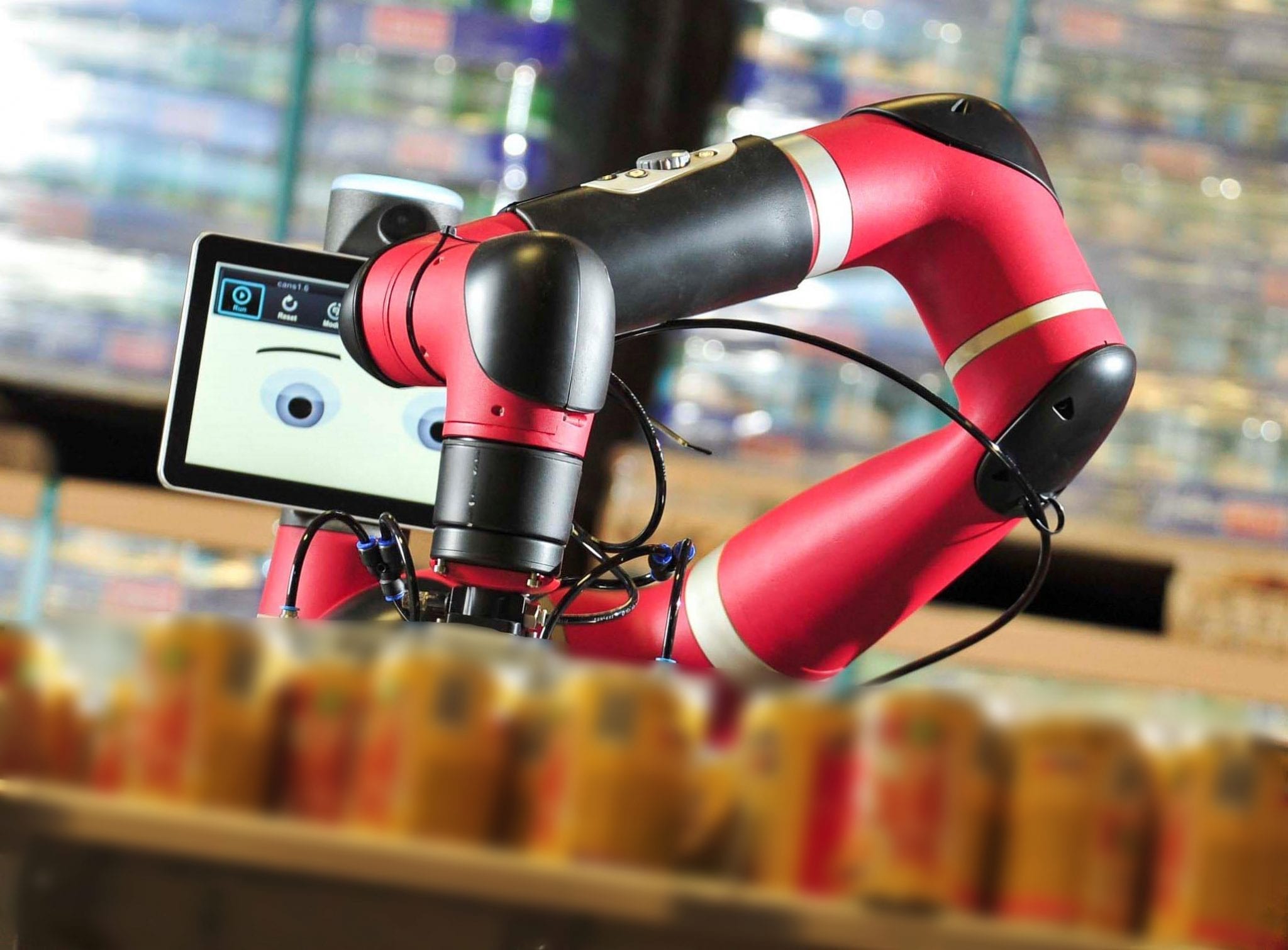
  • SingPost banks on e-commerce as Q2 net profit slips

    SingPost banks on e-commerce as Q2 net profit slips

    The e-commerce boom continued to prop up earnings at Singapore Post (SingPost), although it on Tuesday posted a fall in second-quarter profits, in the absence of a previous one-off gain.

    Net profit slipped by 9.5 per cent on the previous year, to S$28.47 million for the three months to Sept 30.

    But, with exceptional items excluded, underlying net profit was in fact up by 1.9 per cent, on the back of a 10.2 per cent rise in revenue to S$354.7 million. More than half of that sum – S$190 million, or 53.6 per cent – came from activities related to e-commerce.

    The postal service provider announced in August that it is going through a strategic review, and group chief executive Paul Coutts gave an update: “SingPost’s strategic vision of transforming from a postal provider to an e-commerce logistics player remains relevant and in the right direction.”

    Revenue was up by 16.9 per cent in the group’s postal segment, to S$148.3 million, on the back of more e-commerce deliveries. SingPost singled out China’s Alibaba Group – which owns marketplaces such as Taobao – as a key driver of international mail volume tied to online shopping.

    Meanwhile, logistics revenue increased by 7.6 per cent to S$165.9 million, spurred in part by higher last-mile e-commerce deliveries in Singapore and Australia, although profits were squeezed by the intense price competition in Hong Kong.

    The e-commerce division saw turnover dip by 0.8 per cent to S$63.48 million, largely from the poor performance of TradeGlobal, the United States firm that SingPost picked up in 2015 but has struggled to make money on.

    Mr Coutts said that SingPost is “fully focused on turning the company around”, particularly by drawing on best practices from its other American e-commerce unit, the “good-performing” Jagged Peak.

    This would include tapping automation to bring down manpower costs, he added: “We’re focused on moving from a labour-intensive organisation to being a technology-driven business.”

    Still, SingPost cautioned in its report that TradeGlobal is not expected to be profitable for the financial year ending March 31, 2018.

    Separately, cross-border e-commerce deliveries are expected to be hurt by upcoming changes in the international terminal dues system, although SingPost said that “mitigating measures” are under way.

    As margins are relatively low for international mail and domestic post drops amid a shift to electronic bills and statements, “blended postal margin is expected to decline”, it added.

    SingPost has declared an interim dividend of 0.5 Singapore cent a share, to be paid on Dec 8 – half the size of the one-cent dividend in the same period a year ago.

  • DHL turns to IoT to avoid truck-worker collisions

    DHL turns to IoT to avoid truck-worker collisions

    Logistics giant DHL has found substantial safety benefits from its initial trials of internet of things (IoT) technologies, and is planning to extend its use of IoT within its Asia-Pacific operations.

    DHL has been testing IoT technologies across its global business – particularly concentrated in Germany, the Netherlands and Poland with the help of Cisco and Conduce – since last year.

    The trials have involved sensors being attached to scanners and materials handling equipment and integrated with DHL’s warehouse management system to allow the company to monitor operational activities in real time.

    Resulting heat maps give DHL a visualisation of its operations and the ability to identify improvements to operational processes and employee safety.

    The company is also working with Huawei in China on an IoT pilot at its Liuzhou automotive plant that makes use of Narrowband IoT low power wide area (LWPA) technology to transmit data to and from detectors on vehicles, DHL’s yard management system, and a truck driver’s mobile app.

    The aim is to halve truck waiting times from the current average of 40 minutes by automating the process by which trucks are sent to docks.

    Closer to home, DHL’s APAC IoT trials have been more focused on improving worker safety.

    DHL supply chain CIO for APAC Steve Walker said the organisation had started with a “straightforward use case” of equipping forklifts and picking staff with sensors to detect when the two came close to each other to avoid collisions.

    “As soon as a truck came within two meters of a picker, the driver’s sensor would send an alert by both sounding and vibrating, allowing for an immediate reaction,” Walker wrote.

    DHL conducted the trial in its advanced regional centre warehouse in Singapore to ensure a controlled environment without the variables of a road or other outdoor-based test.

    Walker said IoT sensors had the ability to “maintain a level of vigilance and consistency that human operators can’t”.

    “IoT sensors and alerts can compensate for workers’ inevitable lapses in concentration, directly addressing some of the most common causes of safety incidents in the warehouse or plant floor,” he said.

    IoT solutions also don’t require workers to make major changes to their behaviour, Walker said – his Singapore trial only asked workers to pin a tag to their uniform.

    Tracking the number and location of alerts generated by the system allowed DHL to create heat maps of where the most forklift-employee collisions occured.

    This insight gave DHL the ability to reduce the likelihood of collisions and rework its warehouse layout for “faster and more efficient goods handling”.

    The forklift drivers who participated in the trial were also equipped with heart rate monitors so DHL could identify links between the number of close proximity alerts and the driver’s tiredness levels.

    The system alerted the driver’s manager when their heart rate fell during periods of fatigue so they could be given a break, Walker said.

    His team is now exploring whether this approach could also work with truck drivers.

    Walker said he expected the investment into IoT for safety and productivity purposes to pay for itself “sooner rather than later”.

    “The more we explore IoT’s practical uses, the more we find safety to be an inextricable part of its implementation,” he said.

  • Asian Logistics and Maritime Conference Opens 23 Nov

    Asian Logistics and Maritime Conference Opens 23 Nov

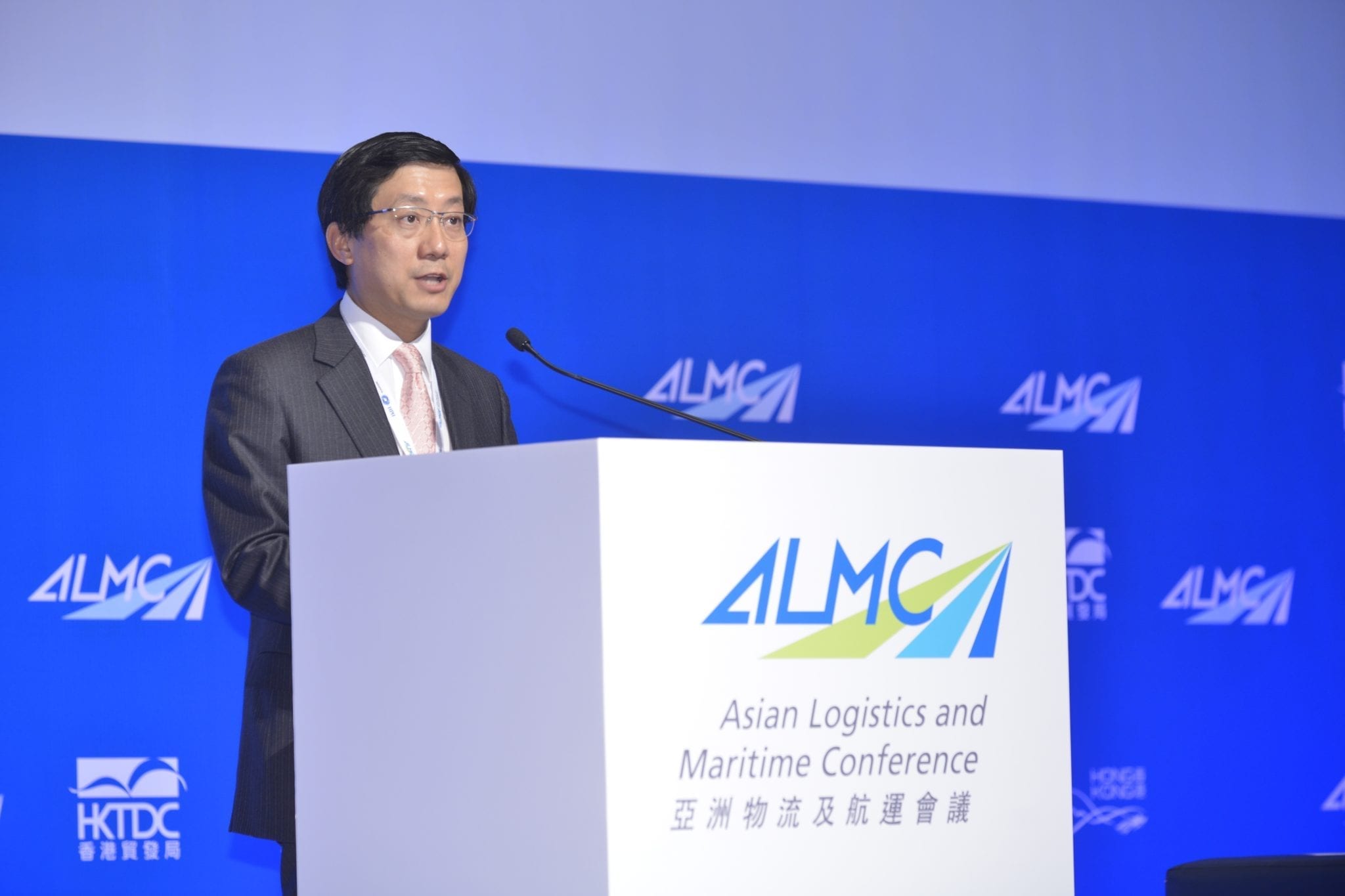
    The seventh Asian Logistics and Maritime Conference (ALMC) will be held 23-24 November at the Hong Kong Convention and Exhibition Centre (HKCEC). The two-day conference is jointly organised by the Hong Kong Trade Development Council (HKTDC) and the Government of the Hong Kong Special Administrative Region (HKSAR). This year’s ALMC will spotlight three important topics, including the Belt and Road Initiative, e-Commerce and smart logistics. About 70 luminaries from the logistics and maritime sectors will speak at the conference to share their visionary ideas. ALMC is expected to attract about 2,000 industry experts from some 20 countries and regions to take part and explore business opportunities.

    HKTDC Assistant Executive Director Stephen Liang said, “As the Belt and Road Initiative is turned from vision to action, and the rapid development of logistic technology is speeding up changes in the global supply chain, there is huge demand for logistics and efficient ocean shipment services in Asia. As the largest event of its kind in Asia, the Asian Logistics and Maritime Conference strives to provide the ideal platform for the industry to learn about the latest development and explore business opportunities.”

    Belt and Road spotlight

    Stephen Liang said that to match market demand, this year’s ALMC will focus discussions on hot topics, including the Belt and Road Initiative, e-Commerce and smart logistics. Apart from the main conference and forums, exhibitions and networking receptions will also be organised led by heavyweight speakers.

    New e-Commerce Support and Tech Applications zone

    This year’s exhibition will feature over 120 exhibitors showcasing supply chain management, logistics, maritime and related services. The E-Commerce Support and Tech Applications zone will debut with a range of fundamental toolkits, such as document management and e-Commerce tools including Internet security and real-time tracking system, offering professional and comprehensive services and solutions. To drive more business cooperation, the HKTDC will arrange more than 140 one-on-one business-matching sessions to help exhibitors and participants foster new business collaborations during the event.

    Close to 70 renowned speakers share thoughts

    Some 70 industry experts and representatives of international brands will speak at the ALMC. Arkhom Termpittayapaisith, Minister of Transport, Thailand, will deliver a keynote speech at the opening session. Among the highlights will be the two plenary sessions. The first, entitled “Belt and Road: Growth Engine Driving New Era for Global Trade” (23 November), will examine the prospects and challenges for the industry in light of the rapid development of the new Europe-Asia sea and land trade route, the ASEAN market and railway cargo transport. Dr Victor K Fung, Chairman of Fung Group, will be the keynote speaker at the first plenary session. Other speakers will include Siddique Khan, President, Kerry Globalink, and chaired by Ben Bland, South China Correspondent, Financial Times.

    The second plenary session, entitled “Delivering New World Order for Online Shopping” (24 November), features speakers including Cissy Chan, Executive Director, Commercial, Airport Authority Hong Kong; James Gagne, President, SEKO Logistics; Katsuhiko Umetsu, Director and Chairman, Yamato Global Logistics Japan Co, Ltd; James Chang, Chief Crossborder Officer, Lazada Group; and chaired by Fox Chu, Partner, Transportation, Travel and Logistics Practice, McKinsey & Company.

    Forums explores industry development

    Apart from the plenary sessions, other forums will cover hot issues such as supply chain management, logistics, maritime and airfreight. Topics include Halal Logistics, Temperature-controlled Cargo Handling, and Digital Supply Chains for F&B Logistics. Canada and Zhuhai will hold two forums to discuss regional logistics cooperation. The Canadian National Railway (CN) will explore seamless cooperation between North American ports and railway logistics, while representatives of the Zhuhai Municipal Government will examine new opportunities from the completion of the Hong Kong-Zhuhai-Macao Bridge and the development of the Big Bay Area.

    Flagship event for Hong Kong Maritime Week

    ALMC is one of the celebratory events for the Hong Kong SAR’s 20th anniversary, garnering support from various sectors and matching the event’s theme “Together, Progress, Opportunity.” ALMC is also a flagship event of the Hong Kong Maritime Week, organised by the Hong Kong Maritime and Port Board. The ALMC is supported by the Hong Kong Logistics Development Council and Hong Kong Maritime and Port Board. The HKTDC invited 20 global leaders in the logistics and shipping industries and representatives of internationally renowned companies to serve as honorary advisors to provide advice on the agenda and content of the ALMC.

  • Microsoft supports Mitsubishi in digital transformation of trucks, logistics operations

    Microsoft supports Mitsubishi in digital transformation of trucks, logistics operations

    Microsoft Japan Co., Ltd. is leveraging its AI, mixed reality and other cutting-edge technologies to support Mitsubishi Fuso Truck and Bus Corporation (MFTBC) in an initiative to enhance its customer relations, boost employee productivity and drive the digital transformation of its business through digitalising its truck and logistics operations.

    MFTBC is pursuing digital transformation based on its Connected X concept. Connected X seeks to boost productivity and offer further added value through seamlessly connecting employees, customers, devices, trucks and factories. MFTBC launched its Connected X project in July 2017, and is pursuing a wide range of digitalisation initiatives with the goal of becoming a 100 per cent digital manufacturing company by June 2019. At present, the following three key components are in progress.

    1.    AI chatbot

    MFTBC plans to streamline its operations by deploying an Azure-based internal helpdesk chatbot to respond appropriately and promptly to frequently asked questions. The chatbot will enable queries to be answered more uniformly in less time. MFTBC aims to enhance customer services, productivity, and maintenance quality by deploying the chatbot across the whole company and enabling it to also handle customer inquiries and converse with drivers and mechanics.

    2.    Truckonnect operation management system

    MFTBC is using Microsoft Azure IoT Hub for its Truckonnect operation management system that connects trucks and buses to the cloud so as to enable vehicle location and remaining fuel to be monitored in real time, thereby preventing problems before they occur and enabling more efficient transport and smooth vehicle maintenance by sharing information with vehicle dispatch centres.

    3.    Utilisation of Microsoft HoloLens to transform development and maintenance

    MFTBC and Microsoft Japan will make concrete preparations for deploying Microsoft HoloLens, a self-contained Windows 10-powered holographic computer, by the end of this year to revolutionise conventional vehicle design and development, preventive maintenance and other processes by enabling users, engineers, and designers to simultaneously share visualised 3-D data. HoloLens will unlock new possibilities in digital experiences, collaboration and workstyle by leveraging Mixed Reality (MR) technology that combines real and virtual worlds to utilise the best of both worlds by overlaying holograms (3-D virtual objects) on the real world in front of the viewer’s eyes.

    Microsoft Japan’s Enterprise Services will provide full backup for this project. Digital advisors belonging to a special unit dedicated to supporting the digital transformation of Microsoft Japan’s customers will assist with all aspects of the project up to deployment, including identifying issues and suggesting solutions that leverage the latest technology.

  • Arl-shipping.com launches Facebook chatbot last mile container tracker

    Arl-shipping.com launches Facebook chatbot last mile container tracker

    Arl-shipping.com has launched it’s Facebook chatbot tracking of containers on the road en route from discharge port to import warehouse, giving real-time visibility of the truck(s) on the road. Import customer and warehouse operator follows the trucks in real-time and prepare for speedy container unstuffing upon arrival to the warehouse. The tracking is facilitated by truck drivers using arl-shipping.com’s free app, tracking the shipment and OCR’ed container numbers via driver’s smartphone GPS location services. The Facebook tracking service is fully embedded into the transport provider’s Facebook page as an integral service.


    “On top of Facebook chatbot cargo tracking, we are soon launching also Skype and WeChat Last Mile Container Tracking for shipping line agents, freight forwarders, warehouse operators or other intermediaries via the arl-shipping.com powered chatbot,” said arl-shipping.com director, René Bendt. He added, “We explore maturing technologies, which can be deployed with little effort to the benefit of real life shipping scenarios like container number OCR, GPS trackers and other IoT devices, drones and blockchain technology.”


    The tracking is facilitated by truck drivers using arl-shipping.com’s free app, tracking the shipment and OCR’ed container numbers via driver’s smartphone GPS location services.

    The Facebook chatbot Last Mile Container Tracker tracks shipment en route from discharge port to warehouse, prepping the warehouse operator for warehouse dock, unstuffing gang and x-docking operation readiness. Upon providing the warehouse’s location to the chatbot via smartphones’ built-in location sharing services, Last Mile Container Tracker alerts in Facebook messenger when container(s) is close to the warehouse, as well as giving hourly status messages while container(s) is on the road, en route to the warehouse.

    Soon the chatbot will also advise warehouse ETA imbedding online traffic pattern services into the Last Mile Container Tracker.

  • Dachser Chennai on the move

    Dachser Chennai on the move

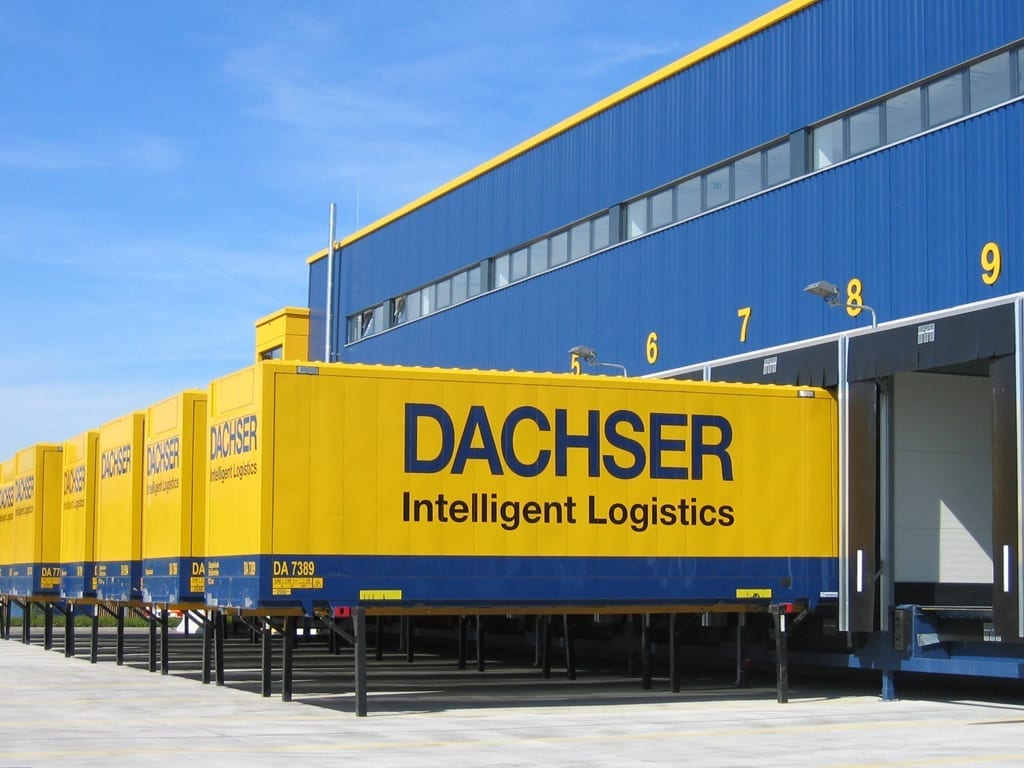
    Dachser India has moved its Chennai branch to a new location to facilitate the company’s prospects for growth and development. The new premises are centrally located in the modern KRM Plaza, and offers easy connectivity by road, rail and air travel.

    Dachser India has moved its Chennai branch to a new location to facilitate the company’s prospects for growth and development.

    “The new office is designed to provide a pleasant and comfortable workplace for our Chennai team and is easily accessible for our customers,” said Sivagurunathan B, deputy general manager India South Air & Sea Logistics.

    “This new office provides a perfect environment for our teams to serve our customers better. Markets in South India, especially Chennai and other cities in Tamil Nadu, have always contributed significantly to Dachser’s success in India. We expect very strong growth from this market in the years to come,” added Huned Gandhi, managing director Air & Sea Logistics India