Retail News CRM

Category: Real Estate

Retail News Asia is committed to providing both local and global retailers with the latest Real Estate news throughout the Asian market. This on a daily base.

  • Crackdown on Underground Hospitality: Thailand Targets Illegal Hotels on Phuket Island

    Crackdown on Underground Hospitality: Thailand Targets Illegal Hotels on Phuket Island

    The Thai government is stepping up its measures against unauthorized accommodations, following the discovery of three illegal hotels on Phuket, the nation’s largest island. During a recent operation, Deputy Interior Minister Polapee Suwunchwee led a task force targeting three hotels consisting of approximately 200, 240, and 45 rooms. The investigation revealed that none of the properties held valid construction permits or operating licenses.

    Two of these establishments had initially received approval as residential buildings or condominiums but had been unlawfully converted into hotels. In addition, officials conducted online booking simulations, which showed that the hotels were mostly selling rooms to European and other international tourists, with very few Thai patrons.

    Illegal Ownership and Consequences

    The investigation further exposed suspected nominee ownership arrangements, involving companies with a shareholding structure that is 49% foreign and 51% Thai. In some instances, the properties were legally owned by Thai citizens but rented out to Chinese investors, who allegedly ran the hotels without the necessary licenses.

    This operation is part of a larger scheme covering over ten locations across Phuket. Local authorities, under the instruction of Phuket Governor Sophon Suwannarat, have been directed to immediately close businesses that fail to provide the necessary documentation.

    Director-General of the Department of Provincial Administration, Narucha Kosasivilize, highlighted the triple-edged harm of illegal lodging operations. They disadvantage legal, tax-paying businesses, pose safety hazards due to non-compliance with government safety standards, and damage Thailand’s reputation, thereby undermining long-term confidence in its tourism industry. Efforts are being made in conjunction with the Royal Thai Police, Ministry of Commerce, Department of Special Investigation, and other agencies to broaden probes into foreign business networks nationwide.

    In a separate development, Deputy Government Spokeswoman Lalida Pervsivatan announced that Thailand will implement a new intelligence-based screening system on August 1 to enhance the detection of nominee businesses. This system will scrutinize company registration records, shareholder structures, and financial statements to pinpoint high-risk firms with Thai shareholders in suspicious circumstances. Lalida emphasized, however, that these measures are not designed to deter rightful foreign investment but to distinguish legal investors from those employing nominee structures to operate illicitly.

    Questions & Answers

    What is the focus of the crackdown in Thailand?
    The Thai government is focusing on the detection and closure of illegal hotels without the necessary operating licenses.

    What consequences do these illegal operations bring?
    Illegal hotels disadvantage legal businesses, pose safety threats due to non-compliance with government safety regulations, and tarnish Thailand’s reputation, undermining confidence in its tourism sector.

    What is the future plan of the Thai government to curb these illegal operations?
    Thailand plans to introduce a new intelligence-based screening system to improve the detection of businesses that are high-risk or suspicious, focusing on those with Thai shareholders.

  • Hong Kong Sees Record $2.2B Surge in Bulk Property Investments Amid Rising Rental Demand

    Hong Kong Sees Record $2.2B Surge in Bulk Property Investments Amid Rising Rental Demand

    In the wake of a record-breaking first half of the year, bulk homebuyers are anticipated to continue to be a significant influence in Hong Kong’s primary residential market throughout the second half of the year. The strong rental demand, particularly from mainland Chinese students and migrant workers, is bolstering this trend.

    Record Figures Demonstrate Investor Confidence

    From the beginning of the year to June, 654 buyers purchased two or more residences in the primary market. They bought a total of 1,794 flats with an estimated value of approximately HKD17.4 billion (US$2.2 billion). These numbers represent a significant increase from the previous year, effectively doubling and setting new records for buyer amounts, units sold, and the overall transaction value.

    Bulk buyers were responsible for about 14% of all primary home sales during this period. This means that approximately one in seven new flats was bought by purchasers acquiring a minimum of two units.

    A surge in purchases indicates a growing investor interest in rental properties. Hong Kong’s rental index reached a new high in June, making smaller apartments near educational institutions and transport hubs an attractive choice for investors.

    Increasing Appeal of Specific Developments

    The majority of bulk purchases were made in developments that were particularly well-suited to the rental market. Sun Hung Kai Properties’ Lime Spark in Tsuen Wan, which is a favored rental district with excellent transport links, had the most bulk transactions in June, with 29 deals covering 95 flats worth HKD669 million.

    Furthermore, Henderson Land Development’s Highwood in To Kwa Wan and One Victoria Cove in Hung Hom, both of which are near university campuses, recorded 16 and 13 bulk transactions, respectively. Together, these three developments accounted for approximately three-quarters of June’s bulk transactions.

    While most investors bought two units, 65 buyers purchased at least five homes and seven procured 10 or more. The most substantial single transaction in the first half of the year comprised an investor acquiring 16 flats in Highwood for over HKD111 million.

    In June, bulk-buying activity decreased as fewer projects were launched by developers. Nevertheless, bulk purchases are expected to pick up again in the third quarter as new projects are introduced and investor attention refocuses on the property market following global events such as the World Cup.

    Questions & Answers

    Why was there a surge in bulk home purchases in the first half of the year?
    The spike in purchases is primarily due to increased investor interest in rental properties, driven by robust demand from mainland Chinese students and migrant workers.

    What factors make certain properties more attractive to bulk buyers?
    Properties that are attractive to bulk buyers are typically smaller apartments near universities and transport hubs. Developments in popular rental districts with strong transport connections are especially appealing.

    What are the predictions for the third quarter of the year?
    Bulk purchases are expected to rise again in the third quarter as developers introduce new projects and investor attention shifts back to the property market. A boost in the stock market is also expected to support buying sentiment.

  • Singapore’s Sky-High Home Sale: Record-Breaking $539K for a Two-Room Flat

    Singapore’s Sky-High Home Sale: Record-Breaking $539K for a Two-Room Flat

    A new national resale record has been set in Queenstown, Singapore, after a two-bedroom public housing flat fetched a whopping SGD696,000 (US$539,000). The sale, completed on July 16, involved a unit located on a high floor at SkyParc @ Dawson. This transaction didn’t just set a record for the highest price for a two-room Housing and Development Board (HDB) resale flat; it also appears to have established a new national record for the price per square foot for this type of flat.

    Sky-High Sale

    The 506-square-foot flat that set the new record is situated between the 31st and 33rd floors and was sold for approximately SGD1,375 per square foot. This unheard-of sum represents the highest price per square foot ever recorded for a two-bedroom HDB resale flat in Singapore. SkyParc @ Dawson, where the flat resides, comprises three high-rise residential blocks at 94 to 96 Dawson Road, with heights ranging from 34 to 43 stories. The record-breaking flat is located in block 95, which stands at 40 stories high. The upper floors offer stunning panoramic views of the surrounding greenery, the city skyline, and neighboring low-rise districts.

    Property Features

    The lease for the flat began in 2021, with approximately 94 years and four months remaining as of July 2026. This gives potential buyers a significantly longer lease than many older resale flats in Queenstown. The SkyParc @ Dawson development offers a blend of commercial, recreational, and community facilities. On the ground floor, residents have access to a minimart, two retail shops, and a café facing Dawson Road. The complex also features a preschool, adding convenience for families with young children. Additional amenities include fitness zones, sheltered communal areas, bicycle parking, and a jungle-themed playground. The estate is further embellished with murals and landscaped common spaces, giving it a unique character compared to a typical residential development.

    Questions & Answers

    What record has the SkyParc @ Dawson sale set?
    The transaction set a new national resale record in Singapore as the most expensive two-bedroom HDB flat, and also established a new price per square foot record.

    What amenities does SkyParc @ Dawson offer its residents?
    Residents have access to a minimart, shops, and a café, as well as a preschool, fitness zones, sheltered communal areas, bicycle parking, and a playground.

    How long is the lease for the record-breaking flat?
    The lease for the flat began in 2021 and has approximately 94 years and four months remaining as of July 2026.

  • School Dropout to Billionaire: The Remarkable Journey of Chua Thian Poh, Singapores Sentosa Cove Property Mogul

    School Dropout to Billionaire: The Remarkable Journey of Chua Thian Poh, Singapores Sentosa Cove Property Mogul

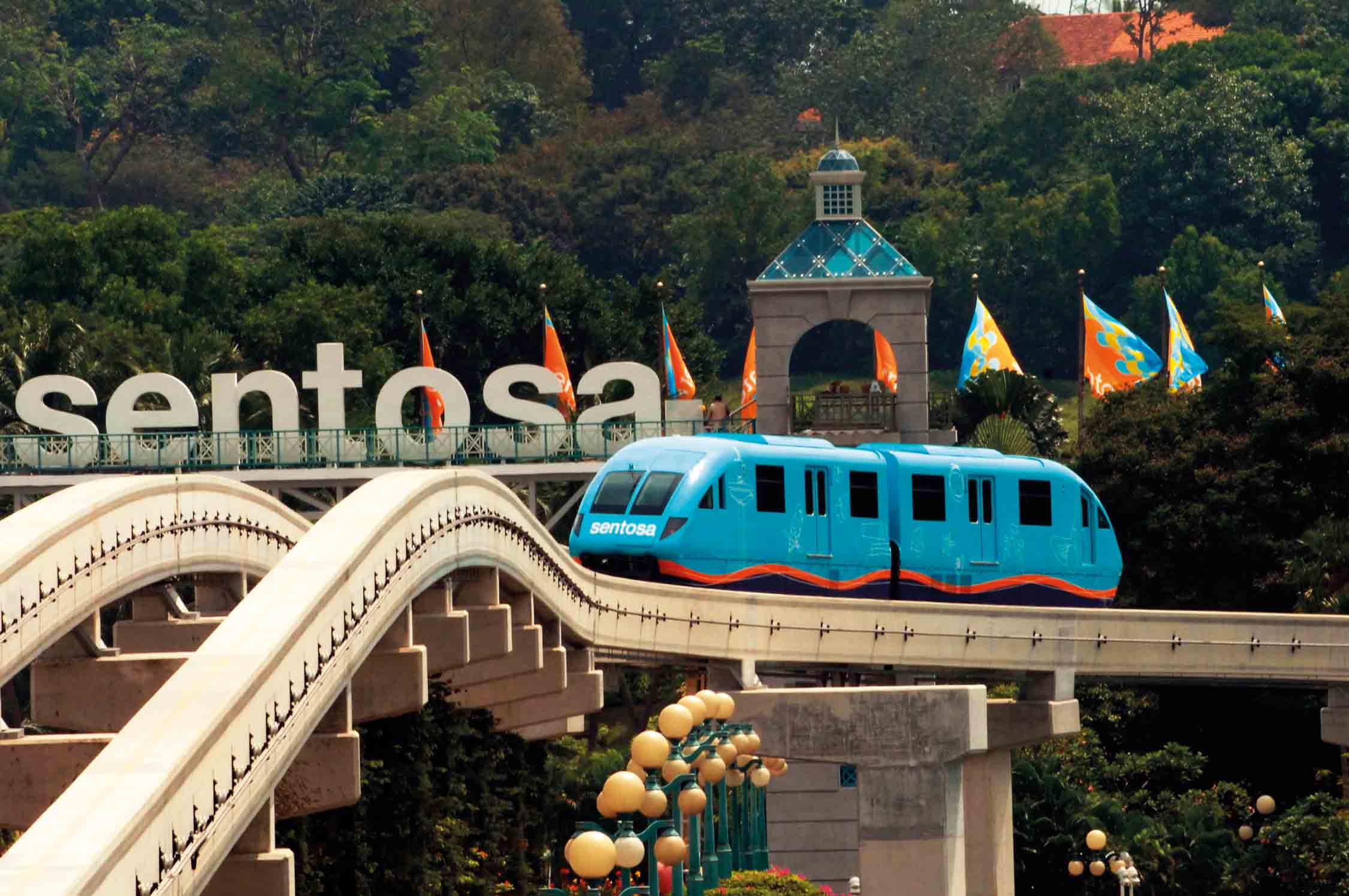
    After dropping out of school at 16, Chua Thian Poh embarked on a business venture that would ultimately lead him to become a pioneer in Singapore’s prestigious Sentosa Cove with his company, Ho Bee Land. Today, Sentosa Cove is an exclusive residential district, and Ho Bee Land stands as its largest private developer.

    The Journey to Sentosa Cove

    Back in the early 2000s, Sentosa Cove was nothing more than a reclaimed segment of land with few believing in its potential to become a prime residential enclave. However, Ho Bee Land was the first private developer to take a bold risk on the area. Chua recounts, “At that time, the concept of luxury waterfront living was new to Singapore, but we saw Sentosa Cove’s potential to become a world-class seafront precinct.”

    While this is arguably his most recognised success, the establishment of Ho Bee Land predates Chua’s move to Sentosa Cove. As one of fourteen siblings, Chua left high school early and borrowed S$15,000 (roughly US$11,600) from his mother to start a business manufacturing hooks and spikes for logging companies. He later ventured into commodity trading in Indonesia, generating the capital needed to launch his property business back in Singapore in 1987. With the purchase of an industrial building, Ho Bee Land began developing small and medium-sized projects, eventually going public on the Singapore Exchange in 1999.

    A significant move was made in 2003 when Chua and Ho Bee Land ventured into Sentosa Cove. They built eight buildings in the following years, with buyers from numerous countries quickly purchasing the first five buildings at increasingly high prices. The profits from these projects pushed Ho Bee Land into the spotlight as one of Singapore’s stock market’s standout performers between 2006 and 2010.

    However, by the early 2010s, housing prices in Sentosa Cove began to fall from their 2008 peak in response to Singapore’s property cooling measures. Instead of selling in a weak market, Chua cleverly converted a major project into a rental property. Sales of the project finally began in 2022, with half of the 50 units released being sold on the launch day.

    Expanding A Global Approach

    Over the years, Chua has made several strategic moves that have transformed Ho Bee Land into a leading property developer with presence extending to Australia, China, the UK and Europe. In 1996, Chua shifted his investment focus from Singapore to London, a move which fortuitously shielded Ho Bee Land from the 1997-98 Asian financial crisis.

    Ho Bee Land continued its expansion with The Metropolis, a 23-story twin-tower office development at one-north on the city fringe. This put Ho Bee Land ahead of the curve yet again, attracting a number of multinational tenants and establishing one-north as a flourishing business and research hub.

    In addition, the company has also been expanding its investments in Australia, purchasing a 181-hectare landholding in Queensland for A$318.5 million (around US$220 million) earlier this year. Ho Bee Land also contributes to the community through the Ho Bee Foundation, supporting causes such as education, healthcare, social welfare, and the arts.

    Chua, now ranked among Singapore’s wealthiest individuals with an estimated net worth of US$1.4 billion, has gradually been handing over the reins to his eldest son, Nicholas Chua, who joined Ho Bee Land in 2002 and is now its CEO and executive director.

    Questions & Answers

    What was Chua Thian Poh’s first business venture?
    Chua Thian Poh’s first business venture involved manufacturing hooks and spikes for logging companies, which he started with a loan from his mother.

    How did Ho Bee Land become a standout performer in Singapore’s stock market?
    Ho Bee Land became a standout performer in Singapore’s stock market through the profits it earned from its projects in Sentosa Cove between 2006 and 2010.

    What was Ho Bee Land’s strategy when housing prices in Sentosa Cove began to fall?
    When housing prices in Sentosa Cove began to fall, Ho Bee Land chose not to sell in a weak market. Instead, they converted their major project into a rental property, generating income to cover the cost of holding the development until a more opportune time for sales arrived.

  • Sheraton Saigon Elevates Event Experience with Level 23: New Multipurpose Venue and Skyline Bar

    Sheraton Saigon Elevates Event Experience with Level 23: New Multipurpose Venue and Skyline Bar

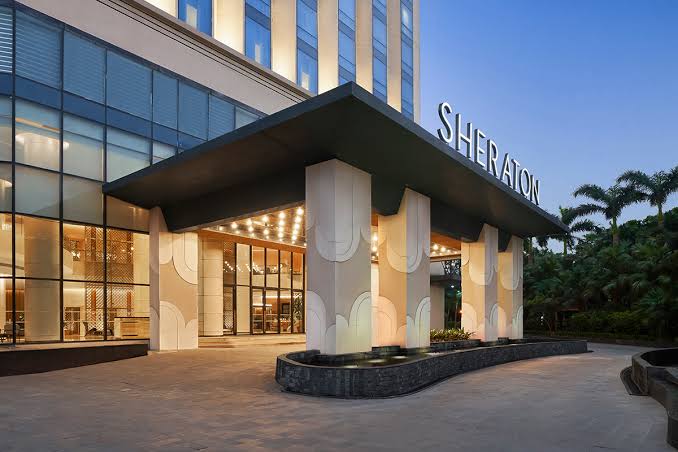
    In celebration of its 23rd anniversary, the Sheraton Saigon Grand Opera Hotel, located in the heart of Ho Chi Minh City, has recently unveiled Level 23. This innovative space showcases a convergence of meeting venues, event spaces, and a rooftop entertainment area, designed to meet the increasing demand from business travelers, international delegations, and local patrons for multi-functional destinations.

    Exploring the Offerings of Level 23

    Level 23 brings together the private event space Altitude 23, Summit – a versatile meeting and event area, and Hai Bar, one of the most elevated rooftop bars in Dong Khoi. This promising project was officially introduced to the public during the “High Above Saigon” event held on June 26, 2026.

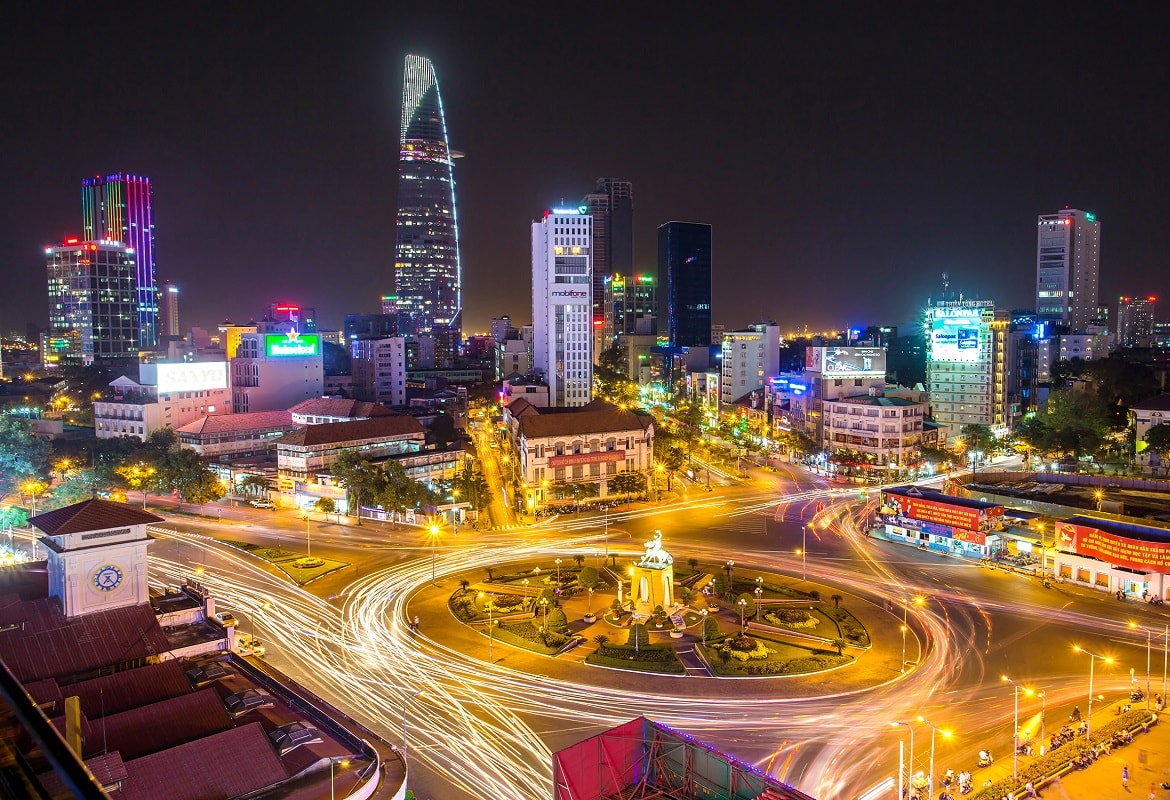
    Summit, the meeting and event space, features five adaptable rooms that provide natural daylight and sweeping views of iconic landmarks such as the Nguyen Hue Boulevard, Bitexco Tower, and the city’s skyline. With the largest room, Grand Summit, capable of accommodating up to 212 guests in a theater-style arrangement, 180 for cocktail events, and 160 for banquets, Summit offers a venue solution for a variety of events. The rooms can be used individually or combined, providing the perfect setting for anything from executive meetings, product launches, and corporate events, to galas, weddings, and private celebrations.

    Adding to the allure of Level 23 is Hai Bar, the hotel’s renovated rooftop cocktail bar. Open from 5 p.m. daily, the bar offers breathtaking views of the Saigon Opera House, Notre-Dame Cathedral, the Saigon River, and Ba Son Bridge. Patrons can choose from 23 signature cocktails, each inspired by different regions of Vietnam and made with locally sourced ingredients.

    Introducing Altitude 23

    Altitude 23, the private event venue, is a spacious 260-square-meter area that offers panoramic views of Ho Chi Minh City. It can comfortably accommodate up to 200 guests in theater-style seating and up to 150 for banquets or cocktail receptions. The venue, which once housed the Night Spot nightclub, has been redesigned for contemporary events while preserving elements of the original space.

    According to Julian Wong, General Manager of the Sheraton Saigon Grand Opera Hotel, the introduction of Level 23 is a significant milestone for the hotel. He emphasized that the concept is not just about height but rather about providing a tranquil, elevated perspective of the vibrant city. Wong affirmed that guests are increasingly seeking destinations that can accommodate multiple purposes within a single visit, and Level 23, with its high-floor experience, perfectly fits the bill.

    The unveiling of Level 23 marks the hotel’s third substantial development in less than a year. Earlier, it opened the Grand Opera Tower, added 120 renovated rooms and suites, and became the first Marriott International hotel in Vietnam to receive LEED Gold Certification under the LEED v4.1 Operations and Maintenance standard.

    Questions & Answers

    What is the concept behind Level 23 at the Sheraton Saigon Grand Opera Hotel?
    Level 23 is designed to accommodate the increasing demand for multi-functional destinations that can cater to a variety of events, from business meetings to private parties, all within a single space.

    What unique features does Level 23 offer?
    It brings together three distinct venues: Summit, a versatile meeting and event space; Hai Bar, a rooftop cocktail bar; and Altitude 23, a private event venue. Each offers a unique high-floor experience with panoramic views of Ho Chi Minh City.

    What is the capacity of the venues at Level 23?
    Grand Summit, the largest space at Summit, can accommodate up to 212 guests. The rooftop bar, Hai Bar, is open to all guests, while Altitude 23 can seat up to 200 guests in a theater-style arrangement.

  • Sunway Malls Revolutionizes Shopping with Malaysias First AI-Powered Smart Mall

    Sunway Malls Revolutionizes Shopping with Malaysias First AI-Powered Smart Mall

    Sunway Malls, one of Malaysia’s leading shopping center operators, has launched a pioneering artificial intelligence (AI) system designed to transform its locations into the nation’s first “smart malls.”

    The innovative AI network will work in tandem with Sunway’s existing ‘Internet of Things’ (IOT) framework to enhance operational efficiency and productivity while simultaneously enriching the consumer experience. This technological advancement builds on the successful integration of IOT at the Sunway Pyramid shopping center in Subang Jaya last year.

    Embracing Digital Transformation

    HC Chan, Group Managing Director of Sunway Malls, emphasized the growing importance of digital technology in the business landscape. He explained that the precision, timeliness, and relevance provided by this technology facilitates more insightful and strategic responses in an intensely competitive market.

    According to the company, all 16 Sunway Mall locations will be incorporated into a comprehensive IOT network. This integration will facilitate a cohesive management system that relies on automated, data-driven insights for decision-making processes. The company pledged to allocate resources “intelligently,” anticipating and resolving maintenance issues before they become problematic.

    Expanding Technological Features

    The extensive technological upgrade will introduce a range of features, including a 5G network, smart toilets and escalators, AI-enabled CCTV, and digital sustainability initiatives.

    Furthermore, Sunway Malls will launch a new AI customer chatbot and the Sunway Super lifestyle app, designed to enhance the customer experience. These digital services will offer smart parking, in-mall navigation, and a virtual shopping assistant, revolutionizing the shopping experience for customers.

    Questions & Answers

    What is the purpose of Sunway Malls’ new AI ecosystem?
    The AI ecosystem has been developed to enhance operational efficiency and productivity, while also improving the consumer experience at Sunway’s shopping centers.

    What other technological features will be introduced in the smart malls?
    In addition to the AI and IOT systems, the smart malls will feature a 5G network, smart toilets and escalators, AI-enabled CCTV, digital sustainability programs, and a customer chatbot.

    How is the decision-making process influenced by this digital transformation?
    Decision-making at Sunway Malls will be guided by a unified management system that uses automated, data-driven insights, allowing for intelligent resource allocation and proactive maintenance issue resolution.

  • Thailand Plans $362M Mega Cruise Terminal on Koh Samui to Boost Tourism

    Thailand Plans $362M Mega Cruise Terminal on Koh Samui to Boost Tourism

    Thailand is advancing a significant cruise terminal project, valued at THB12.2-billion (US$362-million), on Koh Samui, the country’s second-largest island. The terminal has been designed to accommodate large cruise ships and is part of 262 substantial transport initiatives slated for completion by 2027. The collective investment for these projects totals THB229.76 billion, as divulged by the Transport Ministry.

    Project Management and Approval Process

    The Marine Department is overseeing this major development, which aims to bolster maritime transportation, host larger cruise vessels and facilitate the growth of Thailand’s cruise tourism industry. The project is presently under review by the Transport Ministry, and once approved in principle, it will be put forward to the Cabinet for further approval.

    Simultaneously, applications for land usage under the jurisdiction of pertinent agencies such as the Royal Forest Department are being processed. The ministry expects Cabinet approval by 2027, followed by the bidding process in 2028. Construction is anticipated to begin shortly after and operations are projected to start by 2032, with an operational period of 30 years.

    Projected Benefits and Economic Impact

    Upon completion, the terminal is slated to serve between 200,000 and 400,000 tourists annually and should be able to manage approximately 240 cruise ship dockings each year. A study of the project estimates that the terminal could produce around THB46 billion in economic value over its 30-year lifespan, with an economic rate of return exceeding 15%.

    Koh Samui, located in the Gulf of Thailand and approximately 700 kilometers south of Bangkok, is the country’s second-largest island after Phuket. The island is renowned for its stunning beaches, luxurious resorts, vibrant nightlife, and access to nearby marine attractions such as the Mu Ko Ang Thong National Marine Park.

    Questions & Answers

    What is the main purpose of the cruise terminal project on Koh Samui?
    The cruise terminal project aims to enhance maritime transportation, accommodate larger cruise vessels, and support the growth of Thailand’s cruise tourism industry.

    When is the terminal expected to commence operations?
    The terminal is projected to start operations by 2032, with an operational period of 30 years.

    What is the expected economic impact of the terminal?
    The terminal could generate approximately THB46 billion in economic value over 30 years, with an economic rate of return surpassing 15%.

  • Jollibee Billionaire-Backed Hotel101 Pours $200M into Thai Hotel Expansion

    Jollibee Billionaire-Backed Hotel101 Pours $200M into Thai Hotel Expansion

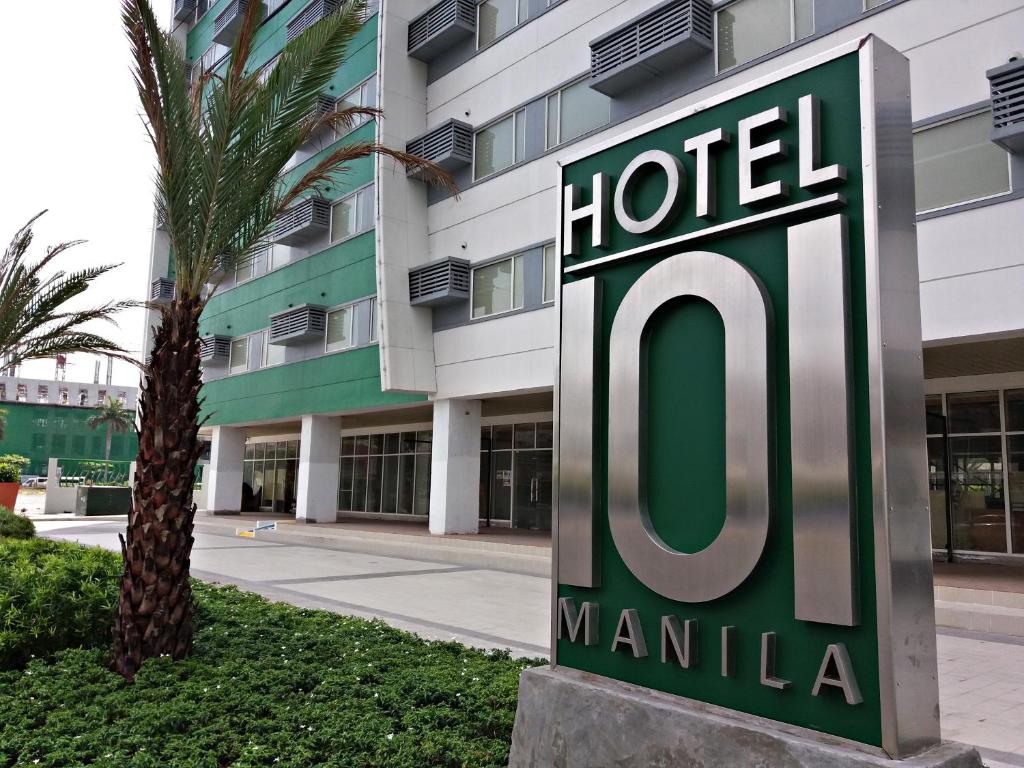
    Hotel101 Global, a venture supported by Jollibee Foods founder Tony Tan Caktiong, is marking its expansion into Thailand with an investment of US$200 million. This investment is aimed at the development of three new hotels in Southeast Asia’s top tourist destination.

    Expansion and Development Plans

    The company plans to launch these developments over the next three years. The first hotel will be situated in Bangkok, with the subsequent projects planned for Pattaya and Phuket. Collectively, these three hotels are expected to provide over 2,000 rooms.

    Hotel101 Global is a division of DoubleDragon, a collaborative enterprise between Caktiong, who has a net worth of $1.1 billion, and property tycoon Edgar Sia II, who holds $310 million in assets.

    Hotel101-Bangkok is projected to produce 1.9 billion baht ($57 million) in sales once all units are sold. This hotel is set to be completed by 2029 and will occupy an 8,336-square-meter site on Phahon Yothin Road, close to Don Mueang International Airport. Guests can expect a variety of amenities, including meeting spaces, a conference center, modern rooms, all-day dining, a swimming pool, a full-size gym, a business center, a children’s pool, parking, and luggage storage.

    Hotel101, which inaugurated its first property in the Philippines in 2016, joined Nasdaq in July of the previous year. This listing is anticipated to aid Sia in his ambition of constructing 1 million hotel rooms across 100 countries by 2050.

    Existing Ventures and Future Projects

    At present, the company runs two hotels in the Philippines, which together comprise 1,124 rooms. As part of its global expansion, Hotel101 unveiled its first international property, the 680-room Hotel101-Madrid, in March. The 482-room Hotel101-Niseko in Hokkaido, Japan, is set to open in December.

    This year, the company is also planning to launch the 519-room Hotel101-Davao and the 548-room Hotel101 Cebu in the Philippines. According to Hotel101, these new additions, along with Hotel101-Niseko, will introduce a record 2,229 new hotel rooms by 2026.

    In addition to these, Hotel101 is working on projects in Los Angeles and Saudi Arabia, where it aims to construct 10,000 rooms worth $2.5 billion across several cities.

    The company’s approach is centered on building a global hotel network characterized by identical, standardized rooms at all of its properties to enhance efficiency and affordability.

    Questions & Answers

    What is the investment plan of Hotel101 for their expansion into Thailand?
    Hotel101 Global plans to invest US$200 million to develop three hotels in Bangkok, Pattaya, and Phuket.

    What amenities can guests expect at the new hotels?
    Guests can anticipate amenities such as meeting spaces, a conference center, modern rooms, all-day dining, a swimming pool, a full-size gym, a business center, a children’s pool, parking, and luggage storage.

    What is the company’s long-term goal?
    The long-term goal of Hotel101 is to develop 1 million hotel rooms across 100 countries by 2050, as facilitated by their listing on Nasdaq.

  • Hanoi’s Prime Western Land on Sale: Priced from $40M with Residential Development Opportunities

    Hanoi’s Prime Western Land on Sale: Priced from $40M with Residential Development Opportunities

    Next month, Hanoi authorities are set to auction a two-hectare plot of land located in the city’s western region. The initial entry price has been established at VND1.06 trillion, or approximately US$40 million, which equates to VND52.9 million per square meter.

    Land Auction in An Khanh Commune

    The plot of land is situated in the An Khanh Commune, positioned 22 kilometers away from the city center. The auction will be conducted by the Lac Viet Auction Partnership Company. The land is zoned for commercial residential development, opening up possibilities for significant business ventures.

    The auctioning process will be conducted through multiple rounds of sealed bids, with at least five rounds expected to occur. Each incremental bid will be increased by VND10 billion. Bidders are required to place a deposit equivalent to 20% of the starting price to participate in the auction.

    An Khanh Commune is home to a population of 102,000. Its close proximity to Thang Long Avenue has catalyzed the establishment of several significant residential projects such as Sudico Nam An Khanh, HaDo Charm Villas, and Vinhomes Thang Long.

    Hanoi’s Revenue from Land Transactions

    In the previous year, Hanoi set a new record in its revenue from land-related transactions, generating VND107.9 trillion. This figure surpassed its intended target by 125% and was over twice the amount earned in the previous year. This revenue constituted 15% of the city’s total income.

    Looking forward, Hanoi has set a target to earn a total revenue of VND3.7 quadrillion from 2021 to 2030. Of this amount, about 21.6% is expected to be derived from land transactions.

    Questions & Answers

    What is the starting price for the land auction in An Khanh Commune?
    The starting price is VND1.06 trillion, or approximately US$40 million.

    What type of development is permitted on the auctioned land?
    The land is zoned for commercial residential development.

    What percentage of Hanoi’s total revenue from 2021 to 2030 is expected to come from land transactions?
    About 21.6% of the total revenue is projected to come from land transactions.

  • Hong Kong Housing Market Shows Signs of Recovery as Developers Boost Prices Amid Geopolitical Uncertainties

    Hong Kong Housing Market Shows Signs of Recovery as Developers Boost Prices Amid Geopolitical Uncertainties

    Hong Kong real estate developers are elevating their prices for newly built homes, following a pattern of successful sales. This trend is occurring amidst growing economic and political instability, as well as uncertainty revolving around interest rates.

    Increased Prices and Demand

    Henderson Land Development, on Monday, added an extra 39 units to its Chester project located in Hung Hom. Out of the 39, 25 units were sold, indicating a steady demand. A property agent reported that these units had an average reduced price of HKD22,198 (US$2,831) per square foot. This is a 4.6% increase in comparison to the price of the 123 units that were sold at the project’s initial launch last month.

    According to Derek Chan Hoi-chiu, head of research at real estate agency Ricacorp Properties, the steady demand has led developers to cautiously raise prices in new sales launches rather than revert to deep discounting. He described this as a typical recovery-phase strategy: assessing price elasticity while ensuring the momentum continues to build.

    Continued Developments

    Elsewhere, the developers of the La Mirabelle I project in Tseung Kwan O are planning to release 254 additional units on Tuesday. The discounted prices for these flats range from HKD5.93 million to HKD8.99 million, marking a 1% increase from the previous batch released a week ago. The earlier release of 254 units was completely sold out within hours.

    Uncertain Market Conditions

    Such moves by developers indicate an attempt to test the market demand despite the current uncertainties. The Hong Kong Monetary Authority has cautioned borrowers about the unpredictable outlook for interest rates after the U.S. Federal Reserve maintained its benchmark rate at between 3.5% and 3.75% last month.

    The recent disruptions in the oil supply due to geopolitical tensions have led to a significant increase in crude oil prices. This has raised concerns that a stricter monetary policy could follow in the world’s largest economy. Any rise in interest rates could potentially reduce both transaction volumes and residential property prices.

    Despite these uncertainties, the market seems to be signaling positivity. Official data from March shows that Hong Kong’s home sales value increased by 42.2% year-on-year to HKD55.2 billion. The number of residential property sale and purchase agreements registered last month also rose by 17.7% to 6,316 according to Land Registry figures.

    Questions & Answers

    What has been the trend in Hong Kong’s real estate market?
    Hong Kong’s real estate market has seen increased prices for new homes due to steady demand, despite political and economic uncertainties.

    What strategy are developers using in the current recovery phase?
    Developers are cautiously increasing prices for new sale launches, as opposed to resorting to deep discounts, to test price elasticity without slowing down the momentum.

    How have recent geopolitical events affected the real estate market?
    The uncertainties stemming from geopolitical events and fluctuating oil prices have led to apprehensions about stricter monetary policies, which could potentially affect transaction volumes and residential property prices. However, Hong Kong’s home sales have shown a positive trend, indicating a resilient market despite these uncertainties.

  • Central Pattana Propels $3 Billion Mixed-Use Expansion: Heralding a New Era of Urban Growth in Thailand

    Central Pattana Propels $3 Billion Mixed-Use Expansion: Heralding a New Era of Urban Growth in Thailand

    Central Pattana, a leading retail and property development company, has unveiled ambitious plans to invest approximately $3 billion to broaden its mixed-use portfolio over the next five years.

    Central Pattana’s proposed projects are poised to offer an innovative blend of retail, residential, office, and public spaces. These projects are strategically designed to cater to both urban and regional growth corridors, maximising their reach and potential impact.

    Expansion Across Bangkok

    The expansion will focus on both established and emerging business districts within Bangkok. Prominent regions such as the ‘Super Core CBD’ near CentralWorld and Silom-Rama IV will be targeted, alongside burgeoning zones in Rama 9 and Ladprao-Phahonyothin.

    One of the cornerstone ventures of this ambitious expansion is a project aptly named the ‘City of the Future’. This project, planned to sprawl over approximately 120ha in northern Bangkok, aims to seamlessly integrate elements of sustainability, green spaces, and walkable urban design.

    CEO Wallaya Chirathivat states, “Our model continues to generate sustainable traffic, tenant sales and long-term asset value, while contributing to broader economic ecosystems.”

    Currently, Central Pattana manages a portfolio of 142 projects nationwide, drawing in more than 510 million visitors every year. By 2030, the company aspires to increase its mixed-use projects to 33, supporting over 1.5 million jobs and ensuring a consistent stream of rental income.

    In addition to its Bangkok projects, the company has also declared plans to expand Central Phuket. The emphasis will be on the development of the luxury zone and the addition of roughly 10,000sqm of leasable space. The first phase is slated for completion in the fourth quarter of this year.

    Questions & Answers

    What is the scope of Central Pattana’s investment plans over the next five years?
    Central Pattana intends to invest around $3 billion in the expansion of its mixed-use portfolio over the next five years.

    What does the ‘City of the Future’ project aim to achieve?
    The ‘City of the Future’ project aspires to integrate sustainability, green space, and walkable urban design into a large development in northern Bangkok.

    What are the expansion plans for Central Phuket?
    Central Pattana plans to expand Central Phuket by focusing on the luxury zone and adding approximately 10,000sqm of leasable space. The first phase of this expansion is set to open in the fourth quarter of this year.

  • Hong Kong Office Market Revival: Downtown Vacancy Rates Hit 2-Year Low

    Hong Kong Office Market Revival: Downtown Vacancy Rates Hit 2-Year Low

    The prime office space vacancy rates in Hong Kong’s central business district have once again dipped into single figures for the first time in over two years, marking a resurgence in demand within the previously struggling office market.

    A Turnaround in Demand

    The primary business district, situated on the northern coast of the island, saw the vacancy rate for Grade A offices drop to 9.9% in February, a slight decrease from January’s 10.1%. The district last recorded a single-digit vacancy rate in December 2023, standing at the same figure of 9.9%.

    This trend isn’t limited to the central business district. Across Hong Kong, the overall prime office vacancy rate also fell slightly, dropping to 13.4% in February from the 13.5% recorded in the previous month.

    Rising Rents

    In line with the declining vacancy rates, rental costs for Grade A offices in the central district also experienced a rise. The first two months of the year saw rent prices increase by 3.5%.

    Banking remains the main driver for leasing activity, with the demand focusing on newer office buildings within the central business districts. Two districts have begun to show early signs of improvement, a trend that is expected to continue throughout the year. However, non-core districts, such as Kowloon East, are anticipated to remain under strain.

    Increased Optimism

    CK Asset Holdings, a property development company owned by billionaire Li Ka-shing’s family, has also expressed positive expectations for leasing demand this year. The company saw leasing remain under pressure during the previous year, but recent renewals have started to show small increases in rental costs.

    Both rent and sales are projected to see a surge. The overall non-residential property market is expected to continue adjusting and seeking support levels. However, rental and sales prices for offices located in the core districts may stabilize first.

    Uneven Recovery

    According to a report, the recovery within the office market varies across Hong Kong. The premium Grade A buildings in the central district, such as Two IFC, Chater House, and The Henderson, have maintained occupancy rates above 88%. In contrast, older properties within the same district have recorded occupancy rates below 75%. This uneven recovery rate highlights the growing preference for modern, high-specification buildings, reinforcing the “flight-to-quality” trend within Hong Kong’s office sector.

    Questions & Answers

    What is the current vacancy rate for prime office space in Hong Kong’s central business district?
    The vacancy rate for prime office space in Hong Kong’s central business district is currently 9.9%.

    What trends are emerging in Hong Kong’s office sector?
    There is a growing preference for modern, high-specification buildings, and non-core districts like Kowloon East are likely to continue facing pressure.

    What is the forecast for rental and sales prices in the near future?
    Rental and sales prices for overall non-residential properties are expected to continue adjusting, with prices for offices in the core district possibly stabilizing first.

  • CapitaLand Strikes $332M Deal: Iconic Singapore Mall Finds New Ownership

    CapitaLand Strikes $332M Deal: Iconic Singapore Mall Finds New Ownership

    CapitaLand Integrated Commercial Trust (CICT) has successfully concluded the sale of Bukit Panjang Plaza, a prominent shopping mall in Singapore. The sale, which fetched a sum of US$332 million (S$428 million), is part of a larger strategy to optimize the organization’s portfolio.

    The Sale of Bukit Panjang Plaza

    Bukit Panjang Plaza, which encompasses 11,500 square meters and houses 122 retail spaces, had been on the market since early 2024. The identity of the buyer for this prime real estate was not divulged by CICT. However, it’s known that the investor is a well-established, US-based development firm.

    Speaking on the successful transaction, Tan Choon Siang, CEO and Executive Director of CICT, explained that the sale was in line with the company’s ongoing portfolio reconstitution strategy. He further noted that this move will not only enhance CICT’s financial agility but also generate substantial value for all stakeholders involved.

    CICT’s Global Presence and Financial Performance

    CICT’s global footprint extends to 45 countries, reinforcing its status as a leading player in the international real estate market. The sale of Bukit Panjang Plaza underscores the company’s commitment to continual growth and expansion.

    Financially, CICT has been performing remarkably. In 2024, the company reported a considerable increase in profits, from S$192 million in 2023 to S$890 million. This significant surge in profit underscores the robustness of the company’s business model and its effective strategic decisions.

    Questions & Answers

    What is the significance of the sale of Bukit Panjang Plaza for CICT?
    The sale of Bukit Panjang Plaza is a strategic move for CICT as it aligns with their portfolio reconstitution strategy. This transaction not only strengthens CICT’s financial flexibility but also creates value for its stakeholders.

    Who is the buyer of Bukit Panjang Plaza?
    The exact identity of the buyer was not revealed by CICT. However, it’s known that the purchaser is a major US-based property development firm.

    How has CICT’s financial performance been in recent years?
    CICT has shown impressive financial performance, with a significant surge in profits reported in 2024. The company’s profits increased from S$192 million in 2023 to S$890 million in 2024.

  • Taiwan’s Retail Boom: Major Shopping Centre Openings Set to Transform Retail Landscape

    Taiwan’s Retail Boom: Major Shopping Centre Openings Set to Transform Retail Landscape

    A surge of new shopping centers is expected to hit the market in Taiwan this year as developers maintain their commitment to large-scale multipurpose ventures.

    One of the most anticipated launches is the Far Eastern Sogo Department Store’s Garden City in Taipei, which is slated to open its doors in March. With an impressive 99,000 square meters in size, this complex will encompass retail outlets, dining options, and cinema halls, all conveniently linked to the Taipei Dome.

    Company chairperson, Sophia Huang, expressed the company’s high expectations for Garden City, predicting it to pull in over $313.66 million in annual revenue. When combined with the total revenue from its Fuxing, Zhongxiao, and Tianmu locations in Taipei, the group’s annual earnings could potentially reach an impressive $1.58 billion.

    In Taichung, the upcoming opening of Hanshin Intercontinental Shopping Plaza this year marks Hanshin’s first business venture beyond Kaohsiung.

    In addition, Mitsui Fudosan is bolstering its presence in Taiwan. The company has announced that its third Mitsui Shopping Park LaLaport, currently under construction in Kaohsiung’s Fengshan District, is on track to open its doors before the year ends. This mall, with its 270 stores, will offer a variety of dining options, drugstores, a supermarket, a considerable-sized bookstore, and the Arte Museum.

    The development company also divulged plans for a new Mitsui Outlet Park near the Taiwan High Speed Rail Tainan Station. Expected to open either in the first or second quarter, the 240-store outlet center will accommodate home goods retailers, electronics stores, a Japanese-style supermarket, and food and beverage vendors.

    Concerning market conditions, Tsai Ming-chang, the chairman of the Taiwan Shopping Center and Commercial Real Estate Association, noted that while performance in department stores remained steady last year, it’s anticipated to see an improvement. He added that Garden City is poised to create a unique commercial and cultural ambience distinct from the Xinyi District.

    Tsai went on to say, “While Xinyi will persist in drawing in luxury and fashion shoppers, the Taipei Arena area will likely attract consumers who are more interested in cultural, creative, and green spaces.”

    Questions & Answers

    What is the expected annual revenue for the Garden City project in Taipei?
    The company chairperson, Sophia Huang, predicts that the Garden City project will generate over $313.66 million in annual revenue.

    What are the offerings envisaged for the Mitsui Shopping Park LaLaport under construction in Kaohsiung’s Fengshan District?
    The mall will feature several dining outlets, drugstores, a supermarket, a large bookstore, and the Arte Museum among its 270 stores.

    Who is the chairperson of the Taiwan Shopping Center and Commercial Real Estate Association, and what are their thoughts on the future of the retail market in Taiwan?
    The chairman of the association is Tsai Ming-chang, who believes that although department store performance remained steady last year, it is expected to improve. He also mentioned that different areas in Taiwan will attract different demographics of shoppers.

  • Link Reit Launches Leadership Revamp: John Russell Saunders Appointed Executive Director

    Link Reit Launches Leadership Revamp: John Russell Saunders Appointed Executive Director

    John Russell Saunders has recently been appointed as an executive director of the Link Real Estate Investment Trust (Link Reit), effective immediately. For the time being, Saunders will be leading the group in tandem with Ng Kok Siong, the current executive director and CFO. Both Saunders and Ng will be reporting directly to Duncan Gareth Owen, the independent chair, and the Chairs Committee until a new CEO is hired.

    Saunders’ Role in Link Reit

    Saunders, in his current capacity as group chief investment officer, will keep his focus on investments as well as partnerships with third-party capital. He will also support and manage the assets across Link’s existing portfolio, which is currently being handled by Emmanuel Regis Farcis, the managing director for asset management.

    Ng’s Duties in Link Reit

    On the other hand, Ng will be taking charge of all the corporate functions, which include finance, legal, information technology, human resources, and investor relations.

    Saunders expressed his excitement about joining the Link board as an executive director. He anticipates collaborating with Kok Siong, the Chairs Committee, and the broader board and management team on the forthcoming next stage for Link.

    Owen’s Support during the Transition

    To assist with the transition, Owen has agreed to devote more time under a new contract, running from January of this year until the conclusion of May next year. Despite remaining a non-executive chair, Owen will be responsible for guiding the executive directors and overseeing the process of searching for, hiring, and onboarding the new CEO.

    Owen further stated that the board is concentrating on Link’s robustness and proven record in owning and actively managing shopping malls and parking facilities throughout the Asia Pacific. This focus is especially pertinent in Hong Kong, top-tier cities in Mainland China, as well as Singapore and Australia.

    About Link Reit

    Link Reit is a property owner and manager of a portfolio that includes shopping malls, parking facilities, and other retail assets. The group, which is based in Hong Kong, has properties spread across China, Singapore, and Australia.

    Questions & Answers

    What is John Russell Saunders’ new role in Link Real Estate Investment Trust (Link Reit)?
    John Russell Saunders has been appointed as an executive director of Link Reit.

    What will Saunders’ main responsibilities be in his new position?
    As an executive director, Saunders will focus on investments and partnerships with third-party capital, as well as support and manage the assets across Link’s existing portfolio.

    Who will lead Link Reit alongside Saunders during this interim leadership period?
    Ng Kok Siong, the current executive director and CFO of Link Reit, will lead the group alongside Saunders until a new CEO is hired.