Retail News CRM

Category: Real Estate

Retail News Asia is committed to providing both local and global retailers with the latest Real Estate news throughout the Asian market. This on a daily base.

  • Hanoi Apartment Flippers Struggle as Market Cools Amidst Surge in Affordable Housing Options

    Hanoi Apartment Flippers Struggle as Market Cools Amidst Surge in Affordable Housing Options

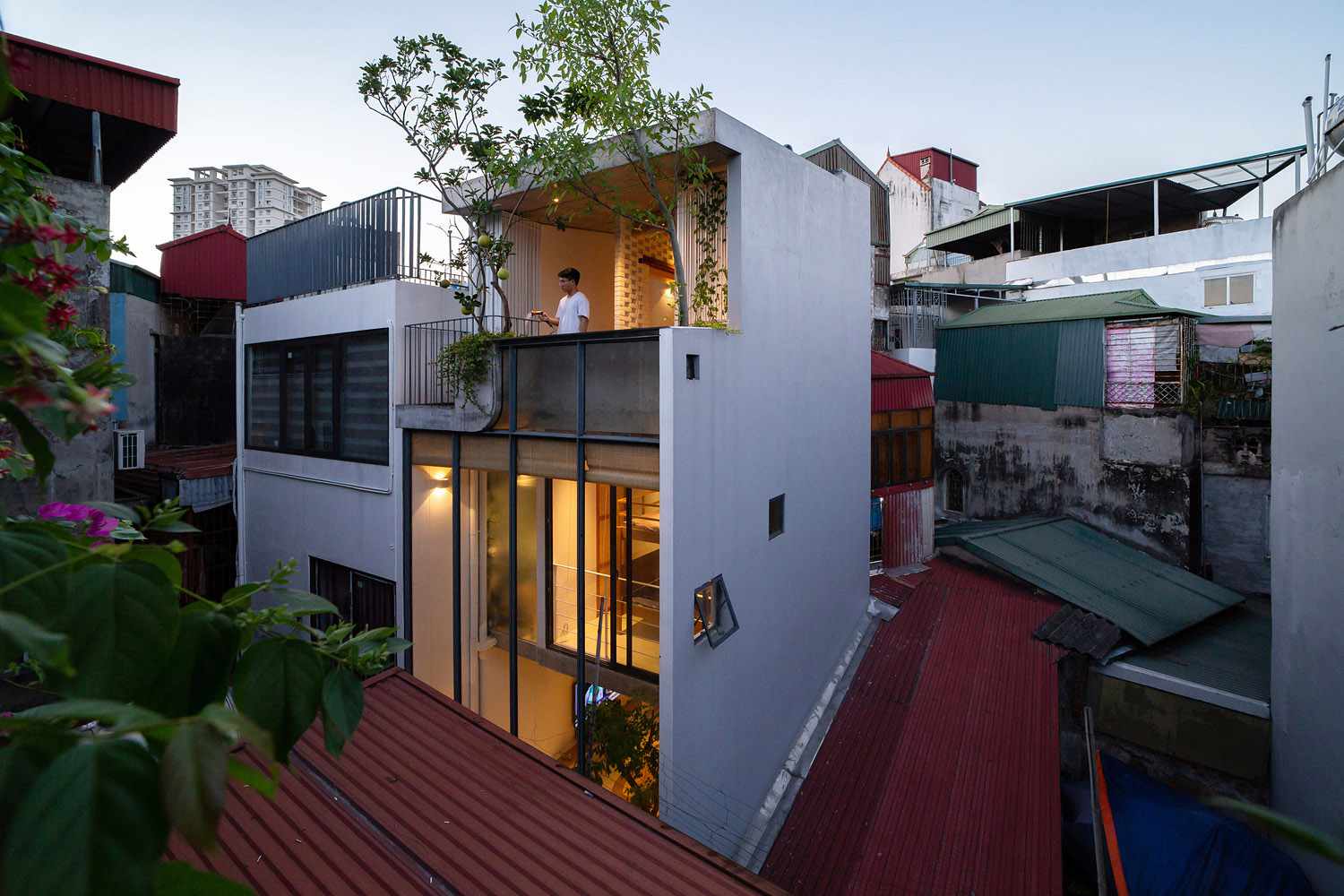
    In Hanoi, real estate speculators find themselves in difficulty as they attempt to sell apartments, even after dropping prices. The abundance of new, more affordable options coming into the market has caused homebuyers to hold off on purchases.

    Ngoc Huyen, from Hanoi’s Long Bien District, listed her apartment for VND6.2 billion (US$236,000) two weeks ago. Despite reducing her asking price substantially, she has yet to receive any inquiries. Huyen has already paid VND1.4 billion towards her bank mortgage and is currently trying to sell the apartment for VND1.1 billion. However, brokers have warned her that attracting buyers is currently a challenging task.

    Trung Hieu from Dong Anh Commune is facing a similar situation. Despite reducing the price of his VND10.2 billion apartment by VND300 million, he has been unable to find a buyer for over a month.

    The Current Market Landscape

    The market has cooled down significantly following a period of skyrocketing prices, making ‘flipping’ apartments more difficult for speculators. Duc Dung, a broker who specializes in apartments in eastern Hanoi, reveals that the number of sellers reaching out to him has increased by 30-40% from the third quarter. This starkly contrasts with the situation three months ago when most of his calls were from customers looking to buy.

    Vo Huynh Tuan Kiet, director of residential markets at a property consultancy in Vietnam, notes that this year, demand for apartments has been driven primarily by speculators, rather than end-users. Asking prices of more than VND100 million per square meter are considered too steep for buyers with actual residential needs.

    Nguyen Van Dinh, chairman of the Vietnam Association of Realtors, estimates that 70-80% of transactions are from investment and speculation. However, the recent cessation of low-interest mortgage packages by banks has made speculators more hesitant to apply for new loans, thereby reducing demand.

    The Impact of Increased Supply

    An anticipated increase in supply is also dampening the market. In this quarter alone, 11,000 new apartments are expected to enter the Hanoi market. This brings the total launches for the year to more than 32,300 units, surpassing the previous year’s number. Many of these new units are priced more reasonably at around VND50-60 million per square meter.

    Dinh notes that the discrepancy between housing prices and income is discouraging many potential buyers, particularly younger ones. Instead, they are choosing to rent apartments in the city or buy units in suburban areas, where prices are more affordable.

    Questions & Answers

    Why are speculators in Hanoi struggling to sell their apartments?
    Speculators are struggling to sell due to an increase in property supply and a cooling market, coupled with homebuyers waiting for more affordable options.

    What has been the primary driver of apartment demand this year?
    Apartment demand this year has largely been driven by speculators rather than end-users, contributing to the current market conditions.

    How is the anticipated increase in supply impacting the real estate market in Hanoi?
    The expected rise in supply is causing a dampening effect on the market. With more affordable options on the horizon, potential buyers are holding off on purchases, leading to a decrease in demand.
  • Singapore’s Clementi Mall Snapped Up for $809M in Record-Breaking Deal by The Elegant Group

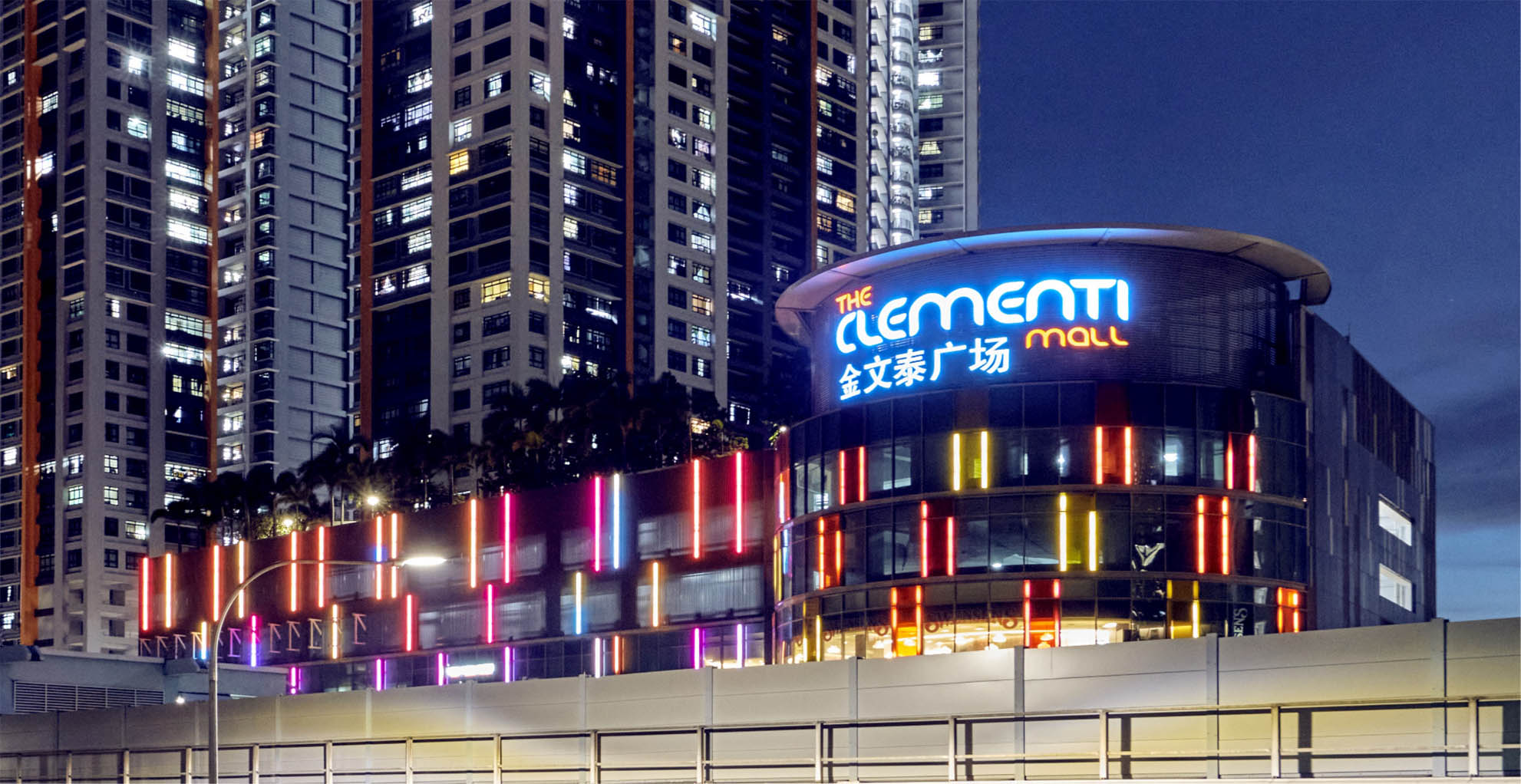
    Singapore’s Clementi Mall Snapped Up for $809M in Record-Breaking Deal by The Elegant Group

    The prominent Clementi Mall in Singapore has changed hands, with Cuscaden Peak Investments selling the property to The Elegant Group for a hefty sum of S$809 million.

    The Elegant Group’s Expanding Portfolio

    The Elegant Group, a business entity associated with entrepreneur Zhao Zhichao, is steadily expanding its portfolio. The group now boasts ownership of five malls situated in Singapore, as well as six properties located in the heart of Sydney.

    Interestingly, the final transaction price of the Clementi Mall was 8 per cent more than the guide price set in August.

    Key Details of Clementi Mall

    The Clementi Mall is no ordinary property; it occupies a site with a 99-year lease that started on August 31, 2010. The structure, as described by Cuscaden Peak Investments, is a six-storey retail development featuring approximately 191,000 square feet of retail space. The mall’s prime location and convenient access, thanks to its direct links to the Clementi MRT Station and bus interchange, make it a desirable piece of real estate in Singapore.

    The Role of Cushman & Wakefield and Savills

    The sale of the Clementi Mall was brokered by renowned real estate firms, Cushman & Wakefield and Savills. They received considerable interest in the property, with 12 responses to an expression of interest request, which concluded on October 3.

    Questions & Answers

    Who is the new owner of the Clementi Mall?
    The Elegant Group, associated with entrepreneur Zhao Zhichao, is the new owner of the Clementi Mall.

    How much was the Clementi Mall sold for?
    The Clementi Mall was sold to The Elegant Group for S$809 million, 8 per cent higher than the guide price from August.

    What is unique about the Clementi Mall’s location?
    The Clementi Mall is strategically located, being directly connected to the Clementi MRT Station and bus interchange. This makes it easily accessible, thereby increasing its desirability as a retail property.

  • Overnight Race for Affordable Housing: Hanoi Residents Brave the Cold for a Shot at Social Accommodation”

    Overnight Race for Affordable Housing: Hanoi Residents Brave the Cold for a Shot at Social Accommodation”

    In a show of high demand for affordable housing in Hanoi, individuals queued overnight during the past weekend to submit their applications for the social housing project, Calyx Residence. With the limited quantity of 466 apartments available in the development, applicants arrived well before the submission start time at 8:30 am on Sunday, in hopes of securing their chance at purchasing a home.

    Braving the Cold for a Chance at a New Home

    Applicants prepared for a long wait, bringing along food and water to endure the overnight queue in Hanoi’s chilly weather that dipped to 18-19 degrees Celsius. Among those was Tuan, a freelance worker, who arrived as early as 11 pm on Saturday to secure his place in line. Reflecting on the experience, he noted that just a few minutes could have been the difference between his application being accepted or rejected, making the overnight wait a necessary hardship.

    By 6 am on Sunday, the queue had significantly grown. Bich, a resident of Phuc Thinh Commune, arrived at 7 am with her husband, only to find a considerably long line already formed. Despite the high demand that exceeded morning application numbers, those unable to submit their applications were allowed to register and apply the next day.

    Providing Comfort in the Wait

    The Ministry of National Defense’s 319 Corporation, the project developer, acknowledged the situation and provided amenities such as tarps for shelter, drinking water, and dry rations for the people waiting in line.

    The Calyx Residence project, which started construction late last year, is set on a 1.5-hectare plot. It will consist of four nine-story buildings and is projected to be completed by the end of 2026. The majority of the apartments, 419 units, will be sold directly, while 47 others will be subject to rent-to-own agreements. The prices range from VND824 million to VND1.5 billion, translating to approximately VND20.6 million per square meter, significantly less than Hanoi’s average apartment price of VND85.6 million per square meter.

    Rising Demand Meets Limited Supply

    Given the project’s prime location near Co Loa Road, a main artery in Dong Anh, and the rising prices of social housing, it is expected that the competition for securing an apartment in this development will be fierce.

    Despite the launch of several social housing projects in Hanoi, the market remains dominated by commercial developments. This has led to an increase in prices for social housing units, which have risen from VND20 million to VND25-29 million per square meter over the past three years.

    As part of a national plan to build at least one million social housing units, Hanoi is expected to contribute 56,200 units by 2030. The city has set a target to complete 4,670 units this year alone.

    Questions & Answers

    How many apartments are being built in the Calyx Residence project?
    There are 466 apartments being built in the Calyx Residence project.

    What measures were taken to accommodate the people waiting in line to submit their housing applications?
    The project developer, the Ministry of National Defense’s 319 Corporation, provided amenities such as tarps for shelter, drinking water, and dry rations for the people waiting in line.

    Who gets priority for purchasing the housing units?
    Priority is given to those who do not own a house, people in low-income groups, and employees of defense and security agencies.

  • Central Pattana Invests $640m In Transformative Northern Bangkok Lifestyle Hub

    Central Pattana Invests $640m In Transformative Northern Bangkok Lifestyle Hub

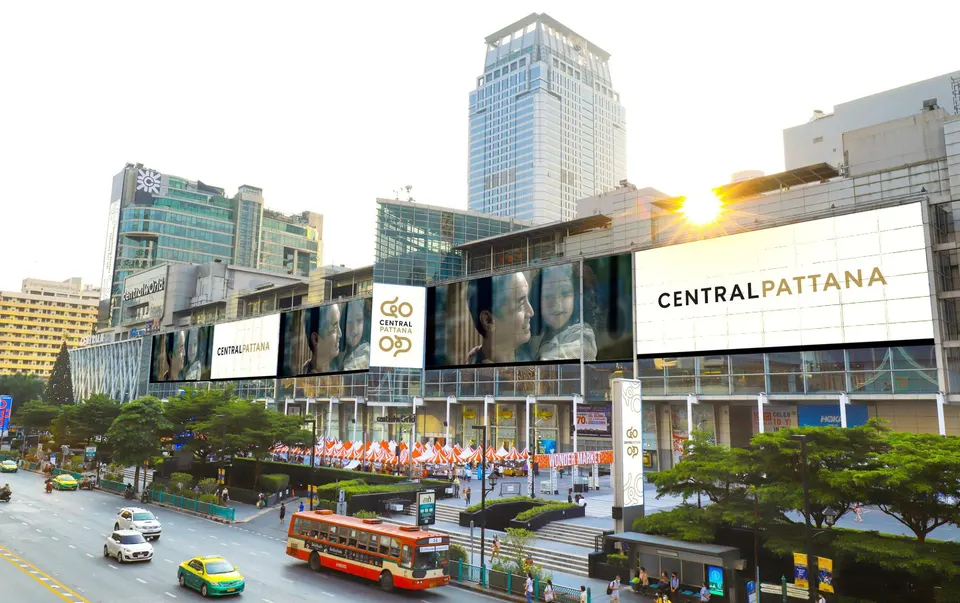
    Central Pattana, a division of Thailand’s Central Group that specializes in property development, plans to infuse a staggering 21 billion baht (US$640 million) into the creation of an expansive new shopping and lifestyle hub in northern Bangkok.

    The Central Phaholyothin: More than Just a Mall

    The development, dubbed The Central Phaholyothin, will grace the Phaholyothin Road with its vast 457,000 square metre footprint. The complex will be a blend of retail, dining, entertainment, and cultural facilities, incorporating a concert hall and a convention centre tailored to accommodate international events. Furthermore, the prime location of the site will allow for a direct train connection to Don Mueang International Airport.

    Chanavat Uahwatanasakul, the Retail and Development President at Central Pattana, commented on the strategic placement of the development. “We have chosen a prime location that enables us to cater to more than 2.5 million people in northern Bangkok. However, The Central Phaholyothin aims to be more than just a shopping mall; it will be a world-class destination for entertainment, culture, and business.”

    Key Features of The Central Phaholyothin

    The Central Phaholyothin is set to be peppered with several distinctive features, all designed with a view to draw visitors and create a vibrant, energetic space. Some of the key features include:

    – Central Stage: This will serve as a connection between an upper-level international dining area and a ground-level street food zone.
    – Market Hall: A revolving pop-up space envisioned to host food and cultural events.
    – Waterfall Courtyard: An eco-friendly centerpiece featuring an Edible Garden, reflecting the ‘from farm to table’ concept.

    Moreover, other areas will be dedicated to fashion, family lifestyle, and creative arts.

    Nattakit Tangpoonsinthana, the Chief Marketing Officer at Central Pattana, mentioned that the project is designed to redefine northern Bangkok and enhance the city’s status as an international destination. “Through our developments, we have been successful in transforming key districts into significant landmarks. With The Central Phaholyothin, we aim to establish a new cultural and business hub that can rival the likes of global cities such as New York, London, Seoul, and Tokyo.”

    The Central Phaholyothin is expected to be completed by the end of next year.

    Questions & Answers

    What is the aim of The Central Phaholyothin project?
    The project aims to redefine northern Bangkok and enhance the city’s status as an international destination for entertainment, culture, and business.

    What are some of the key features of The Central Phaholyothin?
    Key features include the Central Stage, Market Hall, and Waterfall Courtyard, along with zones dedicated to fashion, family lifestyle, and creative arts.

    When is The Central Phaholyothin expected to be completed?
    The Central Phaholyothin is scheduled for completion by the end of next year.

  • Jakarta Jewel: Discover the Region with the Slowest Apartment Price Growth!

    Jakarta Jewel: Discover the Region with the Slowest Apartment Price Growth!

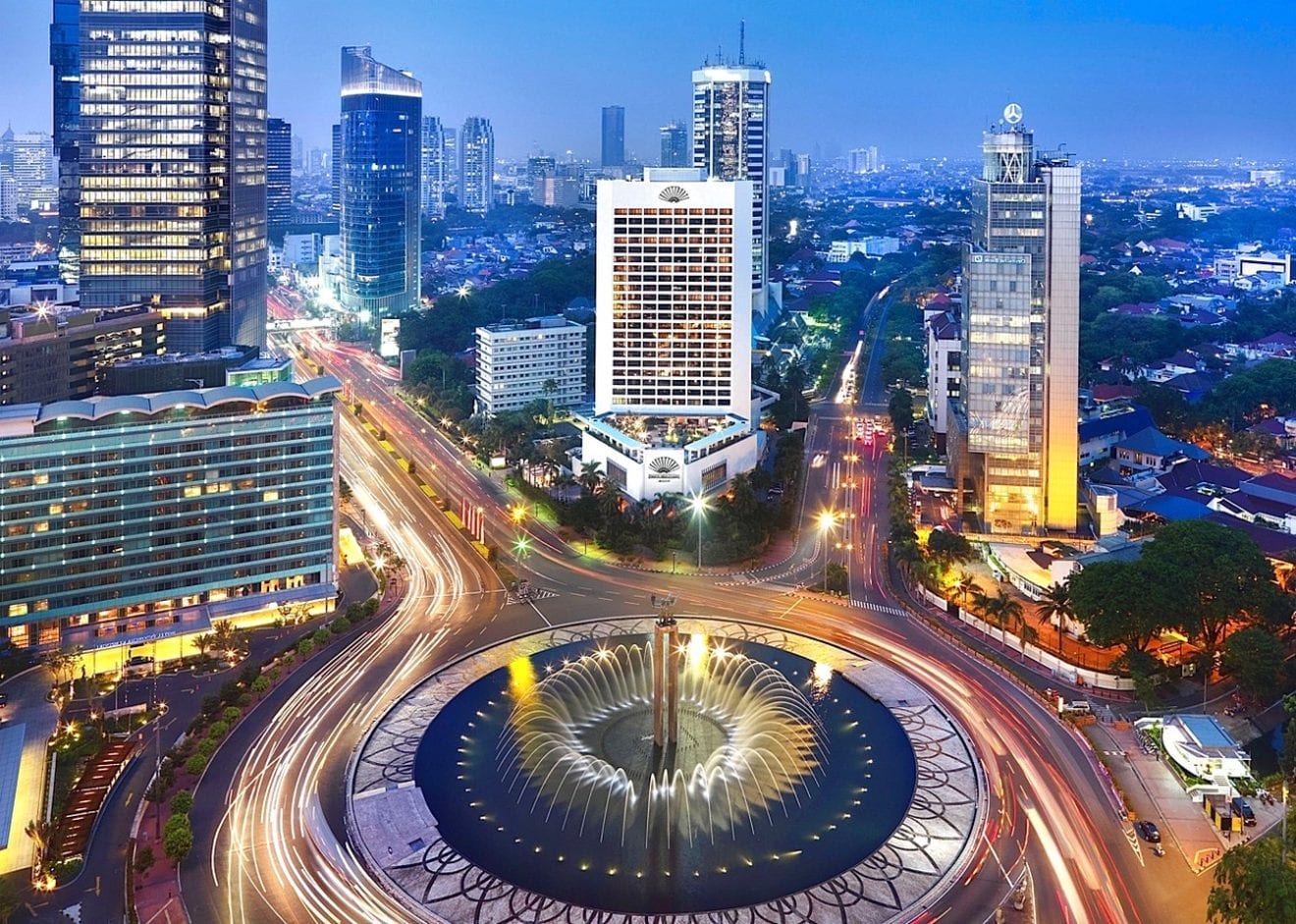
    The residential property landscape in Jakarta is showing subtle yet telling signs of adjustment, with average apartment prices edging upward by less than 1% in the second quarter of 2025. According to the latest report from Colliers, the average asking price has reached IDR 35.9 million per square meter, marking a year-on-year rise that reflects a city grappling with shifting dynamics.

    Stability in South Jakarta

    Notably, the south of the city, which had already undergone price corrections earlier this year, saw minimal price movement, particularly in the upper-middle market segment. “This stabilization has effectively curtailed further growth in prices during the quarter,” the Colliers report stated.

    Rising Prices in Key Areas

    In contrast, areas outside of South Jakarta, especially the Central Business District (CBD), have experienced more pronounced price increases. The average price per square meter in the CBD now stands at IDR 53 million, a modest uptick fueled by heightened demand and the influx of new supply. Meanwhile, suburban areas are witnessing a surge in sales activity, driven by upcoming property handovers, resulting in significant pricing adjustments.

    A Shift in Developer Strategies

    This burgeoning interest in secondary neighborhoods has led to an uptick in transaction volumes, creating a pricing catch-up effect that seeks to align these areas more closely with the established benchmarks in the CBD and South Jakarta. For instance, as of the second quarter, the average price in non-prime locations has climbed to IDR 27 million per square meter — a welcome development for sellers.

    Mixing Incentives with Promotions

    To entice buyers, developers have been employing a robust incentive strategy, showcasing offers that include fully furnished units and vouchers for furniture and electronics, alongside relaxed service charge and VAT conditions. However, a recent shift in promotional strategies became evident by the end of the first half of 2025, with VAT incentives dropping from a full 100% to just 50%, leaving some potential buyers wondering if they should hold out for a better deal. As one developer quipped, “Even a small tweak in taxes can feel like a game of Monopoly!”

    Questions & Answers

    What was the overall change in apartment prices in Jakarta in Q2 2025?
    Apartment prices in Jakarta rose by less than 1%, with an average asking price of IDR 35.9 million per square meter.

    Which areas in Jakarta saw the most significant price increases?
    The Central Business District (CBD) and other non-South Jakarta regions experienced notable price hikes, with the CBD now averaging IDR 53 million per square meter.

    How are developers attracting potential buyers?
    Developers are leveraging a mix of incentives such as fully furnished units, furniture vouchers, and temporary waivers of service charges, although recent promotional shifts have reduced VAT incentives from 100% to 50%.

  • Pickleball Craze Sweeps Singapore Hotels, Boosts Guest Bookings And Urban Escapism

    Pickleball Craze Sweeps Singapore Hotels, Boosts Guest Bookings And Urban Escapism

    Atop the Fullerton Bay Hotel in Singapore, a new pickleball court has recently emerged, allowing players to enjoy their game with the stunning Marina Bay Sands as a backdrop. Since its launch in February, staying guests can reserve the court for SGD40 (US$31) per hour. Non-residents, however, need to meet a minimum spending of SGD20 on services in addition to the court fee, according to the hotel’s website.

    A Slice of Pickleball Paradise

    Meanwhile, at the Novotel and Mercure Singapore on Stevens—a dual-hotel marvel—outdoor tennis courts have been transformed into dedicated pickleball facilities, now managed by Anytime Fitness. Since opening its pickleball offerings in February 2025, this complex has witnessed a remarkable 30% surge in bookings, with over half of those made by guests not staying at the hotels, according to The Straits Times.

    Evenings and weekends are prime time for pickleball fanatics, said general manager Piotr Kupiec, who noted that enthusiasm is on the rise, evidenced by inquiries about hosting tournaments. In a charming twist, even weddings are getting in on the action: one couple celebrated their union at Novotel and incorporated a photo shoot on the pickleball court, melding romance and recreation.

    Four Seasons Joins the Fun

    Following this trend, the Four Seasons Hotel opened its own pickleball and padel court, converting an outdoor tennis area in January. Tatler Asia has hailed this court as “an elegant escape just off Orchard Road, and a serene setting for play.” Since the conversion, the hotel has seen a 37% increase in bookings across all racquet sports, as reported by Peter Draminsky, the hotel’s regional vice-president and general manager. The hotel even hosted its inaugural two-day pickleball and padel tournament in August, signaling a growing interest in competitive play.

    Court rental rates vary, with prices for in-house guests set between SGD35 and SGD40 per hour, while public players pay between SGD35 and SGD60. Budget-conscious enthusiasts can seize discounted rates during off-peak hours on weekdays from noon to 4 p.m.

    Lessons, Tournaments, and More

    For those eager to sharpen their skills, both hotels provide private and group lessons. At Four Seasons, in-house guests can book a private session for one hour priced at SGD150, while Novotel and Mercure’s offerings start at SGD100, including group and corporate options. Additionally, Novotel and Mercure are noticing a modest uptick in stay requests linked to pickleball tournaments, according to Kupiec.

    Looking forward, these hotels are eager to incorporate pickleball into packages for special occasions, anniversaries, and corporate events. They are also exploring opportunities to create tournaments that blend competitive play with pool access and dining experiences. “By bringing pickleball into our precinct, we’re not just offering a sport,” Kupiec explained, “We’re crafting a resort-in-the-city experience where play, dining, wellness, and community converge.” Who knew a racquet sport could play such a pivotal role in urban escapism?

    Questions & Answers

    What has prompted the rise in pickleball popularity at hotels in Singapore?
    The growing interest in pickleball, particularly in urban settings, has led hotels like Novotel and Mercure to convert tennis courts into pickleball facilities, driving a significant increase in bookings from both guests and non-guests.

    How do hotel pickleball offerings differ for guests versus non-guests?
    Staying guests typically pay around SGD40 per hour to book a court, while non-residents must meet a minimum spending requirement of SGD20 in addition to the court fee.

    What future plans do the hotels have for integrating pickleball?
    The hotels are exploring various ways to weave pickleball into packages for celebrations and corporate events, and are considering tournaments that combine play with amenities like pool access and dining experiences.

  • Tokyo’s Mid-Sized Apartments Experience Unprecedented Rental Growth in Q3

    Tokyo’s Mid-Sized Apartments Experience Unprecedented Rental Growth in Q3

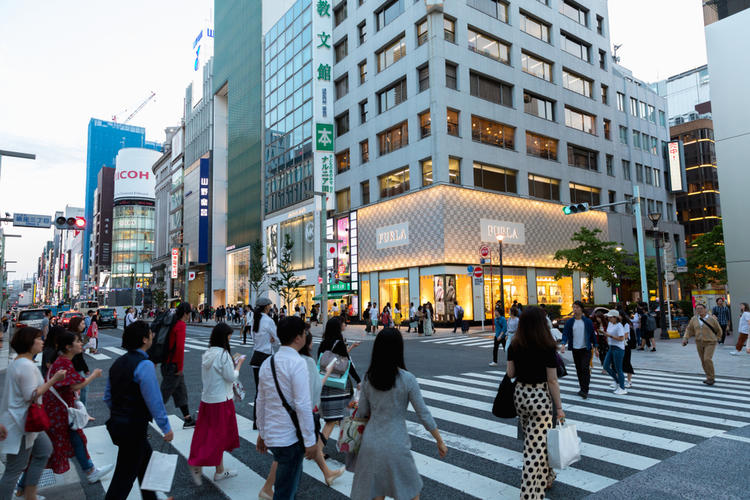
    In the heart of Tokyo, the rental landscape tells a distinct story. A recent report from Savills reveals that the city is dominated by compact living spaces, with apartments typically ranging from 30 to 45 square meters—ideal for the single urban professional. Almost 70% of rental listings in the 23W area feature units that fall into this compact category, signifying a clear preference for smaller residences among tenants.

    A Unique Market Segment

    Unlike cities like New York or London, where apartment sharing has become commonplace, Tokyo’s rental market boasts a large, stable demand for small- to mid-sized units. This trend is particularly noteworthy, as it highlights a cultural difference in living preferences. As the Savills report indicates, “there is a large, stable market for small- to mid-sized units,” catering to a population that seeks both comfort and convenience.

    Rising Rents Reflect Demand

    Average rental prices across various apartment sizes have seen steady growth in the C5W region throughout the third quarter of 2025. The medium-sized units, measuring 30 to 45 square meters, experienced the most substantial increase at 2.4% quarter-on-quarter. Larger apartments, sized between 45 and 60 square meters, followed closely with a 1.2% rise, while the smallest units, spanning 15 to 30 square meters, saw a modest uptick of 0.9%. This upward trend is viewed as a necessary adjustment, addressing the limited availability of these mid-sized apartments that strike an optimal balance between space and affordability.

    Demand Dynamics in Larger Units

    Even with an increasing supply of larger units in 2024, the Ministry of Land, Industry, Transport and Tourism (MLIT) notes that these properties continue to command a premium. The demand remains robust, driven by well-paid professionals who prefer to live close to their workplaces. With flexible work arrangements becoming more common, many residents are now opting for larger spaces that double as home offices—a trend that not only reflects lifestyle changes but also adds a creative twist to the rental market.

    Toward a Balanced Future

    Overall, the rental market in Tokyo appears set for continued growth across all apartment size bands. Following a slight correction in the previous quarter, rents are now on the rise, backed by a steady influx of foreign residents that promises to sustain the momentum. As the city evolves, so do the choices available to its inhabitants—whether it’s a cozy nook for one or a larger space designed for living and working, Tokyo’s rental market is a reflection of its dynamic and diverse citizenry.

    Questions & Answers

    What size apartments dominate the Tokyo rental market?
    Apartments between 30 to 45 square meters make up the majority of Tokyo’s rental listings, accounting for approximately 70% of the 23W area market.

    How have rents changed in the recent quarter?
    Average rents have increased across all size bands, with the 30-45 sq m range seeing a 2.4% rise quarter-on-quarter, highlighting strong demand for these compact living spaces.

    What factors contribute to the demand for larger rental units?
    The demand for larger units is largely driven by well-paid professionals desiring home office space in response to the growing trend of flexible work arrangements, which has reshaped the way many approach urban living.

  • Bangkok Set to Unveil Over 427,000 sqm of New Industrial Space This Year!

    Bangkok Set to Unveil Over 427,000 sqm of New Industrial Space This Year!

    Amid a rapidly evolving logistics landscape, Thailand’s Greater Bangkok market is poised for significant changes in warehouse rental dynamics. According to a recent report from JLL, the prime grade warehouse rental rate is expected to experience a slight decline in the near to medium future. This decline comes as over 427,000 square meters of leasable space is scheduled for completion in 2025, accompanied by an additional 378,000 square meters planned for 2026 and 2027.

    Developers Strategize in a Competitive Arena

    The JLL report emphasizes that developers are likely to diversify their asset classes and strategies within the logistics and industrial sectors as competition heats up. The anticipated growth in manufacturing is set to drive demand for solutions that effectively capture both logistics and industrial needs.

    Net Absorption Hits New Low

    In a development that might raise eyebrows, net absorption of prime warehouse space recorded a meager 66,100 square meters in Q2, marking the lowest figure since Q1 2024. This dip is attributed to reduced occupancy rates in the Eastern Economic Corridor (EEC), despite the completion of major built-to-suit projects in Wang Noi, Ayutthaya.

    Vacancy Rates on the Rise

    Consequently, the market vacancy rate surged by 1.0%, reaching 11.4% in Q2 2025. The increase can be traced back to negative take-up in select EEC projects, underscoring the evolving challenges within this critical area of Thailand’s logistics scene.

    New Projects Fuel Growth in Northern Vicinity

    The completion of three significant projects in Q2 2025 added 125,500 square meters of net leasable area to the market. These include SCX Logistics Bangna Km.20 – Phase 1, ESR Asia Bowin (W1/W2), and the Big C Bang Pa-in Distribution Centre. Notably, the 89,000-square meter built-to-suit Big C facility in Ayutthaya reflects the surging demand in the Northern Vicinity among consumer goods retailers.

    Rental Rates Struggle Amidst Tough Competition

    Amidst this backdrop, rental rates have dipped slightly to 159 THB per square meter per month, maintaining a rather static average over the past two years. This stagnation is largely due to intensified competition from several newcomers entering the market. The overall market capital value showed a marginal quarter-on-quarter decline of 0.2%, now averaging THB 31,505, as a result of rental rate compression.

    Questions & Answers

    What are the trends affecting warehouse rental rates in Greater Bangkok?
    JLL’s report highlights an expected slight decline in prime grade warehouse rental rates, driven by the upcoming completion of a significant amount of new leasable space.

    How has net absorption in the warehouse market changed?
    Net absorption fell to 66,100 square meters in Q2, marking the lowest since early 2024, influenced largely by reduced occupancy in the Eastern Economic Corridor.

    What impact do new projects have on the logistics market in Northern Vicinity?
    The recent completion of major projects, especially the Big C Bang Pa-in Distribution Centre, indicates a growing demand from consumer goods retailers in the Northern Vicinity.

  • Jakarta Set to Welcome Four New Serviced Apartments by 2027: A Boost for Urban Living!

    Jakarta Set to Welcome Four New Serviced Apartments by 2027: A Boost for Urban Living!

    Jakarta’s serviced apartment market is on the cusp of transformation, driven by the recent inauguration of the Swissôtel Living Jakarta Mega Kuningan by Accor, which has unveiled 240 new units. As reported by Colliers, this addition propels the total supply of serviced apartments in the city to about 7,000 units as of the second quarter of 2025.

    Future Growth and New Projects

    Looking ahead, the landscape is set to expand further with four new projects anticipated to be completed by 2027. Two developments by Ascott are slated for rollout in the latter half of 2025, while additional offerings from Ascott and Fraser are currently under construction and expected to come online by 2027. Together, these initiatives promise to introduce approximately 730 fresh units into the competitive market.

    Occupancy Trends and Market Dynamics

    However, the current occupancy rate paints a less rosy picture. As of Q2 2025, occupancy has dipped to 55.6%, a decline attributed largely to the effects of a prolonged Eid holiday and school breaks, which disrupted the traditional leasing cycle typically seen from February to April. While the holidays may have sparked a brief surge in short-term stays, many tenants opted to hold off on long-term leasing decisions, waiting for the return to normal post-holiday routines. Looking forward, experts anticipate a rebound in leasing activity as the second half of 2025 approaches.

    Shifts in Tenant Preferences

    The introduction of new apartment projects is expected to invigorate the market, offering prospective tenants a range of modern and diverse leasing options. Notably, preferences are shifting among tenants, with a growing interest in pet-friendly accommodations emerging as a prominent trend, particularly among young professionals and long-term residents. This evolution in consumer demand is prompting operators to rethink and enhance their offerings, ensuring they align with the shifting expectations of the market.

    Questions & Answers

    What recent development has influenced Jakarta’s serviced apartment market?
    The opening of the Swissôtel Living Jakarta Mega Kuningan by Accor has added 240 new units, raising the total supply to approximately 7,000 units as of Q2 2025.

    How is the occupancy rate in Jakarta’s serviced apartment sector trending?
    As of Q2 2025, the occupancy rate stands at 55.6%, reflecting a downward trend primarily due to the extended Eid holiday and school breaks.

    What key tenant preference is shaping the future of Jakarta’s rental landscape?
    There is a noticeable increase in demand for pet-friendly accommodations, particularly among young professionals and long-term residents, prompting property operators to adjust their offerings accordingly.

  • Challenges Facing Vietnam: The Urgent Need for Retirement Homes for an Aging Population

    Challenges Facing Vietnam: The Urgent Need for Retirement Homes for an Aging Population

    Vietnam is on the cusp of a demographic shift, with 16.1 million citizens aged 60 and above, representing 16% of the population. By 2038, this figure is expected to climb to 20%, and further to 25% by 2050, according to projections. As the nation grapples with an aging populace, experts suggest a significant opportunity lies in elderly care—a sector ripe for investment within real estate and services.

    Current Landscape of Elderly Care Facilities

    However, the reality is stark: the availability of assisted living facilities in Vietnam is limited. Data from the Vietnam Association of Realtors (VARS) indicates that the country hosts only a few dozen such facilities, both public and private. These establishments primarily offer basic care, lacking crucial services like medical treatment, nutrition plans, and engaging communal activities. In Ho Chi Minh City, the numbers tell a familiar tale—just seven public and 13 private facilities operate, and while six of these offer free services funded by donations, the overall capacity remains constrained.

    Investment Interest Despite Challenges

    In light of these challenges, some major developers are stepping up to the plate, expressing interest in constructing and managing retirement homes. However, they must navigate hurdles including the need for expansive land, substantial long-term investment, and a workforce skilled in healthcare and social services. Notably, the profit margins in this sector are generally lower compared to conventional residential housing.

    For instance, Vingroup is collaborating with Japan’s Well Group to develop a luxury retirement facility in Hanoi, while Sun Group has unveiled plans for the Sun Urban City project in Ha Nam Ward, which will integrate a hospital, senior living amenities, and community gathering spaces. Additionally, Tran Anh Group has earmarked over 20 hectares in Long An Province for a premium retirement home, and Novaland along with VinaLiving are advancing projects in Phan Thiet and Quy Nhon.

    Barriers to Growth

    Yet, it’s not all smooth sailing. A local real estate developer highlights the significant barrier posed by the absence of a comprehensive legal framework guiding the development of retirement housing. Coupled with the reality of low elderly incomes in Vietnam—where the average monthly pension was around VND6.2 million (approximately US$230) at the end of last year—there are substantial obstacles to navigate. Basic elderly care in major cities starts at VND10 million ($380) monthly, with premium packages priced between VND16-22 million ($610-830).

    The upward trend in expenses, which grow at 10-15% annually, starkly contrasts with a yearly increase in pensions limited to 5-7%. Unlike many developed countries, where insurance or government supports senior care costs, in Vietnam the responsibility largely falls on families. As VARS IRE pointedly states, “As long as costs are higher than incomes, demand alone will not be enough to encourage investment.”

    Seeking Solutions Through Policy Change

    Pham Thi Mien, deputy director of VARS IRE, emphasizes the need for stability in policies and regulations to alleviate investor concerns over cash flow and profitability. “Senior housing must be profitable to be sustainable; otherwise, it will encounter the same issues as social housing,” she warns.

    Nguyen Van Dinh, vice chairman of VARS, reiterates this sentiment, stating that the lack of government support for retirement homes makes investors wary. He asserts that the aging population creates ripe opportunities for those willing to enter the market early. Experts advocate for government intervention through land provisions, credit facilities, tax incentives, and an improved legal framework for senior housing.

    Proposals include launching adult daycare centers in populated areas, where seniors can spend their daytime under supervision. These centers would offer basic services, foster community interaction, and address both medical and emotional needs. At a recent conference, Party General Secretary To Lam noted that while adult daycare centers represent a fitting response to the needs of Vietnam’s aging demographic, progress has been sluggish. He encouraged greater involvement from the private sector, reminding attendees that many seniors are often left alone during the day while their families are occupied with work or school obligations.

    Questions & Answers

    What is the current percentage of Vietnam’s population aged 60 and above?
    Currently, 16.1 million people, or 16% of Vietnam’s population, are aged 60 and older. This figure is projected to rise to 20% by 2038 and 25% by 2050.

    What challenges do developers face when investing in elderly care facilities in Vietnam?
    Developers contend with various hurdles, including the need for ample land, significant long-term investment, a skilled workforce in healthcare and social services, and a lack of a reliable legal framework.

    How do costs of elderly care compare to available pensions in Vietnam?
    Basic elderly care costs at least VND10 million ($380) monthly, while the average pension was just VND6.2 million ($230), creating a significant mismatch that discourages investment in the sector.

  • Indonesia Slashes Taxes for Hotels and Restaurants to Boost Business Recovery

    Indonesia Slashes Taxes for Hotels and Restaurants to Boost Business Recovery

    In a proactive move to aid its beleaguered hospitality industry, Jakarta officials have unveiled a temporary tax reduction initiative for hotels and restaurants amid escalating costs and a dip in consumer demand. The new regulation introduces a hefty 50% tax reduction for hotels from late August until the end of September, tapering to a 20% cut from October through December. Restaurants are not left out, as they too will enjoy a 20% reduction during these same time frames. As an added condition, hotels must participate in the E-TRAPT system by submitting electronic transaction data to foster transparency and accountability.

    Supporting a Vital Industry

    Jakarta Governor Pramono Anung emphasized that this decision was not made lightly. He pointed out that the revenue from hotels and restaurants in the capital already exceeds the national average by 14–15%. This tax relief is designed to keep businesses afloat and encourage growth within the sector. “It’s not just a gift; it’s a strategic maneuver,” he noted.

    A Short-Term Relief with Longer Implications

    The policy is set to last until the year’s end with the possibility of extending into January 2026, depending on the economic climate.

    Industry Reaction and Economic Impact

    The hotel association has warmly embraced the tax cuts, viewing them as a crucial lifeline for operational stability, service quality, and job preservation in this challenging environment characterized by rising operational costs and declining occupancy rates. As one industry leader put it, “It’s not a magic wand, but it’s a significant boost.” Officials have also pointed out that improved cash flow will allow hotels to roll out promotions and elevate services without eroding profit margins—showing that sometimes, a little tax relief can go a long way in shaking up a stagnant market.

    Questions & Answers

    What prompted the Jakarta government to implement tax reductions for hotels and restaurants?
    The tax reductions were introduced in response to rising costs and declining customer demand in the hospitality sector, aiming to support these businesses during tough times.

    How long will the tax reductions be in effect?
    The tax relief measures will apply until the end of December 2025, with the possibility of extension into January 2026.

    What conditions must hotels meet to qualify for the tax cuts?
    To qualify for the tax reductions, hotels are required to submit electronic transaction data through the city’s E-TRAPT system, ensuring transparency and accountability.

  • India’s Urban Boom: A Magnet for Private Equity Investment

    India’s Urban Boom: A Magnet for Private Equity Investment

    In a recent meeting in Zurich, the founders of RootBridge, Ajay P. Singh and Nayan Srivastava, discussed the potential impact of the new free trade agreement between Switzerland and India, which takes effect on October 1. While the treaty may not have an immediate investment angle, Singh expressed optimism about its long-term stimulating effects, remarking, “We do expect a stimulating effect, including for our activities.”

    Investing in India’s Transformative Growth

    RootBridge has unveiled the Diversified India Growth Fund, a Luxembourg-domiciled evergreen investment vehicle that allocates 47.5 percent to private and publicly listed Indian companies. The focus centers on PIPE transactions, or Private Investments in Public Equity. “In India, even listed firms are often controlled by anchor shareholders, and with our investments, we are able to join them at the table,” Srivastava shared, painting a vivid picture of strategic investing in a dynamic market.

    A Cultural Connection to Entrepreneurial Success

    The ethos behind RootBridge resonates with the Swiss and German Mittelstand tradition, where investment is often sourced from personal capital. “We usually invest with our own capital. That’s why we are accepted by Indian entrepreneurs as peers,” Srivastava noted, underlining the importance of building trust and camaraderie in business relationships.

    Growing Ambitions with a Strong Foundation

    The fund aims to raise an initial target of 100 million francs by the end of 2025, with about half already secured. Envisaged to grow to one billion francs over the coming years, this evergreen fund is also compatible with the new free trade agreement, which anticipates that EFTA states and the U.S. will invest $50 billion in India over the next decade.

    Targeting Wealth Managers and Investors

    Initially aimed at wealth managers, family offices, and qualified private investors in Switzerland, RootBridge has plans to extend its reach across Europe in the future. The founders’ unique narratives add richness to their investment approach; both men grew up in Germany after their parents emigrated from India in the 1960s, seeking new opportunities amidst tight social structures.

    Experience Backed by Expertise

    Singh, armed with a doctorate in theoretical physics, has a background in consulting with McKinsey and technology sectors. As the chief representative of the Indian Chamber of Commerce in Germany, he leverages his expertise to bridge investments in the region. Meanwhile, Srivastava, who also represents the Chamber in Switzerland, cut his teeth at UBS’s investment bank before co-founding Praefinium with Singh in 2009. The firm invested for years in small and mid-sized companies, laying the groundwork for their current fund.

    A Focused Investment Thesis

    The core investment thesis of RootBridge is about “capturing the rising demand curve of India’s urbanization and formalization.” With India being the world’s youngest major economy, the founders are keenly aware of the country’s burgeoning consumer base, which is increasingly digitally connected. Their investment sectors include consumer goods, retail, food and beverage, IT, fintech, industry, and mobility, all poised for growth. They target an ambitious net annual return of 16 to 18.5 percent, a figure Singh insists is within reach.

    Welcoming Developments in the Swiss Market

    As a cherry on top, the founders welcomed the news that UBS Asset Management is gearing up to launch an India ETF in Switzerland. “Anything that highlights India’s opportunities is good news for us,” they agreed, noting that India’s market is more accessible to investors than that of its colossal neighbor, China. Their mission with RootBridge is clear: to create a pathway connecting international capital to India’s growth narrative, harmonizing family-driven ownership with Swiss private equity discipline.

    Questions & Answers

    What is the primary focus of RootBridge’s investment strategy?
    RootBridge emphasizes investing in the urbanization and formalization of India’s economy, targeting consumer goods, retail, IT, and other growing sectors.

    How much capital is RootBridge aiming to raise for its Diversified India Growth Fund?
    The fund aims to raise an initial target of 100 million francs by the end of 2025, with plans for expansion to one billion francs in subsequent years.

    What unique perspective do the founders bring to RootBridge?
    Ajay P. Singh and Nayan Srivastava’s backgrounds as children of Indian immigrants in Germany enable them to blend cultural understanding with investment acumen, creating a bridge between India and European investors.

  • Taylor Swift’s New York Real Estate Expansion: Discover the Price Tag Behind Her Lavish Investment!

    Taylor Swift’s New York Real Estate Expansion: Discover the Price Tag Behind Her Lavish Investment!

    As American pop icon Taylor Swift continues to secure her place in the music industry, she has also quietly expanded her real estate portfolio in New York City into a remarkable compound that reflects her commitment to privacy and luxury. The singer has reportedly invested nearly $48 million over the past decade, transforming her properties into a haven in the bustling Tribeca neighborhood.

    A Glimpse into Taylor’s Luxurious Abode

    Swift initially purchased two penthouse units in 2014 from filmmaker Peter Jackson for a lavish $19.95 million. This impressive home boasts ten bedrooms and ten bathrooms, complemented by a billiards room that could easily host the ultimate afterparty.

    Expanding the Empire

    Adding to her impressive collection, Swift acquired a neighboring townhouse in 2017 for $18 million, a fully renovated gem featuring a home theater, gym, guest suite, and a terrace created by distinguished architect Leopoldo Rosati. In 2018, she rounded off her holdings with a $9.75 million apartment in the Sugar Loaf building, which encompasses three bedrooms and spans an expansive 3,500 square feet.

    A Personal Approach to Design

    Real estate agent Andrew Azoulay suggested that the townhouse could function as a private garage, seamlessly connecting to the Sugar Loaf apartment for discreet entry and exit, so Swift could glide past neighbors without breaking a sweat.

    The Bigger Picture in Tribeca

    Though Swift’s purchases are among the priciest recent transactions in the neighborhood, real estate expert Noble Black asserted her presence has not drastically changed the Tribeca real estate landscape. He points out that her luxurious acquisitions stack up against other high-profile listings, such as a $34 million penthouse at 111 Murray Street, and another at 67 Franklin Street that went under contract for $12 million in late 2024.

    Wealth Beyond Comparison

    Swift’s real estate investments appear modest compared to her estimated net worth of $1.6 billion, as reported by Forbes. In October 2023, she became the first musician to break into the billionaire club, propelled by staggering earnings from her Eras Tour and the soaring value of her music catalog.

    Questions & Answers

    What properties has Taylor Swift purchased in New York City?
    Taylor Swift has purchased two penthouse units for $19.95 million, a townhouse for $18 million, and an apartment in the Sugar Loaf building for $9.75 million, totaling nearly $48 million in investments.

    How does Swift’s real estate presence affect the Tribeca market?
    While Swift’s properties are among the highest-end sales recently, real estate expert Noble Black suggests her presence hasn’t significantly impacted the overall real estate landscape in Tribeca.

    What is Taylor Swift’s estimated net worth?
    As of October 2023, Swift’s net worth is estimated at $1.6 billion, making her the first musician to enter the billionaire club.

  • PM Calls for Housing Market Cooldown as Apartment Prices Surge Past $3,700 per Square Meter

    PM Calls for Housing Market Cooldown as Apartment Prices Surge Past $3,700 per Square Meter

    Prime Minister Pham Minh Chinh is demanding clarity from government agencies on the soaring price of housing, which has now reached a staggering level that few can afford.

    In a recent government meeting, Chinh highlighted the overwhelming dominance of high-end properties in major urban centers, stressing the urgent need for accountability in the housing market

    He questioned whether “the real estate market is being manipulated,” emphasizing the necessity to combat practices such as “hoarding and price gouging.” Chinh’s concerns resonate deeply: with apartment prices soaring to between VND70 million and VND100 million (approximately US$2,650-3,790) per square meter, many people are left grappling with the harsh reality of unaffordable housing.

    The Prime Minister underscored the critical need for increasing supply to ensure a more balanced housing market, particularly by bolstering the availability of social housing targeted at low- and middle-income families. He characterized this initiative as a pivotal policy that “must be carried out,” pointing out that the pursuit of economic growth should not come at the cost of social equity and stability.

    “Developing the low-income housing segment could stimulate growth across other sectors of the economy,” he asserted. The Prime Minister further articulated that boosting housing supply would also indirectly facilitate the nation’s economic aspirations, projecting a growth rate of 8.3-8.5% for this year along with double-digit growth in the subsequent years.

    The urgency of these measures is reflected in the current market data. Deputy Minister of Construction Nguyen Van Sinh revealed that the average apartment price in Hanoi has reached VND80 million per square meter, marking a 5.6% increase this year. Prices for townhouses and villas are even higher, ranging from VND100 million to VND200 million. Meanwhile, in Ho Chi Minh City, apartment prices average VND89 million, with townhouse values soaring to between VND230 million and VND300 million.

    As the Prime Minister calls for action, one can’t help but wonder: will the Vietnamese housing market soon resemble a high-stakes game of Monopoly, where only the privileged few hold the keys to the best properties?

    Questions & Answers

    What specific measures is the Vietnamese government considering to address housing affordability?
    Prime Minister Pham Minh Chinh emphasizes the need to increase supply, particularly focusing on developing social housing for low- and middle-income families, to tackle the crisis of rising housing prices.

    What are the current average apartment prices in major Vietnamese cities?
    As of now, the average apartment price in Hanoi stands at VND80 million per square meter, while in Ho Chi Minh City, it is about VND89 million per square meter.

    How does Prime Minister Chinh link housing policy to economic growth?
    He points out that expanding the low-income housing segment can stimulate growth across other sectors, contributing to an economic growth projection of 8.3-8.5% this year and beyond.

  • Link Asset Management Prepares For Ceo George Hongchoy’s Retirement With Interim Leadership Plan

    Link Asset Management Prepares For Ceo George Hongchoy’s Retirement With Interim Leadership Plan

    Hong Kong’s premier property management company, Link Asset Management, has unveiled an interim leadership plan to prepare for the imminent departure of its Group CEO, George Hongchoy.

    Leadership Transition

    George Hongchoy, who also holds the position of Executive Director, has recently declared his intent to retire at the end of this year after a long service tenure of 16 years with the company.

    In response, Link has secured John Saunders, the current Group Chief Investment Officer, for an executive director role on its board from the start of next year. Saunders will be joining forces with Kok-Siong Ng, the Executive Director and Group CFO, to form an interim leadership team. This collaborative effort will temporarily assume the responsibilities of the Group CEO.

    Steering the ship

    The company’s chair, Duncan Owen, along with a newly constituted Chairs Committee, will be responsible for providing oversight, support, and independent counsel to the executive directors. Their role will be crucial in implementing strategic decisions and key initiatives during this transitional phase.

    Owen highlighted the rationale behind this interim arrangement, stating that it will allow the retiring CEO to depart, while capitalizing on the strong and established leadership team that Link currently has. This will ensure smooth operations and continuity until a new Group CEO can assume the office.

    Questions & Answers

    Who is set to retire from Link Asset Management?
    George Hongchoy, the Group CEO and Executive Director is set to retire on December 31.

    Who will form the interim leadership team at Link?
    John Saunders, the current Group Chief Investment Officer, and Kok-Siong Ng, the Executive Director and Group CFO, will form the interim leadership team.

    What role will Duncan Owen and the Chairs Committee play during this transition?
    Duncan Owen and the newly formed Chairs Committee at Link will be providing oversight, support, and independent guidance to the executive directors in their execution of strategy and key initiatives.