Retail News CRM

Category: Real Estate

Retail News Asia is committed to providing both local and global retailers with the latest Real Estate news throughout the Asian market. This on a daily base.

  • Bangkok Set to Unveil Over 3,200 New Hotel Keys by End of 2025, Transforming Hospitality Landscape!

    Bangkok Set to Unveil Over 3,200 New Hotel Keys by End of 2025, Transforming Hospitality Landscape!

    According to a recent report from Knight Frank, Bangkok is entering the second half of 2025 amidst a complex mix of challenges and opportunities in its tourism and hospitality sector. The initial half of the year witnessed a noticeable dip in hotel occupancy, which fell by 3.7 percentage points to 75.1%. Despite this setback, average daily rates (ADR) showed only slight improvement, reaching THB 4,260. Now, all eyes are on how the market will accommodate the 3,283 new hotel rooms anticipated to debut by the end of the year, pushing the total new supply for 2025 beyond 5,100 keys—marking the most rapid annual growth since the pandemic’s onset.

    The report highlights a particularly significant hurdle: a marked decrease in Chinese tourist arrivals, which plummeted nearly 35% year-on-year in the first half of 2025. While China remains Thailand’s leading source of international visitors by volume, this decline has been felt acutely in Bangkok’s midscale and group-tour-oriented hotels.

    Interestingly, the outbound travel trends from China present a different narrative. In the early months of the year, Vietnam welcomed 2.7 million Chinese visitors, while Japan recorded 3.13 million. This indicates that the demand for outbound tourism is still robust, but Thailand is losing some of its competitive edge. Factors contributing to this shift include safety concerns, adverse media coverage, and changing preferences among travelers.

    In response, the Thai government is implementing various domestic stimulus measures, including the Co-Pay Thai Travel subsidies, the “Half-Price Thailand Travel” campaign, and new tax incentives aimed at boosting domestic tourism, especially during the typically slower off-peak seasons.

    Looking ahead, the latter half of the year will be crucial for a market-driven recovery, closely tied to increases in airline capacity. While growth in arrivals from India (+14.6%) and Russia (+11.1%) shines as a silver lining, momentum from other ASEAN markets remains moderate and insufficient to offset declines from China and South Korea.

    As the year progresses, revenue per available room (RevPAR) growth in the second half is expected to hinge on occupancy rates during busy months like November and December, spurred by year-end festivities and MICE (Meetings, Incentives, Conventions, and Exhibitions) demand. Still, pressure on average daily rates, particularly in the mid-tier segment, will likely continue as competition intensifies with the influx of new hotel openings. Ultimately, rate performance will depend increasingly on brand reputation, distribution strategies, and choice locations.

    In contrast, the luxury sector appears set to remain stable, buoyed by consistent interest from long-haul travelers and affluent regional visitors. Although growth in rates for high-end properties is expected to be moderate—with fierce competition among top-tier hotels—Bangkok’s attractive pricing compared to regional staples like Singapore, Hong Kong, and Tokyo could continue to lure experience-seeking travelers hunting for value.

    Questions & Answers

    How is Bangkok’s tourism market evolving as we move into the second half of 2025?
    The market faces a dip in Chinese tourist arrivals, leading to a drop in hotel occupancy rates. However, new hotel openings and government initiatives aim to stimulate domestic travel amidst a challenging environment.

    What measures is the Thai government taking to boost tourism?
    The government has introduced several domestic stimulus initiatives, including travel subsidies, a “Half-Price Thailand Travel” campaign, and new tax incentives, particularly aimed at increasing tourism during low seasons.

    Which markets are showing growth potential amidst these challenges?
    Growth from India and Russia is noteworthy, with increases of 14.6% and 11.1%, respectively. However, gains from these markets are currently not enough to counterbalance the significant declines in visitors from China and South Korea.

  • Analyst Warns: Manila’s Retail Supply Pipeline Set to Challenge Market Resilience

    Analyst Warns: Manila’s Retail Supply Pipeline Set to Challenge Market Resilience

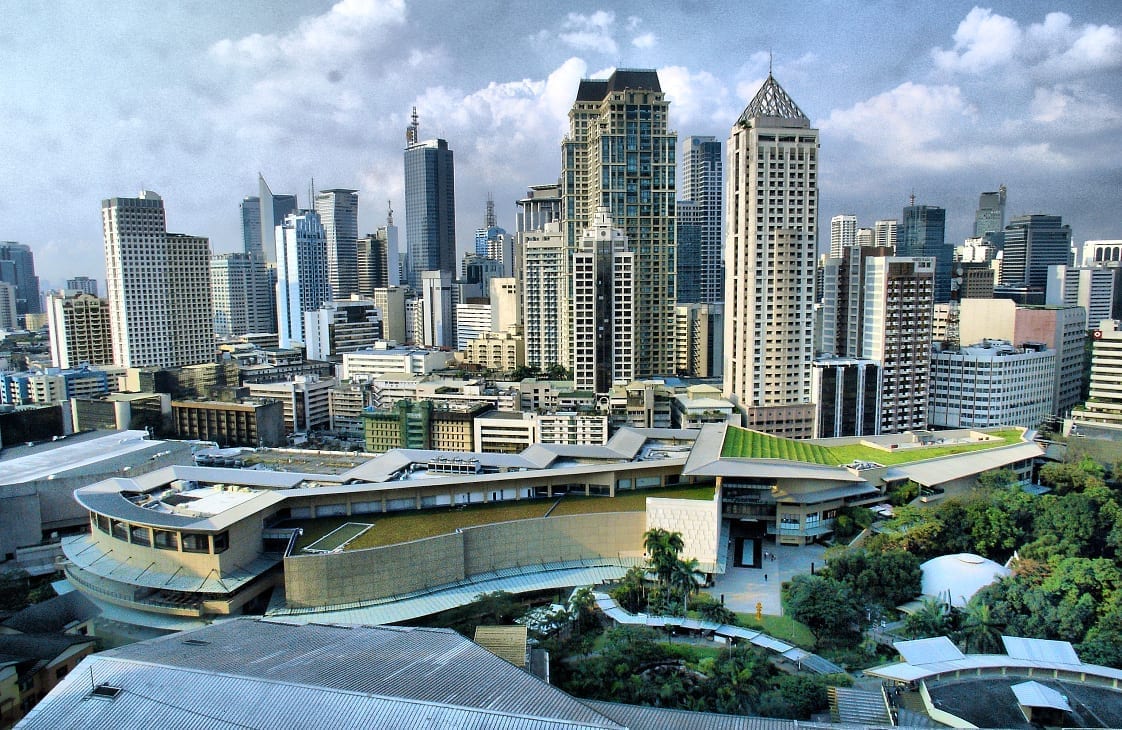
    An estimated 177,000 square meters of new retail space is on the horizon, set to make waves in Manila’s market by the second half of 2025. As the bustling holiday season approaches, tenants are revamping their strategies and gearing up for a promising turnaround. JLL’s latest report highlights that this influx of new store openings in prime malls may counterbalance the negative absorption reported in the first half of the year.

    Market Resilience Faces a Test

    According to the report, the significant volume of new supply is likely to challenge the market’s resilience. However, it also points to a silver lining: improving consumer sentiments and lower borrowing costs are expected to facilitate a gradual absorption of new spaces. With this context, rents are projected to increase by the end of the year alongside a rise in leasing activity.

    Quarterly Trends Revealed

    In the second quarter of 2025, net absorption dipped further to -20,700 square meters, continuing a downward trend that started in the first quarter. Notably, Mandaluyong and Muntinlupa accounted for most of the move-outs, while Quezon City and Makati City saw a flurry of new store openings, reflecting a dynamic albeit challenging landscape.

    The food and beverage sector remains the powerhouse for new store openings, confirming its dominance in the retail space. Interestingly, general retail has also shown resilience, emerging as a top contender for new entries this quarter, signaling ongoing expansion even amid cautious market conditions.

    Static Supply and Rising Vacancies

    Retail supply held steady in Q2 2025 as developers opted to stagger completions to the latter half of the year. With 177,000 square meters of additional space anticipated before year-end, analysts caution that this new supply could further inflate vacancy rates, which already crept up to 7.5%—an increase of 33.9 basis points quarter-on-quarter—mainly attributed to slower store openings.

    Mixed Signals in Financial Metrics

    While retail rents saw a slight uptick of 0.5%, reaching PHP 1,759 per square meter per month, operators are maintaining stable asking prices to keep demand alive. On the investment front, capital values are modestly appreciating at PHP 239,532 per square meter, indicating a careful approach among investors. However, the central bank’s recent interest rate cut to 5.5% is anticipated to boost investor confidence and expedite pending deals as financing becomes more accessible.

    In a retail landscape that seems to be a game of chess, strategists are positioning themselves for the next big play. Who knows? The unexpected twists and turns ahead could make for an exhilarating game as 2025 unfolds.

    Questions & Answers

    What are the key expectations for Manila’s retail market in H2 2025?
    Analysts anticipate a surge of new store openings, totaling 177,000 square meters, which could improve market conditions despite a challenging first half, as consumers become more confident.

    Which areas are experiencing the most retail movement?
    Mandaluyong and Muntinlupa have seen significant move-outs, while Quezon City and Makati City are witnessing a rise in new store openings.

    How are rental rates trending in the current market?
    Rental rates are showing stability with a slight increase of 0.5% in Q2 2025, while operators maintain stable asking prices to foster demand amidst growing vacancies.

  • Japan’s Hotel Sector Sees Impressive H1 2025 Growth with Occupancy Rate Soaring to 84.2%

    Japan’s Hotel Sector Sees Impressive H1 2025 Growth with Occupancy Rate Soaring to 84.2%

    Japan’s hotel industry is steadily regaining its footing, approaching pre-pandemic heights, with occupancy rates escalating to 84.2%—a rise of 1.0 percentage point over the past six months, as reported by Savills. This promising trend edges closer to the enviable occupancy levels enjoyed before the pandemic transformed the hospitality landscape.

    Despite a persistent labor shortage that has hindered some hotels in regional and resort areas from maximizing occupancy, establishments are adopting innovative measures to enhance employee conditions and compensation. The Savills report emphasizes that these adaptations are crucial for achieving optimal performance.

    Further bolstering the labor force, the Japanese government has intensified efforts to attract foreign workers. As of October 2024, the number of foreign laborers reached 2.3 million—the highest figure since 2007—with an increase of 250,000 compared to the previous year. In addition, hotels are leveraging cutting-edge technology to minimize reliance on human staff, creating a balance between efficiency and service quality.

    Looking ahead, hotel performance in Japan is set for steady growth in 2025. Inbound tourist arrivals during the first half of 2025 outpaced those from the same period last year, signaling a potential surge that could see numbers exceed 40 million. The anticipated Expo 2025 is expected to significantly boost tourism in Osaka, with visitor numbers reaching 10 million by July 2025, well on track to meet the ambitious goal of attracting 28 million guests by the event’s conclusion in October.

    This influx isn’t limited to Osaka City; Expo 2025 encourages visitors to venture into the wider Kansai region, creating wider economic ripples across various locales. Additionally, the opening of Junglia Okinawa—a large nature adventure theme park in July 2025—is poised to draw both local and international tourists, further stimulating demand for accommodation and related services in the area. Who said business growth couldn’t be fun?

    Questions & Answers

    How is Japan’s hotel occupancy rate performing post-pandemic?
    Japan’s hotel occupancy rate has improved to 84.2%, making a notable recovery as it approaches pre-pandemic levels. This rise reflects a 1.0 percentage point increase over the past six months.

    What measures are being taken to address the labor shortage in hotels?
    Hotels are enhancing employee compensation and working conditions while also embracing technology to streamline operations, which helps mitigate the impact of the labor shortage.

    What role does Expo 2025 play in Japan’s tourism sector?
    Expo 2025 is set to be a major draw for tourists, with projections of attracting 28 million visitors by the event’s end in October 2025, and encouraging exploration of the surrounding Kansai region, thus benefiting the local economy.

  • Bangkok Welcomes Seven Exciting New Hotels in First Half of 2025!

    Bangkok Welcomes Seven Exciting New Hotels in First Half of 2025!

    Bangkok’s hotel market is seeing a shift as it navigates the complexities of 2025. According to a report from Knight Frank, average occupancy rates dipped to 75.1% in the first half of the year, marking a 3.7 percentage point decrease from the same period in 2024. While January and February started strong, both exceeding 81% occupancy, a steady decline followed, culminating in a mere 69.8% in June—the lowest monthly rate in over a year.

    Understanding the Trends Behind Occupancy Rates

    The declining performance reflects a combination of factors, including a rising supply of rooms, shorter average stays, and a greater influx of short-haul travelers whose demand typically yields lower returns. As recently unveiled by Knight Frank, several key indicators paint a fuller picture of the market’s current state.

    Average Daily Rates Provide a Mixed Outlook

    Despite the dip in occupancy, the Average Daily Rate (ADR) registered a notable increase of 3.3% year-to-date, climbing to THB 4,260 in the first half of 2025 from THB 4,121 in the same timeframe last year. January boasted the highest ADR, while May and June recorded the lowest. Some months exhibited stagnant or declining year-on-year comparisons, amplifying the impact of reduced occupancy on Revenue per Available Room (RevPAR), particularly during the second quarter.

    A Growing Supply of Accommodations

    The first half of 2025 also marked a surge in hotel supply, with seven new hotels introducing 1,906 keys. Noteworthy establishments included the Grande Centre Point Lumpini, featuring 512 keys, and Four Points by Sheraton with 333 keys. The hotel’s openings celebrated a diverse array of offerings, spanning luxury brands like Aman Nai Lert and Grande Centre Point to midscale options such as Queensland Hotel and The Quarter. Looking ahead, an additional 12 properties totaling 3,283 keys are set to debut in the latter half of the year, underscoring the accelerating growth of the market and intensifying competition.

    The Changing Landscape of Bangkok’s Hotel Footprint

    Many of the newly launched hotels are positioned within emerging or revitalized urban areas, reflecting a strategic decentralization of Bangkok’s hospitality scene. Brands like The Quarter and Queensland are actively expanding in the upper-midscale segment, while international players such as Radisson and Four Points continue to assert their presence. This dynamic indicates a robust confidence among global operators keen to tap into Bangkok’s evolving marketplace.

    The Future: Navigating Normalization Challenges

    As Bangkok’s hotel landscape transitions into a post-pandemic normalization phase, the environment is characterized by steady competition rather than dramatic recovery spikes. With ADR growth moderating and the supply pipeline expanding, operators may find themselves at a crossroads. The shift toward prioritizing volume over yield will necessitate refined segmentation strategies, enhanced digital distribution channels, and stronger loyalty programs to safeguard profitability as they move forward.

    Questions & Answers

    How has Bangkok’s hotel occupancy changed compared to last year?
    Occupancy rates have declined to 75.1% in the first half of 2025, down 3.7 percentage points from the same period in 2024, with June seeing the lowest performance rate of 69.8% in over a year.

    What notable trends are affecting Bangkok’s hotel market?
    Key trends include a surge in hotel supply, shorter average lengths of stay, and a predominance of short-haul travelers, reflecting a shift towards price sensitivity and increased competition.

    What does the future hold for hotel operators in Bangkok?
    Operators will likely need to focus on refining their segmentation strategies and enhancing loyalty programs to adapt to expanded supply and moderating ADR growth, all while ensuring profitability amidst an increasingly competitive landscape.

  • Bangkok Sees Historic Decline in New Condominium Launches: Lowest Level in 15 Years

    Bangkok Sees Historic Decline in New Condominium Launches: Lowest Level in 15 Years

    Bangkok’s condominium market continued to feel the squeeze in the second quarter of 2025, with only two new projects launching and a mere 405 units introduced. This staggering figure marks the lowest level of new launches in 15 years, as reported by Knight Frank, underlining developers’ cautious approach in a climate laden with uncertainty.

    Market Mood: Cautious and Creased

    The subdued activity is attributed to multiple pressures weighing on the market, not least the psychological ramifications of a recent earthquake that has particularly affected completed projects with unsold units. As a result, ownership transfers saw a marked decline compared to the COVID-19 pandemic phase. Developers now find themselves extending timelines to clear their existing inventory, a move that inevitably incurs higher management costs.

    The Financial Tightrope Developers Walk

    Amid these challenging conditions, some developers are grappling with debt repayment issues that could threaten the overall financial health of the real estate sector. The report indicated that these strains might force price cuts or special sales strategies aimed at boosting revenue and managing cash flow effectively. While the challenges are mounting, many developers are not throwing in the towel; instead, they are employing adaptive strategies to weather the storm of 2025.

    A Steep Decline in Supply

    The ongoing trend highlights a decrease in supply, with Q2 2025 seeing the lowest number of condominium launches since 2020. All newly introduced units are situated in Bangkok’s northern suburbs, starkly contrasting the boom witnessed in Q2 2022 when the market surged to a staggering 15,164 units—its highest output in five years. Since then, the market has confronted a slowdown, particularly from Q3 2023 onward, where quarterly launches have frequently dipped below 8,000 units and even fell under 3,000 units at times.

    A Shift in Ownership Trends

    Compounding the slowdown, ownership transfers in Q2 2025 dropped to just 12,183 units—marking the lowest figure in over six years. This trend reflects a broader malaise in the market, punctuated by economic uncertainties and factors undermining buyer confidence, such as high household debt, soaring living costs, and tightening lending practices from financial institutions. As buyers retreat, the dynamics of the market shift from vibrant potential to an uphill climb.

    Questions & Answers

    What factors are influencing the slowdown in Bangkok’s condo market?
    Developers are facing a range of pressures, including a recent earthquake’s psychological impact, ongoing economic uncertainties, high household debt, and stricter mortgage lending criteria, all contributing to reduced buyer confidence.

    How does the current supply of new condos compare to previous years?
    The supply of new condominiums in Q2 2025 reached its lowest level in 15 years, with only 405 units launched, a significant downturn from the market peak in Q2 2022 when over 15,000 units became available.

    What strategies are developers implementing to cope with market challenges?
    Many developers are pivoting to proactive strategies, which may involve price reductions or special sales to stimulate sales and manage cash flow effectively as they navigate through ongoing market uncertainties.

  • Singapore Set for Lowest Hotel Openings Since 2023 as Hospitality Landscape Shifts

    Singapore Set for Lowest Hotel Openings Since 2023 as Hospitality Landscape Shifts

    Hotel development in Singapore is gearing down significantly in 2025, as the industry adapts to shifting market dynamics. The latest report from JLL highlights a stark trend: only the 338-key Mandai Rainforest Resort by Banyan Tree will debut in April 2025, designating it as the lone new hotel opening in Singapore during the second quarter. This follows the much-anticipated launch of Raffles Sentosa in the first quarter of the same year.

    Anticipated Slowdown

    JLL’s findings underscore that 2025 is likely to witness the fewest new room additions since the tourism sector began its rebound in 2023. “More active government support,” the report notes, is observable with the introduction of two hotel sites through the Government Land Sales program scheduled for the latter half of 2025. However, that proactive approach might not be enough to reverse the impending slowdown.

    Mixed Performance in Hotel Segments

    As of June 2025, luxury hotels have reported a year-on-year decline in revenue per available room (RevPAR), attributed to softer average daily rates (ADR) and occupancy rates. The midscale and upscale segments also experienced reductions, although the drop was somewhat softened by improvements in occupancy. The pronounced declines appear particularly striking when juxtaposed with the high baseline performance recorded in 2024.

    Record-Breaking Transactions

    In a surprising twist, Q2 2025 saw robust transaction activity, including the sales of notable properties like the 299-key Citadines Raffles Place, the 49-key Duxton Reserve Singapore, and the 48-key 21 Carpenter Street. The latter transaction set a record as Singapore’s largest shophouse deal, and one of the most significant for a hospitality property in the city-state.

    Stable Growth Ahead

    The outlook remains cautiously optimistic, fueled by stable year-on-year growth projections for tourism arrivals and receipts, as per the Singapore Tourism Board. Key markets, particularly China and Australia, are expected to continue to lead in tourism spending, especially around hospitality and food and beverage sectors.

    There’s also a notable shift toward unique hospitality properties with historical significance. Investors are increasingly drawn to these assets for their potential capital appreciation and stable returns, suggesting that more significant transactions could be on the horizon following high-profile deals in the sector.

    Questions & Answers

    Why is hotel development slowing in Singapore in 2025?
    Development is projected to slow due to a decrease in new room additions, marking the fewest since the tourism rebound began in 2023, alongside softer performance metrics in various hotel segments.

    What notable hotel transactions occurred in H2 2025?
    The quarter saw significant sales, including the landmark transaction of 21 Carpenter Street, which became Singapore’s largest shophouse deal, marking a pivotal moment for the local hospitality market.

    Which markets are anticipated to drive tourism in Singapore?
    Key markets such as China and Australia are expected to continue leading tourism spending, particularly in areas like accommodation and food and beverage, contributing to stable year-on-year growth in arrivals and receipts.

  • HCMC Apartments Now Matching Prices of Single-Family Homes: A New Era in Urban Living!

    HCMC Apartments Now Matching Prices of Single-Family Homes: A New Era in Urban Living!

    In a striking trend unfolding in Ho Chi Minh City, property prices are pushing boundaries, with luxury apartments now competing directly with traditional single-family homes. An 85-square-meter unit at The Metropole in An Khanh has hit the market at VND130-180 million (US$4,925-6,820) per square meter, while an 80-square-meter house in the nearby Thao Dien Ward is priced at VND150 million per square meter. The rapid pace of the city’s real estate market is leaving many bewildered—who knew living in a unit could feel as exclusive as a stand-alone home?

    Other areas of the city are witnessing similar trends. Apartments in developments like The Privé, Eaton Park, and Lumière Midtown command prices ranging from VND130–250 million, which is notably higher than the VND110–200 million average for landed houses within a two-kilometer radius. In fact, newly launched apartments across various districts are entering the market at price points that match or even exceed those of townhouses.

    Market Data Shows Dramatic Changes

    Recent listings on real estate platform Batdongsan reveal that in the second quarter, the prices of private homes within Vietnam’s largest city spanned from VND87 million to VND200 million per square meter, with apartments only slightly cheaper at VND68-200 million. Remarkably, apartment prices are accelerating at a faster rate than those for houses, with a reported increase of 18–40% year-to-date, as opposed to the 8–20% rise for private homes.

    Price Increases Confirmed by Experts

    According to data from property consultancy CBRE, single-family homes in the second quarter now cost between VND160–300 million per square meter, reflecting a 9% increase, while apartments surged by 29%, reaching VND82–220 million per square meter. A report by the Ministry of Construction further supported this trend, indicating that private houses rose by 2–5% to VND110–305 million per square meter, while the average apartment price skyrocketed to VND89 million per square meter, marking a staggering 39% increase.

    Demand Dynamics Shift

    Commenting on the rapid escalation of apartment prices, Tran Khanh Quang, CEO of Viet An Hoa Real Estate Company, noted that while single-family homes historically held the advantage due to their long-term ownership potential and land appreciation, factors like high prices, scarce supply, and tightened credit policies are altering the landscape. Owing to rising housing needs, he observed an increasing demand for apartments, indicating a profound shift in consumer preference that favors integrated amenities over standalone homes.

    A Fresh Perspective on Housing Value

    Real estate analyst Le Quoc Kien pointed out that homes used to be priced at double that of apartments, largely attributed to land value and depreciation rates. However, the allure of narrow, alleys-based townhouses with subpar infrastructure is waning, as modern apartments equipped with desirable features increasingly attract young buyers seeking both residence and investment opportunities.

    Vo Hong Thang, deputy CEO of DKRA Group, remarked that the phenomenon of apartment prices exceeding those of townhouses is noteworthy yet not entirely surprising. He cautioned that this imbalance is partly due to a market skew towards mid and high-priced apartments, with affordable options becoming nearly nonexistent. With each new project setting a higher benchmark, he warned, “At this rate, apartments could entirely eclipse townhouses in price.”

    Questions & Answers

    How are apartment prices in Ho Chi Minh City changing?
    Apartment prices have surged significantly in recent months, often surpassing levels traditionally reserved for single-family homes, as seen in several developments around the city.

    What factors are driving the preference for apartments over houses?
    Many consumers are drawn to apartments due to their integrated amenities, newer facilities, and a shift in housing needs, as well as adverse factors affecting traditional home ownership like limited supply and high costs.

    Is the trend of rising apartment prices likely to continue?
    Analysts suggest that with growing demand and limited affordable housing options, the trend of increasing apartment prices is expected to persist, potentially leading to a complete price inversion against traditional townhouses.

  • Tokyo Mall Transforms Retail Experience with Stunning Mount Fuji Views and Lush Rooftop Gardens

    Tokyo Mall Transforms Retail Experience with Stunning Mount Fuji Views and Lush Rooftop Gardens

    An ultramodern shopping mall has officially opened its doors in Tokyo, aiming to attract shoppers not just with products, but also with memorable experiences. Located near Takanawa Gateway City in the Minato ward, this new destination launched on September 12 to fanfare and enthusiasm.

    With more than 2,000 eager shoppers braving the lines, the vibrant atmosphere was palpable as they flocked to explore this innovative complex. NEWoMan Takanawa promises a unique retail environment, blending the latest in shopping technology and design with curated experiences that go beyond traditional retail norms. The mall aims not only to drive foot traffic but also to reshape how consumers interact with brands.

    As competition intensifies in Japan’s retail landscape, particularly in urban centers, NEWoMan Takanawa stands out with its approach. This isn’t just a place to buy; it’s an invitation to immerse in the brand ambiance, perhaps even sipping artisanal coffee while scrolling through a hand-picked selection of the latest fashion items. Imagine browsing through stores that feel more like interactive art installations than conventional shops.

    The opening comes at a crucial moment for retail, particularly as the industry seeks innovative strategies to engage shoppers in a post-pandemic world. As consumers increasingly seek experiences rather than just transactions, NEWoMan Takanawa looks poised to meet this demand with a lineup of events and exhibitions that will continue to draw visitors long after the opening day excitement fades.

    The complex is part of a larger trend in Asia’s retail sector towards experiential shopping, a shift that has seen malls evolve into lifestyle destinations. And while shoppers are well aware that they can find goods online, NEWoMan Takanawa brings a distinct flair that may just remind them why in-person shopping can still be a delightful treasure hunt.

    Questions & Answers

    What unique offerings does NEWoMan Takanawa provide to shoppers?
    NEWoMan Takanawa combines shopping with experiential elements, creating an inviting atmosphere where customers can engage with brands in creative ways, such as through events and interactive installations.

    How has the pandemic influenced the retail strategies of new malls in Japan?
    The pandemic has prompted a shift towards experiential shopping, encouraging malls like NEWoMan Takanawa to focus on creating memorable experiences that entice customers back to physical stores.

    What was the public’s reaction on the opening day of NEWoMan Takanawa?
    The opening day saw over 2,000 people lining up to enter the complex, showcasing a strong enthusiasm from the public and a clear desire to embrace a new shopping experience.

  • South Korea Takes Action: New Restrictions on Foreign Homebuyers Aim to Stabilize Soaring Property Prices

    South Korea Takes Action: New Restrictions on Foreign Homebuyers Aim to Stabilize Soaring Property Prices

    In a bid to temper the escalating housing market, the South Korean government has stepped in, targeting particularly the vibrant skyline of Seoul and surrounding regions. The surge in property purchases by foreign buyers, especially from mainland China and Hong Kong, is significantly inflating the prices of middle and high-end homes, according to a report from the South China Morning Post.

    Data reveals a staggering rise in acquisitions: as of May, 96,955 properties have shifted hands to buyers from these territories, marking a dramatic 78.5% increase since 2020. These transactions encompass residential units, commercial spaces, and land, highlighting a trend that has not gone unnoticed by local officials.

    “We anticipate the ban will contribute to market cooling, price stabilisation, and improved access for local buyers, to some extent, as domestic buyers face strict mortgage caps, whereas foreign buyers often circumvent these through overseas financing,” commented JoAnn Hong, senior director for research and consultancy at Savills Korea.

    This new wave of restrictions, implemented recently, represents the government’s latest effort to tackle rampant speculation in the housing sector, an issue that has become politically charged for President Lee Jae-myung, who promised to alleviate living costs upon assuming office in June.

    Prior to this regulatory shift by the Ministry of Land, Infrastructure and Transport, South Korea had emerged as the ninth most sought-after destination for Chinese property investors, as reported by real estate broker Juwai IQI.

    Data indicates that foreign buyers constituted approximately 20% of residential transactions in the middle and upscale segments, particularly in and around the Seoul metropolitan area, which encompasses Incheon and Gyeonggi province. Notably, there has been a significant uptick in foreign investments in high-end properties since 2022, according to Savills’ findings.

    By the end of last year, foreigners owned just over 100,000 homes in South Korea, with Chinese nationals accounting for more than 56% of this figure. In Seoul, the influence is even more striking, with about 70% of foreign buyers hailing from China.

    This influx of Chinese investors has been a notable driver in the prime districts, frequently purchasing properties with cash or via offshore financing, thereby intensifying pressure on the upper end of the real estate market.

    The newly instituted rules stipulate that foreign buyers must now comply with a residency requirement, mandating that they reside in any property purchased. Specifically, the land ministry’s policy dictates that foreigners obtain prior approval and, once granted, must move into their new home within four months and remain there for at least two years.

    Despite these changes, skepticism lingers among experts regarding the potential effectiveness of the policy in striking a blow against soaring housing prices. Christine Li, head of research for Asia-Pacific at Knight Frank, expressed reservations, noting that foreign investment alone has had minimal impact on overall real estate prices in South Korea, particularly in Seoul.

    “The extraordinary price growth seen over the past five years was overwhelmingly driven by domestic factors,” Li said. “Foreign transactions are too small in scale to meaningfully influence overall pricing trends, though their activity can feel more visible in a handful of high-end districts.”

    Li added that demand will likely remain robust in Seoul despite the constraints, with supply shortages keeping upward pressure on prices. In a striking twist, Seoul has topped global rankings for prime residential price growth among 46 cities, boasting a staggering 25.2% annual increase, as highlighted in a recent Knight Frank study. This suggests that the city’s property prices are set to continue their upward trajectory in the foreseeable future.

    Questions & Answers

    What measures is the South Korean government taking to regulate foreign property purchases?
    The South Korean government has implemented new restrictions that require foreign buyers to obtain prior approval before purchasing property. Additionally, they must live in the property for at least two years after moving in within four months of purchase.

    How significant is the impact of foreign buyers on the South Korean housing market?
    While foreign buyers account for about 20% of residential transactions in upscale segments, experts suggest that the overall impact on housing prices is minimal, as domestic factors are the primary drivers of price fluctuations.

    What recent trends have been observed in Seoul’s real estate market?
    Seoul has witnessed a dramatic increase in property prices, with a 25.2% annual growth rate making it the top city globally for prime residential price increases, largely fueled by domestic demand and ongoing supply shortages.

  • Hanoi Landlords Raise Housing Rents Amid Rising Inflation Pressures

    Hanoi Landlords Raise Housing Rents Amid Rising Inflation Pressures

    In the bustling Khuong Dinh Ward of Hanoi, Thuy Ngan recently faced a tough decision: stay put or move. Her landlord had decided to raise the rent on her 20-square-meter apartment from VND3.8 million (US$144) to VND4.2 million, a 10% increase starting this September. “With inflation soaring, all prices are on the rise. Rent cannot remain untouched,” the landlord explained, echoing a sentiment felt by many in Vietnam’s rental market.

    For Ngan, the struggles of rising living costs meant her total monthly expenses, including utilities, surged to nearly VND5 million, consuming a hefty third of her income. After weighing her options, she opted for a new apartment five kilometers away, where the rent was 10% lower, albeit with a longer commute.

    A Shocked Tenant in Cau Giay

    Quang Huy and his wife found themselves in a similar predicament in Cau Giay Ward. With their lease set to expire, they were blindsided when their rent shot up by 15% to VND9 million for a two-bedroom unit. “The landlord said the property had been freshly painted and renovated, which justified the hike,” Huy noted. The couple was bluntly informed that with students flocking to the area, any disagreement over rent would be met with indifference. After two weeks of searching for more affordable housing, they now contemplate a move to an older unit further from their current home.

    Rising Rents Across the Board

    Nguyen Tuan Anh, who operates a rental company managing 50 units in Hanoi, reveals that many landlords are raising rents by 10% to 15%. Inflation, increasing property prices, and bumps in furnishing costs are common justifications. According to the General Statistics Office, the consumer price index surged by 3.24% year-on-year last month, with household electricity prices climbing 10.8% and water costs up 3.9%.

    Meanwhile, data from property portal Batdongsan indicates that rental demand in Hanoi rose by 11% in July alone. Since March, rents have been on a steady ascent, up 10% overall, with smaller units seeing hikes of up to 15%. Pham Duc Toan, CEO of property developer EZ Property, acknowledged that urban migration is contributing to robust rental demand in cities like Hanoi and Ho Chi Minh City, with 22% of respondents in a recent index citing better job opportunities as their reason for relocating.

    Struggling to Keep Up

    As rents continue to climb, landlords and investors are anticipating even higher returns, driven by the rise in property prices and general inflation. Toan emphasized, “When living costs and prices of goods and services increase, landlords are inclined to raise rents as well.” The September arrival of a new school year typically spurs a 20% to 30% increase in rental demand, coinciding with lease expirations, said Nguyen Chi Thanh, vice chairman of the Vietnam Association of Realtors.

    However, as economic strains persist and salaries stagnate, many residents are forced to compromise. They are increasingly opting for smaller, less central, and more affordable living spaces to make ends meet. A survey conducted by VnExpress reveals that nearly 14% of respondents plan to leave Hanoi and return to their hometowns due to soaring housing costs.

    Seeking Solutions

    Experts suggest that enhancing social housing options could alleviate some of the rental pressures. Toan recommends increasing the supply of social housing through interest rate and tax incentives, alongside improved access to land for developers. After all, in a city where the rent is always too darn high, every little bit helps.

    Questions & Answers

    What factors are driving the increase in rental prices in Hanoi?
    Factors contributing to rising rents include inflation, increased property costs, and a high demand for rental units, especially during the school season.

    Why are some tenants opting to move to less central locations?
    Many tenants are compelled to move further from the city center to find more affordable housing options in response to climbing rents and overall living costs.

    What solutions do experts propose to tackle rising rents in Vietnam?
    Experts advocate for the expansion of social housing availability, which could ease the pressure on the rental market, supplemented by tax incentives and improved land access for developers.

  • Tokyo’s Grade A Office Leasing Set for Strong Performance in Second Half of 2023

    Tokyo’s Grade A Office Leasing Set for Strong Performance in Second Half of 2023

    The corporate world is buzzing, and Tokyo’s office leasing market is feeling the effects. According to the latest insights from JLL, a robust demand from companies is set to keep leasing volumes strong in the latter half of the year. The appetite for office space continues to grow, even as external risks loom, such as tariffs and global economic slowdowns. It seems that in the fast-paced landscape of corporate Japan, many businesses see their future as firmly grounded in tangible office spaces.

    Positive Predictions Amid Market Fluctuations

    Recently, Oxford Economics provided a forecast indicating a modest GDP growth of 0.8% by the end of 2025, alongside a consumer price index (CPI) prediction of 2.8%. While these figures paint a picture of stability, they come with caveats, primarily from potential tariffs affecting corporate activity and a possible downturn in overseas economies.

    Demand for Quality Office Spaces is Sky-High

    JLL’s report highlights that demand for existing office buildings remains resilient due to a substantial influx of headcounts and a trend toward high-quality relocations. In fact, net absorption in the Tokyo office market reached 30,816 square meters in Q2 2025, driven by significant activity in the information services, wholesale, retail trade, and professional services sectors. You could say the Tokyo office market is the land of opportunity—just without the neon lights.

    Rents Continue their Relentless Climb

    As companies vie for the best locations, rents have skyrocketed for six consecutive quarters. By the end of Q2 2025, average rents stood at JPY 36,237 per tsubo per month, marking a 2.0% quarterly increase and a striking 5.9% increase year-on-year. The Akasaka/Roppongi and Otemachi/Marunouchi areas, known for their premium real estate, have reported particularly tight vacancies and landlord-friendly market conditions.

    Vacancy Rates Plummet in Prime Locations

    Tokyo’s Grade A office vacancy rate averaged just 2.4% in Q2, reflecting a decline of 10 basis points quarter-on-quarter and 120 basis points year-on-year. The Otemachi/Marunouchi and Akasaka/Roppongi submarkets are seeing availability shrink to nearly non-existent levels, signaling that demand significantly outpaces supply.

    Capital Values Surge Despite Economic Uncertainty

    In line with rising rents, capital values in Q2 2025 rose 2.9% quarter-on-quarter and 9.5% year-on-year. This upswing can be attributed to the impenetrable ongoing demand and stable cap rates observed throughout the quarter. A standout transaction this quarter was Mitsubishi Estate’s acquisition of the Akasaka Park Building—a move that underscores the enduring allure of Tokyo’s real estate market.

    Questions & Answers

    What factors are contributing to the strong demand for office leasing in Tokyo?
    The strong demand can be attributed to increased headcount within corporations and a tendency towards relocating to higher-quality office spaces, driven by an appetite for premium environments.

    How have rental rates changed in Tokyo’s office market?
    Rentals have climbed for six consecutive quarters, with averages reaching JPY 36,237 per tsubo per month by Q2 2025, marking a 5.9% year-on-year increase.

    What are the implications of plummeting vacancy rates in key submarkets?
    The declining vacancy rates in districts like Otemachi/Marunouchi indicate a significant demand-supply imbalance, with nearly no space left available, making it a landlord’s market.

  • Kuala Lumpur Set to Unveil Exciting New Shopping Mall in Q4!

    Kuala Lumpur Set to Unveil Exciting New Shopping Mall in Q4!

    Kuala Lumpur’s retail landscape remains steadfast, with no new malls gracing the City Centre in the second quarter of 2023, according to the latest report from JLL. The retail inventory in this prime sector holds steady at around 11.5 million square feet, while the Suburban submarket totals a robust 37.3 million square feet. Adding to the excitement, the much-anticipated Ombak KLCC is set to open its doors by the fourth quarter of 2025, promising to enrich the local shopping experience.

    Vacancy Rates on the Rise—But Not for Long

    The report highlights a slight improvement in the overall vacancy rate, a trend fueled by robust demand and brand expansions across both submarkets. Landlords of underperforming malls are stepping up their game, proactively repositioning and refreshing their brand mixes to attract new tenants. “The game plan is clear: adapt and thrive,” the report suggests.

    Fashion and F&B Brands Join the Fray

    Demand for food and beverage (F&B) options and fashion retail remains vibrant, with exciting new entrants like Benihana, Tous Les Jours, and Cabbeen making their mark. Marimekko, an established name, has also ramped up its expansion efforts. New immersive retail experiences have debuted with Pop Mart and Wilson, adding a much-needed layer of interactivity to the shopping journey. Who needs a regular browsing session when you can have a hands-on adventure instead?

    Market Fluctuations Amid Closures

    However, it wasn’t all sunshine and roses in the retail realm, as the quarter saw notable closures, including Don Don Donki, Spotlight, and a premium grocer in the Suburban area. Yet, the influx of new entertainment, leisure, and co-working tenants occupying larger spaces offers a stabilizing effect on market demand.

    Rent Trends: A Balancing Act

    As for rent growth, the market recorded a modest rise buoyed by healthy leasing activity and demand. Still, mall operators are grappling with higher operating costs due to wage increases and soaring energy expenses, which have prevented more aggressive rent hikes.

    Investment Landscape and Future Outlook

    While the current landscape revealed no notable prime en bloc investment transactions, recent activities have primarily occurred in the suburban submarket, with buyers looking to expand their property portfolios amid cautious optimism.

    Bright Horizons with a Dash of Caution

    Looking ahead, a positive retail demand outlook persists, notwithstanding policy shifts. The City Centre should expect a new retail influx of 1.27 million square feet within a year. While vacancy rates may temporarily tick up, the anticipated Visit Malaysia Year 2026 is set to stimulate demand, buoyed by a rise in tourist activity and spending.

    With tourism numbers on the rise and Malaysia’s unemployment rate dipping to a decade-low, retail demand could enjoy a stable trajectory. However, a spike in the sales and services tax looms, potentially impacting consumer spending and pushing up operating costs for mall operators.

    Questions & Answers

    What factors contributed to the slight improvement in the overall vacancy rate?
    The improvement in the vacancy rate can be attributed to firm take-ups and brand expansions across both the City Centre and Suburban submarkets, as landlords of low-performing malls have actively repositioned their brands to attract new tenants.

    Which new brands entered the Kuala Lumpur retail market recently?
    Recent entrants include Benihana, Tous Les Jours, and Cabbeen in the F&B and fashion sectors, with established brand Marimekko also expanding its presence.

    What does the future hold for Kuala Lumpur’s retail landscape?
    Despite potential increases in vacancy rates due to new supply, a positive outlook for retail demand is among the predictions, especially in light of the upcoming Visit Malaysia Year 2026, set to boost tourist spending.

  • Bangkok’s Real Estate Market Poised For Resilience Amid Economic Uncertainty

    Bangkok’s Real Estate Market Poised For Resilience Amid Economic Uncertainty

    According to a recent JLL report, six new projects are poised to make their debut in the Bangkok market by 2025, boasting an impressive average presales rate of 70%. However, most developers are adopting a conservative stance, prioritizing inventory clearance and delaying new project launches until market confidence sees a rebound.

    Market Dynamics: Rentals on the Rise

    “In the near term, rental rates are expected to surge due to high loan rejection rates, with renters increasingly leaning toward the security and flexibility that rentals provide,” the report elaborated. Despite the optimistic rental outlook, capital values are projected to rise more slowly, held back by cautious investor sentiment. Market yields are anticipated to stabilize at 5.2% through 2025, indicating a steady, albeit slow, growth trajectory.

    Quarterly Recovery in Luxury Condos

    Bangkok’s luxury condominium sector is witnessing a slight recovery, with the second quarter showing signs of resurgence, spurred by interest rate cuts and relaxed loan-to-value (LTV) measures. This bounce-back has allowed the market to return to pre-pandemic levels, although challenges remain from the economic downturn and reciprocal tariffs imposed by the US.

    Prime Apartments: A Hot Market

    Prime apartments are maintaining strong traction, with half of the total inventory achieving full occupancy during the last quarter. Vacancy rates have now fallen for two consecutive quarters, decreasing by 51 basis points to 4.2%, largely driven by corporate relocations.

    Economic Uncertainty and Its Effects

    Despite the emergence of positive trends, the luxury condominium inventory has remained steady at 72,500 units, with no new completions noted for the second quarter. Economic uncertainties have led buyers to postpone their decisions, prompting developers to be particularly prudent regarding future launches.

    Expansion of Prime Apartment Stock

    The prime apartment sector saw its stock grow to 4,700 units in Q2 2025, thanks to the addition of 39 Luxury Suites. This bolstered the Central East submarket’s status as the go-to location for prime living spaces in Bangkok.

    The Rental Market’s Continuing Surge

    Capital values have ticked up by 1.5% quarter-on-quarter, reflecting a moderate growth tempered by broader economic challenges. With demand soaring from both domestic and international renters, gross rents have risen to THB 757 per square meter per month, marking the thirteenth consecutive quarter of growth at an impressive 4.0%. This strong performance in the rental market has nudged market yields up to 5.2%, showing that sometimes economic upheaval can lead to surprising opportunities.

    Questions & Answers

    What is the average presales rate for new projects in Bangkok?
    The average presales rate for the expected six new projects by 2025 is 70%.

    How has the luxury condominium market in Bangkok performed recently?
    The luxury condominium market saw slight recovery in Q2, thanks to interest rate cuts and relaxed loan-to-value measures, bouncing back to pre-pandemic levels.

    What trends are emerging in the rental market?
    The rental market has experienced strong demand with gross rents growing for the thirteenth consecutive quarter, increasing by 4.0% to THB 757 per square meter per month.

  • New Zealand Eases Property Ownership Rules for Foreign Investors: What It Means for the Market

    New Zealand Eases Property Ownership Rules for Foreign Investors: What It Means for the Market

    In a significant policy shift, New Zealand is set to open its doors to affluent foreign property investors, marking the end of a seven-year ban. This ban was initially implemented by the center-left government of former Prime Minister Jacinda Ardern in 2018 to combat skyrocketing housing prices attributed to a surge in immigration and a pronounced lack of housing availability.

    While Australians and Singaporeans were exempt from the restrictions due to existing trade agreements, the newly unveiled regulations allow holders of the Active Investor Plus residency visa to purchase or build homes valued at NZ$5 million (approximately USD$2.95 million). This change is set to take effect by the end of the year and aims to strike a balance between those desiring to restrict foreign ownership and the ambition to attract wealthy investors.

    Prime Minister Christopher Luxon reported that since the visa’s launch in April, over 300 applications have been submitted, all requiring a minimum investment of NZ$5 million within three years. “The price threshold methodically navigates a path between those who do not want foreign ownership opened up and the desire to lure high-net-worth investors,” he explained.

    Interestingly, New Zealand’s geographical remoteness — once seen as a disadvantage — has transformed it into a coveted retreat for ultra-rich individuals seeking an exclusive escape. The tale of billionaire Peter Thiel, founder of Paypal and a U.S. President Donald Trump supporter, illustrates this allure. After becoming a citizen in 2011, Thiel planned an extravagant private estate but became embroiled in controversy when it emerged he had only spent a mere 12 days in the country.

    Despite a 30% surge in property prices in various regions during the pandemic, values have since declined over the past two years. Nonetheless, the housing supply remains constrained, leaving many New Zealanders struggling to secure home ownership.

    Questions & Answers

    What prompted New Zealand to relax its restrictions on foreign property ownership?
    The relaxation stems from a desire to attract wealthy foreign investors, balancing the interests of New Zealanders who support restrictions on foreign ownership with the potential economic benefits of attracting high-net-worth individuals.

    How much must foreign investors invest to qualify for the Active Investor Plus residency visa?
    Foreign investors need to invest at least NZ$5 million (roughly USD$2.95 million) over a span of three years to qualify for the visa, which allows them to purchase or build property in New Zealand.

    What has been the trend in New Zealand’s housing market recently?
    Following a significant price increase of over 30% during the pandemic, housing prices have fallen over the past two years, but the country continues to struggle with tight housing supply, making home ownership elusive for many locals.

  • Jakarta Mall Rental Rates Rise 0.5% in Q2: A Sign of Optimism in Retail Space Market

    Jakarta Mall Rental Rates Rise 0.5% in Q2: A Sign of Optimism in Retail Space Market

    Rental prices in Jakarta’s vibrant retail landscape are holding strong despite a lull in new supply. According to a recent report from JLL, mall rents in the bustling Indonesian capital have risen approximately 0.5% in the second quarter of 2025. This increase is particularly pronounced in popular shopping centers where occupancy levels run high, suggesting that premium real estate continues to be a hot commodity. Analysts predict that rental rates will remain in the single digits for the remainder of the year.

    International Brands Drive Retail Expansion

    The retail scene is buzzing with activity, notably due to international brands that represented around 55% of new store openings during this period. Among the notable entrants are a slew of Chinese tea companies, making their debut in the thriving Jakarta market. This influx highlights Jakarta’s appeal as a burgeoning marketplace while underscoring the strategic partnerships that many retailers forge with influential retail groups. These relationships offer substantial bargaining power, enabling tenants to negotiate favorable lease terms and achieve reasonable rent increases.

    Active Lifestyles Fuel Sports Retail Growth

    As Jakarta residents increasingly embrace active lifestyles, the demand for sports retail has soared. Both local and international brands are capitalizing on this trend by opening flagship stores designed to attract health-conscious shoppers. However, the search for retail space has become competitive, prompting brands to explore alternative locations, both within and outside traditional shopping malls.

    Prime Retail Space Constraints

    This quarter marked a significant milestone with no new prime shopping malls making their debut. Consequently, vacancy rates have stabilized around 4%, despite the shrinking pool of available retail space. Some tenants are now opting for creative solutions such as island or booth locations to ensure they maintain visibility among consumers. With no immediate plans for new premium malls, expanding brands—particularly in the food and beverage sector—are increasingly targeting busy areas with outdoor options that resonate with today’s health-oriented lifestyle.

    Innovative Approaches Among Developers

    The outlook for Jakarta’s retail scene suggests a shift in development strategies as opportunities for new premium shopping malls diminish. Developers are now focused on crafting retail environments that reflect evolving market trends, with an emphasis on lifestyle malls and compound spaces. Although limited availability of prime locations may benefit developers, any decisions regarding rent adjustments are likely to be made with caution, as they must navigate the complexities of economic fluctuations and consumer foot traffic.

    Questions & Answers

    What factors are contributing to the rise in rental prices in Jakarta?
    An increase in occupancy rates at popular shopping centers and a surge in international brand openings are key factors driving rental prices upward in Jakarta.

    How are retailers adapting to the lack of new retail space?
    Many retailers are exploring alternative locations, including smaller islands or booths, to maintain visibility amidst a competitive environment where traditional mall space is becoming scarce.

    What types of retail developments are expected in the near future?
    Developers are anticipated to pivot toward creating lifestyle malls and compound spaces, aligning with contemporary consumer trends, as new premium malls are unlikely to be constructed in the next year.