Category: Real Estate

Retail News Asia is committed to providing both local and global retailers with the latest Real Estate news throughout the Asian market. This on a daily base.

  • Trunk Hotel Expands Outside Tokyo with 107-Room Sapporo Tower

    Trunk Hotel Expands Outside Tokyo with 107-Room Sapporo Tower

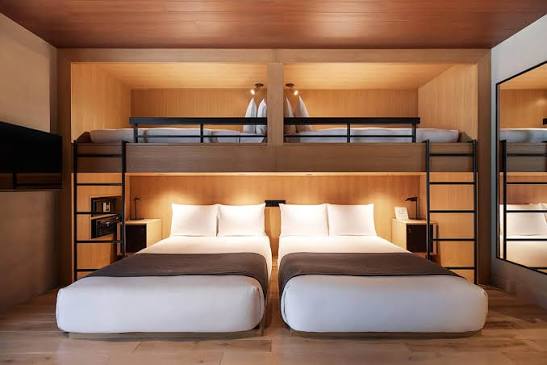
    Tokyo boutique operator TRUNK (HOTEL) will open an 18-story, 107-room property in Sapporo on September 17, 2027. The project takes the brand outside the Japanese capital for the first time.

    Located in the central Odori district, the development is the brand’s fourth property and its largest footprint to date. Tokyo architecture practice GENERAL DESIGN CO., LTD. Designed the building alongside TRUNK Atelier, the operator’s in-house unit. They deployed a concept labeled Midcentury Folklore across 18 suites and 89 standard guest rooms.

    Waterways and Michelin Dining

    Inside the tower, an entire floor houses TRUNK(BATH HOUSE), configured around an urban spa concept. Guests enter through a reception lounge and bar before reaching a 40-meter central waterway. This channel feeds 10 communal bathing spaces, each fitted with dedicated water temperatures, audio setups and lighting profiles. Separate male and female zones each feature saunas, cold plunge pools and open-air decks.

    Dining operations center on a partnership with Michelin-recognized Sushi Saito. The outpost is the restaurant’s first kitchen in Sapporo, featuring a chef counter format that pairs Tokyo preparation methods with Hokkaido seafood. A second all-day dining venue sits on the lounge and bar floor. That room will feature live music performances, an outdoor terrace and heated transparent domes for the winter season.

    Banqueting and Private Event Spaces

    Event facilities occupy two dedicated floors. A private studio level houses a cinema, a karaoke suite and modular rooms for small corporate functions. On the 10th and 11th floors, three distinct banquet halls operate under the names HINATA, MIYABI and KODACHI. Upper levels also incorporate a standalone dessert room, a private sushi bar, an outdoor pizza terrace and a six-meter-tall ceremonial chapel facing park greenery.

    Japanese boutique operators have historically clustered in central Tokyo neighbourhoods like Shibuya and Cat Street to capture dense international footfall. Moving into regional capitals shifts the commercial calculation. Operators must balance domestic corporate travel against peak winter ski flows, using larger food and beverage operations to sustain occupancy when seasonal tourism dips.

    Rival international chains and Hokkaido landlords are expanding across Sapporo and nearby resort nodes like Niseko. TRUNK’s entry accelerates competition for high-spend domestic travellers. The main execution risk sits in building out large-format hospitality real estate with complex amenity footprints in a secondary market. Construction costs and seasonal labour constraints in Hokkaido remain structurally tighter than in Tokyo.

    Portfolio Track Record

    TRUNK built its track record in Tokyo, establishing brand equity through boutique design, high-density public lounges and curated tenant partnerships. Scaling beyond the capital tests whether that neighbourhood-driven model translates to an 18-story greenfield tower.

    Crews continue work in the Odori commercial core ahead of the scheduled opening date on September 17, 2027.

  • Only 10 of 60 Top Independent Stores Make a Brand Argument

    Only 10 of 60 Top Independent Stores Make a Brand Argument

    A global review of 60 premier independent retail stores by Nick Gray in September 2026 found that only 10 build spaces enforcing a genuine brand argument.

    Standard retail metrics like sales per square metre and the ICSC occupancy cost benchmark of 8 to 15 per cent fail to capture whether physical rooms build customer loyalty or merely collect pre-decided transactions.

    The Limits of Square Metre Metrics

    Drawing on observations at Westfield Sydney between 2018 and 2022, retail property evaluations routinely confuse aesthetic execution with brand positioning. Apparel retailers commonly allocate more than 12 per cent of sales to occupancy costs, yet landlord scorecards measure space strictly by immediate financial yields rather than behavioural shift. Dwell time metrics count customer minutes without distinguishing between deliberate browsing and checkout friction, while year-one fitout uplifts inevitably register temporary newness rather than sustained productivity.

    High-conviction physical retail demands structural constraints that traditional finance departments often query. Andreas Murkudis in Berlin operates a former printing hall with museum-scale product spacing that permanently increases monthly floor holding costs per item. In Los Angeles, Maxfield operates without display windows and relies on unapproachable floor staff to filter casual traffic, while Dover Street Market executes a scheduled annual teardown where independent designers control internal pod architecture.

    Thresholds and Fixture Control

    Physical store performance splits across three operational choices: entry thresholds, fixture manufacture, and change cadence. Entry points represent low-cost positioning tools that select qualified buyers before entry. Los Angeles retailer Departamento routes shoppers through an active coffee shop entrance, while Darklands in Berlin operates unmarked doors strictly by appointment.

    Procuring standard fixtures from shared commercial shopfitters reduces a brand to generic category storage. Retail spaces function as commercial arguments only when bespoke display units cannot transfer into a competing tenancy. At the same time, scheduled annual teardowns keep retail floors on the same release cycle as seasonal buying, avoiding the delayed, reactive renovations common among regional department stores and mall tenants.

    Operational Gaps in Regional Malls

    For shopping centre operators across Asia-Pacific, the gap between landlord guidelines and store identity remains wide. Luxury activations and pop-up tenancies in prime centres frequently exhaust negotiations on ceiling heights, sightlines, and perimeter finishes rather than customer engagement. The result is uniform warm minimalism and portable design choices that fit generic landlord criteria but fail to distinguish rival brands.

    This disconnect originates early in commercial planning cycles. Corporate brand briefs routinely mandate broad concepts like modern luxury and effortless presentation, offering no actionable instructions for doorway thresholds, custom furniture, or thirty-second staff routines. Design partners consequently deliver attractive decorations because the initial brief provided no structural rules to engineer into the room.

    Between 2018 and 2022 at Westfield Sydney, Brand Space activations showed how strict fitout rules repeatedly prioritised aesthetic compliance over functional brand differentiation. Commercial landlords in prime Asian retail districts face the same recurring pattern across short-term luxury leases.

    Property directors tracking upcoming retail lease renewals will see whether tenant fitout budgets shift capital from decorative cosmetic upgrades into purpose-built spatial architecture.

  • Apollo Extends $585 Million Financing to the Executive Centre

    Apollo Extends $585 Million Financing to the Executive Centre

    US-based asset manager Apollo Global Management has extended $585 million in financing to office space provider The Executive Centre, the company announced on Tuesday.

    Proceeds from the deal will be used to refinance existing debt and support expansion plans for Hong Kong-headquartered TEC, which operates more than 260 centres across 38 cities in the Asia-Pacific region and the Middle East.

    Refinancing and expansion terms

    The facility restructures TEC’s balance sheet and provides fresh liquidity for capital expenditure. Flexible office operators need steady outlays to fit out premium corporate floors before lease income starts flowing. Long-term private credit locks in funding for Tier 1 commercial openings. Crucially, it avoids equity dilution.

    Prime financial district locations and enterprise contracts define the model, covering serviced offices, boardrooms and business lounges in Grade A towers rather than low-cost coworking hubs. This setup shields the business. It avoids the volatility that hit mass-market desk-sharing operators.

    Premium workspace economics

    Fresh capital gives the company runway to expand into secondary regional hubs where multinational corporate demand remains steady. Landlords across Tokyo, Singapore and Sydney continue allocating square footage to managed workspace partners to fill vacancies in prime towers. TEC absorbs that floor space under long-term leases or management contracts, passing fit-out costs through structured enterprise fees.

    Financial risk sits in the spread between fixed master-lease commitments and corporate tenant retention. Private credit lenders like Apollo demand strict debt service coverage. Occupancy rates in core gateway markets must therefore hold above historical averages to justify ongoing expansion costs.

    Funding pipeline

    Talks for the loan package surfaced in August, when initial reports indicated TEC sought roughly $500 million for debt refinancing and capital expenditures. Apollo expanded the final facility to $585 million. The larger package clears near-term maturities and backs additional fit-outs.

    Attention now turns to the deployment pace across key Southeast Asian and Middle Eastern growth corridors, where the company plans to commission its next batch of Grade A centres.

  • Tokyo Inner Ward Population Hits 9.8 Million as Density Reaches 15,600

    Tokyo Inner Ward Population Hits 9.8 Million as Density Reaches 15,600

    Tokyo’s 23 central wards added 1.2 million residents over the past two decades, pushing urban density to 15,600 people per square kilometre, as reported by Paul de Vries for The Japan Times in September 2026. The population in the inner wards now stands at 9.8 million.

    Construction firms and property developers have absorbed this influx primarily through two methods. Builders are erecting high-rise residential towers containing hundreds of units while buying standalone houses with private yards, razing the greenery, and replacing them with multiple narrow homes.

    Subdividing Plots for Housing

    Landed housing subdivisions now supply a steady stream of compact urban properties across residential wards. Replacing a single detached home with two or three townhouses increases plot yield for homebuilders. It also removes private gardens that previously provided urban tree cover and communal wildlife corridors.

    Tower developments concentrate hundreds of households onto single commercial footprints. These buildings offer high floor-area ratios but leave standard rooftops largely bare of functional green infrastructure.

    Pressure on Urban Greenery

    For residential property developers in Japan, plot subdivision remains the fastest way to bring infill housing to market without assembly delays. However, municipal planning offices face mounting heat-island effects in wards where open ground cover has vanished. Residential developers across Seoul and Singapore face similar constraints, but Japanese zoning codes give private landowners wider leeway to maximise structural footprints up to boundary lines.

    Institutional real estate investors holding multifamily residential assets in Tokyo face shifting tenant preferences. Renters and buyers in high-density districts increasingly seek access to private or communal outdoor spaces, creating a pricing gap between conventional concrete blocks and properties that integrate rooftop greenery.

    Rooftop Space Under Scrutiny

    Tokyo’s urban growth runs counter to Japan’s broader demographic decline, which has hollowed out regional prefectures while concentrating capital and labour in the Kanto region. Previous redevelopment cycles focused on expanding transport nodes and commercial office floors around central railway hubs.

    Attention is shifting to residential rooftop retrofits across the 23 wards as developers balance land costs against municipal open-space guidelines.

  • The Galeries Launches Retailer Scent Project with Provider Store in Sydney

    The Galeries Launches Retailer Scent Project with Provider Store in Sydney

    Sydney shopping centre The Galeries is running a month-long retail collaboration with local artisan brand Provider Store from September 29 to October 25. The program aims to drive tenant foot traffic.

    Shoppers who spend 300 dollars across the centre in a single day during the campaign receive a complimentary limited-edition candle. The gift represents one of three flagship tenants.

    How the tenant scent program works

    Provider Store founder Tara Bennett designed three distinct fragrances based on the retail identities of Japanese bookstore chain Books Kinokuniya, fashion retailer Incu, and outdoor footwear brand Salomon. The activation operates from a Japanese-inspired market stall under the George Street complex’s ground floor atrium.

    Kinokuniya’s fragrance incorporates hinoki, amber, macadamia, lemon, and frankincense to mirror the bookstore chain’s Japanese heritage. Incu’s candle blends fir needle, oak moss, cedar, and sandalwood. Salomon uses pine, cedarwood, sage, and palo santo. Customers can take empty ceramic vessels to Provider Store’s standalone site in Surry Hills for paid refills from its permanent scent library.

    Tenant marketing across prime central business districts

    Landlords in major Asia-Pacific commercial hubs face sustained pressure to turn central business district foot traffic into register sales. Generic promotional vouchers often fail to lift basket sizes across multiple categories. Tying a physical gift to a 300 dollar single-day spend forces shoppers to cross-shop fashion, books, and sportswear inside the same asset.

    This approach gives specialty lifestyle operators exposure without the cost of building standalone pop-ups. For Japanese operators like Kinokuniya, brand activations inside high-density Asia-Pacific corridors reinforce cultural identity while supporting broader mall dwell times.

    Longer retail track record at the complex

    Centre management launched the campaign as the debut project for The Galeries Presents, an in-house promotional platform designed to bundle tenant marketing into shared on-site installations. The property previously relied on visual art installations and cultural exhibits to anchor ground-floor common areas.

    “Working with Provider Store has allowed us to explore The Galeries Presents in a new way, using scent to capture the distinct character of three of our retailers and bring their stories to life,” said Melanie Vale, centre manager at The Galeries.

    Management will run the ground-floor stall through October 25, then evaluate sales receipts and customer redemptions before scheduling the next tenant collaboration.

  • SM Supermalls Shifts Tenant Mix to 30 Percent Dining as First-Half Revenue Reaches P41.8B

    SM Supermalls Shifts Tenant Mix to 30 Percent Dining as First-Half Revenue Reaches P41.8B

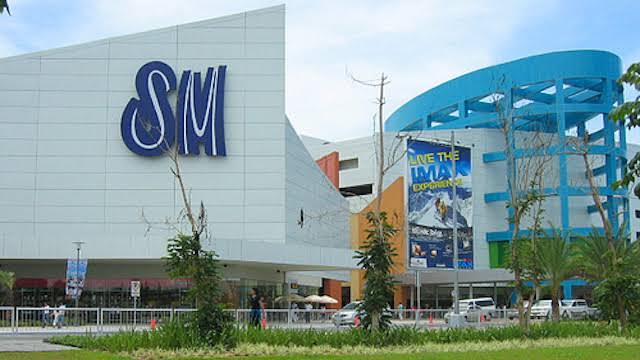
    SM Supermalls raised its food and beverage tenant share to 30 percent while lifting first-half revenue 8 percent to 41.8 billion Philippine pesos. The shift marks a fundamental redesign of floor plans across the country’s largest retail network.

    Dining accounted for less than 5 percent of the group’s leasable space when current president Steven Tan joined in 2004. The operator is now reallocating square meters from apparel and standard department store goods to dining, sports, and live events under a five-year platform called My SM.

    Retrofitting Floor Space for Food and Sports

    Expanding dining requires heavier investments in physical infrastructure than dry retail. Malls require upgraded water connections, higher-capacity electrical systems, grease traps, and expanded kitchen exhaust ducts to handle restaurant tenants at scale.

    Alongside dining, the landlord is adding non-retail recreation to fill communal areas. The group added 41 pickleball courts during the first six months of the year, taking its total to 102 courts across 32 properties. In June, its commercial complex cohosted the Galaxy Manila Marathon, bringing 25,000 runners onto the grounds.

    Internal merchandising direction now runs partly through an internal advisory unit. The operator created a Gen Z Council of junior staff to evaluate pop-culture trends, such as pop-up matcha fairs, before senior managers commit capital to physical rollouts.

    You have to constantly inject freshness to your centers so that you keep the interest in coming back.

    Regional Realignment from Shelves to Social Space

    Mall operators across Southeast Asia face identical pressures as e-commerce captures routine apparel and consumer electronics purchases. Landlords in Bangkok, Jakarta, and Manila are converting between 25 and 35 percent of gross leasable area to food and leisure to defend foot traffic. SM watched Chinese shopping centers retrofit for hospitality a decade ago and applied the template locally before domestic online shopping reached similar penetration levels.

    The operational risk sits in capital expenditure and lease yields. Restaurants and recreational concepts cost more to fit out, consume more utilities, and post higher tenant turnover rates than legacy fashion retailers. Operators must turn over pop-up concepts and specialty dining fast enough to sustain foot traffic without squeezing margins on rental collection.

    Expanding the Footprint Across South Luzon

    Revenue growth reflects solid consumer spending despite inflationary pressures across basic goods. The 41.8 billion pesos generated in the first half of 2026 improved on 38.6 billion pesos recorded during the same period in 2025, driven by steady leasing income and higher foot traffic across metropolitan centers.

    Construction is underway on SM Nuvali in Laguna, which will serve as the company’s 91st Philippine mall. The property will test an upscale store format aimed at higher-income residential enclaves across Cavite, Laguna, Batangas, Rizal, and Quezon.

  • Siam Piwat Expands Chinese Partnerships to Target 1 Billion Consumers

    Siam Piwat Expands Chinese Partnerships to Target 1 Billion Consumers

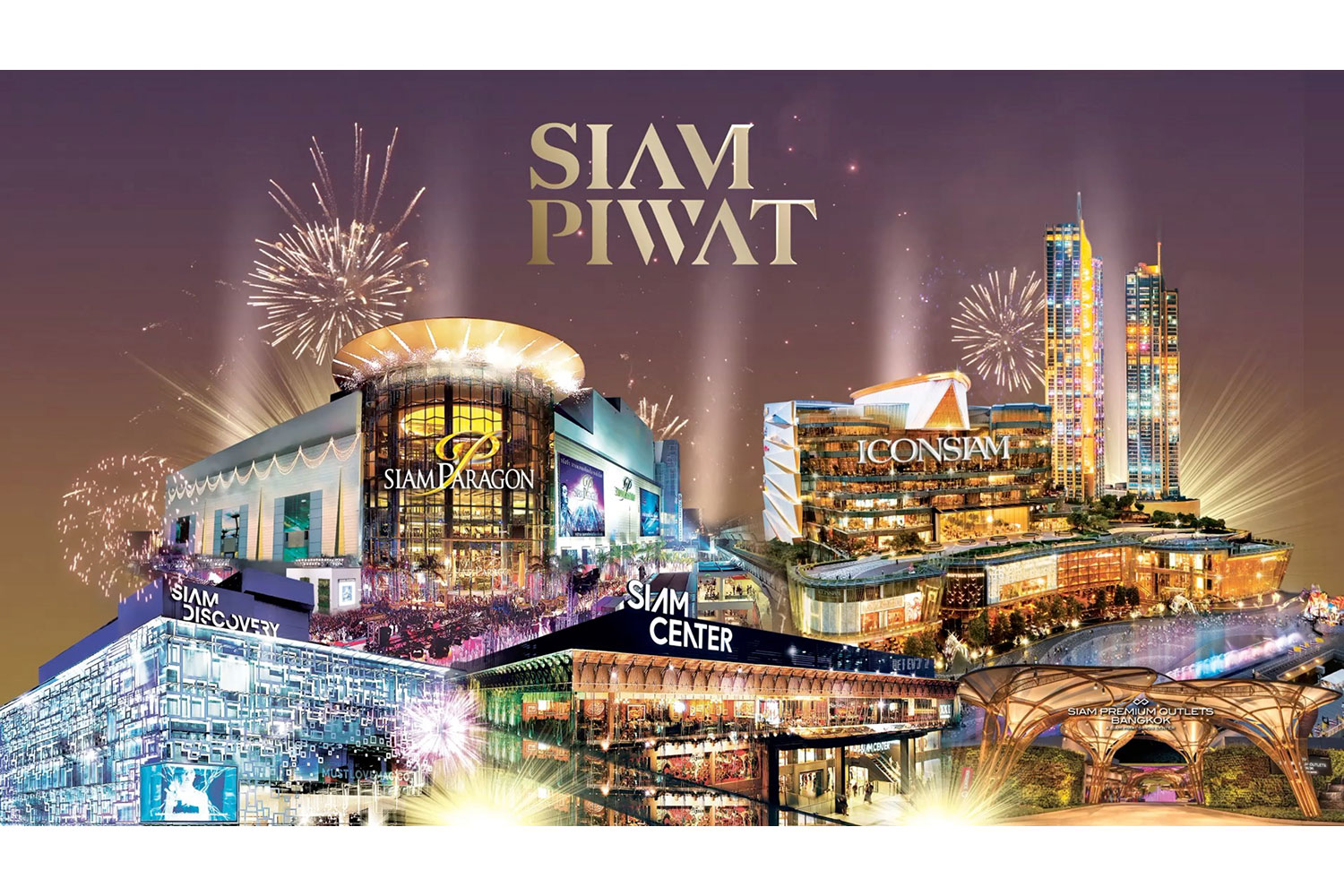
    Bangkok mall developer Siam Piwat expanded its digital partnership network across China in September 2026 to reach more than 1 billion travellers before they depart for Thailand.

    The tie-up connects the group’s OneSiam retail loyalty card to platforms run by Huawei, Alipay+, WeChat, UnionPay and streaming service iQIYI.

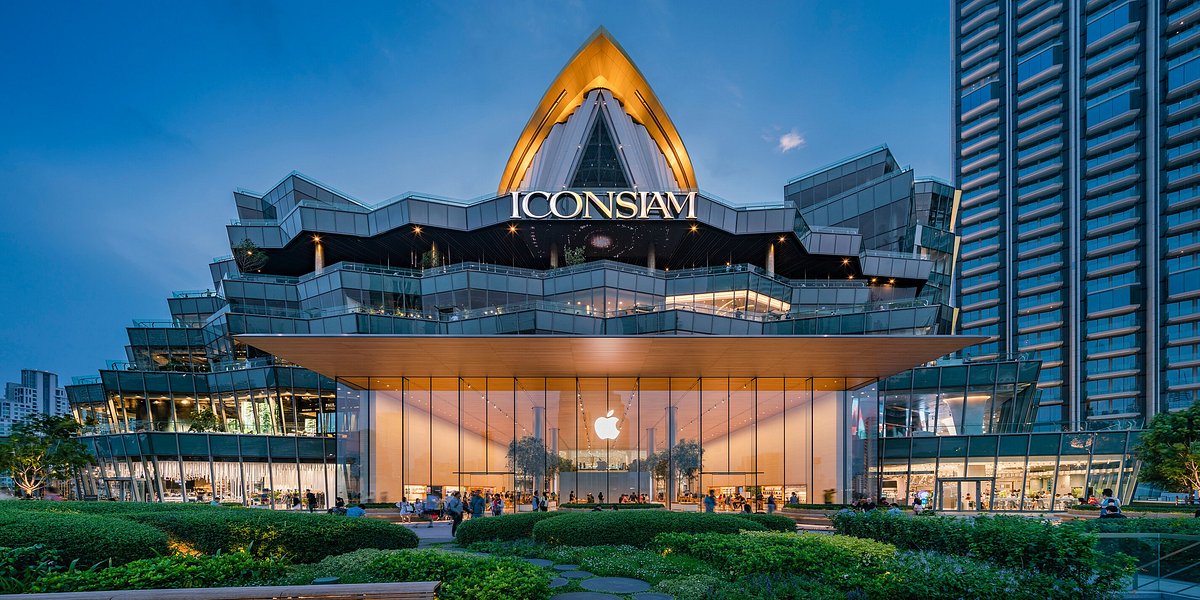
    Under the agreement, Siam Piwat will integrate visitor passes and shopping discounts directly into Huawei’s operating ecosystem. That system covers 400 million mobile devices and 200 million wearable users. Chinese travellers can access shopping perks, browse luxury collections and settle transactions through Alipay+ and UnionPay before arriving in Bangkok. Participating malls include Siam Paragon, Siam Center, Siam Discovery, IconSiam and Siam Premium Outlets Bangkok.

    Payments and Pre-Trip Booking Integrations

    Marketing campaigns, influencer content and booking services will sit directly inside Chinese digital channels to pull footfall into Bangkok. A separate collaboration with streaming platform iQIYI will pair Chinese entertainment intellectual property with offline pop-up events and retail promotions inside Siam Piwat properties.

    Integrating the OneSiam Global Visitor Card into WeChat connects digital wallets, customer service and curated retail offers inside a single mini-program.

    “Our goal is to drive quality tourism that prioritises ‘value’ over ‘volume’,” said Mayuree Chaipromprasith, president of corporate partnership and communications at Siam Piwat.

    Competition For Inbound Luxury Tourist Spending

    Thai retail landlords are racing to lock in Chinese tourist spend well before travellers land at Suvarnabhumi Airport. Central Pattana and The Mall Group spent two years expanding their digital payment checkouts. Siam Piwat is taking a different route. It bets that embedding its loyalty programme inside foreign hardware and payment apps will secure high-spending shoppers before departure.

    Execution on the ground remains the main test. Funnelling overseas digital engagement into physical mall traffic requires luxury brands to provide dedicated inventory and multilingual staff on site. Without both, tourist spending disperses across competing retail strips in downtown Bangkok.

    Earlier Ties Built During Pandemic Downturn

    Siam Piwat first partnered with Huawei in 2020 to build a shared digital platform during the pandemic travel freeze. Teams tested IT systems during the lull before linking with regional payment operators. That infrastructure now manages cross-border data and loyalty perks across the developer’s core Bangkok shopping assets.

    Technical teams at Siam Piwat and UnionPay will complete cross-border transaction testing ahead of the next regional holiday travel peak.

  • Central Park Draws 25 Million Visits in First Year

    Central Park Draws 25 Million Visits in First Year

    Thailand’s Central Pattana has unveiled the next phase of growth for Central Park in Bangkok as the shopping centre marks its first anniversary in September 2026.

    The centre welcomed more than 25 million visits in its first year, including over 10 million visits from international tourists, placing it among the top-tier performers in the developer’s portfolio.

    Three Pillars for International Footfall

    Work on the next stage centres on a campaign dubbed Bangkok’s World Stage. This framework splits tenant curation and event programming into three tracks: Global Firsts, Global Culture, and Global Audience.

    Global Firsts secures exclusive product launches, debut store formats, and international brand partnerships new to Thailand. Global Culture runs live music, design exhibitions, and art installations throughout the complex. Global Audience steers marketing spending toward overseas tourists, touring creators, and commercial partners beyond Southeast Asia.

    Mixed-Use Integration in Central Bangkok

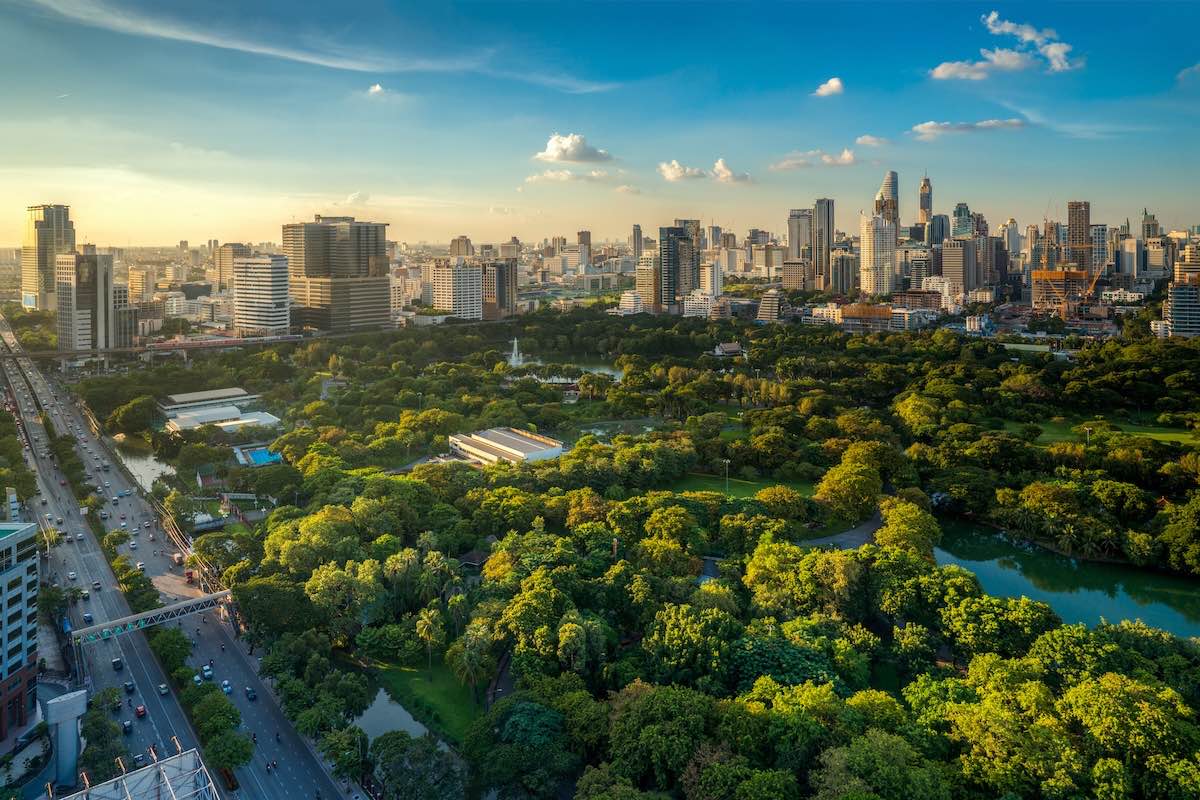
    The mall anchors the wider Dusit Central Park mixed-use development alongside grade-A corporate offices, a luxury hotel, and private residential towers. It features more than 1.12 hectares of elevated public green space. That parkland channels foot traffic between the retail concourses and the surrounding Silom and Rama IV commercial districts.

    Across Southeast Asia, retail developers are pivoting away from standard leasing toward event-driven programming. Operators in Bangkok, Singapore, and Kuala Lumpur compete for big-spending tourists through regional brand exclusives and large cultural draws. But the strategy carries higher execution costs. Continuous programming and rapid turnover of experiential concepts demand heavier capital commitments than traditional leases.

    Building Out the Dusit Joint Venture

    Central Pattana conceived the retail asset to replace the historic Dusit Thani hotel through a joint venture between Central Group’s property arm and Dusit International. Construction launched under a multi-billion-baht master plan to protect downtown market share against rival mega-projects along the Sukhumvit and Chao Phraya corridors.

    Tenant handovers and new flagship openings under Global Firsts will roll out over the coming quarters. Remaining office and residential towers across Dusit Central Park will hit completion in phases over that stretch.

  • ClubMed Lifestyle Targets 85 Global Resorts by 2030 Ahead of Hong Kong IPO

    ClubMed Lifestyle Targets 85 Global Resorts by 2030 Ahead of Hong Kong IPO

    ClubMed Lifestyle Group plans to expand its global resort network to roughly 85 properties by 2030. The expansion relies on an asset-light model across key international leisure markets.

    Today, the Fosun International subsidiary operates 69 resorts across more than 40 countries and regions. It serves over 1.5 million guests each year.

    Asset-light pipeline spans Asia and Europe

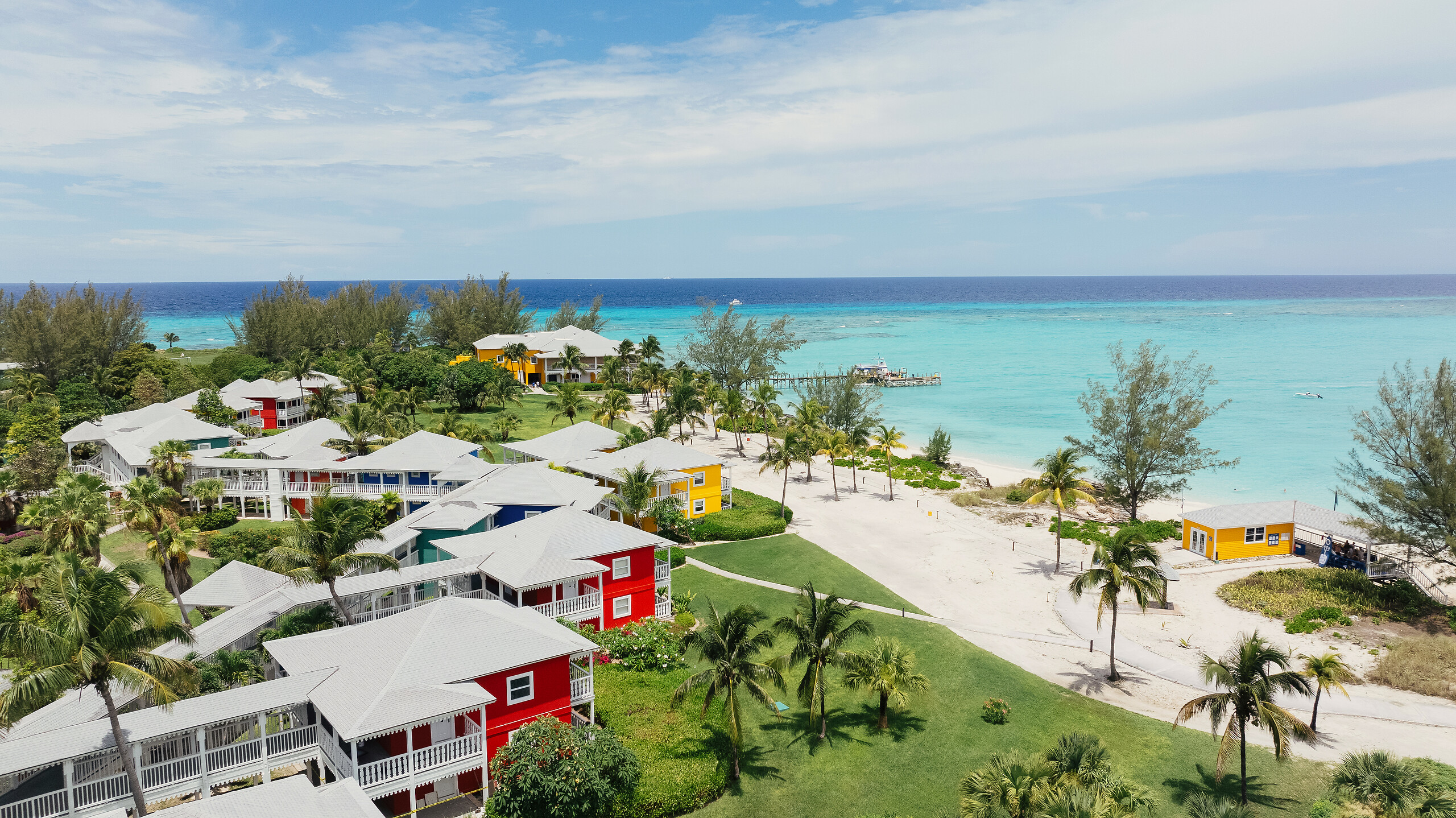
    Since late 2025, the group has secured new resort agreements in China, Indonesia, Canada, Morocco, Brazil, the US Virgin Islands and Italy. Target markets include the European Alps, Mediterranean and North African coastlines, Northeast and Southeast Asia, and the Americas. Early development work is also underway in the Middle East.

    Management relies on management contracts, integrated vacation destinations and cultural-tourism complexes rather than direct real estate ownership. In July, Club Med signed a memorandum of understanding with Microsoft at its Paris headquarters. The partnership applies cloud-native systems and artificial intelligence tools to resort operations and guest services. Microsoft France chief executive Corinne De Bilbao and ClubMed Lifestyle Group co-president Xu Bingbin led the signing.

    Valuation shifts and operator competition

    Resort operators across the Asia-Pacific region are shifting capital expenditure off their balance sheets. The strategy helps defend margins against volatile travel cycles. Rival luxury and leisure operators in Southeast Asia use similar management contracts to scale up without taking construction debt onto their books.

    Brand consistency and service standards remain the central risk across third-party real estate as networks grow. Meanwhile, developers in regional resort hubs face high financing costs. Operational efficiency and direct booking technology will determine whether newly signed properties stay profitable.

    Fosun prepares Hong Kong public float

    This push follows a corporate restructuring by parent company Fosun International. On August 28, the World Travel & Tourism Council admitted ClubMed Lifestyle Group as a global member. The business filed a formal listing application with the Hong Kong Stock Exchange on August 29 to spin off the vacation unit into an independently traded entity.

    Fosun reported total revenue of RMB86.96 billion and a net profit of RMB1.72 billion for the first half of 2026. The upcoming Hong Kong listing will determine how much capital the business secures to add the final 16 resorts needed for its 2030 goal.

  • Capella Hotel Group Opens Capella Kyoto in Japan

    Capella Hotel Group Opens Capella Kyoto in Japan

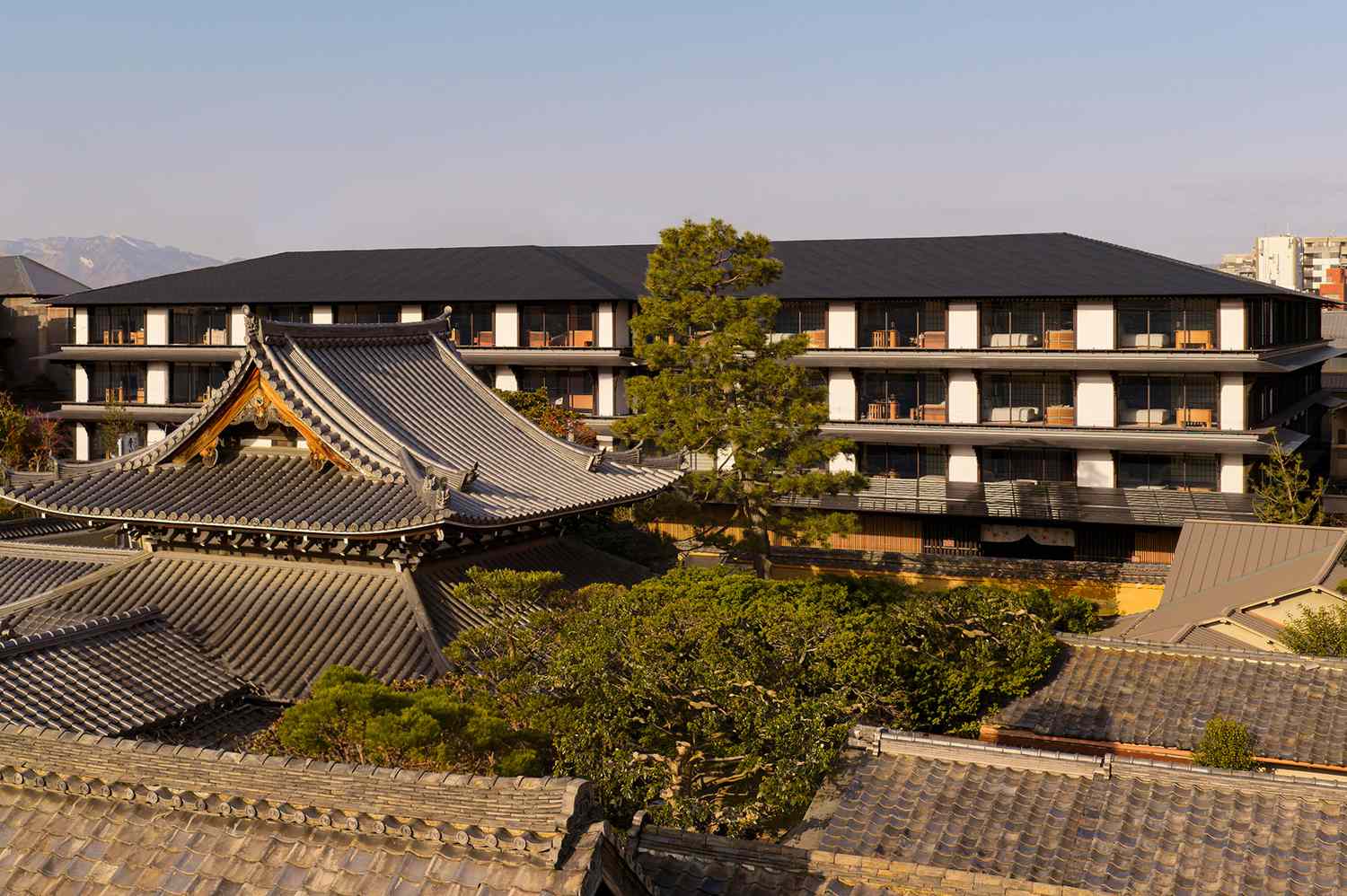
    Capella Hotel Group has launched Capella Kyoto in Japan this week, entering the country’s prime cultural tourism market with 1 ultra-luxury hospitality development.

    The opening brings the Singapore-based hospitality operator into direct competition with established luxury properties in Kyoto’s heritage districts.

    Expanding Luxury Footprint in Japan

    International luxury operators continue to target Kyoto because of sustained foreign tourist spending and strict zoning constraints that limit new inventory in historic neighbourhoods. High barriers to entry make boutique developments in prime central locations especially valuable for global operators seeking premium room rates.

    Capella’s entry into the Japanese market follows the brand’s regional expansion across major destination markets in Southeast Asia and Greater China. By establishing a presence in Kyoto, the group adds an anchor location in Japan to capture high-net-worth leisure demand travelling across the Asia-Pacific circuit.

    Operator Competition in Historic Hubs

    Competition among five-star hotel brands in Kyoto has intensified as international flags establish properties near key heritage assets. Rival luxury operators have similarly focused on smaller room counts and tailored guest experiences to maintain elevated average daily rates rather than relying on high guest volume.

    For hotel owners and asset managers, Kyoto presents elevated development costs alongside complex municipal preservation guidelines. The operators that succeed in this environment depend on high-spending overseas guests who stay longer and spend more on on-site dining and wellness offerings.

    Next Steps for Regional Portfolios

    The brand’s performance in Kyoto will test customer intake against existing luxury properties across western Japan. RetailNews Asia will track the operator’s room yield metrics and subsequent project rollouts across the domestic market.

  • Royal Holdings and RB Capital Buy Singapore Scotts Square for $245 Million

    Royal Holdings and RB Capital Buy Singapore Scotts Square for $245 Million

    Royal Holdings and RB Capital have agreed to buy the Scotts Square shopping centre in Singapore from Wharf Estates Singapore for $245 million. The deal values the Scotts Road property at S$310 million.

    CBRE brokered the transaction. The sale covers a four-storey luxury retail podium with 130,875 square feet of gross floor area and roughly 76,660 square feet of net lettable space next to the Orchard Road shopping belt.

    Valuation Shifts and Prime Yields

    The agreed price reflects a discount from earlier seller expectations. Wharf Estates Singapore first marketed the retail asset in 2024 at $346 million, then cut that target to $300 million as institutional buyers pushed for higher yields.

    Talks accelerated in August after inquiries began at around $253 million, according to the Business Times. Completing due diligence allowed the parties to lock in the final $245 million valuation ahead of a planned closing before the end of the year.

    Luxury Footprint and Tenant Demand

    Scotts Square maintains an occupancy rate of nearly 99 per cent. Anchor luxury tenants include French fashion house Hermes, Christian Louboutin and Vivienne Westwood, supported by streetwear labels, technology retailers and art installations across four floors.

    For landlords along the Orchard corridor, the transaction sets a clear benchmark for boutique luxury retail space outside mega-malls. While larger landlords rely on heavy tourist traffic and mass entertainment, the buyers are betting on compact footprints with top-tier international brands that retain tenants.

    Capital expenditure remains the central risk for the new owners. Retaining luxury anchors requires continuous asset enhancement, especially as competing developments along Orchard Road upgrade their podium spaces for regional luxury spending.

    RB Capital and Royal Holdings will take full operational control of the retail asset when the acquisition closes before the end of December.

  • QIC Opens 6,842-Square-Metre Racquet Club at Robina Town Centre

    QIC Opens 6,842-Square-Metre Racquet Club at Robina Town Centre

    QIC Real Estate opened a 6,842-square-metre Racquet Club venue at Robina Town Centre on the Gold Coast in September 2026, adding 13 courts to the shopping complex.

    Built outdoors, the project features seven padel courts, six pickleball courts, athlete recovery facilities and a clubhouse food and beverage venue.

    Landlords pivot to social sports

    The project gives major retail space to racquet sports over traditional specialty stores or standard entertainment anchors. Sally Harding, head of alternative income at QIC, noted the shift in asset management: “Some of the most exciting opportunities in our portfolio come from looking at land in new ways; not just where the next store goes but how we create places that get people active and connected.”

    Retail landlords across Asia-Pacific face structural shifts in department store footprints and apparel tenancies. Turning outdoor land and rooftops into sports hubs drives footfall during weekday evenings and weekend mornings. Conventional mall traffic softens during those periods. The risk lies in operational intensity: leisure operators need steady community engagement to justify square footage that produces lower base rent per square metre than luxury or specialty retail tenancies.

    Alternative income and regional footprint

    Founded in Sydney in 2023, Racquet Club previously built permanent facilities in Sydney and Canberra alongside temporary pop-ups. The Gold Coast venue serves as the company’s third permanent Australian location and its second-largest site to date.

    Robina Town Centre celebrated its 30th anniversary in April 2026. That milestone followed a 2024 institutional marketing partnership between QIC, the Australian Sports Commission and the Australian Institute of Sport to lift on-site sports participation.

    Clubhouse launch schedule

    Court bookings at the Robina venue are active now. The adjoining clubhouse food and beverage operation opens before the end of September 2026.

  • SingLand to Shut Marina Square for 360,000-Sqm Mixed-Use Rebuild

    SingLand to Shut Marina Square for 360,000-Sqm Mixed-Use Rebuild

    Singapore Land Group will close Marina Square on March 31 to redevelop the 40-year-old complex into a 360,000-square-metre mixed-use property.

    The project replaces the standalone shopping centre with three towers housing 204 luxury apartments, 13,000 square metres of office space, a 304-key hotel, and a four-storey retail hub by 2031.

    The Rebuild Plan for Marina Bay

    SingLand plans to build a 49-storey residential tower alongside an eight-floor office block and hospitality facilities. The revamped four-storey retail podium will pivot toward food and beverage outlets, pet-friendly public spaces, padel courts, a botanic loop, and covered pedestrian bridges linking directly to NS Square.

    Master planning is led by PLP Architecture alongside local firm DP Architects. The current building was designed in the 1980s as an inward-facing structure focused on department stores, a bowling alley, and cinemas, cutting off foot traffic from the surrounding waterfront district that grew around it over four decades.

    Why Single-Use Retail Boxes Are Disappearing

    The overhaul reflects a broader structural change across Asian retail hubs. Standalone malls in central business districts face direct pressure from decentralised suburban retail, with more than 50 town centres across Singapore now offering duplicate tenant mixes within residential estates.

    Landlords are responding by stacking residential and commercial towers directly above retail space to engineer built-in foot traffic. The same dynamic drives major mixed-use precinct investments across the region, including IconSiam and One Bangkok in Thailand, Omotesando Hills in Tokyo, and Taikoo Li in Shanghai.

    Planning Incentives and Anchor Store Decline

    Urban planners in Singapore are actively encouraging commercial landlords to retire single-use retail boxes. SingLand is tapping the Urban Redevelopment Authority’s Strategic Development Incentive Scheme, which grants higher gross plot ratios and flexible land-use rezonings for developers adding residential and hotel components to older commercial sites. Similar transformations are underway at Union Square on Havelock Road and Tanglin Shopping Centre near Orchard Road.

    When Marina Square opened in 1986, its 59,000 square metres of retail floor area made it Southeast Asia’s largest shopping complex. That legacy retail model relied on sprawling department store anchors, an arrangement that has broken down following the collapse or scaling back of operators such as Robinsons, John Little, and Metro.

    Tenants face a final trading date of March 31 before demolition crews take over the site ahead of the 2031 handover.

  • Siam Center Adds Three New Concepts in Three Weeks to Anchor Local Brands

    Siam Center Adds Three New Concepts in Three Weeks to Anchor Local Brands

    Siam Piwat opened three concept stores across fashion, beauty and wellness at Bangkok’s Siam Center over three weeks. The openings add local labels alongside Italian apparel brand Subdued.

    Among them is domestic apparel maker Maison Keeps, which opened its largest flagship to date on the first floor on September 4.

    The brand started in 2017 as an officewear line called Keeps. During pandemic lockdowns, it shifted into durable everyday basics for young adults and children. Earlier, on August 17, nail artist Grace Kantima Banjobdee opened Kantima House on the first floor. Her salon is styled like a living room and takes bookings through Line and Instagram. Local fragrance house 3rd Sense opened its first physical counter near the first-floor escalator on August 26. The brand sells scents themed around four energy paths, featuring artwork by Thai painter Juart Woraset.

    Local flagships and first-floor concepts

    These domestic labels join Italian Gen Z fashion retailer Subdued, which entered Thailand on Siam Center’s ground floor in July. Securing space requires tenants to follow Siam Piwat’s exclusivity mandate. The mall operator requires multi-branch brands to reserve a fixed share of their inventory exclusively for Siam Center. This keeps tenants from simply replicating standard mall assortments.

    That policy turns the venue into an incubator rather than a volume driver. By demanding bespoke stock allocations and custom store designs, the landlord trades standard chain rollouts for distinct merchandising. The goal is keeping foot traffic from migrating to larger neighbouring complexes.

    Exclusivity rules test tenant margins

    For independent labels like Maison Keeps and 3rd Sense, physical retail drives up overhead through staffing, fit-outs and custom production runs. Yet a ground- or first-floor lease in the Siam interchange district provides high footfall. It draws younger domestic shoppers and regional tourists that digital channels cannot match.

    Inventory management poses the main challenge. Carrying dedicated stock for a single branch ties up working capital. Smaller designers must maintain fast sell-through rates to justify prime-district rents against rivals in less restrictive centres.

    Competing along the Rama 1 corridor

    Siam Piwat also operates Siam Discovery and Iconsiam, and holds a stake in Siam Paragon. It has spent years positioning Siam Center against retail rivals Central Pattana and The Mall Group. Competition along Rama 1 Road and Ploenchit Road is tight as operators chase discretionary spend.

    Just over a kilometre to the east, Central Pattana’s renovated Central Chidlom department store is hosting its Time and Treasures luxury watch exhibition. The show runs from September 2 to October 11, displaying limited pieces priced up to US$15,000.

  • Thai Mortgage Rejections Hit 60 per Cent as Banks Tighten Debt Checks

    Thai Mortgage Rejections Hit 60 per Cent as Banks Tighten Debt Checks

    Thailand’s state-owned Government Housing Bank approved only about 40 per cent of home loan applications across January and February 2026, rejecting the remaining 60 per cent as lenders scrutinised borrower balance sheets.

    Kasikorn Research Center expects full-year mortgage lending in 2026 to range between zero growth and a 0.5 per cent contraction. That stall comes even after regulators extended relaxed loan-to-value rules through June 2027 to help developers clear unsold residential inventory.

    Household Debt Limits Borrowing Capacity

    Elevated consumer obligations remain the primary hurdle for prospective buyers. Kasem Praphan, Bangkok district office branch 1 area manager at GH Bank, said elevated household debt, unverified income streams, and inconsistent banking records drive most rejections.

    High debt loads leave little room for new commitments. Under GH Bank criteria, total monthly debt servicing must generally remain within 60 per cent of a borrower’s income. Applicants carrying auto financing, personal loans, and credit card balances frequently exceed that ceiling even when base salaries seem adequate.

    Income verification poses an equal challenge for self-employed applicants, freelancers, and online sellers, who now form one of the largest applicant demographics. GH Bank has started reviewing digital transaction histories, including QR code payment receipts from micro-merchants, but requires documented consistency over several months rather than irregular cash lump sums.

    Pre-Approval Programmes Target Unsold Housing

    To rehabilitate unqualified applicants, GH Bank established a Financial School programme. The scheme targets four specific segments: salaried new graduates, gig workers, informal earners, and individuals working through past loan delinquencies.

    Seventeen property developers have also partnered with the bank under a linked Financial School Extra initiative. Under that arrangement, prospective buyers make regular monthly deposits directly to GH Bank for up to 12 months, which the lender then transfers to developers as accumulated down payment installments.

    Borrowers who clear outstanding debts using funds from third parties must also document the money trail. If funds come from friends or informal partners without clear paper records, the bank imposes a mandatory 90-day waiting period before reassessing the application to verify that the liability was genuinely settled rather than temporarily moved.

    Lenders continue to evaluate total household use rather than property equity alone. Housing developers in Bangkok are watching the June 2027 expiration of loan-to-value relief measures as commercial banks keep credit criteria tight through the remainder of the year.