Category: Real Estate

Retail News Asia is committed to providing both local and global retailers with the latest Real Estate news throughout the Asian market. This on a daily base.

  • Robinsons Malls Adds Accessibility Upgrades Across Philippine Network

    Robinsons Malls Adds Accessibility Upgrades Across Philippine Network

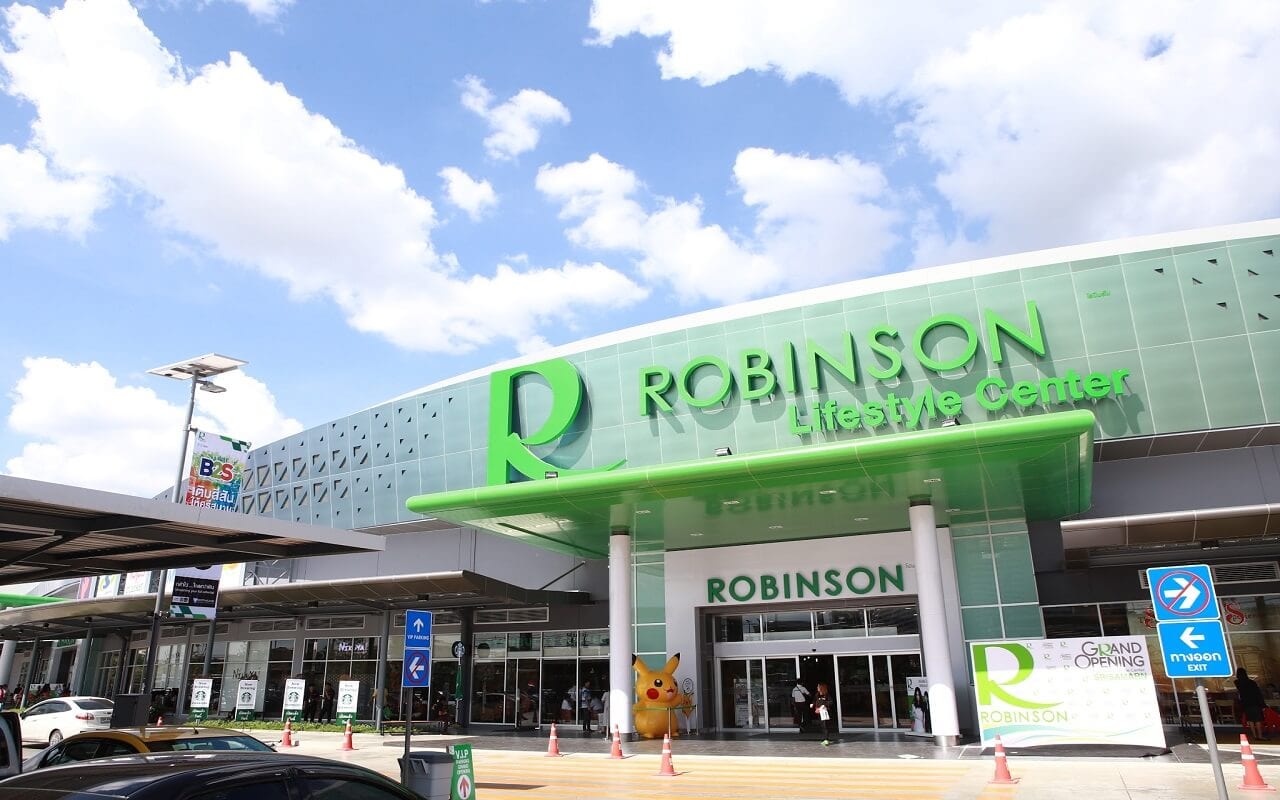
    Robinsons Land Corp. Is rolling out accessibility retrofits across its retail portfolio after Robinsons Las Pinas won a bronze award at the 31st Apolinario Mabini Awards. The recognition evaluated commercial premises on physical design adjustments and day-to-day facilities tailored for persons with disabilities.

    Organised by the Philippine Foundation for the Rehabilitation of the Disabled, the Mabini awards evaluate physical infrastructure, barrier-free pathways, operational assistance, and staff readiness across commercial properties. Robinsons Las Pinas took the Bronze Award in the Disability-Friendly Establishment category.

    Portfolio Retrofits and Building Standards

    Design teams at Robinsons Land Corp. Are adapting architectural layouts across existing properties to align with updated accessibility targets. The program covers ramps, accessible rest areas, dedicated parking bays, transit access points, and service counters designed for wheelchair users and visitors with mobility limits.

    Operational protocols also involve coordination with local community organizations and government agencies to ensure frontline mall personnel handle customer assistance requests correctly. Two other portfolio properties, Robinsons Magnolia in Quezon City and Robinsons Galleria South in San Pedro, Laguna, previously earned Mabini awards under similar operational audits.

    Commercial Footprint in Greater Manila

    Philippine mall developers face rising pressure to modernize older suburban assets as shopping centres evolve into community service centres handling government agencies, clinics, and everyday retail. Metro Manila shopping complexes compete intensely on basic convenience and universal access to retain family foot traffic.

    Property owners that neglect universal design risk losing footfall from multi-generational shopping groups, particularly as suburban transit links bring older shoppers and mobility-impaired visitors directly into retail corridors. Robinsons Malls plans to maintain these design standards as baseline criteria for upcoming renovations and new mall openings across regional provinces.
  • Simon Property Group Revenue Jumps 20 per Cent as Retailer Leasing Surges

    Simon Property Group Revenue Jumps 20 per Cent as Retailer Leasing Surges

    Simon Property Group lifted second-quarter revenue by 20 per cent to US$1.79 billion as retailer demand pushed occupancy across its global portfolio to 96 per cent.

    The shopping centre landlord completed more than 1,200 lease deals during the three-month period, up 20 per cent year over year, with rent spreads on new leases gaining 17 per cent.

    First-half revenue reached US$3.548 billion, also up 20 per cent compared to the same period in 2025. Net after-tax income attributable to stockholders fell 13.1 per cent to US$483.1 million in the quarter, leaving first-half profit flat at US$962.7 million. Funds from operations totaled US$1.185 billion in the second quarter and reached US$2.293 billion across the first six months.

    Outlet conversions and tenant mix

    Average base minimum rent across the US properties rose 6.3 per cent to US$62.42 per square foot. The landlord is carving up approximately 1 million square feet of shuttered Saks Off 5th outlet space into smaller parcels, which chief executive Eli Simon said will lift rental revenue on those boxes from US$18 million to US$44 million.

    Leasing demand spanned athleisure, home goods, Gen Z apparel, and Asian beauty and collectables brands entering physical formats. Food and beverage operators form another core target, with incoming restaurant projects expected to generate between US$400 million and US$500 million in incremental sales across regional centres.

    Global footprint and Asia presence

    The company ended June with 175 malls and premium outlets in the United States, 16 Mills properties, and 42 international centres. Its Asian footprint comprises 19 locations, led by 10 properties in Japan and seven in South Korea.

    Asian outlet centres operated through joint ventures continue to capture cross-border retail traffic, serving as low-risk entry points for brands testing overseas demand without committing to high-street flagships. RetailNews Asia tracks how western mall operators increasingly count on Asian beauty, lifestyle, and character-merchandise concepts to fill medium-sized vacancies left by shrinking traditional apparel chains.

    Management allocated all first-half capital expenditure toward densification, hotel additions, and residential mixed-use redevelopments rather than new ground-up mall openings, with re-leasing work on the remaining outlet vacancies scheduled through 2027.

  • Ayala Land Signs Makro Wholesale for Four Mixed-Use Luzon Estates

    Ayala Land Signs Makro Wholesale for Four Mixed-Use Luzon Estates

    Ayala Land Inc. Signed long-term lease agreements with Makro Philippines to open four large-format wholesale stores across its master-planned estates in Luzon.

    The rollout puts the wholesale brand into Cloverleaf in Quezon City, Arca South in Taguig, Broadfield in Laguna, and Evo City in Cavite.

    Lease Terms and Property Footprint

    Under the agreement, Ayala Land retains land ownership across the standalone sites in Broadfield, Evo City, and Cloverleaf. Makro will finance, construct, and operate those three locations. At the 74-hectare Arca South development in Taguig, the retailer will take space directly inside the local Ayala Mall.

    Makro Philippines operates as a joint venture between conglomerate Ayala Corp. And Thailand-based CP Axtra Public Co. Ltd., the wholesale and retail arm of Charoen Pokphand Group. The stores will sell fresh produce, dry groceries, imported lines, and nonfood merchandise to commercial buyers and retail households through physical warehouses and an integrated digital ordering platform.

    Wholesale Expansion Across Growth Corridors

    Wholesale clubs and membership formats across Southeast Asia have accelerated their push beyond central business districts to capture rising suburban grocery spend. CP Axtra has pursued international growth outside Thailand to scale its cash-and-carry model, while Ayala Land gains steady rental yields and anchor foot traffic across its mixed-use land bank.

    Development schedules now shift to site preparations at Broadfield and Evo City as Makro begins construction across the three standalone suburban plots.

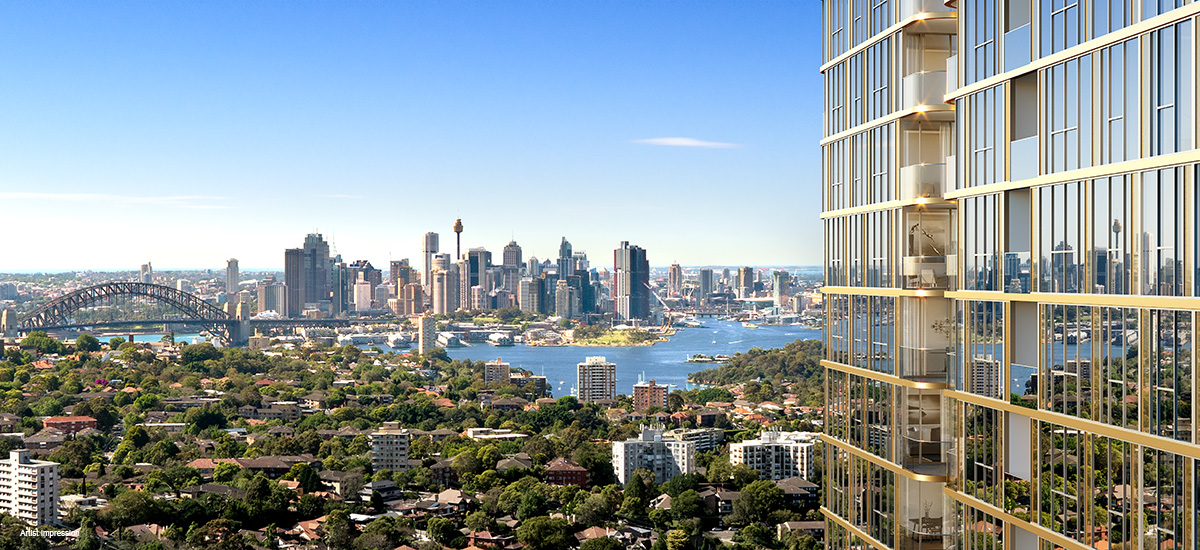
  • Scentre Group Lifts Full-Year Guidance to 23.79 Cents on High Mall Occupancy

    Scentre Group Lifts Full-Year Guidance to 23.79 Cents on High Mall Occupancy

    Scentre Group lifted its full-year earnings forecast after generating $612 million in first-half funds from operations across its Westfield shopping centres in Australia and New Zealand.

    The Sydney-headquartered landlord now projects full-year funds from operations to rise at least 4.25 per cent to 23.79 cents per security, with distributions tracking the same percentage increase. Operating earnings reached 11.73 cents per security during the six months to June 30, while distributions rose 4.9 per cent to $481 million.

    Sales and Footfall Gains

    Customer traffic across the portfolio rose 3.5 per cent to 347 million visits during the first half. Westfield membership expanded to 5.2 million users, supporting higher transaction volumes across managed retail space.

    Occupancy reached 99.8 per cent, gaining 10 basis points from the prior year and holding at its highest rate in more than a decade. Specialty retailer sales grew 5.1 per cent over the half, while total partner sales increased 3.7 per cent across the network.

    Property Valuations and Portfolio Value

    Statutory profit for the half finished at $975 million, supported by an unrealised property valuation increase of $478 million. Total portfolio assets stood at $33.7 billion at the close of June.

    The performance reflects solid rental retention across primary retail hubs, matching the previous year’s 4.9 per cent earnings growth when operating funds reached $1.18 billion. Chief Executive Elliott Rusanow confirmed the group will focus on expanding land-use yield and commercial partnerships across its existing properties through the remainder of the fiscal year.

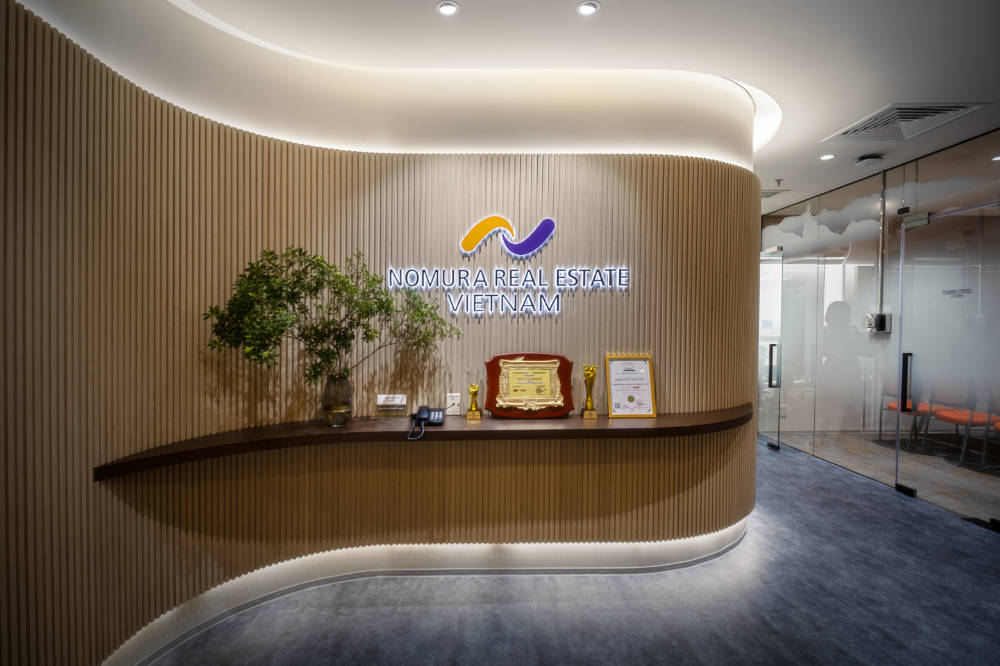
  • Nomura Real Estate Master Fund Buys Tokyo Best Western for $55 Million

    Nomura Real Estate Master Fund Buys Tokyo Best Western for $55 Million

    Nomura Real Estate Master Fund has agreed to acquire the Best Western Hotel Fino Tokyo Akasaka from developer Ichiken for JPY 8.7 billion ($55 million). That prices the 87-key property at JPY 100 million ($626,000) per room. The price represents a 20 percent discount to its July appraisal value of JPY 10.9 billion.

    Settlement will take place on 1 September following signing on Thursday, funded with cash on hand. Ichiken carries the asset at JPY 5.3 billion on its books. The sale delivers a gross spread of JPY 3.4 billion before transaction expenses.

    Property Cash Flow and Operator

    Completed in March 2020, the 13-storey building spans 2,385 square metres in Minato ward. It sits three minutes on foot from Akasaka and Akasaka-mitsuke subway stations. Double rooms make up 86 percent of the inventory. That space includes 22 moderate doubles, 53 superior doubles, 11 superior twins and one accessible deluxe twin.

    Polaris Holdings operates the property under a lease where rent is calculated as a fixed percentage of gross operating profit. Foreign visitors represent 95 percent of all guests and stay an average of 3.7 days. Based on an appraisal net operating income of JPY 385 million, the asset yields 4.4 percent on the purchase price.

    Portfolio Shift Toward Hospitality

    The acquisition expands the trust’s hotel holdings by 31 percent to JPY 37 billion across nine properties. Hospitality now accounts for 3.3 percent of total portfolio assets, up from 2.6 percent. Greater Tokyo hotel exposure increases to JPY 11.1 billion from JPY 2.4 billion. Master Fund holds JPY 1.1 trillion across commercial, logistics, residential and lodging assets.

    Recent portfolio moves include Master Fund’s sale of eight residential buildings to Integral Real Estate for JPY 10.8 billion in March 2025 and its March purchase of two Tokyo properties for JPY 8.9 billion. Looking ahead, Minato ward is targeting more than 9 million overnight stays in 2026, up from 8 million in 2024.

  • France Prepares Saudi-Backed Deal for Japanese Dragon Ball Theme Park

    France Prepares Saudi-Backed Deal for Japanese Dragon Ball Theme Park

    French regional authorities are preparing to sign an agreement with Saudi investors to construct a massive amusement park based on Japan’s iconic Dragon Ball franchise.

    The project targets a development footprint comparable to Disneyland Paris, backed by capital from a Saudi investment company.

    Valerie Pecresse, head of the Ile-de-France regional government, confirmed that French officials spent 18 months structuring the proposal ahead of bilateral talks in Paris. Talks between French President Emmanuel Macron and Saudi Crown Prince Mohammed bin Salman at the Elysee Palace anchored the negotiations, with the entertainment park forming part of a broader package of commercial accords.

    Site selection northwest of Paris

    Plans for the venue point to Courdimanche, a municipality northwest of the French capital. While officials have not disclosed total capital expenditure, the scale required to match major European destination parks typically demands billions of euros in infrastructure, ride engineering, and hospitality real estate.

    Licensing Japanese intellectual property for overseas locations has accelerated across the entertainment industry. Bandai Namco and affiliated Japanese rights holders have increasingly monetised manga and anime catalogues through physical retail, location-based entertainment, and global tourist hubs.

    Sovereign capital and Japanese entertainment assets

    Gulf investment entities continue to funnel capital into global media and interactive entertainment properties, diversifying state portfolios away from hydrocarbons. Saudi Arabia previously announced its own dedicated Dragon Ball park at the Qiddiya development project outside Riyadh, illustrating a focused campaign to secure long-term rights around Japanese pop culture brands.

    European operators face shifting consumer demand as audiences seek immersive, single-franchise destinations over traditional mixed-attraction venues. Commercial agreements spanning the site purchase, planning permits, and formal construction timelines remain subject to final sign-off following the bilateral summit.

  • Australia CBD Retail Vacancy Rises to 10.8% on Melbourne Supply Wave

    Australia CBD Retail Vacancy Rises to 10.8% on Melbourne Supply Wave

    Australia’s central business district retail vacancy rate rose 40 basis points to 10.8 per cent in the first half of 2026 as fresh retail completions in Melbourne added new space.

    A survey of 5,669 retail tenancies across five state capitals by real estate services firm CBRE showed that shop vacancies declined in four of the five cities, leaving Melbourne as the lone driver of the national increase. Melbourne’s CBD vacancy rate climbed 160 basis points to 8.1 per cent following the launch of two retail centres. Sydney held the tightest retail core in the country, with vacancy standing at 5.3 per cent.

    State Capital Breakdown

    Adelaide posted the sharpest improvement among metropolitan centres, where retail vacancy dropped 130 basis points to 10.4 per cent. Brisbane recorded an 80-basis-point decline to 16.7 per cent, while Perth edged down 10 basis points to 18.5 per cent.

    Physical retail space in Australian city centres remains structurally tight over the long term. CBD retail stock accounted for just 4.2 per cent of total new retail supply built across the country over the past decade, limiting the risk of prolonged oversupply even as consumer budgets tighten.

    Luxury and Experiential Demand

    Foot traffic gains from returning office workers, inbound tourists, and major events have kept cash registers moving in primary shopping strips. Luxury brands and premium apparel retailers continue to take prime floor space in Sydney and Melbourne, competing directly against dining and wellness concepts that landlords rely on to anchor footfall.

    For retail property operators across the Asia-Pacific region, Australia’s low single-digit prime core vacancies mirror similar supply squeezes in Tokyo and Singapore. Landlords in secondary locations, however, face longer leasing cycles as retail groups focus their capital expenditure almost exclusively on high-traffic street corners and flagship malls.

    Leasing agents now turn their attention to absorption rates in Melbourne’s two newest downtown complexes over the second half of 2026, which will determine whether the city’s vacancy rate stabilizes before next year’s development pipeline delivers.

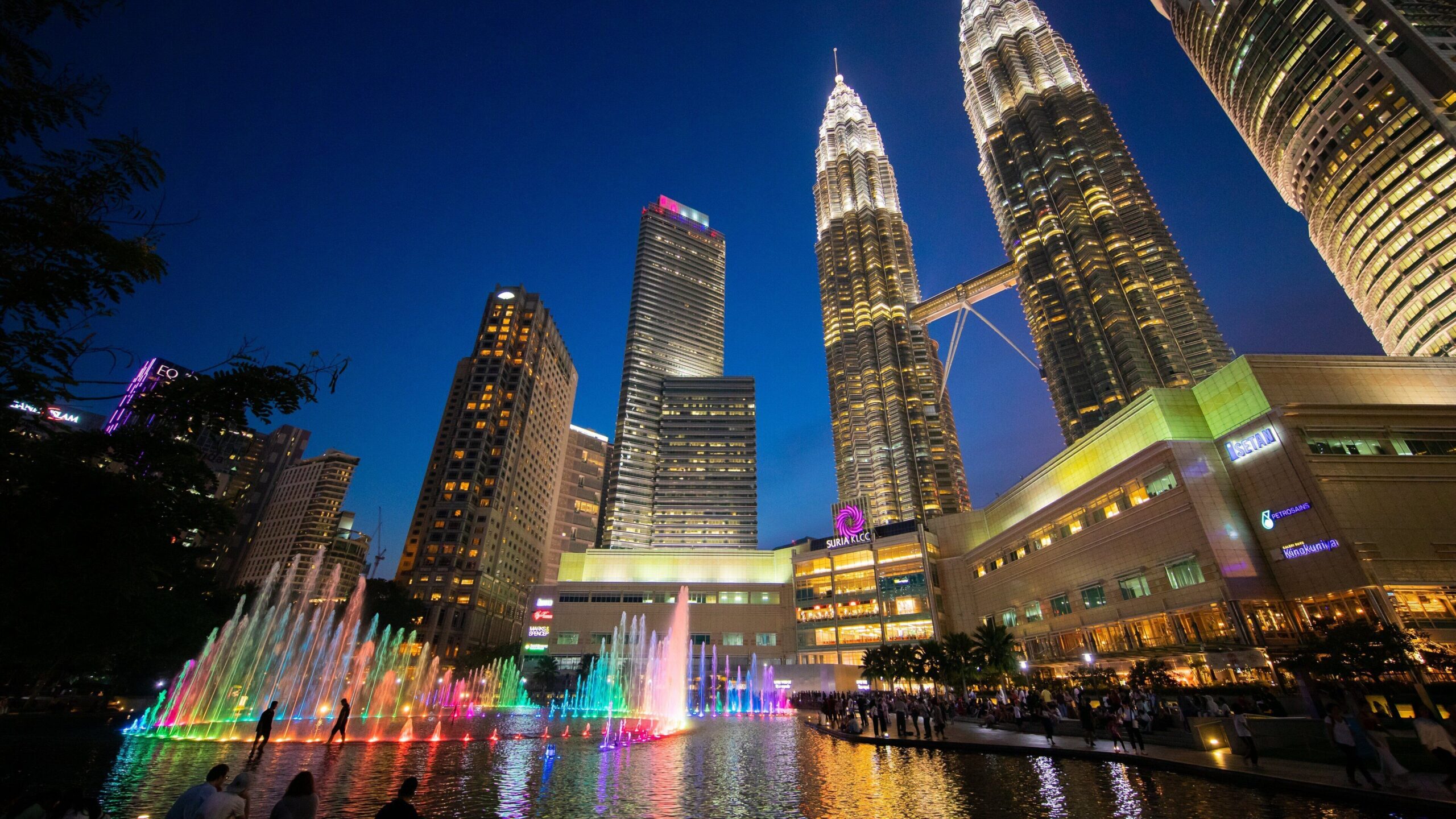
  • Fire Engulfs Cars at Kuala Lumpur’s KL Gateway Mall

    Fire Engulfs Cars at Kuala Lumpur’s KL Gateway Mall

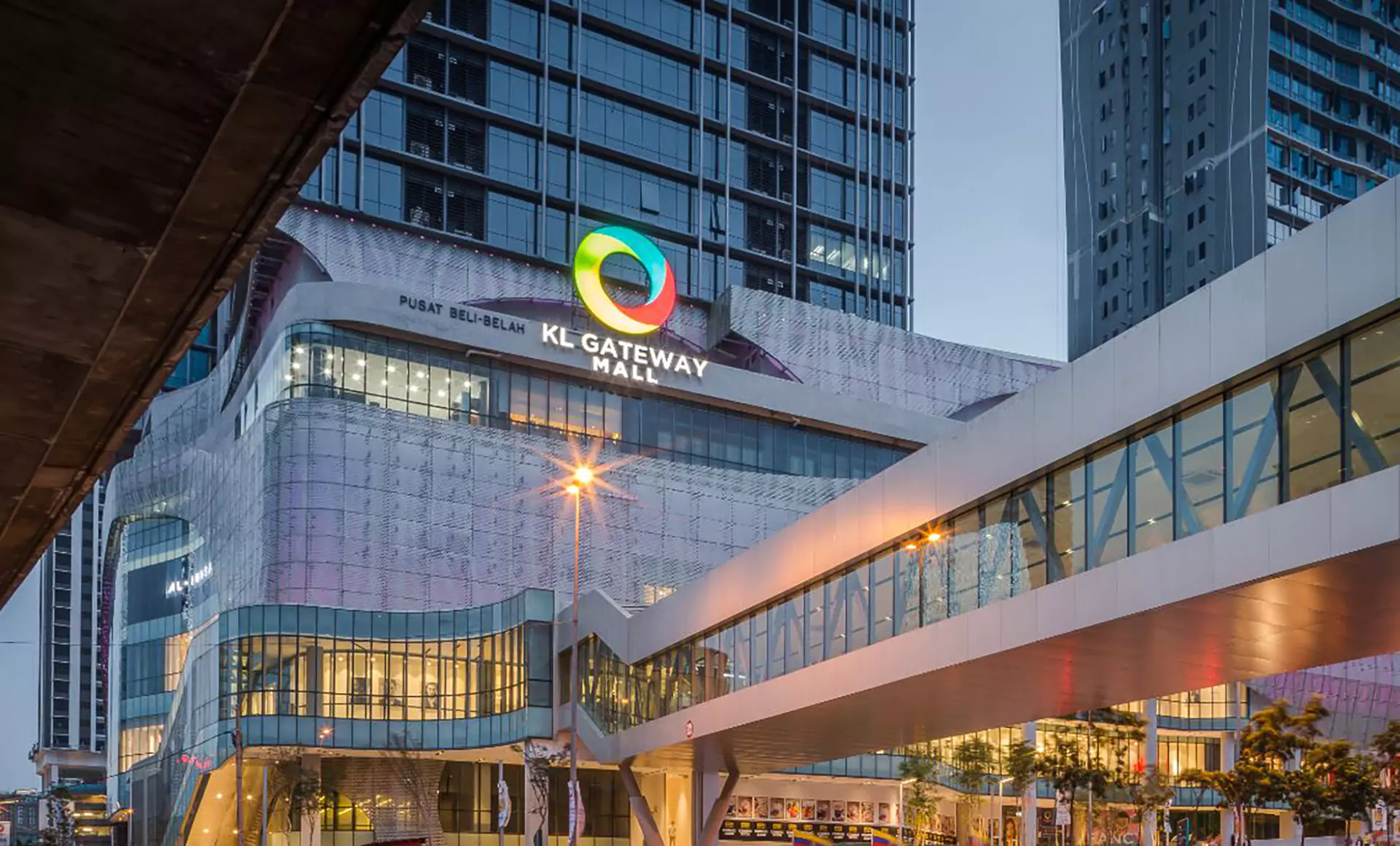
    Kuala Lumpur’s KL Gateway Mall experienced a fire in its parking facility on August 17, 2026. The blaze, which originated on the P1 level of the basement parking, led to significant damage to two vehicles.

    City officials confirmed that a BMW was completely destroyed by the fire, while a Perodua Axia sustained partial damage. Emergency services were promptly on the scene to manage the situation.

    Emergency Response And Cause

    The Kuala Lumpur Fire and Rescue Department was alerted to the incident around 12:43 AM. A team from the Pantai fire station, along with assistance from Seputeh, was dispatched to the mall.

    Firefighters successfully extinguished the blaze using water from their trucks, bringing the situation under control by 1:33 AM. Investigations are currently underway to determine the exact cause of the fire, though no injuries were reported from the incident.

    Impact On Mall Operations

    While the fire was contained to the basement parking area and quickly put out, such incidents can cause temporary disruptions for mall operators and visitors. The immediate aftermath often involves assessment of structural integrity, clearing smoke, and ensuring safety protocols are maintained.

    KL Gateway Mall, a mixed-development complex featuring retail, residences, and offices, is a significant urban hub in Kuala Lumpur. Mall management is expected to cooperate fully with authorities during the investigation and remediation process.

    Questions & Answers

    When and where did the fire occur?
    The fire took place on August 17, 2026, in the basement parking lot (P1 level) of KL Gateway Mall in Kuala Lumpur, Malaysia.

    What was the extent of the damage caused by the fire?
    A BMW vehicle was completely destroyed, and a Perodua Axia suffered partial damage. Fortunately, no injuries were reported as a result of the incident.

    Which authorities responded to the fire?
    The Kuala Lumpur Fire and Rescue Department, with teams from the Pantai and Seputeh fire stations, responded to the alarm and successfully extinguished the blaze.

  • Resintech Subsidiary Secures RM41 Million for Hostel and Retail Project in Selangor

    Resintech Subsidiary Secures RM41 Million for Hostel and Retail Project in Selangor

    Johan Panglima (M) Sdn Bhd, a subsidiary of Malaysia-based plastic pipe and fitting manufacturer Resintech Bhd, has secured financing totaling RM41 million from Alliance Islamic Bank Bhd. These funds are designated for the redemption of land and to partially finance a new hostel and retail complex in Selangor.

    The financing facilities, structured as commodity murabahah term financing, will cover 80 percent of the construction expenses for the planned development. The project includes a total of 158 hostel units, four retail shops, a canteen, and various other communal amenities.

    Project Details and Financial Impact

    According to a filing with Bursa Malaysia, the financing specifically targets the redemption of four land parcels situated in Mukim Telok Panglima Garang, located in Kuala Langat, Selangor. The new development will contribute to the local retail and accommodation landscape with its blend of commercial and residential facilities.

    Resintech stated that the acceptance of these facilities is expected to increase the group’s gearing ratio for the financial year ending March 31, 2027 (FY2027). The company also clarified that the financing does not involve the issuance of new ordinary shares, therefore having no impact on its issued share capital or the shareholdings of its directors and major shareholders.

    Board Approves Financing Terms

    Resintech’s board of directors has evaluated the terms of the financing and concluded that its acceptance is in the best interest of the Resintech group. The company confirmed that no directors, major shareholders, or any connected persons have a direct or indirect interest in these facilities.

    Furthermore, the financing arrangements are not subject to the approval of Resintech’s shareholders or any regulatory authorities. The project represents a strategic move for the subsidiary into the real estate development sector, leveraging the current market for both student accommodation and local retail services.

    Questions & Answers

    What is the purpose of the RM41 million financing secured by Resintech’s subsidiary?
    The financing is intended to redeem four parcels of land in Selangor and to part-finance 80 percent of the construction cost for a new hostel and retail development.

    What will the proposed development by Johan Panglima (M) Sdn Bhd include?
    The development will feature 158 hostel units, four retail shops, a canteen, and other associated facilities.

    How will this financing impact Resintech Bhd’s financial position?
    Resintech expects the financing facilities to increase the group’s gearing ratio for the financial year ending March 31, 2027. It will not affect the company’s issued share capital or shareholder structures.

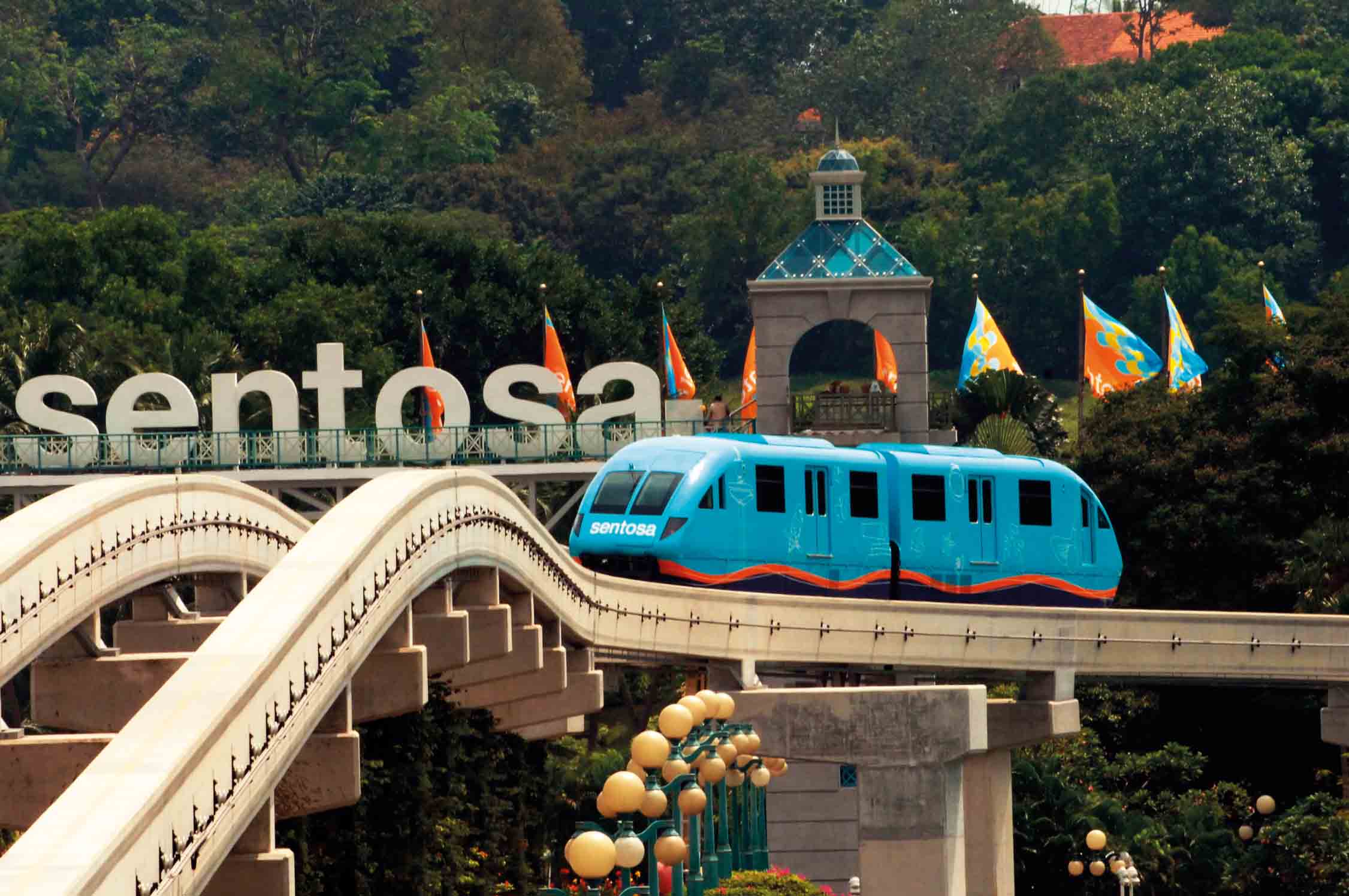
  • Singapore’s Sentosa Cove: Once a Luxury Haven, Now a Hotspot for Residential Resale Losses

    Singapore’s Sentosa Cove: Once a Luxury Haven, Now a Hotspot for Residential Resale Losses

    Over the past three years, approximately 64.5% of residential resale transactions in Singapore’s exclusive Sentosa Cove district have resulted in losses, according to data from local real estate platform, Mogul.sg. This figure marks a rise from the 62.8% recorded between March 2020 and April 2023. The lackluster performance of this affluent enclave, once hailed as a haven for the wealthy, has been attributed to diminished demand from both foreign and local buyers.

    Performance of Property Types and Loss Analysis

    The study found that landed properties fared marginally better than condominiums, with around half of the resales since 2023 yielding a profit. The average loss on unprofitable resales decreased by 18% to S$1.28 million (US$1 million), however, the gross gains on profitable sales also dipped significantly, approximately 62%, to S$655,590. These figures do not account for additional costs such as stamp duties, property taxes, legal fees or agent commissions.

    Property consulting firms Cushman & Wakefield and Newmark similarly noted a trend towards loss-making resales in the area.

    Located on the eastern end of the 5-square-kilometer Sentosa Island, Sentosa Cove was transformed from a military outpost into a leisure and tourism hub in the 1970s. The enclave, which was developed primarily on reclaimed land and consists of five man-made islands (namely Coral, Paradise, Treasure, Sandy, and Pearl), was initially conceived as a high-end residential hotspot for affluent foreigners.

    Once marketed as Singapore’s answer to Monte Carlo or Dubai’s Palm Jumeirah, the enclave used to enjoy robust sales, driving up property prices. This was partly due to exemptions from mainland property restrictions and the unique provision allowing foreigners to purchase landed homes, albeit with government approval.

    Declining Demand and Current Challenges

    Since the 2008 global financial crisis and subsequent increases in Singapore’s additional buyer’s stamp duty, demand for properties in the enclave has dwindled. The tax, imposed on top of the standard buyer’s stamp duty, was raised to 60% in April 2023 for most foreign buyers, contributing to the decline in demand.

    Nicholas Mak, chief research officer of Mogul.sg, attributed the waning interest in Sentosa Cove to several factors. These include a halt in new residential developments, limited accessibility, and harsh coastal conditions. Moreover, no residential land parcels in Sentosa Cove have been sold since 2008.

    Further compounding the issue is a stipulation preventing foreign owners from leasing out their standalone homes. Consequently, several properties have been left vacant for extended periods, as their owners reside abroad or occupy other residences on the mainland.

    The lack of amenities such as shopping malls, wet markets, and hawker centers has also been identified as a reason for the enclave’s lack of appeal among Singaporeans.

    Questions & Answers

    What is the current state of residential resale transactions in Sentosa Cove?
    Approximately 64.5% of residential resale transactions in Sentosa Cove have resulted in losses over the past three years.

    What factors are contributing to the declining demand for properties in Sentosa Cove?
    The declining demand can be attributed to several factors including increased buyer’s stamp duty for foreign buyers, lack of new developments, limited accessibility, and harsh coastal conditions.

    How has the rule that prevents foreign owners from renting out their standalone homes impacted the Sentosa Cove property market?
    This rule has resulted in numerous properties being left vacant for extended periods, thereby reducing the attractiveness and vibrancy of the enclave.

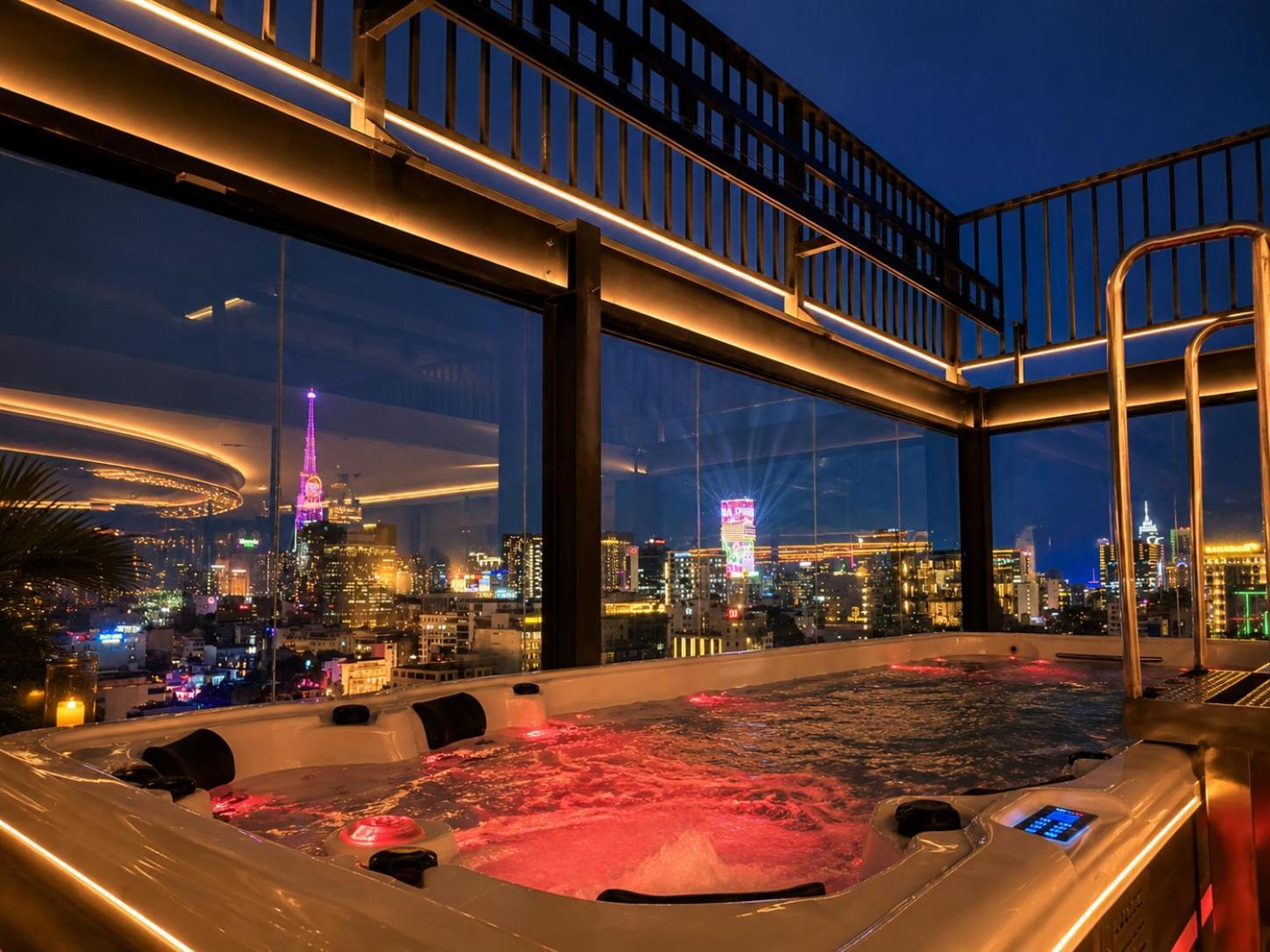
  • Booming Demand Boosts Hotel Room Rates in HCMC by 20% in Second Quarter

    Booming Demand Boosts Hotel Room Rates in HCMC by 20% in Second Quarter

    The average price of hotel rooms in Ho Chi Minh City (HCMC) experienced a 20% increase on a year-by-year basis in the second quarter, reaching VND2.4 million (US$92) per night as a result of robust demand. This surge in demand was largely fueled by international tourists, businesses, and attendees of Meetings, Incentives, Conferences, and Exhibitions.

    Hotel Supply and Demand

    The number of available rooms largely remained consistent at approximately 17,000, with minor increases due to the expansion of some three-star hotels. The market is predominantly seeing upgrades rather than new developments. Despite a 4% decrease in the number of flights to the city, driven by increased fuel costs and airfares, the number of international visitors soared by 50% to 6.4 million in the first six months of the year.

    Luxurious accommodations have maintained a steady demand from international tourists and business customers. The lack of new supply has meant that existing hotels have not faced significant competitive pressure. Average rates for four-star hotels were approximately VND3.5 million with an occupancy rate of 72%-78%. Five-star hotels had an average rate of VND5 million per night and a consistently high occupancy of 75%-80%.

    Future Outlook of the Hotel Industry

    The hotel industry’s future looks promising, supported by growing international visitor numbers and the revival of tourism across the Asia-Pacific. However, not all hotels may benefit from the limited supply as customers increasingly prioritize brands and service quality. Older establishments, self-operated hotels, and those lacking sufficient investment could face increased pressure. To remain competitive, these hotels may need to undergo renovation or repositioning.

    Looking towards the future, the market is expected to attract more international brands. By 2029, nearly 900 new rooms within four- and five-star hotels are projected to be added, mostly in the former District 1. However, in the short term, the supply is expected to remain unchanged, allowing existing hotels to maintain occupancy and room rates.

    In the years 2027-2028, upscale brands such as Nobu Hotel, Four Points by Sheraton, and JW Marriott are anticipated to establish a presence in HCMC. The city hopes to attract 61 million visitors and generate approximately VND330 trillion in tourism revenues in 2026.

    Questions & Answers

    What led to the increase in average hotel room rates in HCMC?
    The hike in hotel room rates can be attributed to a surge in demand from international tourists, businesses, and Meetings, Incentives, Conferences, and Exhibitions attendees.

    What is the expected trend for hotel room supply in HCMC?
    The supply of hotel rooms is expected to remain steady in the short term. However, by 2029, nearly 900 new rooms within four- and five-star hotels are projected to be added.

    What challenges could hotels in HCMC potentially face in the future?
    Older establishments, self-operated hotels, and those lacking sufficient investment could face increased competition as customers increasingly prioritize brands and service quality. These hotels may need to undergo renovation or repositioning to remain competitive.

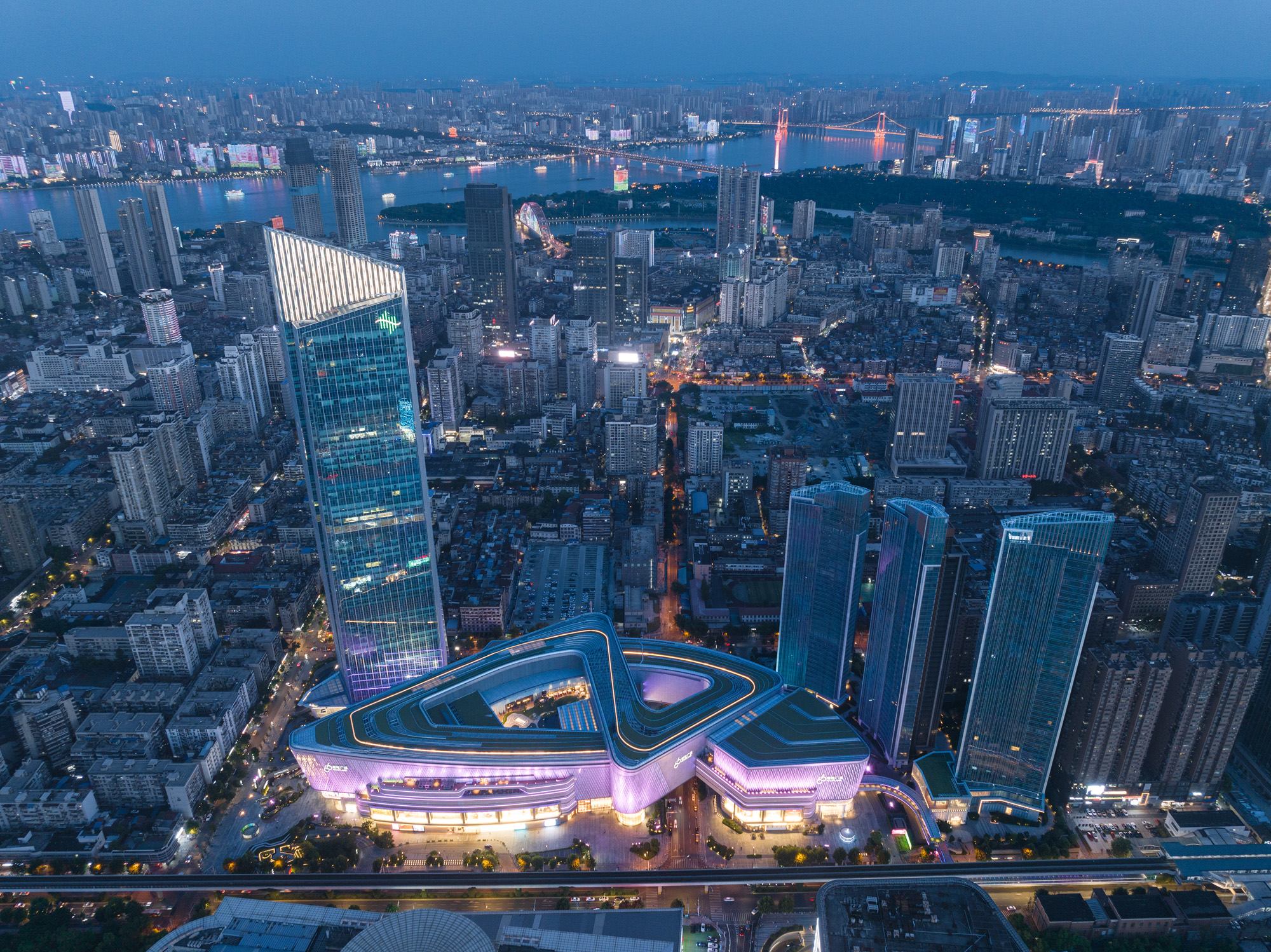
  • Heartland 66 Adds Fresh Retail Flavors: 24KR Korean Trend Zone and Greenhouse by Edgestreet Sprout in Wuhan Mall

    Heartland 66 Adds Fresh Retail Flavors: 24KR Korean Trend Zone and Greenhouse by Edgestreet Sprout in Wuhan Mall

    Heartland 66, located in Wuhan, China, is broadening its retail landscape with the introduction of two novel concepts: the 24KR Korean Trend Zone and Greenhouse by Edgestreet. This move is part of a larger strategy to transition away from conventional retail, and instead focus on integrating immersive retail experiences, Korean fashion and culture into a more lifestyle-oriented hub.

    Introducing the 24KR Korean Trend Zone and Greenhouse by Edgestreet

    Occupying an expansive area of 10,400 square meters, both the 24KR Korean Trend Zone and Greenhouse by Edgestreet are set to showcase over 150 brands from diverse sectors such as lifestyle, fashion, and home living. The 24KR Korean Trend Zone is designed to tap into the ongoing fascination for Korean culture among the younger demographic. On the other hand, Greenhouse by Edgestreet, with its botanical-themed retail concept, will offer a range of products encompassing fashion, pet items, and homeware.

    In its inaugural phase, the 24KR Korean Trend Zone will serve as a host to 11 brands making their first appearance in China and another 15 brands penetrating the Central China market for the first time. Meanwhile, Greenhouse by Edgestreet will welcome 20 brands opening their debut stores in Wuhan.

    Harvey Ye, General Manager of Heartland 66, suggests that these launches are geared towards attracting a younger clientele and enhancing the retail mix offered by the brand. According to Ye, the simultaneous launch of 24KR Korean Trend Zone and Greenhouse by Edgestreet signifies a pivotal step towards engaging this demographic and stimulating the rejuvenation and advancement of their retail spaces. He further emphasizes the enormous potential of the emerging consumer market and the booming economic vigor of Central China.

    Questions & Answers

    What are the new concepts introduced by Heartland 66?
    Heartland 66 has launched two new concepts: the 24KR Korean Trend Zone, which will focus on the Korean culture popular with younger consumers; and the Greenhouse by Edgestreet, a botanical-themed retail concept offering a range of fashion, pet, and homeware products.

    What is the significance of these launches?
    The launch of these novel concepts represents a crucial step in Heartland 66’s strategy to engage younger consumers, revitalize their commercial spaces, and transition the shopping center into a lifestyle-focused hub.

    How many brands will be featured in the 24KR Korean Trend Zone and Greenhouse by Edgestreet?
    Both the 24KR Korean Trend Zone and Greenhouse by Edgestreet will feature over 150 brands across lifestyle, home living, and fashion categories.

  • Retail Guru Leo Tsoi to Spearhead Hang Lung Properties as New CEO

    Retail Guru Leo Tsoi to Spearhead Hang Lung Properties as New CEO

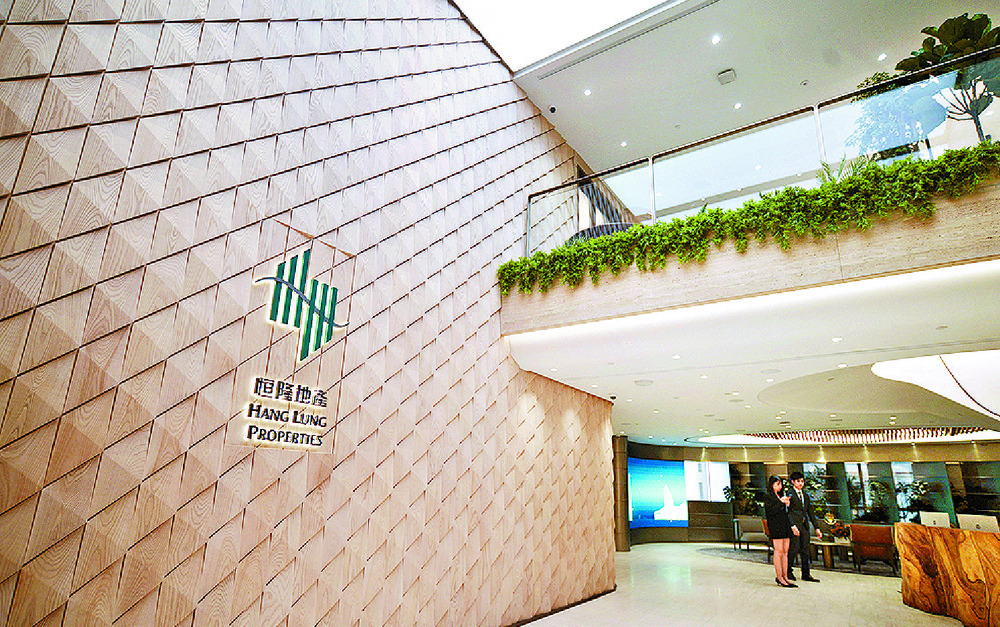
    Hang Lung Properties, a prominent Hong Kong property development firm, recently announced the appointment of retail expert, Leo Tsoi, as their new CEO and Executive Director. His tenure is scheduled to commence effectively as of October 1.

    In an initial phase, Tsoi will join Hang Lung Properties as the CEO-Elect and Executive Director, beginning on September 7. He is set to succeed the current CEO, Weber Lo, who will continue to serve in his role until September 30.

    Strategic Leadership Transition

    Building on a solid foundation of leadership and experience, Adriel Chen, the Chair of Hang Lung Properties, speaks highly of Tsoi as the right choice for the company’s future. Chen’s confidence in Tsoi’s ability to navigate the company towards its next growth phase is unwavering. In his view, Tsoi’s impressive leadership record marks him as the ideal person for the role and guarantees future prosperity for the organization under his guidance.

    In his address, Chen also expressed gratitude to the outgoing CEO, Weber Lo, acknowledging his significant contributions over the past eight years. He noted that Lo had left the company in a strong position, perfectly setting the stage for continued success in the future.

    Decades of Retail Expertise

    Tsoi comes with an impressive portfolio of over thirty years of experience in retail and business management. At present, he holds the position of CEO of Toys R Us Asia, where he has successfully steered the retailer’s venture into the thriving “kidult” market. His leadership has facilitated substantial growth across the regions of Greater China and Southeast Asia.

    Before his stint with Toys R Us Asia, Tsoi had been at the helm of Starbucks China as CEO, following numerous senior leadership roles within the company. Earlier in his career, he had also held managerial positions at well-known companies such as PepsiCo and Procter & Gamble China.

    In his response to the new appointment, Tsoi expressed keenness to work with Hang Lung’s employees, stakeholders, tenants, and customers. He highlighted his enthusiasm to be part of Hang Lung, a company with an expanding imprint and a commitment to operational excellence, making a significant influence on the communities it serves.

    Questions & Answers

    What experience does Leo Tsoi bring to Hang Lung Properties?
    Leo Tsoi brings vast experience, spanning over thirty years in retail and business management. He has served in numerous senior roles, including CEO of Toys R Us Asia and Starbucks China.

    Who will Leo Tsoi succeed as CEO of Hang Lung Properties?
    Leo Tsoi will succeed the current CEO, Weber Lo, who will remain in his role until September 30.

    What does Leo Tsoi’s appointment mean for Hang Lung Properties?
    Leo Tsoi’s appointment is expected to steer Hang Lung Properties into its next growth phase. His extensive leadership experience and track record in retail and business management are viewed as significant assets for the company’s future.

  • Hong Kong Land Buys Singapore’s Wheelock Place for $900 Million, Boosting Its Commercial Footprint

    Hong Kong Land Buys Singapore’s Wheelock Place for $900 Million, Boosting Its Commercial Footprint

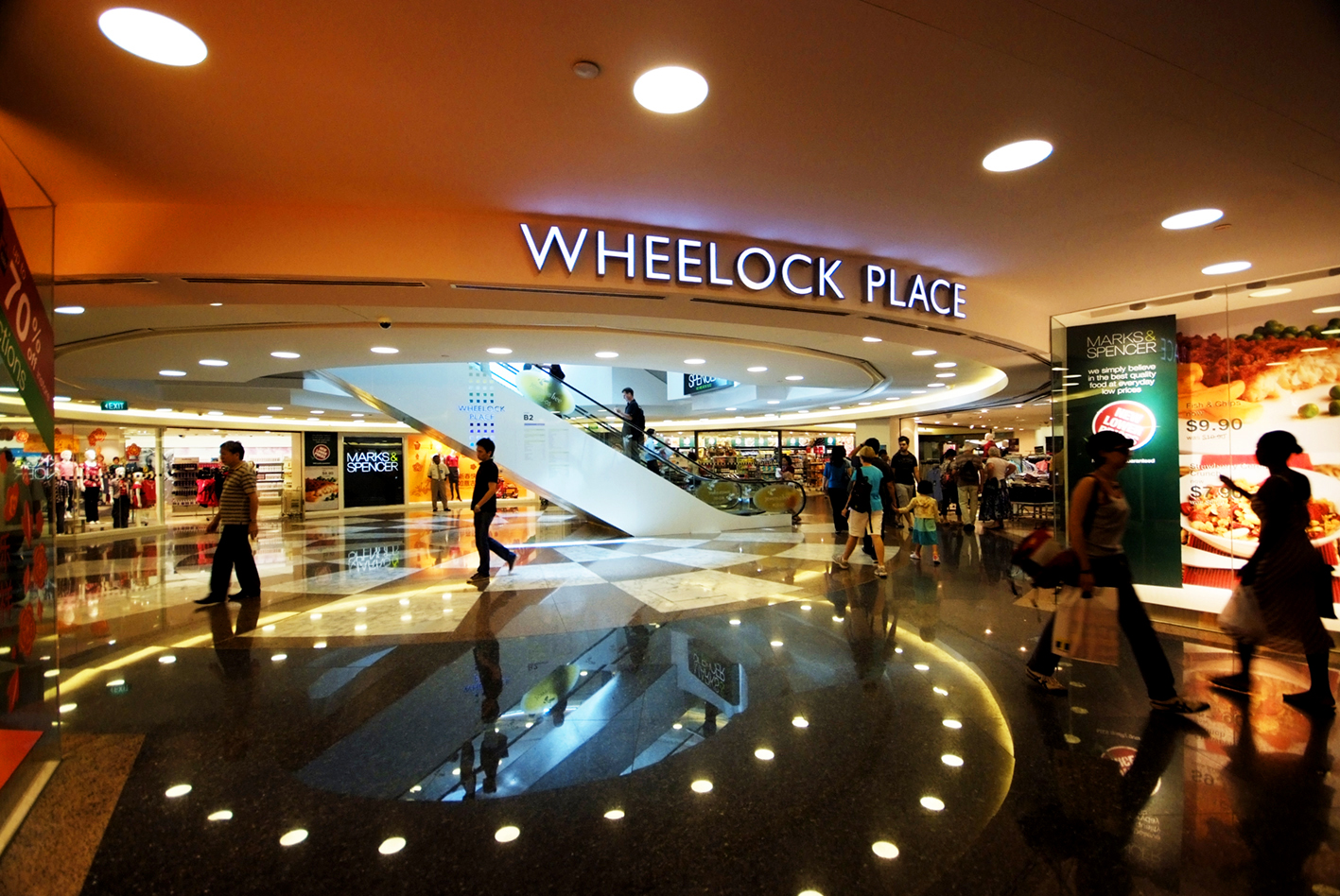
    Hongkong Land, a leading property investment, management, and development group, has successfully secured a deal to purchase Singapore’s premium shopping centre, Wheelock Place. The purchase, valued at approximately US$900 million, is being transacted through the company’s Singapore Central Private Real Estate Fund (SCPREF). This deal marks the first acquisition for the fund since its establishment in February.

    Wheelock Place, situated on the iconic Orchard Road, is a multi-faceted commercial property. It consists of a 21-story commercial building that houses office spaces, a retail podium, and two levels of basement that offer more shopping outlets and car parking facilities. The shopping centre boasts over 4000 square meters of retail space, within a total gross floor area of 43,280 square meters.

    In the past year, Wheelock Place demonstrated robust financial performance, generating nearly $100 million in profit after tax. This marks a significant 160 per cent growth from the previous year.

    The deal is anticipated to be finalized by the end of August. Following the completion of this acquisition, the assets under management for SCPREF will surge to $7.3 billion. This brings the fund closer to achieving its target of approximately $11.6 billion.

    Michael T Smith, the Group CEO of Hongkong Land, commented on the acquisition, highlighting the rarity and premium nature of the asset. He stated that securing Wheelock Place within months of the fund’s launch reflects positively on their fund management team and validates the trust their capital partners have in their strategic decision-making capabilities.

    This acquisition also symbolizes Hongkong Land’s strategic expansion into the Orchard Road precinct, a move that further enhances its commercial portfolio in Singapore.

    Questions & Answers

    What is the significance of this acquisition for Hongkong Land?
    This acquisition marks Hongkong Land’s strategic entry into the Orchard Road precinct, expanding its commercial footprint in Singapore. It also reflects a successful start for their Singapore Central Private Real Estate Fund.

    What is the financial impact of this deal on the Singapore Central Private Real Estate Fund?
    Once the deal is completed, the assets under management for the Singapore Central Private Real Estate Fund will increase to $7.3 billion, bringing it closer to its target of around $11.6 billion.

    What type of commercial property is Wheelock Place?
    Wheelock Place is a multi-faceted commercial property located on Orchard Road. It comprises a 21-story commercial building housing offices, a retail podium, and two basement levels containing additional shops and car parking facilities.

  • Crackdown on Underground Hospitality: Thailand Targets Illegal Hotels on Phuket Island

    Crackdown on Underground Hospitality: Thailand Targets Illegal Hotels on Phuket Island

    The Thai government is stepping up its measures against unauthorized accommodations, following the discovery of three illegal hotels on Phuket, the nation’s largest island. During a recent operation, Deputy Interior Minister Polapee Suwunchwee led a task force targeting three hotels consisting of approximately 200, 240, and 45 rooms. The investigation revealed that none of the properties held valid construction permits or operating licenses.

    Two of these establishments had initially received approval as residential buildings or condominiums but had been unlawfully converted into hotels. In addition, officials conducted online booking simulations, which showed that the hotels were mostly selling rooms to European and other international tourists, with very few Thai patrons.

    Illegal Ownership and Consequences

    The investigation further exposed suspected nominee ownership arrangements, involving companies with a shareholding structure that is 49% foreign and 51% Thai. In some instances, the properties were legally owned by Thai citizens but rented out to Chinese investors, who allegedly ran the hotels without the necessary licenses.

    This operation is part of a larger scheme covering over ten locations across Phuket. Local authorities, under the instruction of Phuket Governor Sophon Suwannarat, have been directed to immediately close businesses that fail to provide the necessary documentation.

    Director-General of the Department of Provincial Administration, Narucha Kosasivilize, highlighted the triple-edged harm of illegal lodging operations. They disadvantage legal, tax-paying businesses, pose safety hazards due to non-compliance with government safety standards, and damage Thailand’s reputation, thereby undermining long-term confidence in its tourism industry. Efforts are being made in conjunction with the Royal Thai Police, Ministry of Commerce, Department of Special Investigation, and other agencies to broaden probes into foreign business networks nationwide.

    In a separate development, Deputy Government Spokeswoman Lalida Pervsivatan announced that Thailand will implement a new intelligence-based screening system on August 1 to enhance the detection of nominee businesses. This system will scrutinize company registration records, shareholder structures, and financial statements to pinpoint high-risk firms with Thai shareholders in suspicious circumstances. Lalida emphasized, however, that these measures are not designed to deter rightful foreign investment but to distinguish legal investors from those employing nominee structures to operate illicitly.

    Questions & Answers

    What is the focus of the crackdown in Thailand?
    The Thai government is focusing on the detection and closure of illegal hotels without the necessary operating licenses.

    What consequences do these illegal operations bring?
    Illegal hotels disadvantage legal businesses, pose safety threats due to non-compliance with government safety regulations, and tarnish Thailand’s reputation, undermining confidence in its tourism sector.

    What is the future plan of the Thai government to curb these illegal operations?
    Thailand plans to introduce a new intelligence-based screening system to improve the detection of businesses that are high-risk or suspicious, focusing on those with Thai shareholders.