Category: Real Estate

Retail News Asia is committed to providing both local and global retailers with the latest Real Estate news throughout the Asian market. This on a daily base.

  • Singapore Retail Rents Forecast to Rise 2% as Supply Tightens

    Singapore Retail Rents Forecast to Rise 2% as Supply Tightens

    Singapore retail rents will increase by up to 2% this year as landlord negotiations tighten across prime shopping belts. New retail supply will moderate to 241,000 square feet through 2027.

    Orchard Road mall vacancy held broadly stable at 7.2% in the second quarter. Landlords across prime shopping centers are actively refreshing tenant mixes to capture resilient consumer footfall and tourist spending. Prime commercial assets continue to lead property transactions across the city-state, supported by tight floorplate availability and stable yields.

    Supply constraints cushion mall landlords

    Limited incoming space provides a firm floor under prime mall valuations. Developers face restrictive land releases in core commercial districts, keeping completion volumes well below historical ten-year averages through 2027. Tenants seeking flagship positions in downtown centers must negotiate leases months before existing tenancies expire.

    Retailers are adjusting footprints rather than shedding space outright. International fashion and lifestyle brands are trading underperforming suburban formats for refreshed prime city spaces, balancing higher base rents against stronger foot traffic conversions.

    Yields hold across commercial assets

    Offices and retail assets continue to take the lead in Singapore commercial property deals. Investors favor prime retail assets where tight physical supply cushions net operating income against wider regional macroeconomic pressures.

    RetailNews Asia sees this squeeze accelerating landlord use into the second half of the year. While department store operators reassess floor efficiency, specialty dining and experiential brands are absorbing available prime units as fast as leases turn over.

    The next quarter will test whether luxury consumer spending can maintain rental momentum as 241,000 square feet of replacement retail stock prepares to enter the market through 2027.
  • HSBC and W. Management Secure Prime Causeway Bay Flagships as Rents Soften

    HSBC and W. Management Secure Prime Causeway Bay Flagships as Rents Soften

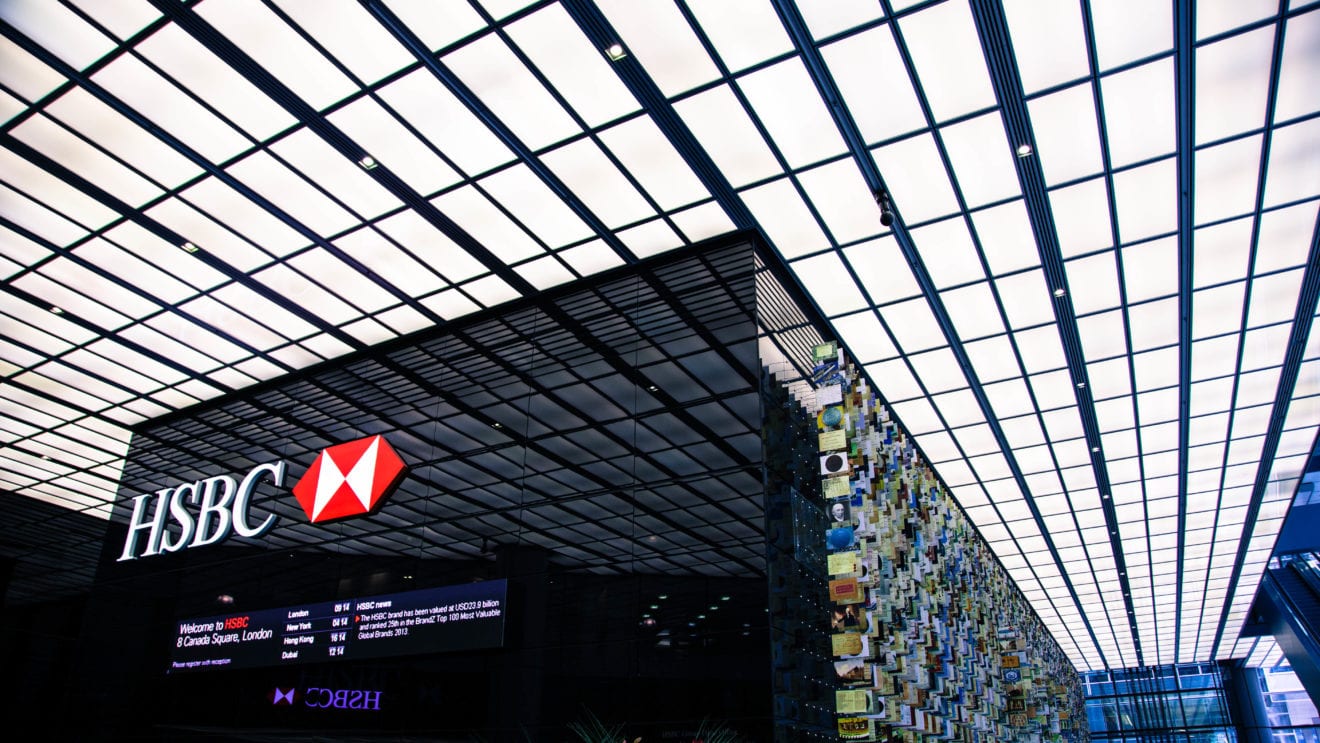
    HSBC has secured a five-floor flagship branch at Causeway Bay’s Capitol Centre for HK$4 million a month, taking space long dominated by international fashion retailers.

    The 3,900-square-metre lease lets the lender replace two nearby outlets with a single customer hub that exceeds the combined floor area of both prior locations.

    Renovation is now underway across the ground floor and four upper levels. The space previously housed apparel brands including Victoria’s Secret, Forever 21 and Chanel. Land Registry filings confirm HSBC signed a five-year agreement for the site, making it the first long-term non-fashion occupant at the property since 2008, when casualwear chain Giordano paid HK$5.06 million monthly for the basement and five upper floors.

    Shifting from Apparel to Wealth Hubs

    A few streets away on Paterson Street, fast-fashion retailer W. Management took three floors spanning roughly 2,790 square metres in Fashion Walk. The company agreed to pay more than HK$2 million monthly for space vacated by Swedish rival H&M, which previously paid as much as HK$10 million a month for the entire four-floor building.

    Financial institutions across Asia-Pacific are increasingly stepping onto prime retail strips that once priced out non-luxury operators. Where fashion giants previously bid up core retail corridors to unsustainable peaks, wealth managers, private banks and insurance firms now view discounted street-front flagships as essential physical hubs for customer acquisition and private client meetings.

    Prime Street Rents Level Off

    Data from Savills shows Hong Kong retail sales climbed 7.1 per cent year on year in the second quarter, while online sales rose 25.3 per cent. Street-level rents across the four core shopping districts of Central, Causeway Bay, Mong Kok and Tsim Sha Tsui held flat quarter on quarter, while mall rents slipped 1.8 per cent over the same timeframe.

    HSBC will close its Premier centre at Causeway Bay Plaza 2 on Lockhart Road and its branch at Park Lane on Gloucester Road on October 17, with the new Capitol Centre flagship scheduled to open on October 20.

  • China Mandates Finished Home Sales as Developer Losses Mount

    China Mandates Finished Home Sales as Developer Losses Mount

    Chinese regulators issued a joint directive mandating a shift toward completed-home sales, putting fresh liquidity pressure on property developers as the market downturn entered its fifth year.

    The policy overhaul on August 28 coincided with wider mortgage easing, including raising the debt service-to-income cap to 60 per cent from 55 per cent and extending maximum loan terms to 40 years from 30 years.

    Cash Flow Squeeze for Distressed Builders

    Pre-sales historically funded the bulk of residential construction across mainland China. Ending that practice forces developers to finance entire projects up front, stretching cash conversion cycles at a time when private builders remain cut off from standard bank lending.

    State-backed developers with deeper balance sheets stand to gain market share while defaulted operators struggle to buy land. Fitch Ratings warned that the rules raise the bar for internal financial management just as distressed builders attempt to revive project deliveries.

    Recent regulatory changes place even higher demands on developers’ cash flow and financial management capabilities.

    Asset disposals and external debt restructurings offer the only immediate route to liquidity for private builders, according to Shanghai-based property consultancy E-house China.

    Country Garden and Sunac Narrow Half-Year Deficits

    Interim earnings released late August showed that finished restructurings have not yet restored profitability. Country Garden reported first-half revenue of 44.1 billion yuan ($6.6 billion) and a net loss of 15.62 billion yuan, narrowing its deficit by 16.3 per cent from a year earlier.

    Sunac posted six-month sales of 16.35 billion yuan, down 18.2 per cent year on year. Its net loss reached 12.54 billion yuan, a 2.1 per cent reduction from the prior period.

    The operational pivot follows the life imprisonment sentence handed to China Evergrande founder Hui Ka-yan. While risk resolution on historical offshore bond defaults is progressing through courts in Hong Kong and the mainland, physical housing turnover across primary markets remains depressed.

    Investors now await monthly transaction figures for September across top-tier cities to gauge whether 40-year mortgages and easier debt thresholds can lift buyer demand under the new finished-home regime.

  • Central Pattana Targets 10% Footfall Growth at Central Park Mall

    Central Pattana Targets 10% Footfall Growth at Central Park Mall

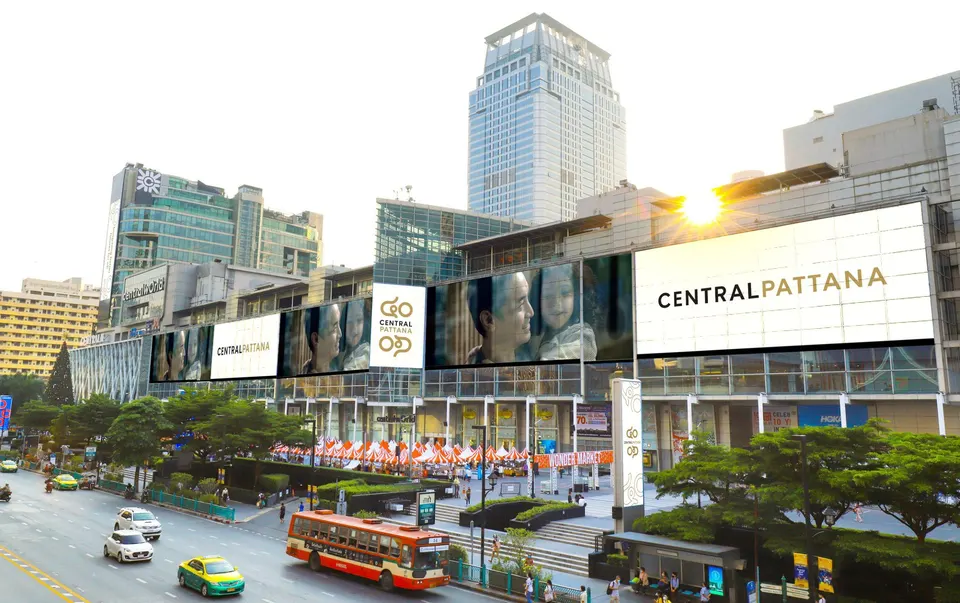
    Central Pattana aims to increase foot traffic at its Central Park mall in Bangkok by 10 per cent year on year during its second year of operation.

    The retail hub inside the Dusit Central Park mixed-use development drew roughly 25 million visitors in its first twelve months after opening on Sept 4, 2025. International tourists accounted for 10 million of those visits, while retail occupancy reached 98 per cent with daily visitor counts averaging between 65,000 and 75,000 people.

    Office tenants and residents drive traffic

    Office and residential handovers will feed additional pedestrian volumes into the retail podium over the coming quarters. Central Park Offices currently records an occupancy rate above 80 per cent, with corporate tenants finishing interior fit-outs before moving staff into the tower.

    Residential transfers at The Residences at Dusit Central Park will begin in the fourth quarter of 2026, following pre-sales that reached 96 per cent. Kunayudh Dej-udom, asset director of centralwOrld and Central Park at CPN, stated that these incoming occupants will provide a built-in customer base for the property’s food, service, and lifestyle tenants.

    Bangkok’s prime retail landlords increasingly rely on integrated mega-projects to shield themselves from retail oversupply in the city centre. By embedding high-density office towers and luxury residences directly above retail concourses, developers like CPN and rival One Bangkok secure regular baseline spend before counting on discretionary tourist inflows.

    Transit links and brand launches

    CPN is positioning the mall around first-in-Thailand brand debuts, exclusive merchandise drops, and cross-cultural art installations to broaden international visitor recognition. The strategy pairs global creative partnerships with experiential retail formats to capture high-spending travellers.

    Physical access will expand with a direct pedestrian connection linking the complex to the underground MRT Silom station, scheduled for completion between late first quarter and early second quarter of 2027.

  • Singapore Land to Close Marina Square for 76,000-Square-Metre Revamp

    Singapore Land to Close Marina Square for 76,000-Square-Metre Revamp

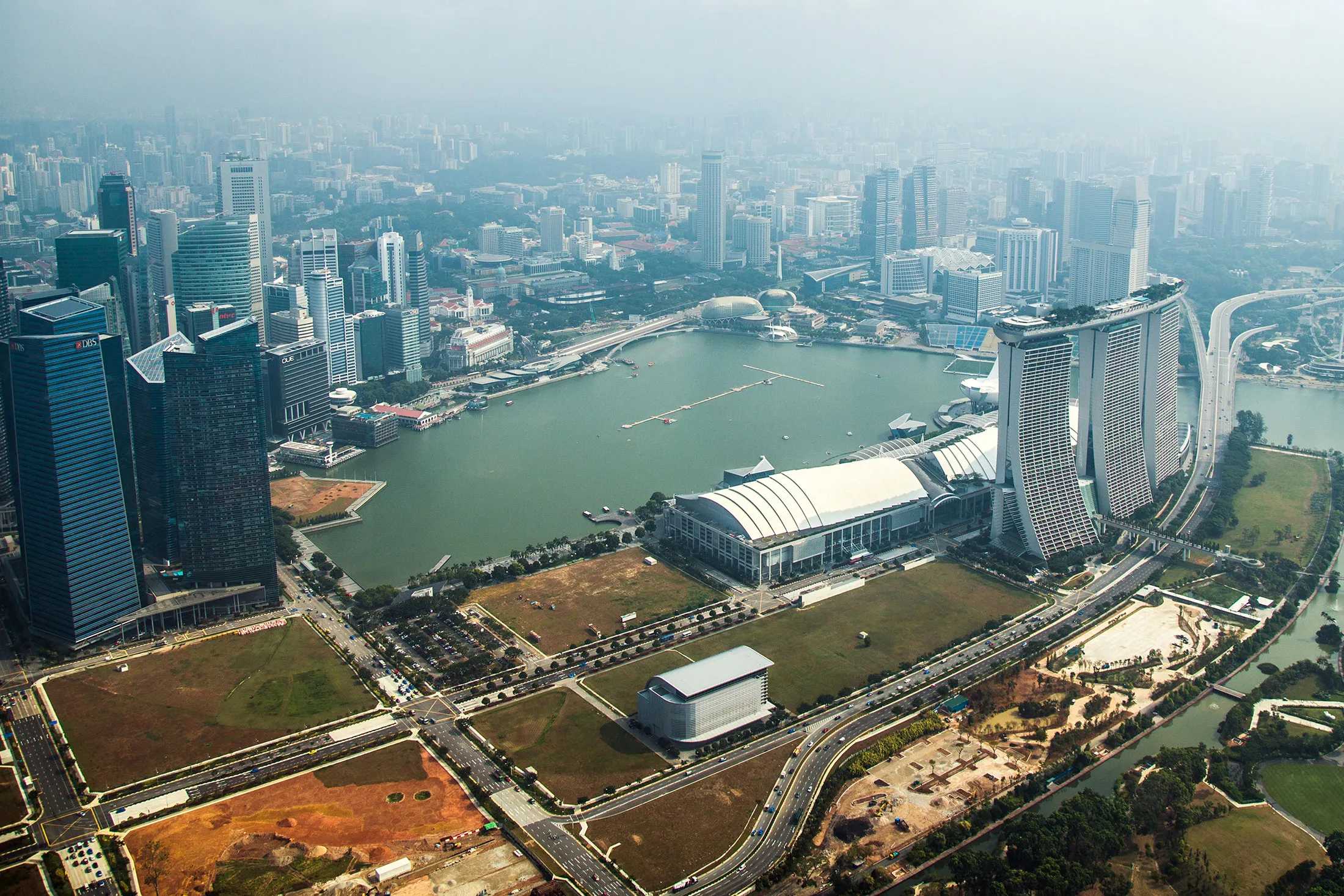
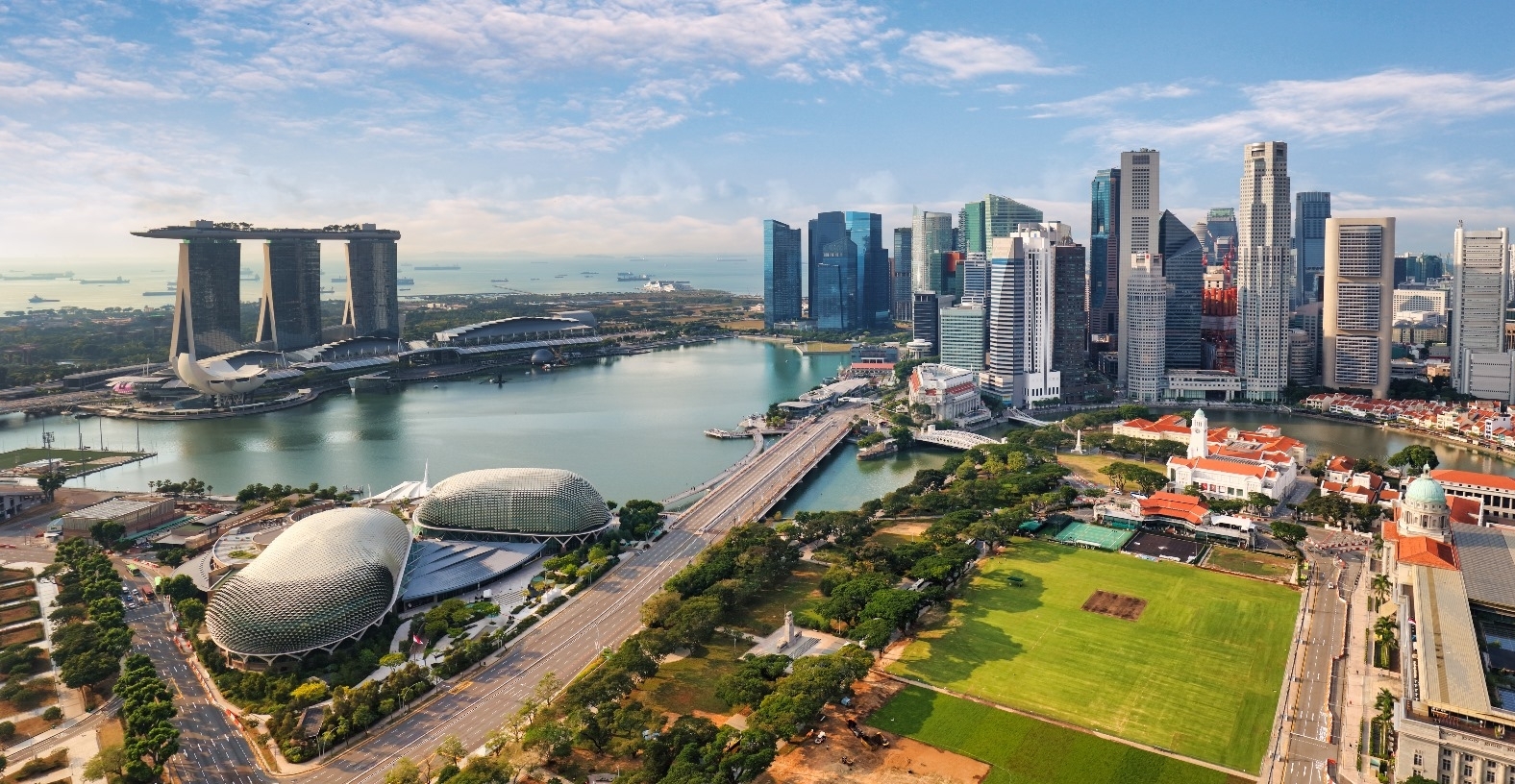
    Singapore Land will close its Marina Square retail mall on March 31 to begin a multi-year redevelopment across more than 76,000 square metres of gross floor area. The project converts the standalone four-storey shopping centre into a mixed-use complex slated for completion in 2031.

    The overhaul will add three new towers to the site. These buildings will contain 204 luxury homes, a 260-key serviced apartment development, a 304-key hotel, and approximately 13,000 square metres of Grade A office space.

    New Towers and Rooftop Links

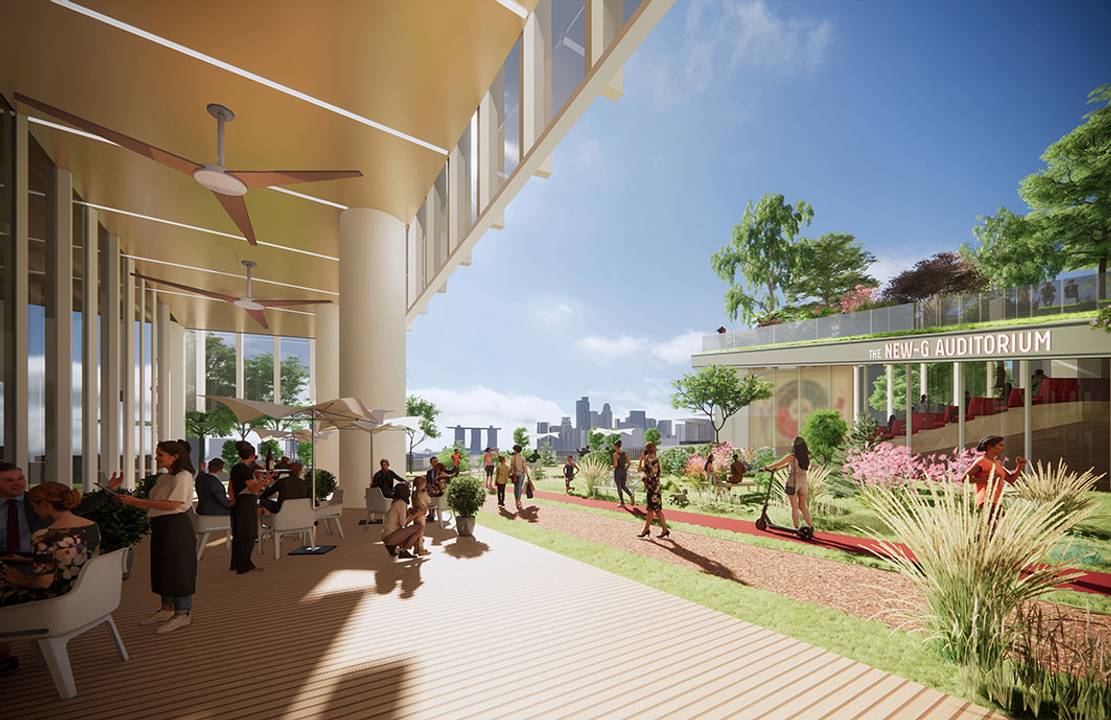
    Plans for the redesigned four-storey podium focus on experiential retail, sports, wellness facilities, dining, and pet-friendly outdoor areas. Direct roofscape links will connect the mall to the new towers and the precinct’s three existing hotels, which will remain open during construction.

    Singapore Land intends to use the retail podium as an active conduit between residential, commercial, and hospitality traffic throughout Marina Bay across different hours of the day. The developer plans to run community activations and events before the shutdown to maintain tenant sales and visitor footfall.

    “By adding residences, serviced apartments and workplaces alongside the existing hotels and repositioning the mall around experience-led retail, sports, wellness and community, we are creating a new ecosystem where people can live, work, stay and connect,” said Jonathan Eu, chief executive of Singapore Land.

    Rethinking Prime Downtown Retail

    The project reflects a broader trend across prime Asian commercial districts, where landlords are dismantling single-use suburban-style malls in favour of dense, mixed-use assets. With e-commerce shifting retail spending patterns and office attendance remaining flexible, central developers in Singapore and Hong Kong increasingly rely on on-site residential and hotel populations to guarantee daily mall traffic.

    Tenants at Marina Square will vacate ahead of the March 31 shutdown, with construction work running through to the targeted delivery date in 2031.

  • Mapletree Secures $500 Million for Emerging Asia Logistics Strategy

    Mapletree Secures $500 Million for Emerging Asia Logistics Strategy

    Singapore’s Mapletree Investments secured more than $500 million in first-close equity commitments for an emerging Asia logistics strategy targeting $2.1 billion in developments across Malaysia, Vietnam and India.

    The pool combines $250 million raised through the Mapletree Emerging Growth Asia Logistics Private Trust, known as MEGA, with over $250 million in co-investments and joint ventures for Malaysian warehouse projects. Sovereign wealth funds, a pension manager and a state investment group provided the capital. Mapletree will retain a minimum 20 per cent co-investment stake in the vehicle.

    Seed Assets and Target Returns

    Seven development properties seed the new vehicle: four projects in Malaysia, one in India and two operating warehouses in Vietnam. Mapletree aims to deliver an internal rate of return above the mid-teens as modern warehouse space remains scarce across developing Asian manufacturing hubs.

    Logistics forms Mapletree’s largest operating division, representing 43 per cent of total assets under management at S$32.4 billion ($24.8 billion). The firm managed 22.8 million square metres across 12 markets as of March, while its listed Mapletree Logistics Trust vehicle held 175 properties in nine Asia-Pacific markets with occupancy running at 96.9 per cent.

    Shifting Capital Back to Asian Hubs

    The push into emerging Asian industrial corridors mirrors a broader portfolio rotation away from western commercial property. While Mapletree raised capital for China logistics in 2022 and Japan in 2024, the group recently liquidated underperforming student housing vehicles and shed $1.3 billion in US logistics sheds over a 10-month window to fund higher-yielding regional builds.

    Fund managers across Southeast Asia are reallocating institutional money directly toward factory-adjacent storage as multinational brands diversify manufacturing beyond coastal China. Malaysia and Vietnam continue to absorb the bulk of factory floor expansions from electronics and consumer goods suppliers requiring automated, high-ceiling distribution centers.

    Mapletree is targeting an additional $200 million in commitments for MEGA at a second fund closing scheduled for early next year.

  • K11 Musea First-Half Sales Jump 40 per Cent on Luxury Tenant Overhaul

    K11 Musea First-Half Sales Jump 40 per Cent on Luxury Tenant Overhaul

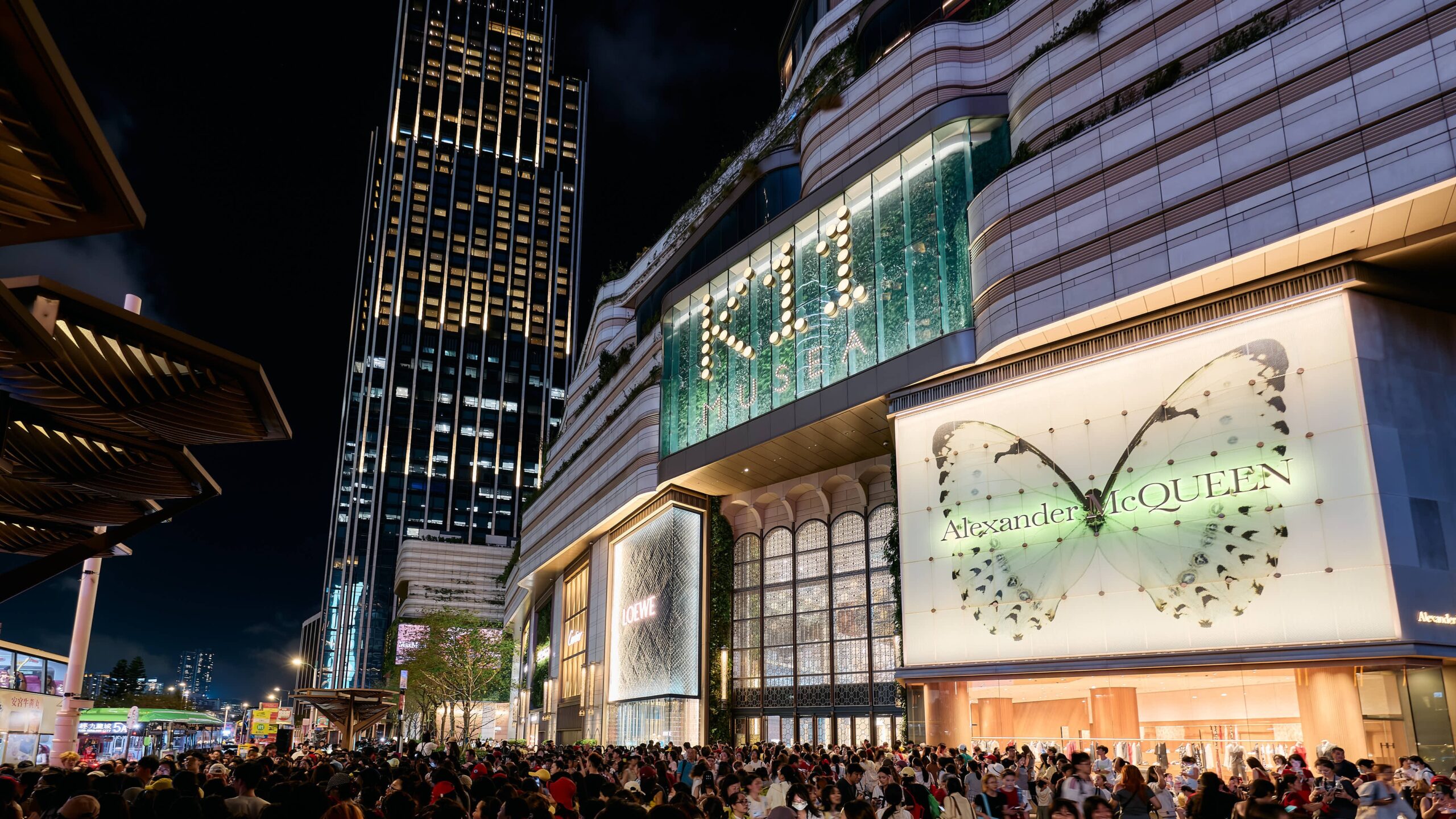
    Hong Kong retail complex K11 Musea increased first-half revenue by 40 per cent year-on-year, posting record sales for the period following a sweeping overhaul of its tenant roster.

    Newly introduced brands at the Tsim Sha Tsui waterfront destination averaged sales gains of more than 30 per cent, parent company New World Development said.

    The landlord initiated the first phase of its brand repositioning in the second half of 2024. That phase will wrap up by the end of this year, clearing space for flagship retail formats designed to generate higher revenue per square foot.

    Watches and Jewellery Drive Member Spending

    Hard luxury delivered the sharpest gains. Loyalty member spending on watches and jewellery climbed 80 per cent year-on-year during the first six months, while outlays on international luxury labels rose 20 per cent.

    Recent openings include boutiques from Miu Miu and IWC Schaffhausen, alongside a duplex flagship for Max Mara. Running label Hoka and Chinese outdoor brand Kailas also opened locations at the property over the summer.

    Tourist retail spend climbed 50 per cent year-on-year across the summer holiday period, supported by targeted arts and cultural exhibitions. Loyalty club spending continued that pace into August, rising 30 per cent.

    Landlords Shift Floor Plans to High-Yield Tenants

    Hong Kong shopping malls are aggressively reallocating square footage toward top-tier luxury labels and high-margin outdoor apparel to capture higher average basket sizes from mainland visitors. Rather than relying on volume foot traffic alone, operators are filtering tenants by direct sales productivity, a metric Horace Lam, chief executive of K11 Hong Kong, identified as the primary filter for new leases.

    Prada will open a new boutique at K11 Musea in the coming months, alongside an unannounced international yoga apparel brand scheduled to make its debut before the upgrade concludes.

  • Universal Studios Japan to Expand Osaka Park for First Time with 30,000-Square-Metre Site

    Universal Studios Japan to Expand Osaka Park for First Time with 30,000-Square-Metre Site

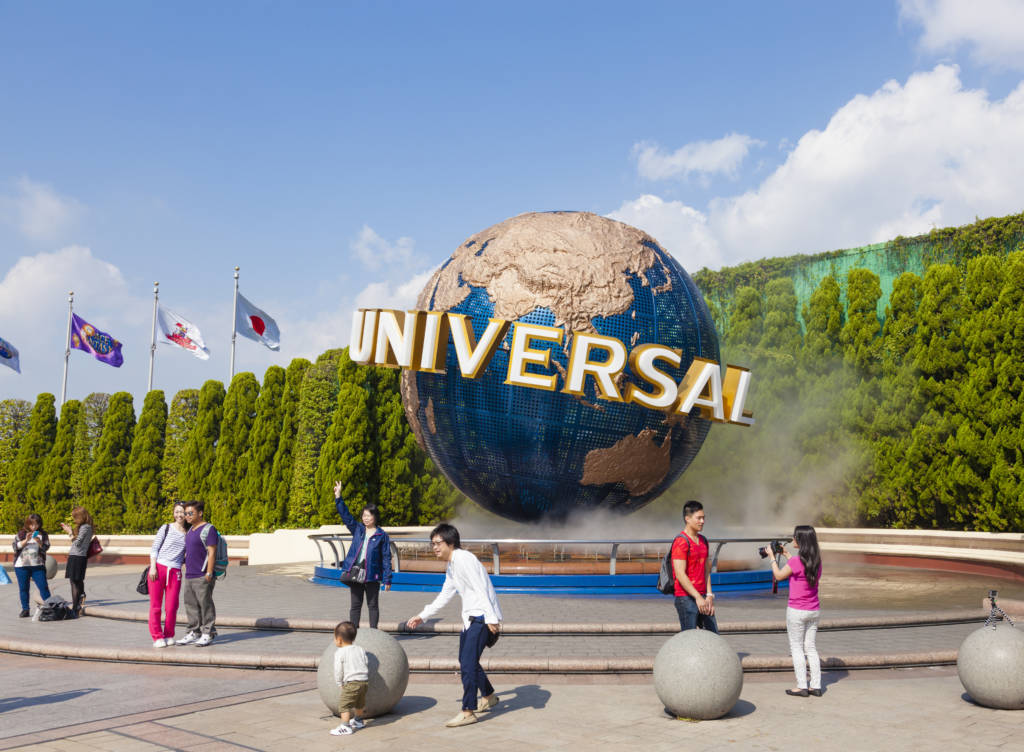
    USJ will expand Universal Studios Japan in Osaka for the first time since 2001 after securing a 30,000-square-metre plot from the city government. The transaction adds roughly 5.5 per cent to the existing 540,000-square-metre footprint, which drew 16 million visitors in fiscal 2024.

    City officials confirmed the municipal government will lease the plot on the northern edge of the park to the operator. USJ approached the city in April 2026 to negotiate long-term access, aiming to build new attractions that increase visitor capacity.

    Expanding the Waterfront Footprint

    Nippon Steel currently leases the 30,000-square-metre parcel and will return it to the city in June 2027. Osaka Mayor Hideyuki Yokoyama backed the transaction as part of a broader municipal effort to revitalize the Osaka Bay waterfront district.

    Theme park operators across Asia are adding real estate to capture rising international tourism flows, competing directly with major resort expansions in Tokyo, Hong Kong and mainland China. In Osaka, physical boundary constraints have long limited USJ to redeveloping internal zones rather than adding raw land.

    Next Steps Toward the 2028 Lease

    Before construction can begin, USJ is running environmental surveys to test for soil contamination across the industrial site. The final lease contract between the municipal government and the park operator is scheduled for completion in 2028.

  • SM Supermalls Revenue Rises 8% to $667M on Record Occupancy

    SM Supermalls Revenue Rises 8% to $667M on Record Occupancy

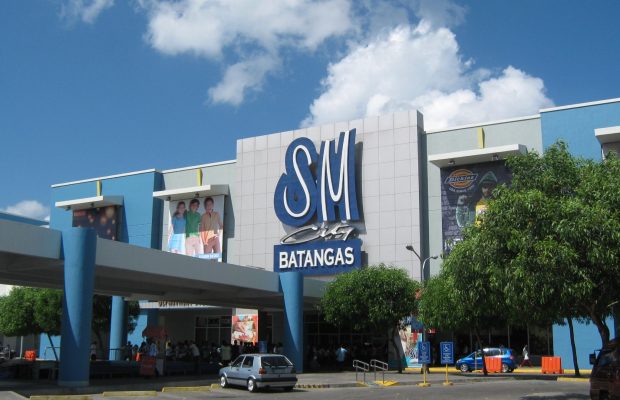
    SM Supermalls lifted first-half revenue by 8 per cent to US$667 million across the Philippines as mall occupancy reached a record 96 per cent.

    Same-store sales rose 4.8 per cent to 41.8 billion Philippine pesos during the six-month period, driven by steady foot traffic and resilient food spending.

    Vacant floor space dropped to 4 per cent across the network, with the operator attributing most empty units to planned tenant relocations rather than lease cancellations. President Stephen Tan said shoppers have grown more deliberate about where they spend, favouring better quality and experiential formats over basic discount hunting.

    Casual dining led tenant performance, according to executive vice president for marketing Joaquin San Agustin, who noted that trading held steady across nearly all retail categories.

    Shifting space from apparel to leisure

    To keep mall floors full, the group is reallocating square footage away from traditional apparel racks toward sports, entertainment and social concepts. Recent additions include pickleball courts, running hubs, food halls, game parks and combined dining-and-gaming venues.

    “A mall can’t stay the same,” Tan said. “You have to keep introducing new tenants and new experiences to keep customers coming back.”

    Across Southeast Asia, mall operators face a split market. While department stores in older suburban centres lose ground to online shopping, dominant prime developers in the Philippines, Indonesia and Thailand are converting excess retail capacity into recreational destinations to protect dwell times and rental yields.

    Provincial expansion pipeline

    Growth is now concentrated outside the capital. The company opens SM Nuvali in Laguna this November, installing the country’s first direct-view LED cinema screen to replace traditional projection booths.

    Further openings scheduled in the pipeline include new regional developments in Tagum, General Trias, Bohol and Malolos.

  • Philippine Mall Rents Reach P1,783 per Sqm as Retail Real Estate Leads Market

    Philippine Mall Rents Reach P1,783 per Sqm as Retail Real Estate Leads Market

    Philippine retail rents rose 1.4 percent year-on-year to 1,783 pesos per square meter a month in the second quarter of 2026, keeping prime shopping malls ahead of hotels and data centers.

    The property market absorbed 26,000 square meters of new space during the three-month period, according to JLL data, while quarter-on-quarter rents edged up 0.4 percent.

    Foot Traffic and Large Formats

    Physical mall visits remain the core driver of commercial retail space across the country. SM Supermalls logged 1.4 billion total visits in 2025, reaching 153 million in December when holiday crowds averaged 5.5 million visitors per weekend day and 4.6 million on weekdays.

    Operators continue to anchor their portfolios around these consumer flows. SM Mall of Asia spanned about 497,000 square meters of gross floor area by 2025, while competing networks from the Ayala group and grocery operators like Puregold hold steady tenant rosters in key commercial corridors.

    Supply Pipeline and Experiential Shift

    Across Southeast Asia, mall landlords have struggled with digital channel shifts, but Philippine operators have protected yields by converting floorplans toward dining, entertainment and social spaces. Cushman & Wakefield ranked retail ahead of hotels and data centers in the Philippine commercial real estate market in 2025, noting steady leasing demand from international brands entering prime locations.

    The sector faces an influx of new physical inventory before January, with developers scheduled to complete another 160,000 square meters of retail space by the end of 2026.

  • China Shifts Property Market to Completed Homes in Broad Policy Overhaul

    China Shifts Property Market to Completed Homes in Broad Policy Overhaul

    China ordered local governments on Friday to prioritise sales of completed homes over presales, overhauling the housing model to halt a property downturn that has dragged on domestic consumer spending.

    The joint directive from the housing ministry, the natural resources ministry and the National Financial Regulatory Administration targets newly transferred residential land alongside parcels sold without construction planning permits.

    Rules on land and developer financing

    Projects on newly transferred plots must adopt the finished-home sales structure, while sites with existing permits are encouraged to make the transition. Two accompanying notices from financial regulators cleared commercial banks to issue revised development loans and gave securities authorities room to back mergers and restructurings among listed property firms.

    The policy overhaul directly attacks the off-plan financing structure that left millions of buyers waiting for unfinished apartments and froze household balance sheets across mainland cities. “The policies announced today are stronger than what the market expected,” said Zhang Zhiwei, chief economist at Pinpoint Asset Management, noting that weak domestic demand stemmed largely from real estate distress.

    Impact on consumer confidence and household wealth

    Property accounts for the bulk of Chinese household wealth, making housing stability essential for any rebound in retail sales, automotive purchases and consumer services across second-tier and third-tier markets. For consumer brands operating in China, weak property valuations have consistently translated into cautious discretionary spending and higher promotional discounting over the past two years.

    Municipal governments must now issue local execution timetables for the finished-home rules, with developers waiting for commercial banks to publish specific loan quotas under the updated development guidelines.

  • Singapore Housing Board Faces Pushback over Forest Clearing for New Flats

    Singapore Housing Board Faces Pushback over Forest Clearing for New Flats

    Singapore’s Housing and Development Board will clear 25 hectares of woodland across Maju and Gillman forests to build public housing, triggering public rallies and petition drives.

    State housing launches are oversubscribed more than four times, pushing land planners to clear plots as Singapore’s population reached a record 6.11 million people.

    Land Scarcity Drives Forest Clearance

    The development scheme covers roughly 15 of Maju Forest’s 23 hectares at Sunset Way and at least 10 hectares of Gillman Forest, six kilometres to the south. Official environmental assessments logged 113 animal species at Maju and 178 at Gillman, including the Sunda pangolin and the critically endangered straw-headed bulbul, a bird with an estimated global population between 600 and 1,700.

    Civic resistance expanded rapidly across digital platforms, with public petitions drawing over 60,000 signatures. More than 2,000 people attended a rally at Hong Lim Park’s Speakers’ Corner on August 16, while neighbourhood Telegram networks grew to nearly 800 members to dissect environmental assessment papers and coordinate formal submissions to planning authorities.

    Research published in the journal Sustainability estimated Singapore is on course to clear 7,331 hectares of forest for development, an area 1.2 times larger than all its existing nature reserves and parks combined. The estate clearances run parallel to wider infrastructure expansion, including a project announced by Prime Minister Lawrence Wong to combine southern islands into a single landmass for industrial, energy and defence installations.

    Policy Concessions and Housing Targets

    Singapore maintains a 90 per cent home ownership rate, anchored by state-subsidised flats that house the vast majority of citizens. When public opposition emerged over the rezoning of the 33-hectare Dover Forest site, authorities adjusted master plans to retain a substantial portion as a nature park. A similar dynamic now faces state developers seeking to manage housing supply without sparking protracted resident backlash.

    National Development Minister of State Alvin Tan defended the projects in parliament, stating that limited land forces difficult allocation choices. Initial project master plans designated 35 per cent of Maju Forest and 40 per cent of Gillman Barracks forest for green preservation.

    Ministry officials are now recalculating site layouts to enlarge the conserved forest zones, a move that will cut the final number of residential units delivered on both plots before final development tenders are issued.

  • Fairmont and Asset World Corp Open 474-Room Hotel in Bangkok

    Fairmont and Asset World Corp Open 474-Room Hotel in Bangkok

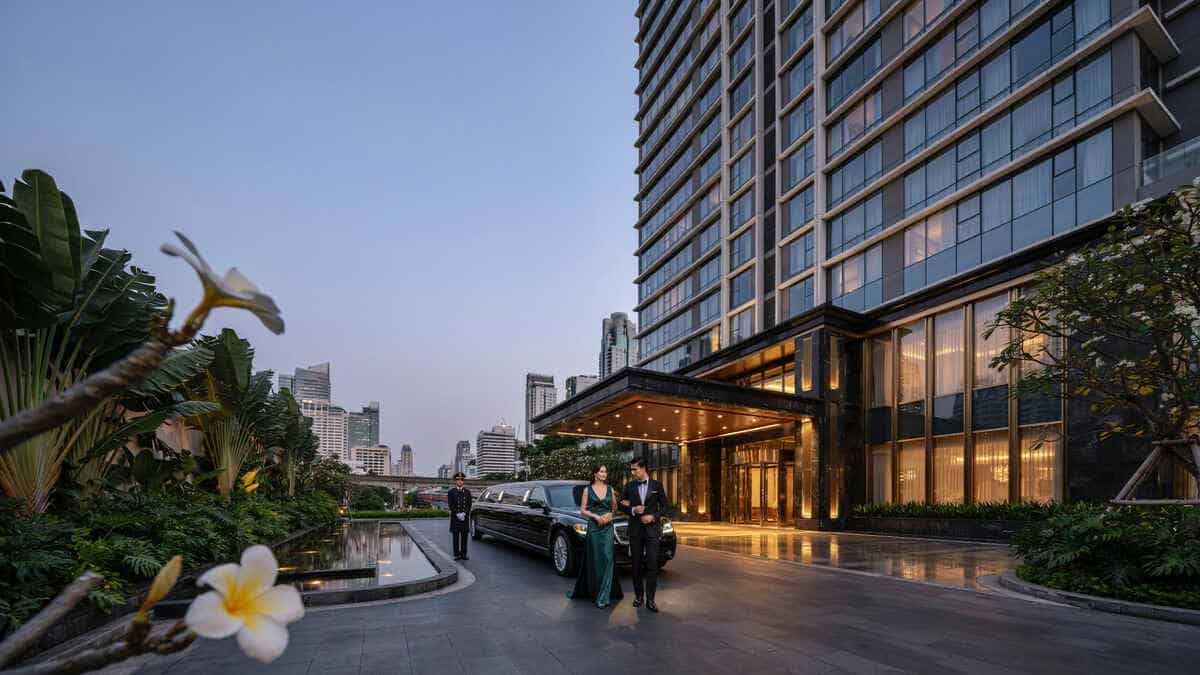
    Fairmont Hotels & Resorts and Asset World Corp have opened the 474-room Fairmont Bangkok Sukhumvit in Thailand. The property expands the luxury footprint of Accor’s heritage brand along Bangkok’s busiest commercial corridor.

    Located in the heart of Sukhumvit, the new property targets corporate travel, large-scale conferences and upscale leisure guests. Asset World Corp, the hospitality and property arm of Thai billionaire Charoen Sirivadhanabhakdi’s TCC Group, partnered with Fairmont to deliver the project.

    Sukhumvit pipeline gains scale

    Sukhumvit continues to draw major international operators. Hilton introduced its lifestyle banner nearby with the opening of the 174-room Canopy Bangkok Sukhumvit on Sukhumvit Soi 12, adding direct competition in the central retail and business district.

    Developers across Southeast Asia are accelerating high-end inventory deliveries. Luxury operators in Thailand are chasing high-spending regional visitors, relying on established global brands to lock in corporate accounts and loyalty program members.

    Regional network expansion

    The Bangkok addition mirrors broader hospitality development across Asia. Hilton opened the 170-room Conrad Nagoya in Japan with Mitsubishi Estate, while bringing its Tapestry Collection brand into Vietnam with the NHAAN Resort & Spa in Hoi An.

    Asset World Corp will monitor ramp-up metrics and room yield across its prime Bangkok portfolio through the upcoming high season.

  • Hong Kong Luxury Homeowners Take Steep Cuts as Bel-Air House Sells for HK$138 Million

    Hong Kong Luxury Homeowners Take Steep Cuts as Bel-Air House Sells for HK$138 Million

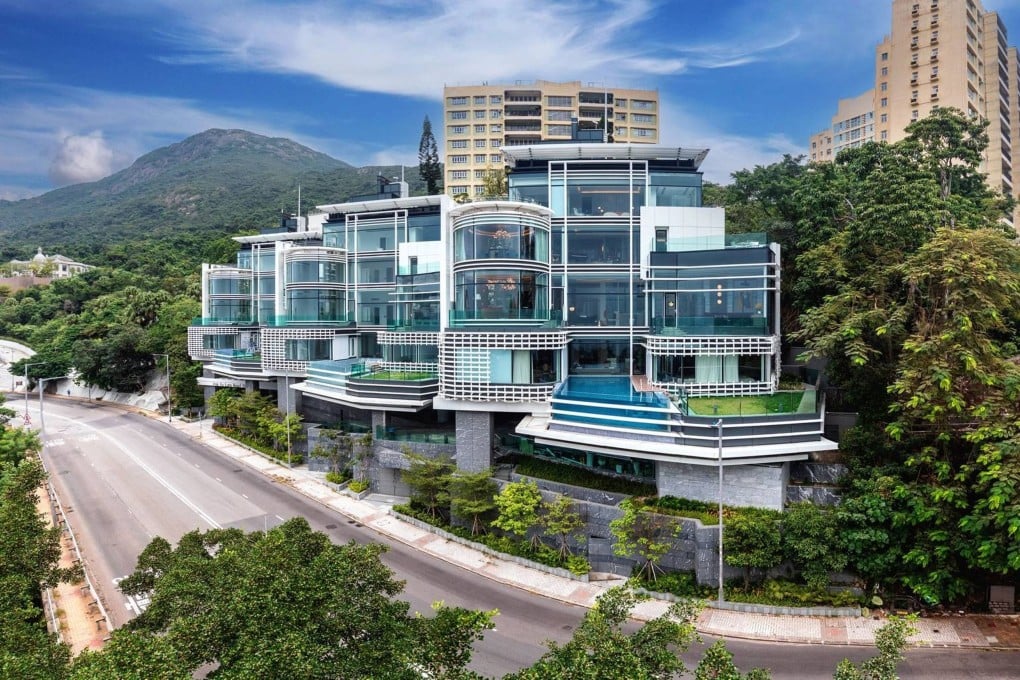
    Hong Kong luxury property owners are accepting deep price cuts to exit holdings, led by a Bel-Air house that sold at a HK$37 million loss. The Pok Fu Lam property changed hands for HK$138 million (US$17.6 million).

    Former owner Shie Thomas bought the 3,792-square-foot house for HK$175 million in 2018. The latest transaction represents a 21 per cent decline in value over the eight-year holding period.

    Discounts in Pok Fu Lam

    The transaction highlights the gap opening across Hong Kong’s prime residential districts between vendor expectations and buyer liquidity. While high-net-worth buyers continue to look for trophy assets, they now demand sharp markdowns from peak valuations before committing capital.

    Sellers facing financing costs or cash requirements elsewhere in their portfolios have proved willing to meet those lower bids. The Bel-Air development has historically served as a benchmark for southern district luxury pricing, making the HK$37 million haircut a clear reference point for secondary negotiations across the area.

    Pressured sellers and selective capital

    Previous downturns in the city saw wealthy owners hold prime assets off the market rather than crystallise capital losses. Current conditions tell a different story: holding costs and shifting private balance sheets are pushing more owners to take clean exits.

    Market watchers are tracking whether secondary luxury transaction volumes rise as pricing levels reset toward HK$36,000 per square foot in Southern District enclaves.

  • Japan Plans Fiscal 2027 Condo Tax Overhaul to Curb Urban Speculation

    Japan Plans Fiscal 2027 Condo Tax Overhaul to Curb Urban Speculation

    Japan’s land ministry plans to seek tax code changes for fiscal 2027 to curb speculative condominium flipping that drove central Tokyo apartment prices to record highs. Average prices for new units in the capital reached unprecedented levels during the first half of 2026, pricing regular domestic buyers out of urban districts.

    The Ministry of Land, Infrastructure, Transport and Tourism will target short-term resale transactions that exploit current tax rates on residential assets. Urban developers have focused heavily on high-end luxury high-rises in Tokyo and Osaka, where penthouses and upper floors frequently trade in cash to absentee owners.

    Curbing cash buys in Tokyo and Osaka

    Tokyo-area condominium prices passed the 100 million yen threshold during the January to June period for the first time. Inflows of private capital from Taiwan and other regional wealth hubs have accelerated this surge, replacing mainland Chinese buyers who pulled back from cross-border deals.

    Local buyers face steep barriers as wage growth lags property appreciation across central wards. Japanese megabanks have responded by raising interest rates on large deposits, attempting to capture proceeds from high-value property disposals while standard mortgage borrowers take on longer repayment terms.

    Regional playbooks for property cooling

    Across major Asian markets, regulators have routinely turned to transaction taxes when speculative momentum broke local affordability limits. Singapore and Hong Kong deployed targeted stamp duties and higher holding penalties to choke off luxury flipping, and Tokyo is now adopting a comparable fiscal approach instead of relying purely on central bank monetary policy.

    The land ministry will submit its detailed tax proposals to the ruling coalition for inclusion in the annual fiscal 2027 tax reform outline scheduled for review late this year.