Category: Real Estate

Retail News Asia is committed to providing both local and global retailers with the latest Real Estate news throughout the Asian market. This on a daily base.

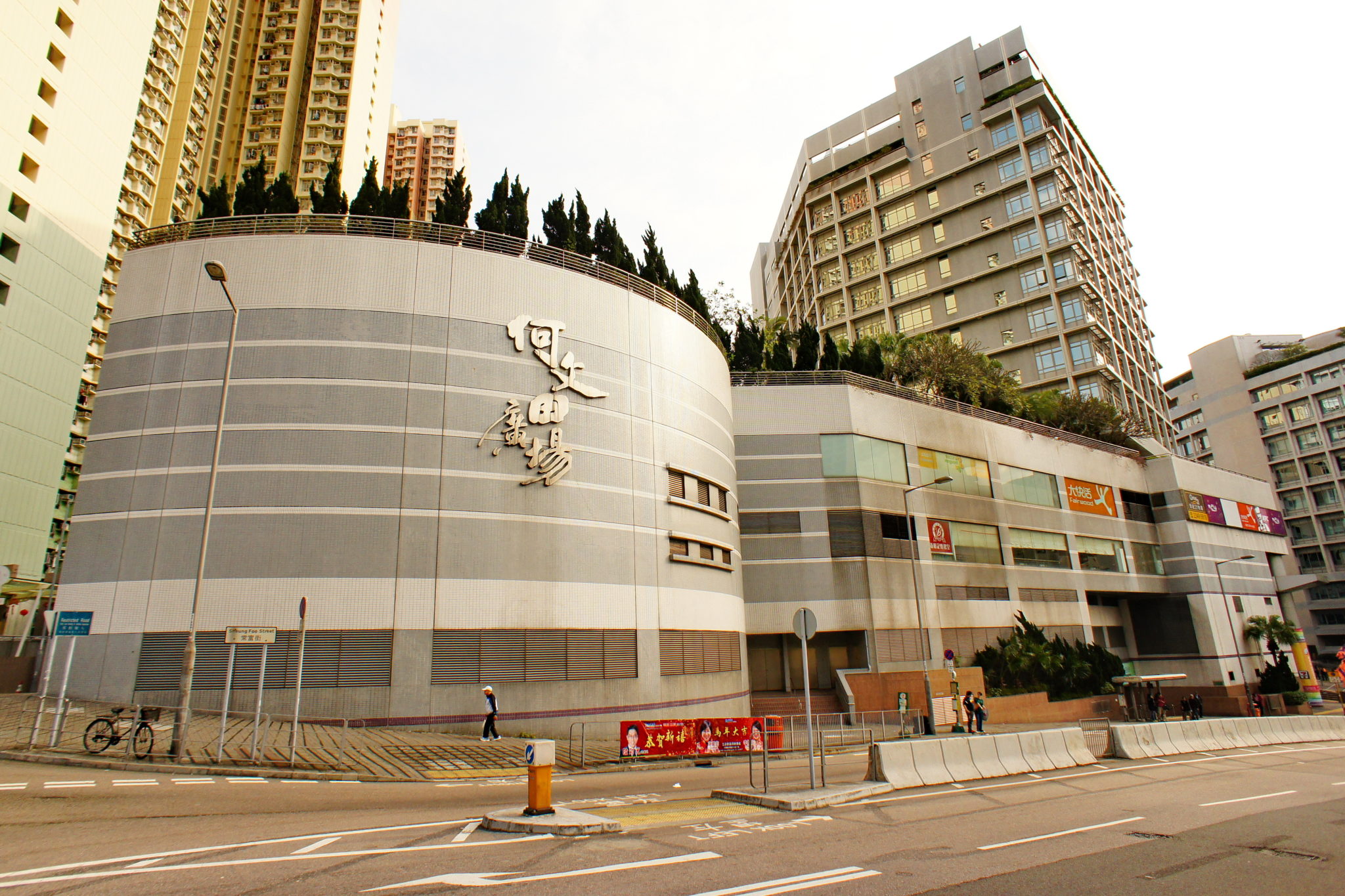
  • Hong Kong retail rent rises (too) fast

    Hong Kong retail rent rises (too) fast

    Prime Hong Kong street-shop rents rose 4 per cent in the first three quarters of this year, ahead of the up-to 3 per cent rise prediction by Savills a year ago. In a third-quarter real estate briefing released yesterday, Savills said shopping-centre retail rents, which Savills expected would fall as much as 5 per cent, have actually risen 2 per cent year to date.

    Savills expects prime Hong Kong street-shop rents and shopping centre rents will rise by about 2 per cent next year.

    “In the retail market, despite the headwinds of a weaker RMB, more competition from regional cities and elevated new supply in the New Territories, rents will rise modestly,” the company predicted.

    “New infrastructure in the form of the High Speed Rail Link and the Macau Bridge will improve accessibility for mainlanders, while domestic consumption expenditure is expected to remain reasonably robust. Online retail continues to make limited gains in the Hong Kong market.”

    Savills said prime street shops proved the only real estate category in Hong Kong to post a decline in sale value on a per square foot basis, falling 3 per cent – a stark contrast to the 10-12 per cent rise in flatted factories and warehouses, and 8 per cent rise in luxury apartments.

    The company predicts prices for prime high street shops are likely to fall by up to 5 per cent next year.

  • Central Premium Mall Vietnam plans to open next year

    Central Premium Mall Vietnam plans to open next year

    Ho Chi Minh City is getting a new shopping centre, Central Premium Mall, in District 8, next year. Set to open in the third quarter of next year, the six-storey mall spans 40,000sqm, and is expected to welcome more than 3 million visitors annually.

    The first and second levels will host 200 kiosks from fashion retailers, a supermarket and luxury cafes.

    The third level is for dining, with more than 30 restaurants, including China’s Melie Dimsum, America’s HolyCow, Korean BBQ Gangnam, together with sushi and buffet restaurants.


    The fourth and fifth floors are for entertainment with a children’s playground Kid World, spas, Mexican-style Ritacita Bar, Beer Club Vuvuzela, Bar Redbull and Bar Rocco, among others.

    A cinema will occupy the whole 4000sqm sixth floor.

    Project owner Quoc Cuong Gia Lai says the shopping centre will be managed by a reputable international company, whose identity has yet to be revealed.

    The mall has cost VND1 trillion (US$43 million) to build.

    Central Premium Mall occupies the lower levels of the Central Premium apartment complex currently under construction. A roof-topping ceremony was held recently and apartments are expected to be handed over to residents by the third quarter of next year. It will be managed by Savills Vietnam.

  • Investors dominate sales of Vietnam’s high-end homes

    Investors dominate sales of Vietnam’s high-end homes

    Investors buy a high percentage of high-end residence purchases in Vietnam, while occupiers take most of the low-end ones. A recent report by real estate market research firm Savills Vietnam, Vietnam Residential Spotlight, says over 70 percent of grade A (high-end) residence buyers in Hanoi are investors. The ratio in Ho Chi Minh City is just as high at 65 percent, says the report, which used data for the 2013-2017 period.

    For the grade B (middle-end) segment in Hanoi, investors accounted for 40 percent of sales, occupiers, 55 percent, and the remaining 5 percent, speculators. The corresponding ratio in HCMC is 45 percent, 50 percent and 5 percent.

    The data indicates that high-end and middle-end residences have become main interests of investors in recent years. They evince almost no interest in grade C (low-end) residences where occupiers make up 85-90 percent of transactions.

    There has been a continuous downwards momentum in residential apartment supply between January and October this year, the Ho Chi Minh City Real Estate Association (HoREA) said in a recent report.

    During this period, total housing supply in the Ho Chi Minh City market fell 39.2 percent. The biggest decrease in supply was in the low-priced apartment segment, which was down 68 percent, while that of high-end apartments fell 9.6 percent and mid-range went down 37.5 percent.

    The association warned that the structure of real estate supply showed a serious disequilibrium in the market, with low priced apartments taking up only 19.3 percent of total supply while luxury apartments took up a third.

    This showed a mismatch between demand and supply, posing a risk to sustainable development and social welfare, it said.

    However, Savills forecasts that low-end residences will dominate HCMC’s supply in 2020 at 61 percent, while in Hanoi, the middle-end segment will lead the market, taking over half of the supply. At this time, Hanoi will have a higher high-end supply at 15 percent, compared to HCMC at 8 percent.

  • Vietnam needs more hotels as tourism blooms

    Vietnam needs more hotels as tourism blooms

    The “golden age of tourism” in Vietnam presents robust hotel development opportunities in Vietnam’s biggest cities. Troy Griffiths, deputy managing director of real estate consultant Savills, said Ho Chi Minh and Hanoi are “under-hoteled per population, per travel and per airlift capacity”.

    “Hotel is a particularly dynamic sector at the moment as Vietnam is experiencing a golden age of tourism, with international tourism rising 20-30 percent year-on-year and more Vietnamese travelling than any time before,” Griffiths said.

    “There’s a demand for five-star hotels which will be really a strong asset class for the future,” he added.

    As of November, 14.12 million foreigners visited the country, up 21.3 per cent year-on-year and exceeding last year’s 12.9 million, according to the General Statistics Office.

    South Koreans dominated the surge at 46.5 percent, followed by Hong Kong (32.8 percent), Finland (29.6 percent), mainland China (26.9 percent), Taiwan (15.6 percent), and Denmark (15.4 percent).

    In the same period, domestic travelers rose 20.91 percent.

    “Hanoi and HCMC had been pretty quiet in the past as they went through a bit of a bad phase, when international visitors would pass and go straight to Da Nang, Phu Quoc and Nha Trang.

    “Now we see they are actually coming to Hanoi and HCMC because they are both very charming cities for international tourists,” Griffiths said.

    “And their stay is lengthening. That means more five-star demand.”

    Vo Quoc Phuong Trang, head of hotel investment consultancy at real estate service firm Jones Lang LaSalle (JLL), also said that Hanoi and HCMC, with their steady economic and tourism growth, would continue to draw foreign investors in the high-end hotel segment, which Trang said has low risk but offers steady revenue.

    A report released in July this year by global consulting firm Grant Thornton stated that increasing numbers of well-to-do Vietnamese citizens are choosing to stay in five-star hotels and spend lavishly when they travel within the country.

    Vietnamese citizens accounted for 19.2 percent of 4-star and 5-star hotels guests in 2017, according to the report. Although this is a slight decrease from last year’s figure of 20.8 percent, the number of domestic guests staying at upscale hotels had increased for three consecutive years from 2014 to 2016.

    The country has seen a strong influx of international hotel brands and hotel management companies in the last few years. From 30 hotels with international brand names in 2010, the number had increased to 79 at the end of last year, according to Savills.

    There has been a particularly big jump this year with recent announcements by Mandarin Oriental and Movenpick in HCMC and Best Western Premier in the central province of Quang Binh, it said.

    The emergence of Vietnamese hotel operators is also a highlight in the local hospitality landscape.

    “Vietnamese hotel developers are also getting mature. They are acquiring international knowledge and becoming a really strong force in their own right as we have already seen across the resort cities with Vingroup, FLC, BIM and Sun Group,” Griffiths noted.

    Savills’ third-quarter report shows that the 5-star segment in Hanoi continued its strong performance in Q3 though the high travel season for foreign tourists lasts from the beginning of Q4 to April.

    Occupancy rate of five-star hotels in the capital city was highest, at about 80 percent, followed by four-star hotels (65 percent) and three-star hotels (59 percent).

    Average revenue of five-star hotels was $100/room/night, double that of four-star and three times that of three-star properties, the report said.

    Data said, ten out of 19 high-end hotels in the best locations in HCMC have foreign owners. These include Sheraton, Caravelle, InterContinental, Asiana Saigon, and Sofitel.

    In Hanoi, nine of 16 high-end hotels have foreign firms as major owners such as Melia, Sheraton, Sofitel Metropole, Nikko, and Pan Pacific being the major names.

  • Saigon apartment sales dip to lowest in 18 months

    Saigon apartment sales dip to lowest in 18 months

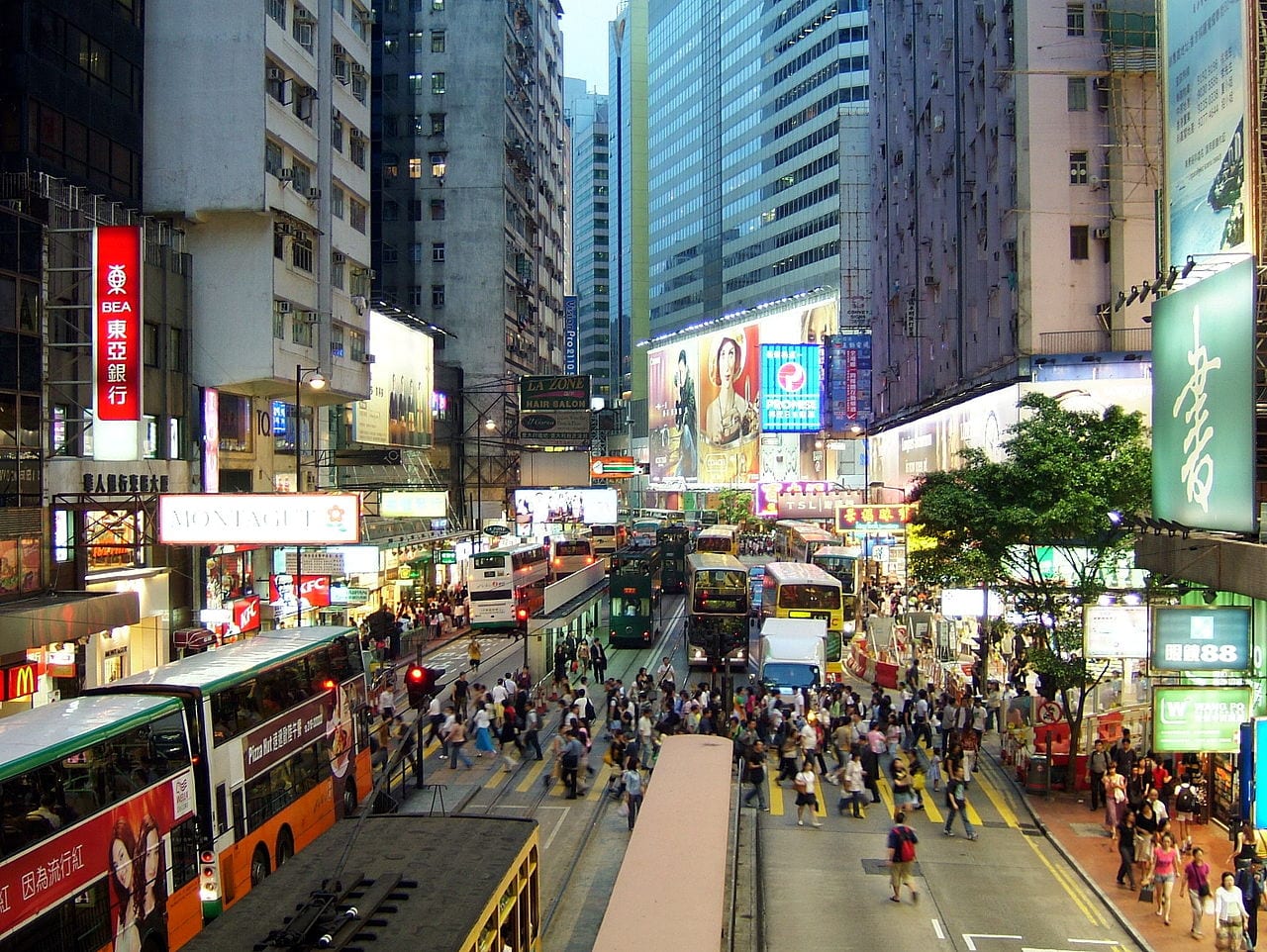
    The third quarter of 2018 saw apartment liquidity in Saigon fall to the lowest level in six consecutive quarters. According to property services provider Savills Vietnam, only 10,000 apartments were traded in Saigon in the third quarter of this year. The apartment sales were down 30 percent from last quarter and down 13 percent year-on-year.

    Grace C apartments took up 54 percent of total sales.

    Savills forecasts that by 2020, more than 124,000 apartments will be offered in the market, with Districts 2 and 9 in the eastern part of the city accounting for 55 percent of total supply.

    Meanwhile, another recent report compiled by property services provider CBRE Vietnam has reported even lower sales than Savills, at only 6,568 apartments sold in Q3. According to CBRE, sales fell 7 percent from the previous quarter, and was down 16 percent over the same period in 2017.

    Large disparities between real estate reports have existed between these two companies and are attributed to differences in statistical methodology.

    Recently, the Ho Chi Minh City Real Estate Association (HoREA) released a report on the housing market saying that as of October 31, 2018, there has been a continuous downwards momentum in apartment supply from the beginning of the year.

    During this period, total housing supply in the Saigon market fell 39.2 percent. The supply of high-end luxury apartments fell 9.6 percent, and that of midrange apartments by 37.5 percent. But the biggest decrease in supply was in the low-priced apartment segment, which was down 68 percent.

    The association warned that the structure of real estate supply showed a serious disequilibrium in the market, with low priced apartments taking up only 19.3 percent of total supply while luxury apartments take up a third.

    This showed a mismatch between demand and supply, posing a risk to sustainable development and social welfare, it said.

  • Second Hotel Chocolat opens door

    Second Hotel Chocolat opens door

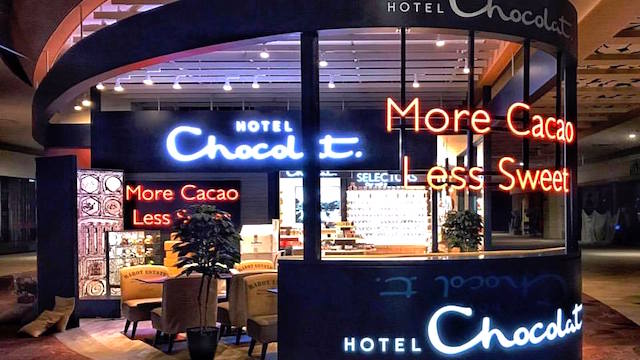
    Hotel Chocolat has opened its second store in Asia Pacific. The British-based luxury chocolate retailer has opened an outlet in Tokyo to follow up its first store in the region, in Hong Kong. The new store is in the giant Aeon Lake Town shopping mall on the outskirts of Tokyo. More are planned for Japan, where there is established demand for luxury confectionery.

    “The reaction to Hotel Chocolat in Japan on our first day of trading last week was hugely encouraging,” said co-founder and CEO of Hotel Chocolat, Angus Thirlwell.

    “Customer engagement, media attention, and sales performance were all well ahead of expectations.
    “Our portfolio of products landed with aplomb. Hot Chocolat drinks, our 8g sculpted chocolate batons, and our Selector range were all in high demand. We look forward to unfolding the brand further here.”

  • Atelier Cologne opens first pop-up in Kuala Lumpur airport

    Atelier Cologne opens first pop-up in Kuala Lumpur airport

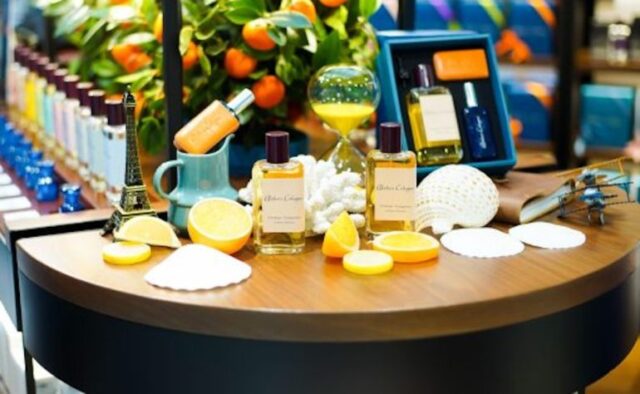
    Atelier Cologne Travel Retail Asia Pacific announced the Southeast Asia airport debut of its pop-up concept at Kuala Lumpur International Airport (KLIA). In collaboration with Malaysia Airports and Colours & Fragrances (C&F) under DR Group, the pop-up is now officially open till end February 2019 for arriving and departing passengers through the Satellite Building at KLIA.

    For the launch of the pop-up, cologners could enjoy a personalised fragrance profiling session to discover their very own scent.

    The background of the pop-up was also dressed up as a Parisian rooftop featuring a skyline of the elegant Paris, cobbled flooring and a rustic swing. This set-up will be available till end of December 2018.

    A gift and engraving workshop is offered to customers, allowing them to personalise the leather case of their perfume bottles with a name, initials or even a message.

    According to Nazli Aziz, Senior General Manager for Commercial Services, Malaysia Airports, the duty-free sales in the Asia Pacific region is growing significantly, largely driven by perfumes and cosmetics with a market value of USD 14 billion in 2017.

    As for KLIA, overall sales per passenger recorded a double-digit growth of 13 per cent in 2017.

  • Link REIT Buys Beijing Mall for RMB 2.56B

    Link REIT Buys Beijing Mall for RMB 2.56B

    Link REIT has reached a conditional agreement to acquire a RMB2.560 billion (US$368.8 million) shopping centre in Beijing. The property, Beijing Jingtong Roosevelt Plaza, is a seven-storey mall housing 268 retail tenants, with 576 car parks on two additional underground levels. Link said in a stock exchange filing that the property is located in Tongzhou, the eastern gateway to China’s capital, a rapidly developing district about 20km from central Beijing. It is in an established residential area with 30 per cent of the district’s population living within a 3km radius.

    The property has good connectivity, located on Beiyuan South Road, the district’s main artery, is a high-quality community mall with an occupancy rate of 96.2 per cent and a dynamic mix of retailers including food and beverage, fashion/accessories, kids/education and lifestyle, health and beauty, along with a cinema.

    Leases for about 20 per cent of the four year old centre’s tenancies (by space) expire in 2020, providing Link with an opportunity to enhance rental reversion and performance of the property by upgrading the trade mix.

    Link expects the net property income of the mall will increase, in turn bosting the capital value of the property, benefiting unitholders.

  • Xiaomi aims at 5,000 stores in India by the end of 2019

    Xiaomi aims at 5,000 stores in India by the end of 2019

    Chinese tech giant Xiaomi is looking to cement its status as India’s leading smartphone provider by opening thousands of stores before the end of 2019. The company announced it would increase its presence in India from 500 retail stores to 5,000 by 2020. “It’s been over a year since we started offering our products through offline retail and we have seen strong growth there,” said Manu Jain, Xiaomi vice president and managing director for India.

    “Offline retail is a huge segment in our country with nearly 40 percent of the offline market focused in rural regions, and all of this should increase our offline sales and account for 50 percent of the company’s revenue by the end of next year.”

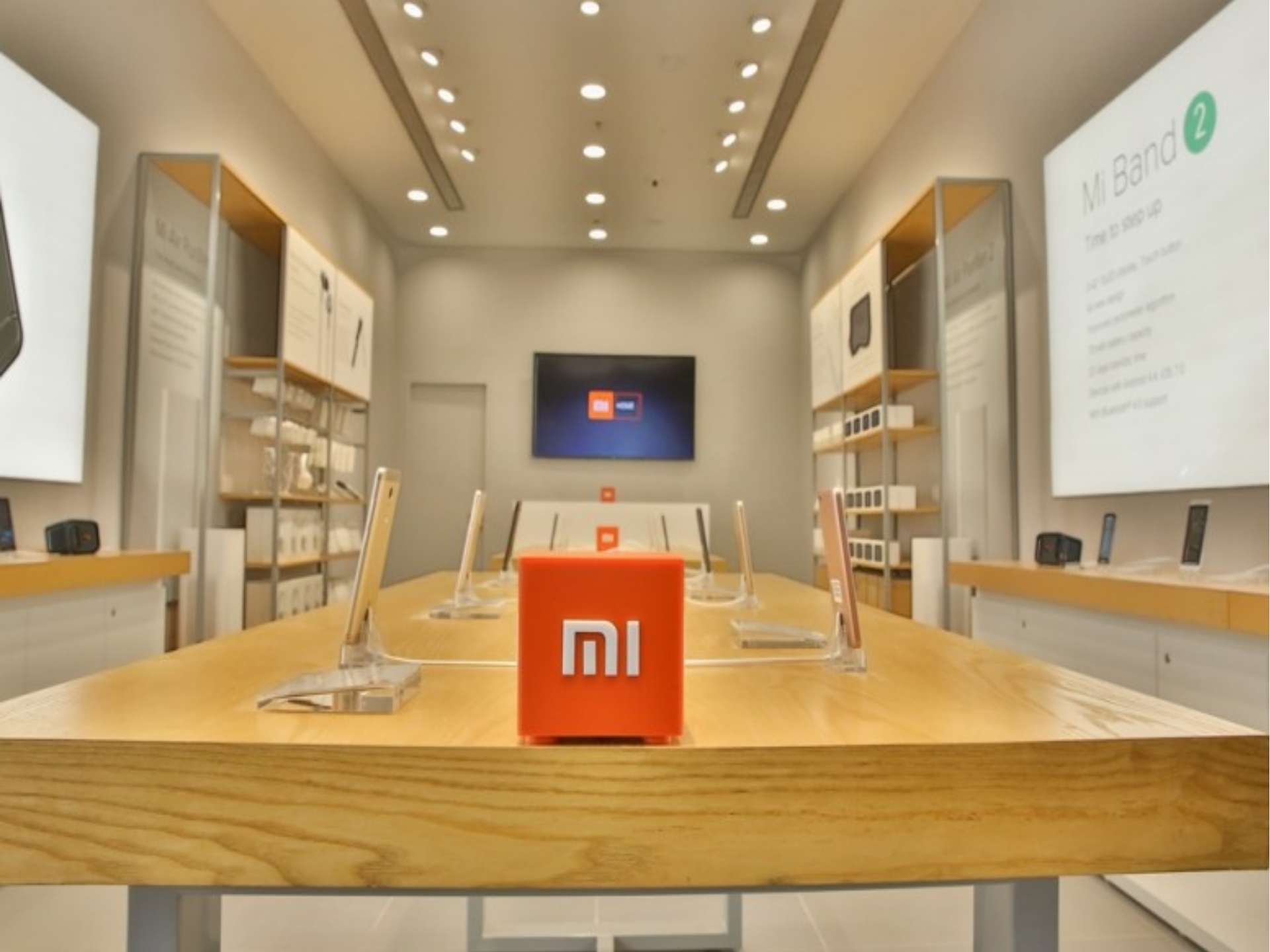
    In a Twitter post, the smartphone maker invited people to apply to run one of the franchised stores, which will be based on its Mi retail model.

    “It’s been over a year since we started offering our products through offline retail and we have seen strong growth there,” – Manu Jain

    “Mi store is the ‘new retail’ model for rural India that gives flagship store experience to our rural customers,” Xiaomi said on Twitter, adding that the new stores would generate more than 15,000 jobs.

    India is one of Xiaomi’s fastest-growing markets, according to Reuters, where it has had success with its budget Redmi phone series.

    The firm is the country’s leading smartphone provider, with 30 percent of market share. It entered the market in 2014 as an online-only retailer, before opening physical stores across India. Samsung and Vivo are its closest competitors there.

    Xiaomi was awarded a Guinness World Record on Tuesday for opening the largest number of retail stores in India simultaneously. The company also operates in Asia, Europe, the Middle East, Africa, and Mexico.

  • HCMC to not build high-rise apartment until 2020

    HCMC to not build high-rise apartment until 2020

    The Ho Chi Minh City administration has decided that no high-rise apartment projects in the dowtown will be approved until 2020. Instead, priority will be given to repair and renovation of old apartment buildings. According to the housing development plan for 2016-2020 with orientation until 2025, that was approved by the HCMC People’s Committee on November 19, the city will not approve construction of new high-rise apartments in inner city areas (District 1 and 3) until 2020.

    Projects already approved and under construction will continue as usual.

    The city will also prioritize projects repairing or renovating 50 percent of 474 old apartment complexes constructed before 1975.

    It will continue to relocate households living along canals; construct new or renovate old, degraded condominiums; upgrade existing residential areas; continue developing new urban centres, and prioritize the development of social housing.

    The city will also focus on completing unfinished projects in some uptown districts and refrain from approving new housing projects if there are no plans to build adequate technical and social infrastructure in the area.

    The focus on completing existing projects will also apply to outlying districts. Housing in rural communes will be prioritized and high-rise apartments will be focused along major transport corridors or where technical infrastructure can support new housing.

    In particular, Ho Chi Minh City will invest in and prioritise the development of social housing projects to meet the needs of eligible residents, and for those who are resettled by urban beatification projects.

    The plan aims to free up more land for social housing projects in the 2021-2025 period.

    It envisages raising total living space in the city by 40 million square meters and per capita housing area to 19.8 square meters by 2020.

    To implement the housing development plan, the city estimates a budget of over VND310 trillion ($13.27 billion), of which investment capital for commercial real estate will amount to VND82 trillion ($3.51 billion), residential housing VND210 trillion ($8.99 billion), and rest for social housing.

  • CapitaLand Singapore launched annual My Schoolbag programme

    CapitaLand Singapore launched annual My Schoolbag programme

    This season of giving, CapitaLand is rallying its employees, tenants and shoppers to give back to the community through a series of charity events and fundraisers across its Singapore properties. Through these events, CapitaLand targets to contribute up to S$166,000 towards various charity organisations to build an inclusive and caring society.

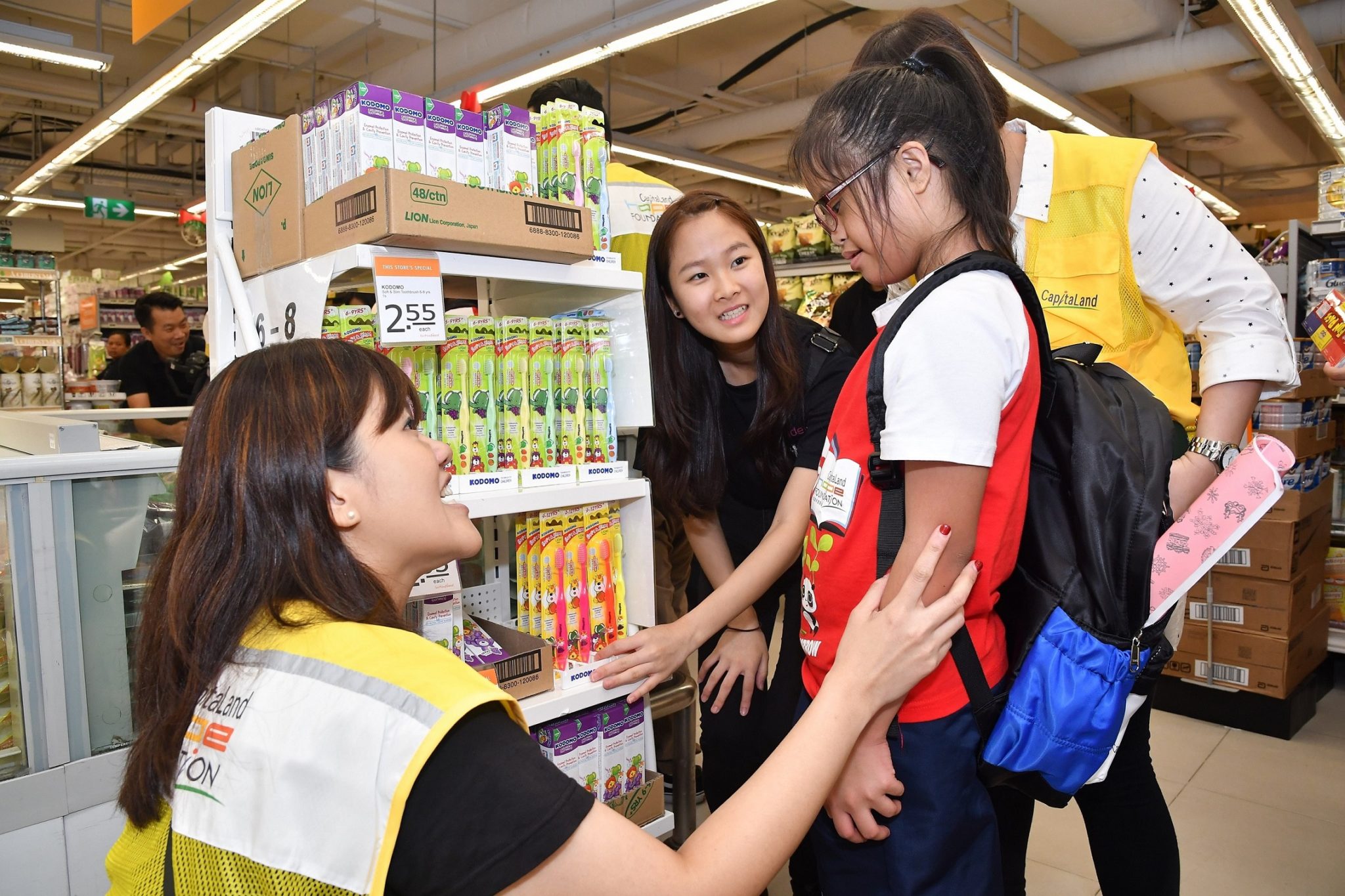
    Taking place at Junction 8 was CapitaLand’s annual My Schoolbag programme supported by CapitaLand Hope Foundation (CHF), the philanthropic arm of CapitaLand. Each of the 183 children beneficiaries – including students from the Movement for the Intellectually Disabled of Singapore (MINDS) and the Association for Persons with Special Needs (APSN) – received a new school bag, as well as school and daily necessities worth S$150. Accompanied by over 170 CapitaLand staff volunteers, the young beneficiaries went through a simulated shopping experience while picking up tips about prudent spending. Through an educational skit, they also learnt the importance of saving for the future, reducing food waste and leading a healthy lifestyle.

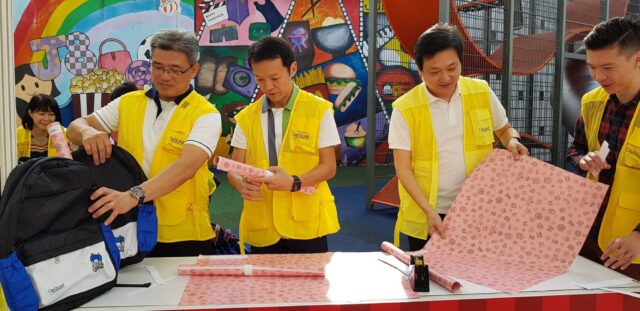
    The children beneficiaries at Junction 8 this morning were among the first in Singapore to get their hands on CapitaLand’s popular year-end gift wrappers. This year’s design features carnival-inspired motifs drawn by Mr Jovan Neo, a 19-year-old special needs artist from The Art Faculty, a platform that promotes the abilities of people with autism and related challenges. The design of the gift wrappers resonates with the carnival-themed décor that CapitaLand malls across Singapore are decked out to mark the festive season. Shoppers can redeem the special edition gift wrappers at participating CapitaLand malls from 16 November 2018.

    Mr Tan Seng Chai, Group Chief People Officer of CapitaLand Group and Executive Director for CapitaLand Hope Foundation, said: “From developing inclusive and accessible buildings to our philanthropic activities, CapitaLand firmly believes in fostering an inclusive community through our actions. We leverage our real estate network and tap on the strong spirit of volunteerism within CapitaLand to build a more caring Singapore. For the second consecutive year, our staff volunteers will interact and guide special needs students. This year, we are engaging beneficiaries from MINDS and APSN in CapitaLand’s My Schoolbag programme, which supports the educational needs of the underprivileged children in our shared communities. We are also supporting The Art Faculty and showcasing the talent of special needs artist Jovan Neo through our malls’ gift wrappers.”

    Mr Wilson Tan, CEO of CapitaLand Retail, said: “We are delighted to leverage CapitaLand’s unique advantage as Singapore’s largest mall operator in galvanising our employees, tenants, and shoppers to do good. CapitaLand’s centrally-located and well-connected malls are magnets for crowds and are especially popular with shoppers during the festive season. They are thus well-positioned to amplify the fundraising initiatives of charity organisations. This season of giving, CapitaLand Retail is pleased to work with CHF and partners to support and promote a variety of meaningful causes across our malls. Through these efforts, we hope to provide a meaningful retail experience for our shoppers and to do our part in fostering a more caring, compassionate and inclusive society in Singapore.”

    Examples of giving activities at CapitaLand properties include CapitaLand Giving Marketplace at Raffles City Singapore on 27 November, where charities and social enterprises are offered space to promote their merchandise and volunteer opportunities to the public. For every transaction at the CapitaLand Giving Marketplace, CHF will donate S$6 to the participating charities. Over at Plaza Singapura, shoppers can donate any amount they wish for the giftwrapping service provided by volunteers from Blossom World Society from 12 December to 23 December. At Bedok Mall, shoppers take home one mini plant for every S$10 contribution, which will be matched dollar-for-dollar by CHF, to benefit MINDS and Very Special Arts (VSA) Singapore.

  • Bob’s Select Space combines bar and retail store together

    Bob’s Select Space combines bar and retail store together

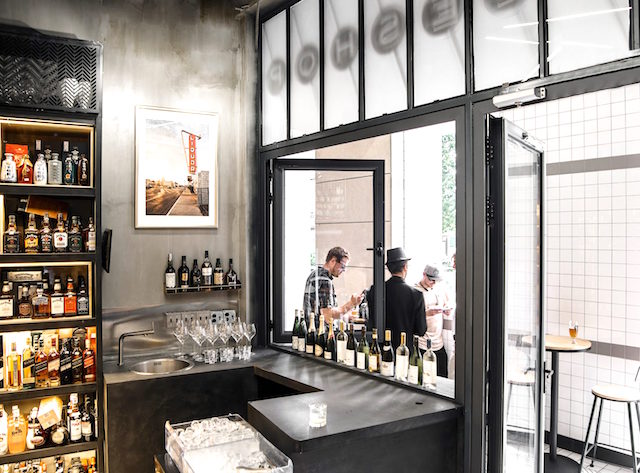
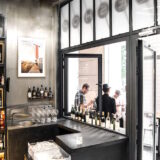
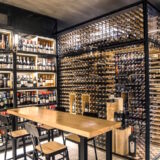
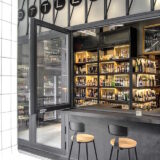
    Architectural studio Designreserve has created a new store in Beijing’s Sanlitun integrating a bar into the retail experience, according to a report. Bob’s Select Space is the flagship store for liquor retailer Bob’s Wine, aimed at creating a community space in a busy shopping area. The design explores the traditions of communication in liquor culture and merchandise.

    Designreserve co-founder Feng Yue said: “We wanted to create a strong visual identity. So we invited a graphic artist to design special fonts for each major alcohol type displayed on the facade. For us it is a kind of public art

    “Previous shops of Bob’s Wine are popular for their wide range of bottle selection as well as for their relaxing atmospheres, but the spaces were geared towards retail rather than bar.”

    The 60sqm space is divided into three rooms that transition visitors from the public domain to a more intimate “hideout”.

    “Experience is the key determining factor for the success of retail spaces,” said Yue. “Therefore, our job as designers is to create spaces where people feel inspired and hopeful that city life can still be fun.”

    View the gallery below (4 images) :

  • Vietnam’s biggest airport start building in 2020

    Vietnam’s biggest airport start building in 2020

    Work on Vietnam’s biggest airport would start in 2020 and it will become operational in 2025, the Airports Corporation of Vietnam (ACV) says. ACV, which manages and operates civil airports in the country, also says that it will complete business appraisals and feasibility reports for submission to the National Assembly for approval in October 2019.

    Transport Minister Nguyen Van The had told legislators at a meeting late last month that the government was likely to approve land acquisition plans for the project this month, and release funds for it immediately after.

    Situated 40 kilometers east of Ho Chi Minh City, the Long Thanh International Airport is expected to take up overflow from the largest existing airport in the country, the Tan Son Nhat International Airport.

    Tan Son Nhat now receives 32 million passengers a year, far beyond its designed capacity of 25 million.

    The Long Thanh Airport, to be built in three phases over three decades, was recently listed by CNN Travel as one of the world’s 16 most exciting airport projects.

    The first phase is scheduled for completion in 2025 when it will be able to handle 25 million passengers annually. The next two phases will be built in 2030-2035 and from 2040-2050.

    The new airport would have an annual capacity of 100 million passengers and five million tons of cargo when completed.

    The first phase is estimated to cost VND114 trillion ($4.87 billion), and will be raised from public funds, a bond issue and private sources.

    Experts have warned that the cost of the airport could double every five years.

    ACV announced that in its 2019 plan, the company will spend more than VND10 trillion ($432.71 billion) on upgrading and expanding several airports, including Cat Bi in northern Hai Phong City, Vinh in central Nghe An Province, Phu Cat in southern Can Tho City, and Noi Bai in Hanoi.

    Most of these upgrades are expected to be completed by the third quarter of 2019.

    According to a recent announcement by ACV, by the end of October, the total amount of passengers going through airports this year was estimated at 87 million, by 12 percent over the same period in 2017.

    This year, the number of international passengers rose by 23 percent, while the figure for domestic customers increased by 7 percent.

  • Semen Indonesia Snaps Up LafargeHolcim Unit to Bolster Market Lead

    Semen Indonesia Snaps Up LafargeHolcim Unit to Bolster Market Lead

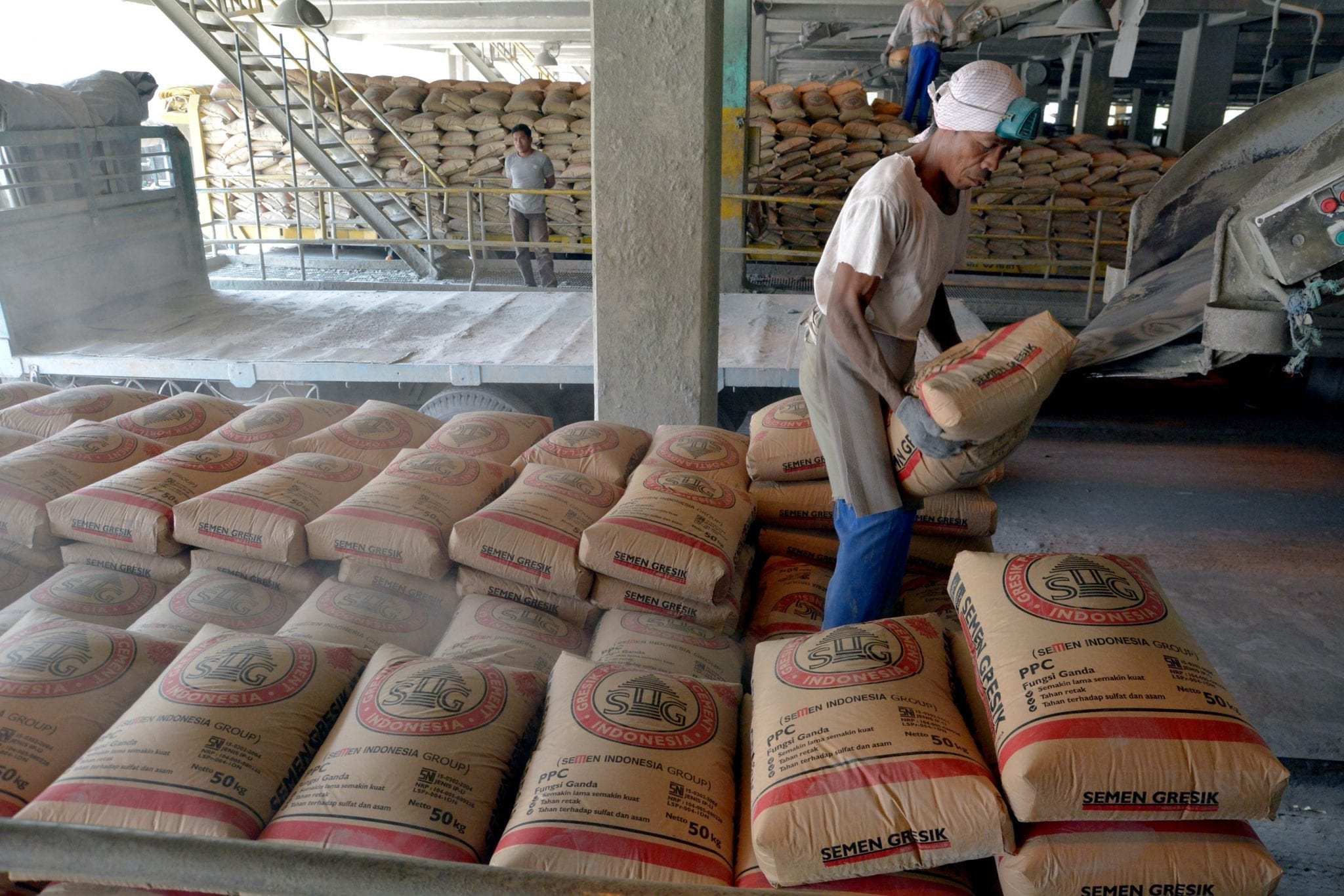
    Cement maker Semen Indonesia is buying the local unit of Swiss rival LafargeHolcim for around $917 million, as it seeks to extend its dominant position in Southeast Asia’s largest market. Semen Indonesia said in a statement it had signed a deal to acquire LafargeHolcim’s 80.6 percent stake in Holcim Indonesia, which is the third-biggest cement producer in the country.

    A fully owned subsidiary of the state firm would launch a mandatory offer for the remaining shares owned by public shareholders, it said.

    “In the competitive environment of the national cement industry, the combination between Semen Indonesia and Holcim will be stronger and larger,” Semen Indonesia president director Hendi Prio Santoso said.

    The company said the acquisition will boost its total cement capacity to 53 metric tons per annum. Analysts say this will give the combined entity a total capacity share of about 50 percent, in a market that has 15 companies.

    Sources familiar with the matter said Malaysian infrastructure company YTL Corp and privately owned Chinese firm Hongshi Cement had also been among the final bidders but the strategic fit with Semen Indonesia helped LafargeHolcim’s Indonesian unit to win the auction.

    The initial round of the auction drew interest from about a dozen companies, including from Japan, the Philippines and other countries, the sources said.

    YTL and Hongshi declined to comment.

    A spokeswoman for LafargeHolcim said it had received strong interest from bidders for its Indonesian business but declined to give details on the parties involved.

    Though President Joko “Jokowi” Widodo’s infrastructure push has fueled a boom in the building of airports, roads and housing projects, an aggressive expansion in the industry and entry of newer players such as Anhui Conch has created excess capacity and a price war in the last few years, analysts say.

    Semen Indonesia has secured financing from local, regional and international banks such as BNP Paribas, said the sources, who declined to be named as complete details of the deal have not been announced.

    “This secures Semen Indonesia’s position as a market leader for many years. Cement prices are improving and there is significantly less new capacity coming,” one source said.

    In an August report on potential consolidation in the Indonesian cement industry, Deutsche Bank analysts said: “A bull-case scenario would be that domestic consolidation reduces the number of players competing in the overcapacity market, supporting higher ASP [average selling prices] and a profitability recovery.”

    “A bear-case scenario would be a prolonged condition in which the industry loses its pricing power due to the new players’ strategy to overtake market share,” the report said.

    Semen Indonesia said the acquisition would give it significantly larger capacity and broader product portfolio and geographical footprint, while LafargeHolcim, the world’s largest cement maker, said in a separate statement that it was selling the business as it reviews its portfolio to improve its financial strength.

    LafargeHolcim’s local unit has four cement plants with a capacity of 14.8 metric tons per annum and 30 ready-mix plants, Semen Indonesia said.

    It was advised by BNP Paribas, while LafargeHolcim was advised by Citigroup.

  • Solid six months for Link Reit

    Solid six months for Link Reit

    Link Reit has improved like-for-like revenue by 7 per cent in the first half year, with car park revenues up 10 per cent and retail up 6.6 per cent. The valuation of Link’s investment properties portfolio reached HK$209.8 billion, an increase of 3.3 per cent compared to March 31.

    In a results announcement, the company said its portfolio “continued to demonstrate its resilience and provide a productive platform for our tenants to thrive” during a time of geopolitical and economic uncertainty.

    “Our efforts invested in asset management have yielded positive results for our retail portfolio,” the company said. “As at September 30, occupancy rate for the portfolio remained stable at 95.5 per cent and the overall portfolio reversion rate stood at 22.5 per cent. Average monthly unit rent improved to $65.7 per square foot (psf) as at September 30, up from $62.4 psf as at March 31.

    Four asset enhancement projects were completed during the six-month period: Fu Shin Shopping Centre, Homantin Plaza, Sam Shing Commercial Centre and Wan Tsui Commercial Complex. Link’s asset enhancement pipeline is filled with projects in various stages, including 10 projects currently underway, five preparing to commence and 19 projects undergoing review.

    On the mainland, Link’s three properties – EC Mall in Beijing, Metropolitan Plaza in Guangzhou, and Link Square 1 & 2 in Shanghai – performed “satisfactorily”, contributing a combined revenue of $490 million and net property income of $390 million. Increases of 22.8 per cent and 25.8 per cent, respectively. The retail portfolio occupancy rate was 98.8 per cent.

    “The latest addition to the portfolio, Metropolitan Plaza, continues to be a growth engine with vast potential to be unlocked. EC Mall’s reversion rate stayed at a satisfactory level and the new tenants have been warmly welcomed by the local community. Reversion rate of retail portfolio stood high at 43.2 per cent. We will continue to tailor asset management strategies to enhance our asset qualities and offerings to the neighbourhoods,” the company said.

    CEO George Hongchoy said Link is “well-placed to sustain its long-term growth trajectory while keeping foundation of business fundamentally sound and resilient”.

    The company is considering acquisitions and/or divestments that can drive sustainable return long term.