Category: Real Estate

Retail News Asia is committed to providing both local and global retailers with the latest Real Estate news throughout the Asian market. This on a daily base.

  • Unstaffed shop to open in Tokyo on trial basis

    Unstaffed shop to open in Tokyo on trial basis

    A Japanese railway network operator is testing an unmanned store in a Tokyo railway station. The store will use artificial intelligence in place of cashiers to transact with customers in a trial expected to last about two months. The venture was opened by East Japan Railway, otherwise known as JR East, this week at the Akabane Station in Tokyo’s north.

    It has some 80 cameras mounted in the ceiling and on shelves recording customer behaviour before the AI software detects which items customers select.

    Customers pay using stored value cards issue by railway companies for transit.

    If the concept proves a success, JR East says it will begin rolling the technology out in stations across the city.

    The store is loosely modelled on unmanned stores opened in Mainland China, along with the Amazon Go concept in the US.

  • President Xi Jinping expected to launch the Hong Kong-Zhuhai-Macau bridge

    President Xi Jinping expected to launch the Hong Kong-Zhuhai-Macau bridge

    The Hong Kong-Zhuhai-Macao Bridge – the world’s longest sea bridge which has taken nine years to build – is expected to be officially opened by President Xi Jinping next Tuesday. Central government’s liaison office in Hong Kong has announced the event will take place in Zhuhai on October 23 but Xi will apparently not be crossing over to the Hong Kong side to mark the linking of the three cities through the mega project

    The 55km bridge marks a new milestone in Beijing’s broader push to create the Greater Bay Area – a technology-led economic hub comprising Hong Kong, Macau and nine Guangdong province cities with aspirations to rival California’s Silicon Valley.

    The bridge will put the three cities it links within an hour’s drive of each other and is expected to boost economic development and tourism in Hong Kong, which has invested HK$120 billion (US$15.3 billion) in the project.

    The bridge will provide a fast lane to the western part of the Pearl River Delta, Guangdong and Guangxi. A trip between the Kwai Chung Container Port and Zhuhai would be reduced from about 3½ hours to an hour and 15 minutes.

    And it would only take around 45 minutes to travel from Hong Kong International Airport to Zhuhai instead of the current four hours.

    The presidential trip, the subject of much speculation this year, would be highly symbolic in marking the 40th anniversary of China’s landmark economic reforms and opening-up policy.

    The southern economic powerhouse of Guangzhou was the lead runner in the reforms, with Shenzhen chosen as the first special economic zone to test out market-oriented policies.

    It was also the destination of Xi’s maiden visit outside Beijing after taking power in late 2012, and was seen as a strong signal of his support for greater market-oriented reforms.


  • Malaysia govt to introduce building energy intensity labelling this Saturday

    Malaysia govt to introduce building energy intensity labelling this Saturday

    The government will be introducing building energy intensity (BEI) labelling for buildings as part of its efforts to promote voluntary adoption of energy efficiency in the building sector. It is likely to start with government buildings for starters.

    The initiative will be launched at the energy efficiency town hall session to be held on Saturday.

    Energy, Science, Technology and Climate Change Minister Yeo Bee Yin said during her speech at the International Greentech & Eco Products Exhibition & Conference Malaysia (IGEM) that the initiative will entail the rating of buildings with between 1-5 stars for energy efficiency.

    “This is the first step where we want government buildings to be labelled between 1-5stars for energy efficiency,” she added.

    In addition, Yeo said the government will also be aggressively stepping up the adoption of energy performance contracting (EPC) for government buildings next year. The initiative was initiated in 2013.

    “There are about 5,000 government buildings in Malaysia. Just imagine how much money we can save by retro-fitting (these) buildings by making the building electricity efficient,” she noted.

    Malaysia’s energy consumption in buildings comprised 14% of total energy consumption and 52.4% of electricity consumption in 2016.

    Internationally, the building sector is regarded as one of the most cost-effective sectors to reduce energy consumption.

  • Funan set to open Singapore’s first O&O shopping mall ahead of schedule in 2Q 2019

    Funan set to open Singapore’s first O&O shopping mall ahead of schedule in 2Q 2019

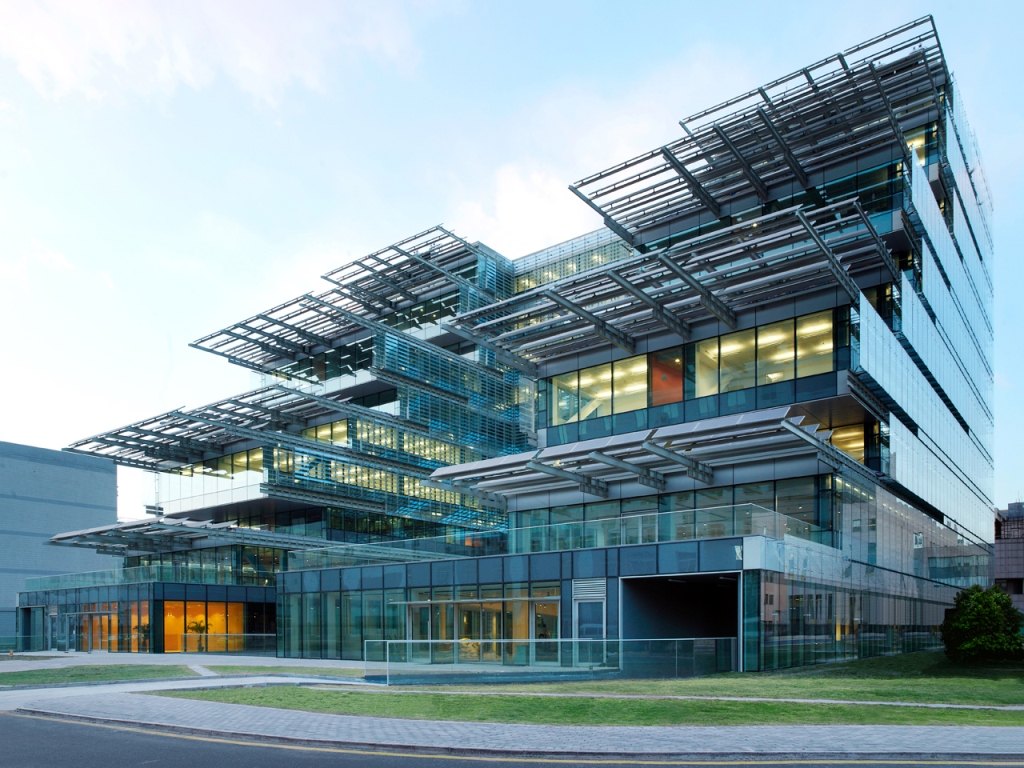
    Funan is racing ahead to open Singapore’s first online-andoffline (O&O) shopping mall integrating online, offline, data and logistics aimed at empowering retailers’ omnichannel strategy and transforming the customer experience. The retail as well as its office components are now slated to open in 2Q 2019, instead of the earlier announced 3Q 2019. The opening of lyf Funan Singapore, a coliving serviced residence component within Funan, managed by The Ascott Limited, has also been brought forward from 2020 to 4Q 2019.

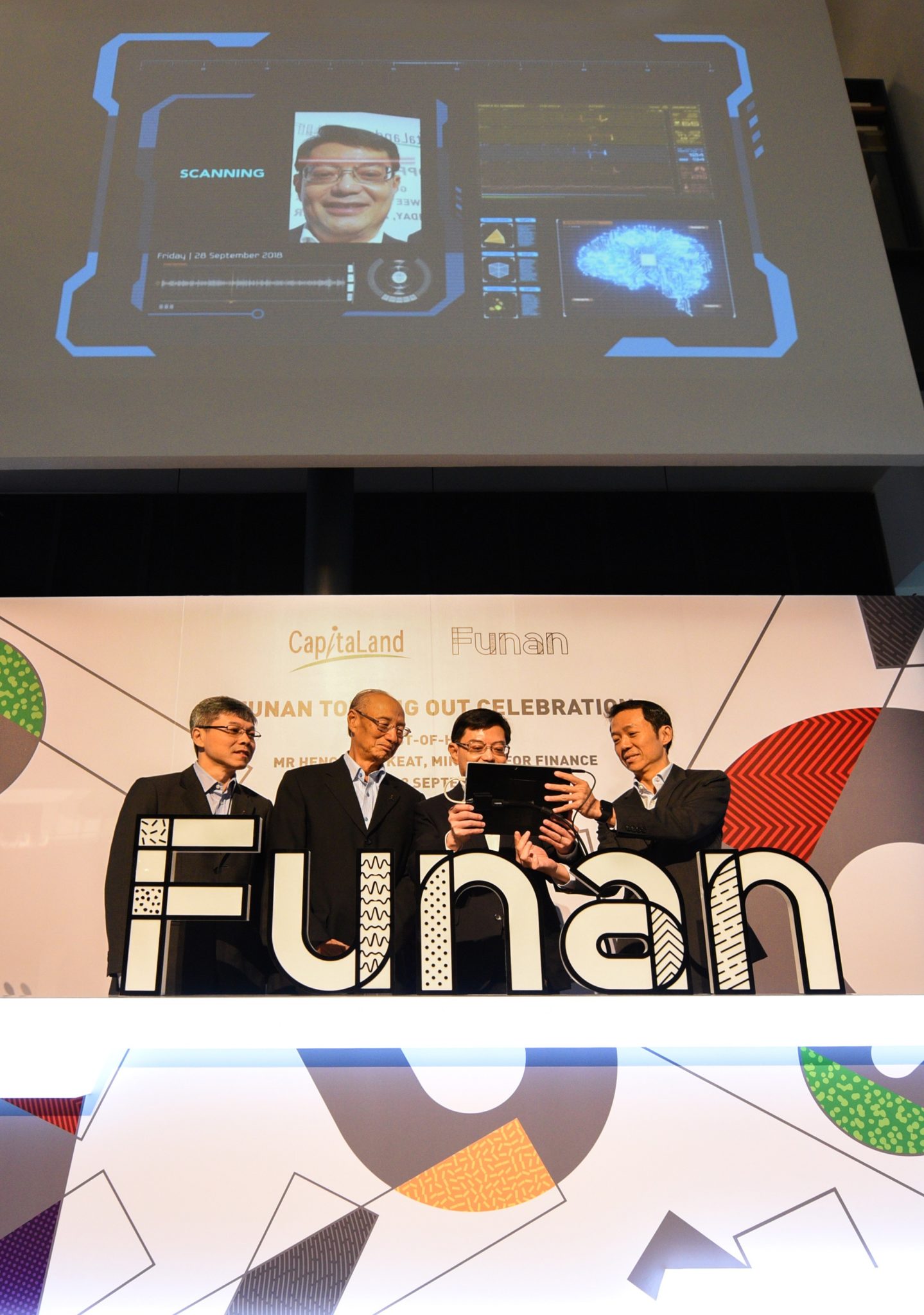
    Owned by CapitaLand Mall Trust and managed by CapitaLand Retail, Funan celebrated its structural completion ahead of schedule. The topping out ceremony held at Funan Showsuite was officiated by Guest of Honour Mr Heng Swee Keat, Singapore’s Minister for Finance. From groundbreaking to structural completion, Funan took about 19 months. To date, 72% of the overall construction has already been completed.

    Mr Lee Chee Koon, President & Group CEO of CapitaLand Group, said: “To succeed in tomorrow’s economy, all players must find a way for the physical and digital realms to coexist. While the current market share of online sales is small, its pace of growth will only speed up as tomorrow’s consumers enter the market. Brick-and-mortar businesses must thus go beyond passively selling products and services, to generating quality retail experiences and emotional connections that are ‘on-brand’ with consumers. Against this backdrop, CapitaLand is committed to help our current and future tenants stay ahead of the curve. We have conceived Funan to embrace new opportunities, with a focus on gathering and building a young and vibrant community by integrating an experiential mall with dynamic coworking and coliving spaces. This starts with top quality building design and space planning, complemented by the right mix of tenants and partners who can breathe life into the building. A digital layer of techenabled customer experience further enriches Funan’s offerings.”

    Mr Lee added: “As Singapore’s largest mall owner and manager, CapitaLand knows that past success is no guarantee of future success. We are taking a close examination of our retail portfolio, in Singapore and abroad, to identify areas for reinvention. The location and catchment of Funan make it the ideal test bed for an O&O mall, where tomorrow’s consumers can shop, sweat, work, bond, live and play. Funan demonstrates CapitaLand’s commitment to reinvention, to always retain our market leadership. As ecommerce becomes a reality, CapitaLand will continue to ensure that the real estate we develop is conducive and complementary to tomorrow’s consumers and economy.”

    Mr Tony Tan, CEO of CapitaLand Mall Trust Management Limited, said: “Including leases signed and in advanced negotiations, the leasing for Funan’s retail and office components has already reached 70% and 60% respectively. Such early commitment of a strong slate of partners from diverse fields, many of whom CapitaLand is working with for the first time, marks a very encouraging start for Funan’s mandate to inspire innovation and create a unique lifestyle proposition for digitally savvy customers in an experience economy. What is even more heartening is that many of these partners have committed to push the boundaries by experimenting with new-to-market experiences at Funan. The significant interest in Funan points to the continued market demand for centrally-located and well-designed retail spaces that enjoy inherent shopper traffic as part of a quality integrated development.”

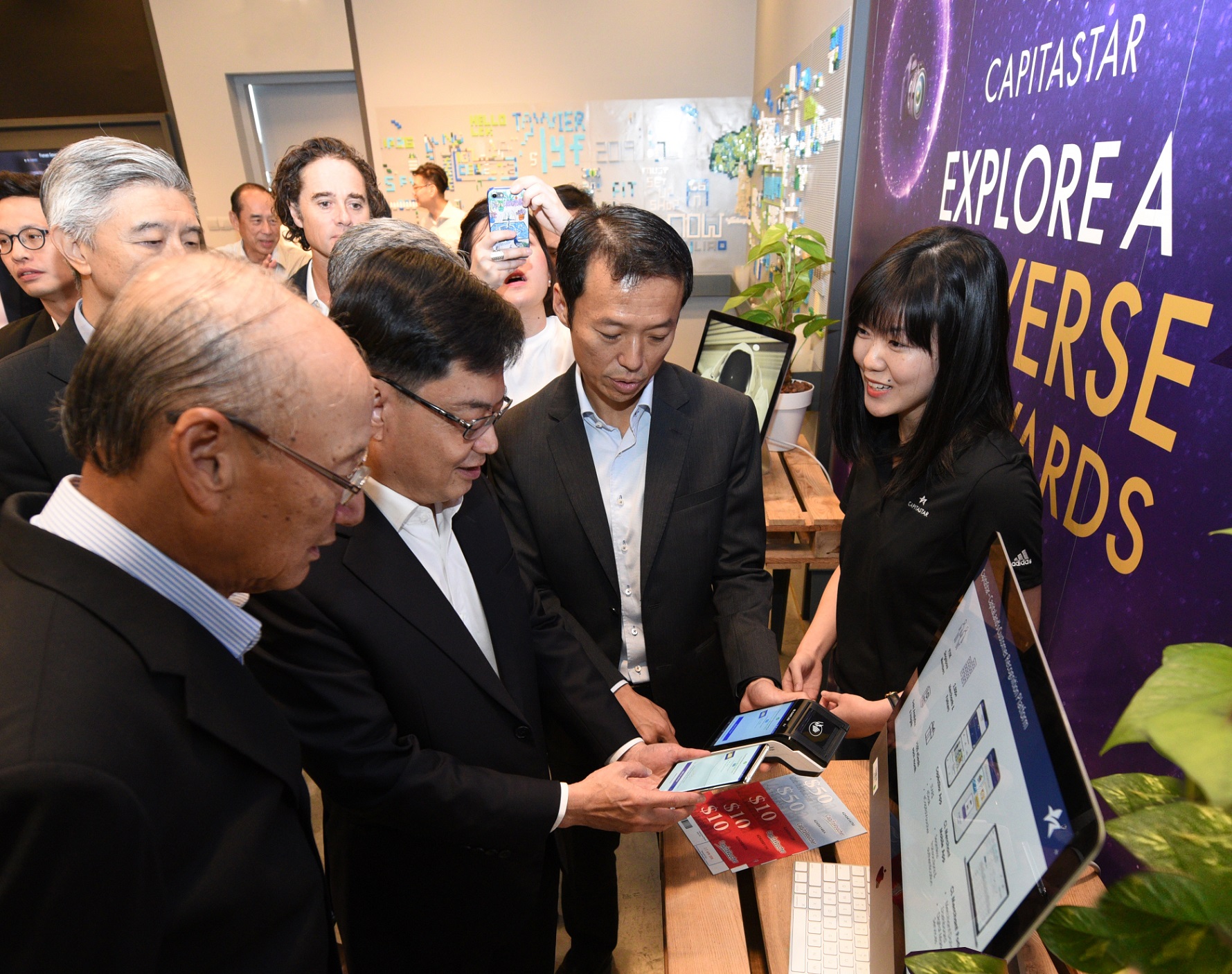
    At the topping out event, Minister Heng Swee Keat was given a preview of a range of digital innovations coming up at Funan. These include a smart interactive directory that uses facial recognition to provide shoppers with customised recommendations, video analytics that studies shopper traffic and crowd density and an all-in-one app for Ascott’s lyf coliving serviced residence – the first app by a serviced residence company that will allow social networking and room booking; and will also serve as a mobile key. CapitaLand also showcased its groupwide innovations as part of its digitalisation strategy, including a merchant dashboard that enables retailers to tap consumer insights generated by CapitaLand’s CapitaStar loyalty programme and eCapitaVoucher, the digital version of CapitaVoucher – Singapore’s most popular shopping mall voucher – launching this November.

    Funan’s innovation journey has scored several “firsts” in Singapore. These include the first to deploy automated guided vehicles to provide shoppers with a hands-free shopping experience and the first to utilise a robotic arm for its twenty-four-hour drive-through click-and-collect service. As part of Funan’s tech-enabled user experience, building users can also expect conveniences such as app-based booking of facilities within the development, video-based smart carparking facilities and facial recognition turnstiles at its office towers.

    Adopting smart construction technologies

    Despite challenges such as a tight site with limited access, time savings are achieved through innovation in construction methods, and the choice of building materials and equipment to avoid redundancies and inefficiencies in Funan’s construction process. These include applying Virtual Design and Construction at the onset, and adopting a top-down construction method, which allows for the building’s basement and superstructure to be built concurrently. Precast concrete structural building components are also used to further reduce the construction time.

    In addition, the construction of the underpass connecting Funan and City Hall MRT station will deploy the Rectangular Tunnel Boring Machine as it saves time and manpower, and minimises traffic disruption. The underpass is targeted for completion in 2021.

    Upcoming experiential offerings at Funan

    As Singapore’s first commercial development to allow cycling through the building at Level 1, Funan will bring to life cycling amenities and end-of-trip facilities such as cafés and shower facilities. English premium folding bike brand Brompton Bicycle has chosen Funan to be the location of its first flagship store in Singapore. Cycling enthusiasts can take the bikes out for a spin along the cycling lane within Funan before deciding on their purchase.

    Strengthening the tech cluster that already comprises local consumer electronic goods stalwarts Newstead Technologies, AddOn Systems and T K Foto, well-established homegrown gaming store GamePro will be hosting eSports tournaments in a dedicated eSports zone at Funan. Aspiring chefs can whip out their best dishes at a new concept by ABC Cooking Studio, which allows members to conduct their own classes and collaborate with others. On Level 7, diners can look forward to a farm-to-table dining experience by Spa Esprit Group. Edible Garden City will be operating Funan’s rooftop urban farm, with plans to host workshops for the community.

    Ark Futsal has committed to operate the only futsal court in the CBD at Funan, complementing the offerings from Climb Central, the largest rock-climbing facility in the CBD. These new names will synergise with and complement the previously announced tenants including Golden Village cineplex, Kopitiam foodcourt, W!ld Rice theatre and flagship of Carrie K. and Keepers.

  • Pavilion Hotel Kuala Lumpur Managed by Banyan Tree Opens This Year

    Pavilion Hotel Kuala Lumpur Managed by Banyan Tree Opens This Year

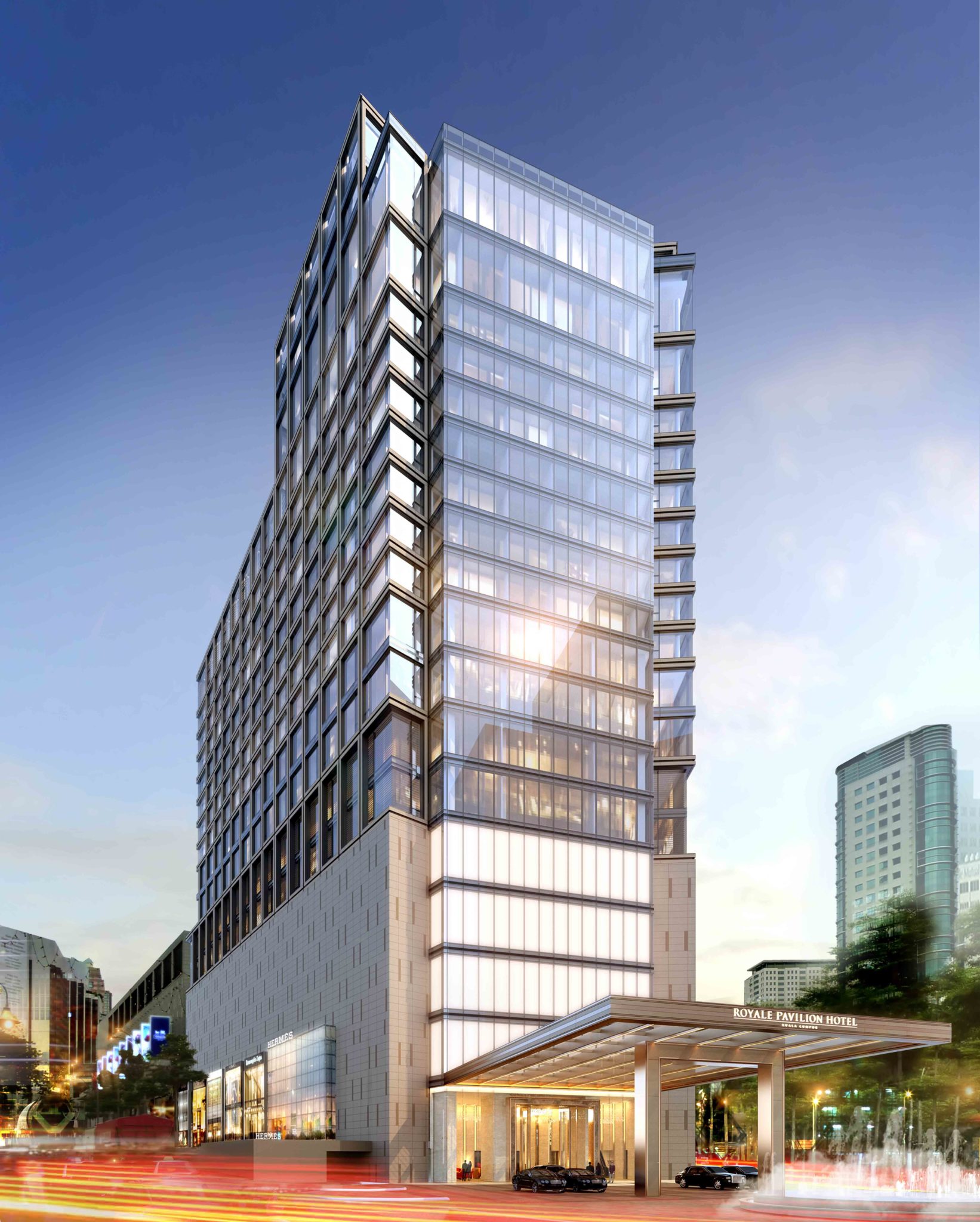
    Pavilion Hotel Kuala Lumpur stands 13 floors above Pavilion Kuala Lumpur, the award-winning six-storey shopping centre, adjacent to the Couture Precinct extension. Right in the heart of the capital of Malaysia, hotel guests have easy access to popular shopping hotspots and attractions – from well-known street markets such as Bukit Bintang to the best dining and nightlife experiences such as Jalan Alor and Changkat Bukit Bintang. They can also explore world-renowned landmarks such as Kuala Lumpur Tower, Petronas Towers and Kuala Lumpur Convention Centre, all within walking distance.

    Impeccable service and unrivalled experiences await guests at Pavilion Hotel Kuala Lumpur. The hotel features 325 rooms and suites decked in contemporary décor for the discerning traveller in need of an urban getaway. These include 115 City Oasis rooms [32 to 43 square metres (sqm)], 60 Courtyard Oasis rooms (38 to 43 sqm) and 45 Grand Oasis rooms (42 to 60 sqm).

    For guests who enjoy a bit more exclusivity, the hotel has four dedicated club floors, including 59 Club City Oasis rooms (32 to 49 sqm) and 20 Club Grand Oasis rooms (42 to 60 sqm). Club room guests have exclusive access to the Club Lounge located on Level 14, relaxing with a delectable breakfast spread, light bites or cocktails while taking in the magnificent view of Kuala Lumpur’s cityscape.

    There are also 26 contemporary suites available for an extra touch of luxe and space: 16 Urban Studio Suites, (64 to 72 sqm), eight Urban Suites (70 to 76 sqm), one Pavilion Suite (113 sqm) and one Presidential Suite (319 sqm).

    In the world of dining, guests are in for a treat with a dedicated and skilful F&B team. Level 8 houses The Courtyard, Pavilion Hotel Kuala Lumpur’s all-day dining restaurant that offers a mouth-watering smorgasbord of Southeast Asian-inspired cuisine. Guests can also dine at Ebisu, a restaurant and bar space featuring an array of Japanese cuisine with a twist. On Level 7M, the Whisky Cove is the place to unwind with a wide selection of whiskies and blends from around the world.

    Pavilion Hotel Kuala Lumpur also offers a range of meeting and event facilities suitable for all occasions. The total event space measures 1,298 sqm, with a ballroom that can accommodate up to 500 persons, a crescent-shaped venue that sits 120 persons in banquet setting and five fully-equipped meeting rooms that can accommodate 40 persons per room.

    The urban escapade is not complete without a rejuvenating experience at the award-winning Banyan Tree Spa. A selection of Asian-inspired treatments are available and with highly-skilled therapists who have undergone a minimum of 350 hours of training at Banyan Tree Spa Academy, guests are in for a pampering time.

    The Sky Gym and Rooftop Infinity Pool are located on Level 18, offering an unparalleled view of Kuala Lumpur. Guests can shop at Banyan Tree Gallery, the hotel’s dedicated retail outlet offering a collection of handicrafts, resort apparels and signature spa amenities.

    “This effervescent and cosmopolitan city is filled with vibrant beauty and diversity. With the flourishing business landscape that Kuala Lumpur possesses, this charming city has become a mecca of sorts for both tourists and business travellers around the world.  In addition, some of the best shopping malls in the world, as well as modern and historical landmarks – are within a stone’s throw away. Pavilion Hotel Kuala Lumpur is in an ideal hotel destination for business travellers and holidaymakers — and even locals looking for a pampering staycation,” said Anders Dimblad, General Manager of Pavilion Hotel Kuala Lumpur and Banyan Tree Kuala Lumpur.

    To celebrate the opening of Pavilion Hotel Kuala Lumpur, the hotel is launching an Opening Celebration package ranging from room up to spa promo deal.

  • Avison Young opens its first office in Asia

    Avison Young opens its first office in Asia

    Mark E. Rose, Chair and CEO of Avison Young, the world’s fastest-growing, private and Principal-led, global commercial real estate services firm, announced today that the company has opened a new office in Seoul, South Korea.

    The new Seoul office represents Avison Young’s first office in Asia, 85th office globally, and an additional step in the firm’s ongoing aggressive global growth and expansion strategy. Full operations in Seoul will begin on November 1, 2018.

    Over the past 10 years, Avison Young has grown from 11 to, now, 85 offices in 76 markets and from 300 to more than 2,700 real estate professionals in Canada, the U.S., MexicoEurope and Asia.

    Effective immediately, 63 new members, including brokerage and other service specialists, join Avison Young from Seoul, South Korea-based commercial real estate firm Mate Plus Advisors Co. Ltd. Byoung Gon Choi becomes a Principal of Avison Young’s Seoul Operations and Managing Director of the new office. He will focus on expanding Avison Young’s business-line coverage across South Korea, servicing new and existing clients, and managing the day-to-day operations of the office.

    Choi brings 34 years of commercial real estate experience in South Korea to Avison Young, most recently as CEO of Mate Plus Co. Ltd., a leading real estate property management company in Korea; CEO of its affiliate Mate Plus Advisors, which specializes in investment sales, retail, project management, asset management, leasing, research and advisory services; and CEO of Genstar, of which Mate Plus is a key affiliate.

    “The opening in Seoul represents another milestone in our global expansion strategy,” comments Rose. “We’re thrilled to be launching our first office in Asia in Seoul as we begin to fulfill our long-sought goal of entering the highly dynamic Asian marketplace and expanding our footprint across another continent. Furthermore, we’re delighted to have Byoung Gon Choi, who is a highly regarded commercial real estate professional, guiding our expansion program in Seoul and the rest of South KoreaByoung Gon’s ability to foster deep relationships is evident in his previous companies’ geographic and project-type diversity. He understands current market trends and uses that knowledge to provide creative solutions that meet each client’s unique business needs. He and his team, which include leading capital markets and corporate services professionals, have comprehensive knowledge of Seoul’s commercial real estate sectors and can also give clients highly strategic advice on asset management and property management. The new team’s experience and expertise will benefit our clients and company alike. We couldn’t be more pleased to have Byoung Gon and our other new colleagues on board.”

    Rose adds: “We believe that Seoul is an underserved market that offers great potential for increased local, national and international investment sales and leasing activity. Seoul, which has a young, highly educated and tech-savvy workforce, is a gateway to China and the rest of Asia. The new Seoul office will also enhance our ability to facilitate multi-market transactions – and sets us up for further expansion within the Pacific Rim.”

    Choi will work closely with Hiren Thakar, a Principal of Avison Young and the firm’s Chief Operations Officer, International Operations.

    “We were impressed by Byoung Gon’s professional manner in meeting client needs and his proactive approach to commercial real estate brokerage company management and service,” states Thakar. “A well-established industry leader, he and the entire Seoul team will fit well in our client-centric culture. We are already working on developing potential new partnerships and generating client assignments together. Furthermore, South Korea is a stable, rapidly growing Pacific Rim country that has become a destination for investors, landlords and occupiers as they seek to establish a foothold in the region. Each real estate sector is expanding rapidly and has a large, diverse client base. Byoung Gon and his team are experienced in working with international clients and have been successful at completing assignments throughout South Korea.”

    Today’s announcement follows Avison Young’s announcement on July 16, 2018 that Caisse de dépôt et placement du Québec (CDPQ), one of Canada’s leading institutional fund managers, has made a $250-million preferred equity investment to accelerate Avison Young’s strategic growth plan.

    Thakar adds: “The opening of our new Seoul office will allow us to capitalize further on CDPQ’s investment in Avison Young’s strategic initiatives. Our global team will continue to eye additional markets for expansion through the deployment of capital obtained via CDPQ’s recent investment.”

    Avison Young made its first investment under its strategic partnership with CDPQ by acquiring leading U.K. firm Wilkinson Williams LLP and opening a new office in London’s West End on August 1, 2018.

    “We are delighted to join the Avison Young family and be the faces of the company’s first office in Asia,” says Choi. “Avison Young’s entrepreneurial and collaborative culture resonates well with the way we conduct business in South Korea. Our team strongly expects that, by sharing in the benefits of Avison Young’s Principal-led and collaborative business philosophy, we can take our consulting services in South Korea to the next level. Moreover, in co-operation with Avison Young colleagues, we can complete the value chain, providing all types of commercial real estate services to clients.”

    Choi adds: “We believe that our clients will be better served by tapping into Avison Young’s global brand and resources. We look forward to working with our new colleagues throughout the company and developing many trans-Pacific partnerships on behalf of our clients. We also look forward to recruiting new top professionals as we expand the firm’s presence throughout South Korea.”

    Effective November 1, 2018Avison Young’s new Seoul office will be located at 9F Samhwa Tower, Eulji-ro-5-gil 16, Jung gu, Seoul, Korea 04539.

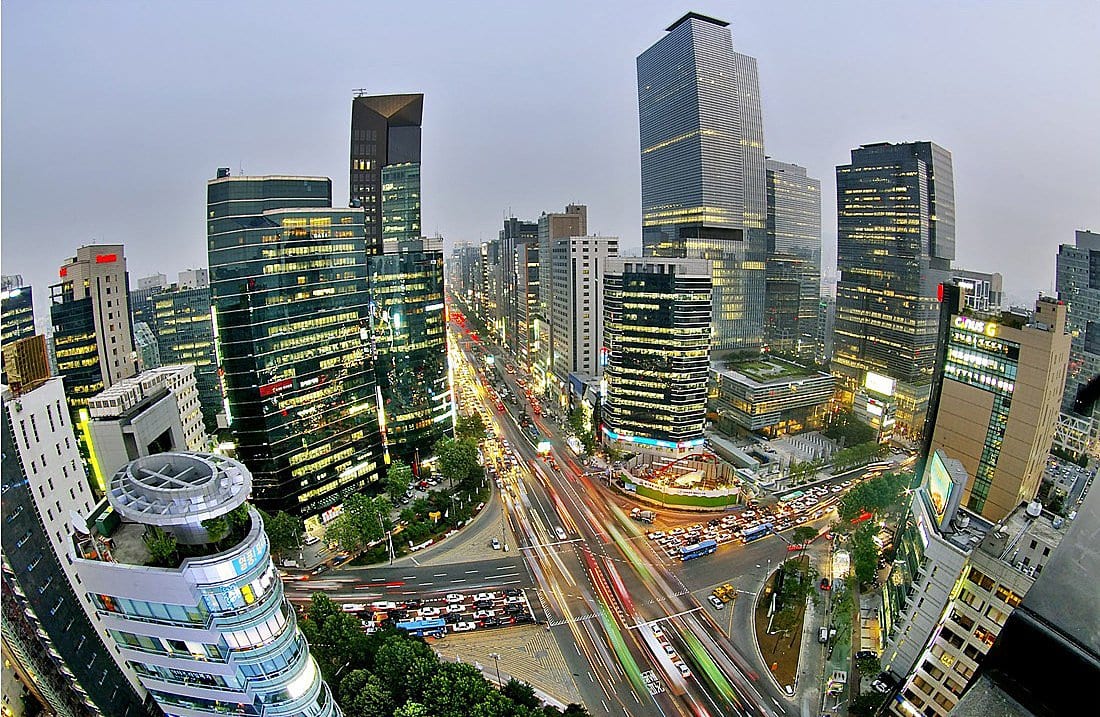
    Seoul, the capital of South Korea, is located on the Han River and serves as the main gateway and logistics hub for Northeast Asia. With a population of approximately 10 million, Seoul ranks among the world’s most dynamic marketplaces. The region is home to many manufacturing sectors, including steel, electronics, automobiles and auto parts, textiles and footwear, chemicals and pharmaceuticals. Other sectors with a strong presence include information and communications technology, financial technology, fashion and construction. International trade also plays a key role in the city’s economy, thanks to South Korea’s status as one of the world’s top exporters. The city’s workforce benefits from low local (5%) and national (4%) unemployment rates (as of August 2018). The World Bank’s latest rankings list South Korea fourth globally for ease of doing business. Seoul’s commercial real estate market features vibrant office, retail, industrial, multi-family and investment real estate sectors. However, the city is also known for its high levels of alternative assets, including data centres, self-storage facilities, student accommodation, education-related buildings and healthcare and seniors-care properties.

  • Foreign investors snap up prime office space in downtown Saigon

    Foreign investors snap up prime office space in downtown Saigon

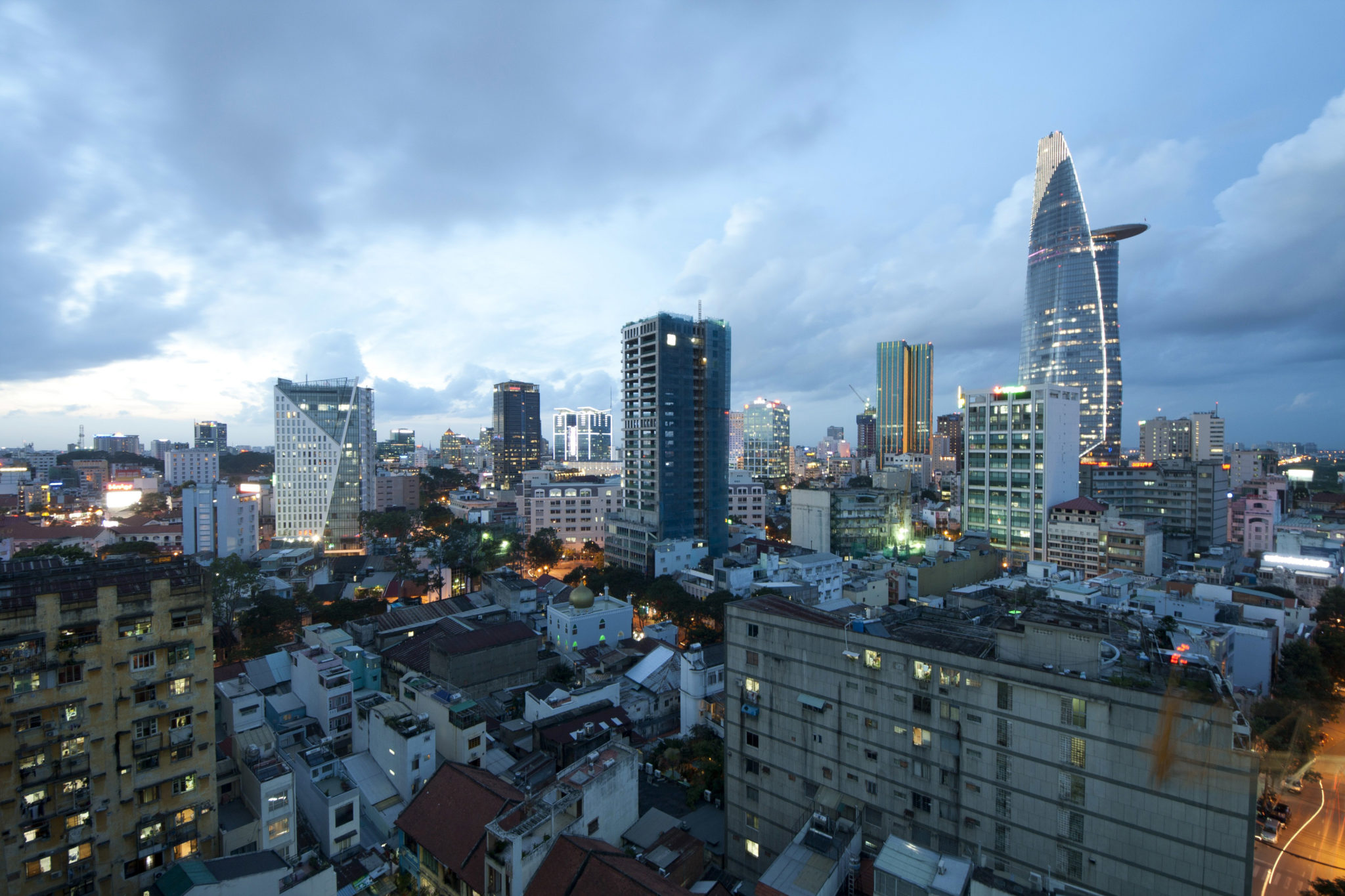
    Foreign investors currently own majority stakes in about 50 percent of high-end office buildings in downtown Saigon.

    A newly-released Savills Vietnam report said investors from Singapore, Hong Kong, Japan, South Korea, Germany and Slovakia own stakes in nine Grade A office complexes in prime Saigon locations. Asian investors hold a bigger market share than that of European companies.

    Given the scarce supply of Grade A office space in the nation’s commercial hub, current occupancy rates in this segment are above 95 percent, and monthly rents have reached their highest in nearly half a decade at $50-70 per square meter.

    This has spawned many M&A deals in this property segment. Notable among these is the purchase of a 24 percent stake in Sun Wah Tower by Japan’s Nomura Real Estate Company earlier this year. The tower is located on the Nguyen Hue walking street in District 1.

    With demand remaining high, many new real estate companies have entered the market.

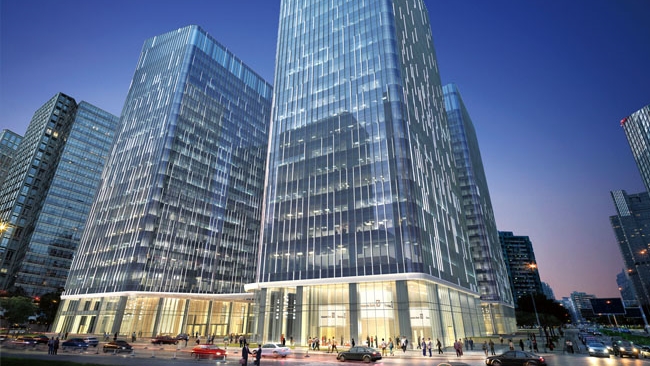
    Alpha King, a Hong Kong based real estate company, announced its plan to construct a 35 storied Grade A office building on Tran Hung Dao Street in District 1, close to the Ben Thanh Market. Work on this building is expected to completed by 2020.

    Slovakian investors plan to build the Friendship Tower on Le Duan Street, also in District 1. Construction of the 21-story building began this May and is expected to finish by 2020.

    When complete, both Alpha King and Friendship Tower will respectively contribute 72,000 and 19,000 square meters of Grade A office space.

    Su Ngoc Khuong, investment director at Savills Vietnam, said there are many foreign investors in Group A projects because they are cash-rich while such projects require big investment capital.

    The limited amount land available in prime Saigon locations has also led to great interest among foreign investors looking to make profits from renting space to both foreign and local companies.

    Explaining why international corporations are boldly investing in grade A office buildings in Saigon in recent years and are likely to do so in the years to come, Khuong said that global economic integration will continue to increase demand for office space in the city, thus creating a sustainable and profitable cash flow for Group A office leasing projects.

  • HCMC office rents soar to five-year high

    HCMC office rents soar to five-year high

    High-rise buildings in downtown HCMC have seen monthly rents rocket to $70 per square meter, the highest in five years.

    A report on the Ho Chi Minh City office market in the third quarter of 2018 said the main reason for rising prices is that office supply is not able to meet current demand.

    The report, prepared by real estate service firm Jones Lang LaSalle (JLL) Vietnam, noted that in the past three months, the average gross rent of Grade A office towers rose to about $50/sq.m per month, up by nearly 7 percent over the same period last year.

    However, the highest gross rents of towers in prime locations in HCMC soared even higher to $70/sq.m per month. This marks a record high for nearly half a decade.

    Similarly, rents for Grade B rental properties located in Districts 1 and 3 of the city have surged over the $30/sq.m per month threshold.

    Rental office space occupancy rates for Grade A properties are now over 95 percent while Grade B offices have been filled up 96.5 percent.

    Office occupancy has accelerated as a result of the boom in information technology, e-commerce and co-working space industries. The demand for HCMC office space could increase by 10 percent every year for the next 10 years, according to JLL Vietnam.

    As of the third quarter of 2018, the total office space for lease in HCMC was approximately two million square meters: Grade A buildings totaled 250,000 square meters; Grade B, 900,000 square meters; and Grade C, about 810,000 square meters.

    The JLL report also forecasts that in the next three months, office rents in HCMC will continue to rise quickly due to the lack of new premises to meet the huge demand.

    Grade A and B office space will continue to be in short supply in the fourth quarter of 2018, as the next 11 buildings planned are only to be completed by 2019-2020 at the earliest, it said.

  • Keppel in joint venture for first commercial development in India

    Keppel in joint venture for first commercial development in India

    Keppel Land, the property subsidiary of Singaporean conglomerate Keppel Corporation, is in a partnership to develop its first commercial property in India.

    The group has acquired a well-located 3.09ha site from Metro Cash & Carry India in Yeshwanthpur through a majority 51:49 joint venture with Indian property developer Puravankara.

    The total consideration of INR 4.05 billion (US$81 million) includes the cost of $16 million for the construction of a 160,000sqft retail/office complex. The total development cost, including the land, is $207.4 million.

    Yeshwanthpur is 5km northwest of central Bangalore, one of the primary hubs for the technology industry in India. The area is among the largest and fastest-growing office markets in the country.

  • E-Mart to open first outlet in Hanoi

    E-Mart to open first outlet in Hanoi

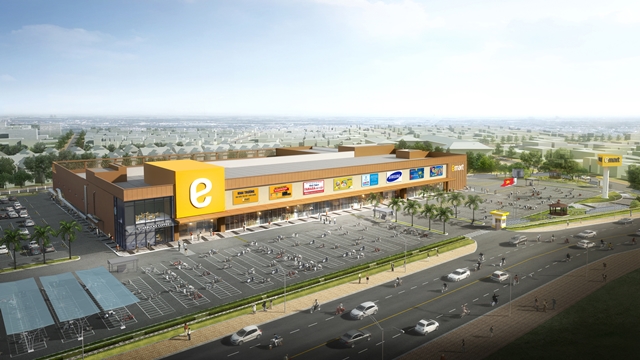
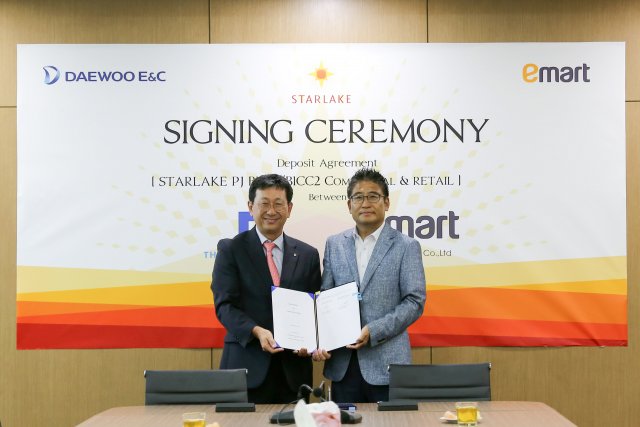
    South Korean retail group E-Mart is to build its first hypermarket in Hanoi’s StarLake urban area.

    According to StarLake, E-Mart and THT Development have signed an agreement to transfer two commercial land lots within StarLake Project, for an area of 1.86 million sqm in Hanoi’s Tay Ho (West Lake) district.

    In late 2015, E-Mart opened first location in Vietnam, on a 3ha site in Go Vap district, in Ho Chi Minh City, investing up to US$60 million.

    After exiting China, E-Mart plans to open 50 stores in Vietnam during the next five years.

    Another South Korean retail and entertainment group CJ has also deposited an agreement with THT for two land lots at StarLake Project.

    CJ plans to open CGV cinemas, a Tous les Jours bakery, and FMCG businesses there.

  • WeChat Pay embarks on first mall partnership in Singapore

    WeChat Pay embarks on first mall partnership in Singapore

    Mobile payment platform WeChat Pay has announced its first mall partner in Singapore.

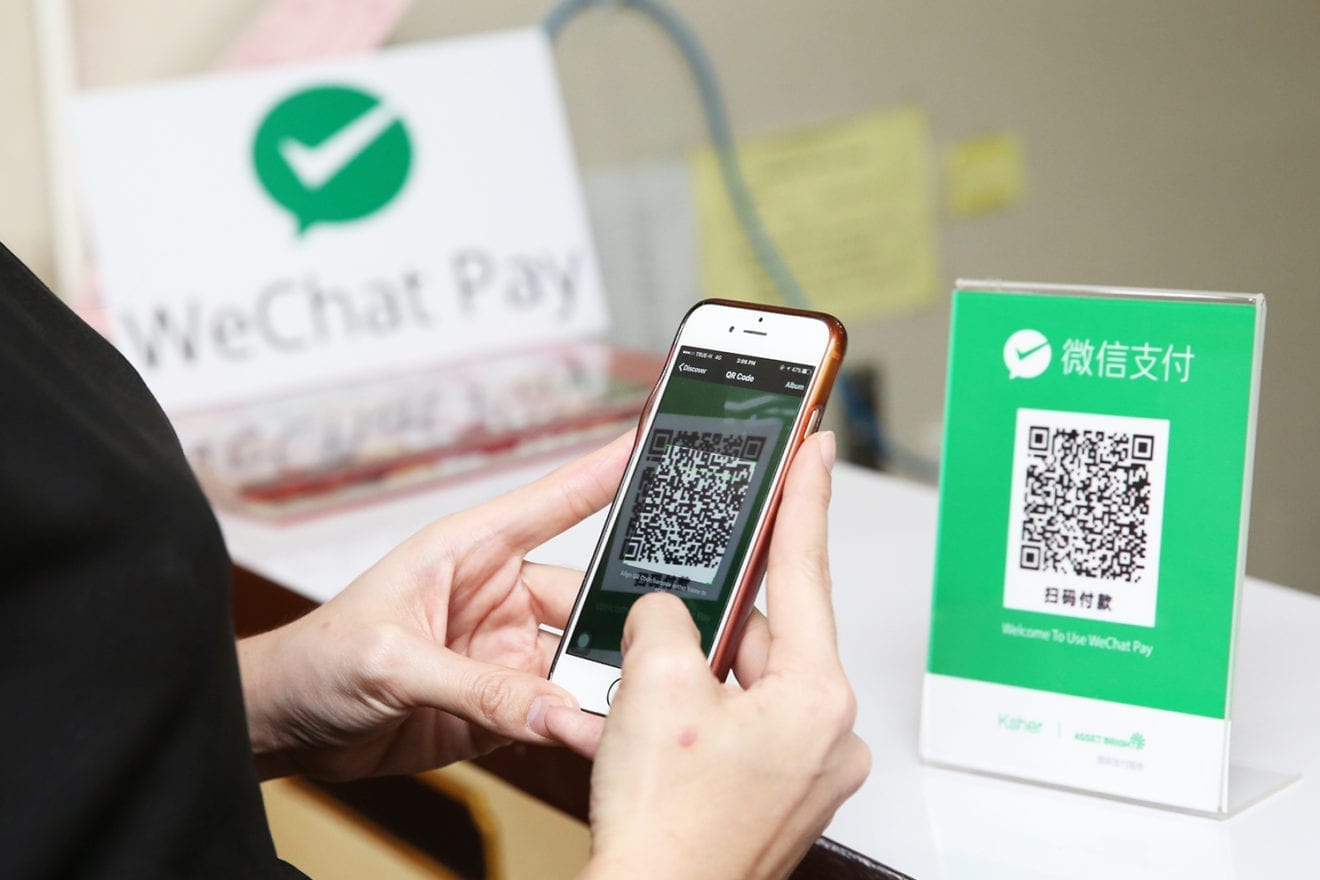
    WeChat Pay is rolling out cashless payment services across retail and F&B outlets in the popular Bugis Junction and Bugis+ malls, centrally located in Singapore’s Civic and Cultural District.

    GM Ivy Ang said the malls are particularly popular with young Chinese tourists. “Together with WeChat Pay, we will offer exclusive campaigns tailored for young Chinese travellers in Singapore. As we head into the Golden Week holidays and end-of-year festivities, we will continue to offer customised promotions and targeted campaigns to WeChat users through its many communication platforms and marketing channels, so our shoppers enjoy a rewarding shopping experience,” she said.

    “In this digital age, where we see more and more shoppers going cashless. Partnering with WeChat Pay is thus a very relevant initiative,” she added.

    Grace Yin, WeChat Pay’s director of overseas operation added: “The Bugis arts, culture, and entertainment district is especially popular with young Chinese tourists, which makes Bugis Junction and Bugis+ ideal to mark WeChat Pay’s first mall partnership in Singapore.”

    With the launch, Bugis Junction and Bugis+ will be the first malls in Singapore to accept WeChat Pay as a mobile payment platform across its wide range of commercial offerings. To celebrate the introduction of the new payment platform, the mall is hosting exclusive offers for shoppers to get rewarded with virtual money packets and receive cashback coupons.

    WeChat Pay is one of the leading mobile payment solutions in China. It is currently available in over 40 countries and regions across the world in 13 currencies and has more than 800 million monthly active users.

  • Sungei Wang Plaza Will Be Getting a Major Facelift

    Sungei Wang Plaza Will Be Getting a Major Facelift

    Sungei Wang Plaza, one of Kuala Lumpur’s older malls, is getting a facelift.

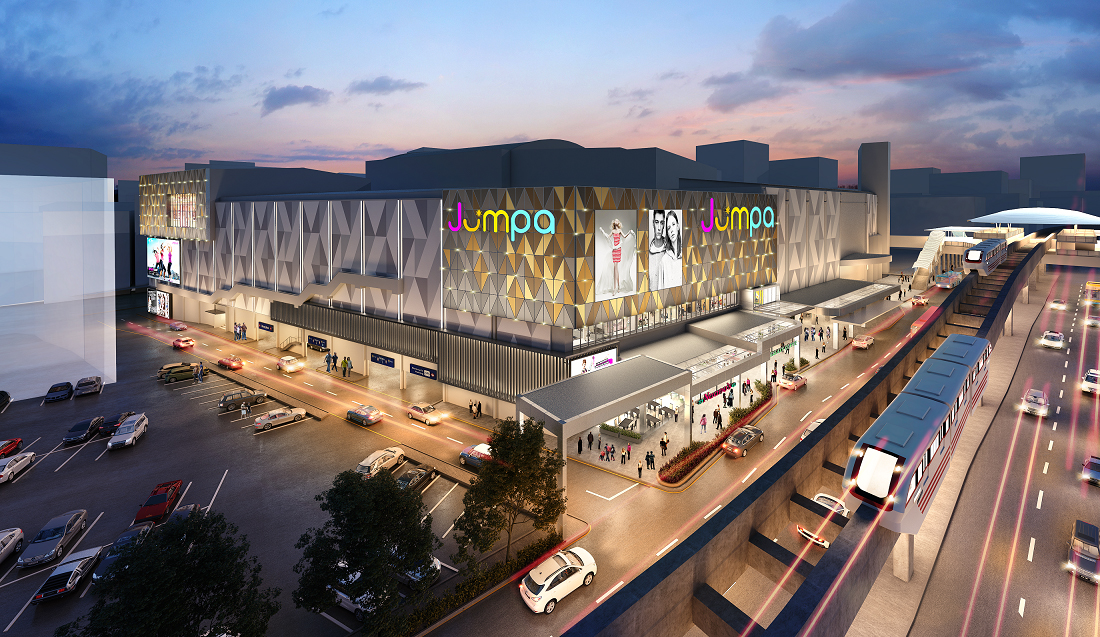
    The mall’s majority owner Capitaland Malaysia Mall Trust’s (CMMT) has announced plans to transform the tired shopping centre into a “glistening-gold location” by the middle of next year. Renovations will feature a 3D screen that is to be part of a 24 hour lights display.

    Complex manager Yuen May Chee said: “The 3D-patterned screen will give a brand new modern outlook to Sungei Wang Plaza and it will glisten under the sunlight. Furthermore, the screen will form certain patterns during dawn and dusk.”

    The mall will also feature a new “Jumpa” zone to include a family entertainment park, large-format specialty retail stores, fashion brands, F&B, beauty products and a supermarket.

    Previously a noted fashion locale, the mall had declined in popularity as new developments entered the Malaysian shopping centre market. The planned renovations will be the mall’s third major refurbishment since 2013, and is expected to cost CMMT MYR54.5 million (US$13.2 million).

  • KLIA retail space offered for tender

    KLIA retail space offered for tender

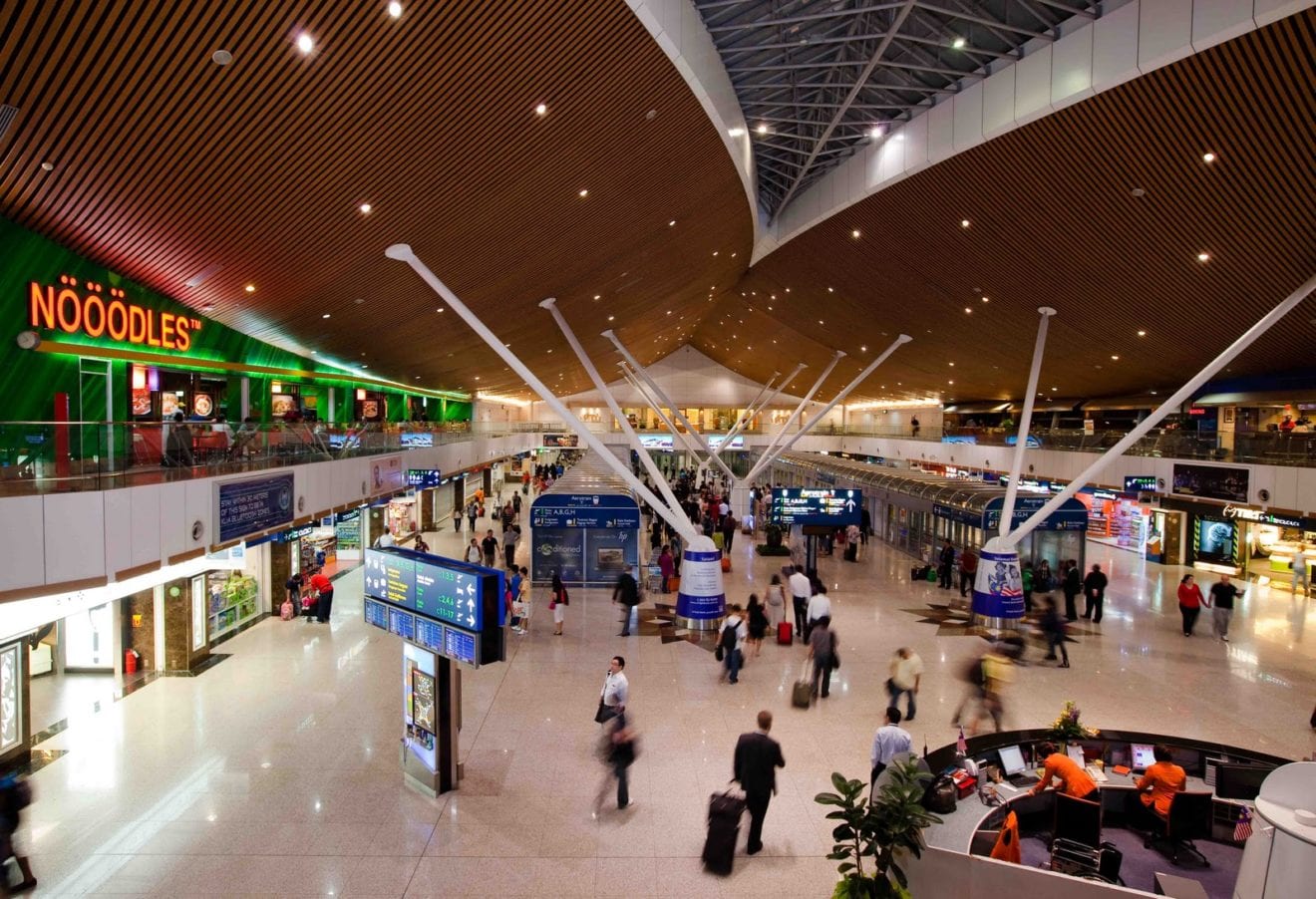
    Malaysia Airports has announced 14 tenders for KLIA retail space covering more than 2000sqm.

    The tenders are part of the Kuala Lumpur International Airport rennovation works in the main terminal building.

    The majority of the tenders closed in mid-September, although the deadline for submissions for a 777sqm walkthrough emporium in the level 3 arrivals area, featuring core duty free brands such as perfume and alcohol, remains open until October 11. Tenderers are asked to consider the creation of a seamless walkthrough emporium incorporating a passenger walkway of approximately 30 to 40 per cent of the common walkway.

    The closed tenders include four news, books and convenience goods outlets; two coffee outlets, and two casual dining concepts in the main terminal.

    The tenders are part of MAHB’s five-year plan to evolve KLIA into “a hub with increased connectivity and seamless transfers”.

    The new retail layout at KLIA will be divided into five new zones: the duty free zone, fashion avenue, ‘retailtainment’, sense of place, and F&B.

  • Indonesia’s Tauzia Hotels Joins Hands With Ascott for Southeast Asia Expansion

    Indonesia’s Tauzia Hotels Joins Hands With Ascott for Southeast Asia Expansion

    Green Oak Hotel Management, the holding company of Tauzia Hotels, announced on Thursday that it will cooperate with Ascott Limited, an international serviced-residence operator, to expand its business in Southeast Asia.

    The plan will see Tauzia open hotels in Malaysia, the Philippines, Cambodia, Laos and Myanmar.

    Tauzia currently operates 122 hotels, with a total of nearly 20,000 rooms, in Indonesia and Vietnam under six brands, including Harris, POP!, YELLO, Fox Harris, Harris Vertu and Préférence.

    Most of the company’s hotels are in Indonesia, mainly in Jakarta, Bali, Bandung (West Java), Surabaya (East Java) and Yogyakarta.

    “This partnership will enhance Tauzia’s future growth and performance as Ascott’s expertise and support will contribute greatly toward expanding our brand and product offerings in Asia and even beyond,” Tauzia Hotels founder Marc Steinmeyer said in a statement.

    Around 70 percent of its customers are business travelers, while the remainder are leisure travelers.

    The company has opened 10 hotels, with a total of 1,500 rooms, so far this year, including a POP! Hotel and Harris Hotel in Solo and Semarang in Central Java, a Fox Harris Hotel in in Bali and in Bandung, West Java, and a Harris Resort in Batam, Riau Islands.

    The company plans to open Liu Men by Préférence – its high-end hotel brand – in Melaka, Malaysia, before the end of this year.

    Through Ascott’s investment in Tauziah, the company expects to capture the untapped, but growing market in the region as it sees strong opportunities in the middle-class and business segments, Ascott chief executive Kevin Goh said.

    “[The growing middle-class] is brought on by the rise of the economy, commuters, infrastructure builders, other project-based workers and tech-savvy, self-sufficient and value-conscious leisure travelers. With our investment in Tauzia, we look forward to accessing this market, which is one of the fastest-growing segments in the hotel industry,” Goh said.

    He said Ascott will help Tauzia to access the international market by connecting the group to its 100,000 global corporate clients.

    Singapore-headquartered Ascott has had a presence in Indonesia for the past 22 years. The company operates 17 serviced residences, with a total of more than 3,000 residential units, in Jakarta, Bali, Bandung, Surabaya, Yogyakarta, Karawang (West Java) and Makassar (South Sulawesi).

  • Malaysia’s Berjaya Land Q1 earnings up 44%

    Malaysia’s Berjaya Land Q1 earnings up 44%

    Berjaya Land Bhd’s (BLand) net profit for the first quarter ended July 31 rose 43.8% to RM16.58 million from RM11.53 million a year ago mainly due to Sports Toto Malaysia Sdn Bhd (STMSB) reported higher profit contribution from lower prize payout and operating expenses; and lower finance costs.

    Its revenue also jumped 1.2% to RM1.62 billion compared with RM1.60 billion in the previous year’s corresponding quarter, mainly due to higher new vehicle sales volume reported by HR Owen Plc; and higher revenue from the gaming business segment operated by STMSB.

    The directors expect the number forecast operation (NFO) business to be satisfactory and will continue to maintain its market share for the remaining quarters of the financial year ending April 30, 2019. The performance of the hotels and resorts business is also expected to remain satisfactory whilst the property market outlook is expected to remain lukewarm.

    “The group also expects to record a significant gain upon the successful disposal of the proposed Berjaya Vietnam International University Town One Member Ltd Liability Co (disposal) and proposed Vietnam subsidiary disposal accordingly in due course, going forward,” BLand said.