Category: Real Estate

Retail News Asia is committed to providing both local and global retailers with the latest Real Estate news throughout the Asian market. This on a daily base.

  • Spring REIT Buys Guangdong Mall from Huamao Property

    Spring REIT Buys Guangdong Mall from Huamao Property

    Hong Kong-listed Spring REIT has agreed to buy the Huamao Place shopping centre, located in Huizhou, Guangdong Province.

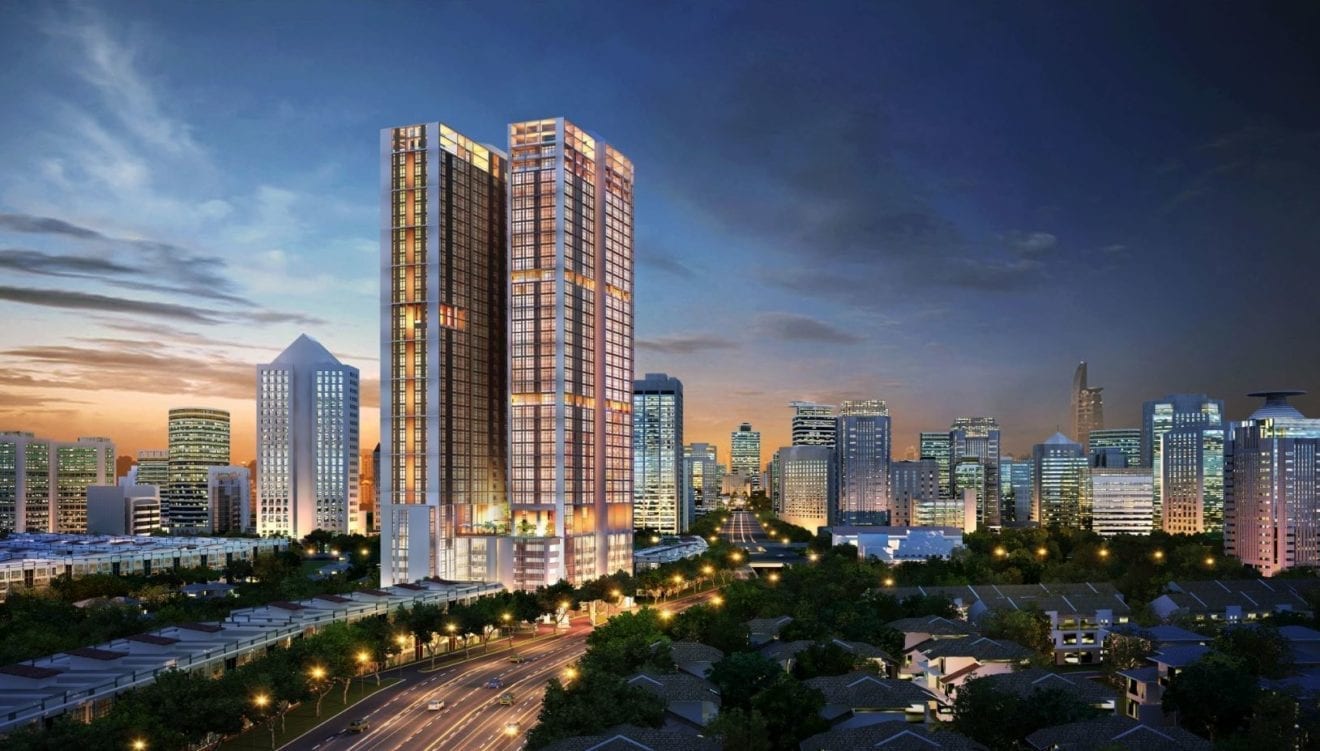
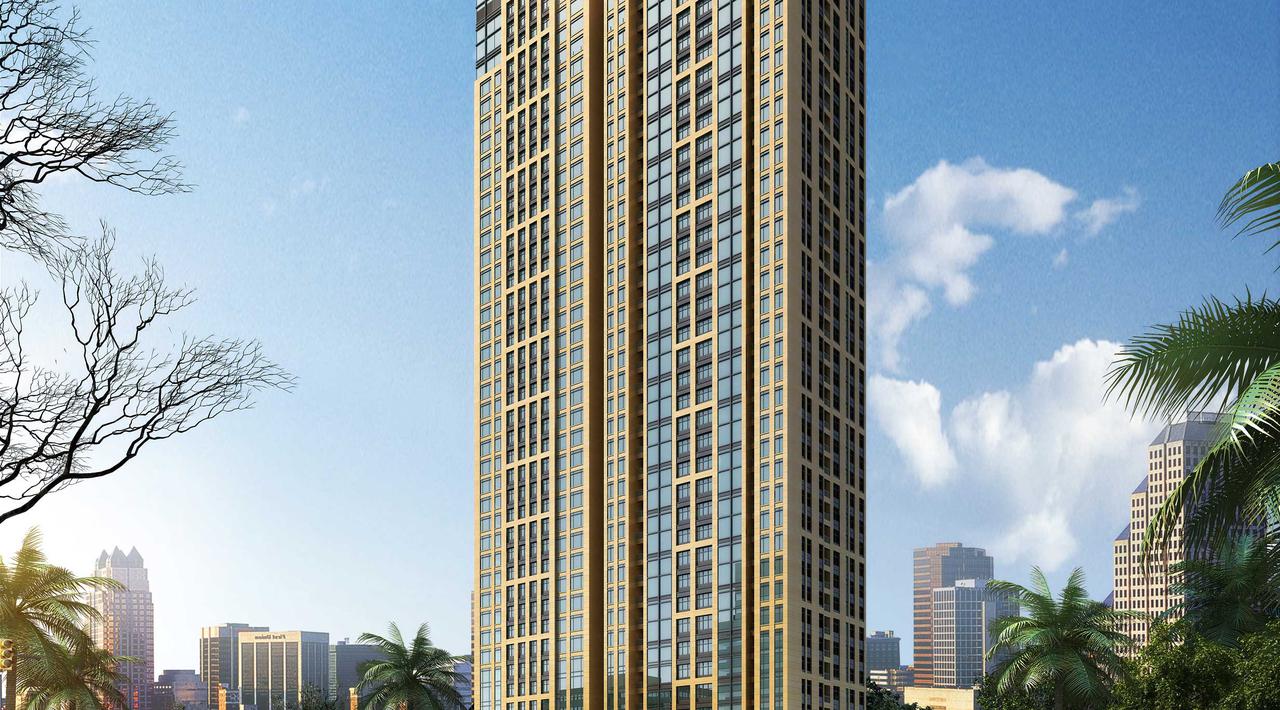
    Spring will pay RMB1.65 billion (US$241 million) for the mall, a seven-storey property, part of the larger integrated development by Beijing Guohua Real Estate, known as Huizhou Central Place (pictured), which also includes three Grade-A office towers, three residential buildings and a serviced apartment complex.

    Located in the Huizhou CBD, the mall is surrounded by major roads, the Huizhou People’s Government complex and other public facilities and attractions, such as the Huizhou Convention & Exhibition Centre, the Huizhou Stadium, the Huizhou Museum and the Huizhou Science & Technology Museum. It is accessible by expressways and intercity railway to the rest of the Greater Bay Area.

    Current tenants include international and local fashion retailers, jewellers, chain restaurants, personal care and cosmetic shops, a supermarket and a cinema.

  • Japanese department stores Takashimaya and Mitsukoshi upgrading

    Japanese department stores Takashimaya and Mitsukoshi upgrading

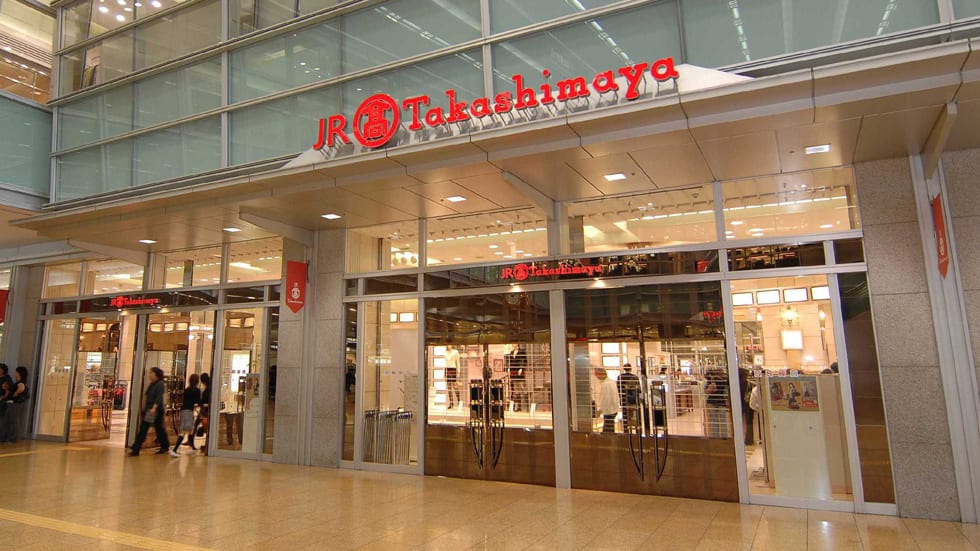
    Major Japanese department stores Takashimaya and Isetan are opening new developments in Tokyo.

    Both newly-refurbished stores will launch in Tokyo’s Nihonbashi district to attract a wider customer base. The move occurs against a backdrop of declining department store sales in Japan.

    Today’s Takashimaya launch opens a seven-storey annex with one underground level next to its existing store, accommodating a high proportion of F&B tenants as well as clothing and variety stores, amongst others. The development targets nearby company employees in their 30s and 40s and families, many of whom visit the store to eat.

    Takashimaya President Shigeru Kimoto said: “We integrated a department store with specialty stores. It’s the culmination of meeting the needs of today’s customer.”

    The Isetan renovation to its Mitsukoshi main store in Nihonbashi will open in late October. Among its new features will be a new concierge service.

    The store will share data on the tastes and purchasing histories of key customers with concierge staff and other employees, leading them to use suggestion selling techniques so as to meet customer preferences. Customers will be able to designate a specific concierge before visiting the store via smartphone app.

  • KT signs partnership to build AI hotels in Vietnam

    KT signs partnership to build AI hotels in Vietnam

    KT said Tuesday that it inked a partnership with Vietnam’s largest construction company, Hoa Binh Construction Group, to build artificial intelligence-equipped hotels and smart cities.

    Based on the partnership, the two companies plan to install AI services in hotels and apartments in Vietnam and other Southeast Asian countries. In the longer term, the two hope to expand the cooperation to create smart cities featuring digital technologies.

    KT has already created an AI hotel in Korea earlier this year by installing smart speakers customized for hotels in rooms at the Novotel Ambassador Hotel & Residences in Dongdaemun, eastern Seoul. Hotel guests can use a version of KT’s GiGA Genie smart speaker to turn on lights, change TV channels and order more towels from the front desk.

  • US-based Simon Property inked Siam Piwat deal

    US-based Simon Property inked Siam Piwat deal

    US-based shopping mall operator Simon Property is planning expansion of its outlet malls format into the Southeast Asian market.

    The company has operated an outlet in Malaysia’s Johor since 2011, and opened a new property in Genting Highlands, near Kuala Lumpur, last year. Its first premium outlets in Thailand will open in Bangkok by the end of next year in collaboration with local property developer Siam Piwat.

    Simon Property’s director for international development and finance Uchenna Akujuo said the company’s success in the development of premium outlets, of which 29 out of 100 are outside the US, has stemmed from its strong relationship with top global brands, and revealed that Asia and Southeast Asia remain a strategic focus.

    “We are bringing to Thailand and Bangkok high-quality brands and a shopping experience. We understand the needs of customers and tenants. We are able to leverage different customers all over the world whether in Asia, North America or Europe,” he said.

    The company’s joint venture with Siam Piwat will see it developing three locations in Thailand within the next five years.

    Siam Piwat first executive VP for business development and investment Chollachat Meksupha said the company will invest around THB4 billion (US$123 million) into the first outlets.

  • India to have first cashier-free store

    India to have first cashier-free store

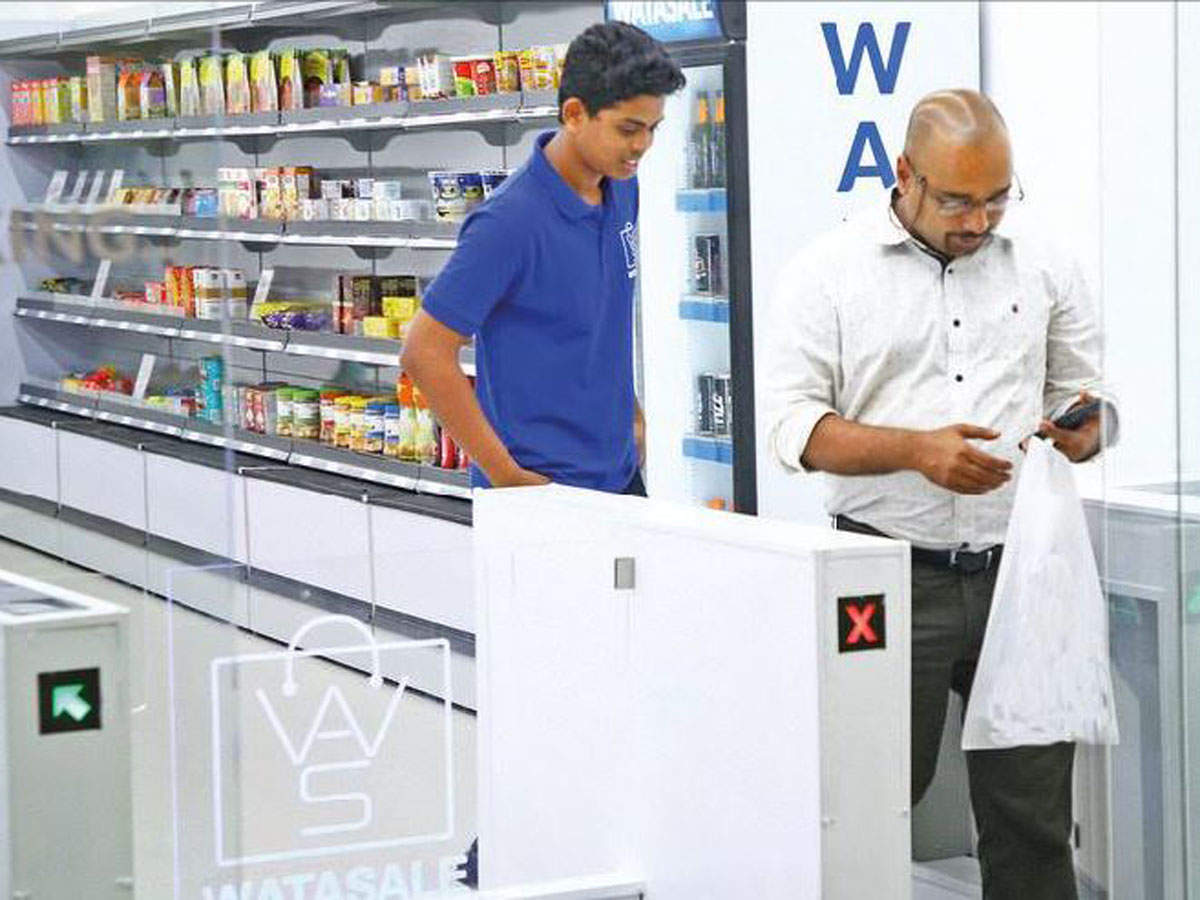
    The first automated, cashier-free store in India has opened its doors.

    Watasale, which has opened in Kerala, has no staff on sales or cashier duty and customers are not expected to scan products or wait in line. Shoppers carrying their smartphones can walk in and out of the store without needing to check out any items for sale. The store’s AI allows customers to purchase from the store by scanning a QR code.

    “Back in 2015, it was a time when machine learning and artificial intelligence was really coming out,” explains the firm’s COO Richu Jose. “We knew any segments can be disrupted using this technology. If you look at the market structure, the retail segment was still following the age-old technologies. We found it as a ripe ground for innovation and disruptive technologies.”

    Chief marketing officer Rajesh Malamal said that the firm believes “our systems are more economical and scalable in comparison to Amazon’s solution”.

  • Asian developers find booming Vietnam property market irresistible

    Asian developers find booming Vietnam property market irresistible

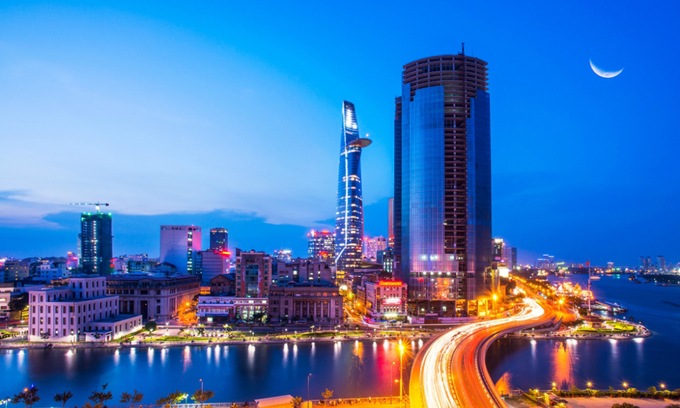
    Asian property developers are looking at Vietnam with great interest, according to industry insiders, both Vietnamese and foreign.

    Pham Lam, the CEO of real estate firm DKRA said that developers from mainland China, Hong Kong, Japan, South Korea, and Malaysia have been “very active” in the Vietnamese market for the last three to five years.

    Last May Singapore giant, CapitaLand, launched its newest mid- and high-priced residential project in Ho Chi Minh City, De La SOL.

    The development, scheduled for completion in the last quarter of 2020, is CapitaLand’s 12th in Vietnam.

    Hong Kong newspaper South China Morning Post quoted the company as saying Vietnam was its third core market after Singapore and China.

    Last year, Japanese investors Nishi Nippon Railroad and Hankyu Realty hooked up with a local property firm to develop a residential project with total investment of $350 million in Ho Chi Minh City.

    Half of the funding came from the two Japanese firms, while the rest was put up by their local partner.

    Japan’s Mitsubishi Corp. has also diversified its portfolio in Vietnam by, in 2016, buying into a property development project in Hanoi, which has total investment of $1.9 billion.

    Chen Lian Pang, CEO of CapitaLand Vietnam, compared HCMC to Shanghai’s Pudong area more than a decade ago when it was undertaking a series of infrastructure works, including the subway and airport terminals, that helped boost property prices when completed.

    HCMC could follow in the Chinese city’s footsteps, he said adding that property prices could increase four to five times in the next 10 years.

    South China Morning Post quoted Kingston Lai, founder and chief executive of the Asia Banker’s Club, as saying that “Today, quality residences in Hanoi’s city center, on average, are sold at only around HK$1,500 ($191.32) per square foot (100 square feet = 9.3 square meters), half of Bangkok’s level.”

    Another reason for the rapid influx of Asian developers is that the imminent growth of the property market is still in its early stages.

    Vietnam is thus considered a new market, which offers more opportunities than those that have reached saturation point, Lam said.

    Since Vietnam’s middle and upper classes are growing rapidly, the appetite for real estate is high, he said.

    Market research firm Nielsen estimated the size of the middle class to reach 44 million by 2020 and 95 million by 2030.

    This segment would be the main target of Asian investors, who are focusing on the high-end of the market, Lam said.

    Another reason is Vietnam’s location, which makes travelling from and to most other Asian countries quick and easy, he said.

    This makes it easier for developers to monitor and make timely decisions to achieve the best performance, he said.

    He expected the wave of Asian investment to continue for the next several years.

    In HCMC, 35,000 luxury apartments have come into the market in the last three years, according to real estate consultancy CBRE.

    This is a major increase from 2012-14 when fewer than 10,000 units hit the market, it said.

  • Now’s the time to buy properties

    Now’s the time to buy properties

    The best time to look for properties is now, as the property market picks up from a low base last year, and with a feel-good factor in the air as the industry anticipates new policies from the new government, said Reapfield Properties Sdn Bhd group COO Jonathan Lee.

    “Everybody’s looking for bargains. This is the best time to look. We’ve had the lowest transaction volume since 2012 last year. When you come to that point, what’s going to happen is probably up. Based on new policies, systems and restructuring (by the new government), we’ll have a good reset of the entire systemic approach. This is the right time to be investing,” Lee said in an interview.

    “There will be some adjustment period and in the midst of uncertainties, there are lots of opportunities to explore now.”
    He said although the current scenario is a curveball, it still brings value because the government’s kitchen sinking exercise will positively impact the property market from a systemic point of view.

    “Property is an inelastic product. You cannot build or cut down a lot of things in a short time. Because of the inelasticity, you will see some effect in certain places but it will not be a major impact to the ecosystem. It will change the way developers plan but we don’t see that as a major impact in the short run,” opined Lee.

    He said the sector is anticipating how policymakers will shape the new housing policy (to be announced this month) to dictate the direction of the property market.

    “There is a feel-good factor in the market now where people are more willing to look at the market for their own stay or for investment. We’ve seen some incremental movements due to this.”

    Lee pointed out that one of the challenges in the market is “noises”, where many investors or home buyers are confused about what is good value.

    “A decade ago, Cheras was A price, KLCC was B price and Mont Kiara was C price. There was a fixation of value in certain locations but, today, that has ran a lot, so a property in Cheras, Mont Kiara or Bangsar South could be selling at RM800 psf also. Where is the true value?”

    He said in today’s data-driven world, real-time data is important for the property market, as valuation is based on transactions.
    “If there is more streamlined approach to valuation, where transaction data is real time, then you will see better trends, supply and demand.”

    He said the data in Malaysia is delayed but in markets like Singapore and Hong Kong, there is real-time transaction data that can be retrieved from the local agencies.

    “With data based on transaction volume, price movement, indexes, this will help home buyers, developers, owners, investors to be aligned so you will have more relevant and accurate development and we know what is a good value. A lot of perception is running in the market now. If there’s a systemic way to have cleaner, real-time data, it will be more helpful,” Lee explained.

    He said home ownership in Malaysia is safe, attributed to a solid system, and that the laws that govern the system are well prescribed and codified. “In Malaysia, all ownership of property is undertaken through a registration process. The minute you transfer a title, you have a record of the transaction.”

  • Revampad Marimekko flagship store opens in Tokyo

    Revampad Marimekko flagship store opens in Tokyo

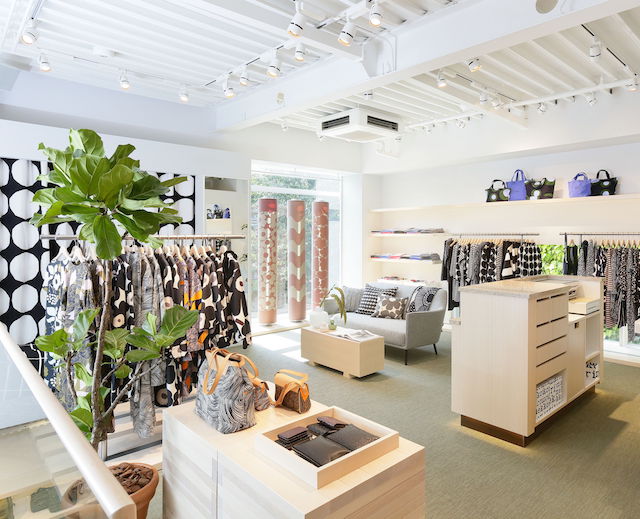
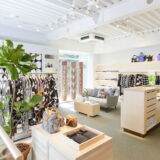
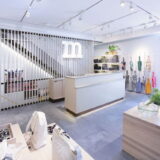
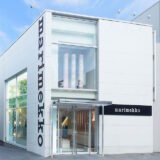
    Marimekko Japan has relaunched its popular flagship store in Tokyo.

    The Finnish design and fashion retailer’s revamped store, located in a standalone building in the fashionable Omotesando district, is one of the most important Marimekko stores globally given Japan’s status as the company’s second-largest single market after Finland.

    Marimekko products have been sold in Japan since the early 1970s, and the past decade has seen the company make significant efforts to develop the brand with its local partner Look Inc.

    President and CEO of Marimekko Tiina Alahuhta-Kasko said the flagship, “as the embodiment of our brand,” plays a significant role in the company’s Asia-Pacific growth strategy.

    “We believe that our home-inspired store concept reflecting genuine, sustainable and cheerful values will offer an even more fascinating holistic customer experience to both existing and new friends of Marimekko.

    “Emotional and experiential stores alongside the availability provided by e-commerce are important factors in building strong brands. Consumers’ loyalty is increasingly based on the values a brand represents. In the fashion and design sector, genuineness, sustainability and timelessness are gaining prominence as consumers’ decision-making criteria in addition to personal self-expression. At Marimekko, we see these trends in consumer behaviour as a natural opportunity to stand out,” she said.

    A new store opening scheduled for the end of this month will take the total Marimekko store network in Greater Tokyo to 18. There are currently 37 Marimekko Japan stores, including an online shop.

    Check full gallery below (5 images) :

  • Supply of India’s retail space up 27 pc in January-June to meet retailers’ demand

    Supply of India’s retail space up 27 pc in January-June to meet retailers’ demand

    Property consultant CBRE on Tuesday said the supply of retail space rose 27 percent during January-June period this year in seven major cities to cater the rising demand from domestic and foreign retailers.

    In its latest report titled ‘India Retail Market View’, CBRE said the new supply of retail space increased to 1.9 million sq ft in the first half of 2018 as against 1.5 million sq ft in the same period last year.

    The fresh supply came in Chennai, Hyderabad and Delhi-NCR. During the reported period, Chennai witnessed the launch of VR Mall (1 million sq ft), L&T Hyderabad Next and L&T Next Galleria (totalling 0.65 million sq ft) in Hyderabad, and 32nd Avenue (0.25 million sq ft) in Gurgaon.

    In January-June 2017, Mumbai saw a supply of one million sq ft, Bengaluru (0.3 million sq ft) and NCR (O.2 million sq ft). Global brands such as Dyson, Molton Brown, Berluti, American Eagle, Antony Morato, Daniel Wellington and Bath & Body Works entered India with their first stores becoming operational during this period.

    International brands such as Tom Tailor, Miniso, Taco Bell, Mango, Marks and Spencer, H&M and Starbucks continued to expand operations by entering new markets across the country.

    “The overall outlook for the Indian retail real estate market continues to be positive at the back of various policy reforms, entry of foreign players and increasing urbanisation,” said Anshuman Magazine, Chairman, India & South East Asia, CBRE.

    He said around 4–5 million sq ft of additional supply could be added during second half of 2018 across most major cities.

    “With REITs in the offing, the focus on developing investment grade developments is likely to redefine the retail segment in India,” he added.

    On rentals, CBRE said trends varied across key high streets in major cities during January-June 2018. Rentals appreciated in high-street markets such as Khan Market, DLF Galleria (NCR), Linking Road (Mumbai), MG Road and Aundh (Pune). Some high street locations in Bengaluru and Hyderabad also saw increase in rents.

    On the other hand, rentals remained stable in most of the other high-streets across the country. Rentals across organised retail developments also displayed a varied trend – mall rentals remained stable in Hyderabad, Mumbai, Pune and Kolkata but increased in Bengaluru, Chennai and NCR.

  • Luxury Malls in India: The destination for new age shoppers

    Luxury Malls in India: The destination for new age shoppers

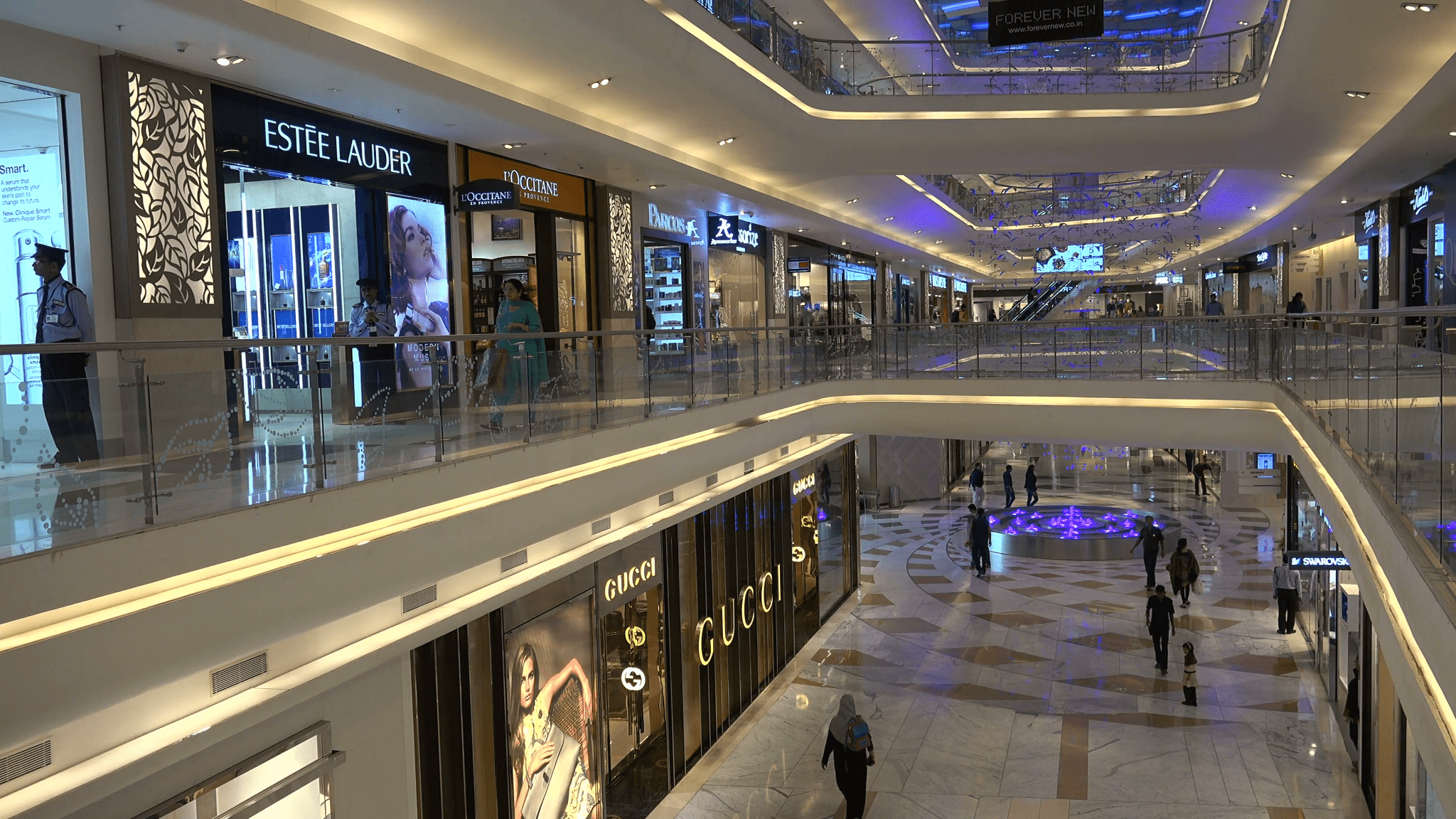
    Indian malls have cracked the ‘how to attract the customer’ code. They have transformed into family entertainment centres, providing shoppers with the best of in retail, fun and food. They have morphed into theme malls, offering inviting and intriguing experiences to draw people in.

    In this era of burgeoning e-commerce retail, malls are reinventing the physical experience, and shoppers are spending long hours in these malls to eat, shop and be entertained.

    With the increasing spending power – owing largely to an increase in disposable income – the modern shopper is progressively experimenting with taste and requirements. This change in behavior and evolving purchasing habits of the younger generation globally has led to a disruption in the way malls operate.

    “The manifestation of social media, rise of emerging markets, sprouting aspirational youth and a growing sense of ‘brand-consciousness’ are propelling the wheel of growth of luxury sector in India. Consumers are becoming aware – and vocal – about their lifestyle, and looks, and are bold enough to experiment with different fashions, silhouettes, colour and fits,” writes Prem Dewan, Retail Head, OSL Luxury Collections Pvt Ltd-Corneliani.

    “Their shopping preferences are no longer dependent on fit or colour of the product; they expect an experience at the boutiques. Also, there is a wider target audience residing in Tier II and III cities that have the propensity to buy luxury goods and are emerging as new reservoirs of luxury spending,” he goes to say.

    Trying to cater to the aspirational consumer, malls are increasingly introducing bridge-to-luxury and luxury brands in India. Mall owners – quick to identify an opportunity in luxury retail – started going the whole hog in their efforts to increase footfalls by launching full-scale luxury malls.

    2008 saw the launch of India’s first two luxury malls – DLF Emporio in Delhi and UB City in Bangalore. The move was welcomed by luxury retailers, giving them the right space to set up shop and the perfect clientele to cater to. And although the growth has been slow, with luxury occupying just a fraction of retail space in India, malls are taking the category seriously.

    What Makes a Mall a Luxury Mall?

    To be on top of the popularity chart, a mall needs to fulfill all aspects of the luxury quotient. The average lifespan of a shopping mall design is about seven years globally. It may exceed by two-three years more in Tier III and IV cities, but for Tier I and II cities, the period is definitely shrinking. This means that shopping centers built before 2007 probably don’t provide the amenities and shopping environment or international fashion brands younger, more affluent consumers are seeking. Newly built malls are way ahead in sale, footfalls and popularity than the older ones. Even the rate of renting space is much higher in these malls.

    For luxury malls, providing extravagant services to their patrons is of utmost importance and they need to start planning right from the architecture stage. The buildings are stunning, elegant with generous spaces both on the exterior as well inside, with large spaces earmarked for stores.

    Top of the line entertainment options, fine-dining restaurants and leisure components – coupled with the best in technology – are crucial in the making of these malls.

    While brand names matter in luxury retail in India, luxury malls globally have gone a step ahead to provide the best in class entertainment to visitors. There are malls that have roller coasters, indoor water parks, five-star hotels with luxury suites, snow parks, spas and other features to relax, re-align and re-energise.

    West Edmonton Mall in Canada – which is counted amongst the top luxury malls in the world – is home to the world’s largest indoor water park. It also features the world’s largest wave pool, an 83-foot-high slide and a children’s play park area. Adding to this is an indoor lake that is home to four sea lions, an ice rink and an 18-hole miniature golf course. Visitors can also try indoor shooting range, watch a movie, or spend some time at the Ed’s Recreation Centre, which houses a bowling alley, a music stage and arcade games.

    The mall also features GalaxyLand, the indoor park is home to 24 rides and attractions, including a triple-loop roller coaster, a 3D Theater and a number of thrill rides. It even houses an inter-domination chapel, where hundreds of couples have gotten married since the mall opened in 1981.

    Despite being one of the top retail destinations in the world, India still has to play catch up to the variety in luxury offered globally. The country only has only few luxury malls to boast of, including DLF Emporio and The Chanakya in Delhi, UB City in Bangalore, Palladium in Mumbai, Bergamo in Chennai, and Quest Mall in Kolkata.

    Here are some factors that make a mall a luxury mall:

    – Niche Geographies

    Location is an extremely important parameter and goes a long way in deciding the kind of audience a mall will be able to attract. Luxury malls need to find prime locations with the right socio-economic strata of people, so they can attract a strong and discerning clientele.

    Luxury malls require a large area to accommodate every possible brand under its roof. The ambience, dining, phygital experience, comfort and service should be of world class as shopping in these mall is preferred mostly by the elite customers.

    In fact, it may not be incorrect to say that the future of luxury malls will be shaped by the kind of brands they bring in (brand heritage), exclusivity, the customer relationships they build, and whether they manage to find the correct location in high-growth areas.

    – Comfort & Convenience

    One downside for luxury malls for the well-to-do is that they constantly need to update their offerings to appease all those discerning buyers searching for the hottest brands. So, they are constantly brainstorming on ways to keep shoppers entertained. At the base level of that initiative is creating a space that shoppers actually want to be in and providing them with the best of convenience and amenities, along with seven-star hospitality services like a huge parking area supporting multiple entries points to avoid crowds and congestion, a concierge and a VIP arrival area.

    Shopping centres also look to provide a ‘mall essence’ that puts consumers at ease, makes them feel comfortable, encourages them to stay longer and, more importantly, persuades them to return. New malls can meet or exceed these needs and consumer expectations by creating iconic “shoppertainment” locations apart from providing the best of facilities.

    – The Best in Entertainment

    Entertainment is everything. And in a luxury environment, it is more than that – it has to be uber-creative and super innovative. Visitors get and bore weary if the mall presents them similar kind of facilities and activities on every visit. Apart from kid zones and theme parks which are fixtures, malls need to cater to the sensibilities of the local community. This is usually done by celebrating local festivals, cultural initiatives and holding events at regular intervals for discerning patrons.

    Luxury malls also usually include features like outdoor plazas, amphitheaters, and outdoor fine-dine food court terrace, adding value to their offerings.

    – Personalization & Technology

    Luxury in its very essence thrives on exclusivity and personalized experiences. Technology, albeit impersonal, has proven to be a strong ally in the recent past and an asset that luxury brands and malls can’t ignore.

    The Challenges of Being in the Business of Luxury in India

    – Security

    As per a report published by Technopak, India doesn’t have the culture of luxury brands on high streets because of safety and security issues. That’s the reason why most luxury brands in India are housed in the shopping arcades of five-star hotels. The monthly rent of these outlets would be Rs 600 to Rs 1,000 per sq. ft, say industry sources. Finding a real estate at an ultra-posh locality for building these malls is a very tough task.

    – Cost and Time

    The cost of construction of a luxury mall is almost three times more than a regular mall, in respect to the amount of the return. It takes three to five years to build a luxury mall and the average cost for overall development (excluding the land cost) in Mumbai and Delhi is in the range of Rs. 7,000-9,000 per sq. ft, compared with Rs 4,000-5,000 a sq. ft for a normal mall, as per real estate developers quotes published in the report. The rental for a luxury mall ranges from Rs 500 to Rs 1,500 a sq. ft per month, while regular malls charge much lower.

    In conclusion, the Indian shopping industry is shifting gears and a sudden upsurge in urbanistaion of society has led to major demands for expansion of city centres on grounds of retail, fashion, F&B, and entertainment – all of which need to be handled with proper planning and infrastructure. Considering the country’s projected GDP growth and rise in disposable incomes, mall developers are hopeful that the luxury market will evolve with time.
  • Lippo Indonesia Delivers First Apartments in Meikarta Megaproject

    Lippo Indonesia Delivers First Apartments in Meikarta Megaproject

    The Lippo Group handed the first 863 apartments in its Meikarta megaproject in Cikarang, Bekasi, West Java, over to their new owners on Saturday, signifying the conglomerate’s success in meeting its commitments.

    Lippo Cikarang, the group’s property developer arm, said in a statement that the apartment units are in the towers known as Irvine Suites and Westwood Suites – both situated in the Meikarta CBD, which is the premium area inside the 500-hectare property development. The two towers have cost Rp 709 billion ($48 million).

    “This handover of apartment units in the Meikarta CBD is real proof of our achievement and success in honoring our commitments to our customers,” Meikarta president Ketut Budi Wijaya said in the statement.

    Saturday’s event marks the start of a series of handovers of apartments in the 84-tower first phase of the gigantic project. All units in the six 42-story apartment towers – Irvine, Westwood, Pasadena, Burbank, Glendale Park and Newport Park – have already been sold.

    The topping-off ceremonies of the first four towers, marking the placement of the last beam on top of the building, have already taken place, while those of Glendale and Newport are scheduled for December this year.

    Lippo plans to hand over the second batch of units in 28 more towers, which are between 32 and 42 stories in height, in February next year.

    The Rp 278 trillion project, which will ultimately consist of 200 skyscrapers hosting offices, apartments, shopping malls, educational institutions and health care facilities, is expected to redefine urban living in Indonesia.

    The developer plans to build 225,000 apartments in total and designate 1.5 million square meters as commercial space.

    Situated 34 kilometers east of the capital, the future city will eventually be home to around a million people who will benefit from several transportation infrastructure projects currently underway.

    In addition to an elevated section of the Jakarta-Cikampek Toll Road, scheduled for completion in 2019, there is also a light rail transit system connecting Cawang, East Jakarta, with East Bekasi. This project has already reached 47 percent completion. Another is the Jakarta-Bandung High-Speed Railway, which is expected to be operational by March 2021.

  • Vietnam in top 10 countries on belt and road property investment

    Vietnam in top 10 countries on belt and road property investment

    Vietnam is among the top ten major makets that receive the most attention from Chinese belt and road property investors, according to a recent report.

    On August 31, 2018, Uoolu, the leading platform for cross-border real estate transactions in China, released the “Uoolu 2018 Ten Countries on Belt and Road Property Investment Data Report.”

    The “Belt and Road Initiative” was proposed by the Chinese government in 2013 in order to strengthen the relationship with surrounding Asian countries.

    Since then, there has been frequent activity between China and other Asian countries in terms of property investment.

    In the report, Uoolu selected eight countries in Southeast Asia including Vietnam and two countries in the Middle East along the Belt and Road based on the Cooperative Development Index to assess the investment risk in the Belt and Road Initiative region.

    The ten countries were ranked by different criteria such as housing price growth rate and price-to-rent ratio. The data highlights the significant and accessible property markets of the region, as well as the demographics of Chinese investors.

    The primary investors in overseas property are aged between 30 to 49 years old and are mostly from new industries.

    Investors come from IT, and Internet business accounts for 31 percent of investors who are open to mobile technology and new services.

    The new affluent generation has exhibited a short decision-making cycle. 43.56 percent of Chinese investors only take a week to decide on a property investment, and 67 percent invest between $70,000 to $150,000.

  • A Game changer in the retail fraternity and a boon to the new tech-savvy customers

    A Game changer in the retail fraternity and a boon to the new tech-savvy customers

    A lucid vision of how technology could impact the retail landscape in the near future was visible when both online and offline retailers started embracing the meaningful improvements technology was bringing in. The progress of the digital native population further led to its progression in the retail sector. In fact, every segment of retail became so digitally efficient, that in no time technology had dramatically altered how we shop. Right from the first point of purchase to the last mile of purchase, from supply chain to the multiple selling channels, from cashless modes of payments to the hassle-free door-step delivery of products and services to customers; everything has been fused with an efficient, innovative and incredibly compelling technological approach.

    In fact, buying and selling are no longer about being relevant, driving growth or boosting profits, instead, it has moved beyond and away from objectifying the whole shopping experience by giving it a customized and personalized value proposition.

    Malls today have become such places that are supporting and providing a wholesome technological retail experience. It has evolved into a new retail experience that incorporates an exploratory experience around people as they shop, dine, entertain and browse around. It has reshaped customer expectations and is entertaining their experiences with evolved mechanisms. New retail is about creating a constant connection with the entire ecosystem no matter where a shopper is.

    Remember the time, when going to a mall was about entering an air-conditioned multi-storeyed building offering a variety of brands in one place. It was the most fascinating experience for the longest time, as everything was available under one roof. We would simply make a purchase and walk out of a store without talking to anyone. That was just about it. There was no interaction or engagement.

    Soon these malls started offering a host of services like valet parking, baby changing and baby feeding rooms, currency exchange options, pharmacy stores, access for differently able with assistance, wheelchairs, prams accessibility, tailoring services, dry cleaning, driver’s lounge, car wash services, child safety bands and what not to entice customers to come to the mall and stay. This marked the debut of constant customer engagement programme in order to ensure footfall.

    As the cultural mindsets and preferences of customers evolved we moved to a phase that was about innovation and creation. Customers had started gaining access to a plethora of information. They had become information savvy to the extent that before buying anything they were searching and reading about the brand, about the quality, checking reviews and comparing prices online through their smart-phone/ digital devices.

    This began to prove that customers were no longer looking for generic items. They wanted high-quality, personalized experiences that were tailor-made for them but at the same time easy and hassle-free for them. They were looking for quick and easy interaction with personalized engagement. Thus the shopping mall experience had to evolve by strategically providing a twist to a simple mall visit.

    There was a sudden shift from emails to SMS’s that helped streamline the engagement approach. Using social media as a conversation platform with the audience involved the likes of Facebook Messenger or WhatsApp. It was a great way of simplifying the information stream. The messenger functionality and an automatic response was informing costumers about particular deals, discounts, promotions and offers pertaining to their favorite retailers. At the same time, a great user experience with convenience was being built in as well. WiFi’s and wallets for payments within the mall provided high levels of performance and customer satisfaction.

    Sensors in their parking lots were installed to provide drivers with a visual indicator to detect how many parking spots were available on each level. They installed inventions like video walls, digital kiosks, and digital directories to offer quick and easy guides to help shoppers find what they’re looking for at a multi-level mall. While giving a brand consistency and an opportunity to up-sell there was an inexplicable connection being created.

    But, this wasn’t enough. As technology progressed, so has digital disruption. We have reached an era where a proliferation of digital tools like apps, tablets, laptops, is transforming a shopper’s communication, engagement, an opportunity for collaboration, feedback and delivery procedures. They have started spending even more time on smart-phones and mobile devices and got accustomed to easy-to-use, high-quality digital products. Capturing their attention or pulling them out of their comfort zone into a unique physical space became a herculean task. There was a need to develop a new approach to the existing retail process that could not only help the business but also create a better experience for the entire ecosystem. Something, that could fulfill the current desire of reaching out to millennials, manually and technologically. Rather create moments of intense connection which resonated profoundly with their mindsets.

    The new retail revolution hit base. The application of technology today is being used as a medium of re-imagining ways where one can deliver value to consumers while staying relevant in a supremely-connected market. Tools that are providing convenience, personalization, and a seamless, immersive experience without having consumers to look beyond their smartphones.

    New retail, rather this game changer of a strategy enforces the likes of virtual reality, augmented reality, and even artificial intelligence, into creating digital and consumer connections. Adoption of fast-evolving smart technologies for providing in-store, interactive experiences that are fulfilling a mobile-savvy consumers’ desires, is enhancing and elevating the array of possibilities and experiences one witnesses at the mall. The application of phygital is using micro-targeted marketing strategies in order to build an unequaled experience for customers to interact and get further involved with the mall.

    Imagine the exciting possibility to shop online while being physically present in the brand’s outlet. Or the fact that while window shopping, you receive a message regarding a sale with a discount voucher just meant for you? Once inside, why bother changing in and out of several attires, AR will help you decide, what looks good on in terms, of clothes, makeup, accessories through virtual trial rooms. Virtual displays across the malls will even let you shop seamlessly online or in-store. Imagine placing an order, collect, return, or exchange products via the web, mobile, desktop, as well as through physical stores. A lot is happening whilst keeping the customer engaged in an entertaining way.

    Even before they enter a mall, while passing one, the digital connectivity through Bluetooth and GPS entitles them to a personalized message from the retailer urging them to check out what is happening in the mall or a store. They are attracting shoppers and keeping them engaged with unique and relevant proposals. Now, isn’t this information enriching a customer’s shopping journey by delighting them no matter where they are without them having to move their eyes from their digital tool? That is the way new retail is changing the way consumers interact with and buy products. It is blending the physical and virtual worlds together by giving them access to information on their digital tools that make them believe in the purchase they are making.

    And why just consumers, it is giving retailers the opportunity to bring in greater levels of operational efficiency and customer centricity in their business models. It is ultimately benefiting from the continued business of a satisfied customer When a customer sees’s a mall enhancing all their senses – touch, sight, sound, and taste combined with speedy access to give an experience one could never imagine before, they ultimately increase their loyalty.

    Brands on the other hand, who are also employing these tactics are gaining instant gratification with constant consumer interaction in order to stay competitive. Item’s with embedded software or technology is connecting people and places together and enabling them to exchange data. It is helping them predict trends, forecast the demand for certain products, optimize the best pricing strategy in order to maintain a competitive edge and identify the customers who are likely to be interested in particular products by working out the best way to involve them. Keeping everyone up-to-date, ensuring no one misses an opportunity, stay relevant or ahead of your competitors, everything is becoming streamlined and convenient for everyone.

    It is this interesting shift in customer buying patterns that get into existence implementation of many technology practices which were otherwise deemed to be a far-fetched dream. Malls and brands realized the imperativeness to adhere to a more rapidly evolving customer need by bringing in new advancements that involve easier access to products and easier advertising from brands. New Retail is a game changer in the retail fraternity and a boon to the new tech-savvy customer in every possible way. It is continuing to evolve, grow and reshape our shopping world.

  • Foreigners big investors in Hanoi, HCMC 5-star hotels

    Foreigners big investors in Hanoi, HCMC 5-star hotels

    More than half of five-star hotels in HCMC and Hanoi are owned by foreign investors.

    Ten out of 19 five-star hotels in the best locations in HCMC have foreign owners, according to data. They include Sheraton, Caravelle, InterContinental, Asiana Saigon, and Sofitel.

    Many of the foreign investors came to the country in the last two decades and first began by partnering local firms.

    One of them, Singapore-based Glynhill Investment Vietnam, established the $61.5 million Caravelle together with travel agency Saigon Tourist in 1992.

    In 1994 Lam Ho Investments, another Singaporean firm, signed a deal with Saigon Tourist to build the Sheraton hotel at a cost of $97 million.

    UOL Group, one of Singapore’s top real estate firms, picked up a 26 percent stake in the five-star Sofitel Saigon through its subsidiary, the Pan Pacific Hotel Group.

    Hong Kong investors also own stakes at premium hotels in HCMC. One of them, Keck Seng Investments, has a 64 percent stake in the Sheraton and 25 percent in Caravelle.

    Koreans, late entrants in the market, have been making major acquisitions in the last five years.

    In 2013 Lotte Hotels & Resort bought a 70 percent stake in the Legend Hotel from Japan’s Kotobuki Corporation.

    Lotte also manages the hotel, which overlooks the Saigon River.

    The company considers the hotel the first step in its expansion into Vietnam and Asia.

    In Hanoi, nine of 16 five-star hotels have foreigners as major shareholders.

    They have been investing in the sector for decades, with Hanoi Westlake, Melia, Sheraton, Daewoo, Nikko, and Pan Pacific being the major names.

    Malaysia’s Berjaya Corporation Berhad owns 75 percent of InterContinental Westlake and 70 percent of Sheraton.

    Other Korean firms own stakes in Lotte, Intercontinental Hanoi Landmark 72 and Grand Plaza.

    Vo Quoc Phuong Trang, head of Investment Consultancy said that international firms usually seek to own major stakes to enable them to take part in the hotels’ development and management.

    Hanoi and HCMC, with their steady economic and tourism growth, would continue to draw foreign investors in the high-end hotel segment, which has low risk but offers steady revenues, she said.

    As of last year there were 118 five-star hotels/resorts in Vietnam, almost twice the number in 2013.

    They had an occupancy rate of over 75 percent, 5 percentage points up from 2016, according to global consulting firm Grant Thornton.

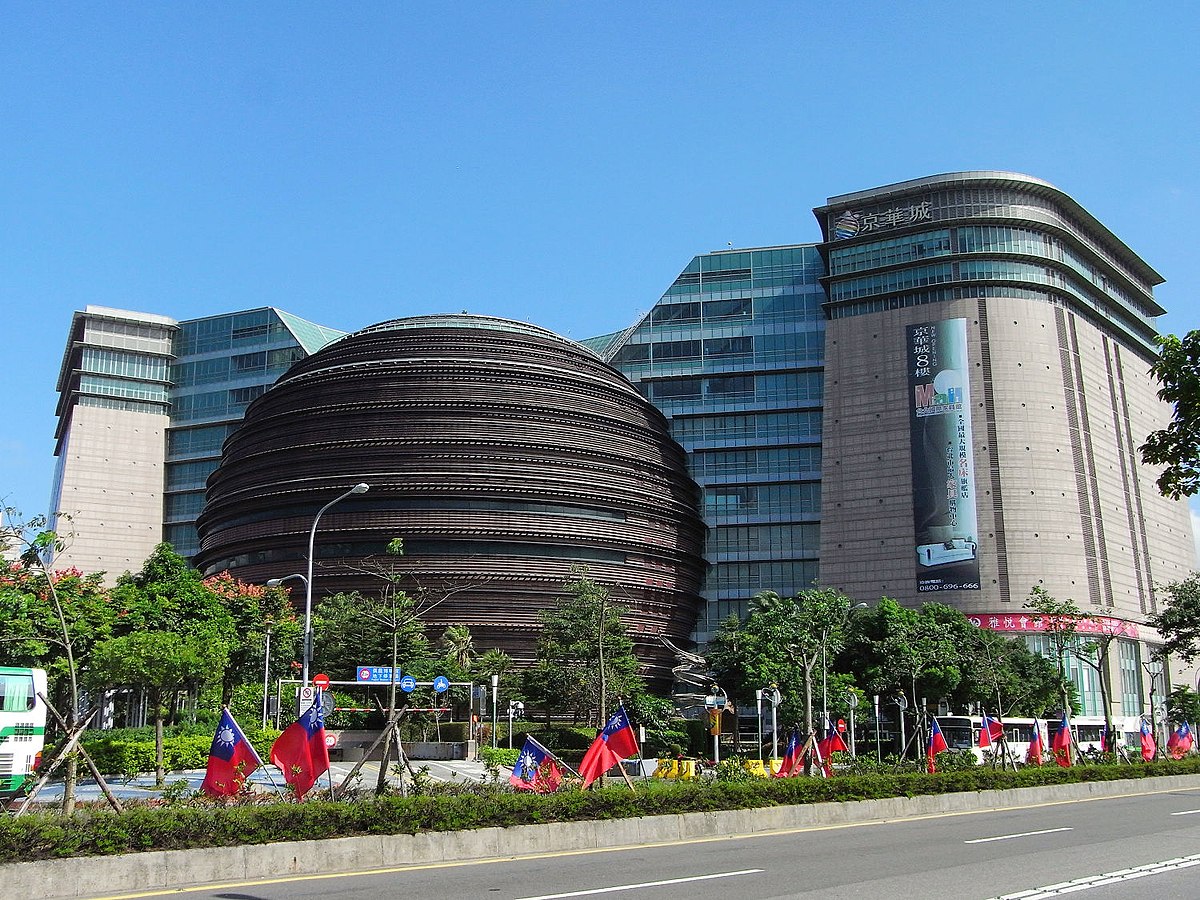
  • Taipei Living Mall is for sale

    Taipei Living Mall is for sale

    The Taipei Living Mall retail complex is up for sale for NT$38 billion (US$1.23 billion).

    The mall’s owners, Core Pacific City, have described the project “a failure”. It was constructed on a syndicated loan of NT$12 billion two decades ago, and the debt is timed to mature next year. The 16,483sqm plot it stands on could potentially yield higher returns if converted to luxury rental properties.

    Taipei Living Mall is the largest private property made available for sale in decades. Cushman & Wakefield Taiwan GM Billy Yen commented: “It is not the best timing to sell properties these days, so I recommended a price concession and the owner accepted it.” The property could attract a significantly higher price in a boom market.

    Investors from Singapore, Hong Kong and China have submitted expressions of interest in the asset.