Category: Real Estate

Retail News Asia is committed to providing both local and global retailers with the latest Real Estate news throughout the Asian market. This on a daily base.

  • Vietnam welcome more US, Singapore real estate firms

    Vietnam welcome more US, Singapore real estate firms

    Major U.S. and Singaporean real estate firms have been coming to Vietnam, eyeing its thriving property market, especially the high-end segment.

    Singaporean real estate firm Propnex opened an office in HCMC last month with its eyes firmly fixed on the high-end segment of the country’s property market.

    Propnex has had a 30 percent share of the brokerage market in Singapore over the last five years. It also has offices in Malaysia and Indonesia.

    Last year U.S.-based Electronic Realty Associates (ERA) started operating in Vietnam through its franchise in Singapore. Together with property brokerage EuroCapital, it has incorporated ERA Real Estate Vietnam, whose major market is HCMC.

    ERA Vietnam, which has 800 employees and 600 potential staff and collaborators undergoing training, is also focused on the high-end segment.

    It aims to be one of the top real estate firms in Vietnam within five years with over 50 offices and 5,000 employees.

    Another Singapore firm, Huttons Real Estate Group, came to the country in 2016. For this third largest property company in Singapore, Vietnam is the third overseas market after Malaysia and the Philippines.

    Huttons said it strives to be the number one real estate agency in the country with multiple services including project sale, marketing, leasing, and assets management.

    In 2015, U.S.-based Keller Williams tied up with VinGroup and stated that it would focus on leasing properties and consulting.

    Industry insiders believe the entry of international players will have a positive impact on the real estate market.

    “Since 2015 foreign brokerages have been entering the Vietnamese real estate market, which has been booming,” Nguyen Anh Dao, CEO of real estate firm Viethome Investment said.

    Their arrival would push local ones to improve their standards, which would benefit customers, he said.

    But since foreigners can own up to 30 per cent of the apartments in a project under Vietnam’s housing laws, foreign firms need to have local sales teams to approach Vietnamese customers, he added.

    Employing and training locals is how foreign firms can compete with local businesses, which are getting larger and more professional, he said.

    The high-end segment accounted for the highest proportion of new launches in HCMC in the second quarter of this year — 54 percent — according to real estate consultancy CBRE Vietnam.

    In the last three years 35,000 luxury apartments have come into the market, it added.
  • Tekka Place set to Rejuvenate Little India Heritage District

    Tekka Place set to Rejuvenate Little India Heritage District

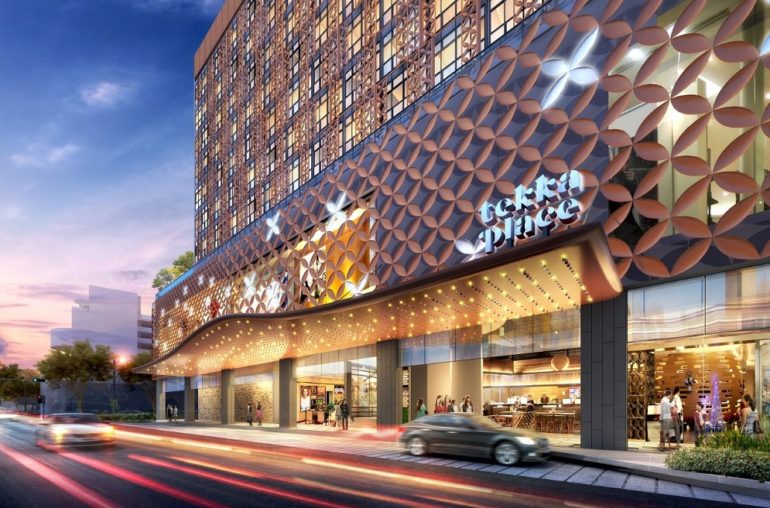
    Tekka Place, an upcoming integrated development at 2 Serangoon Road, is poised to deliver a fresh and unique retail and lifestyle experience, aimed at adding vibrancy to the Little India heritage district.

    Named for its location straddling the fringes of Singapore’s Little India precinct and
    the Central Business District, Tekka Place pays homage to the area’s rich and multicultural heritage.

    A gateway to arts and culture, Tekka Place is envisioned to be a destination with a convergence of cultures, travellers and experiences. Its logo, which incorporates the use of diverse textures and patterns infused in a medley of vivid colours, embodies the essence of this vision.

    Jointly developed by Lum Chang Holdings Limited and a fund managed by LaSalle Investment Management Asia Pte Ltd, the integrated development is currently undergoing construction, and is slated for completion in the later part of 2019.

    Located at the junction of Serangoon and Sungei Roads, it is easily accessible via major expressways and within walking distance of three MRT stations – Rochor and Jalan Besar stations on the Downtown Line; and Little India interchange station for the North East and Downtown Lines.

    Given Tekka Place’s unique location, its developers have been engaging with the Singapore Tourism Board and community stakeholders such as the Indian Heritage Centre and LaSalle College of the Arts, exploring means to both foster and maintain the vibrant Little India Community. As a result, dedicated spaces to host exhibitions,
    artwork and performances have been set aside within the Annex block at the rooftop deck.

    Mr. Peter Ow, Property Director of Lum Chang and spokesperson of the joint venture said, “Tekka Place’s location, distinct architecture and curated retail offerings, capture the vibrancy and personality of Little India. By working closely with our partners and other stakeholders in Little India, we want to offer visitors a chance to immerse themselves in the rich heritage and culture that Little India offers, whilst enjoying a quality shopping and dining experience. Tekka Place will provide a unique space to live, dine, entertain or simply relax and enjoy the vitality of Little India.”

    The future landmark development comprising a 10-store Main Block and seven store Annex Block with rooftop deck, will bring a serviced residence, 70,000 square feet retail mall and five levels of parking lots, to the lively Serangoon district.

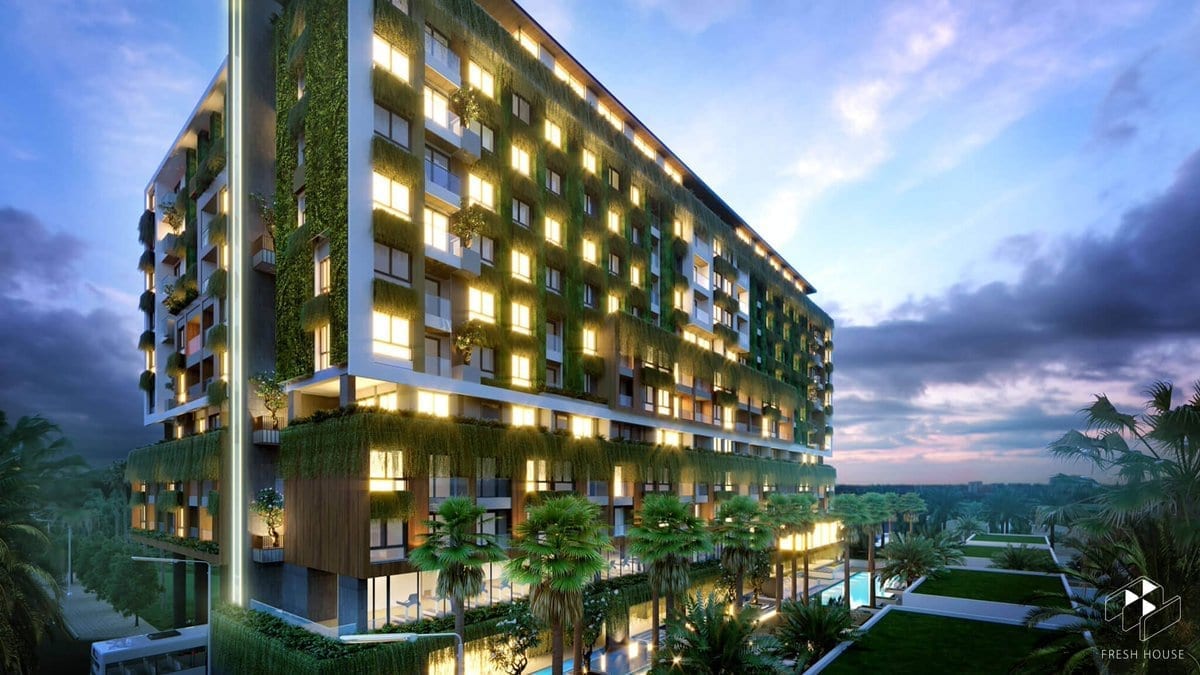
    The upper floors of the Main Block will house Citadines Rochor, a 320-unit serviced residence featuring studio and one-bedroom units. Residents at Citadines Rochor can enjoy facilities including a residents’ lounge, gymnasium, launderette and swimming pool.

    The retail podium will offer 80 shops spread across the basement and first two floors of the Main Block, and one level with mezzanine and rooftop deck of the Annex Block. It will cater to a diverse mix of customer segments, residents in the southern central part of Singapore, office workers in the immediate vicinity, tourists and commuters on the North East and Downtown Lines.

    “We are proud to be the appointed retail consultant and marketing agent for Tekka Place, set to be a lifestyle destination not just for locals, but also the many tourists who pass through the Little India area.”, said Ms. Wendy Low, Head of Retail at Knight Frank Singapore.

    “We will be curating a mix of tenants whom we will work with to create bespoke, unique and multi-sensory lifestyle experiences for shoppers that will excite from the very moment they step into the mall.”

    “On the rooftop in the Annex Block, a once mundane carpark will be transformed into a dining and cultural event space, where visitors can dine and hang out at under the stars, in an urban setting with scenic views of Little India at their feet,” Ms. Low added.

  • Google planned first flagship store for Chicago

    Google planned first flagship store for Chicago

    Google is reportedly planning to open its first permanent retail store, in a trendy Chicago neighbourhood.

    According to a report in the Chicago Tribune, a two-storey Google flagship store will open in the Fulton Market area, known locally as the meatpacking district.

    Google declined to confirm the report. “We don’t comment on rumor or speculation,” spokeswoman Kayla Conti said.

    But citing reliable sources, the Chicago Tribune said the lease is close to being finalised. The store will take up 14,000sqft and will be used to showcase the online company’s growing array of gadgets, including its smartphones, tablets, home security systems and Google Home, which is its answer to Amazon’s Echo.

    The store will be located in historic low-rise brick buildings on W. Randolph Street.

    Until now, Google’s brick-and-mortar foray has been limited to pop-up stores and concessions.

  • Little B store China is pumped up with white-glazed tiles and neon lights

    Little B store China is pumped up with white-glazed tiles and neon lights

    Nestled in an alleyway in Shanghai’s historic Xintiandi district, a high-end convenience store like none other has opened its doors.

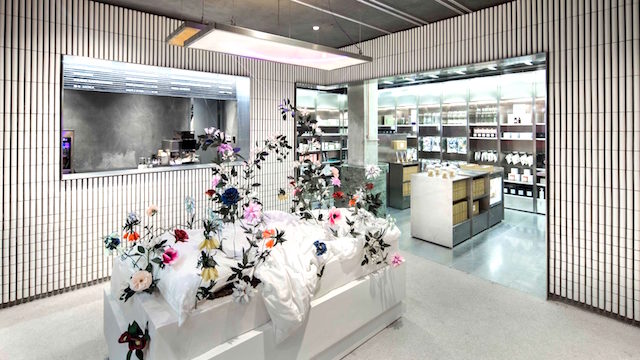
    Little B was designed by Chinese studio Neri&Hu, which mixed curved white-glazed tiles with stainless steel to create what resembles more of a science fiction movie set than a conventional cluttered c-store.

    Unlike the usual stores, each item in Little B is sourced from various high-end brands that, according to its owner, lifestyle brand The Beast, have been curated to suit the “culturally astute and increasingly discerning taste of Chinese consumers”.

    As reported, Neri&Hu wanted to preserve the store’s light grey concrete exterior, given the area comprised reconstructed mid-19th Century Shikumen – stonegate – houses.

    Neri&Hu wanted their design to reflect this exclusivity of the store, and took inspiration from the aesthetic of pop-up shops to give the space a “spontaneous” feel by leaving the entrance relatively empty.

    Similarly, they avoided cluttered shelves and crowded aisles to truly set the concept – and its stock – apart.

    “We encouraged the client to not just fill the entire space with products, but instead to leave some undefined space as an extension of the public realm,” Neri&Hu said.

    “This area is left raw with concrete floors, in the spirit of the temporary nature of pop-ups. It’s a blank space that allows for any possibility,” they said.

    In the retail area of the store, display and shelving fixtures made from stainless steel wrap around the perimeter.

    “Stainless steel, a rather sterile material, is brought to life by the layering various finishes: including brushed and polished, perforated and bump textured,” said the designers.

    “The vibrant packaging of the products, the colours and shapes from the feature artwork, as well as the signage lighting begin to reflect off of each other, blur boundaries, and activate the space,” they continued.

    View the full gallery below (6 images) :


  • Low apartment prices, high returns make HCMC a magnet for foreign investors

    Low apartment prices, high returns make HCMC a magnet for foreign investors

    High-end properties in HCMC, where prices are much lower than in major cities in neighboring countries, are attracting plenty of foreign interest.

    A high-end apartment in the city costs around $5,000 per square meter, but the same one in Hong Kong could cost four times, Nguyen Khanh Duy, director of residential sales at real estate service provider Savills HCMC, said.

    Buyers from China, Taiwan and Hong Kong last year accounted for 25 percent of transactions by foreign buyers, up from 21 percent in 2016, according to data from real estate consultancy CBRE Vietnam.

    “Chinese buyer demand for Vietnam properties in the first quarter of 2018 was more than 300 percent higher than the first quarter of 2017,” said Carrie Law, chief executive of the online Chinese real estate agency Juwai.com.

    The country is still lower on the preference list than Thailand or Malaysia, but demand is growing, Law said.

    According to Duy, what attracts many of these buyers to the country, and HCMC in particular, is the high return on property.

    It is currently 5-6.5 percent in Thao Dien ward and Thu Thiem Peninsula in District 2. This is higher than in other Asian countries, where returns are only 3.7-5.2 percent, he noted.

    Duy said the high returns and competitive prices of high-end properties are drawing high-income Vietnamese and international buyers to the city.

    The demand for high-end properties has been increasing and surpassed supply, and so there is potential more of this type of development in the next three to five years, he added.

    A CBRE report said the high-end segment accounts for the highest proportion of new launches in the second quarter — 54 percent.

    In the last three years 35,000 luxury apartments have come into the market. This is a major increase on 2012-14 when fewer than 10,000 units were on offer, CBRE said.

  • One step closer to Makro Siem Reap commercial centre

    One step closer to Makro Siem Reap commercial centre

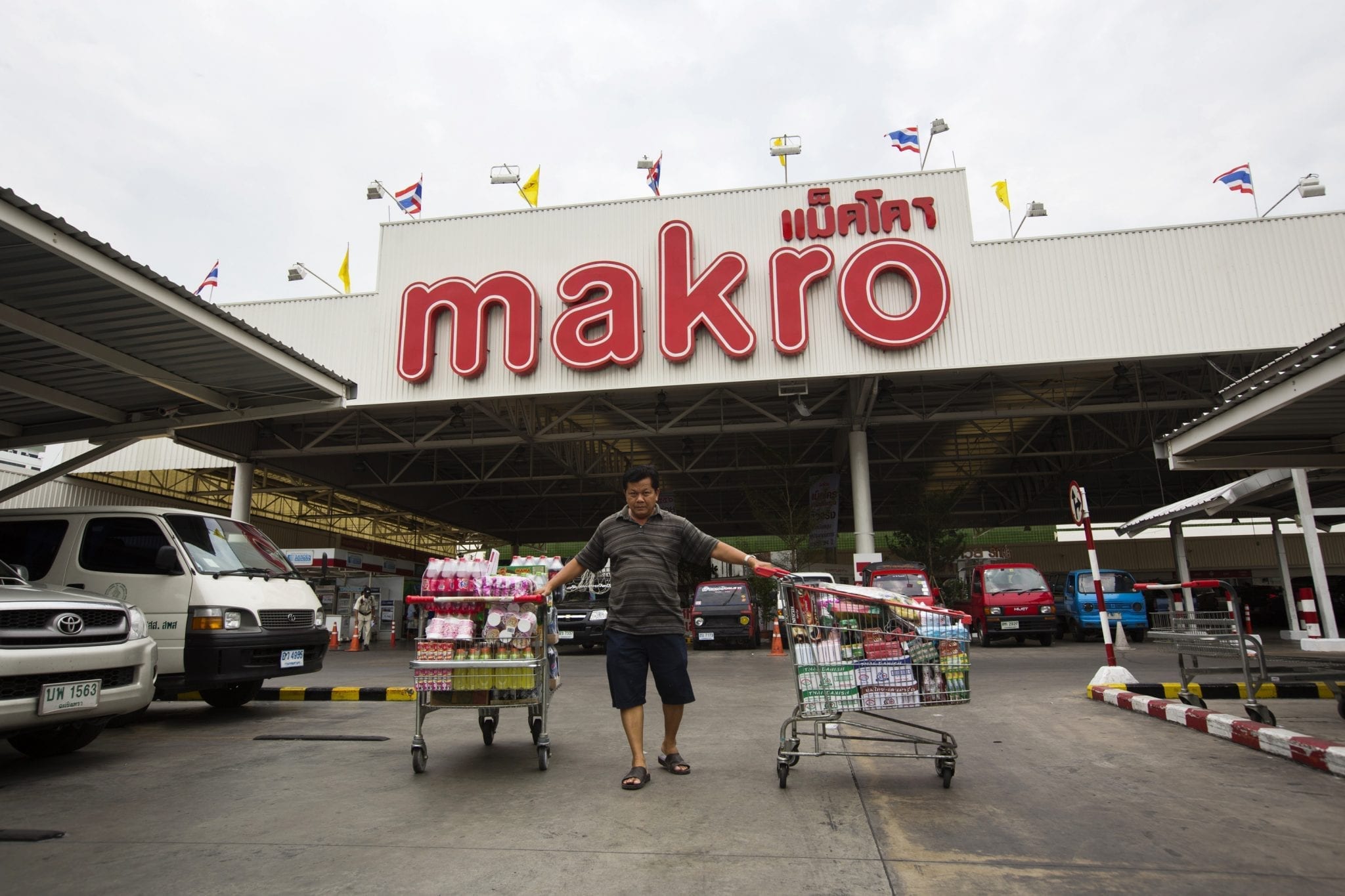
    Thai cash-and-carry brand Makro is set to build a large development in Siem Reap.

    The Council for the Development of Cambodia has approved the building of a Siem Reap commercial centre which will be anchored by Makro.

    Associate director of CBRE Cambodia James Hodge said that the development reflects the modernisation of the national retail market that is following in Phnom Penh’s footsteps to develop a modern format retail to meet consumer demand.

    “Certainly a provincial town or city that benefits from high numbers of tourists will also interest retail developers. They see an opportunity to tap into another source of potential customers,” he said.

    Costs for developing the mall have been estimated at US$19 million, and will involve the creation of 179 local jobs.

    Regarding the impact on local businesses, Hodge said: “Businesses may respond by considering prices, the quality of the service or environment they offer to customers. Usually competition is a good thing for consumers as it ensures businesses remain up-to-date and listen to customers in order to remain relevant”.

  • Macau’s Suncity again defers Hoiana casino-resort stake purchase

    Macau’s Suncity again defers Hoiana casino-resort stake purchase

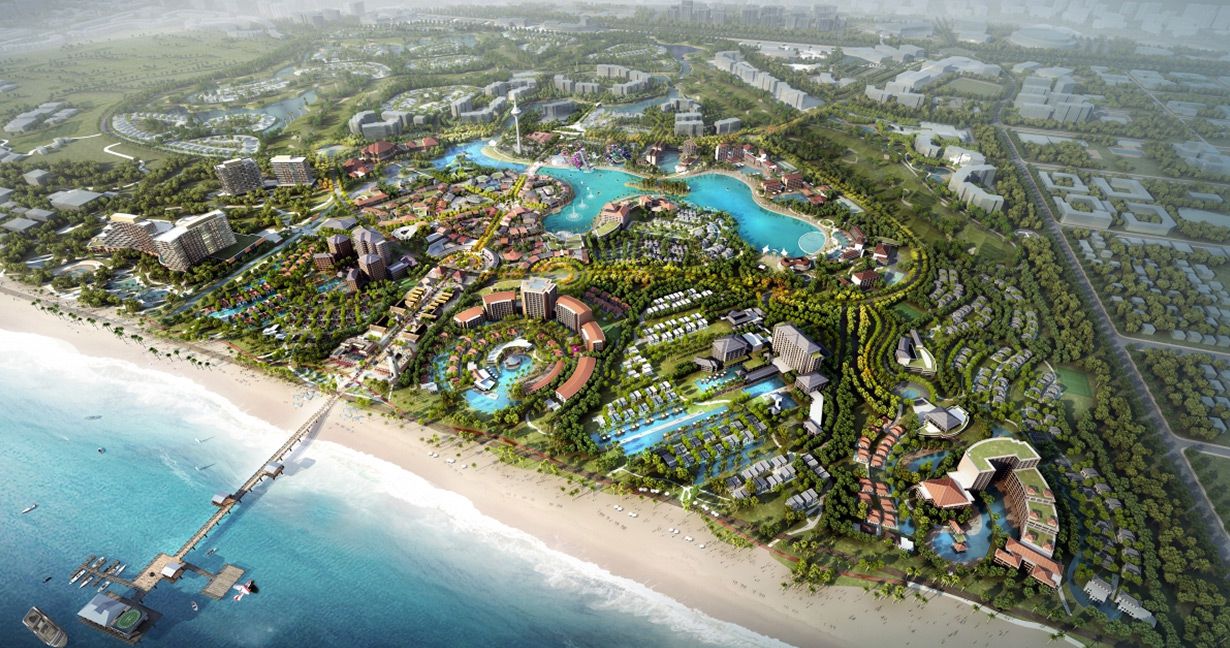
    Hong Kong’s Suncity Group Holdings has twice delayed a deal in the last two months to acquire 34 percent of a casino-resort in Quang Nam Province.

    In a statement to the Hong Kong Stock Exchange, the Macau casino operator and investor said it is waiting for the joint venture between VinaCapital and Hong Kong’s Chow Tai Fook to obtain approval from a Vietnamese bank, which has given a loan to the developers of Hoiana.

    So it is postponing completion of the deal, worth $76.8 million, until August 31 this year, the firm said.

    “It is expected that the bank consent will be obtained on or before August 31, 2018. Save for the condition relating to the bank consent, all other conditions have been fulfilled.”

    In June Suncity had said difficulties in acquiring land for the project caused it to put off the deal until July 31.

    VinaCapital and Chow Tai Fook have since acquired the 163 hectares required for phase 1 of the development.

    Suncity announced plans to acquire the stake in the casino and resort in July last year.

    The $4 billion project was initially planned by VinaCapital and Malaysia’s Genting Group, but in 2012 the latter pulled out, and in 2015 Chow Tai Fook came on board.

    Hoiana is one of eight casinos to be licensed in Vietnam now.

    To be built in seven phases it will have a casino with 140 tables and around 1,000 slot machines, guest rooms and a golf course.

  • East Saigon running out of apartments for sale to foreigners

    East Saigon running out of apartments for sale to foreigners

    An ownership cap is preventing foreigners from buying high-end apartments in Saigon, especially its eastern part.

    Thien’s apartment was in a prime area with a view of the Saigon River in Ho Chi Minh City’s Thao Dien Ward, District 2.

    He could have sold it for VND5.5 billion ($236,000) to a foreign buyer, but had to sell to a local investor for VND5 billion ($215,000) because the 30 percent cap of foreign ownership had already been reached.

    Like Thien, Luong bought a high-end apartment on Ha Noi Highway, District 2, in 2017, and sold it to a foreigner early 2018. It was after the contract was signed that he learnt that the foreign ownership cap had been reached. It took him another month to find a Vietnamese buyer for lower profits.

    The amended Housing Law 2014 expanded foreigners’ rights to buy housing in Vietnam but stipulates a foreign ownership cap of 30 percent in each project.

    Savills Vietnam director Matthew Powell said that many apartment projects in HCMC have reached the 30 percent foreign ownership limit since last year, especially in expat dense areas.

    Song Hai, an experienced real estate broker, said many foreigners find property in the east of the city, like District 2, especially in Thao Dien ward, more attractive as it has been an expatriate haunt for some time.

    Earlier, in the third quarter of 2017, a property project located in a prime location in District 1, accessible via the Thu Thiem Tunnel, was so attractive to a group of individual Korean investors that they were willing to take 50-year leases if they could not buy apartments outright as a result of the foreign ownership limit.

    Nguyen Xuan Quang, Chairman of Nam Long Investment Joint Stock Company, said the participation of such individual foreign investors was a positive sign for the market at a time when apartment sales were slowing.

    “Foreign investors might see good market prospects here as returns from property in the city could be better compared to other countries,” he said.

    Nguyen Loc Hanh, deputy general director of sales and marketing at Danh Khoi Real Estate Joint Stock Company (DKR), said quite a few apartment projects in the eastern part of the city have reached the 30 percent foreign ownership limit, especially high-end projects with fewer than 500 apartments typically preferred by foreigners.

    Luxury apartments in the city are still much cheaper than in Hong Kong or Singapore, Hanh noted.

    Alan Kan, committee member of the Hong Kong Business Association Vietnam (HKBAV), said that Hong Kong property prices have risen to unaffordable levels, and so many people there are looking to investing in cheaper places like Vietnam and Thailand.

    According to data from Hong Kong-based Golden Emperor, gross rental yields are between 4.5 percent and 5 percent in Bangkok and much lower in Singapore, Kuala Lumpur and Hong Kong, and cannot compare with the yields of 6-8 percent in Vietnam.

    Powell of Savills Vietnam added that conditions and legal procedures related to foreign ownership have been eased but should be improved further to attract more investors.

    He agreed it was important to have ownership limits to ensure proper oversight and avoid negative impacts on the economy, but Vietnam could consider relaxing the regulations in certain areas to meet demand, especially in the luxury segment, he added.

    According to property consulting firm Jones Lang LaSalle (JLL), Malaysia has a relaxed realty policy that encourages foreigners to buy various kinds of properties.

    Thailand now allows foreigners to buy only 49 percent of a housing project, down from 100 percent earlier.

    Indonesia only allows foreign individuals to hold a right of use title for 30 years extendable for another 20.

  • SM Prime Holdings income rise from new malls

    SM Prime Holdings income rise from new malls

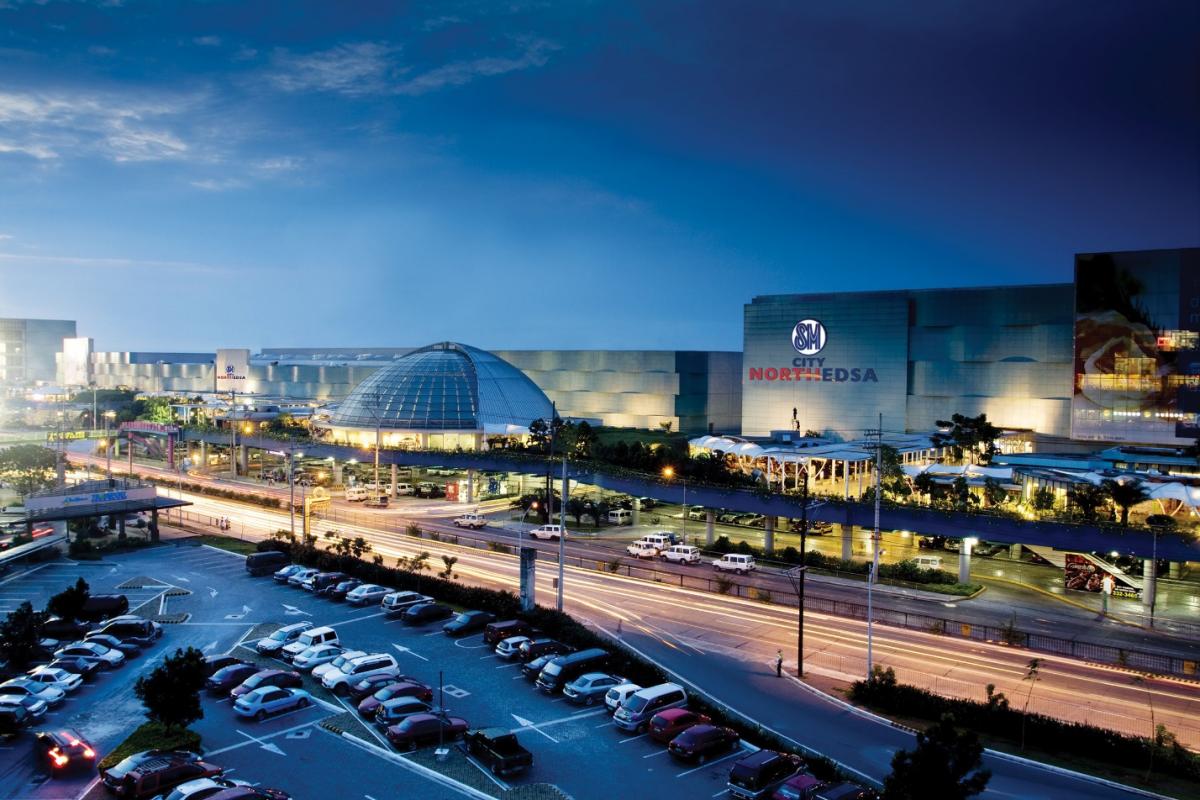
    SM Prime Holdings has reported a 16 per cent rise in income in the first half of this year.

    Sales, boosted by new mall and residential projects, reached a total of P16.6 billion (US$313 million). The firm opened shopping centres in Cavite, Pangasinan and Pampanga during the period and now operates 77 in all, seven of them in China.

    SM Prime president Jeffrey C Lim said: “We intend to deliver more integrated developments in the coming years anchored by lifestyle malls, luxurious yet affordable residences and other complementary amenities across the country.”

    SM Prime is set to open new malls in Albay and Leyte later this year.

  • 4 leases available at Singapore Changi Airport

    4 leases available at Singapore Changi Airport

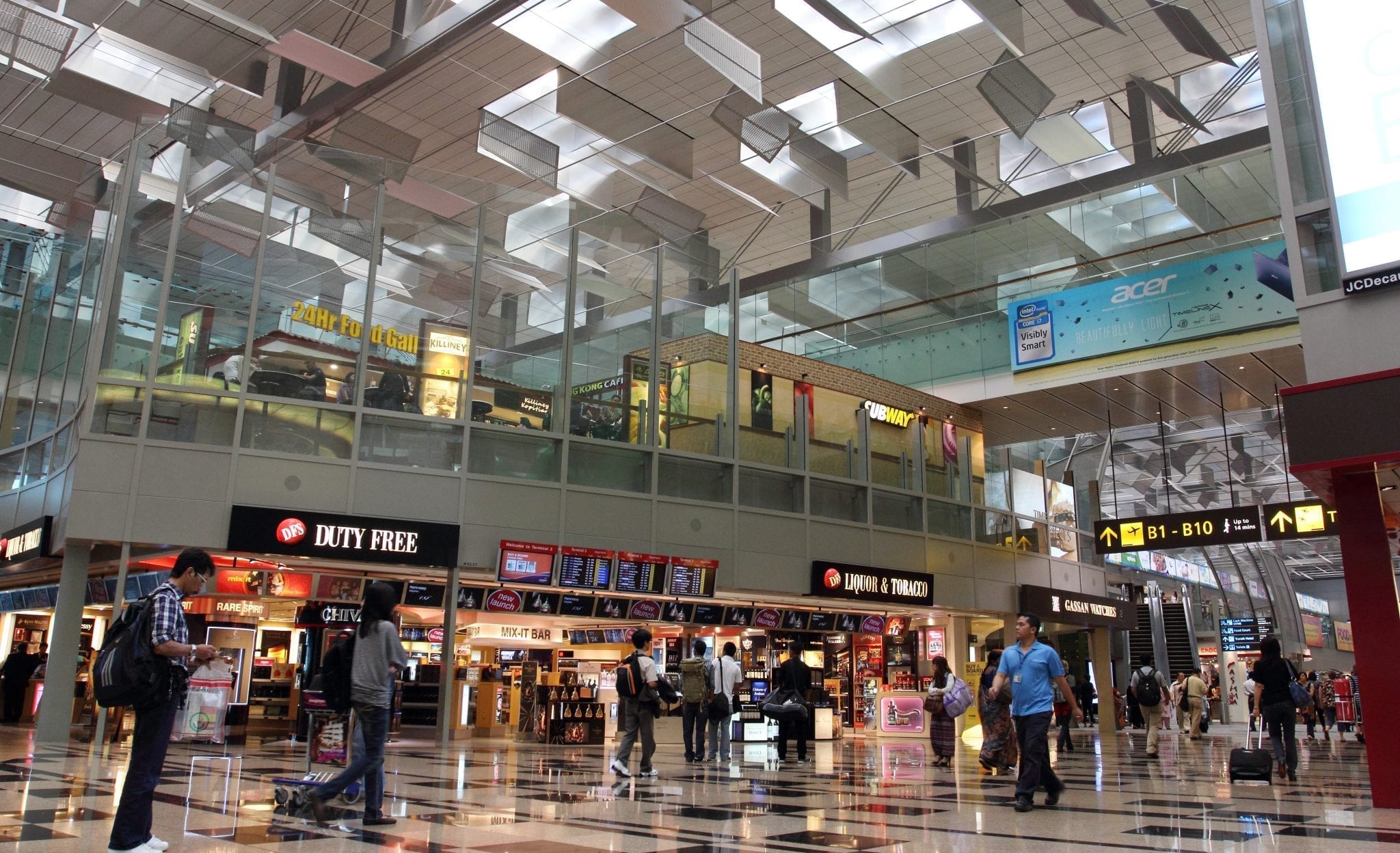
    Continuously ranked as one of the best in the world, Singapore Changi Airport is an experience rather than a simple stop towards your destination.

    The award-winning airport offers its visitors a wide range of attractions, from shopping to dining and entertainment experiences, spread across its four terminals.

    Changi Airport Group is currently looking for established retailers as it is seeking to lease four three years concessions with no renewal options in Terminal 1 at Departure/Transit Lounge West on Level 2. To offer diversity and complete their customers’ experience, they are seeking mid-price fashion brands to add to their portfolio.

    A CAG representative shared their desire for “exciting and unique mid-price fashion brands and concepts that will inject buzz to and differentiate the retail offering”.

    Effective from April 2019 to 2022, the lots range from 70 square meters to 110 square meters.

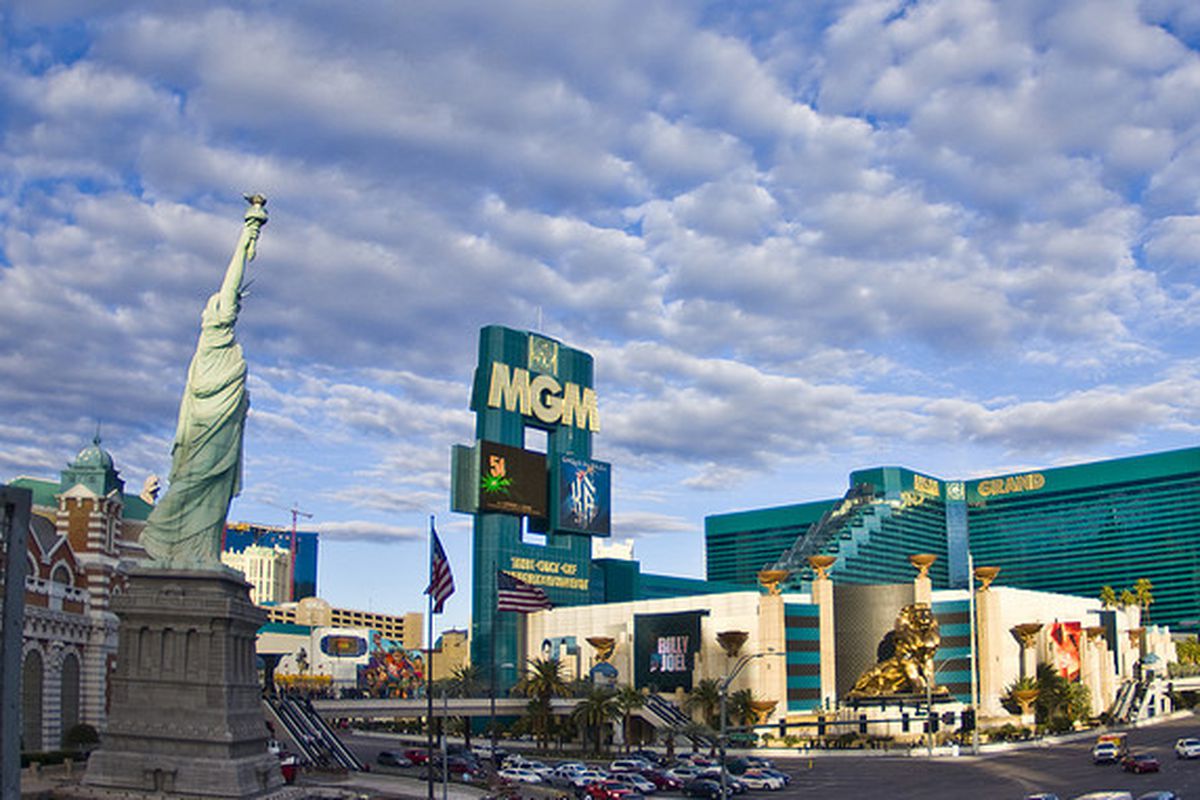
  • US’s MGM plans its return to Vietnam

    US’s MGM plans its return to Vietnam

    It left with no explanation, and there is no explanation about an unexpected return by MGM Resorts International to Vietnam.

    MGM had withdrawn from a $4.2 billion project in March 2013 without saying why, but seems to have encountered no difficulty in returning with a new investment project.

    The global hospitality and entertainment company will now be a part of a new resort project near travel hot spot Hoi An in central Vietnam.

    MGM will partner with Vietnamese real estate firm Bamboo Capital in managing the VND2 trillion ($86 million) Malibu Resort Hoi An on Ha My beach.

    MGM would have managed the first resort on the Ho Tram Strip project in the southern Ba Ria – Vung Tau province, had it not broken a deal with the Canada-based Asian Coast Development Ltd (ACDL) which was the project’s main investor.

    It didn’t give a reason for withdrawing from the mega project, which would consist of 9,000 5-star hotel rooms, a golf course and a casino with 2,000 slot machines by 2020.

    But MGM has returned with a new vision and will only focus on managing resorts, said a representative of Bamboo Capital at the Malibu Resort Hoi An signing ceremony.

    The company will not manage both casinos and hotels as it used to years go, the representative said, adding that the current partnership is based on sound legal foundations.

    MGM reported a net income of $2.0 billion last year.

  • Pacific Place launches new campaign

    Pacific Place launches new campaign

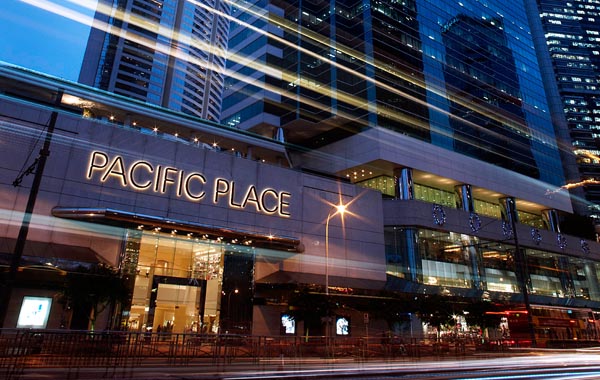
    Pacific Place has launched its new brand campaign – a celebration of Pacific Place as ‘The Place’ to elevate everyday moments and unique experiences.

    As a pioneer of innovative retail concepts in Hong Kong, Pacific Place continues to transform physical spaces into delightful immersive experiences that are ever more progressive, personalised and exclusive.

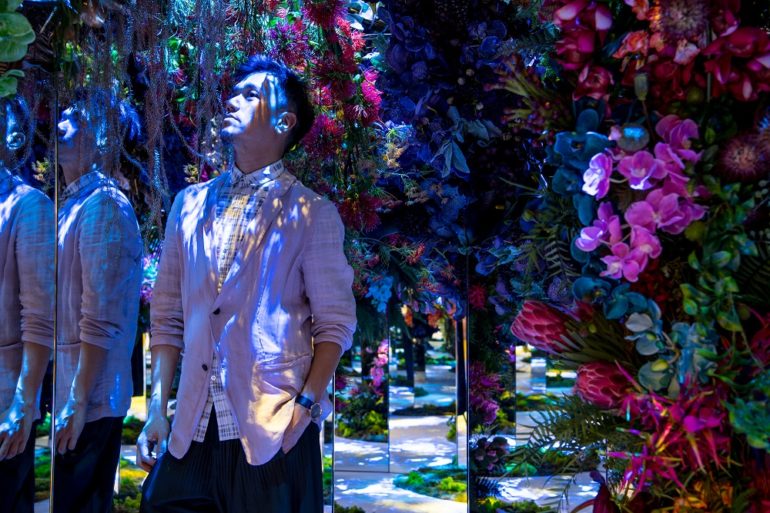
    As part of the brand refresh, Pacific Place has unveiled a stunning mirrored installation in Garden Court that will be in place from today until 27 August. A vision of colours and reflections, those familiar with the space will be able to reimagine it with a fresh perspective, while new visitors will find themselves immersed in one of the many unique experiences that Pacific Place offers. The interior of the artwork also holds an unexpected surprise, with an intimate infinity garden nestled within, handcrafted by local floral artist Kirk Cheng.

    The brand refresh is the culmination of Pacific Place’s strategy over recent years to evolve into the ultimate lifestyle destination in the city, and engage a diverse and broad customer base. With much to offer from its 140+ coveted brands and boutique dining options, ‘The Place’ represents a lifestyle worth celebrating.

    The mall’s above loyalty programme also just rang in its first anniversary. With exclusive benefits including the recent Audi on Demand partnership, a first-of-its-kind offering which provides premium mobility service at the touch of a button, Pacific Place continues to engage and reward above loyalty members for being a part of the Pacific Place family.

    Pacific Place’s brand refresh marks only the beginning of more exceptional experiences to come, including the Hong Kong debut of the Victoria and Albert Museum’s renowned “Shoes: Pleasure and Pain” exhibition in September. Looking ahead, 2019 will also mark a momentous year for Pacific Place with a series of celebrations for its 30th anniversary.

    With a focus on the future and providing elevated lifestyle experiences and services for its customers, Pacific Place is making its integrated digital customer journey even more seamless through the revamped website and in-mall directories earlier in the year.

    The Pacific Place website now features a newly-enhanced user experience and improved functionality, including a wishlist and social sharing function for in-store items, and inventory updates. Additionally, its new online magazine, The Style Sheet, offers a wealth of content from and for those in the know.

    By extending its offerings through digital channels, Pacific Place aims to present engaging experiences at every touch point, further elevating visitors’ experience of ‘The Place’.

  • India mall space leasing saw a rise of 77 percent Y-o-Y in H1 2018

    India mall space leasing saw a rise of 77 percent Y-o-Y in H1 2018

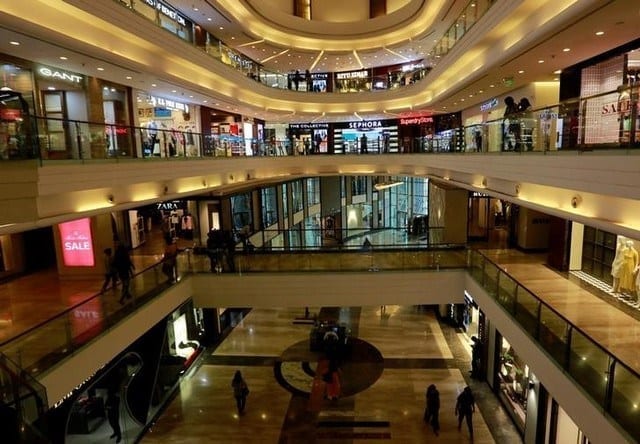
    JLL, one India’s largest professional real estate services firm, in their half yearly update note that net absorption in H1 2018 for retail space has seen a rise of over 75 percent year–on–year (y-o-y) recording a total absorption of 1.9 million square feet (msf) in the first half of 2018.

    In the same time new completions saw a decline of about 25 percent year–on–year with total completion of new mall space recorded at approximately 2.1 msf in H1 2018 over 2.8 msf in H1 2017.

    The retail market, which has been experiencing a new lease of life with investment interest returning to the market, has also see a growth in leasing activities from both international and domestic brands.

    RETAIL REAL ESTATE PERFORMANCE (H1 2018)

    City New Completion (‘000) Net Absorption (‘000)
    H1 2017 H1 2018 H1 2017 H1 2018
    Mumbai 800 120 652 118
    Delhi 2,005 385 726 325
    Bangalore 2
    Chennai 988 8 957
    Hyderabad 500 -104 358
    Kolkata 75 150 169 154
    Pune -355 33
    TOTAL 2,880 2,143 1,098 1,945


    The total net absorption for H1 2018 was recorded at close to 2 msf in top seven cities[1] of India of which Chennai saw the highest absorption at 950,000 square feet (sf). Chennai saw the completion of a major retail project which attracted many brands to set up and start operations.

    Delhi (325,000) and Hyderabad (358,000) also saw healthy leasing activities, though, Delhi saw a slowdown owing to reduced new completion in the period under study.

    Mumbai, saw total new leasing of 118,000 sf in H1 2018. The trends of retail supply and absorption are linked as malls usually are reticent in starting operations without complete or near complete absorption of malls. Only in very limited cases, do malls start with noticeable vacancies.

    The new supply for retail mall space was estimated to be 2.1 msf in H1 2018 which was lower by approximately 25 percent over the same time last year. However, with robust leasing activities, the reduced supply will help the rentals remain stable and even firm up over a period of time.

    Development companies have been aiming at creating products that match the requirements of retail companies in terms of location, quality of development, as well as design and other relevant aspects to ensure sustained sales velocity.

    Chennai saw the highest volume of retail mall supply in H1 2018 which was close to 1 msf. While Hyderabad recorded new supply of 500,000 sf in the same period. Both these cities had not witnessed any new supply in the comparable period last year.

    Ramesh Nair, CEO & Country Head, JLL India said: “The retail scenario in India has started to show signs of maturity now, by concentrating on malls that will have longevity, sustainable business and have scope of refurbishment and renovations in the future. As Indian consumer becomes more discerning, the physical asset surrounding retail has become important in creating the right experience. Therefore, developer companies are now creating retail destinations rather than mere shopping centres. In the next few years, we will see a concentration of large format malls that will allow shoppers a variety of experience beyond purchase.”

    JLL’s estimation for next 6 months of 2018 (July – December) to see fresh supplies of 3.7 msf in the top 7 cities of the country. Of the total, Hyderabad will see the highest volume of 1.8 msf. Delhi at 715,000 sf will see the next highest volume of mall space supply followed by Chennai (511,000 sf) and Bangalore (500,000 sf). Pune is expected to be the only market which will not see any new addition of retail mall space in 2018.

  • Hanoi seeks approval for Vingroup’s $300 million IT park

    Hanoi seeks approval for Vingroup’s $300 million IT park

    Hanoi has submitted a proposal to the Ministries of Construction and Planning and Investment for building a new IT park possibly in Dong Anh District.

    It will be built by Vingroup on Vo Nguyen Giap Street on the way to Noi Bai Airport.

    It is estimated to cost US$302.54 million and likely to spread over 78.1 hectares, housing a maximum of 19,557 personnel.

    Its construction, to begin in the fourth quarter of this year, will be finished at the end of 2020, when it will open.

    Authorities hope it will interest both foreign and local IT companies thanks to its modern technical and social infrastructure, R&D facilities and other advantages.

    Vingroup also seeks to build facilities such as a data centre, IT functional zones, accommodation for specialists, commercial offices, an R&D complex, a training and consulting zone, exhibition space, parks and a recreation zone inside.

  • Orchard Road retail vacancy rate free jump

    Orchard Road retail vacancy rate free jump

    The Orchard Road retail vacancy rate has dropped to 5.6 per cent in the second quarter.

    According to a report by CBRE, the rate is the lowest in 14 quarters and well below 2016 figures.

    CBRE’s head of research for Southeast Asia Desmond Sim said, “On the back of an improved tourism market, coupled with limited new supply along our famous shopping belt, Orchard Road is still able to attract new tenants.”

    Noting that new-to-market brands still require and demand visible frontages with high footfall, Sim cautioned that there may be vacancies on secondary corridors and secondary floors.

    Meanwhile, senior director of research at Cushman & Wakefield, Christine Li, said, “A two-tier market is forming in the retail segment, as accessible and well-managed malls attract the bulk of pedestrian footfall.

    Retailers and landlords have to continue to reinvent themselves, invest in technology and focus on lifestyle and activity-based experiences to keep pace with the fast-changing retail landscape.”

    This year’s new openings were largely in the food and beverage and fashion categories.