Category: Real Estate

Retail News Asia is committed to providing both local and global retailers with the latest Real Estate news throughout the Asian market. This on a daily base.

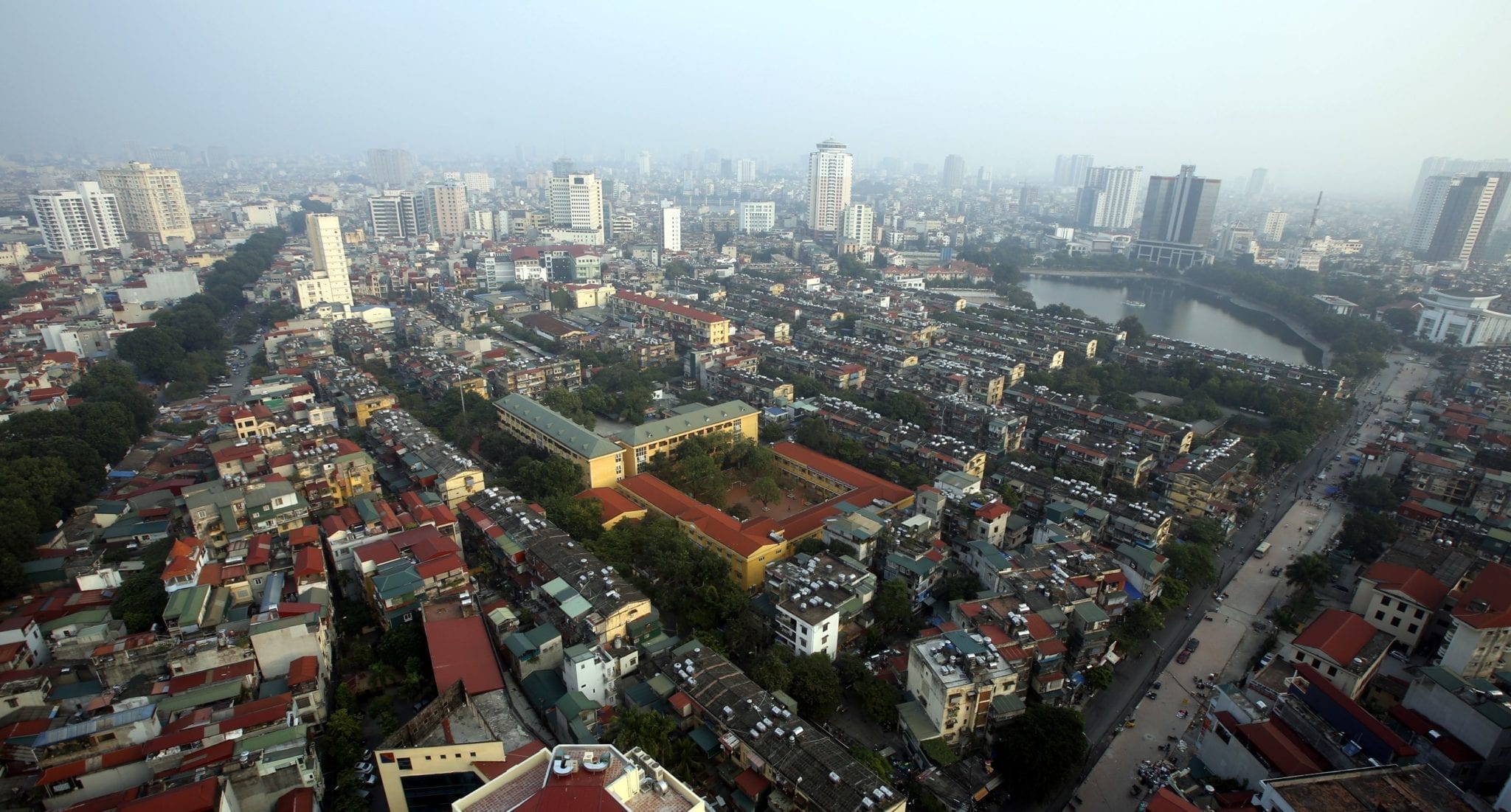
  • Short-term leasing could be a long-term trend in Hanoi, HCMC

    Short-term leasing could be a long-term trend in Hanoi, HCMC

    Thanh’s apartments in Ho Chi Minh City have been behaving like hotels for more than a year now.

    Individuals and groups of tourists stay at his serviced apartments for a few days before they leave for another destination in the country, and the apartment is open almost immediately for new guests.

    Thanh, who did not want his surname revealed, has invested in three apartments in HCMC, and all of them can be booked by anyone on Airbnb, an online service that connects tourists with hosts offering accommodation in a room, or rooms, or an apartment or villa, typically for short stays.

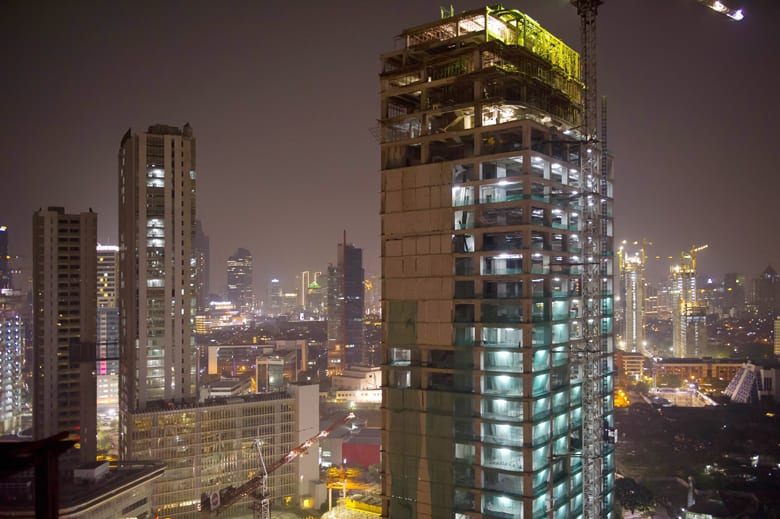
    The large supply of apartments in major cities like Hanoi and Ho Chi Minh City has spurred investors who have spotted an opportunity to earn higher incomes through short-term leases rather than long-term rental contracts.

    In addition, the driving force shifting consumer attention to Airbnb in Vietnam is a willingness to experience something new and affordable when it comes to rented accommodation, said accounting and consulting firm Grant Thornton.

    According to a Nielsen report, 76 percent of respondents in Vietnam like using shared products or services, compared to 66 percent of consumers globally.

    The total number of Airbnb listings in Vietnam has surged exponentially since the service was officially launched in Vietnam in 2015.

    There were only 6,500 listings in 2016, but last year, this rose almost 2.5 times to 16,000, according to accounting and consulting firm Grant Thornton.

    The apartment rental market has changed remarkably in the last 12-18 months, with more owners moving from traditional rental services to listing their apartments on Airbnb or similar online housing services, said Tran Anh Khoa, a renting agent in HCMC.

    This transition is happening as owners realize short-term rentals can earn 15-20 percent higher revenues than long-term leases, Khoa said.

    A 50-square-meter serviced apartment in HCMC’s District 2 can earn its owner $700-800 a month in a long-term contract, but this revenue can go up to $1,000 a month if it is leased short-term with an occupancy rate of 80 percent a month, he said.

    Apartment owners like this model, especially real estate speculators who want to earn money while waiting to sell their apartments, Khoa added.

    “This way, owners don’t get tangled in contractual obligations with tenants when they want to sell the apartment,” he noted.

    Growing trend

    Airbnb and similar services are favored by single or small groups of guests as they offer cheaper prices compared to a hotel room or a fully-serviced apartment, said Stephen Wyatt, country head of real estate firm Jones Lang LaSalle Vietnam.

    The supply of apartments in Vietnam has been growing in recent years, especially in HCMC, with an additional 129,000 apartments coming on line by 2020, according to real estate service provider Savills Vietnam.

    The “oversupply” will likely lower the profitability of long-term rental apartments, Wyatt said.

    So short-term leasing of these apartments is a positive trend as their sales show signs of slowing down, he added.

    Pham Thi Thanh Huyen entered the apartment-sharing business a year ago to earn extra income apart from her office job.

    The 24-year-old paid a total of VND400 million ($17,200) to do up the interiors of two apartments in Hanoi which she rents for VND6 million each a month.

    One of her apartments has had an occupancy rate of almost 100 percent every month, and the other, over 70 percent. Together, she earns a net profit of VND10 million a month by subletting them for short periods.

    She was confident: “If your apartment is in a good location, it won’t be long before guests start to pour in.”

    In 2017, Vietnam welcomed nearly 13 million international visitors. In the first half of 2018, the number was nearly 7.9 million, a 27 percent increase over the same period last year, according to VNAT.

    Tourism is expected to contribute 10 percent to Vietnam’s gross domestic product by 2020 when the country hopes to welcome up to 20 million foreign visitors and earn $35 billion in tourism revenues. Vietnam has set a target of receiving 15-17 million foreign arrivals this year.
  • Nickelodeon to Open Its Largest Indoor Theme Park in Mall of China

    Nickelodeon to Open Its Largest Indoor Theme Park in Mall of China

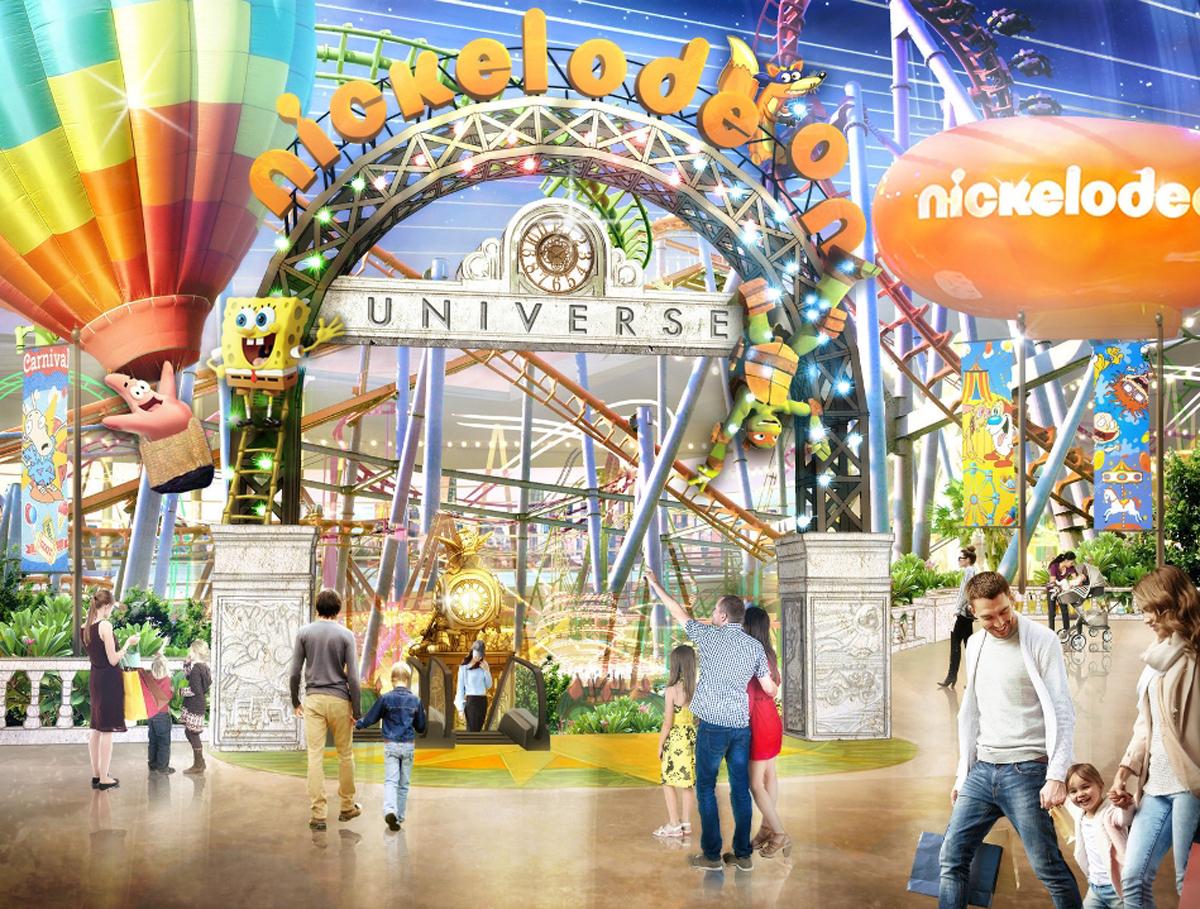
    Viacom International Media Networks Asia will build a Nickelodeon indoor theme park at the Mall of China in Chongqing.

    It will be Nickelodeon’s largest indoor park in the world, and its first in Asia when it opens in December 2020.

    The Mall of China is being developed by Jiayuan Group, China Creation Group and Triple Five Group and the three partners signed an agreement with Viacom last week.

    Cartoon and movie characters including SpongeBob SquarePants, Dora the Explorer, the Paw Patrol gang and the Teenage Mutant Ninja Turtles will feature in the park which will host 29 attractions including the world’s highest and fastest indoor roller coaster and Asia’s first  tilting drop-tower attraction.

    The $750 million Mall of China is located about 15 minutes’ drive from Chongqing’s Jiangbei International Airport. Construction of the 1.5 million sqft mall started in 2016. The adjacent theme park Nickelodeon indoor theme park will take up about 92,000sqft and the entire complex will be buttressed by 40,000 residential units, an international hospital and an international school. The entire project will cost an estimated $4.2 billion.

    “Creating immersive on-the-ground consumer experiences remains an important part of our business, especially in Asia,” said Mark Whitehead, president and MD, Asia Pacific at Viacom International Media Networks.

    “As we continue to grow the footprint of Nickelodeon theme parks across Asia Pacific, I am confident this will also open up new opportunities for the Nickelodeon brand and for our partners across multiple platforms in this important Chinese market.”

    Nickelodeon-branded attractions and parks around the world include the Nickelodeon Universe in Minneapolis’ Mall of America, SeaWorld on the Gold Coast and Wet n Wild Sydney in Australia, Nickelodeon Land at Pleasure Beach Blackpool in the UK, Nickland at Movie Park Germany, Nickelodeon Land at Parque de Atracciones Madrid in Spain and Nickelodeon Lost Lagoon at Sunway Lagoon in Malaysia. There are also Nickelodeon attractions at the Universal Studios in Hollywood and Orlando, Florida.

  • Apple Piazza Liberty now open in Milan

    Apple Piazza Liberty now open in Milan

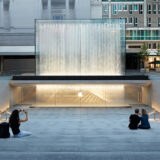
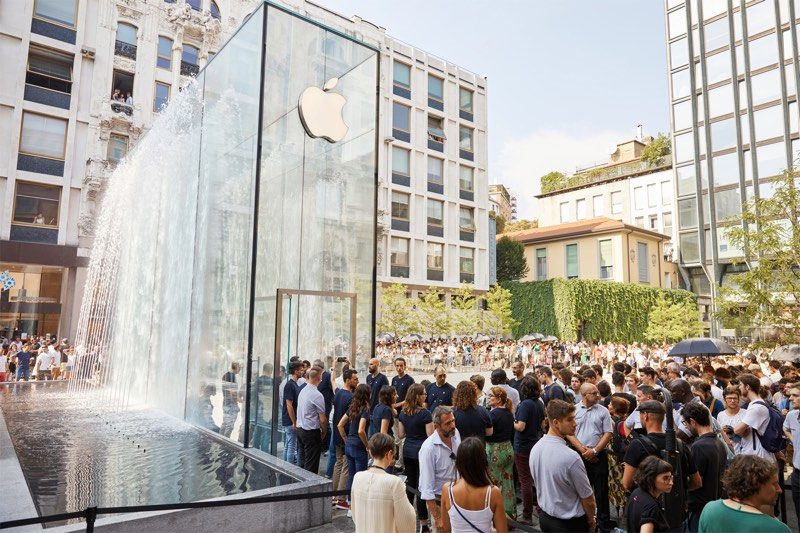
    Apple Piazza Liberty has opened in Milan, the latest significant global flagship for the tech retailer.

    The store is an ensemble of two fundamental elements: a stepped plaza and a fountain. Located just off the Corso Vittorio Emanuele – one of the most popular pedestrian streets in Milan – visitors are drawn towards the piazza by the sight of the dramatic new fountain.

    Designed by London-based Foster + Partners, which has an ongoing relationship with Apple to design flagships globally, the store is described as “a celebration of the joys of city life” and embodying Milan’s dynamic nature with a signature water feature which is an “interactive, multisensory experience”.

    Visitors enter the fountain through a glass-covered entrance enveloped by the sights and sounds of vertical jets of water that splash against the 26-foot (8-metre) high glass walls.

    A Foster + Partners spokesperson likens the experience as “an immersive recreation of the childhood game of running through fountains” with an experience which changes throughout the day as sunlight filters through the water. At night, the glass ceiling creates a kaleidoscopic effect, with the water falling down the walls, its reflections travelling infinitely up into the sky.

    The fountain flows down into the base of the amphitheatre, a new social hub and an outdoor extension of ‘Today at Apple’. The amphitheatre is defined by broad and sun-soaked stone steps descending below street level and opening up to a stage, backed by a second fountain’s wall of water. The entire plaza is newly created and paved with Beola Grigia – a typical local stone from Lombardy, and surrounded by 21 new Gleditsia Sunburst trees.

    “The interior is a bright, monolithic space, metaphorically carved out of the same stone as the plaza above,” says Foster + Partners. “The ceiling follows the stepped profile of the amphitheatre, with skylights and backlit ceiling panels that innovatively combine artificial and natural light. Through the roof and stairs, warm shafts of sun penetrate deep into the sunken store, connecting the interior with the light and rhythm of Milan and giving it a feel of a spacious daylight-filled art gallery.”

    The stairs leading into the store consist of polished stainless-steel clad cantilevering treads that also become a sculptural light installation, the designers say creates a theatrical and exciting experience.

    View the full gallery below (7 images) :

  • CRCT’s 2Q 2018 distributable income rises 10.0%

    CRCT’s 2Q 2018 distributable income rises 10.0%

    CapitaLand Retail China Trust Management Limited (CRCTML), the manager of CapitaLand Retail China Trust (CRCT), announced today that it registered distributable income of S$25.7 million for the period 1 April to 30 June 2018 (2Q 2018), an increase of 10.0% from S$23.3 million a year ago.

    The stronger performance was boosted by the first full-quarter contribution of Rock Square. Distribution per unit (DPU) for 2Q 2018 was 2.64 cents on an enlarged unit base, representing an increase of 0.8% from 2.62 cents in 2Q 2017, and 8.2% higher than 2Q 2017’s adjusted DPU of 2.44 cents following CRCT’s private placement exercise in December 20171.

    For the period 1 January to 30 June 2018 (1H 2018), distributable income was S$52.4 million, an increase of 9.8% compared to the same period last year. DPU edged up 0.6% from a year ago to 5.39 cents. On a comparable unit basis1, DPU for 1H 2018 would have been 7.8% higher than 1H 2017’s adjusted DPU of 5.00 cents.

    Based on an annualised DPU of 10.59 cents and CRCT’s closing price of S$1.54 per unit on 26 July 2018, the annualised distribution yield for 2Q 2018 was 6.9%. Unitholders can expect to receive their DPU for 2Q 2018, along with DPU for 1Q 2018, on 20 September 2018.

    Mr Tan Tze Wooi, CEO of CRCTML, said: “We are pleased that our portfolio reconstitution efforts and proactive asset management are showing positive results, delivering a double-digit growth for 2Q 2018’s distributable income. Rental reversions at our core multi-tenanted malls for the quarter averaged a healthy 10.5%, while portfolio occupancy as at 30 June 2018 was resilient at 97.4%.”

    He also added: “Since acquiring Rock Square on 31 January 2018, we have focused on extracting the lease renewal upside while enhancing the mall’s tenant mix. This strategy led to strong rental reversions at Rock Square averaging above 20% for the second consecutive quarter. New entrants in the mall include a digital experience store by Xiaomi and popular beverage store Nayuki Tea. To optimise Rock Square’s layout and further expand its offerings, we created over 500 square metres of retail space by converting unutilised space and adding retail kiosks.”

    In 2Q 2018, CapitaMall Wangjing completed the transformation of the recovered space on Level 4 with 19 of the 23 new retailers opened as at June 2018. r Tan Tze Wooi explained:”the new retail zone, which offers a strong mix of lifestyle and experiential retail tenants that host crowd-pulling events, is expected to drive footfall and improve sales for the entire floor with positive spillovers for the rest of the mall. The early recovery of the former anchor tenant space, executed within timeline and budget, demonstrates our proactive asset management approach to strengthen the appeal of CRCT’s malls.”

    “During the quarter, we early refinanced S$150 million of loans ahead of maturity in 2019 to lock in favourable rates. In addition, we undertook our maiden issue of S$130 million medium term notes (MTN) under CRCT’s S$1 billion MTN programme, which was well-received by debt investors. Diversifying our funding sources to the debt capital market is part of our capital management strategy to harness greater financial flexibility for our next phase of growth as we actively source for strategic acquisitions to expand our portfolio. As at end June 2018, CRCT’s gearing was a healthy 32.1%, well below the regulatory limit of 45%,” he concluded.

  • Vincom Centre Landmark 81 launched

    Vincom Centre Landmark 81 launched

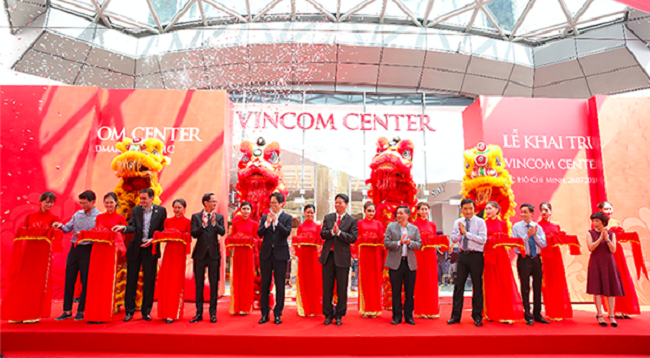
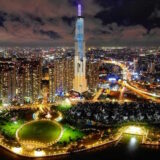
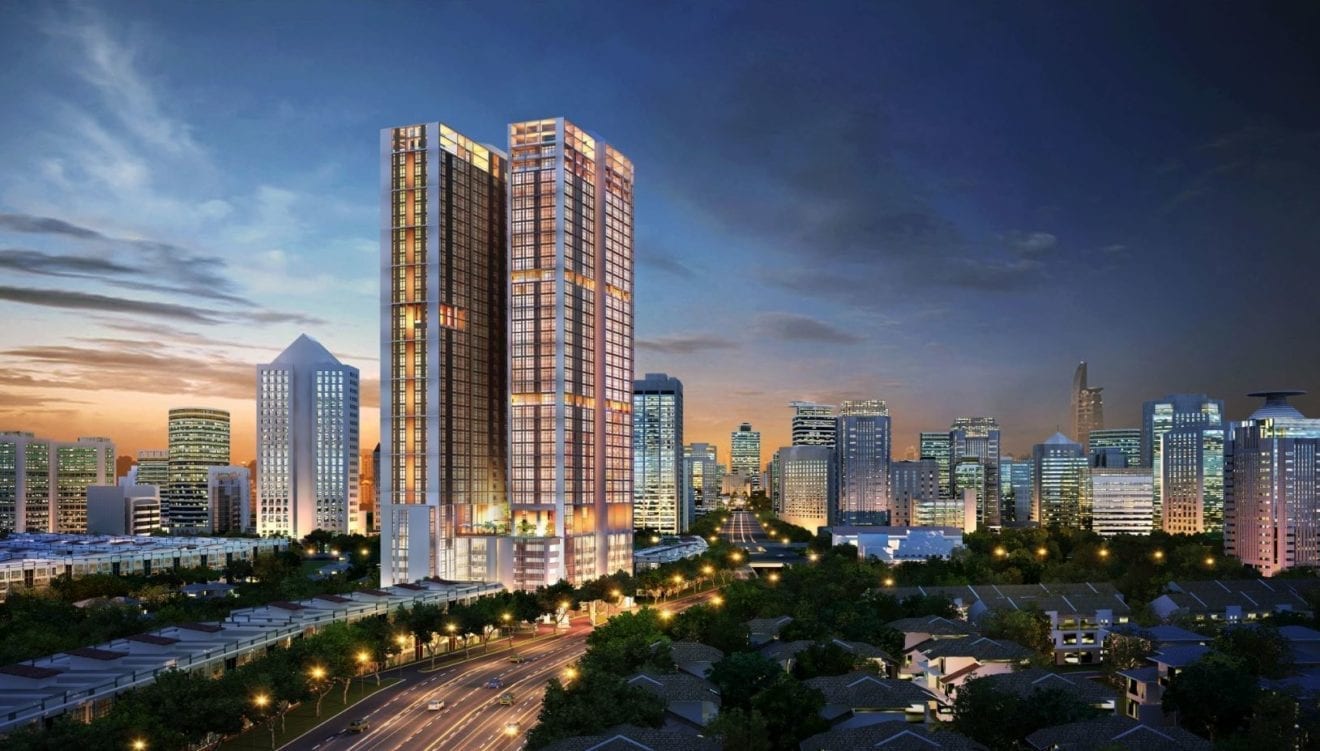
    Vingroup has opened its 55th shopping centre, The Vincom Center Landmark 81 mall, in Ho Chi Minh City’s Binh Thanh district.

    The 50,000sqm shopping centre occupies six of the skyscraper’s 81 storeys, housing 100 domestic and international brands in cosmetics, fashion, F&B, and entertainment.

    Fashion brands include Versace Jeans, Calvin Klein, Adidas, Tommy Hilfiger, Lacoste, French Connection, Kimmay, Superdry, H:Connect; Cole Haan, Ecco, Dune London, Parfois, Aldo, Pandora, Longines, OWL and Nike.

    The 7000sqm food and beverage area features 30 restaurants, including China’s Peach Garden, Japan’s Dozo Sushi, Vietnamese restaurants Delights, Di Mai, and coffee shops including Starbucks’ largest Vietnam outlet and Highlands Coffee.

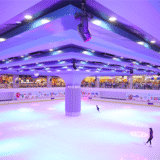
    In the entertainment area, there is a 2000sqm Vincom Ice Rink, Vietnam’s largest, and a CGV cinema complex including an Imax screen, as well as a tiNiWorld entertainment complex and an indoor games centre.

    Vingroup’s food arm VinMart operates a supermarket there.

  • Galaxy Macau launches first-in-Macau experiences

    Galaxy Macau launches first-in-Macau experiences

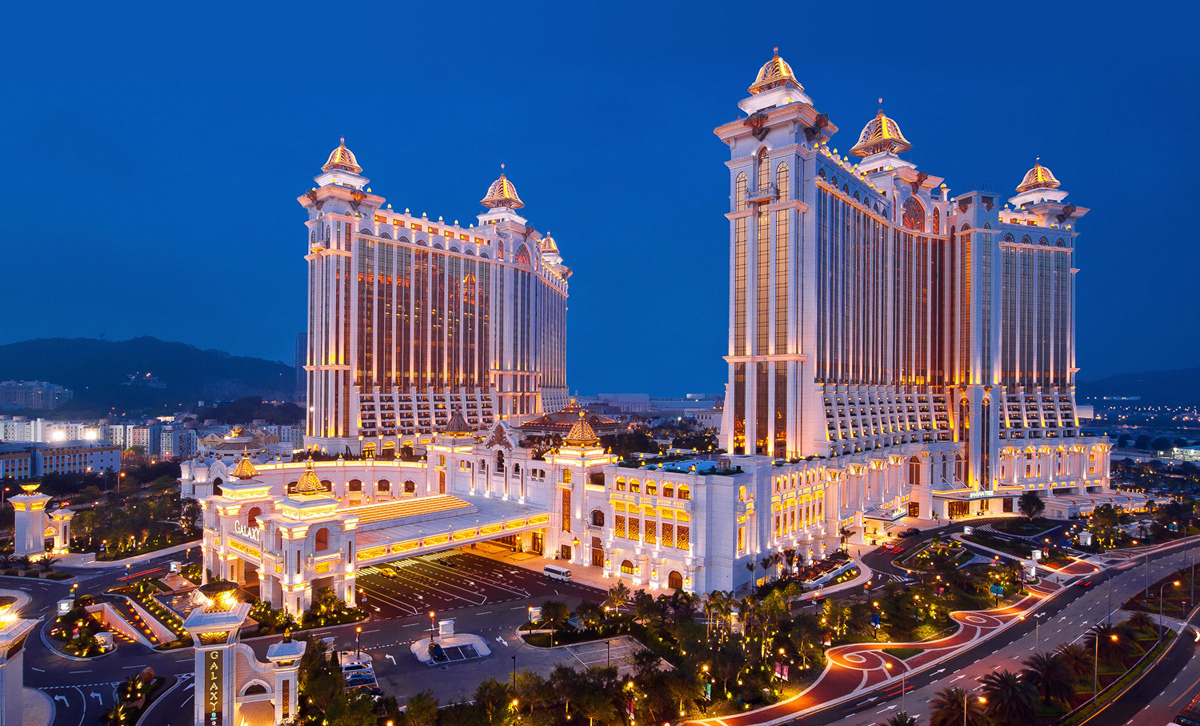
    Starting this season and continuing through the Fall and Winter, The Promenade Shops will bring shoppers the most exclusive opportunities available for the first time and nowhere else in Macau, including the grand opening of new stores, product and collection launches and first-ever pop-ups and installations.

    The Promenade Shops is home to the first and only Delvaux flagship store in Macau, bringing shoppers unprecedented access to the most authentic luxury leather goods house from the kingdom of Belgium.

    In August 2018, Delvaux at The Promenade Shops will open its doors to a new, elegantly designed flagship location on the ground floor. The new flagship is designed in Flemish traditional style with a modern and subtle approach. Celebrating the opening of the flagship store, shoppers will have the opportunity to fully explore the brand’s exquisite craftsmanship and luxury creations, including a global exclusive and limited-edition Brillant Mini Box Calf in Skyway with Ivory buckle and the Delvaux Autumn-Winter 2018/2019 collection which exudes the timeless aura of Hollywood glamour in its vibrant jewel tones, illuminated calf leather and opulent graphic motifs.

    Also new to Macau is Italian streetwear and luxury fashion label Off-White™, only at The Promenade Shops. Sported by top-name celebrities such as Beyoncé, Rihanna and Kylie Jenner, the first-to-Macau Off-White store at The Promenade Shops was designed by the brand founder Virgil Abloh.

    Conceptualized around pink marble and permeated with black and white marble, it’s the first and only Off-White store in the world to use pink marble. In celebration of the launch of new store in Macau, operated by Rainbow Group, Off-White™ will offer an exclusive and limited availability capsule collection named as “Rainbow” only obtainable at The Promenade Shops.

    Shoppers are likewise invited to be the first in Macau to explore iconic luxury vintage-inspired label Mr&Mrs Italy. 100% made in Italy by artisans and available for the first time in Macau at The Promenade Shops, the brand brings FW 1819 Collection which presents new stylistic combinations, creating unique and bold garments in the outwear category, exploring the brand’s iconic pieces.

    The Promenade Shops is also home to new-to-Macau jewelry brand FRED from Paris, renowned for its modernity and French Riviera touch, as well as its expertise of exceptional gemstones, pearls, and diamonds. Jewelry lovers in Macau won’t want to miss the sun kissed FRED 2018 collections now on display at The Promenade Shops.

    Hazel Wong, Assistant Senior Vice President of Retail for Galaxy Macau, said, “Since opening in 2015, The Promenade Shops has gained a reputation as Macau’s go-to shopping destination for first-to-Macau brands and experiences, as well as product launches and special events accessible nowhere else in town.

    This is the stage upon which the most celebrated names in style and luxury living make their Macau debut, such as Delvaux, Off-White™, Mr&Mrs Italy and many more. We are also delighted to welcome Tiffany’s exclusive Home & Accessories Collection. The Promenade Shops is thrilled to keep on bringing shoppers the newest and most exclusive fashion to discover at every turn.”

    The first-in-Macau opportunities at The Promenade Shops are never ending, with more exclusive brands, collections and café destinations arriving all the time. This fall and winter will see the launch of bold menswear and womenswear by Marcelo Burlon of Milan, and luxurious cosmetic brand YSL Beauté – both first-in-Macau brands making their debut at The Promenade Shops.

    Canadian luxury fashion house Ports International is also open at The Promenade Shops, bringing its sophisticated and modern tone of ready-to-wear, leather goods and accessories collections to Macau shoppers for the very first time. Onitsuka Tiger, one of the most world-renowned sports fashion brands from Japan, will introduce its fusion of Japanese heritage and modern flair to those looking for refreshing new styles.

    The new Tiffany’s Home & Accessories Collection is likewise available exclusively at The Promenade Shops. This is the only place in Macau to find coveted Tiffany’s lifestyle goods, born from the notion that beautiful things should not be limited to special occasions.

    Luxurious accessories, possessing a whimsical wink that is quintessentially Tiffany’s, include the Color Block Piggy Bank, Tiffany x Steiff Return to Tiffany® Love Teddy Bear in Mohair, and the Everyday Objects Tin Can in Sterling Silver and Vermeil with Tiffany Blue® Enamel Accent inspired by the culet of the dazzling stone Tiffany is known for – all available at The Promenade Shops and nowhere else in Macau.

  • Be prepared for property bubble burst, Ideas tells govt

    Be prepared for property bubble burst, Ideas tells govt

    The government must be ready for the property market bubble to burst, and the risk of it leading to an economic crisis, said the Institute for Democracy and Economic Affairs (Ideas).

    Ideas senior fellow Dr Carmelo Ferlito (pix) in his policy paper titled “Affordable Housing and Cyclical Fluctuations: The Malaysian Property Market” recommends that the government respond with market-oriented solutions and pay special attention to the household financial exposure.
    “Second, the government needs to downplay its role in the property market by reducing the number of government agencies and encourage the private sector to get involved in the affordable housing market.

    “Third, the government must enhance Malaysian financial literacy, with an orientation toward the value of saving and the possibilities offered by the rental market,” Ferlito said in a statement today.

    He said the government may also open and ease up the regulation in the property market for foreigners who are in possession of a regular working visa and are paying taxes, to help the industry.

    Ferlito’s policy paper highlights the evolution of the Malaysian property market over the past decade, which has resulted in a high number of unsold properties, especially in the high-end segment, and a partially unsatisfied demand for affordable housing.

    He said the spectacular growth of the high-end property segment was ignited by rising profit expectations supported by a growing demand and, at a later stage, by a supportive credit market.

    The mix of these elements has generated a bubble which, following the property transaction dynamics, reached its peak between 2012 and 2013, and that bubble is now expected to burst.

    Ferlito noted that the focus on the high-end segment was justified by high demand and it is therefore natural that investment expanded in that sector.
    “However, now that it appears clear that unexploited profit opportunities are disappearing, a capital allocation restructuring appears necessary.”

    He added that the high involvement of government agencies in the affordable housing market risks crowding out private initiative and prevents the necessary restructuring from taking place.

    “It is important to let the bubble burst; too much credit will only delay the bursting, keeping prices artificially high and putting at risk the financial solvency of buyers. Without credit support, the crisis will happen faster and force both capital restructuring and prices to move downwards,” Ferlito said.

  • New retail experience at Sunway Malls’ Malaysia

    New retail experience at Sunway Malls’ Malaysia

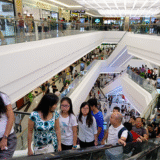
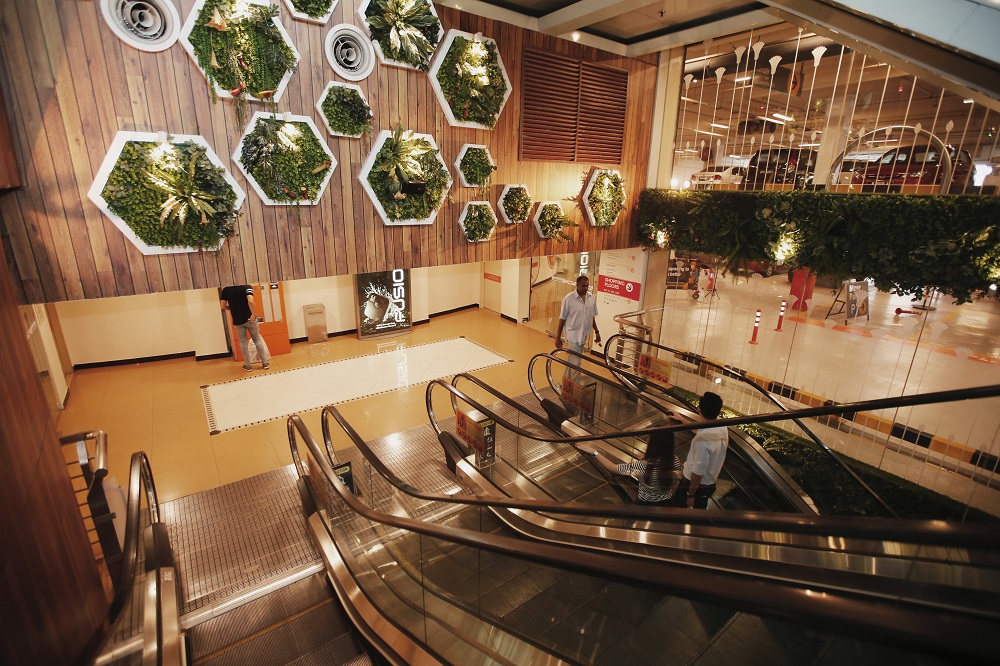
    Those who visited Sunway Pyramid recently may have seen and enjoyed the stack of escalators that connects the upper level car park floors to the retail floors through its latest asset enhancement exercise.

    Dubbed as ‘Oasis Garden’, the exercise saw the creation of a rainforest-like environment across 6 floors of escalator decks through creative use of sight, sound, smell and touch in generating a life-like experience.

    “When we were identifying the areas to bring out the soundscape, the escalators stood out in terms of importance and conduciveness. As two thirds of our mall traffic utilises those escalators which translated into 2 million visitors per month, the location represented a strategic value to make an impression to a great number of visitors. It is a captive market we had not targeted before,” said Mr Chan, CEO of Sunway Malls & Theme Parks.

    “The whole idea of Oasis Garden was to create a pleasant transition for people walking from the parking bays to the retail space and vice versa. I dare say Oasis Garden is Malaysia’s first sensory escalator deck,” he continued.

    Sunway Malls asserts that they are now looking beyond promotions, advertising and public relations to attract footfall and sales conversion. With 1 in 5 Malaysians spending their time in a mall at any given weekend and intense competition in the Klang Valley, Sunway Malls needed to ensure that brand advocacy and mall affiliation is a focus not to be forgotten amidst the excitement of tactical marketing.

    “We recognise that there is a need for a strategic all-inclusive approach that works in tandem with tactical marketing. Customers at present have a high expectation on service and quality of products. They are spoilt for choices and they have come to expect more holistically and gravitate towards brands who can engage with them in a creative manner. Events and promotions so bring in the traffic but we are a 21-year-old mall and I believe we can do more than that so we can impress our customers during their stay with us, converting them into returning customers,” said Chan.

    The escalators, connecting CP7 to CP2 parking floors at the Orange Atrium, now features artificial greenery with sounds of birds chirping, crickets, frogs and monkeys. The sounds of flowing water and gushes of wind complemented the entire “garden”, creating an immersive sound experience for shoppers.

    “The car park is a relatively harsh environment without air-conditioning. The mall can be a very crowded place and the sight of a rainforest-like garden helps to change the feel and mood of the shoppers, allowing them to experience something soothing, refreshing and therapeutic, said Chan.

    “To ensure we achieve the right soundscape, we sought the assistance of Professor Matthew Sansom, the associate dean of Sunway University School of Arts and Head of Performance and Media. He has had 20 years of experience working with sound and he explores the relationship of sound with people and the environment,” said Jason Chin, General Manager of Operations for Sunway Malls.

    So far, the mall has invested approximately RM250,000 on Oasis Garden. 60% of its materials are recycled from previous festive décor and events.

    “The sounds of nature really helped mask the sounds of the escalator mechanism, car screeches, and just general white noise from the crowd. Authentic sound from 17 species of birds were used to create this soundscape,” Chin explained.

    The mall has further enhanced Oasis Garden with scents of the forest, to create an even more wholesome experience for its shoppers.

    In many ways, Oasis Garden also serves as an awareness that Sunway is committed to the United Nation’s Sustainability Development Goals. Rainforests play an important role in ensuring the eco-system of life on land is well preserved.

    It took the mall over 6 months to get Oasis Garden to where it is today.

    “We also have a Paradise Garden in Lower Ground 1, just outside the Blue Entrance. It’s a seating area with real plants since it’s in the outdoors but the next area we are looking at to implement soundscape is our newly-refurbished Main Entrance at the Ground Floor. Professor Sansom is currently studying the area,” said Chin.

    “Our success with Oasis Garden shows that we can turn science into art, and we can translate a space into something people can enjoy. When a visit to the mall is delightful, we know we have done something right for our shoppers,” concludes Chan.

    Asset enhancement exercises are common for Sunway Pyramid as the mega mall went through a series of exercises to keep abreast. It underwent an extensive renovation and expansion back in 2007 and added a new retail podium known as Sunway Pyramid West in 2015.

    Sunway Malls is gearing to be amongst Malaysia’s largest mall owner-operator and currently manages five malls:Sunway Pyramid, Bandar Sunway; Sunway Giza Mall, Kota Damansara; Sunway Putra Mall, Kuala Lumpur; Sunway Velocity Mall, Cheras, Kuala Lumpur; Sunway Carnival Mall, Penang.

  • Bangkok retail rents shows bright outlook

    Bangkok retail rents shows bright outlook

    Bangkok retail rents rose in prime downtown locations in the second quarter, yet there was a decline in midtown locations, despite retailers migrating there.

    According to research from real estate specialist Edmund Tie & Company, occupancy rates in both downtown and midtown remain strong as supply in the downtown area was limited.  While tenants started to take space in newly launched retail malls in midtown areas, rents dropped to THB1610 (US$47.82) per square metre per month in the midtown area. They remained stable downtown, up 1.15 per cent year on year at THB2630 per sqm (US$78.60).

    However, retail occupancy rates decreased to 94 per cent in downtown and 89.8 per cent in midtown during the quarter.

    Three upcoming retail developments are scheduled for completion in midtown this year: IconSiam (51,500sqm), the adjacent Takashimaya Department Store (36,000sqm) and Ari Hills on Pahonyothin Road, (1500sqm).

    Edmund Tie & Company said developers have been more cautious in recent years in the downtown market, partly because many Thais have put spending on hold in light of household debt.

    “Tourism continues not to be a significant source of customers for many retailers beyond prime downtown locations. Although several downtown developments have been delayed previously, there has been some progress recently. EmSphere established a projected deadline of 2020 as the site has been cleared for construction.”

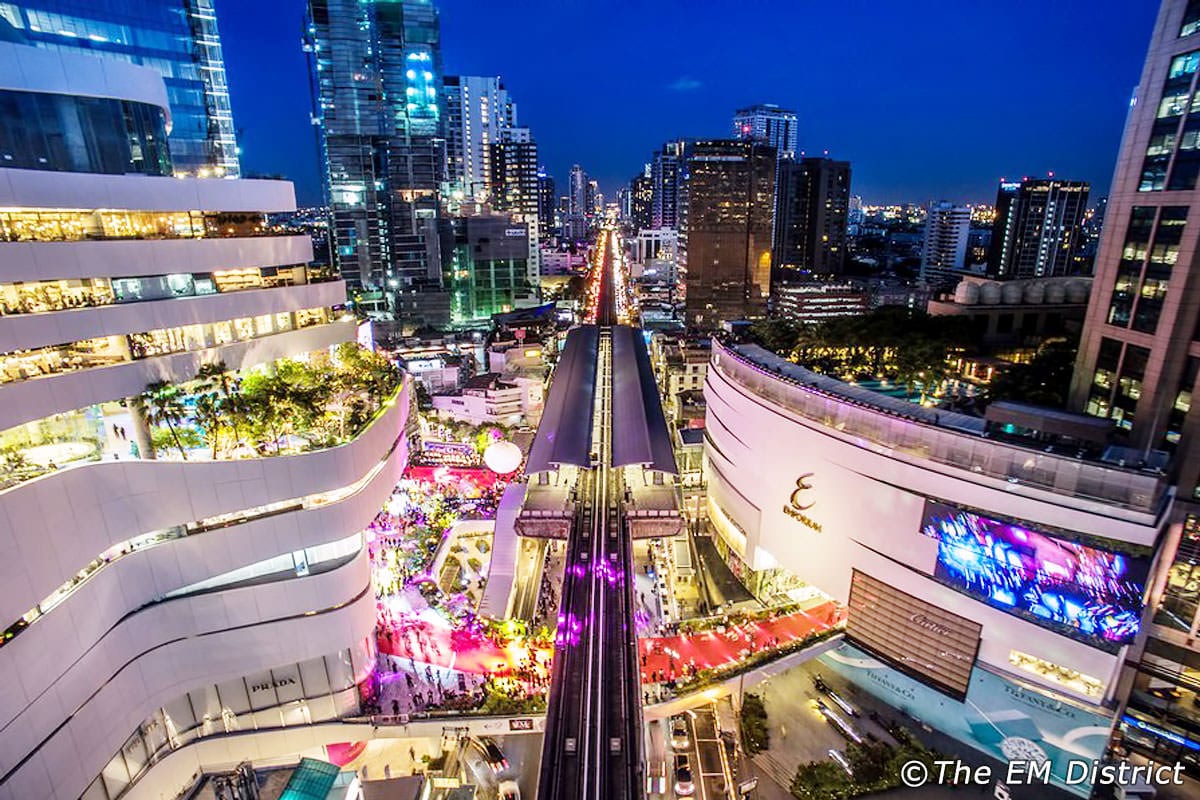
    EmSphere is adjacent to the Emporium and EmQuartier shopping centres on Sukhumvit Road, interlinked with the Phrom Phong Skytrain station.

    “The downtown retail market in Bangkok is dominated by a small number of landlords but with a growing number of mixed-use developments with key retail components, the number of retail landlords will increase,” concluded the report. “Food and beverage tenants remain keen to expand in the Thailand market and there is increasing competition for choice units in new mixed-use developments.”

  • Goldman Loses Indonesia Court Appeal in Hanson Share Ownership Dispute

    Goldman Loses Indonesia Court Appeal in Hanson Share Ownership Dispute

    Goldman Sachs has lost a court appeal in Indonesia over whether it should return shares in property developer Hanson International to tycoon Benny Tjokrosaputro in a legal tussle over ownership.

    Benny, president director of Hanson International, sued the US bank for Rp 15 trillion ($1.1 billion), accusing it of making “unlawful” trades in the shares and claiming ownership of 425 million shares.

    Goldman said Goldman Sachs International had bought the Hanson shares from New York hedge fund Platinum Partners in a series of “valid” transactions on the Indonesia Stock Exchange (IDX) between February 2015 and December 2015.

    The South Jakarta District Court ruled in favor of Benny in November last year, ordering the US firm to return shares and pay Rp 321 billion in compensation.

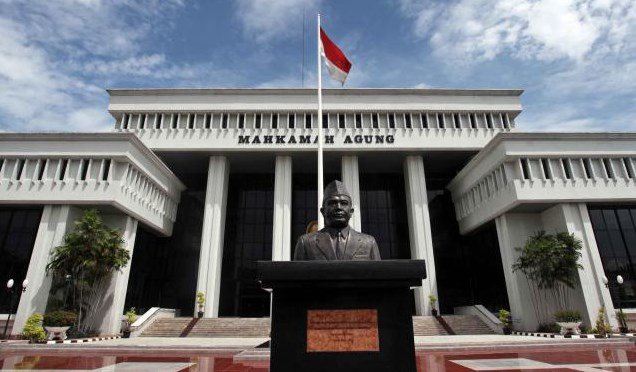
    The Jakarta High Court upheld this verdict on Thursday (19/07). The ruling, published on its website, said Goldman’s transactions had been done without Hanson’s knowledge and were against Indonesian law.

    Hanson shares last traded at Rp 127 apiece, valuing a parcel of 425 million shares at about $3.7 million.

    The bank planned to appeal the decision, Goldman Sachs spokesman Edward Naylor said.

    A lawyer for Benny, Oscar Sagita, declined to comment as he had not yet reviewed the judgment.

    The lawsuit has been seen by some legal experts as a litmus test for Southeast Asia’s largest economy, which has launched its biggest drive for foreign investment in a decade.

    At stake in the Goldman case is the protection of the rights of foreigners, amid a general lack of transparency in Indonesian court proceedings, they say.

    Benny had pledged Hanson shares to Platinum in return for funding on the basis he could get the shares back upon repayment, according to court documents.

    Such a repurchase agreement, or a repo, effectively acts as a loan but the deal involves temporarily transferring legal ownership of the shares.

    Goldman Sachs International bought the Hanson shares from Platinum as a hedge for the derivatives it had entered into with the fund, a bank spokesman has said.

    In late 2014, New York-based Platinum fell into financial difficulties and had trouble paying back a large number of investors, according to US authorities.

    Goldman started selling the Hanson shares in 2015, but was forced to stop after Benny filed a police complaint, which he followed up with the lawsuit.

    Goldman says in its court filings that it “understands” Platinum originally acquired the Hanson shares from an entity named Newrick Holdings, rather than from Benny.

    According to the “Panama Papers” online database as of 2015, which compiled millions of leaked documents from law firm Mossack Fonseca, Newrick is a company registered in the British Virgin Islands in which Benny was a shareholder.

  • Indonesia Apartment Sales Slump in H1 2018, No Sign of Recovery

    Indonesia Apartment Sales Slump in H1 2018, No Sign of Recovery

    Apartment sales in Jakarta slumped in the first half of this year, due to a lack of confidence among top-tier buyers to commit to big-ticket purchases amid economic and political uncertainty, property consultancy Jones Lang LaSalle said on Wednesday (18/07).

    However, the silver lining is that demand for lower- and middle-class apartments has kept growing, although it was barely enough to curb a further sales decline in the rest of the year.

    Developers sold 2,100 units in the country’s largest property market between January and June, which is 6.2 percent less than in the corresponding period last year, Jones Lang LaSalle said in the report.

    The slump was mainly cause by a decline in sales of the most expensive units, the consultancy said. The government imposed a 20 percent luxury tax on sales of apartments worth Rp 10 billion ($694,000) or more in March last year, further curbing top-tier buyers’ appetite for new apartments.

    “For most people, the condominium is the part of an investment,” Vivin Harsanto, head of advisory at Jones Lang LaSalle, said on Tuesday.

    “In the first half of this year, they were still not confident enough because of volatility of the rupiah, and they also held off purchases of investment products due to the fasting month and the Idul Fitri celebration,” she said.

    Vivin said there is always a slowdown in apartment sales during Ramadan as consumers are usually more focused on other needs, such as going on holiday and the Idul Fitri celebration.

    Still, demand for lower-cost apartments – priced between Rp 300 million and Rp 500 million – remains robust and growing. Cleon Park, a middle-class apartment project in East Jakarta by listed property developer Modernland Realty, was sold out when it launched in May, according to Luke Rowe, head of residential project marketing at Jones Lang LaSalle.

    The consultancy said in the report that there might be an improvement in property demand as some large, reputable developers offer units close to public transportation, such as the mass rapid transit and light rail transit systems, currently under development in Jakarta, while smaller developers are offering more affordable units.

    Bank Indonesia has dropped its requirement for mortgage down payments in April this year. It formed part of the central bank’s effort to ensure domestic economic growth after it had to increase its benchmark interest rate by 100 basis points in the preceding three months to maintain economic stability amid global capital outflows.

    Still, Vivin said she does not expect the central bank policy to significantly impact current sales trends, which have been on a decline since 2014.

    “[Apartment buyers] want to see a stable rupiah and a steady political situation as we enter an election year in 2019,” she said.

    According to research by Jones Lang LaSalle, apartment prices in the greater Jakarta area are expected to remain flat amid weak demand for the remainder of the year.

    Developers only built 1,292 units between January and June this year, bringing the number of total unsold units to 144,000. In the same period last year, developers built 4,843 units, resulting in total stock of 134,536 units.

  • How does an Airport “Terminal of Tomorrow” look like?

    How does an Airport “Terminal of Tomorrow” look like?

    National Geographic and Singapore’s Changi Airport Group (CAG) proudly announce a new partnership dedicated to sharing the story of Singapore.

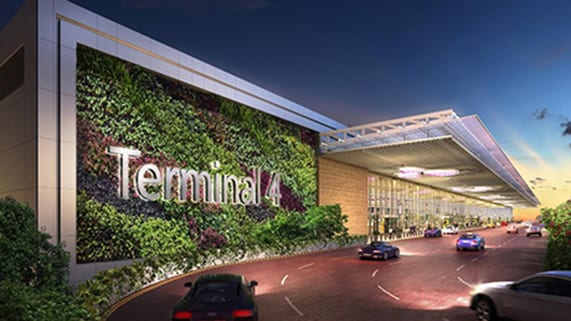
    Kicking off the partnership, National Geographic is going deep inside Changi Airport’s Terminal 4 to explore the innovative design and technology solutions which are making the airport of tomorrow a reality for passengers today.

    Produced by National Geographic in partnership with CAG, Inside T4: Terminal of Tomorrow premieres on Thursday, July 19, 2018.

    Singapore Changi Airport has been named the World’s Best Airport for six consecutive years. Inside T4: Terminal of Tomorrow goes behind the scenes to meet the team responsible for conceptualizing Changi Airport’s new terminal and bringing it to life. With dramatic obstacles and thrilling achievements, National Geographic stays close to the T4 team as they tackle airport efficiency and security challenges, introduce cutting-edge facial recognition technology, install 12-meter-tall indoor trees and the world’s largest kinetic sculpture, and ultimately deliver groundbreaking design and technology solutions set to change the air travel game in Asia and across the globe.

    In 2017, 62 million passengers came through the gates of Singapore’s Changi Airport. By 2030, it plans to bring its capacity to more 150 million passengers. The first step to this expansion is the opening of its new terminal – T4. But while grappling with soaring passenger numbers is essential, Changi Airport has a reputation to uphold as an award-winning airport with the best experience in the world. Through Inside T4: Terminal of Tomorrow, viewers can join in the drama as designers and technical experts devise how to keep Changi ahead and raise the bar even further.

    Vineet Puri, Senior Vice President and Territory Head for Singapore & Malaysia, FOX Networks Group Asia said, “National Geographic has been extremely proud to join forces with the Changi Airport Group to bring the T4 story to life. With its rich cultural heritage and pioneering smart city development, Singapore has a treasure trove of stories to share on innovation, technology, science, nature and culture. Working in strong partnership with CAG, we are thrilled to explore how we can continue to collaborate on content creation which tells the story of Singapore.”

    Kelvin Ng, Changi Airport Group’s Director of Corporate and Marketing Communications said, “It has been a pleasure to share Changi Airport’s story of progress and innovation with people in Singapore and across the region. Together we hope to shine the light on all the innovation, the inspiration and the minds behind the new terminal; and to inspire everyone to rethink travel.”

    MayYi Lee, Vice President of Regional Production & Development, National Geographic added, “Changi Airport’s T4 is like a microcosm of Singapore and we are thrilled to bring an Inside story of technology, design, culture, and foresight to our viewers.”


  • Shinsegae Opens New Duty-free Store in Seoul

    Shinsegae Opens New Duty-free Store in Seoul

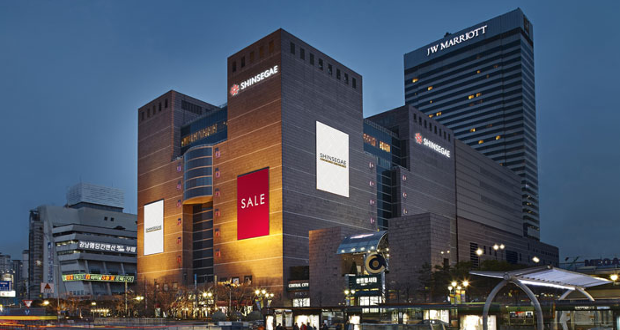
    Burgeoning duty-free retailer Shinsegae opened its second store in downtown Seoul.

    As reported, the retailer announced its plans to open the mammoth 13,350sqm outlet in the Central City complex in Seoul’s Gangnam area after being awarded the licence in December 2016. Its opening follows the retailer’s first downtown Seoul store opening in the Myeongdong district in May 2016.

    The downtown outlet features both areas dedicated to Korean brands, such as Sulwhasoo and The History of Whoo, and international brands, including Gucci, Estée Lauder and Tiffany & Co, across multiple floor.

    The opening comes in the wake of rapid growth from Shinsegae in recent years, with the retailer saying in 2014 it was looking to “aggressively” expand.

    Since then Shinsegae has not only opened the Myeongdong downtown store and the new Gangnam outlet in Seoul. The retailer has also secured key retail contracts at Incheon International Airport. In July 2017, it was awarded a fashion contract in terminal two at the airport and the retailer has this month taken on both the concessions vacated by Lotte in terminal one at the airport.

  • Korean investor inks UK’s largest retail warehouse deal of the year

    Korean investor inks UK’s largest retail warehouse deal of the year

    It is thought to be the biggest deal for a retail warehouse site so far this year and is the first time Korean investors have stepped into the UK retail sector.

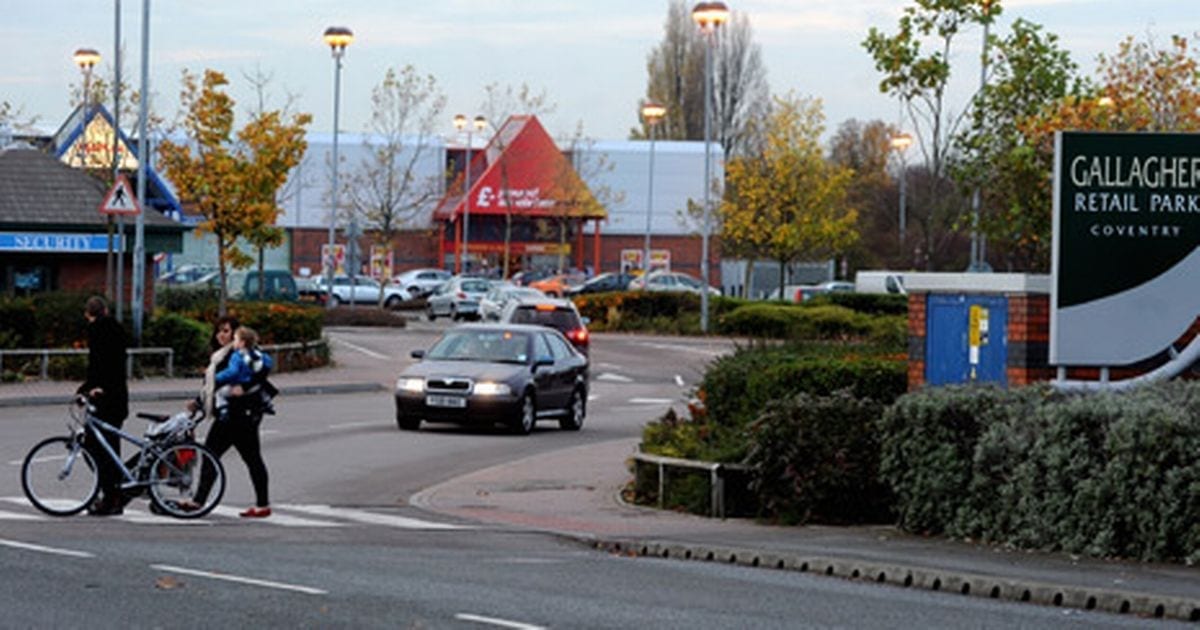
    The 195,000 sq ft shopping park called Gallagher off Junction 9 of the M6 is anchored by Next and Currys and includes major stores run by TK Maxx, Outfit, Mamas and Papas, Boots, Furniture Village, SCS, Harveys, M&S Simply Food, Oak Furniture Land, Sofology and Tapi as well as Costa, Burger King and Pizza Hut restaurants.

    It has been sold by owner KKR, a global investment group, but its operating partner Quadrant Estates is being retained by the Koreans to run the site.

    The new owner is a real estate fund managed by Korean asset manager KAIM and backed by South Korean banking giant Hana. Sangmin Lee, chief information officer of KAIM, said: “We are delighted to have acquired this asset, which offers our investors an attractive combination of secure income returns and longer term upside potential. We are attracted to it by its inherent strength evidenced by the retailers’ trading performance and location.

    “We are looking forward to working with Quadrant as our local asset manager to secure the future performance of the park during our investment period. ”

    The site was acquired by KKR and Quadrant Estates in 2014, bought in three deals totalling £123m.

    Quadrant drew up plans for a major revamp of the site, merging three car parks into one, merging the Currys and PC World stores, developing new space including four new restaurants. It resulted in £17 million investment in the park over the last few years but attracted new tenants M&S, JD Sports, Sofology, DFS, Nando’s, Costa and Smash Burger, which in turn has seen a ‘significant’ increase in customers coming to the park.

    Guillaume Cassou, head of European real estate at KKR, said “We backed a fundamentally good asset in need of repositioning and Quadrant implemented an intensive business plan over four years that has resulted in a great end product, which we have now sold to long term income-focussed capital. We were delighted to transact with Hana and KAIM on their first foray into the UK market.”

    Christopher Daniel, founding partner at Quadrant Estates, said “We achieved exactly what we set out to do with the park. We created an asset that is now ranked by CACI as one of the top 10 in the country.”

  • Chinese retail landlords rise to the challenge of e-commerce

    Chinese retail landlords rise to the challenge of e-commerce

    China’s retail real estate arena is the fastest-developing market in the world – forcing landlords to change their strategies to meet the challenge of e-commerce.

    When it comes to mobile shopping, 30-minute delivery and customer apps, China leads the world. Around 20 percent of China’s retail sales are online, placing it ahead of the UK, U.S. and South Korea, the other nations where e-commerce is most entrenched.

    And landlords are having to move fast to adapt to the new online/offline norm.

    “China is leading the world when it comes to blending online and offline retail, to the extent that in a few years’ time, those terms will leave our vocabulary,” says James Hawkey, head of retail for China at JLL. “We are moving to a world where all retail transactions will be internet-influenced.”

    Hawkey notes the historical definition of “online” and “offline” revolves around the place of transaction, something that is becoming increasingly unimportant. “People may go to a store to try something on and then buy it online for home delivery,” he says

    Chinese companies have been ahead of the curve when it comes to successfully blending online and offline retailing. In May, Dalian Wanda Group teamed up with tech firms Tencent Holdings and Gaopeng for a new online/offline retail joint venture.

    The new partnership aims to give Wanda’s shopping malls a “comprehensive digital upgrade”, improving connectivity between stores, malls and customers. Wanda hopes the initiative will bring “enormous online traffic through WeChat and other platforms”, which in turn will bring more physical traffic to its 236 Wanda Plaza shopping centres.

    Developer Chongbang has taken a lead on linking online and offline businesses. Its latest LifeHub malls in China have online fulfilment centres, where customers can pick up, try on and return goods they have ordered online. Chongbang has been bringing previously online-only brands into its malls, with what it calls its O+O (online plus offline) programme.

    Hawkey also cites Alibaba, the online retail giant, which is moving in a significant way into physical retail, with initiatives such as its Hema supermarkets. Alibaba came up with the phrase “New Retail” to describe the step beyond an either/or approach to online and offline retail. Hawkey says the key is the interaction of “people, product and place”, whether that place is physical or virtual.

    He also believes that retailing will become more ‘event-based’ with brands tailoring events and promotions to their community, which will be developed online and offline.

    The landlord challenge

    In response, shopping centre owners need to “create an amazing environment where people want to spend their time,” says Hawkey. This means focusing on design, landscaping and air quality (the latter being crucial in China). A mall’s interior space needs to have a level of flexibility, which can serve brands looking to run special events, or for the centre’s management to organise their own.

    For the China retail owner, tenant mix will become increasingly important, says Hawkey, in order to provide an offering which truly serves the need of its demographic; just leasing up the space as quickly as possible is no longer enough to be sustainable long term.

    China shopping centres also need to integrate their online and offline presence and use customer data intelligently in order to bring people to malls for targeted events and offers. “You can’t just say roll up, roll up, one and all!” says Hawkey.

    However, real estate fundamentals such as location and design cannot be overlooked. “Most of China’s large cities have districts with some oversupply,” says Hawkey. “Prospective new owners of a shopping centre might see problems with management and leasing, which can be rectified, but it is far harder to improve a mall which is poorly located or designed.”