Category: Real Estate

Retail News Asia is committed to providing both local and global retailers with the latest Real Estate news throughout the Asian market. This on a daily base.

  • Nike to fill former Esprit flagship space

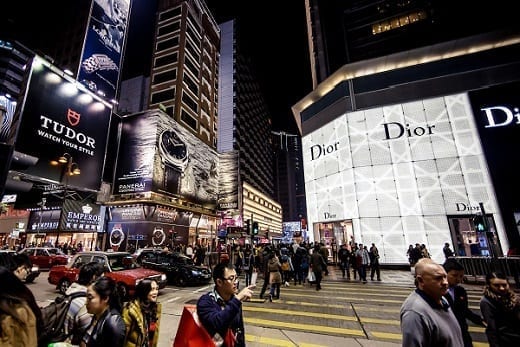
    Sportswear brand Nike will take over a 7000sqft shop in the Leighton Centre for a monthly rental of HK$1.5 million (US$190,000).

    The space formerly housed an Esprit flagship, with the local fast-fashion brand reportedly paying rent of HK$2 million (US$255,000). Esprit vacated the space, located in one of the world’s busiest and priciest shopping districts, at the end of June. Esprit’s departure comes at a time when many Hong Kong retailers are abandoning or renegotiating prime streetfront locations.

    The 26,000sqft Esprit flagship at Tsim Sha Tsui was also vacated earlier this year before being taken over by a shoe retailer.

    The company took a net loss of HK$954 million (US$121.5 million) in the second half of 2017. It is currently poised to close more than 40 European stores.

  • What’s Asia’s fastest growing budget hotel chain?

    What’s Asia’s fastest growing budget hotel chain?


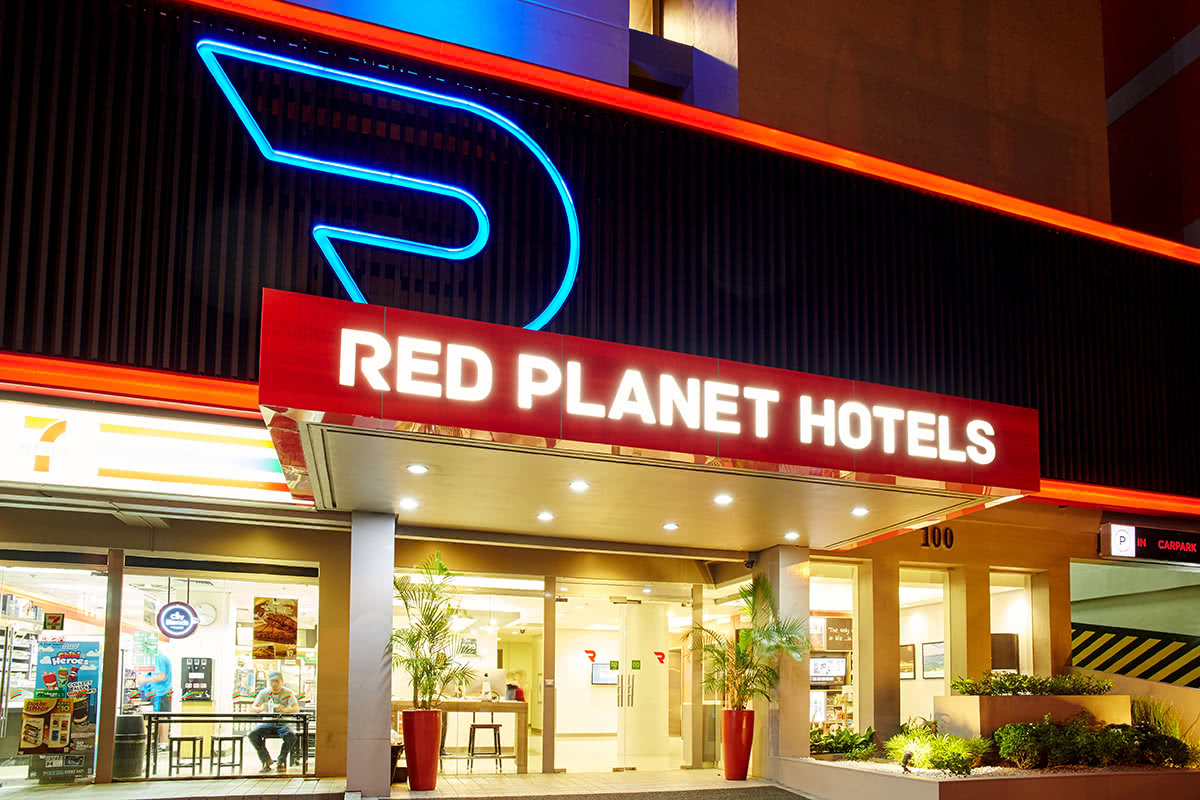
    Bangkok-based budget hotel chain Red Planet has been rapidly expanding in Asia, responding to the growing number of new travelers in the region.

    Established in 2010, Red Planet has become one of Asia’s fastest growing budget hotel chain.

    It operates 30 hotels with more than 4,700 rooms in four countries — the Philippines, Japan, Thailand and Indonesia — which includes one hotel in Tokyo not under the Red Planet brand.

    To speed up the company’s development, it is now seeking to enter into a franchise contract and creating joint ventures with real estate funds. The company has plans to double its pan-Asia hotels to 60 by 2023.

    The market for budget hotels is rapidly growing in Asia-Pacific, the region which has long seen the polarization of luxury Western hotel chains and inexpensive but substandard chains operated by local companies.

    OYO Rooms in India has expanded the concept of organized, cost-effective and higher-quality hotel chains by creating a network of partner hotels since 2013. Other Asia-based startup budget hotel chains, including ZEN Rooms and RedDoorz, both of which are based in Singapore, have copied that model.

    “Cleaning or English support are the services required at any level of hotels,” said Tomohiko Sawayanagi, international director of Jones Lang LaSalle Hotels & Hospitality Group. “Newly emerging budget hotels meet these demands, used for both business and leisure opportunities throughout the region.” According to Euromonitor International, the market size grew to $27.7 billion in 2017, up 47% from 2012. It is forecast to increase to $32 billion in 2022.

    Red Planet has been expanding its business in this competitive market, by making use of technology. This could be especially appealing to young customers, as well as to the global hotel industry whose corporate management tends to adopt an analogue-based structure, rather than automated.

    Guests can have text conversations with the hotel’s front desk on a chat service on Red Planet’s booking app. From the moment customers reserve a room until they check out, guests simply send text messages and responses are usually immediate. The app also helps in finding local tourist spots or nearby restaurants, and offers discounts.

    The company is planning to launch a new computer reservations system by the end of this year, which compiles customers’ data across its network. For instance, if guests ask for an extra pillow in an app chat while staying at a hotel in Tokyo, they will automatically receive an extra pillow the next time they travel to one of the chain’s other hotels across Asia.

    It also plans to launch an automated check-in process by the end of this year, providing machines to complete the process without the need for staff, although some staff will still be present for face-to-face customer support.

    Red Planet already applies artificial intelligence for a system that calculates room prices every 15 minutes based on the predicted occupancy. More than 120 daily reports offer the actual and expected future performance of each hotel, enabling managers to make decisions in advance to maintain high occupancy levels.

    “Our technology is developed in-house with six members of the group, unlike other hotel chains which use a third-party company,” said Simon Gerovich, chairman and co-founder. “It is easy to adjust and scale our business speedily.”

    These various uses of technology allow Red Planet to reduce its labor costs — it hires 10 to 12 employees for 160 rooms, Gerovich said, while five-star hotels usually have 2.5 to three employees a room — and to maintain an occupancy rate of 85% or higher.

    The company also keeps a steady focus on comfort and convenience — with an eye on making guests repeat customers.

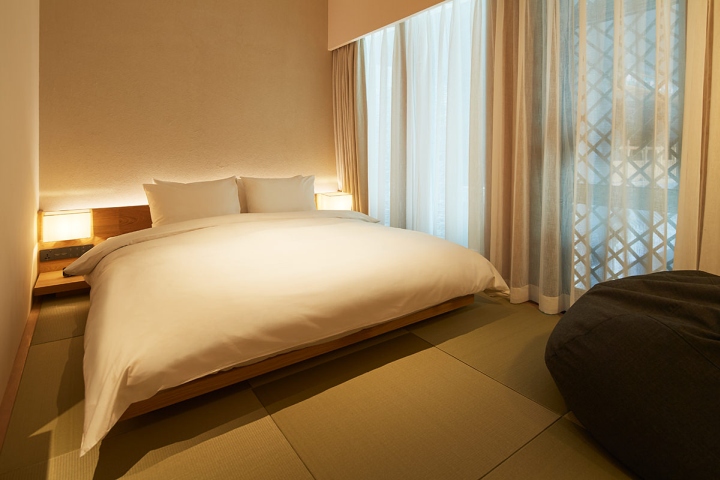
    The hotel’s compact rooms are roughly 15 sq. meters, but space is maximized. The beds, custom-made in Thailand, allow space for suitcases to be stored underneath. A youth-oriented tourist-friendly atmosphere is created along the hotels’ hallways, with photos of local areas covering the walls.

    Hotel lobbies have a bank of Apple computers for free guest use. Room prices, which can change frequently based on demand, are usually between $45 to $90 in Japan and even lower in other countries.

    “We are mainly targeting young millennials of 25 to 35 years old, tech-focused, who spend little time in their room but prefer experiencing in their trip,” Gerovich said. The one-stop services on the company’s app provide complete research and reservation procedures for guests for their trip.

    Gerovich describes the brand as a “copy and paste business model.” The company concentrates on building a systematic operation procedure so that “we can grow much more rapidly with potential partners with uniform guidelines in a future,” he said, “just like McDonald’s provides handbooks to franchisees on how to build a kitchen and make a hamburger.”

    This strategy has seen success. Its Philippine hotels had an average occupancy rate of 85% to 90% in April, while Red Planet Tokyo Asakusa was 97.5%. “Our business model works well in a crowded, congested city where we can reinforce the accessibility for business and leisure with good location,” Gerovich said.

    Gerovich’s background sheds light on his company’s nonconformist business model.

    “I’m grateful to the 2008 global financial crisis for correcting our plan,” Gerovich said, recalling an encounter with Timothy Hansing, CEO and co-founder of Red Planet. Gerovich, who worked in Tokyo as an equity derivatives trader at Goldman Sachs for six years, resigned and moved to Bangkok in 2005.

    He started his hotel career as an entrepreneur in real estate, focusing on the development of high-end hotels. He met Hansing, who had years of experience in the hotel industry, and together they worked on a new project on the popular Thai resort island of Phuket.

    But global events intervened. Gerovich said the project looked to falter amid the financial crisis and when political turmoil in Thailand led to a downturn in the country’s tourism and luxury businesses. “I understood the market-dependent risks of the five-star hotel industry, but at the same time I took note of the increase in the world’s connectivity with the development of low cost regional airlines,” he recalled.

    There were already very inexpensive hotel chains but Gerovich was convinced that “it would be nice for tech-focused young adults to stay at clean, affordable hotels.”

    Gerovich’s background in finance and Hansing’s expertise in hotel operations led to the idea of Red Planet. Gerovich said Hansing’s “unique ideas” included the use of technology that could help hotel managers from becoming submerged in a paper reporting system and the difficult task of forecasting occupancy rates.

    Red Planet grew quickly by utilizing the celebrity of an existing chain hotel brand. In 2012, Red Planet bought a 16% stake in Malaysia-based Tune Hotels, the budget hotel chain led by AirAsia founder Tony Fernandes. Red Planet became its major franchisee, building and operating hotels in cities served by low cost carriers in the Philippines, Thailand, Indonesia and Japan. When the company ended its partnership with Tune Hotels in 2015, it rebranded 24 of those properties as Red Planet.

    In contrast with other hotel chains, whose facilities are often built and leased by landowners or developers, Red Planet has been developing its hotels on its own, purchasing the land to build new hotels or refurbish existing buildings. That allows the company to choose locations without depending on landowners and to easily standardize the rooms’ format.

    “Red Planet can develop its hotels even at locations where developers or fund managers may hesitate, which is one of the biggest strengths of the company,” said Sawayanagi at JLL.

    Gerovich also made use of his strong connections to Goldman Sachs for Red Planet’s fundraising.

    In March, the hotel chain said it concluded an 11.77 billion yen ($111 million) sale-and-leaseback deal with Goldman Sachs, by selling ownership rights to four of its Red Planet branded hotels in Japan and simultaneously entering into a lease-and-operate agreement for 20 years.

    Red Planet can then use the funds to pay back its development costs to banks, build another hotel and sell again, and reduce its property taxes. In September 2016, the company announced a separate $70 million investment from Goldman Sachs.

    Though Red Planet is privately owned, including with stakes held by Goldman Sachs and other parties, the company has listed subsidiaries in Japan and Indonesia. In 2012, Red Planet took a stake in a financially troubled music recording company that was listed on Japan’s stock exchange. Seeking the music company’s restructuring was much easier than establishing a subsidiary in Japan and applying for an initial public offering. Red Planet Japan is about to see increases both in sales and profit this year, after selling other nonrelated businesses and focusing only on hotel operations.

    Red Planet expects revenue to reach $46 million this year, nearly 10 times what it had in 2012. The company is “seeking to establish the most scalable business,” Gerovich said. Its EBITDA margin, the operating profitability of its total revenue, has been as high as 50%, while the typical five-star hotel is 20% to 25%.

    The recent travel trend in Asia favors the company’s expansion plans. Red Planet focuses primarily on Japan and the Philippines, two countries that have seen a sharp rise in tourism.

    According to the Japan Tourism Agency, the number of international visitors to the country swelled to 28.7 million in 2017, more than three times the figure in 2012. Of those visitors, 61.4% had visited Japan previously. While the government estimates that Japan will have 40 million foreign tourists annually by 2020, Mizuho Research Institute said in a report last year that the country will be lacking as many as 4,000 rooms at that time to accommodate those visitors.

    The effect of a new law on home-sharing in Japan, or minpaku, should benefit the budget hotel business. Since the new regulation came into effect in mid-June, Airbnb and other home-sharing services are facing a massive drop in hosts in Japan, as the company pulled roughly 80%, or 50,000, of its listings in Japan that did not meet the requirements.

    “Budget hotels should have a potential in expanding their business among this area by providing an affordable price range,” said Tatsunori Kuniyoshi, research associate at Euromonitor International.

    “Japan is our smallest market but our second-largest revenue contributor,” Gerovich noted.

    The Philippines, where the company has its largest presence with 13 hotels, has seen a development in tourism in recent years. Tourist arrivals reached 6.6 million in 2017, up 11% from the previous year, and increasing at an annual pace of roughly 10% since 2010. The country saw a sharp increase in visitors from China in 2017 amid Philippine President Rodrigo Duterte’s friendly relationship with Chinese President Xi Jinping, marking 43% growth since Duterte took office in mid-2016.

    Red Planet announced in early June the establishment of a new subsidiary in the Philippines and the acquisition of two new properties, with plans to open hotels in 2019 and 2020.

    “This is an important year for us, because the size of our business is becoming substantial,” said Gerovich. “We are currently moving to the next phase, starting to focus on potential partnership and franchising.”
  • Bid to Revive Property Market Highlights Bank of Indonesia’s Policy Dilemma

    Bid to Revive Property Market Highlights Bank of Indonesia’s Policy Dilemma

    As Indonesia’s central bank drives up interest rates to defend a fragile currency, governor Perry Warjiyo is banking on a revival of the sluggish property sector to help maintain growth momentum in Southeast Asia’s biggest economy.

    Five years ago, luxury Indonesian apartment prices skyrocketed amid a commodities boom that saw some wealthy buyers pay cash upfront. The boom’s end, slower economic growth and rules to curb property speculation slammed on the brakes.

    Now, authorities want to encourage buying. From August, the central bank is scrapping its 15 percent minimum mortgage down payment for first-time home buyers and relaxing rules on loan disbursements, in a bid to support listless credit expansion.

    “We need to support our economic growth,” Perry said in a recent interview, asserting that property can have a multiplier effect on other sectors.

    This comes as Indonesia is caught in the cross hairs of an emerging market sell-off that caused the central bank to raise interest rates by 100 basis points in six weeks, to defend the rupiah.

    Filianingsih Hendarta, a senior Bank Indonesia (BI) official, estimates the eased mortgage rules will add 0.04 percentage points to economic growth this year. That sounds small, but Indonesia’s higher interest rates will reduce its growth pace, making a net gain from the rule changes welcome.

    BI’s growth forecast is 5.1-5.2 percent, compared with 2017’s 5.07 percent.

    But given the absence of a hot commodity market and the rising interest rates, seeking to make property an economic pillar might highlight authorities’ lack of credible policy options in the current environment.

    A Pedestrian Pace 

    Standard & Poor’s expects property sales to be flat this year despite BI’s new measures.

    “We don’t think there will be a major recovery, everything will probably move at pedestrian pace until the second half of 2019, after elections at best,” analyst Kah Ling Chan said, referring to parliamentary and presidential polls next April.

    In recent years, Indonesia’s biggest online housing broker Rumah123.com, part of Australia’s REA Group, has recorded sluggish sales.

    “The number of buyers seems to be stagnant now,” country manager Ignatius Untung of Rumah123.com said.

    Bankers have said they will not completely remove downpayments and instead will adjust the interest rates on home loans based on a customer’s risk profile.

    Roosniati Salihin, deputy president director of Bank Panin , said tepid demand is a major problem for property. “The market needs to be reinvigorated. The banking sector is only waiting for customers to walk in,” she said.

    Soelaeman Soemawinata, chairman of the Real Estate Association of Indonesia, said its “most optimistic scenario” is for the number of units sold to increase by 10 percent in the next year.

    “But the property industry is hard to predict,” he said. “People’s psychology affects this.”
    Preference for Renting

    The younger generation prefer to rent than purchase a home, said Handayani, consumer banking director of Bank Rakyat Indonesia.

    “Kids nowadays prefer to rent and to travel whenever they have spare money,” she said.

    Even if banks start requiring no downpayment at all, that would mean higher installments for customers, which won’t sit well given higher interest rates, said Aldi Garibaldi, senior associate director of Colliers International Indonesia, a property services firm. He said he does not think BI’s measures will be enough to spur demand.

    While BI’s easing is welcome, the central bank should take it up a notch by scrapping rules on the maximum number of credit facilities per person and allow banks to dispense more cash upon signing loan documents, said Adrianto Adhi, president director of developer Summarecon Agung.

    BI’s announcement on mortgages has spurred some young Indonesians to consider home-ownership.

    Newly married Khaerul Estian, a 28-year-old who works in a bank, has started looking. He hopes not to have to make any down payment, given small savings. But Estian intends to buy, even if higher interest rates raise the ultimate cost.

    “It’s a risk, but the most important thing is to own a house,” he said.

  • Hong Kong retailers continue expansion

    Hong Kong retailers continue expansion

    A vast majority Hong Kong retailers in a survey say they plan to open new stores during the next year, according to property company JLL.

    Albeit a small sample base of 40 retailers, 83 per cent of international and local retailers told JLL they will expand – a significant increase form the 62 per cent of a similar survey a year ago.

    “There is a great deal of positivity in the market at the moment,” said James Assersohn, director of Asia-Pacific retail at JLL. “Retailers from almost all sectors are seeing strong and sustained growth in their sales which will lead to them invest more into the market.”

    Hong Kong retail sales rose 13.7 per cent during the first five months of this year and there are no signs of the rebound slowing down. However, the rise is being driven by luxury goods and jewellery, with growth in more staple products like food and furniture in the mid-single digits.

    “The luxury sector is currently the biggest winner, led predominantly by the mainland Chinese tourists,” said Assersohn.

    Almost all of the retailers questioned by JLL said they had experienced an increase of sales during the first half of this year and predict they will continue to grow by more than 10 per cent in the second half.

  • AEON receives the Best Design Excellence Award at  Money Expo 2018

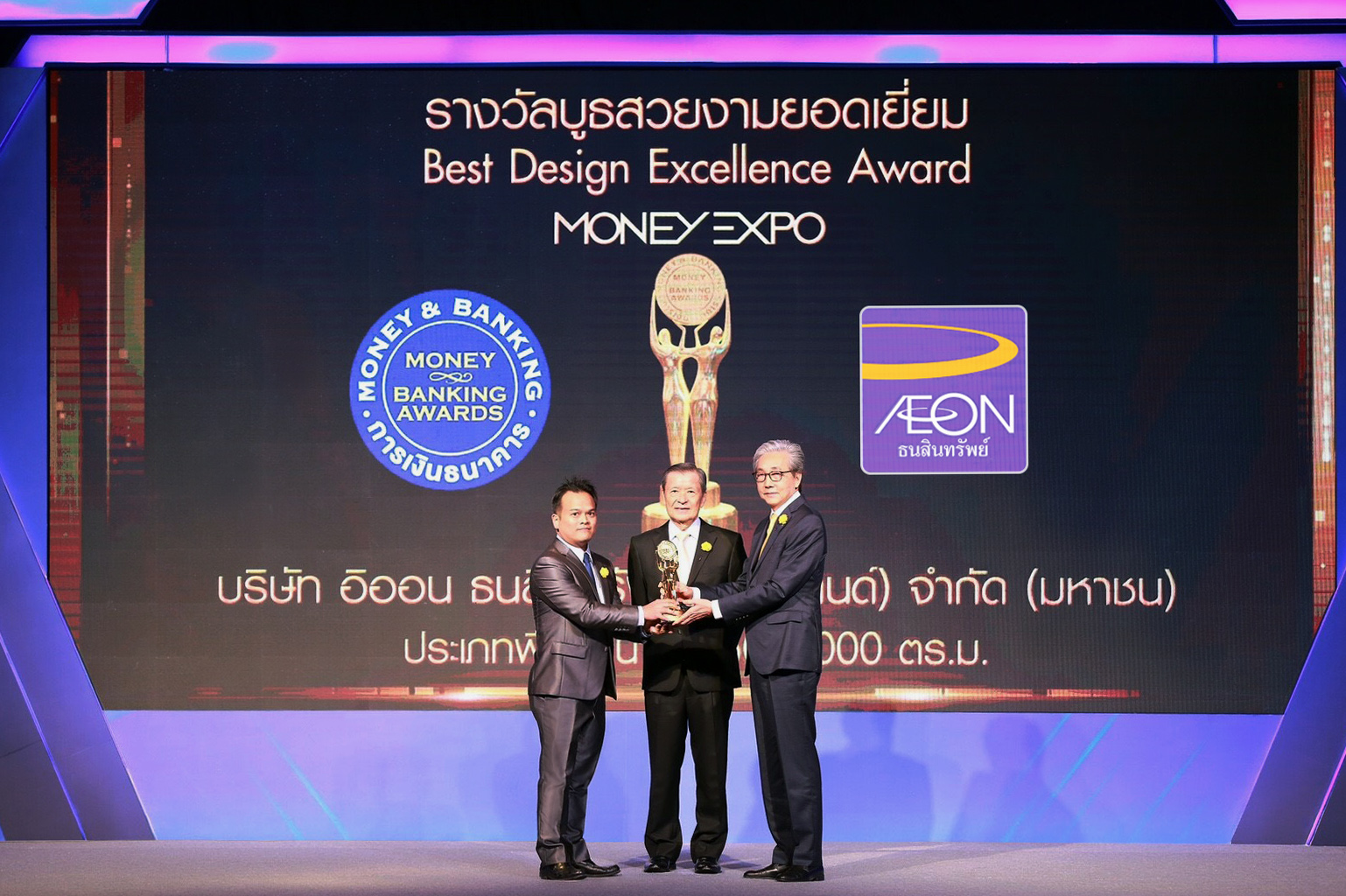
    AEON receives the Best Design Excellence Award at Money Expo 2018

    Mr. Praphan Rangsiyopas (left), Executive Vice President of Marketing, AEON Thana Sinsap (Thailand) Public Company Limited celebrate on winning “The Best Design Excellence Award” on size 850 – 1,000 sq.m. in Money Expo Booth Design Awards 2018. The prestigious award was given to financial institutions and organizations participating in the 18th Money Expo 2018, ceremony will be presided over by Dr. Somkid Jatusripitak, Deputy Prime Minister (right) at The Athenee Hotel Bangkok.

    AEON booth was designed under the concept “AEON TO THE INFINITE WEALTH… Growth through Financial Technology” that demonstrates the continuous development of AEON through the outstanding structure and patterns. The continuous lines represent the growth of a large tree with a stable foundation, as well as soft curved lines that signify the infinity symbol of never-ending prosperity and wealth.


  • Allianz Real Estate aims to raise China investment in new economy, logistics

    Allianz Real Estate aims to raise China investment in new economy, logistics

    The property investment arm of German financial services giant Allianz expects China to soon account for up to half of its Asia-Pacific fund allocation, up from the current 40 per cent, with a focus on the new economy and logistics sectors.

    Rushabh Desai, its Asia-Pacific chief executive, revealed on Monday the insurer and asset manager has just bought an office tower in a Beijing software park, already fully leased out to Chinese tech firms.

    It expects to complete another purchase in a Shanghai business park “within a couple of weeks”, he added.

    “We want to be aligned to the new economy and contribute toward China’s growth in the sector; we’re investing based on that thesis,” Desai said. By new economy he refers to non-traditional industries such as biopharmaceuticals and online retail.

    Allianz Real Estate is just one of a number of foreign investment firms betting on growth in the commercial property markets of China’s top-tier cities, driven by high demand from small start-ups to large companies.

    The firm has effectively bought the Beijing office tower – dubbed ZLink and valued at US$185-195 million – outright (98 per cent) in an all-cash deal from private equity firm KaiLong Group and Goldman Sachs, Desai said.

    The ability to pay for such deals without financing and close them in just eight weeks was vital in helping Allianz secure the purchase, Desai said, even though it might not have been the highest bidder as sellers prefer to avoid China’s lengthy financing periods.

    He said the firm is on the hunt for opportunities in Beijing and Shanghai office space, as well as in warehousing. Its portfolio already includes co-investing in two Shanghai office towers.

    Allianz Real Estate has a global portfolio growth target of over 1 billion (US$1.17 billion) by the end of 2018, from around 800 million to 900 million euros at present and is well on track to meeting that, he said.

    The property investment business also manages 56 billion worth of assets around the world, a tenth of which is in Asia-Pacific. Desai said the trade spat between the United States and China has had little impact on his firm’s investment decisions, and that post-deal asset management is more important.

    “We monitor political risk but we keep it out of our investment decisions and try to focus on asset level,” he said.

    “As an asset investor, we look at the quality of asset, their location and management. We look to outperform the market, so even if there’s a trade war or impact, we hope our investments will do better than our competition. That is all we try to do.”

  • Rentals rise in downtown Saigon as supply stagnates

    Rentals rise in downtown Saigon as supply stagnates

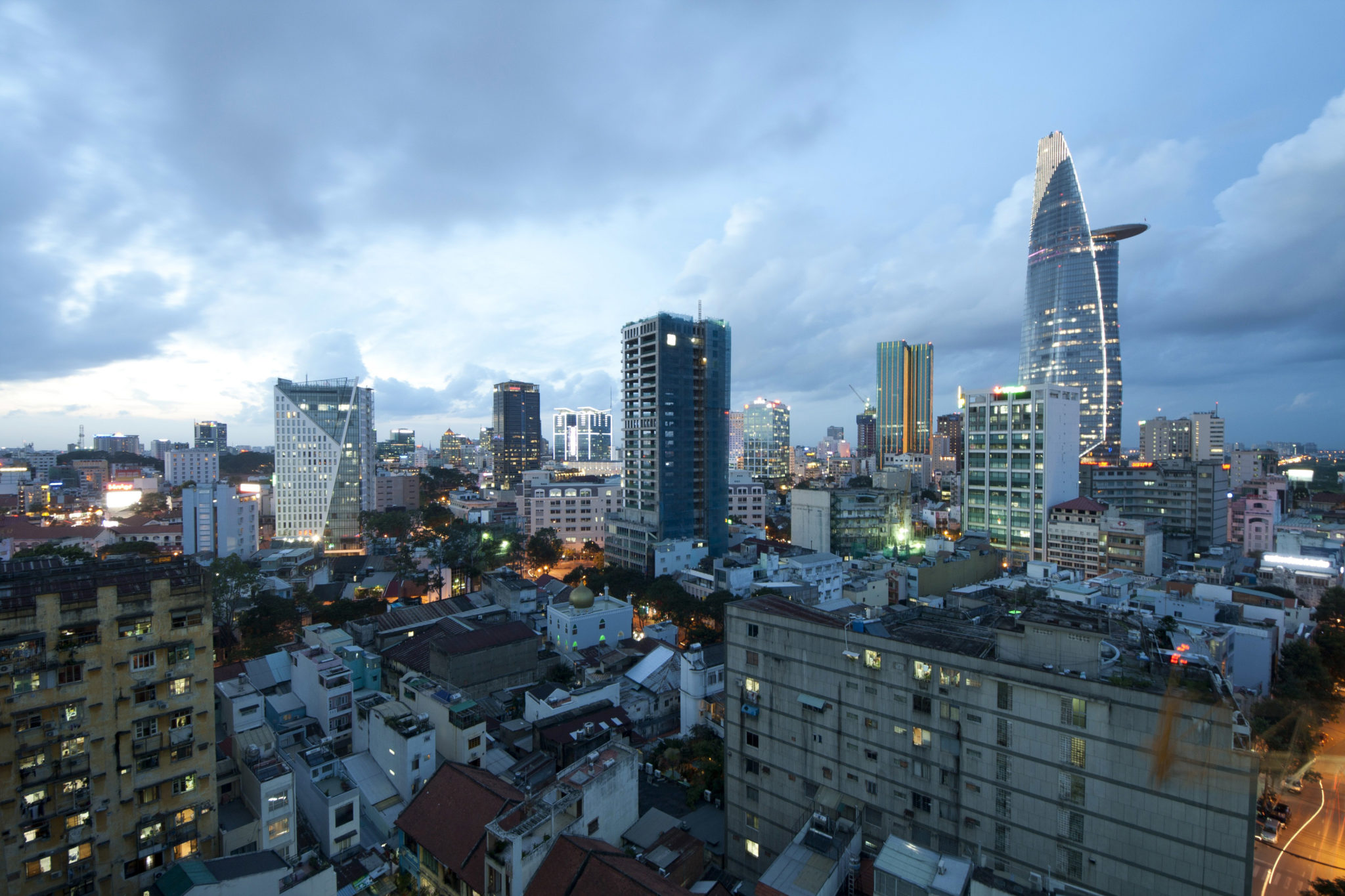
    Office rentals in downtown Ho Chi Minh City have been rising steadily over the last three months, a new report says.

    Grade A office rent has seen a 7 percent increase in the second quarter over the first quarter and 17 percent increase over the same period last year, the report said.

    A similar increase, of 7.3 percent over last year, has also been seen in Grade B office rentals.

    The report attributes the rice in prices to high demand and limited supply.

    In the last one year, office vacancies in new buildings have been rapidly filled, with vacancy rates for both Grade A and B offices at below 5 percent, the report says.

    In the second quarter of 2018, the HCMC market has not received new office space supply. Total Grade A office supply remained unchanged at 382,763 square meters, while Grade B office space rose slightly by 968 square meters to 814,330 square meters.

    Dang Phuong Hang, managing director of CBRE Vietnam, predicted that Grade A office rents would continue to increase through 2019 or early 2020, with supply remaining limited. Office vacancies will become increasingly scarce, she said.

  • China, India, Myanmar can be the next countries for CP All

    China, India, Myanmar can be the next countries for CP All

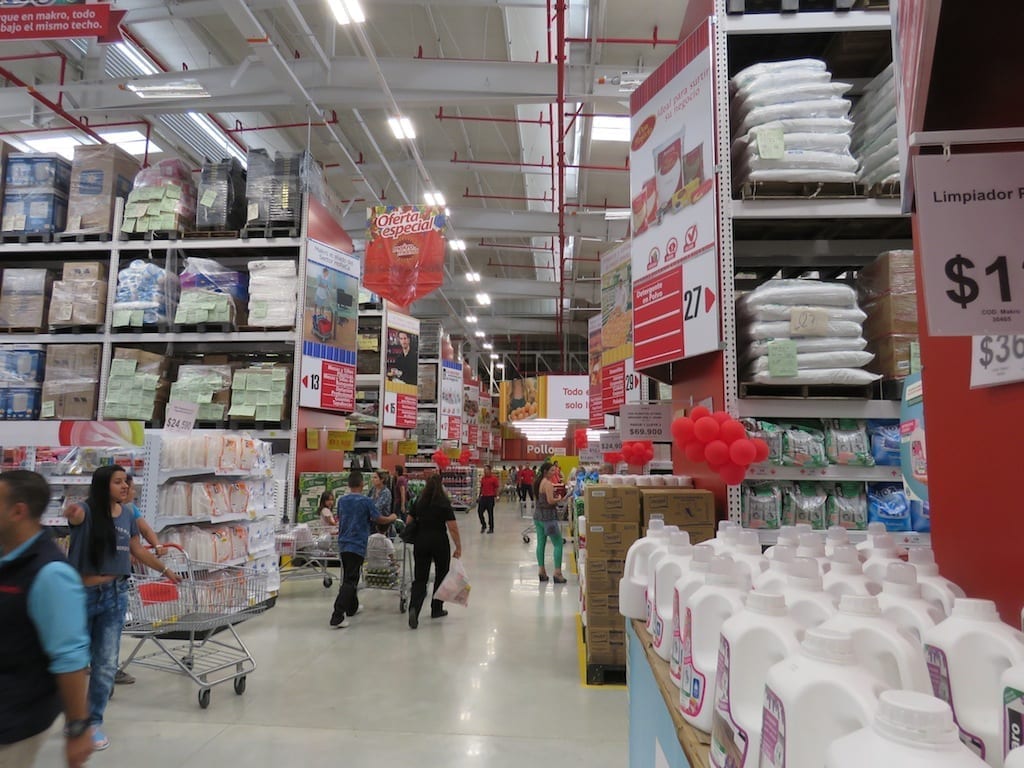
    CP All is assessing expansion opportunities in China and India for its Siam Makro cash-and-carry retail concept.

    It is also evaluating opening a store in Myanmar after experiencing success in nearby Cambodia.

    “Siam Makro is on a new journey of expanding in overseas markets,” CP All’s CFO Kriengchai Boonpoapichart said in an interview.

    “It will be a tough and challenging road, but it’s a good opportunity with large populations to tap, compared with Thailand’s mature market.”

    Siam Makro set up Lots Wholesale Solutions in India earlier this year with plans to invest as much as US$145 million over five years. The first store is on track to open within a few months along with a second store in Cambodia.

    CP All is the listed retail business of Thai billionaire Dhanin Chearavanont. It paid more than $6 billion to buy Siam Makro five years ago, adding to its 7-Eleven convenience-store chain which now numbers about 11,000 across Thailand, with plans to open a further 700 annually.

  • Sheng Siong targets big expansion in 2018

    Sheng Siong targets big expansion in 2018

    Singapore’s Sheng Siong supermarket group is on track to open its 50th store this year, with bids in play for locations in Bukit Batok and Sumang Lane.

    And an analyst familiar with the business, CGS-CIMB’s Cezzane See, says the group’s pipeline is robust, with at least 10 bids coming up before the year is over.

    “If successful, the wins could take Sheng Siong’s number of stores beyond the 50-store target by the end of FY2018, and beyond six new store openings in FY2018 (just shy of the 8 store additions in FY2012),” See said in a report.

    The supermarket operator ended the first quarter of this year with 48 stores, five more than at the same time last year. It achieves revenue per square foot of $226, according to See.

    The fact Sheng Siong had failed to secure any new sites for about six months was down to unrealistic expectations of landlords, and no cause for concern, said See.

    “We believe this is positive for Sheng Siong as it is generally reluctant to overbid for the sake of expanding. Hence, a rationale bidding environment improves Sheng Siong’s odds of winning store bids, in our view.”

    Sheng Siong’s same-store sales growth in the first quarter was 5.6 per cent, as consumer sentiment recovered, aided by the expansion of its Block 506 Tampines store, the reopening of the Loyang store, and the migration of customers from its closed Verge and Woodlands Block 6A outlets to to Jalan Berseh and Woodlands Block 301.

  • FamilyMart marks its 100th store in Indonesia

    FamilyMart marks its 100th store in Indonesia

    FamilyMart Indonesia has opened its 100th store with plans to continue to expand the network.

    The Japanese-founded convenience-store chain opened its first store in Indonesia in October 2012 and has so far focused on growth in the capital, Jakarta, with a small presence in areas including Depok, Tangerang, Karawang and Bekasi.

    “Our target is to have 120 stores by the end of this year,” FamilyMart Indonesia CEO Wirry Tjandra said at the opening ceremony of the 100th store, which is located at Gran Rubina in South Jakarta.

    Some of the growth has come from taking over stores previously operated by other brands.

    “We have taken over 49 stores from Starmart and 13 stores from 7-Eleven,” Tjandra said.

    FamilyMart has more than 20,000 stores across Japan, China, Taiwan, Thailand, the Philippines, Vietnam, Malaysia and Indonesia.

  • CBRE appoints appointed Tom Gaffney for The Greater Bay Area and Hong Kong

    CBRE appoints appointed Tom Gaffney for The Greater Bay Area and Hong Kong

    CBRE has appointed Tom Gaffney as Regional Managing Director for The Greater Bay Area and Hong Kong with immediate effect. In this newly created role, Gaffney oversees all CBRE’s business activities in the newly-formed economic hub.

    Gaffney joined CBRE in 2016 as the Managing Director for CBRE Hong Kong, Macau and Taiwan.

    The establishment of CBRE’s new business geography reflects the firm’s goals to enhance its market leadership in the fast-growing area.

    The Greater Bay Area, comprised of Hong Kong, Macau, Guangzhou, Shenzhen, Zhuhai, Foshan, Zhongshan, Dongguan, Huizhou, Jiangmen and Zhaoqing, represents the growth of a connected economic powerhouse and offers vast business opportunities.

    CBRE currently runs three corporate offices in the region: Hong Kong, Guangzhou and Shenzhen with numerous site offices across the other cities in the region.

    Ben Duncan, CEO, Greater China, CBRE, said, “Tom has been a tremendous leader who has grown our businesses across all metrics. The new role speaks to his capabilities and our firm’s commitment to deepen our roots in the Greater Bay Area. It is already the world’s the largest bay area in terms of land area and population and presents unprecedented potential for our clients and for CBRE.”

    Gaffney has more than a decade of experience in the real estate industry. Prior to joining CBRE, Gaffney was at JLL as Head of Retail, Hong Kong and China. Before JLL, he worked for Hongkong Land in Commercial and Retail Asset Management in Hong Kong, Singapore and Thailand.

    Tom Gaffney, Regional Managing Director, The Greater Bay Area & Hong Kong, CBRE, said, “I am honoured to have been given this responsibility to drive the firm’s growth in the Greater Bay Area. These are exciting times for the region and the firm, and we are confident that our team will effectively leverage on the opportunities opened to us from the Southern China economic powerhouse.”

  • Take a look inside the new Apple store at Sands Cotai Central

    Take a look inside the new Apple store at Sands Cotai Central

    The newly opened Apple Macau store has been designed to offer “a calm complement to the buzz and excitement of Macau,” says its creator, Foster + Partners.

    “We wanted to create something very simple and pure – a beautiful and elegant building that complements the sounds, sights and colors of Macau, while embodying a sense of clarity and quietude,” explains Stefan Behling, head of studio at London-headquartered practice.

    “The design creates two distinct spaces, one inside and one outside, imbued with a sense of authentic beauty arising from the innovative use of natural materials.”

    The new store anchors the extension of the Sands Cotai Central retail space, which houses 25 stores. It opened last Friday.

    Technology, entertainment and arts come together in the new store, giving locals and tourists alike an inviting, contemplative space. Behling says its timeless design reinvigorates a corner of Cotai with a distinctive addition – a luminescent cube, whose pure geometry and warm ‘beacon-like’ glow draws passers-by closer, set within a quiet bamboo grove and an external plaza.

    Apple Cotai Central is conceptualised as a ‘paper lantern’ that glows mysteriously. Visitors entering the store are treated to a magical experience, surrounded by glowing stone panels that shimmer throughout the day as the sun brings them to life, while at night the cube radiates a warm glow, contrasting against the bright lights of Macau. The first-of-its-kind glass-stone composite facade comprises five layers of glass integrated with wafer-thin layers of stone, which gives the building its distinctive materiality – appearing as translucent stone walls, akin to stained-glass, explains Behling.

    The structural frame is supported by just three corner columns wrapped in mirrored stainless-steel that reflect the patterns and colors of the facade, dematerialising the structure and blending seamlessly with the surrounding environment.

    Inside, a quiet bamboo grove has been taken from the ‘forest’ outside and placed under a soaring central atrium. It is capped by a large central skylight with punched pyramidical apertures that brings natural light deep into the interior. The ground level is wrapped in a glazed facade that looks onto a layered bamboo screen, providing a heightened sense of enclosure, while blurring the boundaries between the inside and outside.

    At the far end of the store is a 10.6m by 4.5m video wall, alongside an entrance from the adjacent retail shopping mall and casino.

    Two grand stone staircases lead to the upper level, lit by skylight strips that bring in filtered natural light.

    Display tables are arranged around the central atrium looking onto the bamboo grove below. The composite glass-stone facade wraps around the entire upper level, creating what Behling describes as a soft internalised environment that exudes a sense of calm and serenity.

    The Apple Macau store design is the result of a close collaboration between the Apple team led by chief design officer, Sir Jonathan Ive and Angela Ahrendts, senior VP of retail and online stores, and Foster + Partners.

    Full images of the store can be viewed below :

  • Japan’s Ryohin Keikaku opens second Muji Hotel in Beijing

    Japan’s Ryohin Keikaku opens second Muji Hotel in Beijing

    Japan’s Muji hotel & store has just opened in Beijing in a key location overlooking Tiananmen Square.

    The hotel’s first basement-level retail store sells travel essentials and everyday items, many of which feature in the guest room amenities.

    Designed as an antidote to the brute gorgeousness of boutique and luxury properties and the cheapness of budget accommodation, the hotel’s understated zen-like interior grounded in undisturbed sleep is intended to stand in keeping with the world heritage sites in the hotel’s immediate surrounding district.

    The property also features a Muji Café&Meal venue serving simple, health-conscious food offerings, and a diner featuring classic East Asian cuisine.

    Another Muji hotel opened in Shenzhen last January.

    Check how Muji Hotel Beijing looks in the gallery below (10 images) :

  • VivoCity mall extension start operating

    VivoCity mall extension start operating

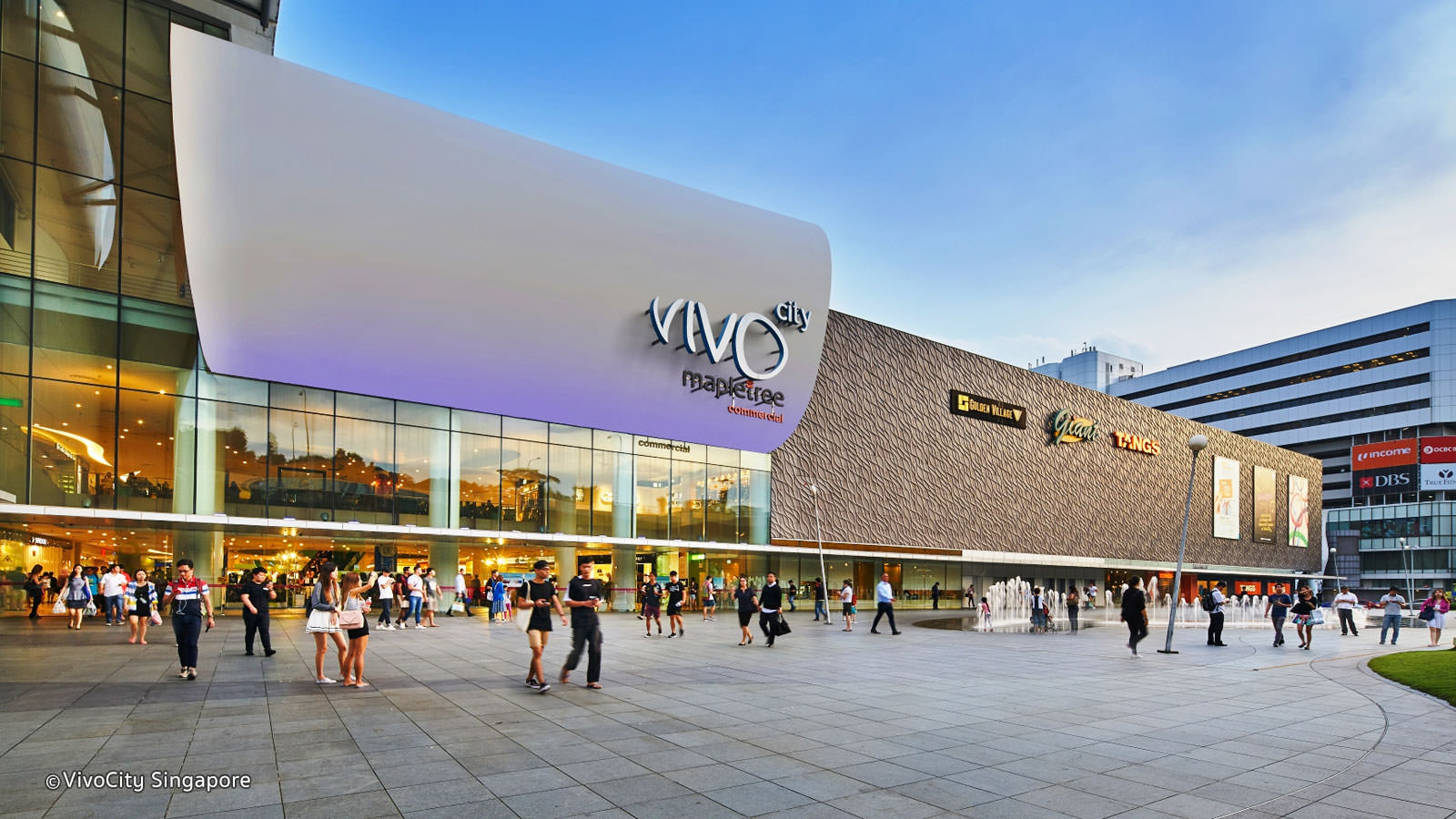
    Singapore’s VivoCity mall has opened a new 3000sqm basement extension housing 10 fashion, athleisure and lifestyle brands.

    Mapletree Commercial Property Management VP for marketing communications Gwen Au said the new extension will allow shoppers to discover new retail concepts and expanded fashion and lifestyle collections.

    A new escalator lobby has been constructed leading through the extension to improve access to and from the Harbourfront MRT station.

    One of the new tenants in VivoCity B1 is Fila, which is launching three concepts under the one roof – Fila, Fila Kids, and Fila Fusion – offering buyers a range of performance, sport couture, and lifestyle collections. Adidas will also present multiple store formats in the extension, unveiling its stadium concept store (featuring performance wear) next to a new Adidas Originals flagship (offering street style fashion trends).

    Other brands opening in the extension include New Era, Nike, L.E. Underground, Weston Corp and Xiaomi.

    Images of the retail stores open can be viewed below :


  • New phase of Sands Cotai Central opens with Apple anchor

    New phase of Sands Cotai Central opens with Apple anchor

    Sands Cotai Central has opened phase four of its retail offer, adding almost 100,000sqft of retail space and 25 retailers.

    At the heart of the expansion is an Apple store, which opens today.

    The new space is home to several brands new to Macao: Calvin Klein Performance and Razzle. Other stores to open are MLB, Esprit, Guess, Watson’s, Noble Mart, Levi’s, Florsheim, Timberland, The North Face, Boy London, Zaxy and Bauhaus.

    Later this year, several restaurants will be added to the line-up, including Chiado, a modern yet authentic Portuguese concept developed in partnership with celebrity chef Henrique Sa Pessoa, and Crystal Jade La Mian Xiao Long Bao, which brings a contemporary twist to classic Beijing, Szechuan and Shanghai cuisine.

    “The addition of these new stores, especially the introduction of an iconic Apple Store, continues to ensure we provide our customers with more new-to-market brands, more choice and more amazing experiences,” said David Sylvester, executive VP of global retail at Las Vegas Sands Corp.

    Sands Cotai Central, which celebrated its sixth anniversary in April, has been the focal point of a wide range of products, offerings and experiences on the Cotai Strip, with access to four hotels since it opened in 2012.

    Earlier this year Sands China revealed plans to transform Sands Cotai Central into The Londoner Macao, which will feature new attractions including some of London’s most-recognisable landmarks.