Retail News Asia is committed to providing both local and global retailers with the latest Real Estate news throughout the Asian market. This on a daily base.
What would you do if you had over USD760,000? Some might purchase a house or travel around the world, but in high-cost Hong Kong, one buyer just used that amount to buy a 15-square-meter parking spot.
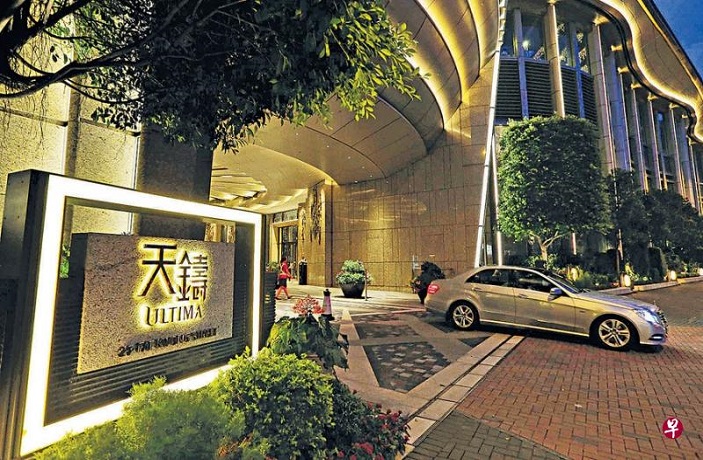
The parking spot is located in Sun Hung Kai Properties’ Ultima apartment complex in Kowloon District, and sold for HKD6 million (RMB4.86 million) last week.
The average price of parking spaces in Ultima costs over HKD40,000 per square meter, well above an average of HKD15,000 across the whole city and HKD16,000 in Kowloon District, as measured by local real estate company JLL.
Based on official documents, the seller was a Hong Kong couple who paid HKD3.4 million for the parking spot last September. Since then, the value has risen by about 76.5 percent.
The deal set a new record in Hong Kong, one of the most unaffordable cities in the world. The Special Administrative Region also previously made headlines as being the most expensive place to shop, as well as rent offices and retail space, on Earth.
As the graphic above shows, the previous highest price for a parking spot in the city was HKD5.18 million, set one year ago. The Ultima apartment complex has 527 units and only 370 parking spots, which makes parking cars very difficult.
Sandia Lau, a director at Centaline Property Agency, explained more about the ‘luxury residential area.
“The residents have a lot of cash and simply do not care about a few million dollars when a flat costs about HKD100 million,” she said, “Their convenience is more important.”
Thai shopping centre owner Central Pattana says it is revitalising its premium malls to “pioneer future trends of retail and tackle the digital era”.
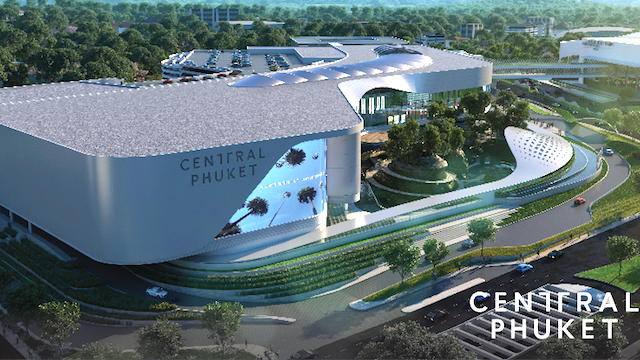
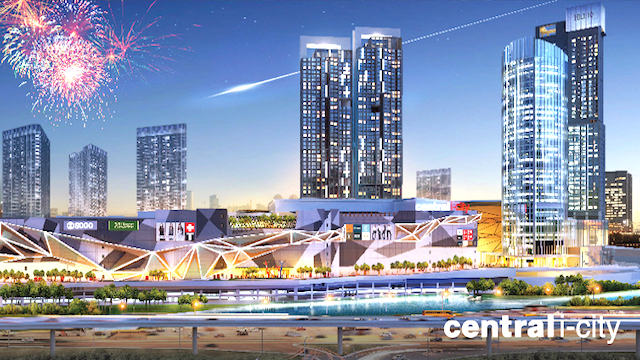
Under a “five-year vision” it calls ‘Co-creating Center for Life” – a name which appears to have lost its actual meaning in translation from Thai – it will invest US$3.1 billion (100 billion baht) on five new and existing centres in Thailand and abroad. They are CentralWorld in downtown Bangkok, Central Phuket, Central i-City near Kuala Lumpur in Malaysia, CentralPlaza Ayutthaya and Central Village.
Preecha Ekkunagul, president and CEO of CPN said the only way to survive In the era of digital disruption currently happening around the world is to adapt.
“CPN sees this change as a challenge and opportunity that will allow us to create a new chapter of retail industry again, similar to what we have done over the past 38 years. Our new vision for the next five years is to … make CPN’s shopping centers destinations for all, where everyone can live life. The important pieces of the jigsaw are all our business partners and tenants that will co-create these new things for business success and sustainable growth.”
The renovation of CentralWorld will be launched in November 2018.
Central Phuket, which will open in September, mixes leisure lifestyles with world-class attractions: ‘Tribhum’ – the Mystery of Three Worlds in a 3D-walkthrough theme park – and Aquaria, which is claims will be the largest aquarium in Thailand.
CentralPlaza Ayutthaya is a new lifestyle destination in the world-heritage city, which was once Thailand’s capital and is a popular tourist destination. That will open in December next year.
Central Pattana describes Central Village as “the first international retail outlet in Thailand”.
Co-creating life
Meanwhile, the company has described its vision ‘Co-Create Center of Life’ as a blend of three strategies:
Create Destination Concepts: “Develop destinations for all customers by lifestyle and preferences and also categorise products and services based on lifestyles.”
Create Digital Platforms: “Offer seamless experience by delivering the real-time personalised offers, enhancing the online experience to conveniently and quickly connect customers’ mobile devices to services in shopping centres and integrating market platforms by teaming with Central JD to add a sales channel that is more seamless.”
Create Partnerships with business partners such as I-Berhad “to create the I-City ultra-metropolis,” and co-operating with Ikea to create the first in the world of a new store format at one of its largest malls in Bangkok.
Central Pattana, part of the huge retail and FMCG conglomerate Central Group, currently has 32 shopping centers in Thailand.
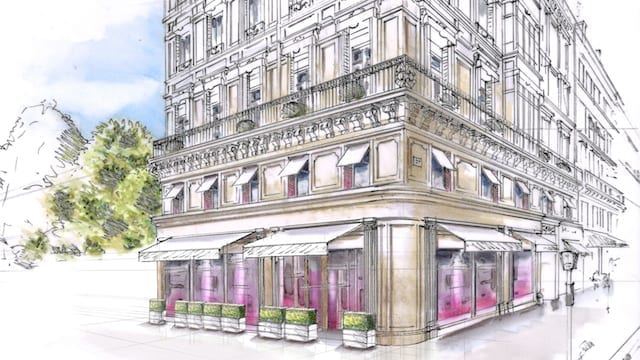
Luxury French food purveyor Fauchon will launch its global hotel brand Fauchon Hospitality in Paris on September 1.
Long associated with fine foods, patisserie and French delicacies, the brand will open its first, the Fauchon L’Hotel Paris, as a 54-room, five-star property on the Place de la Madeleine, the home of the brand, since 1886.
President/CEO Jacques-Olivier Chauvin says the strategy is to establish a portfolio of 20 Fauchon Hotel-branded properties over the next decade, including in Asia.
“We are currently in advanced discussions for a hotel in Doha, Qatar and Kyoto, Japan, as well as with a top European player. We are in contact with a major US operating company regarding expansion in the US.”
Early this year, the Fauchon Hospitality organisation was set up with as president/CEO. A former Relais & Châteaux CEO, Chauvin is spearheading the bid to build on the brand’s 130-year-old gastronomy legacy to create a domain of service excellence, gourmet cuisine and tailored local experiences.
He says the unique selling proposition of the hotels is that each will offer what they describe as “GLAM”: Gourmet – the most creative Parisian patisserie in traditional French culinary style; Location at the heart of major cities; Attention and experiences which are bespoke; and Mesdames – “always in tune with women, featuring sophisticated lighting, Dyson hair dryers, properly sized bathrobes, Carita amenities and more”.
Chauvin says Fauchon Hotels will include the brand’s “in-room Gourmet Bar” which has disrupted the hotel minibar concept by providing guests with a selection of complimentary Fauchon products.
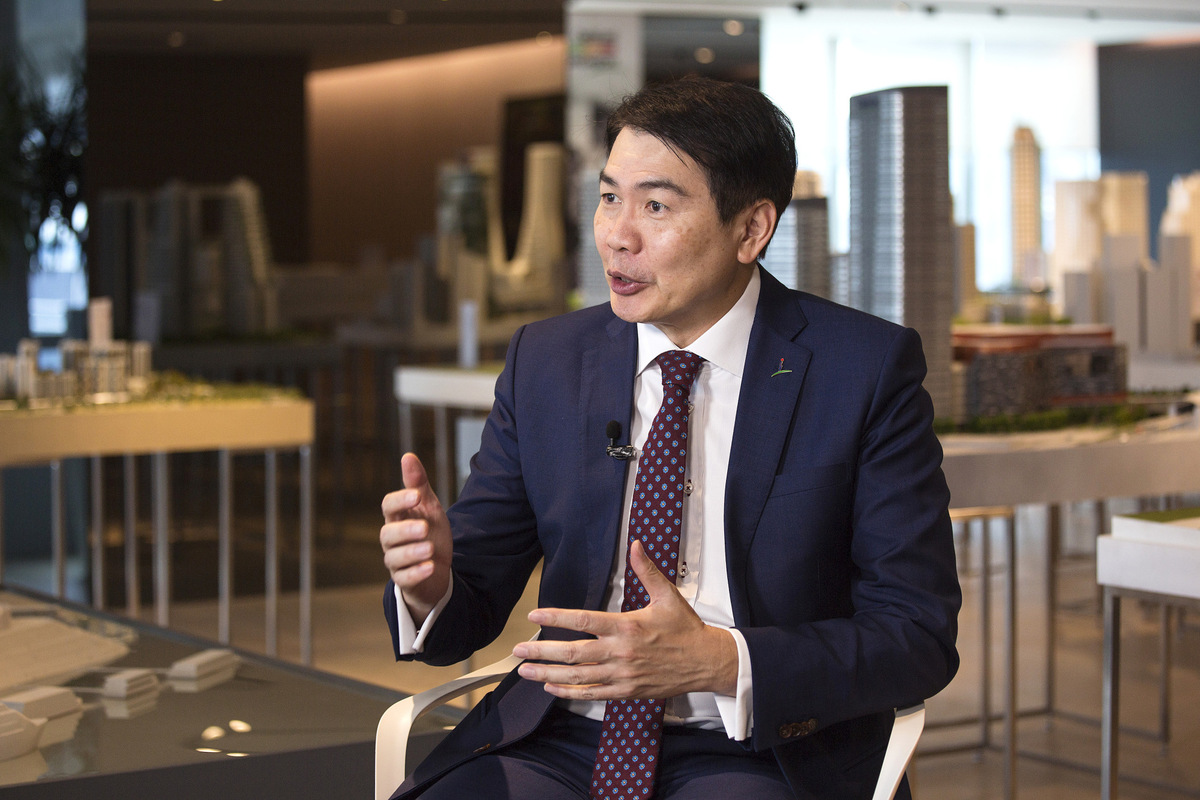
Lim Ming Yan, 55, has given notice he will retire as CapitaLand group CEO and president, with his last day of service being December 31.
Accepting his notice of retirement, the board has thanked him for his years of service and contributions to the CapitaLand Group. He will work on until his retirement takes effect to help the board achieve a smooth transition.
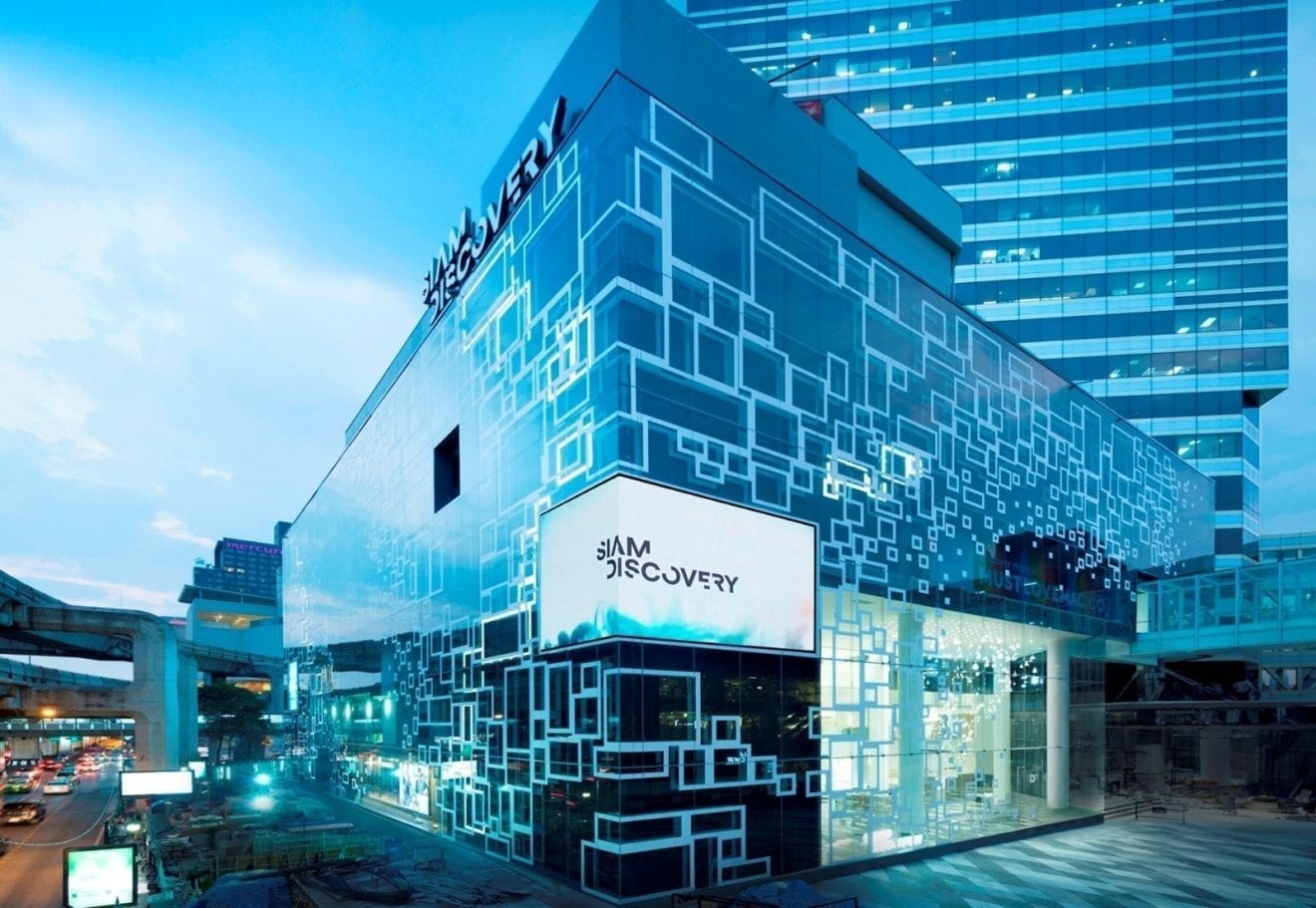
Bangkok’s Siam Discovery shopping centre has won the top Viva Award from the International Council of Shopping Centers (ICSC) for its “cutting-edge design”.
Siam Discovery, owned by Siam Piwat, was chosen from hundreds of projects around the world for the honour, awarded during the ICSC’s annual leasing convention in Las Vegas.
Siam Piwat CEO Chadatip Chutrakul said the award proves “Thai creativity and collaboration can take the country’s flag to the top, even on the world stage”.
“Siam Piwat’s strategy for growth is to do things in retail and retail development that have never been done before in Thailand or even the world. We are committed to being a thought-leader on the global stage through co-creation with retailers and other partners in our developments.”
The ICSC’s Viva Awards are presented annually, judged by an independent jury to “recognise the best-of-the-best in the world of retail development”. The judges praised Siam Discovery for being transformative.
“Siam Discovery is a highly imaginative project that gets away from individual stores and walls and into an immersive open experience. It is the first mall development that makes retail an experience as well as the spaces in between being exciting and stimulating. Siam Discovery brings the latest digital technology offerings to create an interactive and experiential retail environment,” the judges agreed.
Chutrakul described the centre as “a game-changing, hybrid retail destination where products, services, and activities are brought together in a way that suits the lifestyle of millennials”.
“Products are grouped without the constraints of a particular brand or school of design, in a way that puts the needs of the customer at the centre. Millennials want to discover their own style while exploring new experiences with other people. Here, they can experiment and discover what they like and what expresses their own identity best,” said Chutrakul.
Siam Discovery opened its doors to visitors in 1997 and underwent a THB4 billion rebuild before reopening in 2016 in its new, award-winning guise.
During the past two years, Siam Discovery has won six global awards from prestigious competitions in the world of retailing, including World Retail Awards – Store Design of the Year 2017, for being world’s best designed development.
View the gallery of Siam Discovery’s interior below :
Siam Discovery The 2nd floor is called Digital Lab
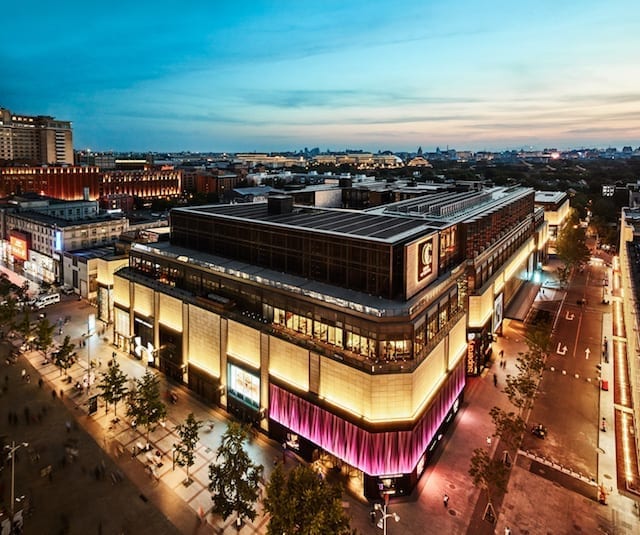
Hongkong Land officially opened WF CENTRAL, its US$1.2 billion first flagship retail-led project in Beijing. It will play a crucial role in the redevelopment of the historic Wangfujing area of Beijing into a pre-eminent destination for retail, dining and commercial activities.
Drawing from the success of LANDMARK – a leading retail complex in Hong Kong – and the shared vision of Hongkong Land and the Dongcheng District Government, WF CENTRAL now represents the premier shopping and lifestyle destination in Beijing.
“With vision to develop and manage exceptional, high-quality, best-in-class commercial and residential properties across Asia, Hongkong Land has historically played a crucial role in developing important urban Central districts into pre-eminent destinations for retail, dining and commercial activities,” said Mr Robert Wong, Chief Executive of Hongkong Land. “WF CENTRAL is a testament to the Group’s expertise and experience as a leader in creating vibrant commercial districts.”
“WF CENTRAL not only serves as a thriving and sustainable business platform for our retail partners, but will also achieve the mission of Dongcheng District to be the ‘Beijing capital’s cultural centre, and window of a global city.’” said Mr Raymond Chow, Executive Director of Hongkong Land. “As an integration of rich cultural heritage and luxury, WF CENTRAL will be key in transforming and revitalising Wangfujing as a best-in-class destination offering a unique premium lifestyle experience in the heart of the capital.”
WF CENTRAL has a footprint of more than 21,000 sq. m., with a total gross floor area of more than 150,000 sq. m., including retail space of 43,000 sq. m. together with a 73-room luxury hotel, Mandarin Oriental Wangfujing, Beijing.
It sets a new benchmark in Beijing for retail and lifestyle, through its FIVE core categories. Each category offers unmatched experiences, namely: Luxury; Fashion; World-class Gastronomy; Lifestyle & Wellness; and Art & Culture.
With an exciting and diverse mix of over 130 tenants, including 20 brands debuting in either Beijing or China, WF CENTRAL breathes new life into Wangfujing and brings excitement, insight and inspiration to the City’s modern life.
Engaging, connecting and building community through a considered curation of art, cultural creativity and experiential lifestyle, WF CENTRAL also provides the focal point for highly prestigious artistic collaborations with renowned international organisations.
These include the recent successful Barbican ‘Digital Revolution’ exhibition; the opening of the Serpentine Pavilion Beijing and launch of the WF CENTRAL Serpentine Pavilion Beijing cultural programme; along with an upcoming MAISON&OBJET design showcase, scheduled in September this year.
The Serpentine Pavilion Beijing programme, a unique and highly diverse series of cultural and artistic activities, special events, inspiring lifestyle experiences and exciting social encounters to be experienced by visitors to WF CENTRAL from June to October 2018.
A key feature of the Pavilion programme will be the ‘Inspiration Talk Series’, a special series of talks and panel discussions involving leading architects and artists, together with thought-leaders across a wide spectrum of industries including leading finance, media, entertainment, retail and hospitality experts, invited to debate a range of topics exploring the role of art and culture in subjects such as urban renewal, innovation and social inclusion.
“The Serpentine Pavilion cultural programme at WF CENTRAL focuses on community and explores the power and social benefits of art and culture,” explained Mr Raymond Chow, Chairman of Wangfu Central Real Estate Development Company Limited and Executive Director of Hongkong Land. “The Serpentine Pavilion Beijing provides the architectural focal point for these activities, as part of WF CENTRAL’s ongoing vision to engage, connect and build community through a considered curation of art and cultural creativity and experiential lifestyle.”
“Today marks an important milestone as we officially open the first Pavilion co-commissioned by the Serpentine outside the UK,” explained Mr Hans Ulrich Obrist, Artistic Director of the Serpentine Galleries. “Over the past 18 years, the annual Serpentine Pavilion commission has become a pioneering and powerful example of living architecture for people of all ages and we hope that experience will be replicated in Beijing.”
Ms Yana Peel, CEO, Serpentine Galleries, said: “Liu Jiakun’s inspiring Pavilion, set alongside the historic setting of the House21 (the Courtyard House), and wonderful open space of The Green, sets the scene for a thrilling programme of art, cultural and social events and happenings. Like the London Pavilion that inspired it, the Serpentine Pavilion Beijing will serve as a place for meeting and exchange, creating an engaging and rewarding cultural experience for all.”
“What I hope we have achieved is a spatial installation that goes beyond mere function to push the boundaries of contemporary architectural practice,” explained Mr Liu Jiakun. “I hope this work will also prove to be both an inspirational physical environment as well as a thought provoking and creative catalyst for lively intellectual debate, fun community activities and joyful social engagement.”
At the core of the Serpentine’s Pavilion programme is a wide range of art, cultural and lifestyle activities programmed within and around the structure. Activities include special ‘Pavilion Weekends’, which, once a month, in conjunction with two themed thought-leadership talks in the ‘Inspiration Talk Series’, involve a wide range of community events focused on the family; including well-being and creativity workshops; lawn parties; kids disco classes; digital performances and specially curated outdoor art-cinema evenings.
The Serpentine Pavilion Beijing programme at WF CENTRAL provides visitors and the local community with the opportunity to not only appreciate but actively engage with the installation itself and enjoy the social and cultural activities that take place alongside and within the Pavilion.
Images of WF Central can be viewed in the gallery below (4 images) :
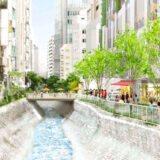
Among changes ahead of the 2020 Tokyo Olympics, Shibuya is having a revamp that includes Shibuya Stream, on the south side of the railway station.
It is a complex covering the point where the Shibuya River emerges from underground. The theme of the first three floors is “Shibuya Style: Custom Shibuya”, with 30 businesses recruited that target “adults who have their own style and live their life their own way”. Most of these places are new to the area, the city or the country.
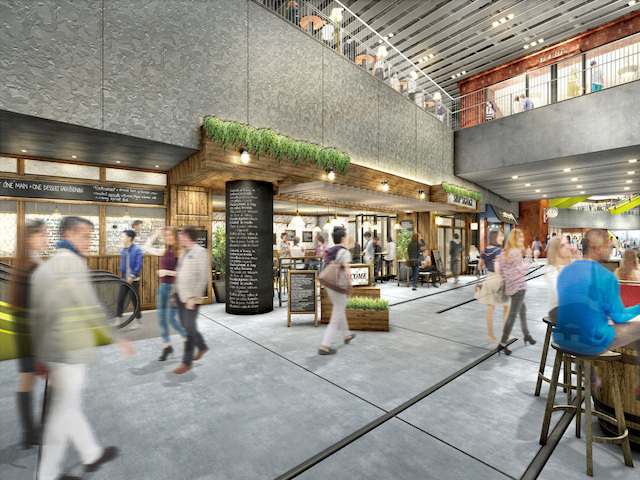
The first floor, the Riverside Market (pictured), is intended to resemble a relaxing riverside area. It will feature a restaurant from Osaka making its Tokyo debut, Bokkoku Kaiten Tori Ryouri, which appears to have a Mexican menu. A branch of The Great Burger Stand will be among five other businesses.
Meant to mimic the streets of Shibuya, the second floor will be called Shibuya CustomStreet and feature 15 shops, including two restaurants by bakery connoisseur Shuichiro Omura, as well as a French restaurant with an open kitchen.
Introducing paella
Shibuya Court, the third floor, will feature nine more restaurants with open spaces, including cuisine options like Japanese and Spanish. For the first time in Japan, guests will be able to taste Barcelona-style paella and Spanish seafood at Xiringuito Escriba.
Two plazas will make up the ground floor of Shibuya Stream. The first will face the great stairs leading up to the first floor as well as the Inari Bridge. It will serve as Shibuya Stream’s connection to the south side while also giving guests a chance to look over the river. There are already plans for promotional events to occur here.
The second open space will stretch along the river to Kanno Bridge with the intention of hosting markets, beer gardens, festivals and community events. The area will also be landscaped and lined with green, and the river will be given a boost to its image with new water-treatment projects.
The shops will be open for business from September 13. Pictures of the rendering can be viewed below :
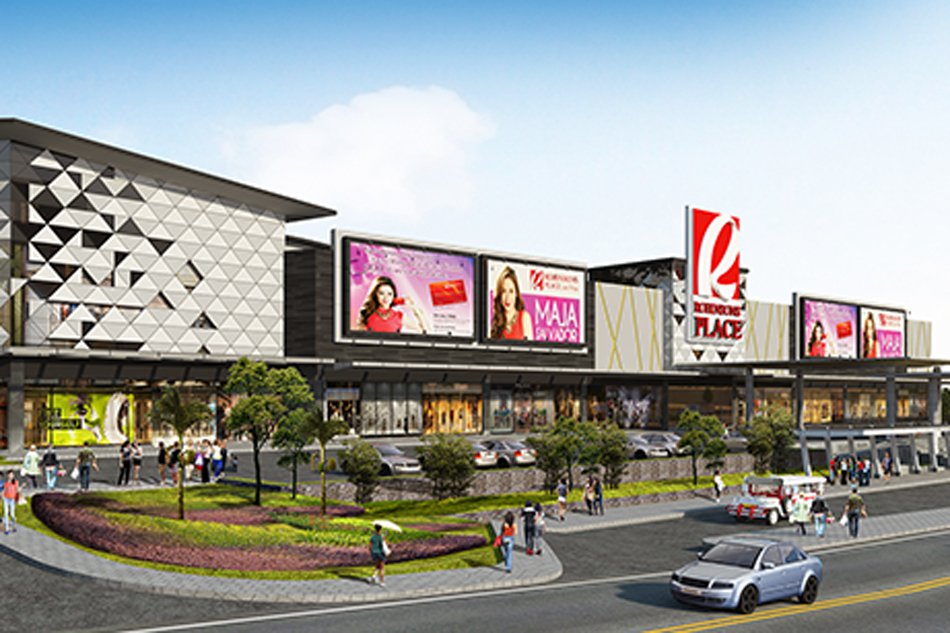
Robinsons Malls has strengthened its presence in the Visayas region with the opening of Robinsons Place Ormoc, a three-level, full-service mall in Ormoc City.
It offers a variety of national and global brands along with the chains of Daiso Japan, Handyman, Robinsons Department Store and Robinsons Supermarket.
Its products and services extend to health and beauty, gadgets, banking, courier and government-related processes and requirements with its Robinsons Malls Lingkod Pinoy Center.
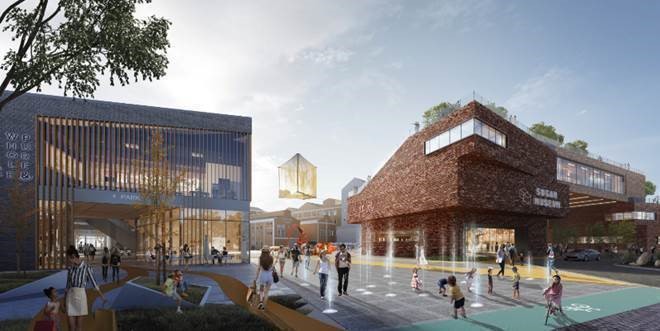
A disused sugar factory in Zhuhai’s Jinwan District is set to be revitalized into an integrated cultural, tourism and leisure park. Woods Bagot’s master plan both celebrates the proud heritage of Zhuhai’s once prosperous sugar industry, while creating a future for the Hongqi Zhen Sugar Factory site.
The former factory began production in 1960 and was once a key pillar of Southern China’s sugar plantation and processing industry. As the local economy evolved over the following decades, the industry declined, leading the Hongqi Zhen Sugar Factory to close its doors in 2003.
Due to complete in three phases over the next 10 years, the 78,877-square metre development will feature a boutique hotel, a chocolate factory, a wedding venue and start-up offices, a sugar industry museum as well as a diverse F&B and retail offering.
zhuhai1
zhuhai
zhuhai2
Charlie Chen, Studio Leader – Urban Design, Woods Bagot, said, “It is a privilege to create a place where a whole community can capture and celebrate their proud industrial history. At the heart of our strategy is a desire to inspire and engage the diverse people that will enjoy the site – from locals and former factory workers to tourists, families and children alike. The result will be a showcase of old and new, and provide Zhuhai with a rich cultural landmark for generations to come.”
Different thematic zones will provide contrasting sensory experiences for visitors, from the energetic retail street and creative workshop spaces to the tranquil wedding lake and wetland boardwalk. Murals, façade installations and sculptures will engage, educate and commemorate the past along the way.
A central park will form the core of the site, with other landscape features including a floral garden walk, a sculpture garden, a farming experience as well as scenic waterscapes and wetlands adapted from existing ponds and former industrial waterbodies.
Woods Bagot’s strategy will retain and repurpose as many existing structures as possible, and then introduce new buildings and landscapes that complement their industrial aesthetic. As part of this process, over 40 existing structures were carefully assessed for their heritage value, scale and spatial quality.
The former-factory’s red brick chimney towers will provide a visual landmark at the highest point of the site, with newer buildings rising only 2-3 storeys to create a harmonious synergy and differentiate them from the taller historic buildings.
Harmony with the local environment will be encouraged through a sustainability strategy which will include solar roofs, rainwater harvesting, geothermal heating and cooling and the promotion of low carbon transport options, including bikes and scenic water taxis.
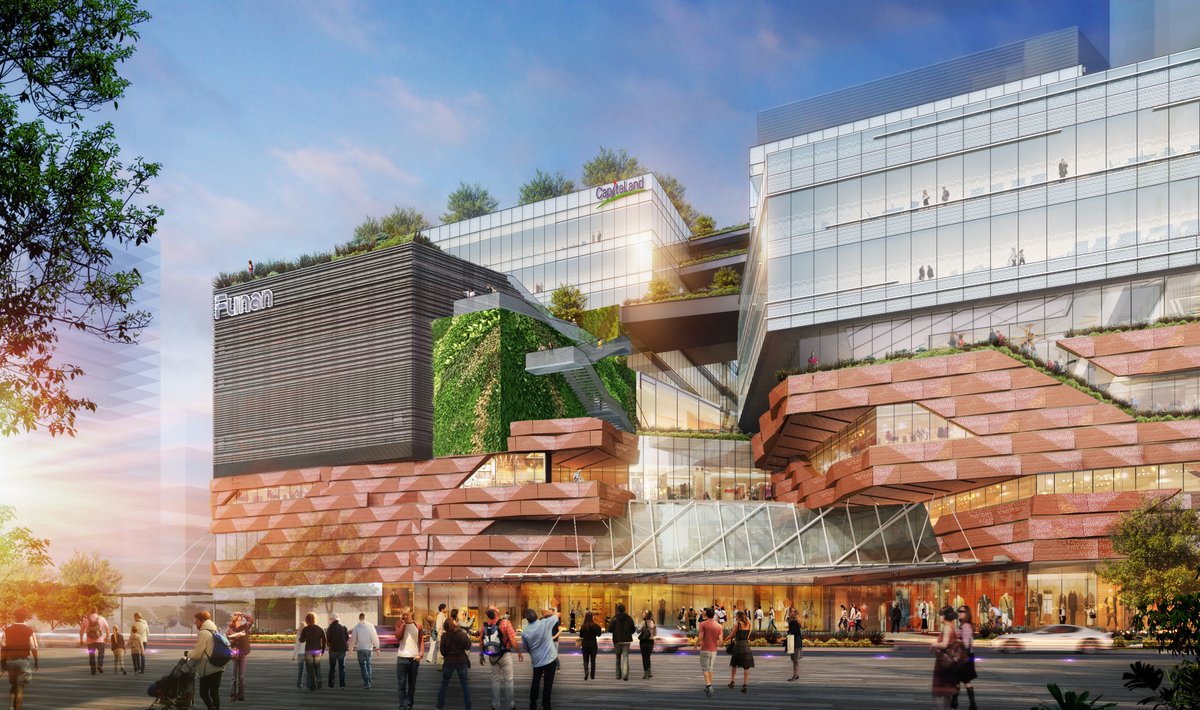
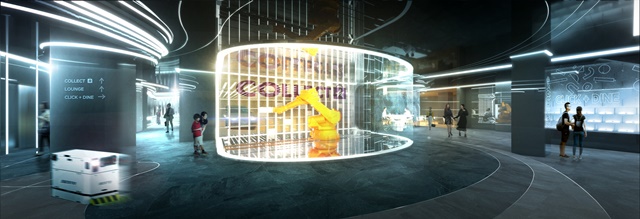
Funan has unveiled its digital blueprint as Singapore’s first O&O shopping mall integrating data and logistics aimed at empowering omnichannel retail strategies and transforming the customer experience.
It encompasses customer analytics such as transaction and demographics data, robotic automation including Singapore’s first use of automated guided vehicles (AGVs) and robotic arms in a retail setting.
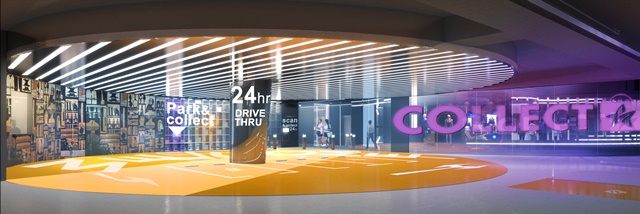
Owned by CapitaLand Mall Trust and managed by CapitaLand Retail, Funan will also offer a 24-hour click-and-collect drive-through.
“As smartphones change the way people shop and socialise, the design and operations of retail space must be reimagined to meet changing consumer expectations for an integrated O&O experience,” says CapitaLand Retail CEO Wilson Tan. “With the benefit of being a new development, Funan has wired its hardware and software differently to plug straight into the phygital (physical + digital) world of today’s consumers.
“We have positioned Funan as the vanguard of innovation, with a combination of community, passion and discovery in its design. Our objectives are to empower our retailers’ omnichannel strategy, deepen consumer insights and enhance customer satisfaction through a seamless O&O journey.”
Unified view
CapitaLand Mall Trust Management CEO Tony Tan says the rise of omnichannel retailing spells new opportunities for the group to help its retailers do more business by increasing their consumer touchpoints while maintaining a unified view of their customers.
“As a native O&O mall with omnichannel retail infrastructure enabled by the latest technology, Funan is well-positioned to attract quality tenants that are able to adapt and excel in this fast-changing retail landscape.”
He says some of the digital innovations and infrastructure will be introduced into other malls in the group’s portfolio.
For a typical Funan customer, the journey begins through bookings via the CapitaStar members’ app by CapitaLand, such as accessing the open studios in the Tree of Life experiential section, signing up for craft workshops with friends, booking tickets to a theatrical performance and reserving meeting rooms in the coworking space. The app also lets drivers reserve parking lots, find their car later and pay or redeem their parking fees.
Shoppers can make purchases using StarPay, the in-app e-payment feature, while working professionals use the latest facial-recognition technology for cardless access to their offices.
Hands-free shopping will soon become a reality at Funan through its automated concierge service at participating retailers. An AGV will pick up shoppers’ purchases and deposit the bags at a click-and-collect box at Basement 2. Shoppers can collect their purchases via a QR code or use the 24-hour drive-through collection service, fitted with a robotic arm that can retrieve their merchandise.
As part of Funan’s omnichannel retail infrastructure, retailers can use the click-and-collect lounge and warehousing to fulfil their online orders from CapitaLand’s official store on Lazada.SG.
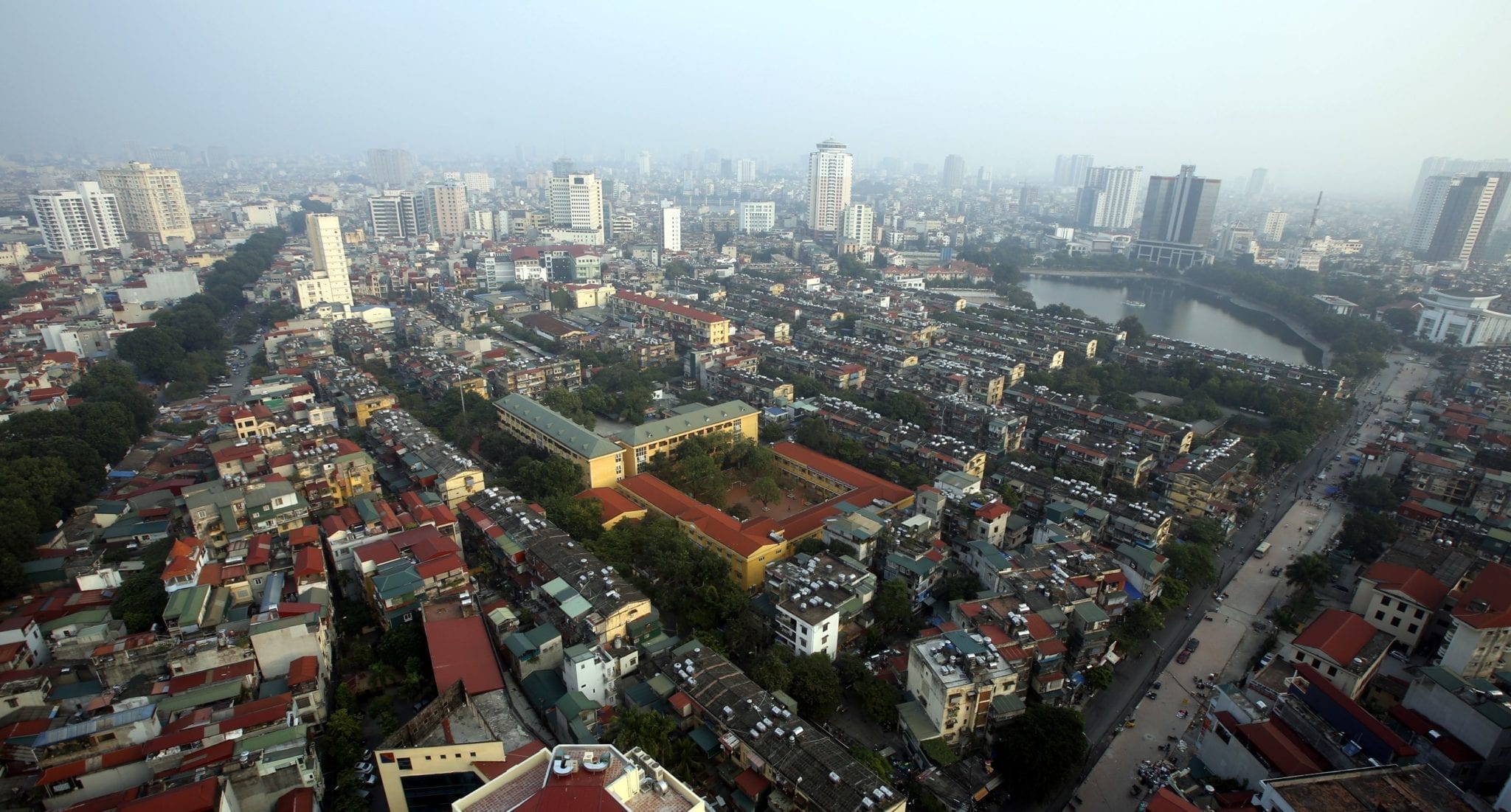
Vietnam has become an up and coming property investment destination among Chinese and Hong Kong buyers with real estate prices lower than in other Southeast Asian countries.
Demand for properties in Vietnam among Chinese buyers surged 300 percent year-on-year in the first quarter of 2018, Chief Executive Carrie Law of Juwai, one of the biggest international property portal in China said.
“Many investors from mainland China are hoping to see these cities [Ho Chi Minh City, Hanoi] replicate the same growth as Beijing and Shanghai,” said Stephen Wyatt, the country head of JLL Vietnam.
Buyers from mainland China, Taiwan and Hong Kong last year accounted for 25 per cent of the Southeast Asian nation’s total transactions by foreign buyers, up from 21 per cent in 2016, according to data from real estate company CBRE Vietnam.
Analysts say relatively low prices in Vietnam, one of world’s fastest growing economies, and the desire for Chinese buyers to diversify their portfolios given their limited assets overseas, make markets like Ho Chi Minh City, Hanoi particularly attractive.
A high end property in central Ho Chi Minh City costs $3,000 to $6,000 per square meter. However, its equivalent in Bangkok costs around $7,000 to $9,000 per square meter, and still less than 10 percent of the value of Hong Kong properties.
Vietnam’s relaxed restrictions on foreign property ownership are also believed to have facilitated the surge in Chinese and Hong Kong buyers, but to a lesser extent because bureaucracy remains a strong barrier.
The 2015 Housing Law allows foreign investment funds, foreigners with valid visas, international firms with operations in Vietnam and overseas Vietnamese to buy residential properties with leaseholds of 50 years.
And developers are allowed to sell only 30 percent of the units in each building to foreigners, meaning eligible apartments need to be advertised.
However, analysts warned about the possibility of a real estate bubble in Vietnam, which is similar to the historic one in 2008.
Eight out of 10 signs of a real estate bubble have been identified in the Vietnamese market, said Tran Kim Chung, deputy director of the Central Institute for Economic Management (CIEM) at a conference last week.
Local residents and real estate agents said the price doubled last year’s, and has climbed a further 30-50 percent so far this year.
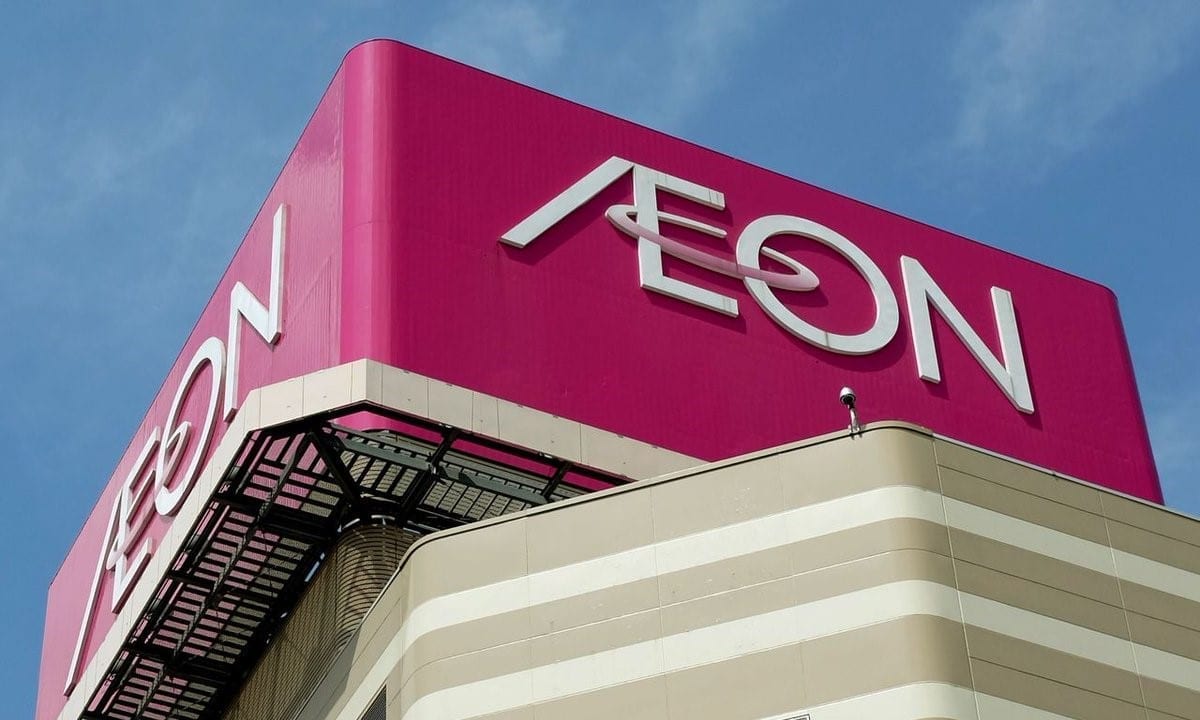
Aeon Co (M) Bhd rose as much as 6.52% in early trade to RM2.45 after reporting a 6.63% jump in net profit for the first quarter ended March 31, 2018.
At 11.23am, the stock was trading at RM2.42 with 941,700 shares done.
Aeon’s net profit for the first quarter stood at RM27.94 million compared with RM26.20 million recorded a year ago.
Revenue for the period grew to RM1.11 billion from RM1.07 billion on the back of higher revenue from its retail and property management service businesses.
In celebration of its 10th anniversary this year, K11 announced a HK$200 million major renovation project for Hong Kong K11 Art Mall, targeting 2019 year-end for completion in phases.
The 340,000 square foot mall will redesign its interior zoning, using wood, plants and stone as primary materials to evoke the feel of its “Art – People – Nature” brand proposition. The tenant mix will also be updated along with a re-zoning of the interior space.
For instance, “Timepiece Avenue” on the ground floor will introduce more international fashion jewellery, accessories and apparel brands and K11 will also work with local designer Chi Kuen Victor Chu to incorporate additional art elements into the ground floor and first floor, highlighted by a collection of metallic installations entitled “ONE OF”. The third floor concierge area will be transformed into an open café area with electrical outlets to make it more convenient for customers who need to use their computers or charge devices. As part of the renovation, a new K11 exit will be added to the MTR Tsim Sha Tsui Station, making a visit to K11 Art Mall even more convenient.
Since its opening in 2008, turnover and footfall have increased by 150% and 100% respectively, and the renovation aims for an additional 30% in both footfall and sales by 2020. In the past six years alone, some 20 million visitors attended various exhibitions and talks.
The mall also launched what it calls “K11 Natural Corporate packages”, a new business offering that can host customised events and workshop solutions for business functions, private events and workshops, with activities and catering provided by K11 tenants.
Rebecca Woo, Director, Operation (Hong Kong), K11, said, “In 2017, we curated a disruptive business innovation for millennial entrepreneurs by launching K11 Natural, a first-of-its-kind themed retail and F&B space for millennial entrepreneurs looking to establish their first physical store or brand new concept store. The project won extensive recognition by receiving 10 awards locally and internationally within its first year after launch.”
To further promote and celebrate its 10th birthday, K11 has a slew of programmes planned for the rest of 2018 – highlighted by WONDER POP, a pop-art exhibition, a fashion x body art exhibition featuring tattoo artists, public art jams and more topped off with K11’s birthday exhibition.
Recent reports of land fevers have raised concerns over the possibility of a real estate bubble in Vietnam similar to the historic one in 2008.
Eight out of 10 signs of a real estate bubble have been identified in the Vietnamese market, said Tran Kim Chung, deputy director of the Central Institute for Economic Management (CIEM) at a conference last week.
They are increased numbers of transactions, new constructions, areas under development, participants in the market; rising prices; and presence of projects that are bigger in terms of scale, value and funding.
The real estate market in Vietnam has seen a rush for land from late last year in Ho Chi Minh City and neighboring areas. Land in Dong Nai Province, northeast of Ho Chi Minh City, costs from VND72-90 million per square meter ($3,150-$3,980), which is nearly equal to some urban areas in HCMC.
Local residents and real estate agents said the price doubled last year’s, and has climbed a further 30-50 percent so far this year.
Land prices have also increased rapidly in three areas which are poised to become Vietnam’s special economic zones (SEZs) with promising benefits for investors. These areas include Phu Quoc Island in the far south, Bac Van Phong in central Khanh Hoa province and Van Don in the northern Quang Ninh province.
On Phu Quoc Island, land prices in April were 10 times higher than in February, according to local invetsors. A square meter of land on the island can now fetch from VND20-60 million ($875 to $2,625), the Vietnam Real Estate Agency (VREA) said.
The two remaining signs that would nail down a real estate bubble are a hike in public investment and housing capital, Chung said. But since these factors are currently actually counteracting market overheating, the worst is yet to come.
Echoing Chung, chairman of Vietnam Real Estate Brokerage Association (VREBA) Nguyen Manh Ha said that the land fever in the first few months of the year, if not contained, will result in a land bubble.
Some experts, however, beg to differ.
The real estate market is actually stable and recovering, said Nguyen Van Dinh, vice chairman of VREBA adding that the current land fever is the result of short-term speculative trading that’s pushing up the price, which has destabilized the market.
Amidst the land fever, Vietnam’s central bank has recently ordered lenders to tighten control over investment loans intended for the stock and real estate markets, warning of bad debt risks.
Authorities of the three areas earmarked to be SEZs need to take control of the land market and prevent speculartors from creating instability, Vietnam’s Prime Minister Nguyen Xuan Phuc said last month.