Category: Real Estate

Retail News Asia is committed to providing both local and global retailers with the latest Real Estate news throughout the Asian market. This on a daily base.

  • Benoy wins international design competition for COFCO

    Benoy wins international design competition for COFCO

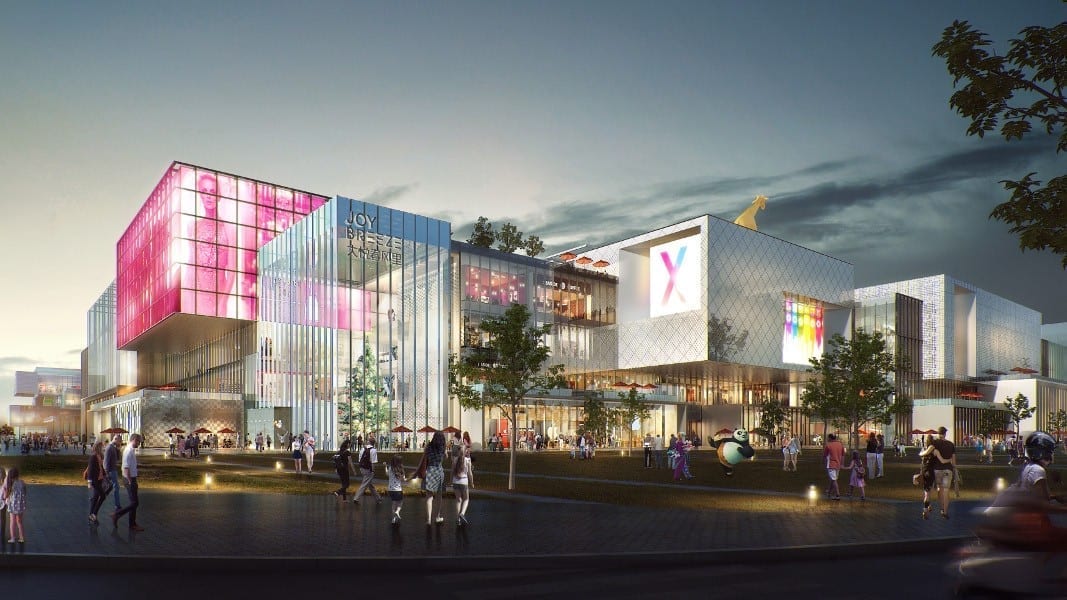
    International architectural company Benoy has won the bidding for the Cofco Joy Breeze project in Suzhou, beating out several other global design firms.

    It is another Cofco project for Benoy following the Joy City development in Hangzhou.

    Joy Breeze is in Suzhou’s central Xiangcheng district, close to the entrance to the city’s planned central park. With a GFA of 300,000sqm, the mixed-use project brings together a retail mall, retail streets, public transport hub and parking.

    “Our brief was to create a major commercial opportunity on this site as well as capture the interest of the district’s 25- to 45-year-old community,” says Benoy Shanghai studio director/head Qin Pang. “We were inspired by a passage from the Analects of Confucius which speaks of former eras and the feeling of enjoyment in the springtime. Our design has aimed to evoke these feelings and memories of happy spring days spent exploring new places.”

    Subsequently, the retail, recreation and entertainment hub emphasises diversity through the variety of its spaces. It offers a network of balconies, rooftops, public squares, retail streets and boxes. The various sections are linked by a multi-level thoroughfare through each floor, ensuring the scheme can be navigated as a whole.

    “We’ve paid attention to that special element of surprise,” says Qin. “For visitors coming day to day to do their shopping or meet with friends, each visit will bring a new experience.”

    Through the openness of its design as well as multiple entry points and extensive street frontage, the Joy Breeze development also integrates with its surrounding urban and natural environments and nearby residential areas.

    As a transport hub, the project is close to Longdaobang Metro Station and includes a bus station terminal.

    Construction is expected to start next year.
  • Overlook to the future Chinese Real Estate market

    Overlook to the future Chinese Real Estate market

    Since the origination of REITs in the United States, in the 50 years of its development, REITs in the United States, Singapore, Japan has been running on a rather perfect system, with legal policies and tax system. REITs was able to help the countries in growth, sustainable decisions, and the industry coordination. China had the first REITs in 2005. Since then, REITs in China have been moving forward, to seek further opportunity.

    The new age of investment has come. PE is the most anticipated type of investment that most of the investors that are eyeing for. According to Asset Management Association of China, by the end of Februrary 2018, PE Fund pool have reached monthly growth of 250 billion Yuan, totaling 12 trillion Yuan. It has its competition to Public Placement.

    With the development of Real Estate Equity Fund and REITs, an increase in the amount of firms are interested to be a part of it. As the fundamental, Finfo Global along with CaishiV is going to host the 2nd Real Estate Equity Investment & REITs in Shanghai on May 17. The event have gathered worldwide trust firms, insurance company, law firms, securities, asset managements and banks. The event is excepting more than 300 managerial positioned attendees.

    At the event, Weida Kuang from China Remin University, National Development and Strategy Institution, City and Real Estate Institution with be introducing his ideas over the macro economy and the effect of the industry of real estates. Also, there are newly added topics such as low-cost rental housing, public rental housing, rental housing REITs, investment opportunities in second and third tier cities, offshore real estate PE Fund and its structuring,

    To learn more, please go to: https://www.peinreits.com/index.php/en/index.html

  • Siam Piwat adds top brands under ‘One Siam’ banner

    Siam Piwat adds top brands under ‘One Siam’ banner

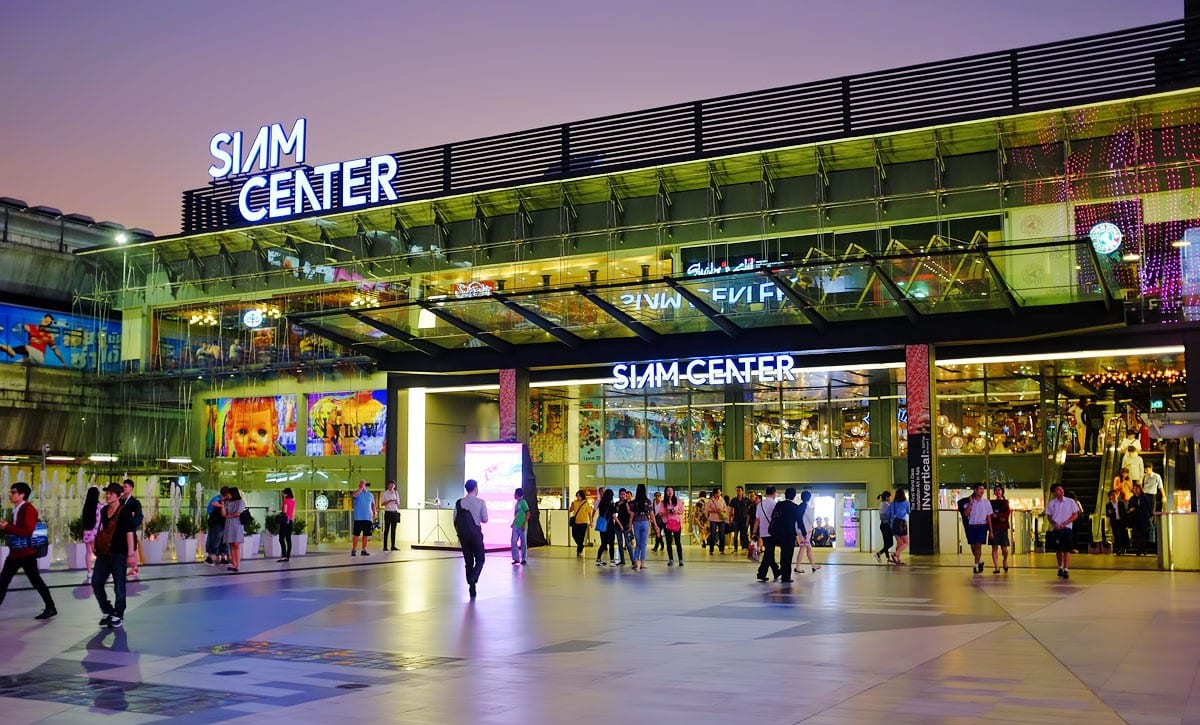
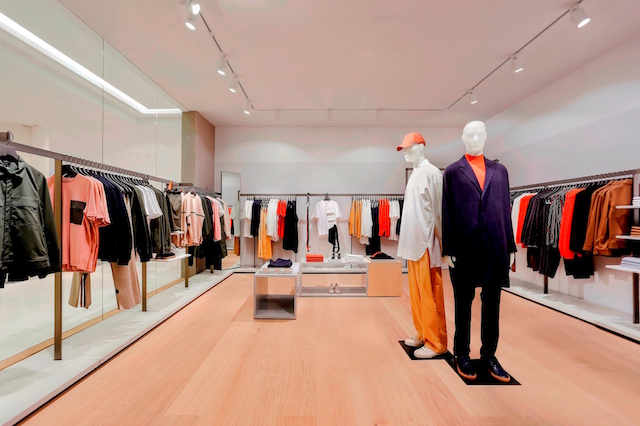
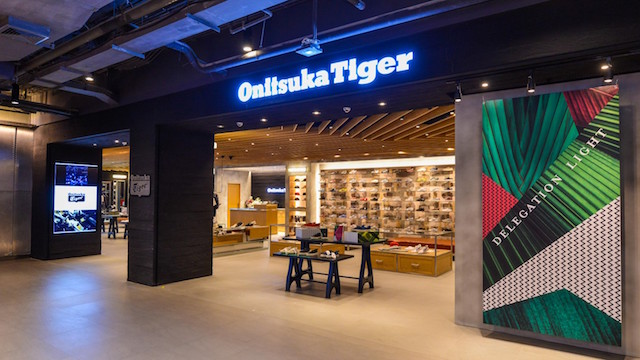
    Four global brands have opened stores in the One Siam precinct in downtown Bangkok, two of them the retailers’ largest concept stores in Southeast Asia.

    Siam Piwat, parent of Siam Paragon, Siam Center, and Siam Discovery, is combining the properties under the One Siam banner to entice shoppers and encourage cross-patronage.

    The new stores are:

    • Spanish brand Cos, a subsidiary of H&M, has opened its first store in Thailand, taking 546sqm on the first floor of Siam Paragon.

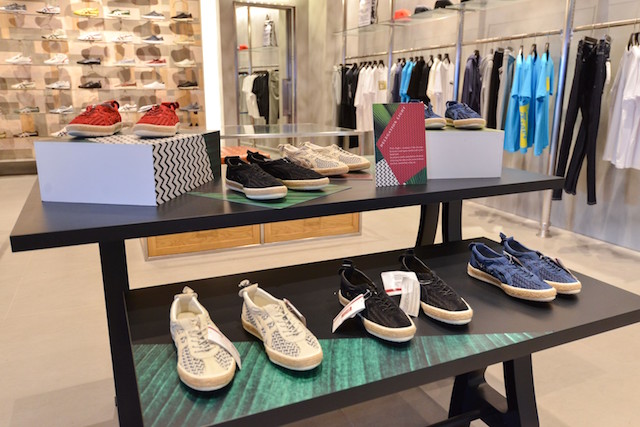
    • Onitsuka Tiger, a subsidiary of Asics, has opened its largest store in Southeast Asia, taking up 300sqm of the ground floor of Siam Center.


    • Thai bag, shoes and accessory brand Lyn has opened its first concept store in Thailand on the ground floor of Siam Center.

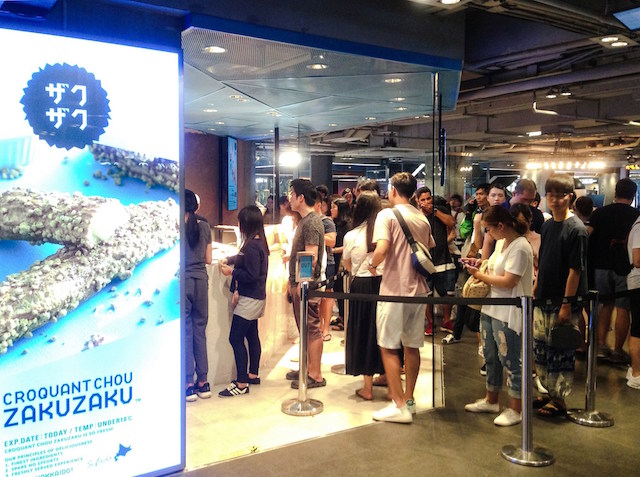
    • Tokyo dessert brand Croquant Chou Zakuzaku has opened its first Thai branch, on the mezzanine floor of Siam Center.

    Cos MD Marie Honda, describing Thailand as “a vibrant country,” has high expectations for the brand in its newest international market. “We hope our customers will enjoy this new location, which brings to life our commitment to functional design and quality.”

    Croquant Chou Zakuzaku is the latest brand from Bake Cheese Tart Thailand company, serving what it describes as a “wearable choux” concept. “Each choux is unique in an unconventional way and like a fashion item to enjoy any time,” the company said of the concept. The shop also sells soft-serve ice cream made from Hokkaido milk.

    The new Lyn concept store is decorated with black glass and gold metal, designed to portray its “affordable luxury” market positioning and an identity of “trendy, sexy, elegant and sophisticated”.

    Mayuree Chaipromprasith, senior executive VP to Siam Piwat says the One Siam malls are drawing steady enquiry from international brands seeking retail space because of the group’s focus on innovative lifestyle.

    “We focus on offering new concepts to develop new projects, retail businesses and a variety of cutting-edge lifestyle concepts which never existed before in Thailand, or even for their first time in the world,” she said.

    Meanwhile, the Ecotopia zone on the fourth floor of Siam Discovery has introduced some new brands for a health-conscious clients: Bija – skincare products based on rice; Greenhouse & Thlos – organic products that support communities; ZweetHerb – sugar substitute derived from natural stevia; Hyper Design Lab – home decor products designed from natural and wasted materials.

  • 92% of Malaysians prefer to own than rent

    92% of Malaysians prefer to own than rent

    Despite the rising perception that more Malaysians would choose to rent than to buy a home, statistics from the recent PropertyGuru Consumer Sentiment Survey show that 92% of those polled would rather own the roof over their heads than to lease.

    Among those polled, about 33% were presently renting with 67% residing in their “own homes”. Own homes are regarded as homes that are owned by their dwellers or it could be a family home, staying with a sibling or relative and other non-rental residences.

    A total of 817 respondents participated in the PropertyGuru’s Consumer Sentiment Survey for the second half of 2017.

    The survey shows that the traditional aspiration of owning a home remains largely unchanged despite evolving property market trends and demographics.

    For those who would prefer to rent, the majority cited a location that is close to their office or workplace as the most important criterion (71%), followed by family considerations (55%) and public transportation accessibility (52%) respectively. High-rise homes are the preferred option for renters with condominiums and serviced apartments being the top choice.

    “It appears that despite rising living costs, higher loan rejection rates and price unaffordability, Malaysians including the younger generation still would make home ownership a key lifestyle aspiration. The desire is very strong perhaps due to family or peer pressure or due to the prevalence of traditional perceptions of owning a home as being a sound foundation for one’s future,” said PropertyGuru Malaysia country manager Sheldon Fernandez.

    “Beyond providing a place to stay, a home to Malaysians still represents stability, security and continues to be a key asset class for wealth accumulation via capital appreciation and rental yields.”

    Fernandez added that the PropertyGuru survey also showed that even many of those who are presently renting also aspire to buy a home if they can afford it.

    Renters believe that RM501-RM800 monthly to rent a room was a realistic budget while those looking to rent a home would ideally wish to pay RM801-RM1100 per month, depending on location, property type, unit size and other factors.

  • Turning point for Hong Kong retail space

    Turning point for Hong Kong retail space

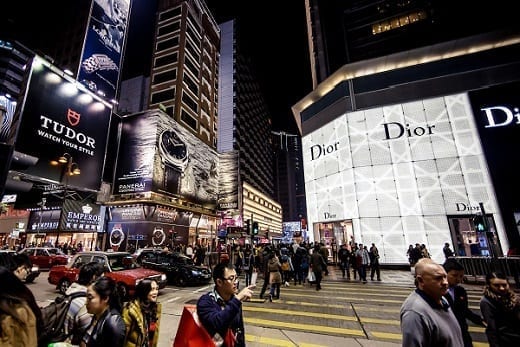
    For the first time in five years, the demand for retail space in Hong Kong has not declined.

    Results from the RICS (Royal Institution of Chartered Surveyors) Hong Kong Commercial Property Monitor for this year’s first quarter indicate that the demand for retail space has not changed from last year’s fourth quarter.

    The Occupier Sentiment Index (OSI) increased modestly to 14 from 10 the previous quarter, while the Investment Sentiment Index (ISI) grew six points to 19.

    There was a moderate increase in the number of retail properties available or rent, with respondents reporting an increase in landlord incentives for retail space.

    “Occupier demand continued to rise at a headline level for the first quarter,” says RICS Hong Kong external affairs committee member Frank Wong.

    There was a minor decrease in foreign demand for retail properties.

  • Metro Holdings buys 35% of JV that’s acquiring Shanghai mixed-use building

    Metro Holdings buys 35% of JV that’s acquiring Shanghai mixed-use building

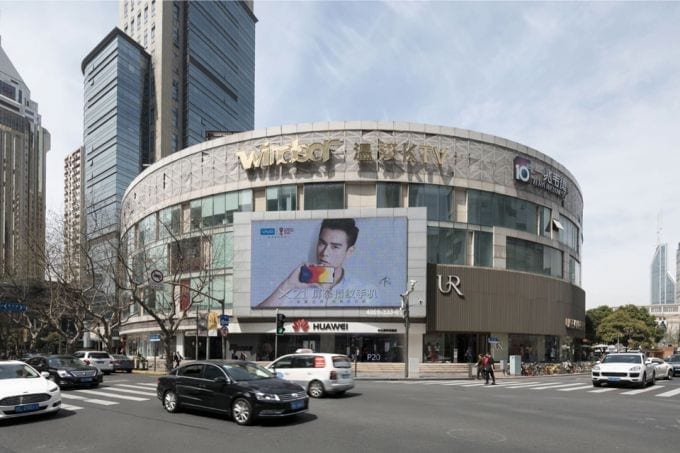
    Metro Holdings, together with other JV partners, is acquiring a 90 per cent stake in Shanghai Plaza for RMB2.9 billion (US$613 million).

    The mixed-used commercial building, with a gross floor area of 40,693sqm spans seven floors in Huai Hai Zhong Road, Huang Pu district, one of the most densely populated urban districts in China. It is also near the shopping district of Xintiandi, People’s Square and the Lujiazui CBD.

    Under the JV agreement signed by the investor, Shanghai Xing Chu Business Consulting, a wholly owned subsidiary of Metro China Holdings, will contribute $56 million for a 35 per cent stake in Shanghai Yi Zhou Property Management, which will be used to acquire and run Shanghai Plaza.

  • Vinhomes’ shares jump 20 percent shortly after listing on Vietnam’s stock market

    Vinhomes’ shares jump 20 percent shortly after listing on Vietnam’s stock market

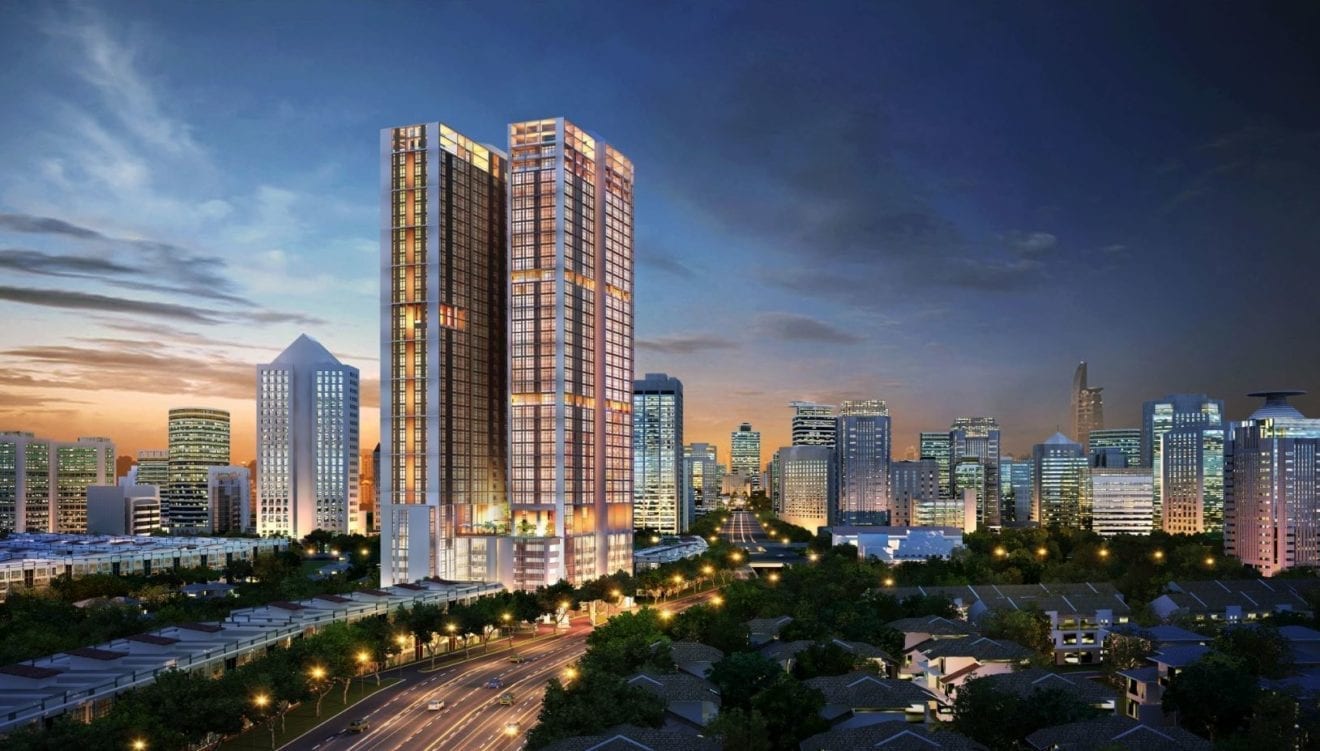
    Vinhomes JSC, the residential property developer of Vietnam’s biggest conglomerate Vingroup, saw its share price rise 20 percent from VND92,100 to VND110,500 ($4.85) per share in its first trading session after it was officially listed on the Ho Chi Minh Stock Exchange (HoSE) on Thursday morning.

    The company put 2.68 billion shares on Vietnam’s main bourse HoSE, and by Thursday afternoon, its market cap jumped to more than VND296 trillion ($12.9 billion).

    This means Vinhomes is now the company with second biggest market cap on the country’s stock market, standing behind its parent Vingroup, which is currently valued at VND333 trillion.

    An initial equity offering of Vinhomes JSC, the residential property development unit of Vingroup JSC, raised about $1.35 billion in Vietnam’s biggest ever issue, sources said earlier this month.

    Existing Vinhomes investors were selling about 268 million shares, or 10 percent of the firm’s equity capital, at VND114,700 ($5.03) each, versus an indicative range of VND110,500-114,700, said the sources, who are familiar with the matter but did not want to be named as terms of the pricing were confidential.

    This eclipsed an equity offering from Vietnam Technological and Commercial Joint Stock Bank, or Techcombank, which raised about $920 million last month.

    Vingroup JSC has been looking to raise as much as $2 billion from the listing of Vinhomes.

    Last month, Singapore wealth fund GIC came in as a pre-IPO investor and took a roughly 7 percent stake in Vinhomes for about $853 million by buying shares from Vingroup and other shareholders, sources said.

    Vinhomes’ first-quarter net profit jumped five times from the same period last year to VND3.99 trillion, and revenue surged three times to VND10.54 trillion, its financial statements showed.

  • Hanoi approves plan for 203ha hi-biotech park

    Hanoi approves plan for 203ha hi-biotech park

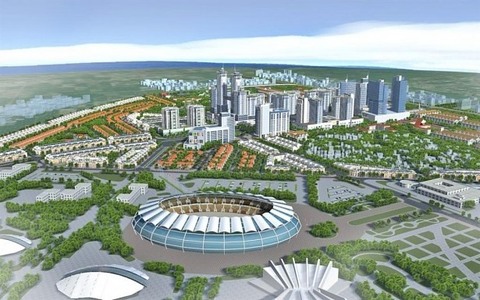
    Ha Noi City’s People’s Committee has approved the adjustments of detailed planning for Ha Noi’s hi-biotechnology park in Tay Tuu, Lien Mac, Minh Khai and Thuy Phuong wards, Bac Tu Liem District.

    According to the approval, the hi-biotech park has a land area of ​​more than 203ha, including areas for the resettlement of about 1,000 people.

    The research area, located in the green belt of the Nhue River, will provide an open space, an ecological park that combines the functions of scientific research and the essential utility of the research environment.

    The Ha Noi hi-biotechnology park is being funded by Ireland’s Pacific Land Limited with a total investment capital of US$250 million for technical infrastructure and a number of service buildings, high-rise apartments and dormitories; and $800 million for specialised equipment, such as laboratory investments, research centres and universities.

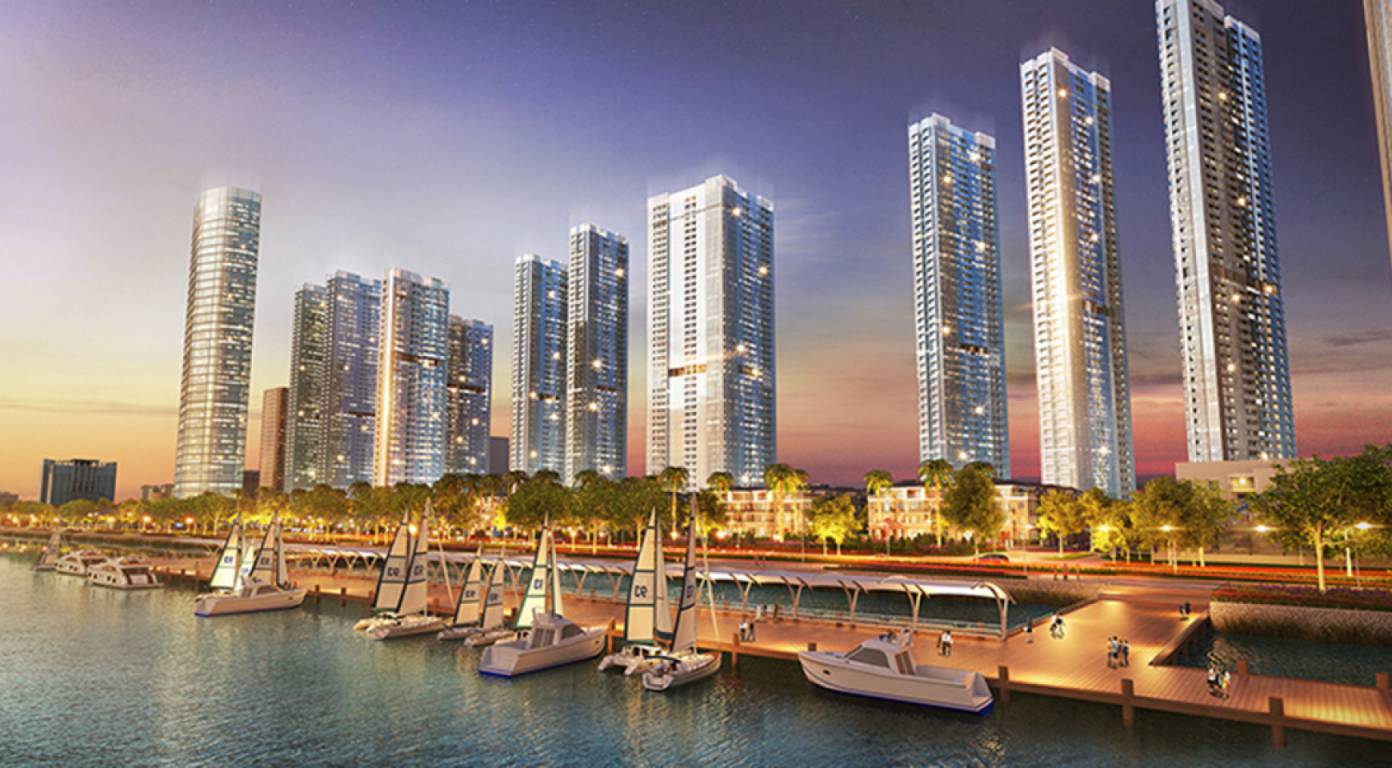
    The park is to be developed into a high-tech, modern economic and scientific zone, serving research, education, development, application of experimental production and hi-tech transfers.

  • Luneng CC Plaza to use City park theme for the shopping mall

    Luneng CC Plaza to use City park theme for the shopping mall

    International architectural firm Benoy’s latest project in China has been unveiled in Tianjin – the Luneng CC Plaza Shopping Mall.

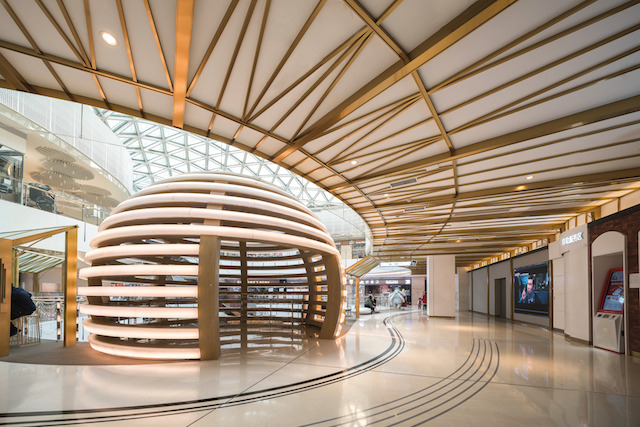
    Benoy was responsible for the interior design for the 120,000sqm retail offering, which is part of the 550,000sqm Luneng CC Plaza mixed-use development within the Nankai district. The scheme embraces a high-end hotel, boutique shopping street, five residential towers and a grade-A office tower as well as two underground metro stations.

    With the site’s prominence in central Tianjin and proximity to the Tianjin Water Park and Tian Ta Lake, Benoy developed the concept of a “city park” for its design of the six-storey mall.

    “We wanted it to be a place of recreation for the community, a space where visitors can enjoy entertainment, retail, art, activities and great food with their friends – all under one roof,” says Benoy director Simon Wong.

    This approach is brought to life through two thematic areas – the Spring Park and the Winter Park. The Spring Park defines the main six-storey atrium and brings Tianjin’s outdoors into the development with neutral wood detailing and bursts of decorative planting.

    With a cooler colour palette, the Winter Garden defines the secondary atrium. This design approach is carried through to the mall arcades, with interactive artistic displays and thematic rest areas.

    More than 30 new-to-market brands have been attracted to Tianjin among more than 200 stores covering entertainment, retail, dining, cinema, lifestyle and fitness.

    Benoy’s portfolio in Tianjin also includes the award-winning Riverside66.

  • Foreign real estate brokers expanding in Vietnamese market

    Foreign real estate brokers expanding in Vietnamese market

    In July, ERA Real Estate, a foreign broker, quietly opened five transaction points and one commercial office in the central business district of HCM City. The company now has 300 consultancy officers trained and certified in accordance with international standards.

    The broker revealed an ambitious plan to become the leading real estate distributor in Vietnam in the next five years with a network of 50 transaction offices in large cities and staff of 5,000 well-trained workers.

    To quickly adapt to the emerging market of Vietnam, the US broker decided to join hands with Eurocapital Group, an investment conglomerate which has had offices in Vietnam since 2008, to establish ERA Vietnam.

    Thanks to cooperation with the partner, the US broker, new in Vietnam, has approached high-end and luxury real estate projects developed by Vietnamese conglomerates, including Sun Group, CEO Group, MIK, Sacomreal and Kien A, and foreign developers, including Keppel Land and Sunwah Group.

    Foreign real estate brokers were once ‘the big fish in the little pond’ of Vietnam in 2006-2008, when the real estate market was ‘scorching hot’. They obtained the right to manage and distribute many large-scale projects because investors believed that foreign brokers would be more professional than Vietnamese. They included CBRE, Savills, Colliers International, DTZ, Cushman & Wakefield, Knight Frank, Coldwell Banker and JLL.

    However, later, when the real estate market stagnated, the operation of foreign brokers narrowed considerably. Aldy Vina, Setia and Coldwell Banker all withdrew from the market. CBRE and Savills are among the few foreign real estate service providers which stayed in Vietnam.

    Nguyen Khai Hoan from Khai Hoan Land said that the Vietnamese real estate market has been experiencing a difficult period with policies changing regularly and the market fluctuating all the time.

    “They have strong brands and good technology. However, the Vietnamese market is different from other markets with different conditions of material facilities and staff,” he commented.

    In such a context, Vietnamese brokers, which understand the market and follow a flexible way to approach clients, has gradually regained the distribution market. STDA alone in 2016 had 9,796 successful transactions.

    However, analysts commented that the best pieces of the cake still belong to foreign service providers which have stronger capability and experience. The services which bring high profits such as office, apartment and hotel management and leasing are managed by foreign companies.

  • Aeon Mall Hai Phong Le Chan breaks ground

    Aeon Mall Hai Phong Le Chan breaks ground

    Aeon Mall Vietnam has started construction work on a mixed-use complex in the port city of Hai Phong, its third outlet in the north.

    A groundbreaking ceremony for Aeon Mall Hai Phong Le Chan was attended by Vietnamese Prime Minister Nguyen Xuan Phuc. Covering 9.3ha, the mall is the sixth of its kind for Vietnam, and is scheduled to be opened in 2020. It is expected to generate about 2500 jobs.

    The Japanese company expects its mall to attract more than 13 million visitors a year, from not only Hai Phong but also nearby provinces.

    The groundbreaking ceremony coincided with the 63rd anniversary of the establishment of the northern Vietnamese city. “We are honoured to be one of the key projects to celebrate this occasion,” says Aeon Mall Vietnam general director Iwamura Yasutsugu.

    Aeon Mall Vietnam, which has two outlets each in Hanoi and Ho Chi Minh City, and another in the southern province of Binh Duong, plans to have a total of 20 locations by 2025.

    Its first Vietnamese outlet, Aeon Tan Phu, opened in Ho Chi Minh City in 2014.

  • Shiqi Metro Mall golden egg for Dasin

    Shiqi Metro Mall golden egg for Dasin

    Acquired on June 19 last year, Shiqi Metro Mall has proved a profit booster for Dasin Retail Trust, according to its financial results for the three months to the end of March.

    Dasin is the only China retail property trust providing direct exposure to the growth of the Guangdong/Hong Kong/Macau Bay Area, and has an initial focus on retail malls. Its four present malls each had 100 per cent occupancy at the end of March.

    Largely because of the contribution of the Shiqi mall in Zhongshan, net property income year on year increased by 85 per cent. This was 3 per cent higher than forecast.

    Opened 10 years ago, the regional mall’s anchor tenants include Gome Electronics, Jane Eyre Furniture Mall, Jinyi Cinemas, KFC, RT Mart, Starbucks, Superior City Department Store, Watsons and Xin Xuan Hotel Restaurant.

    Other Dasin malls include Xiaolan Metro Mall, with tenants including Bank of China, Chow Tai Fook, KFC, McDonald’s, Pizza Hut and Sunning.

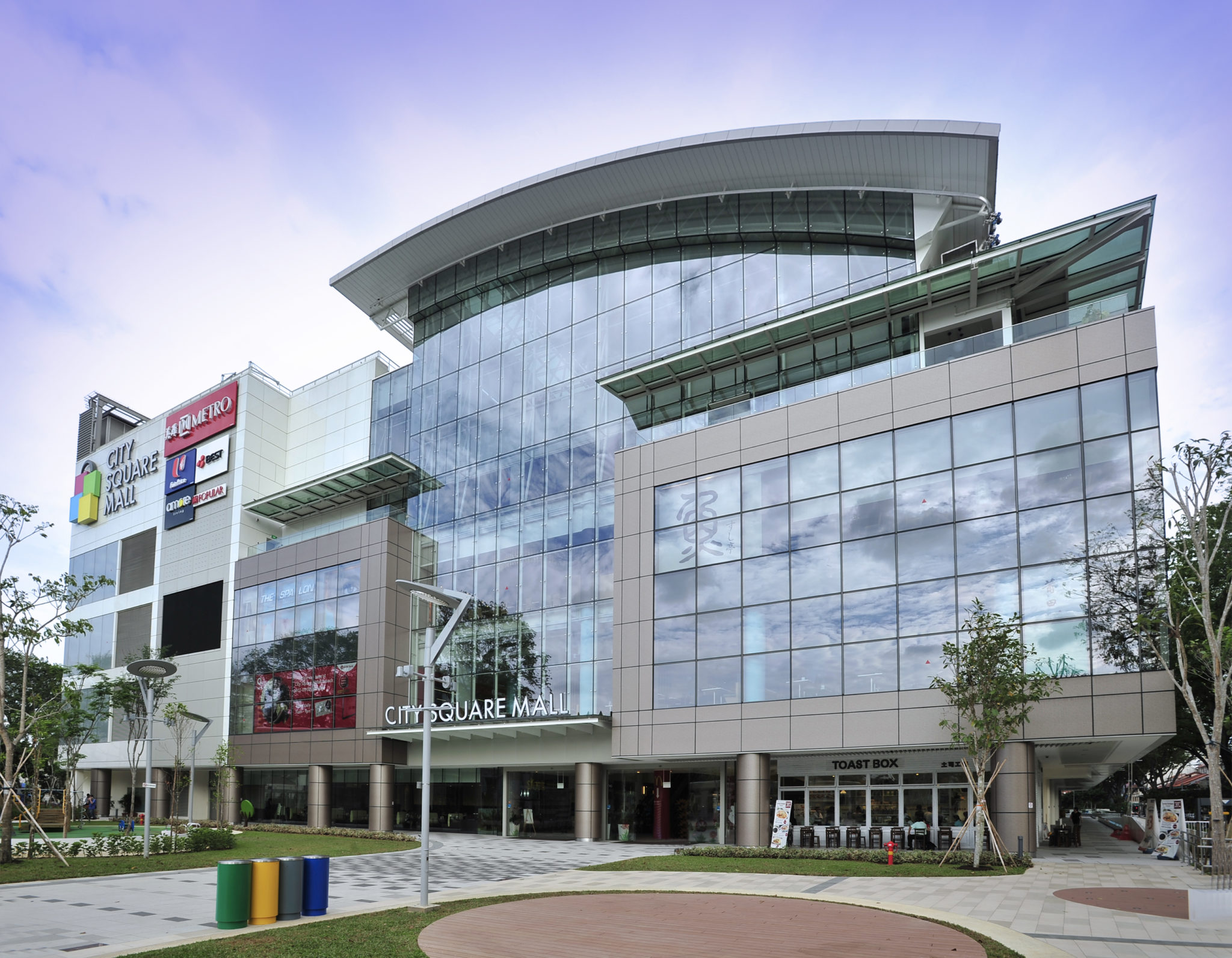
  • City Square Mall the First Retail Mall in Singapore to Receive the BCA-MSF Platinum Award

    City Square Mall the First Retail Mall in Singapore to Receive the BCA-MSF Platinum Award

    Consistently award-winning since its inception in the areas of family, retail and green leadership, City Square Mall is now Singapore’s first and only retail mall to be presented with the BCA-MSF Universal Design Mark for Family-Friendly Business Platinum Award.

    The new Universal Design Mark for Family-Friendly Business is a collaboration between the Building and Construction Authority (BCA) and the Ministry of Social and Family Development (MSF). This is a new Universal Design (UD) Mark category recognising businesses which incorporates both user-friendly infrastructure and family-friendly service and processes in facilities, both of which are indispensable in providing a family-friendly environment.

    This year, City Square Mall has been awarded in recognition for its efforts to incorporate both UD and family-friendly elements in their facilities, process and services and managed to maintain the highest UD Mark award this year for this new category.

    CDL’s Centre Director of City Square Mall, Mr. Lionel Chua, said, “Beyond a developer of quality spaces, CDL is also a builder of lives and communities. We believe in constructing spaces that are inclusive and accessible to all. When City Square Mall opened in 2009, we were one of the first malls to provide help call points at the mall’s entrances and an air-conditioned sheltered taxi stand cum drop-off point at the basement. Since receiving the BCA Universal Design Award (Gold) in 2010, we have continued to enhance the mall’s inclusive and family-friendly shopping experience with various amenities. For instance, we introduced an inclusive playground with a wheelchair-accessible merry-go-round and swing seats with safety harnesses. We also equipped our Customer Service Counter with a comprehensive range of family-friendly amenities from baby strollers, kiddy carts and wheelchairs to blood pressure monitor, first aid kit, magnifying glass reader and sewing kit. These features have brought great convenience to our shoppers and enhanced our branding as a family-friendly mall. With these constant updates to family-friendly features in and around the mall, City Square Mall has consistently seen a year-on-year increase in its annual footfall.”

    City Square Mall is an ideal venue for 3-Generation (3G) families to interact and bond through its diverse tenant mix to cater to the varied needs of families and is well integrated with amenities that provide greater comfort, safety and convenience for families, including the young, the old and persons with disabilities.

    Founder of Leap Schoolhouse, Ms Esther Lim mentioned, “We first opened our Enrichment Centre in 2009 at City Square Mall and we have been one of the pioneer tenants ever since. With a diverse tenant 2

    mix at the mall for 3-Generation (3G) families to interact and bond, such as enrichment classes for children, wellness services for the elderly, play-themed outlets for teenagers, and retail and entertainment outlets to spend more family time together in the mall, Leap Schoolhouse has seen year-on-year increment in the number of kids enrolled at our centre and this has enabled us to expand our services over the years.”

    Since receiving the BCA Universal Design Award (Gold) in 2010, City Square Mall has continued to enhance the mall’s inclusive and family-friendly shopping experience with various amenities.

    Key UD and Family-Friendly Features

    • • Since opening its doors in 2009, City Square Mall is one of the first malls to provide help call points at strategic entrances and an air-conditioned sheltered taxi stand cum drop-off point at Basement 1.
    • • Pledged its support for the Guide Dog Association of the Blind in 2012.
    • • Spacious family and nursing rooms with private cubicles complete with electric sockets, hot water dispensers, sinks and diaper-changing stations for mothers or parents to attend to the needs of their young children in comfort and privacy.
    • • Complimentary use of baby strollers, kiddy carts, magnifying glass reader, wheelchairs, sewing kit, thermometer, blood pressure monitor, drinking water, first aid kit, and mobile and tablet charging station. The mall constantly monitors equipment usage and shopper feedback and conducts competitor research so that the facilities and services provided remain relevant.
    • • The outdoor playground at Level 1 features a wheelchair-accessible merry-go-round and swing seats with safety harnesses which enable children with all abilities to play together.
    • • Diverse tenant mix that caters to 3G families, such as enrichment classes for children (e.g. Genius R Us), advice for the elderly (e.g. Agency for Integrated Care), play themed outlets for teenagers (e.g. TimeZone, PLAYe), and retail and entertainment outlets suitable for everyone such as Decathlon and Golden Village.
    • • Fun and engaging character shows, e.g. Anime Film Festival, Transformers, are organised during school holidays to allow families to spend time together at the mall.
    • • Events and activities are also organised to cater to different age groups such as Line Dance for the elderly and Zumba for working adults. Educational exhibitions advocating healthy living, heritage matters and water conservation, are held in partnerships with HPB, PUB and NHB.
    • • The Customer Service team receives regular training on the mall’s Standard Operating Procedures (SOP) on service, first aid and other relevant areas to guide them in delivering optimal service to family shoppers. The team also walks around the mall to identify and offer help to shoppers in need.


  • Second Lotte China sold

    Second Lotte China sold

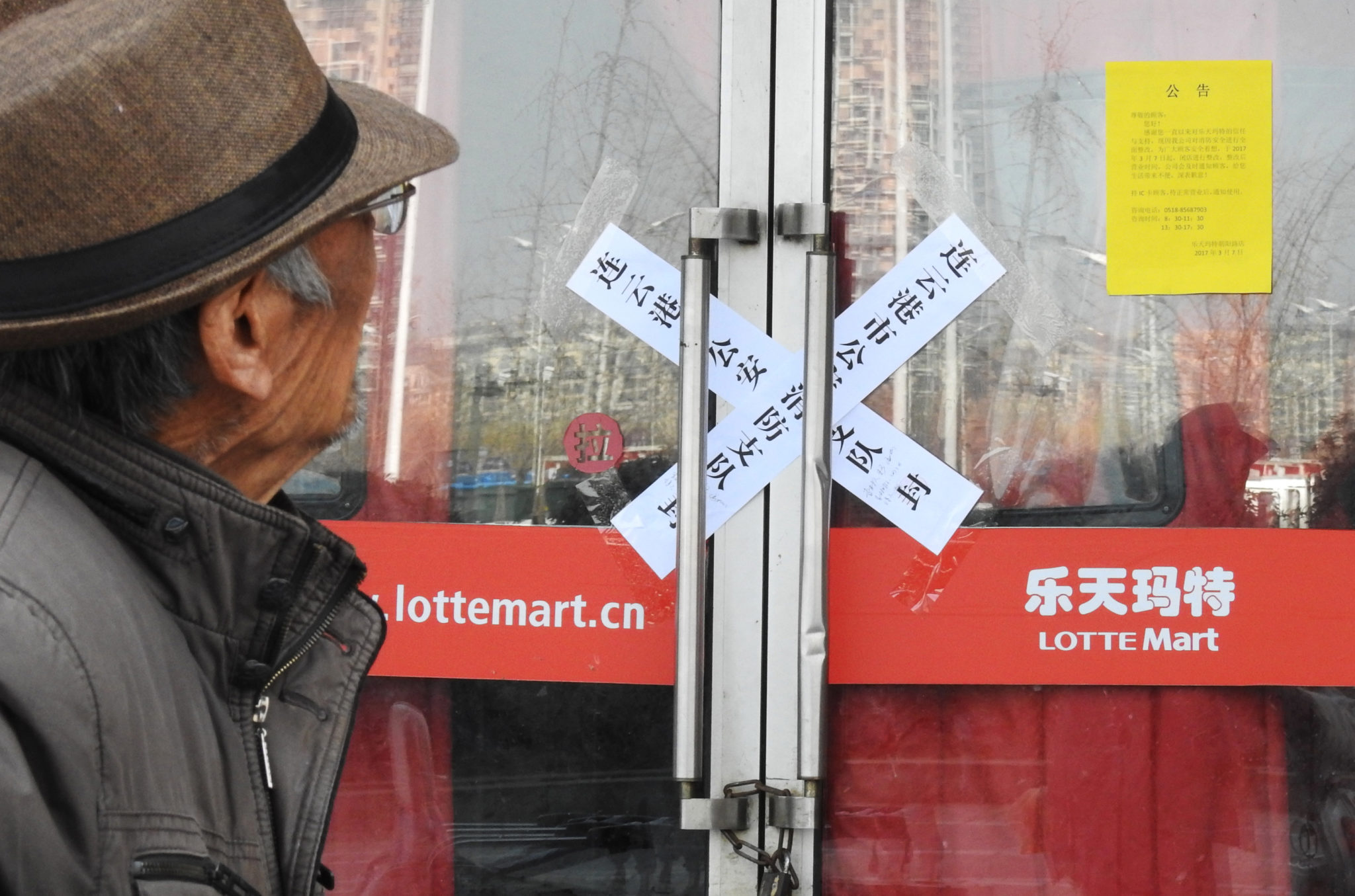
    South Korean retail giant Lotte has sold a second discount store unit in China to a local retailer in a major step toward withdrawing from the world’s second-largest economy.

    Lotte Shopping will sell its affiliate for Lotte Mart in Shanghai and nearby areas to Liqun Group for about 280 billion won (US$262 million), according to the company.

    Out of the 74 Lotte Mart outlets in the region, only four are currently open, with the others either voluntarily or compulsorily shut down. Liqun is known to be interested in taking over some 50 outlets, with the remainder expected to be shuttered.

    The Korean retailer’s move comes about two weeks after the company decided to sell its unit that operated 21 stores in Beijing to another local retailer, Wumei Holdings, for 248.5 billion won.

    The deal with Liqun would leave Lotte with 14 discount stores in China. The Korean firm is in talks with a number of retailers to wrap up the sales of the remaining stores within the first half of this year.

    In September, Lotte Mart announced that it would pull out of China over heavy losses in the wake of a diplomatic row between Seoul and Beijing. Lotte Group bore the brunt of Beijing’s economic retaliation after the company handed over its golf course in South Korea’s southeastern rural county of Seongju for the deployment of a US missile defense system.

    Seoul and Washington said the anti-missile system is only meant to counter North Korea’s evolving nuclear and missile threats. But China has repeatedly pressed South Korea to withdraw the missile system out of concern that the deployment could hurt Beijing’s security interests.

  • Roxy to co-develop with SkyCity project

    Roxy to co-develop with SkyCity project

    Airport Authority Hong Kong has awarded Roxy Limited the right to design, develop and manage the SkyCity project at Hong Kong International Airport (HKIA).

    It will be the largest integrated retail, dining and entertainment development in the colony.

    Roxy is a wholly owned subsidiary of New World Development Company, while the project itself is regarded as a crucial part of the overall long-term development of HKIA. The award follows an open tender exercise that attracted bids from local and international developers and retail companies.

    Next to HKIA’s passenger terminals, the development is scheduled to open in phases from 2023 to 2027. It will have a maximum gross floor area of 350,000sqm, with retail, dining and entertainment for visitors and local residents of all ages.

    SkyCity covers about 25ha at the airport, which served 72.9 million passengers in the past year. Passenger traffic is projected to rise to more than 100 million by 2030 with the completion of a three-runway system.

    SkyCity will also tap into the potential of the Tuen Mun-Chek Lap Kok Link and Hong Kong-Zhuhai-Macao Bridge, embracing the Pearl River Delta.