Category: Real Estate

Retail News Asia is committed to providing both local and global retailers with the latest Real Estate news throughout the Asian market. This on a daily base.

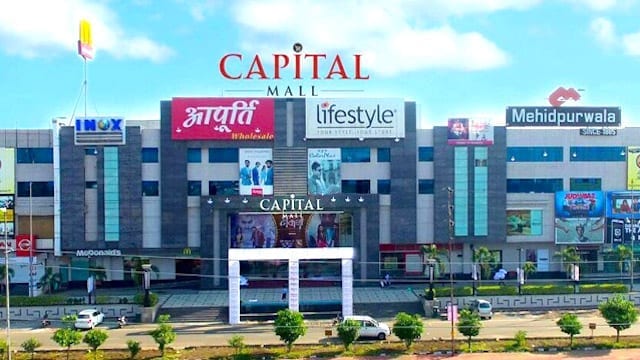
  • India’s first ‘Smart Mall’ coming to smart city of Bhopal

    India’s first ‘Smart Mall’ coming to smart city of Bhopal

    A ‘smart mall’ is being planned for the city of Bhopal, one of 100 “smart cities” being developed by the government of India.

    Capital Mall is being refitted to offer 100 per cent 4G-internet connectivity to all customers; a cashless parking management system; a 40,000sqft 4D digital experience designed by a British firm; and digital ambient lighting with lumen sensors. Visitors will be able to navigate the mall with the help of a downloadable app, which will also alert customers about discounts and special offers.

    Capital Malls MD Mukesh Kumar said the mall was being designed to match the expectations of today’s “smart customers”, and said the initiative would put Bhopal on the national map despite it being only a tier II city.

    Mall management firm Beyond Squarefeet’s chief mall mechanic Susil Dungarwal said: “While the mall owners are putting in all efforts in converting it into a ‘smart mall’, we are working on creating a smart retail mix and experience for the interior. We have already tied up with various national and international retailers, most of whom will be in Bhopal for the first time. Our focus is to create a unique tenant mix and category mix, which will add to the unique selling point of the mall.”

    The mall covers 500,000sqft of gross leasable area and is situated on Bhopal’s Main Hoshangabad Road in the suburb of Misrod.

  • SF Express Entering New Retail with Shop in Chongqing

    SF Express Entering New Retail with Shop in Chongqing

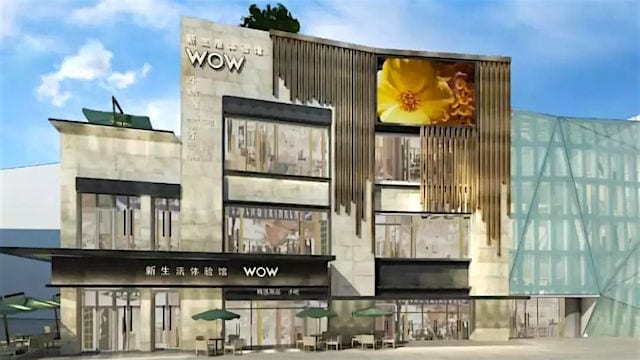
    Chinese courier firm SF Express has opened its first New Retail store in Chongqing.

    The 3000sqm four-level “Wow Global Specialty Products Shop” is now the largest site in the city using the cross-border New Retail model, a mode of selling that involves data analytics and omni-channel technologies to effect an online/offline crossover. Chongqing is among the first cities slated for testing cross-border e-commerce trade by the Chinese administration.

    The SF Express store showcases a range of imported products hand-picked by procurement teams, featuring many that have been endorsed by Chinese online Key Opinion Leaders. The store uses facial recognition and behavioral analytics, including other technologies, to interact with customers based on extensive data on the brand’s online shoppers that it has collected over the years in the courier business. Shoppers may buy in-store or elect to order their purchases to be shipped from abroad.

    Wang Wei, president of SF Express, said New Retail integrates online and offline channels; marketers’ understanding of their customers; and a timely response to customer needs…

    “SF is using its huge on-the-ground network, air-cargo handling capacities and its 2000-plus researchers to build a national brand of integrated services encompassing online e-tailing and an offline supply chain.”

  • Citaglobal Airports’ proposal for new LCCT was supported by AirAsia

    Citaglobal Airports’ proposal for new LCCT was supported by AirAsia

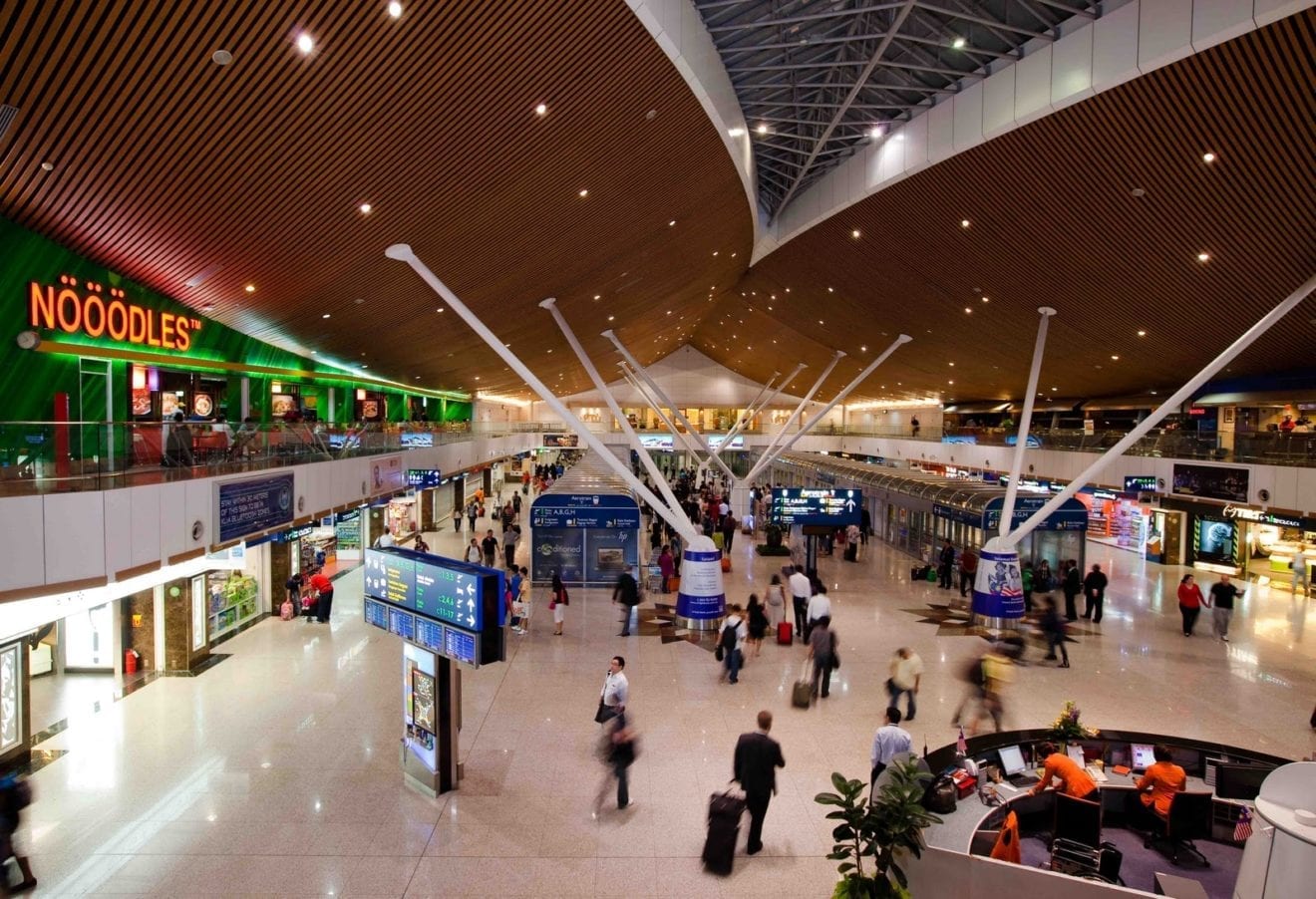
    A proposal for a new low-cost carrier terminal (LCCT) to be developed at Kuala Lumpur International Airport (KLIA) was made last year by a company called Citaglobal Airports Sdn Bhd, a move which looks to have had the backing of the AirAsia group, the largest user of klia2, the current LCCT.

    Documents revealed that the company’s director, Datuk Seri Mohamad Norza Zakaria, had proposed to then prime minister Datuk Seri Najib Abdul Razak, via a letter dated Nov 24, 2017, the building of a new LCCT that will be able to accommodate higher passenger numbers, especially with the establishment of the Digital Free Trade Zone.

    Citaglobal Airports said it will be able to generate the required funds for the project from the private sector which will benefit the government in terms of savings on infrastructure and operation costs.

    In addition to that, it said UK-based airport operator Manchester Airports Group Plc indicated interest to manage and operate the new LCCT.

    The project was said to require 450 acres, for which Citaglobal Airports suggested the government transfer land rights from the Director General of Land and Mines to the Transport Ministry, which will then be leased out for the project for a period of 99 years.

    “The necessity for a new LCCT in KLIA will make Malaysia a leading hub in Asia with a ‘dual hub’, whereby the main KLIA terminal will house the OneWorld Alliance, klia2 will house other premium airlines and the new LCCT will accommodate the low-cost carriers,” the proposal read.

    Companies Commission of Malaysia records show that Citaglobal Airports was incorporated on Nov 2, 2017 and is involved in wholesale of goods without particular specialisation and management and business consultancy activities.

    AirAsia Bhd issued a letter of support for the plan via a letter dated Nov 2, 2017 which coincides with Citaglobal Airport’s incorporation date. The letter carried AirAsia’s letterhead and bore the signature of its executive chairman Datuk Kamarudin Meranun and copies were sent to AirAsia group CEO Tan Sri Tony Fernandes and AirAsia Bhd CEO Aireen Omar.

    The low-cost airline expressed its interest in shifting its operations to the new LCCT.

    “We understand that Citaglobal Airports Sdn Bhd plans to develop a LCCT at KLIA. We are in full support of this proposal as the aviation sector is a major contributor to the country’s economic growth and accords significant contributions to other sectors of the economy,” it said, citing a study by Bain & Co.

    Kamarudin said it would support Citaglobal by making the new LCCT the base for AirAsia Bhd and AirAsia X Bhd operations, have all flights operated by AirAsia group operate at the new LCCT and participate with Citaglobal to generate non-aeronautical revenue.

    Citing the recent increase in Passenger Service Charge (PSC) introduced by the Malaysian Aviation Commission (Mavcom) and the proposed equalisation of PSC at both airports, on top of other cost increases proposed by the commission and the Department of Civil Aviation, the airline said an LCCT with a much reduced PSC and cost for travellers is required to accommodate the low-fare travel segment while KLIA and klia2 could be used to accommodate premium airlines.

    AirAsia declined to comment in response to the matter.

    According to Malaysia Airports Holdings Bhd, AirAsia accounts for 95% of traffic at klia2 and they are the largest occupant.

    “Any new airport terminal construction will be under the purview of the Ministry of Transport and will need to get the government’s approval. We are currently guided by the existing National Airport Master Plan,” its spokesperson said, who added that it has not received anything official on the matter.

    The Transport Ministry was yet to respond to request for comments as at press time.

  • Shinsegae unveils its first independent hotel in Seoul

    Shinsegae unveils its first independent hotel in Seoul

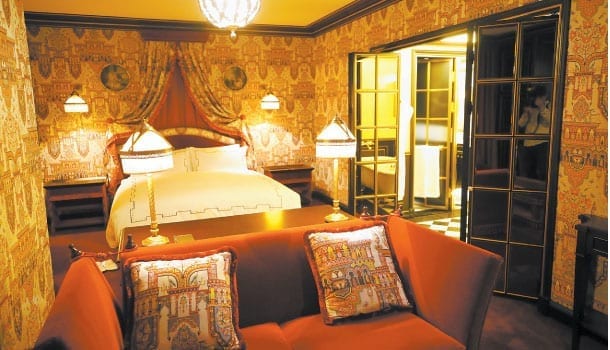
    L’Escape, Shinsegae’s new boutique hotel, aims to combine the ambience of 19th-century Paris with intriguing restaurants and bars from Korean and foreign trendsetters.

    Located in central Seoul, behind the main Shinsegae Department Store branch, L’Escape opened its doors to the press for the first time.

    “Our ultimate goal is to be a lifestyle platform that offers trendy cultural content and food experiences to enjoy inside the hotel,” said L’Escape’s General Manager Kim Bum-soo. “365 days a year, L’Escape will have something going on, whether it’s a party or [pop-up restaurant by] globally renowned chefs and sommeliers.”

    During the event, L’Escape unveiled a list of partners that collaborated to develop the hotel’s restaurants, bar and cafe. They include Seoul-based dessert cafe Maison M’O, bartender team Taxonomy and The Modern, a two-Michelin-star restaurant located in New York.

    The hotel’s exterior and interior was designed by French architect Jacques Garcia, famous for his luxurious boutique hotels, such as the Hotel Costes in Paris and the NoMad Hotel in New York City.

    Shinsegae also invested heavily in guest amenities for the new hotel. The company hired foreign experts and brands to develop exclusive products for L’Escape, from flower decorations to bedding. Perfumer Alienor Massnet, who has worked with Maison Martin Margiela and Memo Paris, developed a signature scent that will be made into candles and sprays applied to the guest rooms.

    L’Escape’s general manager himself was a major contributor to selecting and signing partnerships. Better known as Pat2Bach, Kim is a well-known power blogger in food and leisure circles.

    Kim was invited to join Shinsegae Group by its Vice President Chung Yong-jin in 2011, and has helped launch the company’s craft beer pub Devil’s Door and organized the eateries inside Starfield malls.

    His appointment as the hotel’s general director is a bit of a surprise, though, as he has no experience as a professional hotelier. “My ambition is to meld the food and cultural experiences I’ve had,” he said. “I think of myself more as a producer that shapes the hotel as a whole instead of a conventional general manager that greets guests.”

  • Epicentre Singapore to close door

    Epicentre Singapore to close door

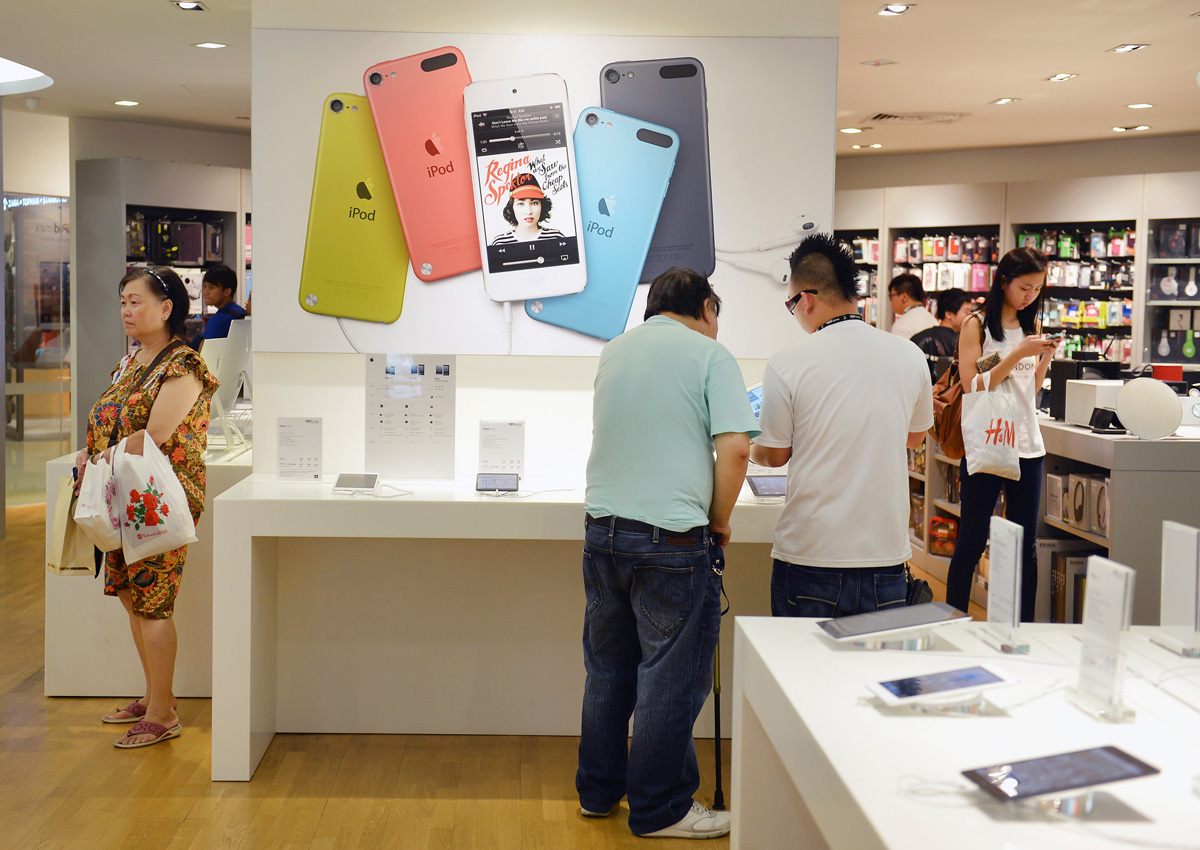
    Singapore Apple retailer Epicentre is exiting the business, selling its four stores and e-commerce site to a rival reseller.

    In a stock exchange announcement, parent Epicentre Holdings said it had entered into a conditional sale and purchase agreement with Elush (T3), which runs the iStudio chain.

    Epicentre will receive S$516,275 for the business. Elush will take over the store leases, including its prime Orchard Road sites at Ion Orchard and Wheelock Place, where trade was affected by the opening of the Apple Store. Its other stores were at Bugis Junction and Marina Bay Sands. The Epicentre brand name will live on through a licensing agreement with Elush (T3).

    While shareholders have yet to approve the deal, Epicentre will entirely exit the Apple Authorised Reseller and Apple Premium Reseller businesses in Singapore. It will continue to operate as an Apple Authorised Reseller in Malaysia.

    The company said it was difficult to compete with Apple’s plan of opening its own large-format stores.

    “With Apple’s upcoming plan, the company has decided to dispose of the business and focus on its beauty, wellness and lifestyle business, while looking at other possible related businesses.”

    Epicentre was founded in 2002 and at one point operated 10 outlets in Singapore, Malaysia and China. In the six months to December the company posted a pretax loss of $55,000 in its Singapore Apple operations.

  • David Jones to open European luxury concessions on $200 million redevelopment

    David Jones to open European luxury concessions on $200 million redevelopment

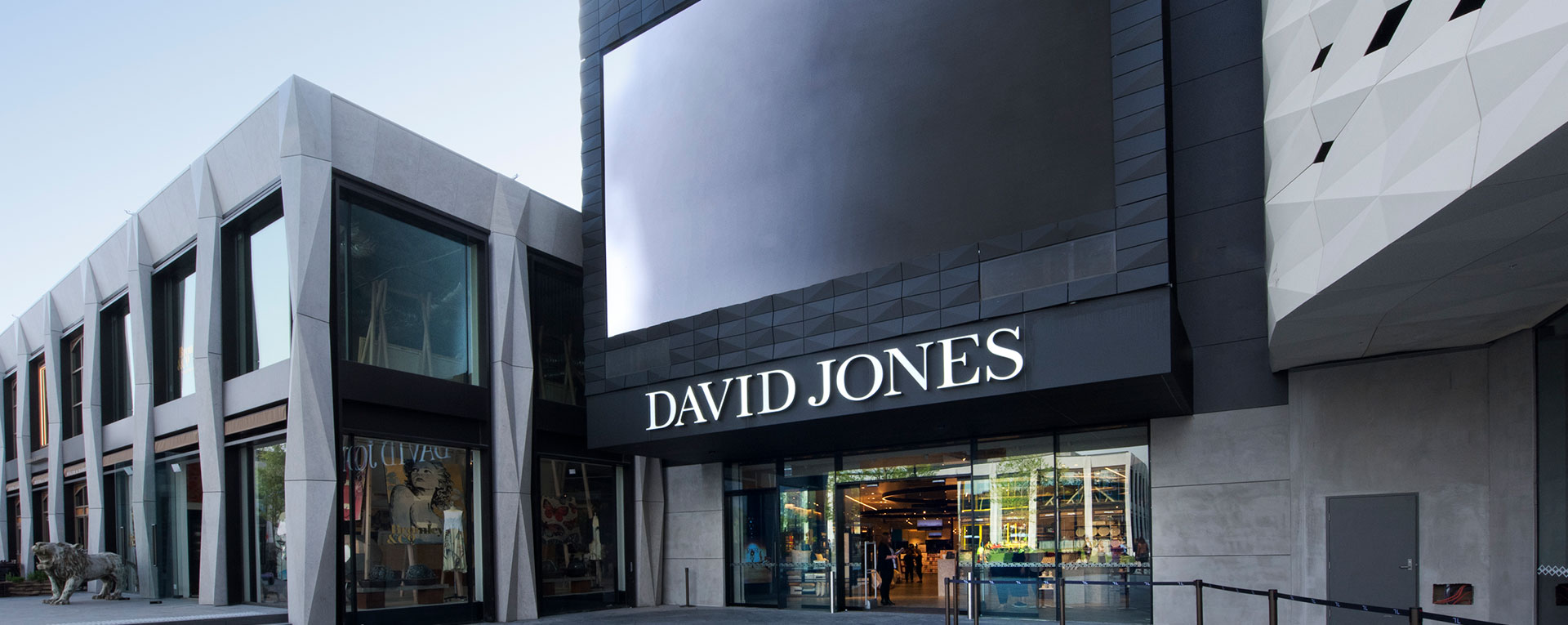
    Upscale Australian department store David Jones is set to become even more luxurious, with the addition of several major European fashion houses at its Sydney flagship store, as part of a $200 million redevelopment.

    The 180-year-old department store chain said that French labels Louis Vuitton and Chanel, as well as Italy’s Gucci, are set to open as in-store boutiques at David Jones’ flagship Elizabeth Street store in Sydney.

    Other major labels include Givenchy, Loewe, J.W. Anderson and Mansur Gavriel, coming in the form of store concessions and exclusive collections.

    After Sydney, the luxury upgrade will also be rolled out to David Jones’ Melbourne stores.

    Funded by the $360 million sale of the company’s Market Street store in 2016, the redevelopment of the Elizabeth Street store will see it grow to 12 floors from 8, with products categorised into six “worlds”.

    Floors 7 and 8 will feature an Australia-first champagne and dining room, while below, a luxury shoe department featuring Louis Vuitton, Chanel and Gucci, will bow.

    The move is likened to the retail model at London’s Harrods or Sak’s Fifth Avenue in the U.S., and looks to up the ante at DJs, who has suffered sluggish sales of late, along with rival Myer, as consumers flock to online shopping, as well as boutiques, instead of mass stores.

    David Jones chief executive David Thomas said that department stores could still be relevant to consumers, but had to play to their strength of being a “mall without the shopfronts” by offering a wide range of the best products, and customer service to match.

    “So you come in for a black boot, we should be able to show you the 10 best black boots on the market, as opposed to going into one brand in a mall, where you can only see their offering,” he said.

    It’s far less intimidating than walking into a specialty store and far more convenient. That’s how we fight back, that’s the role of the department store.”

    David Jones said comparable sales fell 3.3 percent in the last half, while profits fell by more than 30%. At the time of reporting, the company attributed poor consumer sentiment and its poor private label clothing designed in South Africa, for the demise.

    The Elizabeth Street store renovation, planned as a floor-by-floor revamp, should be completed around late 2019.

  • CapitaLand acquires 32-hectare prime mixed-use site in Chongqing

    CapitaLand acquires 32-hectare prime mixed-use site in Chongqing

    CapitaLand has acquired a company which owns a mixed-use development site in China’s Chongqing.

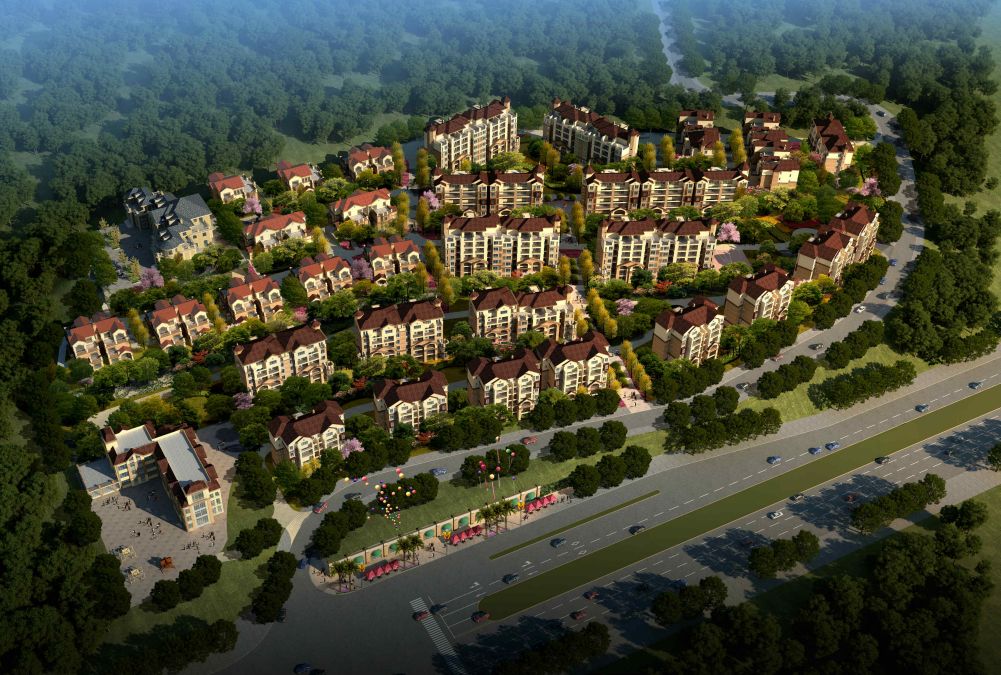
    The CapitaLand Chongqing project, which will boost the Singapore developer’s residential pipeline in China by more than 2100 units, includes a 335,000sqm shopping mall scheduled for completion in 2022, and a further 100,000sqm of office and retail space.

    CapitaLand is acquiring all the shares in the company which owns the 32 hectare site at the gateway to China’s fast-growing western region. The deal is valued at about S$1.19 billion.

    The land parcel is located in Xinpaifang, a mature residential and commercial zone in Liangjiang New Area, the first national-level development area in inland China and a part of Chongqing’s Free Trade Zone. It is a 20-minute drive from Jiangbei International Airport and a short distance from Guanyinqiao and Jiefangbei CBDs, which is next to Raffles City Chongqing.

    Lim Ming Yan, president & group CEO of CapitaLand Group, said given the site’s scale, strategic location and excellent connectivity, the Chongqing’s Xinpaifang asset is a prized acquisition that will boost CapitaLand’s land bank in a key gateway city in China’s southwest.

    “Through our ‘core city clusters, dominant assets’ strategy, we have steadily ramped up our network in China’s first- and second-tier cities, cementing our lead as the foreign real estate developer with the largest portfolio of integrated developments.”

  • Aeon Cambodia opens second mall, plans the third

    Aeon Cambodia opens second mall, plans the third

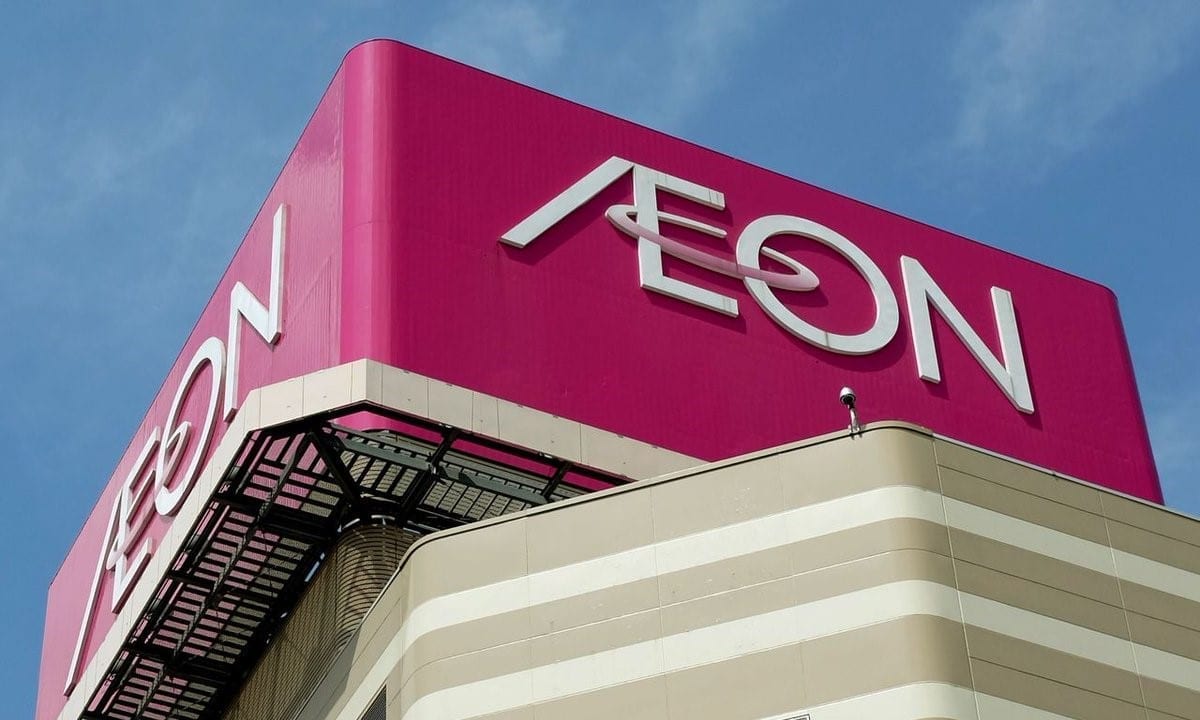
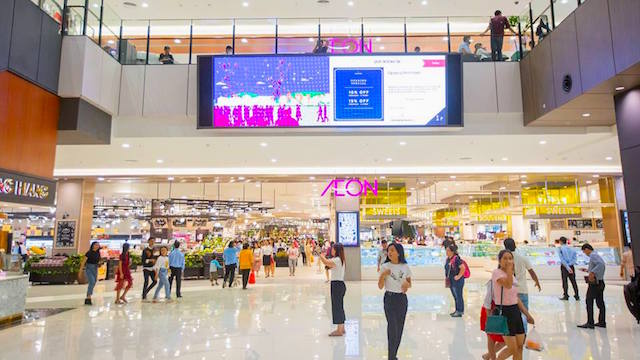
    Japanese retailer and mall operator Aeon has opened Cambodia’s largest shopping mall in Phnom Penh.

    It is the second Aeon Mall to open in the Cambodian capital.

    MD Seiichi Chiba said at the opening that Aeon Cambodia’s first Phnom Penh mall has been well-received by Cambodian shoppers, attracting more than 18 million people since opening in 2014, prompting the development of the second mall.

    While the new property has been constructed in a relatively low-priced location, its larger scale has involved similar building costs to the city’s first Aeon, which reportedly cost around US$205 million. Sources close to Chiba have disclosed that Aeon Cambodia may have been scouting for further potential sites for a third mall that could be built in the city’s southern districts.

    In July last year, market research firm Euromonitor named Aeon Group the best-performing APEC retailer in terms of total sales, number of outlets, sales area and sales per square metres.

  • Bulgari Hotel Shanghai opens

    Bulgari Hotel Shanghai opens

    ulgari Hotels & Resorts has opened a new property in Shanghai.

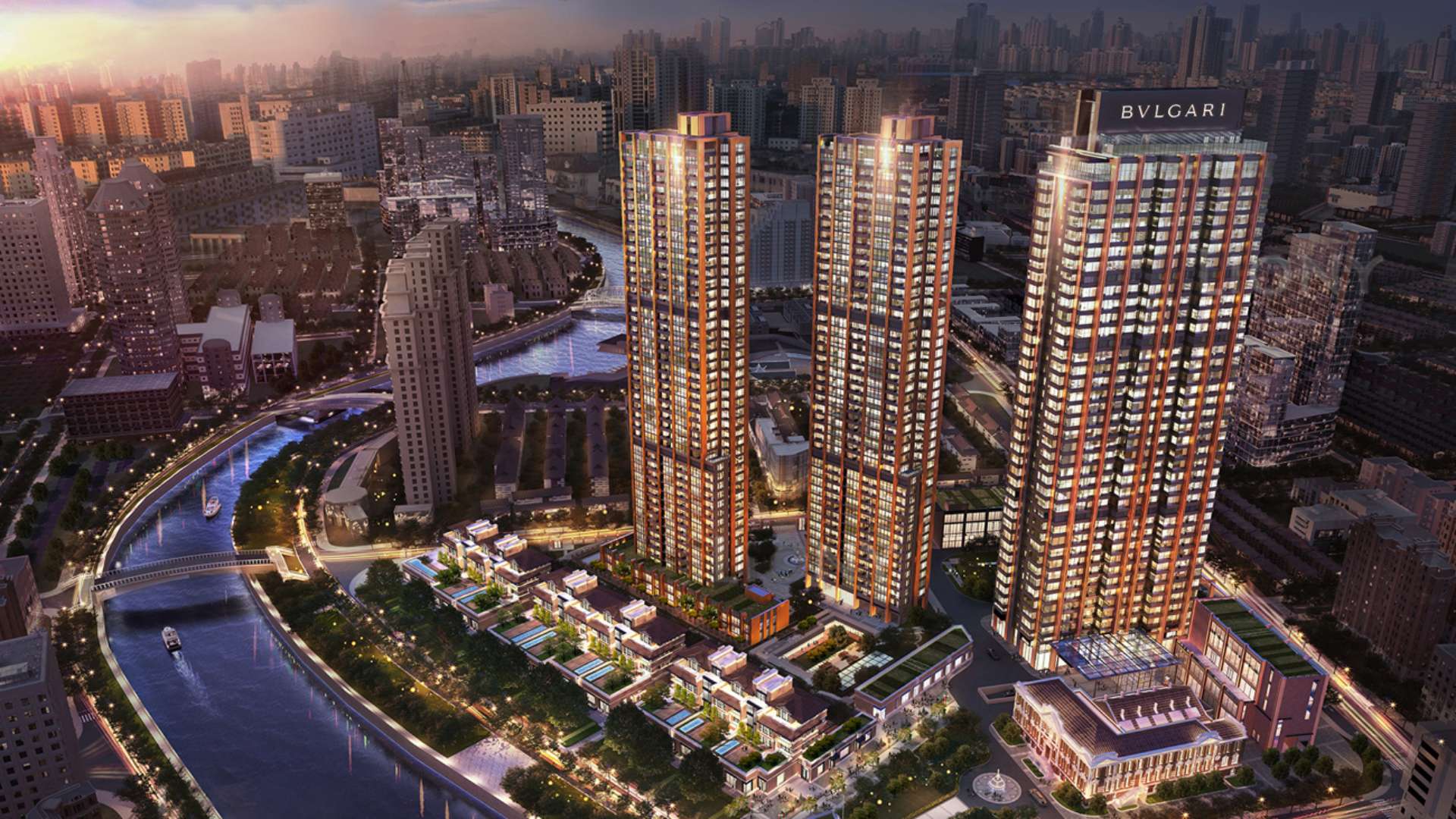
    The Shanghai boutique hotel has been built within a 48-storey tower in a protected heritage zone opposite the financial district of Pudong. It features 82 rooms, including 19 luxury suites, feature East-meets-West interiors designed for Bulgari by architectural firm Antonio Citterio Patricia Viel and Partners.

    In the course of construction, the Italian fashion firm restored the historic Chamber of Commerce Shanghai next door, which encompasses Italian gardens and features a lavish Bulgari ballroom and a fine-dining Cantonese restaurant.

    Guests will have access to a 25-metre indoor heated pool, luxury beauty treatments, and Italian & Chinese dining options.

    Following the launch of the Shanghai boutique hotel, Bulgari plans to open more in Moscow and Paris by 2020 and in Tokyo by 2022.

  • New flagship “K11 MUSEA” opens in HK in Q3 2019

    New flagship “K11 MUSEA” opens in HK in Q3 2019

    New World Development announced the naming of the most ambitious project to date from its ground-breaking K11 Group: K11 MUSEA, a new museum-retail complex situated in the heart of Hong Kong’s US$2.6 billion Victoria Dockside development.

    The new landmark K11 MUSEA – a name inspired by A Muse by the Sea for its retail concepts – will anchor the 3 million-square-foot, art and design district Victoria Dockside in Tsim Sha Tsui, described by US media as “Hong Kong’s Hudson Yards” and “Hong Kong’s most anticipated opening”, while also doubling as a new ultra high-end experiential retail, art, cultural and dining destination. It is set to reinvigorate the Tsim Sha Tsui harbourfront, one of the most notable pieces of real estate in Greater China, when it debuts in 2019.

    K11 MUSEA (pronounced: meu-see-ah) is Adrian Cheng‘s creature, Executive Vice Chairman of New World Development and Founder of K11 Group, who has developed a number of innovative museum-retail malls across Greater China and invests in tech, retail, fashion, property, entertainment, media and design globally.

    Helming the architecture of K11 MUSEA is James Corner (James Corner Field Operations) and Forth Bagley (Kohn Pederson Fox). The 10-storey K11 MUSEA will house an extensive selection of international brands – many of which will be flagships – and is the crown jewel of K11’s museum-retail concept, curated to offer visitors the best-in-class immersive retail experience.
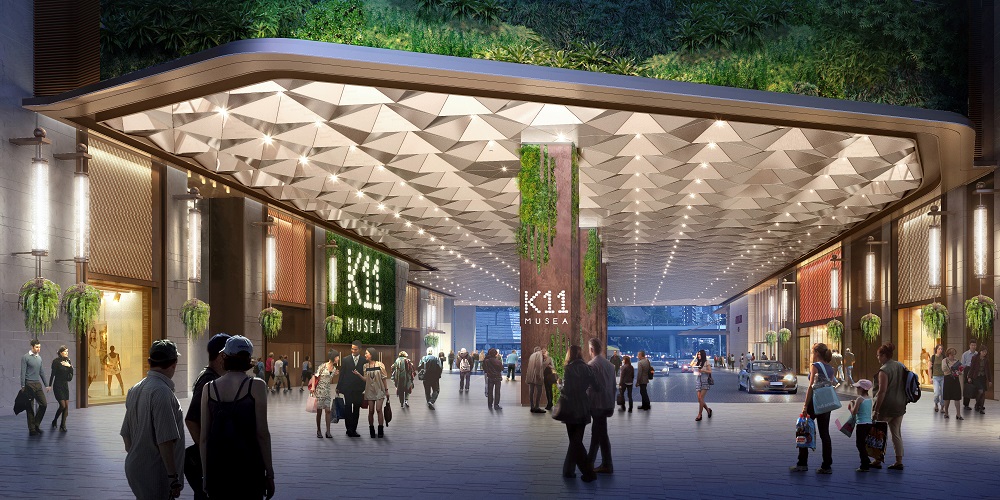
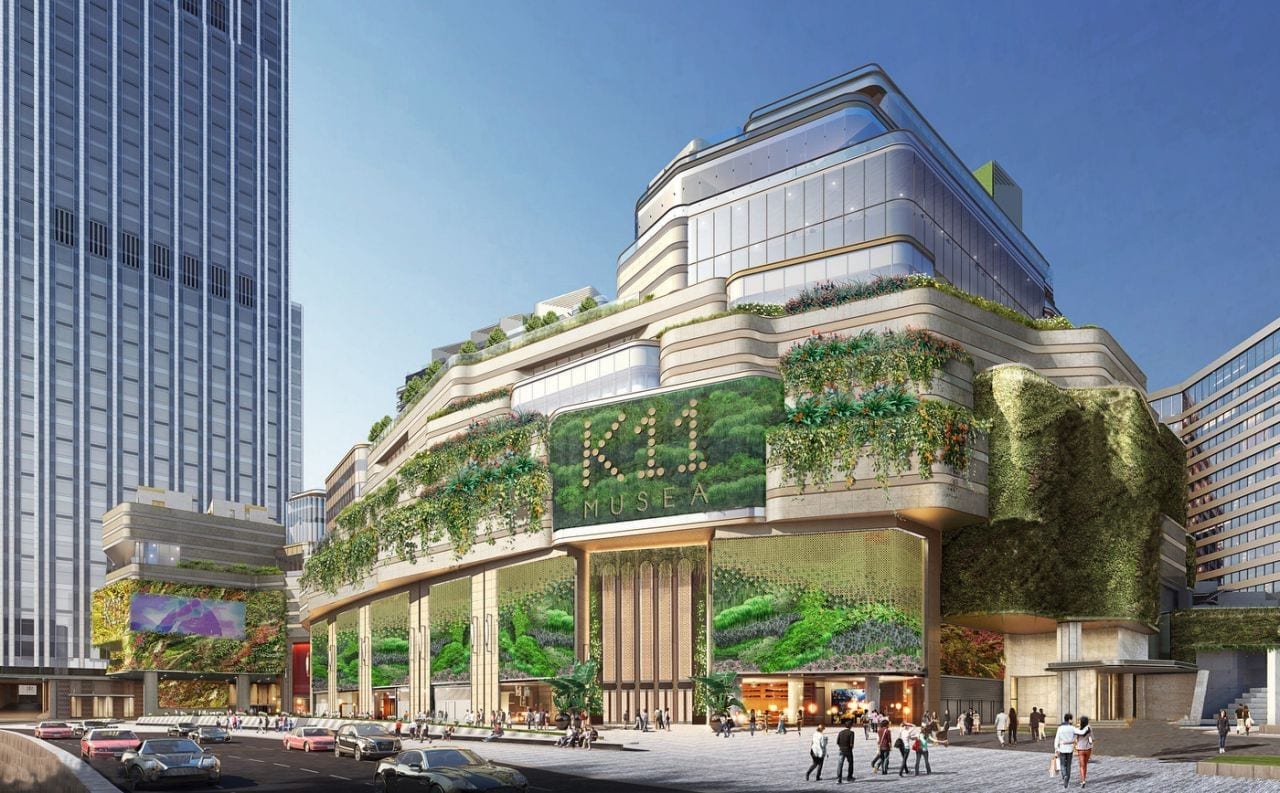
    In fact, the journey will begin from its exterior. Designed with content-driven global millennials in mind, K11 MUSEA will greet visitors with its rotating world-class art collection. Its façade will feature one of the world’s largest living walls of over 50,000 square feet, while a one-of-a-kind outdoor amphitheatre space and a large LED screen will also be in place for a slew of cultural happenings.

    “K11 MUSEA, anchoring the newly designed Victoria Dockside, marks a significant milestone in retail development. And as K11 approaches its 10th anniversary this year, I’m delighted to announce the naming of K11 MUSEA, K11’s proudest project since the brand’s inception in 2008,” said Cheng, who is reinventing New World Development as a “cultural enterprise”.

    “Its location, scale and concept are unique, the project involves leading architects as well as over 100 local and international designers and artists. K11 MUSEA will also bring great cultural content back to Hong Kong’s Tsim Sha Tsui waterfront, which has lost its legendary charm since the late 90s. K11 MUSEA will be Hong Kong and Asia’s new cultural destination, where global millennials can come together and discover their muse.”

    Pioneering a new immersive experience for global millennials, K11 MUSEA takes inspiration from research that highlights Asian millennials as “Super Consumers”, a prominent driver of global consumption with spending power set to reach US$6 trillion by 2020 as they grow to account for 45% of Asia Pacific’s millennial population.

    Travel will continue to be a key lifestyle feature of Asian millennials, who are expected to see an 11% annual growth in outbound tourists. Chinese millennials, in particular, see travel and luxury as part of an indulgent lifestyle reflective of social status. K11 MUSEA caters to their sophistication and preference for exclusivity and bespoke products while positioning itself as an aspirational global destination merging art, culture and commerce.

    A new spatial design and curation by Hong Kong’s Iconic Harbourfront represents a world-class public art collection, which will be curated and displayed throughout K11 MUSEA’s premise, establishing it as the next cultural destination, while among K11 MUSEA’s architectural highlights is the 2,100-square-foot Sunken Plaza, modelled on Roman amphitheatres.

    The space features a façade with conical-shaped glass panels, the largest of which stands over 19 feet tall. Programmed water patterns and a misting system will also be installed. Together with an LED screen, measuring at 63 feet by 25 feet, Sunken Plaza will become an immersive venue for a slew of cultural events such as film festivals and live music events.

    Sustainability is at the core of K11 MUSEA’s offerings. The Project’s core and shell has achieved green building pre-certifications including the Hong Kong BEAM Plus (Gold) and the U.S. LEED (Gold).

    Boasting extensive greenery and over 50,000 square feet of living walls, equivalent to the surface area of 18 tennis courts, K11 MUSEA sets a new benchmark for green design in Hong Kong. Its interior features natural materials such as limestone and wood.

    Other highlight features include rainwater harvesting which provides for 100% of irrigation water and a seawater-cooled, oil-free HVAC chiller system, which reduces over 12% of annual energy consumption compared to the baseline of the stringent U.S. ASHRAE 90.1 standard.
  • Benoy Releases Images of New Waterfront Development in Wenzhou, China

    Benoy Releases Images of New Waterfront Development in Wenzhou, China

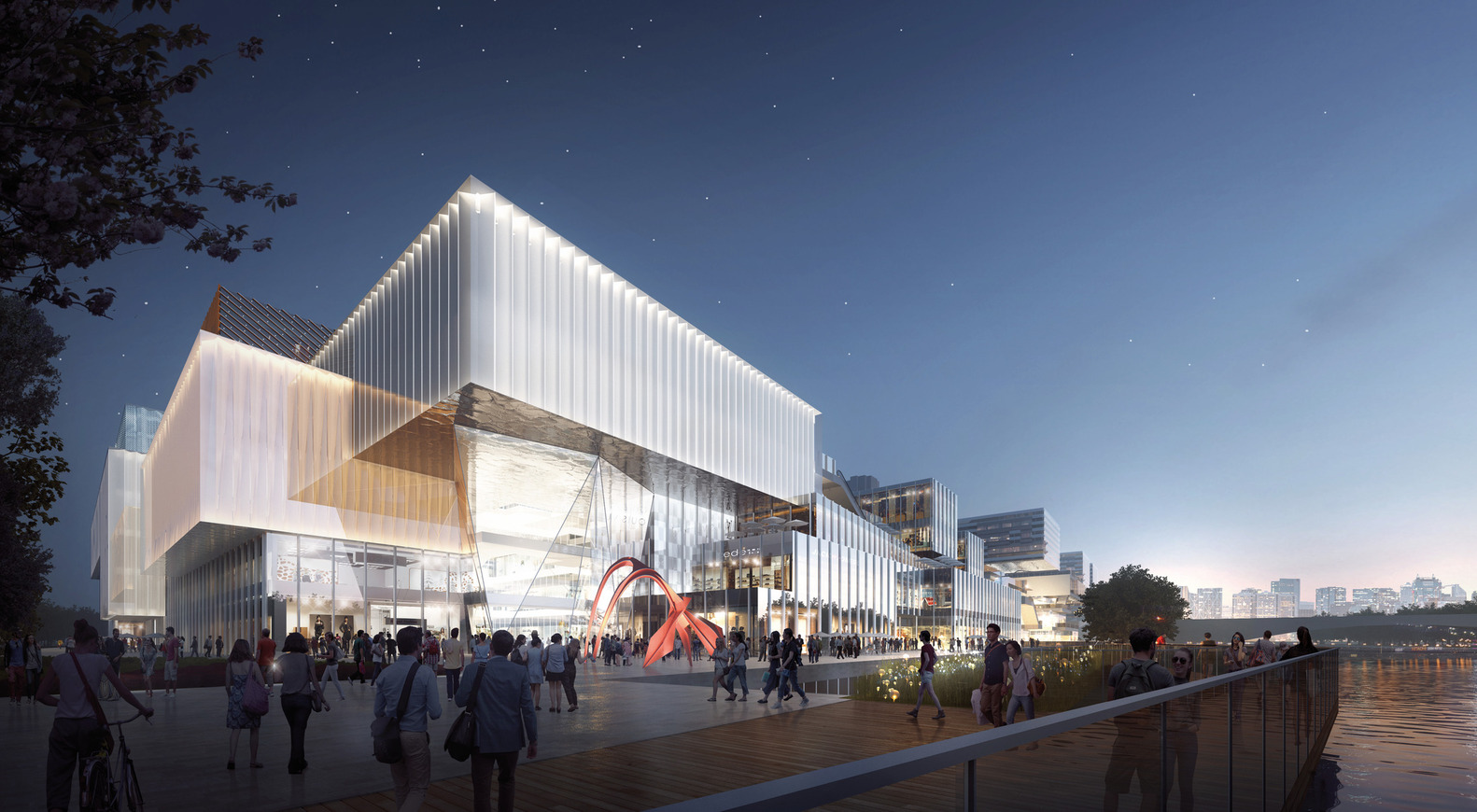
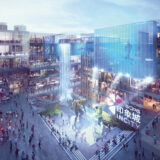
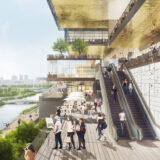
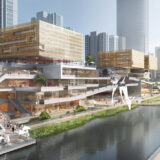
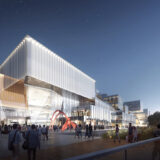
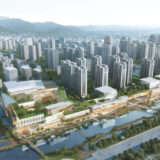
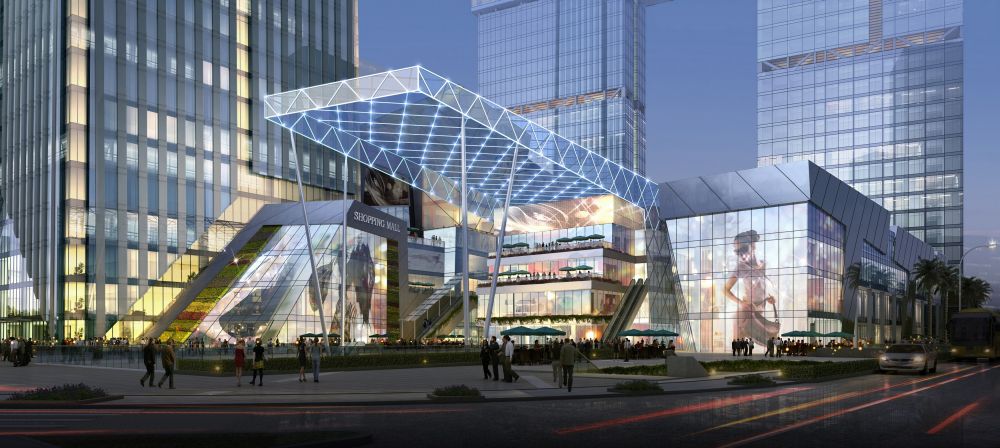
    Benoy has released images of their competition-winning design for a waterfront development in Wenzhou, China. INCITY MEGA will form part of the Central Green Axis masterplan, a dramatic landscaped district cutting through the urban fabric of Wenzhou.

    The 2.6 million square foot (250,000 square meter) INCITY MEGA scheme will occupy two of the eight plots on the Central Green Axis, with a mixed-use program including retail, movie theaters, plazas, and gyms. The scheme is in response to a rapidly-growing consumer population in Wenzhou and will join the ranks of previous schemes in the region by Hammer Schmidt Lassen, UNStudio, and HENN.

    The INCITY MEGA scheme is comprised of two plots, one containing the “INCITY MEGA Mall” with the other featuring a long, narrow waterfront boutique district. Together, the plots combine to create a “three-dimensional urban space” which integrates commercial and public realms.

    The Mall component features an inner courtyard created by pushing the structure outwards towards the plot boundaries. This courtyard forms the heart of the complex, flanked by open-air platforms on the levels above, while on the waterfront edge, a large promenade offers multiple landscaped viewing decks.

    Seamlessly connected to the Mall district is the waterfront boutique plot, with a commercial-led mixed-use program. The lower levels will contain a network of retail, dining, and leisure attractions while three glass structures will house commercial office space above.

    Large block structures interwoven throughout the development offer anchor space for tenants, while large-scale venues such as movie theaters, outdoor plazas, an ice rink, gym, and swimming pool offer attractions throughout the year, irrespective of climate.

    View the complete gallery below (8 images) :

  • CapitaLand to manage two more malls in China

    CapitaLand to manage two more malls in China

    Two new CapitaLand Retail-managed malls will be opening in China.

    CapitaLand Retail CEO Wilson Tan says the firm has signed 10 such agreements in China since announcing in August 2016 its intention to expand its existing retail footprint via management deals.

    CapitaLand China’s new contract in Guangzhou will see the firm managing The Grand City in a Wanbo CBD-based project owned by Guangzhou Wan Shun Investment Management Co. Ltd. CapitaLand itself already owns two properties in the Guangzhou area, including CapitaMall SKY+ and also CapitaMall Rock Square, which it acquired last January. The three malls now constitute part of CapitaLand’s southern Chinese retail network that includes five malls comprising a GFA of 3.6 million sq ft.

    In Chengdu, CapitaLand China will manage an open-lane, low-rise mall located in the commercial and cultural district of Qingyang. The property is under the ownership of Chengdu Lide Commercial Industrial Co. Ltd. It is CapitaLand’s second managed mall in the city out of seven CapitaLand projects.

    The firm owns and manages a total of 11 malls, covering 11.3 million sq ft in retail GFA, across the Chinese west.

    “With these new contracts, CapitaLand will further strengthen our leasing synergies across the portfolio of malls and increase our reach to the high-growth retail markets in Guangzhou and Chengdu,” Tan said.

    “Including these two managed malls, 47 of our 51 malls in China are located in first- and second-tier cities. This is in line with our commitment to grow our retail portfolio with a focus on dominant assets located in core cities clusters.”

    Tan says CapitaLand remains positive about China’s retail sector, which is experiencing growth both offline and online.

    “Our expansion strategy enables CapitaLand to seize growth opportunities with agility while reaping economies of scale. We will continue to identify opportunities to grow our retail operating platform, reinforcing our position as the region’s leading mall operator and complement CapitaLand’s core business of owning and developing shopping malls.”

    The two new contracts will be added to the company’s expanding portfolio of projects in the southern port city of Guangzhou and the central provincial capital of Chengdu. CapitaLand plans to open five of its own malls across China with a combined Gross Floor Area (GFA) of around 4.2 million sqft, comprising CapitaMall One in Changsha, CapitaMall Tiangongyuan in Beijing, CapitaMall 180 in Foshan, and CapitaMall LuOne and Alibaba Shanghai Center in Shanghai.

  • SKP opens China’s most luxurious department store

    SKP opens China’s most luxurious department store

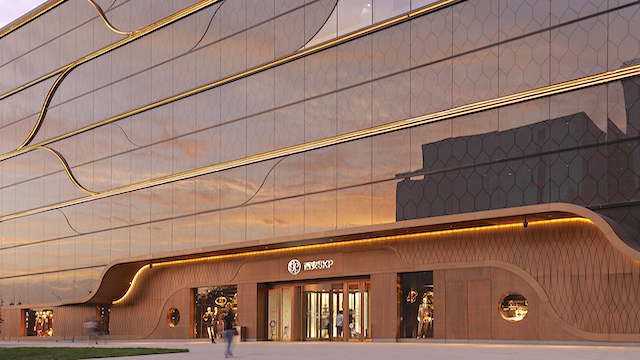
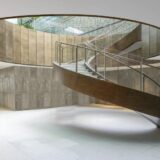
    London-based architectural firm Sybarite has created a 250,000sqm, 20-storey luxury department store in the ancient Chinese capital of Xi’an for high-end retailer SKP.

    At almost three times the size of Harrods, the new mall showcases over 1000 global brands alongside a select range of domestic names in designer fashions. It is the company’s second major project in China after SKP Beijing, which is reportedly now the second most successful department store in the world in terms of sales.

    SKP Xi’an’s signature design features social areas that exceed those of Sybarite’s first SKP project by a factor of five, as well as event spaces that span multiple floors. The exterior, inspired by Moorish architecture, is intended to minimise the mall’s visual impact against the ancient city’s heritage structures nearby.

    Torquil McIntosh, co-founder of Sybarite with Simon Mitchell, said that the project features subliminal branding cues throughout the building to remind visitors that they are experiencing an SKP department store.

    “We always want visitors to know exactly where they are without having to explicitly remind them,” he said, “so we created a curve as part of the brand identity and made it a recurring motif throughout our design.”

    McIntosh was presented with the keys to Xi’an from the city’s mayor for his work on the project.

    The design can be viewed in gallery below (10 images ) :

  • Katong Plaza up for increased sales

    Katong Plaza up for increased sales

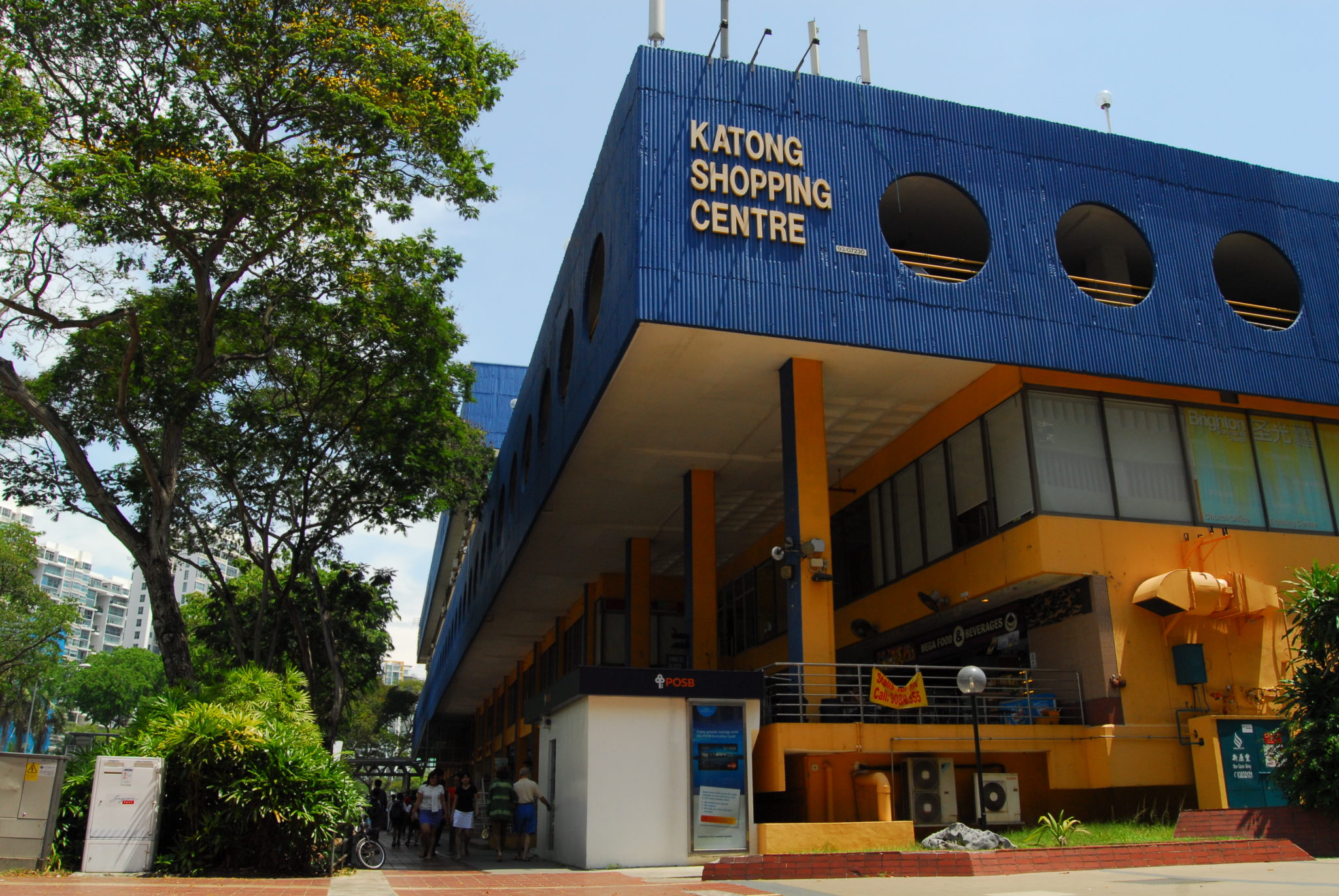
    Freehold Katong Plaza is up for collective sale at S$188 million, the expected price translating to $1969 a square foot per plot ratio.

    Sole marketing agent Huttons Asia says the mixed commercial and residential development has a land area of 34,044sqft and can yield a possible 102,133sqft of gross floor area after redevelopment.

    It is 120m from the future Marine Parade MRT station, says Huttons Asia’s head of investment sales Terence Lian. It is also close to schools.

    “Katong Plaza is strategically nestled within an established F&B and retail belt in the heart of Katong. We see a huge potential for the site to be transformed as the successful developer could introduce lifestyle cafes and eateries along the plot’s 150m frontage along Brooke Road,” says Huttons Asia’s deputy-head of investment sales Angela Lim.

    The public tender for Katong Plaza closes on Saturday next.

  • One Raffles Place Shopping Mall is The Place to be to Start The Singapore Sales

    One Raffles Place Shopping Mall is The Place to be to Start The Singapore Sales

    Work will start soon on a revamp of One Raffles Place Shopping Mall aimed at improving shopper circulation and opening up the retail space for better visibility.

    As the mall will trade throughout the renovation, work is being phased to minimise disruption.

    At the same time, the mall will introduce a co-working space covering more than 35,000sqft across several levels. A flagship for IWG’s Spaces, the venue will be able to host and launch retail and fashion-related events.

    Its multi-level layout is also expected to improve vertical traffic at the mall, with direct access to Raffles Place Park. A strong F&B offering on the first level will make it ideal for corporate gatherings and casual meetings after work.

    “As the mall attracts high shopper traffic of nearly one million people each month, services and F&B tenants will remain the mainstay of the retail offering,” says CEO Tan Shu Lin of OUE Commercial Reit Management, which runs the mall.