Category: Real Estate

Retail News Asia is committed to providing both local and global retailers with the latest Real Estate news throughout the Asian market. This on a daily base.

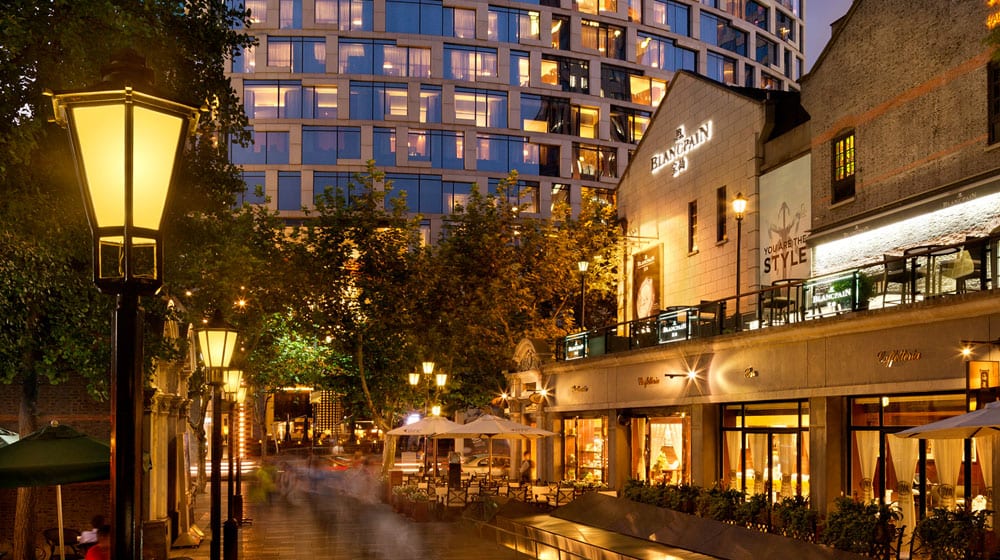
  • Shanghai’s Xintiandi unveils two new shopping centres

    Shanghai’s Xintiandi unveils two new shopping centres

    Two new shopping centres with a combined gross floor area space of more than 60,000 square metres will open this year at downtown Xintiandi area, as Shanghai’s first large-scale city-core redevelopment project continues to upgrade, according to China Xintiandi, the wholly-owned subsidiary of Shui On Land Ltd which is the developer of the mega project.

    Opening of the Hubindao Shopping Centre and The House will be another milestone for the Taipingqiao Redevelopment Project, a mixed-use project that consists of residential, office, retail, entertainment and cultural properties at the heart of the city, said Carrie Liu, general manager, commercial, China Xintiandi-Taipingqiao.

  • The shrinking ranks of Mumbai malls

    The shrinking ranks of Mumbai malls

    More than 10 Indian shopping malls have been shuttered or converted into office space in the last two years – most of them in Mumbai.

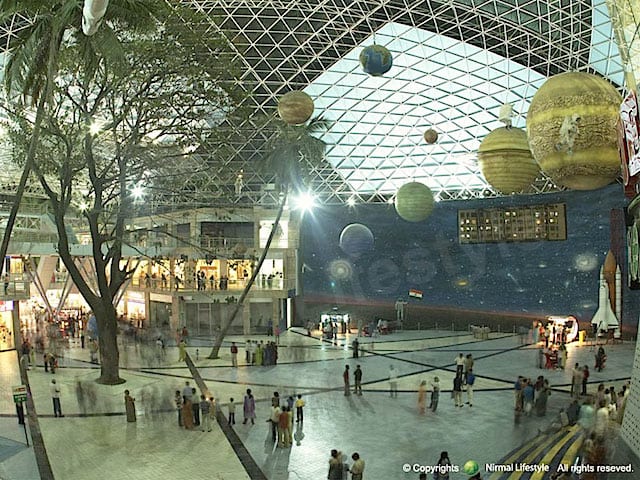
    And more – like the Nirmal Lifestyle Mall in Mulund, central Mumbai, and Centre One, the oldest mall in Vashi, New Mumbai – have announced its imminent closure.

    Nirmal, which opened in 2003, employed 5000 people at its peak. Today it is a shadow of its former self, most retail spaces empty, apart from some foodcourt tenancies.

    Dharmesh Jain, head of Nirmal Lifestyle, said the centre is no longer viable to run.

    “It is difficult to sustain and run it because of rentals and maintenance charges.”

    It will be converted into residential space.

    In 2013 research from the Associated Chamber of Commerce and Industry of India found up to 52 per cent of  Mumbai malls were lying vacant and even higher percentage in Delhi. Experts says the majority of failures relate to faulty designs or a lack of strong brand tenants.

    Local media report that Kandivli’s Raghuleela Mall is on the brink of closure, with a shrinking tenant base and occasional electricity cuts. Bhandup’s Dreams Mall is on borrowed time and Santacruz’s Milan Mall closed. Recently, Navi Mumbai’s oldest mall Centre One announced its impending closure.

    The casualty list also includes City Mall and Mega Mall in Andheri, Dreams Mall in Bhandup in the central suburbs. Kohinoor mall in Kurla has a question mark over it. In Bengaluru, va Mall in Brigade and Sigma Mall in Cunningham Rd have closed.

    Other malls in NCR and Bengaluru face a similar fate.

    In fashionable, Navi Mumbai, a satellite city of Mumbai, the Gold Souk Mall, Wedding Mall and Palm Beach Galleria have been converted into office complexes or motor vehicle showrooms.

    Consultants report at least four malls in the Delhi/NCR area, most in the suburbs of Rohini, Vasant Kunj, Pitampura and Gurgaon, are empty and bearing for sale signs.

    Retail real estate specialists say most of the malls, built during the early 2000s, have “lost relevance” to consumers today spoilt for choice by malls that are better designed and considerably larger.

    Anupam T, malls CEO with Runwal Group, which runs four malls in Mumbai including the 1.2 million sqft R City, cites Centre One as an example. It has 120,000sqft of space and a foodcourt with just 200 seats. Its trade was decimated when the giant new Inorbit, owned by the Raheja group, opened.

    “In 2003, smaller malls were fine. But in 2013 and 2014 when the average size of malls is 500,000 sq ft and big malls are above a million sq ft, smaller malls find it difficult to survive.

    “Unless small malls are sharply positioned and differentiated, they will fade away,” he added in an interview with the Business Standard.

    Future group president Rajan Malhotra says there is a limit to the number of malls a catchment can take.

    “Initially, malls exist in monopoly conditions. The moment bigger and better malls come up in the same locality, shoppers go there.”

    There are signs the Indian property sector is recognising the problem and a once frenetic race to open mall space to satisfy India’s rapidly rising middle class has slowed to a crawl. In 2014, just 2.4 million sqft of new mall space was completed, a mere seven malls, far less than the 4 million to 7 million sqft annual average between 2009 and 2013.
  • Chic Outlet malls chase Chinese

    Chic Outlet malls chase Chinese

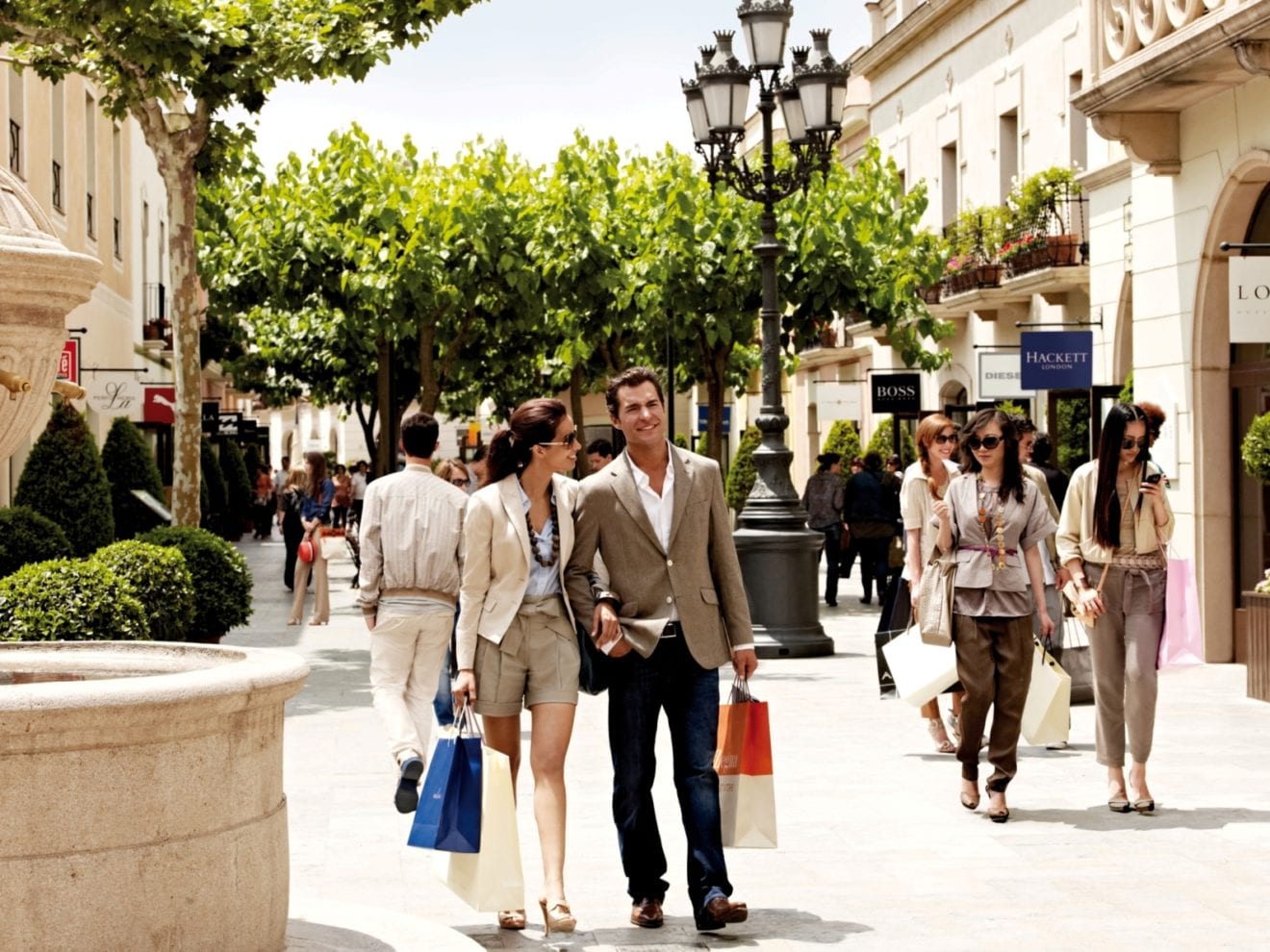
    European chain Chic Outlet Shopping Villages believes embracing the Lunar New Year festivities will boost engagement with Chinese tourists.

    The European-based network, which chose China for its 10th outlet centre and its first outside Europe, will celebrate Chinese New Year in partnership with China payment system UnionPay International throughout February.

    The nine Chic Outlet Shopping Villages in Europe will join the 10th – branded Village by Value Retail – in Suzhou Village in offering guests the chance to share wishes across the world, along with exceptional offers for Chinese guests.

    The Suzhou mall will also host a full calendar of Lunar New Year events, tailored to the local populace.

    The Chic Outlet Shopping Villages welcome thousands of Chinese guests every year, who are drawn to the Villages’ distinctive selection of brands, authentically European ambience, and exceptional value. In 2014, China accounted for 44 per cent of all tax-refunded (non-EU) sales in the Villages across Europe, with an increase in sales of 29 per cent year on year.* UnionPay International is now accepted at many boutiques in the Villages across Europe, making transactions easier than ever for international guests.

    Chinese guests of the European Villages can register their details online at ChicOutletShopping.com to receive a special Chinese New Year red envelope, which they can collect from the Welcome or Tourist Information Centre on arrival at their chosen Village. The envelope will include offers for participating boutiques in the Village, in addition to UnionPay International ‘wish’ tag for guests to add their very own wish to the Wishing Tree. These wishes will not stop at the Villages – they will travel the world via social media, as guests are invited to share their wishes and Wishing Tree photos with a dedicated hashtag for each Village.

    “A time for family, gift-giving, fireworks and festivities, Chinese New Year is celebrated by one in six people around the world,” the company said.

    “The festival is associated with the colour red and it is good luck to give and receive red packages during this time. Traditionally, those celebrating will cast red ribbons or tie wishes to a ‘Wishing Tree’, in the hope that their wish will come true and bring them good fortune in the coming year. The Villages in Europe each feature their own Wishing Tree for guests to cast their wishes for the coming year.”

    Suzhou Village in China is also helping make some of its visitors’ wishes come true with a lucky draw held in partnership with Suzhou TV. Guests will be invited to submit their wishes for the Year of the Ram while visiting the Village, and stay tuned for a film crew from the channel surprising them on their doorstep.  Each week, one lucky winner will receive 5000 RMB and 50 runners up will receive 500 RMB.

    A second Village by Value Retail China, Shanghai Village, will be located in the Shanghai International Tourism and Resorts Zone, which includes the Shanghai Disney Resort, and will open in the autumn of 2015.

    The existing 10 malls are home to more than 1000 boutiques of international fashion and luxury brands – all offering savings of up to 60 per cent on the recommended retail price.

    Chic Outlet Shopping is a unique concept in outlet shopping created by Value Retail, the only company to specialise in the development and operation of luxury outlet shopping destinations. The European malls are located within easy reach of some of Europe’s major gateway cities – London, Dublin, Paris, Madrid, Barcelona, Milan, Bologna, Brussels, Antwerp, Cologne, Frankfurt and Munich.

  • Korea’s E-mart tackles China – again

    Korea’s E-mart tackles China – again

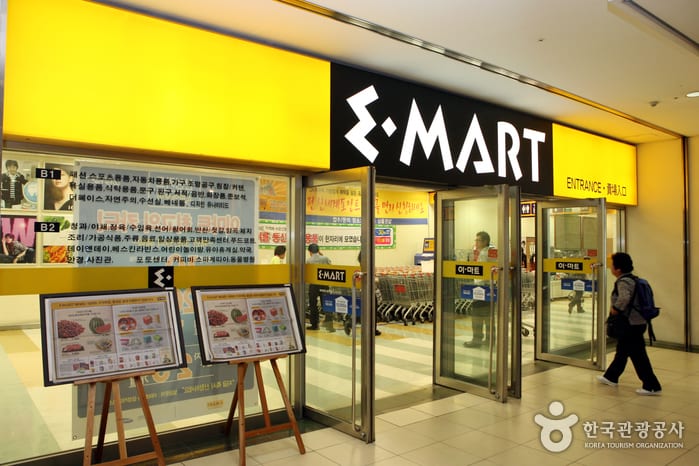
    South Korea’s largest discount chain, E-mart, is to start selling on Alibaba’s T-mall in a fresh attempt to break into China’s seemingly impenetrable online market.

    The Korean company believes the Alibaba-powered online shopping mall is the key to success after previous attempts to crack the China market flopped.

    From mid-March, E-mart will sell about 100 food and electronic products, including rice cookers and soybean paste on Tmall Global.

    E-mart would be joining other South Korean retailers including Interpark and G-market.

    E-mart said in a release that it plans to broaden its product offer to about 500 lines by June 30, focusing on products which have proven popular among Chinese tourists visiting Korea.

    It will use sales figures from its Jeju and Incheon stores – both popular destinations for Chinese tourists – to build its Tmall product offer.

    “We believe the move will enhance access to a new segment of customers, besides tourists, that are interested in Korean products,” said Kim Nam-gon, a PR executive with E-mart’s parent Shinsegae.

    E-mart will sell goods in China at a slightly higher price than in Korean stores, reflecting the distribution cost of getting the products to Chinese consumers.

    The retailer has struggled to gain any momentum in the China market to date through physical stores. Last December it closed five stores in Tianjin province, reducing its bricks and mortar network to just 10 from a peak of 27 at one time.

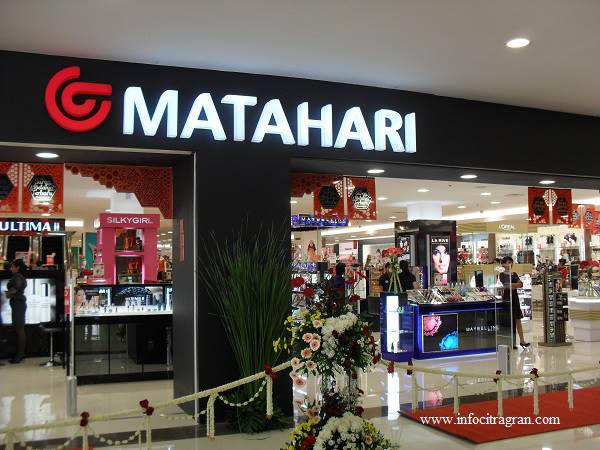
  • Matahari expands into Ketapang

    Matahari expands into Ketapang

    Matahari Putra Prima has opened its 10th hypermarket – and its first in Ketapang, Kalimentan.

    The multi-format Indonesia Indonesian retailer operates Hypermart, Foodmart and Boston Health & Beauty stores. The new hypermarkets is located at Borneo City Mall, Ketapang, one of the largest shopping centres in West Kalimantan.

    It has a gross selling area of 5000 sqm and is the chain’s 11th in Kalimantan.

    An opening ceremony was attended by the Regent of Ketapang, Drs. Henrikus, MSi, Director of Hypermart, Gilles Pivon, VP Operational Hypermart, Anto Suwartono, representatives from suppliers, as well as invited guests.

    “The opening of Hypermart Borneo City Mall Ketapang is further strengthening the company’s commitment to continue the direction of its business expansion beyond the island of Java, in this case in the area of West Kalimantan,” said Danny Kojongian, director of PR and communications.

    “The Hypermart’s presence as one of the modern retail and the national pride is expected to boost the economy and urban lifestyle in Ketapang and the surrounding regions,” he said.

    Matahari Putra Prima has the widest store network among Indonesia’s hypermarket operators, located in more than 60 cities ranging from Tanjung Balai (Medan) to Jayapura (Papua).

  • China retailers play poker in empty malls as shoppers go online

    Property developer Dalian Wanda, owned by China’s second richest man Wang Jianlin, plans to close 10 malls across the country and redesign another 25 to cut retail space, China Business Newsreported last month.
    Zong Qinghou, China’s fifth richest man with a beverage and chain-store conglomerate, said at a forum in August that online shopping businesses are “affecting China’s economic security” by suffocating stores that have to pay rents.

    Stores Close Li Ning Co., a sports-clothing maker, is expected to post losses for the third consecutive year and has closed more than a thousand retail outlets since 2012. Anta Sports Products Ltd., a maker of shoes, has also been shutting down stores partly due to competition from online shopping.

    The internet helps improve productivity and efficiency, but it can be quite painful for traditional businesses, according to Cao Lei, director of the China E-Commerce Research Centre. “Bookstores fail first, then clothing chains, then consumer electronics stores, then air-ticket booking offices, and in the future, bank branches and other traditional services facilities may fail.”

  • Hotel Shilla in Korea duty free bid

    Hotel Shilla in Korea duty free bid

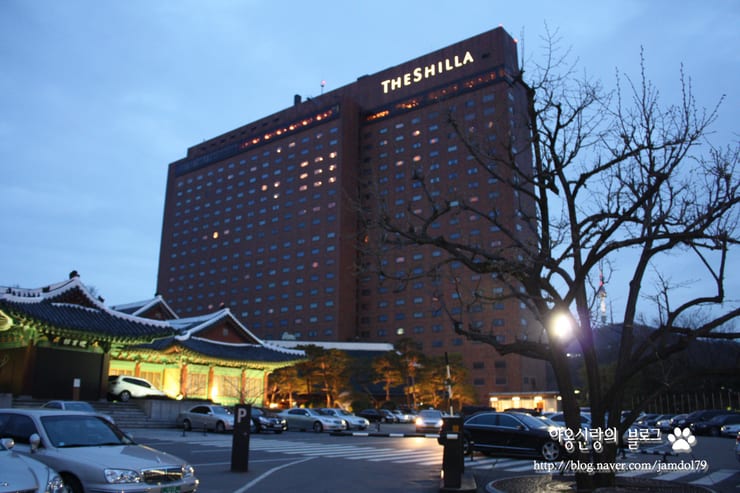
    Hotel Shilla is aiming to take over DFASS, the world’s largest in-flight duty-free specialty retailer, to expand its duty-free business to on-board duty-free shopping.

    According to retail industry experts in Korea, Hotel Shilla selected Goldman Sachs as the managing underwriter for its acquisition of DFASS, and is now fine-tuning the detailed conditions for the purchase of controlling rights, such as the sales price.

    The hotel currently runs its duty-free shop business through Shilla Duty Free Shop, and ranked seventh in terms of sales volume with US$1.9 billion in revenue as of 2013.

    Founded in 1987, the US based retail group partners with approximately 30 airlines, including American Airlines, Air Canada, Singapore Airlines and Hong Kong Airlines, and supplies duty-free specialties. Along with the in-flight business, it also runs around 40 small-sized ground-based duty-free shops in the U.S. Its annual sales volume is around US$500 million.

    It is reported that Hotel Shilla has been pushing to take over the DFASS Group to expand its Korea and Asia-focused business foothold across the globe. If it succeeds in acquiring DFASS, it can expand its duty-free business from ground-based and airport duty-free shops to in-flight shopping.

    Last November, Bernard Benny Klepach, founder and CEO of DFASS, visited Seoul by himself and discussed the matter with Shilla officials.

    An official at Hotel Shilla said: “Several other duty-free shop operators are interested in DFASS. As there are wide gaps between DFASS and us on the take-over terms, nothing can be confirmed right now.”

  • Mall Group budget focuses on media

    Mall Group budget focuses on media

    The Mall Group, Thailand’s second largest retail group, will spend more than THB2 billion (USD61.3 million) to stimulate consumer spending and boost sales to reach THB53 billion (USD1.63b) this year.

    Executive vice-president Chamnarn Maytaprechakul said that even though the economic and political outlooks had improved since last year, people remained cautious about spending.

    The group will therefore put more focus on its media spending this year, relocating some advertising and promotional budgets to direct media that have an immediate impact on customer spending, and slashing the budget for mass media.

  • Puregold acquires 9 supermarts north of Metro Manila

    Puregold acquires 9 supermarts north of Metro Manila

    Puregold Price Club Inc. of retail tycoon Lucio Co is expanding its presence in Nueva Ecija and other provinces north of Metro Manila as it gobbles up more supermarkets and commercial properties owned by Nueva Ecija-based retailer NE Inc. Puregold told the local bourse on Wednesday that it acquired nine supermarkets located in Cabanatuan and San Jose, Nueva Ecija; Baliwag, Bulacan; Baler, Aurora and Santiago, Isabela.

  • Sussan Group CEO Naomi Milgrom says no more bricks and mortar

    Sussan Group CEO Naomi Milgrom says no more bricks and mortar

    Australian retail needs to reinvent the shopping centre, prepare for more of the world’s biggest retailers setting up here, and bridge the gap between bricks and mortar and the “mindblowing” experience of online, says the boss of Australia’s largest privately held specialty fashion retailer.

    Naomi Milgrom is the owner, chair and chief executive of the Sussan Group, which owns the Sportsgirl, Sussan and Suzanne Grae brands, and is one of Australia’s richest women.

    She said Australian retailers needed swift change as the falling dollar lifts import prices, newly arrived international retailers take market share, and amid gloomy predictions about the future of US shopping centres. With more than 500 stores, Milgrom said she didn’t want to open any more.

  • Marketing boost for Thai malls

    Marketing boost for Thai malls

    Thailand’s Mall Group will invest more than 2 billion baht ($US61 million) this year to stimulate customer spending.

    In an interview with the Bangkok Post newspaper, executive VP Chamnarn Maytaprechakul said the company aims to boost sales to 53 billion baht ($1.6 billion) in 2015.

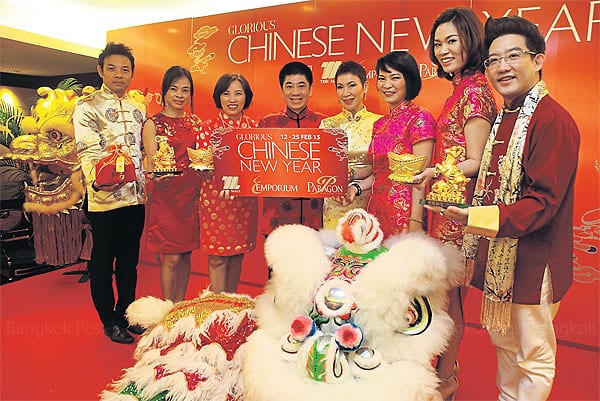
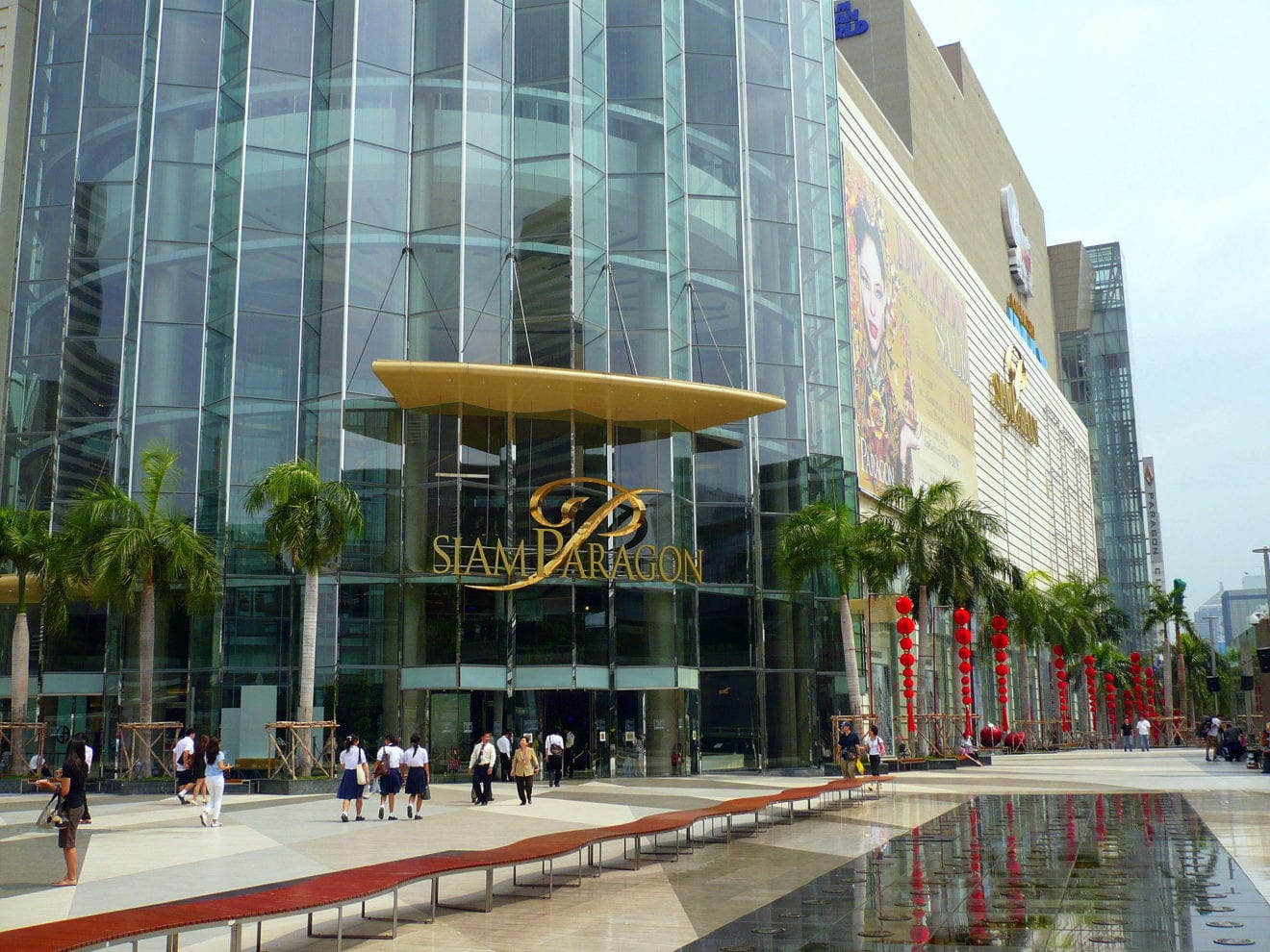
    The Mall Group owns Siam Paragon, the Emporium complex and The Mall, all in Bangkok. Adjacent to the Emporium, two new malls are under construction – EmQuarter and EmSphere, which will open during the next two years.

    Strong sales at Siam Paragon helped the group achieve a six per cent year-on-year sales growth in January, a figure above its monthly average performance in 2014. Group sales grew two per cent last year and the company is targeting six per cent growth this full year.

    Maytaprechakul said Thai consumers are still taking a cautious approach to spending despite the calmer political climate and improved economic outlook.

    “The retail atmosphere so far is similar to the situation during the heavy floods in late 2011. People are not really in the mood to shop even though they have money in their pockets due to the falling oil price,” he said in the interview.

    CEO Phaibul Kanokvatanawan said Siam Paragon’s sales growth was attributable to a resurgence in tourism to Thailand, with foreigners now more comfortable returning to the nation amidst the relative political calm.

    “We hope consumer purchasing power will improve in the second and third quarters of this year after the government starts allocating money for major infrastructure projects,” he said.

  • New luxury outlet opens in Shanghai

    New luxury outlet opens in Shanghai

    Italian holding based in Florence, Gruppo Fingen/Rdm, inagurated last week Florentia, a 90.000 sqm mall in Shanghai in the Pudong district. The new mall features brands such as Armani, Bally, Brooks Brothers, Ck Jeans, Etro, Salvatore Ferragamo, It, Moncler, Michael Kors and Versace.

  • MBK plans lifestyle mall in Thailand’s Mae Sot to cash in on AEC

    MBK plans lifestyle mall in Thailand’s Mae Sot to cash in on AEC

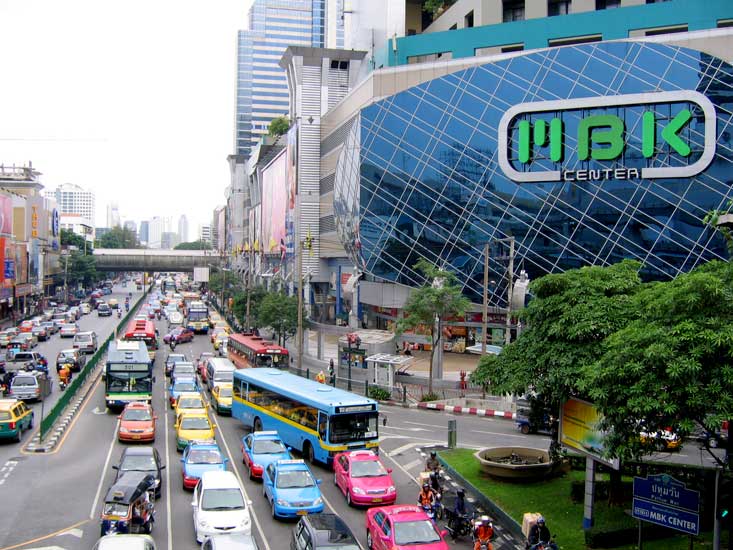
    MBK Plc, the SET-listed operator of MBK shopping centre in Bangkok, is negotiating with local partners to co-develop a lifestyle shopping complex in Tak province to attract Myanmar shoppers.

    The 20,000-square-metre project will be used as a prototype to develop other malls in border towns to cash in on opportunities arising from the ASEAN Economic Community (AEC), which is set to kick off late this year.

    Sakchai Kengkijkosol, managing director for retail operations, said MBK would start constructing the project in the border town of Mae Sot once the government had a clear policy on infrastructure development in response to the AEC.

  • Second Courts store in Indonesia begins construction

    Second Courts store in Indonesia begins construction

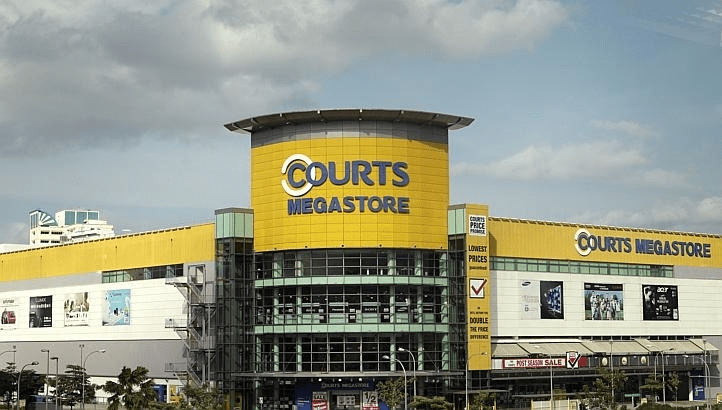
    Courts Asia, the operator of retailer Courts Megastore, began with construction of its second outlet in Indonesia on Thursday, as the company races to tap into the country’s growing middle-income group.

    The three-storey structure will boast 20,400 square metres of retail space in Bumi Serpong Damai, a satellite city located south of Jakarta, said Terence Donald O’Connor, Courts Asia’s executive director and group chief executive.

    That would dwarf Court’s first store in Bekasi, which offers 12,000 square metres of soft retail space and is currently the biggest Courts Megastore in Southeast Asia.

  • Matahari expands to “Chinatown” of Indonesia’s Kalimantan

    Matahari expands to “Chinatown” of Indonesia’s Kalimantan

    Matahari Department Store (MDS) opened a new store in Indonesia’s Singkawang, West Kalimantan, to tap the economy prospects in the region, the publicly-listed company said in a statement on Thursday.

    The store, called Matahari Singkawang Grand Mall – MDS’s 13th store in Kalimantan – has a total area of 6,300 square metres. The store is the first new location MDS has opened this year.

    “The presence of Matahari at Singkawang Grand Mall is expected to benefit citizens in its surrounding area, hiring 322 employees, the majority of whom are locals,” Matahari human resources director Andre Rumantir said.