Category: Real Estate

Retail News Asia is committed to providing both local and global retailers with the latest Real Estate news throughout the Asian market. This on a daily base.

  • CapitaLand China mall sales soar

    CapitaLand China mall sales soar

    CEO of CapitaRetail China Trust Management Limited (CRCT), Tony Tan said the growth was underpinned by the new contribution from CapitaMall Grand Canyon and rental growth from the other multi-tenanted malls.

    “Rental reversion was a robust 20.6 per cent, and portfolio occupancy as at December 31 was a healthy 95.9 per cent. Tenants’ sales and shopper traffic for 2014 increased year-on year by 16.2 per cent and 3.9 per cent respectively.”

    Singapore-based CRCT has 10 income-producing CapitaMall-branded shopping malls in greater China: Xizhimen, Wangjing, Grand Canyon, Shuangjing and Anzhen in Beijing; Qibao in Shanghai; Erqi in Zhengzhou, Henan Province; Saihan in Huhhot, Inner Mongolia; Wuhu in Wuhu, Anhui Province; and Minzhongleyuan in Wuhan, Hubei Province. Total assets are valued at about S$2.4 billion.

    All the malls are positioned as one-stop family-oriented shopping, dining and entertainment destinations for the sizeable population catchment areas in which they are located, and are accessible via major transportation routes or access points. A significant portion of the properties’ tenancies consists of major international and domestic retailers such as Beijing Hualian Group and Carrefour under master leases or long-term leases, which provide unitholders with stable and sustainable returns. Other tenants include KFC, Paris Baguette, Pizza Hut, Sephora, Uniqlo, Vero Moda, Watsons and Zara.

    “For 2014, CapitaMall Xizhimen and CapitaMall Wangjing – our largest revenue contributors – recorded growth of 16.4 per cent and 13.7 per cent in their net property income (NPI) respectively, after a series of tenant mix adjustments,” said Tan.

    “Over at CapitaMall Grand Canyon, new tenants such as Nanjing Impressions opened to strong sales, and plans for further reconfiguration of the mall’s layout to add more retail units are progressing well. CapitaMall Qibao, which achieved 17.5 per cent growth in NPI, strengthened its education and children-related trade offerings on its Level 4 with the introduction of C&S – an enrichment centre which offers baking classes to both adults and children and held well-received thematic marketing activities such as the Shanghai Animation Film Studio Exhibition.

    “The upgrading of the tenant mix at CapitaMall Saihan also showed positive results, with its NPI increasing by 19 per cent in 2014.”

    Tan said CapitaMall Wuhu is also currently undergoing tenant mix adjustments to achieve a stronger positioning and better trade mix.

    “In the short term, CapitaMall Minzhongleyuan’s NPI has been impacted by the road closure for subway construction works, but the mall will stand to benefit from increased shopper traffic when subway Line 6 linking Hankou and Hanyang becomes operational by end-2016. With the financial flexibility provided by our robust balance sheet, we continue to be on the lookout for acquisition opportunities to grow our portfolio further.”

    The trust achieved distributable income of S$20.5 million for the quarter, an increase of 15.6 per cent over the S$17.7 million for the fourth quarter of 2013.

    Chairman Victor Liew said China’s economy expanded by 7.4 per cent in 2014 and retail sales grew 12 per cent to RMB26.2 trillion.

    “The Chinese government has continued to place a strong emphasis on quality and sustainable growth, and we have seen an overall stability in the economy and the labour market in the past year. The country’s efforts at economic restructuring are seeing progress, and the services sector has developed into the largest pillar of China’s economy.

    “Moving forward, with the government’s focus on driving domestic consumption and maintaining long term stability, CRCT remains upbeat about China’s retail growth prospects,” said Liew.
  • Starhill weathers storm

    Starhill weathers storm

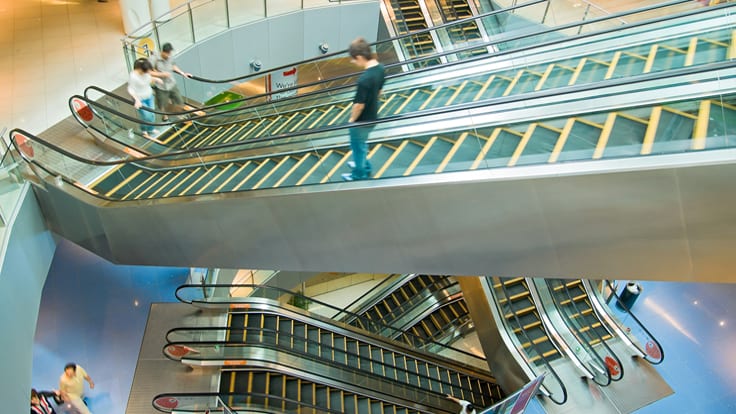
    Starhill Group, the mall-owner REIT, says improving returns from its Singapore property Wisma Atria cushioned the impact of foreign exchange fluctuations and a sluggish retail environment in China and Hong Kong.

    While shopper footfall in Wisma Atria was down 3.1 per cent and combined sales of retail tenants fell 5.6 per cent year-on-year in the fourth quarter to S$139 per sqft, lease renewal rates are running high.

    SHREIT said the figures reflected “headwinds in the retail sector” but asserted that assets strategically located in prime areas will continue to be a draw for international retailers.

    Wisma Atria is in the heart of Singapore’s prime Orchard Rd shopping precinct.

    OCBC reports the REIT’s sales slipped 0.4 per cent year-on-year to S$48.90 due to a weaker contribution from its China and Japan assets. This is turn was partly due to foreign exchange changes.

    New lease rates were on average up 17 per cent on previous revisions, largely due to renewals and new leases for prime street-front units, highly sought after by international retail brands.

    Management says it remains positive regarding rental reversions at Wisma Atria over the next six months.

  • Michael Kors to open Ginza monster

    Michael Kors to open Ginza monster

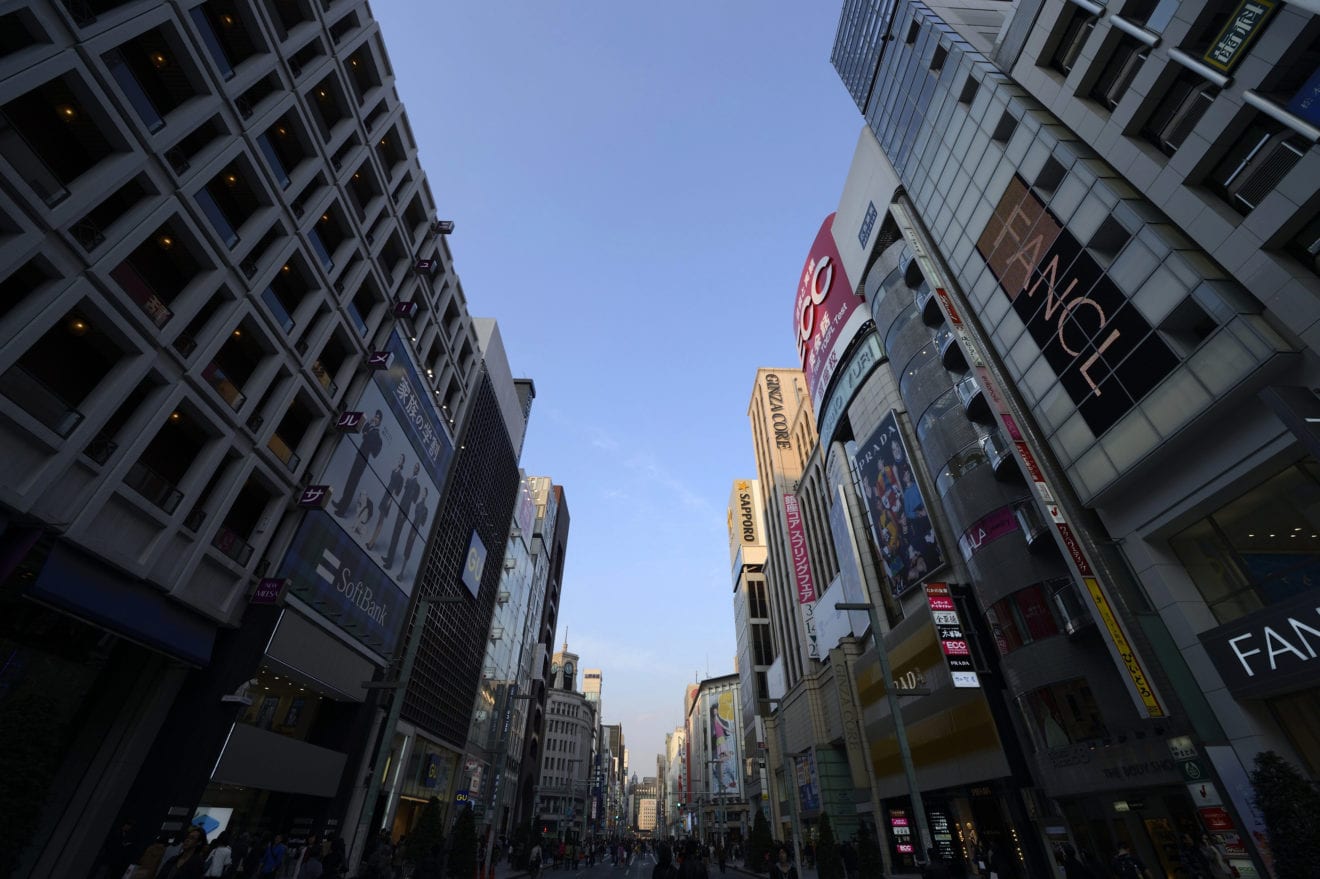
    Michael Kors will open its largest Japanese flagship store this fall, on Chuo St in Tokyo’s Ginza district.

    The store will be the first in the world to carry every category offered by the global luxury lifestyle brand.

    “Japan is a key market for our continued development in Asia,” said Michael Kors.

    “This is a very exciting opening. Ginza is one of the world’s great shopping neighborhoods, in one of the greatest fashion cities, so it’s both exciting and appropriate that we’re debuting this very special store in Tokyo.

    “I look forward to welcoming our customers to the new store, and sharing with them the mix of sophistication, glamour and ease that defines everything we design.”

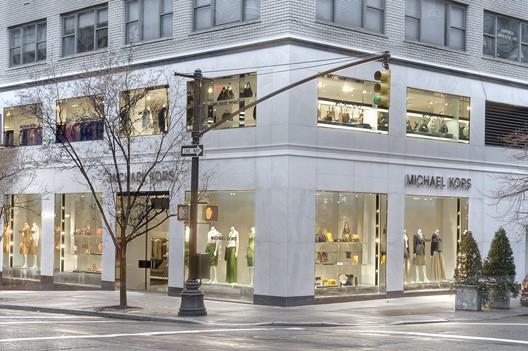
    The store, which measures approximately 7800 sqft, will reflect the new design concept unveiled last year at the Jing’An Kerry Centre in Shanghai, (pictured above), including the shimmering exterior facade inspired by Michael Kors’ signature use of metallics and texture. The facade, designed by Michael Kors’ in-house design team, consists of luminous screens made of unique, light-reflective facets set within a grid of internally lit recesses.

    Michael Kors, the business, describes the effect is elegant and kinetic, “evoking the light-catching allure of a sequined gown”.

    A large-scale video screen will cover the balance of the second- and third-story facade, while the ground floor features large storefront windows framed in Bianco Dolomiti marble.

    The interior of the store will reflect the signature jet set glamour of the Michael Kors brand, with polished stainless steel fixtures, white marble flooring, Macassar wood and zebra-skin accents used to create a luxurious and inviting atmosphere.

    Women’s ready-to-wear will occupy the upper floor, housed in a sophisticated, exclusive environment designed to complement both the Michael Kors Collection and ‘Michael’ Michael Kors labels. Here shoppers can browse, try on clothes and consult with the store’s personal stylists in an ambience of calm and complete indulgence. This floor will also showcase a grand shoe salon.

    On the ground floor, handbags from Michael Kors Collection and ‘Michael’ Michael Kors will be showcased in a variety of dramatic displays, along with curated presentations of accessories, watches, jewelry and eyewear. The lower level will be dedicated to menswear and men’s accessories, making the Ginza flagship the first freestanding Michael Kors store in Japan to offer menswear.

    “Japan is a key market for our continued development in Asia,” said John Idol, chairman and CEO of Michael Kors.

    “The importance of Tokyo to luxury and fashion retailing makes this the right place and time to open our first store showcasing every facet of the Michael Kors brand. We look forward to offering the full breadth of our product assortment, presented with our signature glamour, chic and superlative service, to our Japanese customers and tourists traveling to Tokyo.”

    Michael Kors, established in 1981, produces a range of products through his Michael Kors and ‘Michael’ Michael Kors labels, including accessories, footwear, watches, jewelry, men’s and women’s ready-to-wear, and a full line of fragrance products. Michael Kors stores are operated, either directly or through licensing partners, in global cities including New York, Beverly Hills, Chicago, London, Milan, Paris, Munich, Istanbul, Dubai, Seoul, Tokyo and Hong Kong.

  • Retailers offer cross-border privileges

    Retailers offer cross-border privileges

    Five retail giants have teamed up with a Thai mall operator to offer a cross-border privileges programme for shoppers.

    Siam Piwat, owner of Siam Paragon, Siam Center, Siam Discovery and Paradise Park, is partnering with South Korea’s Lotte, Hong Kong’s Times Square, Robinsons of Singapore, Sapporo Parco of Japan and Galeries Lafayette of France in the Global Privilege Partnership program.

    Together, the retailers will launch a “massive international campaign”, offering both local and international shoppers “ultimate shopping experiences and above average privileges”. The partnership is the first of its kind in Thailand’s retail sector.

    Mayuree Chaipromprasith, Siam Piwat’s senior vice-president for business promotion, said Siam Piwat is honoured to lead the campaign and to be trusted by the five retailers who selected Siam Piwat as their exclusive partner in the customer relationship management (CRM) programme across the borders to ensure cardholders enjoy maximum benefits.

    “Siam Piwat sees working together in the form of partnership and collaboration as a way to develop a mechanism to stimulate more international consumer spending in Thailand. At present, the majority of visitors to Siam Piwat’s shopping venues are of the B group and higher. They have high purchasing power, love to travel, live a modern lifestyle, are into trendy innovations and expect above average services,” said Chaipromprasith.

    She added that Siam Piwat expects 400,000 visitors a year to participate in the programme, which should generate 6 billion Thai baht annually in consumer spending.

    “The Global Privilege Partnership has the largest number of leading countries working together. Not only will it serve to grow traffic to Siam Paragon, Siam Center and Siam Discovery, but it also offers value for money in terms of benefits and privileges enjoyed by members of the Platinum M Card for shoppers at Siam Paragon and VIZ Card for shoppers at Siam Center, Siam Discovery and Paradise Park.”

    The Global Privilege Partnership programme offers premium privileges to Platinum M Card and VIZ Card members of Siam Piwat as well as holders of membership cards issued by the five international partners. Shoppers enjoy benefits, including five to 50% discounts from more than 2,000 stores in the five popular shopping destinations and the same VIP service as they would have in their home countries.

    Among those services are personal assistants on hand to give members information at the partner shopping venues, welcome gifts worth more than THB 3000 and service at an exclusive lounge.

    Siam Piwat expects to expand the programme to include five more countries next year.

  • CapitaMalls snaps up Malaysian centre

    CapitaMalls snaps up Malaysian centre

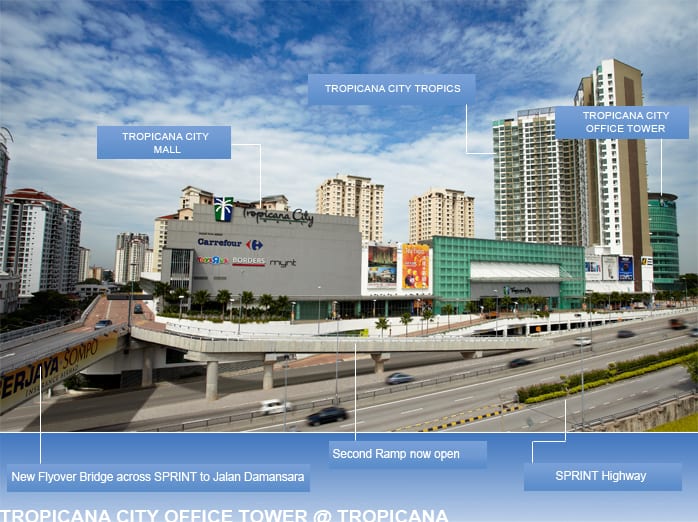
    CapitaMalls Malaysia Trust will pay RM540 million (US$150 million) to buy the Tropicana City Mall and its office tower.

    The four level Tropicana City Mall opened in 2008 and has a net lettable area of 448,248 sqft and 1759 car park. It is attached to a 12-storey office building.

    As of January 15, the mall had an occupancy rate of 89.2 per cent and the office tower was fully leased. CapitaMalls had previously considered buying the mall in mid 2013, but the negotiations ended after both parties were unable to agree to purchase terms.

    “The proposed acquisition will further strengthen CMMT’s position as a sizeable, well geographically diversified shopping mall real estate investment trust in Malaysia,” CMMT said in a statement.

    “Following the completion of the proposed acquisition, CMMT’s property asset value will increase by 16.7 per cent from RM3.2 billion to about RM3.8 billion. This is expected to increase CMMT’s visibility among Malaysian and international investors to support its future growth.”
    CMMT will fund the purchase through debt and/or equity fundraising, issuing new units.

  • Aeon plans 500 Thai stores

    Aeon plans 500 Thai stores

    Japanese retailer Aeon is planning to increase its supermarket network in Thailand to 500 outlets by 2020.

    But this year it has scaled back its expansion plans due to what it considers to be a subdued retail market.

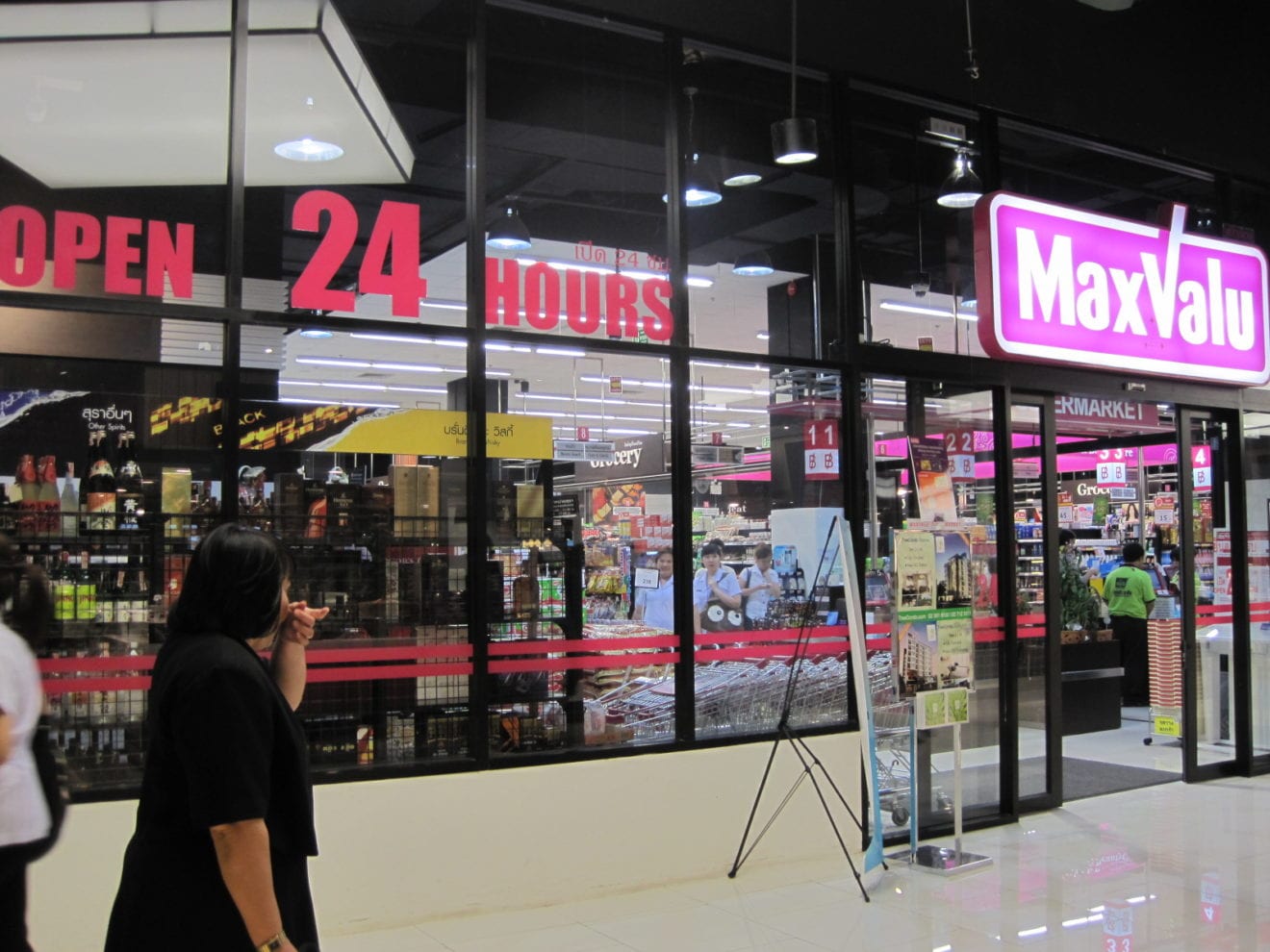
    Aeon currently has 76 supermarkets in Thailand most trading under the MaxValu brand, shops which are larger than convenience stores but smaller than full scale supermarkets. Many trade 24 hours.

    The company had planned to open 30 new stores this year but now says it will open just 15 new ones. Next year will see 40 new stores, and then 100 each year through to 2020. About 80 per cent will be MaxValu stores, the rest full sized supermarkets.

    GM Keiji Ono told the Bangkok Post that Aeon would invest up to 400 million baht (US$12.3 million) on upgrading existing stores and opening new ones.

    “We will penetrate the market in provinces in the Northeast such as Ubon Ratchathani and Udon Thani in order to exploit the expected economic boom from the coming regional pact of the Asean Economic Community,” he said.

    New MaxValu stores will soon open in Laem Chabang and Pattaya.

  • India malls turning friendly for the disabled

    India malls turning friendly for the disabled

    Malls are doing their bit to make the world a better place for people with disability. With Braille signage, wheelchair on call, disabled-friendly washrooms and specially allotted parking space, malls are looking to increasing footfalls by becoming more socially conscious.

    Interestingly, several States such as Maharashtra, Karnataka and Tamil Nadu have also asked mall managements to remove “infrastructure snags” and create a conducive environment for people with disabilities.

    According to the 2011 Census, the number of disabled in India is 26.8 million — 15 million men and 11.8 million women.

  • LVMH invests in China outlet malls

    LVMH invests in China outlet malls

    The world’s largest luxury brand owner LVMH is to take a cornerstone stake in a unique, upmarket outlet mall business in China, Sasseur.

    The investment will come via its Singapore-based L Capital Asia investment arm, which specialises in identifying upcoming brands and providing venture capital for their growth and market development.

    L Capital Asia will invest more than US$100 million in Sasseur Cayman, which owns four outlet malls, representing the fund’s second biggest investment in China to date. Sasseur plans to open another four malls this year and eventually expand the chain to 20.

    “The outlet concept will become much bigger in China,”  L Capital Asia chairman Ravi Thakran said. “As Chinese consumers become more sophisticated, they want better value.”

    Sasseur Group describes itself on its website as “a comprehensive conglomerate with business as its core”. It uses distinctive artistic executions to lift the shopping experience above the sterile, budget nature of most modern day outlet centres around the world.

    The company dates back 20 years as a brand, having started as a coffee shop.

    It says it adhere to a core business philosophy of ‘art, technology, brand’, developing malls of “high taste”.

    Sasseur sells womens and mens fashion, high end jewellery and sports and leisure goods and provides dining and entertainment options.

    One of its early malls was designed with a blend of Italian inspired architecture and historic influence from the ancient city walls of Nanjing, eastern Sichuan houses and An Hui style architecture. Others have more abstract themes.

    Chairman and founder Xu Rongcan says his goal was to make Sasseur “an outlet with attitude”.

    “What is Sasseur attitude? That is the persistent pursuit of beauty. Sasseur is my entire understanding of art business. I am willing to implant all my understanding and persistency of beauty into my outlet, not only the buildings, luxury, decoration, business content, but also to implant these persistent and pure values into every employee, into every inch land of Sasseur. In the eco art business, let consumers experience the beauty, quality and harvest beauty.”

  • Suntec reaps revamp benefits

    Suntec reaps revamp benefits

    Suntec City’s REIT parent has announced an 11 per cent boost in its income distribution in the quarter to December 31 as the reconfiguration of its crown jewel centre begins to bear fruit.

    ARA Trust Management (Suntec), manager of the Suntec Real Estate Investment Trust, announced it will redistribute S$64.6 million for the quarter. CEO Yeo See Kiat, said the increase was largely due to the completion of Suntec City Phase 2, which boosted the contribution from Suntec Singapore and from income received from an office complex it acquired in Sydney, Australia, a year earlier. As at 31 December 2014, Suntec REIT had assets under management valued at S$8.8 billion, a portfolio dominated by office buildings. But Suntec is a key component, and something of a showcase.

    Suntec is now undergoing Phase 3 of its redevelopment and Yeo said the company had already achieved 91.3 per cent leasing commitment for the entire remaking of Suntec City to-date. “The team is working actively on the leasing of the remaining space.”

    Of the already completed phases 1 and 2, occupancy is 99.6 per cent and its other major mall property, Park Mall, is fully leased.

    The overall committed occupancy for the retail portfolio stood at 99.7 per cent as at 31 December 2014.

    “Our current priorities are to focus on the completion of the remaking of Suntec City as well as proactive lease management to maintain our high occupancy levels of both our office and retail portfolios,” said Yeo

  • Glitzy Malls of Asia – Bangkok

    Glitzy Malls of Asia – Bangkok

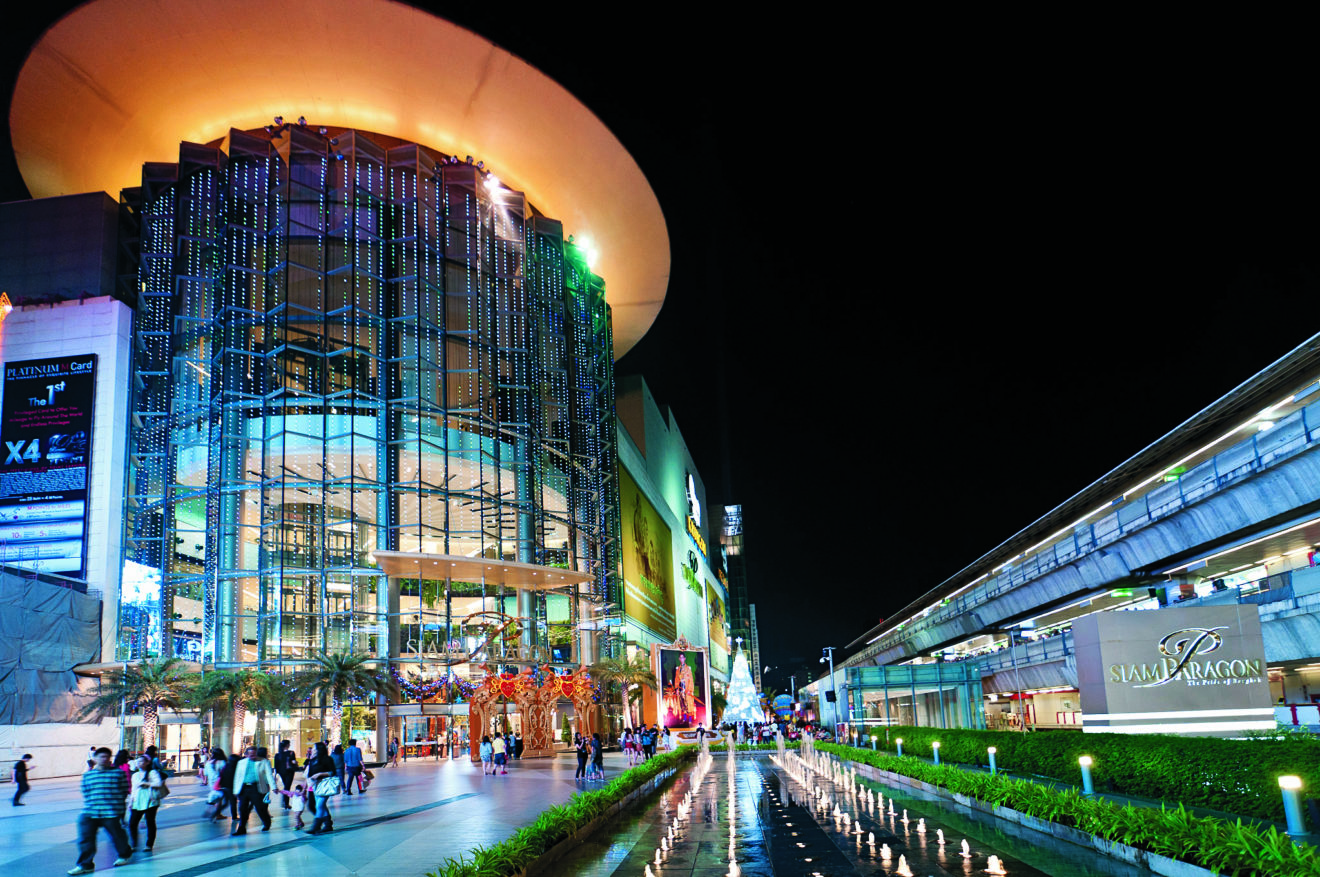
    Central Embassy is Bangkok’s latest challenge in the luxury retail sector, not only to older malls like the SiamParagon but also to Singapore and Hong Kong as a retail destination.

    It is big and spacious with very wide walkways to ensure that it does not get packed even on busy days. It positions itself as an “ultra luxury” mall. This means, among other things, that a movie ticket here costs upwards of 1,500 baht (US$45), prompting one blogger to wonder if it comes with butler service and gold-encrusted movie stubs.

    The high-end cinema on Level 8, however, is one of the few distractions. Most of the mall is focused on just fashion and food. Fashion, in this case, includes not just the usual big international brands. More significantly, Central Embassy showcases a good selection of Thai designers. This is fully in line with the owner’s stated vision to “introduce Thailand to a global audience of taste makers and opinion formers.”

    Also consistent with this vision, the sprawling 5,000sqm supermarket and foodcourt at the basement, called Eathai, features only Thai food, with cuisines from different regions clearly differentiated. There is also a section on street foods and a cookery school. Big, colourful murals, along with walls constructed from traditional Thai kitchen utensils, add to the ambience. Other cuisines can be enjoyed at standalone eateries on the upper floors.

    The mall’s architecture is spectacular, although it takes some imagination to see how it is inspired by wats (temples) and other traditional Thai architecture. It is in the details, where traditional patterns, materials and fabrication methods are interpreted in a modern setting. The façade spans 200m and has a skin of three-dimensional ceramic tiles and protruded aluminum to project a different view with each step. Central Embassy is a sight to behold.

    Luxury and more at Siam Paragon

    SiamParagon redefines luxury to include more than just fashion, watches or jewellery. It means you can buy a luxury car too. Choose from Aston Martin, Ferrari, Lotus, Lamborghini, BMW, Hammar, Maserati and more. Or how about a Bentley or a Rolls Royce?

    For tourists and the Thai elite, this is the premier shopping destination. With a gigantic Paragon Department Store covering 50,000sqm over six floors, plus some 270 other shops, SiamParagon is ranked one of the largest luxury malls in Asia. But if you are not in the league for luxury goods shopping, there are lots more to do – so much more that one writer considers it “demeaning” to call SiamParagon a mall.

    One big attraction is the Siam Ocean World. Occupying some 10,000sqm at the basement, this is one of the biggest walk-through aquariums in Southeast Asia where visitors can scuba dive to get up close and personal with sharks and rays. A new attraction called Kidzania allows children to get a realistic taste of adult careers, like being a dentist or a fire fighter.

    Then there is theCineplex with 14 halls, one of which has the biggest screen and highest seating capacity in Asia. The Krunsri IMAX theatre, at 8-storeys high, is also one of the biggest in the region. There is also a 38-lane bowling alley, a karaoke, an outdoor park, an exhibition hall, an opera house, a section devoted to traditional Thai arts and the Royal Paragon Hall, a 5,000-capacity venue for concerts, conventions and other special events.

    Plus, there is an incredible range of F&B outlets featuring cuisines from around the world, at prices that range from affordable to very expensive. Even if all you want is a Starbucks coffee, SiamParagon offers a choice of at least five Starbucks outlets.

  • Starhill Global REIT sells prime Tokyo retail property for $29.9m

    Starhill Global REIT sells prime Tokyo retail property for $29.9m

    Proceeds will be used to pay off Yen loans.

    Starhill Global REIT has divested Roppongi Terzo, a prime retail property located in Tokyo, for $29.9m.

    This is above the property’s last valuation of $29.2m, and the sale consideration translates to a yield of 4.4%.

    After the transaction, the REIT’s portfolio in Japan will be reduced to four properties.

    The net sale proceeds would be used to repay the Yen loans and/or for working capital purposes. SGREIT’s gearing is expected to decrease from 35.7%3 to 35.1% assuming that the net sales proceeds are substantially used to repay the Yen loans

  • Bookseller Dymocks to close flagship IFC Mall store and HK office

    Bookseller Dymocks to close flagship IFC Mall store and HK office

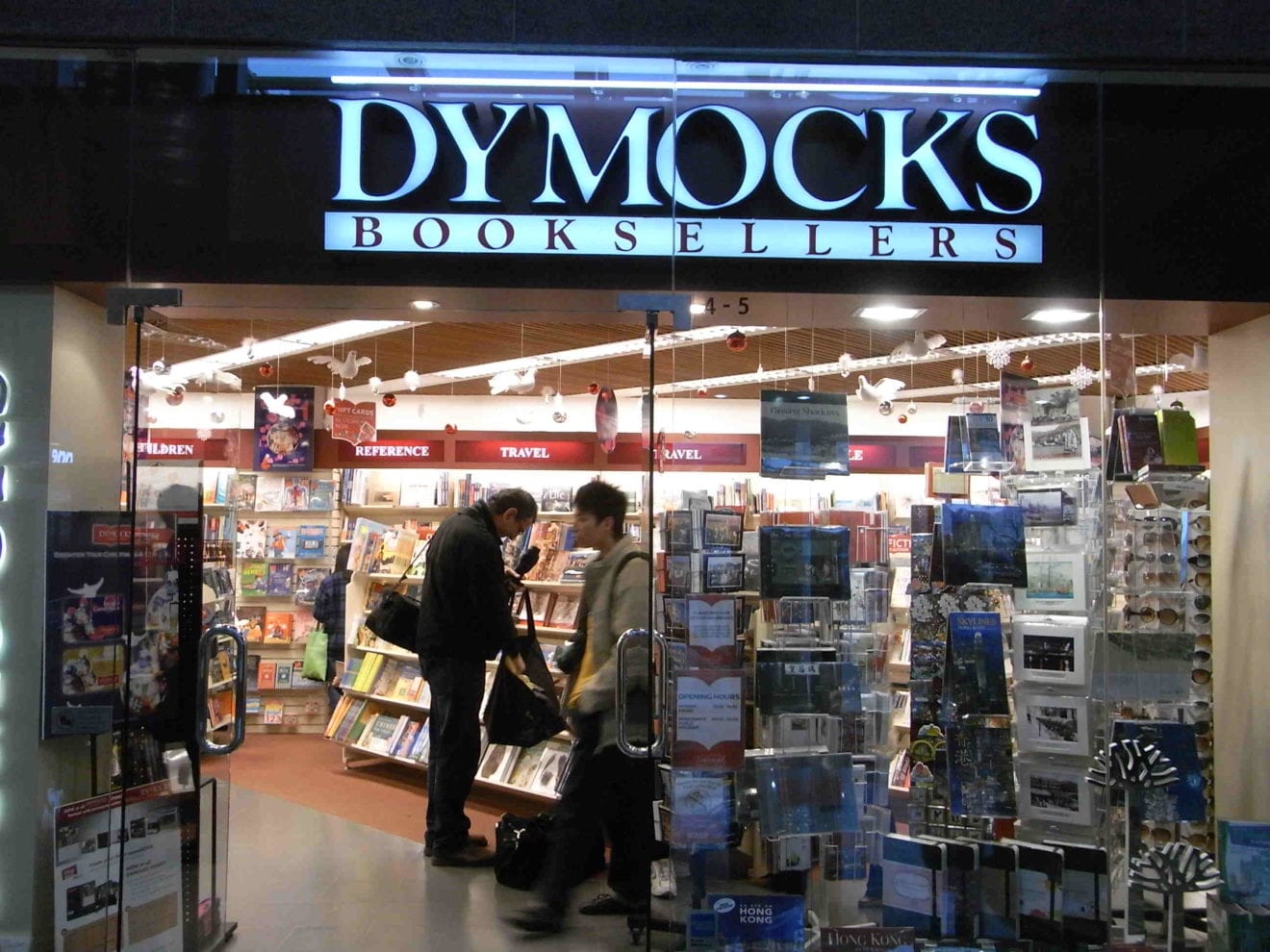
    Hong Kong’s largest English- language bookseller, Dymocks, is to end its 15-year local presence in an industry battered by high rents and shifting reading habits.

    To view the full article (note: you must be an scmp.com subscriber), visit scmp.com. (From seven days after publication, this article will appear in Archive Search.)

  • Inditex acquires New York property for new Zara store

    Inditex acquires New York property for new Zara store

    A new Zara store will rise in Inditex’s newly acquired 4,400-square metre commercial property in the heart of New York’s SoHo Cast Iron Historic District, one of the world’s best known shopping districts.

    The new store, to be located in a building at 503-511 Broadway, between Broome and Spring Streets, complements recent flagship store openings by Inditex in the US market.

    The company said it has invested USD280 million to acquire the property, but its store opening strategy remains focused on leased properties, while the commercial thrust is still to further enhance the integrated store & online sales model.

    “This opening marks a very significant milestone in the Group’s US growth strategy,” said Inditex’s Chairman & CEO, Pablo Isla. “The growth model for the US market consists of a combination of flagship store openings and online sales growth underpinned by strong support from American shoppers.”

    By the end of 2015, including the stores on Broadway on the Upper West side, at 666 Fifth Avenue and 750 Lexington Avenue, Zara will have eight stores in Manhattan as well as another seven in the greater metropolitan area.

    As for the overall US market, Inditex plans to open over a dozen new Zara stores in 2015 in major cities such as New Jersey, Las Vegas, Los Angeles, San Diego, Boston, Sacramento, Houston, Dallas, Chicago, Seattle and Puerto Rico.

  • Taiwan’s first outlet mall to open this year

    Taiwan’s first outlet mall to open this year

    Taiwan will see its first international outlet mall in Taoyuan in August, and 100 stores will open their doors in the first stage of the project.

  • TCC opens megamarket in Nong Khai

    TCC opens megamarket in Nong Khai

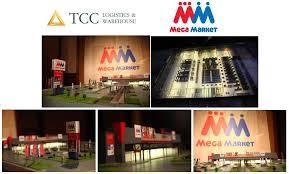
    TCC Logistics and Warehouse, a subsidiary of TCC Group, has opened the MM Mega Market in Nong Khai province to cash in on growing consumption spurred by increasing border trade with neighbouring countries.

    The company has leased space at Asawann Shopping Complex II for 30 years to open the MM Mega Market, which has a new concept blending a hypermarket and wholesale store under the same roof. Customers can but products either in bulk or just one piece.

    The market, covering 10,000 square metres, is 4.4 kilometres from the Thai-Lao Friendship Bridge, enabling it to attract customers from Laos.