Category: Startups

Retail News Asia is committed to providing both local and global retailers with the latest Startup news throughout the Asian market. This on a daily base.

  • Deliveroo announces strong 2020 results as part of an Expected Intention to Float on the London Stock Exchange

    Deliveroo announces strong 2020 results as part of an Expected Intention to Float on the London Stock Exchange

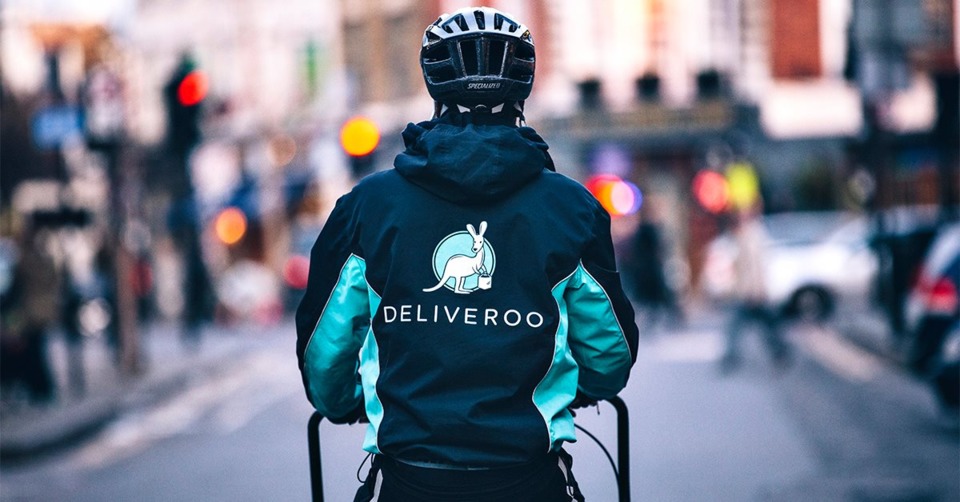
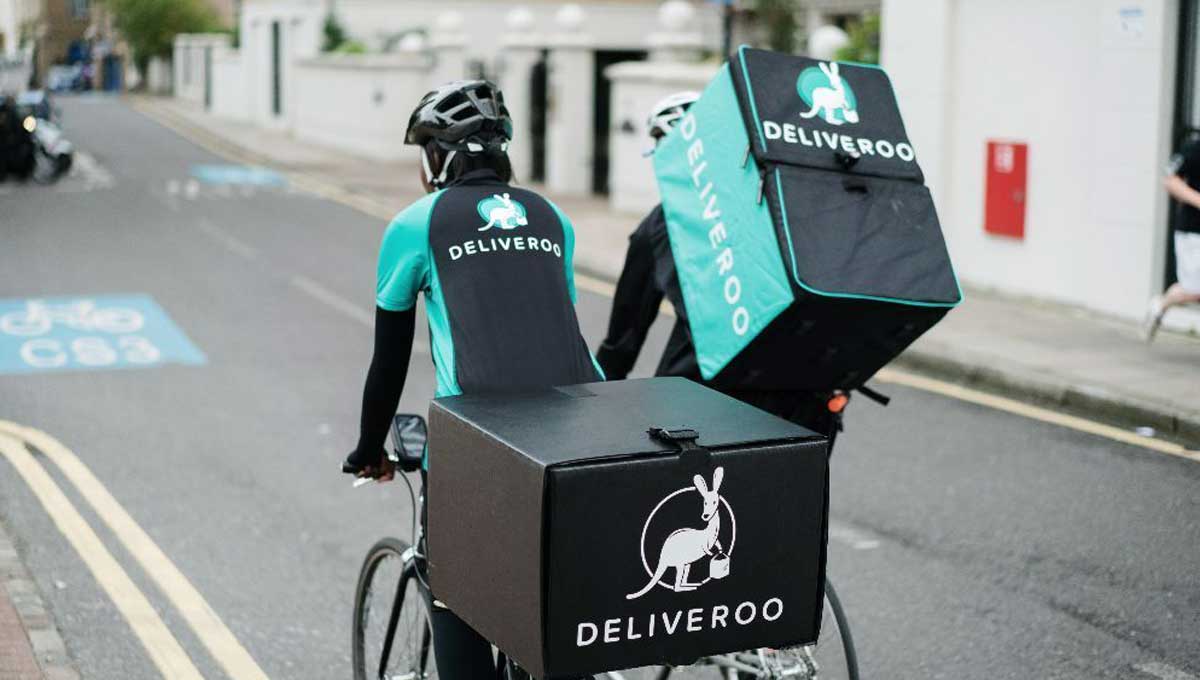
    Deliveroo has revealed a strong financial and operating performance for 2020 ahead of its intended listing on the London Stock Exchange, which was formally announced this morning.

    Over the course of the year, the company grew gross transaction value – the total amount of transactions it processes on its platform – by 64%, from £2.5bn in 2019 to £4.1bn. Fourth quarter 2020 run-rate GTV amounts to over £5 billion. Strong GTV growth was driven by an increase in monthly active customers as well as greater engagement from its existing consumer base.

    While 2020 has seen strong engagement from Deliveroo’s user base of more than 6 million monthly consumers, the company’s consumer cohorts have increased their spend on the platform year-on-year, acting as a growing, recurring revenue stream.

    Deliveroo has seen strong market share gains in 2020 that have driven it to leading positions across many of its markets. When markets have opened for dine-in following lockdowns Deliveroo has continued to see very strong consumer engagement and order frequency.

    Despite this significant growth, online food delivery is still at an early stage, presenting enormous growth potential. The restaurant and grocery sectors represent an addressable market of £1.2 trillion in Deliveroo’s 12 markets, of which just 3% of sales are estimated to be online – equivalent to less than 1 out of the 21 weekly meal occasions being online.

    Proven profitability at scale and best-in-class and improving unit economics 

    Deliveroo demonstrated that it could operate profitability at scale in 2020, having been profitable on an Adjusted EBITDA basis over two quarters. Furthermore, underlying gross profit was up 89.5% to £358m from £189m the previous year.

    Deliveroo’s profitability is a validation of the fact that it is the leading operator of the logistics food delivery model. Through a combination of its leading technology, operations and quality of customer cohorts, Deliveroo has achieved best in class unit economics. Gross profit margin as a percentage of GTV has grown from 5.8% in 2018 to 8.8% in 2020, with all markets experiencing an improvement over this period. In several key markets that are more mature, Deliveroo has achieved a gross profit margin of 12% or more.

    These best in class unit economics come after accounting for the major investments Deliveroo has made in its Editions, Signature, Plus and on-demand grocery businesses, delivering an outstanding customer experience in every neighbourhood it operates.

    As a result of this strong performance, Deliveroo narrowed underlying losses for the year to £223.7m, compared to £317m in 2019. The company remains focused on investing in driving growth in a nascent online food market.

    Leading from the front on innovation 

    Deliveroo plans to invest in its long-term proposition by developing its core marketplace, enhancing its superior consumer experience, providing restaurant and grocery partners with unique tools to help them grow their businesses, and providing riders with the flexible work they value alongside security.

    Deliveroo will also invest to further develop its innovative growth businesses: Editions delivery-only kitchens; Signature, enabling restaurants to offer delivery via their own online channels; Plus subscription service, removing delivery fees for a flat monthly charge; and on-demand grocery.

    Strong operational execution 

    Deliveroo pioneered the logistics delivery model in the UK, which is now the winning model in food delivery globally. The company works with over 115,000 best loved restaurants, takeaways and grocery stores globally and provides work to over 100,000 riders across 800 locations across12 markets.

    Deliveroo’s leading technology, driven by machine learning, ensures that all three sides of its marketplace continue to interact seamlessly, strengthening the interests of each constituent part, with restaurants maximising online sales, riders maximising earning potential, and consumers receiving a wider selection of desired food on time.

    Supporting all three sides of our marketplace with an unprecedented £50m Community Offer for consumers

    Alongside its EITF announcement, Deliveroo has ensured that all sides of its marketplace will benefit from any future floatation. The company announced that it will make an unprecedented 50 million in shares available to its UK customers in an expected forthcoming IPO and once listed will create a new £16 million Thank You Fund for riders, providing cash payments to the riders who have completed the most orders. Deliveroo has also announced a £50 million Communities Fund to support the local communities in which it operates. In 2018 Deliveroo announced that all permanent employees would be option-holders in the company, and so the company’s workforce will also benefit from any future floatation. These moves reflect Deliveroo’s desire to give back to those that have contributed to the company’s growth to date and to ensure they can share in its future.

    In an introductory letter to the company’s Expected Intention to Float, Deliveroo founder and CEO, Will Shu, writes:

    “Today, Deliveroo is so much bigger than I ever would have thought possible. We are building delivery-only kitchens, delivering groceries, building tools for restaurants to take them into the digital age – things I never contemplated when we launched. Yet we truly believe we are still getting started. Our ambitions have increased as we start to truly understand and execute on the opportunity in front of us in online food. 

    A lot has changed since we launched eight years ago, but two very important things haven’t. First, we are customer-obsessed. And second, we are all about food. And if there are two principles that govern us here, it’s these. Serving our restaurants, our grocery partners, our riders and of course our end consumers is what we’re all about. All working together in the service of great food. That will never change.”

  • Japan’s venture capitalist invests $700,000 in Vietnamese media start-up

    Japan’s venture capitalist invests $700,000 in Vietnamese media start-up

    Japan’s venture capital firm Genesia Ventures led the seed funding round of Vietnam based media startup Vietcetera with the investment of $700,000.

    The deal, finalized during the first quarter of 2020, is being made public after Vietcetera received its digital media license from the government, Bloomberg quoted its co-founder and CEO, Hao Tran, as saying.
    Silicon Valley-based Hustle Fund Management also took part in the seed funding.

    Vietcetera expects to complete its Series A funding of at least several million dollars in the first half of 2021, Tran said.

    Vietcetera is a digital media company targeting the nation’s growing middle class, based in HCMC. It provides Vietnamese and English content ranging from general business articles to lifestyle stories and podcasts.

    Tran said the funds will support expansion of its data science platform, accelerate product development and expand market share. Vietcetera’s website last year grew its readership by 700 percent, he added.

    Vietnam’s online media market is expected to reach $7 billion in 2025 from $3.3 billion in 2020, while its e-commerce market is projected to grow to $29 billion in 2025, according to a report by Google, Singaporean investment firm Temasek and American consulting company Bain & Company.

    Its e-economy is forecast to increase to $52 billion in value in 2025 from $14 billion last year, with e-commerce at $29 billion, according to the report.

    There were 72 million social media users in Vietnam in January 2021, according to the “Digital 2021: Vietnam” report compiled by strategic marketing consultancy Kepios Pte, social media management firm Hootsuite Media Inc. and social media marketing firm We Are Social Ltd.

    YouTube is the most popular social media platform with 92 percent of internet users aged 16-64, the report said. Facebook and local social network Zalo, owned by Vietnam’s VNG Corp., attracted 91.7 percent and 76.5 percent of users, respectively.

  • Indonesia’s Payfazz and Singapore’s Xfers Join Forces

    Indonesia’s Payfazz and Singapore’s Xfers Join Forces

    Both companies will be part of a newly formed financial entity that aims to provide inclusion through financial services across Southeast Asia.

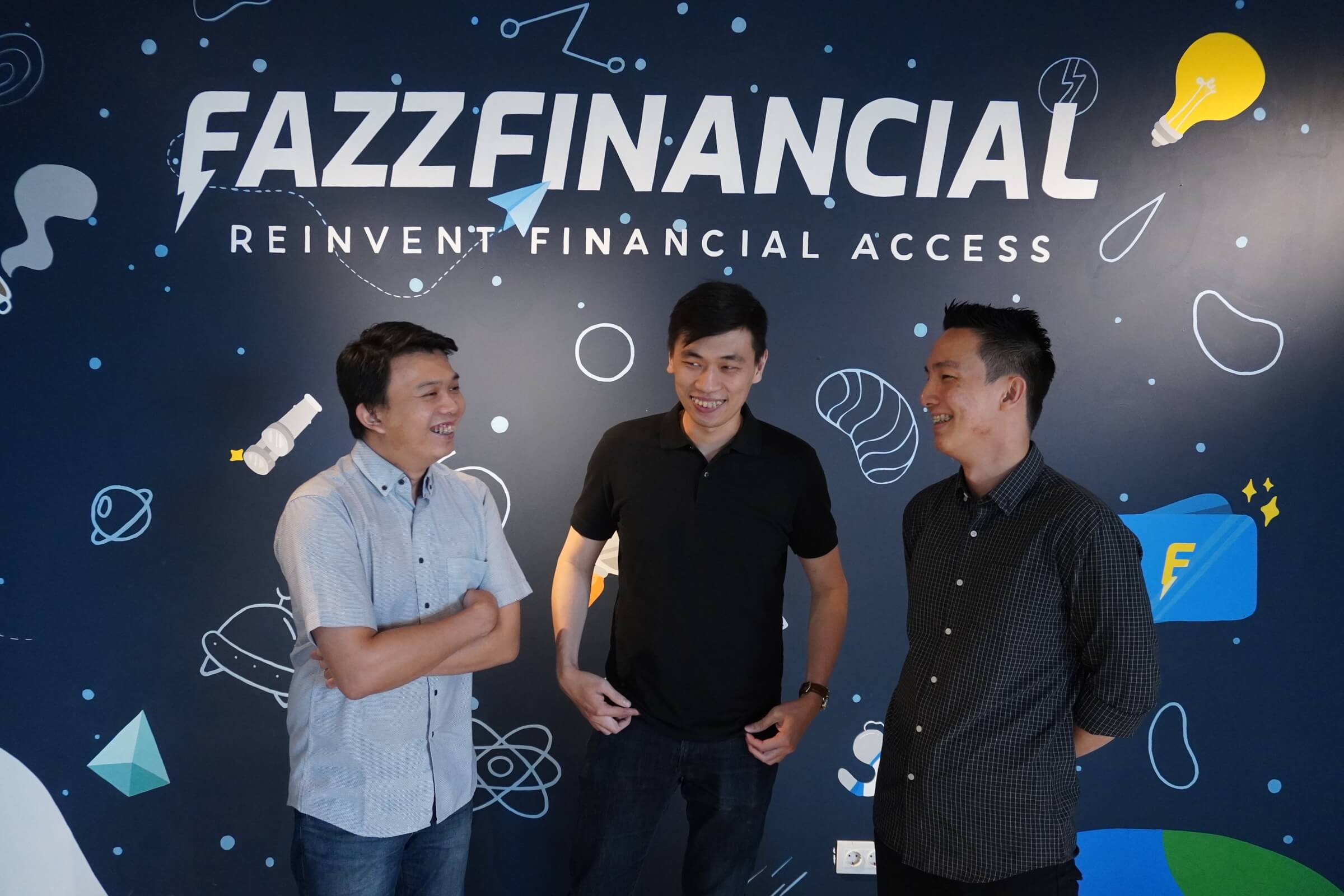
    Singapore’s Xfers has received a strategic investment of $30 million from Payfazz, which operates the largest agent-driven banking network in Indonesia, to form Fazz Financial Group (FFG), according to a statement on Thursday.

    With this investment, Xfers will serve as the designated business-to-business arm of FFG, focused on connecting external merchants to the payment infrastructure and user network amassed by FFG as a group.

    FFG will be led by CEO Hendra Kwik, Payfazz co-founder and CEO, and deputy CEO Tianwei Liu, co-founder and CEO of Xfers. The two will continue as CEOs of their respective companies. The group also appointed Robert Polana, former-CFO of Tiket.com as chief financial officer.

    With more resources on hand, we are also looking forward to helping more brands enter Southeast Asia. Especially for businesses looking to access the underserved consumer segment in Indonesia, Liu said.

    Payfazz and Xfers are both graduates of the Y Combinator accelerator programme.

    Payfazz recently announced a $53 million Series B fundraise, led by B Capital and Insignia Ventures Partners, with participation from Tiger Global, Y Combinator, ACE & Company and BRI Ventures.

    Founded in 2015, Xfers allows individuals to make and receive payments online and helps merchants set up their e-wallet services.

  • Deliveroo for Business Survey Reveals: Challenges faced by companies post pandemic present opportunities for boosting staff morale

    Deliveroo for Business Survey Reveals: Challenges faced by companies post pandemic present opportunities for boosting staff morale

    Deliveroo announces today the results of its Deliveroo for Business survey, in which nearly 100 corporate partners with over 10,000 employees were polled to reveal changing workplace food habits amidst the COVID-19 pandemic. Main findings reveal that businesses in Hong Kong are eager to embrace more workplace catering options, as well as extend food allowances and rewards to employees working from home.

    2020 saw many offices throughout the city adopt new work from home policies. 91% of Deliveroo’s corporate clients have implemented various types of work from home or flexible work arrangements since the start of the pandemic. With more than half of businesses (55%) surveyed saying they plan to maintain this way of working for the foreseeable future, Deliveroo is seeking new ways to assist its Deliveroo for Business partners, and offer solutions to their employees so that they feel engaged, connected and rewarded whether they are working in offices or remotely. With more remote work being adopted, still companies have yet to implement new measures in view of this. 34% of companies have not organised any virtual social events since the outbreak of Covid, and 47% of companies wanted to organise events or celebrations but were not able to because of the pandemic.

    Jeanette Smerin, Head of Deliveroo for Business, Hong Kong & Singapore, said: “We understand that the past year has been a difficult one for team and company bonding with the ongoing social distancing restrictions, but despite the challenges we remain dedicated to creating new and exciting ways to bring Deliveroo perks to our client’s employees.  As staff parties, year-end celebrations and holiday events have long been linked to employee appreciation and boosting staff morale, we are working with our partners to optimise services that can conveniently reward staff from the comfort of their homes. This includes offering vouchers from Deliveroo partnered restaurants and on-demand grocery stores so that employees can easily order their favourite food or grocery items to their home.”

    Last year Deliveroo announced grocery delivery partnership with British retailer Marks & Spencer, renowned convenience chain 7/11 and Japanese mega-store Don Don Donki to deliver not only delicious food but also household items. These services are not only seen as a valued company perk, but are beneficial in a practical sense, with Deliveroo on-demand grocery services on the rise and more neighbourhoods beginning to offer a variety of popular restaurant options.

    With Hong Kong infamous for its late working hours, whether it be from the office or at home, 45% of companies polled revealed that they offer individual food allowances to employees, however only 10% allow employees to order from anywhere they want. With work from home trends showing no signs of abating, Deliveroo is encouraging more companies to adopt flexible ordering policies, which will subsequently help foster a more caring corporate culture, particularly if they adopt health-focused food allowances. Currently, nearly half (47%) of employers from the survey said they had provided team lunch orders in the past, while 34% offered snacks and sweets, and 29% opted to give employees fresh fruit. With food being a vital tool in maintaining healthy and attentive employees, companies would be advised to expand their offerings outside the office, with 35% of those polled limiting their food orders to the workplace, in comparison to home-based orders.a

    Other data within the survey revealed that Chinese cuisine was the most popular to order for office meals (71%), followed by Western (65%), and Japanese (57%). 38% reported ordering salads, a trend Deliveroo expects to increase as more health-focused policies may be adopted post-COVID-19. Meanwhile 74% of businesses listed employee preference as the key factor when they consider which restaurants to order from, showing a growing interest amongst employers in listening and responding to the needs of their teams. The survey also found that online food platforms now have an important role to play in how people recycle, with 77% of surveyed partners indicating that they are more inclined to order from restaurants that supply eco-friendly packaging, an encouraging figure that will likely push the industry into adopting more sustainable practices.

    Smerin added: “Here at Deliveroo for Business, we’re committed to catering to our clients’ needs and expanding our DFB offerings whether it be in office catering, or at home solutions from our restaurants partners or on-demand grocery services or corporate pantry services. That is why the survey is vital to unlocking evolving trends and keeping up to date with the city’s ever-changing needs. We are interested to learn that companies would welcome pantry services providing fruits and snacks to their employees. As we create new campaigns and release new offers to keep spirits up throughout the pandemic and beyond, we are dedicated to providing more options for companies in this new working style in the future.”

    As more employers embrace Deliveroo for Business and see the potential for its office catering services, the food delivery platform is dedicated to expanding its corporate offerings. For instance, Deliveroo is exploring the possibility of adding a corporate pantry subscript on service this year to offer companies snacks, fruits, and nuts in the office – 58% of respondents indicated that they would be interested in this type of service. Deliveroo also remains committed to providing new and innovative employee reward-based schemes, such as gift cards to restaurant partners and grocery stores, as well as helping companies to improve on their green credentials.

  • Grab in Hiring Spree to Support Financial Services

    Grab in Hiring Spree to Support Financial Services

    The super app is looking to create around 350 new jobs in Singapore this year to support its growth plans.

    The new hires will support Grab’s plans to help micro SMEs digitalize, deliver digital financial services across Southeast Asia, and develop the Grab-Singtel digibank, according to an announcement on its website.

    The hiring drive was announced at a signing of a memorandum of intent with the Infocomm Media Development Authority and Digital Industry Singapore to support the development of Singapore’s tech ecosystem, through the development of its tech talent and R&D capabilities here.

    The vacancies are from fields including artificial intelligence, cybersecurity, data science, software engineering, product management and design. There will also be employment opportunities in areas such as finance, operations, legal, public affairs and business development, Grab said.

    We are building products that positively impact millions across Southeast Asia, and we want to continue deepening our R&D capabilities and push the boundaries of innovation, right here at our strategic base, Tan Hooi-Ling, Grab co-founder, said in the statement.

    Grab previously said it would be pushing into retail wealth by focusing on accessible, convenient, and transparent investment products and solutions while broadening its wealth management offerings that feed into its goal of strengthening its open fintech ecosystem.

    The company has grown its suite of financial products in the past year, rolling out e-money, lending and insurance distribution on its platform, and moved into wealth management with the acquisition of Singapore-based robo-advisor Bento, which was relaunched as GrabInvest.

    It also led a $100 million Series B fundraising round for LinkAja, an e-wallet in Indonesia, where the ride hailer has been vying with competitor Gojek for the top spot in digital payments.

  • Travel App Sets Sights on Financial Services

    Travel App Sets Sights on Financial Services

    Indonesian online travel unicorn Traveloka is targeting Thailand and Vietnam for launching financial services ahead of a possible IPO.

    Undaunted by Covid-19 related disruptions, Southeast Asia’s biggest online travel startup is eyeing moves into the financial services space as the company diversifies its offerings in a region ripe for disruption in the space.

    The plan is to invest in fintech in a big way to allow more consumers to travel in the region,» Caesar Indra, Traveloka president said in an interview published Thursday.

    The travel app, which previously branched out into lifestyle services such as food delivery, launched offerings in insurance and wealth management, and is currently developing buy-now-pay-later services in Vietnam and Thailand, where it recently launched a joint venture for fintech development with one of the country’s biggest banks.

    The company, which counts 40 million monthly users, has seen a strong rebound in business, driven by domestic travel, Indra said.

    Its business has surpassed pre-Covid levels in Vietnam, is nearly back to normal levels in Thailand, and is at half of pre-Covid levels in Indonesia, he said.

    Traveloka is reportedly in discussions with special-purpose acquisition companies, or SPACs, for a U.S. listing.

    Reuters quoted a source saying that Bridgetown Holdings, backed by Asian tycoon Richard Li, Provident Acquisition and Cova Acquisition are also contenders for the startup, which has a potential valuation of up to $5 billion.

    Founded in 2012, Traveloka has raised more than $750 million to date from investors including Expedia, Singapore’s sovereign wealth fund GIC, East Ventures, as well as JD.com.

  • SoftBank-backed Coupang reveals revenue surge ahead of US IPO

    SoftBank-backed Coupang reveals revenue surge ahead of US IPO

    South Korean e-commerce giant Coupang, backed by Japan’s SoftBank Group Corp, on Friday filed to go public on the New York Stock Exchange, hoping to cash in on strong demand for high-growth tech stocks as it reported a near-doubling of annual revenue and narrowing losses.

    Coupang is aiming for a valuation of around $50 billion in its U.S. initial public offering (IPO), according to a person familiar with the matter.

    This would make it the largest IPO in New York by a company based outside the United States since Alibaba Group Holding in 2014, Dealogic data showed.

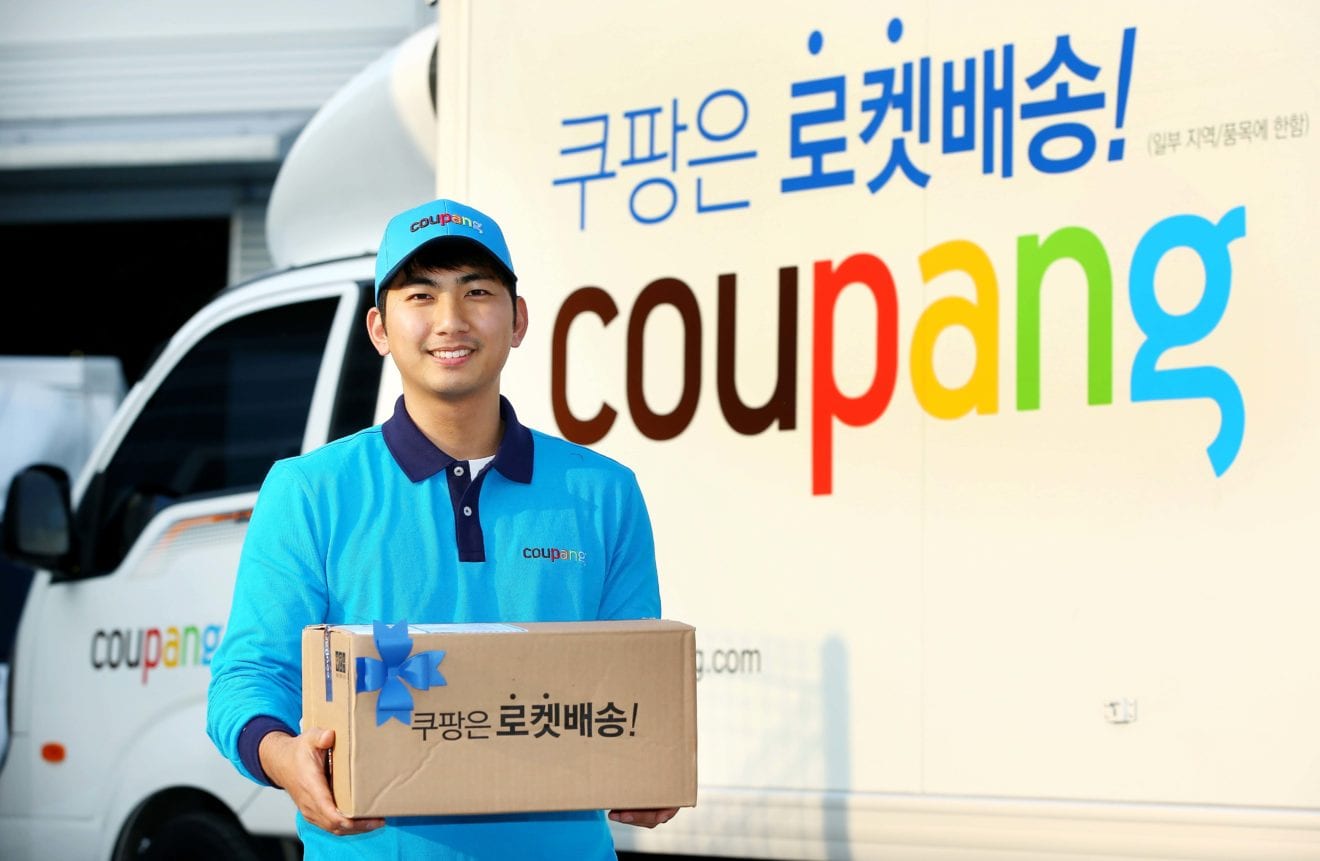
    Founded in 2010 by Harvard graduate Bom Kim, Coupang made a splash in Korea with its ‘Rocket Delivery’ service, which promised delivery within 24 hours, shaking family-owned retail conglomerates such as Shinsegae and Lotte.

    Coupang was valued at $9 billion in its last private fundraising round in 2018, according to data provider PitchBook.

    In a regulatory filing, Coupang said total revenue jumped 91% in 2020 to $11.97 billion, while net losses narrowed to $474.9 million from $698.8 million.

    The company, viewed as a rival in South Korea to e-commerce giant Amazon.com Inc, received $1 billion in funding from SoftBank in 2015 and $2 billion from its Vision Fund in 2018.

    Coupang’s other investors include BlackRock Inc, the world’s largest asset manager, venture capital firm Sequoia Capital and billionaire investor Bill Ackman.

    The U.S. IPO market is at its strongest in more than two decades, and investors are flocking to buy shares in technology companies that have benefited during the COVID-19 pandemic.

    Coupang plans to list under the symbol “CPNG”. It has yet to provide a target asking price for its shares.

    Goldman Sachs, Allen & Co, JP Morgan, BofA Securities and Citigroup are among the underwriters.

  • NZ smart-trolley startup finds strong demand in Japan

    NZ smart-trolley startup finds strong demand in Japan

    IMAGR says the deal with Japanese H2O Retailing Corporation is its first international sales partnership. The Kiwi tech startup is the creator of the SmartCart intelligent shopping trolley. The system uses computer vision technology and AI to reduce queues in retail stores, as it automates checkouts and payments for a frictionless shopping experience.

    IMAGR has also piloted the technology with Kiwi supermarket group Foodstuffs. IMAGR’s first international rollout is anticipated for May 2020.

    It says it is also in discussions with other New Zealand, US, and European retailers for further rollouts.

    H2O Retailing Corporation is headquartered in Osaka, Japan, and operates supermarkets mainly in Osaka and other cities such as Kyoto and Kobe.

    Globally leading retailers are investing heavily in technology to personalize and automate retail, in order to increase customer experience and profits, says IMAGR founder and CEO William Chomley.

    “We’re operating in a $5.7 trillion global brick and mortar grocery retail sector, let alone other types of retail. So, it’s a fallacy that there isn’t opportunity in bricks and mortar retail,” he says.

    “We know Japan is leading the way in evolving retail and it’s doing so on a mammoth scale.”

    He says Japan is the second-largest retail market in the world, at close to US$600 billion in supermarket revenue, home to 127 million people, 55,000 convenience stores, and over 8,000 supermarkets. It also has an aging population and labor shortages which make it cost-prohibitive for retailers to find staff.

    “To break into this market so early in our operation is a real coup and a sign of what we believe is to come,” says Chomley. “Beyond Japan, the opportunity for SmartCart is immense.”

    Off the back of this deal, IMAGR is opening its first office outside of New Zealand. The Japanese office will work closely with H2O Retailing Corporation to ensure a smooth rollout of the technology next year.

    Existing premises are also suitable for the immediate introduction of SmartCart, as the technology is self-contained in the shopping trolley.

    “With SmartCart, doing your shopping is easier and faster. There’s no need to wait in line, there’s no need to pull out a credit card, there’s no need to engage in small talk. Customers just put the goods in their trolley then walk right out of the store. It’s as easy as that,” says Chomley.

    IMAGR’s SmartCart contains four cameras that work with the world’s most powerful AI vision recognition system.

    As a result, SmartCart knows what a customer puts in, or removes, from their carts. Self-contained in a robust trolley that is visually indistinguishable from a regular shopping cart, the cameras examine, recognize and account for goods as they are added or removed.

    IMAGR says its system is vastly more efficient than ceiling-based frictionless retail solutions, such as Amazon Go, and is far easier to implement.

    There is no facial detection with SmartCart, because the SmartCart cameras are focused within the cart, not the surrounding area, it states.

    Existing premises are also suitable for its immediate introduction, as the technology is self-contained in the shopping trolley.

    Customers can use SmartCart by installing an app, linking a payment method, and then syncing their handset with the cart when shopping for the easiest experience.

    Alternatively, SmartCart can be used without linking to a handset or bank card: customers arrive at the checkout with the trolley recording a predetermined total, eliminating the need for unloading, scanning, and reloading individual items.

    “We’ve specifically designed SmartCart for an easy introduction so it generates revenue for retailers rapidly. In fact, the setup cost is roughly equivalent to that of introducing self-checkout,” says Chomley.

    “Globally, retailers are looking for ways to improve the customer experience while reducing overheads. SmartCart does both. We’re confident that once seen in action, SmartCart will become the preferred way of shopping for shoppers.”

  • $2.5 billion Japanese AI startup taps Vietnam market

    $2.5 billion Japanese AI startup taps Vietnam market

    AI Inside, a $2.5-billion Japanese artificial intelligence startup, has entered Vietnam through a partnership with a local company as part of its global expansion strategy.

    The company will partner with OCG Technology, a joint venture between a unit of state-owned Vietnam Posts and Telecommunications Group (VNPT) and Japan’s Nippon Telegraph and Telephone, to sell its software to the Vietnam market.

    AI Inside’s software converts paper documents into electronic data using artificial intelligence, and its target customers are companies that want to automate manual tasks like typing handwritten forms into spreadsheets.

    The five-year-old startup, which claims a 64 percent market share in Japan’s market for AI-based optical character recognition (OCR) software, has seen its number of contracts for the software double between July and September last year, according to a report.

    Its share price has increased fivefold since its initial public offering in December 2019, giving it a market capitalization of $2.5 billion.

    The company is also planning to expand to other Asian markets like Thailand and Taiwan.

  • E-payment startup Gpay bags funding from South Korean investor

    E-payment startup Gpay bags funding from South Korean investor

    Vietnamese e-wallet provider Gpay has received an undisclosed amount in Series A funding from South Korean listed bank KB Financial Group.

    The Series A round values the digital payment business at VND425 billion ($18.46 million), and the fresh funds will be used to expand its team and user base, as also upgrade its technology, Gpay said in a statement.

    G-Group Technology Corporation, Gpay’s parent, has also joined hands with KB Financial to launch a VND300 billion fintech joint venture, called KB Fina, which will provide financial services to unbanked or underbanked consumers, Gpay said.

    G-Group general director Phung Anh Tu said they expect the fintech platform, which incorporates financial and investment advisory products already provided by KB Financial Group in its home country, to come online in the second quarter this year.

    Established in 2018, Gpay obtained its e-payment license in April 2020. However, it faces fierce competition in the Vietnamese digital payment market, where there are currently 39 other licensed e-wallet service providers.

    Gpay said it will not be “burning cash” to fight for a higher market share, but will serve G-Group’s 30 million users currently using various services on its digital ecosystem, which includes peer-to-peer lending firm Tima, digital media firm Beat.vn, and social networking app Gapo.

    Last week, Momo, another payments app in Vietnam, raised an undisclosed amount in Series D financing from U.S.-based investment funds Warburg Princus and Goodwater Capital.

  • Asia’s Grab considering US IPO this year according to sources

    Asia’s Grab considering US IPO this year according to sources

    Southeast Asian ride-hailing and food delivery giant Grab is exploring a listing in the United States this year, encouraged by robust investor appetite for IPOs, three sources familiar with the matter told Reuters.

    The IPO could raise at least $2 billion, one of the sources said, which would likely make it the largest overseas share offering by a Southeast Asian company.

    “The market is good and the business is doing better than before. This should work well for public markets,” he said.

    The plans, including the size of the issue and timing, have not been finalized and are subject to market conditions, said the sources, who declined to be identified as they were not authorized to speak about the matter.

    Singapore-based Grab declined to comment on the potential IPO.

    Grab, whose backers include SoftBank Group Corp and Mitsubishi UFJ Financial Group, has expanded rapidly from its beginnings as a ride-hailing venture in Malaysia in 2012 to become the region’s most valuable startup worth more than $16 billion.

    The company, which also offers financial services and recently gained a digital bank license in Singapore, said this month that group revenue had recovered to be comfortably above pre-pandemic levels. It has also said its ride-hailing business is breaking even in all its operating markets, including Indonesia, the biggest. It expects its food delivery business to break even by the end of the year.

    The IPO plans would come after merger discussions with Indonesian rival Gojek were dropped.

    Gojek and Indonesian e-commerce leader Tokopedia are in advanced talks for a $18 billion merger ahead of a pote

  • Korean startup translates dog barks using AI

    Korean startup translates dog barks using AI

    A South Korean startup has developed an AI-powered dog collar that can detect five emotions in canines by monitoring their barks using voice recognition technology.

    The Petpuls collar can tell pet owners through a smartphone application if their dogs are happy, relaxed, anxious, angry or sad. It also tracks dogs’ physical activity and rest.

    “This device gives a dog a voice so that humans can understand,” Andrew Gil, director of global marketing at Petpuls Lab said.

    The company began gathering different types of barks to analyse dogs’ emotions in 2017. Three years later, they developed a proprietary algorithm based on a database of more than 10,000 samples from 50 breeds of dogs.

    “I thought she was just happy when she played and felt sad and anxious when I wasn’t home…actually she felt angry when she lost a game she played with me, like how humans feel,” said Moon Sae-mi, who has a six-year-old Border Collie.

    The collar has a 90 percent average accuracy rate of emotional recognition, according to Seoul National University, which tested the device the company says is the first of its kind to be powered by AI voice recognition technology.

    Petpuls Lab started marketing the collar online in October last year at $99.

    The global pet care market was worth $138 billion in 2020, up 34 percent, Euromonitor data showed, as more people spent time at home with their pets or adopted pets during the COVID-19 pandemic. The global dog population also grew 18% the same year to 489 million.

    “More people began to adopt dogs, but unfortunately some of them abandoned their dogs due to miscommunication,” Gil said. “Petpuls can have an important role in the pandemic…it helps owners understand how dogs feel and increase their bonding.”

  • YouTrip Inks Deal for Regional Expansion

    YouTrip Inks Deal for Regional Expansion

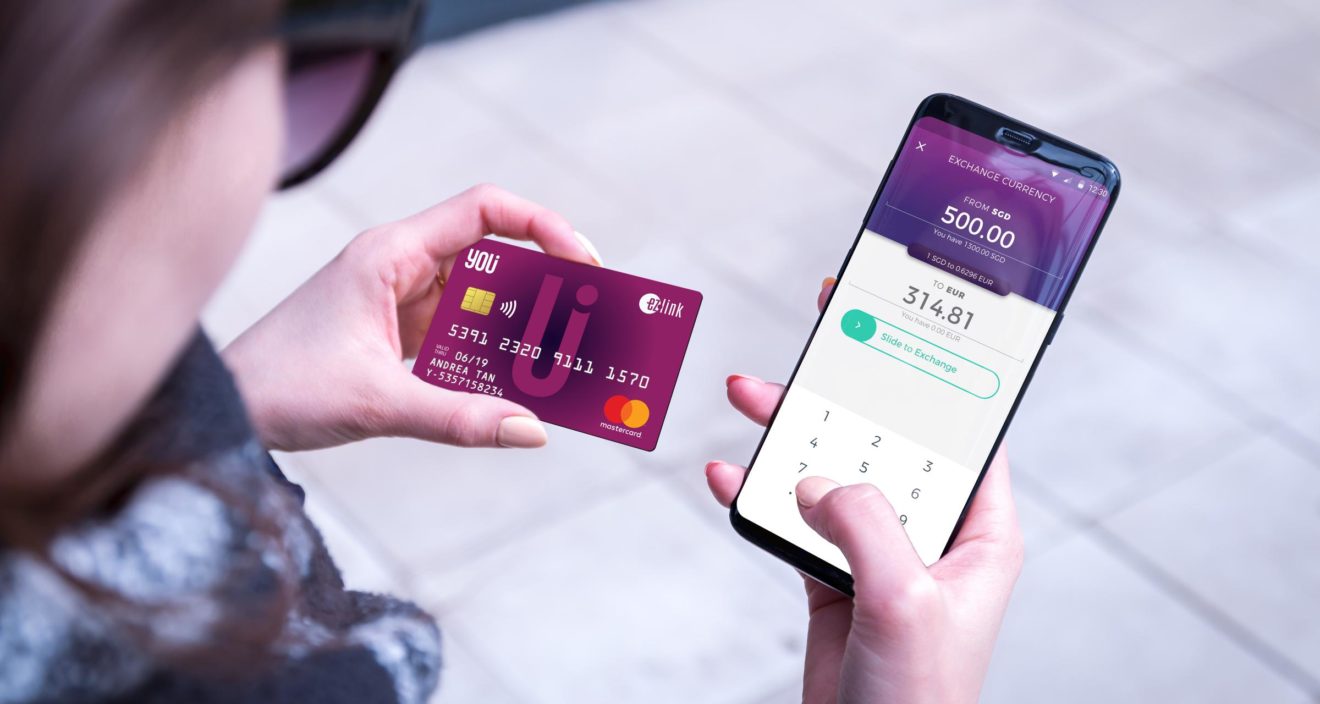
    The multi-currency mobile wallet has inked a six-year partnership with Visa to grow its reach across Southeast Asia, starting with Malaysia and the Philippines.

    The two sides are banking on an international travel recovery and hope to solve a pain point for Southeast Asian travelers by enabling access to cross border payment solutions such as wholesale exchange rates and no foreign currency transaction fees.

    Malaysia and the Philippines – two of the fastest-growing Southeast Asian countries in mobile payment adoption– have «massive untapped potential,» with outbound travel expenditure expected to reach $12.4 billion and $12 billion respectively in 2021, YouTrip noted.

    The partnership «will enable YouTrip’s continued growth to drive the next generation of payment innovation of cross border payments,» Caecilia Chu, co-founder and CEO of YouTrip said.

    Having partnered with Mastercard and EZ-Link to launch in Singapore in August 2018, YouTrip took over the role of issuer and holder of stored value accounts from EZ-Link while continuing the current brand partnership. It also closed a record $25.5 million pre-Series A fundraise in May 2019.

    The platform’s plans to tap on the booming regional travel market were nixed with the onset of the Covid-19 pandemic, but it has since pivoted to overseas e-commerce payment and recorded a three-fold increase in quarterly transactions, compared to the same period last year, YouTrip said.

    Currently also available in Thailand, the e-wallet has over 1 million downloads to date.

  • Grab seeks $750 million term loan

    Grab seeks $750 million term loan

    Southeast Asian ride-hailing and food delivery firm Grab is seeking a $750 million term loan, a term sheet showed on Monday after it announced that total group net revenue jumped by about 70% year-on-year in 2020 and had recovered to comfortably above pre-pandemic levels.

    “In addition, we’ve hit our growth and profitability targets, and reached several new milestones,” Ming Maa, Grab’s president, said in an emailed newsletter update on the business.

    Hours after the update, Grab and one of its subsidiaries were seeking a five-year loan of $750 million for general corporate purposes, according to a term sheet seen by Reuters.

    Grab declined comment on the term sheet.

    Backed by global investors including Softbank Group Corp, Grab has evolved from a ride-hailing app operator to a one-stop shop for services such as food delivery, payments and insurance, helping the company to become Southeast Asia’s most valuable start-up with a valuation of more than $15 billion.

    “We’ve continued to be disciplined with spending and prudent in stewarding our shareholder capital, with monthly EBITDA spend being reduced by approximately 80% over the last 12 months,” Maa said.

    Grab said in October that third-quarter group revenue had risen to more than 95% of pre-coronavirus levels and its food business accounted for more than 50% of revenue.

    The company’s food delivery business, in which net revenue nearly tripled year on year in the third quarter, is expected to achieve breakeven by the end of 2021, it said on Monday.

    Sources have said that investors in Grab and Indonesian rival Gojek are backing a merger of the two, but a deal is far from finalised. Both companies have talked up their strengths.

  • Gojek Plans Merger With E-Commerce Giant

    Gojek Plans Merger With E-Commerce Giant

    The Indonesia-headquartered super-app is reportedly in advanced merger talks with local e-commerce marketplace Tokopedia, ahead of a planned initial public offering of the combined entity.

    Indonesia’s two most valuable start-ups have signed a detailed term sheet to conduct due diligence of each others’ business, a «Bloomberg» report on Tuesday said.

    The deal would create an internet powerhouse valued at $18 billion, with businesses that include ride-hailing and payments to online shopping and delivery.

    According to the report, which cited people familiar with the matter, the two sides have considered a potential merger since 2018, but talks recently accelerated after plans for Gojek to merge with regional rival Grab fell through. Masayoshi Son, founder of Softbank, an investor in Tokopedia, is reportedly backing the merger as he is losing patience with Grab chief Anthony Tan’s reluctance to cede some control in the combined entity with Gojek.

    Two weeks ago, Gojek said its payments and financial services arm GoPay would be increasing its stake in Bank Jago from 4.1 percent to 22.2 percent, as part of its bid to accelerate financial inclusion in Asia.

    The partnership will allow Gojek users to access digital banking services through its platform, as well as to instantly open a bank account with Jago and manage their finances via the super-app.

    Earlier this year, Gojek acquired Jakarta-based mobile point-of-sale (POS) market leader Moka for $130 million. It is the second POS SaaS platform that Gojek has acquired after Nadipos (now rebranded as Spots) in late 2018.