Category: Startups

Retail News Asia is committed to providing both local and global retailers with the latest Startup news throughout the Asian market. This on a daily base.

  • Fintech startup gets $2 mln seed funding from global investors

    Fintech startup gets $2 mln seed funding from global investors

    Vietnamese fintech startup Infina has raised $2 million in seed funding from five global venture capitalists.

    The investors are Japan’s Saison Capital, Indonesia’s Venturra Discovery, Singapore’s 1982 Ventures, the U.S.’s 500 Startups, and Korea’s Nextrans.

    Some Google and Netflix executives are also taking part in this round.

    The startup has developed an investment app called Infina that enables users to make term deposits, invest in certificates of deposit and exchange traded funds. Most users are between the ages of 25 to 40 and looking for alternatives to investing in long-term asset classes like real estate.

    The seed funding will be used to increase the number of users and diversify the investment portfolio, and hire experts to analyze customers’ risk preferences.

    It plans to expand into other countries in future, but for the time being is focused on the Vietnamese market.

    The company said that around 500,000 securities trading accounts were opened in the first five months of 2021, a 20 percent year-on-year increase, according to the Vietnam Securities Depository.

    This along with Vietnam’s high Internet penetration rate, which was at around 70 percent as of January, and the fact that more than three-fourths of Internet users have used online financial services before, enable apps like Infina to gain traction.

    Infina was launched in January 2021 by James Vuong, who used to be an engineer in the U.S.’s Silicon Valley before returning to Vietnam to serve as vice president of investment at Vietnam’s first venture capital fund IDG Ventures.

    Vuong said many Internet users began using digital services, including for investments, with the interest rate cuts by the central bank to help businesses cope with Covid-19 prompting many investors to look for alternatives with higher returns than bank deposits.

  • Uber CEO Makes Deliveries For Uber Eats In San Francisco

    Uber CEO Makes Deliveries For Uber Eats In San Francisco

    Uber CEO, Dara Khosrowshahi, delivered food to people’s doorstep in San Francisco for those ordering from Uber Eats. He completed 10 trips and managed to rake in $98.91. He tweeted about this from his personal handle saying “Spent a few hours delivering for @UberEats. 1. SF is an absolutely beautiful town. 2. Restaurant workers were incredibly nice, every time. 3. It was busy!! – 3:24 delivering out of 3:30 online. 4. I’m hungry – time to order some”

    While it was great to see the CEO of the company getting into the groove and making deliveries, Twitter absolutely erupted calling this a ‘PR stunt’

    User Dan Skelley who has been the most vociferous of the lot in calling it a PR stunt questioned the stats presented. He said “Let’s discuss ur BOGUS stat page. U did 10 orders ON A BIKE in 3 hrs 24 min. First, U can’t get 45pts for 10 trips. Max is 30. U imply 1ride/18 min incl travel time to the pickup with no waiting. Short travel time EVERY time to perfect dropoff EVERY time + only 6 min of downtime”$

    Twitterati Brice Sopher too spoke out about the experience saying “Wow what a surprising conclusion that you, the ceo of Uber, had a great experience working this job. Now try doing it as your only source of income.

    There were many such replies questioning this exercise by the Uber CEO, suffice to say, that though it was all well-intentioned, there’s no wondering how social media will react to it.

  • Fintech startup Mfast raises $1.5 mln

    Fintech startup Mfast raises $1.5 mln

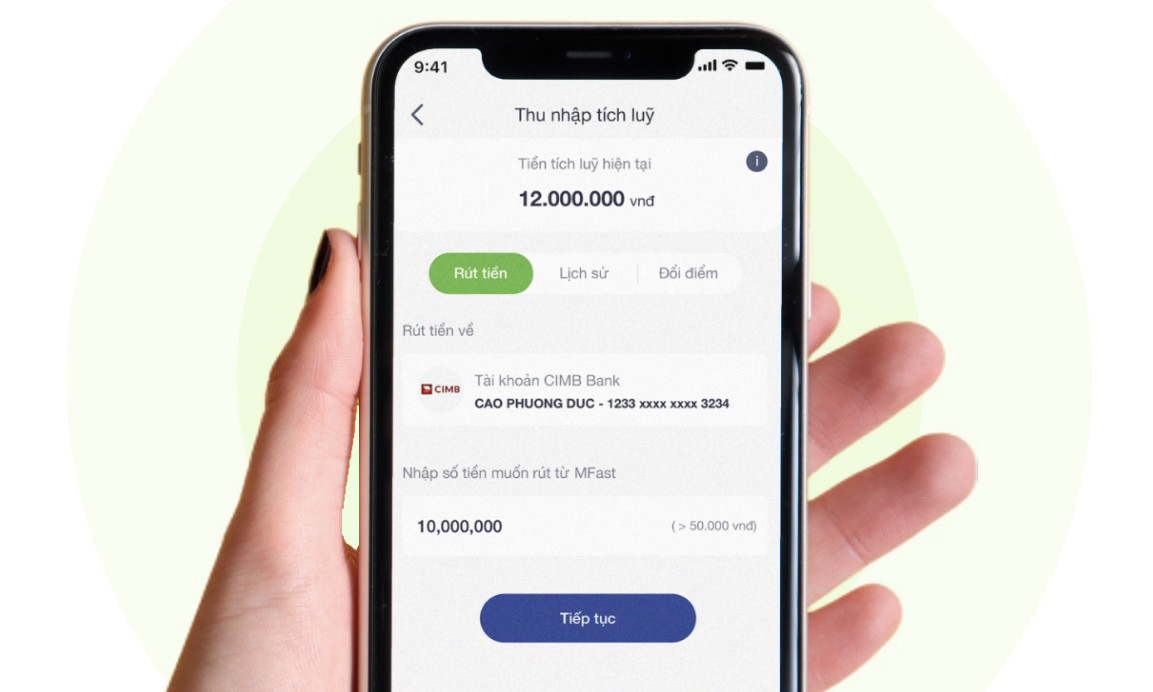
    Fintech startup Mfast has raised $1.5 million in its Pre-Series A funding from a group of investors led by Do Ventures.

    Mfast is a fintech platform that enables Vietnamese to access, use and introduce financial and insurance service packages as well as other product segments.

    After three years of operations in Vietnam, it has served nearly 600,000 users, with 75-80 percent of its end-users coming from remote provinces and rural areas.

    The amount disbursed to its financial partners has climbed to more than VND5 trillion ($217 million).

    Mfast’s mobile app claims to connect the underserved populations with financial and insurance institutions to give them access to basic financial services.

    Amy Do, investment manager of JAFCO Asia, a co-investor in the round, said that the fund had made the decision because of the great potential of the consumer credit and insurance market in Vietnam, as shown in the solid traction of the company despite the ongoing pandemic.

    Do Ventures is a $50 million early-stage venture capital fund that serves as a strategic partner for startups.

  • Coworking space companies respond to Covid with new solutions

    Coworking space companies respond to Covid with new solutions

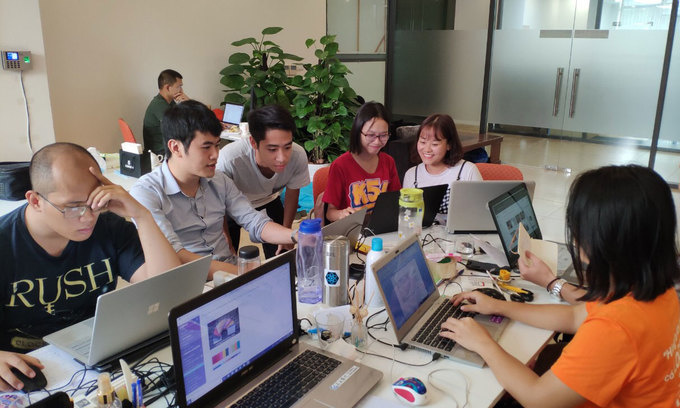
    Coworking space operators in Vietnam have launched a number of Covid response services and even prepared for expansion after the pandemic is controlled.

    This month Dreamplex, which has five coworking spaces in Hanoi and HCMC, unveiled a service called the temporary office for companies with a payroll of at least four. With three facilities in HCMC, cirCo recently provided an online meeting solution for firms that lack equipment and technicians.

    A few days before HCMC mandated social distancing in early June, Toong inaugurated a new 1,250sq.m coworking space in District 3 after an earlier one in March in District 1.

    Its CEO, Duong Do, said 75 percent of the new office in District 3 was booked even before it opened.

    “The pandemic has helped us become sharper and more flexible in designing our services,” he said.

    Early last year, Toong’s occupancy rate was 80 percent in HCMC and 70 percent in Hanoi, but since mid-2020 they have risen sharply.

    The number of clients in the capital has tripled during the pandemic, with revenues rising by some 15 percent in 2020, Do said.

    Balder Tol, WeWork’s general manager for Australia and Southeast Asia, told VnExpress that demand for coworking space has been on the rise.

    The first Covid wave in Vietnam last year only slightly affected demand as many enterprises allowed their staff to work from home.

    However, when the pandemic prolonged, they began to pay attention to coworking spaces, and small companies now tend to seek flexible working spaces instead of traditional ones, he said.

    Some coworking space operators are ready to expand. Toong is about to open a new facility in HCMC and planning more in Hanoi and Da Lat and to cooperate with Wink Hotels for three projects in Da Nang and Can Tho.

    Dreamplex has announced plans to open a new facility each in HCMC’s Thu Duc City in October and District 4 in November.

    But the firms face challenges in achieving sustainable growth since serviced offices are more suitable for startups or enterprises with a workforce of 30 or fewer, according to property experts.

  • Indonesia’s Bukalapak aiming for up to $800 million in IPO

    Indonesia’s Bukalapak aiming for up to $800 million in IPO

    Indonesian e-commerce firm Bukalapak is keen to raise as much as US$800 million in an initial public offering (IPO) in August, two people with knowledge of the matter said, the first of two big tech listings in Jakarta this year that will add long-sought luster to the local bourse.

    A mid-year debut could see it become Indonesia’s biggest listing in 10 years and the largest ever for the country by a startup. But those milestones will likely later be overtaken by the planned listing of GoTo – a new company to be formed by the merger of e-commerce rival Tokopedia and ride-hailing and payments firm Gojek.

    Tapping a sharp pick-up in investor interest in Southeast Asia’s rapidly expanding technology sector, Bukalapak, the country’s No 4 e-commerce firm, is aiming to sell 10 to 15 percent of the company and wants a valuation of between US$4-5 billion, the people said.

    A confidential listing prospectus has been submitted to the Indonesia stock exchange, one of the sources said.

    Proceeds from the offering could range between US$500 million and US$800 million depending on investor demand and market conditions, said the sources who were not authorized to speak on the matter and declined to be identified.

    Bukalapak, which said in 2019 it was valued at more than US$2.5 billion, declined to comment.

    The 11-year-old startup which claims to have more than 100 million users has a plethora of big-name investors backing it including Microsoft, Singapore sovereign wealth fund GIC, local media conglomerate Emtek, the investment arm of Standard Chartered, and South Korean web portal Naver Corp.

    Bukalapak was originally aiming to raise US$300 million from its domestic listing before looking to merge with a special purpose acquisition company (SPAC) in the United States, but it is now focusing solely on its IPO, one of the sources said.

    The listing, which sources say is set to take place mid-August, is a victory for Indonesia’s bourse which has been conducting an extensive charm offensive to convince the country’s thriving startups to list locally instead of heading to the US.

    Stagnant for many years, Indonesia’s total IPO deal value took a further hit during the coronavirus pandemic, more than halving in 2020 to US$470 million, Refinitiv data showed. So far this year, 15 companies have raised a combined US$125 million via IPOs.

  • SoftBank-backed DoorDash enters Japan

    SoftBank-backed DoorDash enters Japan

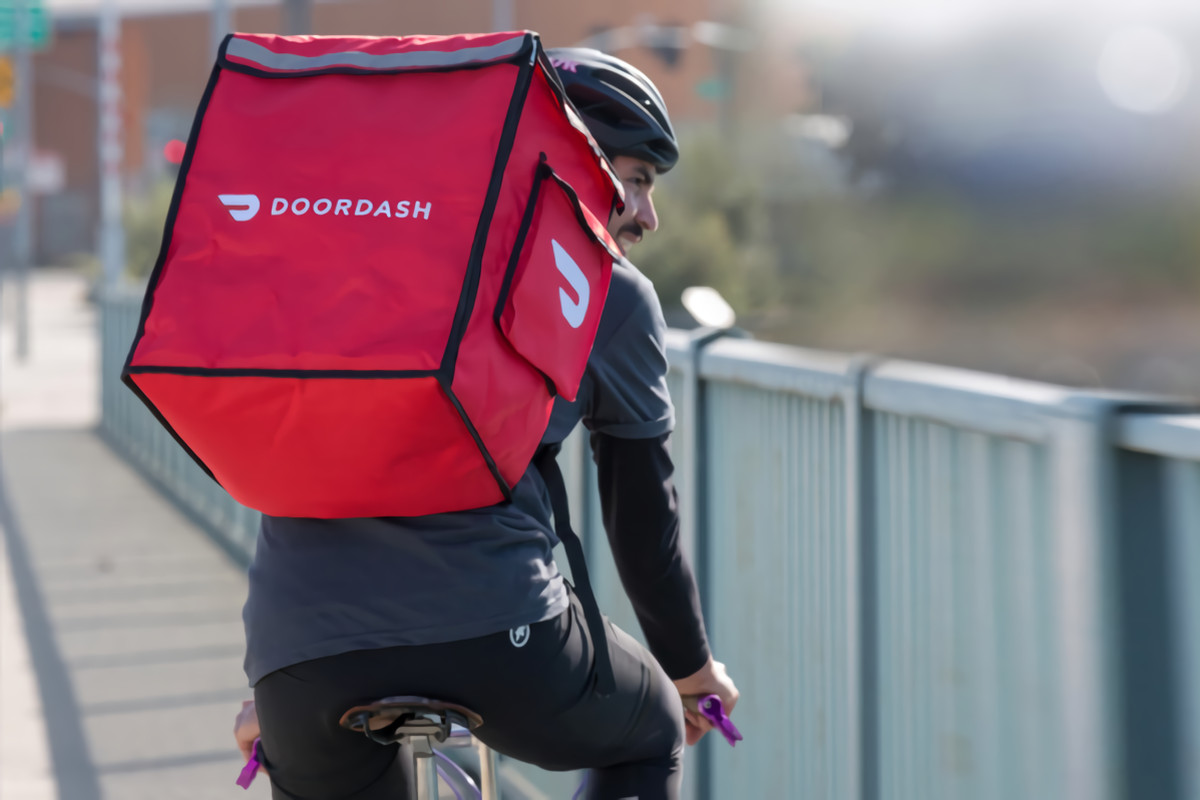
    U.S. food delivery firm DoorDash, which is backed by SoftBank Group, announced the launch of services in Japan on Wednesday, joining an increasingly crowded market that has grown during the COVID-19 pandemic.

    Services will be initially limited to the city of Sendai in Miyagi prefecture, the money-losing delivery firm told reporters, in a step that follows its expansion to Canada and Australia.

    “Our strategy has always been to empower local economies, especially in the suburban markets that are historically underserved, yet the appetite for connectivity between merchants and customers is high,” Chief Executive Tony Xu said in a statement.

    SoftBank already backs some of the largest delivery services in Japan, such as Uber Eats from Uber Technologies and Demae-can.

    Last month, DoorDash raised its forecast for annual gross order value, as stimulus checks helped keep food delivery demand resilient in the first quarter, even as vaccinations and an easing of curbs encouraged dining out again.

    DoorDash, which has also branched out into delivery from grocery and convenience stores last year, reported a nearly three-fold jump in quarterly revenue to $1.08 billion.

    The company has seen a surge in order volumes during the pandemic as consumers hesitant to step out order essential items by telephone.

  • Ride-hailing platform Emddi raises $2 mln

    Ride-hailing platform Emddi raises $2 mln

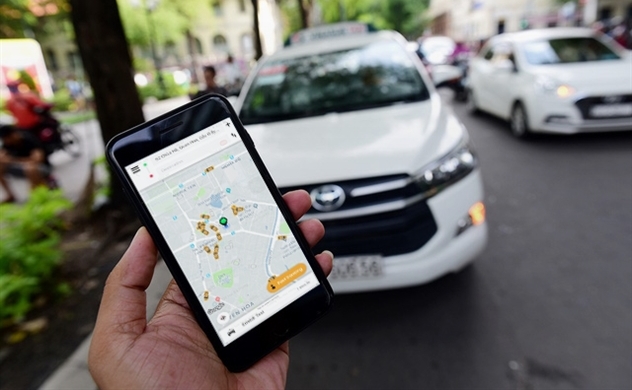
    Vietnamese ride-hailing platform Emddi has raised $2 million at online fundraising event Virtual Investment Day hosted by venture capitalist ThinkZone Ventures.

    The fund will be used to invest in human resources and expand its market share, Emddi spokesperson said.

    The company had completed last year its Series A funding round, led by ThinkZone Venture. The amount of investment raised was undisclosed.

    It also reached a cooperation agreement with ride-hailing firm Be Group and Vietnam Taxi Alliance in April as part of efforts to increase its market share.

    Emddi is a ride-hailing application developed in 2016 by scientists of Vietnam National University’s Centre for Information Technology. It provides a ride-hailing platform for transporting companies, allowing them to set their own prices and types of services. The platform receives ride requests from both ride-hailing orders on the application and phone calls to the transporting firms’ switchboard.

    It allows customers to access the services of various transporting firms with one application.

    Emddi currently operates in over 40 cities and provinces in Vietnam and Laos with 30,000 drivers. It provides car-hailing services and two additional services in Hanoi – ride-hailing service to airports and round-trip transport between Hanoi and other provinces.

    The application allows cashless payment through e-wallets like VNPay, MoMo, Viettel Pay and Mobile Banking.

    It plans to expand to motorbike-hailing service once its car-hailing has developed its market position, said its representative Le Van Nam. It is currently focusing on car-hailing since it does not have enough resources, he added.

    Emddi expects Vietnam’s ride-hailing industry to grow by 16 percent to $4 billion in the next five years.

  • Deliveroo to expand Editions shared-kitchen network in Hong Kong

    Deliveroo to expand Editions shared-kitchen network in Hong Kong

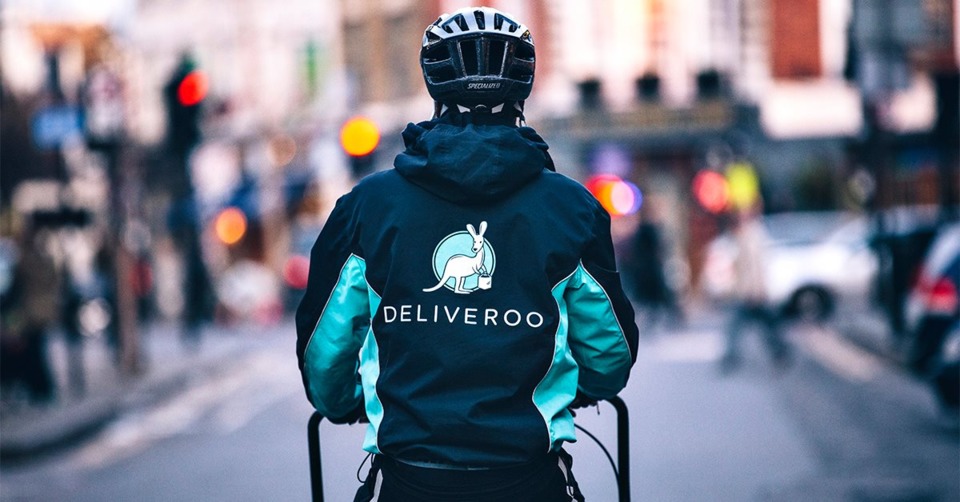
    While the current COVID-19 pandemic is causing Hong Kong’s brick and mortar F&B industry to suffer, online food delivery platforms are enjoying success as self-isolating diners order from the safety of their homes. To reach out to more customers, Deliveroo Hong Kong has opened its third Editions site, a hub housing a number of delivery-only kitchens.

    Located in Quarry Bay, the new site, spanning 2,877 square feet, aims to serve customers from North Point, Braemar Hill, Quarry Bay, Tai Koo, and Shau Kei Wan. With six kitchen spaces, this latest addition is Deliveroo Hong Kong’s largest Editions site.

    “Our newest Deliveroo Editions at Quarry Bay highlights Deliveroo’s ambition, confidence, and vigorous commitment to investing in Hong Kong’s F&B industry. We look forward to continuing our investment in the industry in 2020 with additional openings towards Q3 and Q4,” said Brian Lo, general manager of Deliveroo Hong Kong.

    Deliveroo’s existing sites already include a location in Wan Chai and the Deliveroo Food Market in Sai Ying Pun. With the new Quarry Bay site, Deliveroo Hong Kong now houses a total of 17 kitchens consisting of 42 brands. In order to provide a range of cuisine types, Deliveroo Hong Kong’s new location will be working with Pirata Group, Shanghai Lane, Beef & Liberty, Treehouse, Pololi, and Soupday.

    In addition, Deliveroo Hong Kong has also rolled out a new pick-up feature on its app, allowing customers to order food from restaurants that might not offer delivery services or products suitable for delivery. At the same time, the pick-up service eliminates delivery fees and the need to stand in queues.

    Lo commented, “As Hong Kong’s food delivery sector leader, we want to ensure that we reach communities, deliver convenience, and provide great service across every part of Hong Kong.”

    Looking forward, Deliveroo Hong Kong is seeking opportunities to expand its Editions sites to Kowloon and New Territories later this year.

  • New fund to support startups in Vietnam

    New fund to support startups in Vietnam

    Two partners at U.S. venture capital fund 500 Startups have founded Ascend Vietnam Ventures with plans to invest in 25 local companies.

    Their early-stage investments will range from $500,000 to $2 million and be in tech startups in areas like finance, education, healthcare, productivity, and future of work, according to a statement.

    Around a third of the startups will receive follow-up investments of $4 million, it added.

    The fund was set up by Binh Tran and Eddie Thai, general partners at 500 Startups Vietnam, which was launched in 2016 by the Silicon Valley startup accelerator and VC fund to capitalize on Vietnam’s growing market.

    500 Startups Vietnam raised $14 million in 2018, which has been fully invested in more than 70 companies.

    Some of its notable investments have been in language learning app ELSA, Base.vn, which was acquired by IT giant FPT Corporation, and Axie Infinity, whose latest round includes Mark Cuban as an investor.

    Investment in startups in Vietnam jumped by 34 percent year-on-year in the first quarter to $100 million, according to a report by South Korean venture fund Nextrans.

  • Thai startup Pomelo to launch fashion tech platform Prism

    Thai startup Pomelo to launch fashion tech platform Prism

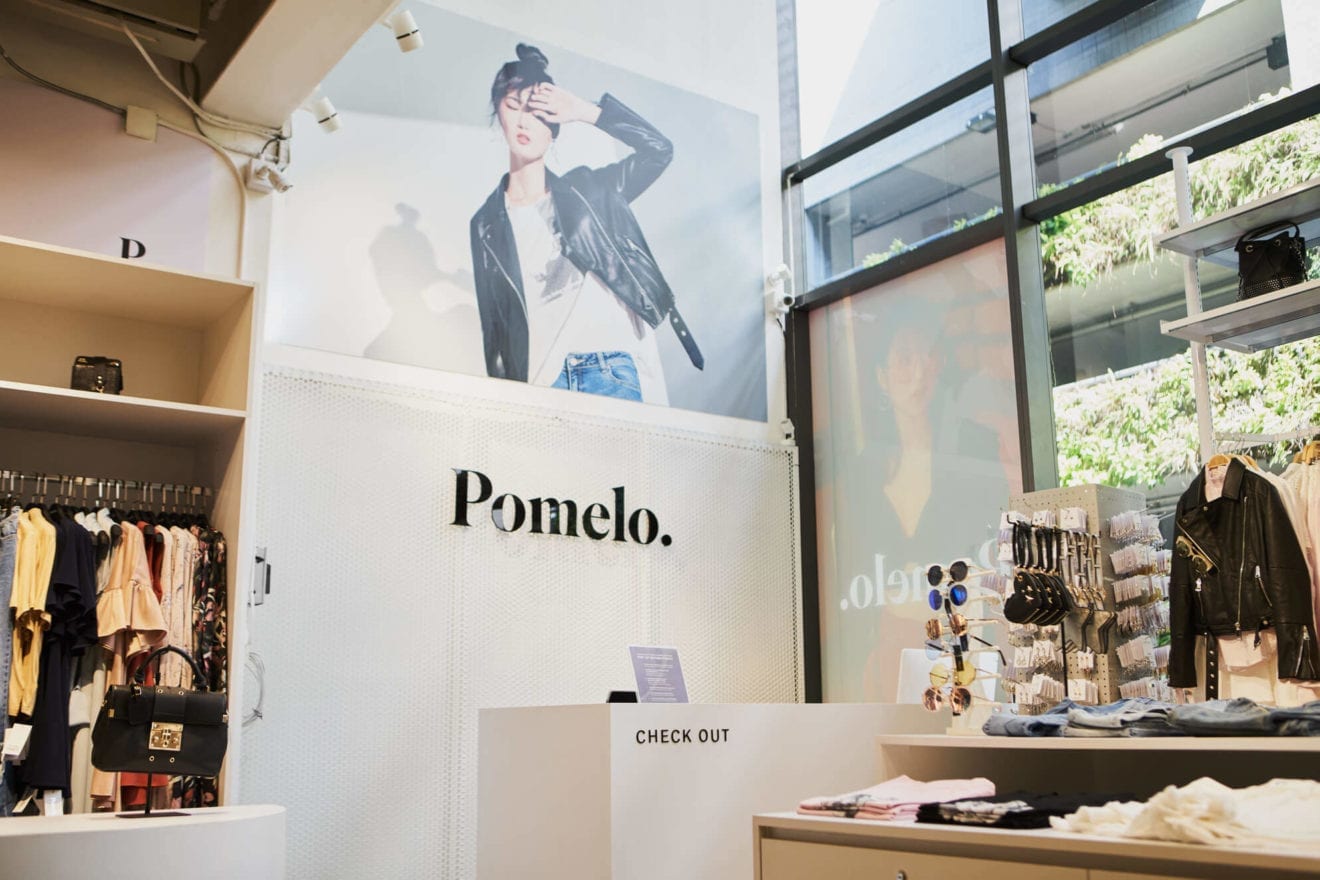
    JD-backed Thai fashion e-commerce startup Pomelo plans to boost revenue by offering its own technology in analytics and demand forecasting to other fashion brands in the region, its CEO David Jou says, amid slowing offline sales.

    The women’s fashion firm, which started as an online business in 2013, plans to launch its business-to-business (B2B) unit, Prism, next month to offer services like demand planning and logistics for other fashion and lifestyle brands.

    The plan comes as physical store sales and traffic have dropped.

    Store traffic in Thailand plummeted 71 percent in the first quarter of this year and about 20 percent in its other markets, said Jou in an interview with Reuters, adding that e-commerce was strong.

    Its B2B service has drawn brands like Levi’s as customers.

    The startup has raised a total of $83 million from investors including Thailand’s largest retailer Central Group and competes with companies like Japan’s Uniqlo.

    Retailers are accelerating digitization due to the pandemic, creating demand for the service, he said.

    Local brands, which already know their customers, can get support in product development, textile sourcing, and supply chain management, Jou said.

    Pomelo would continue to sell its own apparel brand and is planning to add 44 more physical stores on top of its 25 existing locations.

    The company is also experimenting with having customers try on clothes at home in a partnership with ride-hailer, Grab.

  • Gojek and Tokopedia formally announce merger

    Gojek and Tokopedia formally announce merger

    Indonesian ride-hailing and payments firm Gojek and e-commerce leader Tokopedia formally announced their merger today in a transaction that will create a technology powerhouse in the country’s largest deal.

    Sources familiar with the situation had earlier said the companies were seeking a $18 billion merger. Neither firm confirmed a valuation for the merged group, named GoTo.

    The deal comes as Gojek and Tokopedia seek to boost profitability some 10 years after they were founded by offering a bouquet of services under a single platform, extending a regional trend.

    Alibaba Group Holding and SoftBank Group Corp are among Tokopedia’s investors, while Gojek’s include Warburg Pincus and Tencent Holdings.

    Last month, Southeast Asia’s biggest ride-hailing and food delivery firm, Grab, clinched a $40 billion merger with a special purpose acquisition company. Meanwhile Singapore-based regional internet firm Sea Ltd, which operates e-commerce platform Shopee, is also muscling into food delivery and financial services.

  • Gojek shifts gears to introduce car rides in Vietnam

    Gojek shifts gears to introduce car rides in Vietnam

    Indonesia-based ride-hailing company Gojek will start offering car rides service in Vietnam in the next few weeks and allow cashless payments later this year.

    Gojek Vietnam CEO Phung Tuan Duc said Wednesday that the new service will be called GoCar.

    He did not mention a specific date for the launch but said the service will comply with all pandemic prevention measures.

    Duc said that although Gojek is a latecomer for its GoCar service, “the ride-hailing market and on-demand services will continue to flourish, with lots of space for other ride-hailing players to develop. So we have confidence in expanding the business.”

    Administrators of Gojek drivers’ official group on Facebook announced that car drivers introduced to Gojek by transport cooperatives can become the riders for the GoCar service. A total of 17 transport cooperatives have been working with Gojek.

    Gojek entered Vietnam in August 2018 as GoViet. The company became Gojek Vietnam last year. It offers three services at present – motorbike rides (Gojek), delivery of goods (GoSend), and food delivery (GoFood). Other ride-hailing companies like Singapore’s Grab and Vietnam’s Be have all these three services plus car rides.

  • Startup scene reviving, says expert

    Startup scene reviving, says expert

    Vietnamese startups are attracting increasing attention from foreign funds, and there have been at least seven million-dollar investment deals in Q1.

    The biggest deals include a $100-million funding round by U.S. investor Warburg Pincus in payment app MoMo, a $15-million investment in English learning app ELSA by Vietnam Investments Group and U.S-based Susquehanna International Group, and $6 million into gifting platform Got It by local digital gaming group VNG.

    The other four investments, in hotel booking platform Go2Joy, med-tech startup Genetica, online real estate platform Citics, and live streaming platform GoStream, were all worth less than $3 million. According to Thai Van Linh, CEO of consulting firm TVL Group and senior advisor to venture capital fund Openspace Ventures, the startup ecosystem in Vietnam is making exciting progress.

    Vietnamese tech firms have been thriving mainly thanks to the advance of digitization and consumers moving online, buying and selling on social networks or simply communicating online, Linh said in an interview with VnExpress.

    “In the first quarter’s major deals, the role and impact of foreign funds have been quite evident, despite fears that the pandemic would deter their involvement.”

    Last year, was a time of reflection and creativity, with many businesses having to conduct comprehensive reassessments of their operations, products, and services to look for new ways to bring value to the customer, she said.

    “Venture capital funds have also undergone a similar process. They looked from different perspectives to find potential in each startup notwithstanding the obstacles ahead. To that end, many funds have invested in businesses with a large customer base or consistently growing revenues.”

    Long-term growth has also been also an important factor, she said. With more than 55 percent of its population aged below 35, Vietnam not only has a young population but is also very open to change and willing to try new products and adopt new technologies.

    There have also been a number of major events that are creating the foundation for the development of startups and confidence among foreign funds to participate.

    Vietnam has entered into several foreign trade agreements that make it easier for startups to expand their customer base to overseas markets, while the consistent development of infrastructure would help increase the productivity of logistics operations and improve people’s living standards, she added.

    The Vietnamese diaspora abroad has been moving back to the country, bringing with it the experience acquired by working for global companies. More Vietnamese students are choosing to return home, bringing with them international perspectives on innovation and growth. This demographic is being utilized by large corporations to create an abundant supply of human resources for startups, Linh said.

    Interest in Vietnam among foreign venture capital funds has steadily increased over the last 10 years though many still have their main offices elsewhere in the region, Linh said.

    “Their headquarters may be in Singapore and they only fly to Vietnam once a month or once a quarter to explore. Some major investment funds in established markets such as the U.S. have established regional offices focusing on the Asian market.”

    Singapore-headquartered Openspace, which manages more than $425 million, has opened a representative office in Vietnam. “We believe the next unicorn startup will come from Vietnam, the Philippines, or Thailand,” Linh said.

    “If a founder tries to build a startup based on an ongoing trend, it is already too late compared to incumbents in that market.”

    Instead, they have to have a product ready, build a customer base, and run it smoothly before a trend emerges, she said.

    Asked about imminent startup trends, she said that does not matter and now should be considered a time to explore and experiment.

    “I meet many business owners who are doing this. Covid-19 may have adversely affected their business, but then they come up with new ways to change. And now, they are setting on a new path.”

    Linh, who is also a judge on the business reality TV series Shark Tank Vietnam, said startups should not only think about money when tying up with investors but also consider other ways in which the latter could contribute, such as with strategic guidance and introduction to partners.


  • Youfoodz begins selling groceries online

    Youfoodz begins selling groceries online

    Ready meals business Youfoodz has begun selling groceries essentials for home delivery, alongside Seasonal Fruit & Veg Boxes, amid high demand for online groceries during COVID-19.

    Youfoodz’s Grocery Essentials, includes a selection of grocery items, from proteins such as chicken breast, mince, Porterhouse steak, and Tasmanian salmon, all of which are under $12, to eggs, milk, and vegetables.

    The convenience meals business said the range is “premium yet affordable” and will allow customers “to purchase all their fresh food from one place”.

    “In this time of unprecedented uncertainty and disruption many Aussies are doing it tough and as a business Youfoodz have a duty of care to play a small part in supporting the local community, customers, partners, and suppliers to ensure they come out the other end ok – if not better,” the convenience meals business said in a statement.

    “That’s why Youfoodz have boosted production capability, are continuing to develop and introduce new products, as well as taking an active role in supporting great initiatives.”

    The decision to pivot into online groceries is likely in response to changing shopping behavior prompted by COVID-19.

    Last week at Coles Q3 results, CEO Steven Cain noted that consumers are doing more home cooking and baking during the lockdown, and convenience meals are taking a hit.

    Cain said that Coles, which is a stockist of Youfoodz ready meals, has seen people shopping fewer times per week, and buying more when they shop.

    “With fewer trips, you get fewer impulse items being purchased,” Cain said.

    “Home cooking is a more economic way to feed the family than buying convenience meals or impulse items.”

    Cain noted that consumers are eating more fresh food, with veg sales at the highest penetration they have ever been.

    Youfoodz is also taking advantage of increased demand for fresh produce, with a selection of Fruit & Veg boxes available, ranging in price from $44.95 to $69.95.

    Chief executive Lance Giles said the concept for Fruit & Veg Boxes came about when a local supplier felt the hit when restaurants and cafes slowed trading due to Coronavirus.

    “I received a call from Michael, one of our key suppliers, and the director of V One. He explained how his business had been significantly affected by COVID-19 and that he was days away from having to lay off the majority of his workforce,” Giles said.

    “After helping each other grow our businesses for many years, I felt there must be a way to help. That’s how fruit and veg boxes was created.”

    Youfoodz grocery items and fresh produce are sold online alongside the ready meals range, as individual items are as part of The Ultimate Grocery Box, but are packed separately for delivery. Discounts are offered if ready meals are bought alongside the grocery box.

  • Startups see investment rise by 34 pct

    Startups see investment rise by 34 pct

    Investment in startups jumped by 34 percent year-on-year in the first quarter to $100 million, with foreign investors being dominant. But the number of deals continued to fall, almost halving from 2019 to 16, according to a report by South Korean venture fund Nextrans. Foreign investors outperformed their local counterparts with nine deals, it said.

    Seed funding and series A investment, the first two stages, remained dominant, accounting for 70 percent of the deals. Fintech once again led with four of the 16 deals, followed by logistics, hospitality and real estate.

    Vietnam is expected to grow at the fastest rate in Southeast Asia in terms of digital financial services revenues in the next five years, reaching $3.8 billion by 2025, the report said. Other sectors such as e-commerce and medtech are also expected to boom in the coming years, it added.

    The most notable deals in the first quarter included an investment of $2.6-million from a group of investors led by Singapore venture capital firm Jungle Ventures in electric motorbike brand Dat Bike, and a $1 million by investment fund AppWorks in healthcare service booking platform Docosan.

    A venture capital fund alliance comprising 17 investment companies are committed to investing $800 million in Vietnamese startups in 2021-25.

    The government has also been making efforts to support startups, with former Prime Minister Nguyen Xuan Phuc approving the National Digital Transformation Program in June last year.

    Startup events have been organized to help new companies promote their ideas and connect with potential investors, attracting thousands of participants.