Category: Startups

Retail News Asia is committed to providing both local and global retailers with the latest Startup news throughout the Asian market. This on a daily base.

  • Slyp raises $25 million in Series A fundraising

    Slyp raises $25 million in Series A fundraising

    Digital receipts fintech Slyp has closed a $25 million Series A with the backing of Australia’s big four banks, and plans to use the fresh cash to launch new products and features on its platform.

    The oversubscribed funding round was supported by new investors such as advisory and investments firm Sayers Group, alongside additional investment from the nation’s largest banks.

    While NAB was the first bank to integrate the fintech’s software, Slyp is now working with other financial institutions, as well as buy-now-pay-later providers to get its tech in the hands of millions more Australians.

    “We’re delighted to officially announce our Series A. Thanks to the growing and unwavering support of our investors and partners, Slyp is on track to make Smart Receipts available to half of all Australians by the end of this year,” co-founder Paul Weingarth said.

    “The funds raised will be invested directly into our unique technology that enables Slyp to deliver the most seamless, intuitive, and sustainable proof of purchase in the world, while building new products to improve the entire purchase experience.

    “This year, we will be laser-focused on expanding our presence within the in-store retail and hospitality ecosystem, working closely with Australia’s retail network and leading banks to switch off the paper receipt and transform the customer checkout experience, for good.”

    Founded in 2017 by former PayPal executives Paul Weingarth and Spiro Rokos, alongside former ANZ group data officer Mike Boyd, the fintech delivers ‘smart receipts’ inside of banking apps, cutting out the need for paper in a transaction altogether.

    More than 880 stores and venues are now using the platform, including Chemist Warehouse, Mitre 10, JD Sports, Harris Farm and Hunter St Hospitality and Pacific Concepts.

    Slyp is also looking to expand beyond smart receipts by introducing a product that will allow customers to link their loyalty cards to their payment cards, which will be released later this year.

    Since launching smart receipts in late-2020, 1.2 million have been sent to a customer’s NAB app or via SMS in the last 12 months.

    “Creating seamless digital experiences for our customers is a key investment focus for NAB Ventures and Slyp Smart Receipts has been a perfect fit. The economy is becoming increasingly digitised and Slyp’s technology is creating a more convenient and sustainable experience for our customers,” NAB Ventures managing director Todd Forest said.

    “We’re proud to be an inaugural investor since 2018 and it’s been great to watch the company grow.

    “Since becoming the first major bank to integrate the Slyp solution into our mobile banking just over a year ago, the feedback from NAB customers has been overwhelmingly positive. It’s been really pleasing to see more and more partners sign-up to Slyp and it made the decision to reinvest our next natural move.”

  • Singapore education institution and Nvidia launch AI training for students

    Singapore education institution and Nvidia launch AI training for students

    Singapore’s Institute of Technical Education (ITE) and Nvidia have entered a three-year partnership to collaborate in enhancing AI training for ITE students, through a jointly developed AI workforce readiness programme.

    This involves the establishment of an AI training facility at ITE College Central, which hosts Nvidia’s supercomputing platform. Called AiTE, it serves as a living lab where students can work with companies to co-develop AI solutions that address business needs. This will be the first facility at ITE which enables students to work directly on real-world AI projects.

    Minister for education Chan Chun Sing officiated the launch of the AI Workforce Readiness Programme at ITE College Central, where he also viewed a showcase of Nvidia-powered AI applications that support students’ learning.

    Besides nurturing young AI talents, the AI workforce readiness program aims to drive the adoption of AI among companies in Singapore and create related job opportunities. Through the program, companies can use AiTE to explore and develop AI solutions that meet their digitalization needs. Students from ITE’s AI-related courses will have the opportunity to participate in such industry projects and play an active role in areas such as data collection and annotation for AI model training.

    Nvidia will also be training ITE lecturers as its certified instructors, who will in turn deliver Nvidia’s AI curriculum to students. Close to 400 students will benefit from the partnership each year.

    Ms Low Khah Gek, chief executive officer of ITE, said, “AI is a key driver of Singapore’s digital economy and smart nation vision. More companies are also seeking to reap gains in productivity through AI. With the strong push towards AI, there is a strong demand for skilled AI talents. What is special about this partnership is that it allows our students to hone their skills through real-world AI projects, while supporting businesses in the adoption of AI. This reinforces our efforts to equip students with skills that are relevant to industry needs.”

    Mr Dennis Ang, senior director, enterprise business, SEA and ANZ region, Nvidia worldwide field operations, said, “AI is a once-in-a-generation technology that is transforming industries around the world. As a leader in this space through GPU accelerated computing, NVIDIA will work closely with ITE to share and transfer knowledge, advance AI curriculum, and prepare the workforce of tomorrow for Singapore.”

    Capable of processing data and performing complex calculations at high speeds, supercomputers are widely used for the development of AI applications.

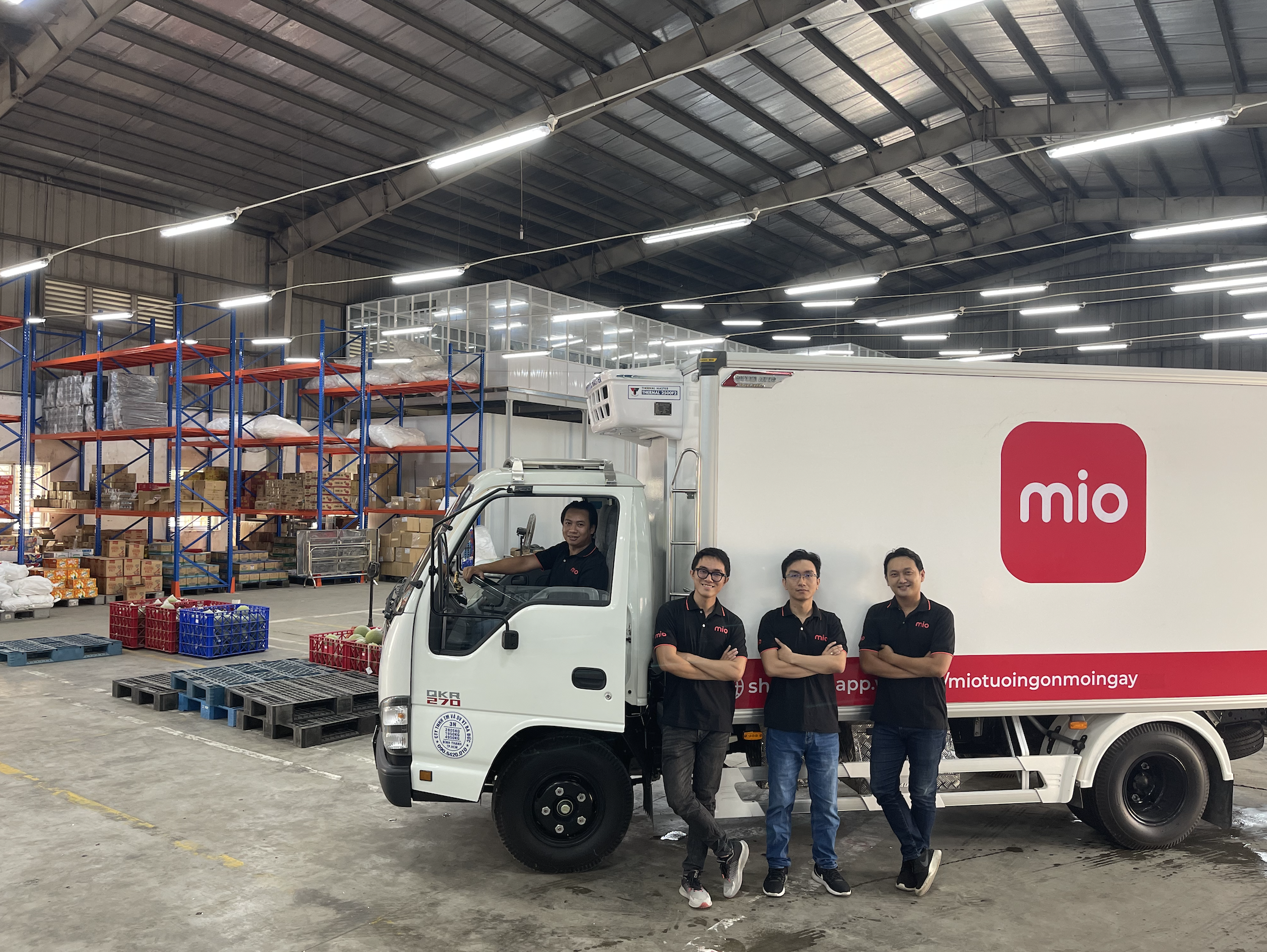
  • Vietnam grocery platform Mio secures US$8 million in Series A funds

    Vietnam grocery platform Mio secures US$8 million in Series A funds

    Mio, a Vietnam-based social commerce startup, has raised US$8 million in a series A funding round led by Jungle Ventures. Patamar Capital, angel investor Oliver Jung, and existing investors such as Golden Gate Ventures, Venturra Discovery, Hustle Fund, iSeed SEA, and DoorDash executive Gokul Rajaram also participated in the round.

    The investment boosts Mio’s total funding raised to US$9.1 million.

    Founded in June 2020, Mio uses a network of resellers to sell fresh produce such as fruit, vegetables, and meat. The company was set up by former IDG Ventures associate Trung Huynh, Scommerce co-founder An Pham, ex-DigiPay executive Tu Le, and former Uber Vietnam operations lead Long Pham.

    Around a year after its inception, when the company raised a US$1 million seed round, it had 150 active resellers. Today, that number has grown by 10x to 1,500. Mio’s gross merchandise value (GMV) has also increased by more than 50x in the last 12 months.

    Huynh credits the company’s growth to its referral programs, which offer a fee to resellers who can onboard other people to the platform. Existing resellers also get additional bonuses if the individual they refer performs well. In a statement, Mio said that each reseller can earn up to US$400 from these referral bonuses as well as from the 10% commission they get for every order they facilitate.

    “We spend very little in marketing. We don’t use digital marketing or billboards – we focus on the referral,” Huynh told Tech in Asia.

    Mio has around 240 employees, an increase of 5x since May last year. Around 50% of its headcount consists of its operational taskforce who work in the company’s warehouses and fulfillment centers.

    Mio plans to use the fresh funding to put up more fulfillment centers and tap into new cities in Vietnam. It currently covers Ho Chi Minh and its satellite cities, such as Binh Duong, Dong Nai, and Long An, which are located in the southern region of the country. This year, it plans to enter the northern region, where the country’s capital city of Hanoi is located.

    “Hanoi has similarities with Ho Chi Minh, and it also has several satellite cities. We aim to be present in 10 cities by the end of 2022,” Huynh noted.

    The company also wants to improve its logistics and supply chain, which Huynh said is important for Mio in the long run. That’s why the company prefers to control fulfillment centers and the delivery process itself. Today, its delivery courier can handle almost 80% of the company’s total transactions.

    “During the time when the order is spiked, or there is a special event, we cooperate with third-party logistics,” Huynh said.

    The company currently sells more than 10,000 products every day, and it targets to fulfill 100,000 orders per day by the end of 2022.

    Huynh revealed that he sees interest from businesses in the hotel, restaurant, and cafe sector that want to source fresh produce from his company in bulk due to the attractive prices. With the pressure to increase GMVs after raising a significant amount of funding, Huynh finds the offers tempting.

    However, he consistently rejects such requests to keep the company focused on using its reseller network and reaching customers nationwide.

    Mio has expanded its offerings to FMCG products due to requests from its customers. However, these offerings only occupy around 10% of Mio’s total stock keeping units. Huynh explained that while FMCG products are easier for fulfillment – as they typically have a longer shelf life than other categories – they bring lower margins.

    “Majority of our GMV still comes from fresh produce, so it will still be our focus,” Huynh added.

  • Vietnam set to become Asia startup hub

    Vietnam set to become Asia startup hub

    Vietnam could be Asia’s next startup hub after local companies saw a funding surge over 40 times in the last five years, a venture capitalist said.

    Venture funding for startups in Vietnam reached $2.1 billion last year, up from just $48 million in 2017, Binh Tran, co-founder of Ascend Vietnam Ventures said.

    The sector is now attracting top-tier Silicon Valley venture capitalists, including Goodwater Capital LLC, Accel Partners LP and Altos Ventures Management Inc, he added.

    “Vietnam saw a tremendous amount of maturity and growth early on, which will help it become a very important hub for the region,” he said.

    The country is forecast to have the second-largest digital economy in Southeast Asia by 2030, according to a report by Google, Temasek Holdings Pte and Bain & Co.

  • HungryPanda acquires Easi to strengthen Asian food delivery

    HungryPanda acquires Easi to strengthen Asian food delivery

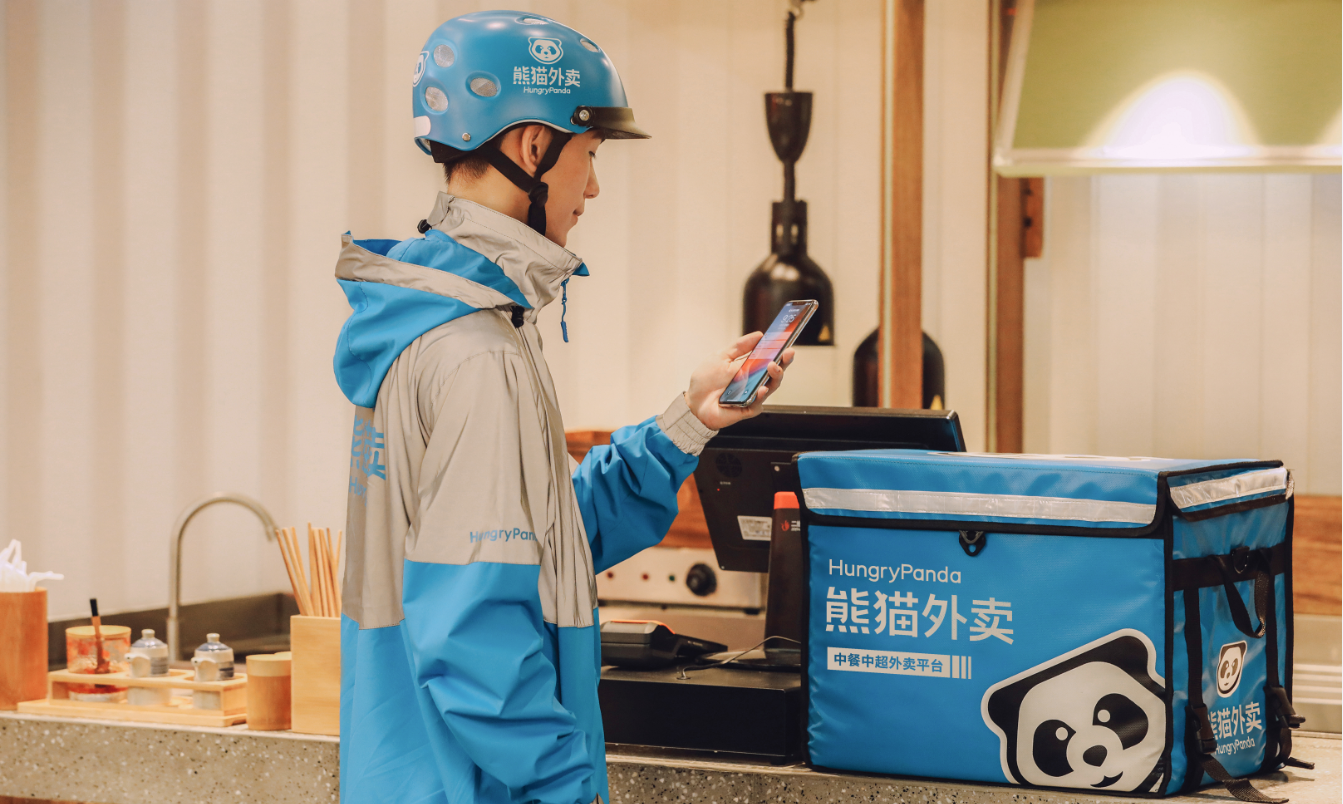
    HungryPanda, the global leader in Asian food delivery, is today pleased to announce that it has acquired Australian food delivery platform EASI and New Zealand Asian food delivery platform BUY@HOME.

    These two transactions will help HungryPanda improve its local operations, empower restaurants to achieve greater business success, and improve consumer experience by widening their choice of authentic Asian restaurants. Coming on the back of HungryPanda’s successful US$130m fundraising in December 2021, these transactions now position the business strongly to capture the huge overseas Asian food delivery market globally.

    Founded in 2017, HungryPanda has become the largest overseas Asian food delivery platform in ten countries, including the US, UK, and Australia, operating across more than sixty cities. With these transactions HungryPanda is now the Asian food delivery leader in Australia and New Zealand, bringing the greatest choice of authentic Asian food to customers in all the major cities.

    Founder and CEO of HungryPanda, Kelu Liu said: “These acquisitions are an important milestone for HungryPanda in continuing to build the leading overseas Asian food delivery platform. By combining our world-class technology and delivery network with the wider coverage of restaurants we can now offer consumers, I am hugely excited about the future potential for our business in these important markets.”

    Kitty Lu, National Operations Manager at EASI, explained, “This is a strategic alliance that will increase our effectiveness and reach in a busy marketplace, both regionally and internationally. EASI has been growing nationally at a rapid pace since our launch in Australia and internationally and we are excited by the potential we can achieve working with Eric and the team at HungryPanda.”

    Mr. Liu continued “Improving the local Asian food delivery service is only the first step for us. We are dedicated to introducing a complete Asian fresh food and grocery delivery service, and adding local merchants’ activities and targeted discounts for our consumers with our aim to establish a comprehensive one-stop lifestyle service for overseas Chinese and local residents who have an interest in Asian food culture.”

  • My Foodie Box raises $6 million in IPO, plans expansion

    My Foodie Box raises $6 million in IPO, plans expansion

    Food production company My Foodie Box, is hungry for ASX funds. Brian Hughes, chair Pitcher Partners, with his wife, seek to take their fresh food box business to Australian investors through an AU$6 million IPO. The retail offer for IPO is still open and the proposed MBX shares will be available for trading on ASX from 7 January 2021.

    What is My Foodie Box’s business?

    • Based out of Perth My Foodie Box sources local ingredients to prepare and deliver quality food.
    • The Company wants to be a business supporting local community by only sourcing WA fresh produce.
    • My Foodie Box is currently running its retail offer for initial public offering (IPO) which will close on 21 December 2021.
    • It is to list on the ASX on 7 January 2021 and seeks to raise AU$6 million from its IPO closing today.

    How to invest in My Foodie Box shares?

    • Since retail offer is still going on, registering with a participating broker or lead manager is essential to be able to invest in the IPO.
    • Its IPO is being managed by lead manager Kaai Capital and Prenzler Group (JLMs), who wanted to raise AU$6,000,000 at AU$0.20 per share.
    • If unable to invest in the IPO’s retail offer investors can buy shares from ASX post 7 January 2021, when publicly available.
    • My Foodie Box shares can give investors an exposure to food industry which is mostly buoyant to market movements, being an essential.
    • However, before buying in, investors must prudently study My Foodie Box IPO prospectus and other media reports carefully to get deeper insights on its business.

    Food is essential and farm fresh, good quality food getting delivered at home is at present highly in demand. So, investors may choose to invest in such a business with MBX shares. However, how well My Foodie Box uses funds r

  • Indian online grocer Zepto secures $100 million investment

    Indian online grocer Zepto secures $100 million investment

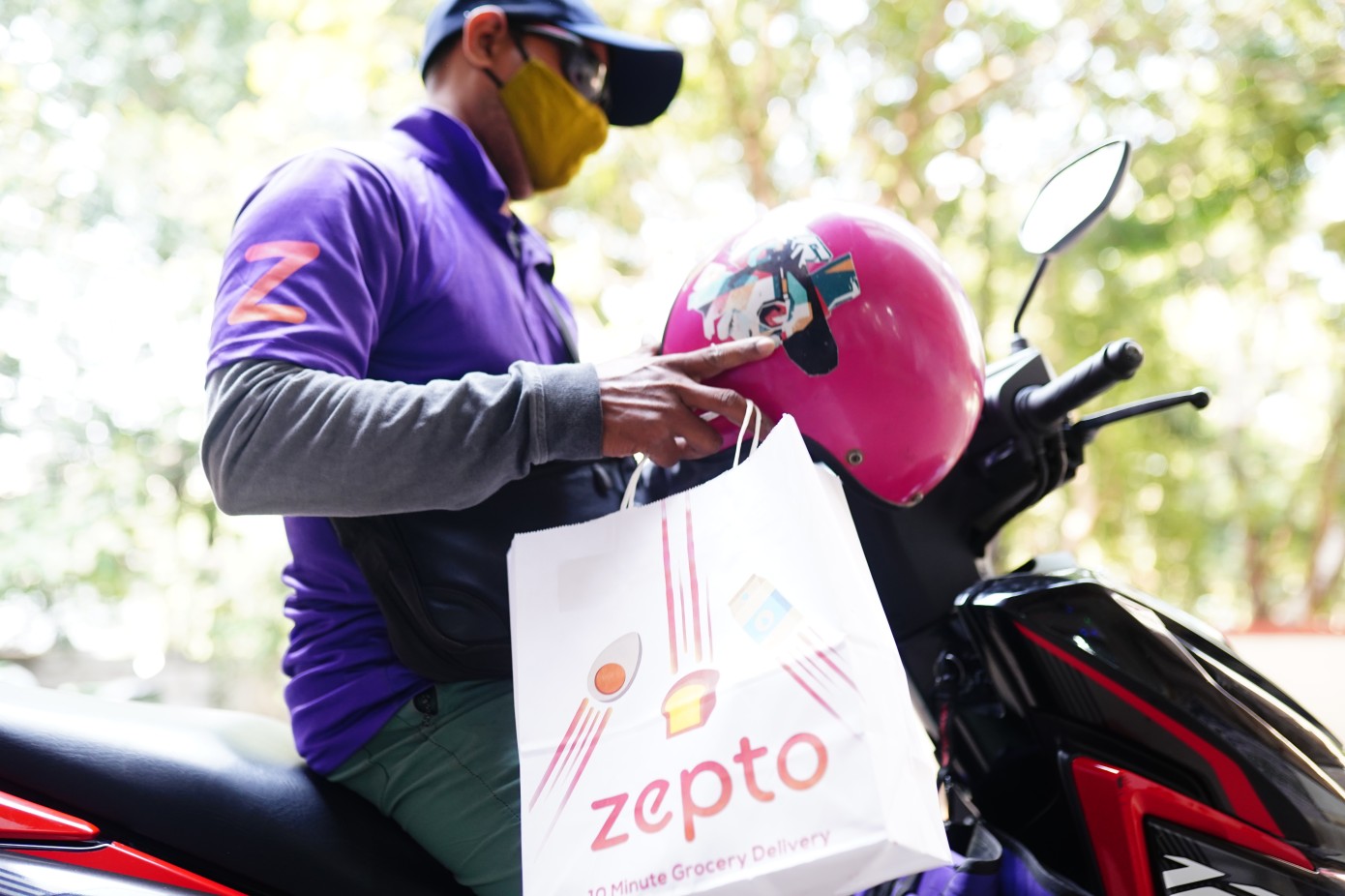
    Indian on-demand grocery-delivery service, Zepto, has bagged US$100 million during its Series-C funding, taking its value to US$570 million within five months of its launch.

    Led by Y Combinator’s Continuity Fund, the round included investors Nexus, Breyer Capital, Global Founders Capital and Glade Brook, among others. The Series-C funding follows Zepto’s earlier funding round in which it received $60 million valuing the business at $225 million.

    Zepto was founded by two 19-year-old entrepreneurs, Kaivalya Vohra and Aadit Palicha, who left Stanford last year to develop a solution for instant grocery delivery through a network of dark stores. The 10-minute grocery delivery service is currently available across metropolitan cities, including Mumbai, Delhi, Gurgaon, Bengaluru, and Chennai, with Pune and Kolkata to come.

    “Their attention to detail on the logistics experience is unparalleled and this has enabled them to scale to most major metros in just five months,” said Anu Hariharan, Partner at Y Combinator’s Continuity Fund. “Simply put, we’re confident Zepto will win in this space over the long-term.”

    Zepto will compete directly with local delivery giants, Swiggy and BlinkIt, who have also forayed into the instant grocery delivery sector.

    According to Y Combinator, Zepto’s month–on–month buyer retention rate is 65 per cent. The company has built a network of micro-warehouses, each of which can do more than 2500 orders a day, and are now adding 100,000 new customers every week.

  • Kraft Heinz to take control of DTC brand Just Spices

    Kraft Heinz to take control of DTC brand Just Spices

    The Kraft Heinz Company KHC is committed to accelerating its international growth strategy focused on the Taste Elevation platform. In this regard, the company entered into an agreement to buy 85% stake in Germany-based Just Spices GmbH (“Just Spices”). The other 15% stake will be retained by Just Spices’ founders. Kraft Heinz expects to conclude the deal by the first quarter of 2022.

    Just Spices supplies various spice blends, pure spices, and quick-fix meal kits. Just Spices’ data-driven product innovation is designed to meet the needs of Gen Y and Gen Z consumers. The company’s modern analytics knowledge helps it recognize early consumer trend signals, promote product innovation, grasp customer sentiment along optimize customer targeting.

    Through this deal, Kraft Heinz expects to accelerate its growth strategy by ramping up its innovations and better-understanding consumers’ tastes and preferences. The buyout will enhance its direct-to-consumer operations and go-to-market expansion. Certainly, the combination of Just Spices’ innovation and brand power with Kraft Heinz’s team and scale bodes well.

    In September 2020, Kraft Heinz laid out a new operating model that incorporates five key elements, which include People with Purpose, Consumer Platforms, Ops Center, Partner Program, and Fuel Our Growth. The Consumer Platforms represents a portfolio of six consumer-driven platforms like Taste Elevation, Easy Meals Made Better as well as Real Food Snacking among others.

  • Indian car rental company zooms into Vietnam

    Indian car rental company zooms into Vietnam

    Leading Indian car rental platform will begin operations in Vietnam next week.

    Users can start booking cars, including SUVs and hatchbacks, on its website and smartphone app starting Monday, a media representative said.

    “We hope to reach 2,000 vehicles on the platform by March next year.”

    The company has appointed Kiet Pham as its vice president and country director.

    Kiet used to hold senior management positions at Indonesian ride-hailing platform Gojek and Indian hotel booking company OyO.

    The rollout is part of Zoomcar’s plan to enter the Southeast Asian market, where it plans to invest more than $100 million in the next two to three years.

    Zoomcar launched its car rental service in India in 2013 and has become a leading company there in the industry.

    It has 10,000 cars for rent in Asia, the Middle East and North Africa. Its headquarters in India has 300 employees.

    The company recently raised US$92 million from several investors led by U.S.-based SternAegis Ventures.

  • Uber Eats leaving Hong Kong at the end of 2021

    Uber Eats leaving Hong Kong at the end of 2021

    Food delivery giant Uber Eats revealed on Tuesday it would wind down its Hong Kong operations by year’s end after seeing slower-than-expected growth.

    “Uber Eats has unfortunately not grown as expected in Hong Kong,” the company said in response to a Post inquiry. “This decision has been made independent of the global pandemic, and is in line with our broader strategy on Uber Eats.”

    One of the city’s three main food delivery platforms – along with Deliveroo and Foodpanda – Uber Eats launched in Hong Kong in October 2016 and has seen a sharp rise in orders throughout the coronavirus pandemic over the past two years.

    “After five years of partnering with restaurants and delivery people in Hong Kong, we have made the difficult decision to discontinue Uber Eats in Hong Kong on December 31, 2021,” the company said earlier in the day.

    Uber Eats said its priority was now to support its employees, restaurant partners, delivery people, and customers as it moved towards shutting down, but added it was “more committed than ever” to growing its ride-hailing services in the city.

    “We will keep investing and serve more riders and drivers in coming years by bringing the very best technology to Hong Kong,” the company, which operates in a legal grey area in the city, said.

    The spokesman said the company would continue providing support to customers and partners until the end of January.

    Uber Eats employs 5,000 delivery workers, some of whom signed up after losing their jobs amid the pandemic, and its service covers 16 of the city’s 18 districts.

    In July, Uber Eats launched a campaign in support of the small and medium-sized restaurants that use its platform, snagging celebrity endorsements from singers Alfred Hui and Joyce Cheng.

    In recent months, with almost no local transmission of the coronavirus, Hong Kong’s restaurant industry, along with other businesses such as hotels, have seen signs of recovery, and bookings are healthy for the year-end holiday season.

    Although social-distancing restrictions limiting the number of people permitted at venues such as bars and restaurants remain in place, about a third of the city’s 16,000 restaurants can now seat up to six per table, as long as diners have received at least one dose of a vaccine and use the government’s “Leave Home Safe” risk-exposure app.

    The latest data from SevenRooms, a booking platform used at more than 350 of Hong Kong’s high-end restaurants, showed people were dining out and spending more this year when compared with two years ago, before the pandemic hit.

    Earlier this month, Foodpanda couriers, upset with a cut to their delivery fees and other issues, went on strike for two days.

    The strike ended after the company agreed to make changes to its mobile app and fee calculation system as well as look into other demands

  • Gojek Vietnam GM reveals ambitions after launch of car service

    Gojek Vietnam GM reveals ambitions after launch of car service

    Launched amid the Covid-19 pandemic, GoCar is one of two big products Gojek planned to introduce this year to complete its golden triangle in Vietnam, including transportation, food delivery and payment.

    Phung Tuan Duc, Gojek Vietnam GM shared stories behind the launch of car service during the Nguy – Co talk show hosted by Thai Van Linh.

  • Deliveroo Singapore offers hawker food delivery partnering with WhyQ

    Deliveroo Singapore offers hawker food delivery partnering with WhyQ

    Deliveroo Singapore is set to onboard more than 50 hawker centres under Mix & Match concept next year in partnership with Singapore’s largest hawker food-delivery service, WhyQ.

    Under the partnership, the companies bring hawkers together under Mix & Match menus, allowing customers to select dishes from multiple hawker stalls in one single order for a single delivery fee.

    “Deliveroo understands the challenges that hawkers face while trying to pivot to online delivery during the pandemic,” said Sarah Tan, GM of Deliveroo Singapore. “We hope this partnership will help to address some of these challenges.

    “This initiative affirms our commitment to keeping Singapore’s hawker culture alive.”

    The two companies will pilot 15 hawker centres from December 13, before rolling out to more than 50 by the end of next year.

    “Our partnership with Deliveroo will not only enable hawkers to expand their income streams but also broaden their customer base more effectively so that they can continue to delight our palettes with Singapore’s favourite hawker dishes,” said Varun Saraf, CEO at WhyQ.

    Deliveroo’s hawker-focused initiatives also include a recent partnership with Food From the Heart for its Project Belanja! program, where Deliveroo customers can support local hawkers during Singapore’s Phase Two last August by feeding themselves and the less fortunate.

  • China Beefs Up Rights Of Workers In Ride-Hailing Industry

    China Beefs Up Rights Of Workers In Ride-Hailing Industry

    China issued guidance on Tuesday to strengthen protection of employee rights and interests in new transport sectors.

    In a statement, the transport ministry said ride-hailing companies should improve income distribution mechanisms and provide social insurance for drivers.

  • Grab’s Ride-Hailing Services Disrupted In Southeast Asian Countries

    Grab’s Ride-Hailing Services Disrupted In Southeast Asian Countries

    Southeast Asia’s Grab on Tuesday said it was experiencing disruption to its services, with customers and drivers in Singapore, Indonesia, and Malaysia complaining that they were having trouble using the app’s ride-hailing functions.

    “Some of our services are not accessible at the moment,” Grab posted on its Facebook page.

    “We are looking into this and we will update when the app is back up and running.”

    Grab operates Southeast Asia’s most popular “super app”, which provides ride-hailing, food, and grocery delivery, and payments in over 400 locations in eight countries.

    “We are experiencing some technical difficulties with the app and our engineers are working to recover the issue,” Grab said.

  • Wright Electric’s Spirit 100 Seat Electric Aircraft Announced

    Wright Electric’s Spirit 100 Seat Electric Aircraft Announced

    Wright Electric has announced the Wright Spirit a 100 sweater electric aircraft that now joins its flagship electric aircraft the 1. It has four-megawatt class motors and the design is based on its BA4 146 platform. “The Wright Spirit aircraft design builds on the BAe 146 platform – a 100 passenger, 4-engine aircraft known for its operation out of noise-sensitive airports,” the company said in a statement.

    “To develop the integrated propulsion system, Wright has assembled an innovative team of companies with expertise in generation, energy storage and propulsion design. The program now proceeds with on-going ground testing and final selection of the propulsion system. In 2023, the aircraft will begin flight testing with one all-electric propulsor. The development program will then accelerate towards flight testing with two all-electric propulsors by 2024 leading to the full-electric aircraft by 2026,” it added.

    The tests for the prototype will interestingly happen just on one motor but will be coupled with three conventional engines. Then gradually in 2024 Wright will start using two electric motors and then it will go fully electric in 2026.

    In comparison, the Wright 1 has a 186 person capacity and it has 10 electric motors with a total peak output of 20 megawatts but that electric plane will launch only in 2030.

    Wright Electric has explained its development of 2-megawatt motors which scale from 500 kilowatts to 4 megawatts with inverters with ultra-high efficiency and power density.

    “The path was set in early 2020 with Wright’s announcement and development of their megawatt propulsion system for an all-electric commercial aircraft. Throughout the last two years, the company has been proving key components of the system including a high-efficiency, high-power-density inverter and a 2 MW (2,700 HP) motor. The existing hydrocarbon-based propulsion system will be replaced with Wright’s all-electric, emissions-free propulsion system,” explained the company

    Interestingly while it uses electric propulsion, there is no word on the presence of batteries, leave alone the capacity of the battery pack or the weight of the aircraft.