Category: Startups

Retail News Asia is committed to providing both local and global retailers with the latest Startup news throughout the Asian market. This on a daily base.

  • Uber, Carrefour Expand Partnership To Speed Up Deliveries In Paris

    Uber, Carrefour Expand Partnership To Speed Up Deliveries In Paris

    U.S.-based ride-hailing app owner Uber Technologies and Europe’s largest retailer Carrefour are to launch a new rapid grocery delivery service in Paris, extending their 18-month partnership, the two companies said on Tuesday.

    Carrefour Sprint will offer a 15-minute grocery delivery service to Parisians exclusively via the Uber Eats mobile app from nine “dark stores” – shops closed to customers where workers prepare orders for delivery – operated by Carrefour’s partner Cajoo.

    Earlier this year, the French retailer agreed to take a minority stake in the newly founded start-up Cajoo, which operates “dark stores” across the country.

    Established retailers and food deliverers face intense competition from a crop of newer, well-funded start-ups running networks of “dark stores” that can dispatch groceries ordered on a smartphone app to the doorstep within minutes.

    “Over the past 18 months people have increasingly come to expect quick and reliable delivery … in Europe alone we’ve seen a triple-digit increase in demand for grocery delivery,” Eve Henrikson, Regional General Manager, Uber Delivery EMEA, said in a statement.

    Uber and Carrefour are already offering 30-minute deliveries in France from Carrefour’s almost 2,000 shops available on Uber’s app under a deal agreed last year.

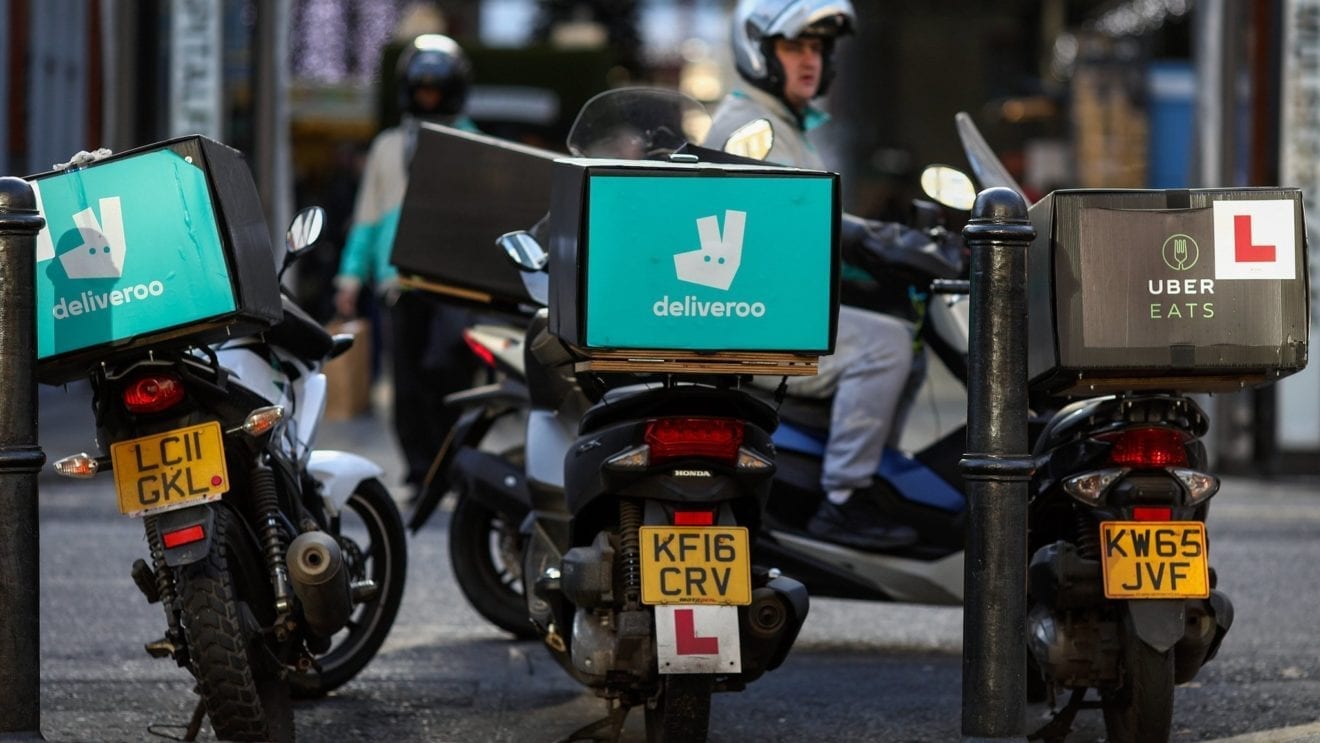
    Both companies have also separately struck deals to speed up delivery with other market players like Britain’s Deliveroo and France’s supermarket chain Casino.

    Uber and Carrefour plan to expand the 15-minute service to other major French cities such as Lyon, Bordeaux, Toulouse, Lille and Montpellier in coming weeks, they said.

  • Foodpanda partners with Indian cloud kitchen firm Rebel Foods

    Foodpanda partners with Indian cloud kitchen firm Rebel Foods

    Online takeaway delivery firm Foodpanda is partnering with Indian virtual kitchen company Rebel Foods to roll out the latter’s virtual restaurant brands at 2,000 outlets across ten Asian countries, Foodpanda’s chief operating officer said.

    “Foodpanda is Asia’s largest’s food delivery company while Rebel Foods is the largest virtual brands operator in the world,” COO Pedram Assadi said. “This is the largest virtual food brand partnership of its kind.”

    Under the deal, Foodpanda, which is owned by Berlin-based Delivery Hero, has recruited and trained hundreds of outlets to franchise the global restaurant brands created by Rebel Foods and offer their food on its platform.

    Mumbai-based Rebel Foods, which offers multiple cloud kitchen brands across countries including India and the United Arab Emirates, raised US$175 million this month at a US$1.4 billion valuation. It plans to launch an IPO in the next two years.

    Cloud kitchens that prepare food for delivery got a boost from the shift to online buying during the COVID-19 pandemic. Low overhead costs versus traditional restaurants and fast scale-up potential have also enabled “internet restaurant chains” to grow quickly.

    Foodpanda’s partnership with Rebel Foods is already being tested in six of the twelve Asian markets that Foodpanda is active in, and there is the option to expand to the other regions Delivery Hero is active in, Assadi said.

    He did not give any financial details of the deal but described it as core to Foodpanda’s strategy in Asia – along with its expansion into grocery delivery in Southeast and East Asia – as it takes on competitors such as British rival Deliveroo and Singaporean startup Grab Holdings.

    “Over the last year, we now have built over 250 ‘cloud stores’ that are operating grocery end to end, which makes us the largest e-commerce delivery player in APAC (Asia-Pacific)” Assadi said, referring to distribution centers dedicated to online grocery orders.

    Delivery Hero, which is active in 50 countries worldwide, announced on Tuesday it had invested US$235 million in Berlin-based grocery delivery company Gorillas, as the global race to dominate the rapid delivery service sector intensifies.

    Earlier this year, it also picked up a minority stake in Deliveroo.

  • ​​Eco-startup Zero Co crashes crowdfunding servers as shares go on sale

    ​​Eco-startup Zero Co crashes crowdfunding servers as shares go on sale

    Eco-startup ZeroCo broke Australia’s record with the largest crowdfunding in Australia’s history, raising $ 5 million in the recorded time of 6 hours.

    Unprecedented heavy traffic – 2500 out of 3082 investors are pre-registered Crowdsourcing funding platform Birchal. Five minutes after the raise, Zero Co successfully raised $ 1 million, the fastest raise in the country. In less than 50 minutes, the emerging startup was the fastest in Australia, raising $ 3 million.

    Mike Smith, the founder of Zero, said:

    “We want to grow this business by expanding our product range, expanding our business, launching globally and eliminating disposable plastics from all kitchens, laundry, and bathrooms. I am. “

    Prior to the Crown Funding campaign, the company also secured a $ 6 million investment from global investment firm SquarePeg.

  • One Mount develops comprehensive technology ecosystem

    One Mount develops comprehensive technology ecosystem

    One Mount provides solutions covering the entire financial services, distribution, real estate, and retail-sector value chain.

    Approved in June 2020, the National Digital Transformation Program aims to turn Vietnam into a country with digital technology competitiveness comparable to those of developed nations. This sets favorable conditions for Vietnam to actively capitalize on opportunities brought on by today’s technological revolution.

    According to experts, Vietnam has unlocked great potential for digital enterprises to thrive across the country. Technology has been the key factor leading to the explosion of innovative startups in the field of information technology.

    One Mount, with its comprehensive technology capabilities, was named at the Top 10 Vietnam ICT Companies 2021 event as a great example of the new breed of companies providing a suite of technological solutions and offerings for businesses and consumers across multiple life stages.

    Launched in the fall of 2019, One Mount had to navigate a global pandemic in its first two years of operation. This has brought it both challenges and opportunities as it sought to affirm the value of its technology business, which has contributed to the country’s technology and economic goals, even during this challenging period.

    After two years, One Mount has pioneered the deployment of technology solutions that help businesses digitalize their operations and solve bottlenecks in many traditional sectors.

    Leveraging its multi-faceted and modern technology offerings, One Mount is focused on optimizing benefits for value chains across a spectrum of industries and audiences including small to medium enterprises, end-consumers across distribution, retail and real estate, to name a few.

    In the distribution sector, VinShop has established itself as one of the country’s largest consumer goods distributors, which has helped to digitalize more than 80,000 small groceries. Taking advantage of technological advancements to provide maximum support for users, One Mount has connected businesses, manufacturers, and consumers within its ecosystem, allowing goods to reach customers quickly while ensuring stable prices.

    Besides improving the income of thousands of small groceries, VinShop also helps ensure the supply of essential goods while helping consumers feel confident about the quality of products.

    One Mount has developed a lifestyle super app with VinID, a loyalty platform serving millions of users on a monthly basis. VinID recently refined its point tiering system and is rolling out a more dedicated personalization engine, bringing users a more curated experience for their favorite products and brands.

    Meanwhile, OneHousing and OneHousing Pro Agent has established itself as the number one distributor and supplier of Masterise Homes projects in Hanoi. In addition to its premium services, the myHome application integrated with VinID has attracted ten thousand of homeowners and households during its beta launch.

    With more products and premium services on the horizon, OneHousing is expected to transform the real estate landscape in Vietnam by providing a complete one-stop shop experience for home buying, selling and living.

    To realize this early success and fulfill its grand vision, One Mount has formed landmark strategic partnerships with reputable industry leaders like TechcomBank and Google.

    The former has bolstered the vision of bringing financial solutions to more people and underserved areas across Vietnam while the latter helped develop powerful technology infrastructure and AI capabilities via Google Cloud offerings.

    One Mount commits to supporting Vietnam’s digital transformation strategy.

    Recently, One Mount’s potential was affirmed by VINASA when the latter included it among its Top 10 Vietnam ICT Companies 2021. One Mount nabbed a spot in three different categories: Top 10 Companies Providing Digital Transformation Platforms, Top 10 Fintech Companies, and Top 10 Logistics and E-Commerce Companies.

    One Mount was selected by HR Asia Magazine as one of its Best Companies to Work For in Asia 2021 in recognition of its outstanding HR practices, attractive benefits, policies, and engaging work environment.

    With a large technological ecosystem, One Mount provides solutions and services along the entire value chain in the financial services, distribution, real estate, and retail sectors through its three core business units: VinShop, VinID, OneHousing.

  • Commercial EV Startup ELMS Signs Battery Supply Deal With CATL

    Commercial EV Startup ELMS Signs Battery Supply Deal With CATL

    U.S. commercial electric vehicle maker Electric Last Mile Solutions Inc (ELMS) on Thursday said it has signed a battery supply deal with China’s Contemporary Amperex Technology Co Ltd (CATL). The financial terms of the deal, which runs through 2025, were not disclosed. CATL’s batteries power the Class 1 small delivery vehicle that ELMS began building last month at its plant in Mishawaka, Indiana.

    The companies are also exploring a setup where CATL would have a U.S. plant that would make battery cells and ship them to the ELMS plant in Indiana for assembly into battery packs, an ELMS spokesman said. “We reached an important milestone to secure battery capacity in an extremely challenging supply environment,” ELMS’ deputy chief financial officer, Rob Song, said in a statement.

    Battery makers are boosting production to meet soaring worldwide demand as carmakers accelerate the shift to electric vehicles to comply with tougher emission rules aimed at tackling climate change. CATL, which supplies numerous global automakers including Tesla Inc, Volkswagen AG and General Motors Co, has not announced where it would open a U.S. plant, but last year purchased a facility in Glasgow, Kentucky. Kentucky state officials in September 2020 offered incentives to CATL for a potential battery pack plant there.

    Ningde, China-based CATL, which already has U.S. sales offices, has previously declined to comment on plans for the American market. President Joe Biden has made it a priority to support the rollout of electric vehicles to make the United States competitive with China.

    Under the deal with ELMS, CATL will provide lithium-iron-phosphate (LFP) batteries using simpler cell-to-pack technology. The LFP chemistry is less expensive and safer than cobalt- or nickel-based cathodes in other batteries.

    In August, Troy, Michigan-based ELMS, which went public in June through a reverse merger with a special-purpose acquisition company (SPAC), said despite impacts from COVID-19 and industry-wide supply chain problems it was on track to build 1,000 vans this year.

    Following the small van, which has a starting price of $34,000 before federal tax credits, ELMS plans to build a larger Class 3 truck in the second half of 2022.

  • Fintech Startup Aspire Sets Sights on Southeast Asia’s Digital Economy

    Fintech Startup Aspire Sets Sights on Southeast Asia’s Digital Economy

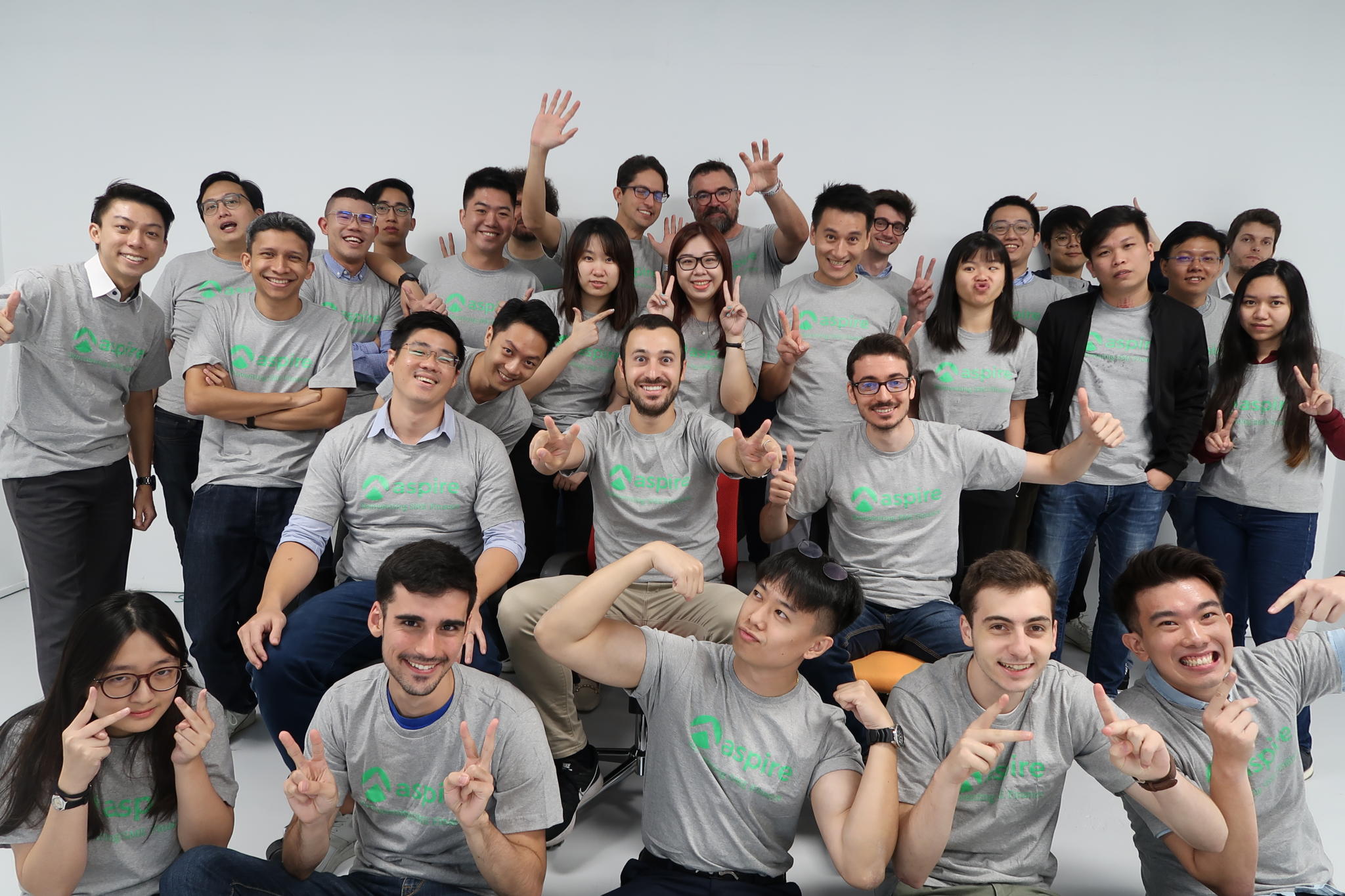
    The Singapore-based neobank has raised a $158 million led by renown VCs and fintech founders.

    Aspire is looking to double down on existing markets, while building the foundations to serve growing business clients across the whole South East Asia region, the firm said in an announcement on Monday.

    The oversubscribed funding round consisted of $58 million in equity and $100 million in debt. It was led by an undisclosed global growth equity firm, together with DST Global Partners, CE Innovation Fund, B Capital Partners and global hedge fund Fasanara Capital. Existing investors including Hummingbird Ventures, Mass Mutual Ventures, Picus Capital, and AFG, as well as a number of individual investors also participated.

    The company also operates in in Indonesia and Vietnam and is laying the groundwork for expansion into other Southeast Asian markets.

    Founded in 2018, Aspire provides an all-in-one finance operating system, which incorporates accounting, payroll, invoice management, FX, credit solutions, and banking. It serves more than 10,000 business accounts, which transact a total of around $2 billion annually, doubling in five months from May.

  • Edtech startup CoderSchool bags $2.6M pre-seed fund

    Edtech startup CoderSchool bags $2.6M pre-seed fund

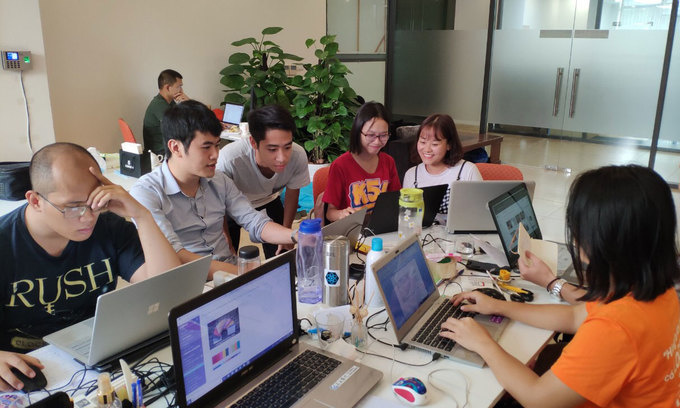
    CoderSchool, a Vietnam-based edtech startup offering online coding courses, has raised $2.6 million in a pre-seed funding round led by Monk’s Hill Ventures.

    Startup accelerator Iterative, investment network XA Network, and venture fund iSeed Ventures also took part in the funding round. CoderSchool plans to use the new capital to develop fresh educational content and build its technology infrastructure for technical training programs.

    Founded in 2015, the edtech startup offers courses in the fields of machine learning, data science, and web development to equip students with skills that can help them land jobs. The company automates much of the day-to-day teaching operations such as tracking student progress, grading, attendance, and personalization of courses.

    Simply put, CoderSchool provides programming courses for future engineers.

    “The need for good engineers and programmers in Southeast Asia has soared in a evolving technology and digital landscape,” said Michele Daoud, Monk’s Hill Ventures’ partner.

    According to CoderSchool, the number of students enrolling in the company’s online courses has surged every quarter since the beginning of 2020. CoderSchool has about 2,000 students and more than 80 percent of its full-time users have found jobs at big digital companies like MoMo, Tiki, Shopee, Microsoft, and FPT Software within six months after graduation.

    Alumni earn 30-40 percent higher than the average wage of inexperienced software engineers, according to the startup’s representatives.

    Currently, CoderSchool employs 15 instructional staff and plans to hire 35 employees more by Q4, 2022.

  • Digital media startup raises another $2.7 mln

    Digital media startup raises another $2.7 mln

    Vietcetera, a digital media startup, raised $2.7 million in a pre-series A round last month after earlier raising $700,000 in March.

    The pre-series A round was attended by U.S. venture capital firm North Base Media, Indonesian investment company Go-Ventures and early-stage venture capital firm East Ventures, Philippine digital lifestyle network Summit Media, Japanese venture capital firms Genesia Ventures and Z Venture Corporation.

    Vietcetera plans to use the money to expand its content catalog by adding new shows and podcasts, and further developing its mobile app.

    In March, Genesia Ventures had led the seed funding round with an investment of $700,000.

    Established in 2016, Vietcetera produces content in Vietnamese and English, ranging from articles about business and stories about lifestyles to podcasts.

    Vietcetera said it has over 20 million users a month, mostly from Vietnam, of whom 60 percent are women. It also said it has witnessed “rapid audience and revenue growth” as users in Vietnam, especially from Gen Z (those born in 1996 or later), demand high-quality multimedia content.

    One of Vietcetera’s most viral content is a rap music video featuring former U.S. ambassador to Vietnam, David Kritenbrink. The video was released in February to welcome the Lunar New Year.

    According to a report by Google, Temasek Holdings Pte and Bain & Co, Vietnam’s digital media market is expected to surge to $7billion in 2025 from $3.3 billion in 2020, and its digital economy to $52 billion, including $29 billion from e-commerce, from $14 billion.

  • Indonesia fintech startup Kredivo launches in Vietnam

    Indonesia fintech startup Kredivo launches in Vietnam

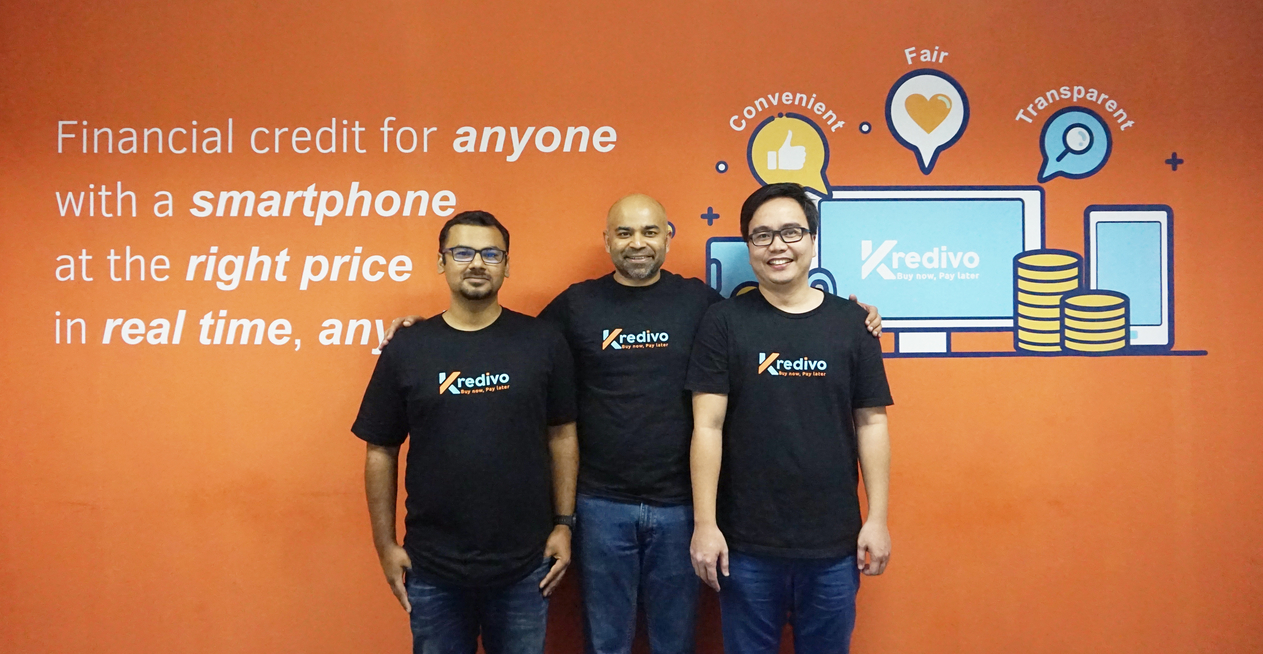
    Indonesian fintech platform Kredivo has announced a Vietnam launch through a joint venture, seeking to offer “buy now, pay later” services.

    It has partnered with Phoenix Holdings, a company with a diversified portfolio in consumer, financial services, retail and technology sectors, to form Kerdivo Vietnam JSC, according to a statement from the Indonesian company.

    “The launch of Kredivo in Vietnam, our first market outside Indonesia, is another key achievement and milestone for the business this year,” said its COO Valery Crottaz.

    This is because the country has low penetration of credit cards and a rapidly growing middle class, together with the fast-growing e-commerce market, he said.

    Kredivo will offer “buy now, pay later” services amid rising demand for consumer loans and a large ratio of cash used in purchases.

    It plans to reach Thailand and the Philippines next year. The company also wants to list in the U.S. by the first quarter of 2022.

    Vietnam’s fintech industry is seeing rising competition from both domestic and foreign players.

    Startup Infina had recently raised $2 million in seed funding from five global venture capitalists, while in June, Mfast raised $1.5 million in its Pre-Series A funding from a group of investors.

  • StanChart Exec Joins Blockchain Startup

    StanChart Exec Joins Blockchain Startup

    Taipei-headquartered XREX has named a managing director in Singapore as it sets its sights on expanding its platform in the region.

    Taipei-headquartered XREX has appointed Christopher Chye as managing director of XREX Singapore and director of product. In this dual role, he will oversee XREX’s businesses and operations in Singapore and play an instrumental role in bringing new value propositions to XREX’s clients, the startup announced on Tuesday.

    Chye joins from Standard Chartered Bank, where he held roles in commercial banking, consumer banking, wealth management and financial crime compliance. He was also a pioneer of Standard Chartered’s digital bank venture in Singapore, where he led the bancassurance, rewards and loyalty, and brand and marketing pillars, and was executive director at its regional CEO office. He was previously a  management consultant with KPMG.

    In a separate announcement, XREX said it raised $17 million in pre-Series A funding led by CDIB Capital Group. The funds will be used to apply for financial licenses in Singapore, Hong Kong and South Africa, and partner with banks and financial institutions, like payment gateways.

    Many of our team members are from or have lived in the markets where we serve. We keenly understand the struggles faced by many cross-border merchants who lack safe access to US dollar liquidity, XREX CEO and cofounder Wayne Huang, said in the announcement.

    XREX was launched in 2018 to drive financial inclusion in emerging markets by leveraging blockchain technology.

    The company uses blockchain technology to solve dollar liquidity shortage issues in emerging markets, and has products like a payment escrow service and crypto-fiat exchange platform.

  • Online market places for neighborhoods in Hanoi become popular

    Online market places for neighborhoods in Hanoi become popular

    With shops closed and delivery services facing restrictions due to the Covid-19 outbreak in Hanoi, apartment dwellers have stepped infill the supply gap by selling online.

    Thu, a clerk at a media company, who is working from home amid the social distancing, said: “I orders goods online for home delivery and pay through bank transfer. The goods are hung on my apartment door.”

    The online market, which serves Thu’s apartment block and others nearby, has over 2,000 members who buy and sell items like fish sauce, salt, cooking oil, rice, vegetables, fruits, meat, eggs, and processed foodstuffs, she said.

    Prices are slightly higher than at traditional markets, but people like Thu accept that because “we don’t have to go outside, minimizing contact and the risk of contracting the disease.”

    In the beginning many sold goods online for a little bit of extra income and even just for fun, but later, when their jobs were severely affected by the pandemic, it became their main source of income.

    “I order fresh pork from my hometown in the countryside, pack and deliver the meat to people in my residential area,” she said.Thai, a kindergarten teacher in Hanoi’s Ha Dong District, started selling foodstuff on an online market for residents of her apartment block when her kindergarten closed down.

    “Within 30 minutes of advertising pork online I often get orders for 50 kilograms.”

    Quang, an administrator of an online market of an apartment block in Cau Giay District, said the market sells essential goods with clear regulations on product quality and non-cash payment, and so has recently become busier, especially amid the Covid outbreak.

    Hanoi has gone over a month under a citywide social distancing order starting July 24, the longest such period since the novel coronavirus first appeared in the country. It has extended its social distancing order until September 6 as the novel coronavirus threat persists.

    The capital has recorded 2,909 local Covid-19 cases since the fourth coronavirus wave hit the country late April.

  • Tiki raises $20 mln from Taiwanese investors

    Tiki raises $20 mln from Taiwanese investors

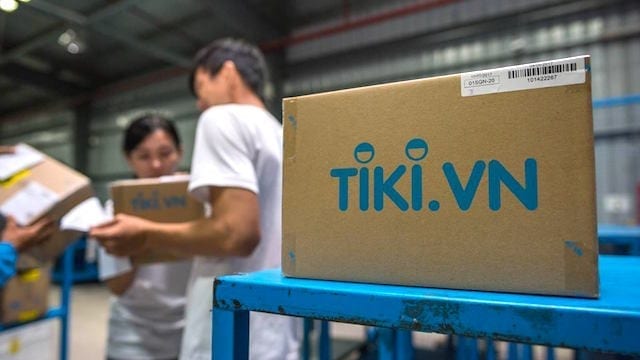
    E-commerce platform Tiki has raised $20 million from telecom operator Taiwan Mobile in return for a 2.7 percent stake in Tiki Global.

    The Series E funding deal values the Vietnamese company at $740 million, with Tiki having secured $94 million in the series within this month alone.

    Before the Series E, foreign investors held a 49.4 percent stake in Tiki. The biggest shareholder among them is Chinese e-commerce giant JD.com with a 18.2 percent stake.

    Tiki had recently raised VND1 trillion ($43.9 million) in bonds with a coupon rate of 13 percent a year.

    The company posted a loss of VND4 billion last year.

    As one of the fastest-growing digital economies in Southeast Asia, Vietnam’s e-commerce sector is expected to be worth $23 billion by 2025, according to the e-Conomy Southeast Asia 2019 report by Google, Temasek Holdings, and Bain & Company.

  • Singapore and Hong Kong Named as Unicorn Incubators

    Singapore and Hong Kong Named as Unicorn Incubators

    The city-state’s unicorn businesses take an average of 6 years and 11 months to reach the valuation of $1 billion.

    Singapore is the joint fourth best country in the world for unicorn start-ups, according to a recent study by credit broker Money.co.uk, with six businesses currently valued at over $1 billion.

    The top country for unicorns is China, with 155 such companies, which take an average of 5 years 10 months to reach this status. Hong Kong, which has five unicorns, is the second-fastest country for businesses to reach $1 billion, which take an average of 6 years and 1 month, followed by Japan unicorns, which take average of 6 years and 3 months.

    According to the study, which cited data by private equity firm CB Insights, there are only 750 unicorns – defined as independently owned and valued at over $1 billion – globally. The U.S., also in joint fourth position, has the most, at 378.

    Globally, there are 131 fintech unicorns, which took an average of 7 years 1 month to reach $1 billion.

  • Delivery startup raises $12 mln from Alibaba-backed fund

    Delivery startup raises $12 mln from Alibaba-backed fund

    Delivery startup Loship has raised $12 million from a consortium co-led by an Alibaba-backed investment fund. The lead investors are BAce Capital, which counts Ant Financial of Jack Ma as its largest limited partner, and Hong Kong investment firm Sun Hung Kai & Co.

    Loship plans to use the money to increase its presence in five main areas, including Ho Chi Minh City, Hanoi and Da Nang. It hopes to sign up 10 percent of the country’s population in the next two years and to have a presence in 10 localities.

    Loship CEO Nguyen Hoang Trung said that the company eyes top spot in the one-hour delivery segment. One-hour delivery is not as popular yet in Vietnam as in the U.S., Europe or China, he said. Loship’s aim is to deliver everything quickly to customers, including vegetables, meat and cosmetics, he said.

    Its challenges include delivery quality the fact that new competitors are set to enter the market including e-commerce platforms that could develop their own delivery units, he said.

    “All strategies can be easily copied and the only way to deal with this is for us to go faster than our competitors.”

    Loship was established in 2017 by transforming Lozi, a food recommendation platform.

    It has over 70,000 drivers and 200,000 seller-partners, and nearly two million customers, it said.

  • India’s Zomato raises US$1.26 billion in IPO

    India’s Zomato raises US$1.26 billion in IPO

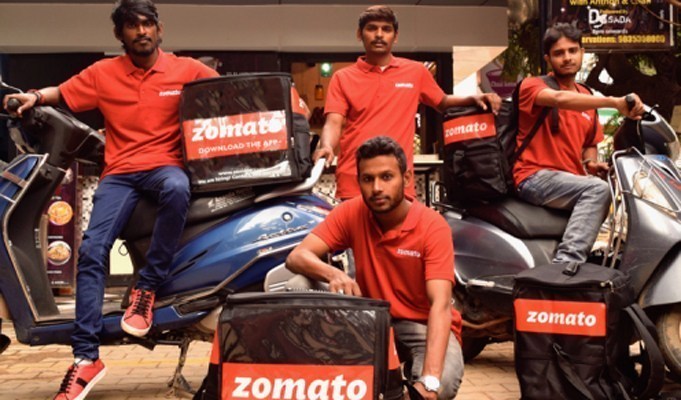
    Indian food delivery startup Zomato Ltd ` will raise US$1.26 billion by pricing its shares at 76 rupees each in its initial public offering, according to two sources with direct knowledge of the matter.

    The sources could not be named as the information has not yet been made public.

    Zomato did not immediately respond to a request for comment.

    The company, which is backed by Ant Group, will be valued at up to US$8 billion following the IPO which is the first for a food delivery group in India.

    The pricing is set at the top of the flagged range of 72 rupees (US$0.9649) to 76 rupees each at the start of the booking building process.

    Zomato, launched in 2008, collates restaurant reviews and offers home delivery of food, making it a competitor to the Swiggy and Amazon.com’s food delivery service.

    Swiggy was reported had raised US$1.25 billion in a private funding round from the likes of SoftBank’s Vision Fund 2 and Prosus.

    Zomato’s IPO was strongly backed by investors attracting bids worth US$46.3 billion as it was more than 38 times oversubscribed when the books closed on Friday, signalling confidence about the fast-growing sector.