Category: Telecom

Retail News Asia is committed to providing both local and global retailers with the latest Telecom & Telco news throughout the Asian market. This on a daily base.

  • BSNL Set to Expand with 100,000 New 4G Towers, Paving the Way for Upcoming 5G Rollout!

    BSNL Set to Expand with 100,000 New 4G Towers, Paving the Way for Upcoming 5G Rollout!

    Bharat Sanchar Nigam Limited (BSNL) is gearing up to bolster its network with plans to deploy an additional 100,000 4G towers across India. This initiative follows the successful installation of nearly 100,000 towers, marking a significant step in their ongoing infrastructure expansion.

    Government Approval on the Horizon

    Union Minister of State for Communications, Chandra Sekhar Pemmasani, expressed optimism about the upcoming proposal: “After successfully installing 100,000 towers with optimal 4G equipment, we will approach the Cabinet and Prime Minister Narendra Modi to approve another 100,000 towers.” He also highlighted the plan to enhance BSNL’s cash flow, which would facilitate the installation of more 4G and 5G equipment and enable the monetization of BSNL’s assets.

    Strategic Partnerships for Growth

    BSNL’s ambitious journey took a significant turn in May 2023, when it awarded a major contract to a consortium led by Tata Consultancy Services (TCS). This partnership also includes Tejas Networks, the Center for Development of Telematics (C-DOT), and ITI Ltd., covering the supply of 4G equipment for the new 100,000 towers, along with necessary network components and a 10-year maintenance contract.

    Pemmasani acknowledged initial equipment challenges but noted substantial improvements: “There were some problems with the equipment in the beginning. But now, it’s functioning well. We expect it to operate near perfection by the end of July or August next year.” He also emphasized the technological lead enjoyed by global telecom firms like Nokia and Ericsson, whose legacy spans decades, compared to India’s homegrown solutions that are still in their infancy.

    Stiff Competition and Future Plans

    BSNL currently faces tough competition; with its limited 4G infrastructure, retaining customers has been a challenge. Pemmasani pointed out, “One major limitation is that we currently have only 100,000 4G towers. In comparison, Reliance Jio and Airtel each have more than 500,000 towers.” However, he is confident that as the 4G rollout progresses, customer retention will improve significantly.

    Looking ahead, BSNL plans to launch its 5G network by June 2025. Telecom Minister Jyotiraditya Scindia confirmed that the transition to 5G will only occur once the 4G network stabilizes and meets quality standards: “Once the 100,000 towers are up and the network is stabilized, and once we see that the QoS is up to the mark, then we can start switching.”

    Homegrown Technology Takes the Lead

    In a bold move, the Indian government has ruled out foreign involvement in BSNL’s 5G deployment, insisting on the use of domestically developed technology. BSNL aims to roll out 5G standalone services using the 900 MHz and 3.3 GHz spectrum bands, starting with an initial target of 100,000 subscribers. The company is also set to introduce 5G fixed wireless access (FWA) services, ensuring cutting-edge connectivity for urban users.

    In a nod to its readiness, BSNL has successfully tested its indigenous 5G technology in New Delhi, across locations like Nehru Place, Chanakyapuri, and Minto Road, signaling that they’re primed to push forward once their 4G foundation is firmly in place. Who knew the race for digital dominance could feel so thrilling?

    Questions & Answers

    What is BSNL’s plan for expanding its 4G network?
    BSNL intends to deploy an additional 100,000 4G towers across India, building on its existing infrastructure to enhance customer retention and prepare for 5G.

    When does BSNL expect to launch its 5G network?
    BSNL aims to launch its 5G services around June 2025, contingent on stabilizing its 4G network.

    What is unique about BSNL’s approach to 5G technology?
    BSNL will rely solely on domestically developed technology for its 5G deployment, ensuring that all equipment and services are homegrown.


  • Philippine Government Unveils Exciting New Strategy to Boost Connectivity Across the Nation

    Philippine Government Unveils Exciting New Strategy to Boost Connectivity Across the Nation

    The Philippine government is shifting gears in its pursuit of comprehensive nationwide internet access, unveiling a strategic budget reallocation of PHP 6.5 billion (USD 115 million). This plan will bolster both the expansion of free WiFi sites and the distribution of complimentary SIM cards, bringing digital connectivity closer to those in need.

    Transforming the Free Public Internet Access Program

    In a move designed to reduce costs while enhancing internet services in public schools and remote communities, the Department of Information and Communications Technology (DICT) is revamping its Free Public Internet Access Program (FPIAP). Information Undersecretary Paul Mercado explained that the agency can effectively manage 50,000 free WiFi sites with just PHP 3.5 billion, allowing more of the budget to focus on connectivity in underserved areas.

    A Partnership with Starlink

    To expedite the rollout, the DICT is setting its sights on a long-term agreement with satellite provider Starlink to deliver internet services to 30,000 locations, with an expected annual cost of PHP 1.5 billion. To streamline funding, the agency is also pursuing multi-year contractual authority from the Department of Budget and Management (DBM).

    Boosting Connectivity

    An added PHP 2 billion (USD 35 million) will ensure connectivity in the remaining regions served by other providers. Mercado emphasized that this budget restructuring is critical to sustaining the FPIAP without needing ongoing requests for higher annual funding from the DBM.

    Empowering Communities with SIM Cards

    In tandem, the DICT is earmarking PHP 3 billion (USD 53 million) for its Bayanihan SIM initiative, which will distribute one million SIM cards to teachers and students in underserved communities. With a generous 25 GB of monthly data per beneficiary, the project will run until 2028, making internet access more reachable than ever.

    Setting Standards for Telecommunications

    Mercado highlighted an important aspect of the program: it aims to urge telecommunications companies to establish cellular towers in key locations. Providers who fall short will find themselves excluded from future SIM-related opportunities. Furthermore, telecom firms must adhere to minimum service standards or risk penalties, creating a competitive environment that benefits the end users.

    Expanding Internet Access

    As of now, the FPIAP has successfully provided internet connectivity to 18,849 sites across 9,769 locations, positively impacting over 11.2 million Filipinos. The administration is determined to expand this initiative to 50,000 sites by 2028, in alignment with the Philippine Development Plan’s goal of elevating internet penetration to 60%.

    Future Budgets and Funding Sources

    Looking ahead, the DICT’s FPIAP budget aims to reach PHP 7.5 billion (USD 132 million) by 2025, a significant increase from just PHP 2.5 billion (USD 44 million) in previous years. This program will largely be sustained by spectrum user fees paid by telecommunications companies, averaging PHP 5 billion (USD 88 million) annually. The DICT is diligently exploring cost-effective measures to ensure the program’s sustainability amidst fluctuating resources.

    Support from Telecommunications Operators

    The Philippine Chamber of Telecommunication Operators (PCTO) has expressed robust support for the DICT’s recalibration efforts. PCTO Vice President Roy Ibay remarked that the Private Sector Advisory Council (PSAC), directly reporting to President Marcos, has long championed this initiative.

    Crafting Future Connections

    PSAC is also advocating for a public-private partnership to build new cell towers, aiming to connect an estimated 25 million Filipinos across 7,063 geographically isolated and disadvantaged barangays. Who needs a magic wand when you have strategic collaborations?

    Questions & Answers

    What is the goal of the Philippine government’s budget reallocation?
    The goal is to enhance nationwide internet access by funding the expansion of free WiFi sites and distributing free SIM cards across underserved areas.

    How many free WiFi sites does the DICT aim to establish by 2028?
    The DICT aims to expand its internet connectivity platforms to 50,000 sites by 2028, significantly increasing internet penetration in the Philippines.

    What role do telecommunications companies play in this initiative?
    Telecommunications companies are required to meet certain service standards and expand their infrastructure, ensuring that underserved areas receive adequate connectivity as part of the initiative.

  • Starlink Wins Regulatory Green Light to Launch Satellite Internet Services Across India!

    Starlink Wins Regulatory Green Light to Launch Satellite Internet Services Across India!

    Elon Musk’s Starlink Inc. has received the green light from India’s telecom ministry, paving the way for the launch of its satellite internet services within the country. This much-anticipated approval marks a significant milestone for the U.S.-based company as it seeks to tap into India’s expansive internet user base of over 900 million—a crucial market following its exclusion from China.

    A New Era for Internet Access in India

    Starlink’s entry is set to transform the Indian internet landscape, which has largely relied on conventional cell towers and fiber-optic cables. By introducing satellite technology, the company aims to bridge the connectivity gap, particularly in underserved areas. Imagine connecting to the internet from the comfort of your backyard rather than needing a thick bundle of wires!

    Expanding Horizons Beyond the Skies

    But Musk isn’t stopping with internet services. He is also ramping up Tesla’s ambitions in India’s automotive market by shipping vehicles, hiring local talent, and establishing showrooms across the nation. It seems that Musk is launching everything but the kitchen sink in his quest for innovation in India.

    Building on Global Success

    Since the launch of its first satellites in 2019, Starlink has rapidly amassed around 5 million customers across more than 100 countries, outpacing its competitors. However, to start operations in India, the company must secure spectrum licenses to conduct trial services, expected to last between three to six months. The approval process for trial spectrum is anticipated to take about two to three weeks, so stay tuned!

    Strategic Partnerships for a Robust Rollout

    In a strategic move, Starlink has forged partnerships with India’s top telecom players, signing agreements in March with Reliance Jio Infocomm Ltd. and Bharti Airtel Ltd. These alliances will help bolster its rollout efforts in the expansive Indian market. India’s Telecom Minister, Jyotiraditya Scindia, has emphasized the crucial role satellite internet will play in enhancing connectivity in remote areas and during disaster recovery scenarios, underscoring a pivotal shift in the way India accesses the internet.

    Questions & Answers

    What is the significance of Starlink entering India?
    Starlink’s entry provides innovative internet access to over 900 million users, transforming connectivity especially in underserved regions.

    How does Starlink’s technology differ from traditional internet?
    Unlike conventional services relying on cell towers and cables, Starlink uses satellite technology, which allows it to reach remote areas more effectively.

    What is the timeline for Starlink to begin operations in India?
    After securing the necessary spectrum licenses, Starlink anticipates conducting trial services for three to six months, with approval for trial spectrum expected within two to three weeks.

  • U Mobile Teams Up with OCK to Launch Exciting 5G IBC Partnership!

    U Mobile Teams Up with OCK to Launch Exciting 5G IBC Partnership!

    U Mobile has announced an exciting partnership with OCK Telco Infra Sdn Bhd, a fully owned subsidiary of OCK Group Berhad, designed to accelerate its nationwide 5G rollout. With a newly inked memorandum of understanding (MoU), OCK is set to become one of U Mobile’s preferred infrastructure partners for 5G in-building coverage (IBC), perfectly aligning with U Mobile’s mission to provide high-performance connectivity in indoor and high-traffic environments.

    Empowering Connectivity

    “U Mobile is thrilled to welcome OCK as a key player in our 5G deployment journey,” stated Woon Ooi Yuen, Chief Technology Officer of U Mobile. “This collaboration enhances our capacity to deliver reliable, ultra-fast connectivity, particularly in indoor and densely populated areas. OCK will be instrumental in helping us achieve our ambitious goal of 80% CoPA by July 2026.”

    Tailored Solutions for the Future

    The agreement paves the way for both companies to create site-specific IBC solutions that prioritize ultra-fast speeds, low latency, and a seamless user experience. Together, they will also delve into next-generation technologies such as artificial intelligence (AI), the Internet of Things (IoT), and smart city solutions. Who knows? Maybe one day, your fridge will remind you to buy milk as you stroll through the mall!

    A Vision for Digital Transformation

    Datuk Wira Sam Ooi Chin Khoon, Group Managing Director of OCK, expressed enthusiasm about the partnership, saying, “We are truly honored to collaborate with U Mobile on this strategic endeavor, underscoring our commitment to supporting Malaysia’s digital transformation. By combining our unique strengths, we aim to drive the deployment of 5G infrastructure, unlocking new industries, empowering local businesses, and improving community livelihoods across the nation.”

    The MoU signing ceremony took place at U Mobile’s corporate headquarters, with Woon Ooi Yuen and Datuk David Low Hock Keong, Group CEO of OCK, officiating the event in the presence of Wong Heang Tuck, CEO of U Mobile, and Datuk Wira Sam Ooi Chin Khoon.

    Questions & Answers

    What is the focus of the partnership between U Mobile and OCK Telco Infra?
    The partnership aims to enhance U Mobile’s 5G in-building coverage, ensuring reliable connectivity in indoor and high-traffic environments.

    What technologies will be explored under this collaboration?
    The companies will investigate next-generation technologies, including artificial intelligence (AI), Internet of Things (IoT), and smart city systems.

    When is U Mobile aiming to achieve its 80% CoPA goal?
    U Mobile has set a target of reaching its 80% CoPA by July 2026 as part of its strategic expansion of 5G services.

  • China Mobile Teams Up with Asiacell to Accelerate B2B Growth in Iraq’s Market

    China Mobile Teams Up with Asiacell to Accelerate B2B Growth in Iraq’s Market

    China Mobile International Limited (CMI) and Asiacell have joined forces by signing a memorandum of understanding (MoU) aimed at revolutionizing telecommunications and digital solutions in Iraq. This strategic partnership zeroes in on bolstering business-to-business (B2B) growth and enterprise services, playing a pivotal role in the nation’s digital transformation journey.

    Shaping International Connectivity

    The collaboration promises to enhance international connectivity while harnessing CMI’s technological prowess across diverse industries. By tapping into compelling use cases, both companies plan to deliver reliable, scalable, and innovative solutions tailored to meet the unique needs of Iraqi businesses, enhancing their growth and operational efficiency.

    Voices of Leadership

    Alex Lee, Managing Director of China Mobile International Middle East, expressed enthusiasm about the partnership, stating, “CMI is excited to work with Asiacell to unlock new opportunities in Iraq. Our shared vision for building a digitally connected world and leveraging advanced technologies aligns perfectly with the growth potential of this market. This partnership is a testament to our dedication to enhancing connectivity, driving digital transformation, and empowering businesses to navigate the digital world.”

    Echoing this sentiment, Amer Sunna, CEO and Managing Director of Asiacell, noted, “This partnership marks a significant milestone in Iraq’s digital transformation journey. We are thrilled to partner with CMI. This collaboration underscores our commitment to delivering world-class telecommunications and technology solutions that meet the evolving needs of businesses in the region.”

    Empowering the Future

    By coming together, CMI and Asiacell reaffirm their resolve to propel digital transformation forward. With their combined expertise in enterprise services, international connectivity, and advanced technologies, the duo is set to equip Iraqi businesses with robust tools and infrastructure necessary for thriving in an increasingly interconnected environment, thus nurturing innovation and fostering sustainable growth across vital sectors. One could say they’re planting seeds for the digital future of Iraq!

    Questions & Answers

    What is the main focus of the partnership between CMI and Asiacell?
    The primary focus is on promoting business-to-business (B2B) growth and enhancing enterprise services to facilitate Iraq’s digital transformation.

    What expertise will CMI bring to this partnership?
    CMI will contribute its expertise in technology applications across various industries, providing innovative and scalable solutions backed by real-world use cases.

    How does this collaboration benefit Iraqi businesses?
    It equips businesses with the necessary tools and infrastructure needed to succeed in a connected world, promoting innovation and sustainable growth across key industries.

  • Tata Communications Boosts Asia’s Connectivity with Launch of TGN-IA2 Subsea Cable

    Tata Communications Boosts Asia’s Connectivity with Launch of TGN-IA2 Subsea Cable

    Tata Communications has taken a giant leap in enhancing its global network with the successful integration of the TGN-IA2 submarine cable system, marking a significant boost in capacity and performance along crucial Intra-Asia routes.

    Bridging Asia with Enhanced Connectivity

    On Tuesday, Tata Communications unveiled the TGN-IA2 subsea cable system, promising to elevate connectivity for businesses across Asia. This new cable creates vital links between Singapore, Hong Kong, and Japan, complementing the existing TGN-IA system with increased interconnections to other global regions.

    A Robust Addition to Subsea Infrastructure

    Constructed by the Asia Direct Cable (ADC) consortium, TGN-IA2 enriches Tata Communications’ subsea portfolio by offering high-capacity, low-latency connectivity. This integration is poised to benefit sectors like finance, e-commerce, and logistics that rely on instantaneous and secure data transfers between Asia and international markets.

    Agility at Its Core

    Importantly, Tata Communications retains full ownership and control over TGN-IA2’s capacity upgrades, which distinguishes it from many consortium-built cable systems. This autonomy ensures that businesses, hyperscalers, and service providers can enjoy agile, scalable services tailored to meet the surging demand for digital infrastructure in Asia and beyond.

    Future-Proofing Connectivity

    Genius Wong, Executive Vice President and Chief Technology Officer at Tata Communications, expressed enthusiasm about this enhancement: “This latest improvement will further solidify Tata Communications’ status as a global leader in smart, secure, and scalable connectivity, along with cross-border innovation.”

    Building Resilience and Efficiency

    The new system bolsters network resilience by adding vital redundancy to Tata Communications’ existing subsea infrastructure. With TGN-IA2 in place, latency for data-hungry applications such as high-definition streaming, real-time collaboration, and inter-data center connectivity is expected to decrease significantly.

    Harnessing Hyper-Connectivity for the Future

    TGN-IA2 serves as an essential complement to the original TGN-IA cable, linking Asia to major global hubs, including the U.S., EMEA, and India. It’s also crafted to support forward-thinking applications like AI workloads, enabling cloud providers, multinational corporations, and digital businesses to efficiently scale in an increasingly hyper-connected world.

    Wong concluded, “Whether you’re a cloud provider entering Asia, a multinational corporation searching for low-latency links across continents, or a digital business looking to expand globally, TGN-IA2 lays the groundwork for your future.”

    And let’s be honest—who knew that the future of connectivity could be swimming beneath the sea?

    Questions & Answers

    What are the main benefits of the TGN-IA2 cable system?
    The TGN-IA2 submarine cable system enhances high-capacity, low-latency connectivity, crucial for sectors like finance and e-commerce, ensuring secure, real-time data transfer between Asia and the rest of the world.

    How does TGN-IA2 differentiate itself from other cable systems?
    Tata Communications retains full ownership and control over TGN-IA2, allowing for flexible capacity upgrades and agile services that cater to the growing needs of businesses and service providers.

    In which areas will TGN-IA2 have the most impact?
    The TGN-IA2 system is expected to have a significant impact on data-intensive applications such as high-definition streaming, real-time collaboration, and inter-data center connectivity, enhancing overall network resilience.

  • India Strengthens Digital Infrastructure and Connectivity Commitment, Boosting Space Collaboration Efforts

    India Strengthens Digital Infrastructure and Connectivity Commitment, Boosting Space Collaboration Efforts

    India is reaffirming its dedication to forging long-lasting partnerships with BRICS nations, placing a spotlight on digital infrastructure, space sustainability, and connectivity. This commitment is not just about building technology; it’s about crafting a resilient future together.

    Connecting the Nation

    During a recent address, Minister of State for Communications, Chandra Sekhar Pemmasani, painted a vibrant picture of India’s progress in digital governance. He emphasized that this advancement marries the rich tapestry of cultural heritage with cutting-edge technological innovations.

    BharatNet, a standout initiative, has successfully hooked up over 218,000 village councils to high-speed optical fiber. On the mobile front, indigenous 4G technology now reaches an impressive 95% of the country’s population, with India boasting one of the swiftest 5G rollouts globally—more than 470,000 base stations deployed in just two years. Talk about connecting the dots!

    Meet the Challenges of Space

    But it’s not all about the ground; the skies pose challenges too. Pemmasani raised awareness of increasing satellite traffic in low-Earth orbit (LEO) and urged for structured collaboration among BRICS members. The goal? To tackle orbital congestion, prevent spectrum monopolization, and ensure that space remains sustainable for future generations. After all, who wouldn’t want a clean and clutter-free cosmos?

    He also spotlighted India’s recent regulatory strides, including the 2023 Telecommunications Act and the Digital Personal Data Protection Act, showcasing a governance model that prioritizes user rights and data sovereignty amid a rapidly evolving digital landscape.

    As the Minister lays the groundwork for India’s technological future, one can’t help but wonder if we’re on the verge of a digital renaissance!

    Questions & Answers

    What initiatives is India undertaking to improve digital connectivity?
    One significant initiative is BharatNet, which has successfully connected over 218,000 village councils through high-speed optical fiber.

    How fast is India rolling out 5G technology?
    India has achieved one of the world’s fastest 5G rollouts, deploying more than 470,000 base stations within just two years.

    What challenges in space are being addressed?
    The rising satellite traffic in low-Earth orbit (LEO) is a primary concern, and India is calling for BRICS nations to collaborate in managing orbital congestion and ensuring sustainable space practices.

  • SK Telecom Achieves Milestone with Successful Disaggregated IPoDWDM Network Trial Completion

    SK Telecom Achieves Milestone with Successful Disaggregated IPoDWDM Network Trial Completion

    SK Telecom (SKT) has ushered in a new era in network technology by completing a groundbreaking proof of concept (PoC) for a disaggregated IP over DWDM (IPoDWDM) solution. This accomplishment signals a significant leap in the operator’s quest for next-generation, high-performance network infrastructure, tailored for the digital age.

    Collaborative Innovation Drives Progress

    Partnering with technological heavyweights IP Infusion and Edgecore Networks, SKT is demonstrating its commitment to pioneering open, flexible, and cost-effective networking solutions. This trial showcases SKT’s proactive approach to advancing network technology, solidifying its position as a leader in the field.

    The PoC utilized the cutting-edge Innovative Optical and Wireless Network (IOWN®) All-Photonics Network (APN), seamlessly integrating IP Infusion’s OcNOS® with Edgecore’s whitebox hardware and 400G OpenZR+ optics from various vendors. This impressive setup showcased flawless interoperability among disaggregated systems and conventional equipment, emphasizing both the technical viability and commercial promise of open networking in long-distance, point-to-point (P2P) contexts.

    Smart Management for a Faster Future

    Central to the trial was SKT’s sophisticated Software-Defined Networking (SDN) Orchestrator, which furnished centralized, automated control and real-time monitoring of optical modules. Through this orchestrator, SKT adeptly managed key parameters including transmit power, line rates, and wavelengths, all while leveraging telemetry to monitor module performance and status. This innovative approach streamlined operations and bolstered network reliability — ensuring things ran more smoothly than a well-oiled machine.

    “This live trial with IP Infusion and Edgecore validates the viability of disaggregated solutions for our network,” said Takki Yu, Vice President and Head of Infra Tech at SKT. “Leveraging SKT’s advanced SDN Orchestrator, this successful PoC marks a significant step toward achieving cost efficiency and technical excellence in our IPoDWDM use case.”

    Future-Ready Networking

    This PoC is part of SKT’s broader strategy to modernize its network infrastructure through open, multi-vendor ecosystems. By adopting a disaggregated approach, SKT is simplifying its network architecture while ensuring high-speed performance—a combination that presents exciting possibilities for future innovations and swift service delivery.

    In the wake of this success, SKT plans to further enhance its SDN Orchestrator capabilities, aiming for deeper and more integrated management of optical modules. This commitment reinforces the company’s ambition to build flexible, scalable, and future-ready networks.

    With this triumphant PoC, SKT not only affirms its status as a trailblazer in network innovation across South Korea but also highlights how global tech collaborations can facilitate significant advancements in optical networking. So, who said the future of networking had to be boring?

    Questions & Answers

    What was the main focus of the proof of concept conducted by SK Telecom?
    The PoC primarily aimed to validate the effectiveness of disaggregated IP over DWDM networking solutions.

    Who were the key partners in this trial?
    SK Telecom collaborated with IP Infusion and Edgecore Networks to conduct this innovative trial.

    What are the implications of this successful PoC for SK Telecom’s future?
    The PoC sets the stage for enhanced network infrastructure, promising cost efficiency and greater flexibility while encouraging ongoing innovation and improved service delivery.

  • Chunghwa Telecom Secures Taiwan’s Pioneer License for OneWeb Satellite Services Journey

    Chunghwa Telecom Secures Taiwan’s Pioneer License for OneWeb Satellite Services Journey

    Chunghwa Telecom has made a significant leap in Taiwan’s technological landscape by securing the nation’s first commercial license for low-Earth orbit (LEO) satellite services, utilizing Eutelsat OneWeb technology. This achievement marks a crucial move in Taiwan’s quest for enhanced network resilience and autonomy.

    License Paves the Way for Diverse Opportunities

    Approved by Taiwan’s regulatory authorities, the new license enables Chunghwa Telecom to offer satellite-based services to government agencies and various industries. The company views this approval as a fundamental step in constructing a robust, multi-orbit communications infrastructure that can meet the increasing demand for innovative connectivity solutions.

    A Journey to Approval

    The journey to this groundbreaking license began in December 2023 when Chunghwa Telecom signed a contract with the UK-based Eutelsat OneWeb. The approval process demanded perseverance as the company navigated through multiple regulatory requirements, including frequency authorizations and compliance checks.

    Cherishing a Historic Moment

    “We are honored to be the first company in Taiwan to obtain a commercial license for OneWeb’s LEO satellites. This achievement underscores the technical prowess of our satellite networks,” expressed Jia Zhongyong, General Manager of Chunghwa Telecom’s Network Technology Branch. With this license, Chunghwa Telecom is further positioned to cater to the increasing needs of various sectors.

    Plans for Future Innovations

    In collaboration with Eutelsat OneWeb, Chunghwa Telecom plans to create a satellite service terminal testing center in Taiwan. This facility aims to unify domestic and international satellite resources, propelling the rapid deployment of next-generation services.

    A Strategic Response to Disruptions

    Overseeing this initiative, Chunghwa Telecom Chair, Chien Chih-Cheng, assured continued investment in both high- and low-orbit satellite systems to fortify Taiwan’s telecommunications infrastructure. He emphasized the importance of providing secure backup services for both public agencies and private enterprises, especially in light of recent submarine cable disruptions near Taiwan that raised alarms about network vulnerabilities.

    Building a Multidimensional Network

    This innovative license plays into a broader strategy aimed at enhancing Taiwan’s communication resilience. Earlier this April, Chunghwa Telecom entered a USD 115-million agreement with U.S.-based Astranis Space Technologies to acquire a geostationary Earth orbit (GEO) satellite, set for launch by the end of 2025. Once operational, it will deliver full bandwidth capacity starting in 2026.

    Moreover, Chunghwa Telecom is actively engaging with other global satellite innovators. While preliminary discussions have taken place with Amazon’s Kuiper and Canada’s Telesat, they have yet to solidify any partnerships. The company also explored collaboration with Starlink; however, regulatory restrictions have hindered progress with Elon Musk’s venture.

    Investing in the Future

    Another ambitious project sees Chunghwa Telecom committing TWD 7 billion (USD 228 million) toward a new satellite through its joint venture with Singapore’s Singtel. Once it enters geosynchronous orbit in 2027, this satellite will significantly enhance the company’s multi-orbit satellite service offerings. Who knew connectivity could be so dynamic?

    Questions & Answers

    Why is this license significant for Chunghwa Telecom?
    This license represents a breakthrough for Chunghwa Telecom, allowing the company to offer advanced satellite services that bolster Taiwan’s network infrastructure.

    What are the future plans following this license approval?
    Chunghwa Telecom plans to establish a satellite service terminal testing center and continue investing in high- and low-orbit satellite systems to enhance connectivity services for both public and private sectors.

    What challenges has Chunghwa Telecom faced in forming partnerships with other satellite providers?
    While engaging with global players like Starlink and others, regulatory restrictions have posed challenges, limiting certain potential collaborations.

  • MobiFone and Rakuten Symphony Unveil Vietnam’s Groundbreaking Open RAN Network Launch

    MobiFone and Rakuten Symphony Unveil Vietnam’s Groundbreaking Open RAN Network Launch

    MobiFone, one of Vietnam’s top mobile network operators, has taken a significant leap into the future by collaborating with Japan’s Rakuten Symphony to introduce the country’s first open radio access network (Open RAN). This pioneering initiative not only marks a transformative moment for Vietnam’s telecommunications landscape but also sets a precedent in the Southeast Asian region.

    In a strategic move, the two companies have entered into a memorandum of understanding (MoU) to implement a pilot nationwide mobile network utilizing both 4G and 5G Open RAN technologies. This venture firmly positions MobiFone at the cutting edge of telecommunications innovation in Southeast Asia. Open RAN is being showcased as a practical and efficient solution for expanding mobile network coverage, while it also provides valuable technical validation for commercial operations in Vietnam.

    As this ambitious project unfolds, Rakuten Symphony will deliver the essential Open RAN technology and liaise with its ecosystem of partners to provide technical expertise during the pilot phase. MobiFone, on the other hand, will lay the groundwork for the initiative by allocating necessary cell and core network sites, ensuring everything is set for the experimentation with this groundbreaking technology.

    Exceptional Growth Ahead

    Mr. Vinh Tuan Bao, the Deputy General Director of MobiFone, emphasized the importance of this collaboration by stating, “Our vision for 2030 is to become Vietnam’s leading technology corporation, taking the lead in building the nation’s digital infrastructure. On this journey, 5G is positioned as a key foundational pillar, playing an essential role not only as a technological breakthrough but also as a transformative platform that redefines societal operations and production methods.”

    Rakuten Symphony has gained a reputation as an early adopter of Open RAN technology and is dedicated to fostering standardized innovation, automated quality assurance, and advanced edge cloud capabilities within future communication frameworks. Drawing from their experience in successfully deploying a full-scale Open RAN network in Japan, supported by the Japanese government’s post-5G infrastructure initiative, Rakuten aims to replicate this success in Vietnam.

    Looking to the Future

    Sharad Sriwastawa, President of Rakuten Symphony, expressed enthusiasm about the partnership, stating, “The Rakuten team is looking forward to sharing our success in Japan with Vietnam by showcasing the transformational benefits of Open RAN, including deployment flexibility, enhanced network performance and security, and improved customer experience with new and innovative mobile services.”

    As MobiFone embarks on this exciting journey into the world of Open RAN, it seems the future of Vietnamese telecommunications is not just bright—it’s downright dazzling.

    Questions & Answers

    What is Open RAN and why is it significant for Vietnam?
    Open RAN refers to an open framework for building radio access networks, which enhances flexibility and efficiency within mobile networks. Its introduction is pivotal for Vietnam as it provides a robust platform for expanding telecommunications infrastructure and improving network performance.

    How will the collaboration between MobiFone and Rakuten Symphony unfold?
    MobiFone and Rakuten Symphony will jointly deploy a pilot nationwide 4G and 5G Open RAN network, with Rakuten offering technological support and MobiFone preparing the necessary infrastructure.

    What are the long-term goals of MobiFone’s vision for 2030?
    MobiFone aims to become Vietnam’s leading technology corporation focused on revolutionizing the country’s digital infrastructure, with 5G technology as a key element in reshaping societal function and business practices.

  • SK Telecom Innovates with Streamlined SIM Replacement Process: A Step Forward for Customers!

    SK Telecom Innovates with Streamlined SIM Replacement Process: A Step Forward for Customers!

    SK Telecom is taking bold steps to engage with government authorities about lifting the ban on new subscriber registrations, as the company approaches the completion of its ambitious universal subscriber identity module (USIM) replacement initiative following a significant cyber attack. With the clock ticking, the telecom giant is eager to reassure customers and shareholders alike.

    Customer Replacement Surge

    In a significant update, SK Telecom announced that over 6.18 million customers have successfully replaced their USIMs, with an impressive 150,000 swaps completed just yesterday. This progress has slashed the number of customers still awaiting their replacements down to 3.16 million.

    Restrictions in Place

    Since May 5, SK Telecom has been operating under administrative guidance from the Ministry of Science and ICT, resulting in a total suspension of new subscriptions and number transfers across more than 2,600 T World stores and online platforms nationwide. The ministry has clarified that this limitation will remain until the backlog of USIM replacements is fully resolved.

    Facing the Deadline

    Looking ahead, SK Telecom is targeting June 20 as the date for finalizing all outstanding USIM replacements. Text messages confirming reservations will be dispatched by June 16. However, roughly 440,000 customers have not yet visited a store to complete the process after receiving their notifications. Excluding these, an estimated 2.7 million customers are still actively waiting.

    Hope on the Horizon

    With the final stages of the free USIM replacement program underway, there is optimism that the suspension on new subscriptions could soon be lifted. Lim Bong-ho, head of the MNO Business Division at SK Telecom, revealed that the company is in active discussions with the government to not only lift the restrictions but also to establish compensation mechanisms and financial support for impacted distribution partners.

    The Cost of Recovery

    The financial outlay for issuing 20 million USIMs at no charge is projected to reach around KRW 150 billion. Each unit costs KRW 7,700, coupled with distribution and handling expenses of KRW 300-400 per unit.

    Investing in Cybersecurity

    In light of the cyber attack, SK Telecom is significantly boosting its investment in network security. Ryu Jeong-hwan, head of SK Telecom’s Network Infrastructure Center, confirmed plans to enhance both funding and personnel dedicated to security efforts, with specific numbers yet to materialize depending on the ongoing investigation’s findings.

    As SK Telecom navigates this challenging landscape, the question remains: will they turn this crisis into an opportunity for growth and innovation? Only time will tell!

    Questions & Answers

    What is the current status of USIM replacements at SK Telecom? Over 6.18 million customers have replaced their USIMs, with around 3.16 million still awaiting their new ones.

    When does SK Telecom expect to lift the ban on new subscriptions? The company is hopeful that the ban will be lifted soon after they complete all pending USIM replacements, which are expected by June 20.

    What steps is SK Telecom taking to improve network security after the cyber attack? SK Telecom plans to increase its budget and personnel dedicated to network security, although specific figures are still being determined pending investigation outcomes.

  • WorkJam Brings Next-Gen AI to the Frontline Workforce with Google Cloud

    WorkJam Brings Next-Gen AI to the Frontline Workforce with Google Cloud

    WorkJam Brings Next-Gen AI to the Frontline Workforce with Google Cloud

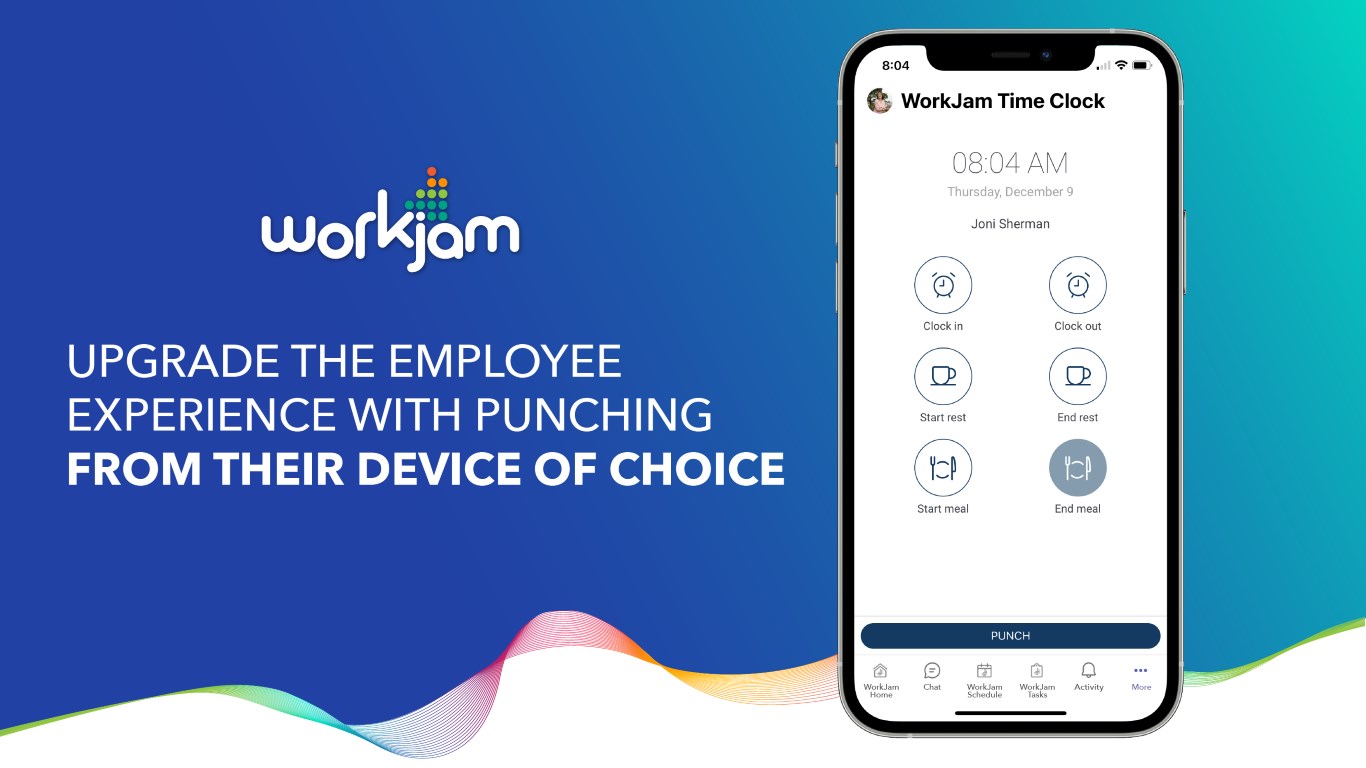
    WorkJam, the world’s leading digital frontline workplace, today announced an expansion of its strategic collaboration with Google Cloud to deliver enterprise-ready AI solutions built specifically for frontline teams. WorkJam already offers AI Agent, powered by Google’s Gemini models and cloud infrastructure, which is revolutionising how frontline organisations operate—bringing intelligent automation, productivity, and engagement to a new level and this feature will be the first of an innovative road map that will be AI-driven.

    Built on Google Cloud’s Industry-Leading AI Infrastructure

    WorkJam’s AI roadmap is engineered on Google Cloud, providing unmatched scalability, performance, and global reliability. With built-in enterprise-grade security and compliance, it is ready to meet the demands of complex industries such as retail, healthcare, logistics, and manufacturing.

    Powered by Google’s Gemini Models: Multimodal Intelligence for Real-World Impact

    Leveraging Google’s Gemini models, WorkJam delivers intelligent and conversational AI that understands text, voice, and visual inputs—creating more natural, intuitive user experiences for frontline employees. From task automation and knowledge retrieval to in-the-moment support, WorkJam’s AI Agent supercharges productivity and reduces friction in everyday operations.

    An AI Vision for the Future of Frontline Work

    WorkJam’s vision is to continue to transform the frontline experience by integrating Google’s Gemini models to deliver real-time intelligence, automation, and intuitive support directly into daily workflows. By combining voice, text, and visual understanding, WorkJam empowers frontline employees with instant access to knowledge, adaptive training, and seamless task execution—regardless of language or role. This reduces friction, streamlines operations, and unburdens managers to focus on high-value work. AI will enable intelligent labour utilisation, and ensure the right people are deployed at the right time, maximising productivity, engagement, and customer impact for every customer.

    A Collaboration Driving Innovation

    This collaboration enables WorkJam to co-innovate alongside Google Cloud, gaining early access to AI advancements and accelerating delivery of cutting-edge capabilities to global customers.

    Steven Kramer, CEO, WorkJam said, “By integrating the powerful reasoning capabilities of Google’s Gemini models into the WorkJam platform, we’re redefining labour utilisation for frontline teams across the APAC region. This isn’t just about smarter scheduling—it’s about giving managers and employees real-time support to make better decisions, balance workloads, and drive productivity. With Gemini models, WorkJam ensures the right people are in the right place at the right time, improving operational efficiency while creating a more engaging and productive work environment.”

    About WorkJam

    WorkJam was founded in 2014 to improve the lives of frontline workers. As the world’s leading digital frontline workplace, WorkJam combines communication, task management, scheduling tools, learning, and more – all on one app. It is the only complete and unified system designed to revolutionize the way HQs and their frontline work together, boosting efficiencies and productivity. Available in 50 languages with in–line translations, the app helps organizations bridge language barriers and create a more inclusive working environment for all. WorkJam introduces Total Workforce Orchestration®. To learn more, visit WorkJam.com or follow us on LinkedIn.

  • CMC Steals the Spotlight at World IT Show 2025 with Impressive Showcase

    CMC Steals the Spotlight at World IT Show 2025 with Impressive Showcase

    CMC Makes a Significant Impact at WIS 2025, Strengthening Korea-Vietnam Tech Ties

    Asia’s Premier Technology Showcase

    The World IT Show (WIS) 2025, organized by Korea’s Ministry of Science and ICT, recently concluded with a resounding success, drawing significant attention across the tech community. With the theme “The Next Wave,” this prestigious event hosted in Asia saw an overwhelming turnout of over 100,000 visitors, including tech aficionados and business executives. The stage was set for over 500 companies, including global titans such as Samsung, LG, KT, SK, and Hyundai, making it a hotspot for the latest innovations in technology.

    CMC’s Standout Performance: Highlighting the ASEAN Region

    Vietnamese tech enterprise CMC showcased a vibrant presence at WIS 2025, capturing the essence of the event’s theme “Beyond Digital.” With its booth teeming with visitors, CMC engaged in numerous impactful discussions and meetings with potential Korean partners over the event’s three days. Their compelling digital solutions and technology prowess spotlighted the company’s readiness to take on substantial roles in global digital transformation initiatives.

    Innovations That Caught the Eye

    A visitor’s comment encapsulated the success of CMC at the event: “The company displayed a comprehensive technology ecosystem… I was particularly impressed by their internationally certified team…”
    CMC’s offerings such as the Comprehensive Security Platform, CMC Cloud, and Managed Services, drew particular interest. These products promise proactive defense and seamless integration, optimizing costs and adding sustainable value across sectors, including manufacturing, BFSI, healthcare, and e-commerce.

    Expansion and Future Prospects

    In August 2024, CMC took a significant step in their global strategy by establishing CMC Korea. Their participation in WIS 2025 is a testament to their commitment to nurturing long-term collaborations with Korean and global businesses. A company representative shared, “Our success at WIS 2025 underscores our global mindset and dedication to propelling Vietnamese technology on the world stage, fostering a greener, safer, and more sustainable digital future.”

    Impact on the Retail Sector and Consumer Trends

    CMC’s stride in WIS 2025 is set to bolster consumer confidence and trust in Vietnamese technology solutions globally, particularly in critical sectors like digital security and cloud services. These advancements signify a significant leap in tech consumer trends and brand expansion, influencing the broader retail and technology landscapes profoundly. As CMC continues to chart its global journey, its innovations are expected to reshape consumer experiences and enterprise tech solutions markedly.

  • T-Mobile is phasing out plans with included taxes and fees starting tomorrow

    T-Mobile is phasing out plans with included taxes and fees starting tomorrow

    T-Mobile recently introduced new plans where customers were quick to notice that the taxes and additional fees were no longer factored into the price. Now, according to multiple people claiming to be T-Mobile representatives, it seems that the company is doing away with its older plans entirely.

    One T-Mobile user claiming to be an employee at an authorized retailer has revealed that representatives will no longer receive commissions for activating older plans. This claim was backed up by multiple other people claiming to be employees of the carrier as well. Apparently T-Mobile has instructed store personnel to push the new plans only and stay away from plans that include taxes and fees in the price.

    Another user claiming to be a T-Mobile employee as well has also shared the same news in a separate post. The new instructions are to take effect from May 1 and will make it a lot more difficult to go to a store and sign up for a plan with included taxes and fees. Understandably representatives at these stores want to earn their commissions and will be very hesitant about activating an older plan.

    This decision comes after T-Mobile faced backlash online for introducing pricing updates to existing plans. Customers claimed that their plans, which had been marketed to them as price locked forever, also saw increases in monthly cost. Since then T-Mobile has been a lot more careful about promising price locks and new offers clearly state how long such guarantees will last.

    Naturally the revelation about older plans being no longer incentivized for store employees was met with criticism. One user even said that T-Mobile, which calls itself the “un-carrier”, is now just becoming another carrier company like AT&T or Verizon. AT&T and Verizon don’t offer plans with included taxes and fees and T-Mobile only started doing so around eight years ago.

    Including the taxes and fees in the price upfront makes it a lot easier for customers and employees. In fact representatives say that T-Mobile has gone back in time with its latest moves and they now have to once again tell customers that taxes and fees are separate. To me this feels like T-Mobile is getting ready to completely phase out plans with included charges in the near future.

  • China Mobile Hong Kong to Shut Down 3G Services by the End of June

    China Mobile Hong Kong to Shut Down 3G Services by the End of June

    The decision comes following a steady decline in 3G users, who now make up less than 0.25% of CMHK’s total mobile customer base, including post-paid, pre-paid, and virtual network operator-related subscribers. CMHK has been notifying customers of the upcoming transition since late 2023 and continues to assist affected users in upgrading their 3G phones, devices, or SIM cards.

    In a separate statement, the Communications Authority (CA) confirmed it granted CMHK prior approval to cease 3G services under Special Condition 10.4 of the company’s Unified Carrier Licence. The CA acknowledged that only a small number of users were affected and highlighted CMHK’s continued efforts to support them through service upgrades and transition arrangements.

    Customers who do not wish to upgrade will be offered reasonable termination options. The CA has also mandated that CMHK maintain adequate 3G service quality until the shutdown date.

    The CA also encouraged customers to consider upgrading to newer mobile services for improved quality and features.