Category: Telecom

Retail News Asia is committed to providing both local and global retailers with the latest Telecom & Telco news throughout the Asian market. This on a daily base.

  • Sceye’s Solar Drones Set to Revolutionize Connectivity with Promising 6G Internet Innovation

    Sceye’s Solar Drones Set to Revolutionize Connectivity with Promising 6G Internet Innovation

    In a bold leap towards the future of telecommunications, U.S.-based startup Sceye is pioneering solar-powered, helium-filled drones that will soon take to the skies at an altitude of approximately 60,000 feet, or about 18 kilometers. These high-altitude platform systems (HAPS) are designed to float serenely above weather patterns and commercial air traffic, harnessing the power of advanced solar arrays and cutting-edge lithium-sulfur batteries to maintain consistent operations, even throughout the night.

    Revolutionizing Connectivity and Monitoring

    With the ability to stay in position amid strong winds and carry substantial payloads, these innovative drones are positioned to provide stable, long-range internet services, environmental monitoring, and robust wildfire detection capabilities. What’s remarkable? Their actual design enables them to remain airborne for months, even extending up to a year! Sceye’s prototypes have already demonstrated this potential through over 20 successful test flights.

    SoftBank’s Vision for 6G Networks

    In an exciting development for the telecommunications landscape in Asia, SoftBank has secured a pre-commercial HAPS mission set for 2026 in Japan. This initiative is part of SoftBank’s broader strategy to propel the advent of next-generation 6G networks. The vision of integrating these airborne platforms with satellites and terrestrial networks aims to deliver rapid, low-latency broadband, especially in remote regions or areas struck by disaster where traditional infrastructure is severely compromised.

    A Glimpse into the Future of Technology

    Equipped with durable, UV- and ozone-resistant envelopes that are 1,500 times more gas-tight than previous models, these drones are not just technological marvels; they are harbingers of a more connected world. Through the collaboration between Sceye and SoftBank, the stage is being set for the deployment of 6G technology, promising to revolutionize how we connect and communicate, paving the way for advancements we are only beginning to imagine.

    Questions & Answers

    What are Sceye’s drones designed to do?
    Sceye’s drones are developed to provide high-altitude solutions for long-range internet connectivity, environmental monitoring, and wildfire detection.

    What is SoftBank’s role in this initiative?
    SoftBank has secured a pre-commercial HAPS mission in Japan for 2026, aligning with its goal to develop next-generation 6G networks that integrate these drones with other communication infrastructures.

    How long can Sceye’s drones potentially stay in the air?
    The drones can remain airborne for months, with the potential to stay aloft for up to a year, thanks to their innovative, gas-tight envelope design.

  • True Unveils DSS Technology to Enhance 5G Experience on 2600 MHz Spectrum

    True Unveils DSS Technology to Enhance 5G Experience on 2600 MHz Spectrum

    True Corporation is stepping up the game in Thailand’s telecommunications landscape with the launch of dynamic spectrum sharing (DSS) technology on the 2600 MHz spectrum band. The rollout kicked off in the vibrant Thonglor district of Bangkok, setting the stage for a sweeping nationwide enhancement aimed at improving the 5G experience for millions.

    A Bold Move Towards Enhanced Connectivity

    This initiative is a cornerstone of True’s Network Modernization plan, which aspires to support over 14.2 million 5G subscribers by the first quarter of 2025. The upgrade promises to deliver heightened speed and performance for both TrueMove H and dtac customers, ushering in a new era of connectivity.

    DSS Technology: A Smart Solution for Spectrum Use

    Dynamic spectrum sharing represents a breakthrough in how spectrum is utilized. Unlike traditional fixed-allocation systems that segment parts of the spectrum for 5G and 4G, DSS allows for flexible, real-time management of bandwidth in high-demand areas. This adaptable approach ensures that both 5G and 4G users on the 2600 MHz band receive the optimal service they need.

    For example, if a sudden influx of 5G users appears in a bustling area, DSS can allocate the entire 2600 MHz band to boost 5G performance. Conversely, if 4G users surge, the system can pivot to ensure that they, too, enjoy quality service. It’s like having a versatile chef in a high-pressure kitchen—always ready to whip up what’s needed, when it’s needed!

    Expanding the Spectrum Portfolio

    True Corporation’s recent acquisition of 70 MHz of the 2300 MHz spectrum adds another layer to its strategy, providing the necessary mid-band for 4G services while enhancing the 2600 MHz band for 5G. This dual benefit ensures that users of both generations benefit from heightened network performance, effectively breaking through previous limitations.

    On the Ground Efforts to Ensure Success

    Mr. Sigve Brekke, Group CEO of True Corporation Public Company Limited, along with a skilled team of network engineers, recently visited Thonglor to oversee the implementation of this cutting-edge technology. This visit marks not just an investment in infrastructure but a commitment to elevating Thailand’s digital telecommunications framework through innovative technologies and maximized spectrum resources.

    Questions & Answers

    What is dynamic spectrum sharing (DSS), and why is it important?
    DSS technology optimizes how spectrum is managed, allowing flexible and real-time allocation between 5G and 4G users. This improves service delivery, especially in areas with high data demand, ensuring all users get the best experience possible.

    How many 5G subscribers does True Corporation aim to support by 2025?
    True Corporation is targeting to support over 14.2 million 5G subscribers across Thailand by the first quarter of 2025, significantly enhancing its network capacity and performance.

    What recent acquisition has True Corporation made to enhance its services?
    True Corporation has acquired 70 MHz of the 2300 MHz spectrum, which helps to provide mid-band for 4G services and enhance the existing 2600 MHz for 5G, ensuring a seamless connectivity experience for users of all generations.

  • India-UK Free Trade Agreement: A Game Changer for the Telecom Sector

    India-UK Free Trade Agreement: A Game Changer for the Telecom Sector

    India and the United Kingdom have reached a pivotal milestone with the signing of a landmark Free Trade Agreement (FTA), heralding a new era of collaboration in the telecom and emerging technology sectors. The historic deal was witnessed by Indian Prime Minister Narendra Modi and UK Prime Minister Keir Starmer, propelling bilateral economic relations to new heights.

    A Game-Changer for India-UK Relations

    “In a historic milestone, India and the UK have successfully concluded an ambitious and mutually beneficial Free Trade Agreement, along with a Double Contribution Convention (DCC),” Modi celebrated on social media platform X. “These landmark agreements will deepen our Comprehensive Strategic Partnership and catalyze trade, investment, growth, job creation, and innovation.” With this agreement, the two nations are aiming for growth that goes beyond just numbers—think of it as ‘telecom magic’ that’s set to unfold over the coming years.

    Streamlining Access for Telecom Giants

    The FTA provides UK telecom companies with guaranteed access to Indian facilities and services on fair, transparent, and non-discriminatory terms. Furthermore, it ensures the open allocation of essential resources, including spectrum and radio frequencies, vital for smoother market entry and fostering collaboration throughout the telecom value chain.

    Reducing Operational Hurdles

    In a strategic move to facilitate easier business operations, the agreement simplifies trade procedures for businesses operating between the two countries. Under the DCC, employees transitioning between India and the UK will be subjected to social security regulations in only one jurisdiction, effectively minimizing compliance challenges and reducing costs for companies with cross-border teams.

    A Mutual Growth Catalyst

    Vodafone has been a longstanding player in the Indian market, operating through its joint venture, Vodafone Idea. Meanwhile, Bharti Enterprises, a major Indian telecom group, holds significant stakes in BT Group and satellite operator Eutelsat OneWeb, a collaboration born from the merger of the UK’s OneWeb and France’s Eutelsat. Sunil Bharti Mittal, Founder and Chairman of Bharti Enterprises as well as Chair of the India-UK CEO Forum, praised the FTA, calling it the first substantial agreement between two economies of comparable stature. He noted that this deal not only opens doors for UK companies but also sets the stage for Indian enterprises to expand their reach in the UK.

    Empowering Innovation in the Telecom Sector

    Indian telecom manufacturer, HFCL, joined in the chorus of support for the agreement. “This FTA enables us to accelerate international growth, provide competitive technology solutions, and contribute to building next-generation digital infrastructures that will power AI-driven economies for both nations,” stated Mahendra Nahata, HFCL’s Managing Director, underscoring the promising possibilities ahead.

    Aligning with Long-term Visions

    Piyush Goyal, India’s Minister of Commerce and Industry, characterized the FTA as a strategic move in line with India’s upward trajectory. He remarked, “The India-UK FTA, along with a Double Contribution Convention, is a bold, future-ready step that will unlock growth, jobs, and innovation, accelerating our journey towards Viksit Bharat 2047.”

    The latest figures indicate that India and the UK enjoyed a bilateral trade volume of GBP 43 billion (USD 56 billion) in 2024, with a shared ambition to double this figure by 2030. This agreement not only lays the groundwork for enhanced cooperation in digital infrastructure but also opens doors to advance smart networks and emerging technologies such as AI, satellite broadband, and cloud services.

    Questions & Answers

    How does the FTA impact UK telecom companies in India?
    The FTA grants UK telecom firms guaranteed access to Indian facilities and services under fair terms, paving the way for greater collaboration and market entry within India’s extensive telecom landscape.

    What is the significance of the Double Contribution Convention?
    The DCC simplifies operational processes for businesses by ensuring that employees transferring between the UK and India will pay social security in just one jurisdiction, significantly reducing compliance costs and complexities.

    What are the future goals for India-UK bilateral trade?
    Both governments aim to double their current trade volume, which stands at GBP 43 billion, to GBP 86 billion by 2030, capitalizing on the FTA to drive deeper collaboration in various tech sectors.

  • Australia’s 5G and Broadband Surge Sparks Promising Growth in Retail Sector

    Australia’s 5G and Broadband Surge Sparks Promising Growth in Retail Sector

    Telecom and pay-TV revenues in Australia are positioned for modest yet steady growth, with projections indicating a compound annual growth rate (CAGR) of 0.8%, climbing from USD 19.1 billion in 2024 to an impressive USD 19.9 billion by 2029. This uptick is largely attributed to the surging demand in mobile data and fixed broadband sectors. As 5G coverage expands and fiber networks receive crucial upgrades, Australians can anticipate a transformation in connectivity that will propel the market forward.

    Mobile Services: A Shift in Dynamics

    According to GlobalData’s latest Australia Telecom Operators Country Intelligence Report, traditional mobile voice services are on a downward trajectory. The increasing preference for over-the-top (OTT) communication platforms, coupled with a dip in mobile voice average revenue per user (ARPU), is steering users away from conventional voice services. However, the growth of mobile data services remains robust, anticipated to grow at a CAGR of 3.8%. This is fueled by a rising number of mobile internet subscriptions and an acceleration in the adoption of 5G services, which typically yield higher ARPU.

    Kantipudi Pradeepthi, a Telecom Analyst at GlobalData, highlights that while 4G services will dominate mobile subscriptions in Australia come 2024, there is an exciting shift on the horizon as 5G subscriptions are expected to outpace 4G. This surge is largely due to aggressive expansion efforts by major players such as Optus, TPG Telecom, and Telstra, with Telstra aiming to extend its 5G coverage to 95% of the nation by the end of 2025.

    Fixed Services: A Tale of Divergence

    In the realm of fixed communication services, a contrasting story unfolds. Fixed voice services are anticipated to continue their decline, driven by diminishing voice over internet protocol (VoIP) subscriptions as traditional circuit-switched services fade into history. Conversely, the fixed broadband segment is set for growth, with projected revenues rising at a CAGR of 1.2% from 2024 to 2029. This growth is bolstered by an ongoing push towards fiber-to-the-home/business (FTTH/B) broadband solutions.

    The Australian government has committed up to AUD 3 billion (USD 1.86 billion) in equity funding for the National Broadband Service (NBN), starting in January 2025. NBN Co is also set to invest AUD 800 million (USD 494 million) to upgrade the fiber-to-the-node (FTTN) network, which will enhance broadband access for an estimated 622,000 households and businesses by 2030. Meanwhile, the pay-TV sector is bracing for a downturn, with expectations of a decline in revenues driven by cable TV and direct-to-home (DTH) subscription losses, as cord-cutting continues to gain traction alongside the rise of OTT video services like Netflix and Stan.

    Leading the Charge in the Telecom Landscape

    When it comes to market share, Telstra stands tall, leading subscriptions across mobile, fixed, and pay-TV services in 2024. Its ongoing expansion into 5G and fiber broadband coverage not only cements its dominance in these sectors but also enhances its stronghold in the IPTV segment to sustain its pay-TV market leadership.

    Pradeepthi underscores the imperative for operators amid this evolving telecommunications landscape, stating the need for strategic investment in high-speed connectivity and service innovation. “As Australia’s telecom landscape evolves, a keen focus on 5G rollout, fiber expansion, and digital service innovations will be critical to driving long-term revenue growth and meeting rising consumer expectations in an increasingly digital-first environment,” she concluded.

    Questions & Answers

    What is the expected growth rate for telecom and pay-TV revenues in Australia through 2029?
    The revenue is projected to grow at a compound annual growth rate (CAGR) of 0.8%, increasing from USD 19.1 billion in 2024 to USD 19.9 billion by 2029.

    Which sectors are driving the growth in Australia’s telecom market?
    The growth is primarily driven by mobile data and fixed broadband sectors, with the expansion of 5G coverage playing a significant role in this trend.

    What are some of the challenges facing fixed voice services in Australia?
    Fixed voice services are declining due to a decrease in voice over internet protocol (VoIP) subscriptions and the phasing out of traditional circuit-switched services.

  • Vietnam Sets the Stage for 4G and 5G Growth with 700 MHz Spectrum Re-Auction

    Vietnam Sets the Stage for 4G and 5G Growth with 700 MHz Spectrum Re-Auction

    Vietnam is gearing up for a pivotal moment in its telecommunications landscape, re-launching the auction of two crucial frequency bands in the 700 MHz spectrum. This re-auction follows an earlier attempt that did not meet expectations, indicating a renewed urgency to boost 4G and 5G mobile services in the nation. The Ministry of Science and Technology has announced that the B1-B1’ (703–713 MHz/758–768 MHz) and B3-B3’ (723–733 MHz/778–788 MHz) bands are now available for bidding, starting at over VND 1.95 trillion (approximately USD 75 million). Licenses will grant operators rights for a period of 15 years.

    A Crucial Step for Connectivity

    This auction is more than just numbers on a spreadsheet; it serves as a crucial step in enhancing mobile network coverage, particularly in rural and underserved regions of Vietnam. The 700 MHz spectrum is internationally recognized for its long-range and high-penetration capabilities, making it an ideal candidate for improving service quality, not just in bustling urban centers but also in remote areas where connectivity can feel like a pipe dream.

    Notable Absence in the Bidding

    Interestingly, state-run Viettel Group, which snagged the B2-B2’ band in May 2025 in a spirited two-round bidding session, will sit this one out. That prior victory, which also spans 15 years, forms part of Viettel’s strategy to bolster nationwide 4G and 5G connectivity, essential for pioneering initiatives like smart cities and intelligent agricultural systems that could make even farmers do a double-take.

    Ready or Not, Here Come the Bidders

    Operators interested in tapping into this new wave of opportunity have 30 days from the official auction notice to validate their eligibility. This strategic reallocation of the 700 MHz band comes on the heels of Vietnam’s switch from analog to digital TV broadcasting, unlocking valuable spectrum for the mobile telecommunications sector.

    Racing Ahead with 5G

    As of January 2025, Viettel reported hitting a remarkable milestone of 4 million 5G subscribers in a mere few months after launching its service in October 2024. The telecommunications giant’s 5G network, supported by around 6,500 base stations, boasts impressive speeds of up to 1 Gbps and near-zero latency. With ambitious plans to install over 20,000 additional 5G stations by the close of 2025, Viettel aims to provide comprehensive coverage to 99% of the population by 2030.

    Innovation in the Lab

    In tandem with its ambitious rollout, Viettel has established two dedicated 5G labs in Hanoi and Ho Chi Minh City. These innovation hubs allow developers to experiment with new 5G and Internet of Things (IoT) technologies tailored for local applications. The telco’s infrastructure supports both standalone (SA) and non-standalone (NSA) architectures, covering a stunning array of over 130 use cases across various sectors, including logistics, healthcare, and energy.

    Competition Heats Up

    Viettel isn’t alone in this race; competitors such as VNPT and MobiFone have also stepped into the 5G arena. VNPT launched its 5G services in December 2024, followed by MobiFone in March 2025, utilizing the 3.8–3.9 GHz frequency band. Both operators are deploying a mix of NSA and SA 5G models, ensuring that the competition remains fierce and consumers stand to benefit.

    Looking Ahead to the Auction

    As Vietnam prepares for the renewed 700 MHz auction, industry insiders anticipate a wave of interest from operators eager to broaden their mobile reach and upgrade the nation’s digital infrastructure. The stakes are high, but so are the rewards — a vibrant, connected future awaits just around the corner.

    Questions & Answers

    What significance does the 700 MHz spectrum hold for Vietnam’s mobile services?
    The 700 MHz spectrum is essential for enhancing mobile network coverage, particularly in rural areas, as it offers long-range and high-penetration capabilities that improve service quality.

    Why is Viettel Group not participating in the upcoming auction?
    Viettel Group, which previously secured the B2-B2’ band, is ineligible to bid in this auction, allowing other operators a chance to expand their networks.

    How is Viettel planning to expand its 5G infrastructure?
    Viettel aims to install over 20,000 additional 5G base stations by the end of 2025, with an ambitious goal of covering 99% of the population by 2030 following rapid subscriber growth.

  • Vietnam Unveils NDAChain: A Pioneering Step Towards a Secure Digital Future

    Vietnam Unveils NDAChain: A Pioneering Step Towards a Secure Digital Future

    In a significant step towards enhancing the security and transparency of its digital landscape, Vietnam has officially launched NDAChain, its national blockchain platform. Developed by the National Data Association and overseen by the Data Innovation and Exploitation Center under the Ministry of Public Security, NDAChain serves as a vital backbone for data verification within both government and private sectors.

    Navigating the Digital Frontier

    NDAChain addresses the critical vulnerabilities of centralized data models, such as the risks of cyberattacks and limited scalability. By offering a decentralized layer of trust, the platform supports essential national systems, including e-government initiatives, finance, healthcare, logistics, and education. “Vietnam has chosen a hybrid data architecture that merges centralized and decentralized elements. NDAChain acts as a protective layer for our live data, crucial for our digital society and economy,” explained Mr. Nguyen Huy, Head of Technology at the National Data Association.

    The Rationale Behind a National Blockchain

    With a population of over 100 million rapidly embracing digital transformation, Vietnam generates data at an unprecedented scale. In response, the National Data Center is being established to serve as the primary repository for citizen and national information. Safeguarding this sensitive data from breaches and misuse necessitates an advanced verification system. Blockchain technology, known for its immutable records and transparency, offers a robust solution for tracking and validating data sources, especially during critical, multi-sector exchanges.

    Unpacking How NDAChain Functions

    NDAChain is a Layer-1 permissioned blockchain, backed by a consortium of 49 validator nodes that includes both public institutions and private enterprises. Key players encompass the National Data Center, Ministry of Public Security, and notable corporations like SunGroup, Zalo, and Masan. Each validator node keeps a distributed ledger, ensuring transparent transaction logging and incorporating smart contracts to optimize processes. Additionally, it features identity verification tools that tie into Vietnam’s VNeID and national identity databases.

    Utilizing a proof-of-authority (PoA) consensus mechanism empowered by zero-knowledge proofs (ZKP), NDAChain enhances security and privacy. The platform boasts the capacity to handle 3,600 transactions per second, resulting in low latency and high scalability for nationwide adoption. Who knew that a combination of high-tech wizardry and a strong Vietnamese spirit could tackle data challenges so elegantly?

    Empowering Digital Identities and Product Traceability

    NDAChain not only underpins e-government solutions but also fosters NDA DID, a decentralized identity system that allows individuals to verify identities in real-time during transactions, service access, or digital agreement signings. With the NDAKey app, users can authenticate identities in just seconds, drastically diminishing the risk of fraud.

    The platform also powers NDATrace, Vietnam’s system for product identification, authentication, and traceability. Each product is assigned a unique identifier (UID) that complies with GS1 standards, ensuring compatibility with the EU’s EBSI framework. This interoperability enables Vietnamese businesses to seamlessly integrate into global supply chains while enhancing consumer confidence in product authenticity.

    A Vision Beyond 2025

    By the close of 2025, NDAChain aims for full integration with the National Data Center, extending its reach to local government entities and educational institutions by 2026. This next phase will concentrate on talent development, fostering international collaboration, and launching Layer-2 applications tailored to specific industries.

    Thanks to its open and integrative design, NDAChain promises to be a catalyst for innovation, paving the way for startups and tech companies to create solutions like identity wallets and anti-counterfeiting tools.

    Aiming for Global Recognition

    More than 50 countries, including China, the EU, and South Korea, have rolled out national blockchain platforms. Vietnam distinguishes itself with a strategic focus on public-private partnerships, adherence to global standards, and deep integration with its national data ecosystems. NDAChain embodies Vietnam’s dedication to establishing resilient digital infrastructure and cultivating a dynamic digital economy.

    Questions & Answers

    What is NDAChain, and who developed it?
    NDAChain is Vietnam’s national blockchain platform developed by the National Data Association and managed by the Data Innovation and Exploitation Center under the Ministry of Public Security.

    How does NDAChain enhance data security and transparency?
    NDAChain provides a decentralized layer of trust that addresses the vulnerabilities of centralized data models, safeguarding essential national systems against cyber threats while ensuring transparency in data verification.

    What are the future plans for NDAChain?
    By the end of 2025, NDAChain is set to integrate fully with the National Data Center, expanding further to local government and educational institutions by 2026, with an emphasis on talent development and international cooperation.

  • TRAI Takes Action Against Spam and Cyber Fraud: What Retailers Need to Know!

    TRAI Takes Action Against Spam and Cyber Fraud: What Retailers Need to Know!

    In a bid to address the growing menace of spam, cyber fraud, and the misuse of telecom infrastructure, the Telecom Regulatory Authority of India (TRAI) gathered the Joint Committee of Regulators (JCoR) on Tuesday. This pivotal meeting took place at TRAI’s headquarters, bringing together influential figures from various sectors.

    Representatives from top regulatory bodies, including the Reserve Bank of India (RBI), the Securities and Exchange Board of India (SEBI), the Insurance Regulatory and Development Authority of India (IRDAI), and the Pension Fund Regulatory and Development Authority (PFRDA), joined their counterparts from the Ministry of Electronics and Information Technology (MeitY). Also present were officials from the Department of Telecommunications (DoT), the Ministry of Home Affairs (MHA), and the National Payments Corporation of India (NPCI).

    A united front against digital threats

    During the meeting, TRAI Chairman Anil Kumar Lahoti emphasized the necessity of collaboration among different regulatory bodies in an increasingly digital marketplace. He said, “In a digital-first economy, collaboration among financial sector regulators, digital communication regulators, and security agencies becomes paramount. TRAI appreciates the swift collaboration being facilitated through JCoR in building a reliable and safer communication environment.”

    The agenda took a concentrated approach at combating digital payment fraud while enhancing consumer protection measures. One significant proposal discussed was the phased adoption of a dedicated 1600-series number range for service and transactional calls in banking and finance, aimed at reducing confusion and potential scams.

    Innovating security with digital consent

    Additionally, the meeting reviewed advancements in the Digital Consent Acquisition (DCA) pilot. This innovative initiative replaces traditional paper-based consent methods with a secure digital system, making the process streamlined and efficient. The pilot, a joint effort between TRAI and RBI, involves participation from major telecom companies and banks, including SBI, PNB, ICICI, HDFC, Axis Bank, Canara Bank, and Kotak Mahindra Bank.

    Speeding up fraud prevention

    To further combat fraud, the regulators discussed methods for facilitating automatic data sharing between the Indian Cyber Crime Coordination Centre (I4C), the DoT’s Digital Intelligence Platform, and the telecom industry’s Distributed Ledger Technology (DLT) systems. This collaboration is intended to expedite responses to fraudulent activities involving illicit phone numbers and telecom resources.

    Concerns about the misuse of SIP and PRI lines for bulk spam calls were also raised, leading participants to explore remedies such as assigning these lines from controlled number ranges and implementing additional security measures. This meeting followed a workshop co-hosted by TRAI and RBI, where banks and telecom providers delved into DCA’s development and pledged to enhance collaboration.

    Questions & Answers

    What key topics did the TRAI meeting focus on?
    The meeting centered on tackling spam, cyber fraud, and enhancing consumer protection, particularly in the context of digital payments.

    Which organizations participated in the JCoR meeting?
    Representatives from the TRAI, RBI, SEBI, IRDAI, PFRDA, MeitY, DoT, MHA, and NPCI were present, highlighting a robust collaboration across various sectors.

    What is the significance of the Digital Consent Acquisition pilot?
    The DCA pilot aims to streamline communication consent by replacing paper-based approvals with a secure digital system, involving major telecom operators and banks.

  • DayOne Breaks Ground on Its First Hyperscale Data Center in Singapore

    DayOne Breaks Ground on Its First Hyperscale Data Center in Singapore

    DayOne has officially broken ground on its inaugural hyperscale data centre in Singapore, marking a significant milestone for the company and the region’s technological landscape. Located in the heart of Singapore, the facility is set to offer a remarkable 20 MW of capacity across a sprawling 40,000 square meters.

    Aiming for 2026: The First Phase Launch

    The first phase of this ambitious project is on track to become operational by 2026, supporting the burgeoning demands of artificial intelligence, cloud computing, and high-density workloads. But this isn’t just about raw capacity; DayOne has firmly committed to sustainability. To power the facility, the company has signed a ten-year Power Purchase Agreement with Sembcorp Power to rely entirely on renewable energy sources. They will utilize bundled Renewable Energy Certificates (RECs) ensuring a green footprint that resonates with today’s eco-conscious business practices.

    Innovating for a Greener Tomorrow

    DayOne has also partnered with the National University of Singapore on a research and development initiative under the Sustainable Tropical Data Centre Testbed Phase 2.0. This collaboration aims to test cutting-edge cooling technologies and Solid Oxide Fuel Cell (SOFC) systems tailored for tropical climates. As if that weren’t ambitious enough, the site will pioneer SOFC power generation methods to harness hydrogen-based energy, reflecting a daring leap toward innovative energy solutions. The facility will support both air and liquid cooling, ensuring optimal performance under various operational conditions.

    Setting the Bar for Sustainability Standards

    With aspirations to earn LEED Platinum and BCA Green Mark Platinum certifications, DayOne is not just looking to build but to set a benchmark for sustainable design in the data centre sector. This project aligns with Singapore’s Digital Connectivity Blueprint, part of its broader initiative to augment 300 MW of capacity in the coming years. Recognized by the Infocomm Media Development Authority (IMDA) and the Singapore Economic Development Board (EDB), the facility came through the Pilot Data Centre Call for Application, emphasizing the country’s commitment to fostering innovation in digital infrastructure.

    Nonetheless, the impact of this development extends beyond Singapore’s borders. DayOne’s operations span across Singapore, Malaysia, Indonesia, Thailand, Japan, and Hong Kong SAR, with the Singapore site poised to be a cornerstone for its regional growth strategy while catering to the increasing demands for AI and high-performance computing workloads. In a region where technology is evolving faster than you can say “hyperscale,” DayOne is certainly setting the pace.

    Questions & Answers

    What is DayOne’s goal for its new data centre in Singapore?
    DayOne aims to deliver 20 MW of capacity across 40,000 square meters, with the first phase expected to be operational by 2026, focusing on AI, cloud computing, and high-density workloads.

    How is DayOne ensuring sustainability at its data centre?
    The company has signed a 10-year Power Purchase Agreement with Sembcorp Power to run the facility entirely on renewable energy, utilizing bundled Renewable Energy Certificates sourced locally or through grid connections.

    What unique technologies will DayOne test at the new facility?
    DayOne will collaborate with the National University of Singapore to test advanced cooling systems and Solid Oxide Fuel Cell (SOFC) technologies aimed at optimizing energy efficiency for tropical climates.

  • U-Mobile and MICTH Join Forces to Speed Up 5G Expansion Across Malacca

    U-Mobile and MICTH Join Forces to Speed Up 5G Expansion Across Malacca

    U Mobile has officially partnered with Melaka ICT Holdings Sdn Bhd (MICTH) through a memorandum of understanding (MoU) that seeks to accelerate the deployment of U Mobile’s Next Gen 5G network within the region of Malacca. This collaboration is poised to bring faster, more reliable connectivity to consumers and businesses alike.

    Strengthening Infrastructure for a Digital Future

    Under the terms of this agreement, MICTH will provide U Mobile with access to its extensive tower and site infrastructure, along with essential support for site implementations throughout the state. The two organizations plan to leverage their combined expertise to establish an efficient rollout process for 5G technology, enabling a broader and quicker expansion of coverage.

    Woon Ooi Yuen, U Mobile’s Chief Technology Officer, expressed enthusiasm about the collaboration, emphasizing MICTH’s pivotal role in driving rapid deployment in the state. “As Malacca’s state-backed ICT leader, MICTH plays a vital role in accelerating deployment in the state, supporting our ambition to achieve 80% nationwide CoPA by the second half of 2026,” Woon remarked. He added that this partnership will significantly enhance 5G connectivity, propelling both consumer experiences and enterprise capabilities, while also aligning with Malacca’s broader digital transformation strategy to grow its digital economy.

    A Vision for Inclusive Connectivity

    Dr. Nazdiana Ab Wahab, CEO of MICTH, reiterated the organization’s commitment to fostering seamless and inclusive connectivity throughout Malacca. “MICTH remains steadfast in its commitment to ensuring seamless and inclusive connectivity across the state, supporting Malacca’s digital transformation and infrastructure development for the benefit of the economy and the people of Malacca,” she stated, encapsulating the ambition behind the partnership.

    The MoU was formalized during an appreciation ceremony held in Kuala Lumpur, coinciding with the Malacca State Telecommunication Synergy event. Key figures in attendance included U Mobile’s Head of Network Programs and Rollout, Jaime Chee Kar Yean, as well as Datuk Fairul Nizam Roslan, the Malacca Executive Council Member for Science, Technology, Innovation, and Digital Communication. The occasion was graced by the presence of Malacca Chief Minister, Datuk Seri Utama Ab Rauf Yusoh, and State Secretary, Datuk Azhar Arshad.

    Questions & Answers

    What is the primary goal of the MoU between U Mobile and MICTH?
    The main goal of the MoU is to accelerate the rollout of U Mobile’s Next Gen 5G network in Malacca, enhancing connectivity for consumers and businesses across the state.

    How will MICTH support U Mobile in this partnership?
    MICTH will provide U Mobile access to its tower and site infrastructure, along with comprehensive assistance for site implementations to facilitate the deployment of 5G technology.

    Who were the key figures present at the signing of the MoU?
    The signing was attended by notable figures including U Mobile’s Head of Network Programs, Jaime Chee Kar Yean, Malacca Executive Council Member Datuk Fairul Nizam Roslan, and Chief Minister Datuk Seri Utama Ab Rauf Yusoh, among others.

  • Maxis Teams Up with Aduna to Transform Network API Innovation in Retail Sector

    Maxis Teams Up with Aduna to Transform Network API Innovation in Retail Sector

    In a significant move to stimulate digital innovation across Malaysia, Maxis has entered into a partnership with Aduna and Ericsson aimed at promoting standardized network application programming interfaces (APIs). This collaboration was unveiled through a memorandum of understanding (MoU) at the GSMA Digital Nation Summit held recently in Singapore. The initiative promises to give developers and businesses streamlined access to Aduna’s extensive platform of common network APIs, empowering Malaysian enterprises to harness Maxis’s robust connectivity and network capabilities to explore new opportunities and roll out next-generation services.

    Accelerating API-Driven Solutions

    Through this partnership, Maxis, Aduna, and Ericsson are poised to accelerate the development and deployment of API-driven solutions, significantly cutting down the time required to introduce new features and services. The initial focus is on high-impact APIs, including number verification, SIM swapping, customer identity verification (KYC), and location verification. These innovative tools are crucial for combating digital fraud and enhancing online transaction security, particularly benefiting sectors such as financial services and e-commerce, which increasingly rely on e-wallet solutions and expansive digital infrastructures.

    A Universal Link for Innovation

    Furthermore, the advent of network APIs is paving the way for unprecedented opportunities across various sectors, acting as a universal link for software and applications to interact seamlessly. With enhanced accessibility and integration, businesses can deploy solutions rapidly that operate efficiently across different mobile networks and markets, thereby benefitting a myriad of industries and their end users. It’s like seamlessly blending different ingredients into a perfect digital dish—tasty and efficient.

    Voices from the Leaders

    Prateek Pashine, Chief Enterprise Business Officer of Maxis, emphasized the company’s mission: “Our mission is to equip businesses with the tools they need to innovate for tomorrow, today. APIs play a critical role in the modern digital economy, and Maxis is committed to leveraging them to unlock greater value for businesses. Through this partnership with Aduna, we can enable the development of more secure, user-centric services backed by seamless access to advanced network APIs.”

    Meanwhile, Anthony Bartolo, CEO of Aduna, highlighted the broader impact of this collaboration: “Aduna is committed to building a global ecosystem that accelerates the next wave of digital innovation. Our platform enhances connectivity, allowing for seamless collaboration between developers, enterprises, and telecom providers to drive innovation. We are thrilled to partner with Maxis, a leader whose commitment to digital empowerment is clear. This collaboration will bring our unified network APIs to one of Southeast Asia’s most dynamic digital economies, providing businesses in Malaysia with access to powerful and scalable solutions.”

    Championing Open Standards

    This partnership is a testament to Maxis’s dedication to supporting global open standards and protocols, fully aligning with the GSMA Open Gateway framework and the CAMARA Project. In 2024, Maxis took a pioneering role as an early supporter of the Bridge Alliance API Exchange (BAEx) initiative, designed to aggregate telecom APIs across the Asia Pacific region while facilitating API adoption. The initiative provides developers and businesses seamless access to a variety of telecom assets. Additionally, Maxis has been involved in the world’s first international federation of telecom APIs, working alongside telecom companies from Malaysia, Thailand, and Singapore, to provide enterprises with real-time telecom network data for enhanced authentication and fraud prevention.

    This initiative underscores Maxis’s commitment to being a key player in Malaysia’s digital evolution. By advocating for the adoption of open, interconnected APIs, Maxis is not just leading the charge in Malaysia’s digital transformation; they are also creating sustainable value for customers, partners, and an entire ecosystem of industries.

    Questions & Answers

    What are the key benefits of the partnership between Maxis, Aduna, and Ericsson?
    The partnership aims to accelerate the development and deployment of API solutions, enabling quicker launches of new features and enhanced security against digital fraud, particularly in financial services and e-commerce.

    What types of APIs will the collaboration initially focus on?
    The initial focus will be on high-impact APIs including number verification, SIM swaps, customer identity verification (KYC), and location verification, critical for securing online transactions.

    How does this partnership align with Maxis’s broader goals?
    This collaboration aligns with Maxis’s commitment to global open standards and the GSMA Open Gateway framework, supporting Malaysia’s digital transformation by promoting accessible and innovative API solutions.

  • NTT SmartConnect and Megaport Unveil Innovative Cloud and IX Services in Japan

    NTT SmartConnect and Megaport Unveil Innovative Cloud and IX Services in Japan

    NTT SmartConnect Corporation, operating from Osaka, is poised to enhance Japan’s digital landscape with its latest venture. Under the leadership of President and CEO Kento Miyaoku, the company has announced a strategic partnership with Megaport Japan K.K., a renowned global network service provider based in Brisbane, Australia, and led by CEO Michael Reid. This collaboration will culminate in the opening of a new connection point that promises to transform the way businesses in Japan access cloud services.

    A Milestone in Connectivity

    Situated within the Sonezaki Data Center in the heart of Osaka, this connection point is set to launch on Wednesday, July 23, 2025. With Megaport’s multi-cloud connectivity service, businesses will soon find themselves at the intersection of innovation and efficiency. The service boasts connections to over 975 data centers and supports more than 410 service providers, including industry heavyweights such as Amazon Web Services (AWS), Microsoft Azure, and Salesforce.

    Clients can look forward to a suite of benefits, including seamless bandwidth adjustments, cost savings, rapid deployment of services, and streamlined connections to diverse cloud solutions. In a world where digital agility is paramount, this development could serve as a much-needed shot in the arm for companies eager to expand their capabilities.

    A New Era with MegaIX

    In addition to its connectivity services, this initiative marks the debut of Megaport’s internet exchange (IX) service, dubbed MegaIX, in Japan—an offering that will now be available from the Sonezaki Data Center.

    NTT SmartConnect’s forward-thinking approach highlights a commitment to not only enhancing customer business efficiency but also supporting global expansion. As Miyaoku noted, this collaboration stands as a testament to their joint vision of pioneering seamless digital connectivity in the Asian market.

    In a move that might remind you of the first time your favorite band released a surprise album, this partnership marks an exciting chapter for Japan’s retail and tech sectors, one that promises to generate a buzz and reshape digital commerce.

    Questions & Answers

    How will the new connection point benefit businesses in Japan?
    The new connection point will provide seamless multi-cloud connectivity, enabling businesses to adjust bandwidth, save costs, deploy services quickly, and connect effectively to major cloud platforms.

    What specific service is Megaport introducing in Japan with this collaboration?
    Megaport is launching its internet exchange service, MegaIX, in Japan, enhancing connectivity options from the Sonezaki Data Center.

    What are NTT SmartConnect’s future plans regarding this partnership?
    NTT SmartConnect aims to continue collaborating with Megaport to improve customer business efficiency and facilitate global expansion opportunities.

  • India’s Ambitious Draft Telecom Policy Aims for 90% 5G Coverage by 2030

    India’s Ambitious Draft Telecom Policy Aims for 90% 5G Coverage by 2030

    In a bold move aimed at establishing India as a global telecom leader by 2030, the Indian government has unveiled its National Telecom Policy 2025 (NTP-25). This ambitious draft is not just a roadmap; it’s a vision that outlines major objectives, including the creation of 1 million jobs, extending 5G coverage to 90% of the population, and connecting 100 million households to fixed broadband.

    Strategic Goals to Transform Telecom

    Currently open for public consultation, the NTP-25 elaborates a five-year framework with ten strategic objectives. Among these goals is a significant uptick in telecom investment, targeting INR 1 lakh crore (approximately USD 12 billion) annually. The policy also aims to double telecom exports, reskill an additional million workers, and ensure universal access to 4G services. This is not just a plan; it’s a clarion call for a digitally empowered nation.

    Key Innovations on the Horizon

    The heart of this policy lies in its innovative strategies to strengthen India’s digital infrastructure. One of the standout initiatives is the introduction of the Digital Bharat Nidhi (DBN), designed to expand mobile networks in rural and underserved urban areas. This ambitious initiative is all about bridging the connectivity gap — because who wouldn’t want to send a WhatsApp message while trekking through a remote village?

    Pioneering National Security Measures

    On the front of national security and privacy, the NTP-25 proposes the establishment of a National Telecom SafeNet, alongside a biometric-based identification system for telecom users. To monitor both domestic and foreign satellites, a Satcom Monitoring Facility (SMF) will be launched to detect unauthorized access, aiming to bolster the country’s defenses in its ever-evolving digital landscape.

    Fostering a Resilient Tech Ecosystem

    But that’s not all — the policy also emphasizes the importance of design-led manufacturing, allocating spectrum for private 5G networks and captive non-public networks (CNPNs). Moreover, it aims to establish robust cybersecurity standards that will protect users amid an increasingly interconnected world.

    Questions & Answers

    What are the main goals of the National Telecom Policy 2025?
    NTP-25 aims to create 1 million jobs, ensure 90% of the population has access to 5G, and connect 100 million households with fixed broadband, all by 2030.

    How does the policy propose to enhance digital infrastructure?
    Through initiatives like the Digital Bharat Nidhi, which will expand mobile networks into rural and underserved urban regions, and by fostering support for small internet providers to improve last-mile connectivity.

    What measures are being taken to ensure cybersecurity?
    The policy includes the establishment of a National Telecom SafeNet, a biometric identification system for users, and the creation of robust cybersecurity standards to combat threats in a connected environment.

  • Revolutionary Satellite Technology Launches to Combat PM2.5 Pollution with Advanced Burn Tracking Solutions

    Revolutionary Satellite Technology Launches to Combat PM2.5 Pollution with Advanced Burn Tracking Solutions

    The Thai government, in collaboration with the Office of the Cane and Sugar Board (OCSB) and Thaicom Public Company Limited, has launched an ambitious technological initiative aimed at combating sugarcane field burning. This innovative platform leverages satellite technology, geospatial data, and artificial intelligence (AI) to monitor and track burning activities. Remarkably, it’s not just limited to sugarcane; future applications may address various agricultural pollution sources, particularly those that contribute to PM2.5 levels.

    Economic Impact of the Sugar Industry

    In 2024, the sugarcane and sugar industry made a significant dent in the Thai economy, contributing over THB 184 billion. As of mid-2025, the industry had already generated more than THB 92.5 billion, underscoring its importance. The International Sugar Organization (ISO) notes that Thailand produces 5% of the world’s sugar, making it the fifth largest producer globally and accounting for a noteworthy 9% of sugar exports.

    The Burn Tracking Platform: A Game Changer

    The newly unveiled Burn Tracking platform offers a comprehensive analytical system designed to monitor sugarcane field burning. Utilizing satellite-based space and geospatial technology, the platform provides a user-friendly dashboard that allows for quick access to data regarding burning activities. Users can monitor cultivation areas, crop yields, and forecasts for cane delivery to sugar mills. The system has a particular knack for identifying heat spots and burned areas, making the data not just accessible but also actionable.

    Government Commitment and Measurable Results

    Mr. Bainoy Suwanchatree, Secretary General of the OCSB, emphasized the government’s commitment to transforming the industry into a modern and eco-friendly sector. “A major focus has been tackling PM2.5 pollution caused by sugarcane burning during the 2024/2025 harvesting season,” he stated. To this end, the OCSB has introduced six measures aimed at reducing emissions. These include promoting advanced agricultural technology and machinery, along with supporting satellite-based research and development.

    These initiatives have yielded impressive results: fresh cane accounted for an astounding 85% of the total crushed volume, translating to 78.3 million tons, while burned cane made up a mere 15% (or 13.68 million tons). This significant drop from the previous year’s 29% reflects a concerted effort to reduce reliance on burning practices.

    Looking Ahead: Thailand’s Bio Hub Vision

    Looking forward, Mr. Suwanchatree outlined an ambitious vision to boost farmers’ incomes and support downstream industries, aiming to position Thailand as the Bio Hub of ASEAN by 2027. Strategic plans include developing bioplastics to tackle environmental issues, further decreasing sugarcane burning, and curbing carbon emissions. The OCSB will also spearhead the establishment of a national network of BioExcellent Centers to promote innovations in sugarcane farming and production efficiency — think of it as planting the seeds for a vibrant green future.

    The Role of Satellite Technology

    Mr. Patompob (Nile) Suwansiri, CEO of Thaicom Public Company Limited, remarked on the platform’s potential: “By melding space technology with satellite data and AI analysis, we’ve created a formidable tool that not only improves air quality but also helps in minimizing PM2.5 pollution.” While the platform’s immediate application is in the sugarcane sector, its capabilities can easily be adapted for use across various agricultural landscapes.

    Questions & Answers

    What is the Burn Tracking platform?
    The Burn Tracking platform is an analytical system that uses satellite technology and geospatial data to monitor and track sugarcane field burning, with plans to expand its application to other agricultural pollution sources.

    How has the Thai sugar industry performed financially in recent years?
    In 2024, the sugarcane and sugar industry contributed over THB 184 billion to the economy, with more than THB 92.5 billion generated by mid-2025.

    What measures are being taken to reduce PM2.5 emissions?
    The OCSB has implemented six key measures, including promoting advanced agricultural technology, which have resulted in a substantial reduction of PM2.5 pollution attributed to sugarcane burning.

  • Reliance Jio Surpasses 213 Million 5G Users: A Milestone in Connectivity!

    Reliance Jio Surpasses 213 Million 5G Users: A Milestone in Connectivity!

    Reliance Jio Infocomm has made impressive strides in the 5G landscape, wrapping up June 2025 with a staggering 213 million 5G subscribers, a sharp rise from 170 million at the close of 2024. This growth surge, detailed in its latest quarterly report released by parent company Reliance Industries, underscores the effectiveness of Jio’s innovative in-house 5G technology stack, which has now positioned itself for expansion into international markets. Notably, 5G accounted for an impressive 40% of Jio’s wireless traffic by the end of last year.

    A Noteworthy Expansion in Fixed Services

    In parallel, Reliance Jio has made considerable advancements in the fixed services segment, achieving over 20 million connected premises through its broadband network. The firm’s JioAirFiber service has emerged as the world’s largest fixed wireless access (FWA) platform, currently catering to nearly 7.4 million users — a feat that would surely make tech aficionados raise an eyebrow in surprise.

    Leadership’s Vision: Embracing Next-Gen Technologies

    Akash Ambani, Chairman of Reliance Jio, expressed his enthusiasm about the company hitting significant milestones. “We have delivered a milestone quarter at Jio with our 5G and home subscriber base crossing the 200 million and 20 million marks, respectively,” he stated. Ambani further emphasized Jio’s commitment to rolling out next-generation services, including the recently launched JioGames Cloud and the JioPC bundle, aimed at accelerating digital service adoption across India. He noted the company’s role in developing unparalleled technology infrastructure, crucial for driving the country’s artificial intelligence (AI) adoption.

    IPO Delay: A Strategic Move for Growth

    Despite these accolades, Jio Platforms has opted to postpone its initial public offering (IPO) beyond 2025. The aim is to bolster revenue growth and expand its user base further. Analysts estimate the company’s valuation at over USD 100 billion, with a significant 80% of its USD 17.6-billion annual revenue generated by its telecommunications unit.

    Bumps on the Road: Navigating 5G Challenges

    Last year, Jio faced challenges in its 5G rollout, which was slowed down by low capacity utilization and delays in monetization. Currently, reported 5G usage hovers around 15%, although insiders claim actual figures are likely much higher. The network operates using equipment from established providers like Nokia and Ericsson.

    Looking ahead, future investments in 5G will hinge on market demand, as analysts and industry watchers anticipate the next phase of expansion to unfold in response to intensified competition from rivals such as Bharti Airtel.

    Questions & Answers

    What factors contributed to Reliance Jio’s significant subscriber growth in 2025?
    The surge to 213 million 5G subscribers is attributed to Jio’s innovative in-house technology stack and the strategic positioning of its cloud-native core network, which is eyeing international markets.

    How has Reliance Jio performed in the fixed services segment?
    Reliance Jio surpassed 20 million connected premises through its broadband network, with its JioAirFiber service emerging as the largest fixed wireless access platform globally, catering to approximately 7.4 million users.

    What is the rationale behind the delay of Jio Platforms’ IPO?
    Jio Platforms has decided to postpone its IPO to 2025 to concentrate on enhancing revenue and expanding its user base, despite the firm’s high valuation estimated over USD 100 billion.

  • Globe Telecom Aims for 100% Renewable Energy in Over 3,000 Cell Sites by 2028

    Globe Telecom Aims for 100% Renewable Energy in Over 3,000 Cell Sites by 2028

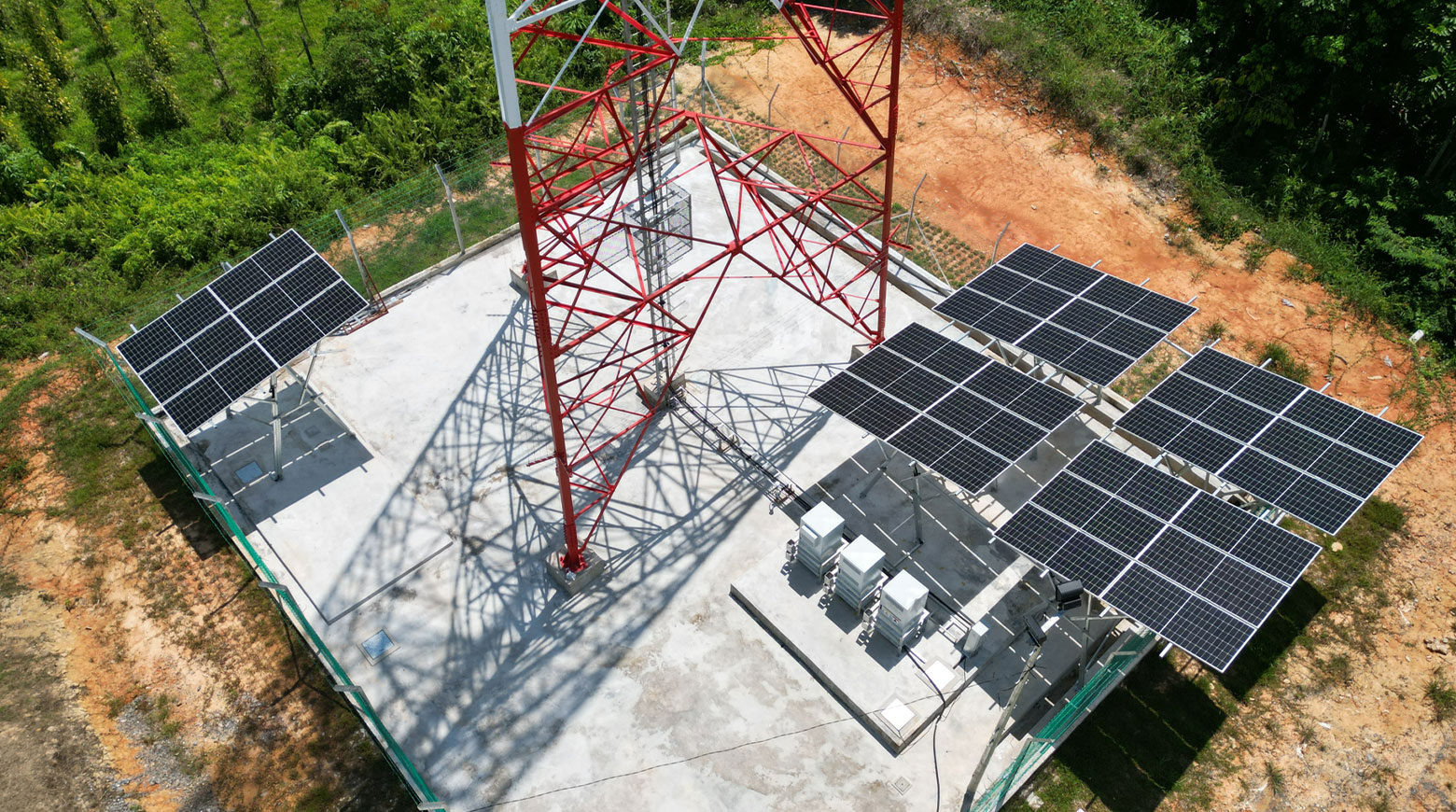
    Globe Telecom is set to revolutionize its energy sourcing by transitioning more than 3,000 cell sites in Metro Manila and the Calabarzon region to renewable energy by 2028. This ambitious initiative aims to eliminate approximately 5.5 million kilograms of greenhouse gas (GHG) emissions annually while tapping into around 80 million kilowatt-hours of clean electricity each year. Talk about a telecom company with an environmental conscience!

    Yoly Crisanto, Globe’s Chief Sustainability and Corporate Communications Officer, emphasized the significance of this move. “By expanding our sourcing of renewable energy to thousands of additional sites, we are taking deliberate steps toward our net-zero goals and proving that clean energy is not only viable but necessary across all operational levels,” she stated.

    Pioneering the telecom sector, Globe has become the first operator in the Philippines to embrace the Energy Regulatory Commission’s Retail Aggregation Program (RAP), which allows companies to merge their energy demand across multiple facilities within the same franchise area. By participating in RAP, Globe gains greater flexibility in selecting its power supplier, accelerating its clean energy transition.

    The company has teamed up with ACEN Renewable Energy Solutions (ACEN RES), part of the Ayala Group, to facilitate this extensive shift toward sustainable energy.

    Irene Maranan, Senior Vice President and Head of Communications & Sustainability at ACEN, remarked, “By enabling the shift of over 3,000 sites to renewable energy, we are not only accelerating Globe’s Scope 2 emissions reduction but also advancing our collective net-zero ambition as a group.”

    Since 2019, Globe has ramped up its decarbonization strategy, becoming a participant in the Green Energy Option Program (GEOP) and the Retail Competition and Open Access (RCOA) framework. The company currently powers 33 high-consumption facilities with renewable energy, 22 of which operate under power purchase agreements (PPA) with ACEN RES.

    In a concrete demonstration of its commitment, Globe sourced 24% of its electricity from renewable sources in 2023. Moreover, it has deployed over 38,000 green network solutions, including energy-efficient hardware and alternative fuel systems, to enhance operational efficiency and reduce emissions.

    With ambitious sustainability goals, Globe aims to cut both direct and indirect emissions by 42% and reduce emissions from its value chain by 25% by 2030, using 2021 as a baseline. By 2050, the company is targeting a staggering 90% reduction in its total carbon footprint.

    Questions & Answers

    How does Globe Telecom plan to reduce its greenhouse gas emissions?
    Globe aims to transition over 3,000 cell sites to renewable energy by 2028, which is projected to eliminate around 5.5 million kilograms of greenhouse gas emissions annually.

    What is the Retail Aggregation Program, and how does it benefit Globe?
    The Retail Aggregation Program allows Globe to consolidate its energy demand across facilities, providing flexibility in energy sourcing and accelerating the move to clean energy.

    What sustainability targets does Globe have for the coming years?
    Globe aims to cut direct and indirect emissions by 42% and reduce value chain emissions by 25% by 2030, with a long-term goal of achieving a 90% reduction in its total carbon footprint by 2050.