Category: Telecom

Retail News Asia is committed to providing both local and global retailers with the latest Telecom & Telco news throughout the Asian market. This on a daily base.

  • Japan Backs Telecom Expansion in Indonesia to Boost Connectivity and Foster Growth

    Japan Backs Telecom Expansion in Indonesia to Boost Connectivity and Foster Growth

    The Japanese government is stepping up its game in Southeast Asia, unveiling plans to support companies that set up telecommunications infrastructure in Indonesia, a market bursting with potential. Through its Ministry of Internal Affairs and Communications, Japan will provide crucial financial backing for firms establishing maintenance centers in the archipelago, paving the way for more robust connectivity in this dynamic region.

    Forging a New Path in Telecommunications

    This initiative may soon see the establishment of a legal framework this fiscal year, aimed at not just exporting telecommunications equipment but also enhancing its operation and maintenance. By doing so, Japanese companies will have the agility to swiftly address technical needs, thus opening up fresh streams of revenue.

    An Opportunity to Test the Waters

    Further reinforcing its commitment, Tokyo will assist Japanese firms in conducting trials within Indonesia to assess both the speed and security of their equipment. The move is significant as it marks the first foray of Japanese companies into this burgeoning market, igniting hopes for reciprocal benefits that could reshape telecommunications in the region.

    Collaboration in Action

    OREX SAI, a collaborative effort between NTT DOCOMO and NEC Corporation, has already made strides in Indonesia, revealing ambitious plans to expand its operations. In March, the joint venture sealed a comprehensive agreement with local telecom leader Surge, officially known as PT. Solusi Sinergi Digital Tbk. This partnership is set to unlock an impressive JPY 500 billion (around USD 3.4 billion) in investments over the next decade, with a keen focus on bolstering connectivity in underserved areas.

    Seizing the ASEAN Opportunity

    With Indonesia being the fourth most populous country in the world, the stakes are high. For Japanese companies, securing contracts in this market could serve as a strategic launching pad for further expansion across the ASEAN region. It’s a two-for-one special: gain access to a new market while laying the groundwork for a stronger foothold in a rapidly evolving sector.

    Questions & Answers

    How is the Japanese government supporting telecommunications in Indonesia?
    The Japanese government plans to provide financial support for companies setting up maintenance centers in Indonesia, helping to bolster telecommunications infrastructure in a rapidly growing market.

    What is the significance of the legal framework being established?
    This framework will facilitate not only the export of telecom equipment but also its operation and maintenance, enabling quicker responses to technical needs and creating new revenue opportunities for Japanese firms.

    What are the expansion plans for OREX SAI in Indonesia?
    OREX SAI, a joint venture between NTT DOCOMO and NEC Corporation, plans a substantial investment of JPY 500 billion (approximately USD 3.4 billion) over the next ten years, primarily focusing on enhancing connectivity in underserved areas.

  • VNPT and Partners Launch Vietnam’s Groundbreaking Hyperscale AI Data Center Initiative

    VNPT and Partners Launch Vietnam’s Groundbreaking Hyperscale AI Data Center Initiative

    Vietnam is set to take a bold step into the world of artificial intelligence with the announcement of a groundbreaking partnership. The Vietnam Posts and Telecommunications Group (VNPT), in collaboration with LG CNS and Korea Investment Real Asset Management, is embarking on a mission to develop a hyperscale AI data center in the country. This ambitious initiative aims to bolster Vietnam’s digital landscape and position it as a regional tech hub.

    Forging Strategic Alliances for Innovation

    The memorandum of understanding (MoU) was signed on August 12 at the Lotte Hotel in Seoul, marking a pivotal moment for all involved. Key figures present at the ceremony included VNPT Chairman To Dung Thai, LG CNS President Hyun Shin-kyun, and Korea Investment Real Asset Management CEO Kim Yong-sik, all echoing their commitment to this visionary project.

    Learning from the Best

    Prior to the signing, VNPT officials, alongside their Korean partners, toured the advanced LG CNS Hanam Data Center the day before. This visit was not just a sightseeing trip; it was an opportunity to assess cutting-edge data center technology and operational strategy that will inform their own project.

    Building the Future: A 40-MW Powerhouse

    The partnership will see VNPT channel its telecommunications and network expertise to support the construction of a 40-megawatt hyperscale AI data center. Task forces from each organization will collaborate extensively to develop comprehensive AI infrastructure, which encompasses everything from servers and storage to network systems and circuits. One can’t help but marvel at how far technology has come—who would have thought that mere servers could soon rival the brainpower of many humans?

    Accelerating Digital Transformation

    This initiative is not just about bricks and mortar; it’s a strategic move to accelerate Vietnam’s digital transformation. With VNPT leading the charge, the project is poised to introduce cutting-edge AI infrastructure that could redefine the tech landscape in the region, paving the way for a digitally empowered future.

    Questions & Answers

    What is the purpose of the partnership between VNPT, LG CNS, and Korea Investment Real Asset Management?
    The partnership aims to develop a hyperscale AI data center in Vietnam, enhancing the country’s digital infrastructure and capabilities.

    What role will VNPT play in the development of the AI data center?
    VNPT will provide essential telecommunications and network capabilities while collaborating on various aspects of the AI infrastructure.

    What significance does the hyperscale AI data center hold for Vietnam?
    The center is expected to accelerate Vietnam’s digital transformation, positioning the country as a competitive player in the regional tech landscape.

  • StarHub’s H1 2025 Surge Powered by Broadband, Enterprise Solutions, and Cybersecurity Innovations

    StarHub’s H1 2025 Surge Powered by Broadband, Enterprise Solutions, and Cybersecurity Innovations

    StarHub’s financial report for the first half of 2025 has revealed promising growth across its service lines, highlighting the company’s resilience in a challenging market. The telecom operator’s service revenue climbed 3.0% year-over-year (YoY) to reach USD 976.1 million, while total revenue rose 2.2% YoY, totaling USD 1.1 billion. Notably, sectors such as broadband (+4.4%), regional enterprise (+6.8%), and cybersecurity services (+20.1%) were key contributors to this growth.

    Subtracting a one-time forfeiture payment of USD 14.1 million related to the return of 700 MHz spectrum rights, the net profit attributable to shareholders (NPAT) stood at USD 62.0 million for the period. Yes, you read that right—despite the hiccup, StarHub managed to maintain a healthy bottom line.

    Acknowledging Market Challenges with Confidence

    CEO Nikhil Eapen expressed optimism despite facing pressures from declining prices that threaten retail sustainability. He stated, “In a market where eroding prices challenge industry sustainability, we drove our industry-leading market position in broadband by upgrading our customers to UltraSpeed plans while extending our number two position in mobile by delivering for our customers the quality, reliability, and experience they expect from the StarHub brand.” Eapen also emphasized a commitment to an aggressive marketing strategy, positioning the company for a future market rebound.

    Enterprise Segment Fuels Growth

    The regional enterprise segment emerged as a major growth driver, with revenue reaching USD 296.1 million, an impressive increase of 6.8% YoY. Notably, managed services surged by 12.8% YoY, a reflection of higher project completions in modern digital infrastructure solutions. Meanwhile, cybersecurity emerged as a strong focal point for growth, with the segment recording a remarkable 20.1% YoY rise amid rising demand for advanced protection measures.

    Subscriber Growth and Diversified Revenue Streams

    StarHub’s mobile subscriber base saw an 8.2% YoY increase, fueled by a strong demand for SIM-only plans from its giga! and eight brands. Mobile revenue reached USD 274.1 million, while broadband revenue rose by 4.4% YoY to USD 128.3 million, supported by customers migrating to higher bandwidth plans. Additionally, the entertainment sector contributed USD 99.4 million, underscoring the success of StarHub’s Infinity Play, which seamlessly merges sports and over-the-top (OTT) content.

    Strategic Acquisitions and Future Plans

    In a noteworthy strategic initiative, StarHub has completed its full acquisition of MyRepublic Broadband, bolstering its brand and operational assets to enhance competitiveness in Singapore’s broadband landscape. Furthermore, the company has wrapped up the investment phase of its DARE+ program, transitioning its IT and network infrastructure to a hybrid multi-cloud environment. This move positions StarHub to scale modern digital infrastructure offerings and enhances the implementation of AI-driven automation.

    Eapen underscored that cybersecurity remains one of StarHub’s top strategic priorities and reaffirmed the company’s intent to boost investments in AI-native, cloud-driven defense capabilities to safeguard not just customer data but national infrastructure as well.

    Furthermore, Eapen noted, “Our transformation has also enabled us to move forward on a long-term deliberative cost-reduction roadmap centered around automation and AI, systems re-architecture, and business simplification.” Such strategic insights signal StarHub’s dedication to innovation while maintaining a pulse on cost management.

    Questions & Answers

    What are the main contributors to StarHub’s revenue growth in H1 2025?
    StarHub’s revenue growth was primarily driven by strong performances in broadband, regional enterprise, and cybersecurity services, indicating a diverse revenue stream that mitigates risks in a competitive market.

    How has StarHub responded to market challenges?
    StarHub is adapting to market challenges by aggressively promoting UltraSpeed plans and enhancing customer experience in its mobile segment to maintain a leading market position and prepare for future recovery.

    What strategic initiatives has StarHub undertaken recently?
    Recently, StarHub completed the full acquisition of MyRepublic Broadband to strengthen its brand and entered a new operational phase with its DARE+ program, shifting to a hybrid multi-cloud environment to enhance digital infrastructure and automation capabilities.

  • StarHub Completes Acquisition of MyRepublic Broadband, Strengthening Its Position in the ISP Market

    StarHub Completes Acquisition of MyRepublic Broadband, Strengthening Its Position in the ISP Market

    StarHub Ltd. has made waves in the Singapore telecommunications scene by acquiring the remaining 49.9% stake in MyRepublic Broadband Pte. Ltd. (MR Broadband) through its wholly-owned subsidiary, StarHub Online Pte. Ltd. This strategic move not only brings the MyRepublic brand under the StarHub umbrella but also secures crucial operational assets from MyRepublic Group Limited linked to MR Broadband’s business.

    A New Era for StarHub’s Broadband Strategy

    The acquisition marks a decisive step for StarHub as it establishes sole ownership of MR Broadband, reinforcing its leadership position in Singapore’s competitive broadband market. With full control, StarHub can streamline its strategies and capitalize on valuable brand equity and operational resources that are vital to MR Broadband’s growth. This development enhances StarHub’s multi-brand and multi-segment strategy, allowing the company to deliver more value through distinct services and bundled offerings.

    Nikhil Eapen Talks Ambition and Acceleration

    Nikhil Eapen, Chief Executive of StarHub, expressed the significance of this acquisition, stating:

    This isn’t just an acquisition; it’s an acceleration. We’ve laid a strong foundation for growth, and with MR Broadband fully under our wing, we can move faster, go further, and serve customers with even greater clarity and care.

    Milestone in StarHub’s Transformation Journey

    This transaction is a pivotal milestone for StarHub, coming on the heels of its extensive transformation efforts aimed at digitizing, automating, and modernizing its core operations. With this robust groundwork, StarHub is poised to focus on ongoing innovation, enhancing customer experiences (CX) while fostering sustainable growth. As Singapore’s broadband landscape evolves, StarHub is taking a proactive role in shaping the next phase of consolidation, prioritizing customer outcomes.

    In a further reflection on market dynamics, Eapen noted:

    We’re in a phase of consolidation, and we’re not just watching it unfold; we’re shaping it. As the market shifts, scale, quality, and resilience matter more than ever. Smaller players may find it harder to sustain, especially without robust platforms. Our role is to step up to provide the reliability, performance, and consistency that customers deserve at a time when they need it most.

    Strengthening Customer Reliability

    This acquisition reaffirms StarHub’s commitment as the provider of choice for local consumers seeking superior services, ensuring that an increasing number of customers in Singapore can access reliable, high-quality broadband and mobile services—without sacrificing their user experience. With a splash of bold ambition, StarHub is not simply expanding; it’s redefining expectations in a rapidly changing market.

    Questions & Answers

    How does this acquisition affect StarHub’s market position?
    The acquisition solidifies StarHub’s leadership in Singapore’s broadband market, allowing for streamlined strategies and enhanced service offerings.

    What does Nikhil Eapen mean by ‘acceleration’ in the context of this acquisition?
    Eapen describes ‘acceleration’ as a way to emphasize that the full ownership of MR Broadband will enable StarHub to move more swiftly in its strategic initiatives, improving customer service.

    How is StarHub planning to innovate post-acquisition?
    StarHub aims to focus on enhancing customer experiences and fostering sustainable growth, adapting to the evolving broadband landscape while prioritizing customer needs.

  • M1-Simba Merger: A Groundbreaking Moment for Singapore’s Telco Landscape After Liberalization!

    M1-Simba Merger: A Groundbreaking Moment for Singapore’s Telco Landscape After Liberalization!

    Keppel Ltd. has embarked on a significant shift in Singapore’s telecommunications landscape by announcing its divestment of an 83.9% stake in M1 Ltd. to Simba Telecom. This landmark deal, valued at SGD 1.43 billion (USD 812 million), marks the first telecom consolidation in Singapore’s history. The arrangement involves Keppel selling its stake in M1 for approximately SGD 1.0 billion (USD 778 million) in cash while retaining the company’s ICT business. This move allows Keppel to sharpen its focus on high-growth connectivity sectors like data centers and subsea cables.

    A New Strategic Direction for Keppel

    As a founding shareholder of M1 since 1994, Keppel’s CEO, Loh Chin Hua, views this transaction as part of a broader strategy to transform the company into an asset-light global asset manager and operator. The merger will synergize M1 and Simba, currently positioned as the third and fourth largest telecom operators in Singapore, respectively, placing them in a better position to compete against giants Singtel and StarHub.

    Synergies Galore

    Loh emphasized the benefits of this strategic maneuver, stating that the partnership represents a “strategic path to sustainable growth” for Singapore’s telecom sector. He expressed confidence in the efficiencies the combined entities will achieve, saying:

    M1 and Simba are a highly synergistic combination. Together, they can scale more efficiently, optimize infrastructure, and accelerate 5G and digital investments, greatly enhancing service quality while contributing to a more resilient, future-ready telco industry.

    Competitive Edge and Growth Opportunities

    In a landscape where competition is fierce, Keppel cited Simba, owned by Australia’s Tuas Ltd., as having submitted the best all-cash offer among bidders, which underscores the attractive valuation for the acquisition. Interestingly, the two companies share minimal resource overlap, opening up avenues for new revenue streams and job creation within the industry.

    Enhancing the Consumer Experience

    According to Keppel’s statement, the upcoming transaction will bolster Singapore’s telco sector, delivering advantages to both industry players and consumers alike. The newly combined entity promises to accelerate investments in 5G and digital infrastructure, ultimately enhancing service quality. It’s a tale of merging to thrive, as the collaboration aims to create a resilient digital ecosystem rich in future technology investments, including cybersecurity, artificial intelligence (AI), and sustainability.

    Regulatory Approval in Process

    The Infocomm Media Development Authority (IMDA) has confirmed that both parties have signed the sale and purchase agreement (SPA) and will conduct a thorough assessment under the Telecom and Media Competition Code. This scrutiny is crucial to ensuring the transaction is advantageous for consumers, sustains market competition, and supports ongoing growth in the sector.

    Questions & Answers

    What does Keppel’s divestment of M1 represent for the telecommunications sector in Singapore?
    This divestment marks a historic consolidation in Singapore’s telecom landscape, allowing M1 and Simba to form a powerful entity to compete more effectively against market leaders like Singtel and StarHub.

    How does Keppel plan to benefit from this transaction?
    By restructuring its involvement with M1, Keppel aims to turn into an asset-light global asset manager, concentrating on high-growth sectors like data centers and subsea cables while still retaining a stake in M1’s ICT business.

    What are the potential benefits for consumers following this deal?
    Consumers could see enhanced service quality and a more resilient digital ecosystem, as the merged entity is expected to accelerate investments in 5G technologies and future innovations such as AI and cybersecurity.

  • Aptos Powers Vietnam’s Web3 Future with Strategic Investment in Emerging Innovators

    Aptos Powers Vietnam’s Web3 Future with Strategic Investment in Emerging Innovators

    The conclusion of the Vietnam Aptos Hackathon 2025 marks a pivotal moment in the nation’s burgeoning Web3 ecosystem. This high-profile event served as a dynamic platform for developers, startups, and tech enthusiasts, and was generously backed by the Aptos Foundation and Kyros Ventures. With more than US$400,000 allocated in cash and credits, the hackathon opened doors for young innovators in Vietnam to elevate their Web3 projects to the next level.

    A Showcase of Innovation

    The hackathon unfolded throughout July, culminating in a live final at GM Vietnam 2025 on August 2. The event attracted hundreds of participants from across the country, all eager to create decentralized applications (dApps) using Aptos, a cutting-edge Layer 1 blockchain developed in the U.S., while integrating cloud technology for future scalability — because who wouldn’t want their innovations to fly to the clouds, literally and figuratively?

    Navigating a Thriving Digital Economy

    Vietnam’s digital economy is on a remarkable growth trajectory, establishing itself as one of Southeast Asia’s fastest-evolving markets. Although startup activity, enterprise digitalization, and government tech initiatives are rapidly progressing, local developers require more than just robust infrastructure. They also seek reliable partners and global platforms to turn their ambitious ideas into reality.

    Creating Opportunities for Vietnam’s Future Builders

    In response to these needs, the Aptos Foundation has teamed up with Kyros Ventures, a prominent Web3 incubator, to cultivate long-term infrastructure, investment avenues, and educational initiatives aimed at empowering Vietnam’s next wave of innovators. This partnership is geared toward shaping a future where Vietnamese talent can leave an indelible mark on the global Web3 landscape.

    David Wolinsky, cofounder of Aptos and a former technical lead on Facebook’s Diem project, emphasized Vietnam’s vibrant tech community. “Our goal is to support developers in building tangible products—not just through funding but by offering developer tools, infrastructure, and global access for everyone from students to large enterprises,” Wolinsky remarked. “Our alliance with Kyros Ventures embodies our belief that sustainable progress springs from the confluence of world-class technology and local talent.”

    Celebrating Innovation at the Live Finals

    During the live finals, the top five teams showcased their innovative projects to a captivated audience composed of investors, venture capitalists, and industry experts. The winners were rewarded with funding from Aptos Build and Google Cloud—credits for eligible startups under the Google for Startups Cloud Program—as well as cash prizes that reached into the tens of thousands of dollars. They also earned spots in a three-month acceleration program, with the potential for direct investment from the Aptos Foundation and its global partners.

    These prizes are not just a pat on the back; they represent vital resources and ongoing support for teams looking to expand and scale their projects on an international stage.

    A Commitment Beyond Competition

    The Aptos Hackathon 2025 signifies more than just a competitive event; it’s a stepping stone towards a long-term commitment to collaborating with businesses in Vietnam’s digital transformation. The Aptos Foundation is dedicated to advancing Web3 and blockchain solutions in Vietnam, focusing on sustainable growth and global integration.

    “With the support of the Aptos Foundation and Kyros Ventures, we gain not just technological backing, but also collaborative opportunities for training, global networking, and empowering young innovators,” explained a representative from Aptos. “These initiatives are crucial for fostering a resilient and sustainable Web3 community in Vietnam.”

    Questions & Answers

    What was the primary aim of the Vietnam Aptos Hackathon 2025?
    The hackathon aimed to foster innovation within Vietnam’s Web3 ecosystem by providing developers, startups, and students a platform to build decentralized applications and compete for significant funding and support.

    How did the partnership between the Aptos Foundation and Kyros Ventures support participants?
    This partnership aimed to create long-term infrastructure, investment channels, and educational programs that empower young builders to influence the future of Web3, emphasizing the importance of reliable global partnerships.

    What were the rewards for the hackathon’s top teams?
    The top teams received cash prizes, funding from Aptos and Google Cloud, and access to a three-month acceleration program, along with the potential for direct investment from the Aptos Foundation and its international collaborators.

  • AIS and Thaicom Boost Border Connectivity, Navigating Thai-Cambodian Tensions with Strategic Collaboration

    AIS and Thaicom Boost Border Connectivity, Navigating Thai-Cambodian Tensions with Strategic Collaboration

    Amid escalating tensions at the Thai-Cambodian border, leading Thai telecom providers AIS and Thaicom are stepping up to bolster support for security forces by enhancing communication networks in critical areas. Aiming to improve border control measures, the two giants have ramped up connectivity in four strategically important provinces: Ubon Ratchathani, Surin, Si Sa Ket, and Buriram.

    In a concerted effort to facilitate seamless operations, AIS and Thaicom have rolled out enhanced 4G and 5G networks alongside temporary mobile base stations. These upgrades are crucial for ensuring uninterrupted communication and effective situational coordination among military units ion the ground. It’s not every day you see telecom operators going toe-to-toe with geopolitical challenges, but in this case, they’re stepping up the plate.

    Advanced Info Service (AIS), recognized as Thailand’s leading mobile operator, is actively reinforcing digital infrastructure to enable real-time monitoring and accelerate response times in border operations. Its commitment not only solidifies its market position but also plays a pivotal role in national security.

    Complementing AIS’s efforts, Thaicom, the nation’s premier satellite communications provider, is enhancing its service by ensuring high-speed internet access through satellite systems—especially in remote areas where conventional networks falter. Their connectivity solutions utilize both fixed satellite terminals for command centers and mobile terminals for operational units, enabling reliable communication even in the most isolated corners.

    Questions & Answers

    How are AIS and Thaicom enhancing communication for security forces?
    AIS and Thaicom are improving connectivity by deploying 4G and 5G network enhancements and temporary mobile base stations across key provinces, thus ensuring uninterrupted communication for military operations.

    What specific areas are affected by these telecom improvements?
    The telecom enhancements are being implemented in four provinces: Ubon Ratchathani, Surin, Si Sa Ket, and Buriram, all of which are vital for effective border control.

    Why is Thaicom’s satellite communication particularly important?
    Thaicom’s satellite communication is crucial for providing high-speed internet access in remote areas where traditional networks are unavailable, ensuring seamless communication for security forces operating in isolated regions.

  • Indosat Launches Innovative AI Solution to Tackle Digital Fraud and Protect Consumers

    Indosat Launches Innovative AI Solution to Tackle Digital Fraud and Protect Consumers

    Indosat Ooredoo Hutchison, in an impressive collaborative effort with Indonesia’s Ministry of Communications and Digital Affairs, has unveiled an innovative AI-powered Anti-Spam and Anti-Scam solution, aimed at bolstering protection for Indonesians against the troubling rise of digital fraud. This initiative comes at a critical time as the recent Asia Scam Report 2024 from the Global Anti-Scam Alliance (GASA) reveals that a staggering 65% of Indonesians encounter scam attempts on a weekly basis, ranging from pesky phishing texts to misleading job offers and dubious investment schemes.

    A Commitment to Digital Protection

    Vikram Sinha, President Director and CEO of Indosat Ooredoo Hutchison, stated: “At Indosat, we believe digital protection is a fundamental right for every Indonesian. Our partnership with Tanla to deploy this AI-powered Anti-Spam and Anti-Scam solution illustrates how technology can safeguard daily digital lives. Built on Indosat’s own AI factory using state-of-the-art NVIDIA Blackwell GPUs, this solution enhances Indonesia’s ability to combat spam and scams in real time, thereby reinforcing public trust and national digital resilience.”

    The Technology Behind the Solution

    The system utilizes Indosat’s advanced AIvolusi5G framework to identify suspicious numbers and filter malicious activities as they occur. The brilliance of this solution lies in its on-network processing capability, which does not require high-tech devices or expensive connections—making it accessible to everyone, regardless of their location or device specifications. It’s as though advanced technology has decided to play nice with the everyday user.

    A Vision of Collaboration

    Developed in partnership with Tanla, along with support from global allies like Mastercard, GASA, and the GSMA, this initiative embodies the Indonesian principle of “gotong royong,” or mutual cooperation. By seamlessly blending public and private contributions, Indosat aims to establish a regional standard for telco-led digital safety initiatives.

    Government Support for a Safe Digital Landscape

    Nezar Patria, Vice Minister of Communications and Digital Affairs of Indonesia, praised Indosat’s efforts, emphasizing the importance of collaboration in creating a secure digital environment. He remarked, “AI should bring technology closer and open more opportunities for society to grow. Indonesia does not want to simply consume technology; instead, we aim to play a pivotal role in shaping AI that meets the real needs of our community.”

    A Step Towards Inclusivity

    Indosat views this innovation as a cornerstone of its transformation into an AI-centric company, committed to delivering secure and inclusive technology solutions. Through its ‘AI for All’ campaign, the company pledges that AI will be accessible to everyone, ensuring that no one is left behind in this digital revolution. This latest launch is a vital piece of Indosat’s larger mission to empower the nation and enhance the well-being of all Indonesians.

    Questions & Answers

    How does the AI-powered Anti-Spam and Anti-Scam solution work?
    The solution employs Indosat’s AIvolusi5G framework to detect suspicious numbers and filter out malicious activities in real time, ensuring efficiency and accessibility for all users.

    What motivated the development of this initiative?
    The increasing frequency of scam attempts reported in the Asia Scam Report 2024 highlighted the urgent need for effective digital protection tools in Indonesia.

    How does Indosat’s partnership with other organizations enhance this effort?
    The collaboration with Tanla and support from global entities such as Mastercard and GASA showcases a united front in combating digital fraud, emphasizing the collective responsibility to create a safe online environment for all Indonesians.

  • Indosat Launches Innovative AI Tool to Combat Digital Fraud and Protect Consumers from Scams

    Indosat Launches Innovative AI Tool to Combat Digital Fraud and Protect Consumers from Scams

    In a strategic move to combat the rising tide of digital fraud, Indosat Ooredoo Hutchison (Indosat) has unveiled a state-of-the-art artificial intelligence (AI)-powered Anti-Spam and Anti-Scam solution. This initiative, launched in collaboration with Indonesia’s Ministry of Communications and Digital Affairs (Komdigi), aims to safeguard Indonesians against the alarming surge in scam attempts that plague their digital lives.

    Scam Alerts Ringing Loudly

    The recent findings from the Asia Scam Report 2024, published by the Global Anti-Scam Alliance (GASA), paint a worrying picture: a staggering 65% of Indonesians are targeted by scam messages weekly, with tactics ranging from phishing texts to fraudulent job offers and investment schemes. It’s a digital wild west out there, and Indosat is taking a stand.

    Empowering Consumers with Cutting-Edge Technology

    Vikram Sinha, President Director and CEO of Indosat Ooredoo Hutchison, emphasized the necessity of digital security for every Indonesian citizen. “At Indosat, we believe digital protection is a fundamental right,” he stated. “Our partnership with Tanla to deploy the AI-powered Anti-Spam and Anti-Scam solution illustrates how technology can enhance daily life. By leveraging our sovereign AI factory equipped with advanced NVIDIA Blackwell GPUs, we are not just combatting spam and scams; we are fortifying Indonesia’s digital resilience and public trust.”

    The new system is built on Indosat’s advanced AIvolusi5G framework, designed to identify suspicious numbers and filter harmful activities in real-time. This robust solution operates on-network, making it accessible to all users regardless of their device specifications or connection quality. It’s a bold step towards digital equality and safety.

    A Collaborative Approach to Digital Safety

    Indosat’s initiative highlights a spirit of cooperation, termed “gotong royong,” a core principle of Indonesian culture that signifies collective effort. By partnering with industry leaders such as Tanla, Mastercard, GASA, and the GSMA, Indosat aspires to create a regional standard for telco-led digital security. Such alliances indicate a growing recognition of shared responsibility among public and private sectors to ensure a safer digital landscape.

    Government Support Paves the Way for Innovation

    Echoing this commitment, Nezar Patria, Vice Minister of Communication and Digital Affairs, expressed the government’s endorsement of this collaborative effort to foster a secure digital environment. “AI should bring technology closer and open more opportunities,” he remarked, expressing Indonesia’s ambition to not only consume technology but also to actively shape its deployment to meet societal needs.

    Indosat’s Vision for an AI-Driven Future

    Indosat sees this innovation as pivotal in its evolution into an AI tech company, dedicated to providing secure, modern, and inclusive solutions. As part of its ‘AI for All’ campaign, the company aims to ensure that everyone can access and benefit from these technological advancements, underscoring its commitment to empower the people of Indonesia.

    Questions & Answers

    What is the main purpose of Indosat’s new AI-powered solution?
    The new AI-powered Anti-Spam and Anti-Scam solution aims to protect Indonesians from the rising threat of digital fraud, addressing the alarming frequency of scam attempts reported in recent studies.

    How does Indosat ensure that its solution is accessible to all users?
    The system is designed to function on network capabilities, eliminating the need for high-end devices or premium connections, allowing users from all backgrounds to benefit.

    What cultural principle guides this collaboration between Indosat and the government?
    The principle of “gotong royong,” which emphasizes collective cooperation, underpins this partnership, highlighting the importance of joint efforts from public and private sectors to ensure digital safety.

  • SKT Consortium Takes Charge of Korea’s Next Big Leap with Proprietary AI Foundation Model

    SKT Consortium Takes Charge of Korea’s Next Big Leap with Proprietary AI Foundation Model

    SK Telecom has made waves in the tech sector with its selection as a core team for the ‘Proprietary AI Foundation Model’ project, an initiative spearheaded by the Ministry of Science and ICT (MSIT). This collaborative effort aims to create a robust full-stack artificial intelligence (AI) platform leveraging proprietary technology across semiconductors, models, data, and services, setting a strong precedent for local innovation in South Korea.

    Aiming for an AI Renaissance

    A cornerstone of this partnership with MSIT involves open sourcing the project’s capabilities, a move anticipated to empower local businesses and significantly enhance the country’s AI innovation landscape. The SK Telecom Consortium, comprising industry giants and research institutions, is committed to advancing proprietary AI. Their impressive track record includes publishing over 800 research papers, securing 736 patents, and launching upwards of 270 open-source projects.

    Bringing Together Experts

    Leading the core research for the MSIT project is Kim Tae-yoon, who oversees the Foundation Model Office at SK Telecom. He is joined by esteemed colleagues, including Professors Lee Kangwook and Dimitris Papailiopoulos from the University of Wisconsin-Madison. The consortium also features a variety of contributors, from gaming powerhouse Krafton to mobility AI firm 42dot, and chip manufacturer Rebellions, not to mention a host of eminent professors from Seoul National University and KAIST.

    Next-Gen AI Models on the Horizon

    SK Telecom is gearing up to “embark on the development of next-generation large-scale AI models” through this initiative. The company plans to harness omni-modal technology, enabling it to process text, images, speech, and video simultaneously—because who doesn’t want their AI multitasking like a seasoned professional?

    Advancements in Large Language Models

    Since 2018, SK Telecom has been on a mission to develop its own large language model (LLM), known as A.X. This year marked the introduction of two iterations of A.X 4.0—both standard and light versions—crafted through extensive continual pre-training. The company has also created two distinct versions of A.X 3.1, initiated from scratch. These models boast performance on par with GPT-4o, demonstrating exceptional prowess in understanding the nuances of the Korean language.

    Equipping the Future of AI

    To date, these A.X models have been trained on SK Telecom’s state-of-the-art TITAN supercomputer. Looking ahead, the SKT Consortium is set to provide substantial computing resources autonomously for advanced research and development (R&D). Moreover, consortium partner Rebellions will deploy its domestically developed neural processing units (NPUs) for optimizing high-performance, energy-efficient AI services.

    Shaping a Smarter Future

    The ultimate vision for this consortium is to pave the way for making AI agents accessible and practical for all Koreans. The focus spans a range of key sectors, including office work, manufacturing, automotive, gaming, and robotics—it’s clear that AI isn’t just a trend; it’s becoming part of the fabric of everyday life in South Korea.

    In the words of Kim Jiwon, Head of AI Model Lab at SK Telecom:

    With our proven technological capabilities and operational expertise, we will deliver the highest-quality, Korean-style, proprietary AI foundation model to empower AI for daily life in Korea.

    Questions & Answers

    What is the main goal of the SKT Consortium’s project with the MSIT?
    The primary aim is to develop a proprietary artificial intelligence platform that promotes local innovation and enhances the South Korean AI ecosystem through open-source capabilities.

    Who are some key figures involved in the research for the project?
    Kim Tae-yoon leads the initiative, supported by notable researchers including Professors Lee Kangwook and Dimitris Papailiopoulos, along with representatives from various companies and universities.

    What technologies will be emphasized in the development of new AI models?
    The consortium plans to integrate omni-modal technology, enabling simultaneous processing of text, images, speech, and video data, positioning it at the forefront of AI advancements.

  • PLDT and Smart Join Forces with Radisys to Enhance Connectivity Through Innovative FWA Testing

    PLDT and Smart Join Forces with Radisys to Enhance Connectivity Through Innovative FWA Testing

    PLDT Inc. and its wireless arm, Smart Communications, are stepping into the future of connectivity with the recent testing of Radisys’ Fixed Wireless Access (FWA) technology. This innovative solution aims to transform internet access in areas where installing fiber-optic infrastructure poses significant challenges. Spearheaded by PLDT’s Network Strategy and Architecture team, this initiative underscores the company’s commitment to enhancing internet coverage across the Philippines, paving the way for a more connected future.

    Revolutionary Connectivity Solutions

    Radisys’ point-to-multipoint FWA technology operates similarly to a traditional cell site, utilizing a single base node to connect with specialized remote radio nodes installed at customer locations, such as homes and commercial buildings. This means that with Radisys FWA, PLDT can now offer fiber-like internet speeds wirelessly, ensuring near-instant access to high-speed connectivity. During testing, the results were nothing short of impressive, with download speeds soaring to 945 Mbps and upload speeds reaching 929 Mbps.

    Unlocking New Possibilities for Consumers

    The promising tests showcased the FWA’s ability to support a range of services, from video streaming to internet browsing, encompassing popular platforms such as YouTube, TikTok, Facebook, and Instagram. This proof of concept is part of PLDT’s aggressive strategy to explore new technologies, which also includes the country’s inaugural trial of 50G passive optical network (PON) technology in 2023. This advancement enables PLDT to offer services at 50 Gbps when needed, further enhancing the digital landscape in the Philippines.

    Strategic Insights from PLDT Leadership

    Radames Zalameda, Vice President and Head of Wireless Network Strategy and Architecture, remarked, “Fixed wireless access using Radisys technology has already been deployed successfully in large markets like India. We saw a strong opportunity to adapt this proven solution for the Philippine setting, particularly in regions where fiber installation remains a challenge.”

    Adding to this, Lennart Olaivar, AVP and Head of the Wireless Network Strategy and Transformation Office, emphasized the systemic benefits of this solution, stating, “This point-to-multipoint solution offers a simpler, faster way to deploy high-speed connectivity without extensive civil works, delivering fiber-like speeds over the air. It’s an ideal option for hard-to-reach or underserved areas.”

    A Commitment to Inclusion and Progress

    Menardo G. Jimenez, Network Head at PLDT and Smart, encapsulated the overarching goal: “At PLDT and Smart, we believe that fast, reliable connectivity is crucial for national development. To bridge the digital divide and ensure that no Filipino is left offline—especially in underserved communities—we must remain at the forefront of innovation. Testing next-generation technologies like fixed wireless access is not just a novelty; it’s about significantly improving the customer experience and supporting the broader digitalization goals of the country.” Who knew chasing connectivity could feel this exhilarating?

    By the end of March 2025, PLDT’s fiber infrastructure will span over 1.2 million cable kilometers, marking it as the most extensive in the nation. This robust network not only underlies Smart’s mobile coverage, which reaches 97% of the Philippine population, but also aligns with PLDT Group’s mission to close connectivity gaps. The company supports the United Nations’ Sustainable Development Goal No. 9—focused on Industry, Innovation, and Infrastructure—underscoring their commitment to a digitally inclusive future.

    Questions & Answers

    What is Radisys Fixed Wireless Access technology?
    Radisys Fixed Wireless Access technology allows internet service providers to offer high-speed, fiber-like internet connectivity wirelessly, using point-to-multipoint technology that connects various customers to a single base node.

    What speeds did PLDT achieve during the testing of this technology?
    During testing, PLDT reached download speeds of 945 Mbps and upload speeds of 929 Mbps, showcasing the impressive capabilities of the Radisys FWA system.

    How does this technology contribute to closing the digital divide in the Philippines?
    The fixed wireless access technology provides a faster and simpler deployment of high-speed internet in underserved areas, ensuring that more Filipinos have access to reliable connectivity and improving overall digital inclusion.

  • Bharti Airtel Launches Exciting ‘Airtel Cloud’ in Collaboration with Singtel, Globe, and Airtel Africa

    Bharti Airtel Launches Exciting ‘Airtel Cloud’ in Collaboration with Singtel, Globe, and Airtel Africa

    Bharti Airtel has unveiled an innovative AI-powered cloud and software platform for enterprises, launching it through its wholly owned subsidiary, Xtelify. The platform, named ‘Airtel Cloud,’ is poised to accelerate digital transformation for Indian businesses and global telecom operators, delivering robust security, scalability, and intelligence on a large scale. In a marketplace where digital prowess is the new currency, Airtel has positioned itself as a formidable player.

    Transforming Airtel’s Offerings for the Global Market

    Xtelify represents a pivotal shift for Airtel, as the company expands its in-house digital platforms—which have previously supported its large-scale operations—into external markets. The Airtel Cloud platform is accessible to enterprises throughout India, capable of processing a staggering 140 crore transactions per minute. Backed by a team of 300 certified cloud experts, the platform is housed in next-generation sustainable data centers and utilizes generative artificial intelligence (GenAI) for provisioning. Its services include infrastructure-as-a-service (IaaS), platform-as-a-service (PaaS), and advanced connectivity, with secure migration and zero vendor lock-in being standout features.

    A Vision for Secure Digital Growth

    Gopal Vittal, Vice Chairman and Managing Director of Bharti Airtel, expressed enthusiasm for this development, stating, “Within Airtel, we have been actively harnessing digital innovations at unmatched scale to transform our services and enhance customer experience for many years. This involves powering over 590 million customer touchpoints and addressing some of the most intricate telecom challenges globally. All our applications run at a competitive cost on Airtel Cloud. Today, we’re excited to extend our telco-grade, sovereign-cloud platform, enabling Indian businesses to innovate faster, scale smarter, and remain secure in an ever-evolving digital landscape.” Vittal assured that all cloud controls will remain strictly within India, eliminating any risk of external access to sensitive data.

    Empowering Telecom Operations with AI

    Xtelify has also launched an AI-driven software suite designed to optimize telecom operations and enhance customer journeys, ultimately improving average revenue per user (ARPU). This comprehensive suite includes Xtelify Work for real-time workforce management, Xtelify Data Engine for operational intelligence, Xtelify IQ for customer experience analytics, and Xtelify Serve for personalized engagement and resolution. It’s as if the future of telecom is knocking on the door, demanding an innovative response.

    International Collaborations Amplify Global Reach

    In a noteworthy international initiative, Xtelify has formed partnerships with Singtel, Globe Telecom, and Airtel Africa. These agreements are set to implement various aspects of Xtelify’s offerings across multiple operations. Singtel will harness Xtelify Work for increased frontline efficiency, Globe Telecom plans to utilize Xtelify Serve to enhance customer service, and Airtel Africa will incorporate Xtelify Data Engine, Work, and IQ into its operations.

    Ng Tian Chong, CEO of Singtel Singapore, articulated the platform’s benefits, stating, “We are constantly seeking ways to better equip our field engineers to provide exceptional customer experiences. This platform allows us to reimagine our workflows with AI at the core, leading to improved efficiency and customer service.” The emphasis on optimizing dispatch and resource management not only expedites engineer response times but also contributes to lowering the carbon footprint—a win-win in today’s eco-conscious world.

    Jacques Barkhuizen, Group CIO of Airtel Africa, noted the transformative potential of this partnership, highlighting how it will enhance digital progress and uplift millions across Africa. Globe Telecom’s president and CEO, Carl Cruz, echoed this sentiment, explaining that integrating Xtelify’s AI-driven Case Management Platform reinforces their commitment to exceptional service from the initial customer contact to resolution. “We are proud to collaborate with Airtel and Xtelify,” Cruz added, “as we aim to elevate global customer experience standards.”

    Questions & Answers

    What is Airtel Cloud and what does it offer to enterprises?
    Airtel Cloud is an AI-powered cloud and software platform designed to facilitate digital transformation for Indian businesses and global telecom operators. It provides infrastructure-as-a-service (IaaS), platform-as-a-service (PaaS), and advanced connectivity while ensuring secure migration and zero vendor lock-in.

    How does Xtelify enhance telecom operations?
    Xtelify’s AI-driven suite optimizes telecom operations by improving workforce management, operational intelligence, customer experience analytics, and personalized engagement, ultimately boosting average revenue per user (ARPU).

    What international partnerships has Xtelify established?
    Xtelify has formed significant partnerships with Singtel, Globe Telecom, and Airtel Africa, enabling various implementations of Xtelify’s offerings to enhance operational efficiency and customer service across these companies.

  • Intracom Telecom Drives APAC Wireless Connectivity Forward with Cutting-Edge Innovations

    Intracom Telecom Drives APAC Wireless Connectivity Forward with Cutting-Edge Innovations

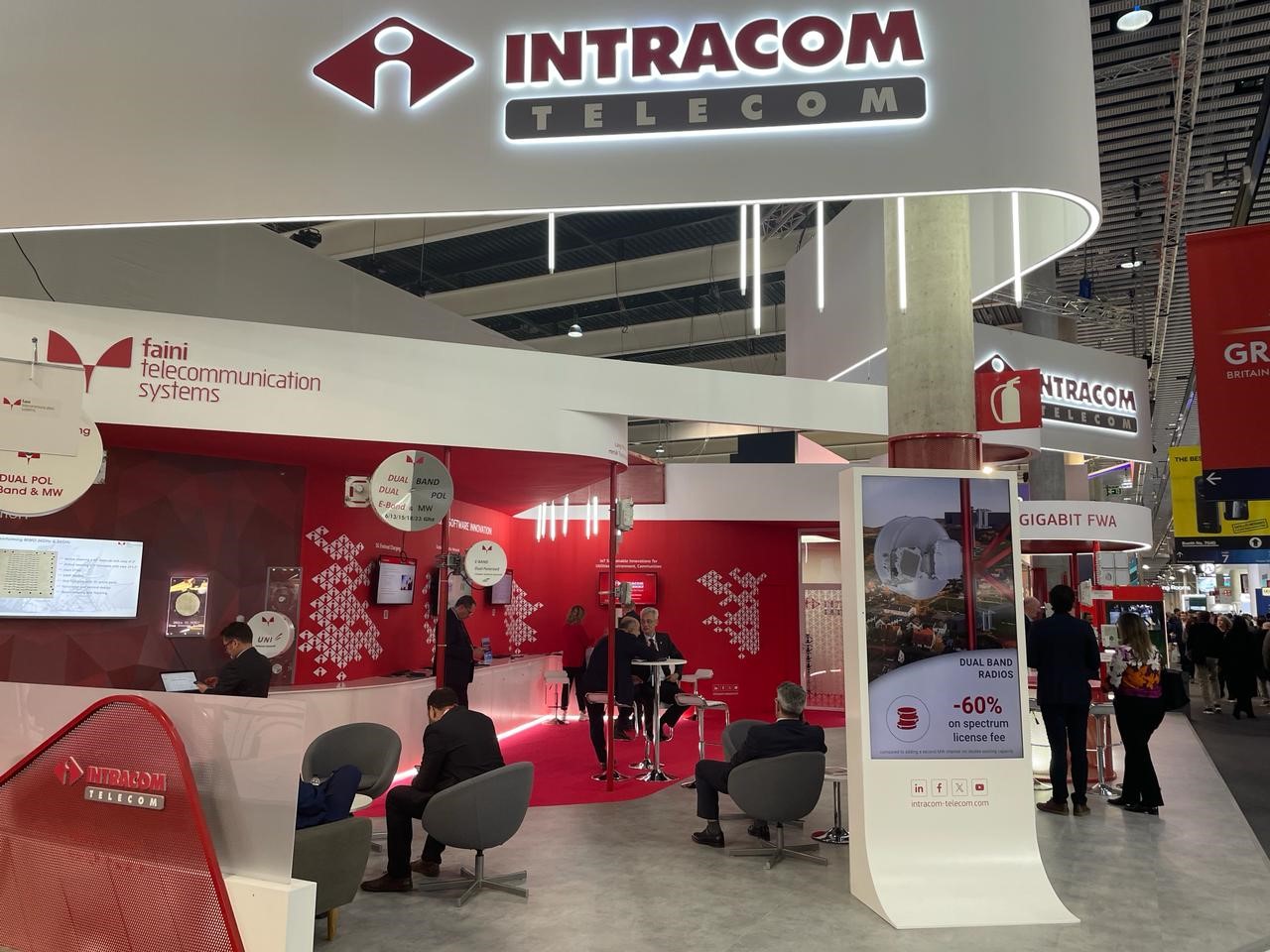
    In the midst of a digital revolution across Asia Pacific (APAC), the demand for robust and adaptable wireless infrastructure is surging. This need is especially critical in regions where traditional fiber optics are either too expensive or logistically challenging to deploy. From bustling cities to secluded islands, Intracom Telecom is stepping up, delivering innovative solutions designed to enhance connectivity and bridge coverage voids.

    Recently, Retail News engaged with Barinder Chhabra, Head of Business Development for APAC at Global Commercial within Intracom Telecom, to explore how his team’s innovative wireless technologies are reshaping the network landscape in the region.

    Revolutionizing Connectivity with Cutting-Edge Technology

    At Intracom Telecom, the focus is clear: enabling ultra-fast and reliable connectivity throughout APAC, particularly in areas where fiber installation isn’t feasible. Their WiBAS™ G5 platform, which operates within the 26–28 GHz millimeter wave band, is a game-changer for multi-dwelling units (MDUs) and small to medium enterprises (SMEs), offering multi-gigabit broadband service over distances exceeding 8 km. Recently, a significant trial in Indonesia with a major telecom provider underscored this capability, with ongoing discussions with other Tier I operators aimed at promoting millimeter wave technologies for fixed wireless access (FWA). Impressively, their WiBAS™ 10.5 GHz systems have been delivering reliable performance since 2014 for key players in Indonesia and across Southeast Asia, even in extreme weather conditions.

    On the forefront of 5G transport innovation, the company holds a strong position with its UltraLink E-Band radios. The UltraLink-GX80 platform, currently offering speeds of 10 Gbps, is set to advance further to 15 Gbps and eventually 40 Gbps, meeting the high-capacity requirements for both 5G backhaul and fronthaul. Additionally, with solutions like OmniBAS, designed for both short and long-haul needs, Intracom Telecom is particularly well-positioned to serve island nations like Indonesia, where fiber deployment can be a logistical challenge.

    Adapting to Diverse Geographies and Demands

    APAC’s varied geography—ranging from congested urban landscapes to far-flung islands—demands wireless solutions that are high-performing yet adaptable. To that end, the WiBAS™ G5 platform is evolving to support frequencies surpassing 28.5 GHz, enhancing its functionality in urban settings while simultaneously ensuring that the long-trusted 10.5 GHz solutions remain pivotal in rural and inclement weather applications through intelligent software enhancements that optimize subscriber density and maintain service stability.

    Long-range connectivity is crucial in island nations, making the OmniBAS™ Long Haul (6–11 GHz) solution indispensable. This technology delivers multi-gigabit capacity over extensive distances by leveraging multiple channels and advanced signal techniques, which extend connectivity into remote areas while facilitating transitions to internet protocol (IP)-based networks.

    All these capabilities are supported by dedicated engineering and testing facilities within the company, ensuring compliance with the highest carrier-grade standards.

    Building Connections through Strategic Partnerships

    Collaboration is central to Intracom Telecom’s growth strategy in the region. A notable partnership with Dialog Axiata in Sri Lanka has mobilized WiBAS™-based solutions to enhance broadband access in underserved rural areas. Meanwhile, their work alongside Lintasarta in Indonesia exemplifies how strategic alliances promote effective and efficient wireless connectivity for enterprises, both urban and remote.

    These collaborative efforts are not merely transactional; they involve deep co-development, aligning joint planning with market demands to ensure lasting impact. Global deployments underscore their reach, with over 20,000 point-to-multipoint network hubs and 600,000 terminals shipped worldwide, alongside substantial contributions of microwave and E-Band radios—making Intracom one of the largest vendors in carrier-grade point-to-point technologies. These initiatives are instrumental in closing the digital divide and fostering digital inclusion across the Asia-Pacific.

    Future-Proofing for 5G and Beyond

    As the landscape shifts with 5G and eyes move toward 6G, Intracom Telecom is unwavering in its commitment to futureproofing its technologies. Chhabra emphasizes the importance of flexibility and scalability in their designs, ensuring that platforms can evolve with the changing demands of traffic and subscriber loads.

    Research initiatives into ultra-high-frequency wireless technologies combined with AI-driven management tools are paving the way for 6G, emphasizing the importance of low-latency connections and adaptive spectrum use. Through these pioneering efforts, Intracom Telecom is not just preparing for the future— it’s helping to define it in the rapidly evolving world of connectivity.

    Questions & Answers

    What innovative solutions is Intracom Telecom implementing to enhance connectivity in APAC?
    Intracom Telecom is deploying its WiBAS™ G5 platform for high-speed broadband service in both urban and rural settings, along with advancing its UltraLink™ E-Band radios for the anticipated demands of 5G.

    How does the geography of APAC influence Intracom Telecom’s strategy?
    The diverse landscapes in APAC necessitate versatile wireless solutions, prompting Intracom Telecom to adapt its WiBAS™ systems for urban expansion and long-range connections ideal for island nations.

    What role do partnerships play in Intracom Telecom’s expansion efforts?
    Strategic alliances with companies like Dialog Axiata and Lintasarta are crucial, enabling tailored, community-focused broadband access that addresses the needs of underserved areas across the region.

  • Starlink Secures License to Launch Groundbreaking Satellite Broadband Services in India

    Starlink Secures License to Launch Groundbreaking Satellite Broadband Services in India

    Elon Musk’s Starlink has officially secured a Unified License to provide satellite internet services in India, as confirmed by Union Telecom Minister Jyotiraditya Scindia. This development ushers in a new era for digital connectivity in the nation, with Starlink poised to debut its offerings by late 2025 or early 2026. With a robust regulatory framework now established for spectrum allocation and satellite gateways, India is on track to narrow its rural connectivity gap through low-Earth orbit (LEO) satellite networks.

    The newfound license allows Starlink to operate in tandem with existing players such as Bharti Group-backed Eutelsat OneWeb and Jio’s partnership with SES, both of which are gearing up for their own satellite service launches. Starlink intends to roll out monthly internet packages priced around INR 3,000 and will offer hardware kits for about INR 33,000, targeting impressive speeds between 50 Mbps and 250 Mbps.

    Partnerships to Optimize User Experience

    To enhance distribution and customer service, Starlink is teaming up with prominent Indian telecom giants, Airtel and Reliance Jio. Globally, Starlink has already launched over 6,000 satellites and has ambitious plans to expand its fleet to 42,000 by 2027. This growth cements its position as the world’s largest LEO satellite network, and they say it’s not easy being this popular—after all, it takes a lot of satellite power to keep the world connected!

    This announcement coincides with the 30th anniversary of India’s first cellular call, a momentous occasion that underscores the country’s rapid digital evolution. Minister Scindia highlighted the remarkable progress achieved under Prime Minister Narendra Modi, noting that broadband users have skyrocketed from 60 million in 2014 to an astounding 944 million today. He also pointed to a staggering 96.6% decline in mobile data prices, positioning India as a global leader in accessible connectivity.

    5G Expansion and Telecom Revival

    The expansion of 5G technology in India is also gaining momentum, now reaching 99.6% of districts and serving 300 million users. The country leads in 5G data consumption, with an impressive average of 32 GB per user each month, and it ranks among the top six countries in 6G patent filings. Significantly, the resurgence of BSNL, marked by two consecutive years of net profits and the deployment of over 83,000 4G sites, illustrates the revitalization of the domestic telecom sector.

    Reflecting on the industry’s remarkable three-decade journey, Lt. Gen. Dr. S.P. Kochhar, Director General of the Cellular Operators Association of India (COAI), remarked, “Relentless efforts from the government and the industry have ensured digital connectivity reaches even those villages that once were off the grid. India’s world-leading 5G rollout has been transformative. Today, over 85% of the population and more than 99% of districts enjoy access to 5G services, fueling innovations from remote education to telemedicine and smart agriculture.”

    Questions & Answers

    What services will Starlink offer in India?
    Starlink plans to provide monthly internet packages priced around INR 3,000, targeting speeds between 50 Mbps and 250 Mbps, with hardware kits available for approximately INR 33,000.

    Who are Starlink’s primary competitors in the Indian market?
    Starlink will operate alongside Eutelsat OneWeb, backed by Bharti Group, and Jio’s partnership with SES, both of which are preparing to launch their satellite services.

    How is India’s digital landscape currently evolving?
    India has witnessed explosive growth in broadband users from 60 million in 2014 to 944 million today, with 5G now available in 99.6% of districts, marking significant advancements in digital connectivity and innovation.

  • Amazon Reaches Milestone: 1 Million Robots Now Match Workforce in Warehouse Operations

    Amazon Reaches Milestone: 1 Million Robots Now Match Workforce in Warehouse Operations

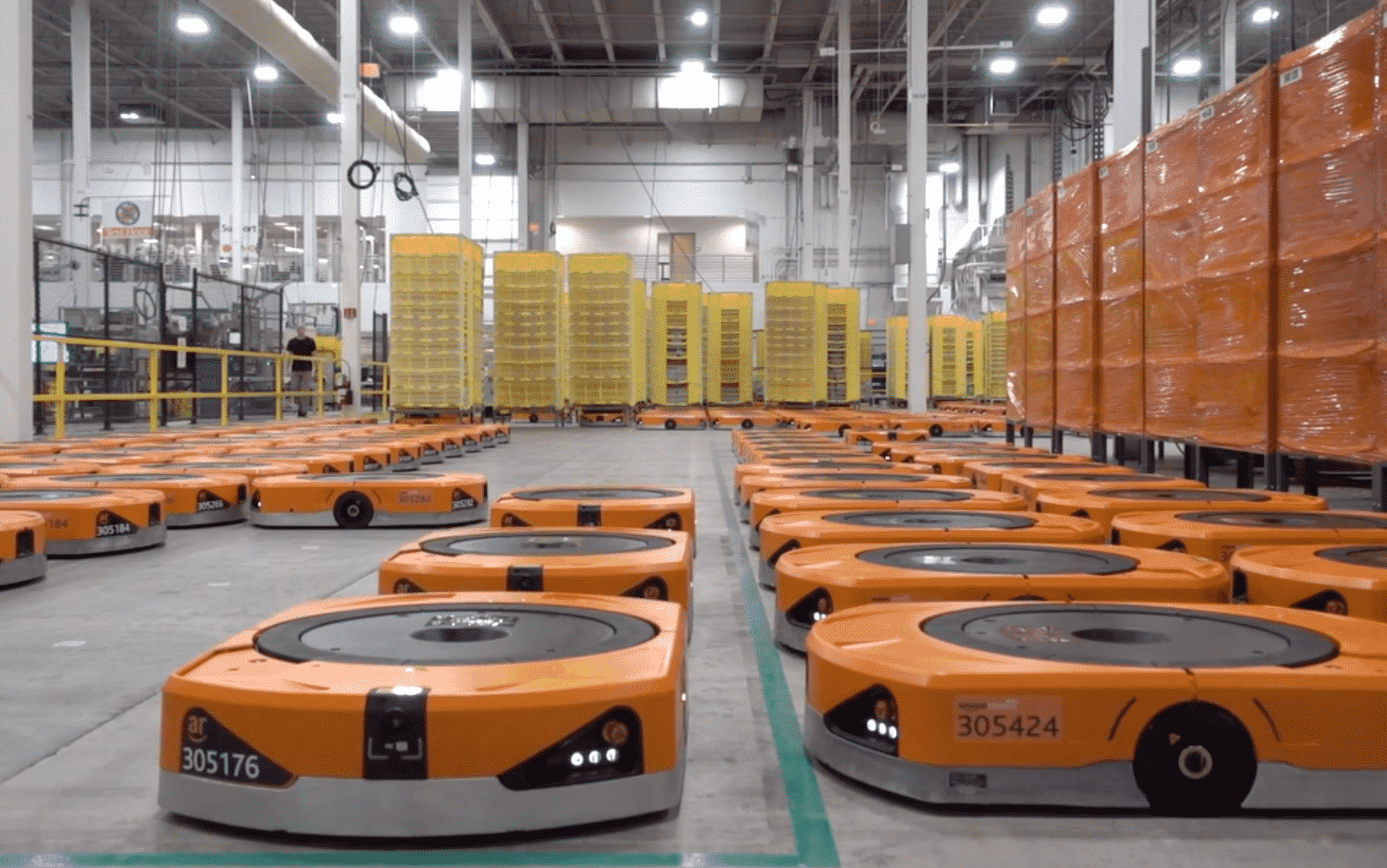
    Amazon’s relentless quest for automation has reached a remarkable milestone, as the number of robots deployed in its Japanese warehouses has soared to one million. This achievement underscores the company’s commitment to revolutionizing logistics and factory operations while positioning Japan as a critical hub in its global strategy.

    These robots work in tandem with Amazon’s workforce, which exceeds 1.5 million human employees worldwide. In fact, the robotic workforce is also on track to match that figure, approaching a remarkable 1.5 million units worldwide, illustrating an unprecedented synergy between human ingenuity and machine efficiency.

    Currently, Amazon has integrated robots into over 300 facilities across the globe, forming an increasingly sophisticated automated delivery network that redefines efficiency in the retail space. Imagine a robotic ballet, orchestrating the flow of products with precision as they navigate their bustling warehouse environments.

    Adding to this innovation is Amazon’s introduction of DeepFleet, a cutting-edge generative AI model designed to enhance the performance of its robotic fleet by an impressive 10%. This advancement optimizes their movements throughout fulfillment networks, ultimately leading to faster deliveries and lower operational costs.

    But Amazon’s ambitions extend far beyond warehouse duties. This milestone is just the beginning, as the company eyes future developments that will encompass delivery solutions and even home robotics, further integrating technology into daily life.

    Questions & Answers

    What milestone has Amazon achieved in Japan?
    Amazon has reached one million robots deployed in its warehouses across Japan, highlighting its commitment to advanced automation in logistics.

    How does the number of robots compare to human workers at Amazon?
    The number of robots is nearing the 1.5 million mark, which closely matches Amazon’s global workforce of over 1.5 million human employees.

    What is DeepFleet and how does it benefit Amazon?
    DeepFleet is a generative AI model designed to enhance the efficiency of Amazon’s robotic fleet by 10%, optimizing product movement through the fulfillment network to speed up deliveries and lower costs.