Category: Telecom

Retail News Asia is committed to providing both local and global retailers with the latest Telecom & Telco news throughout the Asian market. This on a daily base.

  • Meta Unveils Ambitious Plan for Multi-Gigawatt Data Centers to Boost AI Innovation

    Meta Unveils Ambitious Plan for Multi-Gigawatt Data Centers to Boost AI Innovation

    Meta is gearing up for a groundbreaking leap in its artificial intelligence (AI) capabilities, announcing an ambitious investment of USD 72 billion to establish a series of formidable data centers across the globe. This extensive initiative is set to bolster the company’s efforts in developing super-intelligence and artificial general intelligence (AGI), with the first data center projected to come online next year.

    Revolutionary Data Centers on the Horizon

    The flagship of this initiative is Prometheus, a multi-gigawatt data center anticipated to begin operations in 2026. Meanwhile, another powerhouse center, Hyperion, is designed to scale up to an impressive 5 gigawatts in the subsequent years. Remarkably, these centers will be developed as “clusters,” featuring a colossal capacity that positions them among the largest data centers globally.

    Zuckerberg’s Vision for the Future

    Mark Zuckerberg, CEO of Meta Platforms, elaborated on the company’s grand vision, asserting that these sprawling titan clusters will encompass a footprint that rivals significant urban landscapes, such as a substantial portion of Manhattan. With this staggering scale, Meta aims to set a new standard in the data center landscape.

    R&D Powered by Cutting-Edge Infrastructure

    This major investment comes on the heels of Meta’s commitment to advancing research and development in AI. As the tech giant endeavors to push the boundaries of intelligence through AGI, these data centers will become critical to facilitating groundbreaking advancements and innovative solutions in the realm of AI.

    The landscape of artificial intelligence is set to get a major upgrade, and who knows — these futuristic hubs could soon be the breeding ground for the next big thing in tech, perhaps even an AI that finally understands why cats seem to rule the internet. Stay tuned!

    Questions & Answers

    What is the total investment Meta is making in its new data centers?
    Meta plans to invest USD 72 billion in the development of several massive data centers to enhance its artificial intelligence efforts.

    When is the first of Meta’s new data centers expected to be operational?
    The first data center, named Prometheus, is expected to come online in 2026.

    How is Meta transforming its approach to data centers?
    Meta is constructing its data centers as “clusters,” which will feature a significant capacity, some even capable of rivaling large areas like parts of Manhattan.

  • Protecting A2P SMS Revenue Streams Amidst CPaaS and OTT Disruption: Strategies for Retail Success

    Protecting A2P SMS Revenue Streams Amidst CPaaS and OTT Disruption: Strategies for Retail Success

    As the Asia Pacific (APAC) region accelerates through its digital evolution, mobile network operators (MNOs) find themselves grappling with an urgent challenge: the protection of Application-to-Person (A2P) SMS, a crucial communication channel. Despite its reliability and security as a mode of enterprise communication, A2P SMS is increasingly undermined by revenue loss through gray routes, fraud, and fierce competition from communication-platform-as-a-service (CPaaS) providers and over-the-top (OTT) messaging options like WhatsApp and Flash Calls.

    Addressing these concerns is VOX Solutions, a company focused on A2P monetization, messaging security, and fraud prevention. The firm collaborates closely with operators, providing platforms and analytical tools designed to ensure revenue assurance while preserving the trust of both enterprises and subscribers.

    In an exclusive dialogue with Telecom Review Asia, John White, VP of Strategic Partnerships for APAC at VOX Solutions, provided insights into how MNOs can defend their messaging revenues, adapt to evolving market dynamics, and reinforce trust within the A2P SMS ecosystem.

    Navigating a Complex Landscape

    White identified the most pressing issue facing MNOs as the decline in A2P SMS traffic and revenue. This downturn stems from numerous factors, including budget-conscious enterprises opting for cheaper, unauthorized channels offered by CPaaS providers, along with widespread adoption of OTT messaging alternatives.

    Compounding these issues are ongoing threats from fraud and gray routes that continually chip away at revenue assurance. Some aggregators, who also operate as CPaaS providers, create conflicts of interest by simultaneously monetizing channels that compete directly with SMS. The outcome is a notable contraction in traffic, squeezed profit margins, and diminishing trust from enterprises and subscribers alike.

    The Future of A2P SMS: A Balancing Act

    Despite the pressures, A2P SMS holds a unique value proposition: it remains universal, reliable, and secure, with no app download required for users. Enterprises will continue to depend on A2P SMS for essential communications such as authentication, alerts, and consumer engagement.

    Ultimately, the future of A2P SMS rests in the hands of MNOs and how effectively they manage and safeguard this channel. Those that implement best-in-class monetization and fraud prevention strategies, alongside transparent partnerships, will stabilize revenues and reinforce SMS as the reliable communication avenue for enterprises.

    As new technologies like Flash Calls and Rich Communication Services (RCS) emerge, MNOs that cultivate robust partnerships can capture revenue across multiple channels, rather than allowing it to seep away through unregulated routes. It’s a classic case of adapt or be left behind—almost like a game of musical chairs, but instead of seeking a seat, it’s all about claiming the traffic!

    Strategic Priorities for MNOs

    To navigate this shifting landscape and protect their revenues, MNOs should focus on a comprehensive monetization strategy built on four cornerstones. First, they must achieve direct control over traffic by eliminating reliance on opportunistic aggregators and gray routes. Second, transparent commercial models are critical; fair and sustainable pricing helps retain the trust of enterprises. Third, robust fraud prevention is essential; leveraging analytics and AI can significantly reduce financial leakages. Finally, strategic partnerships are key. By working with dedicated providers like VOX Solutions, whose commitment lies with long-term alignment rather than opportunistic traffic deals, MNOs can position themselves favorably.

    Innovations from VOX Solutions

    VOX Solutions was founded with a sole mission: to prioritize the interests of MNOs fully. Eschewing competition with operators by not diverting traffic to cheaper OTT channels, VOX ensures that A2P messaging is conducted exclusively through direct, secure SMS pathways, promoting revenue assurance and brand credibility.

    Among their innovative offerings, the award-winning VOX360 platform stands out as a real-time SMS and Voice firewall that detects and blocks fraud. Additionally, their advanced analytics capabilities provide operators with clear visibility into gray-route traffic and fraud patterns. As a trailblazer in combating Flash Calls and Artificial Inflation of Traffic (AIT), VOX has set industry benchmarks and delivered the first AIT mitigation implementations worldwide. Their transparent, flexible commercial models aim to balance immediate risks with long-term revenue growth, making them a trusted partner for tier-one operators, regulators, and governments around the globe.

    Questions & Answers

    What are the primary challenges MNOs face regarding A2P SMS?
    The biggest challenges include declining traffic and revenue due to price-sensitive enterprises opting for cheaper alternatives, growing competition from CPaaS providers and OTT services, as well as ongoing threats from fraud and gray routes.

    How can MNOs protect their A2P SMS revenues in the future?
    MNOs can safeguard their revenues by implementing robust monetization strategies that enhance traffic control, enforce transparent pricing, improve fraud prevention, and build strategic partnerships with aligned providers.

    What innovations is VOX Solutions bringing to the A2P SMS ecosystem?
    VOX Solutions offers the VOX360 firewall for real-time fraud detection, advanced analytics for traffic visibility, and pioneering efforts against Flash Calls and traffic inflation, all while maintaining a long-term partnership model with MNOs.

  • Rakuten and Amazon Join Forces to Take on Starlink in Japan’s Satellite Market

    Rakuten and Amazon Join Forces to Take on Starlink in Japan’s Satellite Market

    Japan’s satellite communications landscape is on the brink of transformation as Rakuten Group and Amazon gear up to launch their own services, challenging the long-standing dominance of SpaceX’s Starlink. With operations expected to begin as early as next year, this competition promises to reshape the market and improve connectivity for consumers across the country.

    Starlink, spearheaded by Elon Musk’s SpaceX, has established itself as the go-to satellite service in Japan, especially through partnerships like KDDI, which allows for direct smartphone-to-satellite connections. This capability has proven invaluable in rural locations and areas prone to natural disasters, where traditional infrastructure is often lacking.

    In a significant move to diversify the market, Japan’s Ministry of Internal Affairs and Communications (MIC) has initiated work on new spectrum regulations that are set to pave the way for increased competition by 2025. This regulatory shift will create opportunities for Rakuten and Amazon to enter and thrive in the satellite communications arena.

    Rakuten’s Bold Ambitions

    Rakuten Mobile is wasting no time in making its mark, with plans to roll out its satellite service between October and December 2025. Collaborating with U.S. startup AST SpaceMobile, Rakuten’s initial offering will focus on text messaging. But that’s just the beginning—plans are afoot to expand services to include money transfers and video streaming. The company emphasizes that this initiative aims to enhance connectivity in underserved areas while providing a reliable backup during emergencies—a win-win for users reliant on stable communication.

    Amazon’s Satellite Strategy

    Not to be outdone, Amazon is preparing to launch its Project Kuiper satellite network in Japan, which aims to deploy over 3,200 satellites by 2029. This ambitious project aligns with the MIC’s plans to amend regulations after April 2025, ensuring that Amazon can compete in this burgeoning market. The retail behemoth’s foray into satellite communications underscores a broader trend of tech giants expanding their reach beyond traditional digital services.

    As Japan stands on the threshold of this new era in satellite communications, the impending rivalry between these giants has all the makings of an exciting battle for connectivity supremacy—let’s just hope consumers don’t have to wait on hold for years while they hash it out!

    Questions & Answers

    What changes can consumers expect in Japan’s satellite communications market?
    Consumers can anticipate increased competition, primarily from Rakuten and Amazon, which will enhance connectivity options, especially in rural areas and during emergencies.

    When are Rakuten and Amazon expected to launch their services?
    Rakuten plans to debut its satellite services between October and December 2025, while Amazon’s Project Kuiper is set for a rollout, targeting more than 3,200 satellites by 2029.

    How might these new services impact existing providers like Starlink?
    The entry of Rakuten and Amazon is likely to intensify competition, potentially leading to improved services and pricing options for consumers who currently rely on Starlink.

  • Global eSIM Growth Soars, Fueled by Travel, Business, and IoT Innovations

    Global eSIM Growth Soars, Fueled by Travel, Business, and IoT Innovations

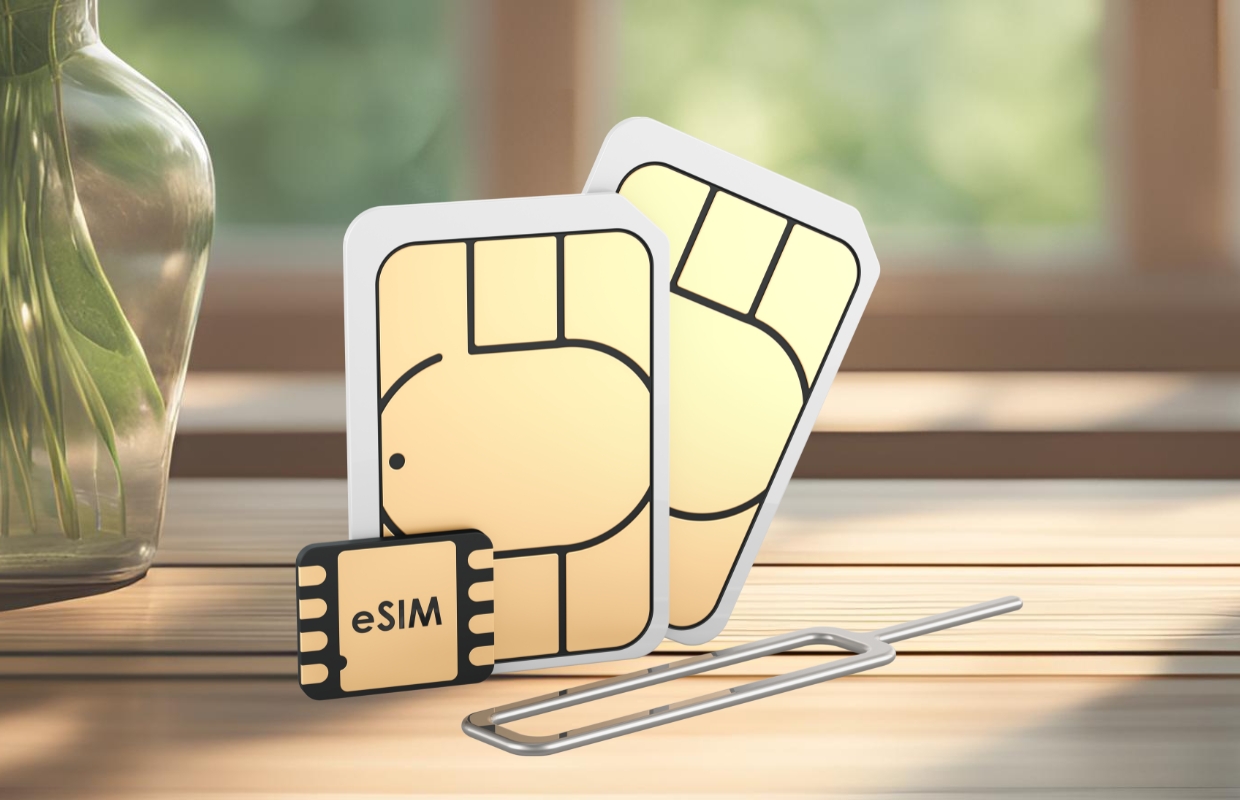
    Global eSIM adoption is witnessing a significant surge, propelled by the rising demand for travel services, innovative enterprise solutions, and the expansion of the Internet of Things (IoT), as highlighted in GSMA Intelligence’s latest report. This development paints a dynamic picture of how technology is reshaping our connectivity landscape.

    Travel Demand Fuels eSIM Growth

    Pablo Iacopino, Head of Research and Commercial Content at GSMA Intelligence, emphasized the momentum building among mobile network operators (MNOs). They are not only enhancing global travel services but also bolstering fixed wireless access (FWA) and strengthening wearable ecosystems while seamlessly integrating eSIM technology with 5G to meet the needs of business customers. In fact, travel eSIMs are currently the most significant catalyst for adoption, with many users in 11 major markets opting to activate the service while abroad. This shift is prompting a greater number of operators to roll out global offerings, a disruptive move that challenges traditional roaming revenue models.

    Beyond Travel: eSIM Expands Its Footprint

    But the story doesn’t end there; the adoption of eSIM technology is rapidly extending into connected devices and broadband services. By mid-2025, 161 operators across 78 countries are predicted to debut their 5G FWA services, a potentially game-changing development that could see household penetration levels exceeding 10% by 2030 in advanced markets like Australia, Germany, Japan, Saudi Arabia, the UK, and the US. Temporary connectivity is also gaining traction, providing agile solutions for events, broadcasting needs, and unexpected network outages — not unlike how a superhero swoops in to save the day.

    Smartphone Market: A Slow but Steady Rise

    On the smartphone front, the journey has been less straightforward. Despite remaining below earlier expectations, the growth of eSIM usage among smartphones is on the rise. As of 2024, only about 3% of global smartphone connections were utilizing eSIMs, far below the anticipated 15% made six years ago. Interestingly, nearly half of all eSIM users are in the United States, largely aided by Apple’s strategic shift to eSIM-only iPhones.

    Investment Surge Points to Bright Future

    The investment landscape surrounding eSIM technology is also flourishing, with 2025 poised to break records. According to GSMA, just over USD 300 million in funding was raised in the first half of 2025, identifying travel, enterprise, and IoT as the main drivers of this growth. As these sectors expand, the usage of eSIMs is expected to become increasingly mainstream, fundamentally transforming global mobile connectivity in the years to come.

    Questions & Answers

    What is currently driving eSIM adoption worldwide?
    The primary driver of eSIM adoption is the demand for travel services, with many users activating eSIMs while abroad, prompting mobile operators to innovate and launch global offerings.

    How are connected devices and broadband services contributing to eSIM expansion?
    eSIM technology is rapidly expanding into connected devices and broadband services, with projections suggesting significant adoption of 5G FWA services across multiple countries by 2025.

    What does the investment landscape look like for eSIM technology?
    Investment in eSIM technology is growing robustly, with over USD 300 million raised in the first half of 2025, indicating strong interest in travel, enterprise, and IoT as key sectors.

  • Indosat Teams Up with Google Cloud to Unveil Innovative AI Semantic Search Feature

    Indosat Teams Up with Google Cloud to Unveil Innovative AI Semantic Search Feature

    Indosat Ooredoo Hutchison has unveiled a groundbreaking artificial intelligence-powered Semantic Search feature within its myIM3 and bima+ applications, a move that promises to transform the way customers engage with digital services. Developed in collaboration with Google Cloud, this feature enhances the relevance, personalization, and efficiency of users’ search experiences, helping them find products and services tailored to their needs with ease.

    The technology harnesses Google Cloud’s Vertex AI platform, enabling the system to glean valuable insights into customer behavior and preferences. As a result, searches for data packages, lifestyle features, loyalty programs like IMPoin and BonsTri, and more can now be customized to meet each individual’s specific desires. It’s like having a personal shopper in your pocket—one that actually listens!

    Innovative Partnership for a Smarter Future

    Bilal Kazmi, Director and Chief Commercial Officer at Indosat, explained the significance of this advancement.

    “With the support of Google Cloud, we are delivering a search system that is not only intelligent but also delivers tangible value, enhancing both user convenience and business performance. This collaboration represents a strategic step towards providing smarter, more personalized, and relevant digital experiences for our customers. At Indosat, we are committed to ensuring that technology makes life easier, brings services closer, and serves as a powerful tool to empower Indonesia in navigating the digital era.”

    Boosting Engagement Through Local Understanding

    Fanly Tanto, Country Director for Google Cloud in Indonesia, noted the impact of advanced AI in meeting diverse user needs.

    “As an industry leader through Google Cloud’s Indonesia BerdAIa program, Indosat is at the forefront of innovation using enterprise AI. Vertex AI Search’s ability to comprehend queries in both Bahasa and English, including semantic meanings and spelling variations, will help surface highly relevant digital service recommendations for millions of myIM3 and bima+ users. This deployment showcases how Google Cloud’s open platforms can seamlessly integrate with custom-built AI models to create smarter, more personalized digital experiences for customers.”

    Given the growing demand for personalization in retail, the new AI-driven search technology is poised to significantly enhance user experience. A recent McKinsey study indicated that 71% of consumers expect brands to personalize interactions, highlighting how essential this technology has become in modern retail.

    A Treasure Hunt for Users

    To celebrate this launch, Indosat will roll out an interactive campaign titled “30 Days of Treasure Hunt,” running from August 21 to September 19, 2025. This initiative seeks to further engage users in a fun and immersive way.

    Notably, this Semantic Search technology is enhanced by Sahabat-AI, an open-source large language model (LLM) tailored specifically for the Indonesian language. Sahabat-AI is adept at understanding diverse local contexts, including various regional languages and dialects, enabling more engaging and meaningful customer interactions across urban and rural landscapes alike.

    Questions & Answers

    What is the main feature introduced by Indosat Ooredoo Hutchison?
    The new feature is an AI-powered Semantic Search that enhances search relevance and personalization within the myIM3 and bima+ applications.

    How does the Semantic Search technology improve user experience?
    It utilizes Google Cloud’s Vertex AI to understand customer behavior and preferences, allowing for tailored searches and recommendations, thus making user interactions more efficient and relevant.

    What marketing campaign is Indosat launching alongside this feature?
    Indosat is introducing an interactive campaign called ’30 Days of Treasure Hunt,’ set to run from August 21 to September 19, 2025, designed to engage users in a fun way.

  • U Mobile Unveils ULTRA5G: A Game-Changer for Malaysia’s 5G Experience!

    U Mobile Unveils ULTRA5G: A Game-Changer for Malaysia’s 5G Experience!

    U Mobile has officially unveiled ULTRA5G, the new moniker for its 5G service, during a launch event at its headquarters in Berjaya Times Square (BTS). This catchy name not only captures the essence of the ultra-fast speeds and extensive coverage that U Mobile aims to provide, but it also reassures users who will now see the ULTRA5G indicator lighting up their devices, a direct result of the company’s ambitious in-building coverage (IBC) initiative.

    Redefining Connectivity Through Advanced Technology

    This advancement marks a pivotal moment in U Mobile’s mission to deliver robust 5G access in both indoor and outdoor spaces across Malaysia. ULTRA5G relies on cutting-edge, enterprise-grade network technology, ready to adapt to the evolving digital landscape of the nation.

    A Roller Coaster of Experience

    To showcase ULTRA5G’s capabilities, U Mobile orchestrated groundbreaking events, including Malaysia’s first-ever 4K livestream of an 800-meter indoor roller coaster ride at Berjaya Times Square Theme Park—boasting the title of Asia’s longest multi-inverted indoor ride. As thrill-seekers zipped around at speeds of 70 km/h, ULTRA5G effortlessly maintained a seamless connection, making the livestream an exhilarating testament to the network’s extensive reliability.

    The excitement didn’t stop there. U Mobile also introduced an engaging mixed-reality experience alongside a demonstration of 5G network slicing, emphasizing both performance and diverse service offerings. If you thought roller coasters were just for an adrenaline rush, think again—this one was a high-speed communications race too.

    Empowering the Future with 5G

    Woon Ooi Yuen, Chief Technology Officer of U Mobile, expressed pride in the launch, stating, “U Mobile is proud to launch ULTRA5G, our brand new name for our 5G experience that is supported by our next-gen network. As the nation’s newest 5G network provider, U Mobile is focused on enabling digital transformation for consumers and businesses alike. ULTRA5G brings enhanced digital experiences, from ultra-reliable streaming and immersive gaming to high-quality video calls in crowded areas. For enterprises, ULTRA5G opens doors to advanced use cases like XR (extended reality), robotics, smart cities, and IR 4.0 automation. With deployment ahead of schedule, U Mobile is also doubling down on indoor coverage to ensure the widest and deepest 5G experience in Malaysia.”

    Aiming for Widespread Accessibility

    ULTRA5G isn’t confined to BTS; the 5G network has also made strides at Penang Bridge 1, utilizing just two towers to provide uninterrupted connectivity for daily commuters. This event signifies the much-anticipated rollout of U Mobile’s next-generation 5G network, with aspirations for 80% coverage of populated areas (CoPA) by the second half of 2026.

    U Mobile promises to keep the public informed about ULTRA5G’s expansion, which is set to quicken in critical locales such as airports, hospitals, convention centers, and other significant venues across the country. This initiative aligns perfectly with the company’s vision of establishing Malaysia’s most comprehensive and trustworthy 5G network.

    Questions & Answers

    What is ULTRA5G?
    ULTRA5G is U Mobile’s branding for its 5G service, emphasizing ultra-fast speeds, reliable connectivity, and extensive coverage.

    How did U Mobile demonstrate the capabilities of its ULTRA5G network?
    They showcased Malaysia’s first 4K livestream of an indoor roller coaster ride, ensuring a seamless connection throughout the ride’s duration at 70 km/h.

    What are U Mobile’s plans for ULTRA5G coverage?
    U Mobile aims to achieve 80% coverage of populated areas by the second half of 2026 and will focus on key locations such as airports and hospitals for rapid deployment.

  • Tech Giants Ramp Up Data Center Growth Across Southeast Asia

    Tech Giants Ramp Up Data Center Growth Across Southeast Asia

    Southeast Asia’s data center industry is on the cusp of a significant transformation, with projections indicating the market value will surge from USD 13.71 billion in 2024 to USD 30.47 billion by 2030, reflecting a robust 14.24% compound annual growth rate (CAGR). This impressive growth is powered by substantial investments from hyperscalers, an escalating demand for artificial intelligence (AI) workloads, and a strong shift toward sustainable infrastructure. Among the rising stars of this digital landscape, Malaysia, Indonesia, Thailand, and Vietnam are emerging as pivotal hubs, while Singapore continues to anchor the region.

    Malaysia: Southeast Asia’s Investment Powerhouse

    Malaysia is quickly becoming Southeast Asia’s primary destination for data center investments. The combination of competitive land and energy prices, along with its geographical proximity to Singapore, makes it an attractive location for hyperscalers and global data operators alike.

    In Johor, 42 data center projects with a total investment of MYR 164.45 billion have received approval as of Q2 2025. These ambitious developments are expected to create thousands of jobs, representing over 78% of the nation’s operational IT capacity. By 2030, Johor aims to account for 6% of Malaysia’s total data center capacity.

    Indonesia and Thailand Ignite Hyperscale Growth

    Indonesia is cementing its status as a crucial destination for hyperscale operations, currently home to over 14 cloud zones hosted by major providers like AWS, Google Cloud, Microsoft Azure, Alibaba Cloud, and Tencent Cloud. With a vibrant digital landscape and rapid e-commerce growth, demand for local computing resources is soaring. Although most developments are concentrated in Greater Jakarta, enhancements in energy infrastructure and connectivity are paving the way for new centers across Java and beyond.

    Thailand is also solidifying its position in the data center race, thanks to a prime location, a robust power grid, and favorable government policies. The government’s tax incentives, streamlined permitting processes, and renewable energy initiatives are attracting leading hyperscalers. Companies like NTT DATA, Amazon Web Services (AWS), and Equinix are expanding their presence in Bangkok, highlighting Thailand’s role both as a domestic hub and a gateway to the region.

    Vietnam’s Rapid Adaptation to AI Demands

    Though its data center capacity may be smaller, Vietnam is rapidly scaling up to meet the burgeoning needs of AI workloads. Key players like Viettel IDC are investing in high-efficiency facilities in both Hanoi and Ho Chi Minh City. The acceleration of cloud and AI adoption is particularly strong in sectors like manufacturing and finance, fueled by government programs aimed at fostering technology-driven investment. With a thriving digital economy and supportive policies, Vietnam is increasingly recognized as a rising star within the regional data center ecosystem.

    Harnessing Regional Synergies and Subsea Connections

    Despite facing land and power limitations, Singapore remains a central figure in the regional data center narrative. Its well-established connectivity ecosystem, bolstered by numerous subsea cable landings, offers unmatched interconnection capabilities. Neighboring hubs such as Johor, Batam, and Bangkok are reaping the benefits of this interconnectedness, providing more cost-effective and sustainable expansion alternatives while still leveraging Singapore’s global network reach.

    This clustering effect is creating a complementary ecosystem, where Singapore stands out as the interconnection hub, while surrounding markets absorb hyperscale capacity at scale. Experts believe this model is crucial for maintaining Southeast Asia’s long-term competitiveness.

    Sustainability Takes Center Stage

    In Southeast Asia, sustainability is transforming from a buzzword into a decisive factor in investment strategies. Malaysia is attracting hyperscalers by leveraging its abundant solar and hydropower resources for renewable energy sourcing. Thailand has introduced its Utility Green Tariff (UGT) to foster green power procurement as part of its commitment to achieving carbon neutrality by 2050.

    Tech giants are making bold commitments as well. Google and Microsoft have entered into long-term power purchase agreements to ensure their operations run on renewable energy. Microsoft’s 200-MWp solar PPA in Singapore indicates a strong appetite for substantial clean energy arrangements. Meanwhile, Equinix is exploring alternative energy solutions in the Philippines, amid rising tariffs, and Malaysian authorities are evaluating premium pricing for data centers that rely on conventional energy sources, highlighting how sustainability is reshaping the economic landscape.

    Advancements in Cooling and Efficiency

    To combat the rising power consumption associated with data centers, operators are pouring investments into innovative cooling solutions. Digital Realty has unveiled liquid-cooled servers at its SIN11 facility in Singapore, achieving energy savings of up to 29%. Keppel Data Centres’ IKDC 1 in Jakarta incorporates water-based cooling technology with N+1 redundancy, striking a balance between energy efficiency and operational reliability.

    Modular and high-density facility designs are now gaining traction, particularly as they cater to AI workloads that require substantial compute and power density. These developments signal a broader industry transition toward efficiency-driven competitiveness.

    Capital Investments Reshape the Future

    Hyperscale capital investments are thriving, with Microsoft committing USD 1.7 billion in Indonesia while expanding its footprint in Thailand. Google is directing over USD 1 billion toward Thailand, also eyeing Vietnam’s hyperscale potential. Meanwhile, NTT DATA plans to launch a USD 90-million facility in Bangkok by late 2025, and Equinix is ramping up its regional expansion through acquisitions in the Philippines.

    Private equity funds are increasingly becoming engaged, reflecting growing confidence in the long-term value of these investments. As demand for digital services rises, Southeast Asia is emerging as a safe haven for infrastructure investors seeking growth and resilience.

    Looking Ahead: Southeast Asia’s Growing Significance

    The region’s data center ecosystem is experiencing a fusion of factors including digital transformation, AI integration, government support, and a strong commitment to sustainable growth. Southeast Asia is positioning itself as a model for harmonizing rapid digital expansion with environmentally friendly practices—an approach that could redefine its role in the global data economy.

    During a recent interview, Raymond Policarpio, Vice President and Head of Strategy Management and Business Investments at Globe Business, emphasized the ongoing priority of investing in data centers to bolster this expanding digital ecosystem. From a Thai governance viewpoint, Narit Therdsteerasukdi, Secretary General of the Board of Investments, noted the critical need for digital infrastructure, including data centers, to align with both foreign investor demands and local business needs to maintain competitiveness in today’s digital economy.

    As the future unfolds, regional synergies—particularly between Singapore and its neighbors—will be vital in sustaining competitiveness.

    Questions & Answers

    What are the projected growth figures for Southeast Asia’s data center industry?
    The market value of Southeast Asia’s data center industry is expected to soar from USD 13.71 billion in 2024 to USD 30.47 billion by 2030, representing a compound annual growth rate (CAGR) of 14.24%.

    How is Malaysia positioning itself in the data center arena?
    Malaysia has emerged as a leading destination for data center investments, especially in Johor, which has seen 42 approved projects worth MYR 164.45 billion, expected to create thousands of jobs.

    What role do sustainability initiatives play in the region’s data center investments?
    Sustainability has become a key differentiator, with countries like Malaysia leveraging renewable energy sources and Thailand introducing green tariffs to attract investments and achieve carbon-neutral goals by 2050.


  • Vodafone Idea and IBM Unveil Exciting New AI Innovation Hub to Transform Retail Experience

    Vodafone Idea and IBM Unveil Exciting New AI Innovation Hub to Transform Retail Experience

    Vodafone Idea (Vi) is embarking on a transformative journey, partnering with IBM to streamline its operations and enhance customer experiences through cutting-edge technology. This strategic alliance aims to harness the power of artificial intelligence (AI) and a unified DevOps model, ultimately accelerating Vi’s digital initiatives.

    Navigating the Digital Landscape with an AI Innovation Hub

    At the heart of this initiative lies the newly established AI Innovation Hub, designed to continually modernize Vi’s IT and business processes. This hub will unite experts from both Vi and IBM Consulting, who will co-develop AI solutions, automation tools, and digital accelerators utilizing IBM’s state-of-the-art AI technologies. The collaboration will ensure seamless integration of AI into Vi’s development and operational frameworks, forging new pathways for efficiency.

    Commitment to Intelligent Innovation

    Jagbir Singh, Chief Technology Officer of Vodafone Idea Limited, expressed enthusiasm about the partnership, stating, “Our collaboration with IBM marks a pivotal milestone in Vi’s digital journey. It reflects our commitment to AI-led innovation and our ambition to drive accelerated growth through intelligent decision-making and automation. The AI Innovation Hub will play a critical role in modernizing our operations and expediting our go-to-market execution of critical business initiatives through faster software development cycles, setting new benchmarks for the telecom industry.”

    Enhancing Agility and Exploring New Horizons

    This alliance is not merely about technology; it’s also about envisioning smarter digital experiences and enhancing IT agility to tap into new revenue streams. By leveraging IBM’s extensive global partner ecosystem and industry expertise, Vi aims to reinforce its long-term digital resilience while driving ongoing innovation.

    IBM’s Role in India’s Telecom Evolution

    Juhi McClelland, Managing Partner at IBM Consulting for Asia Pacific, highlighted the significance of their collaboration with Vi, stating, “India’s telecom sector stands at the crossroads of surging data consumption, rapid digital transformation, and large-scale 5G deployments. Our collaboration with Vi allows IBM to serve as a strategic enabler to help modernize the organization’s IT ecosystem and fast-track their digital transformation.” The AI Innovation Hub exemplifies the potential of co-creation, as IBM consultants lend their expertise to build a future-ready digital foundation.

    Strengthening a Long-Standing Partnership

    Rishi Aurora, Managing Partner at IBM Consulting India & South Asia, noted that their partnership with Vi spans more than 17 years. “This recent collaboration marks a significant step in redefining how AI and automation can transform telecom operations at scale. With the AI Innovation Hub and unified DevOps execution, we’re bringing together the best of IBM’s global expertise to help Vi deliver superior customer experiences, drive innovation, and strengthen digital resilience for the future.”

    With these collaborative efforts, Vi is set to design and adopt rapid and seamless digital experiences, underscoring the pivotal role of AI in enhancing customer-focused service delivery. As this partnership unfolds, the telecom landscape in India may soon witness a blend of creativity and technology that could spark a revolution.

    Questions & Answers

    What is the main goal of Vi’s partnership with IBM?
    The partnership aims to optimize operations, enhance service reliability, improve customer experiences, and accelerate digital initiatives using AI and a unified DevOps model.

    How will the AI Innovation Hub benefit Vi?
    The AI Innovation Hub will modernize Vi’s IT and business processes by co-developing advanced AI solutions and automation tools with expertise from both Vi and IBM Consulting.

    What does this collaboration signify for the future of India’s telecom sector?
    This collaboration positions IBM as a strategic enabler for Vi, helping to modernize its IT ecosystem, enhance operational efficiencies, and fast-track digital transformation amidst rising data consumption and 5G deployments.

  • True Corporation Unveils Cutting-Edge AI-Powered Self-Healing CODC System for Enhanced Retail Experience

    True Corporation Unveils Cutting-Edge AI-Powered Self-Healing CODC System for Enhanced Retail Experience

    True Corporation is making waves in network management with the rollout of its AI-CODC (Cell Outage Detection & Compensation) system, an innovative artificial intelligence-driven solution aimed at enhancing communication reliability along the tumultuous Thai-Cambodian border. This cutting-edge technology is designed to monitor and manage base station signals, ensuring that even in challenging conditions, residents can rely on seamless connectivity.

    The Power of Automation in Crisis Zones

    This self-operating system stands out by functioning in real time without requiring human intervention, a game changer in areas that are often inaccessible to network engineers due to ongoing conflicts. The AI-CODC system takes the reins, autonomously adjusting signals from nearby base stations to cover disruptions. This not only keeps communication channels open for residents, but also significantly mitigates risks for personnel working in dangerous environments.

    True Corporation’s mission goes beyond just maintaining performance in high-risk provinces; it’s about ensuring that service quality remains high despite geopolitical tensions. The company is steadfast in its dedication to delivering unbroken connectivity. “Providing uninterrupted service is our primary focus,” said Mr. Prathet Tankuranun, Chief Technology and Information Security Officer of True Corporation Plc. He emphasized the importance of the AI-CODC system in allowing the company to uphold reliable services even amid difficulties while safeguarding the welfare of its operational teams.

    Compliance and Community Care

    In addition to deploying advanced technology, True Corporation adheres to strict regulations set forth by the National Broadcasting and Telecommunications Commission (NBTC). The company has proactively dismantled towers, removed equipment, and adjusted the heights of some facilities to ensure that signals do not spill over Thailand’s borders. With a focus on expanding 5G and 4G capabilities, True is poised to keep communities connected, even in the face of crisis.

    As the digital landscape evolves, True Corporation remains a beacon of innovation, demonstrating that technology can indeed be a lifeline, even in the most uncertain times. Who knew AI could have such a compassionate side?

    Questions & Answers

    How does the AI-CODC system enhance connectivity in high-risk areas?
    The AI-CODC system automatically adjusts signals from nearby base stations to fill any coverage gaps, ensuring uninterrupted services in regions that are difficult to reach due to conflict.

    What measures is True Corporation taking to comply with national regulations?
    True Corporation has dismantled towers and modified facilities to prevent signals from extending beyond Thai borders, as mandated by the NBTC.

    Why is automated monitoring necessary in these regions?
    Automated monitoring allows for real-time adjustments to base station signals without human intervention, which is crucial for maintaining stability in areas that are unsafe for engineers to access.

  • PLDT Takes Bold Action in Enterprise Transformation: Paving the Way for a Future-Driven Retail Landscape

    PLDT Takes Bold Action in Enterprise Transformation: Paving the Way for a Future-Driven Retail Landscape

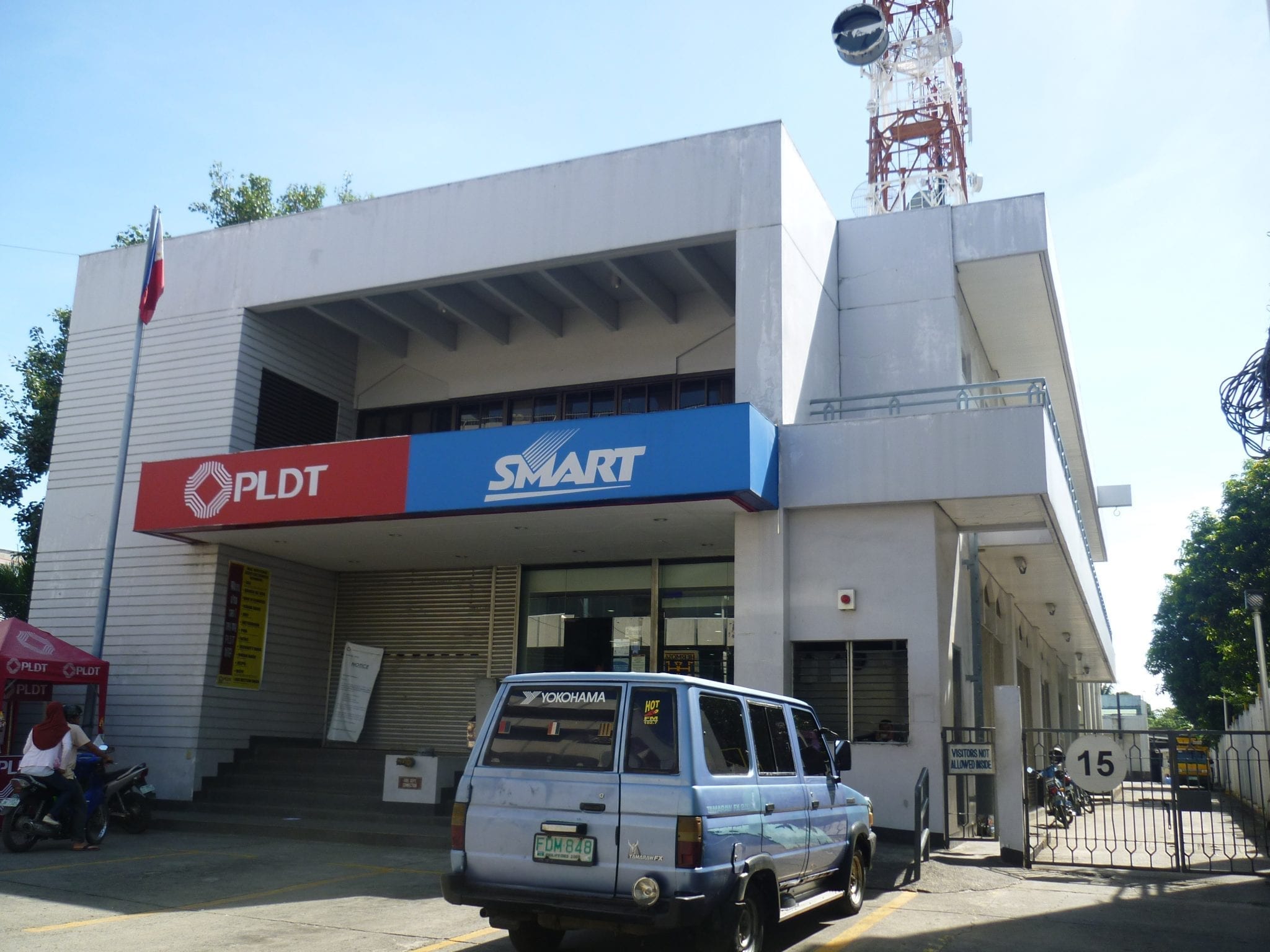
    PLDT Enterprise, a dominant force in the Philippines for connectivity solutions and ICT services, is playing a pivotal role in shaping the nation into a strategic digital hub. As the enterprise division of the country’s largest integrated telecommunications provider, PLDT Enterprise taps into the vast resources of its parent company along with Smart, ePLDT, VITRO, and PLDT Global, fueling both local and international business transformations.

    With a heritage spanning nearly a century, PLDT Enterprise is at the cutting edge of the Philippines’ digital evolution, driving secure, intelligent operations with end-to-end solutions that unify people, platforms, and the potential for growth across borders.

    Blums Pineda, who recently stepped into the role of Senior Vice President and Head of the Enterprise Business Group, brings nearly three decades of experience in telecommunications and technology. His career—shaped by leadership positions in the U.S. and Europe across various sectors including B2B tech and banking—culminates in his mission to enhance PLDT Enterprise’s offerings for businesses both locally and globally.

    Pineda outlined his vision for empowering enterprises through innovative connectivity solutions, reflecting a commitment to facilitating growth and digital advancement in the Philippines.

    A New Outlook on Enterprise Solutions

    Having returned to the Philippines after 15 years abroad, Pineda is keen to meld his international experience with an understanding of local business challenges. “At PLDT Enterprise, I plan to unite that global perspective with insights into what local companies need,” he explained. “I’ve seen how the right tools and partnerships can create significant impact—my goal is to fast-track those results for our clients.”

    Bridging local businesses to global ecosystems remains a key priority. By leveraging PLDT’s robust infrastructure, we can connect clients to counterparts who have advanced their digital transformation, allowing them to adopt proven models swiftly and manage risk more efficiently.

    Enabling Clients with High-Speed Connectivity

    The cornerstone of PLDT Enterprise’s strategy revolves around delivering high-speed and secure connectivity on a future-ready network. Recent initiatives include investments in the Asia Direct Cable (ADC) and the forthcoming Apricot cable system, which promise to expand international data capacity by 33% while enhancing access to critical global hubs.

    However, securing digital assets is about much more than just connectivity. Pineda pointed out that PLDT is dedicated to bolstering cybersecurity measures, scalable storage, and seamless cloud access. For instance, the company has aided a major consumer goods firm in safeguarding operations through comprehensive Business Continuity and Managed Security Services, ensuring uninterrupted readiness across the board.

    Notably, PLDT has taken robust steps to fortify cybersecurity across various sectors, such as conducting large-scale workshops aimed at equipping employees to recognize and thwart cyber threats. In another notable case, it mitigated a ransomware attack on a significant real estate client by deploying an emergency 5G network, restoring operations while cleverly sidestepping ransom payments.

    Elevating the Data Center Game

    As today’s enterprises increasingly rely on data centers, PLDT’s VITRO data center in Santa Rosa stands out, conforming to global hyperscaler standards and dissipating any surprises for international clients about the Philippines’ capabilities. “What’s more astonishing,” Pineda boasts, “is that we built it ahead of the curve, anticipating demand well in advance.”

    This facility, strategically linked to essential subsea cables, guarantees seamless international connectivity—a game changer for handling substantial data transactions. Upcoming innovations include the launch of GPU-as-a-Service (GPUaaS), allowing businesses to harness GPU capabilities flexibly as they dabble in AI.

    Our data center strategy dives deep beyond capacity, focusing on power and cooling necessities. We meticulously select locations to ensure they are futureproof and poised to expand alongside market demands.

    Strategically, PLDT Group is not resting on its laurels with VITRO Santa Rosa; plans are already underway for a new wave of data centers to meet forthcoming needs head-on.

    Innovating Towards the Centenary

    As PLDT gears up to celebrate its centennial in 2028, PLDT Enterprise is laser-focused on delivering innovations that cater to precise customer requirements. While competitive pricing is crucial, the company prioritizes providing long-term value through meaningful partnerships and actionable insights, enabling businesses to push beyond immediate goals.

    Aiming to bolster the Philippines’ national digital agenda, PLDT is also exploring opportunities in sovereign cloud services, facilitating essential local government solutions, from enhancing emergency response systems to disaster recovery initiatives. “For us, innovation extends beyond technology—it’s about tackling tangible challenges and streamlining processes,” Pineda stated.

    Ultimately, PLDT is committed to helping clients scale and compete on the global stage, intertwining world-class infrastructure and insights to redefine how technology underpins modern business success.

    Questions & Answers

    What is Blums Pineda’s vision for PLDT Enterprise?
    Pineda envisions marrying his extensive global experience with local insights to empower businesses through innovative connectivity and infrastructure solutions, aiming to accelerate digital transformations for clients.

    How is PLDT Enterprise enhancing cybersecurity for its clients?
    PLDT Enterprise implements a holistic approach by providing Managed Security Services, conducting workshops for employees, and addressing specific threats like ransomware attacks through swift operational restoration methods.

    What future developments can we expect from PLDT’s data centers?
    PLDT plans to enhance its VITRO data center capabilities and launch GPU-as-a-Service to accommodate AI initiatives while also expanding its network of data centers to meet growing demand.

  • Maxis Teams Up with China Mobile International to Launch CMLink MVNO in Malaysia

    Maxis Teams Up with China Mobile International to Launch CMLink MVNO in Malaysia

    China Mobile International Limited (CMI) has made significant strides in the Asian telecommunications landscape with the launch of its first mobile virtual network operator (MVNO) service in Malaysia. This announcement was made during the China Mobile SEA Cooperation Conference held in Kuala Lumpur, marking a pivotal moment for CMI as it taps into the vibrant Malaysian market by partnering with Maxis’s mobile network.

    Operating under its CMLink brand, CMI plans to offer customers seamless 4G and 5G mobile services, enhancing connectivity and communication opportunities in the region. A mobile virtual network operator provides mobile services without owning the underlying network infrastructure, instead utilizing the capabilities of host operators like Maxis. CMI has previously established MVNO services in markets across the globe, including the UK, Singapore, Japan, Thailand, and Italy.

    Innovative Features Tailored for Global Citizens

    CMLink promises to cater specifically to the needs of students and professionals living in or traveling to Malaysia. Its standout features, such as “1CMN” (one card, multiple numbers) and China-Malaysia data sharing services, aim to ensure that users can remain effortlessly connected between China and Malaysia. There’s nothing quite like having your own “phone backpack” — that is, not just one number but multiple ones, all while enjoying seamless service!

    A Partnership Reinforced for Future Growth

    This new collaboration is a natural extension of the long-standing relationship between Maxis and CMI. Their partnership was further solidified by a Memorandum of Understanding (MoU) signed in August 2024, which aimed to propel 5G initiatives and drive forward digital innovation in the region.

    Questions & Answers

    What is the significance of CMI’s launch in Malaysia?
    This launch marks CMI’s first foray into the Malaysian market as an MVNO, providing enhanced mobile services to a growing demographic, particularly students and professionals bridging connection between China and Malaysia.

    What are the key services offered by CMLink?
    CMLink offers features like “1CMN” (one card, multiple numbers) and China-Malaysia data sharing services, allowing users to maintain seamless connectivity across borders.

    How does this collaboration between CMI and Maxis benefit both companies?
    The collaboration not only strengthens the existing partnership but also positions both CMI and Maxis to leverage 5G technology and enhance digital innovations, driving growth in the rapidly evolving telecommunications landscape.

  • Starlink Wins Final Approval to Launch Exciting Satellite Services Across South Korea!

    Starlink Wins Final Approval to Launch Exciting Satellite Services Across South Korea!

    Starlink has navigated the final regulatory waters needed for its satellite communication services to make a significant entry into South Korea. The Ministry of Science and ICT, along with the National Radio Research Agency (RRA), confirmed that the suitability assessment for SpaceX’s low-Earth orbit (LEO) satellite communication ground station radio equipment—specifically the UTA-252 model—was finalized on August 11. This approval allows Starlink Korea to provide user antennas and related equipment domestically, successfully eliminating the last remaining regulatory hurdle.

    Local Presence, Global Ambitions

    To comply with South Korean regulations that restrict foreign companies from directly offering telecommunications services, SpaceX established Starlink Korea as a local subsidiary. This entity has been officially recognized as a telecommunications business operator after securing approval in May under a cross-border supply agreement for low-orbit satellite services, which enables collaboration with its U.S. parent company.

    Eyes on the September Launch

    Industry analysts had originally predicted that Starlink would initiate its services in July following its May approval. Now, with the RRA’s device assessment concluded, the market is buzzing with anticipation for a commercial launch that could happen as soon as September.

    Targeting Businesses and Governments

    In its initial phase, Starlink Korea is poised to focus on the business-to-business (B2B) and business-to-government (B2G) segments, eyeing sectors where non-terrestrial networks (NTN) hold distinct advantages, including maritime, aviation, industrial plants, public services, and disaster response. SK Telink, the official reseller for Starlink Korea, plans to offer tailored packages that cater to specific industries, such as maritime and aviation connectivity bundles, as well as hybrid solutions for public institutions.

    Expanding the Satellite Universe

    Starlink’s ambitious constellation comprises roughly 7,000 satellites, making it a leader in LEO infrastructure on a global scale. Since its first satellite deployment in May 2019, the company has maintained a brisk launch schedule of about three satellites per day, with a goal to provide connectivity speeds that could soar up to 2 Gbps. If that isn’t the pace of a space race, we don’t know what is!

    Questions & Answers

    What recent regulatory approvals has Starlink achieved in South Korea?
    Starlink has completed the suitability assessment for its ground station radio equipment, which has allowed the company to provide user antennas and related equipment domestically.

    What approach will Starlink Korea take in its initial phase?
    The company will primarily target business-to-business (B2B) and business-to-government (B2G) segments, focusing on industries where non-terrestrial networks offer competitive advantages.

    When is the expected launch date for Starlink’s services in South Korea?
    Following the completion of the regulatory assessments, a commercial launch is anticipated around September.

  • VAST Data and SK Telecom Join Forces to Launch Korea’s Largest AI Infrastructure Initiative

    VAST Data and SK Telecom Join Forces to Launch Korea’s Largest AI Infrastructure Initiative

    VAST Data has announced an ambitious partnership with SK Telecom (SKT) to create Korea’s most advanced sovereign artificial intelligence (AI) infrastructure, utilizing the latest NVIDIA Blackwell accelerated computing platform. This collaboration aims to not only virtualize graphics processing unit (GPU) resources but also enhance AI data pipelines, paving the way for national-scale AI model training and inference.

    Haein Cluster: A Central Hub for AI Development

    Dubbed the Haein Cluster, this cutting-edge infrastructure has been selected for the Ministry of Science and ICT’s ‘AI Computing Resource Utilization Enhancement (GPU Rental Support) Program.’ It is set to play a pivotal role in the development of national AI foundation models, positioning Korea at the forefront of AI innovation.

    Transforming AI Deployment with VAST Data

    The partnership combines VAST Data’s AI Operating System with SKT’s Petasus AI Cloud to deliver a fully-virtualized GPU-as-a-service (GPUaaS) solution. This innovative framework significantly reduces GPU provisioning time to under 10 minutes—a stark contrast to traditional bare-metal deployments that can stretch into days or weeks, all while retaining near bare-metal performance.

    The infrastructure is powered by Supermicro’s NVIDIA HGX server architecture, synergized with VAST’s disaggregated, shared-everything (DASE) storage platform. The outcome is a high-throughput, secure, multi-tenant environment capable of efficiently handling the AI workloads of government entities, research institutions, and enterprise customers, all safely within the borders of Korea.

    A Leap into the Future

    DK Lee, Vice President and Head of the AI DC Lab at SK Telecom, expressed enthusiasm about the collaboration, stating:

    “VAST Data’s unified architecture has been instrumental in helping us move from legacy bare-metal deployments to a fully-virtualized, production-grade AI cloud. The VAST AI OS powers the performance, simplicity, and flexibility needed to support the next generation of sovereign AI workloads and gives us the confidence to scale fast and securely.”

    He noted that this platform is tailored to meet the specific demands of government, research, and enterprise AI customers in South Korea, fundamentally changing the landscape of how AI infrastructure is perceived in the country.

    Security and Scalability at its Core

    The architecture distinguishes itself with its secure, multi-tenant framework that isolates workloads while maintaining strict data privacy standards. A unified AI pipeline seamlessly integrates training and inference processes. Furthermore, its elastic scalability permits dynamic allocation of GPU and storage resources as demand fluctuates, ensuring both carrier-grade uptime and operational efficiency.

    Collaborative Efforts to Propel Innovation

    Supermicro is also crucial to the deployment of this groundbreaking infrastructure. Cenly Chen, Chief Growth Officer at Supermicro, conveyed their commitment to supporting SKT’s vision of a national AI infrastructure:

    “Supermicro supports SK Telecom’s vision of a national AI infrastructure and is proud to collaborate with VAST Data on deploying its AI Operating System, and with NVIDIA Blackwell platforms, to make this a reality.”

    Sunil Chavan, Vice President for APAC at VAST Data, remarked on the impact of SKT’s initiative, saying:

    “From our earliest conversations, it was clear that SKT needed cutting-edge infrastructure to match the speed and complexity of enterprise-grade uptime and nation-state inference and training. By eliminating traditional bottlenecks around data movement, provisioning, and security, VAST is enabling SKT to launch a sovereign and secure AI infrastructure that offers speed and flexibility at scale for Korea.”

    Questions & Answers

    What is the main goal of the collaboration between VAST Data and SK Telecom?
    The partnership aims to create a sovereign AI infrastructure in Korea, enhancing GPU virtualization and streamlining AI data pipelines for national-scale model training and inference.

    How does the Haein Cluster improve AI resource management?
    The Haein Cluster allows for under-10-minute provisioning of GPU resources, dramatically improving deployment times compared to traditional setups, which can take weeks.

    What role does Supermicro play in this collaboration?
    Supermicro provides the server architecture that powers the Haein Cluster, collaborating with VAST Data to support the development of this national AI infrastructure.

  • Starlink Wins Final Approval to Bring Satellite Services to South Korea!

    Starlink Wins Final Approval to Bring Satellite Services to South Korea!

    Starlink is all set to beam into South Korea, having cleared the final administrative hurdles needed to launch its satellite communication services in the region. The Ministry of Science and ICT, along with the National Radio Research Agency (RRA), confirmed that SpaceX’s low-Earth orbit (LEO) satellite communication ground station radio equipment underwent a successful suitability assessment on August 11. This milestone grants Starlink Korea the green light to supply user antennas and pertinent equipment domestically, effectively eliminating the last regulatory obstacle for its market entry.

    Starlink’s Pathway To Local Operations

    Under South Korean law, foreign companies face strict prohibitions against directly offering telecommunications services. In response, SpaceX established Starlink Korea as a local subsidiary, enabling it to register as a telecommunications business operator. This strategic move allowed Starlink Korea to secure the necessary approval in May under the cross-border supply agreement for low-orbit satellite services, paving the way for cooperation with its U.S.-based parent company.

    Service Launch Expectations Shifting

    Initially, industry analysts were optimistic about a potential service launch as early as July, following the earlier May approval. However, with the RRA’s device assessment wrapping up in August, the current projections now suggest that a commercial debut could occur around September. Clearly, the anticipation is palpable, as customers eagerly await the possibilities of satellite internet service.

    A Focus on Strategic Business Segments

    Starlink Korea plans to focus its early efforts on the business-to-business (B2B) and business-to-government (B2G) sectors, particularly in industries where non-terrestrial networks (NTN) can provide significant competitive advantages. These fields include maritime, aviation, industrial operations, public services, and disaster response scenarios. SK Telink, the official reseller for Starlink Korea, is preparing to roll out tailored packages, including unique offerings for maritime and aviation connectivity, specialized plans for public institutions, and hybrid solutions combining fixed and mobile devices.

    Expanding Connectivity Horizons

    Currently, Starlink operates a constellation of approximately 7,000 satellites, solidifying its status as one of the largest LEO infrastructures globally. Since its inception in May 2019, the company has launched satellites at a breakneck pace, averaging three daily, and aims to deliver connectivity speeds that could reach up to 2 Gbps. It’s clear that Starlink isn’t just playing the game; it’s aiming to change it forever. After all, who wouldn’t want their internet service delivered from the sky?

    Questions & Answers

    What regulatory steps did Starlink take to enter the South Korean market?
    Starlink established a local subsidiary, Starlink Korea, to comply with South Korean regulations prohibiting foreign companies from directly providing telecommunications services. This allowed them to register as a telecommunications business operator and secure necessary approvals.

    When can consumers expect to see Starlink’s services launch?
    After completing final assessments, the market now anticipates a commercial launch of Starlink’s services around September, shifting from initial expectations of a July rollout.

    What sectors will Starlink Korea primarily focus on initially?
    Starlink Korea plans to concentrate on the business-to-business and business-to-government segments, particularly targeting industries such as maritime, aviation, and disaster response where satellite connectivity offers significant advantages.

  • Etix Boosts Bangkok Campus to 28MW with New Data Center Expansion!

    Etix Boosts Bangkok Campus to 28MW with New Data Center Expansion!

    In a significant development for the Asian tech landscape, France-based data center operator Etix Everywhere has inaugurated its latest facility, BKK#2, in Bangkok, Thailand. This new addition boasts a robust capacity of 23 megawatts (MW), positioning it as a vital player in the region’s growing demand for data infrastructure.

    A Strategic Expansion in Bangkok

    Situated adjacent to the existing Etix BKK#1, which operates at 5MW, the new 16,000 square meter facility ramps up the combined power of the company’s Bangkok campus to a striking 28MW. This expansion is particularly crucial as the region increasingly embraces AI technologies, with the campus designed to accommodate up to 150kW per rack. In an exciting twist, the BKK#2 facility offers a trifecta of cooling options: air, liquid, and immersion, ensuring that it meets the diverse needs of modern computing.

    Meeting the Demand for Modern IT Solutions

    “The development of Etix BKK#1 has multiplied our capacity sixfold in just three years,” expressed Pierre Patris, Etix Everywhere’s CEO for Asia. “With 2 MW of capacity immediately available and the timely launch of BKK#2, we are in a powerful position to meet our customers’ needs.” Patris emphasized the strategic advantage of both facilities being neighbors, allowing customers to seamlessly leverage the same telecom ecosystem and expand within the same operational area, as if they were utilizing a single building.

    Commitment to Sustainability

    Beyond its ambitious technical capabilities, the Etix Bangkok campus is setting benchmarks for sustainability in data center operations. Targeting a Power Usage Effectiveness (PUE) of below 1.4, the facility incorporates on-site renewable energy sources and Battery Energy Storage Systems (BESS), ensuring that it not only meets current needs but is prepared for the future. Furthermore, the use of green concrete and steel reflects a commitment to significantly reducing embodied carbon, making it a beacon of eco-conscious design in the industry.

    Questions & Answers

    What is the significance of BKK#2’s launch in Bangkok?
    The launch represents a strategic expansion for Etix Everywhere, significantly boosting their capacity to meet rising demands for data infrastructure, particularly in AI applications.

    How do the facilities BKK#1 and BKK#2 benefit customers?
    Having both facilities in close proximity allows customers to enjoy a shared telecom ecosystem, facilitating growth and operational efficiency as if they were in one building.

    What sustainability measures are incorporated in the campus design?
    The Etix Bangkok campus aims for a PUE below 1.4 and integrates renewable energy sources, Battery Energy Storage Systems, and eco-friendly materials, underscoring its commitment to sustainability.