Category: Telecom

Retail News Asia is committed to providing both local and global retailers with the latest Telecom & Telco news throughout the Asian market. This on a daily base.

  • Fiji Boosts Connectivity: Vodafone, Digicel, and Telecom Fiji Awarded 5G Licenses

    Fiji Boosts Connectivity: Vodafone, Digicel, and Telecom Fiji Awarded 5G Licenses

    The Ministry of Trade, Co-operatives, Micro, Small and Medium Enterprises and Communications in Fiji has granted 5G spectrum licenses to Vodafone Fiji, Digicel Fiji, and Telecom Fiji, marking a significant milestone for the nation’s digital landscape. These licenses became effective yesterday, September 15, 2025, paving the way for a carefully staged rollout of next-generation mobile technology that promises to transform connectivity across the archipelago.

    Three Stages to a 5G Future

    The government’s ambitious plan for 5G deployment unfolds in three distinct phases, extending from 2025 to 2028. The initial phase focuses on establishing coverage in four key urban centers, including the vibrant capital, Suva, where existing infrastructure—such as fiber optics and power networks—can support advanced services. As we look ahead to 2026 and 2027, coverage will expand to additional regions, inviting both excitement and anticipation about the possibilities of ultra-fast mobile connectivity.

    Vodafone Fiji Leads the Charge

    Vodafone Fiji, the nation’s frontrunner in telecommunications with over 850,000 subscribers and an impressive 85% market share, is set to spearhead the deployment. The company has already conducted extensive testing, positioning itself as a crucial player in this technological leap. In close pursuit, Digicel Fiji, a member of the multinational Digicel Group, is preparing to join the fray, eager to enhance its service offerings across Fiji and beyond.

    Telecom Fiji’s Expanding Role

    As part of this vibrant ecosystem, Telecom Fiji is set to broaden its services in conjunction with the 5G rollout. Meanwhile, the government remains committed to upgrading rural and maritime areas to 4G, ensuring that no region is left behind in the digital revolution. It’s a collaborative effort that promises to stitch together the urban and rural divides in communication access. After all, who’d have thought that a tiny archipelago in the Pacific could become a tech powerhouse?

    A Vision for Digital Transformation

    Deputy Prime Minister and Minister for Communications, Hon. Manoa Kamikamica, highlighted the broader implications of this rollout, stating, “This rollout not only addresses local challenges but also positions Fiji as a regional leader in digital transformation.” With these licenses, Fiji is not only enhancing connectivity but also fueling innovation and bolstering its digital economy across the Pacific.

    Questions & Answers

    What are the key features of Fiji’s 5G rollout?
    Fiji’s 5G rollout will occur in three phases from 2025 to 2028, starting with major urban centers, including Suva, and expanding to additional areas in subsequent years.

    Which companies have been granted the 5G licenses?
    Vodafone Fiji, Digicel Fiji, and Telecom Fiji have received the 5G spectrum licenses, with Vodafone leading the initial deployment phase.

    How does the government plan to support rural areas in this rollout?
    The Fijian government is committed to upgrading rural and maritime networks to 4G, ensuring that all regions benefit from improved connectivity as the nation embraces digital transformation.
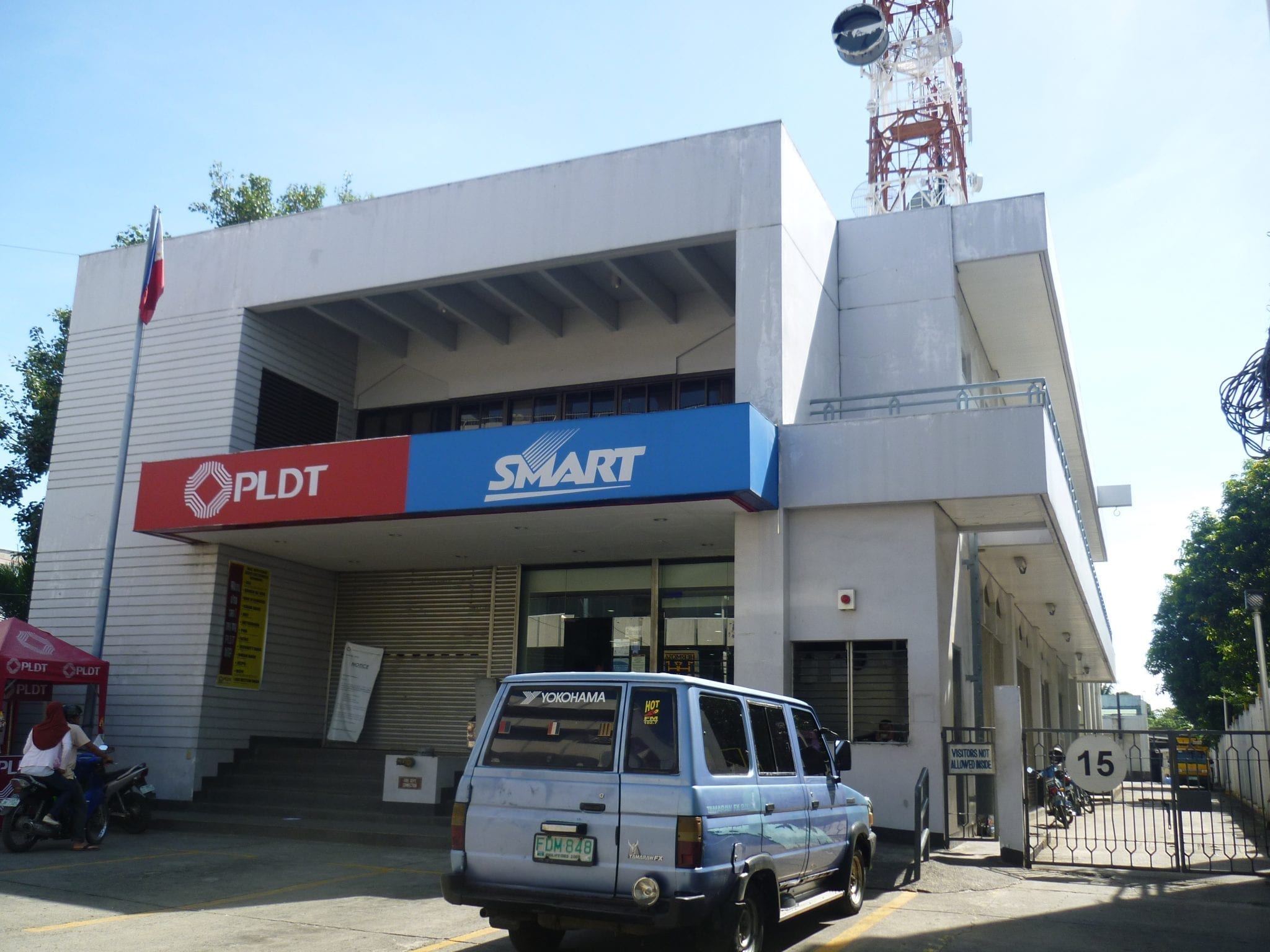

  • PLDT Home Achieves Strong Fiber Growth in First Half of 2023

    PLDT Home Achieves Strong Fiber Growth in First Half of 2023

    PLDT Home has reported impressive growth in the first half of 2025, driven primarily by its fiber services, which saw revenues increase by 7% year-on-year, reaching PHP 29.5 billion. As fiber now accounts for a staggering 97% of home revenues, the company’s strategic pivot away from legacy technologies is evident. Overall, revenues for PLDT Home climbed 4% compared to the previous year, totaling PHP 30.4 billion, bolstered by a robust fiber rollout, appealing bundled services, and heightened customer interaction.

    Reflecting Growing Demand for Connectivity

    John Y. Palanca, Senior Vice President and Head of PLDT Home Business, emphasized that the growth reflects a surging demand for high-speed connectivity and richly integrated digital experiences. “We’re expanding our fiber footprint while delivering bundled services that meet evolving customer needs,” he remarked, underscoring the importance of adaptability in a fast-changing market.

    Subscriber Milestones Achieved

    In H1 2025, PLDT Home not only maintained its premium Average Revenue Per User (ARPU) but also reported a significant influx of new subscribers. The company welcomed 169,000 additional fiber subscribers—three times the net additions from the same period last year—bringing the total number of connections to an impressive 3.53 million. This surge showcases the brand’s reputation for reliability and value in a competitive landscape.

    Balance of Innovation and Service

    This growth is underpinned by both expanding their network and providing enticing bundled lifestyle services. Popular offerings such as Fiber Unli All and Fiber Plus Netflix bring together broadband, mobile, and content in packages that resonate with consumers. In Q2, over 80% of new subscribers opted for higher-value plans priced at PHP 1,299 and above, lifting PLDT Home’s industry-leading ARPU to PHP 1,485.

    Enhancements in customer service play a crucial role in this success. Improvements including faster installations, AI-powered support, and expedited repair times have significantly bolstered customer retention, resulting in a remarkably low churn rate of 1.93%. In a world where customers crave immediate gratification, it’s evident that PLDT Home is becoming the fast-food drive-thru of internet service.

    Capturing New Markets with Fiber Prepaid

    Furthermore, PLDT Home is tapping into new household segments through its Fiber Prepaid offerings, catering to families who prefer the flexibility of prepaid plans. Early reports indicate that this strategy is paying off, as ARPU levels remain consistent, signaling that growth is additive rather than detracting from postpaid subscribers.

    Connecting Communities Across the Philippines

    Beyond simply providing connectivity, PLDT Home positions itself as a vital enabler of digital inclusion. Its expanding fiber footprint improves access to high-speed internet across more regions of the Philippines. Currently, the PLDT Group boasts the nation’s most extensive fiber infrastructure, measuring around 1.2 million cable kilometers. The company has passed 19.01 million homes, effectively covering 74% of towns and 91% of provinces, making significant strides in bridging the digital divide.

    Questions & Answers

    How much did PLDT Home’s fiber revenues increase in Q1 2025?
    PLDT Home’s fiber revenues climbed 7% year-on-year, reaching PHP 29.5 billion in the first half of 2025.

    What is the churn rate reported by PLDT Home?
    The company boasts a remarkably low churn rate of 1.93%, indicating strong customer retention.

    How many new fiber subscribers did PLDT Home gain in H1 2025?
    PLDT Home gained 169,000 new fiber subscribers in the first half of 2025, marking three times the net additions from the previous year.

  • Thailand’s NBTC Unveils Plan to Provide Free Spectrum for Private 5G Networks in Factories

    Thailand’s NBTC Unveils Plan to Provide Free Spectrum for Private 5G Networks in Factories

    The National Broadcasting and Telecommunications Commission (NBTC) of Thailand is stepping up its game in the race towards Thailand 4.0 by announcing a groundbreaking allocation of free spectrum aimed at factories and enterprises. This initiative is set to supercharge the country’s ambitions for technological advancement within its manufacturing sector.

    Free Spectrum for Enhanced Operations

    In a bold move, the NBTC plans to release 100 MHz of bandwidth in the 4,800 MHz band under a private network operator (PNO) license. This means that factories and enterprises can apply for allocation at no cost, so long as they utilize it to enhance their internal operations—a win-win for industry players eager to innovate.

    Boosting Industrial Capabilities through Collaboration

    NBTC Commissioner Somphop Purivigraipong detailed the vision behind this initiative, emphasizing that the allocation is tailored for factories looking to optimize their operations. “Factories can collaborate with equipment vendors or telecom companies to deploy solutions for 5G private network operations,” he noted, heralding a new era of connectivity and automation within Thailand’s industrial landscape.

    A Push Towards Private 5G Adoption

    This forward-thinking initiative is expected to catalyze the adoption of private 5G networks throughout Thailand’s manufacturing and enterprise sectors, paving the way for enhanced automation, operational efficiency, and comprehensive digital transformation. Imagine a bustling factory floor where every machine is interlinked, sharing data in real time—those visions are closer to reality than ever before.

    A Competitive Bidding Process

    While the free allocation caters to non-profit operations, enterprises eyeing the potential of private 5G for commercial purposes will still need to bid at auction for access to the 4,800 MHz band. Telecom operators can join in if they intend to function as PNOs; however, there are crucial stipulations—the licensees won’t be allowed to offer consumer mobile services or link the band with existing 2,600 MHz services. This strategic limitation underscores the NBTC’s commitment to fostering dedicated private networks.

    Unlocking Advanced Applications

    Despite limited mass-market 5G usage across Thailand—primarily leveraged for video streaming and as an add-on to 4G—there’s still a strong belief within the NBTC that private 5G networks hold the key to unlocking advanced applications like industrial IoT (IIoT), robotics, and real-time analytics. By granting spectrum access, the NBTC aims to not just elevate Thailand’s manufacturing game but to position the country as a frontrunner in industrial 5G adoption in Asia.

    Questions & Answers

    What is the purpose of the 4,800 MHz spectrum allocation?
    The 4,800 MHz spectrum allocation is primarily aimed at assisting factories and enterprises in optimizing their internal operations through the deployment of private 5G networks.

    How does this initiative support Thailand’s industrial ambitions?
    By granting free spectrum access, the NBTC hopes to drive the adoption of private 5G technology, enhancing automation, efficiency, and digital transformation across the country’s manufacturing sector.

    What are the restrictions placed on the use of the allocated spectrum?
    Enterprises that wish to use the spectrum for commercial purposes must bid at auction, and telecom operators cannot provide consumer mobile services or integrate it with existing 2,600 MHz services, ensuring a focused approach to private network development.

  • Air France Takes Flight with Superior In-Flight WiFi, Surpassing Swiss Competitors

    Air France Takes Flight with Superior In-Flight WiFi, Surpassing Swiss Competitors

    Air France Takes Off with Complimentary High-Speed WiFi

    In a significant move set to enhance the passenger experience, Air France has become the first major European airline to offer complimentary high-speed WiFi on its flights, leaving its Swiss counterpart in the dust.

    While some passengers might enjoy the break from screens during their flights, the announcement of “Free high-speed WiFi now available on Air France flights” certainly raised eyebrows on Tuesday.

    Partnering with Starlink for Connectivity

    This new initiative allows travelers on selected aircraft to enjoy a fast, stable, and secure internet connection, thanks to a collaboration with Elon Musk’s satellite provider, Starlink. Currently, this technology is operational on two Embraer 190s, two Airbus A220s, and one Airbus A350, catering to both short-haul and long-haul routes.

    Aiming for Fleet-Wide Implementation by 2026

    Air France has ambitious plans, targeting to retrofit 30% of its fleet by the end of 2025 and to achieve full fleet implementation by the end of 2026. What’s more, this service is offered free of charge across all travel classes and is accessible via the Flying Blue frequent flyer program. The airline boasts that passengers can stream TV shows, films, and even engage in multiplayer video games — a digital paradise at 30,000 feet!

    Swiss Airline Struggles to Keep Up

    Conversely, Swiss International Airlines, a subsidiary of Lufthansa, lags behind in this competition. Though the airline confirmed to finews.com that its short- and medium-haul fleet possesses onboard internet, it is not yet comprehensive. Passengers can access a free messaging service, but access to streaming or using laptops and tablets comes at an additional price.

    Long-Haul Flights Come with a Price Tag

    Swiss has been equipped with internet since 2016, and since 2023 offers a complementary service for chat applications like WhatsApp, Facebook Messenger, or Signal on long-haul flights. However, for any other online activities, passengers face additional charges, leaving the airline noticeably behind Air France, which is touting its complimentary service as a premium perk.

    Lufthansa’s Centralization Moves Impacting Swiss

    In a strategic shift, Lufthansa has announced plans to centralize some business functions of its Swiss subsidiary in Frankfurt. The implications for the quality of service at Swiss remain uncertain. While WiFi may not be the primary concern for travelers, this issue underscores a recurring criticism: Swiss often offers low-cost quality at premium prices.

    Questions & Answers

    How does Air France’s free WiFi service compare to Swiss International Airlines?
    Air France offers complimentary high-speed WiFi across its fleet, while Swiss International Airlines provides a limited free messaging service and charges for streaming and other internet access.

    What technology is enabling Air France’s WiFi service?
    Air France’s WiFi service is powered by a partnership with Elon Musk’s Starlink satellite provider, ensuring high-speed connectivity for passengers.

    What are Lufthansa’s plans regarding its Swiss subsidiary?
    Lufthansa intends to centralize certain business functions of Swiss in Frankfurt, although it’s unclear how this will affect the overall quality of service.

  • Globe Business and Blackpanda Unveil Budget-Friendly AI Cybersecurity Solutions for Philippine Enterprises

    Globe Business and Blackpanda Unveil Budget-Friendly AI Cybersecurity Solutions for Philippine Enterprises

    Globe Business has joined forces with Blackpanda, the region’s premier cyber incident response specialist, to provide affordable, enterprise-grade cybersecurity solutions tailored for businesses in the Philippines. Their innovative partnership promises a fixed-cost incident response and digital forensics service designed to help organizations promptly detect, contain, and recover from cyberattacks. This offering, fondly dubbed a “cyber fire department,” includes continuous vulnerability scanning, dark web monitoring, and seamless access to cyber insurance, making it an invaluable resource for local enterprises aiming to neutralize digital threats swiftly.

    KD Dizon, Head of Globe Business, emphasizes the growing urgency of the situation:

    Cyber threats remain a pressing challenge for businesses of all sizes, and AI is amplifying both the sophistication and frequency of these attacks. Our partnership with Blackpanda makes immediate, expert incident response—once prohibitively expensive—accessible to organizations across the Philippines.

    The Rising Tide of Cyber Risks in Southeast Asia

    The threat landscape is escalating in the Philippines and Southeast Asia, fueled by inadequate cybersecurity preparedness, AI-driven vulnerabilities, and skyrocketing costs of attacks. Globe underscores the necessity for robust threat intelligence, skilled incident responders, collaboration, and the latest security technologies. In 2024 alone, 85% of Philippine firms reported AI-related attacks, while 84% faced supply chain breaches, with almost a third unable to detect these intrusions. The cost of breaches across ASEAN averaged an alarming USD 3.23 million last year, with the financial services sector suffering the most, racking up an average cost of USD 5.57 million. The region also witnessed a staggering 29% uptick in cyber incidents, accompanied by a rise in ransomware and phishing activities.

    Transforming Cybersecurity Accessibility with IR-1

    Historically, enterprise-level incident response services have been financially out of reach for many businesses, with hourly rates soaring to USD 500 and annual retainers typically ranging from USD 25,000 to USD 100,000. Blackpanda aims to disrupt this trend with its flagship solution, IR-1, which blends incident response, continuous vulnerability scanning, and cyber insurance support into a budget-friendly subscription model. This transformative approach lowers the financial barriers for firms, enhancing their operational resilience and cybersecurity posture.

    Gene Yu, CEO of Blackpanda, shares the vision behind this collaboration:

    Globe’s reach and trust in the Philippine market make them the ideal partner to scale our IR-1 cyber emergency subscriptions nationwide. By delivering always-on access to expert response through Globe’s trusted network, we’re ensuring that a small manufacturer in Cebu or a growing fintech in Makati can access the same level of cyber emergency support as multinational corporations.

    The IR-1 solution boasts automated access to cyber insurance with coverage up to USD 10 million, continuous monitoring for potential risks, and elite response teams located across Asia—Manila, Singapore, Tokyo, and Hong Kong. Unlike its competitors, IR-1 supports any endpoint detection and response (EDR) solution, offering enterprises maximum freedom and flexibility.

    Questions & Answers

    How will the partnership between Globe Business and Blackpanda benefit Filipino companies?
    The partnership aims to provide accessible, enterprise-grade cybersecurity solutions to Filipino businesses, allowing them to swiftly detect and respond to cyber threats without the prohibitive costs historically associated with such services.

    What are the key features of the IR-1 solution offered by Blackpanda?
    IR-1 includes automated access to cyber insurance, continuous attack surface monitoring, dark web scanning, and support for any endpoint detection and response solution, ensuring comprehensive coverage and flexibility for businesses.

    What trends are driving the increase in cyber incidents in Southeast Asia?
    The rise in cyber incidents is largely attributed to low cybersecurity readiness, the growing number of AI-related threats, and the increasing costs of attacks, necessitating urgent action and investment in cybersecurity measures.

  • APTelecom Revolutionizes Global Connectivity with Resilient Submarine Solutions

    APTelecom Revolutionizes Global Connectivity with Resilient Submarine Solutions

    Submarine cables have become essential arteries for connectivity in the Asia Pacific, managing the surge in data traffic that accompanies the region’s digital revolution. With over half of the globe’s internet users calling this area home, the demand is fuelled by a variety of factors including cloud adoption, e-commerce growth, streaming services, and gaming, along with swift industry digitization.

    The Asia Pacific’s Digital Growth Catalyst

    Navigating this dynamic and complex landscape is no simple task, but APTelecom is leading the charge by executing critical submarine cable projects that focus on resilience and sustainability. In an exclusive interview with Telecom Review Asia, APTelecom President and Co-Founder Sean Bergin offered insights into the challenges and opportunities that are shaping connectivity across the Asia Pacific region.

    The Future of Submarine Cables

    As the epicenter of global data growth, the Asia Pacific region is witnessing an unprecedented demand for new submarine cable systems. “More than half of the world’s internet users live here,” Bergin noted, emphasizing that the appetite for new cables is being driven not just by raw data needs, but by a quest for security and resilience in data infrastructure. Both large-scale regional systems and specialized builds aimed at enhancing redundancy are currently in the pipeline.

    What’s intriguing is that as digital traffic rises, so does the focus on trusted supply chains and dependable routes, both of which have become just as important as sheer capacity. APTelecom is at the crossroads of commercial demand and practical execution, guiding clients through the design and financing of new systems, while addressing local regulatory needs and establishing sustainable partnerships.

    Strategies for Local Success

    APTelecom’s vast experience across diverse markets reveals a critical lesson: the “one size fits all” mentality simply doesn’t apply to digital infrastructure. Each market boasts its unique regulatory landscape and investment climate. Bergin explained that the company merges global best practices with thorough local engagement, fostering trust and understanding with regulators, investors, and customers alike.

    This approach is particularly effective in bridging cultural gaps — whether it’s translating a hyperscaler’s needs to a regional operator or helping a Southeast Asian carrier negotiate with a global buyer. In developed markets, the dialogue often revolves around sustainability and ESG compliance, while emerging markets prioritize bankability and basic infrastructure diversity.

    Powerful Partnerships for Connectivity

    At the heart of APTelecom’s strategy lies collaboration. No single player—be it a carrier, government, or hyperscaler—can realize these complex systems alone. A prime example of this is APTelecom’s recent collaboration with a consortium of regional operators to enhance connectivity linking Vietnam to vital hubs in Thailand, Singapore, and Malaysia. This project not only strengthens Vietnam’s integration into the regional network but also boosts resilience and diversification in critical data routes.

    Involvement with partners in Africa and the Middle East is also on the rise, as Asia’s systems increasingly serve as key connections to Europe and beyond. Such partnerships are more than just ambitious ventures; they generate real benefits, translating into increased capacity, improved reliability, and enhanced service offerings for stakeholders that rely on robust, scalable infrastructure.

    Preparing for Tomorrow’s Connectivity Needs

    Looking ahead, APTelecom’s immediate priorities include supporting projects that balance commercial viability with strategic resilience. For clients, futureproofing involves diversification — ensuring multiple cable routes and a mix of terrestrial and subsea connections. This flexibility extends to contract structures that accommodate scaling capacity, integrating new technologies, and bringing on additional partners.

    Another facet of APTelecom’s mission is addressing workforce development. In many of the markets they serve, talent is in short supply, so equipping local engineers and operators with the necessary skills is a fundamental part of sustaining infrastructure longevity.

    In a fast-evolving sector, embracing technological advancements while mitigating risks is crucial. By helping clients establish dependable partnerships and build infrastructure that earns the trust of carriers and hyperscalers, APTelecom is not just adapting; they are setting the stage for the future of connectivity in Asia. Because let’s face it, in this high-stakes game of digital chess, every move counts.

    Questions & Answers

    How is APTelecom responding to the growing demand for submarine cables?
    APTelecom is actively spearheading new submarine cable projects and enhancing existing ones to address the significant demand driven by factors such as cloud adoption, e-commerce, and digitalization across industries.

    What role does local engagement play in APTelecom’s strategies?
    Local engagement is crucial; APTelecom tailors its approaches to each market’s regulatory and investment climate, building trust with key stakeholders, which ultimately helps in successful project execution.

    Why are partnerships important for APTelecom?
    Partnerships are essential because they combine resources and expertise from various entities to tackle complex connectivity challenges, ensuring that projects deliver real value and enhance regional resilience effectively.

  • Singtel and UTES Join Forces to Boost AI Upskilling Initiative Through Renewed MoU

    Singtel and UTES Join Forces to Boost AI Upskilling Initiative Through Renewed MoU

    The Singtel Group has reestablished its memorandum of understanding (MoU) with the Union of Telecoms Employees of Singapore (UTES) in a move that underscores their commitment to workforce transformation. This partnership aims to prepare employees with vital skills in artificial intelligence (AI), positioning AI as a cornerstone of the Group’s strategy to drive business growth and enhance customer experiences.

    Fostering Growth Through Learning

    The MoU was unveiled at the annual BIG Learning Fiesta, a month-long celebration featuring various workshops and talks specifically designed to foster the professional and personal development of Singtel’s workforce. This latest agreement builds on earlier collaborative efforts between the Singtel Group and UTES, highlighting the shared vision of advancing employee capabilities.

    Back in 2019, Singtel made a significant move by investing SGD 45 million over three years into a development framework known as the ACT initiative, aimed at boosting digital skills across its workforce. With this renewed MoU, the focus shifts towards accelerating training in AI, emerging technologies, sustainability, and essential skills. Employees will be empowered to design their own learning pathways, adopting a skills-first approach that aims to transform roles and cultivate a future-ready workforce.

    Staying Ahead in the Skills Race

    In a further commitment to employee development, Singtel announced in 2022 an annual investment increase of SGD 20 million dedicated to enhancing training programs. The launch of Singtel 8George—a learning academy for employees across experience levels—reflects the Group’s proactive response to rapid technological changes. This ongoing initiative supports the broader adoption and integration of AI across the organization. So far, around 13,000 employees in Singapore, or 95% of the workforce, have successfully completed a foundational AI training program that covers diverse topics like generative AI, data analytics, and responsible AI practices.

    Singtel is on a mission for all of its Singapore-based employees to undergo AI training, with plans to designate 3,000 as AI practitioners and 300 as specialists. This strategy aligns seamlessly with Singapore’s updated National AI Strategy, which aspires to train 15,000 AI practitioners to bolster the nation’s AI development and innovation.

    A Vision for the Future

    Singtel Group CEO, Mr. Yuen Kuan Moon, eloquently articulated the company’s forward-looking vision:

    “AI is transforming the way we live and work, and even redefining what jobs will look like in the future. That’s why we’re moving just as fast to prepare our people for this change. This MoU reflects our unwavering commitment to helping everyone at Singtel to learn, grow, and thrive in an age of accelerated change.”

    “To be truly AI-ready, we’re putting skills first, empowering our people to build the critical capabilities they need, with technology as their trusted co-pilot. By learning how to make the most of AI, our people will be able to seize new opportunities with confidence, make smarter decisions, and play a leading role in driving sustainable growth for the business and for themselves.”

    Singtel has laid out its AI strategy to encompass three essential roles: adopter, builder-provider, and enabler of AI through its connectivity, digital infrastructure, and digital services sectors. This structured plan is set to create diverse AI-related career paths within the Group, including fresh opportunities in data centers like Nxera, which recently celebrated its inaugural Sustainable AI Data Centre Career Day in collaboration with industry partners.

    Questions & Answers

    What is the purpose of Singtel’s renewed MoU with UTES?
    The renewed MoU aims to enhance workforce transformation by equipping Singtel employees with essential skills in artificial intelligence (AI), while fostering a culture of continuous learning.

    How many employees will undergo AI training at Singtel?
    Singtel plans to train all Singapore-based employees in AI, designating 3,000 as AI practitioners and 300 as AI specialists as part of its broader strategy to embrace AI.

    What significant investment did Singtel make for employee training in recent years?
    In 2022, Singtel increased its annual investment in training programs to SGD 20 million, further emphasizing its commitment to employee development amidst rapid technological changes.

  • SK Telecom Launches Enhanced AI Agent Technology Through Exciting Partnership with TimeTree

    SK Telecom Launches Enhanced AI Agent Technology Through Exciting Partnership with TimeTree

    SK Telecom has forged a strategic partnership with TimeTree, a burgeoning global platform for schedule sharing, to jointly develop AI agent services that promise to streamline user experience across both platforms. TimeTree’s popular application houses around 67 million users worldwide, a testament to its rapid growth and importance in the market.

    Pioneering AI Technology in a Global Context

    As part of this collaboration, SK Telecom plans to integrate its advanced AI agent technologies, honed through its own platform known as ‘A.’ (A-DoT), into the TimeTree application. This initiative will leverage the company’s cutting-edge Agentic Workflow, which was rolled out in August 2025. Significantly, this partnership marks the debut of SK Telecom’s AI agent technology being utilized in an international context, broadening its influence beyond local shores.

    Revolutionizing Calendar Management with AI

    At the core of the Agentic Workflow lies a transformative approach where AI agents go beyond simply responding to user inquiries. Instead, these agents learn from users’ activity histories to set goals and execute actions to fulfill them. Widely acknowledged in the industry, this framework is pivotal for enhancing the functionality of AI agents. SK Telecom has big plans in store for TimeTree, with features aimed at providing proactive recommendations and personalized calendar management, creating a far more dynamic user experience.

    Investment for Innovation

    The company is also backing this venture with a significant investment of JPY 2.2 billion into TimeTree. SK Telecom views TimeTree’s rich data and expansive user base as essential assets for enhancing its AI capabilities and tapping into international markets. This investment aims to notch up SK Telecom’s strategic footing in the global AI sector. You could say they’re crafting a digital compass for the future of scheduling.

    Leadership Perspectives

    Chajin Park, CEO of TimeTree, expressed enthusiasm for the partnership, stating, “The essence of TimeTree’s AI agent is to utilize schedules as natural action triggers. SK Telecom recognized both our unique approach and the value of our 67-million-user dataset, making them not only our lead investor but also a true strategic partner. This alliance marks a turning point as we expand from Japan to Korea and beyond, leading a new paradigm of schedule-centered AI.”

    Ryu Young-sang, CEO of SK Telecom, echoed this optimism, commenting, “Partnering with TimeTree offers SK Telecom a powerful opportunity to extend our AI agent technologies into global markets. Together, we will expand the AI ecosystem across Korea, Japan, and beyond.”

    Questions & Answers

    What key technology will SK Telecom bring to TimeTree?
    SK Telecom will integrate its advanced AI agent technologies, particularly the innovative Agentic Workflow, into TimeTree’s application, enhancing user experience through proactive recommendations and personalized calendar management.

    How much is SK Telecom investing in TimeTree?
    SK Telecom is investing JPY 2.2 billion in TimeTree, seeing its extensive data assets and user base as crucial for advancing AI services and expanding into international markets.

    What does TimeTree’s CEO say about the partnership?
    Chajin Park highlighted that the collaboration signifies a shift in how AI can utilize schedules, positioning TimeTree to lead a new wave of schedule-centered technology across international borders.

  • U Mobile and EDOTCO Unveil Exciting ULTRA5G Experience at Mandarin Oriental!

    U Mobile and EDOTCO Unveil Exciting ULTRA5G Experience at Mandarin Oriental!

    U Mobile, Malaysia’s cutting-edge 5G network provider, has unveiled the ULTRA5G experience in partnership with EDOTCO, the country’s leading digital infrastructure partner. This launch took place at the prestigious Mandarin Oriental, Kuala Lumpur (MO) and signifies a pivotal move towards delivering extensive and reliable 5G connectivity across Malaysia.

    First Hotel in Malaysia with Comprehensive 5G Coverage

    This landmark achievement positions the Mandarin Oriental as the first hotel in Malaysia to offer complete 5G coverage on every floor. Guests who choose U Mobile’s connectivity plans can access a superior ULTRA5G experience, enjoying seamless high-speed internet in various locations within the hotel, including ballrooms, meeting rooms, event spaces, and common areas. These advancements are supported by innovative in-building coverage (IBC) solutions meticulously installed throughout the property.

    Redefining Guest Experiences with Advanced 5G Technology

    The ULTRA5G initiative enables sophisticated applications such as 4K livestreaming for conferences and immersive virtual meetings. With attributes like low latency, high capacity, and network slicing capabilities, the technology is set to redefine how business events are conducted.

    Woon Ooi Yuen, Chief Technology Officer of U Mobile, expressed enthusiasm about the initiative: “U Mobile is thrilled to offer our ULTRA5G experience at the Mandarin Oriental, supported by EDOTCO’s 5G in-building coverage infrastructure, ensuring uninterrupted 5G connectivity on every floor. This initiative will enable smart hotel applications, enhance efficiency, safety, and guest experiences, while also facilitating 4K conference livestreaming and immersive virtual meetings that will elevate the hotel and the MICE sector.”

    Expanding Connectivity Across Malaysia

    Yuen further emphasized that this is merely the onset of their 5G journey in collaboration with EDOTCO, as plans are in place to extend the ULTRA5G experience to more key locations such as airports, hospitals, and convention centers. This expansion aims to solidify U Mobile’s commitment to providing the widest and deepest 5G coverage in the country.

    EDOTCO’s Director of Malaysia Business, Gayan Koralage, underlined the significance of their partnership: “We are proud to be U Mobile’s first partner in implementing 5G in-building coverage. EDOTCO’s neutral-host model allows for quicker deployment, reduces redundant assets, and enhances digital experiences. By providing this platform, we ensure that building owners, operators, and technology providers connect seamlessly, improving digital experiences for Malaysians while contributing to the nation’s economic growth.”

    Welcoming 5G Innovations in the Heart of Kuala Lumpur

    KLCC Property Holdings Berhad (KLCCP), which oversees a portfolio of iconic properties in the Kuala Lumpur City Centre, has welcomed the connectivity enhancements at the Mandarin Oriental. Datuk Sr. Mohd Salem Kailany, Chief Executive Officer of KLCCP, noted, “The introduction of 5G at the Mandarin Oriental is a significant step in enhancing the guest experience and solidifying Kuala Lumpur City Centre’s status as a premier destination for hospitality, MICE, and tourism. This partnership between U Mobile and EDOTCO not only benefits our tenants and guests but also plays a vital role in Malaysia’s digital transformation, starting in the heart of the capital.”

    The launch of the ULTRA5G experience at MO follows U Mobile’s announcement at the Mobile World Congress in Barcelona earlier this year, where they recognized EDOTCO as one of their preferred IBC partners. The two companies will continue to join forces in expanding the ULTRA5G experience while exploring new opportunities for consumers, businesses, and industries, aiming for an ambitious 80% coverage of populated areas by the latter half of 2026.

    Questions & Answers

    What is the significance of the ULTRA5G experience at the Mandarin Oriental?
    The ULTRA5G experience makes the Mandarin Oriental the first hotel in Malaysia to feature complete 5G coverage on every floor, enhancing connectivity for guests across various spaces within the hotel.

    How does ULTRA5G impact business events held at the hotel?
    The ULTRA5G technology supports advanced applications like 4K livestreaming for conferences and immersive virtual meetings, promoting seamless communication and interaction during events.

    What future plans does U Mobile have for expanding 5G coverage?
    U Mobile aims to collaborate further with EDOTCO to extend the ULTRA5G experience to key locations such as airports and hospitals, with a goal of achieving 80% coverage of populated areas by mid-2026.

  • PLDT and Globe Launch Exciting Laser Internet Pilots, Connecting Remote Areas with Cable-Free Access

    PLDT and Globe Launch Exciting Laser Internet Pilots, Connecting Remote Areas with Cable-Free Access

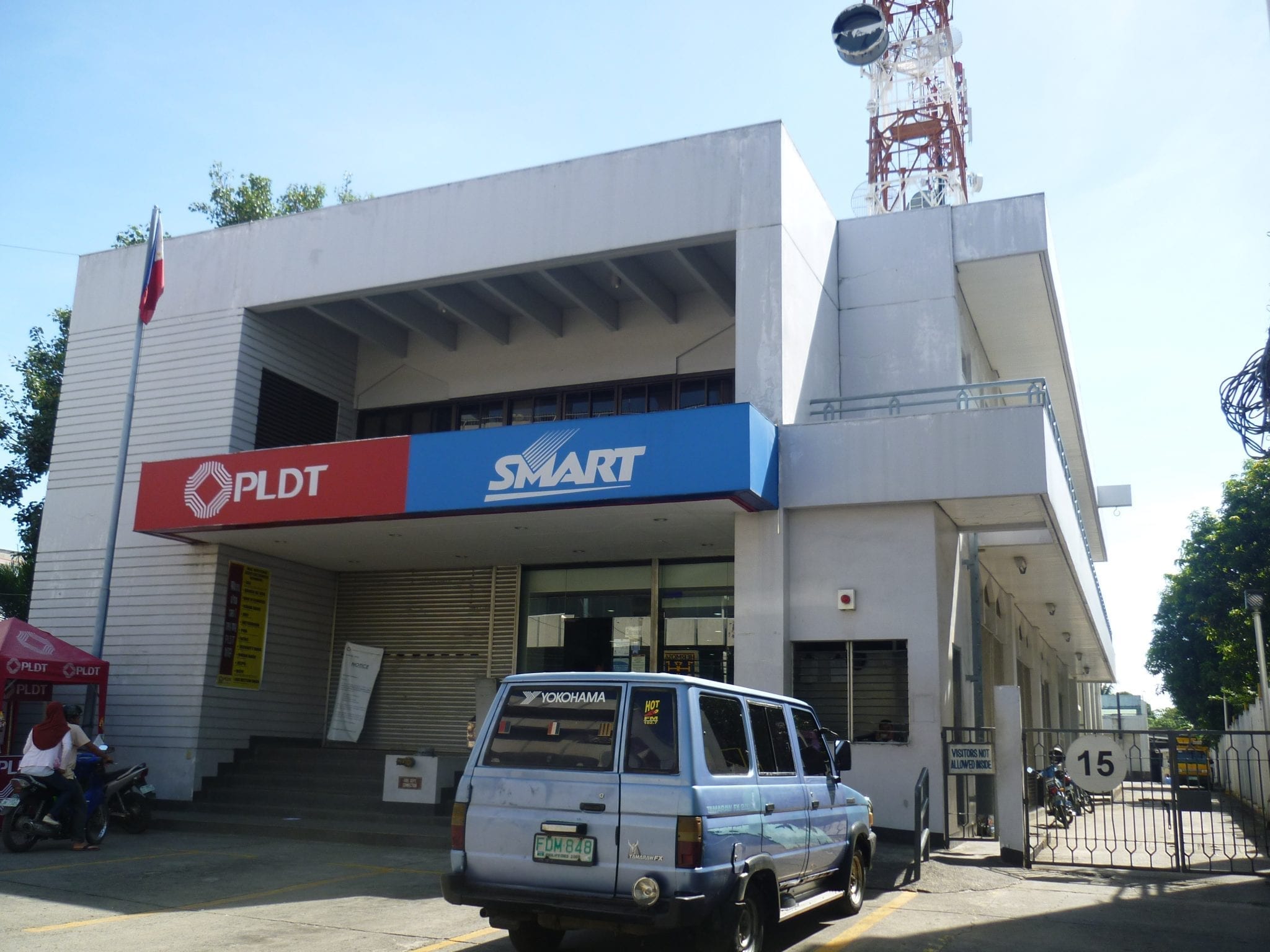
    The Philippines is witnessing an exciting technological leap as leading telecommunications operators PLDT and Globe Telecom embark on trials and initial deployments of Taara, a cutting-edge laser internet system developed by Google’s ambitious X Moonshot Factory. Launched as an independent Alphabet company in March 2025, Taara leverages free-space optical communication (FSO) to transmit data using invisible light beams, bypassing the hefty costs and logistical hurdles associated with traditional underground fiber cables.

    Redefining Connectivity with Laser Internet

    Often dubbed “fiber without the cables,” laser internet employs concentrated beams of light as “light bridges” to relay data between terminals. Each terminal can connect over a distance of up to 20 kilometers, with extended links achievable by sequentially placing additional terminals. Taara’s innovative Lightbridge system incorporates mirrors, sensors, and precision optics, all governed by smart software that tracks and locks onto light paths. Once aligned, this technology can deliver impressive speeds of up to 20 Gbit/s—providing a fiber-like performance that turns the traditional challenges of installing cables across rivers and rugged terrains into a problem of the past. Of course, if it starts raining cats and dogs, users will have to wait a while for the connection to clear up.

    Strategic Deployments Across the Archipelago

    PLDT is leading the charge with the activation of three strategic Taara sites: Talim Island in Rizal, Dipaluda in Isabela, and Bagong Pag-asa in Quezon City. The link on Talim Island stretches an impressive 11.8 kilometers across the waters of Laguna de Bay, directly connecting the island to the mainland. In Isabela, the system covers a mountainous 13-km stretch, where conventional fiber installation would be prohibitively expensive. Meanwhile, the deployment in Quezon City aims to mitigate single-point-of-failure (SPOF) risks within its metro network, ensuring a more resilient connectivity infrastructure.

    Butch Jimenez, PLDT’s Chief Operating Officer and Head of Network, expressed the significance of the project: “This is a game changer for us in connecting remote areas. It simplifies the process of providing fiber-like internet to new locations. We’re excited for the residents of Talim Island and Dipaluda to experience the benefits of fiber-to-the-home connectivity.”

    Erick Santiago, who heads Network Strategy at PLDT-Smart, emphasized the company’s proactive stance: “We’ve evaluated this technology for over a year. I’m proud of our network team, who made it viable for us to launch it while others are still in the testing phase.”

    Pioneering Technology in Action

    On the other hand, Globe Telecom is also making strides through its subsidiary, Fiber Infrastructure and Network Services Inc. (FINSI). The company recently reported promising results from a pilot run of the Taara system over Laguna Lake. The trial spanned 11 kilometers, with approximately 80% of the connection floating across open water, achieving wireless optical connectivity of 10 Gbit/s. The trials adhered to the Enhanced RFC 2544 test suite for throughput, latency, jitter, and frame loss, alongside a rigorous 24-hour bit error rate test (BERT), all of which met Globe’s stringent technical standards. In short, the future of internet in the Philippines is looking abundantly bright, if not a little sparkly!

    Questions & Answers

    What is Taara and how does it work?
    Taara is a laser internet system that transmits data using invisible light beams, bypassing the need for traditional underground fiber cables. It uses “light bridges” to connect terminals over distances of up to 20 kilometers, delivering speeds comparable to fiber-optic systems.

    What areas in the Philippines are benefiting from Taara’s deployment?
    PLDT is activating Taara in Talim Island, Dipaluda, and Quezon City, targeting remote areas that struggle with conventional fiber internet installation.

    How has Globe Telecom tested the Taara system?
    Globe successfully completed a pilot run across Laguna Lake, covering 11 kilometers with 80% of that distance over open water, achieving connectivity speeds of 10 Gbit/s while meeting technical performance standards.

  • Cyber Insurance Market Surges 7% to Reach $15 Billion by 2024: What’s Driving This Growth?

    Cyber Insurance Market Surges 7% to Reach $15 Billion by 2024: What’s Driving This Growth?

    The global cyber insurance market is displaying a mixed bag of results in 2024, achieving a 7% growth to nearly $15 billion in premiums. However, this upward trajectory comes with a caveat: the momentum has decelerated for a second consecutive year, according to a recent analysis by Moody’s Ratings.

    Regional Disparities in Growth

    Interestingly, while growth thrives in regions outside the United States, the American sector is seeing a decline, with premiums dropping 1.5% to $7.1 billion, following a slight dip of 0.7% in 2023. Despite these challenges, the sector has maintained its profitability, demonstrating combined ratios of 79% for primary cyber coverage and 84% for excess coverage.

    Ransomware: The Persistent Threat

    Ransomware attacks continue to dominate the claims landscape, although the total ransom payments slipped by 35% last year to a still-staggering $814 million. Such a significant drop raises eyebrows: are cybercriminals still plotting, or is the market growing more resilient?

    Competitive Landscape Pushes Rates Down

    The rising competition within the sector has led to a reduction in prices. Marsh’s data reveals that U.S. cyber insurance rates fell by 7% during the first half of 2025, while the UK experienced a sharp decline of nearly 19%. In response to this dynamic environment, some insurers are pivoting their strategies, transitioning from quota share to excess-of-loss reinsurance, and exploring innovative options such as catastrophe bonds and industry loss warranties to mitigate systemic risks.

    The Future: Potential Beckons

    Moody’s highlights that while penetration among large corporations remains strong, only about 10% of small and medium-sized enterprises (SMEs) are investing in cyber coverage. This suggests a vast pool of untapped potential that could contribute to future growth. Indeed, Allianz’s 2025 Risk Barometer ranks cyber incidents as the top global risk for the fourth year running, signaling that the appetite for cyber insurance could increase as awareness grows.

    Questions & Answers

    Which regions are driving growth in the cyber insurance market?
    Growth is particularly strong in non-US regions, while the US is experiencing a downturn in premium volumes.

    What is contributing to the decrease in ransom payments?
    The total ransom payments fell by 35% last year to $814 million, indicating a possible shift in the strategies employed by cybercriminals or improvements in defenses.

    What does the future hold for the cyber insurance sector?
    Long-term growth prospects remain robust, especially with only 10% of SMEs currently covered, suggesting significant room for expansion as cyber threats continue to evolve.

  • Telin Teams Up with Digital Realty Bersama to Boost Global Data Center Connectivity and Services

    Telin Teams Up with Digital Realty Bersama to Boost Global Data Center Connectivity and Services

    PT Telekomunikasi Indonesia International (Telin), a subsidiary of Telkom Indonesia that focuses on international telecommunications, has taken a significant leap forward by signing a Memorandum of Understanding (MoU) with Digital Realty Bersama, one of Indonesia’s foremost digital infrastructure providers. This partnership, unveiled at BATIC 2025, aims to enhance data center interconnection and bolster the rapidly evolving digital landscape of the country.

    Connecting Indonesia to the Digital World

    This collaboration promises to leverage Telin’s extensive global network alongside Digital Realty Bersama’s cutting-edge data center platform, ultimately delivering enhanced connectivity for industry players in Indonesia and improving access to international markets.

    Azmal Yahya, Chief of Product at Telin, highlighted the importance of this agreement, stating, “This partnership represents a significant milestone for Telin as we work to deliver more comprehensive and reliable interconnection solutions for our customers. With Digital Realty Bersama’s advanced platform supporting us, we are confident this collaboration will accelerate digital growth for enterprises both in Indonesia and beyond.”

    Opening New Doors for Businesses

    Andha Yudha Permana, Business and Commercial Director of Digital Realty Bersama, echoed this sentiment, expressing enthusiasm about the partnership. “We are honored to partner with Telin, a leading provider of international connectivity. Together, we will offer our customers seamless access to global markets with high speed and reliability, strengthening Indonesia’s role as a crucial digital hub connected to the world. This collaboration will unlock new opportunities for Indonesian businesses to compete on a global scale, facilitating direct and secure international data traffic.”

    A Strategic Leap Forward

    The MoU signifies the commencement of a strategic partnership, with a mutual commitment to innovating services, enhancing interconnection capabilities, and reinforcing Indonesia’s position in the global digital economy. As the nation strides forward, it might just transform into the tech-savvy giant of Southeast Asia that even the most pessimistic pundit couldn’t help but notice.

    Questions & Answers

    What is the primary objective of the MoU between Telin and Digital Realty Bersama?
    The partnership aims to strengthen data center interconnection and support Indonesia’s expanding digital ecosystem, enhancing connectivity and market access for local businesses.

    How does this collaboration benefit Indonesian businesses?
    The collaboration offers Indonesian businesses enhanced access to global markets through improved connectivity, enabling them to compete more effectively on an international scale.

    What role does the partnership play in Indonesia’s digital landscape?
    It is pivotal in reinforcing Indonesia’s position as a significant digital hub in Southeast Asia, unlocking new opportunities for innovation and secure international data exchanges.

  • NEC Boosts Japan’s Cyber Defense with Cutting-Edge Innovations at Locked Shields 2025

    NEC Boosts Japan’s Cyber Defense with Cutting-Edge Innovations at Locked Shields 2025

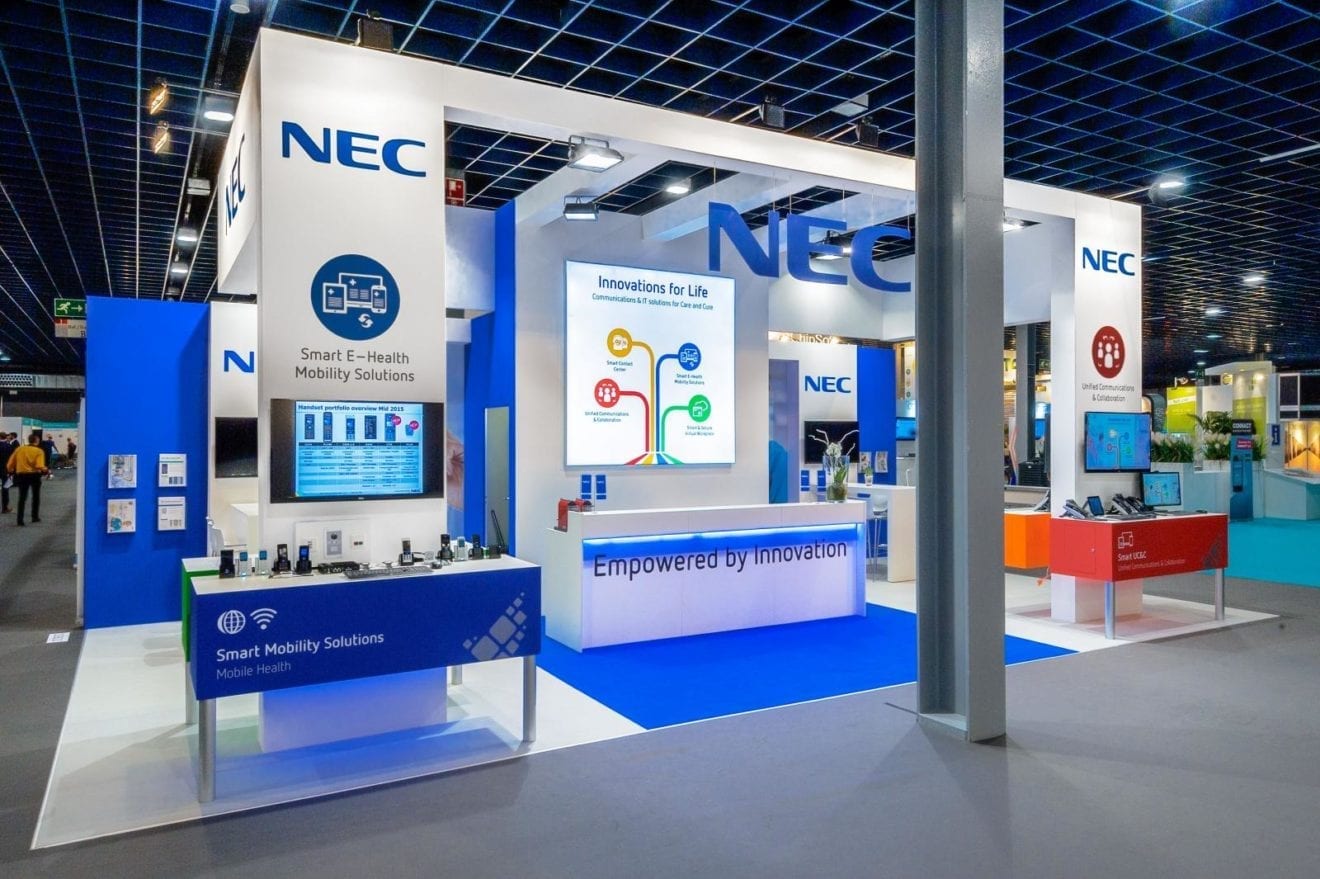
    NEC Corporation has made a significant leap in enhancing its cybersecurity expertise by taking part in Locked Shields 2025, a premier international cyber defense exercise organized by the NATO Cooperative Cyber Defense Center of Excellence (CCDCOE).

    A Global Cyber Defense Showcase

    From May 6 to 9, this annual exercise brought together approximately 40 countries, including NATO allies, to gauge their readiness against intricate, real-time cyberattacks. Seventeen multinational teams participated, with Japan and Australia joining forces in a joint delegation. Notably, the Japanese team was a melting pot of talent, including representatives from the Ministry of Defense, various government agencies, private companies, and other significant organizations.

    An Interactive Defensive Landscape

    In its pivotal role, NEC spearheaded the design and construction of the exercise environment for the Japanese team, equipping them with essential network and analytical infrastructure. The scenarios simulated tested technical resilience and strategic decision-making, tackling legal, technical, and operational responses to a myriad of sophisticated cyber incidents. Think of it as a chess game where every move could deter a cyber adversary.

    Investing in Future Security

    NEC is not just playing catch-up; it is actively fueling its growth by merging advanced cybersecurity technologies with hands-on training experience that bolsters Japan’s economic security and safeguards crucial infrastructure. As a testament to this commitment, the company plans to launch a Cyber Intelligence & Operation Center in Japan in October 2025. This center will offer vital services to the Japanese government, critical infrastructure providers, and Japanese companies navigating the international landscape.

    Paving the Way for Digital Security

    Looking ahead, NEC is poised to play a crucial role in fostering a secure digital society. By bolstering cyber defense capabilities and supporting economic security through sophisticated cybersecurity services, the company is not merely reacting to threats but actively shaping a safer future for the digital economy.

    Questions & Answers

    What was the purpose of NEC’s participation in Locked Shields 2025?
    NEC’s involvement aimed to enhance its cybersecurity capabilities and support Japan’s economic security by engaging in one of the world’s largest international cyber defense exercises.

    Who were part of the Japanese delegation at the exercise?
    The Japanese contingent included representatives from the Ministry of Defense, various government agencies, private enterprises, and other organizations, showcasing a collaborative effort in cybersecurity.

    What future plans does NEC have to strengthen cyber security?
    NEC plans to establish a Cyber Intelligence & Operation Center in Japan by October 2025, aiming to provide essential cybersecurity services to the government and critical infrastructure stakeholders.

  • Viettel Amplifies Vietnam’s Digital Growth and Defense Strategy for a Bold Future

    Viettel Amplifies Vietnam’s Digital Growth and Defense Strategy for a Bold Future

    Viettel Group has made headlines with its ambitious investment of approximately USD 1 billion in two pivotal national projects: the An Khanh Data Center in Hanoi and the Viettel Research & Development (R&D) Center in Hoa Lac. This substantial commitment is part of a larger initiative celebrating the 80th anniversary of the August Revolution on August 19 and National Day on September 2, underscoring Viettel’s leadership in advancing strategic technologies per the Politburo’s Resolution 57-NQ/TW, which aims to establish a national network of research centers and high-tech labs.

    A Hub of Innovation Takes Shape

    Spanning 13 hectares in the Hoa Lac Hi-tech Park, the Viettel R&D Center represents a total investment of VND 10 trillion (USD 380 million). Designed to be a comprehensive innovation hub, this facility will feature six smart buildings and is slated for completion by 2030. The R&D Center will address the full innovation cycle, from research and design to prototyping and manufacturing, focusing on creating high-tech “Made in Vietnam” products. It will cater to both defense and civilian technology, prioritizing advancements in propulsion systems, unmanned aerial vehicles (UAVs), remote sensing satellites, radar systems, and cutting-edge civilian applications in big data, AI, and cloud computing. Built to international standards, the R&D hub will boast smart, green designs while emphasizing safety and cybersecurity. When fully operational, it is projected to attract 2,500 highly skilled professionals and significantly bolster Vietnam’s national defense modernization efforts.

    A Data Center to Power Digital Transformation

    In tandem, the An Khanh Data Center is set to become the largest facility of its kind in northern Vietnam, located on a 1.9-hectare site in Hanoi’s An Khanh commune. Equipped with an investment of VND 17.5 trillion (USD 664.9 million), the center will have a designed capacity of 60 MW, with Phase 1 expected to go live in the second quarter of 2026. Plans are in place to evolve this facility into Viettel’s second hyperscale data center by 2030. Adhering to Uptime Tier III standards, the data center will integrate Viettel’s proprietary AI for operations, a five-layer security framework, and cutting-edge cooling technologies. Its sustainable design aligns with Vietnam’s Net Zero emissions goal, and it is poised to play a crucial role in the nation’s digital transformation, serving governmental agencies, the Ministry of National Defense, major enterprises, and national-level AI initiatives.

    Expanding the Technological Landscape

    Currently operating 14 data centers across Hanoi, Da Nang, Ho Chi Minh City, and Binh Duong, Viettel has an aggressive expansion plan. The company is in the process of constructing 11 more centers, aiming to establish a total of 24 data centers with a combined capacity of 560 MW by 2030 — a strategic move designed to meet 40% of Vietnam’s projected data demand. Aside from these two flagship projects, Viettel is also ramping up the construction of additional critical tech infrastructure, including the Tan Phu Trung Data Center in Ho Chi Minh City and the Viettel Tower in Da Nang. As we navigate this exciting technological landscape, one can only wonder: how many more innovative spaces can one company create before they run out of land?

    Questions & Answers

    What are the main features of the Viettel R&D Center?
    The Viettel R&D Center will span 13 hectares and feature six smart buildings, focusing on the entire innovation cycle from research to manufacturing, particularly in high-tech defense and civilian applications.

    How will the An Khanh Data Center contribute to Vietnam’s digital transformation?
    The An Khanh Data Center, with a designed capacity of 60 MW, will serve government agencies and major enterprises, playing a key role in supporting national data needs and integrating advanced technologies like AI.

    What is Viettel’s long-term expansion plan for data centers in Vietnam?
    Viettel aims to establish 24 data centers by 2030 with a total capacity of 560 MW, targeting to meet 40% of Vietnam’s projected demand for data services.

  • South Korea Unveils Bold National AI Strategy Committee to Drive Innovation and Growth

    South Korea Unveils Bold National AI Strategy Committee to Drive Innovation and Growth

    South Korea has taken a significant step forward in its pursuit of leadership in artificial intelligence by unveiling the National AI Strategy Committee. The Ministry of Science and ICT announced that the Cabinet endorsed the committee’s formation during a meeting led by President Lee Jae-Myung at the Yongsan Presidential Office on September 2.

    Elevating AI Governance and Vision

    In a move that fulfills a key campaign promise, President Lee has restructured the former Presidential Committee on AI, expanding its authority to transform it into a central command hub for AI initiatives. This new body is endowed with the responsibility to oversee strategic plans, coordinate efforts across various ministries, and assess the effectiveness of AI projects.

    Aiming for the Global AI Top Tier

    The revamped committee is tasked with setting South Korea’s national AI vision and defining medium- to long-term strategies aimed at catapulting the nation into the ranks of the world’s top three AI leaders. Its membership has grown from 45 to 50 commissioners, and now includes three vice chairs, one of whom will be a full-time representative from the private sector, enhancing operational efficiency. The Chief Secretary to the President for AI Future Planning will serve as the committee’s secretary, alongside 13 ministers representing sectors like finance, education, and defense.

    Boosting Efficiency with New Structures

    To further strengthen execution capabilities, the committee will establish a Council of Chief AI Officers, which will include deputy ministers and regional government officials. A chairperson will be appointed by the president from among the commissioners, ensuring a seamless connection between high-level decision-making and the grassroots implementation of AI initiatives.

    “Through the establishment of this presidential decree, a systematic foundation has been prepared to build the national AI command center, marking the first step in challenging the bold vision of the Lee Jae-myung administration to leap to become one of the top three countries in AI,” explained Bae Kyung-Hoon, Minister of Science and ICT.

    As South Korea charts its course towards becoming an AI powerhouse, it remains to be seen how quickly it will race ahead of the competition—will they be able to outpace the digital cheetahs of China, the US, and beyond?

    Questions & Answers

    What is the primary goal of the National AI Strategy Committee?
    The primary goal of the National AI Strategy Committee is to set South Korea’s national AI vision and establish strategies aimed at positioning the country among the top three AI leaders globally.

    How has the committee’s structure changed under the new presidential decree?
    The committee’s membership has increased from 45 to 50 commissioners, with the number of vice chairs rising from one to three, each aimed at enhancing operational efficiency and strategic oversight.

    What additional body will work alongside the committee to support its initiatives?
    The committee will operate a Council of Chief AI Officers, which will include deputy ministers and regional officials, facilitating a connection between national strategies and local implementation.