Retail News CRM

Category: Telecom

Retail News Asia is committed to providing both local and global retailers with the latest Telecom & Telco news throughout the Asian market. This on a daily base.

  • Nokia to Upgrade Vietnam’s Air Traffic Network

    Nokia to Upgrade Vietnam’s Air Traffic Network

    The project will replace the existing Synchronous Digital Hierarchy (SDH) transport system with Internet Protocol/Multi-Protocol Label Switching (IP/MPLS) technology, enhancing security and reliability in southern Vietnam.

    The initiative will provide Ho Chi Minh City’s Air Traffic Control Center (ATCC) with an upgraded transmission network designed to support mission-critical applications, ensuring efficient air traffic control (ATC) operations. The new system, compliant with the International Civil Aviation Organization’s (ICAO) standards, is scheduled to go live in the second quarter of 2025.

    “Air traffic networks need to be exceptionally secure and reliable at all times to ensure the highest standards of safety are met. Nokia comes with extensive experience in air navigation with 20 air traffic control networks deployed worldwide. We are impressed by the quality and performance of Nokia’s IP/MPLS networking solution and are looking forward to the successful completion of this crucial initiative in the coming year,” Ho Sy Tung, Deputy General Director at VATM, stated.

    Nokia’s IP/MPLS solution will equip VATM with advanced network analytics, simplifying operations and optimizing performance. The upgrade will offer enhanced flexibility and programmability to support essential air traffic management applications, improving safety and efficiency.

    Additionally, the system will feature robust security measures and future-proof capabilities to counter emerging threats, including those posed by quantum computing.

    Jonathan Goh, Head of Enterprise Business, Network Infrastructure, Southeast Asia North at Nokia, said, “Our mission-critical network solutions are trusted worldwide, delivering exceptional performance and reliability. With embedded QSN capabilities, Nokia’s IP/MPLS technology will enhance the safety and operational efficiency of Vietnam’s air traffic network. We are honored that VATM has chosen Nokia for this pivotal network transformation, paving the way for safer, more advanced and reliable air traffic management across Vietnam.”

  • Enhancing User Experience with 5.5G in Malaysia

    Enhancing User Experience with 5.5G in Malaysia

    Malaysia’s 5G journey officially began with a bold push from the government and industry stakeholders to establish a robust and high-speed 5G infrastructure.

    Digital Nasional Berhad (DNB), the government-backed entity tasked with rolling out the 5G network in Malaysia, has been at the forefront of this initiative. The Malaysian government entrusted DNB with the responsibility of rolling out the infrastructure through a shared network model, aiming to foster equitable 5G access nationwide.

    By the end of 2022, DNB had deployed 3,900 5G sites, achieving nearly 50% coverage of the population in major urban areas. This ambitious rollout aimed to cover 80% of populated areas by 2024. Despite ongoing debates regarding DNB’s governance and transparency, it remains at the forefront of Malaysia’s efforts to transform its telecommunications infrastructure. The rollout of 5G services has sparked collaboration with major telecom players, including CelcomDigi, which became a key equity holder.

    As the technology evolves, it’s clear that 5G is not a one-stop destination but a steppingstone toward even more advanced networks. 5.5G—a bridging technology between 5G and 6G—is set to enhance user experience across Malaysia.

    In 2023, Digital Nasional Berhad (DNB), Telekom Malaysia (TM), and ZTE collaborated to create a pivotal launchpad for the development of 5.5G, conducting the world’s fastest 28 Gbps 5G mmWave live trial. This achievement also marked the deployment of Malaysia’s first 5G standalone (5G SA) core, laying the foundation for 5.5G advancement in Malaysia.

    In 2024, ZTE continued to push the boundaries of 5G innovation by showcasing its latest developments at the ‘Unfolding the Intelligent Future 2024’ event in Kuala Lumpur. During the event, the company set the fastest 5.5G live trial record. The 5.5G setup leveraged ZTE’s mmWave Active Antenna Unit (AAU), reinforcing Malaysia’s position as a leader in next-generation telecommunications.

    One of the first significant milestones for 5.5G in Malaysia came in the form of a successful trial by Maxis and Huawei, showcasing the potential of 5.5G technology in the Southeast Asian market. This trial, conducted in late 2024, was not only Malaysia’s first 5.5G demonstration but also the first in the region. The collaboration between Maxis and Huawei aimed to demonstrate how 5.5G can significantly enhance user experience by delivering faster data speeds, lower latency, and more reliable connections.

    During the trial, the teams successfully showcased a wide range of potential 5.5G use cases, including ultra-high-definition (UHD) video streaming, augmented reality (AR) and virtual reality (VR) applications, as well as immersive 3D content. These technologies, which rely on massive data throughput and low latency, are expected to benefit greatly from the enhanced capabilities of 5.5G networks, providing a glimpse into the future of entertainment, education, and virtual communication in Malaysia.

    The trial further demonstrated that 5.5G could enhance existing 5G infrastructure, enabling more efficient spectrum usage and supporting higher numbers of connected devices, a key requirement as the number of Internet of Things (IoT) devices continues to grow exponentially.

    Looking ahead to 2025, Malaysia’s 5.5G landscape is set to evolve further with Ericsson’s launch of 5G-Advanced in the country, following its successful deployment in Singapore. As one of the leading providers of 5G and 5.5G technologies, Ericsson’s contribution has been instrumental in helping Malaysia achieve its goal of becoming a regional leader in digital transformation.

    DNB’s ongoing efforts to roll out 5G infrastructure have provided a solid foundation for 5.5G development, enabling smoother transitions to next-generation technologies. The agency is also working on enhancing the capabilities of the existing 5G infrastructure by integrating 5.5G enhancements, such as ultra-reliable low-latency communications (URLLC), network slicing, and massive machine-type communications (mMTC). These features will improve the user experience by reducing network congestion, increasing reliability, and enabling the seamless connection of a wide range of devices.

    5.5G networks are set to bring several advancements over the current 5G technology, offering faster speeds, lower latency, and improved capacity. With speeds up to 100 times faster than 5G, 5.5G will enable ultra-high-definition video streaming, immersive gaming, and data-heavy applications like 3D holograms and AR/VR. Latency will be reduced to just 1 ms, which is essential for real-time data processing and enhanced user experience. Smart cities will also benefit from real-time traffic management and AI-powered surveillance (supported by 5.5G technology), improving user experience across multiple facets of daily life.

    While 5.5G is still in its nascent stages, several initiatives are already underway in Malaysia to lay the groundwork for its widespread adoption. Building on their partnership, Maxis and Huawei established a 5G-Advanced Joint Innovation Center in mid-2024. This center focuses on exploring innovations in gigabit capacity to support mobile network expansions and 5G/5.5G technologies.

    Industry regulators and stakeholders in Malaysia are already discussing the implementation of key 5.5G features such as ultra-low latency and enhanced mobile broadband (eMBB). These discussions are crucial for ensuring that Malaysia’s 5.5G network is optimized for the diverse needs of both businesses and consumers.

    The future of 5.5G in Malaysia looks promising. The Malaysian government and telecommunications industry stakeholders have set ambitious goals to make the country a leader in digital transformation, and 5.5G will play a key role in achieving these objectives. Additionally, the integration of 5.5G will be pivotal in Malaysia’s ongoing efforts to foster a digital economy. As industries increasingly adopt digital solutions, the enhanced speed, capacity, and reliability offered by 5.5G networks will be critical in supporting Malaysia’s growing tech ecosystem.

    The future of mobile connectivity is bright, and Malaysia is poised to lead the charge. As 5.5G collaboration between global technology providers continues to evolve, consumers, businesses, and industries can look forward to enhanced multifaceted experiences.

  • U Mobile, CIMB Sign MoU to Support 5G Network Rollout

    U Mobile, CIMB Sign MoU to Support 5G Network Rollout

    U Mobile CEO, Wong Heang Tuck, highlighted the company’s enthusiasm for this strategic partnership with CIMB for the 5G rollout, emphasizing CIMB’s shared commitment to innovation and digital growth. He noted that the financial support would enable a fast, cost-effective deployment, benefiting businesses, consumers, and the public sector.

    Chu Kok Wei, CEO of Group Wholesale Banking, CIMB Group, said, “In line with our shared goal of nation building, CIMB is pleased to support U Mobile in its efforts to connect Malaysians and spur digital innovation through the power of 5G. CIMB is also ready to offer a holistic range of bespoke products and services apart from financing, extending to diverse areas including investment banking and treasury that will spark further innovation and accelerate growth both for U Mobile and Malaysia.”

    Both Tuck and Wei signed the MoU at U Mobile’s Corporate Offices in Berjaya Times Square. The ceremony was attended by U Mobile CFO, Sandy Tsang, and Denise Wong, Head of Corporate Coverage Malaysia at CIMB Group.

    This MoU builds on a longstanding financial relationship between the two companies, including CIMB’s participation in a MYR 1.2 billion facility for U Mobile in 2021, which was increased to MYR 1.4 billion in 2023.

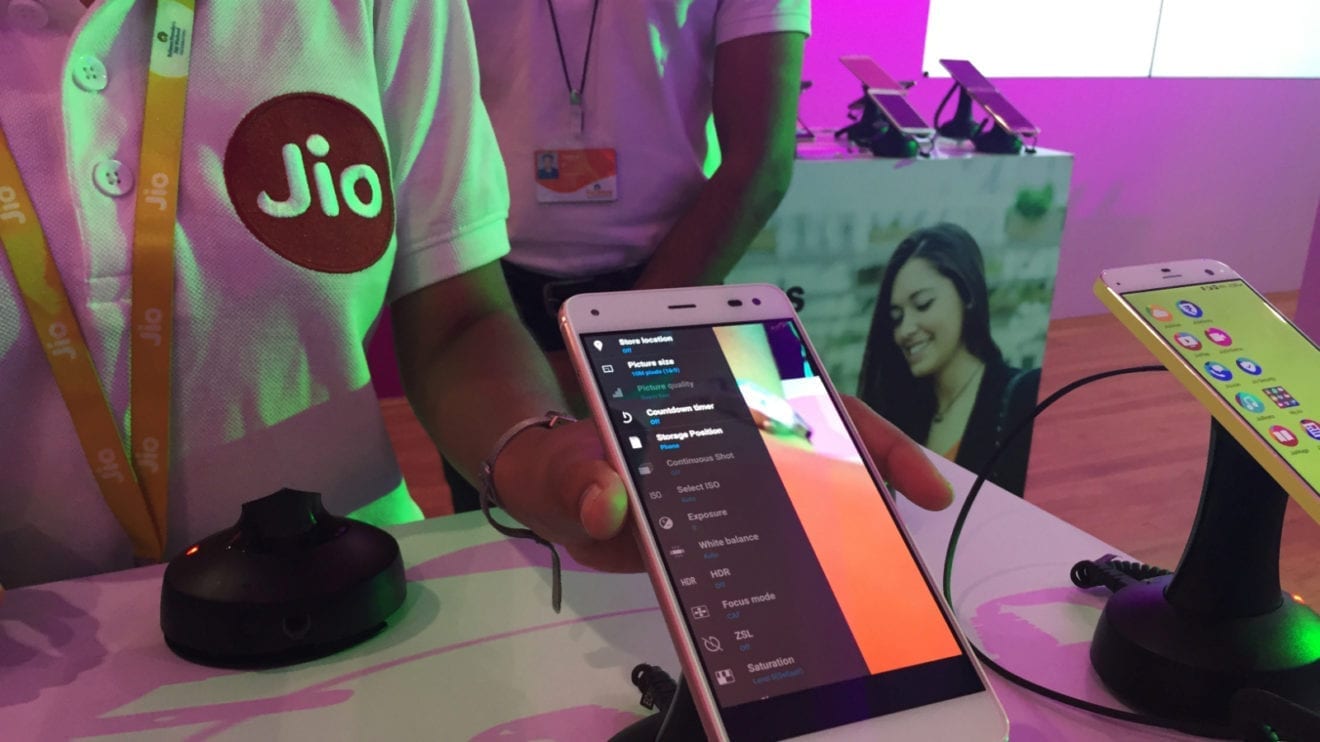
  • Jio Platforms, Polygon Labs Partner to Drive Web3, Blockchain Solutions

    Jio Platforms, Polygon Labs Partner to Drive Web3, Blockchain Solutions

    Through this collaboration, Jio aims to integrate Polygon’s blockchain solutions into its existing applications and services, expanding Web3 capabilities to its extensive customer base of over 450 million users.

    “Reliance leverages the infrastructure that Polygon has in order for them to go out and enable their users to use the stack. They can go out and build an application running on Polygon as a backend, allowing users to leverage the technology,” explained Aishwary Gupta, Global Head of Payments, Polygon Labs.

    Gupta refrained from disclosing specifics about the Web3 products being developed in collaboration, citing confidentiality. He did, however, emphasize the broader potential of blockchain technology in India, extending beyond its conventional use in cryptocurrency and virtual digital asset (VDA) trading.

    Gupta highlighted that, in India, new applications for the technology are emerging, particularly at the intersection of AI and cryptocurrency, where they are being used to create advanced agentic frameworks, build communities on blockchain platforms, and improve payment systems. Although, he noted that current financial infrastructure is not yet equipped to handle the requirements of Web3.

    He further emphasized the potential of developing a marketplace where users can trade vouchers as non-fungible tokens. The company has previously collaborated with brands like Flipkart on similar initiatives, according to a company representative.

    “We have done everything which was Web3 while working with 60 brands. Users do not know that they’re interacting with Polygon since it is in the backend,” he said.

    Web3 represents the next evolution of the internet, leveraging blockchain technology to enable use cases such as cryptocurrencies, NFTs, and decentralized finance. Its decentralized structure provides users with greater control over their digital interactions and assets.

  • Indosat, ZTE Enhance Indonesia’s Connectivity with Advanced Microwave Technology

    Indosat, ZTE Enhance Indonesia’s Connectivity with Advanced Microwave Technology

    Utilizing ZTE’s microwave technology, the partnership aims to provide reliable, high-speed communication to remote islands and rural regions, granting more Indonesians access to IOH’s 4G network.

    Indonesia faces significant challenges in building communication infrastructure due to its rugged terrain and high costs. Traditional wired communication solutions often fall short, leaving many areas disconnected and limiting economic and social growth.

    To address this, Indosat and ZTE have deployed more than 550 ultra-capacity backbone microwave links nationwide, connecting nearly 80% of major cities and remote regions. ZTE’s innovative technology, designed for Indonesia’s specific needs, ensures long-distance, high-capacity transmission, providing previously isolated communities with reliable connectivity.

    Kevin Chen, Sales Director of PT., ZTE Indonesia, said, “ZTE are committed to seizing strategic opportunities in digitalization, intelligence, and low-carbon development. ZTE microwave backbone connects ZTE, IOH, and Indonesian residents together, [and] will explore more new possibilities in communication ways, contributing to the digital economic growth of Indonesia and the global community.”

    The solution incorporates advanced features tailored to Indonesia’s environmental conditions. ZTE’s multi-frequency Ultra Broadband Antennas (UBA) facilitate flexible frequency selection, reducing infrastructure costs. Customized branching units enhance efficiency and performance, while durable equipment withstands harsh weather conditions such as heavy rain, strong winds, and corrosion.

    Additionally, the integration of 4T4R modem boards and energy-saving technology ensures rapid deployment with minimal resources. The system’s scalable design supports future upgrades, enabling up to eight times the capacity and extended coverage to new areas.

    Indosat’s subscriber base has seen substantial growth, especially in remote regions, due to a strategic initiative that has expanded backhaul capacity in areas like Sumatra and Kalimantan to 2-3 Gbps, with peak speeds reaching up to 6 Gbps. This improved connectivity enables residents to access real-time information, online education, and digital entertainment seamlessly. Moreover, the initiative has spurred local economic development by generating employment opportunities, enhancing tourism, and encouraging knowledge exchange, while also driving progress in healthcare and education.

    Indosat and ZTE plan to strengthen their partnership to expand network coverage across Indonesia, focusing on improved communication infrastructure. Their joint efforts aim to enhance product capabilities, lower costs, and deliver innovative solutions to empower Indonesians in the digital age.

    Desmond Cheung, Director and Chief Technology Officer, Indosat Ooredoo Hutchison, commented, “This partnership with ZTE reflects our dedication to connecting communities across the nation, regardless of geographic challenges. By deploying advanced technology, we are not only improving digital experience but also unlocking opportunities for economic and social progress, creating a brighter digital future for Indonesia.”

  • PLDT, Smart Lead National Drive to Protect Telecom Infrastructure

    PLDT, Smart Lead National Drive to Protect Telecom Infrastructure

    In partnership with public and private stakeholders, including local government units and communities, the companies aim to ensure reliable connectivity and uninterrupted service across the nation.

    “Protecting our infrastructure is not just about safeguarding our business operations; it is about ensuring that our customers and communities can rely on uninterrupted connectivity and technology that are essential for our country’s development within a safe and secure cyber environment,” said Atty. Roy Ibay, Vice President and Head of Regulatory at Smart and convenor of PROTECTA Pilipinas, a public-private partnership dedicated to safeguarding technology and telecommunications infrastructure nationwide.

    PLDT, Smart, and the Cybercrime Investigation and Coordinating Center (CICC) spearheaded the launch of a coalition focused on telecommunications infrastructure protection. The launch brought together key stakeholders, including the Philippine Chamber of Telecommunication Operators; advocacy group, CITIZENWATCH Philippines; think-tank, Infrawatch PH; the PNP Anti-Cybercrime Group; the Federation of International Cable TV Association of the Philippines (FICTAP); and the Manila Electric Co. (Meralco).

    In collaboration with the Metropolitan Manila Development Authority (MMDA), PLDT has taken proactive measures to protect fiber optic cables from accidental damage during roadworks, particularly during excavation and digging activities.

    Beyond partnerships with government agencies and industry players, PLDT Group has been encouraging its customers and communities to report illegal activities such as cable theft, breakage, and related incidents to local authorities.

    These initiatives reflect PLDT and Smart’s commitment to enhancing telecommunications infrastructure protection, improving customer experience nationwide, and supporting the United Nations (UN) Sustainable Development Goal (SDG) 9, which focuses on industry, innovation, and infrastructure.

    These efforts also align with the government’s push for digital transformation, which aims to bridge the digital divide and ensure internet access for more Filipinos across the nation.

  • Smart Communications Launches First 5G Max City

    Smart Communications Launches First 5G Max City

    The company plans to roll out additional Smart 5G Max Cities in 2025, aiming to bring faster and more reliable 5G connectivity to more Filipinos across the country.

    Debbie Hu, Head of Wireless Network at Smart, stated that the achievement forms part of Smart’s broader commitment to building robust, future-ready infrastructure. She mentioned that, starting with BGC as a blueprint, the company aims to expand the Smart 5G Max experience—which is already benefiting residents, workers, and businesses in BGC—to more cities and areas across the Philippines. This expansion is intended to boost productivity and enhance the digital lifestyle of Filipinos.

    During a recent event, 5G users (at its peak) outnumbered 4G users for the first time, highlighting the power of Smart 5G Max. According to Hu, this is the first time 5G user count has exceeded that of 4G at their events during peak traffic times. Independent speed tests conducted during the event also revealed that Smart’s 5G network outperformed competitors, demonstrating download speeds that were at least three times faster and upload speeds that were twice as fast.

    “Our speed advantage empowers users with instantaneous access to content, seamless streaming, and uninterrupted online gaming, cementing Smart 5G as the superior choice for customers,” said Kristine Go, Senior Vice President for Wireless Consumer Business at Smart. “After hosting the country’s first-ever Smart 5G Max-powered concert in the Philippines in BGC, which highlighted the possibilities of ultra-fast, ultra-low latency, and reliable 5G networks, we are now eyeing to extend Smart’s superior 5G experience outside of Metro Manila to benefit more content creators, streamers, and gamers, unlocking endless 5G-powered opportunities in every corner of the nation.”

    Smart continues to lead the charge in advancing 5G adoption in the Philippines with its latest milestone. In addition to expanding and upgrading its mobile network, which currently covers 97% of the population, Smart boasts the largest integrated network in the Philippines.

    Through its innovative mobile products and services, Smart also supports PLDT Group’s efforts in bridging the digital divide, enhancing connectivity, and contributing to the United Nations (UN) Sustainable Development Goals (SDGs); especially SDG 9, which focuses on industry, innovation, and infrastructure.

  • Thailand’s Telecom Revenue to Hit USD 11.2 Billion by 2029

    Thailand’s Telecom Revenue to Hit USD 11.2 Billion by 2029

    According to GlobalData, a prominent data and analytics company, mobile voice service revenues are expected to decrease due to a decline in mobile voice service ARPU, with operators offering unlimited free voice minutes in bundled plans.

    On the other hand, mobile data service revenues are forecasted to increase by 5.2% annually, fueled by the growing adoption of smartphones, mobile internet subscriptions, and the utilization of mobile data services. This is expected to grow in tandem with 5G services.

    GlobalData Telecom Analyst, Kantipudi Pradeepthi, noted that, while 4G services dominated mobile subscriptions in 2024, 5G subscriptions are expected to surpass 4G subscriptions by 2026. This shift is being driven by the increasing demand for 5G services and operators’ efforts in expanding their 5G networks.

    For example, True plans to upgrade 10,000 sites and achieve 95% 5G coverage by the end of 2025. In the fixed communication services sector, fixed voice services are declining due to a drop in circuit-switched subscriptions.

    However, fixed broadband service revenue is projected to grow by 2% annually from 2024 to 2029, supported by the increasing adoption of Fiber-to-the-Home/Business (FTTH/B) broadband subscriptions.

    Pradeepthi explained that the growing demand for high-speed broadband, the expansion of FTTH networks in urban areas, government initiatives to expand fiber network coverage, and the phasing out of DSL services serve as factors driving the growth of fiber broadband subscriptions.

    The revenue from pay-TV services in Thailand is expected to grow by 6.6% annually, driven by the growth in IPTV subscriptions and a steady increase in DTH and cable TV subscribers.

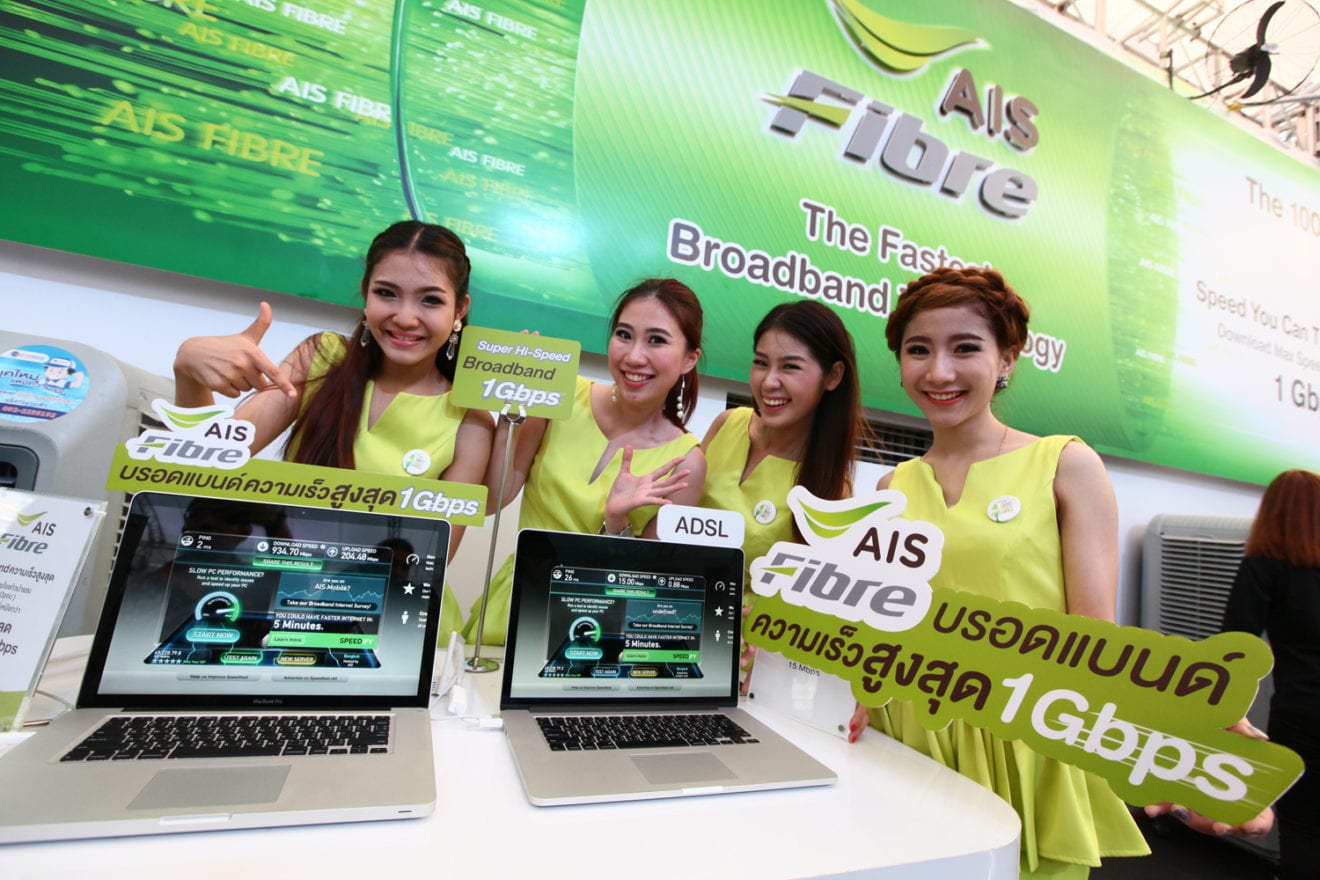
    In conclusion, Pradeepthi acknowledged that True is expected to lead the mobile service segment in 2024, while AIS will lead in the fixed broadband market, particularly in the FTTH segment.

  • Vietnam Introduces Decree 163 to Modernize Telecom Services

    Vietnam Introduces Decree 163 to Modernize Telecom Services

    The decree, comprising seven chapters and 86 articles, is applicable to both domestic and foreign entities involved in telecommunications activities in Vietnam. While most provisions took effect on December 24, 2024, regulations specific to data centers, cloud computing, and internet-based basic telecommunications services will be enforced starting January 1, 202

    According to the Telecommunications Authority under the Ministry of Information and Communications, Decree 163 is a significant step in operationalizing the Telecommunications Law. It aims to foster market growth, enhance competition, and promote the development of advanced and integrated telecommunications infrastructure.

    Additionally, the decree supports the modernization of subscriber registration processes, including online registration, aligning with the nation’s digital transformation goals.

    These provisions aim to accelerate digital infrastructure and economic growth while ensuring public safety and cybersecurity.

    Decree 163 stipulates the rights and responsibilities of foreign service providers under a light management framework, striking a balance between regulatory oversight and market flexibility. It also mandates the secure handling of user data shared during service agreements and emphasizes the secure utilization of these services by government entities.

    Standardized Digital Transformation

    As part of Vietnam’s digital transformation strategy, Decree 163 brings significant changes to mobile subscriber management processes:

    • Telecom providers are now authorized to enable online registration through mobile applications.
    • Subscriber information must align with the National Population Database.
    • Registration for additional SIM cards requires OTP verification for added security.
    • Identity verification during registration may utilize video call technology.

    To promote fair competition, the decree sets clear criteria for identifying dominant telecommunications companies and outlines their obligations.

    It also introduces rules for managing prepaid mobile cards, mobile accounts, and the resale of telecom services. These measures are designed to reduce risks, prevent misuse, and ensure compliance with regulations for mobile payment systems.

    The decree prioritizes the advancement of telecommunications services and infrastructure while safeguarding public safety and information security. It encourages business innovation and competition while addressing the challenges posed by emerging technologies with a balanced and responsible approach.

  • IFC and Partners Invest USD 900 Million in Malaysia Data Center

    IFC and Partners Invest USD 900 Million in Malaysia Data Center

    The consortium, which includes DBS, Deutsche Bank, Global Infrastructure Partners (BlackRock subsidiary), HSBC, ING, and Natixis CIB, joined IFC in funding the first phase of the project in Johor Bahru. This initial 98-megawatt facility is part of a larger 72.5-acre campus that aims to deliver 300 megawatts of critical IT capacity upon completion. Once operational, the campus is expected to become one of the largest and most advanced data centers in the Asia Pacific, addressing the region’s surging demand for data processing capabilities.

    In May, 2024, the IFC initially announced a USD 150 million financing package for the project, which included a USD 50 million bridge loan that proved to be instrumental in advancing the development and attracting additional funding from the consortium. The IFC has now committed its second tranche (totaling USD 100 million) as part of this latest financing round, marking a significant milestone in the project’s development.

    “Our Johor campus is a landmark development for Yondr and will become an important part of Asia’s infrastructure as demand for capacity continues to grow in the region, driven by the acceleration of artificial intelligence (AI) and digital services,” said Chester Reid, Chief Financial Officer at Yondr. “Our success in securing a substantial loan facility to help complete the first phase of this campus highlights trust in the Yondr brand from leading financial institutions, following a number of major project milestones we have delivered this year in Europe and North America.”

    The hyperscale data center campus in Johor Bahru will be certified under the Excellence in Design for Greater Efficiencies (EDGE) program—the IFC’s flagship green building certification system. The certification highlights the project’s commitment to resource efficiency and sustainable design.

    The IFC served as the mandated lead arranger (MLA) for the financing package, with DBS, Deutsche Bank, HSBC, ING, and Natixis CIB also acting as MLAs, underwriters, and bookrunners.

    This marks IFC’s third investment in Malaysia since establishing its operations in the country in 2023.

    Judith Green, the World Bank Group’s Country Manager for Malaysia, is satisfied with the IFC’s commitment to a second tranche of financing for Yondr’s data center campus in Malaysia, stating, “This project will not only help to accelerate the digital transformation of the wider Asia-Pacific region, but also serves as a strong example of how IFC’s tailored financing solutions can de-risk projects and drive private-sector investment into emerging markets.”

  • Keppel, Sovico Plan Vietnam-Singapore Subsea Cable Project

    Keppel, Sovico Plan Vietnam-Singapore Subsea Cable Project

    Currently, there are four operational submarine cable systems linking Vietnam to the rest of the world: AAE-1, AAG, TGN-IA, and APG. The SEA-ME-WE 3 cable system previously connected with Vietnam, however, it was retired in early December.

    Three new cables are under construction to connect Vietnam: ADC, ALC, and SJC2. Moreover, Viettel and Singtel have signed a Memorandum of Understanding (MOU) to construct the Vietnam-Singapore Cable System (VTS).

    Vietnam has experienced frequent internet disruptions due to faults in its underwater cables. For instance, both the APG and AAE-1 cables are currently not functioning and awaiting repairs. In June, three out of five undersea cables connecting Vietnam to the world (APG, AAE-1, and TGN-IA) encountered issues, causing internet speed reductions across the country. The repair of the AAE-1 cable is still pending. In January 2023, four out of five undersea cables (AAG, IA, APG, and AAE-1) were not operational, leading to slow internet speeds across Vietnam.

    In January 2024, the Prime Minister of Vietnam issued Decision 36/QD-TTg (Decision 36), approving Vietnam’s Digital Infrastructure Master Plan 2030. According to this plan, Vietnam aims to add two-to-four international internet cables by 2025 and another four-to-six international undersea fiber optic cables by 2030.

    Furthermore, by 2030, Vietnam plans to increase the total number of submarine cables to 15, each with a total capacity of at least 334 Tbps. Sovico Group will focus on providing high-quality products and services in various sectors to meet customer needs and integrate with the global economy. In September, Sovico Group signed an MoU with U.S.-based tech company, Supermicro, to develop a hyperscale data center in Vietnam.

    According to SCMP, Keppel and Sovico Group are considering laying a cable that will directly connect Vietnam with Singapore, predicted to cost an estimated USD 150 million.

    The new projects led by Keppel and Sovico Group will be separate from previous investments announced by Vietnamese companies in four new undersea cables. These include the ADC and SJC2 cables, built by Japan’s NEC; ALC, built by China’s HMN Tech; and the Vietnam-Singapore submarine cable system announced by Vietnam’s Viettel and Singapore’s Singtel.

    Given its proximity to China, Vietnam faces challenges in aligning with the U.S. on strategies and policies related to digital infrastructure and undersea cables.

  • AIS’s Strategic Vision for Empowering 5G with Autonomous Networks

    AIS’s Strategic Vision for Empowering 5G with Autonomous Networks

    At the 2024 Mobile Broadband Forum, Wasit Wattanasap, Head of Nationwide Operations and Support Business Unit, AIS, presented the company’s vision for integrating AI and advanced network orchestration within 5G frameworks, setting the stage for seamless, intelligent, and highly scalable telecom infrastructure.

    AIS’s approach centers on transforming network layers, from service orchestration to integrating AI-driven insights. This architecture, designed to optimize performance, reliability, and adaptability, places AIS at the forefront of a 5G-driven, AI-enhanced telecom landscape.

    AIS is leveraging advanced cognitive technologies to lead the digital transformation in telecom, focusing on AI, machine learning (ML), 5G, and autonomous networks to enhance operational efficiency and create innovative customer experiences. The company’s strategy in the mobile segment revolves around 5G monetization, where AIS aims to generate new revenue streams by offering premium services, experiences, connected vehicles, and innovative city applications, fully utilizing the low-latency and high-speed capabilities of 5G. AIS is also focusing on digital differentiation, offering personalized mobile experiences through AI that provide dynamic services and tailored content recommendations, ensuring an engaging and relevant customer experience.

    The company has set its sights on quality acquisition in the fixed broadband space by using AI-driven analytics to optimize service delivery, ensuring high performance and a seamless user experience. This approach includes predictive maintenance and customized broadband solutions. AIS is also introducing innovative broadband products, such as smart home integrations, gigabit internet, and 5G fixed wireless access (FWA), providing flexibility and high-speed connectivity in areas lacking traditional broadband infrastructure.

    Moreover, AIS is supporting the digital transformation of enterprise solutions by enabling enterprises to modernize their operations with AI, IoT, and cloud-based services, helping businesses embrace Industry 4.0 technologies. To achieve this, AIS offers enhanced connectivity for enterprises, providing reliable, high-speed 5G solutions to support mission-critical applications and ensure seamless operation.

    The backbone of AIS’s strategy lies in its data insights and customer care. By applying advanced analytics, AIS can predict and resolve customer service issues before they arise, improving satisfaction. AI-driven interactions facilitate seamless engagement, whether it be through chatbots, apps, or virtual assistants, offering a personalized customer journey.

    AIS is also enhancing agility, stability, and security in its operations. AI-driven IT intelligence continuously monitors and optimizes network performance, allowing AIS to respond quickly to changing market conditions and customer needs. In terms of security, AIS employs AI to detect and neutralize threats in real time, ensuring a secure environment for both consumers and enterprise clients.

    With autonomous networks powered by AI and ML, AIS aims to improve network reliability by enabling self-healing and self-optimizing systems. These autonomous networks automate operational tasks such as network provisioning and fault resolution, reducing costs while ensuring high-quality service even during peak traffic

    In terms of generative AI (GenAI), AIS is exploring new business models and customer experiences. AIS remains ahead of the competition by using AI to generate new product designs, service packages, and predictive insights into customer behavior. Generative AI also enhances customer interactions by delivering personalized content and recommendations in real time.

    Leading Thailand’s 5G-Advanced Transformation

    Wattanasap’s presentation emphasized that AIS is leading the way in 5G-Advanced technology in Thailand. It aims to redefine connectivity with a robust, autonomous network that presents new business opportunities and enhances customer experiences. By shifting from traditional traffic monetization to experience-driven models, AIS uses 5G’s ultra-low latency, high speed, and massive connectivity to offer personalized services like VR/AR, gaming, and smart city solutions. This approach allows AIS to create dynamic, tiered service offerings and monetize 5G traffic based on customer behavior.

    AIS’s strategy also maximizes 5G coverage across all frequency bands, ensuring reliable service in urban and remote areas. With the evolution from L3 to L4 network automation, AIS integrates self-healing and AI-driven decision-making, providing excellent reliability and cost efficiency as it scales its 5G network.

    In 2024, AIS is leading the way in Thailand by introducing the country’s first 3CC carrier aggregation and repurposing the 2.1 GHz spectrum for 5G, enhancing network capacity, and boosting speeds. The successful completion of the mmWave Gbps trials further positions AIS to provide ultra-fast, high-bandwidth connectivity in high-demand areas, enabling innovative services like cloud gaming and intelligent manufacturing.

    AIS also enhances customer care by integrating AI solutions that proactively predict and resolve issues, improving service efficiency and satisfaction. The company is transforming its operations with predictive analytics and automation, ensuring seamless customer support as it scales its 5G network.

    Living Network: Real-Time, AI-Driven 5G Experiences

    AIS’s Care Growth strategy focuses on creating a “Living Network” that adapts in real time to customer needs, offering on-demand 5G services powered by AI and machine learning (ML). By analyzing user behavior, network conditions, and service quality in real time, the network can automatically adjust to optimize experiences, such as prioritizing bandwidth for high-value users or enhancing quality for streaming and gaming.

    AIS also uses AI to promote 5G acceleration packages tailored to users’ needs, offering relevant services, improving customer acquisition, and increasing 5G adoption. The network identifies high-value users and adjusts bandwidth allocation dynamically to ensure seamless service, even during peak times.

    Utilizing experience-driven marketing, AIS can offer 5G packages instantly, boosting penetration rates and enhancing ARPU through personalized add-on packages that address users’ real-time needs. The system ensures differentiated experiences, guaranteeing low latency, high speed, and secure customer connectivity.

    Care Strategy: Liquid Network for Enhanced User Experience

    AIS’s Liquid Network Experience enhances user satisfaction by leveraging dynamic network management practices at the L3 and L4 stages.

    At the L3 stage, AIS handles burst events, cell outages, and traffic surges by adjusting capacity in real time, ensuring seamless connectivity during peak periods. This proactive approach improves customer satisfaction by over 10% and reduces churn through intelligent traffic compensation.

    At the L4 stage, AIS predicts network demand using AI-driven analytics, optimizing coverage and capacity minutes in advance to maintain service quality during high-traffic events. This predictive approach boosts user experience by up to 20%, ensuring stable connections even during congestion.

    AIS also compensates users during traffic floods, such as those prevalent in Chiang Mai, by rerouting traffic and offering faster speeds or extra data. This flexibility strengthens customer trust and loyalty.

    L4 Architecture Evolution: AI, Automation, and Customer Focus

    AIS is transforming its network operations with a robust L4 architecture to integrate AI, automation, and advanced data management. This transformation enhances customer service, workforce efficiency, and network optimization across three core layers—business, service, and core data.

    In the business layer, AIS employs the 2C (customer-centric), 2H (human-centric), and 2B (business-centric) framework. Customer-focused improvements aim to enhance user satisfaction through real-time fault management and AI-powered responsive support. Workforce optimization tools streamline field operations while enhanced business service orchestration and API-driven monetization support business growth.

    The service layer focuses on real-time network and resource management. Key elements include AI-powered fault detection, automated service orchestration, and workforce management, ensuring optimal resource use and service continuity. An integrated API Gateway facilitates seamless communication across systems and departments, further boosting operational efficiency.

    Enhanced DevOps automation with AI-driven orchestration and open API integration supports efficient network management and faster service deployment. Digital Twin models and AI-powered applications, like the FME and Call Center Copilots, empower autonomous operations and proactive issue resolution. The architecture promotes single-domain autonomy, allowing segments of the network to self-manage and adapt to changing demands efficiently.

    Industry Engagement and Contribution 

    Since 2022, AIS has consistently positioned itself at the forefront of the telecom industry, as evident in the range of prestigious awards recognizing its innovations, quality, and forward-looking strategies. Through its achievements, AIS has demonstrated a commitment to excellence in 5G and autonomous network (AN) solutions, emphasizing the transformative impact of these technologies on the industry.

    The company is also deeply committed to collaboration, working closely with industry partners to expand AN practices, and co-create sustainable, mutually beneficial partnerships. This collaborative approach enables AIS to foster innovation, build leadership, and drive digital transformation across multiple verticals. By joining forces with key stakeholders, AIS aims to empower diverse industries through cutting-edge digital solutions, cementing its leadership and contributing to the growth of a connected, resilient, digital future.

  • Nokia Enhances SONiC Support for Data Center Innovation

    Nokia Enhances SONiC Support for Data Center Innovation

    By combining open-source software with advanced hardware and cutting-edge automation, Nokia is offering a new alternative for modern, efficient, and highly reliable data center networks. Nokia has been a strong supporter of open-source solutions and has been actively involved in the SONiC community for an extended period.

    The SONiC community was originally started by Microsoft and the Open Compute Project and is now overseen by the Linux Foundation.Research by 650 Group found that the market for SONiC-enabled data center switching is expected to exceed USD 9 billion by 2028, driven by the growing demand for traditional IT and emerging AI workloads.

    Previously, selecting SONiC often meant facing limited options in terms of fabric management and automation when using open-source hardware. Nokia’s expanded portfolio now integrates the SONiC community’s capabilities with its data center switching platforms, whilst also offering access to Nokia’s expert SONiC development and support team. This allows enterprises and cloud providers to access a wider range of advanced data center hardware platforms designed for reliability, power efficiency, and longevity.

    Customers will also benefit from Nokia’s Event Driven Automation (EDA) platform, which helps manage and automate SONiC environments, reducing operational costs and minimizing human error and network downtime. For customers who prefer fully integrated solutions with advanced features and dedicated engineering support, Nokia continues to offer its SR Linux network operating system as part of its data center fabric solution.

    By supporting both software approaches, Nokia is providing unmatched flexibility in the data center switching market.

    Alan Weckel, Co-Founder and Technology Analyst at 650 Group, praised Nokia’s commitment to open-source solutions and its support for SONiC, adding that the enhancement demonstrates Nokia’s dedication to providing innovative solutions for evolving data center needs. Josh Helm, Vice President of Global Network and Edge Offering Enablement at Kyndryl, highlighted the benefits of integrating open-source software with Nokia SR Linux, noting that the integration enables Kyndryl to drive IT modernization, consequently benefiting its customers.

    Scott Seger, Senior Vice President Infrastructure and Alliances at CBTS, noted the strong interest in Nokia’s SONiC support for data center switching, especially among financial services clients. Vach Kompella, Senior Vice President and General Manager of Nokia’s IP Networks Business Division, emphasized the importance of giving customers the flexibility to choose how they run their networks. Nokia’s solutions support both a vendor NOS similar to SR Linux and an open-networking NOS similar to the SONiC community, providing customers with the freedom to adapt to changing conditions.

  • NEC Completes Asia Direct Cable, Boosting Regional Connectivity

    NEC Completes Asia Direct Cable, Boosting Regional Connectivity

    The ADC submarine cable is owned by the ADC Consortium and consists of multiple pairs of high-capacity optical fibers. It is designed to handle over 160 Tbps of traffic, allowing for the efficient transmission of data across East and Southeast Asia.

    This new cable is a significant achievement as it’s the most recent Intra-Asia cable connecting China (Hong Kong SAR), Japan, and Singapore in the last eight years. It provides essential infrastructure to meet the growing demand for data transmission in the region and creates new opportunities for communication and society’s future.

    This milestone marks a crucial step in supporting the increasing communication needs of Asia and the world. It represents the culmination of collaborative efforts and partnerships with stakeholders from various countries, including NEC.

    Koji Ishii, MC Chairperson of the ADC Consortium noted that this cable system will greatly benefit the development of the AI industry in Asia.

    Billy Li, MC Co-Chairperson of the ADC Consortium, highlighted that the cable offers the necessary capacity and diversity for Asia’s major information hubs, allowing telecom carriers and service providers to enhance their networks and service planning to achieve sustainable growth.

    Tomonori Uematsu, Senior Vice President at NEC Corporation added that the partnership with the consortium will overcome the challenges that have previously inhibited this project from coming to fruition.

    NEC has a long history of supplying submarine cable systems and has built over 400,000 km of cable, making it a reliable partner in the field. NEC’s subsidiary, OCC Corporation, manufactures optical submarine cables capable of withstanding extreme water pressures at ocean depths exceeding 8,000 meters.

  • Globe Telecom Accelerates Connectivity through PPPs

    Globe Telecom Accelerates Connectivity through PPPs

    Engr. Emmanuel Estrada, Vice President, Globe Telecom, stressed the significance of collaboration between the government and private sector, addressing the evolving digital needs of Filipinos.

    Globe Telecom noted its active participation in initiatives, such as the Connectivity Plan Task Force, spearheaded by the Private Sector Advisory Council.

    The initiative, comprising mobile network operators, tower companies, and government stakeholders, aims to maximize the capacity of the existing networks by constructing more than 150 new sites and exploring cutting-edge technologies, including satellite services, for geographically isolated and disadvantaged areas (GIDA).

    Estrada highlighted the significance of government policies in effectively driving PPPs and the need to revise outdated regulations.

    These strategies focus on creating transparent, consistent, and stable policy frameworks to attract private sector investment and foster mutually beneficial long-term partnerships.

    Estrada accentuated, “The old, antiquated policies are no longer effective and relevant in today’s digital economy. Once that is addressed, let’s streamline all the processes.”

    Estrada also noted Globe Telecom’s progress, particularly EO (Executive Order) 32, which has accelerated the company’s network developments over the last three years.

    “Those antiquated polices, some dating back to 1931, are the ones that we need to really work on together with the government,” he added.

    Globe Telecom reported a 20% improvement in processing permits from 2022 to 2024, thanks to simplified procedures introduced by various local government units. This progress is credited to Executive Order (EO) 32, which streamlined the permitting process for telecommunications infrastructure.

    Underscoring the importance of the synergy between technology and valuable real-world applications, Estrada stressed that PPPs must provide innovative solutions to meet the digital needs of the public.

    While 96% of the Philippines’s total population is covered by at least 3G or 4G, only 63% have active subscriptions.

    The Globe Telecom VP emphasized the importance of enhancing network usability beyond social media platforms, prioritizing applications that add value to areas, including education, healthcare, and finance.

    “First, let’s fix connectivity, and once that’s done, let’s improve usability,” Estrada stressed. “It’s one thing to have the connection but us