Retail News CRM

Category: Telecom

Retail News Asia is committed to providing both local and global retailers with the latest Telecom & Telco news throughout the Asian market. This on a daily base.

  • Stasko Drives Telstra’s AI-Optimized Infrastructure and Partnerships

    Stasko Drives Telstra’s AI-Optimized Infrastructure and Partnerships

    In a recent interview with Telecom Review Asia, conducted at ITW Asia 2024, in Singapore, Stasko discussed Telstra’s role in enhancing international connectivity through its submarine cable network by leveraging artificial intelligence (AI) to optimize infrastructure and foster key partnerships with hyperscalers and other industry leaders. His vision for Telstra International focuses on expanding its presence in the Asia Pacific by continuing to innovate and serve as a critical enabler of the digital economy. Through strategic partnerships and cutting-edge technological integration, Stasko is guiding Telstra to new heights in the global telecommunications landscape.

    How does Telstra’s submarine cable network contribute to enhancing international connectivity, and what role does it play in supporting the digital economy globally?

    Telstra’s submarine cable network significantly enhances international connectivity by operating at-scale and providing a comprehensive range of services. With over 50 years of experience in the subsea market, Telstra strengthened its position in 2016 by acquiring Pacnet, making it the largest commercial digital infrastructure provider for trans-pacific integration. Currently, it manages about 20% of the internet traffic between the U.S. and Asia, and a third of intra-Asia traffic.

    Telstra manages 400,000 kilometers of subsea fiber. This extensive network allows Telstra to offer not only point-to-point connectivity but also broader solutions that include diversity, resilience, and terrestrial backhaul integration, from cable landing stations to data centers. This comprehensive approach supports customers by handling their capacity end-to-end rather than providing isolated segments.

    Globally, Telstra’s digital infrastructure, which includes Telstra International and Australia-based InfraCo, connects markets and supports the digital economy by ensuring reliable and scalable connectivity solutions across multiple regions.

    As AI becomes more integral, how is Telstra leveraging artificial intelligence to optimize its global infrastructure and improve service offerings?

    As AI becomes more integral, Telstra is leveraging artificial intelligence in two main areas: optimizing internal operations and enhancing its international network infrastructure.

    Within Telstra, including its international business, AI is being used extensively to improve efficiency and support employees. For example, Telstra boasts the largest deployment of Microsoft’s Copilot in Australia, which is integrated with Microsoft 365 tools and allows employees to use AI for tasks like writing emails, preparing documents, and managing data. This foundational deployment helps employees understand and adopt AI in their daily workflows.

    Additionally, Al and automation are used to optimize internal processes, particularly in the consumer business segment. Leveraging the capabilities of Microsoft Azure OpenAl Service and Azure Al Search, Ask Telstra provides Al-driven answers to employee inquiries through a simple search interface. Another tool. ‘One Sentence Summary, condenses customer issues into clear, actionable summaries, improving the speed and accuracy of responses. The focus is not on replacing human interaction but on empowering agents to provide fast, accurate, and effective support.

    On the international side, Telstra is applying AI to achieve automation and an autonomous network. AI-driven tools are being used to digitize data such as inventory, capacity, locations, and sensor inputs. This enables Telstra to build a virtual model of its network to test, predict, and automate operations. For instance, AI helps reroute traffic dynamically, optimizing the network and ensuring reliable connectivity. These AI applications enhance both Telstra’s operational efficiency and its ability to deliver high-quality service globally.

    Can you share key AI-driven initiatives or innovations that Telstra is working on, and elaborate on some of the partnerships that have been forged?

    Telstra is advancing several key AI-driven initiatives and forging strategic partnerships to enhance its capabilities. One of our largest partnerships is with Microsoft, which spans AI tools, digital infrastructure investment, and connectivity across both the international and Australian components. This collaboration underscores Telstra’s commitment to integrating advanced AI capabilities with robust infrastructure solutions.

    In Australia, Telstra has created a joint venture with Quantium, an AI-driven company; the result of which is Quantium Telstra. This partnership focuses on developing AI tools, building skill sets, and fostering innovation in an AI-first framework. Additionally, Telstra collaborates with traditional infrastructure vendors, working closely with them to embed AI into tools and systems that optimize operations.

    On the international front, Telstra is partnering with customers to address the evolving network needs being driven by AI. This involves rethinking network topology to better accommodate AI traffic, which differs significantly from the demands of traditional cloud traffic. Telstra’s approach includes both enabling partner solutions and collaborating with customers to anticipate the future connectivity requirements being shaped by AI.

    Telstra also maintains strong ties with the Australian government. While AI-specific collaborations are less prominent, past initiatives, such as our acquisition of Digicel Pacific, highlights our successful public-private partnerships. This endeavor involved funding from the Australian, U.S., and Japanese governments and demonstrated how commercial and government interests can align effectively.

    In the cybersecurity sector, Telstra is working closely with security agencies in Australia and globally, employing both AI-driven and traditional approaches to ensure its network remains secure, sovereign, and reliable. These initiatives illustrate Telstra’s comprehensive strategy, which prioritizes leveraging AI and partnerships across various domains.

    What is Telstra International’s vision? And what strategies are you employing to grow its presence in the region?

    Telstra International’s vision is to remain the leading digital infrastructure provider in the Asia Pacific. To achieve this, Telstra is focusing on three strategies: offering layer-zero services, including cable landing stations and network operations; partnering with hyperscalers and other investment partners to operate and enable new systems; and becoming the ‘carrier of carriers’ by creating CapEx-light models to support telcos’ subsea and connectivity needs.

    Partnerships are key to success. Hyperscalers, once skeptical about working with Telstra, now see value in these collaborations, recognizing that, in some markets, they benefit from a partner’s expertise. As Telstra adapts, the focus shifts from doing everything in-house to being a good partner, leveraging engineering strengths and operational excellence. This approach ensures continued growth and scalability.


  • NVIDIA Opens First R&D Center in Vietnam to Boost AI

    NVIDIA Opens First R&D Center in Vietnam to Boost AI

    The company is working with the Vietnamese government to establish the new Vietnam Research and Development Center, which will focus on AI. NVIDIA plans to use the center for software development, taking advantage of Vietnam’s talented STEM engineers, and collaborating with industry leaders, startups, government agencies, universities, and students to promote AI adoption.

    Jensen Huang, NVIDIA’s Founder and CEO, noted that the center will create platforms for NVIDIA and its partners to foster AI innovation, particularly in industries like healthcare, education, transportation, and finance. Vietnam’s economy is rapidly growing, especially in the manufacturing sector, making it one of the world’s fastest-growing economies.

    The country’s AI market is also expanding due to technological advancements, government support, and increased AI integration across industries. Since 2021, Vietnam has been focusing on AI development as part of its digital transformation strategy to drive innovation, build a strong AI ecosystem, and establish itself as a regional R&D leader.

    Vietnam’s Prime Minister, Pham Minh Chinh, emphasized the government’s commitment to innovation and AI technology development in partnership with NVIDIA. The goal is to create a bright future for the innovation ecosystem and high-tech industry in Southeast Asia.

    NVIDIA has been investing in Vietnam’s technology sector for the past eight years, collaborating with over 100 Vietnamese AI startups through its Inception program and partnering with 65 universities in the country. Last year, NVIDIA also started working with FPT Smart Cloud as its first Vietnamese cloud partner.

  • Asia Pacific’s Telecom Sector Pursues Green Revolution

    Asia Pacific’s Telecom Sector Pursues Green Revolution

    With the rise of cloud computing, circular economy initiatives, and renewable energy adoption, Asia-Pacific operators are setting new benchmarks for sustainable practices, shaping a green future across the global telecom industry.

    Japan’s KDDI stands at the forefront of sustainable telecommunications, showcasing how innovation and responsibility can coexist. In 2023, KDDI recycled over 99% of its disused network hardware, a testament to its commitment to the circular economy.

    Central to KDDI’s strategy is its adoption of cloud computing and Network Function Virtualization (NFV). By minimizing physical infrastructure needs, these technologies have reduced energy consumption across the company’s operations. This shift not only enhances operational efficiency but also positions KDDI as a model for energy-conscious practices in Asia.

    Key highlights of KDDI’s sustainability strategy include:

    • Carbon Neutrality Goals: KDDI is targeting net-zero carbon emissions by leveraging renewable energy and optimizing its networks.
    • Green Mobile Service: A dedicated service for corporate clients powered entirely by renewable energy.
    • KDDI Green Partners Fund: A venture fund supporting startups addressing environmental challenges, showcasing the operator’s broader commitment to sustainability beyond telecommunications.

    KDDI’s efforts align with Japan’s national strategy, which aims to pioneer sustainable innovation. By focusing on renewable energy and environmental stewardship, KDDI reinforces the Asia Pacific’s reputation as a pioneer in sustainable telecom.

    KDDI’s leadership reflects broader trends across the Asia Pacific region, where operators are increasingly prioritizing sustainability in their business models. Many countries in the region, including South Korea, Australia, and Singapore, are pushing for aggressive decarbonization targets in line with global agreements like the Paris Accord.

    Countries like Japan and Australia are leading the charge in integrating renewable energy into telecom infrastructure. Moreover, operators are investing heavily in solar and wind energy to power networks, reducing dependency on fossil fuels.

    Southeast Asian nations, such as Malaysia and Thailand, are emphasizing sustainable supply chain practices, ensuring that the manufacturing and deployment of telecom equipment aligns with environmental goals.

    The rollout of 5G networks in the Asia Pacific has paved the way for more energy-efficient operations. Virtualization and automation, enabled by cloud technologies, are being widely adopted to lower energy consumption and enhance scalability.

    Cloud computing is a game-changer for sustainability in telecommunications. The Juniper report highlights that virtualizing network functions through cloud platforms can reduce global energy consumption by over 2,000 TWh by 2025. For the Asia Pacific, which is rapidly deploying 5G and exploring 6G, cloud computing holds immense potential as it cuts costs and minimizes environmental impact.

    Cloud computing in the Asia Pacific region is advancing rapidly, driven by innovation and collaboration among leading technology players. Huawei’s CloudFabric 3.0 Hyper-Converged DCN solution is enhancing data center efficiency with lossless Ethernet, while Singtel is pioneering an all-in-one enterprise platform integrating 5G edge and cloud services.

    In Indonesia, GoTo, Tencent, and Alibaba Cloud are collaborating to accelerate digital transformation, supporting economic growth through cloud functionalities. ZTE’s G6 Series Servers are prioritizing green computing infrastructure, promoting sustainability in IT operations, and Rakuten Mobile’s NICT-backed edge cloud initiative underpins the push for global standardization in next-gen connectivity. Together, these initiatives highlight a robust and evolving cloud ecosystem in the region.

    The Asia Pacific region is poised to remain a global leader in sustainable telecommunications over the next decade. Key trends driving this momentum include:

    • Renewable Energy Investments: Governments and operators will continue expanding renewable energy usage across networks.
    • Circular Economy Practices: Recycling and repurposing materials will become standard across the telecom supply chain.
    • Technological Advancements: Innovations in cloud computing, 5G, and AI will enable further reductions in energy consumption.

    As Asia-Pacific operators like KDDI take bold steps toward sustainability, the region is setting an example for global adoption. By combining innovation with environmental responsibility, the Asia Pacific is demonstrating how telecommunications can lead the way to a more sustainable future.

  • Ericsson and Bharti Airtel Extend Partnership

    Ericsson and Bharti Airtel Extend Partnership

    Under the new agreement, Ericsson will implement centralized RAN and Open RAN-ready solutions to transform the network, providing customers with broader coverage and increased capacity. Additionally, Ericsson will upgrade the software of its existing 4G radios to enhance the overall customer experience.-

    Randeep Sekhon, CTO of Bharti Airtel, stated, “The strategic partnership with Ericsson to deploy the latest technology demonstrates Airtel’s commitment to network excellence. This deployment will help us improve the speed, reliability, and coverage of our network, ensuring an exceptional experience for our customers.”

    Andres Vicente, Head of Ericsson Southeast Asia, Oceania, and India, commented, “This extension of our partnership reflects our joint goal to establish a strong 4G and 5G infrastructure for Bharti Airtel to meet the connectivity needs of its customer base, including emerging 5G use cases. We will collaborate closely with Bharti Airtel to deliver excellent user experiences for their customers.”

    As a global leader in 5G technology, Ericsson currently supports 170 operational 5G networks in over 70 countries. Ericsson’s technological expertise has been acknowledged by independent analysts, such as Frost Radar™ 5G Network Infrastructure Market 2024, where Ericsson has been ranked as the top performer for the fourth consecutive year.

    Moreover, Ericsson has maintained its position as a leader in the Gartner Magic Quadrant for 5G for the fourth year running. Having been a trusted connectivity partner for Airtel for more than 25 years, Ericsson has supported every generation of mobile communications. This strategic partnership underscores the shared commitment of Ericsson and Airtel in developing an advanced digital ecosystem in India.

  • Vodafone Idea Launches AI-Powered Spam Detection Solution

    Vodafone Idea Launches AI-Powered Spam Detection Solution

    ages, according to a statement from the company on Monday.

    “As more customers embrace digital communication, we recognize the growing threat posed by SMS-based spams and potential scam attempts,” said Jagbir Singh, CTO, Vodafone Idea Limited.

    “Our AI-powered spam detection technology reinforces our commitment to customer safety by delivering proactive, real-time protection,” he added.

    Vi’s AI algorithms are trained on millions of SMS examples to detect potential threats, such as fraudulent links, unauthorized promotions, and identity theft attempts. The predictive AI system learns from patterns in incoming data, including phishing links, unusual sender information, and common spam phrases, improving its detection accuracy over time.

    In September, Bharti Airtel, India’s second-largest telecom service provider, introduced an AI-powered solution to notify smartphone users about potential spam messages. Airtel’s solution analyzes one trillion records in real time and has demonstrated its ability to accurately predict more than 99% of spam messages and 97% of spam calls, according to the company.

  • Singtel and Ericsson Partner to Power Tuas Port with 5G

    Singtel and Ericsson Partner to Power Tuas Port with 5G

    This partnership will support PSA Singapore’s plans to create the world’s largest fully automated port by the 2040s to meet the increasing demand for global transshipment.

    The existing automated vehicles at the port, like automated guided vehicles (AGVs), will be upgraded to 5G to improve real-time shipment tracking and streamline crane operations for smoother cargo transportation between ships and the berth.

    To facilitate these upgrades, Singtel will provide a network slice from its 5G network to offer dedicated resources such as high speeds, high bandwidth, and low latency for mission-critical applications. They will also create secure private networks tailored to the port’s security needs to prevent data breaches and unauthorized access. The implementation of 5G will enable PSA to handle 65 million twenty-foot equivalent units (TEUs) annually once Tuas Port is fully operational, nearly double the current capacity.

    Singtel’s CEO, Mr. Ng Tian Chong, noted that 5G’s capabilities will enhance communication and data transfer, achieving more efficient port operations. PSA’s Regional CEO, Mr. Nelson Quek, expressed that they are commitment to leveraging cutting-edge technologies like 5G to optimize port operations and respond to customer needs effectively.

    Ericsson’s Head of Singapore, Philippines, and Brunei, Mr. Daniel Ode, emphasized that 5G is transforming the seaport sector by improving efficiency and eliminating human error. PSA will explore 5G applications like predictive maintenance using drones and extended reality (XR) to enhance efficiency and reduce downtime over the next three years.

    Singapore’s seaport is already one of the most efficient globally, and the implementation of 5G will further enhance its capabilities. Singtel has been investing in advanced technologies to help businesses accelerate digital transformation. They have achieved nationwide 5G standalone coverage and conducted trials at Sentosa to demonstrate viable 5G use cases for industries requiring fast speeds and low latency. Singtel’s focus on unlocking advanced 5G features like network slicing will drive widespread enterprise adoption and foster innovation.

  • Innovative Telecom Solutions for Myanmar’s Education Sector

    Innovative Telecom Solutions for Myanmar’s Education Sector

    However, the increasing integration of technology, driven by innovative telecom solutions, offers a pathway to transform education and bridge critical gaps. By leveraging advancements in connectivity and digital platforms, Myanmar has the potential to leap into the digital age, ensuring access to equitable and quality education for all its citizens.

    Myanmar’s education system has long suffered from systemic underfunding and limited technological integration. Rural areas, which comprise a significant portion of the country, often lack adequate educational facilities, qualified teachers, and access to updated learning materials. However, technology is emerging as a vital tool to address these issues.

    The use of information and communication technologies (ICT) in Myanmar’s education is relatively nascent but promising. According to a UNESCO profile, technology integration is seen as a critical strategy to improve the quality of education. Efforts are underway to adopt mobile and internet-based solutions that cater to both urban and rural populations.

    Myanmar’s telecom sector has experienced rapid growth, with mobile penetration reaching over 75% of the population in recent years. Mobile platforms are increasingly used to deliver educational content, enabling students in remote areas to access resources previously unavailable to them. Programs like SMS-based learning modules and mobile apps tailored to Myanmar’s curriculum are transforming student engagement.

    However, internet penetration remains a key challenge, particularly in rural areas with sparse connectivity. Initiatives to expand broadband access, including public-private partnerships, are addressing this gap, as seen in the Asian Development Bank’s efforts to enhance digital infrastructure, emphasizing affordable and reliable internet access for educational equity.

    The COVID-19 pandemic further accelerated the adoption of remote learning solutions, with initiatives like Ericsson’s partnership with Myanmar’s Ministry of Education focusing on digital classrooms that cater to both urban and underserved communities through live and recorded lessons.

    Meanwhile, emerging technologies such as virtual reality (VR) and artificial intelligence (AI) are making education more engaging and interactive. Pilot projects supported by Frontier Technologies Hub have demonstrated the potential of VR in simulating science experiments and historical tours, offering students enriching educational experiences even in resource-constrained settings.

    Despite significant progress, several challenges continue to hinder the large-scale implementation of telecom-based educational solutions in Myanmar. Infrastructure limitations, such as inconsistent power supply and insufficient telecom towers in rural areas, make it difficult to sustain digital learning platforms. Additionally, while mobile penetration is high, the cost of data and devices remains prohibitive for many families, particularly in underserved communities.

    Digital literacy also poses a significant barrier, as both teachers and students often lack the necessary skills to effectively use digital tools, highlighting the need for targeted capacity-building initiatives. To overcome these obstacles, collaborative efforts have proven instrumental.

    Public-private partnerships, like Ericsson’s initiatives with Myanmar’s Ministry of Education, demonstrate how companies can drive digital inclusion by providing infrastructure and platforms for remote education. Furthermore, grassroots programs led by local NGOs are equipping rural schools with basic ICT tools, ensuring even remote areas benefit from technological advancements.

    Ericsson’s ‘Connect To Learn’ program in Myanmar focuses on improving education in rural areas through innovative public-private collaborations. The initiative, Ericsson’s largest deployment to date, supports 31 schools, 310 teachers, and over 34,000 students, more than half of whom are girls. It has also provided 600 scholarships for girls.

    The program enhances literacy, numeracy, and ICT integration skills, with 155 teachers completing UNESCO’s ICT-pedagogy training, enabling them to enrich classroom teaching and mentor other educators. Partners include Ericsson, the UK Department for International Development (DFID), UNESCO, and Myanmar Post and Telecommunications, with support from Myanmar’s Ministries of Education and Communications. The project aligns with the UN’s Sustainable Development Goals (SDGs), particularly those focused on quality education, gender equality, and reduced inequalities.

    International bodies, such as the Asian Development Bank, emphasize the importance of policy frameworks that support ICT integration, investment in digital literacy, and the creation of affordable and localized content. Looking ahead, several growth areas hold promise for telecom-driven education in Myanmar.

    Myanmar’s approach to integrating technology into education emphasizes legislative frameworks, infrastructure development, and competency-building for learners and educators. Although terms like ICT and EdTech lack precise definitions in foundational documents like the 2008 Constitution and 2014 National Education Law, the country’s policies, such as the 2016-2021 National Education Strategic Plan and the 2019 Myanmar Digital Economy Roadmap, recognize technology’s transformative role in education.

    These policies aim to enhance teaching and learning through modern technologies, improve digital skills among students and teachers, and establish a digital economy. Efforts like the Teacher Competency Standards Framework (TCSF) and UNESCO’s Media and Information Literacy (MIL) Competency Framework support these objectives, focusing on equipping educators with the tools to drive quality education and fostering 21st-century skills in learners. Initiatives like the Myanmar Digital Education Platform (MDEP) and distance learning modalities introduced during the COVID-19 pandemic illustrate the nation’s commitment to ensuring equitable access to quality education, even amidst challenges.

    Infrastructure and access to digital tools also play a pivotal role in Myanmar’s strategy. Programs such as the Universal Service Strategy aim to provide schools with adequate ICT resources, password-protected Wi-Fi, and up-to-date computers. Furthermore, special projects under this program focus on creating content and applications tailored to underserved communities. The Myanmar Telecommunications Masterplan sets ambitious goals for high-speed internet access across the country.

    Investments in distance learning and alternative digital learning centers aim to expand ICT training beyond formal education, ensuring inclusivity. These efforts align with the broader goals of the Myanmar Sustainable Development Plan, which emphasizes the importance of digital infrastructure in fostering equitable education and sustainable growth.

    Through concerted efforts, Myanmar’s telecom solutions have the potential to transform education, overcoming geographical, infrastructural, and socio-economic barriers to create a more inclusive and equitable system.

  • AIS Leads the Way in Southern Thailand with SEA COVERAGE Network

    AIS Leads the Way in Southern Thailand with SEA COVERAGE Network

    The network is equipped to handle the anticipated increase in usage during the year-end and peak tourism season in the south. It incorporates advanced technology to enhance its digital infrastructure and serve various sectors, including government, services, fisheries, tourism, hospitality, restaurants, and both local and international tourists.

    Kitti Ngarmchatetanarom, Chief Technology Officer at AIS, expressed, “Our goal is to establish a comprehensive digital infrastructure in the southern region that is extensive, advanced, and well-connected to the Ecosystem Economy in all aspects. This means that every area covered by the AIS signal network not only facilitates digital communication but also promotes the growth of the southern economy, including tourism, services, tour operators, hotels, ferry services, yacht and speedboat businesses, restaurants, and even the coastal and deep-sea fisheries industries.”

    Paiboon Rinsakun, Head of Regional Operations, South, AIS, added, “AIS has significantly enhanced service quality, network reliability, and SEA COVERAGE (both the Gulf of Thailand and Andaman coasts), encompassing coastal regions, islands, and sea routes—by land, sea, and air. We have developed our network structure to continuously expand coverage while integrating signal transmission systems, technological advancements, and renewable energy to tackle the unique challenges posed by geographical features from coastal areas to the open sea.”

    Currently, AIS’s 5G and 4G networks blanket more than 95% of southern Thailand, focusing on prominent tourist spots recognized globally, such as Ratchaprapa Dam in Surat Thani, Maya Bay in Krabi, and Surin Islands National Park in Phang Nga. These initiatives aim to meet the demands of tourists who want to capture photos, videos, and create content to share instantly on social media.

    “To accommodate both Thai and international tourists exploring the natural wonders of southern Thailand during the peak season, we assure that AIS SEA COVERAGE will ensure optimal performance. We are confident that AIS’s robust digital infrastructure will play a crucial role in supporting the recovery and expansion of the tourism sector and contribute to the sustainable development of the ocean economy,” Ngarmchatetanarom concluded.

  • THAICOM-9A Secures 50.5°E Slot

    THAICOM-9A Secures 50.5°E Slot

    The satellite arrived at its designated slot on November 22, 2024, just days before Thailand’s rights to the orbital slot were set to expire on November 27.

    The relocation forms a crucial part of Thaicom’s mission to safeguard Thailand’s claim to the orbital position. TC Space Connect Company Limited (TCSC), a Thaicom subsidiary, secured a 20-year license for the slot through the National Broadcasting and Telecommunications Commission’s (NBTC) selection process. The move underscores efforts to preserve Thailand’s orbital rights while enabling long-term satellite operations.

    Faced with time constraints that make building a new satellite unfeasible—an average process of over three years—Thaicom has collaborated with an international partner to reposition an existing in-orbit communication satellite to the 50.5 degrees east orbital slot.

    Patompob (Nile) Suwansiri, Chief Executive Officer of Thaicom, noted that this achievement would enhance Thailand’s competitive standing, open new market opportunities for Thaicom, and support the growth of the country’s space industry.

    The satellite, now named THAICOM-9A, is set to begin operations in the first quarter of 2025.

    The satellite’s service coverage spans Europe and Asia, including Thailand. Thaicom’s initial focus will be on providing satellite services to Thailand and select Asian markets, with plans to explore business opportunities in Europe, Africa, and the Middle East in the near future.

  • Viettel Cyber Security’s Free Service Uncovers Risks for Philippine Businesses

    Viettel Cyber Security’s Free Service Uncovers Risks for Philippine Businesses

    In response to the growing need for enhanced cybersecurity, Viettel Cyber Security (VCS) has launched a free, innovative cyber threat check service specifically designed for businesses in the Philippines.

    The service provides real-time alerts on threats such as data breaches and compromised company accounts, along with personalized recommendations. Customers can access the service by simply entering their domain, allowing the system to conduct an automated scan.

    The VCS free cyber threat check quickly evaluates a company’s cybersecurity status. Within minutes, businesses receive a detailed report outlining vulnerabilities and risks, complete with metrics, severity scores based on asset value and threat intensity, and actionable recommendations from VCS. This real-time, no-cost service offers expert insights, helping companies of all sizes proactively protect their digital assets, prioritize critical risks, and strengthen their defenses—without the need for complex setup.

    The VCS free cyber threat check report offers essential insights into cybersecurity risks, helping businesses identify and address potential vulnerabilities. The report detects:

    • Compromised Accounts: Provides details on any compromised accounts associated with the organization.
    • Data Leaks: Supplies information on data breaches that may have exposed sensitive information.
    • Brand Phishing: Identifies fraudulent websites and phishing attempts that imitate the organization’s brand.
    • Impersonation Threats: Detects unauthorized entities attempting to impersonate the brand or business.
    • Unusual Open Ports: Highlights any open ports that could pose security risks.
    • Malware Infections: Identifies systems within the organization that may be infected with malicious software.
    • Web Security and Protocol Configuration: Assesses the security settings of the company’s web assets.

    After completing the scan, VCS compiles the findings and offers customized recommendations, including actionable solutions for each identified vulnerability. This detailed report helps businesses proactively enhance their cybersecurity measures and effectively manage risks.

  • ZTE Launches G6 Series Servers, Boosting Green Computing Infrastructure

    ZTE Launches G6 Series Servers, Boosting Green Computing Infrastructure

    These new products support Intel® Xeon® 6 processors and the latest AMD EPYC™ 9005 Series processors, bringing new energy to the development of efficient and environmentally friendly computing infrastructure.

    In today’s digital economy, the demand for computing power is rapidly increasing, making the expansion and enhancement of computing infrastructure a top priority for all industries. ZTE is dedicated to creating efficient and green computing infrastructure to drive sustainable growth in the digital economy and help partners transition to digital and intelligent AI processes.

    ZTE has launched six new G6 servers, including the R5300 G6 dual-channel full-scenario server, R5500 G6 dual-channel large storage server, R2300 G6 single-channel high-performance server, R2250 G6 single-channel high-density server, R2350 G6 single-channel full-scenario server, and the R2550 G6 single-channel large storage server. Outstanding performance and robust computing power are key features of ZTE’s new servers. The R5300 G6 and R5500 G6 servers come with the latest Xeon® 6 processors with E-cores, supporting up to 288 cores for dual-channel operation.

    These servers offer high computing density and performance per watt, along with thirty-two DDR5 memory slots and up to 176 PCIe 5.0 channels. The modular design allows for customization to meet various application needs. The R2300 G6 single-socket high-performance server, powered by Intel Xeon 6 with P-cores, delivers improved computing performance and 18% energy efficiency enhancement. It features a modular design, all-cable configuration, and a flexible setup to meet diverse computing requirements in different scenarios. The server supports efficient cooling solutions and can be applied in the following niches: internet, cloud computing, big data, and other fields.

    ZTE also introduced the R2250 G6 single-channel high-density server, the R2350 G6 single-channel full-scenario server, and the R2550 G6 single-channel mass storage server, all of which are equipped with the latest AMD EPYC 9005 series processors. These servers offer high core counts, increased memory bandwidth, and improved energy efficiency compared to previous models, making them suitable for virtualization, cloud computing, and AI applications.

    The expansion of ZTE’s G6 series server family provides customers with more options to meet the diverse needs of the telecommunications, internet, transportation, and power industries. ZTE will continue to focus on technological innovation, introducing more advanced servers and storage products, enhancing ecological partnerships, and driving the upgrade of computing infrastructure to ensure a digital future.

  • Singtel Advances Quantum-Safe Cybersecurity with Key Partnerships

    Singtel Advances Quantum-Safe Cybersecurity with Key Partnerships

    The enhancement integrates Post-Quantum Cryptography (PQC) technologies—designed to withstand the advanced computational capabilities of quantum computers—from cybersecurity leaders, Palo Alto Networks and Fortinet, into Singtel’s nationwide Quantum Safe Network (QSN).

    Through its collaboration with Palo Alto Networks, Singtel will implement a PQC-powered IPSec VPN, utilizing the latest encryption standards from the U.S. National Institute of Standards and Technology to secure data transmission and authentication.

    Fortinet’s role includes integrating Quantum Key Distribution (QKD) and PQC solutions to foster a secure, scalable, and commercially viable QSN. This partnership will leverage Fortinet’s quantum-resistant PQC software, encryption hardware, and advanced security platforms to build robust quantum-safe architectures tailored for enterprise needs.

    These joint efforts will ensure the security of encryption keys across key applications like identity, mobility, and authentication, providing enterprises with stronger resilience against potential quantum-enabled cyber threats.

    Keith Leong, Managing Director, Enterprise, Singtel Singapore, stated, “Quantum computing presents a significant threat to traditional encryption methods, and has the potential to disrupt our digital economy by potentially decrypting sensitive data, exposing businesses to significant risks. The addition of Palo Alto Network and Fortinet’s enhanced software solutions to our QSN ensures our enterprise customers get more industry-leading choices to secure their business against both current and future quantum threats, regardless of their hardware requirements. We encourage enterprises to take the  necessary steps to secure their critical assets sooner rather than later.”

    Steven Scheurmann, Regional Vice President of Palo Alto Networks in ASEAN, highlighted Palo Alto Networks’ commitment to helping enterprises prepare for the future by integrating their quantum-resistant VPN solutions with Singtel’s Quantum-Safe Network. This collaboration aims to protect critical data from both current threats and the potential risks posed by future quantum computers.

    Jess Ng, Country Head for Singapore and Brunei at Fortinet, noted that, as quantum computing progresses, the approach to cybersecurity must evolve accordingly. She expressed Fortinet’s pride in partnering with Singtel to enhance the nation’s defenses against emerging threats, emphasizing that, “By integrating Post-Quantum Cryptography (PQC) and Quantum Key Distribution (QKD) into Singtel’s Quantum-Safe Network, building hybrid architecture, and leveraging quantum-safe solutions, we are helping enterprises stay ahead of future risks. Through the development of industrial and government use cases, we are committed to building a foundation for a more resilient and secure digital future.”

  • GDS to Invest USD 1B in Thai Data Hub with Amata Partnership

    GDS to Invest USD 1B in Thai Data Hub with Amata Partnership

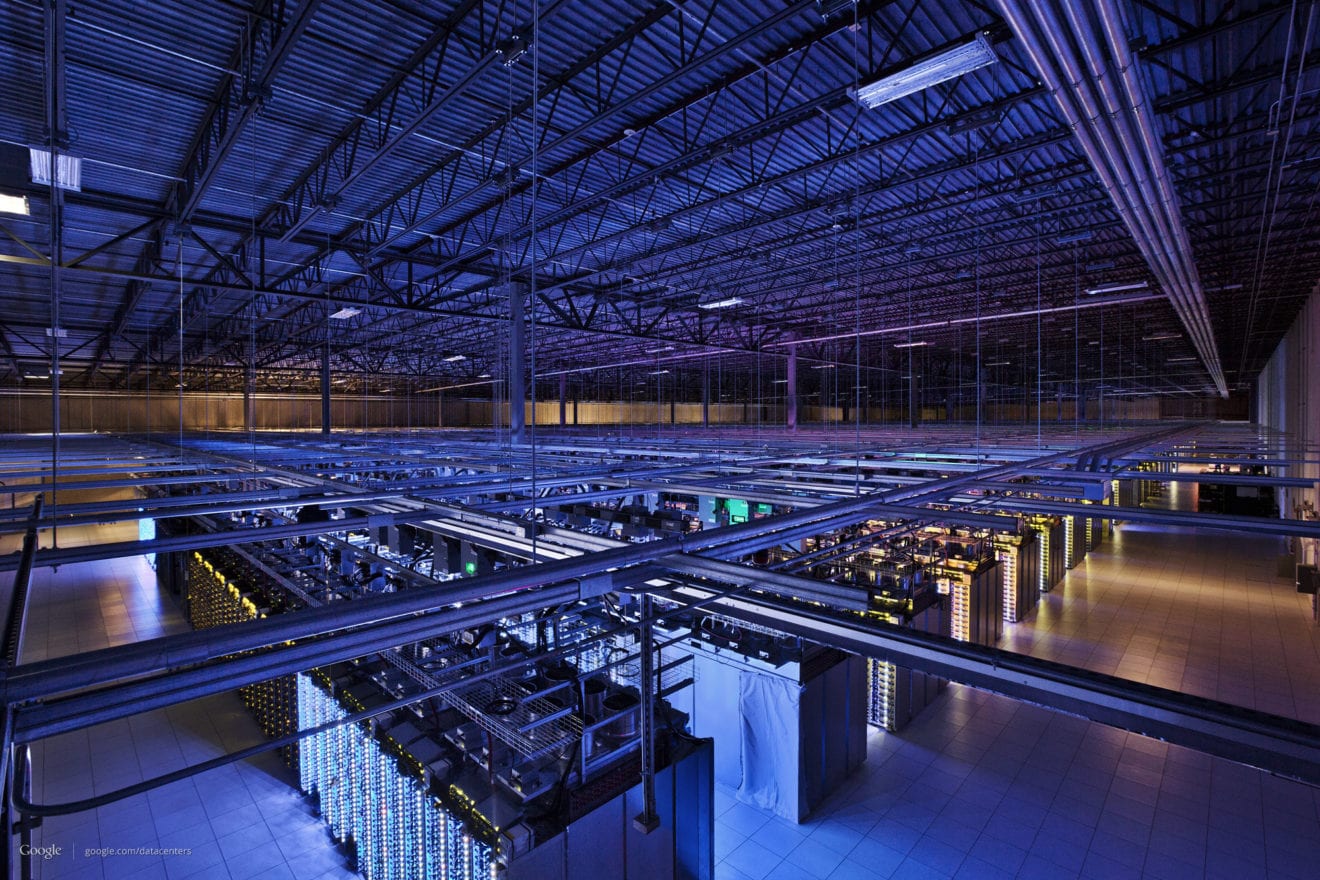
    GDS has announced that they will invest up to USD 1 billion over the next five years in data center projects in Chonburi, in partnership with real estate developer, Amata.

  • Nokia to Equip Viettel with Optical Transport Solution

    Nokia to Equip Viettel with Optical Transport Solution

    This initiative aims to meet the increasing demand for 5G, Data Center Interconnect (DCI), and cross-border connectivity. The collaboration follows a successful trial during which Nokia’s PSE-6s achieved a record transmission speed of 1.2 Tbps per wavelength in real-world conditions. The deployment, expected to be completed by 2025, will enhance connectivity between Viettel’s data centers in major cities, including Hanoi, Ho Chi Minh City, and Da Nang, improving capacity and energy efficiency.

    Nokia’s new optical solution, utilizing the PSE-6s technology, will enable Viettel to scale its network while maintaining high performance efficiently. The solution supports three 800GE or six 400GE services on a single line card, allowing Viettel to increase its total network capacity to 38.4 Tbps over the C-band. Additionally, this technology is expected to help Viettel reduce network power consumption by as much as 60%.

    Nguyen Van Yen, Head of Viettel Regional Transmission, said, “The smooth execution of the record-breaking trial convinced us that Nokia was the right partner for this crucial initiative. Now, we are delighted with the seamless deployment of Nokia’s innovative PSE-6 super-coherent optical engine, which will provide the required capacity for our existing and growing needs while making us ready for 5G and cloud-based use cases.”

    Vito Di Maria, Head of Optical Networks at Nokia Asia Pacific, emphasized the challenges service providers face due to rising data traffic, highlighting the importance of scalable optical networks. He noted that Nokia’s PSE-6s technology will enable Viettel to effectively meet increasing data demands while improving network reliability and energy efficiency.

  • Indosat Posts Double-Digit Growth, Boosts AI Investment to Drive Indonesia’s Digital Future

    Indosat Posts Double-Digit Growth, Boosts AI Investment to Drive Indonesia’s Digital Future

    The company reported double-digit revenue growth and continued to outperform the industry with substantial improvements, as evidenced by key financial indicators.

    During the first nine months of 2024 (9M24), Indosat generated total revenues of IDR 41,812 billion, marking an 11.6% Year-on-Year (YoY) increase. EBITDA also showed strong growth, rising by 15% YoY to IDR 20,000 billion, resulting in an EBITDA margin of 47.8% in 9M24.

    Profit for the Period Attributable to Owners of the Parent reached IDR 3,878 billion, indicating a 39.1% YoY increase, reflecting Indosat’s continued profitable quarters. The company’s cellular, MIDI, and fixed telecommunications businesses contributed 84.3%, 14.1%, and 1.6%, respectively, to overall revenue. While cellular services continued to dominate, growing 9.5% YoY due to increased data usage, the MIDI segment saw a significant 30.2% increase, driven by growth in fixed internet, fixed connectivity, and IT services. This shift towards AI and digital solutions positions MIDI as an increasingly important contributor to Indosat’s overall business.

    Vikram Sinha, President Director & CEO of Indosat Ooredoo Hutchison, stated, “These results reflect our ongoing efforts in operational excellence, strategic capital allocation, and leveraging AI-driven transformation. Our focus remains on delivering a great experience to all stakeholders and ensuring strong financial performance while adapting to the ever-changing telecommunications landscape.”

    These results demonstrate Indosat’s strategic focus on enhancing customer value and optimizing costs, leading to strong overall performance. The company’s strategic capital expenditure (CapEx) has been crucial to this success, with investments aimed at improving network infrastructure, especially in rural and eastern parts of Indonesia, and driving business expansion. Indosat increased its 4G BTS by 12.5% YoY to 193,562 sites, meeting the growing data demand while providing a great experience for its customers, positioning the company favorably for sustained long-term growth. This expansion led to a significant increase in data traffic, rising by 12.5% YoY to 12,050 Petabytes (PB) in the first nine months of 2024.

    Furthermore, Indosat’s focus on attracting high-quality customers has significantly contributed to an increase in Average Revenue Per User (ARPU) of IDR 37.7 thousand in the first nine months of 2024, marking an 8.7% rise compared to the same period in the previous year. Additionally, Indosat aims to enhance its infrastructure to ensure robust, reliable coverage nationwide. Central to this transformation is the integration of AI, which Indosat uses to optimize operations, drive innovation, and enhance customer experiences. This approach has helped improve operational efficiency and strengthen the company’s competitive position in the market.

    Indosat is forming strategic partnerships with global leaders like NVIDIA, Microsoft, Google, Mastercard, and Huawei to support these initiatives. Notable achievements include the launch of its AI Experience Center and the introduction of GPU Merdeka by Lintasarta, a subsidiary of Indosat, which offers an AI cloud service. These efforts contribute to aligning with the nation’s 2045 Golden Indonesia Vision.

    In line with its commitment to digital empowerment, Indosat continues to bridge the digital divide and promote digital inclusion. Through initiatives such as IDCamp and SheHacks, the company is actively expanding digital literacy and promoting gender equality. To date, IDCamp has trained over 270,000 students, equipping them with essential skills to thrive within Indonesia’s digital economy. Indosat is also advancing its Environmental, Social, and Governance (ESG) agenda by adopting sustainable practices, including renewable energy solutions; improving cybersecurity; and enhancing data privacy measures.

    These initiatives align with Indosat’s commitment to building a brighter, more inclusive digital future for Indonesia. “With a collaborative approach inspired by the spirit of Gotong Royong, we remain committed to our larger purpose of empowering Indonesia and ensuring that the country remains at the forefront of the regional digital economy,” Sinha concluded.