Retail News CRM

Category: Telecom

Retail News Asia is committed to providing both local and global retailers with the latest Telecom & Telco news throughout the Asian market. This on a daily base.

  • Viettel to gift 4G phones to 700,000 2G subscribers

    Viettel to gift 4G phones to 700,000 2G subscribers

    State-owned telecom giant Viettel will spend VND300 billion (US$12.2 million) to gift 4G phones to 700,000 of its subscribers who still use 2G devices.

    The military-owned company announced Friday that the program, which aims to support a rapid switch to 4G networks, is meant for customers still using 2G phones who lack access to 4G devices due to their remote location or financial status.

    It plans to gift feature phones but with added cloud phone features that allow the use of some OTT apps.

    The program will run from now until the 2G network is shut down on Oct. 15, with eligible users getting a message instructing them to go to the nearest Viettel store or contact its local employees for support.

    Viettel said it would prioritize subscribers in mountainous regions affected by recent storms, like Lao Cai, Yen Bai, Tuyen Quang, Hoa Binh, Bac Kan, Son La, Dien Bien, Lai Chau, Cao Bang, and Ha Giang provinces.

    The Ministry of Information and Communications and telecom firms have been taking a number of measures to promote the shift from 2G. The number of 2G users declined from 11 million in July to three million now.

    Viettel has the most 2G subscribers of any network operator, but has seen over eight million switch to 4G devices this year.

    It recently installed over 6,000 new base stations nationwide to expand its 4G network coverage to 96% of the population, including four million new users in remote and rural areas.

    Pulling the plug on 2G will promote the adoption of 4G, which can help familiarize people with digital and online public services, and free up resources for network providers to focus on developing 5G and 6G technologies.

  • Innovations in Green Cloud Computing and Sustainable Solutions

    Innovations in Green Cloud Computing and Sustainable Solutions

    Green cloud computing integrates advanced cloud technologies with sustainable practices to achieve energy efficiency and reduce environmental impact. A key strategy includes server virtualization, which significantly reduces the number of physical servers needed, thus, lowering energy consumption and utility bills. Additionally, the use of renewable energy sources, such as solar and wind power, helps to further diminish the carbon footprint associated with cloud services.

    One of the most significant benefits of green cloud computing is its role in promoting sustainable architecture. Data centers designed with minimal environmental impact in mind can operate more efficiently, using less power and generating less waste. This approach also supports remote work, which reduces the carbon emissions linked to commuting. Furthermore, green cloud computing encourages paperless operations, leading to decreased paper use and deforestation, and minimizing electronic waste by reducing the reliance on extensive hardware.

    Transitioning to green cloud computing involves several strategic steps. Organizations should start with a comprehensive assessment of their current IT infrastructure to evaluate their energy consumption and carbon footprint. Setting clear, measurable goals for reducing energy use and increasing the adoption of renewable energy is essential for successful implementation.

    For example, Globe Telecom partnered with Red Hat to modernize its IT infrastructure, leveraging open-source technologies to enhance scalability, agility, and efficiency. This move comes as the Asia-Pacific cloud infrastructure market is set to soar, projected to reach USD 593.7 billion by 2032.

    Selecting cloud service providers committed to sustainability is a crucial practice. Leveraging server virtualization and adopting energy-efficient computing practices can optimize resource usage. Enhancing data center efficiency and continuously monitoring performance are also vital to ensure that environmental goals are met. Engaging stakeholders and educating them about the importance of green cloud computing can drive effective implementation and foster a culture of sustainability.

    Notably, Alibaba Cloud has launched its “Green Data Center” initiative, using renewable energy sources and advanced cooling technology to reduce carbon emissions. Tencent is also focused on building green data centers with AI-driven energy efficiency, particularly through its Tianjin data center, which operates utilizing natural cooling and renewable energy.

    Green computing techniques are diverse and leverage energy-efficient hardware designs, renewable energy sources, and methods like data deduplication and network virtualization. These techniques are integral to enhancing sustainability and operational efficiency. For instance, energy-efficient hardware designs reduce power consumption and extend the lifecycle of equipment, while data deduplication minimizes data redundancy and storage needs.

    For example, Intel’s Sapphire Rapids processors focus on delivering high performance with lower power consumption, incorporating energy-saving features like dynamic power management. Additionally, AMD’s EPYC processors are designed to maximize performance per watt, making them ideal for cloud and enterprise environments, significantly lowering energy costs.

    Innovations in green cloud computing also focus on advanced cooling techniques, which are crucial for maintaining data center efficiency. Strategies such as hot-and-cold aisle containment and liquid cooling systems can significantly reduce the energy required for cooling data centers. Huawei’s FusionServer Pro series optimizes power usage through AI-driven energy management and smart cooling systems, reducing energy consumption in data centers.

    Major cloud providers are making substantial commitments to carbon neutrality. Google aims to achieve net-zero emissions across its entire operations and value chain by 2030, targeting a 50% reduction in its Scope 1, 2, and 3 emissions from a 2019 baseline. The company plans to operate its facilities on 24/7 carbon-free energy and invest in both nature-based and technology-based carbon removal solutions. Google’s approach to climate action involves a science-based strategy and ongoing transparency outlining its progress.

    AWS is also dedicated to sustainability and has, thus far, achieved 100% renewable electricity usage seven years ahead of its 2030 goal. The company focuses on maximizing energy efficiency through advanced data center design, cooling innovations, and power management technologies. AWS’s infrastructure is reported to be up to 4.1 times more efficient than traditional data centers, with their Graviton4 and Inferentia2 chips contributing to enhanced performance and energy efficiency.

    Microsoft has set a bold goal to become carbon negative by 2030 and remove all historical emissions by 2050. Their strategy includes reducing emissions, investing in new carbon removal technologies, and supporting global carbon reduction efforts. Microsoft plans to fund carbon removal technologies, help suppliers cut their carbon footprints, and enhance transparency through annual environmental reports. The company also advocates for supportive public policies and engages employees to drive innovation in carbon reduction.

    The future of green cloud computing promises further advancements, with emerging technologies like AI-driven energy management and edge computing. AI can optimize energy use by predicting and adjusting power consumption in real-time, while edge computing reduces the need for data transmission to central servers, thus, lowering energy consumption and latency.

    Green cloud computing represents a shift towards balancing technological innovation with environmental responsibility. Given that data centers are major consumers of global electricity and contributors to carbon emissions, adopting sustainable cloud solutions is essential. The integration of energy-efficient practices, renewable energy sources, and advanced cooling techniques can significantly reduce the environmental impact of cloud services.

    As organizations and individuals increasingly prioritize environmental responsibility, green cloud computing will be at the forefront of efforts


  • Telekom Malaysia Launches AI-Driven Singing Platform

    Telekom Malaysia Launches AI-Driven Singing Platform

    Launched as part of the “Sejuta Suara, Satu Ritma, Jiwa Merdeka” campaign for Hari Kebangsaan and Hari Malaysia 2024, this groundbreaking platform leverages advanced AI technology to celebrate and highlight the country’s rich linguistic diversity.

    By leveraging AI for automated lip-syncing and voice cloning, TM has created an immersive experience that lets Malaysians sing in their preferred languages or dialects with remarkable realism and ease.

    The platform is driven by a collaboration of seven advanced AI and API systems, all of which are integrated to provide a seamless and intuitive user experience. Powered by Credence, TM’s cloud and digital solutions division, this innovative technology highlights TM’s dedication to advancing digital capabilities and pushing the limits of what technology can achieve.

    Amar Huzaimi Md Deris, TM’s Group Chief Executive Officer, said, “This initiative highlights how AI can be harnessed to celebrate and preserve Malaysia’s rich linguistic diversity.  It gives Malaysians a new way to connect with each other and transform the iconic patriotic anthem into a unifying force for the nation. By leveraging advanced AI technology to promote our unique linguistic heritage, we contribute to national integration, digital inclusion, cultural preservation while fostering stronger unity and a digitally savvy society.”

    Amar highlighted TM’s dedication to making advanced technologies accessible to all Malaysians as it works towards its goal of becoming a Digital Powerhouse by 2030.

  • Indosat Launches IMSecure to Safeguard Personal Data in a Digitally Connected Indonesia

    Indosat Launches IMSecure to Safeguard Personal Data in a Digitally Connected Indonesia

    Vikram Sinha, President Director and CEO of Indosat, emphasized the importance of personal data security in building customer trust. He stated that while their mission is to connect and empower every Indonesian through digital technology, they are also committed to maintaining high standards in data protection.

    As part of this commitment, Indosat has introduced IMSecure—a data security solution under the IM3 brand—to safeguard customers from digital threats like identity theft and cyberattacks. This technology was developed in collaboration with a global digital security company to ensure top-notch protection standards.

    IMSecure not only protects customers but also supports Indosat’s goal of empowering society through safe digitalization. As more Indonesians go online, the need for personal data protection increases. IMSecure allows customers to benefit from digitalization without compromising their data security.

    Indosat has also launched initiatives to enhance personal data protection in line with PDP regulations. This includes a data privacy awareness program for employees, data type mapping, PDP compliance assessments, and the development of technical policies to manage personal data securely.

    To prevent data breaches, Indosat has implemented advanced data protection systems and tools that comply with PDP regulations and safeguard personal data from security threats, even when using third-party services.

    In addition to these efforts, Indosat is focusing on building trust in the digital ecosystem through initiatives like IMSecure and digital literacy programs. These programs educate the public on recognizing and avoiding digital threats, maintaining online privacy, and emphasizing the importance of personal data protection.

    Sinha concluded by stating that security is crucial for sustainability and trust in the digital ecosystem. Indosat is committed to innovating in personal data protection to ensure that everyone connected through their network can do so safely and confidently.

  • India Becomes World’s Second-Largest 5G Handset Market in H1 2024

    India Becomes World’s Second-Largest 5G Handset Market in H1 2024

    Senior Research Analyst at Counterpoint Research, Prachir Singh, remarked on the overall market dynamics, noting that 5G handset shipments have been consistently increasing. He highlighted that the rise in availability of budget-friendly 5G handsets has led to significant growth in emerging markets.

    According to Singh, India has become the second-largest 5G handset market, surpassing the US during the first half of the year. “The strong shipments from Xiaomi, vivo, Samsung and other brands in the budget segment were the main reason for this trend. Other emerging markets also witnessed high growth in 5G handsets. Consumers in emerging markets are looking at 5G handsets as an upgrade to their devices, even in the lower price segments,” explained Singh.

    “The Caribbean and Latin America (CALA) region was the fastest-growing region, registering 63% YoY growth, driven by high growth in key countries like Mexico and Brazil. The CALA region accounted for 14% of global net adds despite having a 6% 5G shipment share in H1 2024. Asia Pacific accounted for 63% of the overall global net adds and commanded a 58% 5G shipment share. In Europe and the Middle East and Africa (MEA) regions also, 5G handset shipments witnessed double-digit growth,” he added.

    Apple led global 5G handset shipments, capturing over 25% of the market share, due to strong sales of the iPhone 15 and 14 series. Samsung was the second-largest player with more than 21% of the market, driven by its Galaxy A and S24 series. Both Apple and Samsung secured five positions each in the top-10 list of 5G models for the first half of 2024, with Apple dominating the top four spots.

    Xiaomi ranked third, primarily due to significant growth in India, where it saw triple-digit increases, and double-digit growth in the Middle East, Europe, and China. vivo also experienced notable growth, driven by strong performances in India, China, and other emerging Asian markets. Among the top 10 brands, Motorola achieved the fastest growth, with notable advances in the CALA region, India, MEA, and North America.

    Commenting on the near-term outlook for 5G shipments, Research Director, Tarun Pathak, indicated that, “5G handset contribution to the overall handset market was over 54% in H1 2024, crossing 50% for the first time. As the democratization of 5G handsets increases with increasing 5G penetration in lower price segments as well as increasing expansion of 5G networks, this trend will further grow. The ongoing global premiumization trend will further fuel this growth. According to our market outlook, [the] 5G share will cross 57% in 2024 and 65% in 2025.”

  • SoftBank Corp., Intelsat Forge Partnership to Enhance Connectivity

    SoftBank Corp., Intelsat Forge Partnership to Enhance Connectivity

    SoftBank Corp. and Intelsat have announced a pioneering partnership to develop a unified ubiquitous network designed to provide constant connectivity for users regardless of their location.
    The collaboration will see the two companies working together on research and development (R&D) initiatives to achieve seamless 5G integration between terrestrial mobile networks and satellite communications.

    Under their new partnership, SoftBank and Intelsat aim to create a hybrid communication solution that will keep users connected globally, whether it be via terrestrial or satellite networks or using a single device and account.

    This solution will utilize standard architectures, interfaces, and processes similar to those that currently facilitate device roaming between cellular networks. It is expected to accelerate the commercial deployment of mobility solutions based on the latest 3GPP 5G standards for non-terrestrial networks.

    A primary objective of the SoftBank-Intelsat collaboration is to create a universal device that remains connected in different regions and scenarios.

    For instance, a connected vehicle equipped with this device would automatically switch to satellite communication when out of range of terrestrial networks. This innovative solution is anticipated to have broad commercial applications, including in land transportation, maritime operations, and disaster response and recovery.

    The project will proceed through several phases including design, development, field testing, and commercialization. These efforts will synchronize with the evolution of new 3GPP 5G non-terrestrial network standards. The hybrid solutions developed will support both existing satellite terminals and future 5G-based terminals as they become available.

    “Intelsat and SoftBank share a pioneering vision of ubiquitous networking and seamless interoperability between satellite and terrestrial networks,” said Bruno Fromont, Intelsat Chief Technology Officer. “Until now, the challenge was aligning standards that allowed the two different networks to connect. With recent progress on 5G-based standardization of non-terrestrial networks led by Intelsat at 3GPP and this strategic collaboration with SoftBank, we are ideally positioned to accelerate the design and practical implementation of commercial hybrid services that will allow devices to freely roam between satellite and terrestrial networks.”

    Hideyuki Tsukuda, Executive Vice President and CTO of SoftBank, emphasized that integrating terrestrial mobile networks with satellite communication through advanced roaming technology could merge these previously separate networks.

  • 2G network shutdown postponed to October

    2G network shutdown postponed to October

    The Ministry of Information and Communications has deferred the shutdown of 2G networks to Oct. 15, saying over three million users have yet to upgrade their devices.

    The shutdown had been planned for Sept. 15. The ministry pointed out that subscribers need phones that support 3G or newer technologies to continue using telecom services after the shutdown.

    The Vietnam Telecommunications Authority said at a meeting Friday that over five million subscribers have upgraded in the last two months, bringing the number of 2G users down to 3.4 million as of Sept. 8.

    Authorities have been nudging 2G users to make the switch for months, even rolling out policies to help them buy new devices and shutting down networks in some areas.

    But typhoon Yagi has stymied the process, with people and businesses focused totally on coping with its aftermath.

    There is also a shortage of phones, especially budget devices, making the switch difficult for many.

    Pulling the plug on 2G will promote the adoption of 4G, which can help familiarize people with digital and online public services, and free up resources for network providers to focus on developing 5G and 6G technologies.

  • Washington tries to curb Huawei with eight more license revocations

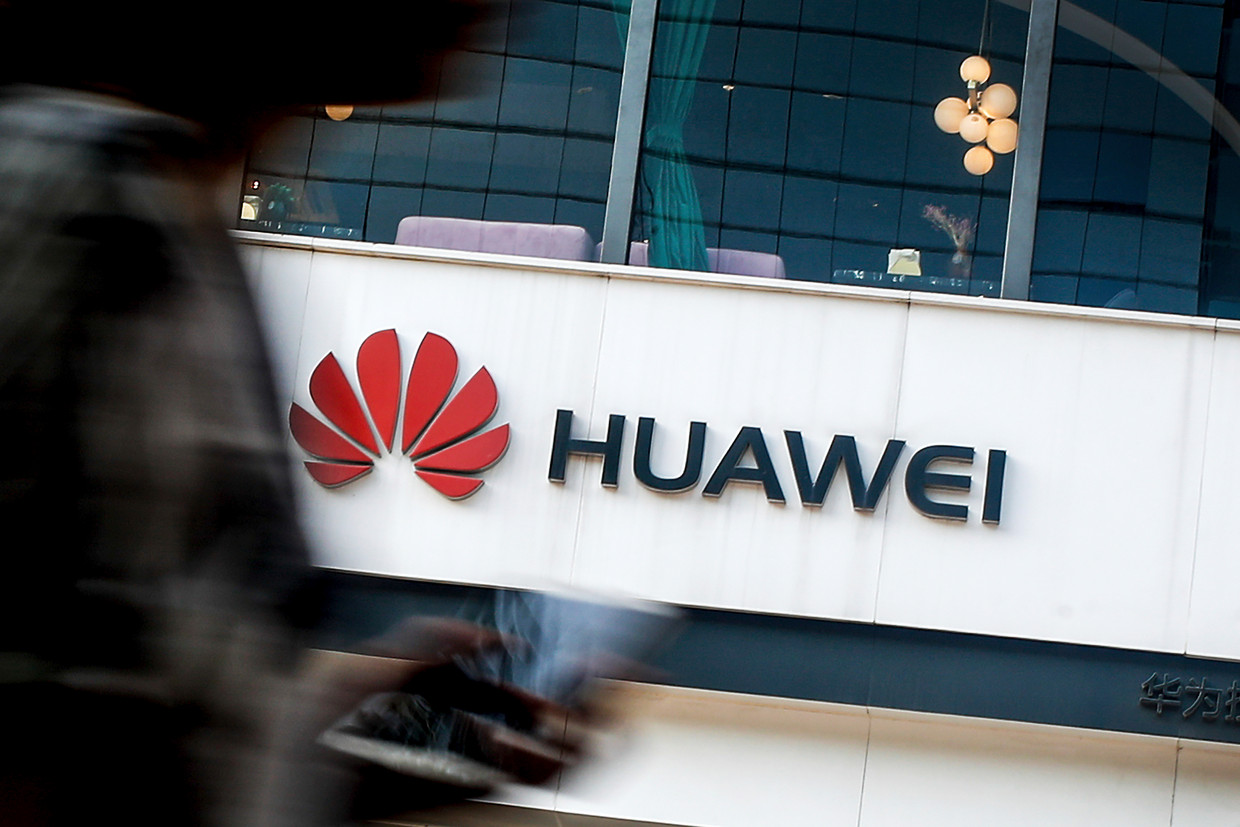
    Washington tries to curb Huawei with eight more license revocations

    Someone’s been a busy little bee and has revoked eight licenses in 2024 that allowed some companies to export high-tech products to Chinese giant Huawei. This busy little bee is, of course, the Biden administration.

    The latest Reuters report shines a light on the matter and tells the story how Washington managed to cancel a total of eight licenses (so far in 2024) with the goal to increase pressure on the company, which has resurrected with the release of the Mate 60 Pro. You know, this 5G-capable phone shouldn’t have materialized in the first place, but in spite of the US sanctions did so last year.

    Huawei’s smartphone sales surged by 64% year-on-year in the first six weeks of 2024, according to various reports. Huawei’s smart car component business also contributed to its fastest revenue growth in four years in 2023.

    As I’ve said on previous occasions: good luck trying to contain technology. Yes, it may take some time, but, eventually, other companies will figure things out. You simply cannot contain it.

    In 2019, Huawei faced a significant setback. The United States said Huawei phones pose a thread (because of privacy issues) and imposed sanctions on the company. These sanctions restricted American firms from doing business with Huawei, particularly in supplying key technologies and software essential for its smartphones.

    One of the most critical impacts was the loss of access to Google Mobile Services (GMS), which includes popular apps like Gmail, Google Maps, and the Play Store, on Huawei’s new smartphones. This meant that Huawei phones released after the sanctions could no longer come pre-installed with these familiar Google apps, affecting their appeal to international consumers who rely on these services.

    The US government argued that Huawei’s close ties to the Chinese government posed a potential risk of espionage and unauthorized data access, particularly through Huawei’s telecommunications equipment. As a result, the U.S. placed restrictions on American companies supplying Huawei with critical components and technology necessary for building and expanding 5G networks.

  • Nokia to produce 5G equipment in northern Vietnam

    Nokia to produce 5G equipment in northern Vietnam

    Finish telecom giant Nokia has selected Foxconn Bac Giang in northern Vietnam as the producer of its new 5G equipment to serve both domestic and international needs.

    Taiwanese contract manufacturer Foxconn starting next month will begin producing Nokia’s AirScale products, which were launched last year, Nokia said in a statement Tuesday.

    AirScale equipment are said to provide extended 5G coverage with high efficiency.

    Production is set to be scaled up to increase volume starting September.

    Part of the products will be sold in Vietnam, where Nokia has already partnered with local companies in developing 5G technology.

    Local manufacturing will enable Vietnamese service providers to fast-track 5G rollouts, the company said.

    Nokia Global CEO Pekka Lundmark, during his visit to Vietnam in March, said that this company supports the government’s policy on producing equipment locally.

    Many of Nokia’s network equipment products have been made in Vietnam.

    Vietnam is expected to commercialize 5G this year. Two state-owned telecom firms Viettel and VNPT have won bids for 5G frequency licenses.

    Another frequency will be auctioned in June.

    Regulations require a winning bidder to deploy 5G services within 12 months of receiving licenses and to have at least 3,000 5G stations after two years.

  • Huawei opens a flashy store across the street from the Apple Store in this city

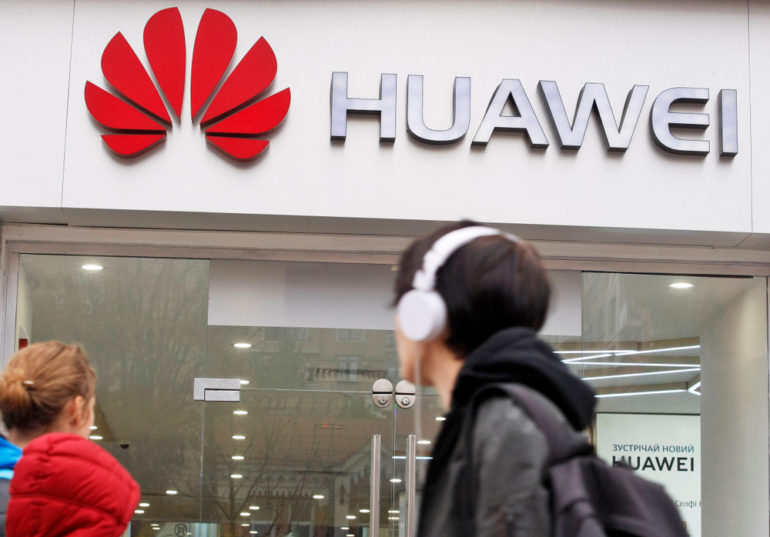
    Huawei opens a flashy store across the street from the Apple Store in this city

    You surely have seen a McDonald’s located next to a Burger King, or a Nike store near Adidas. Believe me, it’s not a coincidence.

    Now, if you hop on the plane to Shanghai for the weekend, you’ll see Huawei’s new flagship store – it’s just across the street from Apple’s flagship shop. A Reuters report tells the story – Huawei, updating its retail strategy, is aggressively opening flagship stores in China.

    Many are “just a stone’s throw away from Apple shops”. How convenient.

    Huawei’s recently renovated Shanghai flagship store takes an enormous place – three floors of a famous heritage architecture building in the financial hub’s busy shopping district. It includes a coffee shop and a gym!

    Huawei opened four such flagship stores in major Chinese cities between December and February, shifting from licensed distributors after rebounding from 2019 U.S. sanctions. “The Huawei flagship store is very nice. It looks much brighter inside compared to the Apple Store across the street,” said Amy Chen, a 27-year-old physiotherapist.

    Huawei now has 11 flagship stores and plans to surpass 20, aiming to catch up to Apple’s 47 in China. Huawei’s new stores and premium products challenge Apple, which saw a 6.6% drop in iPhone sales in China in Q1 2023, while Huawei’s shipments increased by 110%.

    The Far East behemoth has developed its own chips and popular 5G products, aggressively recruiting dealers.

    “As Huawei now manages to ship in large quantities, given the good profit margin they could provide, (distributors) have become willing to purchase Huawei devices again,” said Ethan Qi, associate director at Counterpoint.

    Over 5,200 licensed stores opened in early 2023, mostly in smaller cities. This marketing push has significantly impacted Apple and other Chinese smartphone makers like Xiaomi, Oppo, and Vivo.

    Huawei’s flagship stores showcase premium products, competing directly with Apple. “Huawei now has a long product line,” Qi noted. Between 70-80% of Huawei’s sales come from physical stores, while Apple sees about 40% online.

    This comeback is felt beyond mainland China, with Hong Kong shops like Trinity Electronics stocking more Huawei devices. “People are willing to pay a lot of money for high-end Huawei,” said owner Simon Lam.

  • Blend business and pleasure on the same phone with Verizon’s dirt-cheap new Second Number feature

    Blend business and pleasure on the same phone with Verizon’s dirt-cheap new Second Number feature

    Have you ever felt the need to use two different phone numbers for various business or, well, personal reasons? Instead of carrying two mobile devices with you all the time, which can be a bit of a hassle, Verizon will let you activate an aptly named Second Number feature on your account for just $10 a month until June 5.

    That sounds far more convenient than the traditional alternative and it also looks way less suspicious to anyone who might want to pry into your secret… business. Of course, you don’t have to be a double agent or a Tinder addict to find this new service useful, as Big Red points out a second phone number can greatly help folks operating side gigs as well as frequent sellers on online marketplaces keep their primary and secondary activities separate with little effort and minimal costs.

    Speaking of costs, it’s important to point out that the aforementioned June 5 cutoff date refers to how long you have to “lock in” the promotional $10 a month price, which should then go unchanged in perpetuity (or until Verizon changes its mind). If you don’t sign up by that date, you can obviously still do so at a later time, but only at a raised monthly cost of $15.

    Either way, this looks like a pretty affordable method to get an extra wireless service line with unlimited talk and text. There will be no data on it, however, which is what allows the plan to be so extremely cheap. You’ll need to take care of all data-related business on your primary line, mind you, which presents a series of… challenges you can only overcome using good old fashioned text messaging.

    To get started, you’ll have to be an existing Verizon customer (well, duh!) with a dual SIM smartphone in your possession. While the nation-leading carrier has an extensive support webpage dedicated to explaining how you can use two numbers on a compatible handset, there doesn’t seem to be a list anywhere containing all such devices (or at least some of them), which makes today’s launch feel a little incomplete and confusing.

  • Nokia signs 5G patent deal with vivo

    Nokia signs 5G patent deal with vivo

    Nokia has signed a lot of 5G patent agreements in the last year. The Finnish company recent convinced Oppo that it’s better to make use of technology that other companies patent by simply paying for it.

    Today, Nokia is signing yet another 5G patent agreement, this time with another Chinese smartphone maker, vivo. Granted, this is a multi-year cross-license agreement that will benefit both companies, it’s vivo that gains on the short run since it can now return to the German market after losing the lawsuit filed by Nokia.

    The announcement mentions that the new deal “resolved all pending patent litigations between the parties, in all jurisdictions.” However, the terms of the agreement remain confidential, so there’s not much we can add to this.

    With this licensing agreement, Nokia “has now almost completed its smartphone license renewal cycle,” the company notes. The Finnish giant signed similar agreements with other big smartphone companies like Samsung, Honor, Huawei, Oppo, and even Apple.

    “This is the sixth major smartphone patent license agreement we have signed in the past thirteen months, and we have now almost completed our smartphone license renewal cycle. Together these licensing agreements demonstrate Nokia’s significant contribution to developing key technologies relied upon by the entire smartphone industry and they will provide long-term stability to our licensing business for years to come,” said Jenni Lukander, President of Nokia Technologies.

    Nokia expects its intellectual property licensing business to generate around €1.4 billion ($1.5 billion) in the mid-term, which isn’t that much considering that the company invested around €150 billion in R&D.

  • FPT Retail debuts mobile virtual network in Vietnam

    FPT Retail debuts mobile virtual network in Vietnam

    Electronics retailer FPT Retail has unveiled its own mobile virtual network, marking it as the country’s fifth such network.

    Known for operating the FPT Shop chain and being a subsidiary of the tech giant FPT, FPT Retail does not have its own network infrastructure but leases network services from MobiFone and offers subscriptions to consumers at its own pricing.

    With an established ecosystem that includes over 800 FPT Shops across 63 Vietnamese cities and provinces, FPT Retail is poised to leverage its substantial retail presence. These shops annually sell around 1.5 million smartphones and various electronic gadgets.

    The new network will be infused with advanced features like cloud computing and artificial intelligence, targeting a demographic keen on cutting-edge technologies, specifically younger consumers. It also aims to cater to businesses and households.

    FPT Retail’s strategy involves incorporating various FPT services into the network, enhancing the overall user experience, said CEO Hoang Trung Kien.

    The introduction of this network adds to the existing roster of mobile virtual network operators in Vietnam, which currently includes iTel, Wintel, Local, and VNSKY.

    As of early 2023, these operators collectively serviced about 2.56 million subscribers, accounting for 2.1% of the total Vietnamese market.

    The majority of the market is still dominated by five telecom firms that own network infrastructure, namely VinaPhone, Viettel, MobiFone, Vietnammobile, and Gtel.

  • FPT Telecom becomes Cloudflare’s official distributor

    FPT Telecom becomes Cloudflare’s official distributor

    FPT Telecom has reached a cooperation agreement with Cloudflare to provide solutions to Vietnamese businesses’ network security problems.

    The cooperation was announced at FPT Tower, Hanoi, on September 5, with the attendance of representatives from both sides, including Vu Anh Tu, CTO of FPT Corporation; Tran Thanh Hai, CTO of FPT Telecom; Tran Hai Duong, Chairman and CEO of FPT Telecom International (FTI); Do Anh Tuan, Director of FPT Telecom International’s Business Division; Karun Ruamsuke, Cloudflare’s Head of Indochina, Thailand, PHL; Mai Thi Ngoc Tu, Cloudflare’s Indochina Sales Lead; and Tan Ghim Hwee (Ghims), Cloudflare’s ASEAN Channel Account Manager.

    There were also solution experts, many guests from government agencies, and senior leaders in technology and financial companies.

    Duong said that FPT Telecom has officially become Cloudflare’s distributor in Vietnam, Laos, and Cambodia. This marks a crucial step forward in the company’s Go Global strategy.

    The event also plays an important role in helping businesses in the region optimize their website’s access speed, enhance security, and reduce operation costs.

    FPT Telecom, with a large customer base and proven ability to deploy cloud computing services through many typical case studies in the banking and finance sectors, can advise on and deploy security solutions for all customers in all industries.

    Becoming Cloudflare’s first official focused distributor in Vietnam, Laos, and Cambodia also helps FPT Telecom deliver the best support to customers in terms of technology and cost optimization.

    Accordingly, FPT Telecom will provide enterprises with two main product groups: Cloudflare SME for small and medium enterprises with optimal performance and cost; and Cloudflare Enterprise, which provides the full range of Cloudflare product groups (network, application, zero trust, developer services) and tailor-made solutions to meet the unique service requirements of customers.

    Karun, a Cloudflare representative, also shared his sincere thanks and affirmed the importance of the solid cooperative relationship between Cloudflare and FPT Telecom. It is strengthening its position as a leading telecommunications supplier and bringing advanced cloud technology and cloud security solutions to customers.

    FPT Telecom is committed to bringing various benefits and excellent experiences to customers using services from Cloudflare based on their strengths in deploying and providing solutions for large customers; having connections with network operators in Vietnam with the largest PoP placed at FPT Telecom; owning an experienced technician team with more than 40 Cloudflare certified engineers who are available to support anytime, anywhere; and being adequately qualified to be Cloudflare’s Level 1 support in Vietnam.

    Established in 2009 with headquarters in San Francisco, California, USA, Cloudflare is a technology company specializing in security solutions, DDoS attack prevention from layer 3 to layer 7, and global network infrastructure.

    Cloudflare is one of the leading security and privacy service providers in the industry with the largest infrastructure capacity compared to any similar providers, with infrastructure in over 300 cities in over 100 countries, including China with more than 30 POPs.

    The company aims to build a more sustainable and secure Internet environment for everyone. It meets the flexible requirements of any customer with diverse solutions such as security, optimization, and acceleration for websites and applications; it provides an all-in-one solution for network scalability and security; data storage; and developer timeline improvement.

    FPT Telecom Joint Stock Company (FPT Telecom) is one of the region’s leading telecom and Internet service providers. Established on January 31, 1997, the Online Service Center was founded by four members with the first Internet product from Vietnam, called Vietnamese Wisdom (TTVN).

    The product is considered the foundation for Internet development in Vietnam.

    With the pioneering mission of bringing the Internet and connection to the Vietnamese people, along with the great desire for every Vietnamese family to use at least one service of the company, FPT Telecom is making efforts to implement the strategy “Bringing the Best Experience for Customers” on the basis of promoting the core cultural value of “customer-centric” and the foundation of FPT technology power, thereby pioneering to become a digital service provider with the most outstanding customer experience nationwide.

    FPT Cloud Hub is an ecosystem of applications and services surrounding cloud computing developed by FPT Telecom International Co., Ltd. (FTI).

    The company provides advanced, quality solutions specifically for businesses in Vietnam and the region, with the top criteria being: increasing the application experience of businesses and their customers; optimizing costs of equipment, infrastructure, and cloud computing platforms; and supporting the building and conversion of systems from classic platforms to advanced cloud computing infrastructure.

  • Huawei might introduce an asymmetrical foldable smartphone someday

    Huawei might introduce an asymmetrical foldable smartphone someday

    Foldable smartphones are becoming more popular with each new model introduced by different manufacturers. Samsung launched its Galaxy Z Fold 5 and Galaxy Z Flip 5 last month, Google unveiled its Pixel Fold back in May, and Huawei launched its Mate X3 internationally around the same time. Now, it looks like the latter is working on something a bit different when it comes to foldable smartphones.

    Blogger Jerrold_tech posted on Weibo what they say are pictures of patented designs for Huawei’s future folding phone. The images reveal an innovative type of foldable phone featuring asymmetrical halves, where the left side is taller than the right side.

    Unlike all other foldable smartphones currently available, this patent unveils a design in which the two halves are of different sizes when the phone is unfolded. This difference seems to come from the camera position, which is not in the usual spot at the back of the phone. When the phone is unfolded, the camera resides in the upper left corner, playing the role of a front-facing selfie camera. Once folded, the right panel aligns beneath this camera, enabling the latter to serve as the primary rear camera.
    One of the benefits of this foldable phone’s a bit strange design is that it can use just one camera setup, no matter if the device is folded or not. The patented design also shows that one of the cameras is a Time-of-Flight (ToF) lens, so it can be used for face recognition as well.

    The shared images don’t give away any more details about the patent, but if Huawei is indeed developing this new kind of foldable, it might add some variety to the foldable phone market. Since this info is all based on rumors and there’s been no official confirmation from Huawei, it’s best to take it with a pinch of skepticism. Still, it would be pretty cool to see this asymmetrical design actually come to life.