Category: Telecom

Retail News Asia is committed to providing both local and global retailers with the latest Telecom & Telco news throughout the Asian market. This on a daily base.

  • Chunghwa Telecom Secures Taiwan’s Pioneer License for OneWeb Satellite Services Journey

    Chunghwa Telecom Secures Taiwan’s Pioneer License for OneWeb Satellite Services Journey

    Chunghwa Telecom has made a significant leap in Taiwan’s technological landscape by securing the nation’s first commercial license for low-Earth orbit (LEO) satellite services, utilizing Eutelsat OneWeb technology. This achievement marks a crucial move in Taiwan’s quest for enhanced network resilience and autonomy.

    License Paves the Way for Diverse Opportunities

    Approved by Taiwan’s regulatory authorities, the new license enables Chunghwa Telecom to offer satellite-based services to government agencies and various industries. The company views this approval as a fundamental step in constructing a robust, multi-orbit communications infrastructure that can meet the increasing demand for innovative connectivity solutions.

    A Journey to Approval

    The journey to this groundbreaking license began in December 2023 when Chunghwa Telecom signed a contract with the UK-based Eutelsat OneWeb. The approval process demanded perseverance as the company navigated through multiple regulatory requirements, including frequency authorizations and compliance checks.

    Cherishing a Historic Moment

    “We are honored to be the first company in Taiwan to obtain a commercial license for OneWeb’s LEO satellites. This achievement underscores the technical prowess of our satellite networks,” expressed Jia Zhongyong, General Manager of Chunghwa Telecom’s Network Technology Branch. With this license, Chunghwa Telecom is further positioned to cater to the increasing needs of various sectors.

    Plans for Future Innovations

    In collaboration with Eutelsat OneWeb, Chunghwa Telecom plans to create a satellite service terminal testing center in Taiwan. This facility aims to unify domestic and international satellite resources, propelling the rapid deployment of next-generation services.

    A Strategic Response to Disruptions

    Overseeing this initiative, Chunghwa Telecom Chair, Chien Chih-Cheng, assured continued investment in both high- and low-orbit satellite systems to fortify Taiwan’s telecommunications infrastructure. He emphasized the importance of providing secure backup services for both public agencies and private enterprises, especially in light of recent submarine cable disruptions near Taiwan that raised alarms about network vulnerabilities.

    Building a Multidimensional Network

    This innovative license plays into a broader strategy aimed at enhancing Taiwan’s communication resilience. Earlier this April, Chunghwa Telecom entered a USD 115-million agreement with U.S.-based Astranis Space Technologies to acquire a geostationary Earth orbit (GEO) satellite, set for launch by the end of 2025. Once operational, it will deliver full bandwidth capacity starting in 2026.

    Moreover, Chunghwa Telecom is actively engaging with other global satellite innovators. While preliminary discussions have taken place with Amazon’s Kuiper and Canada’s Telesat, they have yet to solidify any partnerships. The company also explored collaboration with Starlink; however, regulatory restrictions have hindered progress with Elon Musk’s venture.

    Investing in the Future

    Another ambitious project sees Chunghwa Telecom committing TWD 7 billion (USD 228 million) toward a new satellite through its joint venture with Singapore’s Singtel. Once it enters geosynchronous orbit in 2027, this satellite will significantly enhance the company’s multi-orbit satellite service offerings. Who knew connectivity could be so dynamic?

    Questions & Answers

    Why is this license significant for Chunghwa Telecom?
    This license represents a breakthrough for Chunghwa Telecom, allowing the company to offer advanced satellite services that bolster Taiwan’s network infrastructure.

    What are the future plans following this license approval?
    Chunghwa Telecom plans to establish a satellite service terminal testing center and continue investing in high- and low-orbit satellite systems to enhance connectivity services for both public and private sectors.

    What challenges has Chunghwa Telecom faced in forming partnerships with other satellite providers?
    While engaging with global players like Starlink and others, regulatory restrictions have posed challenges, limiting certain potential collaborations.

  • MobiFone and Rakuten Symphony Unveil Vietnam’s Groundbreaking Open RAN Network Launch

    MobiFone and Rakuten Symphony Unveil Vietnam’s Groundbreaking Open RAN Network Launch

    MobiFone, one of Vietnam’s top mobile network operators, has taken a significant leap into the future by collaborating with Japan’s Rakuten Symphony to introduce the country’s first open radio access network (Open RAN). This pioneering initiative not only marks a transformative moment for Vietnam’s telecommunications landscape but also sets a precedent in the Southeast Asian region.

    In a strategic move, the two companies have entered into a memorandum of understanding (MoU) to implement a pilot nationwide mobile network utilizing both 4G and 5G Open RAN technologies. This venture firmly positions MobiFone at the cutting edge of telecommunications innovation in Southeast Asia. Open RAN is being showcased as a practical and efficient solution for expanding mobile network coverage, while it also provides valuable technical validation for commercial operations in Vietnam.

    As this ambitious project unfolds, Rakuten Symphony will deliver the essential Open RAN technology and liaise with its ecosystem of partners to provide technical expertise during the pilot phase. MobiFone, on the other hand, will lay the groundwork for the initiative by allocating necessary cell and core network sites, ensuring everything is set for the experimentation with this groundbreaking technology.

    Exceptional Growth Ahead

    Mr. Vinh Tuan Bao, the Deputy General Director of MobiFone, emphasized the importance of this collaboration by stating, “Our vision for 2030 is to become Vietnam’s leading technology corporation, taking the lead in building the nation’s digital infrastructure. On this journey, 5G is positioned as a key foundational pillar, playing an essential role not only as a technological breakthrough but also as a transformative platform that redefines societal operations and production methods.”

    Rakuten Symphony has gained a reputation as an early adopter of Open RAN technology and is dedicated to fostering standardized innovation, automated quality assurance, and advanced edge cloud capabilities within future communication frameworks. Drawing from their experience in successfully deploying a full-scale Open RAN network in Japan, supported by the Japanese government’s post-5G infrastructure initiative, Rakuten aims to replicate this success in Vietnam.

    Looking to the Future

    Sharad Sriwastawa, President of Rakuten Symphony, expressed enthusiasm about the partnership, stating, “The Rakuten team is looking forward to sharing our success in Japan with Vietnam by showcasing the transformational benefits of Open RAN, including deployment flexibility, enhanced network performance and security, and improved customer experience with new and innovative mobile services.”

    As MobiFone embarks on this exciting journey into the world of Open RAN, it seems the future of Vietnamese telecommunications is not just bright—it’s downright dazzling.

    Questions & Answers

    What is Open RAN and why is it significant for Vietnam?
    Open RAN refers to an open framework for building radio access networks, which enhances flexibility and efficiency within mobile networks. Its introduction is pivotal for Vietnam as it provides a robust platform for expanding telecommunications infrastructure and improving network performance.

    How will the collaboration between MobiFone and Rakuten Symphony unfold?
    MobiFone and Rakuten Symphony will jointly deploy a pilot nationwide 4G and 5G Open RAN network, with Rakuten offering technological support and MobiFone preparing the necessary infrastructure.

    What are the long-term goals of MobiFone’s vision for 2030?
    MobiFone aims to become Vietnam’s leading technology corporation focused on revolutionizing the country’s digital infrastructure, with 5G technology as a key element in reshaping societal function and business practices.

  • SK Telecom Innovates with Streamlined SIM Replacement Process: A Step Forward for Customers!

    SK Telecom Innovates with Streamlined SIM Replacement Process: A Step Forward for Customers!

    SK Telecom is taking bold steps to engage with government authorities about lifting the ban on new subscriber registrations, as the company approaches the completion of its ambitious universal subscriber identity module (USIM) replacement initiative following a significant cyber attack. With the clock ticking, the telecom giant is eager to reassure customers and shareholders alike.

    Customer Replacement Surge

    In a significant update, SK Telecom announced that over 6.18 million customers have successfully replaced their USIMs, with an impressive 150,000 swaps completed just yesterday. This progress has slashed the number of customers still awaiting their replacements down to 3.16 million.

    Restrictions in Place

    Since May 5, SK Telecom has been operating under administrative guidance from the Ministry of Science and ICT, resulting in a total suspension of new subscriptions and number transfers across more than 2,600 T World stores and online platforms nationwide. The ministry has clarified that this limitation will remain until the backlog of USIM replacements is fully resolved.

    Facing the Deadline

    Looking ahead, SK Telecom is targeting June 20 as the date for finalizing all outstanding USIM replacements. Text messages confirming reservations will be dispatched by June 16. However, roughly 440,000 customers have not yet visited a store to complete the process after receiving their notifications. Excluding these, an estimated 2.7 million customers are still actively waiting.

    Hope on the Horizon

    With the final stages of the free USIM replacement program underway, there is optimism that the suspension on new subscriptions could soon be lifted. Lim Bong-ho, head of the MNO Business Division at SK Telecom, revealed that the company is in active discussions with the government to not only lift the restrictions but also to establish compensation mechanisms and financial support for impacted distribution partners.

    The Cost of Recovery

    The financial outlay for issuing 20 million USIMs at no charge is projected to reach around KRW 150 billion. Each unit costs KRW 7,700, coupled with distribution and handling expenses of KRW 300-400 per unit.

    Investing in Cybersecurity

    In light of the cyber attack, SK Telecom is significantly boosting its investment in network security. Ryu Jeong-hwan, head of SK Telecom’s Network Infrastructure Center, confirmed plans to enhance both funding and personnel dedicated to security efforts, with specific numbers yet to materialize depending on the ongoing investigation’s findings.

    As SK Telecom navigates this challenging landscape, the question remains: will they turn this crisis into an opportunity for growth and innovation? Only time will tell!

    Questions & Answers

    What is the current status of USIM replacements at SK Telecom? Over 6.18 million customers have replaced their USIMs, with around 3.16 million still awaiting their new ones.

    When does SK Telecom expect to lift the ban on new subscriptions? The company is hopeful that the ban will be lifted soon after they complete all pending USIM replacements, which are expected by June 20.

    What steps is SK Telecom taking to improve network security after the cyber attack? SK Telecom plans to increase its budget and personnel dedicated to network security, although specific figures are still being determined pending investigation outcomes.

  • WorkJam Brings Next-Gen AI to the Frontline Workforce with Google Cloud

    WorkJam Brings Next-Gen AI to the Frontline Workforce with Google Cloud

    WorkJam Brings Next-Gen AI to the Frontline Workforce with Google Cloud

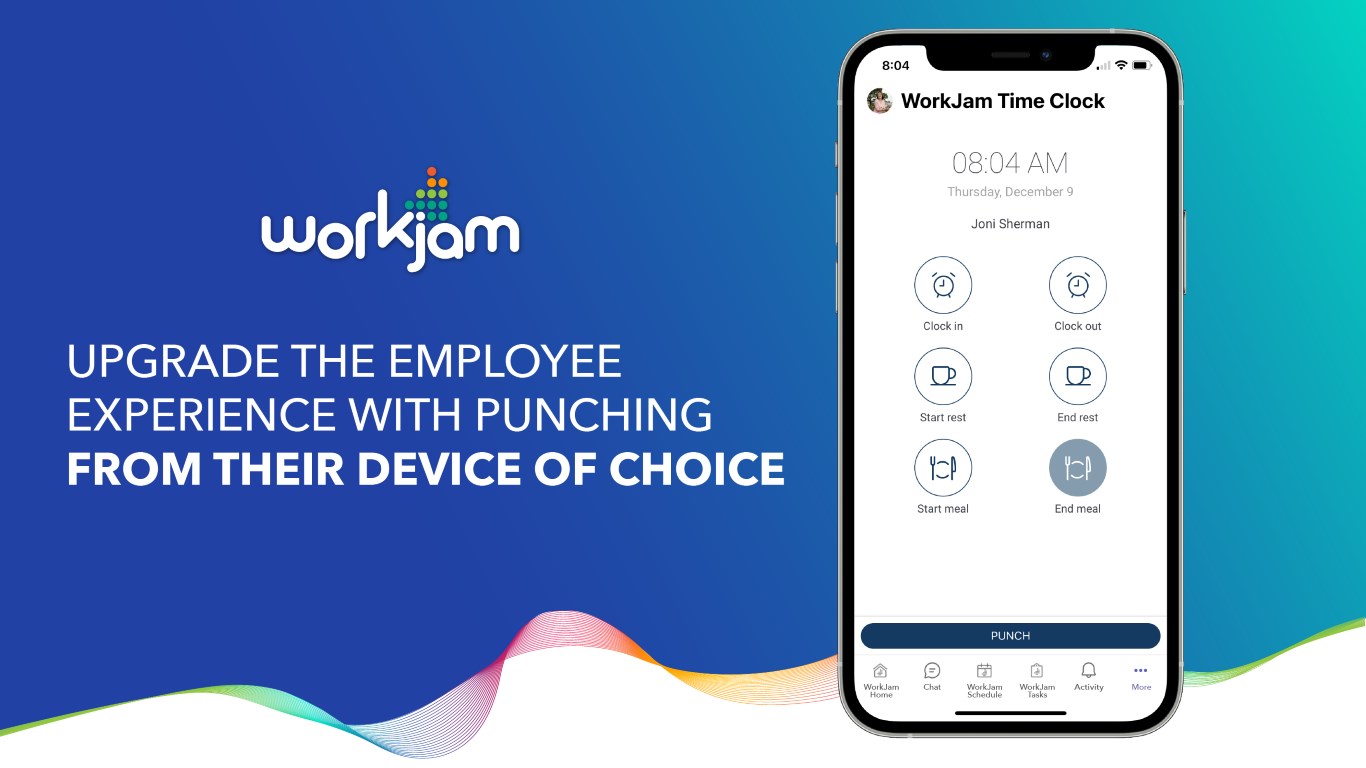
    WorkJam, the world’s leading digital frontline workplace, today announced an expansion of its strategic collaboration with Google Cloud to deliver enterprise-ready AI solutions built specifically for frontline teams. WorkJam already offers AI Agent, powered by Google’s Gemini models and cloud infrastructure, which is revolutionising how frontline organisations operate—bringing intelligent automation, productivity, and engagement to a new level and this feature will be the first of an innovative road map that will be AI-driven.

    Built on Google Cloud’s Industry-Leading AI Infrastructure

    WorkJam’s AI roadmap is engineered on Google Cloud, providing unmatched scalability, performance, and global reliability. With built-in enterprise-grade security and compliance, it is ready to meet the demands of complex industries such as retail, healthcare, logistics, and manufacturing.

    Powered by Google’s Gemini Models: Multimodal Intelligence for Real-World Impact

    Leveraging Google’s Gemini models, WorkJam delivers intelligent and conversational AI that understands text, voice, and visual inputs—creating more natural, intuitive user experiences for frontline employees. From task automation and knowledge retrieval to in-the-moment support, WorkJam’s AI Agent supercharges productivity and reduces friction in everyday operations.

    An AI Vision for the Future of Frontline Work

    WorkJam’s vision is to continue to transform the frontline experience by integrating Google’s Gemini models to deliver real-time intelligence, automation, and intuitive support directly into daily workflows. By combining voice, text, and visual understanding, WorkJam empowers frontline employees with instant access to knowledge, adaptive training, and seamless task execution—regardless of language or role. This reduces friction, streamlines operations, and unburdens managers to focus on high-value work. AI will enable intelligent labour utilisation, and ensure the right people are deployed at the right time, maximising productivity, engagement, and customer impact for every customer.

    A Collaboration Driving Innovation

    This collaboration enables WorkJam to co-innovate alongside Google Cloud, gaining early access to AI advancements and accelerating delivery of cutting-edge capabilities to global customers.

    Steven Kramer, CEO, WorkJam said, “By integrating the powerful reasoning capabilities of Google’s Gemini models into the WorkJam platform, we’re redefining labour utilisation for frontline teams across the APAC region. This isn’t just about smarter scheduling—it’s about giving managers and employees real-time support to make better decisions, balance workloads, and drive productivity. With Gemini models, WorkJam ensures the right people are in the right place at the right time, improving operational efficiency while creating a more engaging and productive work environment.”

    About WorkJam

    WorkJam was founded in 2014 to improve the lives of frontline workers. As the world’s leading digital frontline workplace, WorkJam combines communication, task management, scheduling tools, learning, and more – all on one app. It is the only complete and unified system designed to revolutionize the way HQs and their frontline work together, boosting efficiencies and productivity. Available in 50 languages with in–line translations, the app helps organizations bridge language barriers and create a more inclusive working environment for all. WorkJam introduces Total Workforce Orchestration®. To learn more, visit WorkJam.com or follow us on LinkedIn.

  • CMC Steals the Spotlight at World IT Show 2025 with Impressive Showcase

    CMC Steals the Spotlight at World IT Show 2025 with Impressive Showcase

    CMC Makes a Significant Impact at WIS 2025, Strengthening Korea-Vietnam Tech Ties

    Asia’s Premier Technology Showcase

    The World IT Show (WIS) 2025, organized by Korea’s Ministry of Science and ICT, recently concluded with a resounding success, drawing significant attention across the tech community. With the theme “The Next Wave,” this prestigious event hosted in Asia saw an overwhelming turnout of over 100,000 visitors, including tech aficionados and business executives. The stage was set for over 500 companies, including global titans such as Samsung, LG, KT, SK, and Hyundai, making it a hotspot for the latest innovations in technology.

    CMC’s Standout Performance: Highlighting the ASEAN Region

    Vietnamese tech enterprise CMC showcased a vibrant presence at WIS 2025, capturing the essence of the event’s theme “Beyond Digital.” With its booth teeming with visitors, CMC engaged in numerous impactful discussions and meetings with potential Korean partners over the event’s three days. Their compelling digital solutions and technology prowess spotlighted the company’s readiness to take on substantial roles in global digital transformation initiatives.

    Innovations That Caught the Eye

    A visitor’s comment encapsulated the success of CMC at the event: “The company displayed a comprehensive technology ecosystem… I was particularly impressed by their internationally certified team…”
    CMC’s offerings such as the Comprehensive Security Platform, CMC Cloud, and Managed Services, drew particular interest. These products promise proactive defense and seamless integration, optimizing costs and adding sustainable value across sectors, including manufacturing, BFSI, healthcare, and e-commerce.

    Expansion and Future Prospects

    In August 2024, CMC took a significant step in their global strategy by establishing CMC Korea. Their participation in WIS 2025 is a testament to their commitment to nurturing long-term collaborations with Korean and global businesses. A company representative shared, “Our success at WIS 2025 underscores our global mindset and dedication to propelling Vietnamese technology on the world stage, fostering a greener, safer, and more sustainable digital future.”

    Impact on the Retail Sector and Consumer Trends

    CMC’s stride in WIS 2025 is set to bolster consumer confidence and trust in Vietnamese technology solutions globally, particularly in critical sectors like digital security and cloud services. These advancements signify a significant leap in tech consumer trends and brand expansion, influencing the broader retail and technology landscapes profoundly. As CMC continues to chart its global journey, its innovations are expected to reshape consumer experiences and enterprise tech solutions markedly.

  • T-Mobile is phasing out plans with included taxes and fees starting tomorrow

    T-Mobile is phasing out plans with included taxes and fees starting tomorrow

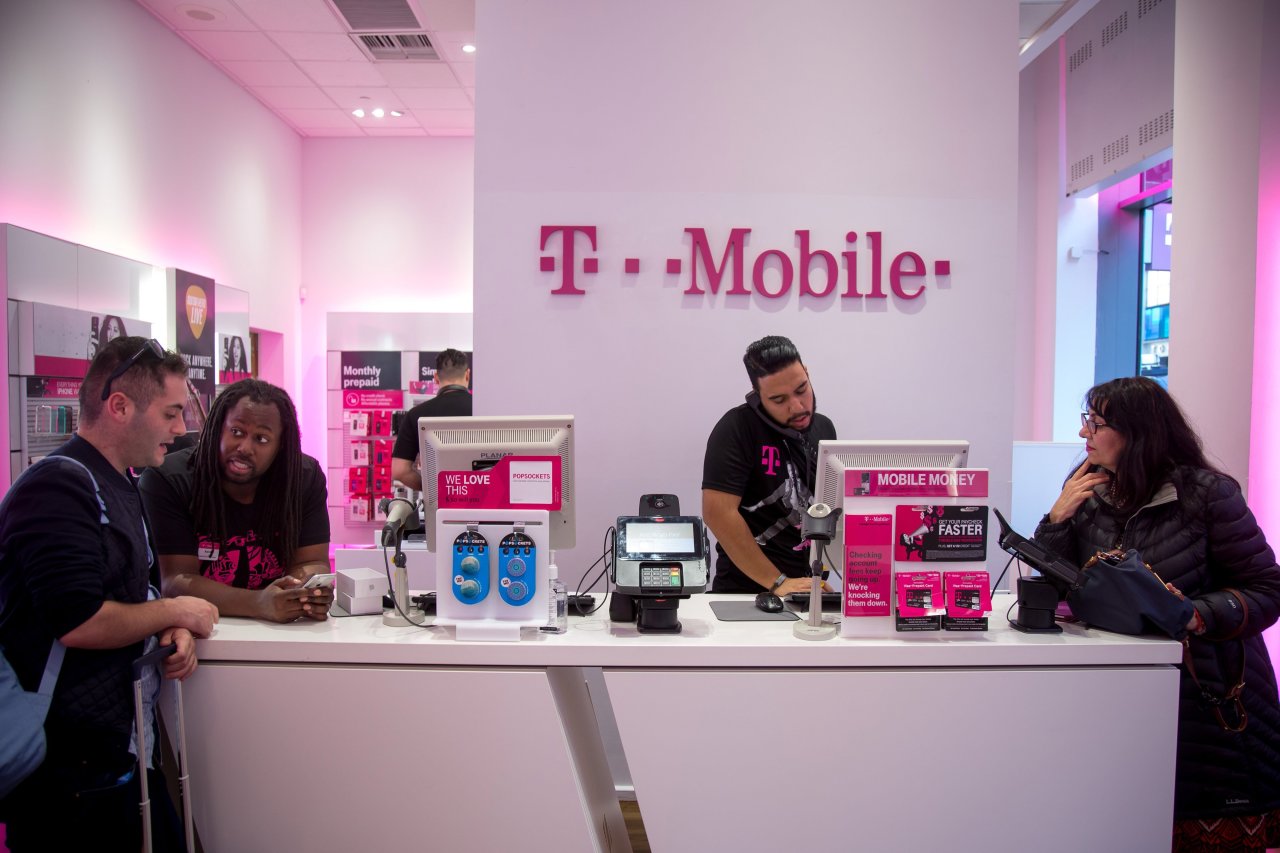
    T-Mobile recently introduced new plans where customers were quick to notice that the taxes and additional fees were no longer factored into the price. Now, according to multiple people claiming to be T-Mobile representatives, it seems that the company is doing away with its older plans entirely.

    One T-Mobile user claiming to be an employee at an authorized retailer has revealed that representatives will no longer receive commissions for activating older plans. This claim was backed up by multiple other people claiming to be employees of the carrier as well. Apparently T-Mobile has instructed store personnel to push the new plans only and stay away from plans that include taxes and fees in the price.

    Another user claiming to be a T-Mobile employee as well has also shared the same news in a separate post. The new instructions are to take effect from May 1 and will make it a lot more difficult to go to a store and sign up for a plan with included taxes and fees. Understandably representatives at these stores want to earn their commissions and will be very hesitant about activating an older plan.

    This decision comes after T-Mobile faced backlash online for introducing pricing updates to existing plans. Customers claimed that their plans, which had been marketed to them as price locked forever, also saw increases in monthly cost. Since then T-Mobile has been a lot more careful about promising price locks and new offers clearly state how long such guarantees will last.

    Naturally the revelation about older plans being no longer incentivized for store employees was met with criticism. One user even said that T-Mobile, which calls itself the “un-carrier”, is now just becoming another carrier company like AT&T or Verizon. AT&T and Verizon don’t offer plans with included taxes and fees and T-Mobile only started doing so around eight years ago.

    Including the taxes and fees in the price upfront makes it a lot easier for customers and employees. In fact representatives say that T-Mobile has gone back in time with its latest moves and they now have to once again tell customers that taxes and fees are separate. To me this feels like T-Mobile is getting ready to completely phase out plans with included charges in the near future.

  • China Mobile Hong Kong to Shut Down 3G Services by the End of June

    China Mobile Hong Kong to Shut Down 3G Services by the End of June

    The decision comes following a steady decline in 3G users, who now make up less than 0.25% of CMHK’s total mobile customer base, including post-paid, pre-paid, and virtual network operator-related subscribers. CMHK has been notifying customers of the upcoming transition since late 2023 and continues to assist affected users in upgrading their 3G phones, devices, or SIM cards.

    In a separate statement, the Communications Authority (CA) confirmed it granted CMHK prior approval to cease 3G services under Special Condition 10.4 of the company’s Unified Carrier Licence. The CA acknowledged that only a small number of users were affected and highlighted CMHK’s continued efforts to support them through service upgrades and transition arrangements.

    Customers who do not wish to upgrade will be offered reasonable termination options. The CA has also mandated that CMHK maintain adequate 3G service quality until the shutdown date.

    The CA also encouraged customers to consider upgrading to newer mobile services for improved quality and features.

  • Indosat Surges Ahead with Rising ARPU and Bold AI Ambitions

    Indosat Surges Ahead with Rising ARPU and Bold AI Ambitions

    Indosat Ooredoo Hutchison (Indosat) reported positive results in the first quarter of 2025, despite facing tough competition in the industry. The company’s success is due to its disciplined approach and dedication to supporting Indonesia’s digital development. During this quarter, Indosat saw growth in its average revenue per user (ARPU) and an increase in its customer base, showing resilience in a challenging market.

    ARPU reached nearly IDR 39.2 thousand, growing by 4.6% year-over-year (YoY), with 700,000 new mobile customers added, bringing the total to 95.4 million. The company reported stable total revenue of IDR 13,577.9 billion, with earnings before interest, taxes, depreciation, and amortization (EBITDA) reaching IDR 6,415.1 billion, growing by 0.6% quarter-on-quarter (QoQ). Net profit also increased by 27% quarter-on-quarter to IDR 1,311.1 billion, marking 17 consecutive quarters of profitability.

    Vikram Sinha, President Director and CEO of Indosat, emphasized, “This quarter’s results reflect not only strong financial performance, but also the unwavering dedication of our entire team to serve the people of Indonesia. In an increasingly competitive landscape, we have remained focused on our larger purpose: empowering Indonesia.”

    The company is also preparing for 5G technology to provide faster and more reliable digital services, especially in underserved areas. Indosat allocated IDR 2,620.4 billion in capital expenditure (CapEx) during the quarter, with a significant portion directed towards its cellular business. The company also announced a collaboration with Nokia and NVIDIA to deploy artificial intelligence radio access network (AI-RAN) technology, enhancing its 5G Cloud RAN with AI.

    The launch of the Digital Hub in February 2025 marked a significant step in Indosat’s commitment to empowering Indonesia. The Digital Hub offers entertainment, e-commerce, health, and lifestyle services to millions of users, with strong engagement across Indosat’s platforms. Indosat is not only focused on digital lifestyle enablement but also on talent development programs like Generasi Terkoneksi (GenSi) and IDCamp to equip young Indonesians with essential skills in AI and digital leadership.

    The company aims to become an AI-driven telco and techco by investing in advanced technologies and promoting AI innovation and automation. Through industry collaborations and a focus on technology, Indosat is leading Indonesia’s digital transformation towards a more inclusive and prosperous future.

    “Our journey to become an AI-techco has just begun. From investing in networks and talent to driving collaboration across industries, our goal remains the same: to make technology a force for inclusion, innovation, and digital sovereignty,” concluded Sinha.

  • Smartcom Expands Push-to-Talk Services Across Indonesia

    Smartcom Expands Push-to-Talk Services Across Indonesia

    Smartcom, a mobile virtual network operator (MVNO) based in Singapore, is now expanding its services to Indonesia. The goal of this expansion is to introduce Smartcom’s mission-critical push-to-talk (PTT) solutions to a larger market, catering to the communication needs of various industries. Since 2015, Smartcom has been collaborating with TASSTA and Singtel to provide reliable PTT communication coverage across Singapore.

    However, entering the Indonesian market poses new challenges due to its larger and more diverse nature. Indonesia, boasting the largest economy in Southeast Asia, offers a growing market for mission-critical communication solutions. With initiatives like ‘100 Smart Cities’ and a workforce of around 160 million, there are vast opportunities for expanded PTT services. The adoption of TASSTA’s solutions by key Indonesian industries like the police force and national railway operator underscores the demand for reliable communication systems.

    Indonesia’s industrial landscape, especially the mining and oil and gas (O&G) sectors, requires specialized push-to-talk solutions. Large events and gatherings also necessitate mission-critical PTT communication that can withstand high network congestion. To address these needs, Smartcom is partnering with Telkomsel, Indonesia’s largest telecommunications provider, to offer priority bandwidth during peak events. Additionally, solutions like ATEX-certified mobile devices will cater to O&G companies operating in hazardous environments.

    The expansion into Indonesia is part of Smartcom’s strategy to grow its customer base and enhance its services. By entering this new market, Smartcom aims to improve its product range, customization capabilities, and local technical support. Smartcom is also exploring partnerships with software providers to enhance its PTT platform and collaborating with Samsung Knox Mobile Device Management to ensure the security of its cellular-based communication solutions. Despite the challenges of entering a new market, Smartcom is working with Enterprise Singapore to navigate Indonesia’s business landscape.

  • Viettel Begins Construction of Vietnam’s Largest Data Center

    Viettel Begins Construction of Vietnam’s Largest Data Center

    Viettel has started building a new data center campus in Ho Chi Minh City, Vietnam. This will be Viettel’s largest data center yet, boasting a capacity of 140 MW and around 10,000 racks. The facility will cover approximately 40,000 sqm (430,555 sq. ft.) on a 4-hectare site. The data center is expected to be operational by 2026 and fully completed by 2030.

    It will be situated in Tan Phu Trung Industrial Park, Cu Chi district, which is 25 km from Ho Chi Minh City and 15 km from Tan Son Nhat International Airport. Huyen Nguyen, Deputy Director of Viettel’s International Business Center, mentioned that the data center aims to achieve a power usage effectiveness (PUE) of less than 1.4 and comply with Uptime Tier III standards. Viettel currently runs 15 data centers in Vietnam with a total capacity of 87 MW.

    The company plans to build 24 data centers by 2030, with a combined capacity of 560 MW. Viettel’s IDC data center unit offers colocation and cloud services from five data centers across Hanoi (x2), Da Nang (x1), and Ho Chi Minh City (x2), totaling 25,000 sqm (269,100 sq. ft).

    Notably, Vietnam recently lifted restrictions on the foreign ownership of data centers, removing the 49% cap.

  • Phone scammers will soon lose a major advantage

    Phone scammers will soon lose a major advantage

    The Federal Communications Commission is taking aim at a key loophole that helps robocallers dodge detection systems meant to protect consumers. If you’re still getting bombarded with scam calls on your phone, this gap involving older network technology is a likely contributor. The FCC wants to ensure calls maintain their digital fingerprints even when passing through these older networks.  

    Modern phone calls over internet (IP) networks benefit from STIR/SHAKEN, a system the FCC champions for tracking, blocking, and warning about bad calls. It acts like a digital fingerprint to verify caller ID isn’t faked or “spoofed”. It’s crucial for spotting malicious calls before they potentially trick someone.  

    The problem is that when calls travel — even partially, through older, non-IP phone lines (think traditional landlines) — this STIR/SHAKEN verification often gets lost due to technical limitations of those networks. Scammers know this and actively exploit it by routing calls through these pathways, effectively erasing the digital proof of origin. This makes their illegal calls much harder for carriers to identify and block.  

    Patching the network hole

    The FCC’s new proposal directly targets this non-IP loophole. For the last four years, providers using these older networks faced delayed deadlines for implementing call authentication required by the TRACED Act. The FCC now wants to end these delays and get authentication solutions deployed.  

    This initiative stems from the TRACED Act, which is legislation designed specifically to bolster the fight against the flood of illegal robocalls. While STIR/SHAKEN on IP networks has certainly made a dent, billions are still lost annually to frequent phone scams related to everything from fake auto warranties to government impersonations, seriously damaging consumer trust. Addressing specific vulnerabilities like the non-IP gap is essential.

    Shutting down this specific loophole won’t magically stop all robocalls overnight, but it’s a necessary technical fix in the ongoing battle. Ensuring calls retain authentication across different network types makes it tougher for scammers to operate anonymously and hide their tracks. Ultimately, closing this gap should lead to fewer fraudulent calls getting through to consumers and hopefully increase the reliability of caller ID.

  • SK Telecom Hit by Cyber Attack

    SK Telecom Hit by Cyber Attack

    The mobile carrier reported that the breach occurred due to malicious code infiltrating its systems. While the exact scope and nature of the data leak are still under investigation, the company stated it took immediate steps to report the incident to the Korea Internet and Security Agency (KISA), aligning with regulatory requirements.

    In a message to employees, CEO, Ryu Young-sang, conveyed his regret and accepted responsibility for the breach. He urged staff to take stronger measures to improve the company’s cybersecurity framework and enhance efforts to protect customer data.

    SK Telecom confirmed it has notified the Personal Information Protection Commission of the incident and is working closely with investigators. The company added that it promptly deleted the malicious code and isolated the affected equipment upon detecting a possible breach. There have been no confirmed reports of the leaked data being misused.

    The company said it will adopt stronger security measures, including comprehensive system inspections, upgraded detection and blocking systems for illegal SIM-related activities, and improved alert protocols in cases of potential threats. A free SIM protection service is also being offered through its website and T World platform.

    In response to the incident, the Ministry of Science and ICT (MSIT) has set up an emergency task force in collaboration with the Cyber Security and Network Policy Bureau. The ministry requested that SK Telecom preserve and submit relevant data for analysis. Officials from KISA were dispatched to the telecom provider’s Seoul headquarters for an on-site investigation.

    Depending on the outcome of the investigation, the government may form a joint task force encompassing both the public and private sectors to co

  • System errors spare T-Mobile customers their price surge

    System errors spare T-Mobile customers their price surge

    T-Mobile recently announced what it called “pricing updates” that were applied almost universally and made customers’ bills go up. However there is a subset of T-Mobile users that have been spared these price hikes — probably not for long — due to system errors that have failed to push billing updates.

    These price hikes were, understandably, unanimously disliked. This is especially true for legacy customers who saw pricing changes on their old plans that T-Mobile had once marketed as price locked.

    After people walked out of T-Mobile stores in protest of the T-Life app these pricing updates served as another irritant for customers. In response users dug up old T-Mobile ads about price locked plans and some people left T-Mobile for alternatives. All in all the entire situation has been a difficult time to be a T-Mobile customer or employee.

    But there are apparently T-Mobile customers who are receiving the same bill despite having been informed of a price increase. These people are relatively very few but system errors on T-Mobile’s end seem to have worked brilliantly in their favor. If they’re very lucky then T-Mobile will never spot their outdated billing information though that seems very unlikely to me.

    Since the whole pricing updates fiasco T-Mobile has introduced a new price lock guarantee. Unlike previous guarantees that promised lifelong price locks this new one is only valid for 10 years. However after everything that has happened I’m not falling for T-Mobile’s new price lock plan and neither should anyone else.

    The “un-carrier” is hardly the only telecom company currently facing controversy. AT&T soured relations with employees recently and is having a service outage in Los Angeles that will last a whopping two months. On the other hand Verizon is having a pricing crisis as the company struggles to define a strategy for itself after a year of very few new signups compared to competitors.

    If you’re one of those lucky few T-Mobile customers whose bill has remained unchanged despite a notification to the contrary, consider yourself blessed. And keep your fingers crossed that your plan doesn’t get updated too soon.

  • StarHub Earns Cisco Certifications, Boosts Tech Leadership

    StarHub Earns Cisco Certifications, Boosts Tech Leadership

    These accomplishments showcase StarHub’s ability to provide secure, scalable IT and customer engagement solutions with extensive expertise and a strong service delivery record. With Cisco‘s enhanced technologies, StarHub is better prepared to assist businesses in modernizing their operations and improving customer connections.

    Tan Kit Yong, Head of Enterprise Business Group at StarHub, stated, “This recognition goes beyond technical excellence; it confirms our dedication to enabling significant transformation for our customers. As technology becomes increasingly crucial for business success, we are committed to delivering intelligent, future-ready solutions that help our customers operate more efficiently, work smarter, and lead confidently.”

    The Cisco Premier Provider Certification is given to partners who consistently offer high-quality managed services with proven technical skills. Additionally, the Cisco Powered Webex Contact Center Specialization acknowledges StarHub’s ability to provide advanced, artificial intelligence (AI)-powered contact center solutions on a large scale.

    Jamie Romanin, Director of Webex Customer Experience at Cisco Systems, Asia Pacific, Japan, and China, expressed, “At Cisco, partnership is central to our operations. We are thrilled to collaborate with StarHub as a valued Premier Provider Partner and congratulate them on achieving the Cisco Powered Services Webex Contact Center Specialization. This accomplishment demonstrates their deep understanding of our contact center solutions and their proven ability to effectively deliver managed solutions. Together, we will empower more businesses to utilize Webex Contact Center and Webex AI Agent to transform customer engagement and achieve meaningful business results.”

    For businesses, this means quicker solution implementation, streamlined support processes, and consistent service quality, all supported by StarHub’s team of certified experts and Cisco lifecycle services. As customer and IT requirements evolve, StarHub remains committed to keeping technology simple, reliable, and designed to deliver tangible results.

  • Dialog Completes Sri Lanka’s First Live 5G VoNR Trial

    Dialog Completes Sri Lanka’s First Live 5G VoNR Trial

    This trial showcased a fully native 5G voice experience with uninterrupted connectivity. Expanding on its innovative work in 5G technology, Dialog had previously conducted a lab-based VoNR proof of concept (PoC) in 2023 using a PoC Core setup.

    This recent achievement on Dialog’s live 5G standalone (5G SA) core network demonstrates the practicality of VoNR services in real-world scenarios. VoNR offers clearer voice quality, faster call connections, and enhanced security compared to older 2G/3G or VoLTE services. It also paves the way for future features, such as 5G New Calling (5G NC), and boosts network efficiency by utilizing 5G spectrum more effectively.

    Ranga Kariyawasam, Group Chief Technology Officer of Dialog Axiata PLC, stated, “This milestone highlights Dialog’s dedication to advancing Sri Lanka’s 5G technology. Successfully testing VoNR on our live 5G network brings us closer to fully utilizing next-generation connectivity, providing seamless, high-quality voice services over 5G.”

    This achievement adds to Dialog’s list of 5G accomplishments, including the first 5G trial network in the region, the initial 5G SA network trial, Sri Lanka’s first standards-based 5G fixed-wireless pilot transmission, and its achievement of over 6 Gbps on its 5G-Advanced trial network. These milestones showcase the potential of next-generation 5.5G technology. Dialog remains committed to leading technological advancements, speeding up the adoption of next-generation connectivity, and bringing ‘The Future. Today.’ to Sri Lanka.