Category: Telecom

Retail News Asia is committed to providing both local and global retailers with the latest Telecom & Telco news throughout the Asian market. This on a daily base.

  • Meta to Bring World’s Longest Undersea Cable to India

    Meta to Bring World’s Longest Undersea Cable to India

    The announcement, made in accordance with the recent U.S.-India joint leaders’ statement, highlights Meta’s focus on India’s expanding digital ecosystem. The undersea network will play a crucial role in global internet connectivity, linking countries and supporting local telecom operators in delivering services.

    “Meta is investing in India—one of its largest markets—bringing the world’s longest, highest capacity, and most technologically advanced subsea cable project to connect India, the U.S., and other locations,” a Meta spokesperson said.

    This investment comes amid growing calls from telecom operators for major tech firms, including Meta, to contribute to network infrastructure development and alleviate data traffic congestion.

    According to Meta, Project Waterworth will utilize advanced routing techniques and innovative cable burial strategies to safeguard the cable system against damage, particularly in high-risk coastal regions. The cable will reach depths of up to 7,000 meters in deep-sea areas.

    A Meta spokesperson said the investment reflects the company’s commitment to economic growth, resilient infrastructure, and digital inclusion, driven by India’s increasing demand for digital services.

    The U.S.-India joint statement, released following Prime Minister Shri Narendra Modi’s visit to the U.S., also emphasized India’s plans to invest in undersea cable maintenance and financing in the Indian Ocean using trusted vendors.

    “This project will enable greater economic cooperation, facilitate digital inclusion, and open opportunities for technological development in these regions,” Meta noted. “In India, where we’ve already seen significant growth and investment, Waterworth will help accelerate progress and support the country’s digital economy ambitions.”

  • Alibaba Cloud Expands Thai Presence with New Data Center

    Alibaba Cloud Expands Thai Presence with New Data Center

    Sean Yuan, Vice President of International Business and General Manager of Thailand, Indonesia, Japan, the Philippines, and the South Pacific Region at Alibaba Cloud Intelligence, stated, “Our latest data center strengthens our commitment to providing reliable, secure, and high-performance cloud services tailored to the needs of local businesses. With enhanced local infrastructure, we aim to empower enterprises to leverage the full potential of cloud technology, especially in generative AI applications.”

    With the addition of this new data center, Alibaba Cloud now operates 86 availability zones across 28 regions globally, solidifying its position as a leading cloud service provider in Southeast Asia. The first data center in Thailand was launched in 2022. Alibaba Cloud has over 140 security and compliance accreditations worldwide, ensuring top-tier protection and resilience for its cloud services. With two data centers in Thailand, Alibaba Cloud can provide scalable, elastic, and highly available cloud computing products with enhanced disaster recovery capabilities, all while adhering to strict security and regulatory standards.

    Alibaba Cloud is expanding its range of services to support businesses in Thailand, including elastic computing, storage, database, security, network products, data analytics, and artificial intelligence (AI) services. These services are designed to address specific challenges faced by different industries. By leveraging AnalyticDB’s cloud-native vector engine, businesses in Thailand, especially in the fintech and retail sectors, can create solutions that enhance customer interactions through customized large language model (LLM) applications. This allows companies to efficiently manage structured and unstructured data, develop chatbots, and provide personalized product recommendations, ultimately improving the customer experience.

    Alibaba Cloud’s Container Compute Service (ACS) simplifies workload deployment using Kubernetes, offering a serverless container environment that helps businesses scale their operations efficiently and focus on innovation while managing costs effectively. Alibaba Cloud offers industry-specific solutions tailored to digital-native clients in sectors such as fintech, retail, and public services. These solutions include the Elastic Desktop Service (EDS), eKYC solutions, a SuperApp equipped with development capabilities, and AI-driven sustainability solutions.

    Through partnerships with local companies like True Digital Group, Yell Group, and Codium, Alibaba Cloud has helped enhance operations and services using cloud computing products. These collaborations aim to improve efficiency, scalability, and innovation in various industries. Alibaba Cloud is actively working with local partners and universities in Thailand to support the digital transformation of businesses and foster digital talent. Initiatives include workshops, certified courses, and collaborations with universities to provide training in cloud computing and generative AI, as well as the launch of a global skills center at Chulalongkorn University to offer free training courses, boot camps, AI competitions, and leadership development programs. These efforts aim to enhance educational resources and promote a thriving digital landscape in Thailand.

  • Chunghwa Telecom Expands Submarine Cable Investments

    Chunghwa Telecom Expands Submarine Cable Investments

    The company is increasing its investment in undersea cable infrastructure, allocating up to TWD 2 billion (USD 60.9 million) in 2025. The SJC2 system, spanning 10,500 kilometers, links 11 cable landing stations across Singapore, Thailand, Cambodia, Vietnam, Hong Kong, Taiwan, China, South Korea, and Japan.

    Meanwhile, the Apricot system, stretching 12,000 kilometers, will connect Taiwan to Japan, Guam, the Philippines, Indonesia, and Singapore. Chunghwa Telecom is part of the consortium overseeing the development of both cable projects.

    In addition to these deployments, the company is in discussing the possibility of other submarine cable projects with potential partners. Chunghwa Telecom Chairman, Alex Chien, indicated that the company is inclined to invest in undersea cables that connect Taiwan to Southeast Asia or Pacific nations. He also revealed that the company is considering launching more medium Earth orbit (MEO) and high Earth orbit (HEO) satellite internet services this year to bolster data security for the government and enterprises in case of undersea cable disruptions.

    Chunghwa Telecom is also addressing local connectivity issues. It has allocated funds to repair two damaged domestic submarine cables linking Taiwan and Lienchiang County (Matsu). These cables failed in late January due to natural wear and tear.

    Chunghwa Telecom’s increased investment in submarine cable systems comes amid heightened concerns over Taiwan’s digital infrastructure security due to ongoing geopolitical tensions with China.

    A quarter (25.2%) of the company’s 2025 capital expenditures (CapEx) will be directed toward non-mobile sectors, including submarine cable expansion,

  • Indosat Reports Strong Growth in 2024

    Indosat Reports Strong Growth in 2024

    Total revenue increased by 9.1% to IDR 55.9 trillion, driven by improvements in customer quality and contributions from all business lines. Cellular revenue grew by 7.5% due to increased revenue in the data and interconnection sector, while multimedia, data communication, and internet (MIDI) revenue rose by 23.4%, supported by increased revenue from IT services.

    EBITDA also grew by 10.2%, totaling IDR 26.4 trillion, demonstrating an EBITDA margin of 47.2% and Indosat’s efficiency in converting revenue into earnings. Profit for the period attributable to owners of the parent increased by 38.1%, totaling IDR 4.916 trillion, reinforcing the company’s financial health and ability to deliver returns to stakeholders.

    Vikram Sinha, President Director and CEO of Indosat, mentioned, “2024 was a challenging year. Despite this, we managed to secure a strong performance as a commitment to continue delivering value to our stakeholders. This strong financial and operational performance also underscores Indosat’s commitment to continuously drive the advancement in the telecommunications industry ecosystem in Indonesia.”

    Throughout 2024, data traffic increased by 12.2% year-over-year (YoY), reflecting the growing demand for Indosat’s services. The company expanded its network infrastructure by increasing the number of 4G BTS to 196,000 to enhance service quality for customers. This led to a 6.6% rise in mobile average revenue per user (ARPU), totaling nearly IDR 40,000 and showcasing the success of Indosat’s go-to-market strategy.

    In the final quarter of 2024, Indosat relaunched its postpaid service under the IM3 Platinum brand, integrating artificial intelligence (AI) to deliver a premium customer experience. The company is also embedding AI into its network operations through a partnership with Nokia, which aims to expand its 4G and 5G networks and provide smarter and more efficient connectivity.

    Indosat is also collaborating with UiPath to empower 100,000 Indonesians with enterprise automation skills by 2027, aligning with its mission to drive digital transformation and foster an AI-ready workforce in Indonesia.

    The company’s capital expenditure (CapEx) in 2024 totaled IDR 9.937 trillion. Indosat will focus on enhancing cellular networks to support the growing demand for AI-powered digital services.

    “By embedding AI across our operations and fostering collaborations rooted in the spirit of mutual cooperation, we are accelerating towards Indosat’s larger purpose of empowering Indonesia,” concluded Sinha.

  • Globe, GoTyme Bank Partner to Strengthen Anti-Scam Measures

    Globe, GoTyme Bank Partner to Strengthen Anti-Scam Measures

    This collaboration will comply with the Data Privacy Act and streamline the process of investigating suspected scammers by eliminating the need for warrants or subpoenas to access their information.

    Globe’s Chief Privacy Officer, Irish Salandanan-Almeida, emphasized, “This partnership reflects our ongoing commitment to championing cybersecurity and protecting our customers from the growing threats in the digital world. Through collaborations, we can combine our expertise and resources to better safeguard the financial sector and our customers from cybercrime.”

    In the first half of last year, Globe blocked 2.7 million bank-related spam and scam messages, investing around USD 20 million in scam detection and prevention systems to protect consumers from deceptive messages. A study by Kaspersky revealed that Filipinos encountered 14.1 million web threats last year, a decrease from 26.6 million in 2023.

    Yeo Siang Tiong, Kaspersky’s General Manager for Southeast Asia, suggested that this decline in cyber threats could be due to improved detection and prevention methods. However, Tiong cautioned that hackers might be targeting specific high-value individuals rather than launching widespread cyberattacks.

  • Singtel Launches 5G+ Using 700 MHz for Wider Coverage

    Singtel Launches 5G+ Using 700 MHz for Wider Coverage

    This upgraded 5G service, now called Singtel 5G+, will provide stronger signals (up to 40%) in indoor high-rise buildings, underground spaces, and remote areas in Singapore.

    The use of this low-frequency spectrum allows for wider coverage with fewer towers, ensuring a more reliable network for businesses needing constant connectivity and consumers wanting to make video calls or stream content in these locations. This development comes after the Info-communications Media Development Authority (IMDA) granted Singtel the rights to use the 700 MHz spectrum. Approximately 1.5 million subscribers, including Singtel’s mobile enterprise, postpaid, prepaid, and GOMO 5G customers, are expected to benefit from this expanded coverage at no extra cost.

    Mr. Ng Tian Chong, Chief Executive Officer of Singtel Singapore, stated that with the increasing digital lifestyles of consumers and the demand for innovative solutions by businesses, Singtel invested early in achieving 5G coverage to support Singapore’s Smart Nation goals. Singtel aims to set a new standard in 5G connectivity with 5G+, providing enhanced digital experiences for customers and enabling more opportunities for advancement.

    The use of the 700 MHz band allows signals to travel longer distances, extending coverage to areas like Tuas, Kranji, Sungei Kadut, Changi East, and Jurong Island, including locations with spatial constraints like military camps, factories, and warehouses. This wider coverage will provide consumers in these areas with seamless mobile experiences, while also boosting enterprise productivity in sectors like healthcare, public safety, and port operations. The 700 MHz band also improves signal transfer in dense urban environments like Singapore, ensuring uninterrupted calls and data services in places like basement carparks, HDB estates, and high-rise commercial developments.

    This enhancement will benefit sectors like security and manufacturing, which rely on smooth transmission of high-definition (HD) video footage for real-time threat detection and operational efficiency. Singtel’s early investments in 5G technology have allowed them to unlock new features and capabilities, positioning Singapore as a global testbed for innovation.

    Since achieving nationwide 5G coverage in 2022, Singtel has deployed 5G capabilities like network slicing for enterprise applications and at high-traffic events such as concerts and parades. The deployment of the 700 MHz spectrum is part of Singtel’s ongoing efforts to support individuals and future-proof businesses.

  • NEC Reveals Solution to Modernize Telco Infrastructure

    NEC Reveals Solution to Modernize Telco Infrastructure

    By leveraging cloud-native technology and virtualization, the new solution promises to reduce the time required to build mobile infrastructure—from Radio Access Network (RAN) to core—by approximately 60%, compared to traditional methods.

    As the need for faster, more reliable networks grows, telecom companies are adopting 5G virtualization technologies like v-RAN, O-RAN, and NFV. To keep up, network infrastructure construction must be modernized to improve efficiency and productivity.

    NEC’s new solution is designed to address these challenges, driving greater automation, efficiency, and quality in the construction of virtualized mobile infrastructures.

    Service News: NEC Thailand Partners with Umong to Improve Elderly Care

    Key Features

    • Network Infrastructure Modernization: NEC’s solution provides expert services to help telecom companies analyze their network building processes, from design to operation. NEC’s experience with virtualization platforms helps identify issues, create modernization strategies, and develop implementation plans. The service also offers guidance on improving processes, measuring performance, and boosting efficiency and quality.
    • Automation Technologies: The solution includes a suite of technologies designed to automate each stage of network construction. Fully compatible with cloud-native technologies, it is built on a microservice architecture that enables the integration of applications as small, independent services. This architecture supports open, multi-vendor environments, allowing telecom operators to modernize their networks while ensuring compatibility with a wide range of equipment.
    • Real-Time Data and Feedback Cycles: One of the standout features of NEC’s solution is the ability for network operations staff to access real-time data from all base stations. This feature accelerates feedback loops, improving base station performance and ensuring superior communication quality. The result is increased operational efficiency and a faster response to infrastructure needs.

    Exclusive: Kenji Takemura Discusses NEC’s Role in Enabling Future-Ready Connectivity

    NEC’s solution forms part of its goal to drive digital transformation in network operations. The ‘Network and Cloud-Native Orchestrator’ helps telecom companies modernize and automate their networks, improving the entire lifecycle from construction to operation. It supports virtualization, containerization, and cloud design, enabling carriers to expand quickly and cost-effectively.

    The solution also supports NEC’s new approach, NEC BluStellar, which focuses on being a “value driver” rather than just a systems integrator. NEC aims to transform business models, address social issues, and solve management challenges using advanced technologies and industry expertise.

  • Nokia to Upgrade Vietnam’s Air Traffic Network

    Nokia to Upgrade Vietnam’s Air Traffic Network

    The project will replace the existing Synchronous Digital Hierarchy (SDH) transport system with Internet Protocol/Multi-Protocol Label Switching (IP/MPLS) technology, enhancing security and reliability in southern Vietnam.

    The initiative will provide Ho Chi Minh City’s Air Traffic Control Center (ATCC) with an upgraded transmission network designed to support mission-critical applications, ensuring efficient air traffic control (ATC) operations. The new system, compliant with the International Civil Aviation Organization’s (ICAO) standards, is scheduled to go live in the second quarter of 2025.

    “Air traffic networks need to be exceptionally secure and reliable at all times to ensure the highest standards of safety are met. Nokia comes with extensive experience in air navigation with 20 air traffic control networks deployed worldwide. We are impressed by the quality and performance of Nokia’s IP/MPLS networking solution and are looking forward to the successful completion of this crucial initiative in the coming year,” Ho Sy Tung, Deputy General Director at VATM, stated.

    Nokia’s IP/MPLS solution will equip VATM with advanced network analytics, simplifying operations and optimizing performance. The upgrade will offer enhanced flexibility and programmability to support essential air traffic management applications, improving safety and efficiency.

    Additionally, the system will feature robust security measures and future-proof capabilities to counter emerging threats, including those posed by quantum computing.

    Jonathan Goh, Head of Enterprise Business, Network Infrastructure, Southeast Asia North at Nokia, said, “Our mission-critical network solutions are trusted worldwide, delivering exceptional performance and reliability. With embedded QSN capabilities, Nokia’s IP/MPLS technology will enhance the safety and operational efficiency of Vietnam’s air traffic network. We are honored that VATM has chosen Nokia for this pivotal network transformation, paving the way for safer, more advanced and reliable air traffic management across Vietnam.”

  • Enhancing User Experience with 5.5G in Malaysia

    Enhancing User Experience with 5.5G in Malaysia

    Malaysia’s 5G journey officially began with a bold push from the government and industry stakeholders to establish a robust and high-speed 5G infrastructure.

    Digital Nasional Berhad (DNB), the government-backed entity tasked with rolling out the 5G network in Malaysia, has been at the forefront of this initiative. The Malaysian government entrusted DNB with the responsibility of rolling out the infrastructure through a shared network model, aiming to foster equitable 5G access nationwide.

    By the end of 2022, DNB had deployed 3,900 5G sites, achieving nearly 50% coverage of the population in major urban areas. This ambitious rollout aimed to cover 80% of populated areas by 2024. Despite ongoing debates regarding DNB’s governance and transparency, it remains at the forefront of Malaysia’s efforts to transform its telecommunications infrastructure. The rollout of 5G services has sparked collaboration with major telecom players, including CelcomDigi, which became a key equity holder.

    As the technology evolves, it’s clear that 5G is not a one-stop destination but a steppingstone toward even more advanced networks. 5.5G—a bridging technology between 5G and 6G—is set to enhance user experience across Malaysia.

    In 2023, Digital Nasional Berhad (DNB), Telekom Malaysia (TM), and ZTE collaborated to create a pivotal launchpad for the development of 5.5G, conducting the world’s fastest 28 Gbps 5G mmWave live trial. This achievement also marked the deployment of Malaysia’s first 5G standalone (5G SA) core, laying the foundation for 5.5G advancement in Malaysia.

    In 2024, ZTE continued to push the boundaries of 5G innovation by showcasing its latest developments at the ‘Unfolding the Intelligent Future 2024’ event in Kuala Lumpur. During the event, the company set the fastest 5.5G live trial record. The 5.5G setup leveraged ZTE’s mmWave Active Antenna Unit (AAU), reinforcing Malaysia’s position as a leader in next-generation telecommunications.

    One of the first significant milestones for 5.5G in Malaysia came in the form of a successful trial by Maxis and Huawei, showcasing the potential of 5.5G technology in the Southeast Asian market. This trial, conducted in late 2024, was not only Malaysia’s first 5.5G demonstration but also the first in the region. The collaboration between Maxis and Huawei aimed to demonstrate how 5.5G can significantly enhance user experience by delivering faster data speeds, lower latency, and more reliable connections.

    During the trial, the teams successfully showcased a wide range of potential 5.5G use cases, including ultra-high-definition (UHD) video streaming, augmented reality (AR) and virtual reality (VR) applications, as well as immersive 3D content. These technologies, which rely on massive data throughput and low latency, are expected to benefit greatly from the enhanced capabilities of 5.5G networks, providing a glimpse into the future of entertainment, education, and virtual communication in Malaysia.

    The trial further demonstrated that 5.5G could enhance existing 5G infrastructure, enabling more efficient spectrum usage and supporting higher numbers of connected devices, a key requirement as the number of Internet of Things (IoT) devices continues to grow exponentially.

    Looking ahead to 2025, Malaysia’s 5.5G landscape is set to evolve further with Ericsson’s launch of 5G-Advanced in the country, following its successful deployment in Singapore. As one of the leading providers of 5G and 5.5G technologies, Ericsson’s contribution has been instrumental in helping Malaysia achieve its goal of becoming a regional leader in digital transformation.

    DNB’s ongoing efforts to roll out 5G infrastructure have provided a solid foundation for 5.5G development, enabling smoother transitions to next-generation technologies. The agency is also working on enhancing the capabilities of the existing 5G infrastructure by integrating 5.5G enhancements, such as ultra-reliable low-latency communications (URLLC), network slicing, and massive machine-type communications (mMTC). These features will improve the user experience by reducing network congestion, increasing reliability, and enabling the seamless connection of a wide range of devices.

    5.5G networks are set to bring several advancements over the current 5G technology, offering faster speeds, lower latency, and improved capacity. With speeds up to 100 times faster than 5G, 5.5G will enable ultra-high-definition video streaming, immersive gaming, and data-heavy applications like 3D holograms and AR/VR. Latency will be reduced to just 1 ms, which is essential for real-time data processing and enhanced user experience. Smart cities will also benefit from real-time traffic management and AI-powered surveillance (supported by 5.5G technology), improving user experience across multiple facets of daily life.

    While 5.5G is still in its nascent stages, several initiatives are already underway in Malaysia to lay the groundwork for its widespread adoption. Building on their partnership, Maxis and Huawei established a 5G-Advanced Joint Innovation Center in mid-2024. This center focuses on exploring innovations in gigabit capacity to support mobile network expansions and 5G/5.5G technologies.

    Industry regulators and stakeholders in Malaysia are already discussing the implementation of key 5.5G features such as ultra-low latency and enhanced mobile broadband (eMBB). These discussions are crucial for ensuring that Malaysia’s 5.5G network is optimized for the diverse needs of both businesses and consumers.

    The future of 5.5G in Malaysia looks promising. The Malaysian government and telecommunications industry stakeholders have set ambitious goals to make the country a leader in digital transformation, and 5.5G will play a key role in achieving these objectives. Additionally, the integration of 5.5G will be pivotal in Malaysia’s ongoing efforts to foster a digital economy. As industries increasingly adopt digital solutions, the enhanced speed, capacity, and reliability offered by 5.5G networks will be critical in supporting Malaysia’s growing tech ecosystem.

    The future of mobile connectivity is bright, and Malaysia is poised to lead the charge. As 5.5G collaboration between global technology providers continues to evolve, consumers, businesses, and industries can look forward to enhanced multifaceted experiences.


  • U Mobile, CIMB Sign MoU to Support 5G Network Rollout

    U Mobile, CIMB Sign MoU to Support 5G Network Rollout

    U Mobile CEO, Wong Heang Tuck, highlighted the company’s enthusiasm for this strategic partnership with CIMB for the 5G rollout, emphasizing CIMB’s shared commitment to innovation and digital growth. He noted that the financial support would enable a fast, cost-effective deployment, benefiting businesses, consumers, and the public sector.

    Chu Kok Wei, CEO of Group Wholesale Banking, CIMB Group, said, “In line with our shared goal of nation building, CIMB is pleased to support U Mobile in its efforts to connect Malaysians and spur digital innovation through the power of 5G. CIMB is also ready to offer a holistic range of bespoke products and services apart from financing, extending to diverse areas including investment banking and treasury that will spark further innovation and accelerate growth both for U Mobile and Malaysia.”

    Both Tuck and Wei signed the MoU at U Mobile’s Corporate Offices in Berjaya Times Square. The ceremony was attended by U Mobile CFO, Sandy Tsang, and Denise Wong, Head of Corporate Coverage Malaysia at CIMB Group.

    This MoU builds on a longstanding financial relationship between the two companies, including CIMB’s participation in a MYR 1.2 billion facility for U Mobile in 2021, which was increased to MYR 1.4 billion in 2023.

  • Jio Platforms, Polygon Labs Partner to Drive Web3, Blockchain Solutions

    Jio Platforms, Polygon Labs Partner to Drive Web3, Blockchain Solutions

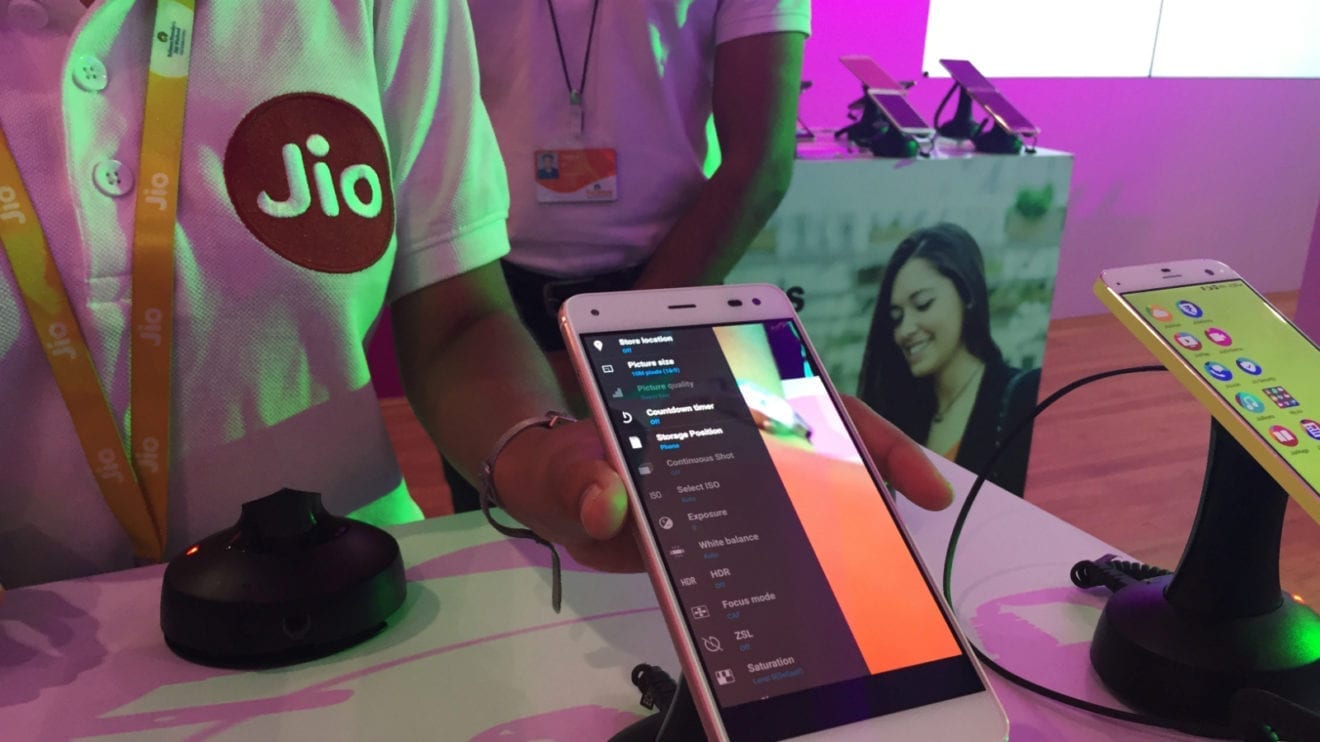
    Through this collaboration, Jio aims to integrate Polygon’s blockchain solutions into its existing applications and services, expanding Web3 capabilities to its extensive customer base of over 450 million users.

    “Reliance leverages the infrastructure that Polygon has in order for them to go out and enable their users to use the stack. They can go out and build an application running on Polygon as a backend, allowing users to leverage the technology,” explained Aishwary Gupta, Global Head of Payments, Polygon Labs.

    Gupta refrained from disclosing specifics about the Web3 products being developed in collaboration, citing confidentiality. He did, however, emphasize the broader potential of blockchain technology in India, extending beyond its conventional use in cryptocurrency and virtual digital asset (VDA) trading.

    Gupta highlighted that, in India, new applications for the technology are emerging, particularly at the intersection of AI and cryptocurrency, where they are being used to create advanced agentic frameworks, build communities on blockchain platforms, and improve payment systems. Although, he noted that current financial infrastructure is not yet equipped to handle the requirements of Web3.

    He further emphasized the potential of developing a marketplace where users can trade vouchers as non-fungible tokens. The company has previously collaborated with brands like Flipkart on similar initiatives, according to a company representative.

    “We have done everything which was Web3 while working with 60 brands. Users do not know that they’re interacting with Polygon since it is in the backend,” he said.

    Web3 represents the next evolution of the internet, leveraging blockchain technology to enable use cases such as cryptocurrencies, NFTs, and decentralized finance. Its decentralized structure provides users with greater control over their digital interactions and assets.

  • Indosat, ZTE Enhance Indonesia’s Connectivity with Advanced Microwave Technology

    Indosat, ZTE Enhance Indonesia’s Connectivity with Advanced Microwave Technology

    Utilizing ZTE’s microwave technology, the partnership aims to provide reliable, high-speed communication to remote islands and rural regions, granting more Indonesians access to IOH’s 4G network.

    Indonesia faces significant challenges in building communication infrastructure due to its rugged terrain and high costs. Traditional wired communication solutions often fall short, leaving many areas disconnected and limiting economic and social growth.

    To address this, Indosat and ZTE have deployed more than 550 ultra-capacity backbone microwave links nationwide, connecting nearly 80% of major cities and remote regions. ZTE’s innovative technology, designed for Indonesia’s specific needs, ensures long-distance, high-capacity transmission, providing previously isolated communities with reliable connectivity.

    Kevin Chen, Sales Director of PT., ZTE Indonesia, said, “ZTE are committed to seizing strategic opportunities in digitalization, intelligence, and low-carbon development. ZTE microwave backbone connects ZTE, IOH, and Indonesian residents together, [and] will explore more new possibilities in communication ways, contributing to the digital economic growth of Indonesia and the global community.”

    The solution incorporates advanced features tailored to Indonesia’s environmental conditions. ZTE’s multi-frequency Ultra Broadband Antennas (UBA) facilitate flexible frequency selection, reducing infrastructure costs. Customized branching units enhance efficiency and performance, while durable equipment withstands harsh weather conditions such as heavy rain, strong winds, and corrosion.

    Additionally, the integration of 4T4R modem boards and energy-saving technology ensures rapid deployment with minimal resources. The system’s scalable design supports future upgrades, enabling up to eight times the capacity and extended coverage to new areas.

    Indosat’s subscriber base has seen substantial growth, especially in remote regions, due to a strategic initiative that has expanded backhaul capacity in areas like Sumatra and Kalimantan to 2-3 Gbps, with peak speeds reaching up to 6 Gbps. This improved connectivity enables residents to access real-time information, online education, and digital entertainment seamlessly. Moreover, the initiative has spurred local economic development by generating employment opportunities, enhancing tourism, and encouraging knowledge exchange, while also driving progress in healthcare and education.

    Indosat and ZTE plan to strengthen their partnership to expand network coverage across Indonesia, focusing on improved communication infrastructure. Their joint efforts aim to enhance product capabilities, lower costs, and deliver innovative solutions to empower Indonesians in the digital age.

    Desmond Cheung, Director and Chief Technology Officer, Indosat Ooredoo Hutchison, commented, “This partnership with ZTE reflects our dedication to connecting communities across the nation, regardless of geographic challenges. By deploying advanced technology, we are not only improving digital experience but also unlocking opportunities for economic and social progress, creating a brighter digital future for Indonesia.”

  • PLDT, Smart Lead National Drive to Protect Telecom Infrastructure

    PLDT, Smart Lead National Drive to Protect Telecom Infrastructure

    In partnership with public and private stakeholders, including local government units and communities, the companies aim to ensure reliable connectivity and uninterrupted service across the nation.

    “Protecting our infrastructure is not just about safeguarding our business operations; it is about ensuring that our customers and communities can rely on uninterrupted connectivity and technology that are essential for our country’s development within a safe and secure cyber environment,” said Atty. Roy Ibay, Vice President and Head of Regulatory at Smart and convenor of PROTECTA Pilipinas, a public-private partnership dedicated to safeguarding technology and telecommunications infrastructure nationwide.

    PLDT, Smart, and the Cybercrime Investigation and Coordinating Center (CICC) spearheaded the launch of a coalition focused on telecommunications infrastructure protection. The launch brought together key stakeholders, including the Philippine Chamber of Telecommunication Operators; advocacy group, CITIZENWATCH Philippines; think-tank, Infrawatch PH; the PNP Anti-Cybercrime Group; the Federation of International Cable TV Association of the Philippines (FICTAP); and the Manila Electric Co. (Meralco).

    In collaboration with the Metropolitan Manila Development Authority (MMDA), PLDT has taken proactive measures to protect fiber optic cables from accidental damage during roadworks, particularly during excavation and digging activities.

    Beyond partnerships with government agencies and industry players, PLDT Group has been encouraging its customers and communities to report illegal activities such as cable theft, breakage, and related incidents to local authorities.

    These initiatives reflect PLDT and Smart’s commitment to enhancing telecommunications infrastructure protection, improving customer experience nationwide, and supporting the United Nations (UN) Sustainable Development Goal (SDG) 9, which focuses on industry, innovation, and infrastructure.

    These efforts also align with the government’s push for digital transformation, which aims to bridge the digital divide and ensure internet access for more Filipinos across the nation.

  • Smart Communications Launches First 5G Max City

    Smart Communications Launches First 5G Max City

    The company plans to roll out additional Smart 5G Max Cities in 2025, aiming to bring faster and more reliable 5G connectivity to more Filipinos across the country.

    Debbie Hu, Head of Wireless Network at Smart, stated that the achievement forms part of Smart’s broader commitment to building robust, future-ready infrastructure. She mentioned that, starting with BGC as a blueprint, the company aims to expand the Smart 5G Max experience—which is already benefiting residents, workers, and businesses in BGC—to more cities and areas across the Philippines. This expansion is intended to boost productivity and enhance the digital lifestyle of Filipinos.

    During a recent event, 5G users (at its peak) outnumbered 4G users for the first time, highlighting the power of Smart 5G Max. According to Hu, this is the first time 5G user count has exceeded that of 4G at their events during peak traffic times. Independent speed tests conducted during the event also revealed that Smart’s 5G network outperformed competitors, demonstrating download speeds that were at least three times faster and upload speeds that were twice as fast.

    “Our speed advantage empowers users with instantaneous access to content, seamless streaming, and uninterrupted online gaming, cementing Smart 5G as the superior choice for customers,” said Kristine Go, Senior Vice President for Wireless Consumer Business at Smart. “After hosting the country’s first-ever Smart 5G Max-powered concert in the Philippines in BGC, which highlighted the possibilities of ultra-fast, ultra-low latency, and reliable 5G networks, we are now eyeing to extend Smart’s superior 5G experience outside of Metro Manila to benefit more content creators, streamers, and gamers, unlocking endless 5G-powered opportunities in every corner of the nation.”

    Smart continues to lead the charge in advancing 5G adoption in the Philippines with its latest milestone. In addition to expanding and upgrading its mobile network, which currently covers 97% of the population, Smart boasts the largest integrated network in the Philippines.

    Through its innovative mobile products and services, Smart also supports PLDT Group’s efforts in bridging the digital divide, enhancing connectivity, and contributing to the United Nations (UN) Sustainable Development Goals (SDGs); especially SDG 9, which focuses on industry, innovation, and infrastructure.

  • Thailand’s Telecom Revenue to Hit USD 11.2 Billion by 2029

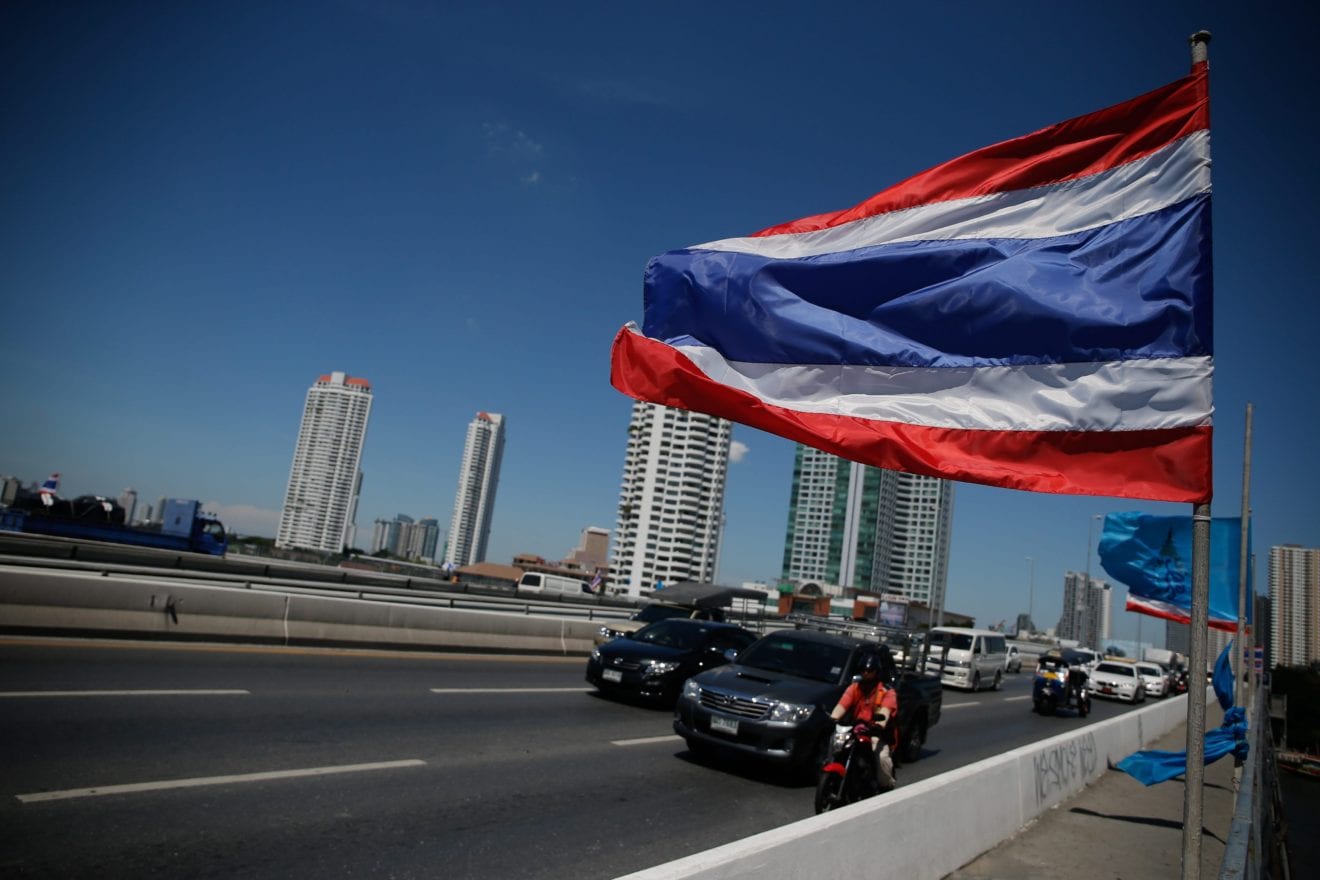
    Thailand’s Telecom Revenue to Hit USD 11.2 Billion by 2029

    According to GlobalData, a prominent data and analytics company, mobile voice service revenues are expected to decrease due to a decline in mobile voice service ARPU, with operators offering unlimited free voice minutes in bundled plans.

    On the other hand, mobile data service revenues are forecasted to increase by 5.2% annually, fueled by the growing adoption of smartphones, mobile internet subscriptions, and the utilization of mobile data services. This is expected to grow in tandem with 5G services.

    GlobalData Telecom Analyst, Kantipudi Pradeepthi, noted that, while 4G services dominated mobile subscriptions in 2024, 5G subscriptions are expected to surpass 4G subscriptions by 2026. This shift is being driven by the increasing demand for 5G services and operators’ efforts in expanding their 5G networks.

    For example, True plans to upgrade 10,000 sites and achieve 95% 5G coverage by the end of 2025. In the fixed communication services sector, fixed voice services are declining due to a drop in circuit-switched subscriptions.

    However, fixed broadband service revenue is projected to grow by 2% annually from 2024 to 2029, supported by the increasing adoption of Fiber-to-the-Home/Business (FTTH/B) broadband subscriptions.

    Pradeepthi explained that the growing demand for high-speed broadband, the expansion of FTTH networks in urban areas, government initiatives to expand fiber network coverage, and the phasing out of DSL services serve as factors driving the growth of fiber broadband subscriptions.

    The revenue from pay-TV services in Thailand is expected to grow by 6.6% annually, driven by the growth in IPTV subscriptions and a steady increase in DTH and cable TV subscribers.

    In conclusion, Pradeepthi acknowledged that True is expected to lead the mobile service segment in 2024, while AIS will lead in the fixed broadband market, particularly in the FTTH segment.