Category: Telecom

Retail News Asia is committed to providing both local and global retailers with the latest Telecom & Telco news throughout the Asian market. This on a daily base.

  • Huawei Unveils Comprehensive Suite of AI-Powered Solutions at MWC Barcelona 2025

    Huawei Unveils Comprehensive Suite of AI-Powered Solutions at MWC Barcelona 2025

    At the Huawei Product & Solution Launch during Mobile World Congress (MWC) Barcelona 2025, Huawei revealed its innovative roadmap, showcasing a comprehensive suite of AI-powered solutions designed to transform network infrastructure, accelerate digital information, and propel the industry into a more intelligent, connected, and sustainable digital future.

    AI-Centric Network Solution, Seizing New Opportunities in the AI Era

    Yang Chaobin, Huawei’s Director of the Board and CEO of the ICT Business Group, introduced the AI-Centric Network solution to address the growing demand for enhanced network bandwidth, lower latency, wider coverage, and improved operations and management.

    In his keynote, Yang Chaobin highlighted the solution’s four-layered approach, which includes all-domain connectivity, application-oriented O&M, enhanced AI-to-X services, and innovative business models. Through this strategy, Huawei aims to accelerate the transition towards an intelligent world while unlocking new revenue streams.

    AI-Centric 5.5G, Igniting the Mobile AI Era

    Building on an AI-powered network foundation, Cao Ming, Vice President of Huawei and President of Huawei Wireless Solution, noted that mobile AI aims to revolutionize the world by delivering intelligent, human-like experiences anytime, anywhere, and for everything. This shift towards ‘AI for All’ will drive three major transformations in the mobile industry. Firstly, it will transform the user experience from being downlink-focused to offering diverse capabilities. Secondly, it will evolve O&M from AN L3 to AN L4 intelligence. Thirdly, it will shift business models from traffic-based to multi-factor monetization.

    In the mobile AI era, connections will expand from human-to-human to human-to-AI and AI-to-AI, requiring diverse experiences and services. For multi-modal AI interactions, high uplink capability is essential. Cao Ming mentioned that, for real-time AI agent calling, ultra-low latency is critical. To enable ubiquitous intelligent connections, Cao Ming emphasized that seamless coverage is necessary, particularly for AI-powered devices in both dense cities and remote areas.

    To address these challenges, Cao Ming introduced three AI-Centric 5.5G solutions: GigaGear, GreenPulse, and GainLeap.

    Intelligent Core, Paving the Way to the Mobile AI Era

    Further expanding on the mobile AI concept, George Gao, President of Huawei Cloud Core Network Product Line, charted the evolution of core networks into AI-native systems.

    In his keynote, George Gao noted that AI core network transformation occurs in two phases: 5G-A Intelligent Core and Agentic Core. He added that 5G-A Intelligent Core can equip three intelligence entries with calling agents, personalized experience agents, and digital expert agents.

    Moreover, George Gao also launched Huawei’s Telco Intelligent Converged Cloud (TICC) infrastructure, which manages heterogeneous hardware and integrates FusionMind to provide high-quality training and inference services for agents.

    Towards AI ON for New Growth in the AI Era

    Huawei’s product and solution launch also showcased optical network advancements, with Bob Chen, President of Huawei Optical Business Product Line, unveiling the AI Optical Network (AI ON) concept.

    AI applications, from self-owned call assistants to third-party chatbots, thrive on a strong network foundation. According to Bob Chen, the equation is clear: (Data + Model + Computing) x Network = AI prosperity. However, AI development demands deterministic connections and on-tap computing power akin to utilities like electricity and water.

    The transition to AI ON networks requires awareness, always-on demand, assurance, autonomous O&M, and AI-native capabilities. Chen explained that traditional networks struggle with undifferentiated services and reactive repairs, but AI-driven networks offer:

    • Customized Connections: Instead of fixed speeds, users can get tailored services. For example, a gaming package can offer 500 Mbps speed, 10 ms latency, and 99.9999% reliability.
    • Deterministic Performance: AI ensures low latency, “0” packet loss, and hitless protection switching, eliminating uncertainties caused by congestion and failures.
    • Autonomous Operations: The application of AI enables real-time risk detection, automatic troubleshooting, and proactive network health checks.

    AI WAN: Leading IP Networks into the Intelligent Era

    Meanwhile, Leon Wang, President of Huawei Data Communication Product Line, presented the company’s new AI WAN solution, which is designed to empower IP networks in the Net5.5G era using AI. During his keynote, Leon Wang highlighted the solution’s three-layer architecture, comprising AI routers, AI new connections, and AI new brain, which enhances network performance and intelligence through millisecond-level flow sampling, high-accuracy flow awareness, and efficient security protection engines.

    Leon Wang explained that AI WAN’s predictive traffic management helped MTN South Africa reduce congestion at 10% of its 7,000 base stations, resulting in a 25% increase in data usage (DOU) in KwaZulu-Natal and traffic grew by 15.4%. In home services, Carrier CTM partnered with Huawei to optimize network services using an AI computing engine. This resulted in a dramatic reduction in game latency and hence a significant improvement on customer experience. For enterprise security, AI WAN’s intelligent flash defense detected attack flows, enabling carriers to offer high-value security services with a projected 35% revenue increase.

    AI-Ready Data Infrastructure Accelerates Telco-to-Techco Transformation

    In his keynote, Peter Zhou, President of Huawei Data Storage Product Line, highlighted the growing importance of data in the AI era, as AI agents are set to leverage massive amounts of data to transform consumer, home, and business experiences.

    By 2030, Peter Zhou predicts that each individual will generate TB-scale data, powering 10 billion AI agents, while each family will produce PB-scale data for 1.8 billion AI housekeepers, and enterprises will manage EB-scale data, driving 2.8 billion AI applications. To support this, Huawei introduced AI-Ready data storage, featuring a data lake, diverse data services, and a FlashEver business model. Their AI-driven storage innovations include OceanStor Dorado, which enables seamless AI and cloud-native applications; the OceanStor A Series storage, which reduces GPU wait time by 30% and cuts inference costs by 40%; and the OceanStor Pacific, which doubles storage capacity while cutting power consumption by 40%.

    Peter Zhou added that Huawei’s security and business continuity solutions can reduce TCO by 30%, recover 1 TB of data in 20 seconds, and offer flexible AI storage models like FlashEver, a pay-as-you-go model with 10-year investment protection.

    Huawei ICT Services and Software Enable Digital Intelligence Acceleration

    In his keynote, Bruce Xun, President of Huawei Global Technical Service, showcased a series of innovative digital intelligence solutions to address the key challenges in the industry’s digital transformation journey.

    Huawei established the equipment Center Office (CO) modernization solution, Intelligent Operations solution for MBB cross-domain service keepalive, Mobile Network NPS Improvement solution, Differentiated Service Experience Monetization and Assurance solution, and enhanced Mobile Money solution.

    He emphasized focusing on high-value business scenarios, such as streamlining network, data, and AI capabilities along the value stream, and quickly integrating Copilot, AI Agent, and DTN into the operation process for efficient human-machine collaboration and value realization, ultimately creating tangible business value and accelerating digital intelligence.

    Accelerate Intelligence with Cloud, Leap from Telco to Techco

    Bruno Zhang, Huawei Cloud CTO, discussed the comprehensive strategies required for telecom carriers to shift to technology companies, highlighting, “Carriers have clear expectations for the cloud.” In his keynote, Bruno Zhang outlined Huawei’s cloud offerings, including Huawei Cloud Stack and CloudDC to support this transformation.

    The Huawei Cloud Stack has reduced TCO by 50% over 3 years, offering 120+ cloud services for seamless migration, while CloudDC provides 30+ Tier 3+ data centers with a 10x efficiency boost and AI-powered fault recovery within 15 minutes. In terms of AI-powered databases, GaussDB outperformed competitors, doubling performance, ensuring zero data loss, and auto-fixing 90% of faults.

    Huawei’s ‘AI for Industries’ initiative leverages its Pangu Models and ModelArts to help enterprises create industry-specific AI models, with over 400 AI applications successfully deployed across 30+ industries. To help carriers leverage their device-cloud synergy with multi-architecture compute and multi-OS devices, Huawei created Cloud Device, a family of products including KooPhone, KooDrive, and Cloud STB. These products deliver 60 ms latency and zero buffering.

    Bruno Zhang highlighted that live streaming and AI have experienced remarkable growth, with streamers increasing by 10x and AI usage growing 20x over the past five years. While traditional networks face challenges, Huawei’s Cloud Media Edge enhances real-time streaming and drives ARPU growth. Finally, Bruno Zhang explained that carriers require ecosystem capability and operational expertise to expand their enterprise business, and Huawei Cloud offers two solutions to support this. KooGallery provides carriers with easy access to tens of thousands of enterprise applications via standard APIs, while Cloud on Cloud offers comprehensive cloud operation capabilities.

    AI Empowering Operators Accelerated Transition Towards Energy Prosumers

    Recognizing the significant role of technological innovation in the intelligent era, He Bo, President of Huawei Data Center Facility & Critical Power Product Line, highlighted the challenges of rising energy consumption, emissions, and infrastructure reliability. In his keynote, Bo noted that AI-driven energy solutions are transforming operators into Energy Prosumers 2.0.

    He Bo introduced the Single SitePower infrastructure and AI-driven DC infrastructure to address these concerns. These solutions integrate energy and information flows and enhance resilience, efficiency, and sustainability. He also highlighted Huawei’s Virtual Power Plants (VPP), AI-driven PV+ battery systems (which increase energy yield by 20% and reduce cabling by 80%), and the Arc-Fault Circuit Interrupter (AFCI), which can extinguish arcs in 2.5 seconds, improving safety.

    Meanwhile, Huawei’s modular designs and advanced cooling systems for data centers are addressing reliability, uncertainty, delivery, and high power demands. Huawei’s series of innovations aims to establish a greener energy foundation for the ICT industry, driving operators to thrive while accelerating carbon neutrality goals.

    Through these comprehensive product and solution offerings, Huawei is demonstrating its commitment to driving innovation and establishing an intelligent and sustainable digital ecosystem, ultimately advancing the telecommunications industry.
  • Huawei Reports Revenue Increase in 2024 Amid Declining Margins

    Huawei Reports Revenue Increase in 2024 Amid Declining Margins

    However, the Chinese conglomerate’s net profit dropped by 28% to CNY 62.6 billion (USD 8.63 billion), with operating margins declining from 14.8% to 9.2%.

    Huawei’s remarkable revenue growth was driven by its consumer business, particularly by strong smartphone sales in China, which surged to CNY 339 billion by 38%.

    Meng Wanzhou, Huawei’s Rotating Chairwoman, highlighted, “Our devices are now back in the fast lane, and we are making historic breakthroughs in HarmonyOS ecosystem development.”

    We continued to optimize our business mix for cloud computing and our digital power kept forging ahead, placing quality before all else.

    The company also maintained a steady performance in its information and communication technology (ICT) infrastructure segment, which grew by 4.9%, totaling USD 369.9 billion.

    Moreover, Huawei’s spending on research and development (R&D) reached CNY 179.7 billion in 2024, representing 20.8% of its total revenue.

    Liang Hua, Huawei’s Chairman of the Board, emphasized, “Over the past year, we strengthened investment in innovation and R&D. We continued to hone our overall competitive edge while improving customer satisfaction and user experience.”

    The report reflected Huawei’s increasing dependence on its domestic market, with China contributing over 71% of its total revenue in 2024. By leveraging the company’s computing, storage, networks, digital power, devices, and intelligent automotive solutions to meet growing demands, the Chinese market contributed CNY 615.3 billion to the overall revenue.

    Huawei’s limited access to the international market has led to the development of the HarmonyOS ecosystem, an alternative to Android following United States sanctions.

    In Europe, the Middle East, and Africa (EMEA), Huawei maintained a steady performance in ICT infrastructure while achieving rapid growth in cloud computing and digital power solutions. The region’s revenue generated CNY 148.4 billion, accounting for 17% of the company’s revenue.

    In a similar trend, the Asia Pacific contributed CNY 43.3 billion, accounting for 5% of the company’s overall revenue, which was primarily driven by accelerated 5G deployment and the rapid expansion of cloud computing and digital power.

    Despite the increase in network traffic and quicker construction of 5G and data communication networks, the Americas contributed the least (CNY 36.3 billion), accounting for only 4% of Huawei’s total revenue.

    Wanzhou further noted that despite the economic downturn, Huawei will increase its strategic investments over the next three years, particularly focusing on building foundational technologies and capitalizing on growth opportunities through differentiation.

  • MobiFone Rolls Out 5G, Boosting Vietnam’s Digital Growth

    MobiFone Rolls Out 5G, Boosting Vietnam’s Digital Growth

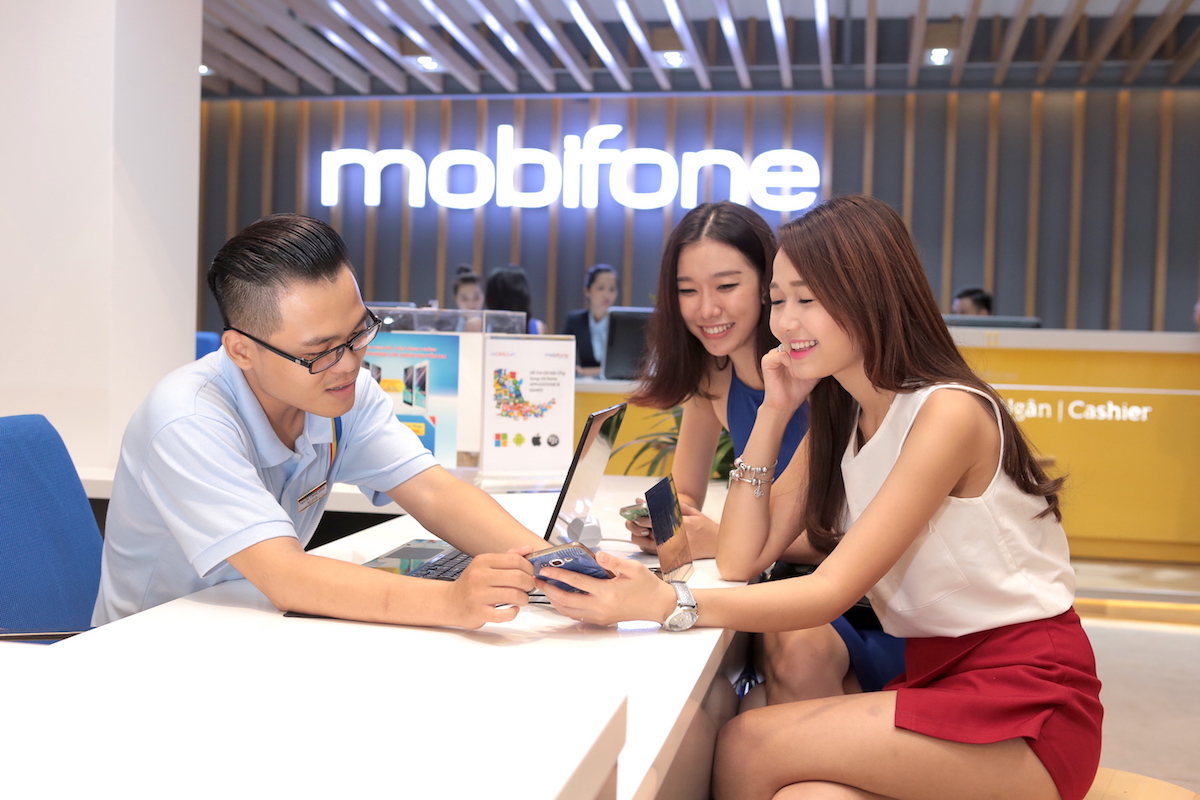
    Initially, the 5G service will be available in major city centers, with plans to expand nationwide soon. The network operates on the 3.800-3.900 MHz frequency band, using both 5G NSA (non-standalone) and 5G SA (standalone) architectures. The network speed can reach up to 1.5 Gbps, which is 10 to 15 times faster than 4G.

    Existing 4G subscribers with 5G-compatible smartphones can access the 5G network across coverage areas without changing their SIM cards. For enterprise customers, MobiFone offers over 100 products and solutions for eight priority sectors, addressing national digital transformation. MobiFone has already implemented various 5G-based solutions for government agencies and businesses nationwide.

    Examples include an artificial intelligence (AI) camera solution for smart tourism and traffic management, as well as a 5G private network solution at Vicem Hoang Mai Cement Joint Stock Company.

    Vietnam launched 5G services at the end of 2024. As of January 2025, Viettel has 5.5 million 5G subscribers, while Vietnam Posts and Telecommunications Group (VNPT) has extended 5G coverage to 63 provinces and major airports, serving around 3 million users. MobiFone aims to accelerate 5G commercialization to support national economic growth.

    Prime Minister Pham Minh Chinh emphasized the importance of expanding 5G commercialization to achieve at least 8% economic growth by 2025. Mastering 5G technology is crucial to meet this goal. According to the GSMA, 5G is expected to contribute over USD 930 billion to the global economy by 2030, benefiting key sectors such as industrial manufacturing, public administration, services, IT and communications, and finance.

    To support 5G infrastructure development, the National Assembly has allocated state budget funds to assist telecom companies with the rapid network expansion. Enterprises deploying at least 20,000 5G base stations by the end of 2025 will have 15% of their equipment costs covered. MobiFone’s 5G service not only enhances digital transformation but also boosts technological innovation and economic competitiveness. By leveraging 5G, Vietnam aims to become a regional technology leader and an attractive destination for foreign investment.

  • PLDT Strengthens Digital Growth with Data Center Expansion

    PLDT Strengthens Digital Growth with Data Center Expansion

    PLDT Chief Operating Officer, Menardo Butch G. Jimenez, emphasized the increasing potential of tech-focused telcos in the region’s changing digital landscape. He mentioned, “We have already built 10 data centers and are finishing our 11th and biggest facility, which shows how strongly we believe that data centers are an important part of PLDT’s revenue growth.” He also said that PLDT has experienced strong growth rates in its data center business over the past five years.

    Through its subsidiary, ePLDT, PLDT has become a leader in the Philippines data center industry. The company operates a network of VITRO data centers, providing solutions for customers’ increasing IT outsourcing needs. The VITRO Sta. Rosa Data Center, the largest and most advanced in the country, is positioned to be the Philippines’ artificial intelligence (AI) hub, forming the first AI ecosystem in the nation.

    Jimenez also highlighted that data sovereignty laws represent a significant upcoming development, noting that localized data storage regulations enforced by the government will drive the demand for domestic data centers. Looking forward, PLDT is preparing for an AI-powered future by offering GPU-as-a-Service (GPUaaS) to meet the growing need for high-performance computing (HPC) due to AI and machine learning (ML) adoption.

    Through investments in data centers, AI infrastructure, and green energy, PLDT is solidifying its position as a leader in digital transformation and shaping the future of the telecommunications industry.
  • BharatNet Expands Connectivity to Rural India

    BharatNet Expands Connectivity to Rural India

    In a written response to the Rajya Sabha, Baghel stated that the Department of Telecommunications (DoT) is implementing the project in phases to ensure broadband connectivity reaches all Gram Panchayats nationwide.

    The BharatNet infrastructure is classified as a national asset and is accessible to service providers without discrimination. It supports various broadband services, including Fiber-to-the-Home (FTTH) connections, leased lines, dark fiber, and backhaul connections for mobile towers. As of February 2025, a total of 2,14,323 Gram Panchayats are service-ready, Baghel confirmed.

    Additionally, the Union Cabinet has approved the Amended BharatNet Program (ABP), adopting a design, build, operate, and maintain (DBOM) model. The revised program aims to upgrade the existing network under BharatNet Phases I and II, expand connectivity to approximately 42,000 Gram Panchayats that are yet to become service-ready, and ensure network operation and maintenance for the next decade.

    Baghel also noted that Bharat Sanchar Nigam Limited (BSNL) has been assigned the task of providing 1.50 crore FTTH connections to households over the next five years. The completion timeline for the ABP is set for March 2027.

  • Mobilewalla Launches Market Flow in Asia

    Mobilewalla Launches Market Flow in Asia

    Following its success in the United States (US), this solution is set to transform how Asian communication services and network infrastructure providers develop strategies in an increasingly competitive landscape.

    Market Flow delivers granular consumer insights by analyzing vast datasets of device usage, movement patterns, and digital behavior. Unlike traditional market intelligence tools, it provides detailed market share and subscriber flow insights across various geographical levels (from country to neighborhood), helping drive operational planning and competitive strategy.

    It also offers analytics for all connection types, including fixed wireless access (FWA), mobile broadband (MBB), fixed broadband (FBB), fiber, digital subscriber line (DSL), and cable, providing insights at the product level. Additionally, Market Flow supports both residential and small to medium businesses (SMBs), equipping providers with a comprehensive understanding of market dynamics.

    Anindya Datta, CEO, Mobilewalla, said, “Broadband providers across the US have leveraged Market Flow to refine their strategies, reduce churn, and maximize network investments. By bringing this proven solution to Asia, we are enabling telcos to make smarter, faster, and more efficient business decisions in a dynamic market.”

    As broadband usage increases in Asia, network providers need to improve their infrastructure and customer engagement strategies to meet the growing demand. Market Flow offers a data-driven solution that helps operators enhance network expansion planning, attract new customers through targeted campaigns, and retain valuable subscribers by predicting churn patterns.

    “The competitive broadband market in Asia requires a deeper understanding of consumer behavior. Market Flow provides broadband providers with the intelligence they need to develop sharper competitive strategies and drive growth,” Datta concluded.

  • Australia’s Mobile Revenue to Grow, Driven by 5G Expansion

    Australia’s Mobile Revenue to Grow, Driven by 5G Expansion

    This growth will be driven by an increase in revenue from mobile data services, according to GlobalData. GlobalData’s research shows that the growth in revenue from mobile data services will offset the decline in revenue from mobile voice services during the forecast period.

    While revenue from mobile voice services is expected to decrease by 2.7% annually from 2024 to 2029 due to consumers shifting towards over-the-top (OTT) communication platforms, revenue from mobile data services is projected to increase by 4.5% annually.

    This growth will be fueled by the rising number of mobile internet subscriptions, the increasing adoption of 5G services, and a rise in the average revenue per user (ARPU) for mobile data. Neha Mishra, a Telecom Analyst at GlobalData, noted that the average monthly mobile data usage in Australia is predicted to rise from 14.1 GB in 2024 to 25.8 GB in 2029. This increase is being driven by the growing consumption of online video and social media content on smartphones as a result of data-focused 4G/5G plans from telcos.

    GlobalData anticipates a growth in 5G service adoption over the forecast period, as consumers seek high-speed connectivity and major telecom operators expand their 5G networks across the country. For example, Telstra aims to extend 5G coverage to 95% of the population by the end of 2025.

    By 2029, 5G subscriptions are expected to make up 86% of all mobile subscriptions. Mishra concluded that Telstra was the leader in the mobile services market in Australia in terms of subscriptions in 2024, followed by Optus. Telstra is expected to maintain its top position through 2029, supported by its focus on expanding and modernizing its 5G network.

  • Global Telecom Equipment Revenues Fell 11% in 2024

    Global Telecom Equipment Revenues Fell 11% in 2024

    This indicates the largest annual decline in over 20 years, with a decline of over 20% seen back in 2002. This has led to a total equipment revenue decrease of 14% over the past two years.

    The decline was widespread across telecom segments and was influenced by factors such as excess inventory, a challenging macro environment, and tough 5G comparisons. In the fourth quarter of 2024, growth in North America and Europe, the Middle East, and Africa (EMEA) helped stabilize the market, offsetting weak demand in the Asia Pacific, including China.

    The decline in 2024 varied across the six telecom segments. Optical transport, SP routers, and RAN experienced double-digit contractions, shrinking by 14% collectively. Microwave transport and MCN experienced a more moderate decline in the low single digits, while broadband access revenues remained relatively stable.

    Regional trends in 2024 were mixed. While all five regions—North America, EMEA, Asia Pacific, China, and the Caribbean and Latin America (CALA)—experienced slow growth, the decline was most significant in the broader Asia Pacific region due to challenging conditions in China and other parts of the Asia Pacific.

    Globally, supplier rankings remained mostly unchanged; however, revenue shares shifted slightly. For example, Huawei’s revenue share outside of China increased by 2-to-3 percentage points (PP) in 2024 compared to 2021.

    Market concentration remained stable, with the top eight suppliers making up around 80% of the global market in 2024. Market conditions are expected to stabilize in 2025, although it will still be a challenging year. Analysts predict that global telecom equipment revenues across the six sectors will remain flat.

  • Scaling Infrastructure to Support AI Growth in Japan, Indonesia, and Singapore

    Scaling Infrastructure to Support AI Growth in Japan, Indonesia, and Singapore

    Nationally, projections indicate that AI investments in APAC are expected to reach USD 110 billion by 2028, growing at a compound annual growth rate (CAGR) of 24.0% from 2023 to 2028.

    As AI technologies become integral to various sectors, the demand for scalable infrastructure has intensified. Organizations are increasingly investing in compute and storage hardware to facilitate AI deployments, with spending reaching USD 31.8 billion in the first half of 2024—a 37% year-over-year (YoY) increase. This trend highlights the necessity for robust infrastructure capable of supporting complex AI workloads.

    Developing AI-ready infrastructure in APAC presents unique challenges. Macroeconomic factors such as rising interest rates, supply chain constraints, and escalating construction material costs have made it increasingly difficult to bridge the funding gap necessary for building new data center capacity. Securing essential resources like land, power, and water supplies further complicates these efforts.

    As AI adoption accelerates worldwide, the need for powerful infrastructure to support AI-driven applications is becoming more pressing. Recognizing this demand, SoftBank has announced plans to repurpose a former Sharp LCD panel plant in Osaka, Japan, into a large-scale data center dedicated to AI operations. Developed in collaboration with OpenAI, the facility is expected to begin operations in 2026, with a robust power capacity of 150 megawatts, making it one of the largest AI-focused data centers in Japan.

    SoftBank’s decision to convert the defunct LCD panel plant into a data center aligns with its broader vision of positioning Japan as a hub for AI innovation. With an estimated initial investment of JPY 100 billion (USD 677.05 million) and a potential total investment nearing JPY 1 trillion yen (USD 6.77 billion), the project highlights the telecom giant’s commitment to scaling AI infrastructure.

    AI development requires immense computational power, with models like OpenAI’s GPT series relying on extensive data processing, high-performance graphics processing units (GPUs), and robust networking infrastructure. The Osaka data center is designed to meet these demands by offering a 150-megawatt power capacity to support high-density computing environments optimized for AI model training and inference. It will also enable businesses to leverage AI models tailored to their industry-specific needs, fostering AI adoption in Japan’s corporate sector. Additionally, given the growing concerns about AI’s energy consumption, the facility may incorporate advanced cooling and power efficiency solutions to ensure sustainable operations.

    Furthermore, Elon Musk’s xAI and Nvidia have joined the AI Infrastructure Partnership (AIP), a multibillion-dollar investment fund backed by BlackRock, Microsoft, and Abu Dhabi’s MGX, with an initial fundraising target of USD 30 billion and plans to secure up to USD 100 billion, including debt financing. This collaboration is driven by the growing need to scale AI infrastructure, as the development and deployment of generative AI (GenAI) models requires immense computational power and energy resources.

    According to Nvidia CEO, Jensen Huang, the demand for AI infrastructure is surging, with data centers and energy projects struggling to keep pace.

    “The global buildout of AI infrastructure will benefit every company and country that wants to achieve economic growth and unlock solutions to the world’s greatest challenges.”

    AI models consume far more power than previous technological innovations, prompting concerns over energy sustainability. According to the International Energy Agency, data centers’ global electricity consumption could surpass 1,000 terawatt-hours by 2026 (more than twice the amount used in 2022).

    The race to scale AI infrastructure has intensified, with Microsoft alone pledging USD 80 billion in capital expenditures (CapEx) this fiscal year to expand its data center footprint. This move follows the launch of SoftBank and OpenAI’s Stargate Project, which aims to spend up to USD 500 billion on AI infrastructure development over the next four years.

    Indonesia’s commitment to AI development took a significant step forward with the launch of its National Strategy for Artificial Intelligence (Strategi Nasional Kecerdasan Artifisial) in 2020. This long-term initiative, spanning 2020 to 2045, is designed to position Indonesia as a regional leader in AI innovation and application. President Joko Widodo’s strong stance on AI’s transformative potential—emphasizing that whichever country “controls AI can potentially control the world”—has driven the government’s proactive approach to fostering AI growth.

    A core element of Indonesia’s AI strategy is its emphasis on infrastructure development to support AI innovation and adoption across multiple sectors. Recognizing that AI thrives on robust digital infrastructure, the government has accelerated efforts to expand high-speed internet access, cloud computing capabilities, and data center availability. The Making Indonesia 4.0 initiative, which serves as a broader framework for the country’s digital transformation, integrates AI infrastructure expansion with industrial automation, biotechnology, and smart manufacturing. Furthermore, Indonesia’s push to roll out 5G networks, particularly in major urban centers, is playing a crucial role in facilitating AI-driven solutions such as smart cities, autonomous systems, and advanced analytics in governance and business.

    The Bukit Algoritma (Algorithm Hill) project in Sukabumi, West Java, further exemplifies Indonesia’s commitment to AI-driven infrastructure. This 888-hectare technology hub, inspired by Silicon Valley, aims to be a center for research and innovation in AI, quantum computing, neuroscience, and digital technology.

    Indonesia’s AI strategy has also facilitated partnerships between the public and private sectors, accelerating the integration of AI into real-world applications. The Jakarta Smart City initiative, which deploys AI-powered solutions for urban governance, mobility, and security, showcases Indonesia’s ability to leverage AI for improved public services.

    Singapore’s National AI Strategy 2.0 (NAIS 2.0), launched on December 4, 2023, has placed infrastructure development at the heart of its vision for AI-driven growth. Recognizing the critical role of high-performance computing (HPC), data centers, and cloud ecosystems, NAIS 2.0 lays the foundation for a sustainable and scalable AI infrastructure. A prime example of this initiative is the Singapore Cloud Region, which features cutting-edge, liquid-cooled, high-density data centers equipped with NVIDIA HGX H100 and L40S clusters.

    This advanced setup ensures that businesses and researchers have access to powerful, energy-efficient AI computing resources. Additionally, NAIS 2.0 aligns with Singapore’s goal of becoming a regional AI hub, emphasizing cross-border connectivity and AI-driven collaboration across Southeast Asia. With ST Telemedia Global Data Centres and Sustainable Metal Cloud (SMC) at the forefront of this infrastructure push, Singapore is not only expanding AI accessibility but also ensuring its AI ecosystem is cost-effective, energy-efficient, and globally competitive.

    Beyond Japanese, Indonesian, and Singaporean initiatives, the ASEAN Guideline on AI Governance and Ethics and the establishment of the ASEAN Working Group on AI (WG-AI), mark a significant step toward fostering cross-border collaboration and infrastructure development to support AI growth.

    The ASEAN Guide on AI Governance and Ethics, launched during the fourth ASEAN Digital Ministers’ Meeting on February 2, 2024, offers a structured framework to help organizations navigate AI integration while balancing innovation and regulation. The guide emphasizes the necessity of financial and capacity support for businesses, reinforcing ASEAN’s commitment to establishing a robust AI ecosystem.

    Complementing this initiative, the newly formed WG-AI aims to facilitate regional cooperation, ensuring interoperability among national AI frameworks and enabling a unified approach to AI governance.

    As AI adoption accelerates in Japan, Indonesia, and Singapore, scaling infrastructure is essential to sustain this momentum. Nations that foster collaboration between governments, tech firms, and research institutions will be well-equipped to build resilient, future-ready ecosystems that drive innovation and economic growth in the AI era.

  • China’s Strategic 5G Pricing Stimulates Economic Expansion

    China’s Strategic 5G Pricing Stimulates Economic Expansion

    China’s rapid deployment and adoption of 5G technology have positioned it as a global leader in the telecommunications sector. Central to this success is the country’s strategic approach to 5G pricing, which has facilitated widespread consumer uptake and stimulated economic growth.

    In 2019, China’s major telecommunications operators—China Mobile, China Telecom, and China Unicom—officially launched 5G services to the public. These operators introduced competitively priced data packages to encourage early adoption.

    At launch, China Mobile had already attracted 3.8 million 5G users, accounting for 69% of China’s 5G market. The company set an ambitious target of reaching 100 million 5G users by the end of 2020, a bold move considering that it had only recorded 21.5 million net additions in the first 11 months of 2019 and 37.9 million for the whole of 2018.

    To achieve this goal, China Mobile introduced a nationwide strategy focused on affordability, rapid network expansion, and device availability. It also planned to transition to 5G Standalone (5G SA) by the fourth quarter of 2020, ensuring a fully optimized and independent 5G network.

    China Mobile’s initial 5G plans ranged from RMB 128 (USD 18) to RMB 598 (USD 86) per month, offering a tiered structure based on data and voice usage. These prices were designed to make 5G accessible to both casual and heavy users. By maintaining relatively low entry-level pricing compared to Western markets, China Mobile accelerated 5G adoption among consumers.

    The Ministry of Industry and Information Technology’s (MIIT) research arm, the China Academy of Information and Communications Technology (CAICT), reported that 13.77 million 5G phones were sold in the last two months of 2019, with 35 different models available. While the majority of China’s mobile shipments in 2019 were 4G devices (389 million units), the rapid price decline and increased availability of 5G phones helped accelerate consumer adoption.

    At the end of the year, the company had deployed 50,000 base stations across 50 cities, laying the foundation for nationwide 5G coverage.

    While China Mobile pursued aggressive pricing to attract mass adoption, China Telecom strategically positioned itself with a pricing model that balanced affordability with premium offerings tailored to high-speed connectivity applications, such as its groundbreaking 5G-powered Shanghai Maglev train network.

    China Telecom introduced its 5G plans with a tiered pricing strategy, ensuring a variety of options for consumers. The operator’s base plan started at an affordable rate, making it accessible to a wide range of users, while premium packages offered higher data limits and additional features. This approach was designed to cater to both budget-conscious customers and high-data users who required uninterrupted connectivity, such as business professionals and gamers.

    In comparison to China Mobile, which offered 5G plans starting at RMB 128 (USD 18) for 30 GB, China Telecom’s pricing focused on flexible packages and bundled services. While China Mobile aimed to rapidly increase its subscriber base through low-cost plans, China Telecom leveraged its 5G infrastructure investments, such as its high-speed rail network coverage, to justify competitive yet value-driven pricing.

    In partnership with ZTE, China Telecom successfully deployed the world’s first commercial 5G maglev train network in Shanghai, enabling seamless connectivity at speeds of up to 500 km/h. This innovation highlighted the carrier’s ability to offer premium 5G services beyond conventional mobile plans, targeting industries and high-end users willing to pay for cutting-edge connectivity solutions; thus, contributing to China’s broader gross domestic product (GDP).

    China Unicom officially introduced its 5G services in 2019, setting a minimum price of RMB 190 (USD 26) per month for its 5G data packages. As one of China’s three major telecom operators, China Unicom came up with a strategic pricing model that balanced affordability with profitability, ensuring a smooth transition from 4G to 5G.

    Unlike China Mobile, which was expected to introduce lower-cost 5G plans, China Unicom initially set higher price points for its 5G services. This pricing strategy aimed to offset the high costs of early 5G infrastructure deployment, encourage gradual adoption rather than overwhelming the network with an immediate surge of users, and maintain quality service for early adopters by preventing excessive congestion.

    The company justified its pricing by highlighting that its 5G plans were still the cheapest in the world. Compared to South Korea’s minimum 5G package of RMB 325 (USD 44) per month and AT&T’s USD 70 per month for 15 GB of data in the US, China Unicom’s offering was over 40% cheaper than South Korea’s and 60% lower than the US’s lowest 5G plan.

    Despite China Unicom’s competitive global pricing, the RMB 190 (USD 26) starting price sparked controversy online, as many consumers found the cost too high. However, telecom industry analysts pointed out that premium pricing during the early phase of 5G adoption was a standard strategy. To address affordability concerns, China Unicom announced plans to introduce lower-cost 5G packages over time, adjusting its pricing based on user demand and network expansion. The company emphasized its long-term goal of making 5G accessible to a wider audience while maintaining service quality.

    While its initial pricing catered to high-end users and businesses, the company made it clear that more flexible and affordable packages would be introduced as 5G adoption increased.

    This strategy allowed China Unicom to remain financially sustainable while gradually transitioning users from 4G to 5G, ensuring a stable and high-quality network experience for China’s first wave of 5G subscribers, while simultaneously supporting the enterprises contributing to China’s GDP.

    According to data released by the Ministry of Industry and Information Technology (MIIT), by the end of November 2024, China’s 5G mobile phone subscriptions surpassed 1 billion, marking a significant milestone in the country’s rapid adoption of next-generation connectivity. This figure represents 56% of all mobile lines in China, reflecting a 9.4 percentage point (PP) increase compared to the previous year.

    According to the GSMA’s Mobile Economy China 2024 report, China is expected to reach a 5G adoption rate of 90% by 2030, positioning it as a global leader in mobile connectivity. The report projects that 5G connections will rise to 1.6 billion by 2030, contributing USD 260 billion to the country’s GDP.

    Within three years of 5G development, the average monthly data usage per mobile user in China nearly doubled from 7.8 GB to 14.9 GB. This surge has supported applications such as remote work, online education, digital life, scientific research, and epidemic prevention and control, highlighting 5G’s role in enhancing digital services.

    Beyond this, the widespread adoption of 5G has revolutionized consumer services, particularly in e-commerce and mobile internet usage. With over 1.1 billion internet users as of 2024, accounting for approximately 78.6% of the population, China leads the global e-commerce market. The rapid growth of 5G networks has further accelerated online retail and digital services, contributing to economic growth.

    Since the issuance of 5G commercial licenses, China’s 5G commercialization has directly generated approximately CNY 5.6 trillion (around USD 787.53 billion) in economic output over the past five years. Additionally, it has indirectly contributed to CNY 14 trillion in economic output, underscoring 5G’s substantial role in the country’s development.

    According to Zhang Yunming, Vice-Minister of Industry and Information Technology, China has entered a crucial period of 5G commercialization, with wireless technology being applied to 40 of the 97 major economic categories. He emphasized that large-scale applications have already expanded into mines and ports.

    A Framework for the Future

    An extensive infrastructure network has supported China’s progress in 5G deployment. As of November 2024, the country had installed approximately 4.2 million 5G base stations, which account for over 60% of the global total, according to industry estimates. Yunming highlighted that China has already met the 14th Five-Year Plan (2021-2025) target for 5G deployment ahead of schedule, with 29 5G base stations per 10,000 residents. These networks provide extensive coverage across government service hubs, cultural landmarks, tourist destinations, and key transportation corridors.

    The Chinese government is continuing its push for broader 5G accessibility, particularly in rural and remote regions, as part of a national strategy to bridge the digital divide. In collaboration with 11 other government bodies, the MIIT recently launched an updated plan known as the second “Set Sail” action plan, which aims to further enhance 5G applications by 2027. The initiative sets ambitious goals, including increasing 5G base stations to 38 per 10,000 people, achieving a personal 5G user penetration rate exceeding 85%, and ensuring that over 75% of network traffic runs on 5G networks.

    Shanghai, one of China’s key economic centers, has also taken an aggressive stance in advancing 5G. The city unveiled a three-year strategy to expand 5G applications by 2026, focusing on developing 5G-Advanced technology and integrating it with artificial intelligence. The plan aims to achieve a 5G personal user penetration rate of over 90% while ensuring continuous 5G and 5G-A coverage for low-altitude aviation routes. Additionally, Shanghai is fostering the development of high-standard, 5G-enabled manufacturing facilities and exploring applications in humanoid robotics and innovative energy systems.

  • Jio Partners with SpaceX to Bring Starlink Internet to India

    Jio Partners with SpaceX to Bring Starlink Internet to India

    Jio’s commitment to providing affordable, high-speed internet across the country is at the heart of this collaboration.

    “Ensuring that every Indian, regardless of location, has access to seamless broadband remains Jio’s top priority. Our collaboration with SpaceX to bring Starlink to India is a significant step in our journey toward comprehensive digital inclusion. By incorporating Starlink into Jio’s broadband infrastructure, we aim to enhance accessibility, reliability, and connectivity in an increasingly AI-driven world, empowering communities and businesses alike,” said Mathew Oommen, Group CEO of Jio Platforms.

    “We appreciate Jio’s dedication to enhancing connectivity across India. We look forward to collaborating and securing the necessary approvals from the Government of India to extend Starlink’s high-speed internet services to a broader audience,” said SpaceX’s President and COO, Gwynne Shotwell.

    In addition to broadband services, Jio and SpaceX are exploring other possible collaborations to further enhance India’s digital ecosystem. This includes expanding connectivity solutions in sectors such as education, healthcare, and business.

    Apart from Jio, India’s Airtel has also teamed up with Starlink to bring satellite broadband to local users. This partnership allows Airtel to distribute Starlink equipment and offer tailored solutions to businesses, schools, healthcare providers, and remote communities. Both companies are also looking at ways to combine their infrastructures to optimize connectivity and improve service delivery.

    With both Jio and Airtel partnering with SpaceX, India is on the brink of a major upgrade to its broadband network, bringing faster, more reliable internet to both urban and rural areas.

  • Telcovas Expands into LATAM and Southeast Asia, Betting Big on AI and 5G

    Telcovas Expands into LATAM and Southeast Asia, Betting Big on AI and 5G

    When asked about Telcovas’s focus for the year, Singh emphasized their dedication to addressing critical pain points for mobile network operators (MNOs).

    He highlighted their innovative approach to integrating artificial intelligence (AI) into their solutions to enhance MNO operations. “One of our solutions is Automated Roaming Assist, which is an AI-enabled troubleshooting application that can be embedded in the selfcare app for any MNO and integrated into the chatbot to solve roaming solutions for subscribers.” Singh elaborated. “This enables troubleshooting, reporting, and analysis of the problems from subscribers’ handsets and destination MNO’s, in addition to the whole roaming journey.”

    Mehaidly also introduced their AI Spam Call Controller, designed to pre-emptively identify and manage spam calls. “This solution uses AI to analyze calls before setup, alerting customers and allowing MNOs to blacklist or whitelist calls as per their preference,” he added.

    Reflecting on their achievements in 2024, Singh expressed satisfaction with Telcovas’s growth trajectory. “We have been able to grow our business over the past year, enjoying great growth in revenue, profit, people, footprint, and customer reference.”

    Singh emphasized the key products driving this growth, including private 5G networks tailored for industries like mining, manufacturing, and defense, along with robust roaming VAS (value added services) and cybersecurity solutions. “We’ve also made significant strides in mobility solutions and regulatory compliance across Africa and the Middle East,” Singh noted.

    Looking ahead, Mehaidly revealed Telcovas’s strategic expansion into Latin America and Southeast Asia in early 2025. Singh concluded:

    Overall, the company’s success is a testimony to Telcovas’s commitment to innovation and customer-centric growth.

  • ZTE to Highlight “Catalyzing Intelligent Innovation” at MWC Barcelona 2025

    ZTE to Highlight “Catalyzing Intelligent Innovation” at MWC Barcelona 2025

    In collaboration with industry partners, ZTE will promote the deep integration of artificial intelligence (AI) and connectivity, accelerating intelligent innovation and jointly shaping a future that is highly efficient, intelligent, and green.

    ZTE’s booth, located at 3F30, hall 3, Fira Gran Via, will be the venue where the company showcases its innovative solutions, integrating connectivity and AI across six key thematic areas: Ultra-Efficient Mobile Network, All-Optical World, AI-Inspired Value, Engines of Intelligence, Infinite Future, and Smart Life.

    Addressing the fundamental network needs of operators, ZTE will demonstrate how to leverage next-generation, ultra-efficient mobile networks and all-optical networks to build a modern, future-proof foundational network with efficiency and low carbon emissions.

    In the field of mobile networks, ZTE continues to lead UBR innovation, launching the industry’s first TDD+FDD dual-mode Massive MIMO AAU and 400M OBW ultra-wideband AAU, creating ultra-simplified, highly efficient, and green sites. Targeting indoor and agricultural network scenarios, ZTE unveiled several new solutions to enable comprehensive traffic coverage. Focused on pioneering new momentum in 5G-A development, ZTE is driving innovation in air to ground (ATG) and non-terrestrial network (NTN) satellite communication, to build the Space-Air-Ground Integrated Network (SAGIN) to achieve ubiquitous connectivity.

    By integrating sensing and communication, ZTE empowers the low-altitude economy and water management. Additionally, with the introduction of the 5G-A new media solution, ZTE enhances brand-new augmented reality (AR) live broadcast experiences.

    In the field of all-optical networks, ZTE is committed to advancing the high-quality development of optical networks. For all-optical homes, ZTE is driving revenue growth through Wi-Fi 7, FTTR, and other solutions; reducing operational costs through digital tools; and enhancing scene development with AI-driven smart terminals. For all-optical cities, ZTE is expanding into office, hotel, and campus scenarios through all-optical ToB, boosting customer ARPU. For all-optical infrastructure, ZTE has launched intelligent ODN, Full-Band OTN, and AI-Enhanced IP solutions to build an ultra-simplified, ultra-fast, and highly efficient foundational network.

    Looking towards future evolution, ZTE is dedicated to the integrated development of 5G-A and 6G, creating a distributed intelligent network that combines connectivity, sensing, and intelligence to support the ubiquitous, AI-driven world of the Internet of Everything (IoE). Through key technological innovations and business ecosystem development, ZTE aims to collaboratively build a new high ground for value-driven services.

    ZTE positions intelligent computing as the company’s long-term core focus, actively promoting the integration of connectivity and AI innovation. It has launched an all-in-one, end-to-end AI solution to support customers in their digital transformation and seize future market opportunities.

    During MWC Barcelona 2025, ZTE will showcase its full-stack intelligent computing infrastructure, including liquid-cooled data centers, intelligent computing servers, general-purpose computing servers, storage, high-speed switches, and the AiCube integrated training and inference unit supporting DeepSeek full-version deployment. This solution is designed to flexibly meet the computing network needs of large data centers, edge data centers, and integrated enterprise deployments across various scenarios. Additionally, ZTE will unveil the industry’s first integrated energy storage solution, combining multi-scenario new energy integration with intelligent energy scheduling to enhance energy efficiency.

    In addition, ZTE leverages technologies such as heterogeneous convergence and computing-network integration to launch a series of solutions, including AIR RAN and AIR Core, to build end-to-end, AI-native networks that help operators reshape their business models.

    Focused on industry innovation, ZTE offers a full-stack, AI-integrated application solution, covering chips, hardware, software, and integration services. Focusing on achieving optimal application outcomes, ZTE integrates its own capabilities with industry-leading resources to help customers build the most cost-effective AI applications. The Digital Nebula 3.0, featuring the Nebula large model, integrates a complete suite of tools for model training, inference, and application development. This enables industry customers to leverage AI efficiently, quickly, and cost-effectively. At the Nanjing Binjiang Factory, the Nebula industrial large model has accelerated process document generation by 10 times and reduced quality inspection labor costs by 70%. Additionally, ZTE empowers external innovation applications in industries such as manufacturing, transportation, and energy, driving the monetization of AI’s value.

    Adhering to its “AI for All” product strategy, ZTE continues to expand its complete portfolio of AI-powered devices in various forms. By positioning AI smartphones as the primary gateway, ZTE is building a new multi-modal interaction experience centered on AI voice.

    Within its AI OS framework, ZTE achieves system-level integration of top-tier global AI capabilities. Its multi-modal architecture seamlessly incorporates advanced LLMs such as Google Gemini, ByteDance Doubao, DeepSeek, China Mobile Jiutian, and China Telecom Xingchen. ZTE is not only pioneering the integration of the full-scale DeepSeek-R1(featuring 671B parameters) in the flagship smartphone, nubia Z70 Ultra, but will also progressively integrate DeepSeek-R1 and other top-tier LLMs across its entire product lineup, making the multiple values of AI accessible to a broader range of consumers.

    nubia will unveil the world’s first next-generation true full-screen flagship smartphone featuring industry-leading photography capabilities—the nubia Z70 Ultra—alongside the stylish, compact, foldable smartphone—the nubia Flip 2. Embracing the “Born to Win” concept, nubia continues to drive the development of its gaming smartphone for everyone through the nubia Neo 3 series. nubia will also introduce its first AI earphones—nubia LiveFlip—which interact seamlessly with nubia AI smartphones via its AI OS, further enhancing the AI-powered, full-scenario interaction experience.

    REDMAGIC, a globally recognized professional gear brand, will launch the world’s first 1.5K Wukong true full-screen gaming flagship as part of the REDMAGIC 10 Pro series. The company will debut its first 4K eyewear-free 3D gaming laptop and tablet, as well as a variety of esports accessories, further refining its esports ecosystem and offering comprehensively professional support for gamers.

    Moreover, ZTE will showcase the world’s first two-in-one 5G+AI Cloud Pad along with a range of multi-form AI devices tailored for home users at the event.

    Pioneering the Future of Digital Intelligence

    During MWC Barcelona 2025, ZTE will also host several key activities at its exhibition booth, including the “AI for All” ZTE Devices New Products Launch Event, the AIR DNA for Future Network Launch Event, and multiple joint customer release events, presenting a series of innovative products to the industry. Additionally, ZTE will participate in the major thematic forums organized by the GSMA, where it will share the latest insights and case studies on key topics such as the evolution of future networks, AI’s role in reshaping networks, and how private networks empower various industries. ZTE will collaborate with global operators, industry partners, and thought leaders to accelerate intelligent innovation across industries.

    The convergence of AI and ICT technologies is dissolving the boundaries between the physical and digital worlds, ushering in a new era driven by intelligent innovation and seamless connectivity. From March 3rd to 6th, join ZTE to witness the acceleration of progress and step into the new future of digital intelligence.

  • Maxis Partners with Nokia to Modernize Data Center Infrastructure

    Maxis Partners with Nokia to Modernize Data Center Infrastructure

    The deployment will support Maxis’s business growth by providing a scalable, secure, and efficient data center architecture.

    The modernization of Maxis’s data center connectivity technology will help the company simplify its network operations, solve issues faster, and automate workloads, all on a robust and secure infrastructure.

    Nokia will deploy its cutting-edge 7220 Interconnect Router (IXR) data center switches and EDA technology across Maxis’s multiple data centers. This upgrade will enable Maxis to provision infrastructure resources without delay, will reduce complexity, and will ensure that Maxis’s current applications running on the network can scale gracefully.

    “This expansion of our longstanding collaboration with Nokia will drive next-generation connectivity in anticipation of customers’ growing needs. It reflects Malaysia’s emergence as a hub for data centers and hyperscalers in line with greater adoption of AI-enabled cloud infrastructure. This initiative will enhance our network capabilities, ensuring we are able to continue providing best-in-class, connectivity-adjacent solutions powered by fast, secure, and reliable connectivity,” said Goh Seow Eng, Chief Executive Officer at Maxis.

    “Data center networks are critical infrastructure and need to be extremely reliable while also being simple to deploy and operate. We are pleased to work with Maxis to modernize their data center infrastructure with our advanced data center switches and EDA technology to provide Maxis with a future-proof architecture that is scalable, resilient, and easy to deploy. This collaboration is a testament to the strength of our technology and our commitment to supporting our customer’s growth in the booming data center market in Southeast Asia,” added Ming Kin Ngiam, Head of Southeast Asia South for Network Infrastructure at Nokia.

    Nokia is helping cloud builders worldwide to construct modern data center networks that are highly reliable, secure, and easy to operate, which is essential to meet the growing demands of artificial intelligence (AI) workloads globally. Nokia’s EDA ensures faster response times, reduces manual effort, minimizes errors, consumes less compute resources, and handles network-wide operations at-scale with consistent performance. By proactively resolving issues, it boosts reliability and reduces operational costs.

    The Nokia 7220 IXR, a key component of Nokia’s Data Center Fabric solution, provides fixed-configuration, high-capacity platforms that offers unmatched scale, flexibility, and operational simplicity within data center and cloud environments. These scalable, next-generation platforms are designed to meet the high connectivity and density demands of webscale companies, service providers, and enterprises.

  • China Telecom Launches Asia Direct Cable Capacity Ahead of Schedule

    China Telecom Launches Asia Direct Cable Capacity Ahead of Schedule

    This milestone was achieved two months earlier than planned, following the completion of the ADC wet segment last November. In the past eight years, no new submarine cables have been operationalized in the Asia Pacific. This has led to a shortage of resources and created challenges in the market.

    The launch of the ADC’s capacity has been eagerly anticipated by the industry. China Telecom Global Limited, acting as the Co-chair of the ADC consortium, has worked closely with all consortium members and suppliers to overcome unexpected challenges and bring the ADC’s capacity into service ahead of schedule. This has helped to ease the strain on submarine cable resources.

    The availability of capacity will support the growth of artificial intelligence (AI), cloud computing, and big data, as well as facilitate digital transformation across various industries. Looking forward, China Telecom plans to expand its presence into international markets and enhance its global network resources to further contribute to the advancement of the global digital economy.